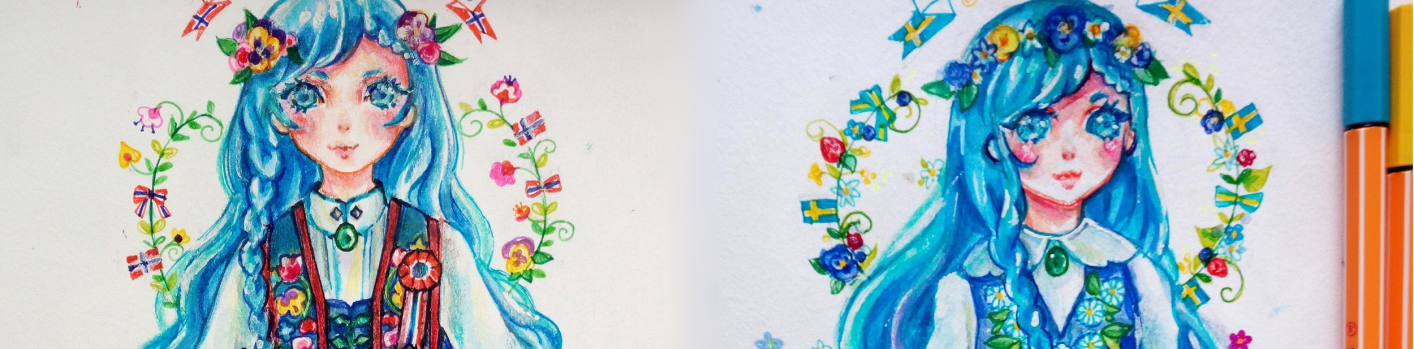
February 6th is, other than my birthday, Sámi people’s National Day.
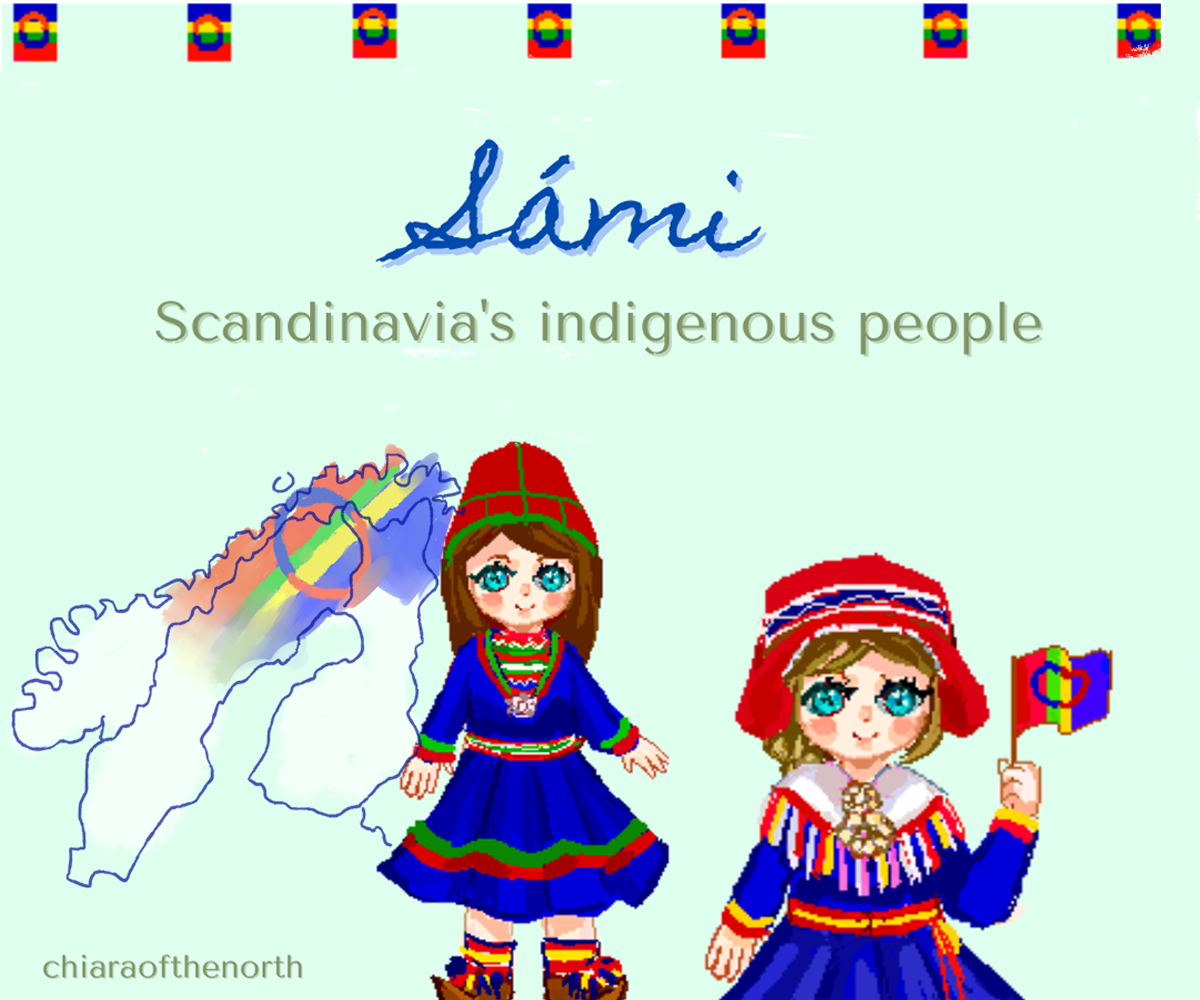
The Sámi – also spelled Saami – are an indigenous people inhabiting Sápmi, which today encompasses large northern parts of Norway, Sweden, Finland and Russia. The Sámi have historically been known as Lapps or Laplanders, but these terms are usually regarded as offensive. There are about 100,000 Sámi people, divided by the borders of 4 states: Norway (ca. 60.000), Sweden (30.000), Finland (8.000) and Russia (2.000).
The Sami are well known for their traditional occupation of reindeer herding: around 10% of Sámi practice reindeer herding nowadays, which in some parts of the Nordic countries can be practiced only by Sámis.
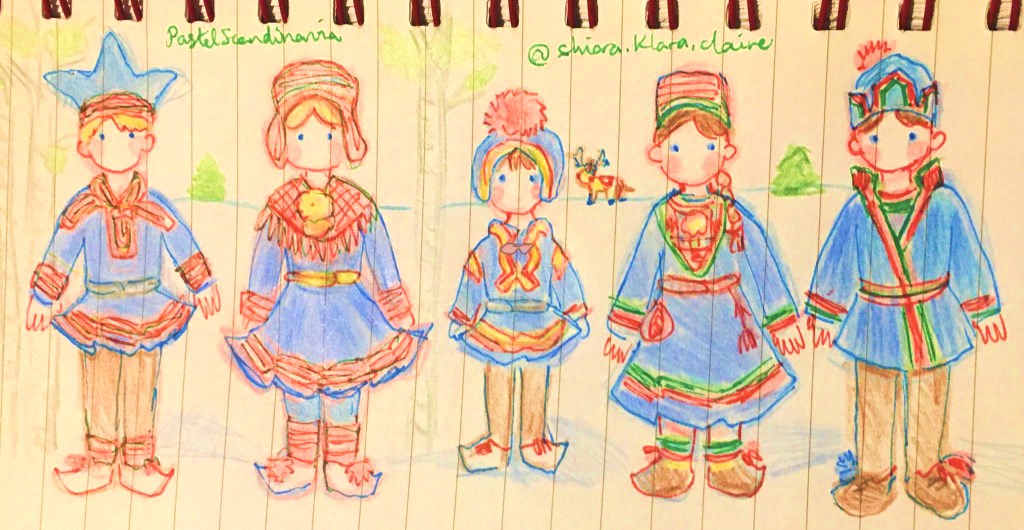
Sami people mantain a strong cultural identity while being citizens of their countries, from languages – which are related to Finnish – to traditional clothing and a Sami flag.
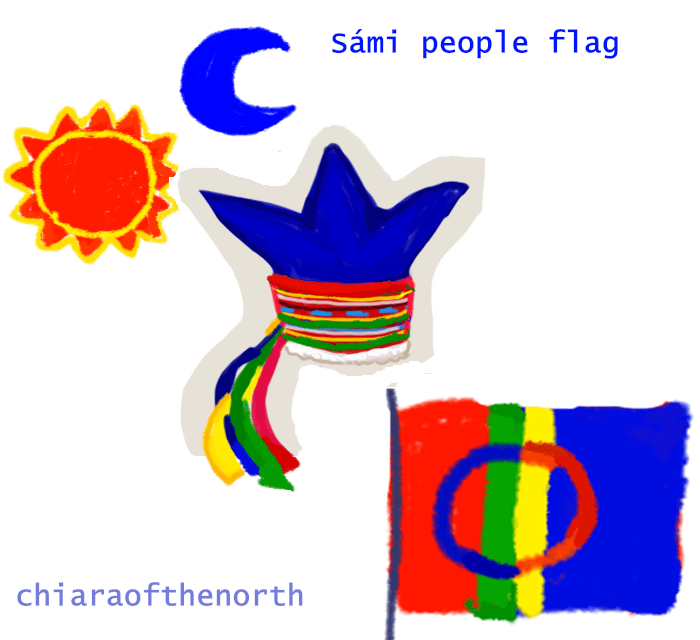
Sami people of Norway, Sweden, and Finland also reunite in Sami parliaments of each country since the late 20th century, and have a joint Saami Council. The first meeting of Sami across borders in 1917 became Sami national Day, on 6th February.
After religious missions and colonisation of Northern Scandinavia, Sami people were subject to discriminization and forced assimilation – from prohibiting them to enter territories to the south in Sweden or buying land in Norway, to the Systematic Norwegianization in the 1860s.
The majority of the Sámi now speak the majority languages of the countries they live in and all Sámi languages are at some degree of endangerment.
Sámi languages had been illegal for centuries in Sweden and Norway, with assimilation policies and special residential schools (similarly to what happened in North America with indigenous people). This left many with traumas, not speaking Sámi languages to children as a way to protect them.
This started to change with laws, the funding of Sami parliaments, and recognization of Sami as indigenous people of Scandinavia, giving them the right to education in their language. Despite this, most Sami languages are endangered
Recommendations
- the movie Sameblod, or Same Blood in English (2016), directed my Amanda Kernell. It is set in Sweden in the 1930s and concerns a 14-year-old girl who experiences prejudice at a nomad school for Sami children, and decides to escape her town and disavow her Sami heritage. Parts of the story are inspired by Kernell’s own grandmother.
- books by Ann-Elen Laestadius: Stöld (stolen is the English title- with a Netflix adaption from 2021 as well), Straff (punished in English)
- Sami singers: Jarnna (their Nilas jojk was my favourite song to calm down in an incredibl stressing period), Jon Henrik, Elin Oskal
Sources :
- Samiskeveivisere.no – Samer og nordmenn i Norge – Samiske Veivisere
- Store Norske Leksikon – snl.no/samer
- sametinget.no
- samer.se
- YLE’s Say it in Saami quick guide to Saami culture
 a Polyglot illustrating Scandinavia
5 thoughts on “Who are the Sámi? – The indigenous people of Scandinavia and their history”