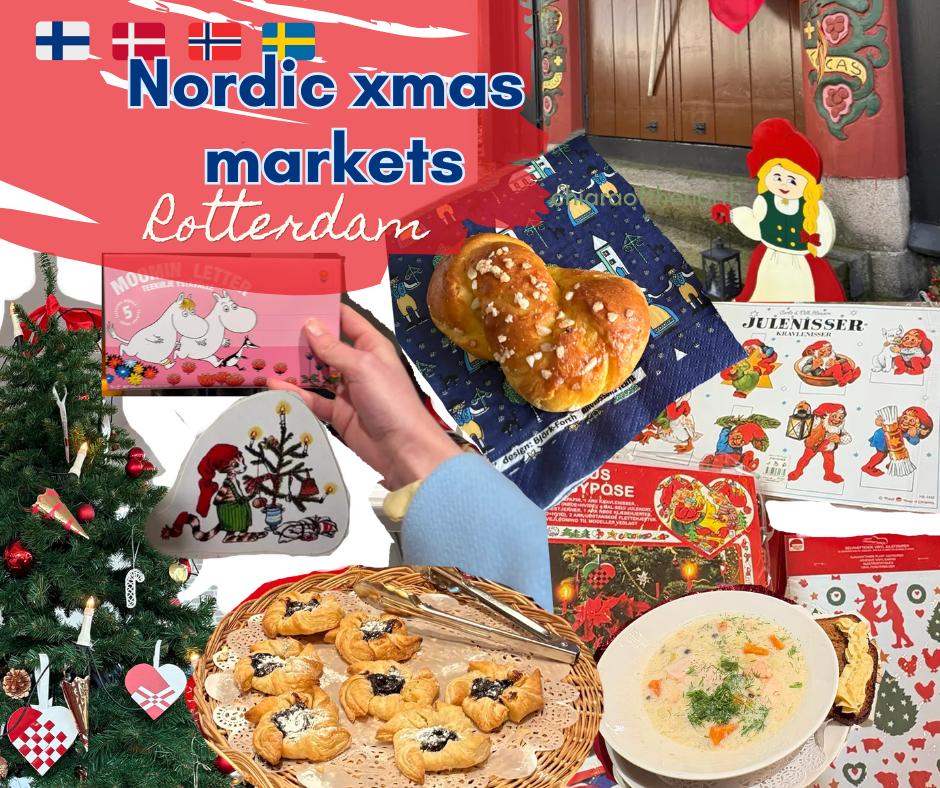
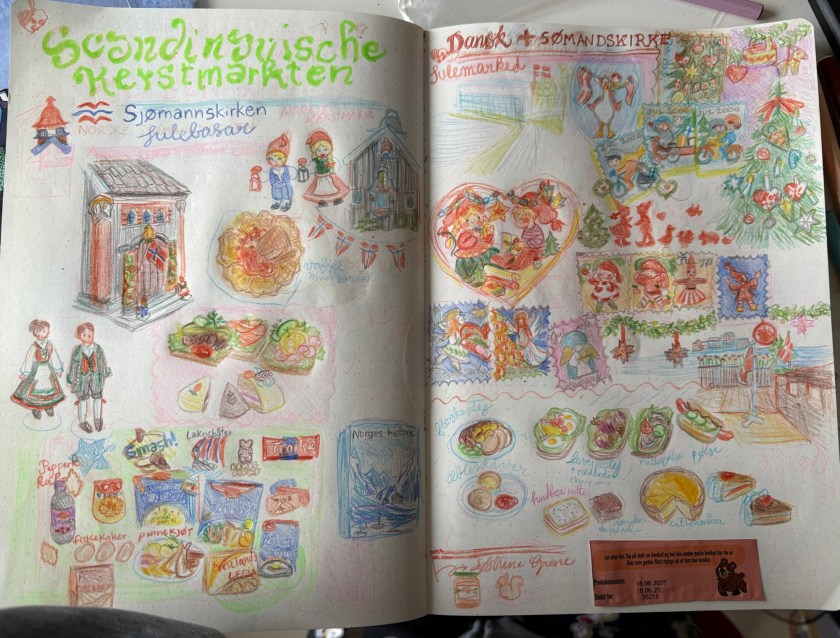
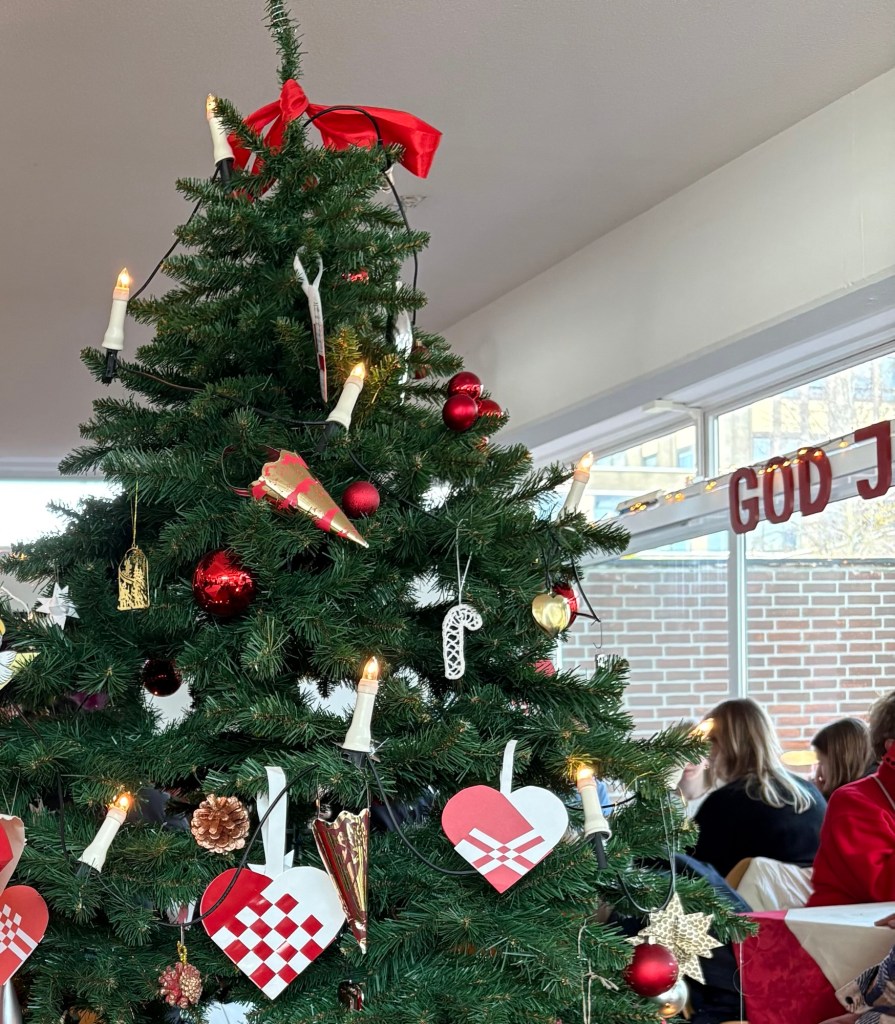
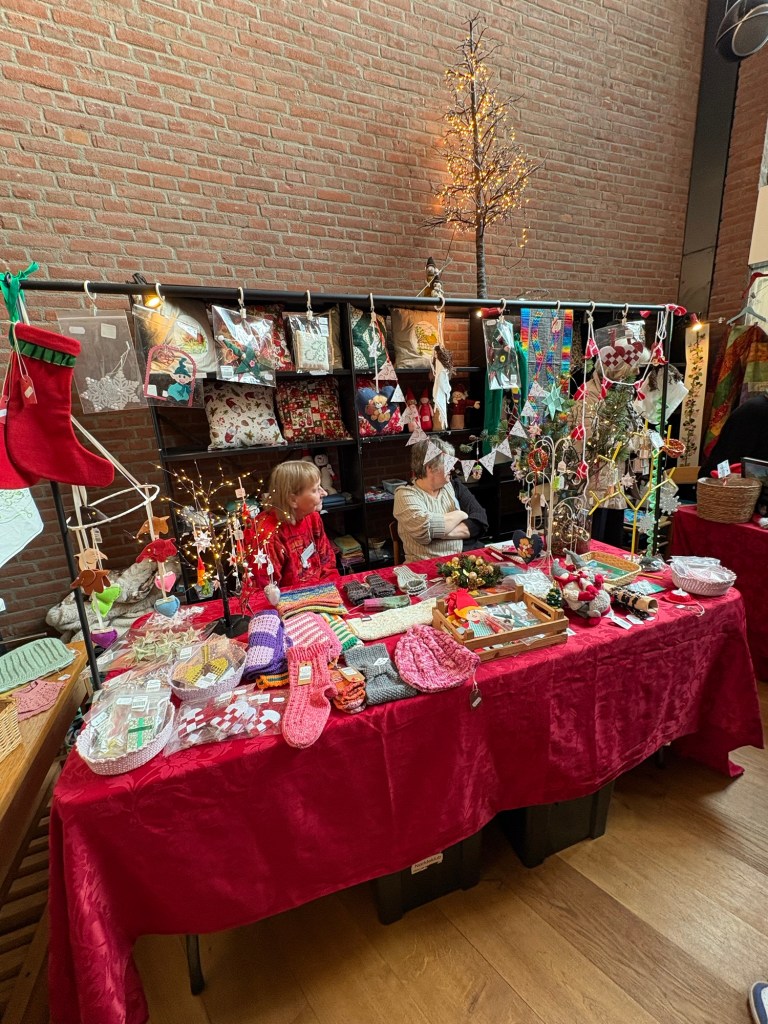
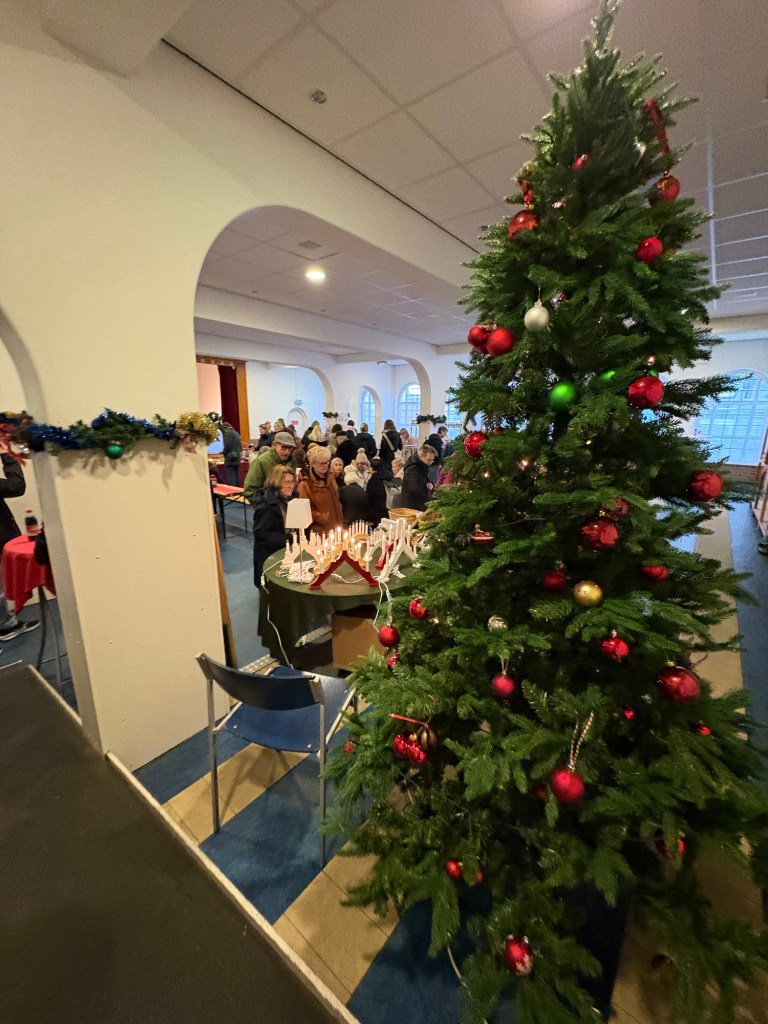
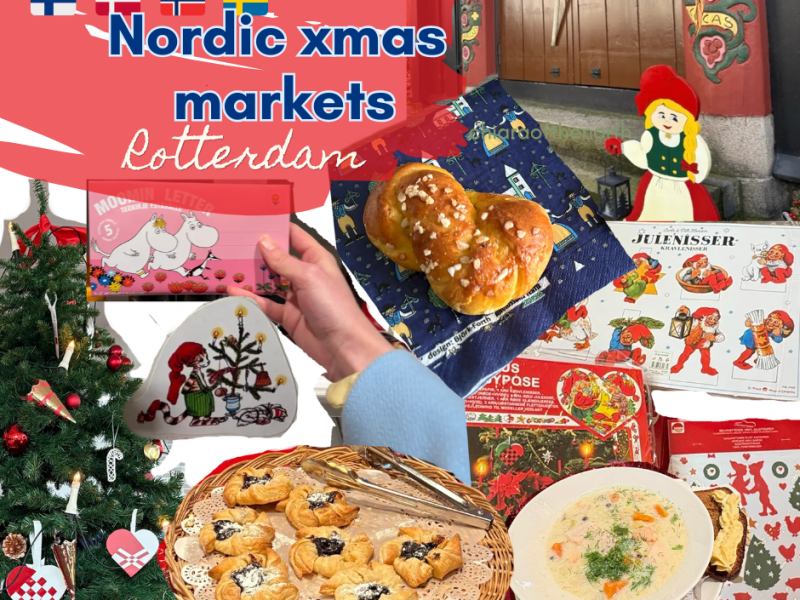
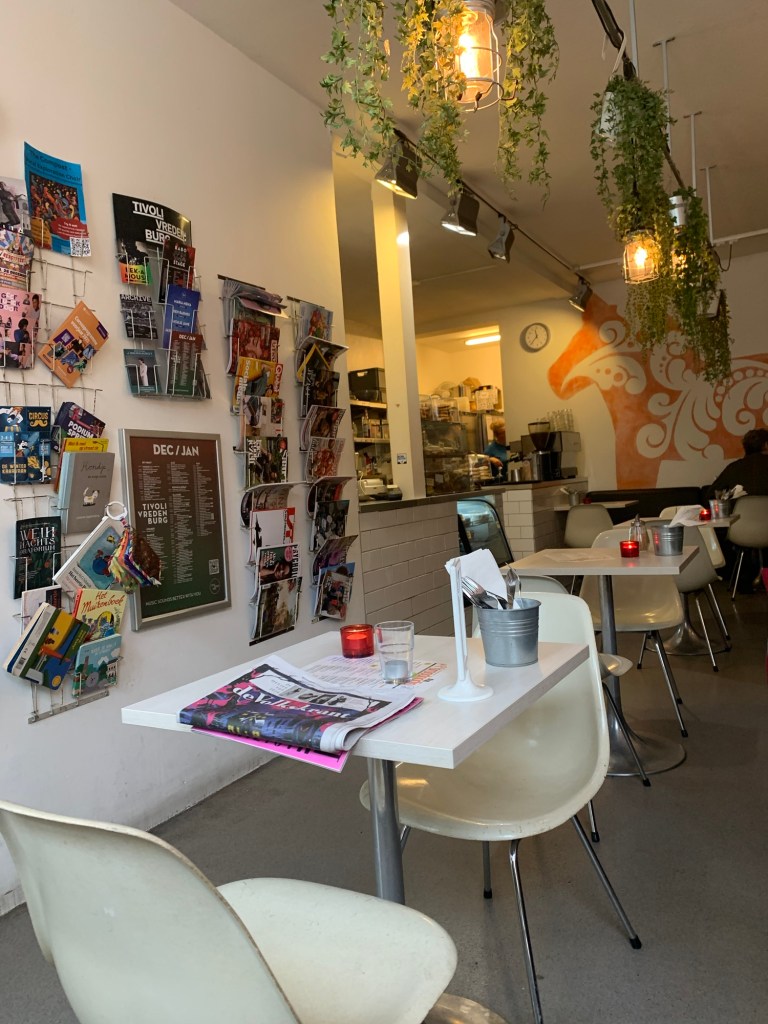
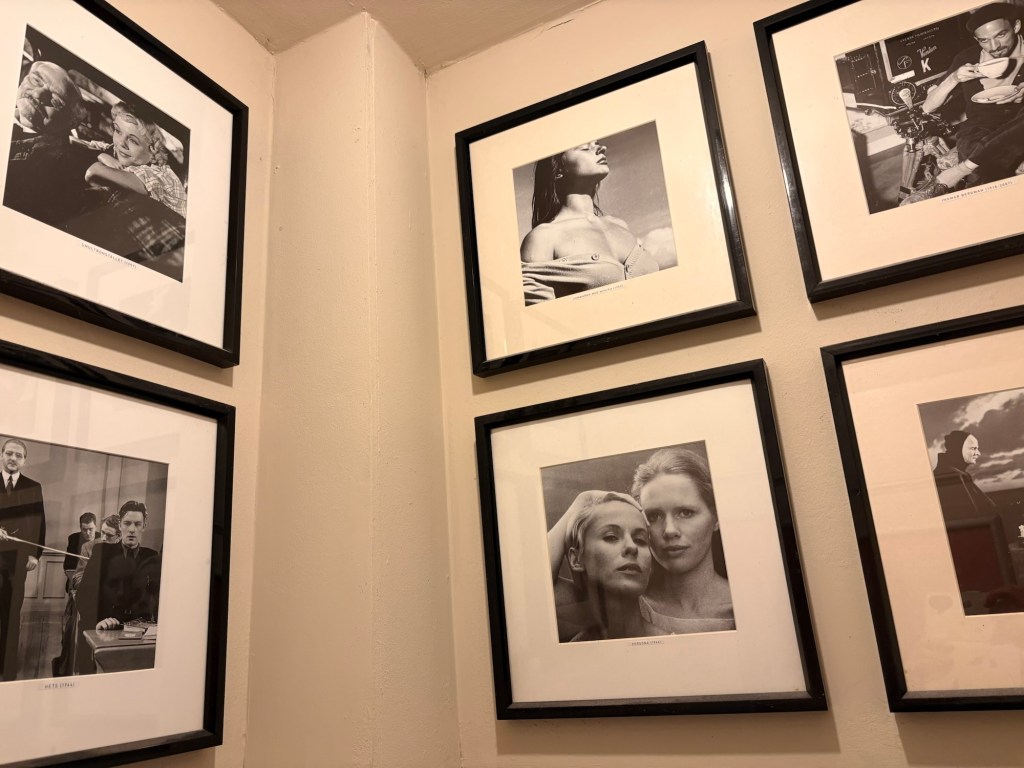
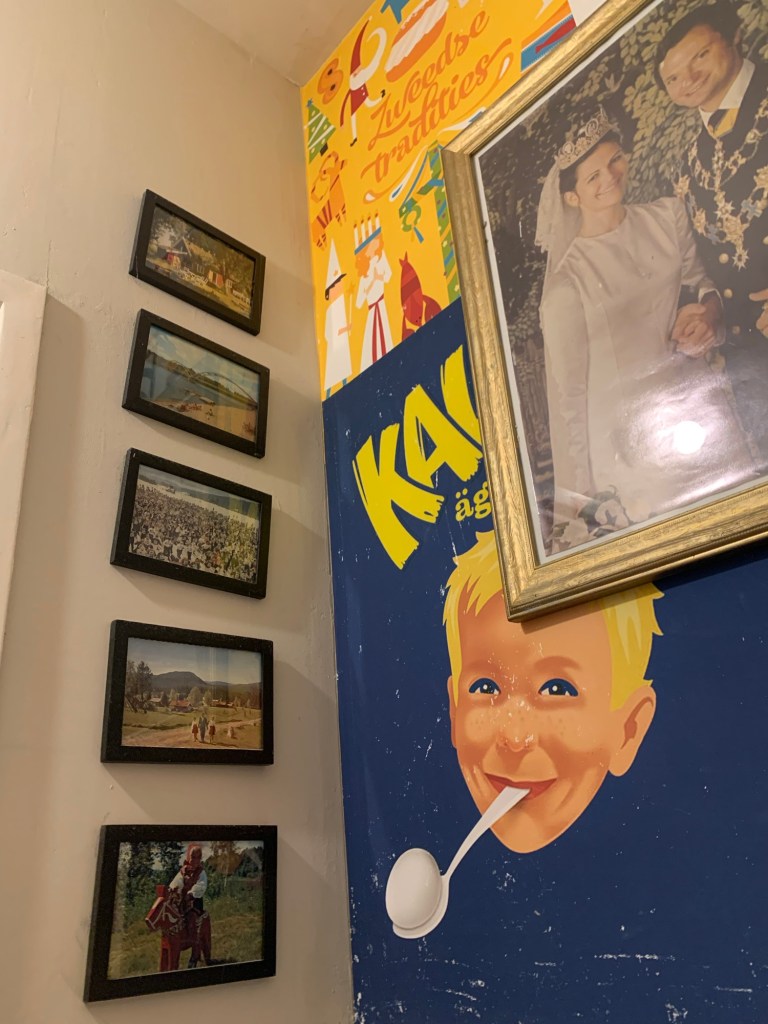
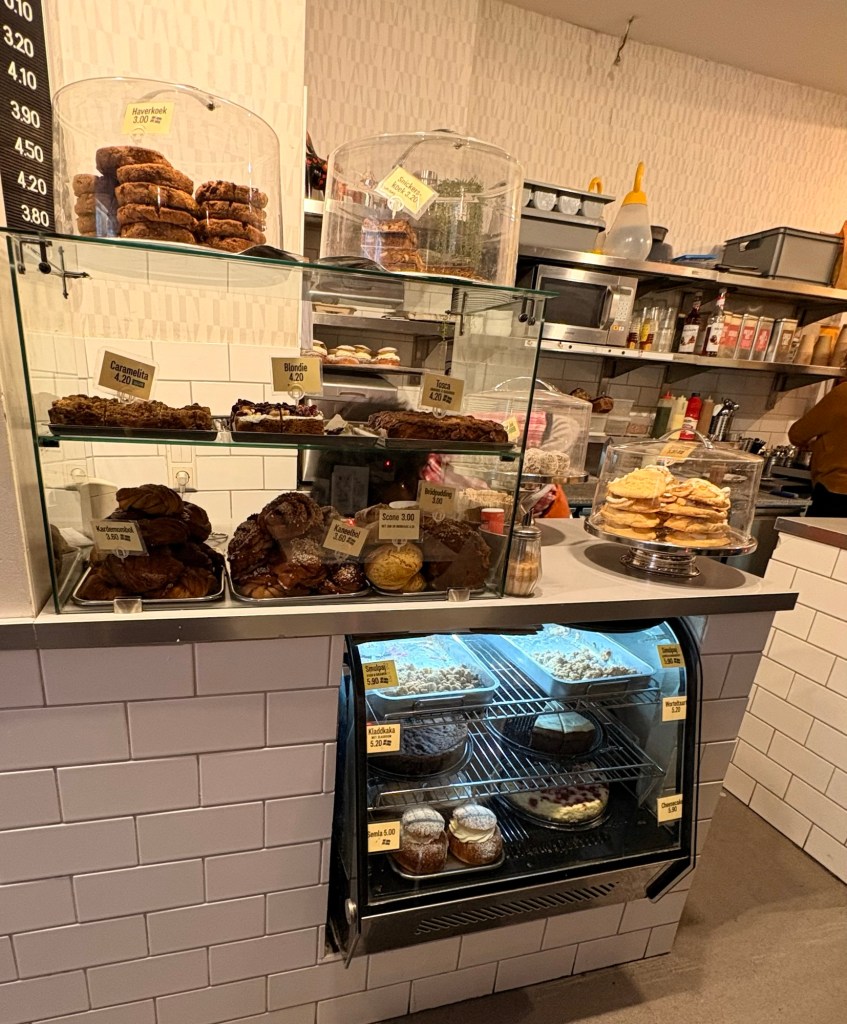
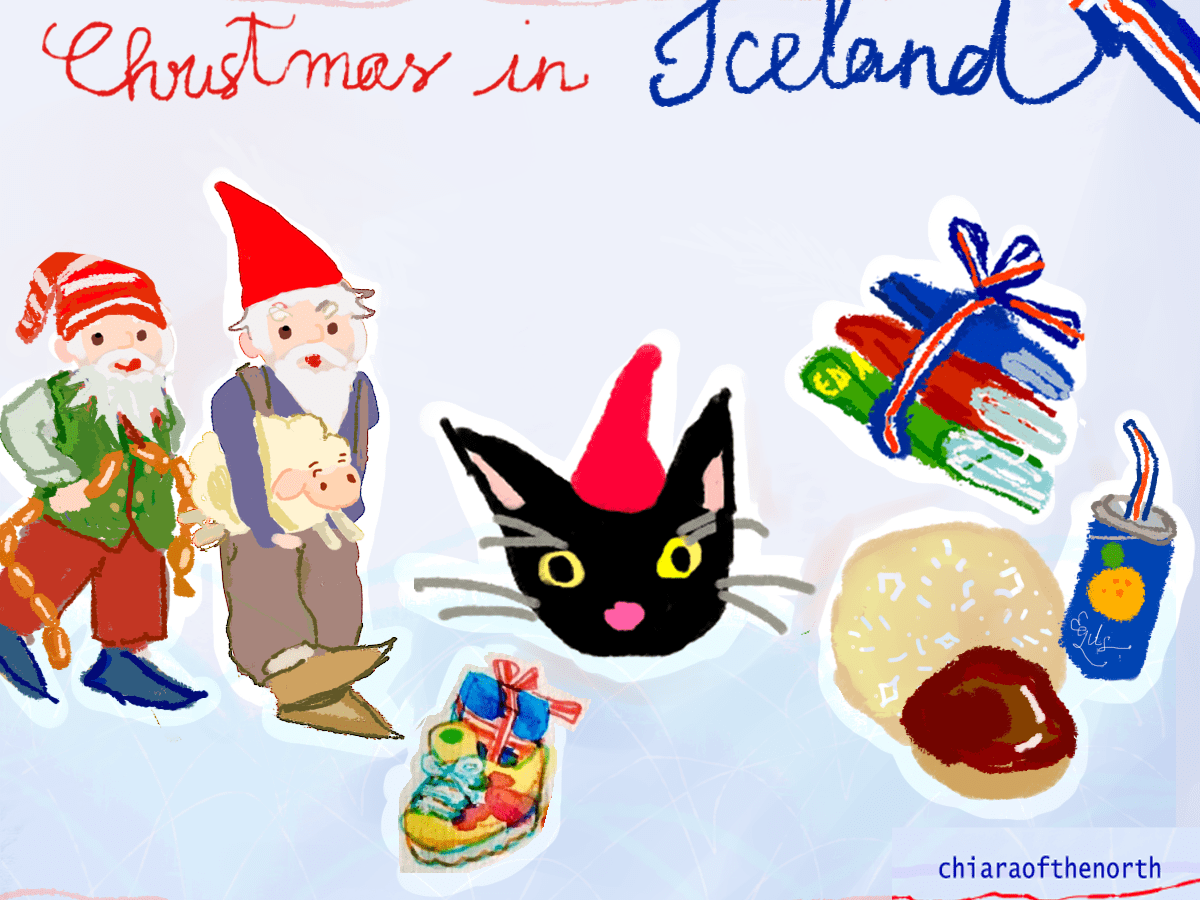
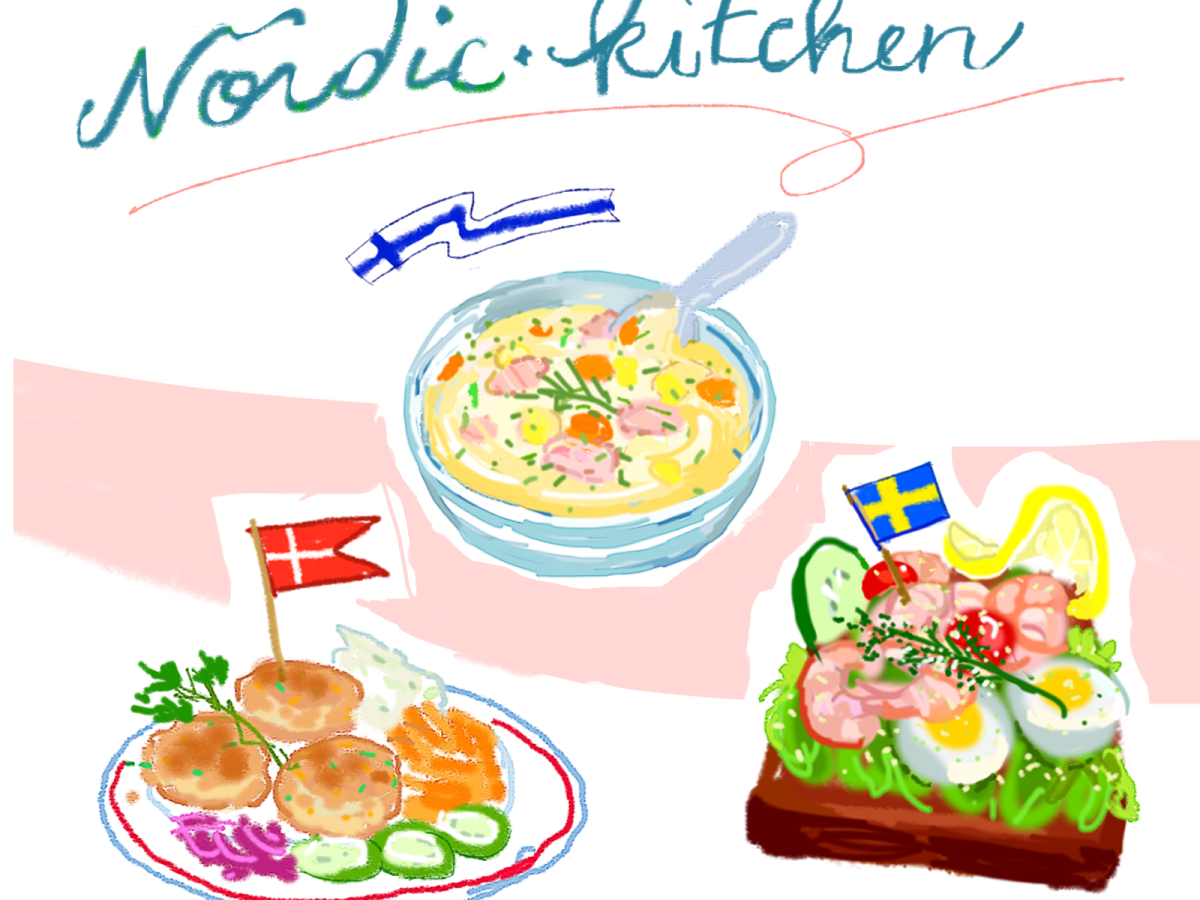
Norwegian, Danish, Finnish and Swedish Christmas markets in Rotterdam. Christmas decorations, imported typical Nordic products for sale, a cafe with lunch and cakes in each of them!
Nordic seamen churches in Rotterdam organise every year their Christmas markets in November. You can purchase food products from Scandinavia and have lunch and coffee with cakes at their cafes! Second hand books were also to find. Every church had a lottery as well!
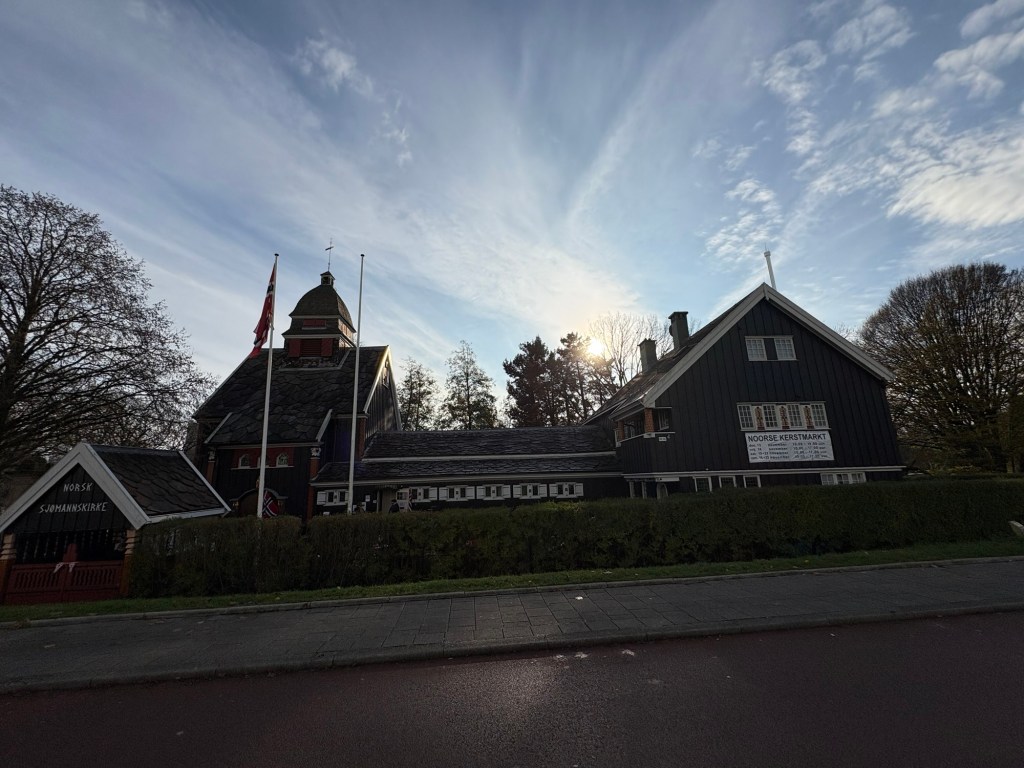
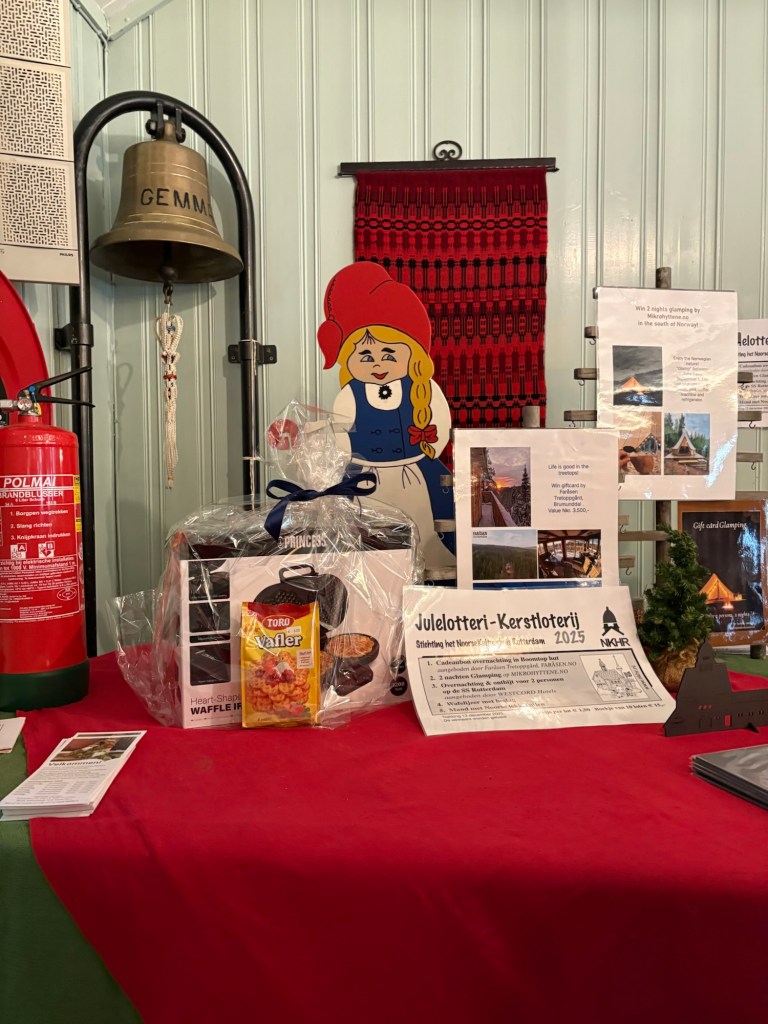
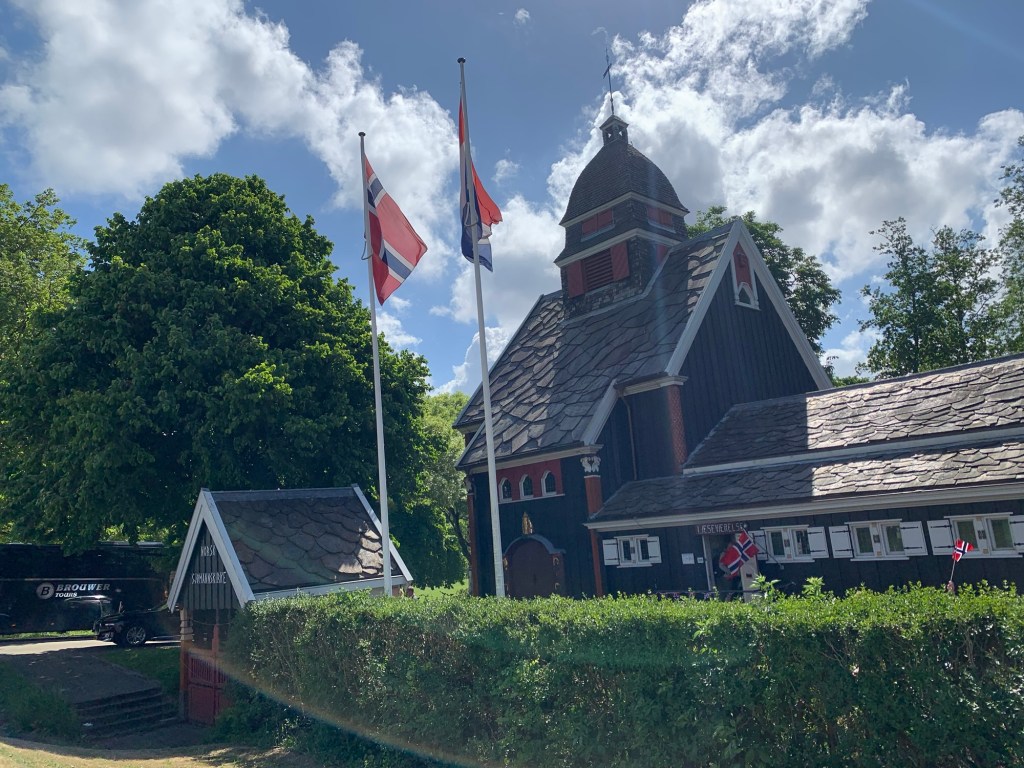
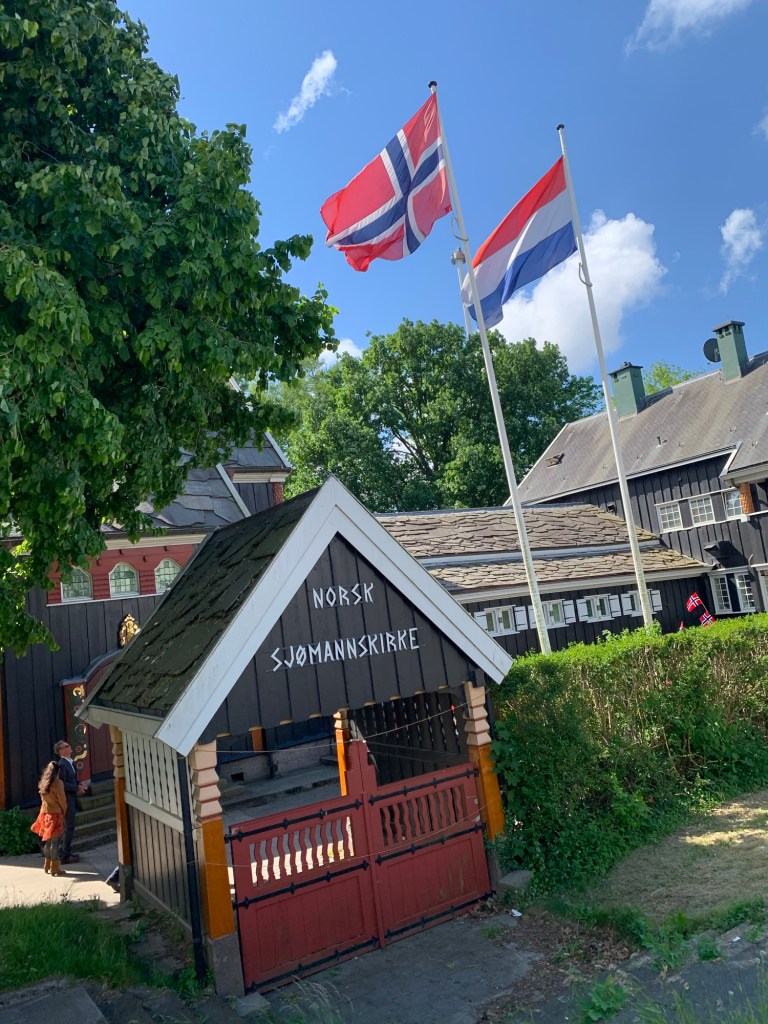
Norsk Sjømannskirke / Noorse zeemanskerk/ Noorse kultuurhuis
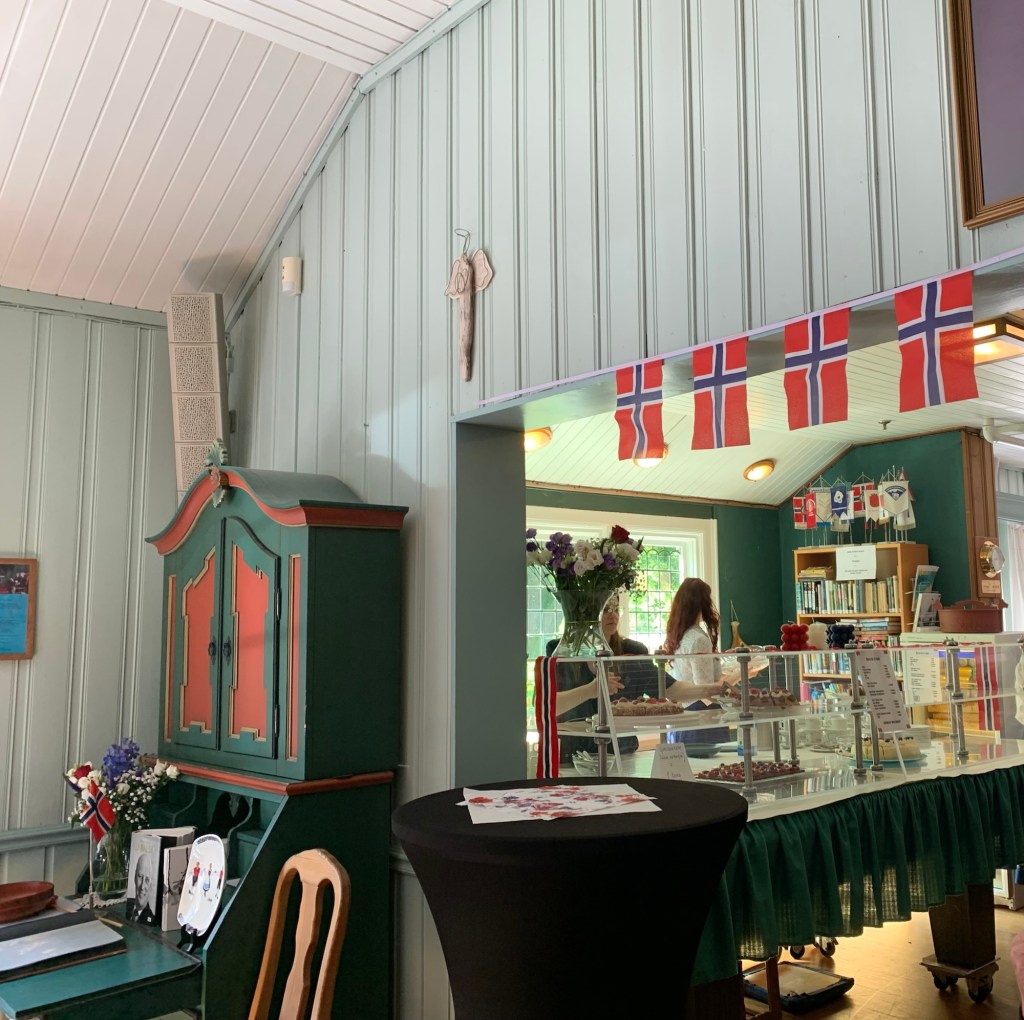
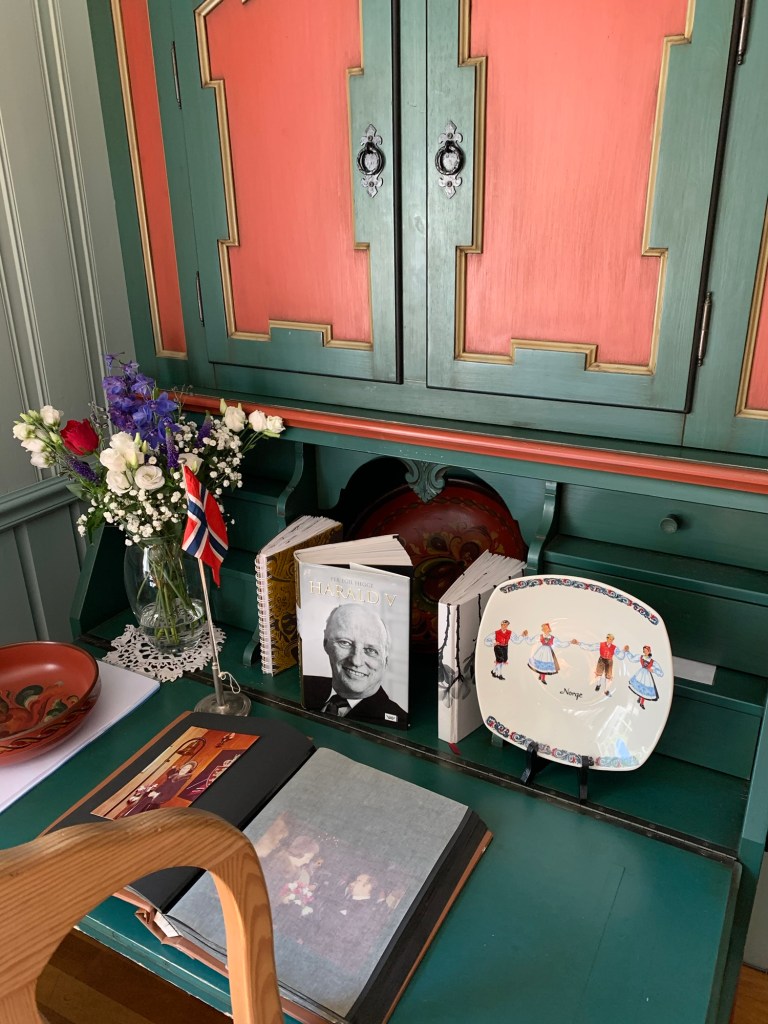
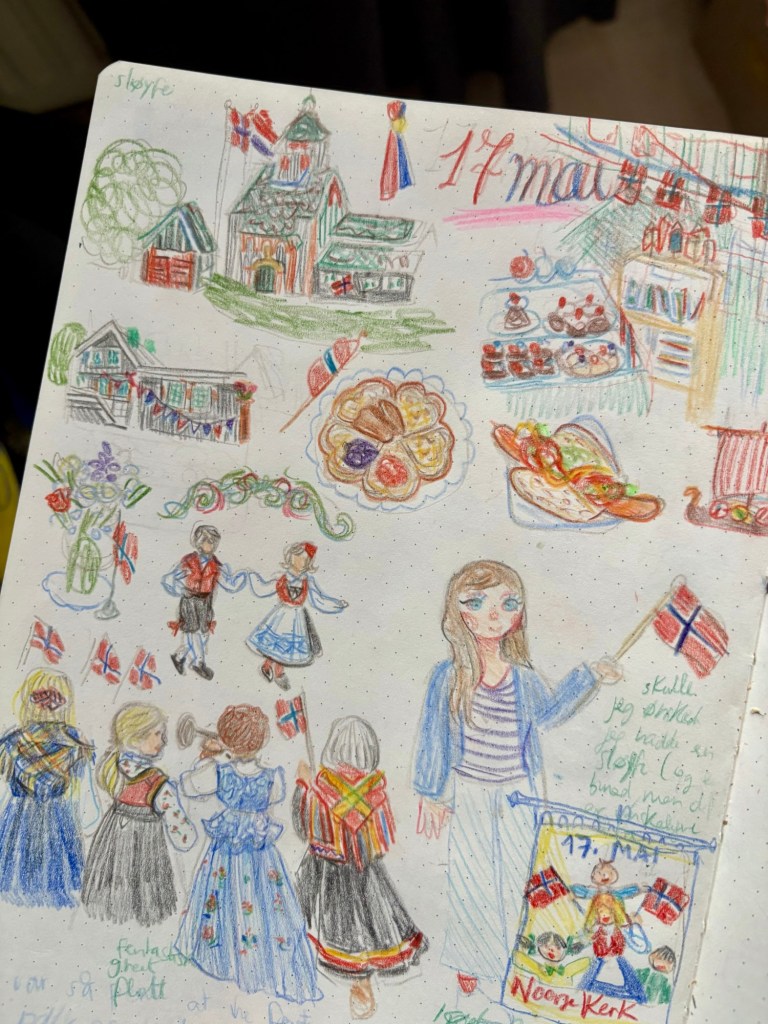
First went to the Norwegian one. I had already been there on 17th May for Norwegian National Day. Their church is so beautiful.
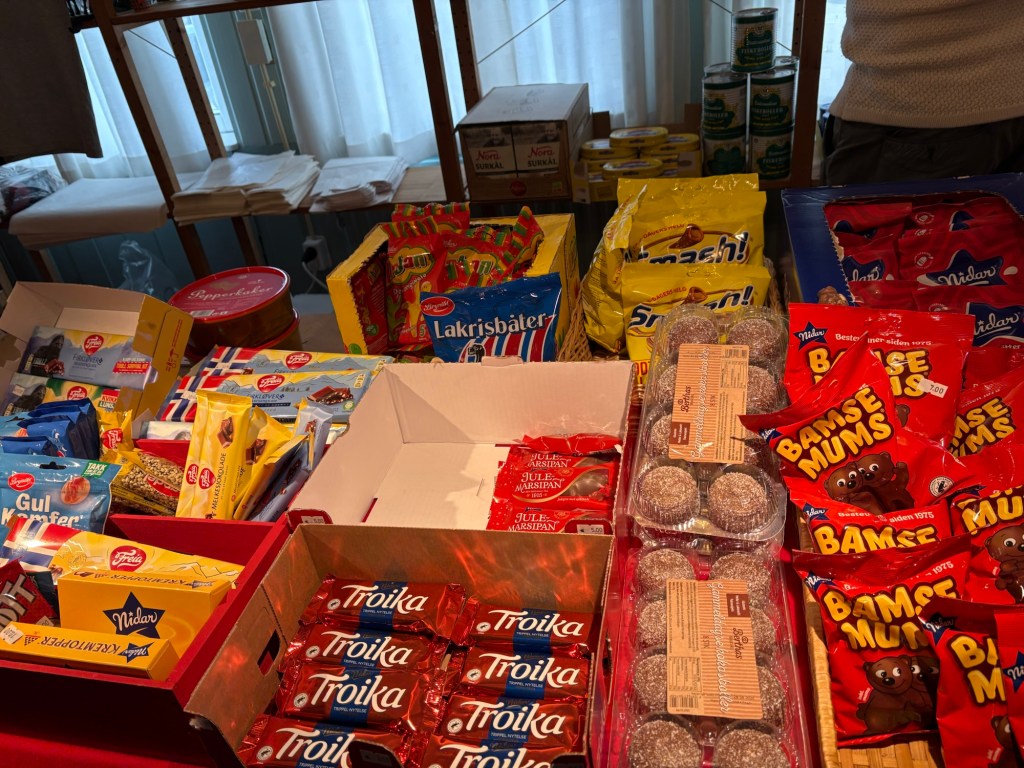
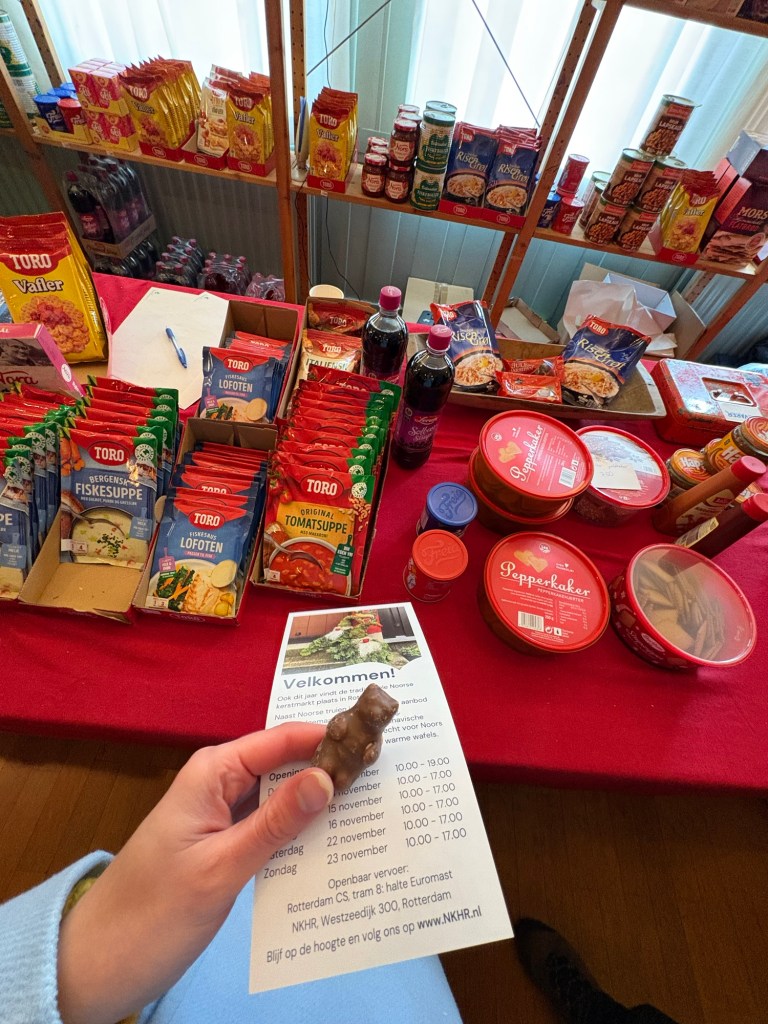
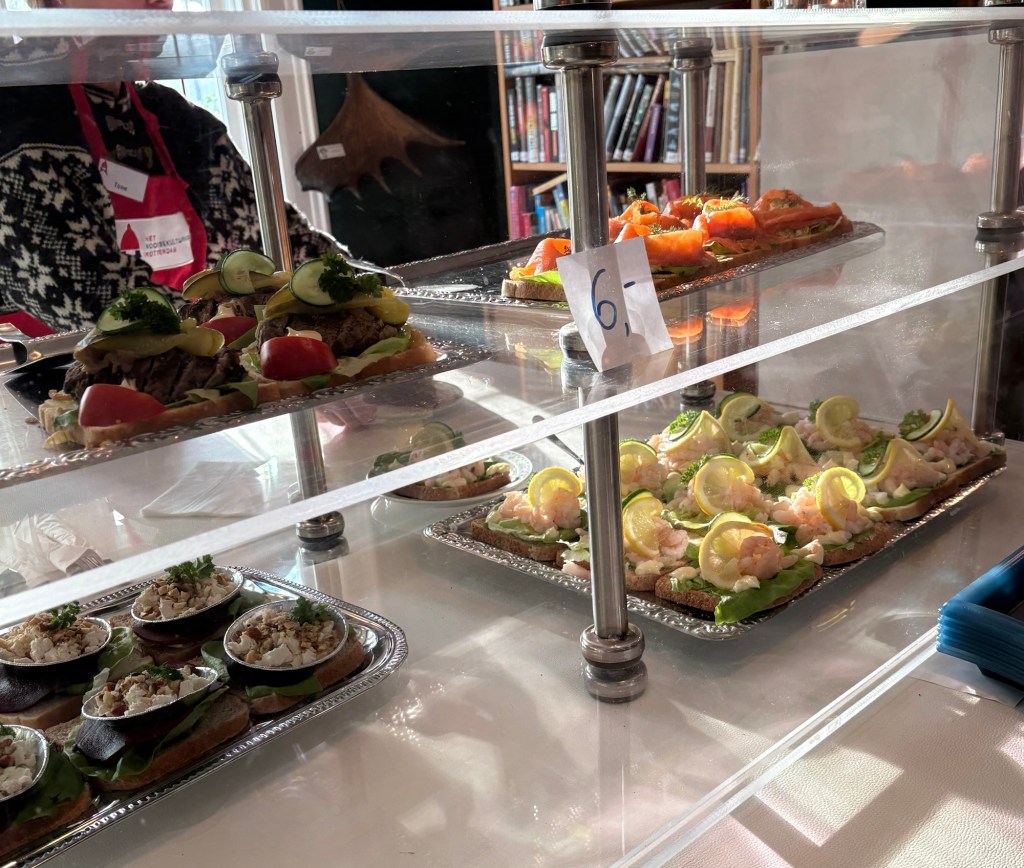
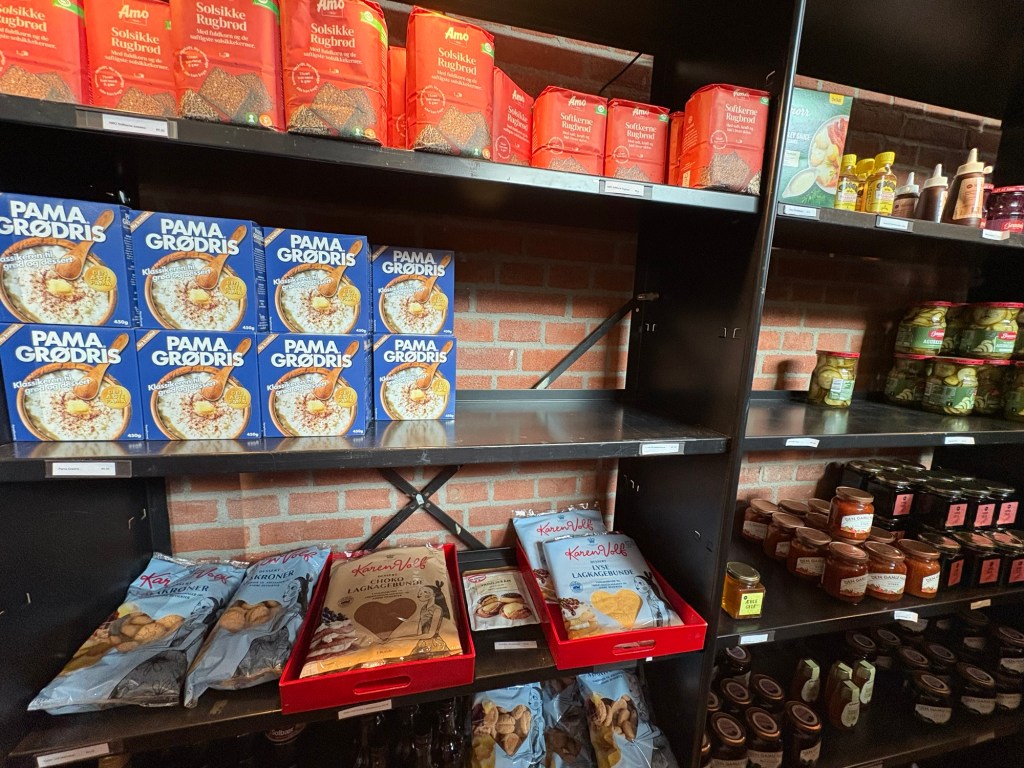
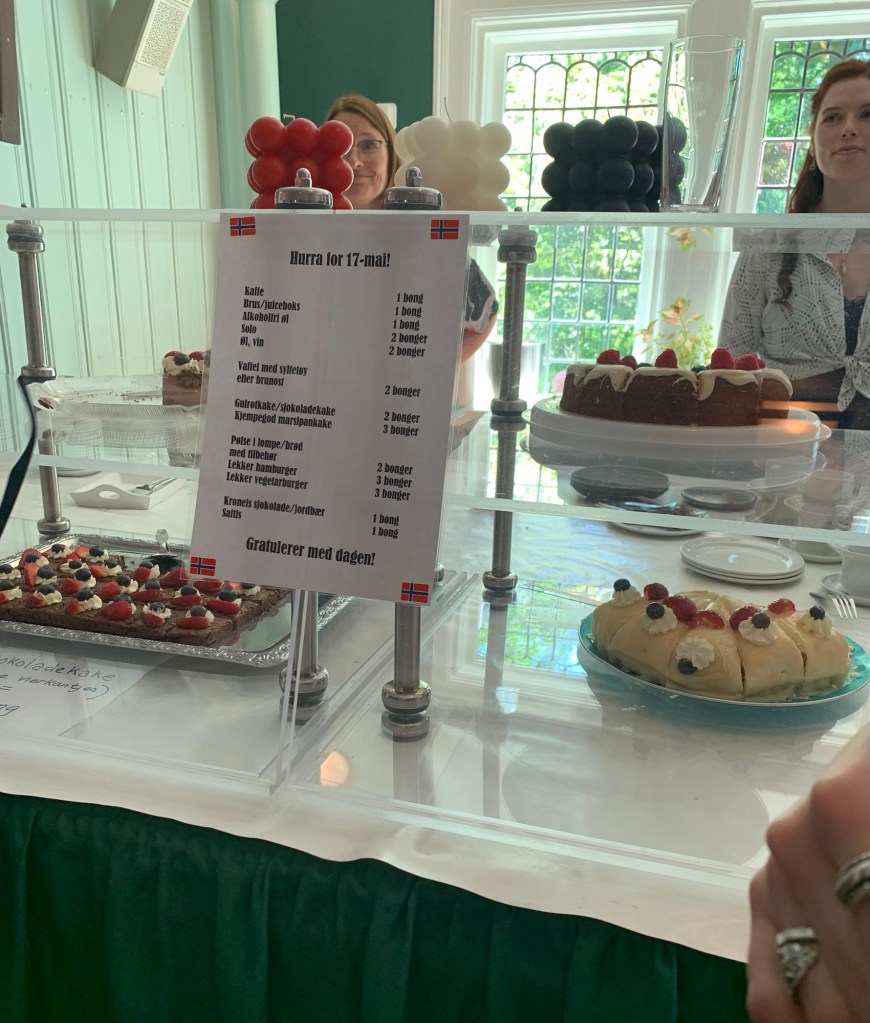
Lots of food products to buy, open sandwiches and cakes were sold in the cafe.
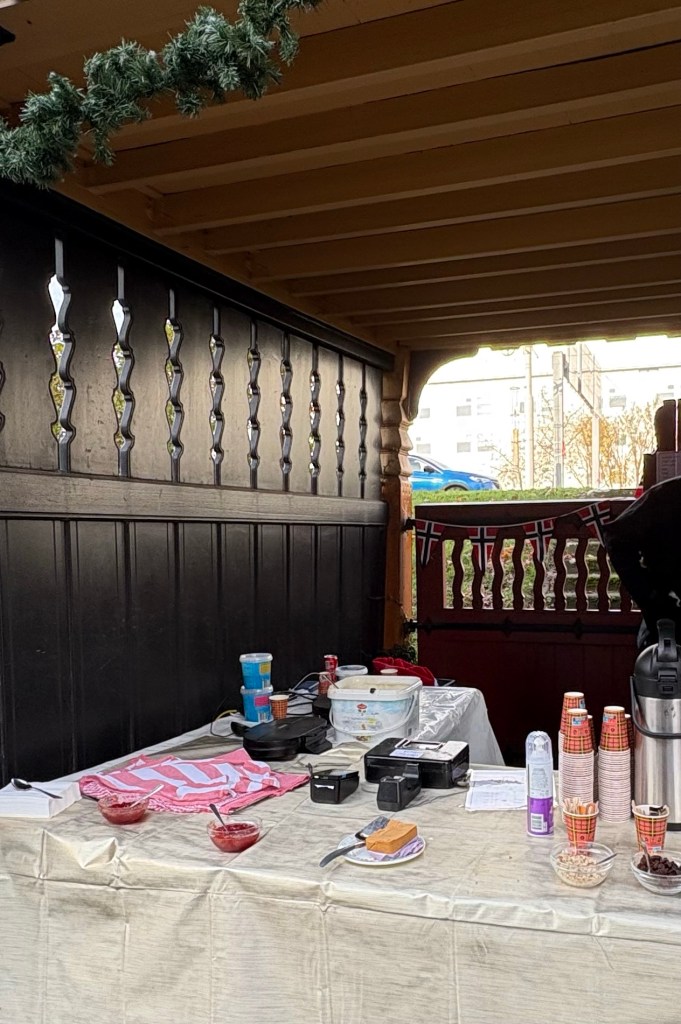
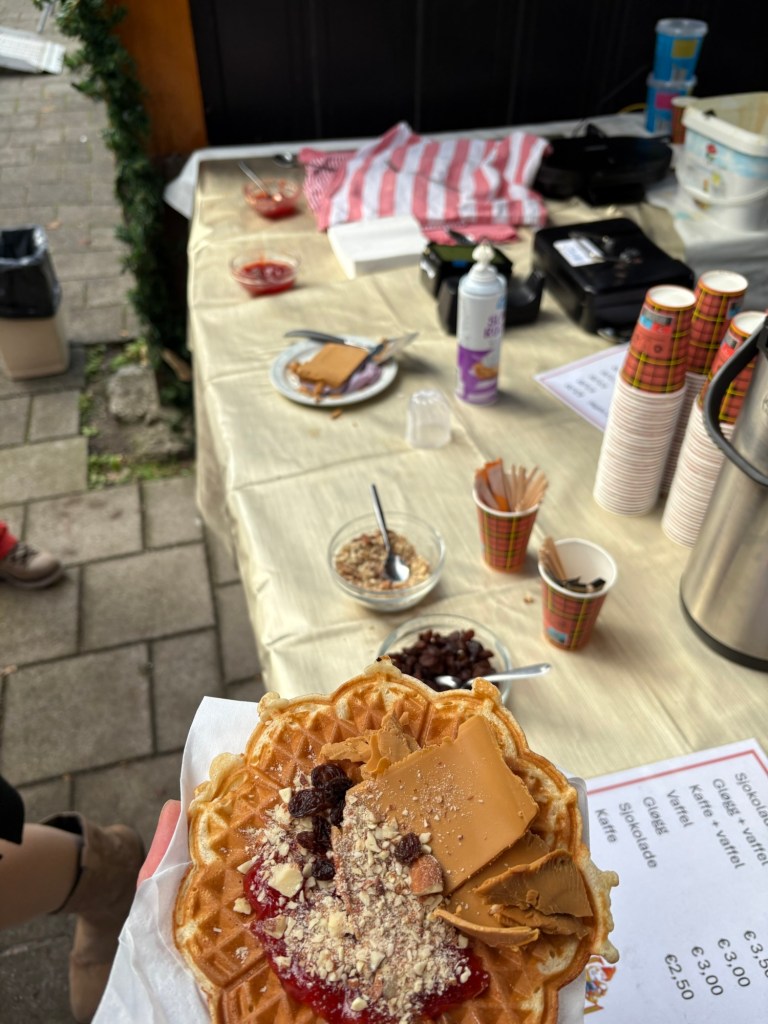
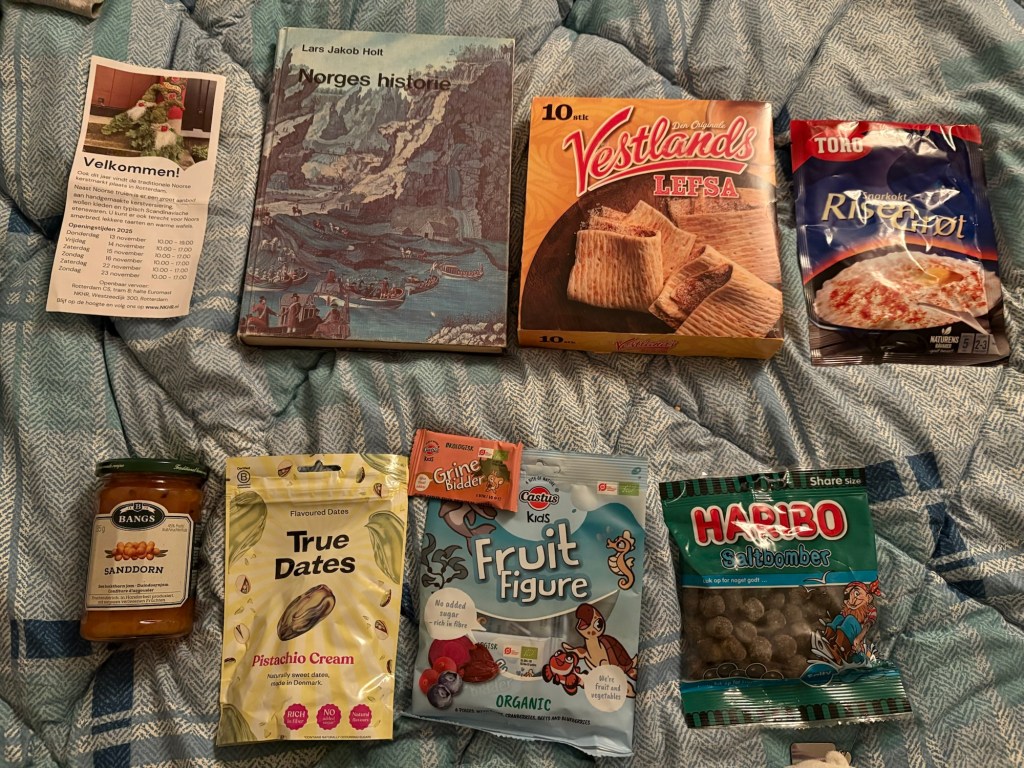
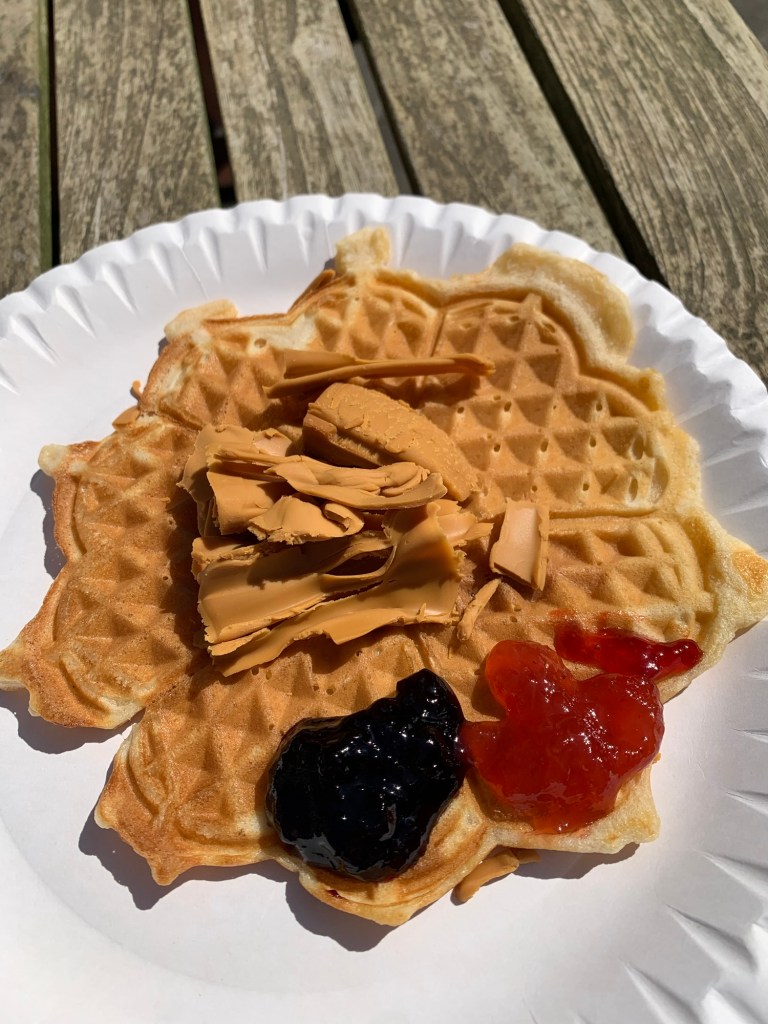
Of course I got a Vaffel !! I bought lefsa bread and risengrøt to try them.
Love that they have thrift books downstairs at the Norwegian Church so I got a book again…
Dansk Sømandskirke / Deense zeemanskerk
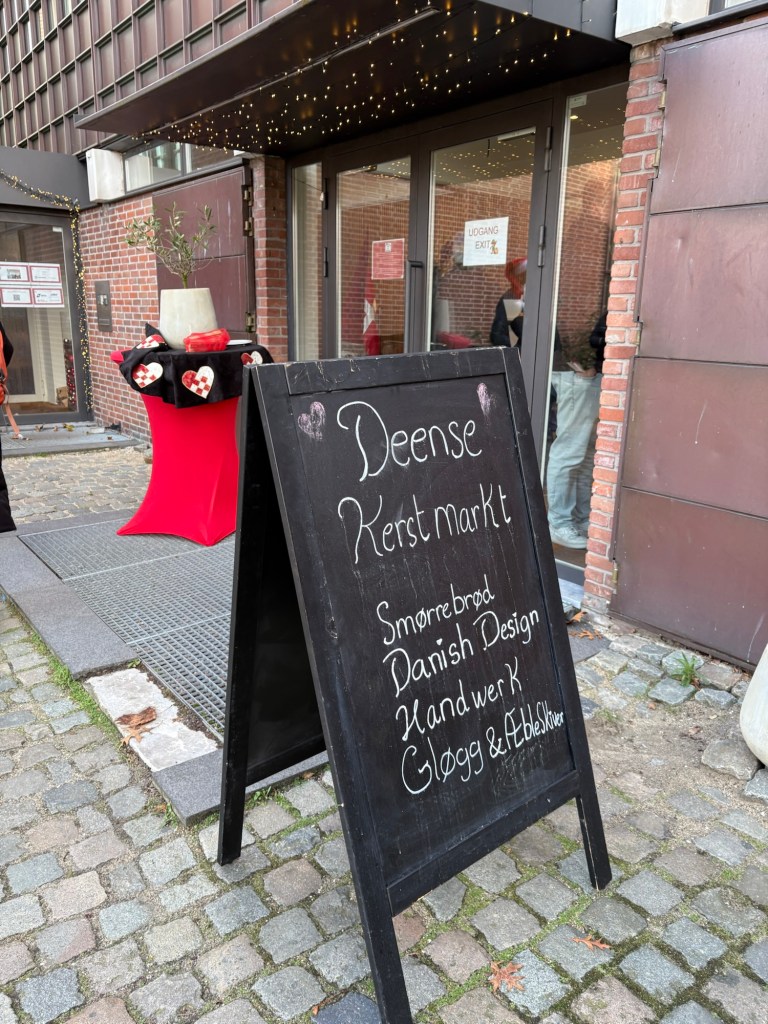
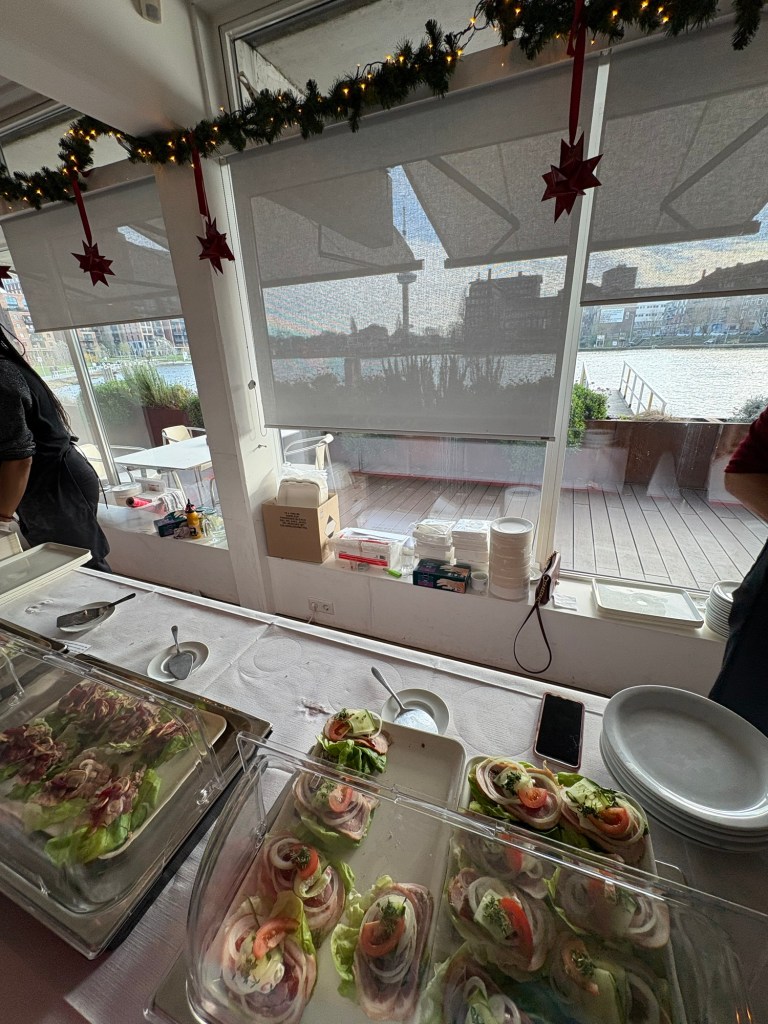
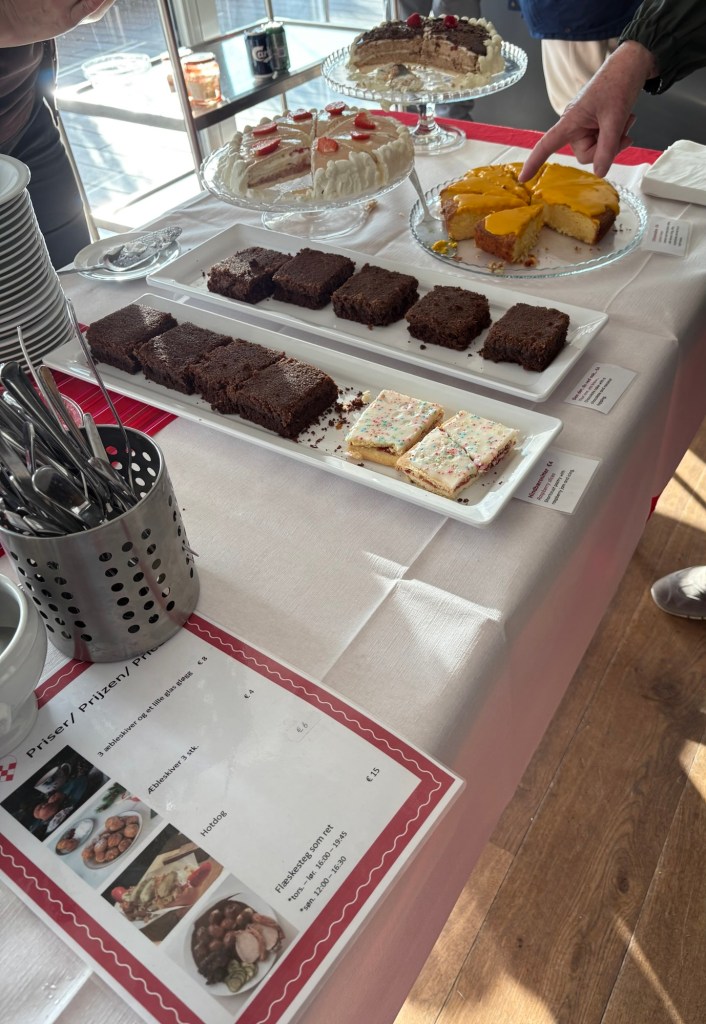
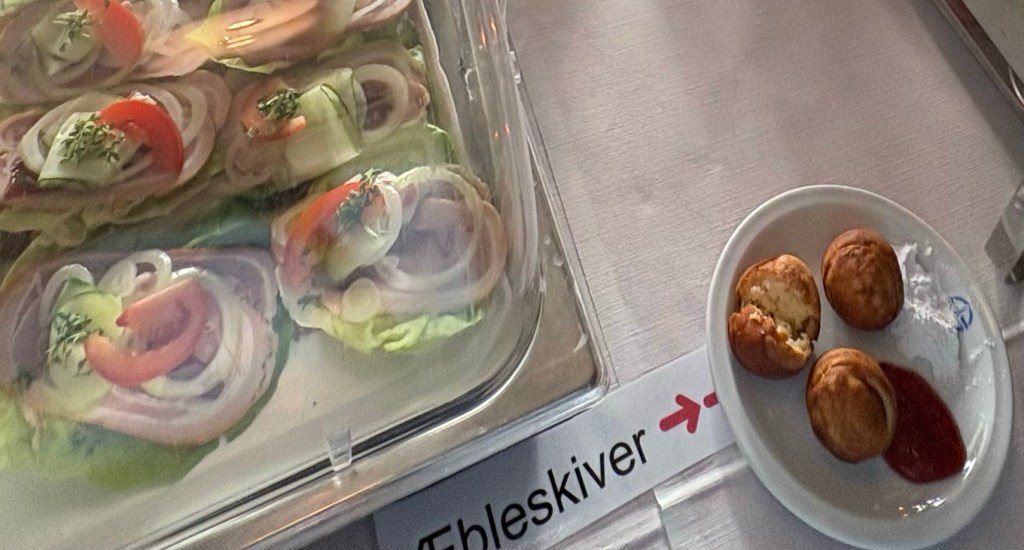
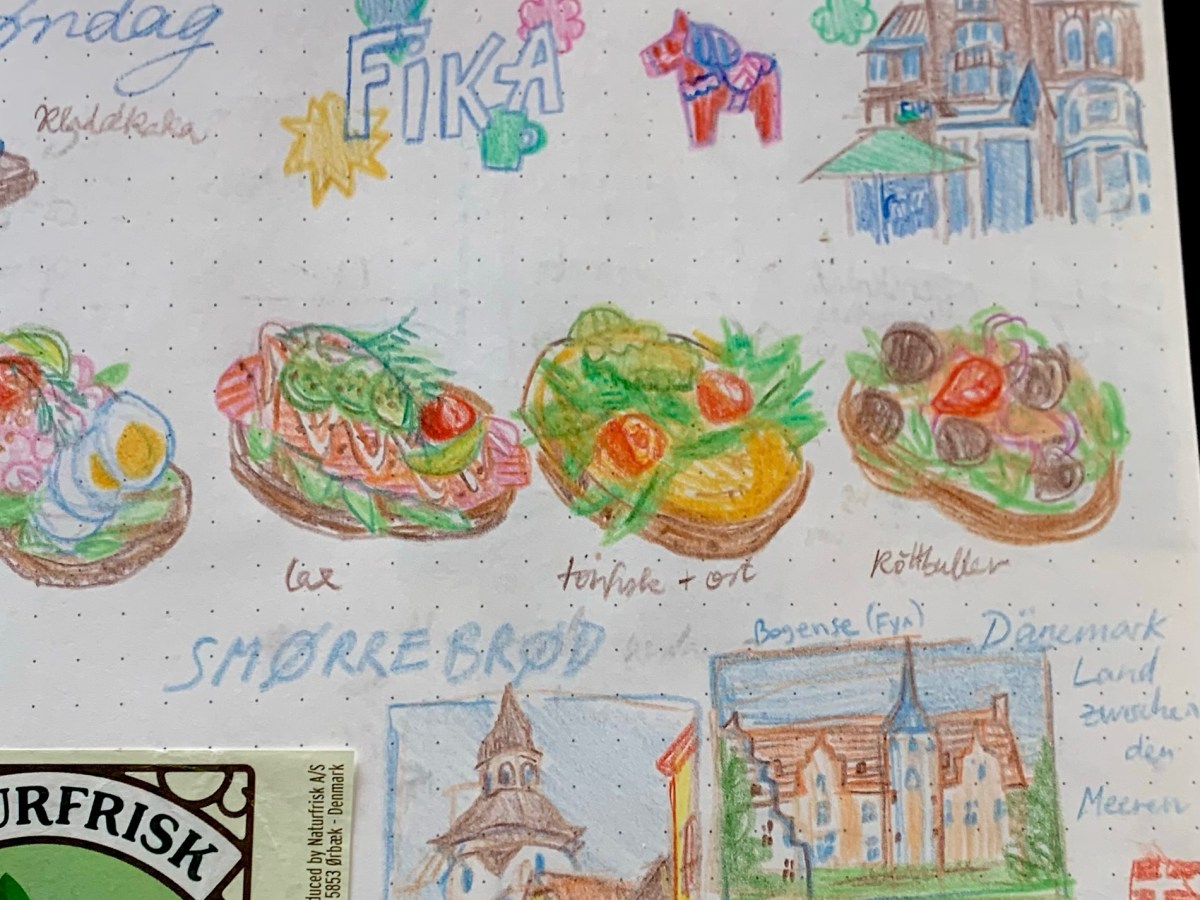
The Danish seamenchurch had several Smørrebrød available for lunch, hotdogs, and then a variety of cakes (hindbærsnitte, citronmåne..). And of course æbleskiver (Christmas mini pancakes, or a variation of poffertjes from a Dutch perspective). You could also order Flæskesteg, the typical Danish Christmas dish, as well!
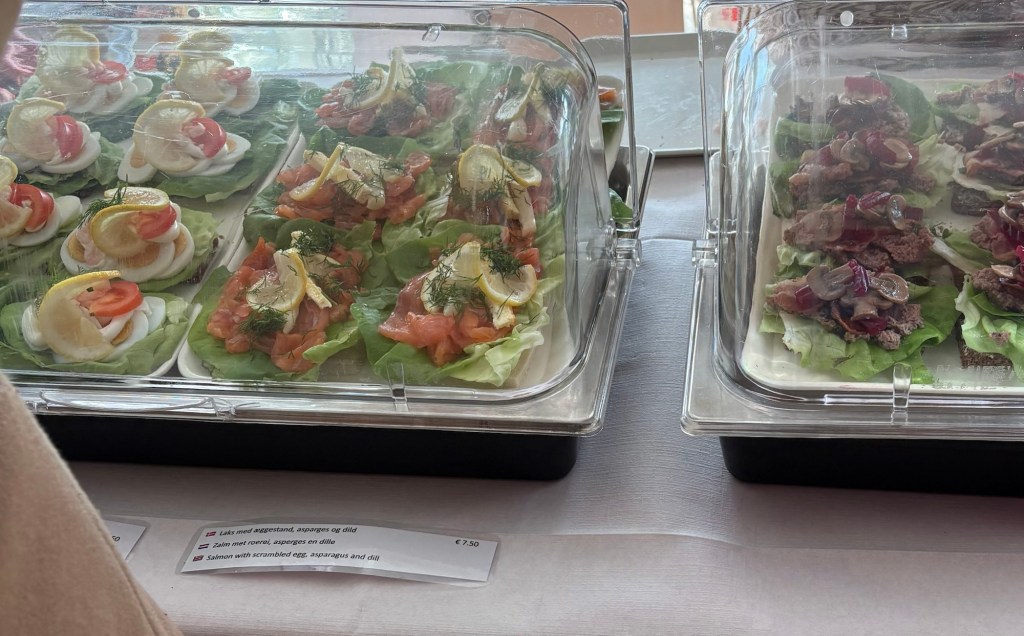
The available smørrebrød were rullepølse (sausage roll), eggs, salmon, leverpostej (pate). I ate a smørrebrød with leverpostej and mushrooms here, and æbleskiver
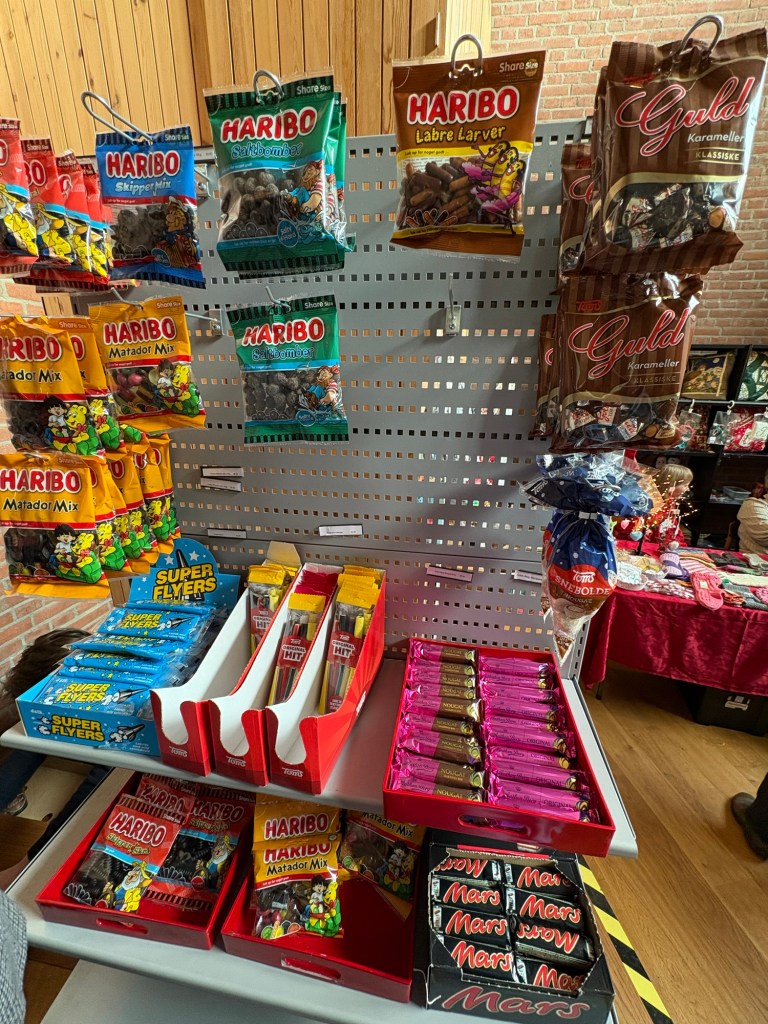
I got liquorice… they had a lot of candy here, nougat sweets as well
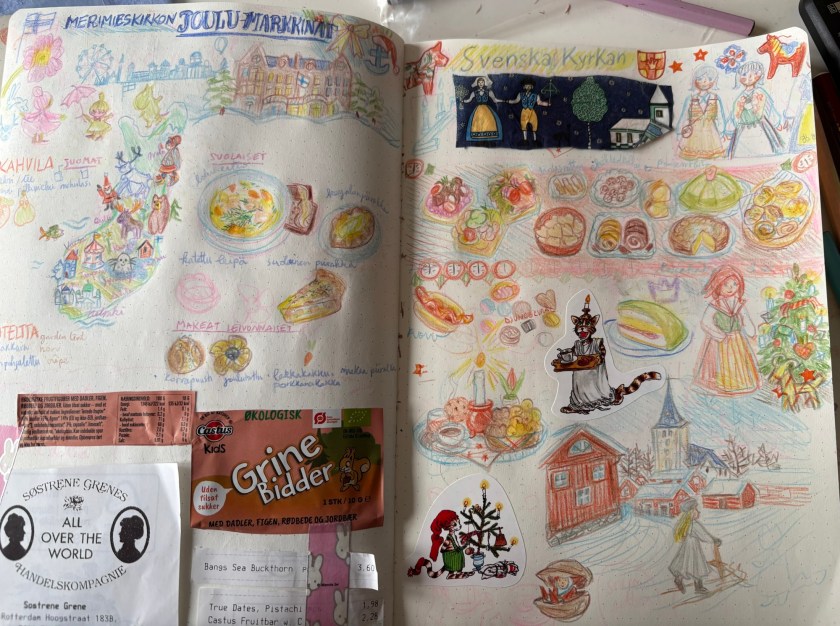
Between a Christmas market and the other, we also passed by Søstrene Grene, and I got havtorn jam, and Danish-brand date snacks.
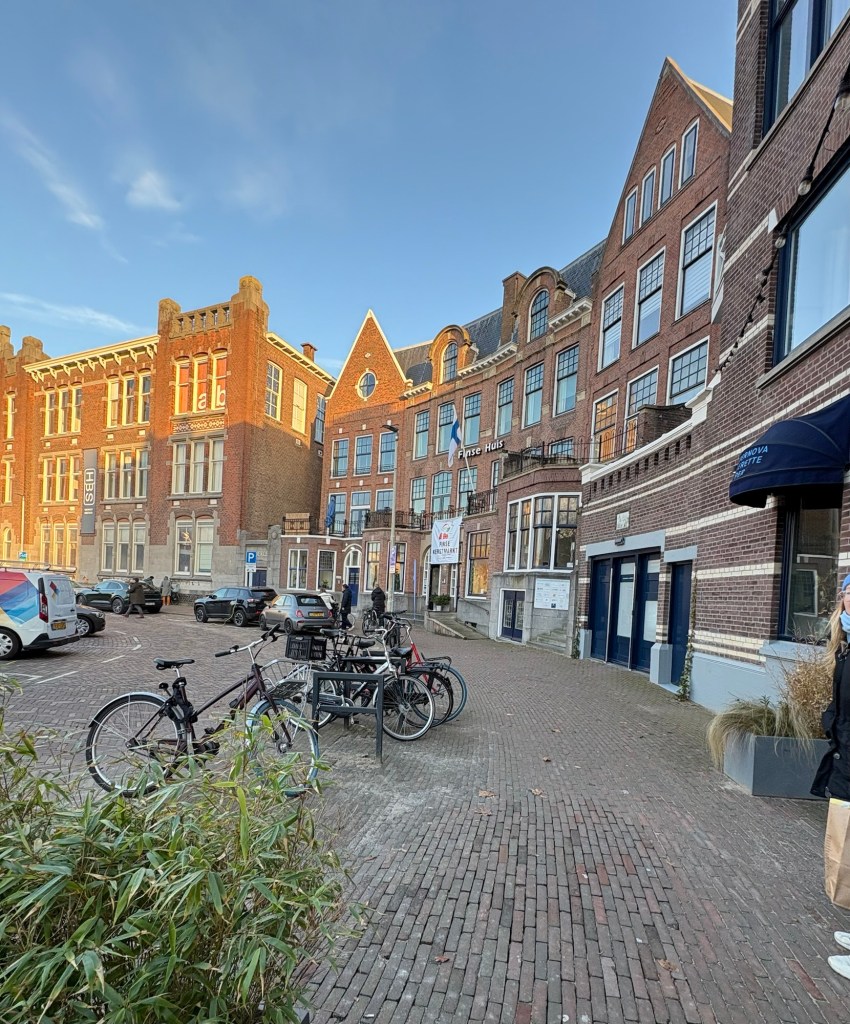
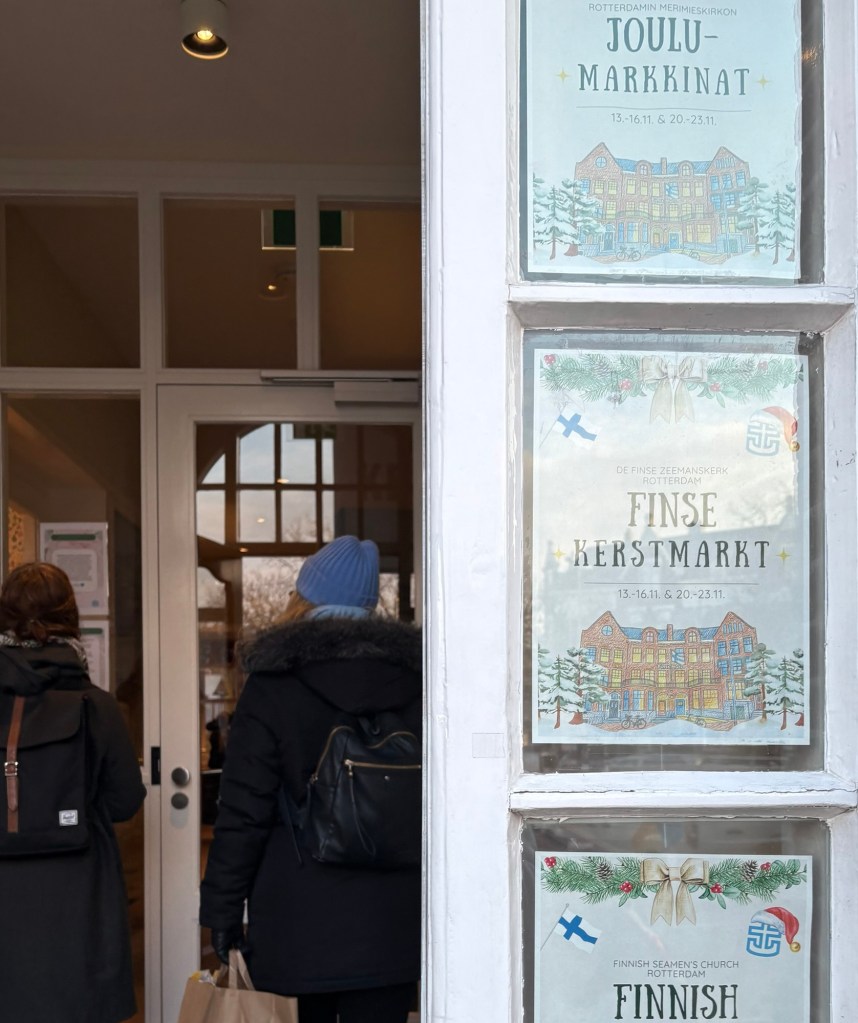
Suomen Merimieskirkko – Finse zeemanskerk/ Het Finse Huis
As it was on the same day as the Danish and Norwegian one, I could not skip the Finnish Christmas market I had been to last year too.
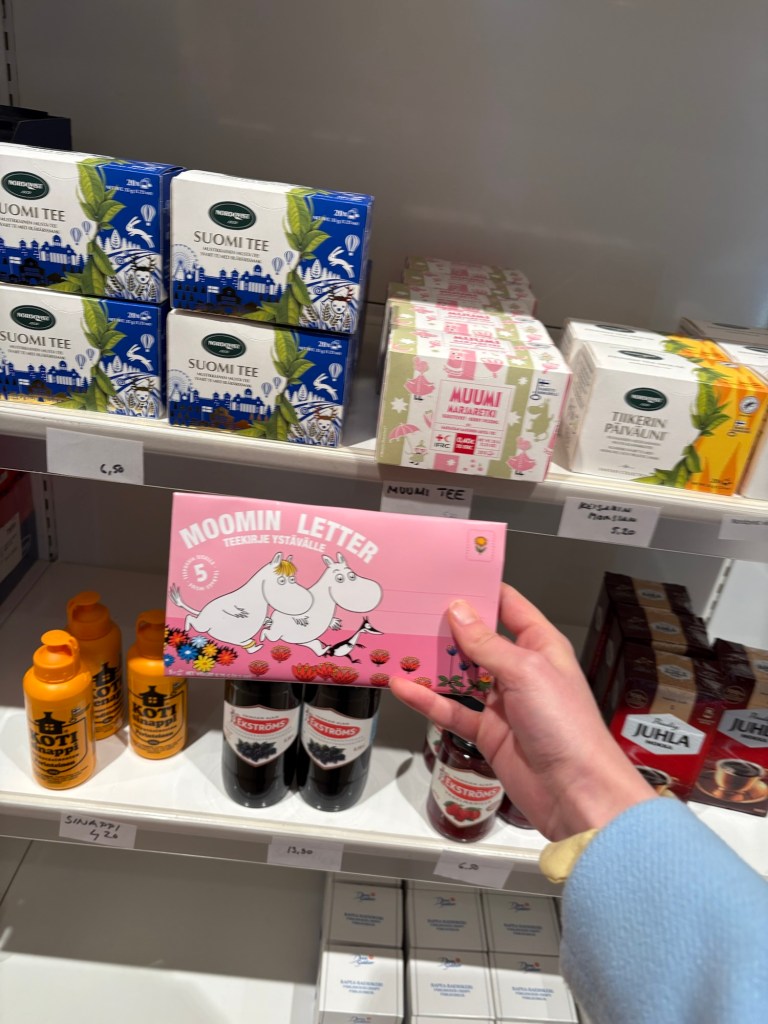
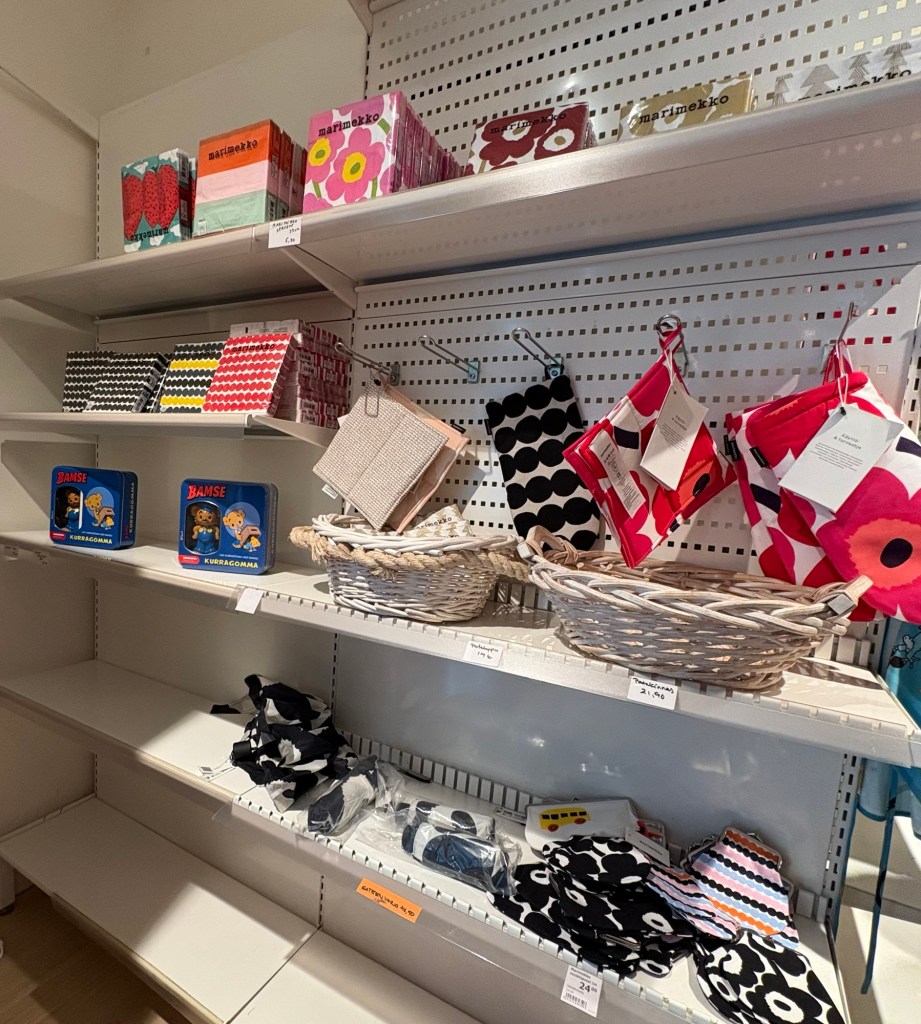
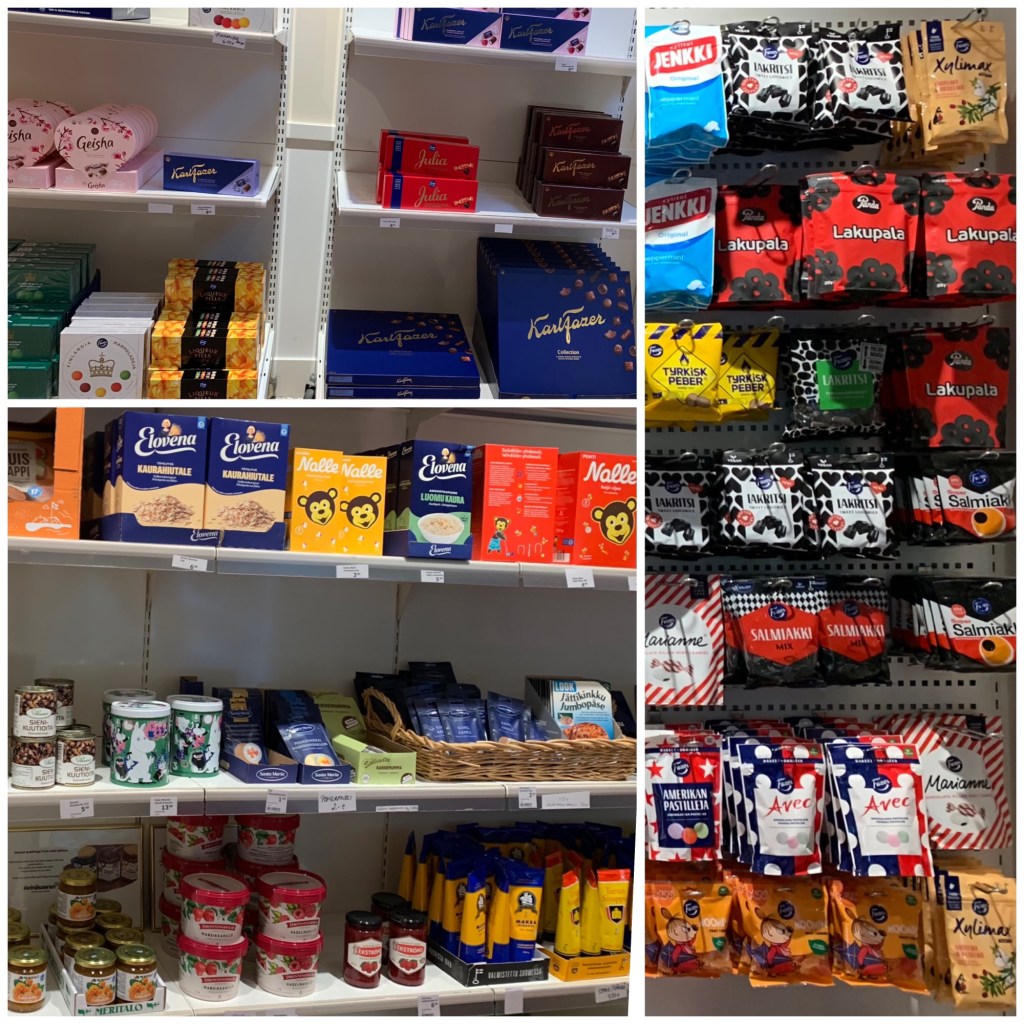
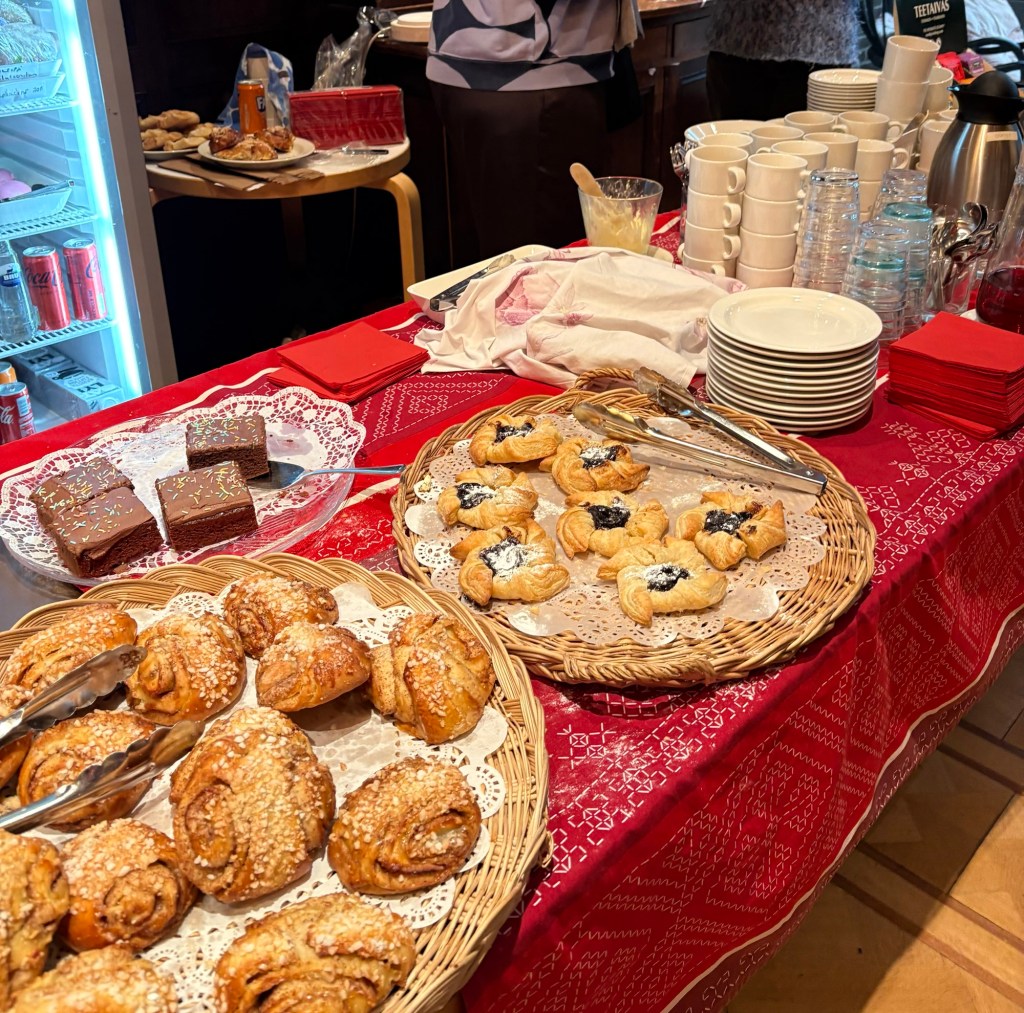
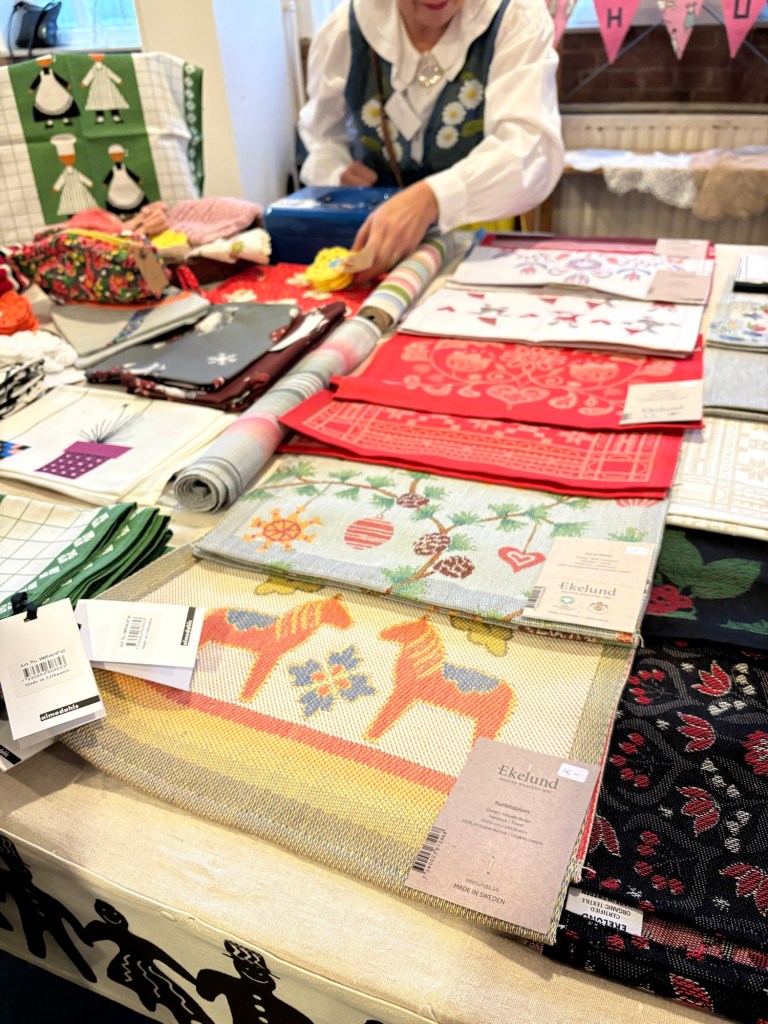
Finnish products as Marimekko, food and frozen food, cheeses, bread and Moomin branded fazer candy and chocolate were for sale
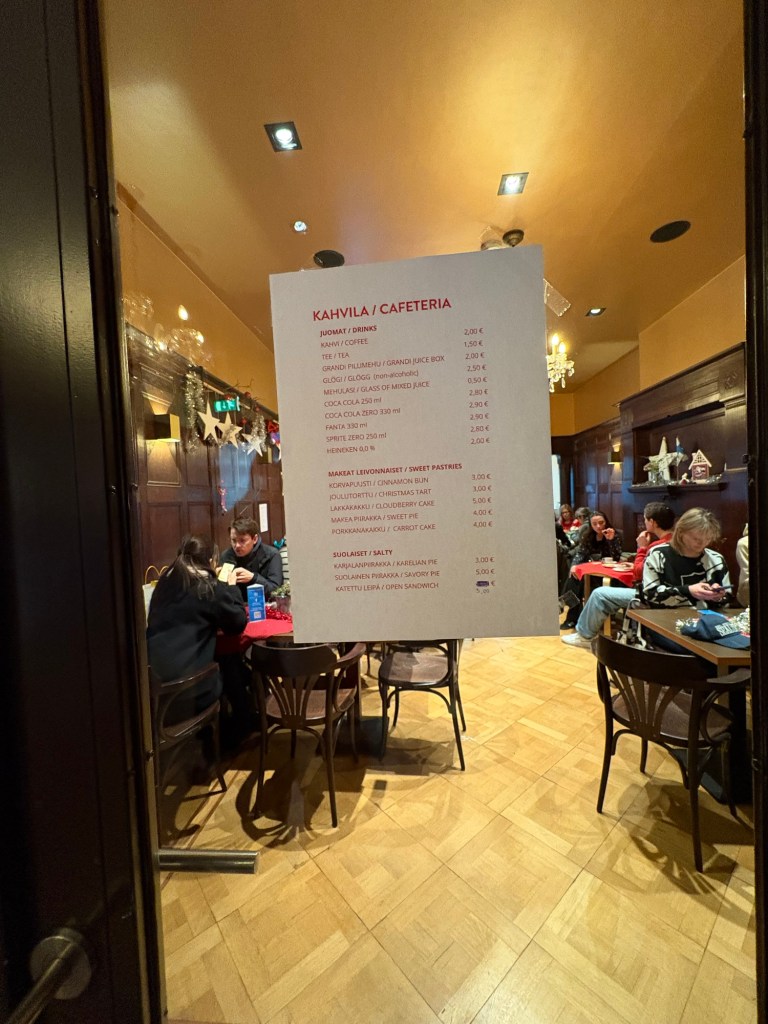
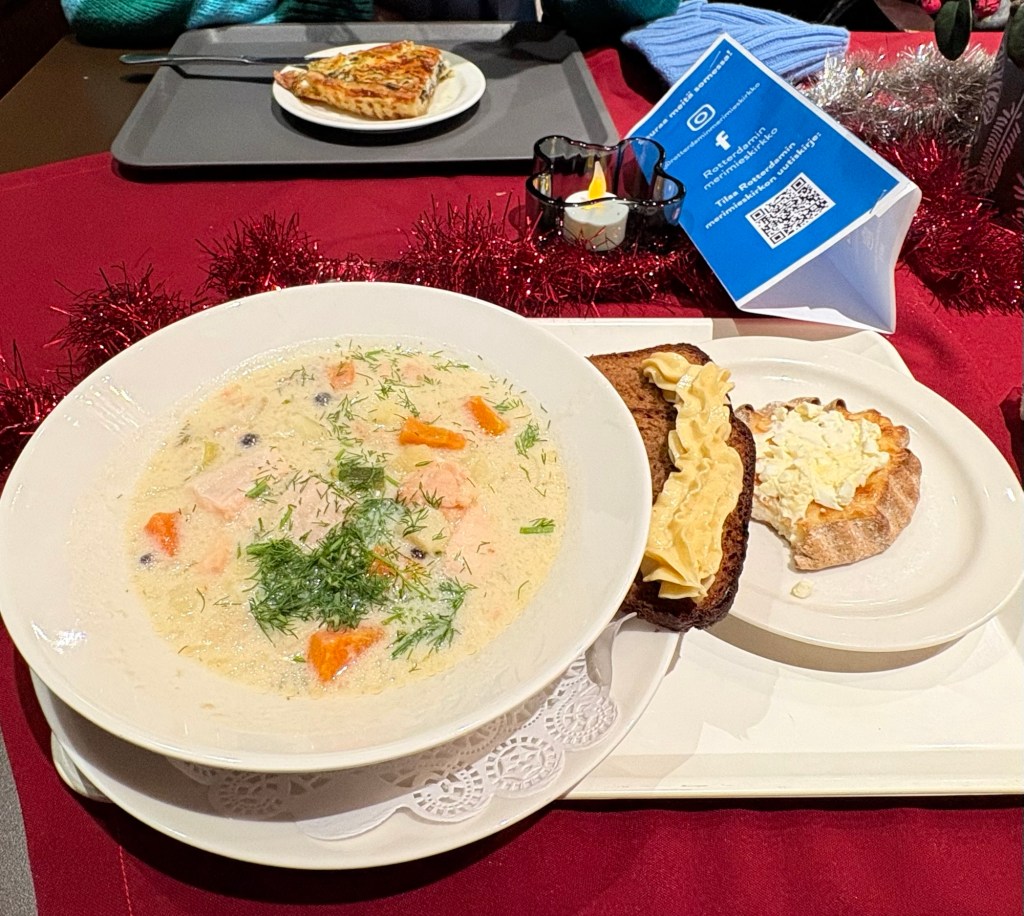
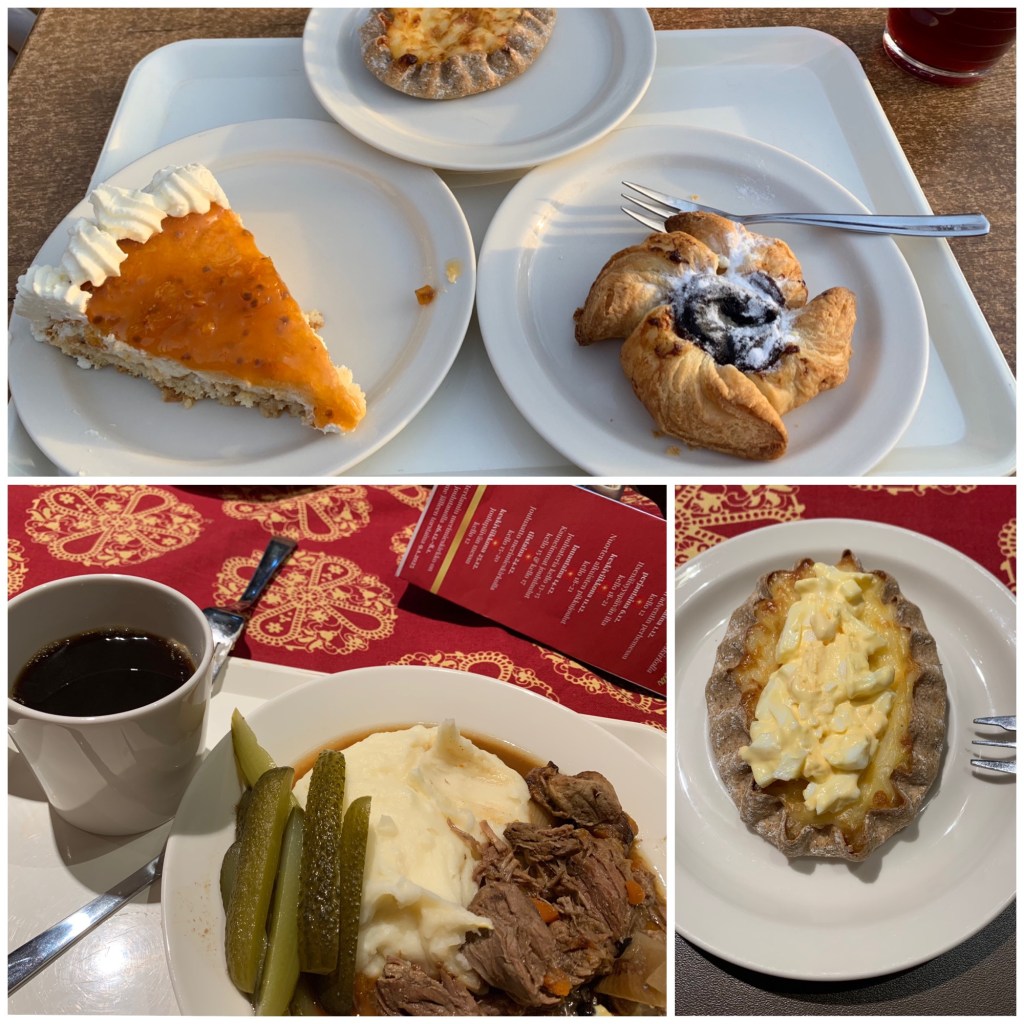
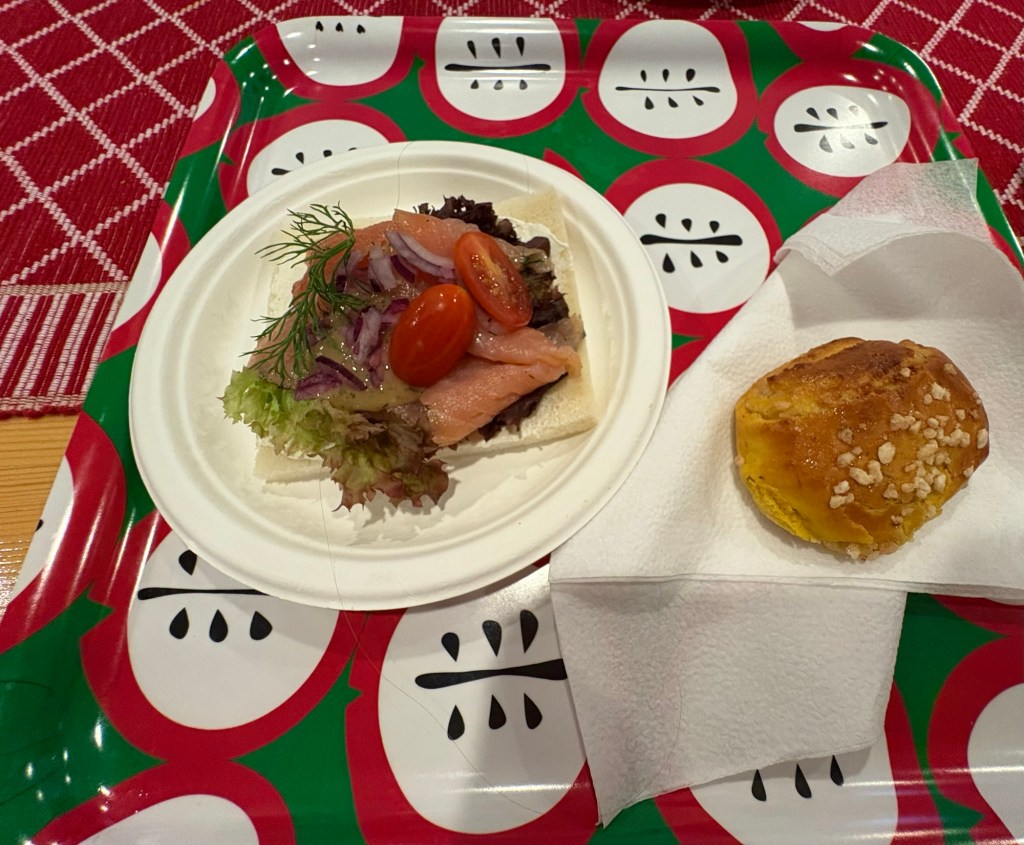
I was happy to enjoy some Finnish cuisine again at the cafe! I wanted to try the reindeer stew, but it was on Sunday…Outside there was a tent where you could have a Finnish pancake and hotdogs, but that too might be for next time…
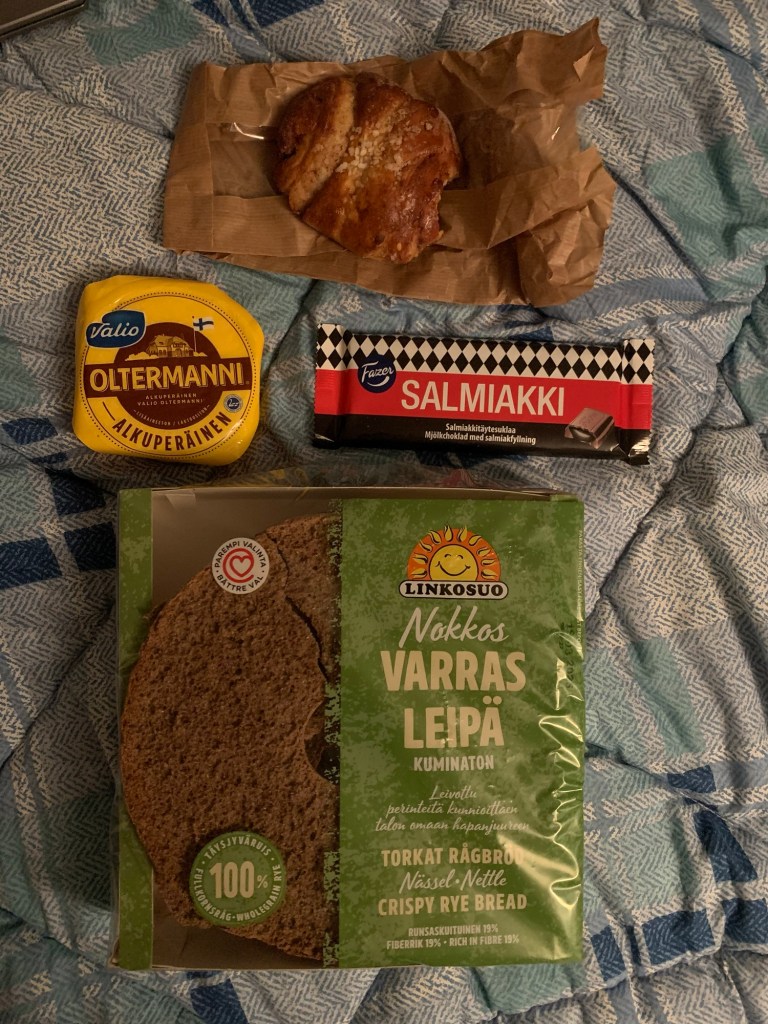
I did take a korvapuusti, joulutorttu and salmon savory pie to bring home. Third picture is from last year.
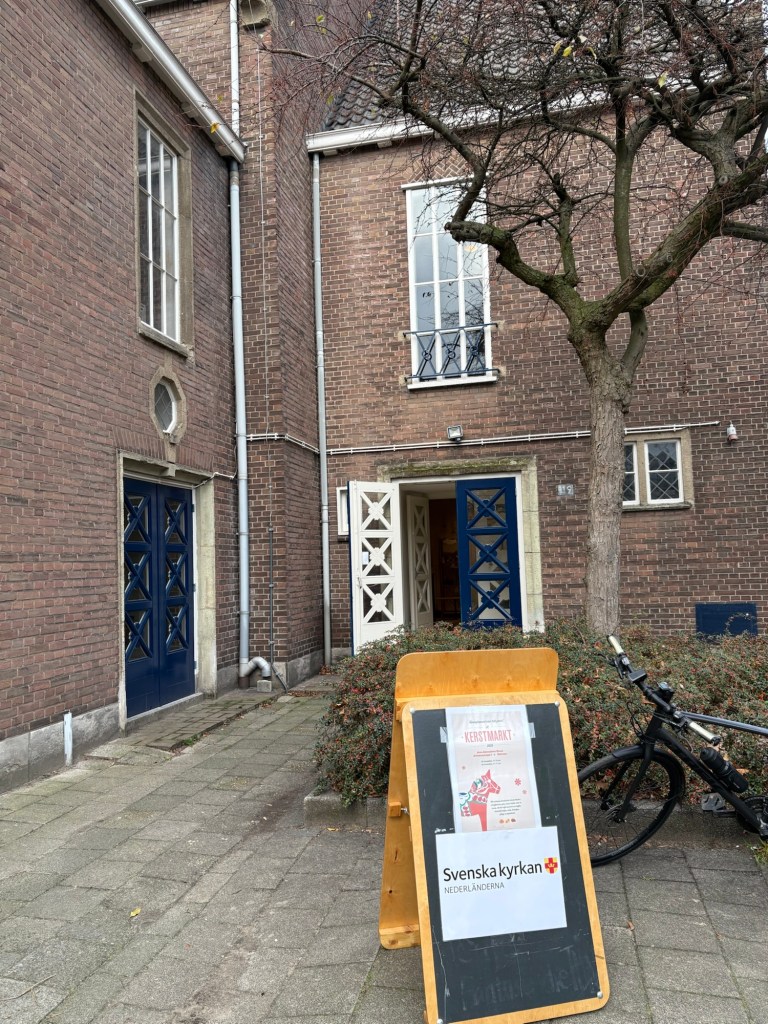
Swedish Church – Svenska Kyrkan (@ Scottish church)
The Swedish Christmas market was on the weekend after the other ones (do not think I would have made it to a fourth one on the same day anyway) and on Friday-Saturday only. This due to the services of the Scottish church the market was hosted at – apparently there are no Swedish seamen anymore in Rotterdam so the Swedish seamen church closed years ago. But the Christmas market tradition has continued!
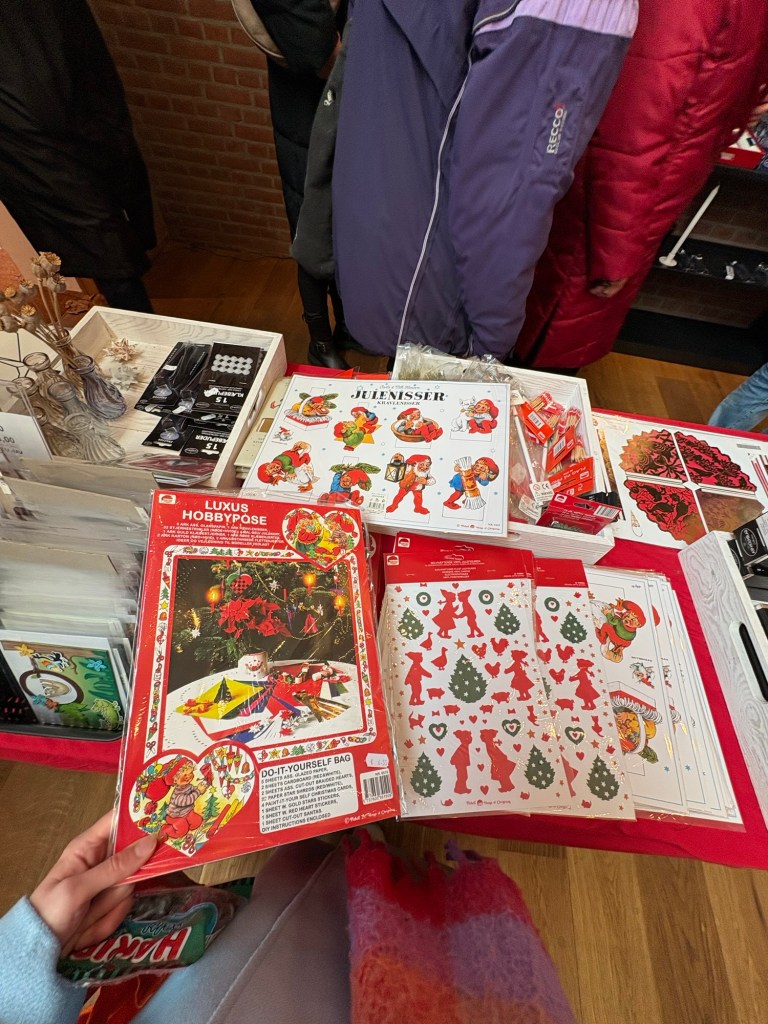
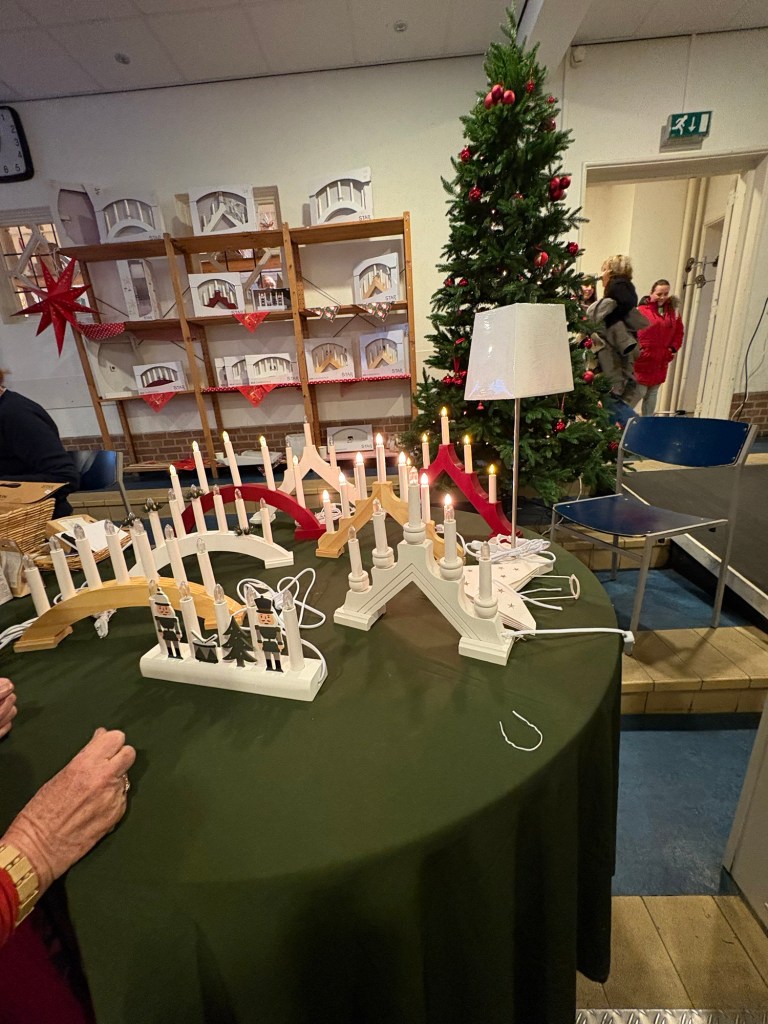
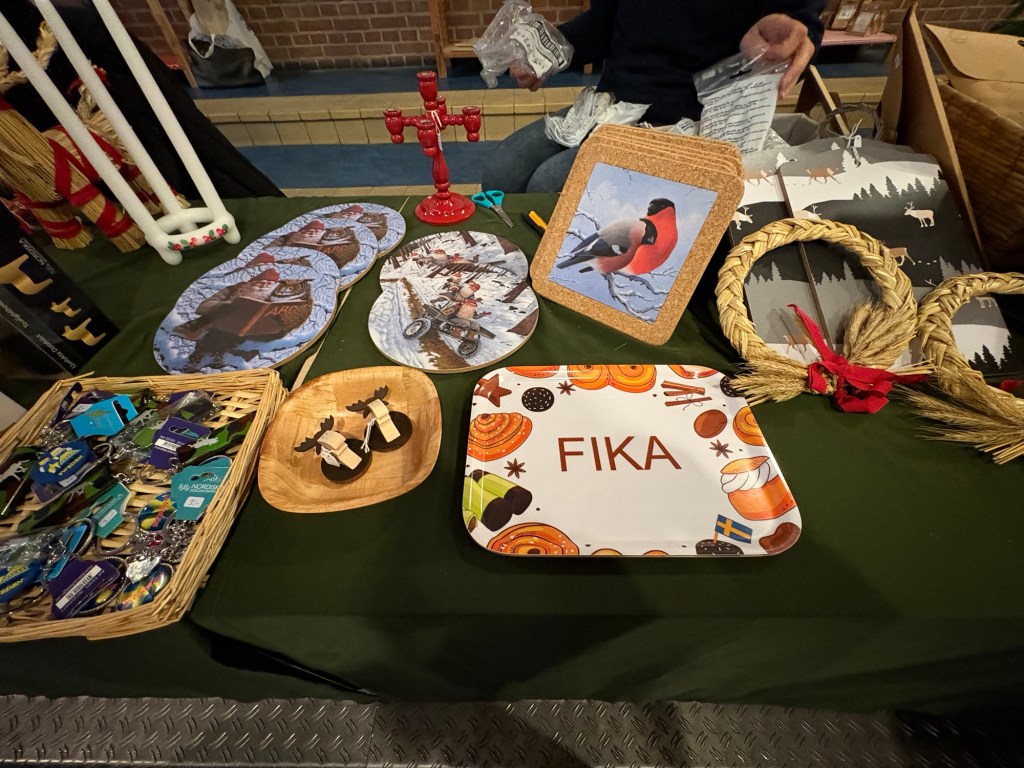
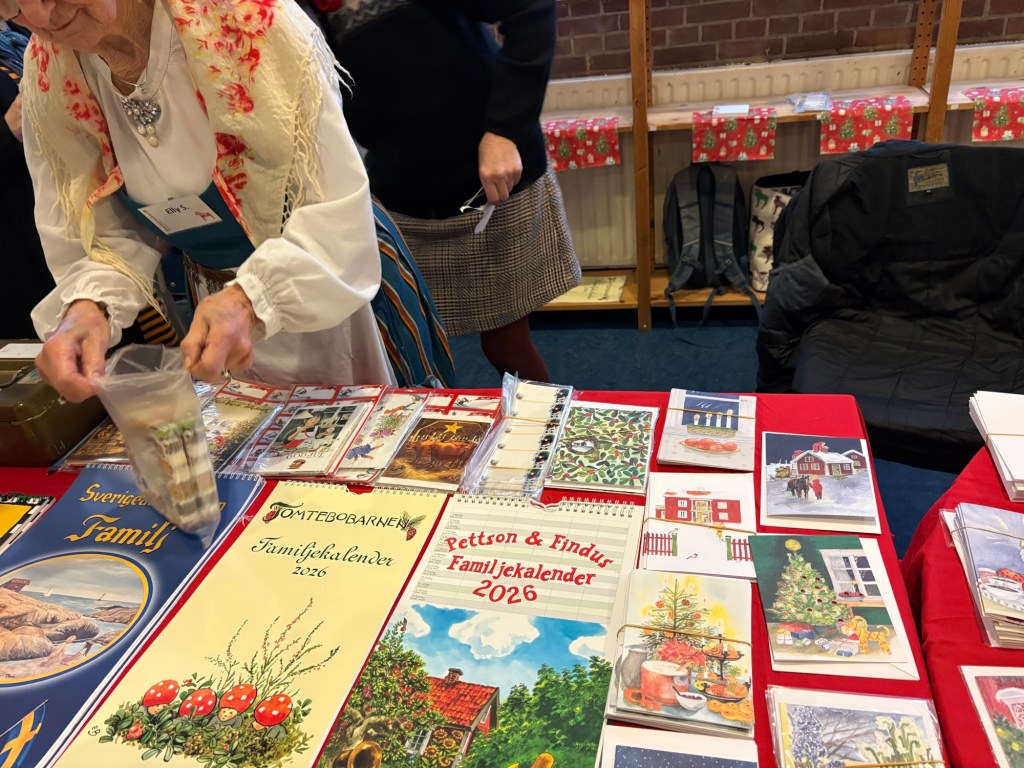
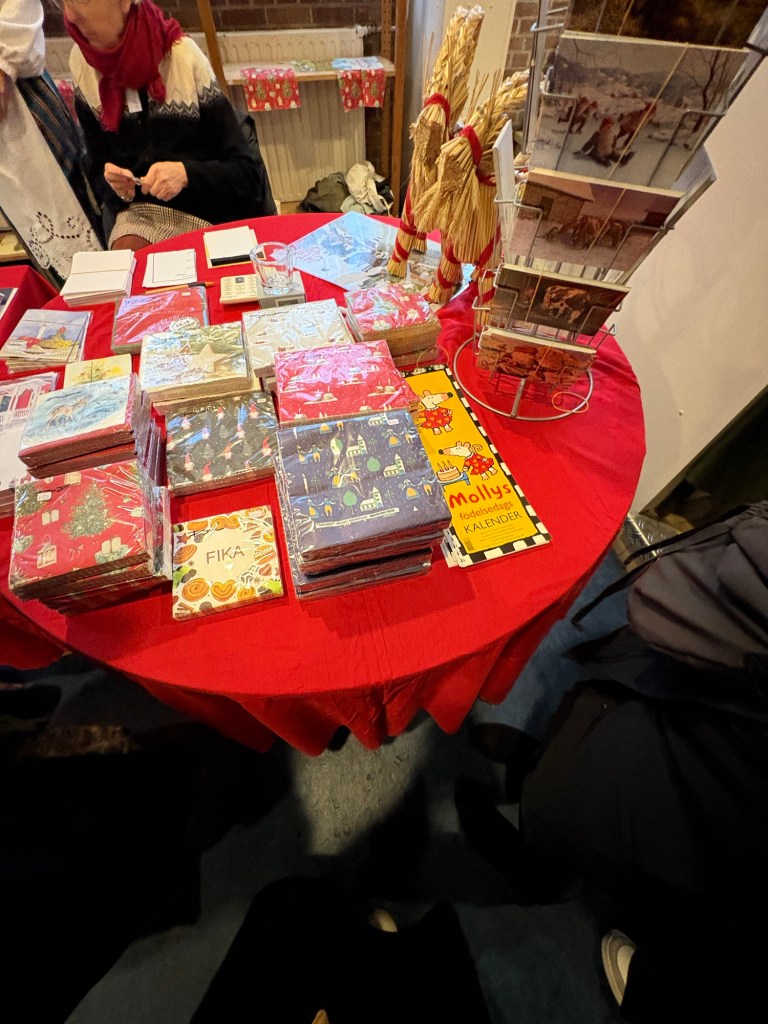
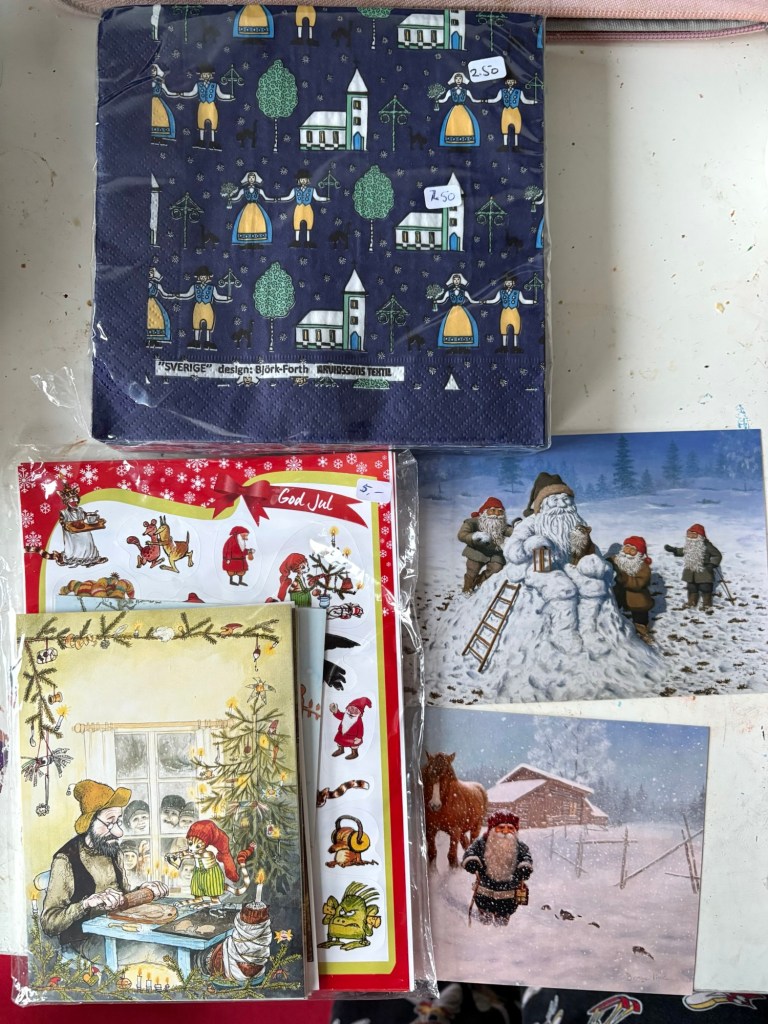
As the other Nordic markets, food products and Christmas objects were being sold – among other advent candle holders!
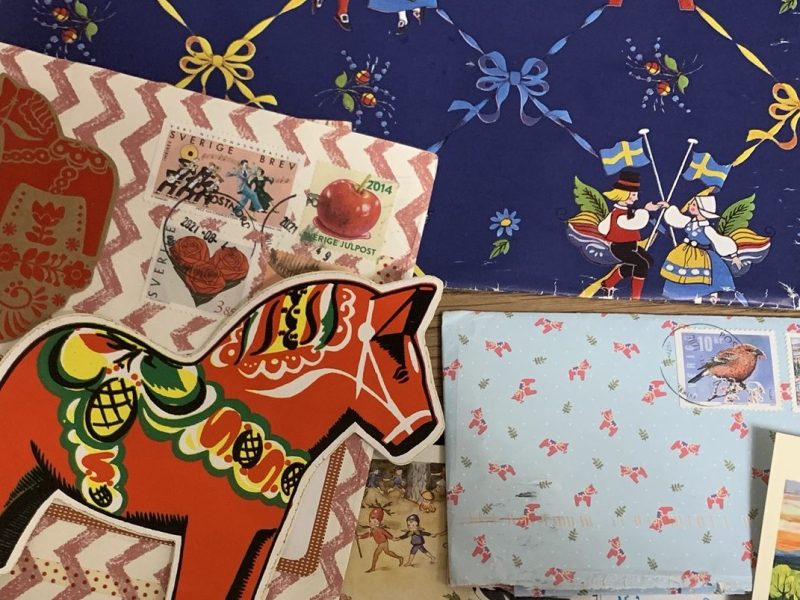
I liked the postcards in particular here. They had a 5€ set with stickers, which I found a very cute idea
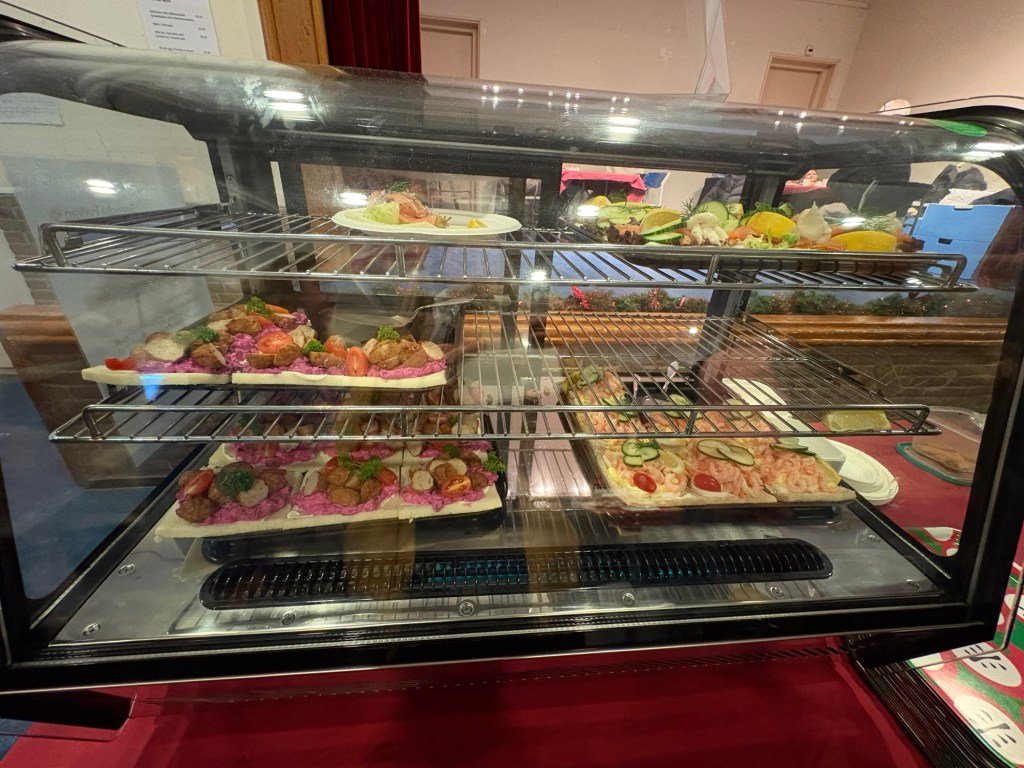
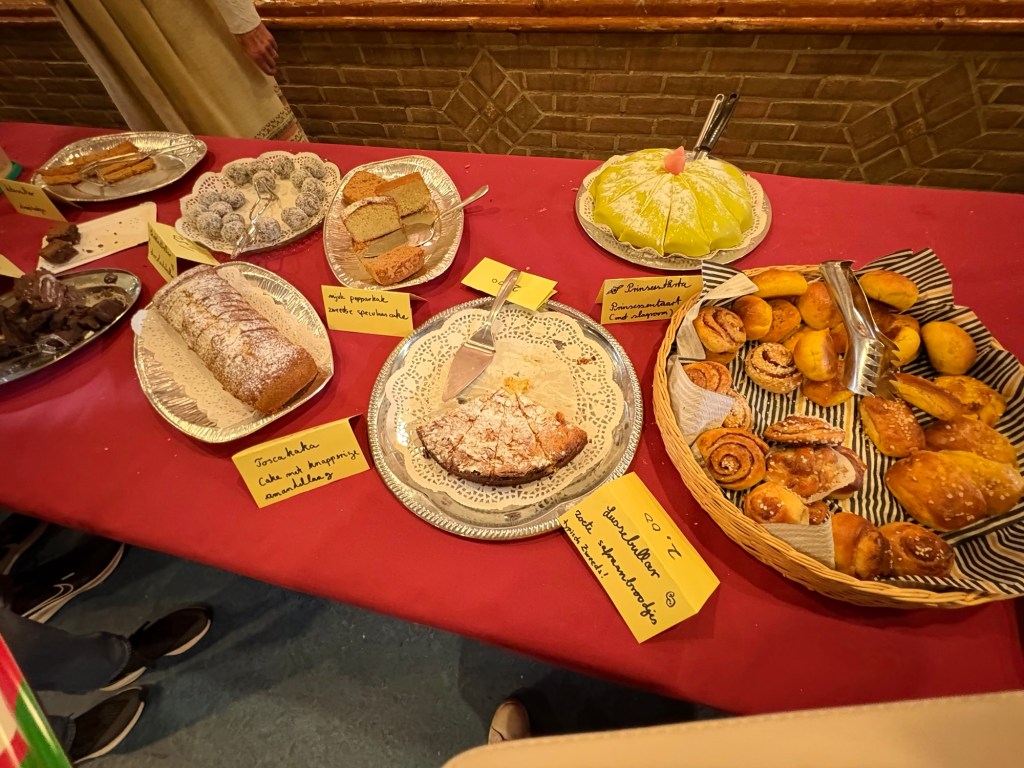
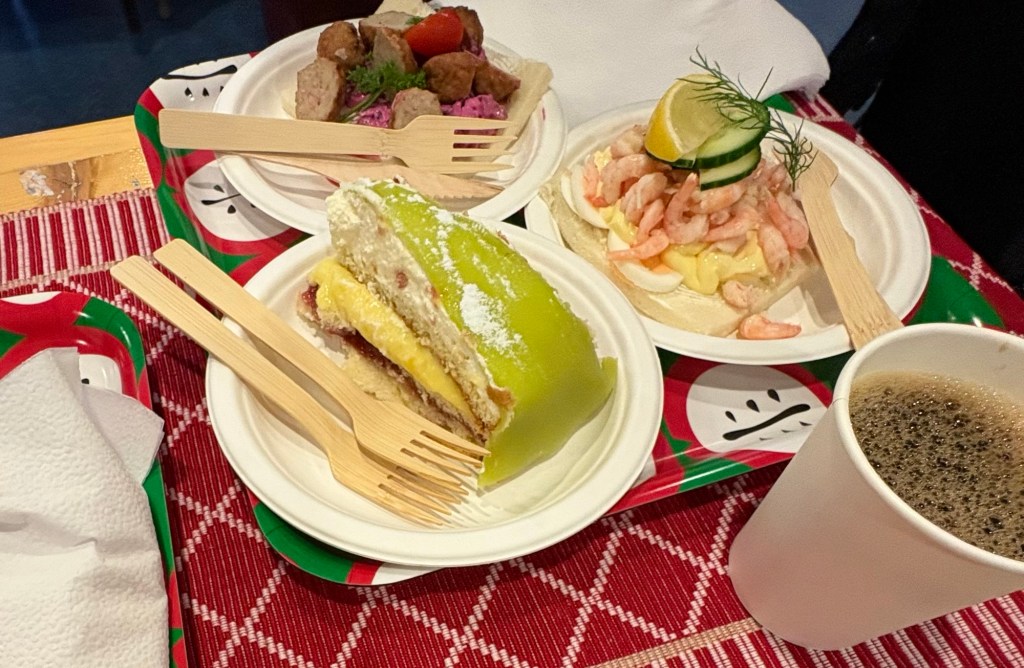
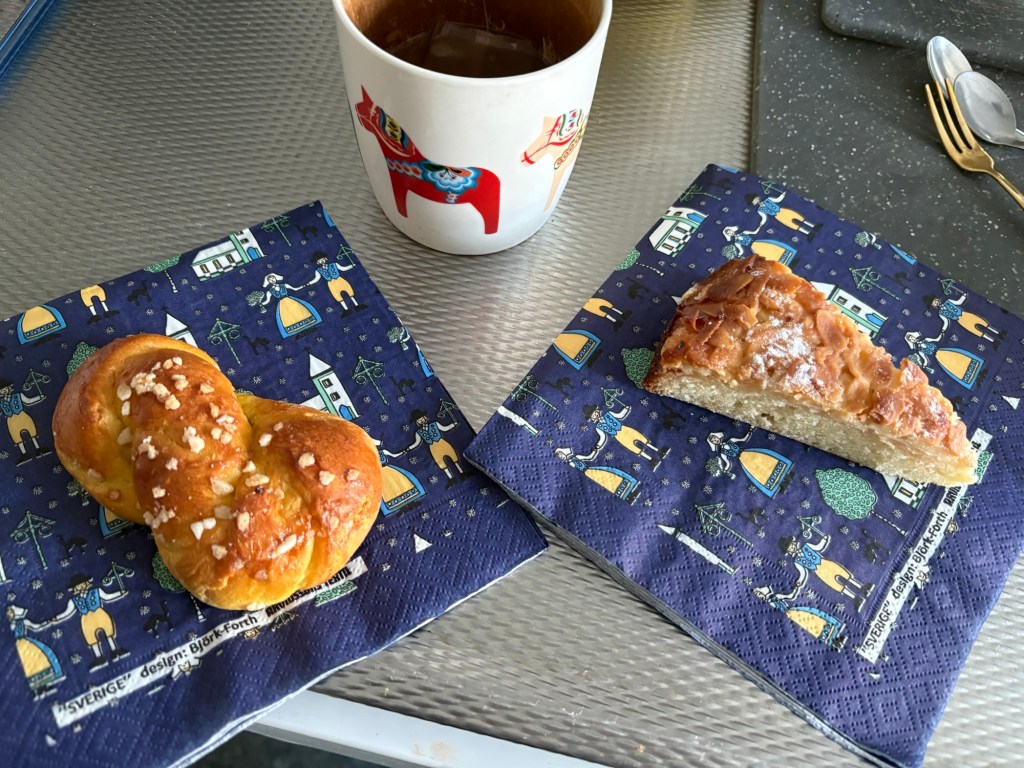
Open sandwiches, cookies and cakes were sold. And of course saffron and cinnamon buns!!
I got a Toscakaka slice and a second saffron bun to take home (I love them).
all I got to take home, including havtron jam and date snacks from Søstrene Grene in the pictures):
I was glad to visit all Nordic markets in Rotterdam this year , follow me for more reviews like this and to get updated on Nordic events !
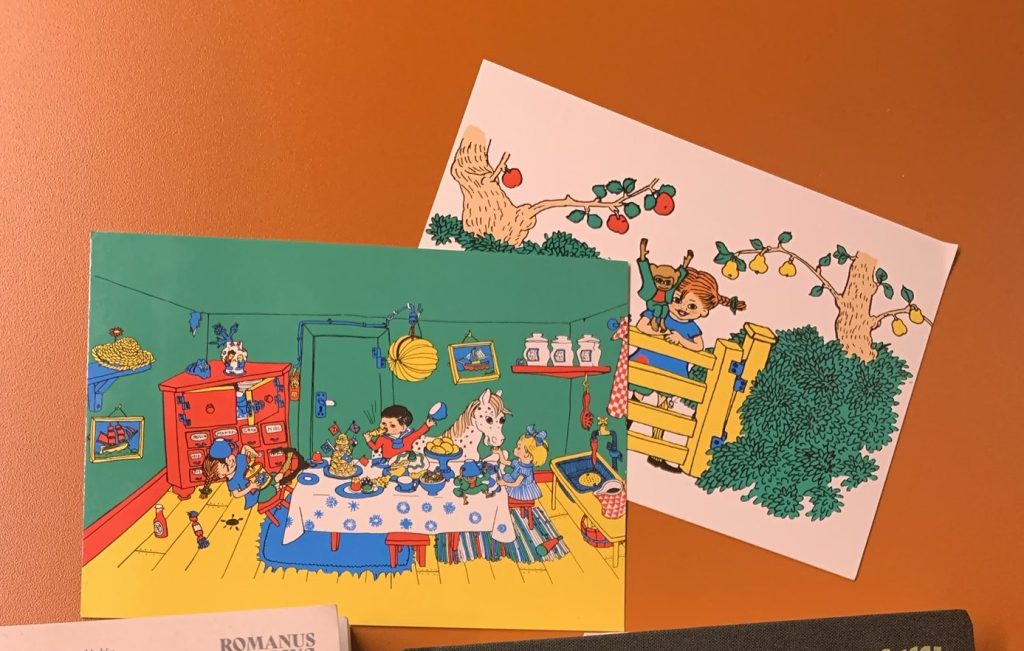
In Sweden, Pippi Longstocking objects can be a lovely souvenir. Pippi is on sweets and various children’s items a well, as sometimes other Astrid Lindgren’s characters, which have also cherished cultural impact as a part of Swedish identity.
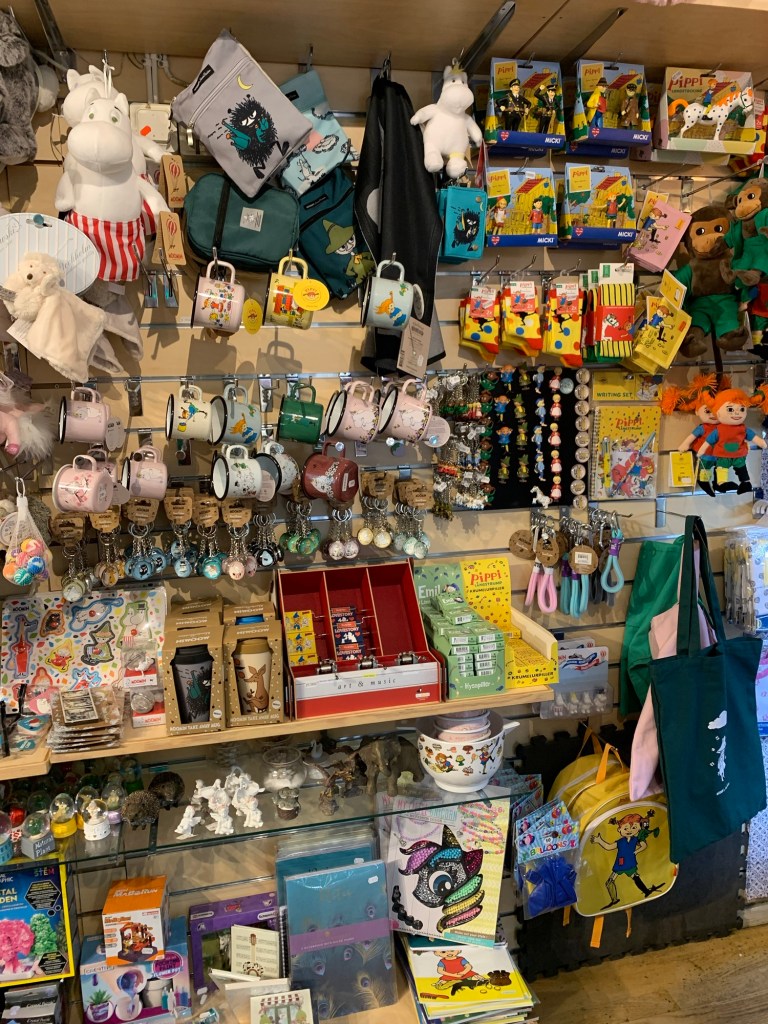
When visiting Sweden, there are two characters which stand out among other souvenirs: Moomins and Pippi Longstocking merch.
Souvenir shop at Gothenburg station
While Moomins are a more Finnish national symbol, with a Swedish Finn creator, Pippi Longstocking is truly uniquely Swedish, as other other characters from Astrid lindgren books, Emil among others, which not only can be associated with Sweden, but with Småland region specifically!
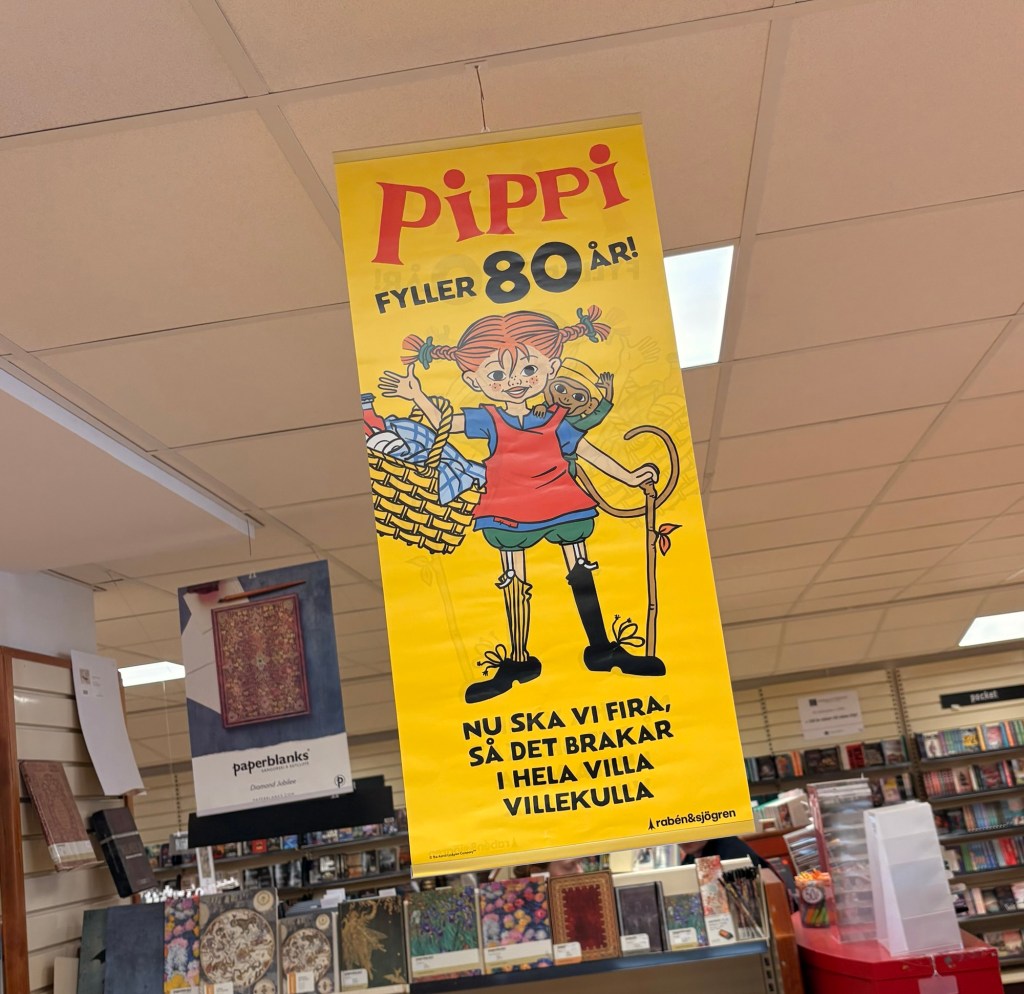
Sign at a bookshop celebrating Astrid Lindgren’s creature turning 80!
In my own experience growing up in Italy, Pippi and books about her are very well known by all children, and I absolutely loved the tv show and reading about her stories – my early love for Sweden might come from that. However, unlike in Northern Europe, Moomin and Tove Jansson books were pretty much non-existent, I have only started seeing Moomin characters and learning about them online in my teenage years! I believe Moomins are generally more known worldwide though, for sure in Japan and East Asian countries at least.
Pippi merch in Sweden
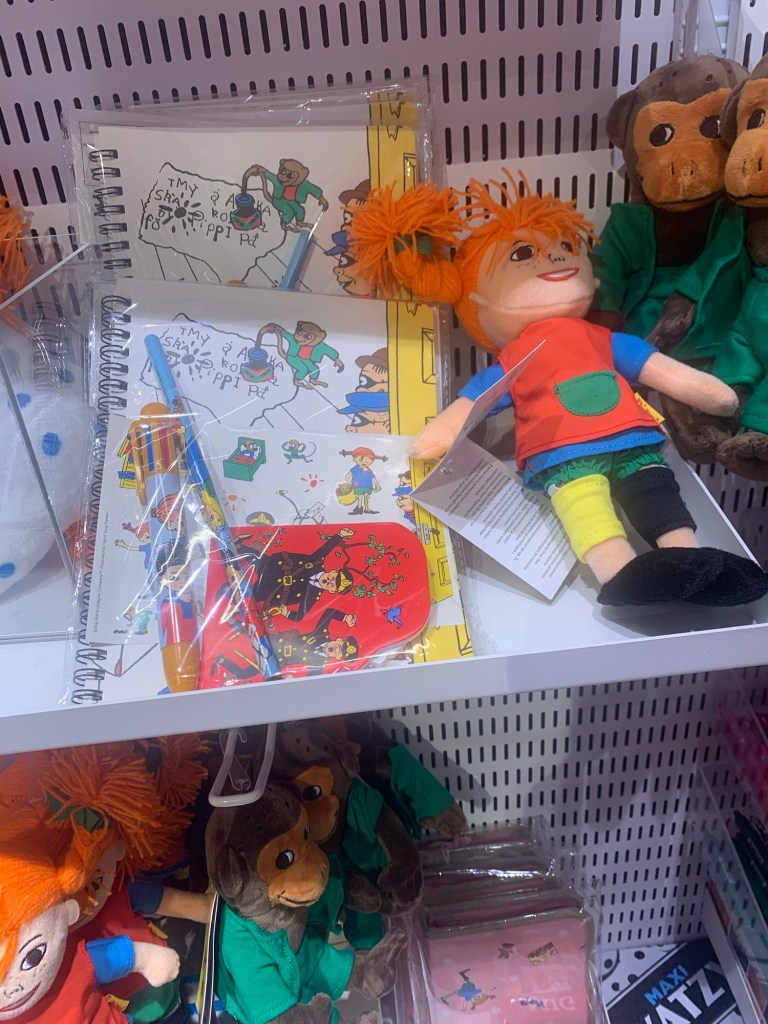
In Sweden, you will find all kinds of objects with Pippi and her friends on them- tableware and clothes for children, plushies. According to a Swedish friend of mine though, Pippi-themed objects were not really a thing until recently.
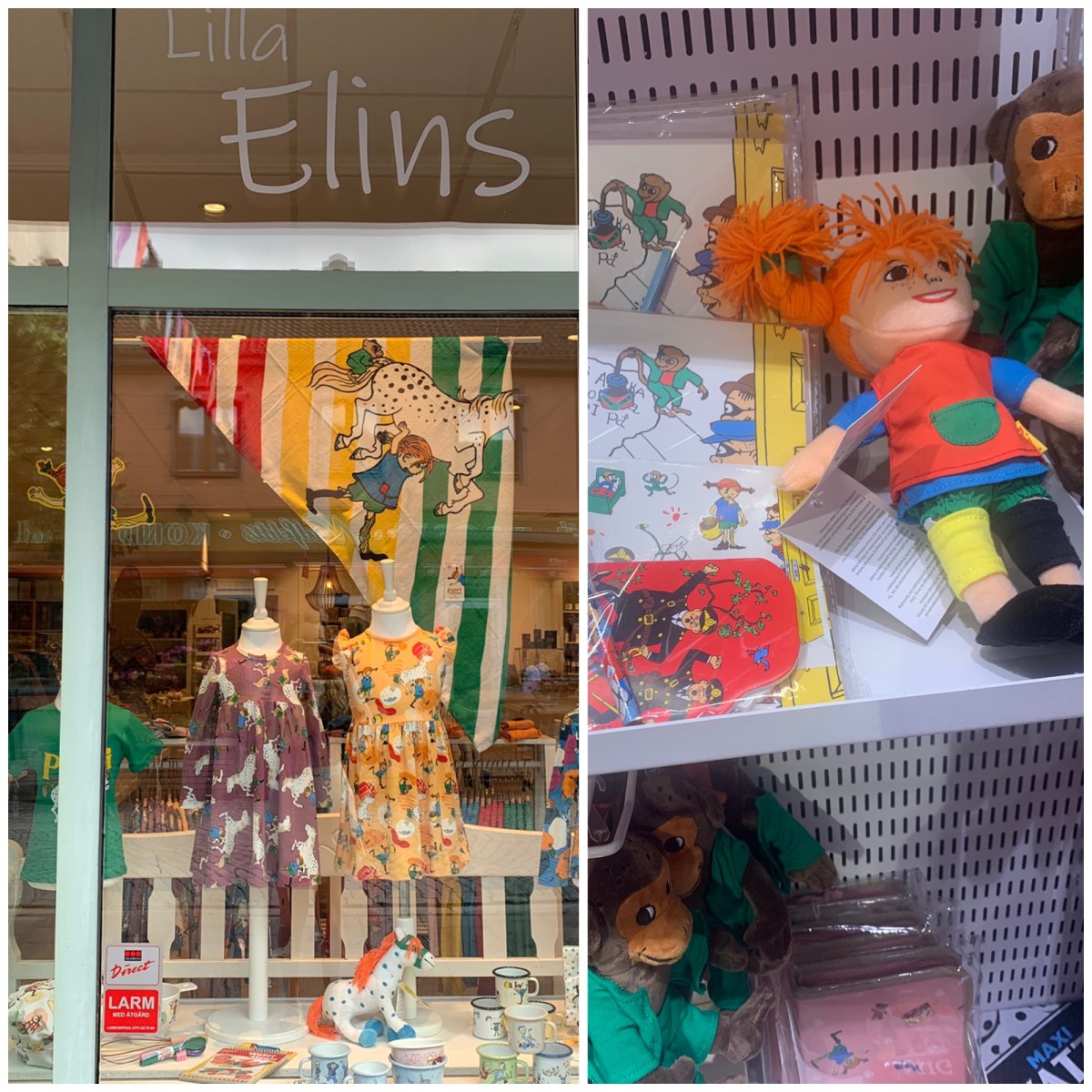
Pippi & friends plushies and toys
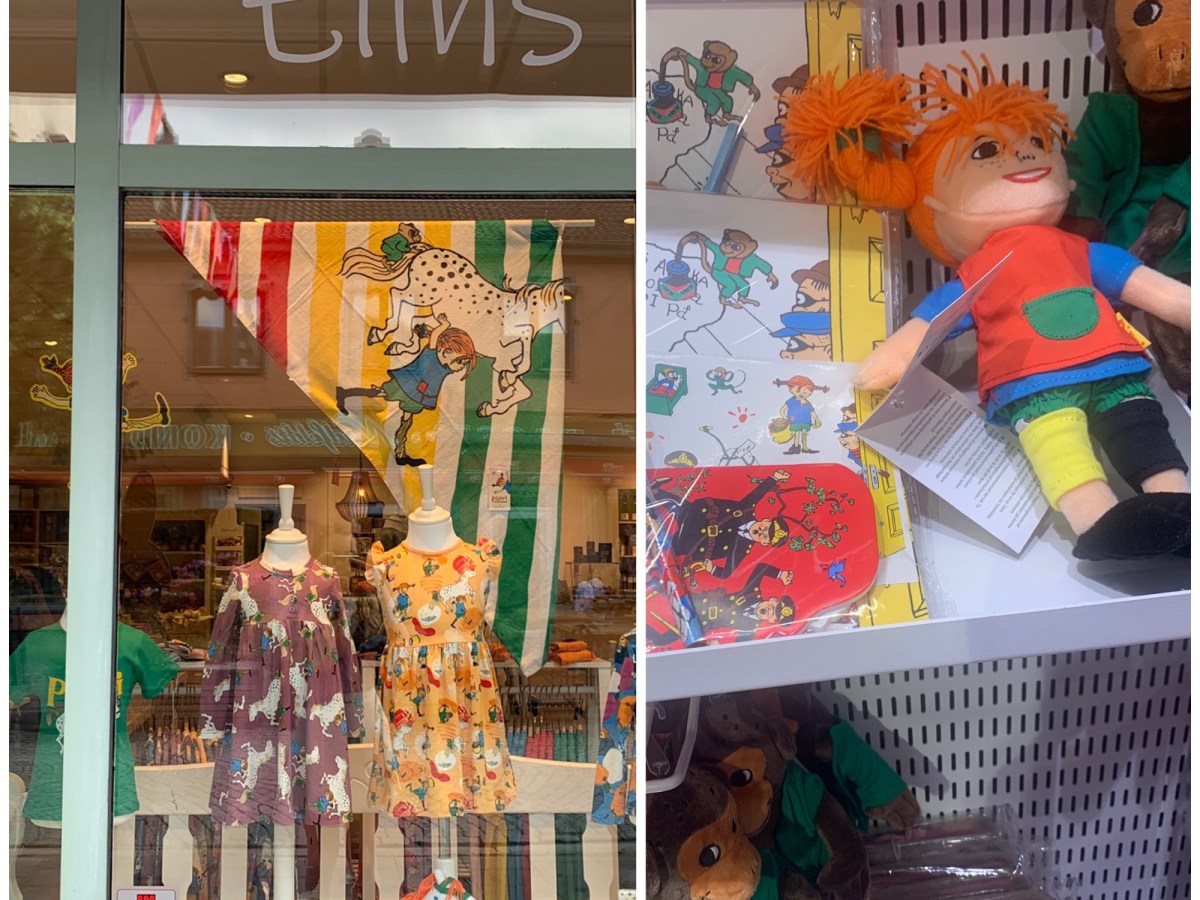
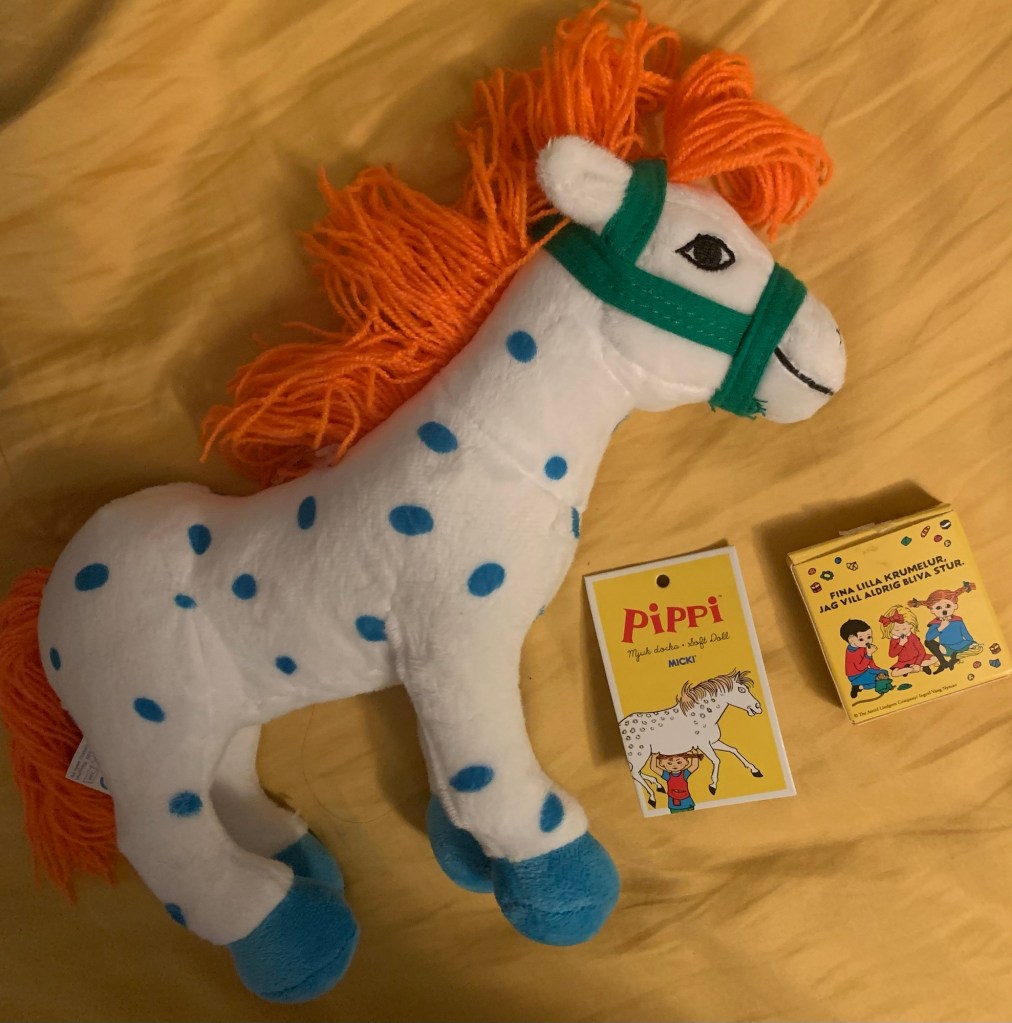
I have seen Lilla Gubbe (Pippi’s horse) plushie and this Pippi doll for sale in multiple places in Sweden. I have bought Lilla Gubbe, maybe one day Pippi herself too…Activity books, toys and stationary is also to be found, mainly targeted to children.
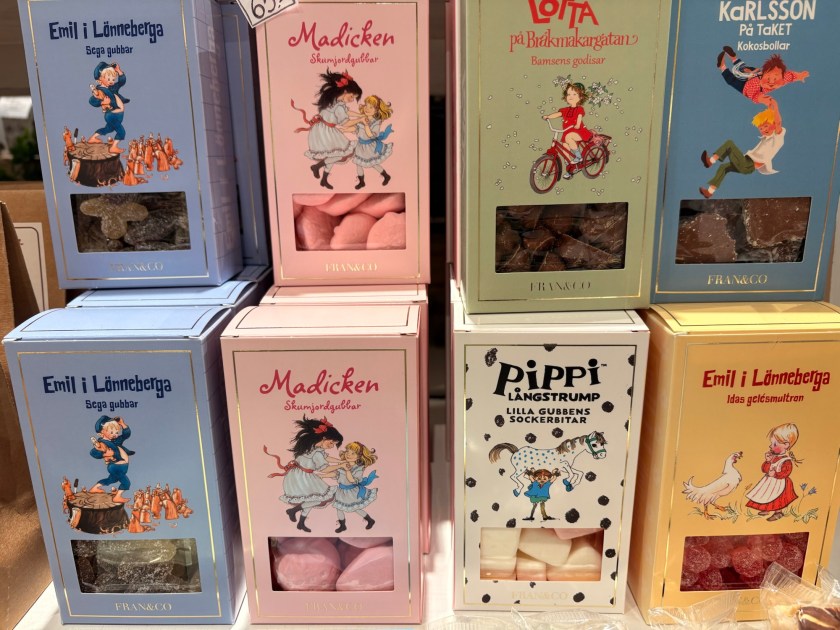
Astrid Lindgren characters sweets
Madicken, Lotta and more on candy!
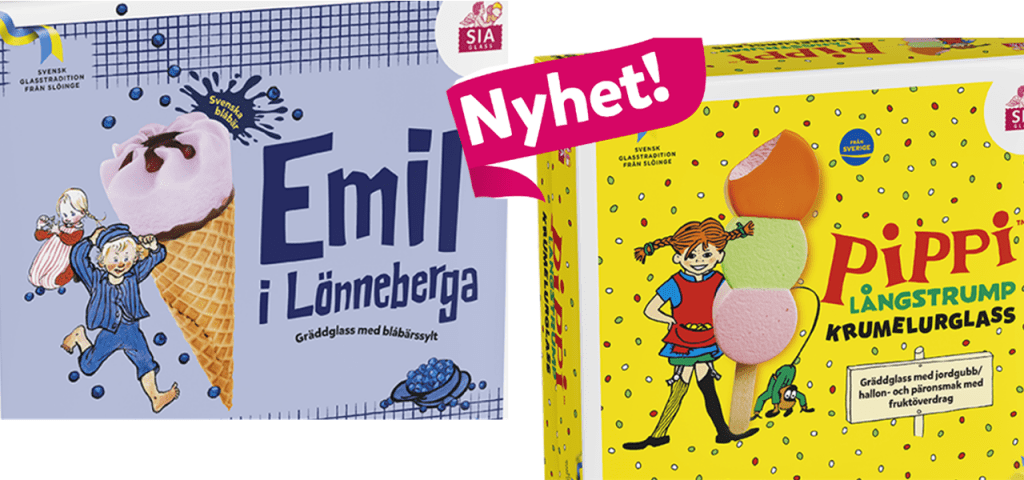
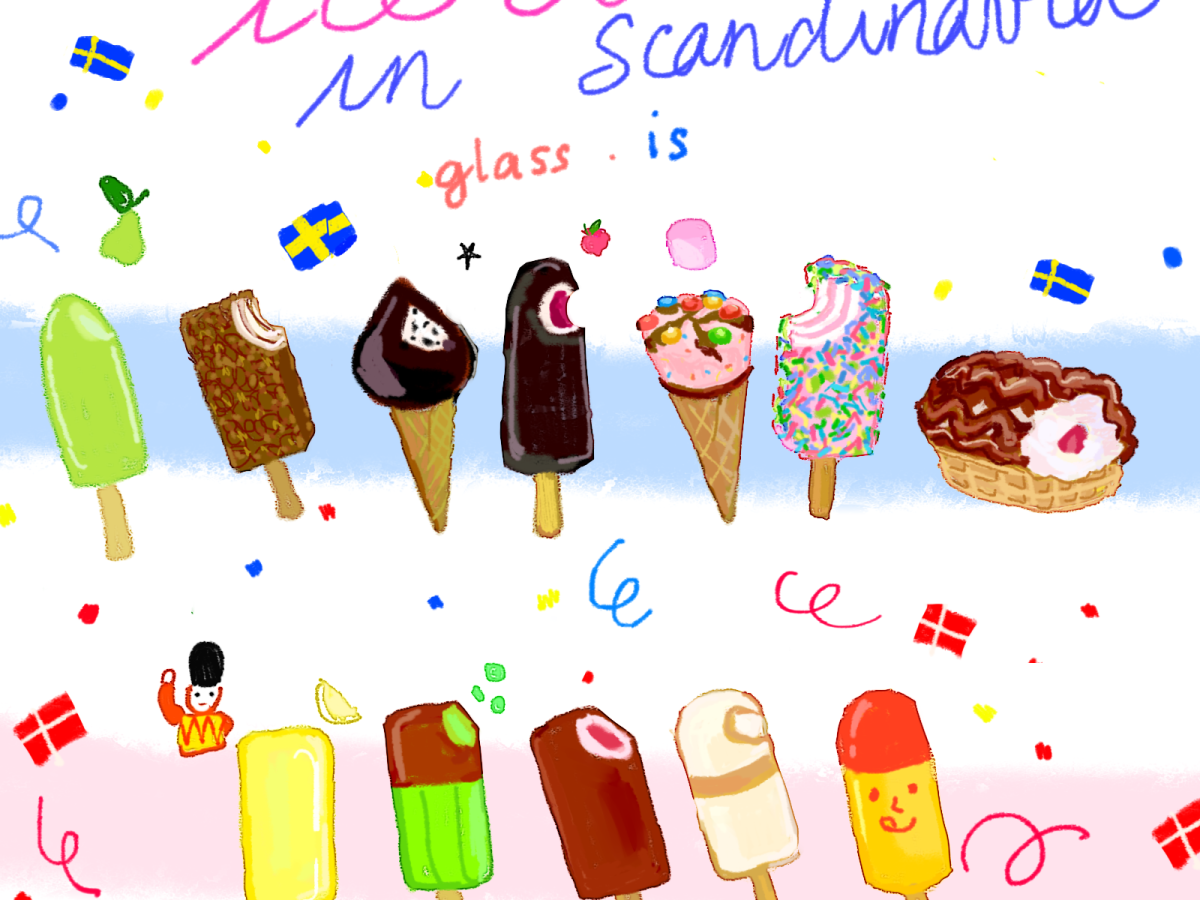
In 2025 Emil and Pippi Ice creams were in the Swedish ice cream brand SIA summer assortment. Blueberry ice cream perfectly fits an iconic Swedish character! See above next to the plushie also the Krumelurpiller candies I got at the souvenir shop. Sometimes, as the candy here, other Astrid Lingren characters are on merch, with Emil being the second most popular character, but not nearly as often to be seen as beloved Pippi.
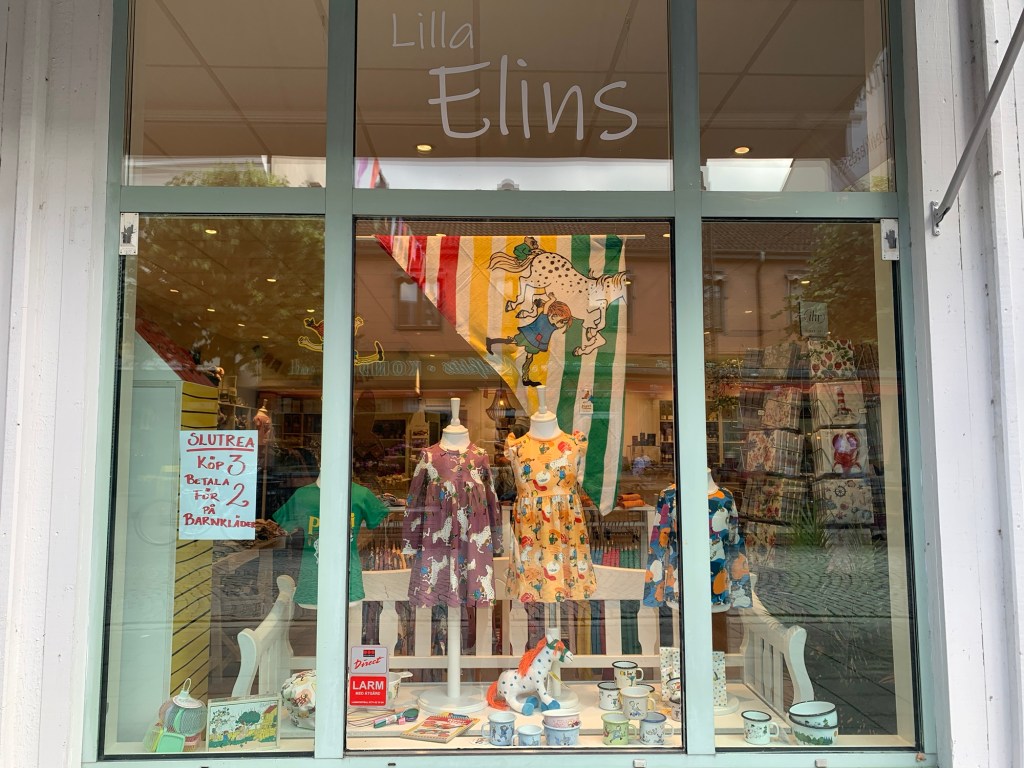
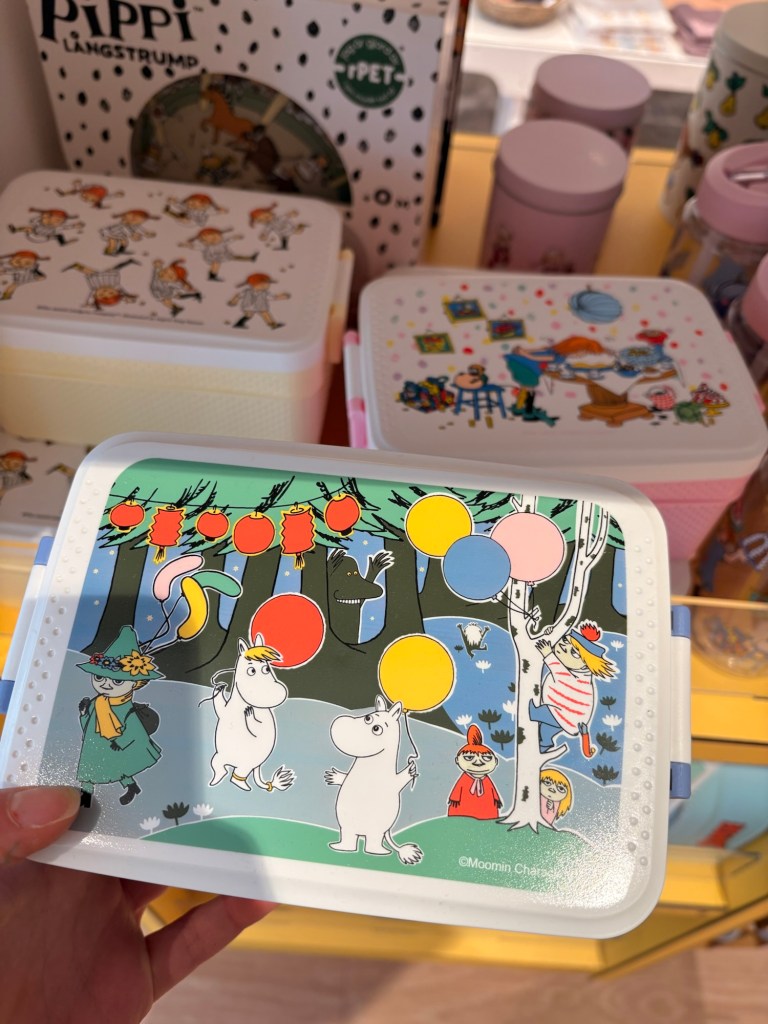
Pippi-themed tableware and clothes for children
The shop Lilla Elins in Vänersborg has a lot of character merch among which Pippi stuff, from lunchboxes and tableware, to candy and children clothes! Among others of other Swedish characters as Bamse too, and of course Moomin.
Pippi postcards from a bookshop in Lund
That was all for now… New Pippi merch updates might come in the future..
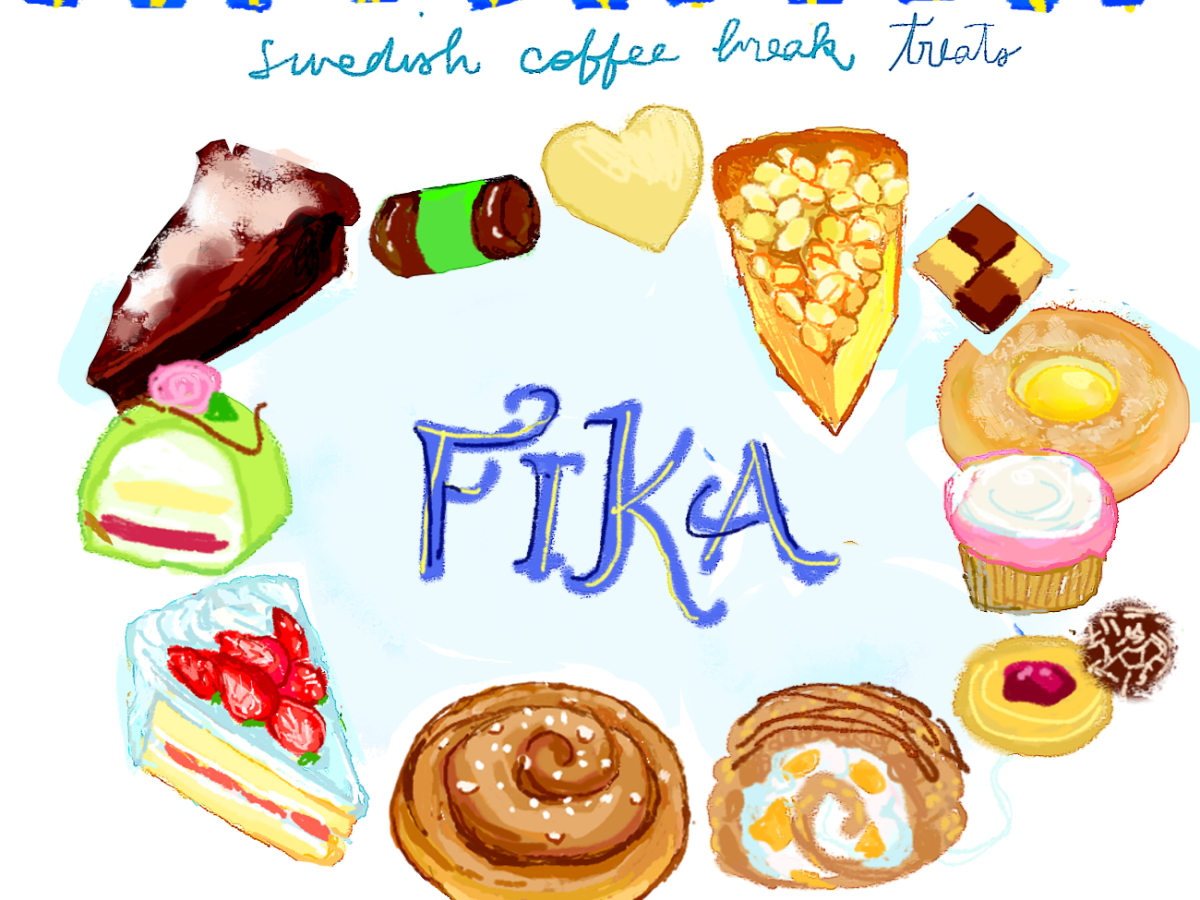
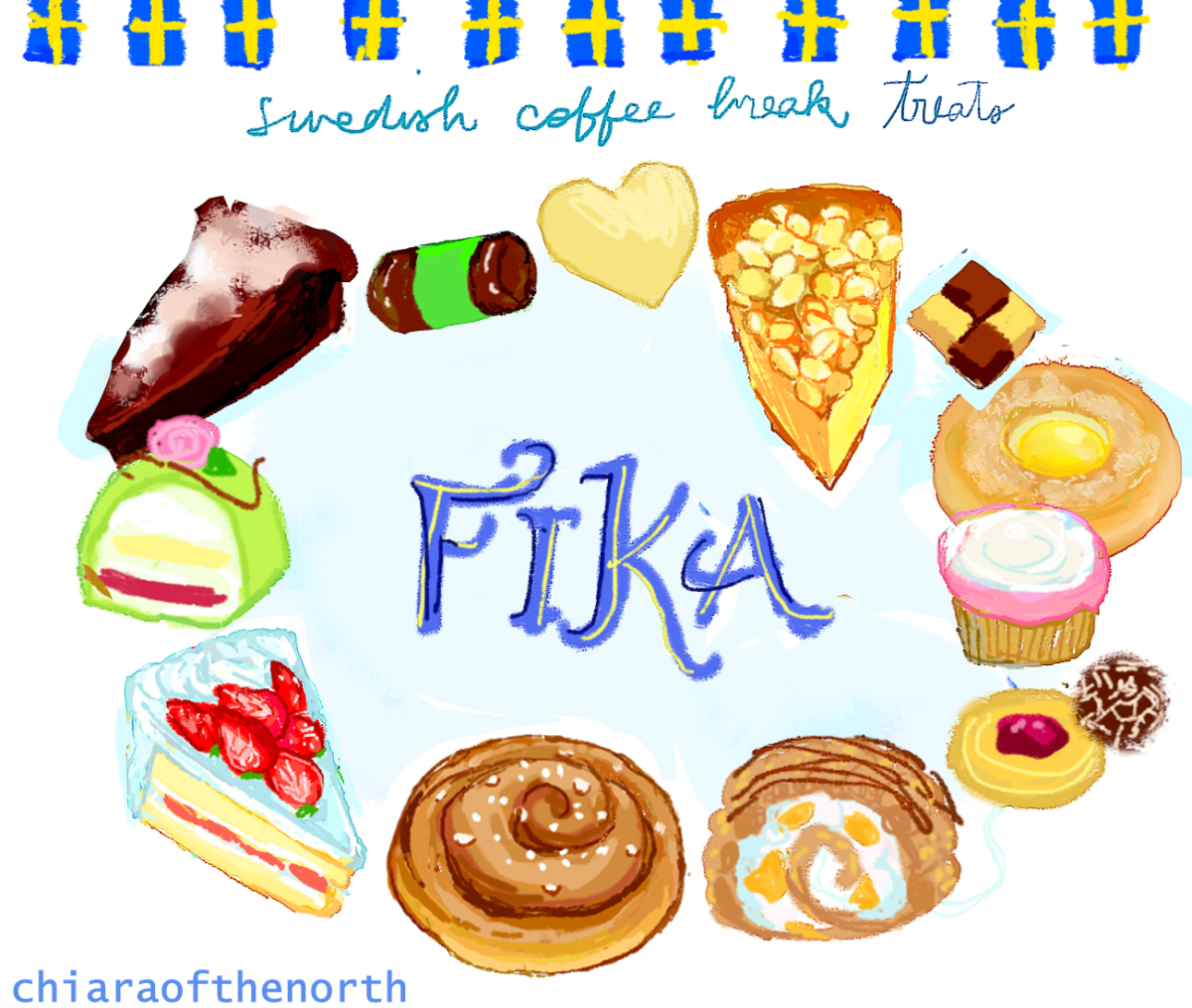
Fika is a cherished Swedish tradition involving a coffee and cake break. Discover various Fika treats, from classic kanelbullar (cinnamon buns), cakes and cookies to savory options.
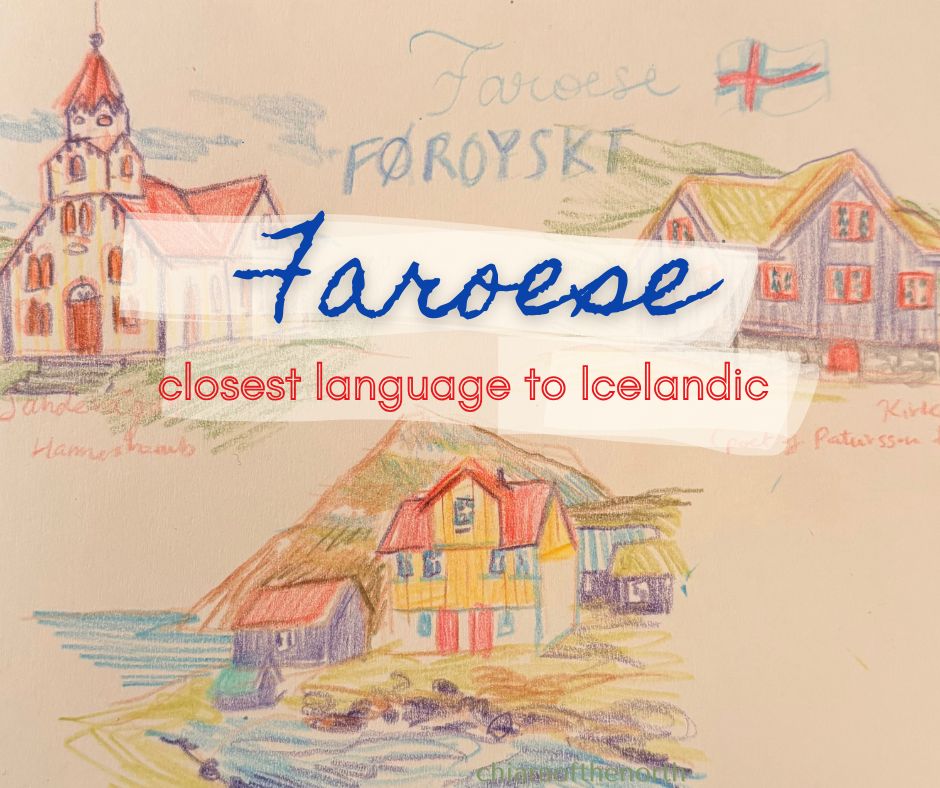
Discover Faroese – today spoken by about 80,000 people in the North Sea archipelago- as Icelandic still has much in common with Old Norse in grammar and vocabulary
Norwegian Seamen Churches all over the world host 17th May celebrations. I attended the festivities in Rotterdam, joining the parade and eating a pølse i lompe!
I visited Scanshop, a supermarket for Nordic expats in Luxembourg and Belgium. It offers a wide range of Scandinavian food products, including rye bread, fish, and sweets, alongside flags and tableware.
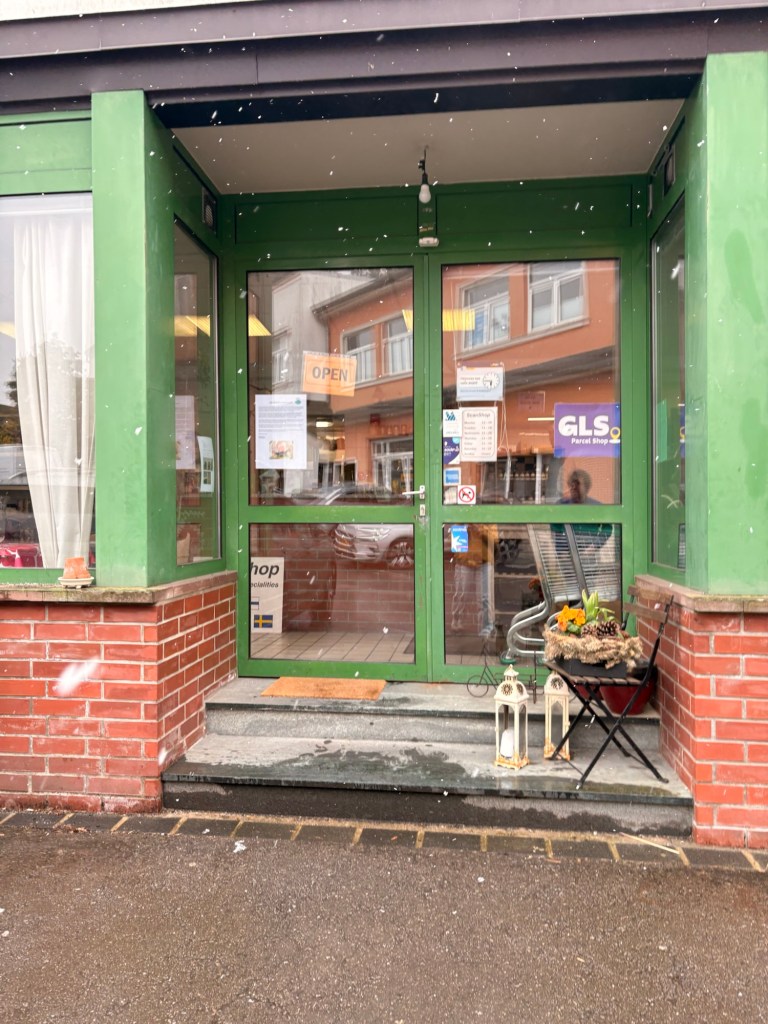
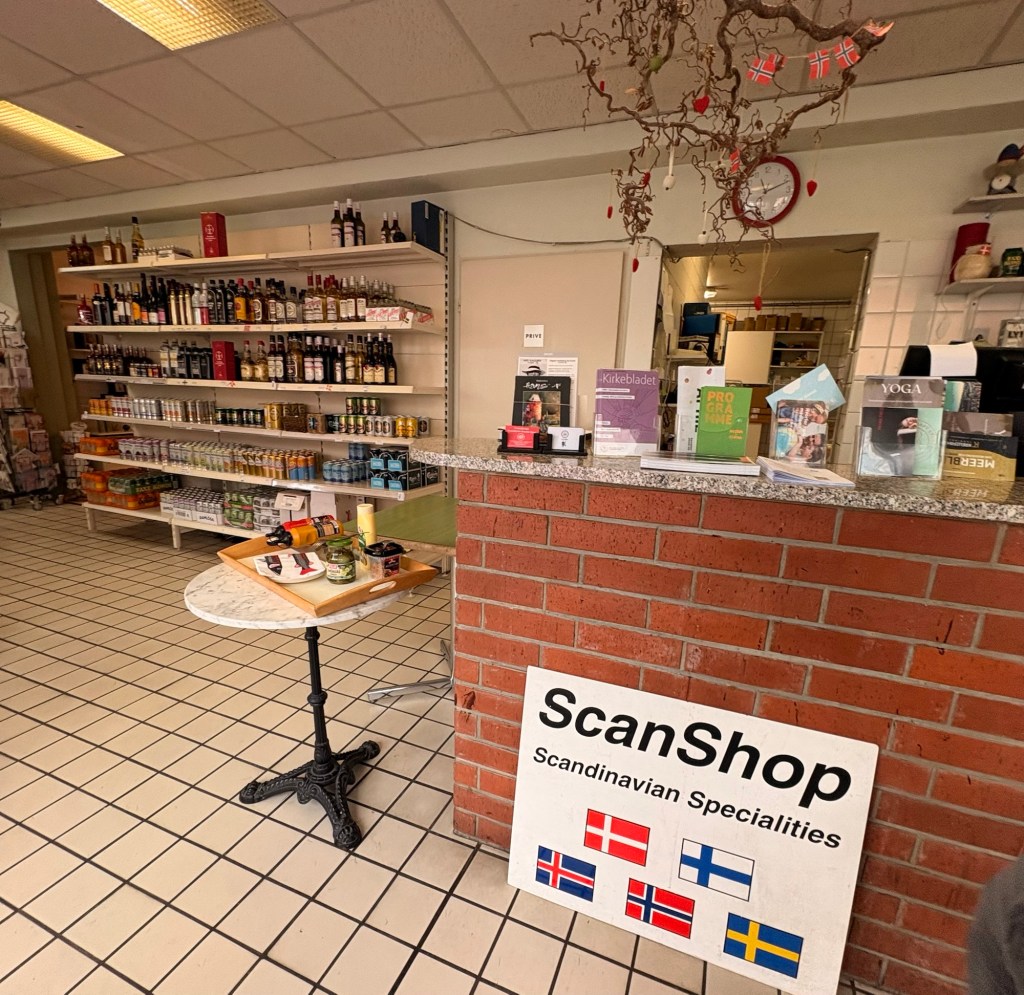
After having been in a number of Nordic bakeries in the Netherlands, I was in Luxembourg in April and I visited Scanshop: a supermarket for Nordic expats. You find a bit of everything you’d miss from a Nordic country (pricier I guess, but not as much as travelling). There is also a location of ScanShop in Brussels, Belgium.
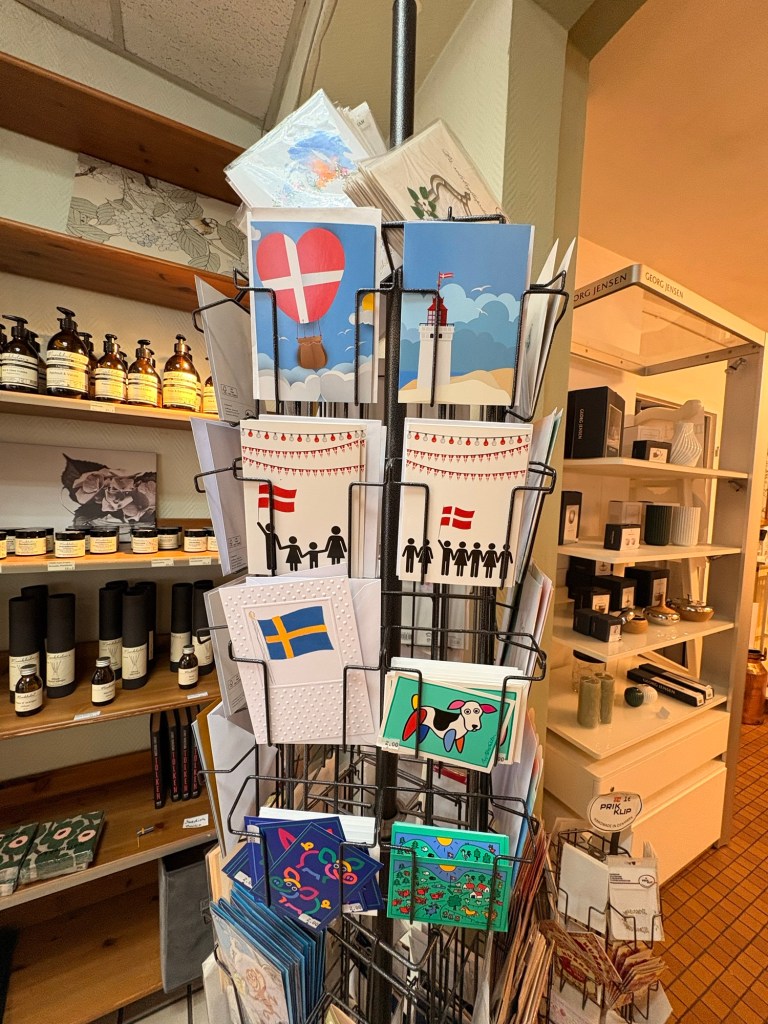
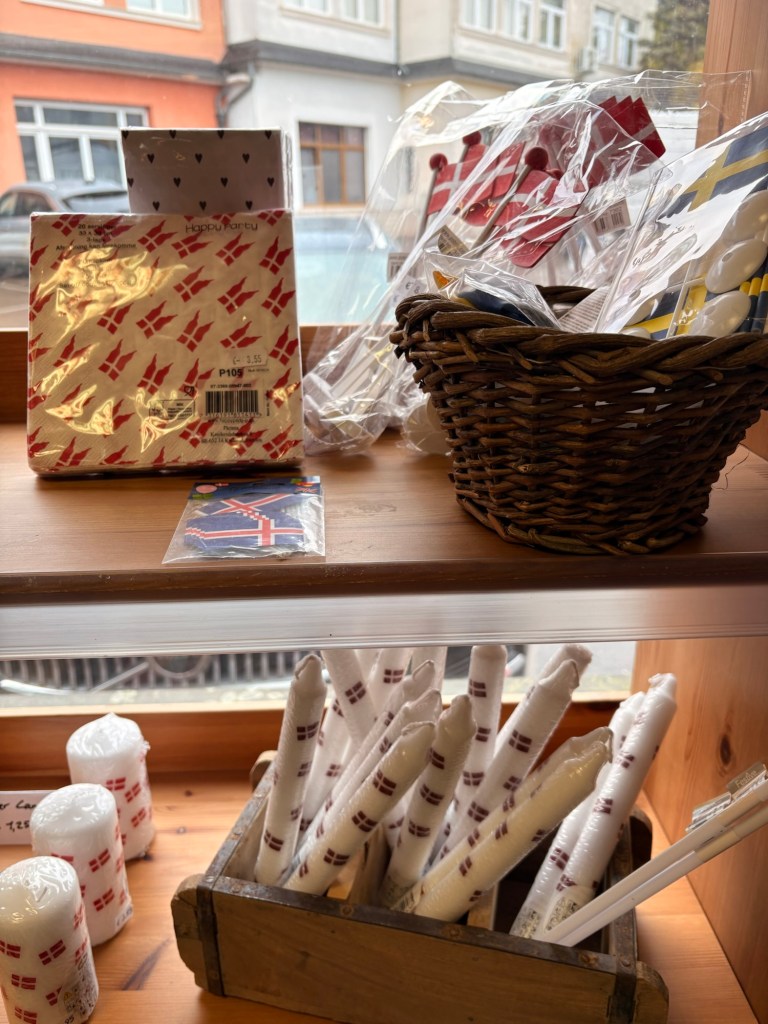
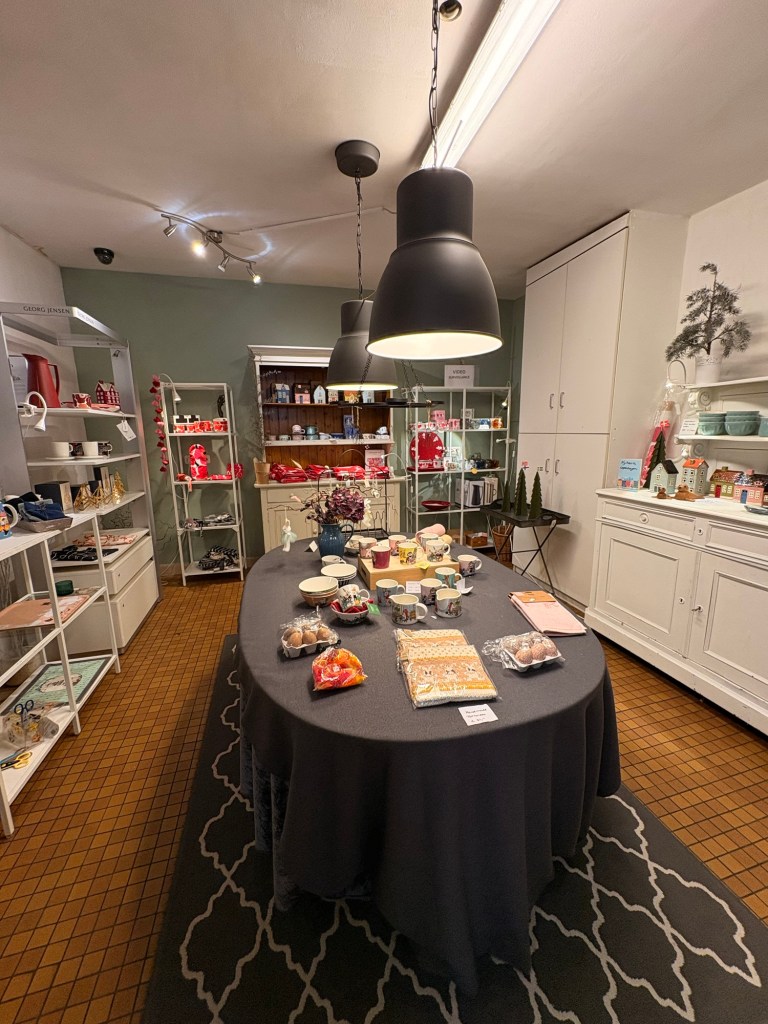
Besides food products, you also find a lot of flag decorations, greeting cards There is also a corner with magazines.
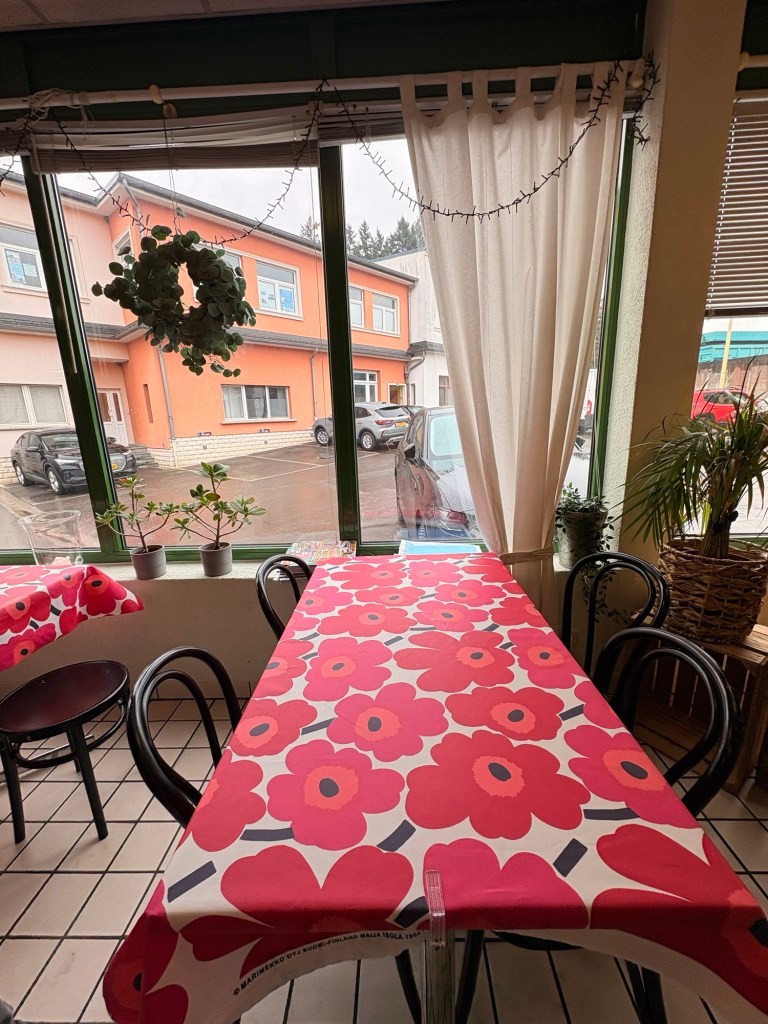
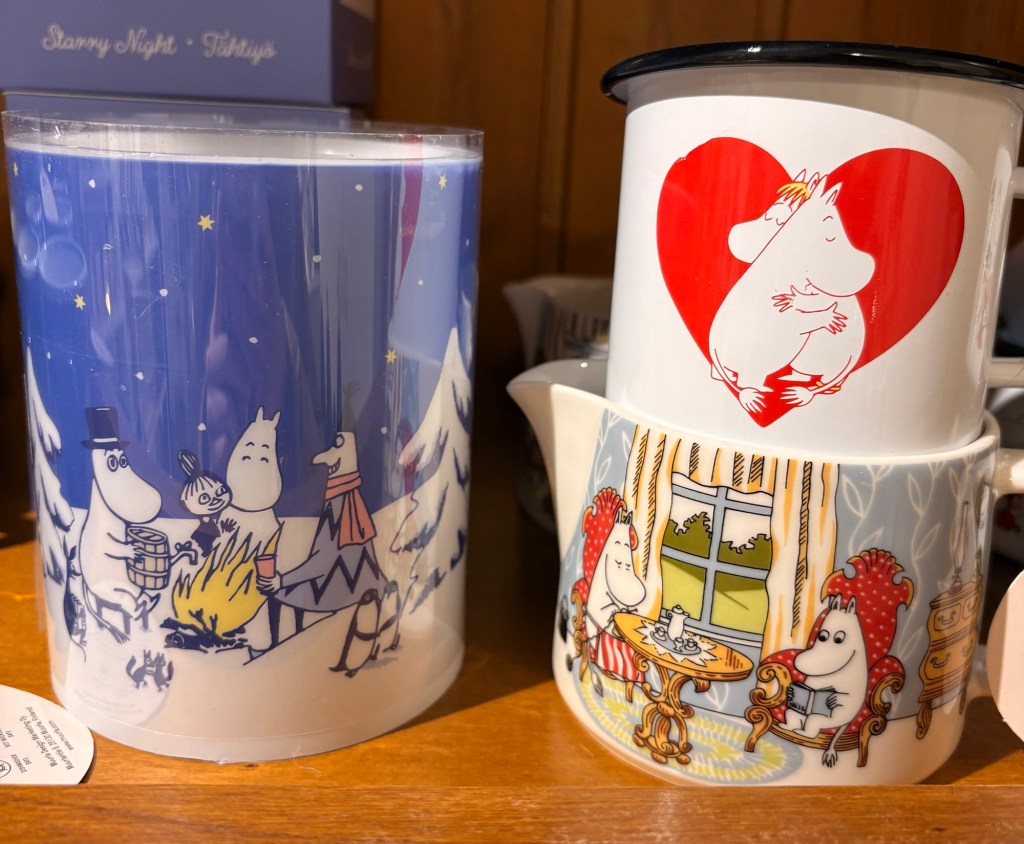
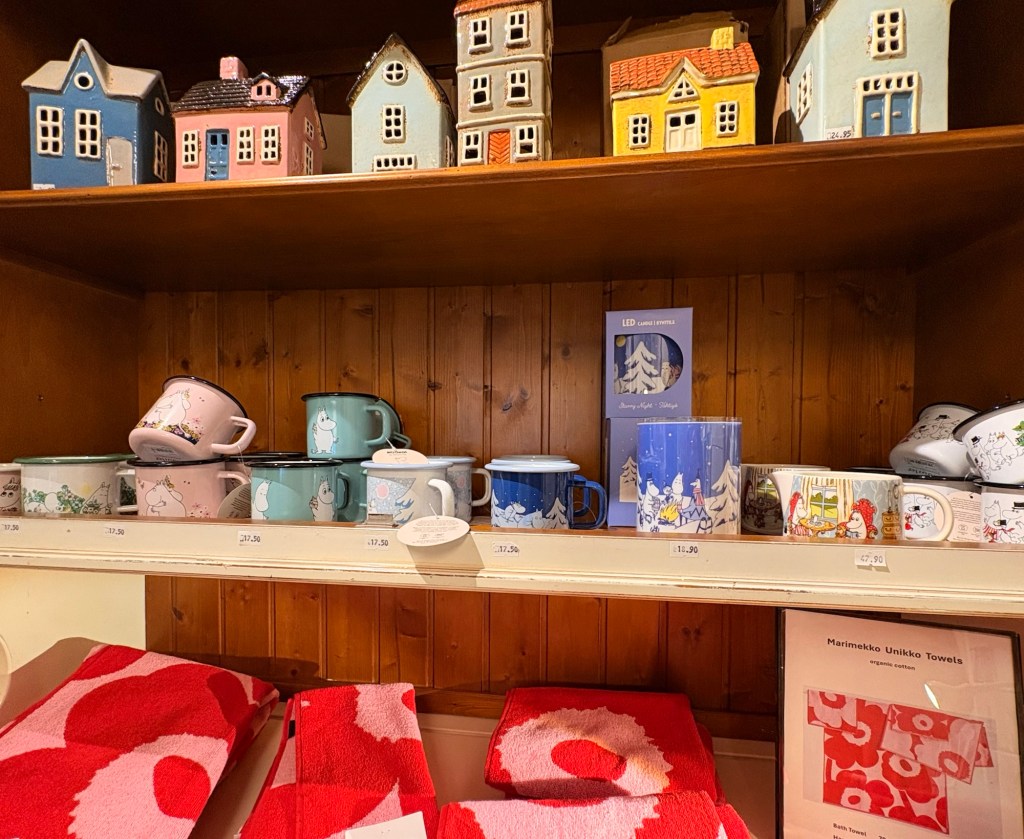
Tableware, moomin mugs and Marimekko handkerchiefs among others. What any Finn or Swede needs to call a place home? And the tiny houses you see here and there in Scandinavia.
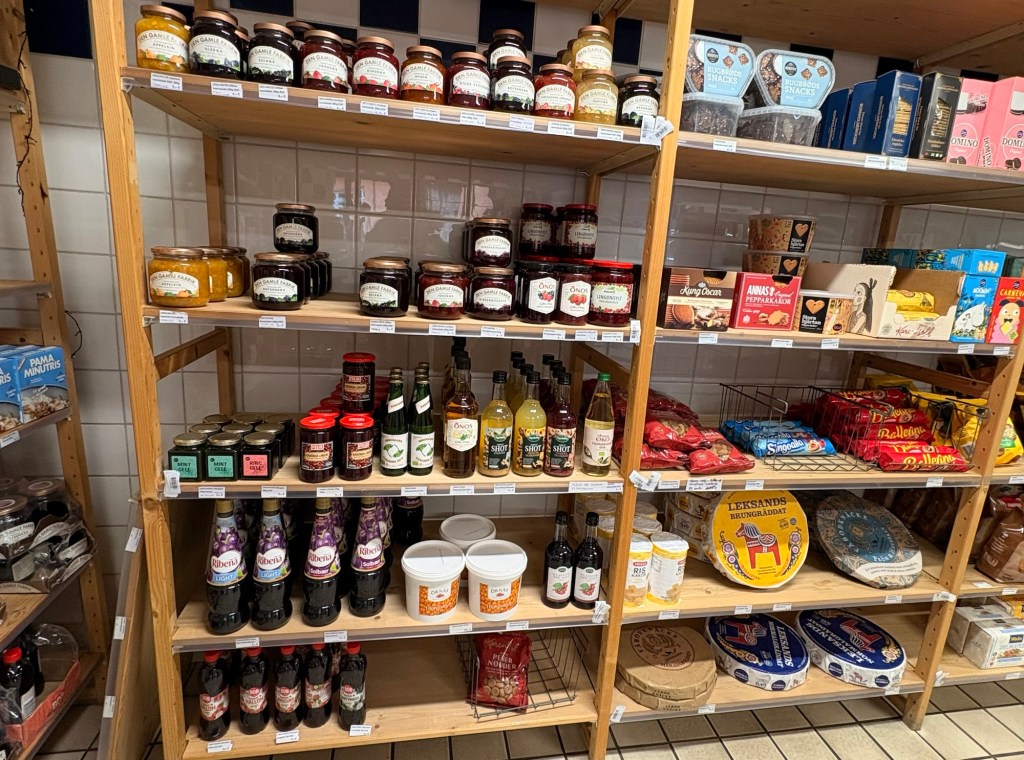
Food products from Nordic countries
A lot of staple products from Scandinavia are sold , including:
Fresh rye bread! knäckebröd, flatbread
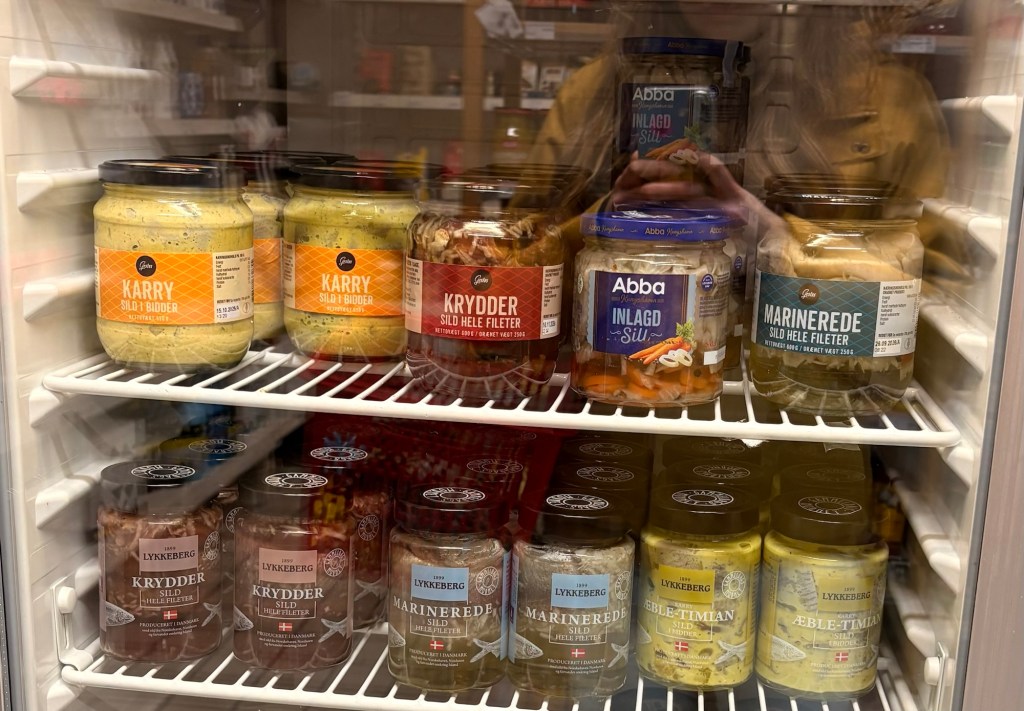
Fish and meat (meatballs, sausages, herring, cold cuts, leverpostej, shrimps)
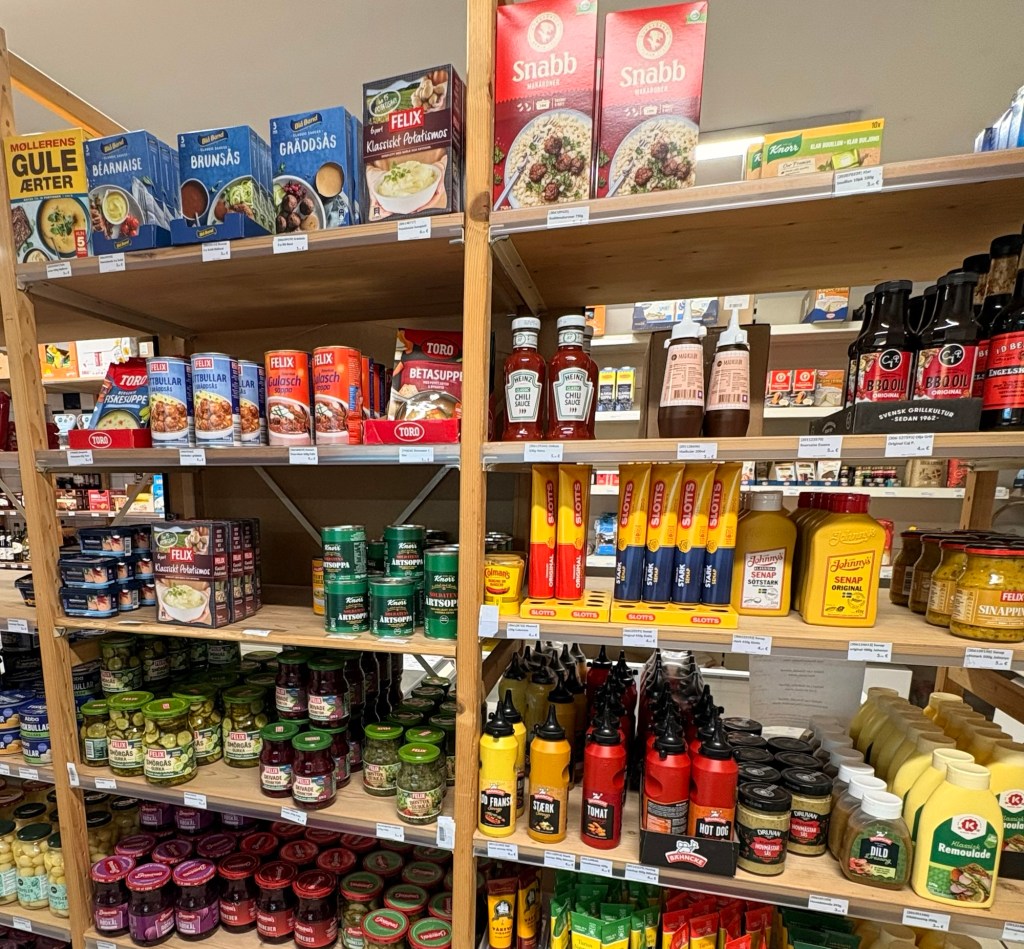
Sauces (remoulade, dill sauce, senap…); Frozen and canned soups, Bostongurka, red cabbage..
Cheeses (Brunost among others..)
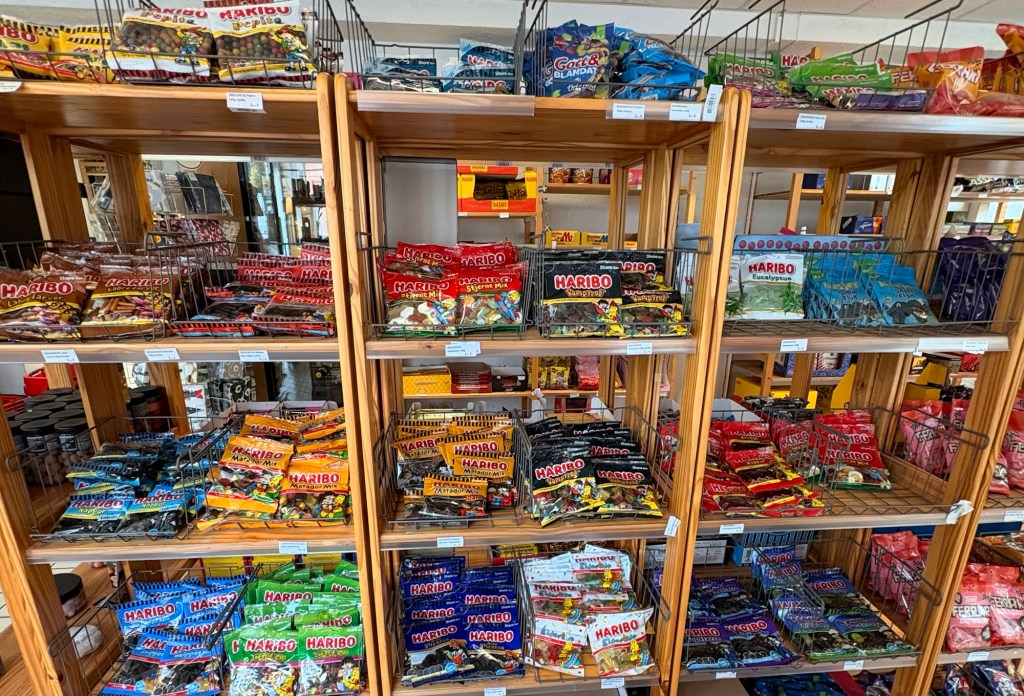
Cookies (ballerina, singoalla, peoparkakor, Karen’s…); chocolate (Marabou and Fazer bars, KEX, noblesse, Plopp, DAIM, Japp, Geisha, Da Capo; dumle…); Candy (Polly, Marianne, bilar, spunk, Läkerol, djungelvrål, Freyju djúpur…)
Various Baking stuff
Frozen Swedish cakes from Frödinge
Alcohol and soft drinks: Ramlösa, Faxe Condi, soda Matilde chocolate milk, akvavit..
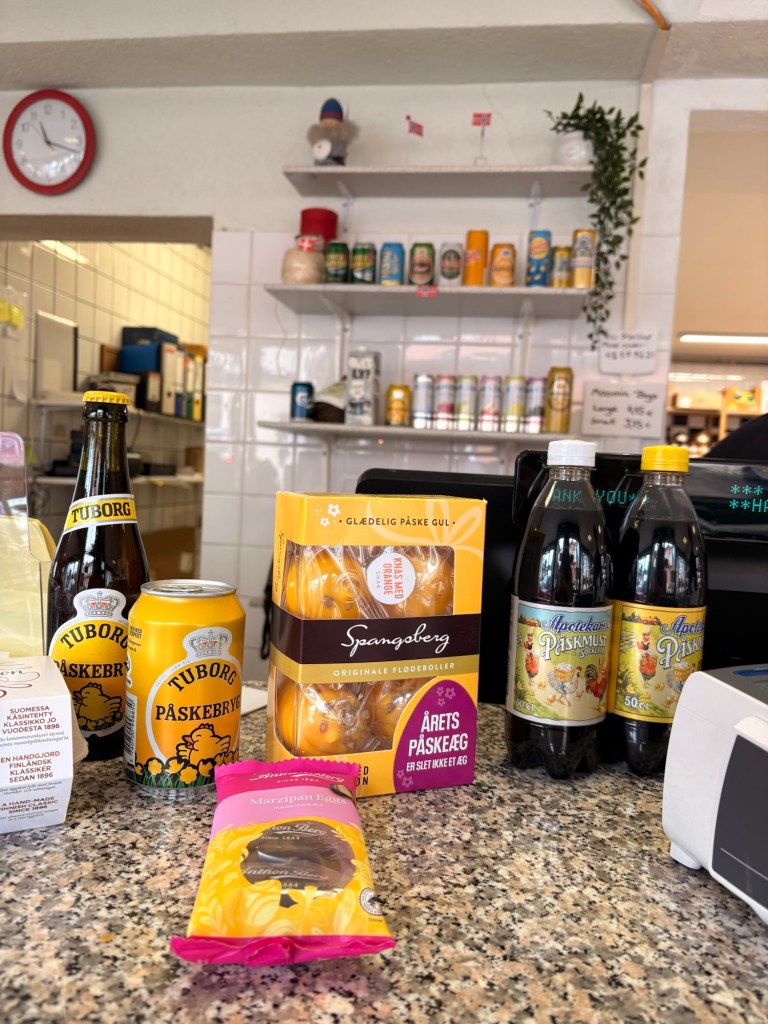
As it was before Easter, there were typical Easter products as Easter beer Påskebryg, Easter cola Påskemust, and Easter candy.
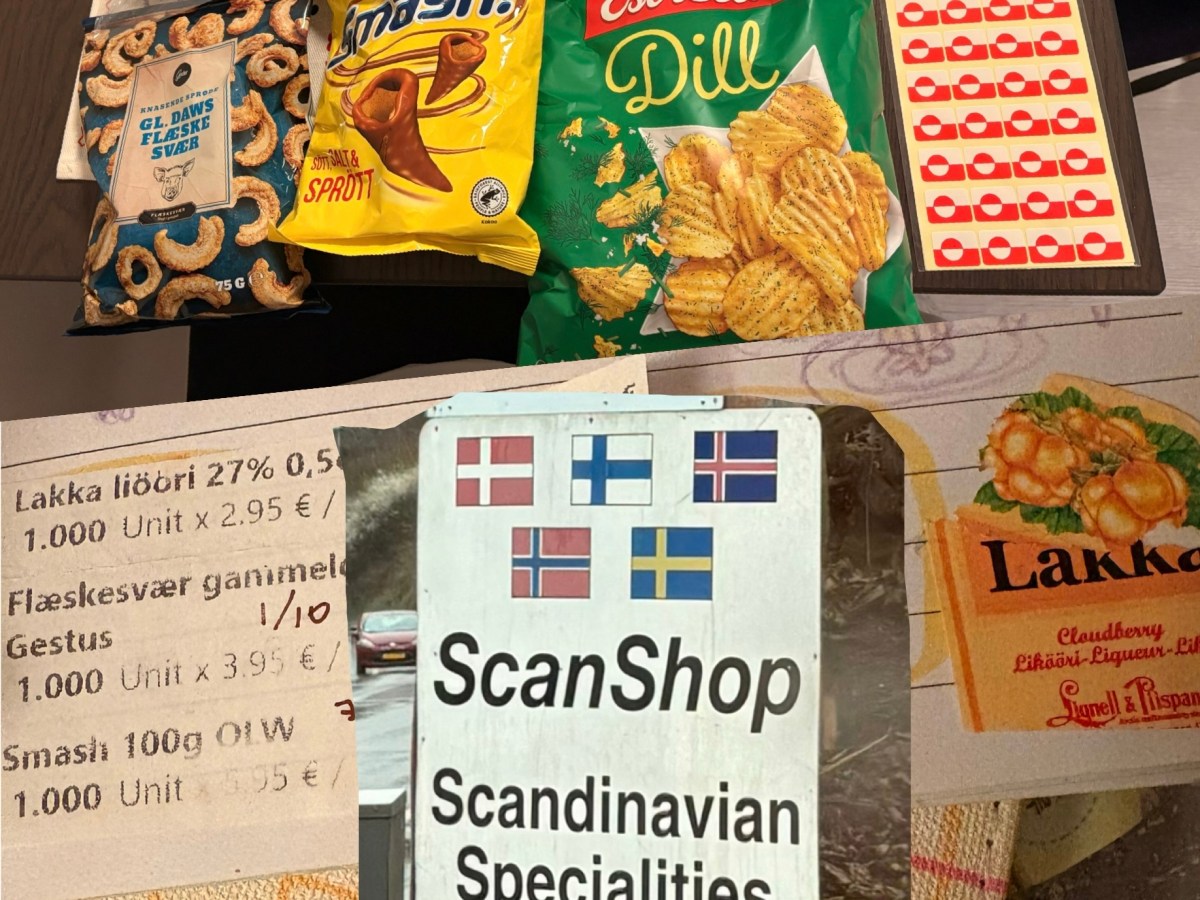
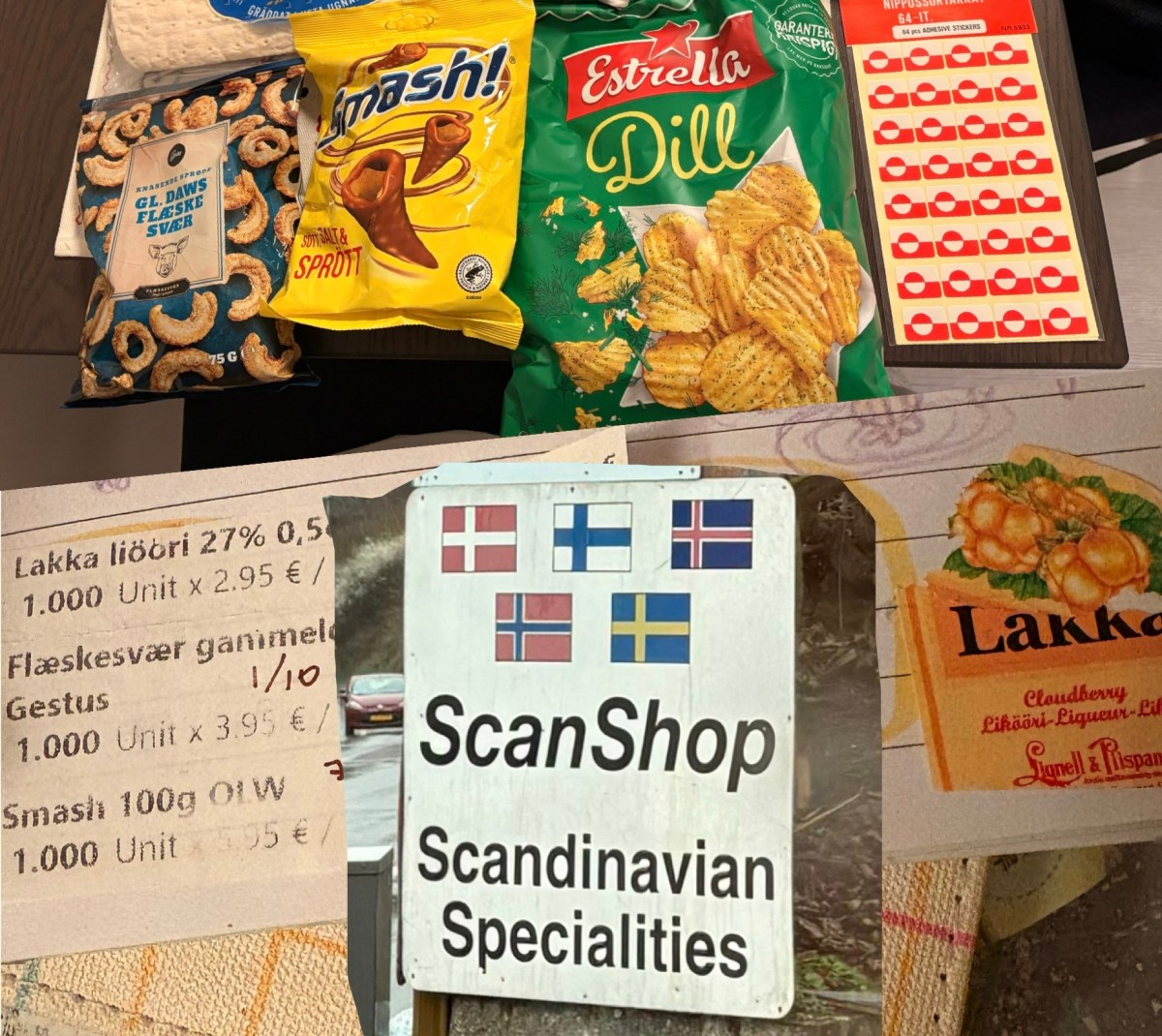
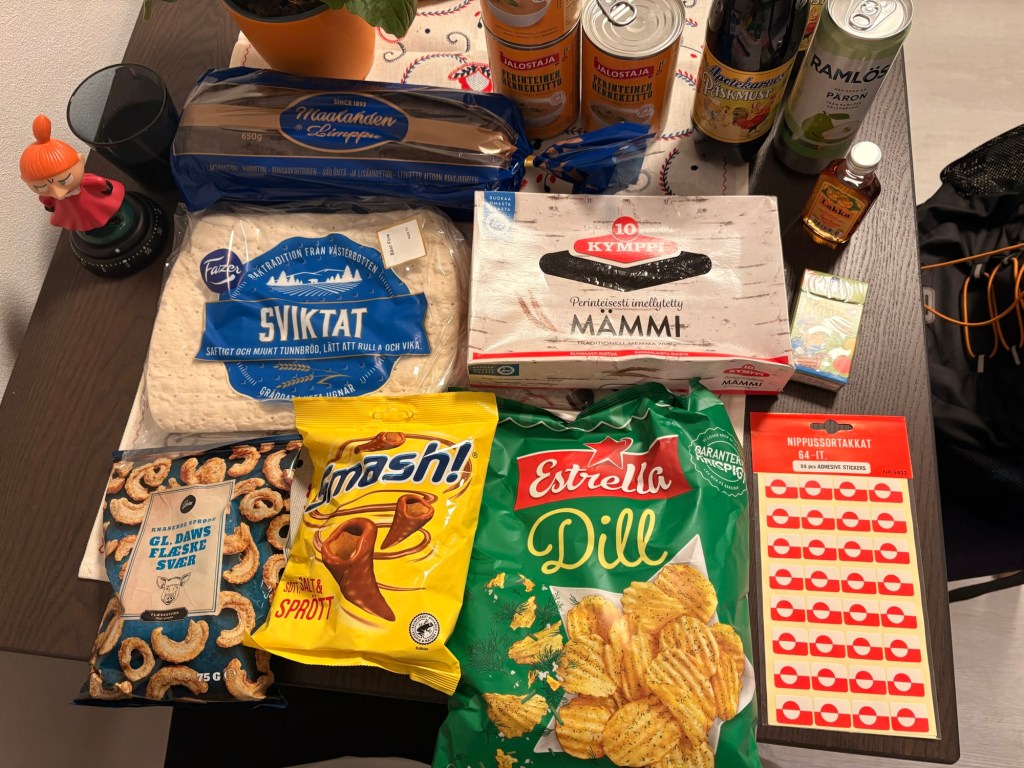
Here is what we bought:
Bread: Finnish dark bread (9/10); Flatbread
Mämmi – my first time trying and I absolutely love it, kind like cocoa powder in milk but it’s rye flavoured
Chips: Flæskesvær – I wanted to try it and it tastes terrible. Pork grease made into chips…I asked some Danes and they seem to like it.. SMASH! chocolate covered corn horns. Estrella dill chips. Good but not extraordinary
Flag stickers!
Drinks: Påskemust – basically spiced coke; Cloudberry liquor – I liked it! Ramlös pear soda
So, Finnish products were the winners here for me this time.
There is a ScanShop in Brussels, Belgium, as well. To be updated on their latest offers, you can check out their facebook page.
Just in front of the shop, there is also NORDBO Café & Bakery, where you can have lunch (smørrebrød, Danish roast pork and Swedish pyttipanna among others) lunch or enjoy freshly made bakes. It was unfortunately closed when I visited!
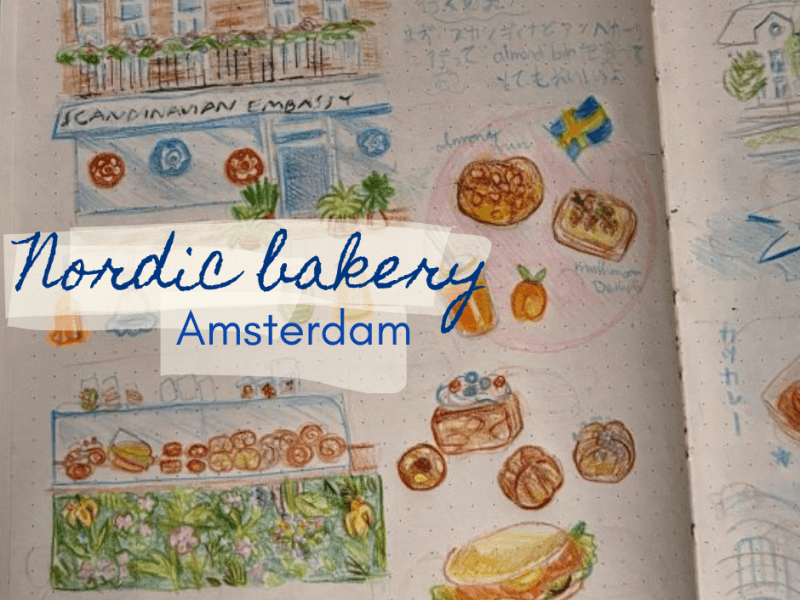
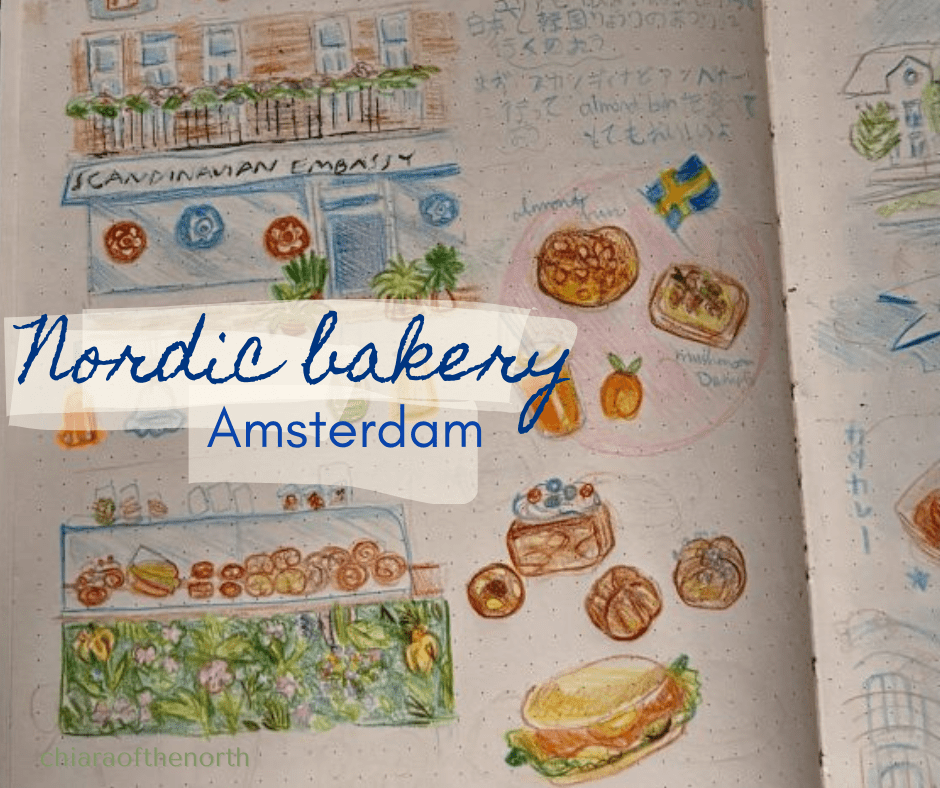
On a trip to Amsterdam, I decided to test Scandinavian Embassy and both of its two locations, starting with the bakery in europaplein. The two locations are in Amsterdam zuid: Saphatipark and Europaplein: in the former, a more central location, you can sit but it has fewer items than the bakery in Europaplein. The bakery,…
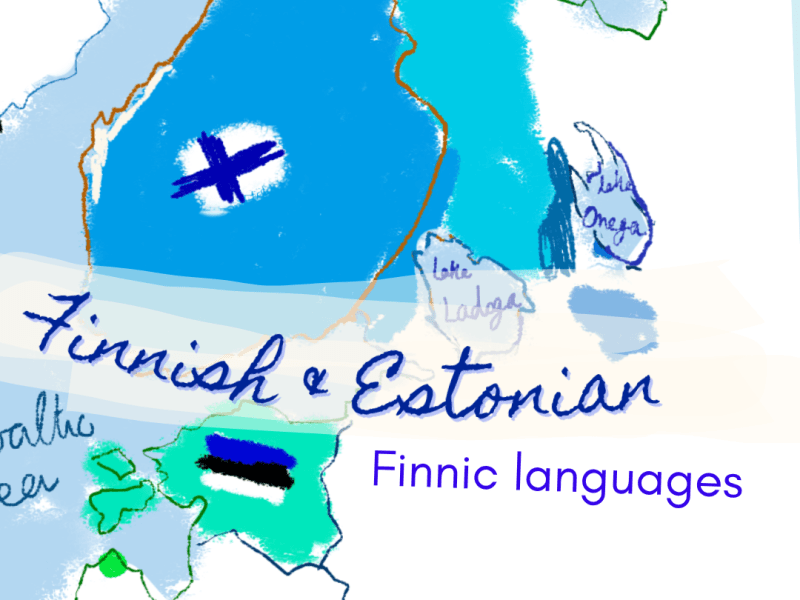
Estonian is a Finnic language, sharing many similarities with its ‘bigger’ sister Finnish, while being unrelated to all their bigger language neighbours
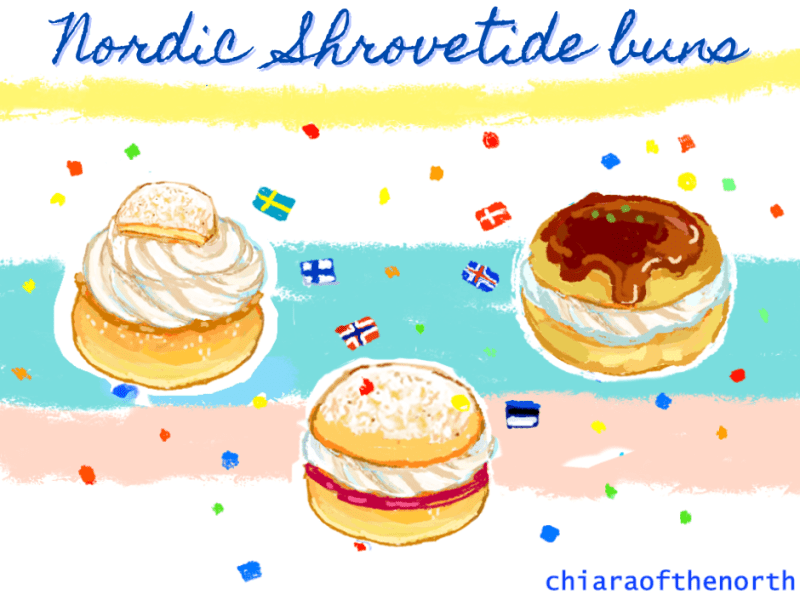
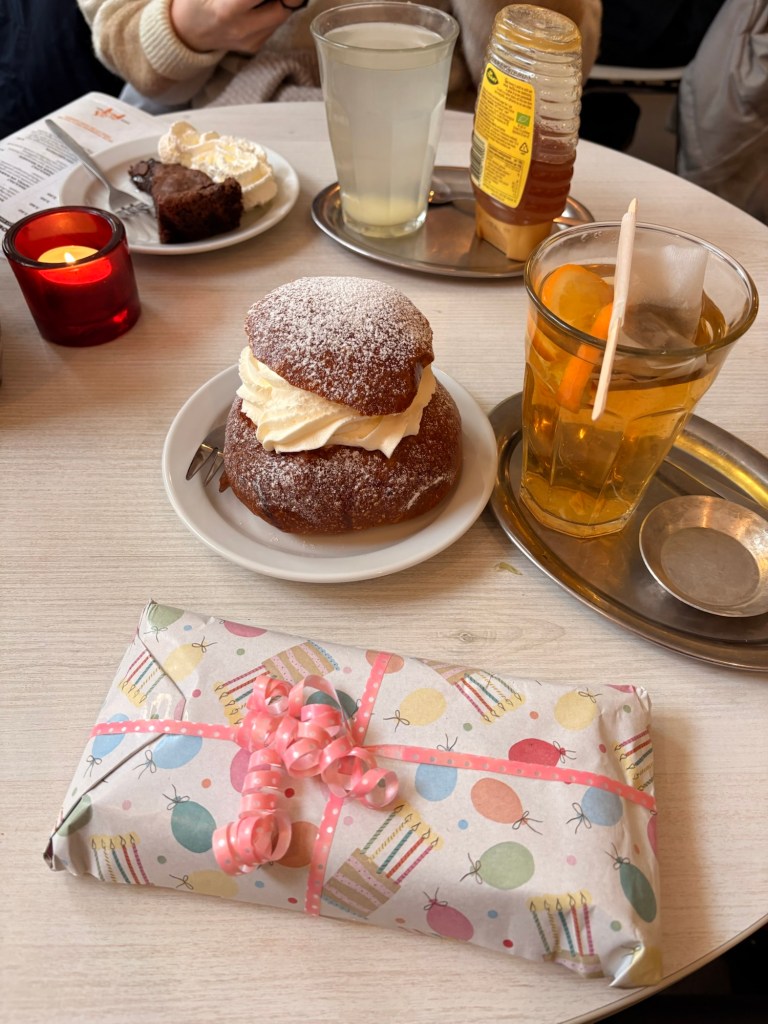
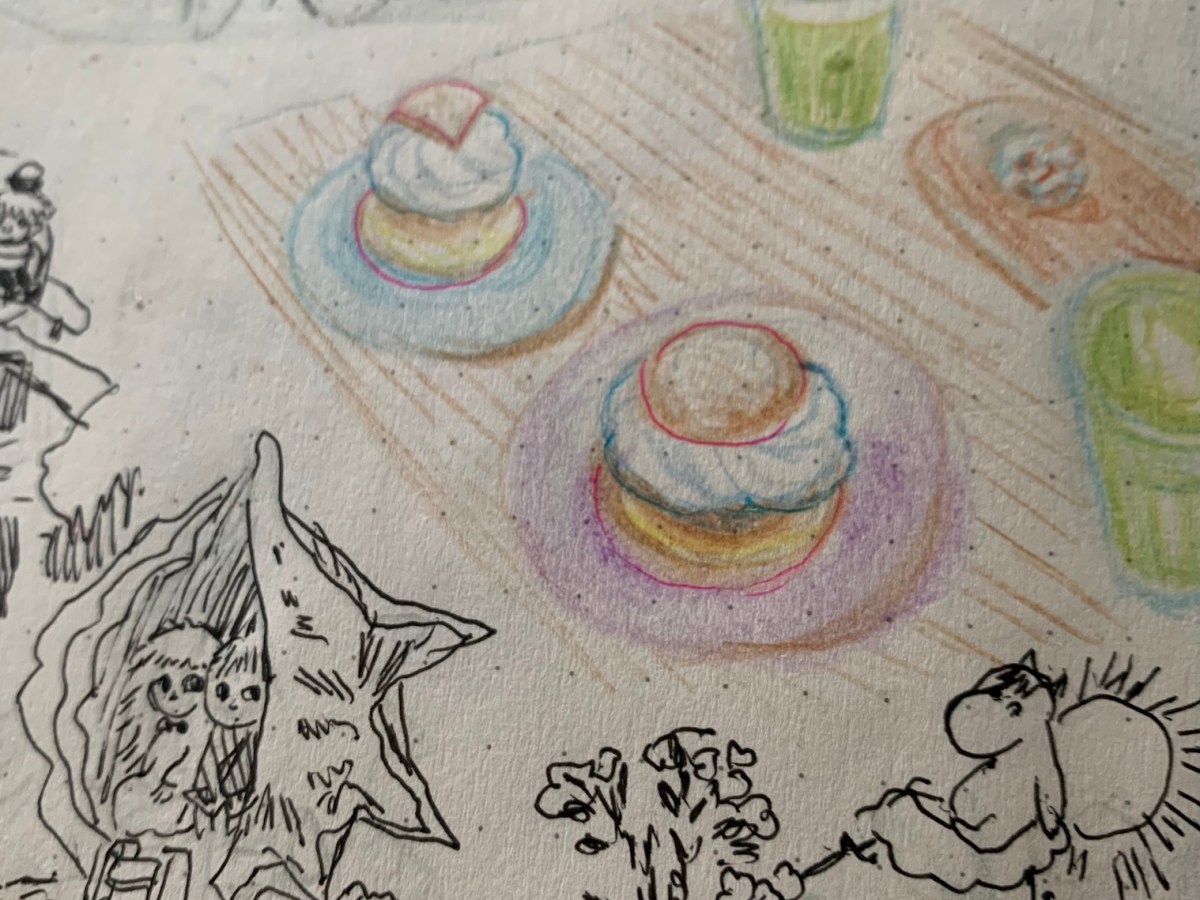
Cream buns are enjoyed in Nordic and Baltic countries during shrovetide, between January and February. Sweden’s classic semla has almond paste, while other countries variations include jam, vanilla cream, and chocolate icing top.
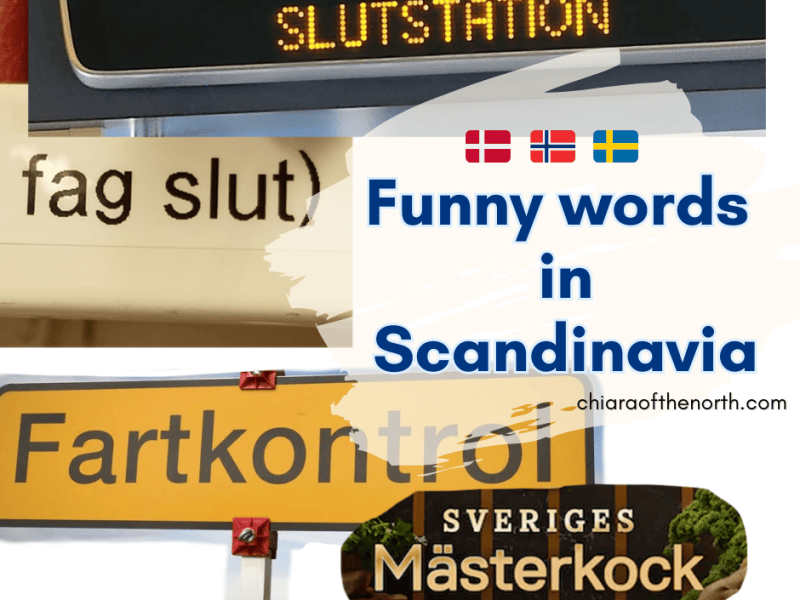
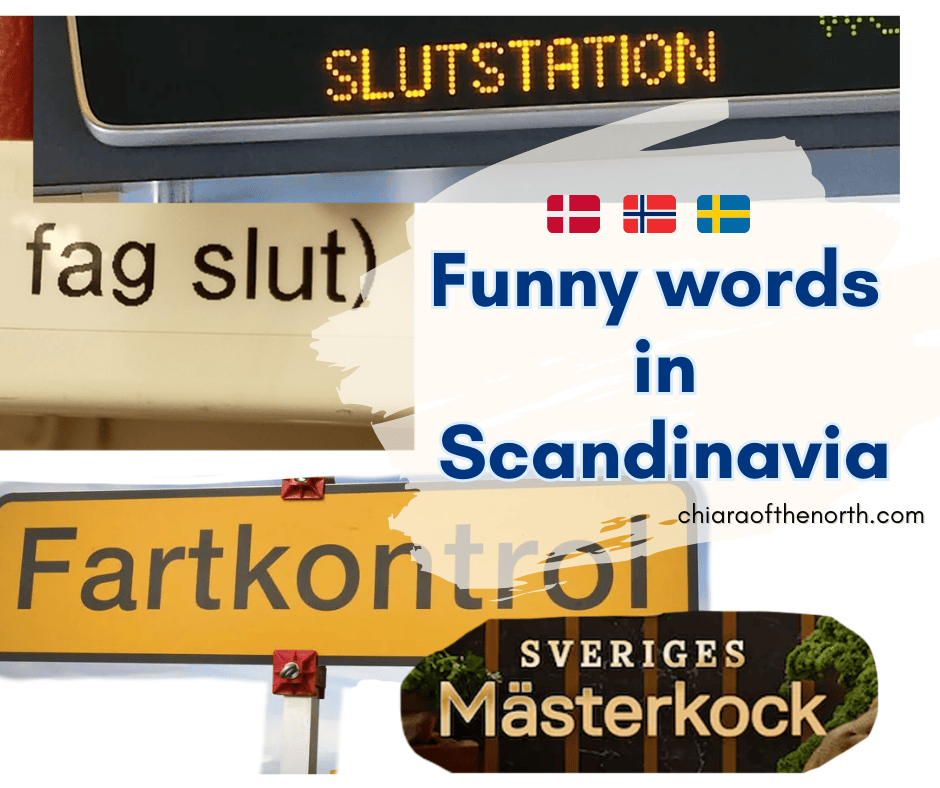
Take a train in Scandinavia to reach a “slutstation” or see”fartkontrol” signs while driving. Kiss and killing also mean something you were not expecting!
English and Scandinavian languages have, just like other languages, false friends and homonyms – words which look similar despite having different meanings.
You might see and hear fart, fagperson, and pussi which do not mean what you’d think – Continue reading to avoid embarrassing confusion if you will travel to the Nordics!
Do not feel insulted if you hear these words in Scandinavia!
Slut – end
et Fag (Danish) – used to mean a specific topic or specialization, as German Fach.
Tvätt (Swedish)- washing
Slags – kind/type
Normal stuff, with misleading names
En Kock (Swedish) – a cook/chef
En Puss – a kiss; Pussi (Finnish) – a bag
Fart – speed
Bra – just ‘good’!
En Killing – A young goat in Sweden. Or a kitty if you are in Denmark.
Mad (Danish) – food.
Words that do not mean what it looks like… but in a bad way
Kiss – Do not be happy to receive kiss in Sweden. That means ‘pee’.
Gift – Do not accept a free gift in Scandinavia, you might get poisoned.
Full – Maybe it makes sense as you are full..of alcohol.
Dog – died (verb)
Even funnier combinations you’ll see when travelling in Scandinavia
Slutstation – You are not ending up in a bad neighborhood.. It is just the last stop.
Fartkontrol(l) – Nobody is gonna do weird checkups on you, but be careful when driving…
A Fagskole is a vocational school in Denmark. Fagpersonis an expert in a given field. Fagslut at a Danish library is just the end of a specific topic on an aisle.
Sveriges Mästerkock is not a contest for the biggest **** in Sweden. It is the Swedish name of the cooking show Masterchef . It is a family-friendly show there as well, I promise!
Bonus false friends for speakers of Italian and German
Fika – a very recurring words in Both Swedish and Italian. Except that in Sweden it is a popular coffee break tradition involving pastries, whereas in italy a popular part of the female body.
Fickkalender (Swedish) – a pocket calendar sounds like a calendar for something else in German.
árslok – not an insult for Germans, but the end of the year in Icelandic.
Sources: Scandikitchen, Goetheinstitut on Instagram, Tayo826 on reddit, fartkontrol, archivegeo on tumblr (fagslut)
That was all for now. but more funny Scandinavian language facts will come.. so stay tuned.
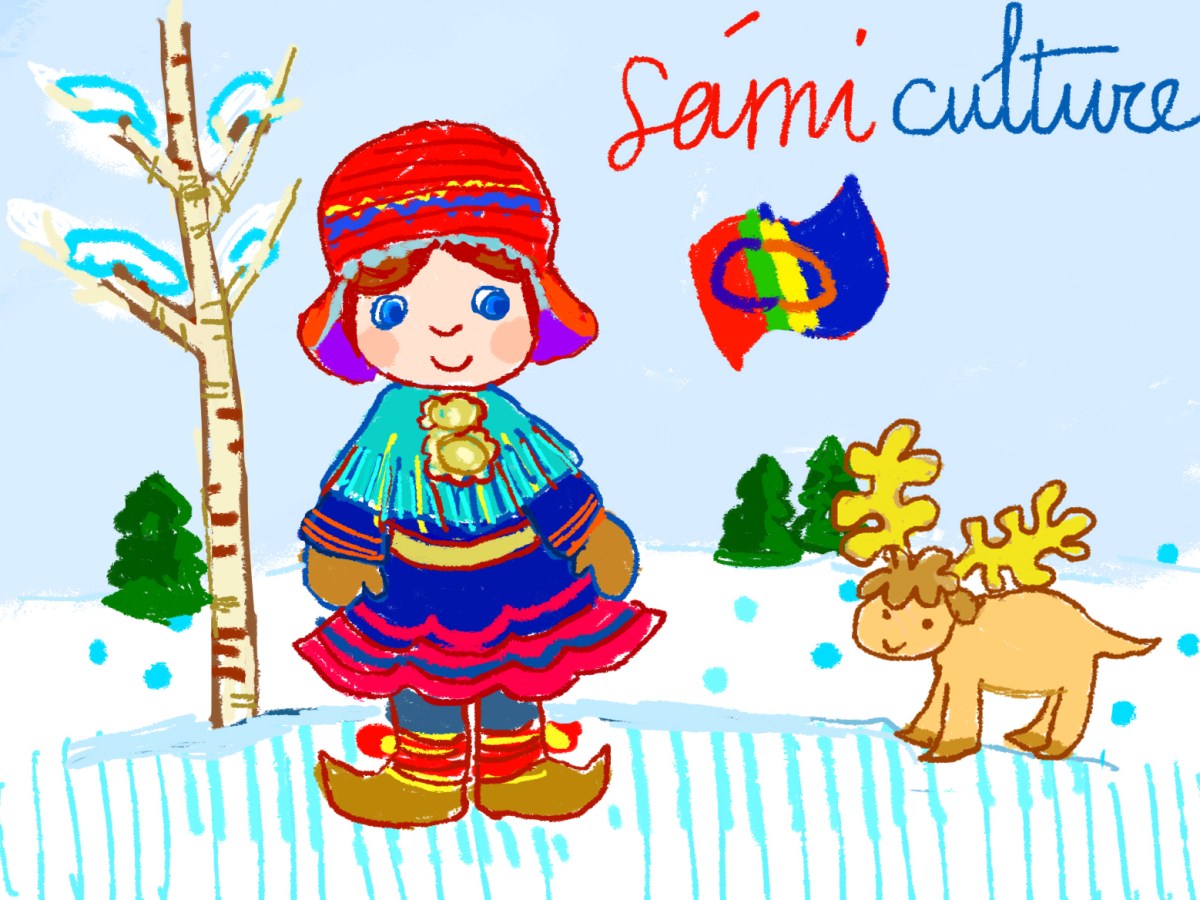
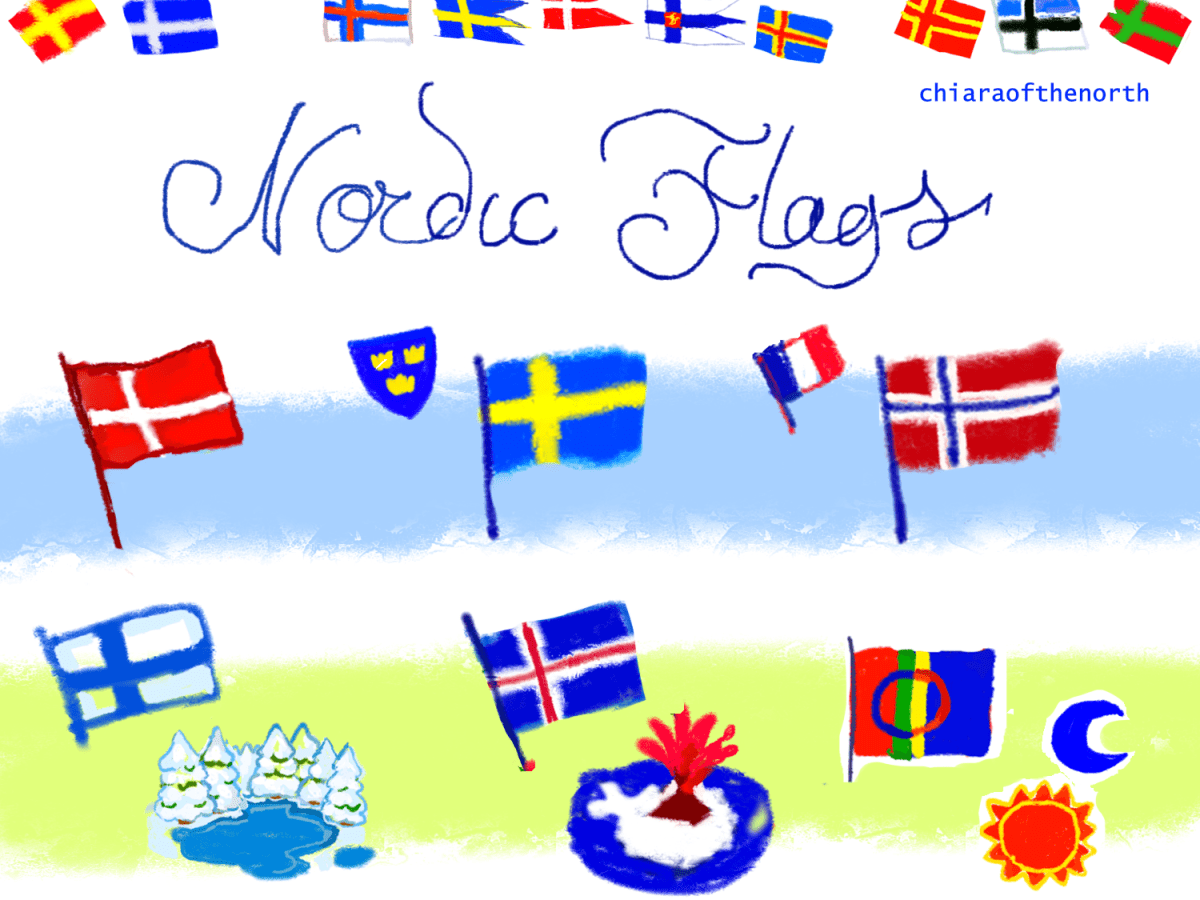
Sámi people, indigenous people of North Scandinavia, have a distinct culture, symbolised by its unique flag and traditional clothing, and part of it are Duodji handicrafts and unique musical expression through yoik.
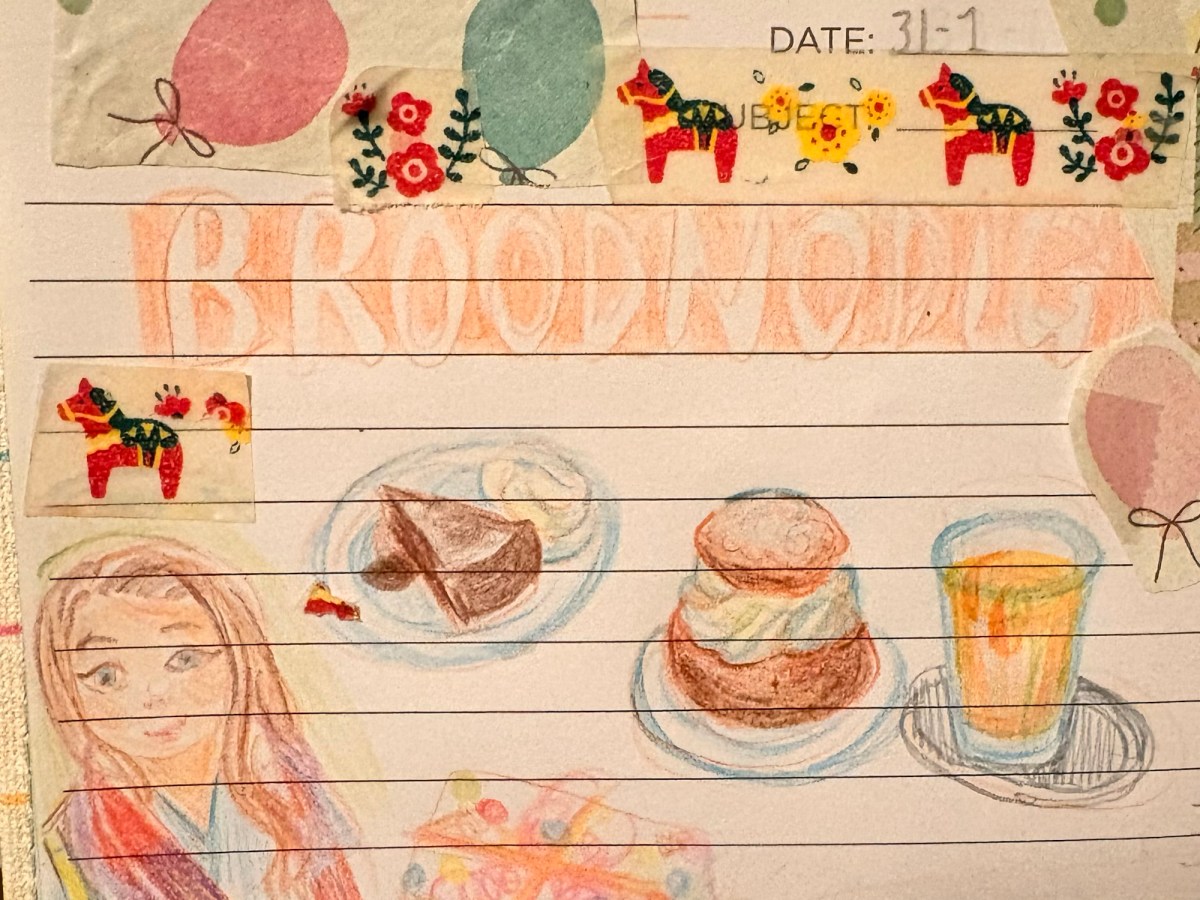
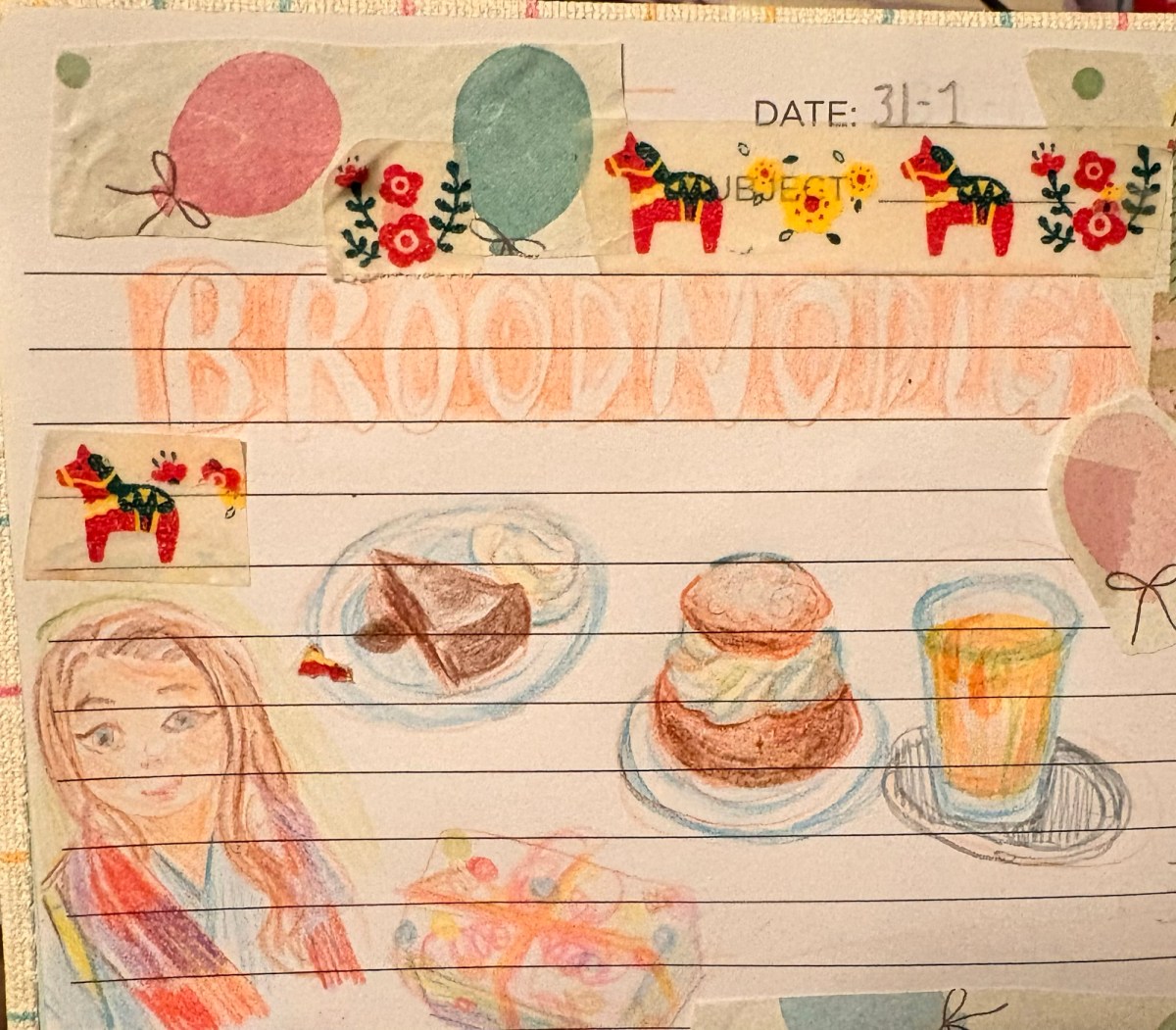
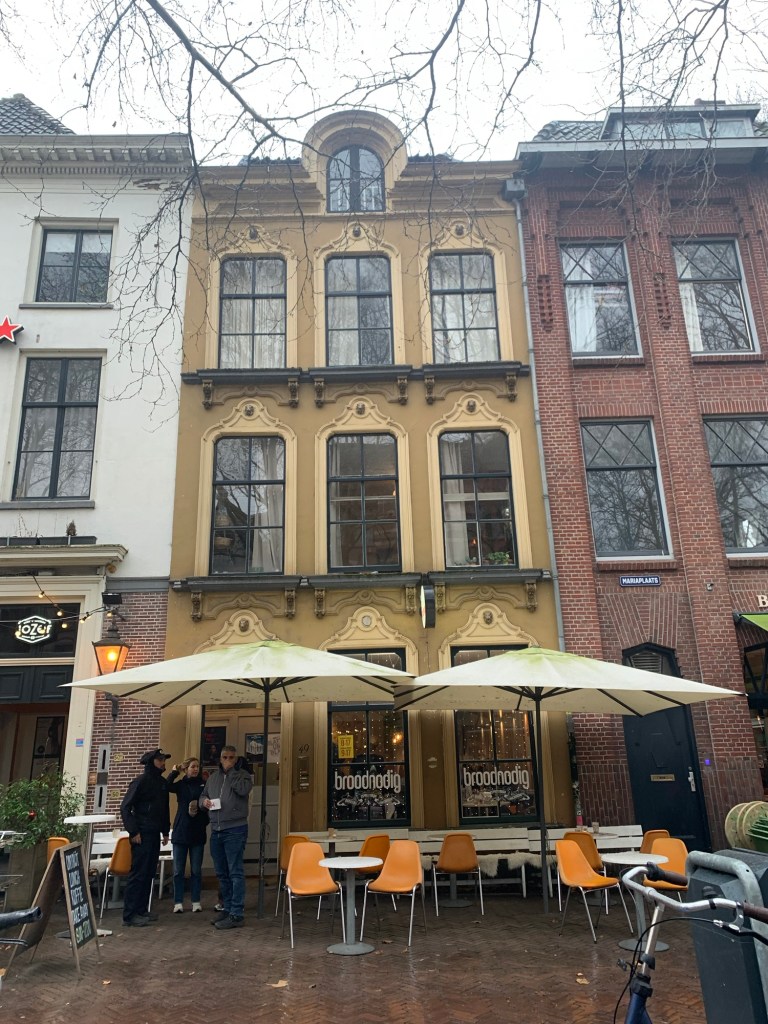
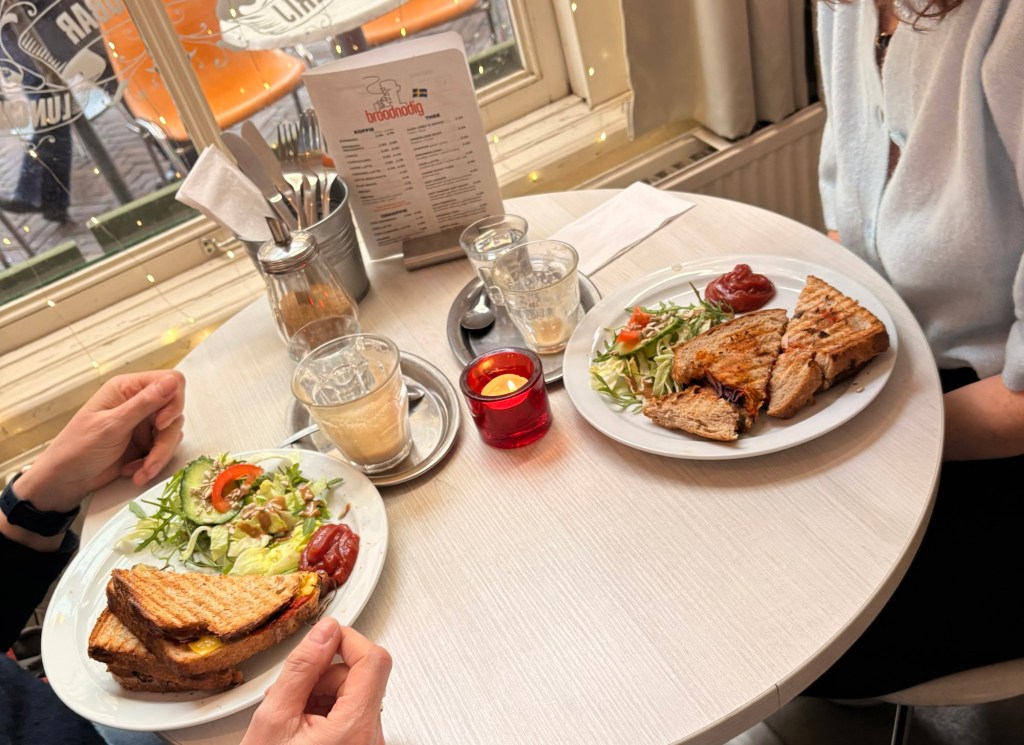
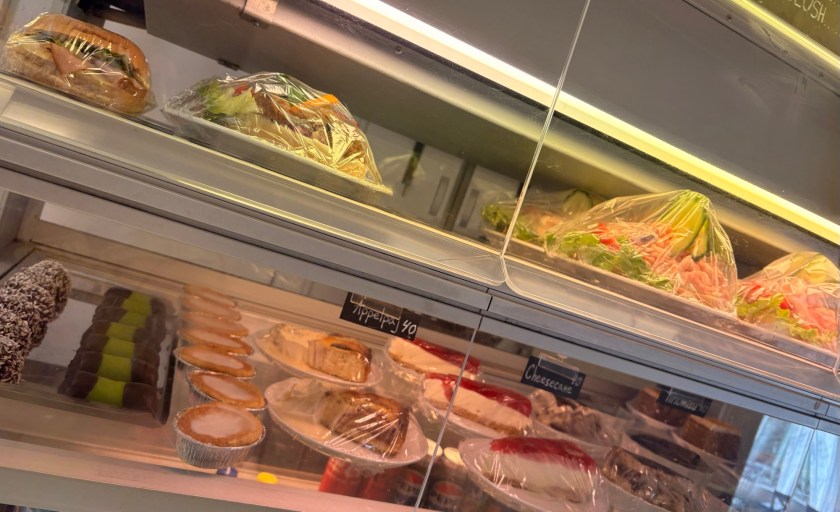
In Utrecht, the cafe Broodnodig serves Swedish pastries and cakes as cinnamon and cardamom buns, kladdkaka, smulpaj and Scandinavian seasonal treats as semlor and saffron buns.
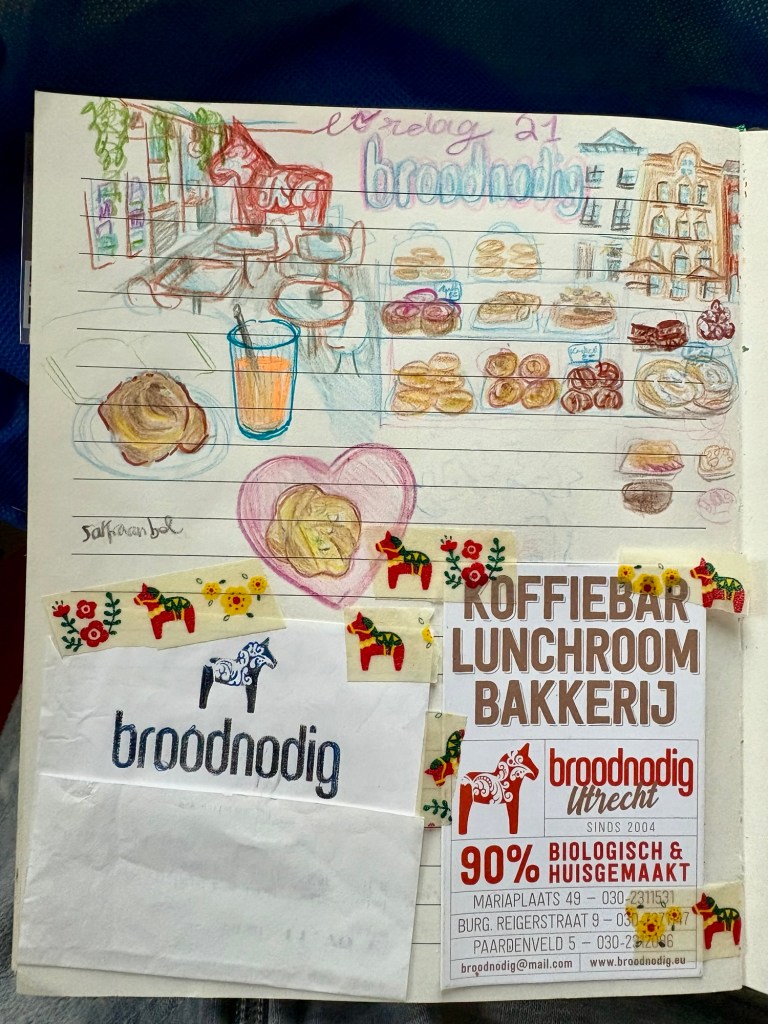
in 2024, during my quest to find Lussekatter, I found the Swedish-inspired cafe in the centre of Utrecht: Broodnodig .
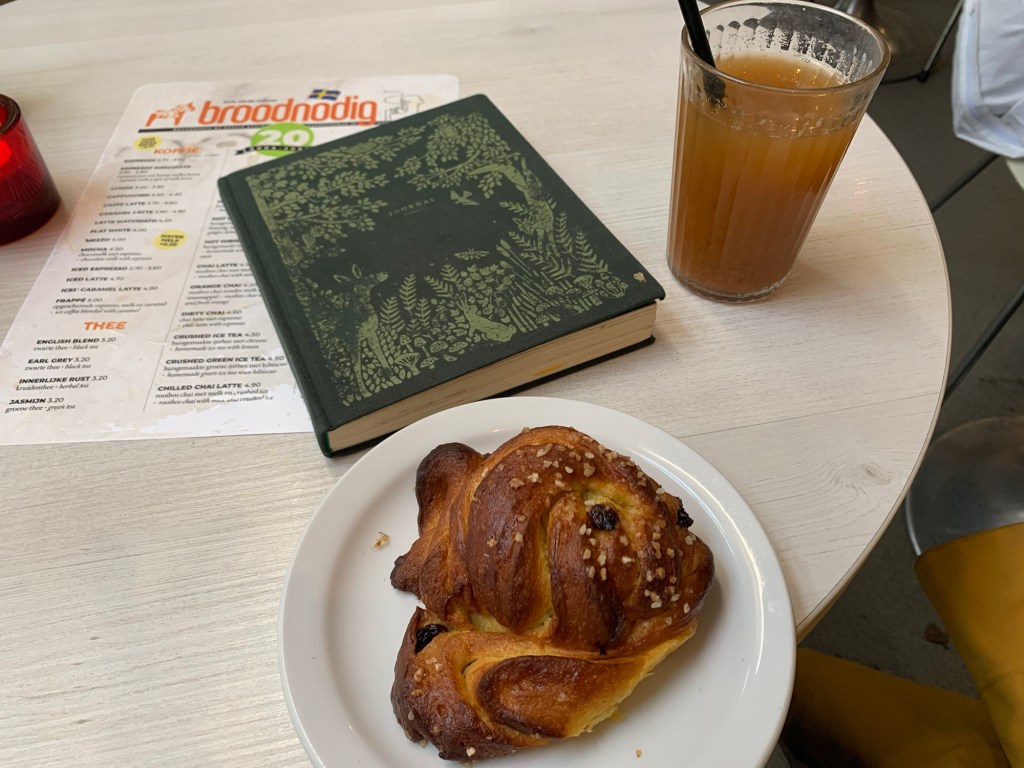
I have returned a few times and enjoyed Swedish seasonal treats as saffron buns and a Semla among others! Besides that, Kanelbullensdag (cinnamon bun day, 4th October) is celebrated with discounted kanelbullar. last October the deal was € 2,50 for a kaneelbol.
Broodnodig has 2 locations in Utrecht: I went to Mariaplaats, 5 minutes from Utrecht centraal station, and Paardenveld. Paardenveld is bigger, but closed on weekends! There used to be a location in Reigerstraat too, which closed in 2025.
Sweet Fika
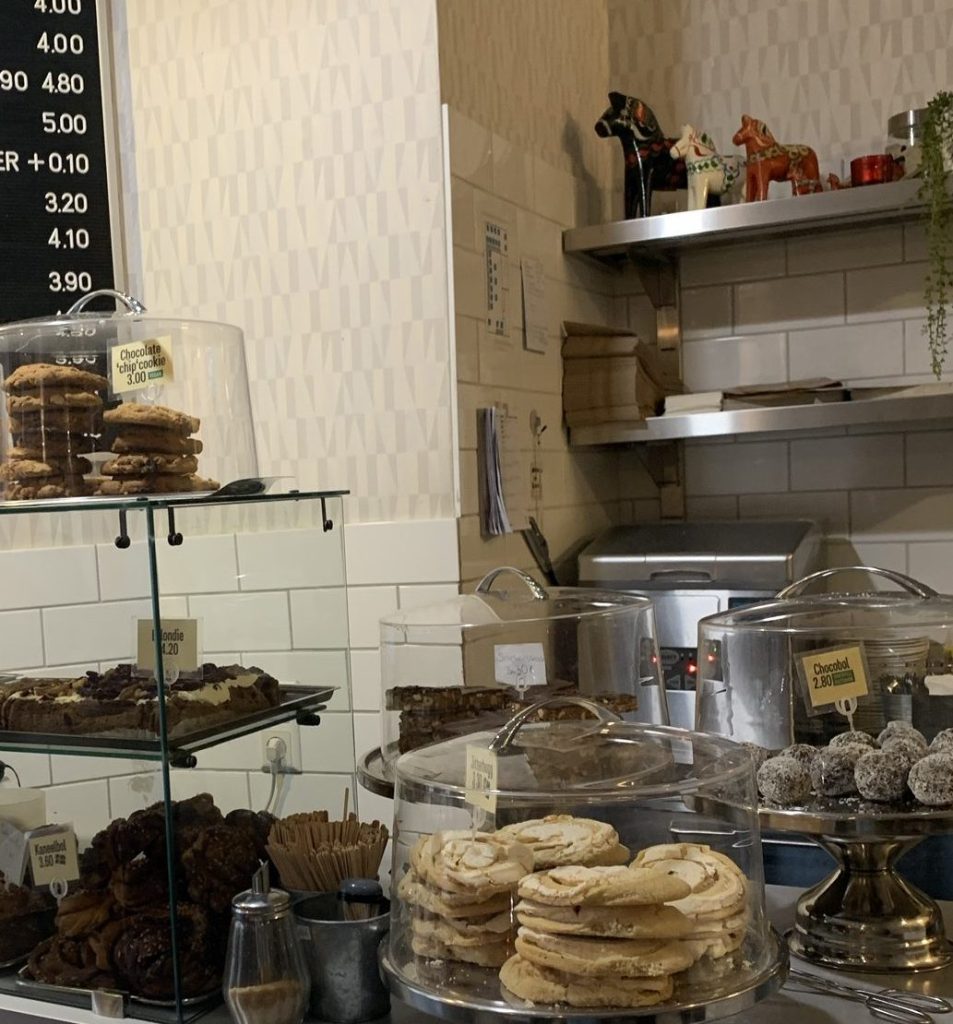
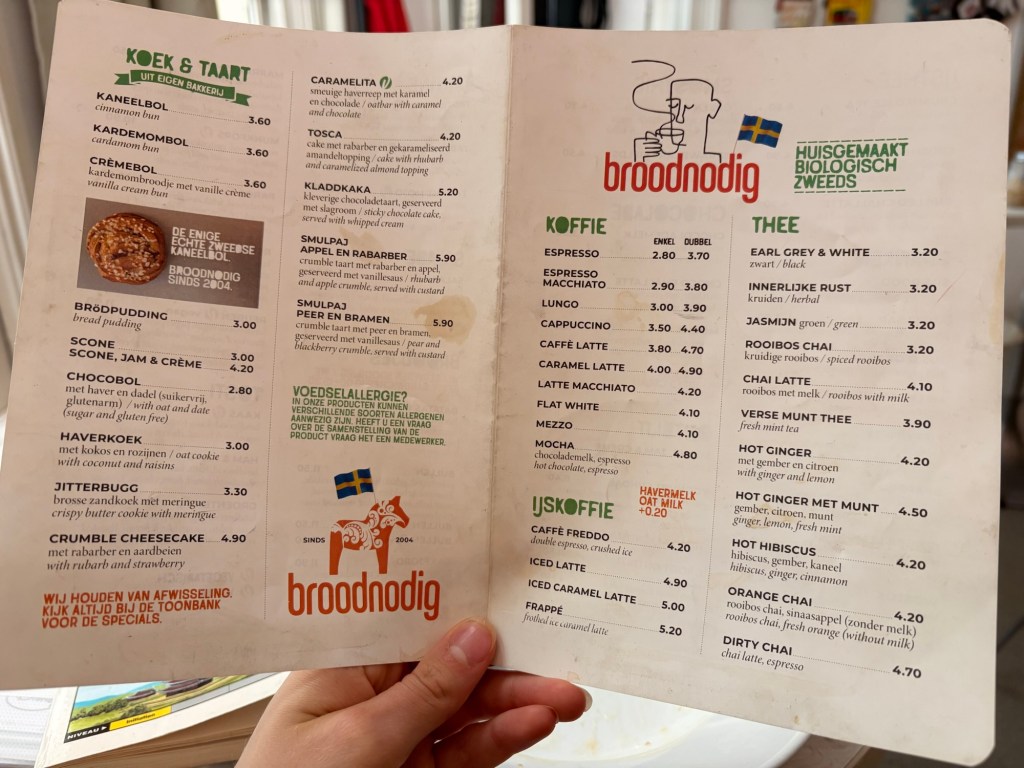
Broodnodig serves a number of typical Swedish fika treats (I liked how typical Swedish things in the counter were marked with a little flag next to the name) including:
Buns: cinnamon buns/kaneelbollen and cardamom buns/kardemombollen, since recently crème bol is also on the menu – a cardamom bun with vanilla cream).
Chokladbollar/Chocobol
Jitterbugg (shortbread snail with meringue)
Rulltårta (roll cake)
Smulpaj (crumble cake)- apple & rhabarber / pear & blackberries
Tosca (almond cake) with rhabarber
Kladdkaka (gooey chocolate cake)
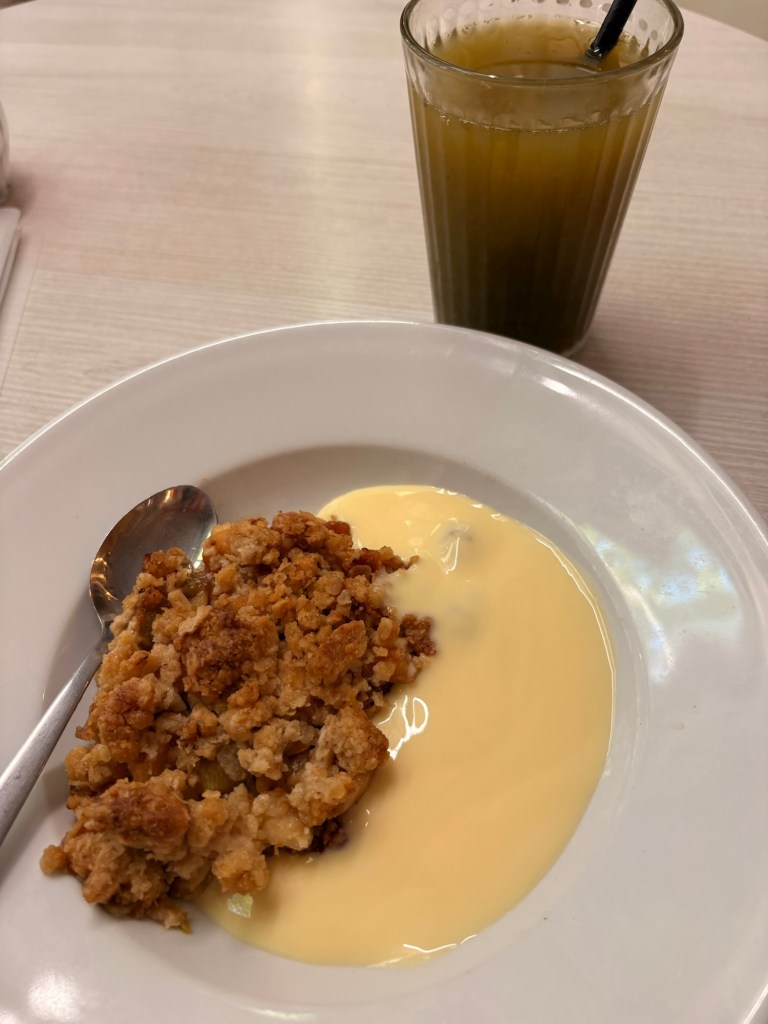
smulpaj
Broodnodig used to have Oscarstårta (lemon, merengue and almond cake) in summer, which was why I passed by last time. But they have unfortunately discontinued it. So i took a Apple & rhabarber smulpaj instead – served with vanilla sauce as the tradition commands.
Lunch options
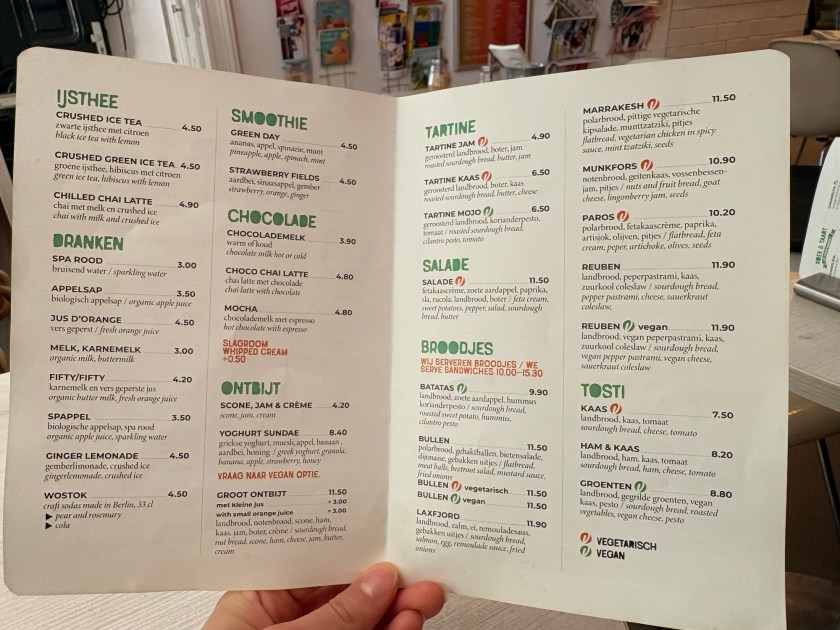
Broodnodig makes several sandwiches with polarbread and sourdough bread. I will try them one day!
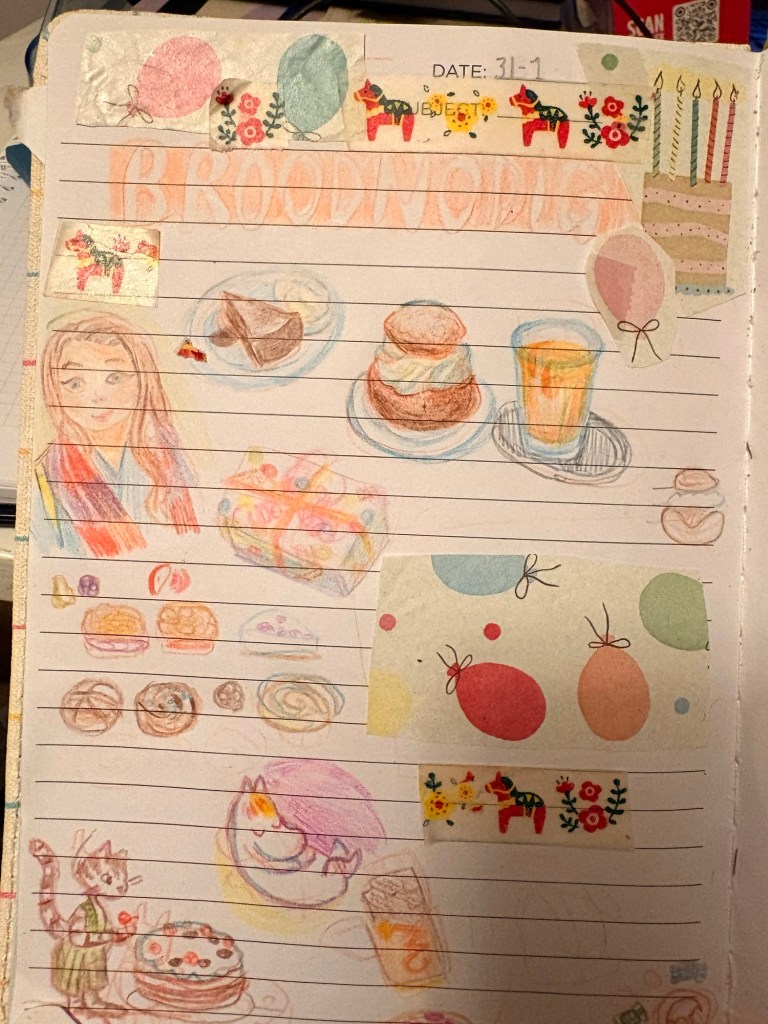
As already mentioned, at Broodnodig you can find typical Swedish treats according to the season. December for a yuletide saffron bun, and january/february around Carnival for a Semla! I love both of them, and got to taste them in their Utrecht version.. They did not disappoint!
As i cannot miss them anymore, I have tried these in several Scandinavian cafes in the Netherlands.
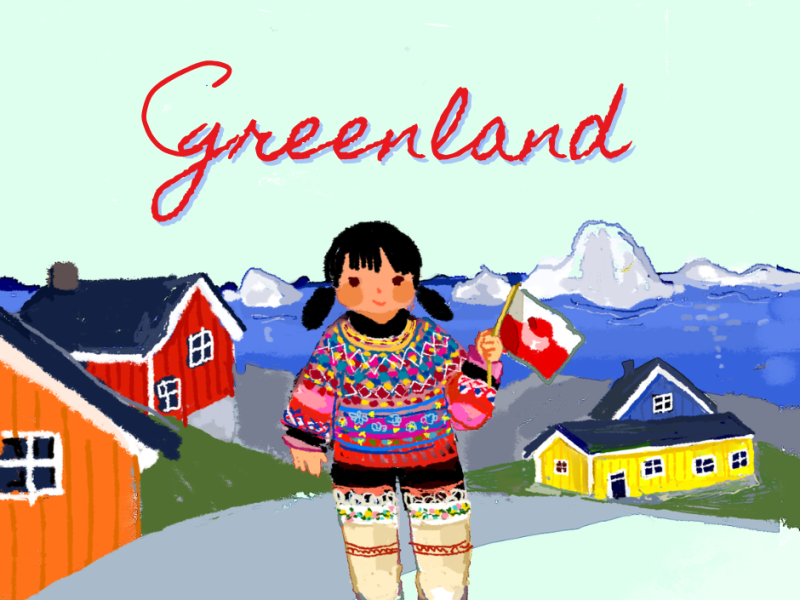
Discover Greenland, home to the Inuit Kalaallit, and its most iconic aspects as its flag, language and folk costumes. The biggest island of the world has a rich history of indigenous culture intertwined with Norse colonization and later Danish rule.
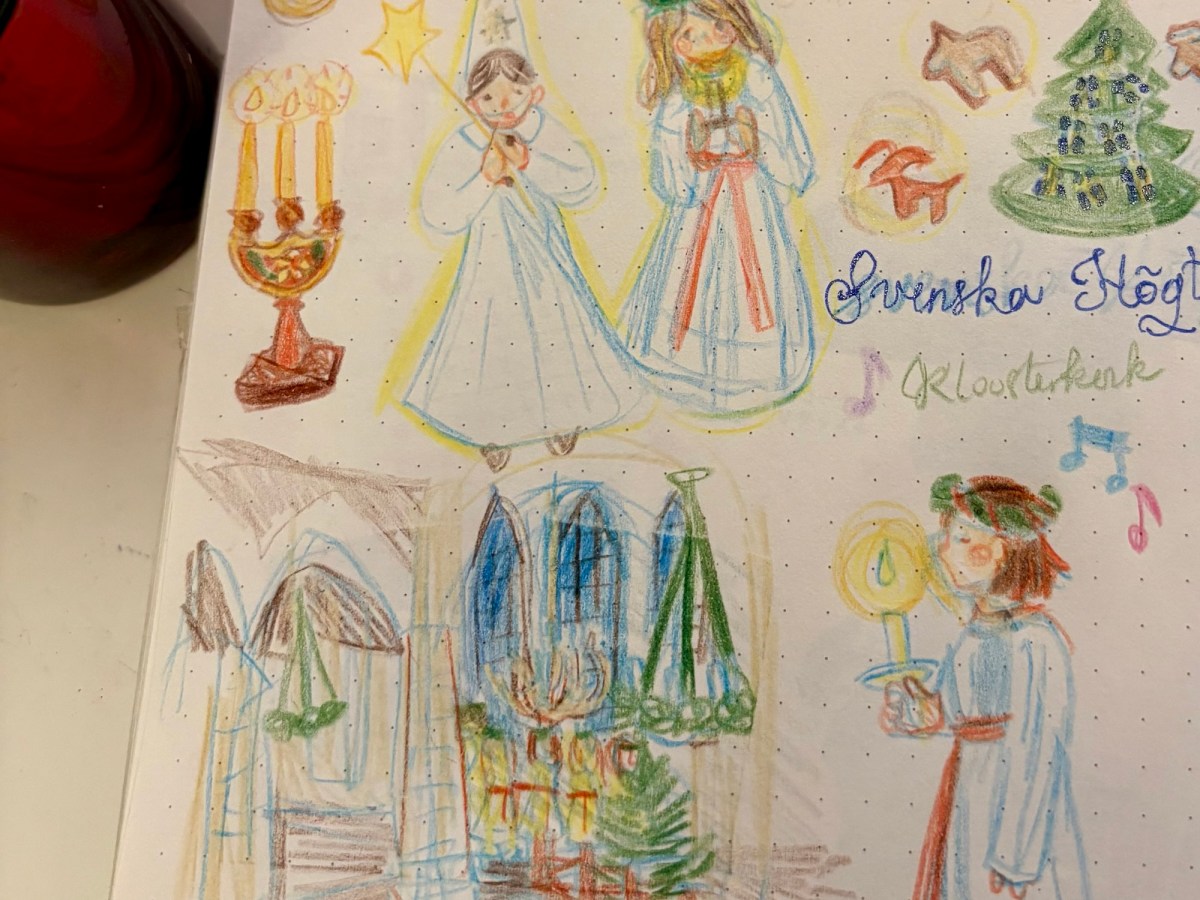
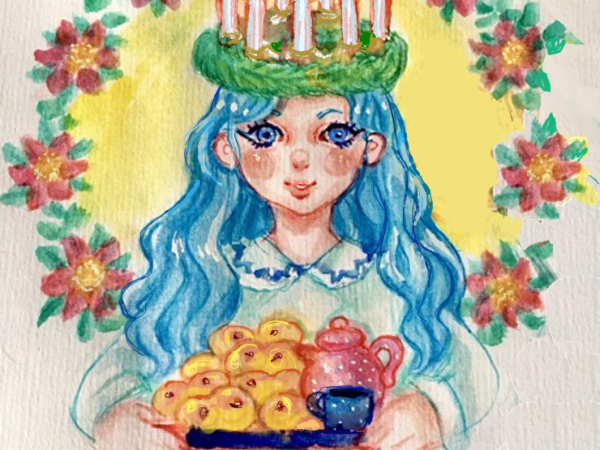
Lucia brings light in the darkest night of the year and is a mix of pagan and christian traditions. It is celebrated in Scandinavia with processions, saffron buns and church concerts.
Fika is a cherished Swedish tradition involving a coffee and cake break. Discover various Fika treats, from classic kanelbullar (cinnamon buns), cakes and cookies to savory options.
Fika is a very important Swedish tradition: a cozy coffee-and-cake break you can either take home, at the office or in cafes/bakeries perfectly equipped for it. All that matters is that you relax, drink and eat something. Fika=reversed version of ka-fi (kaffe/coffee).
Common ingredients are cardamom, cinnamon, almonds and marzipan are also pretty popular, and fillings as custard and berry jams. Anything called toscain Sweden means it has almonds. You will see kola, which has nothing to do with coca cola as I used to think – that would be something caramel flavored.
Nordfelts (Vänersborg)Mormor (Lund)
fikabröd: sweet buns
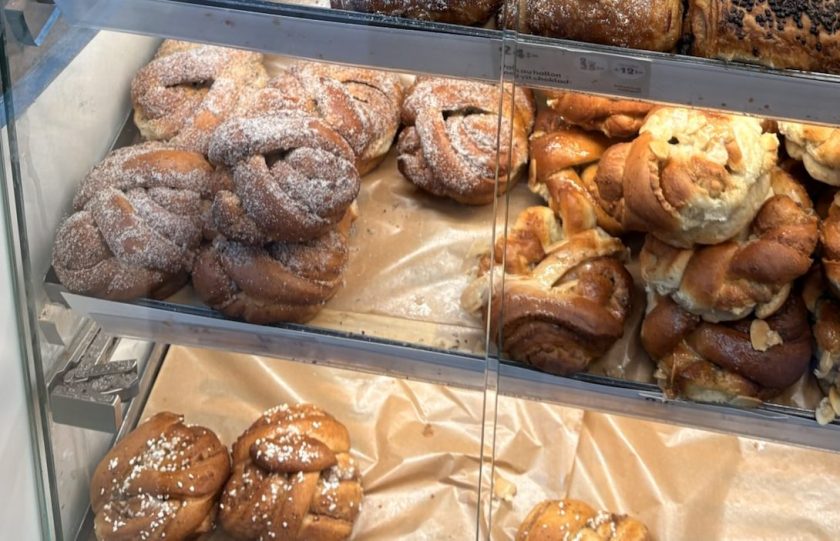
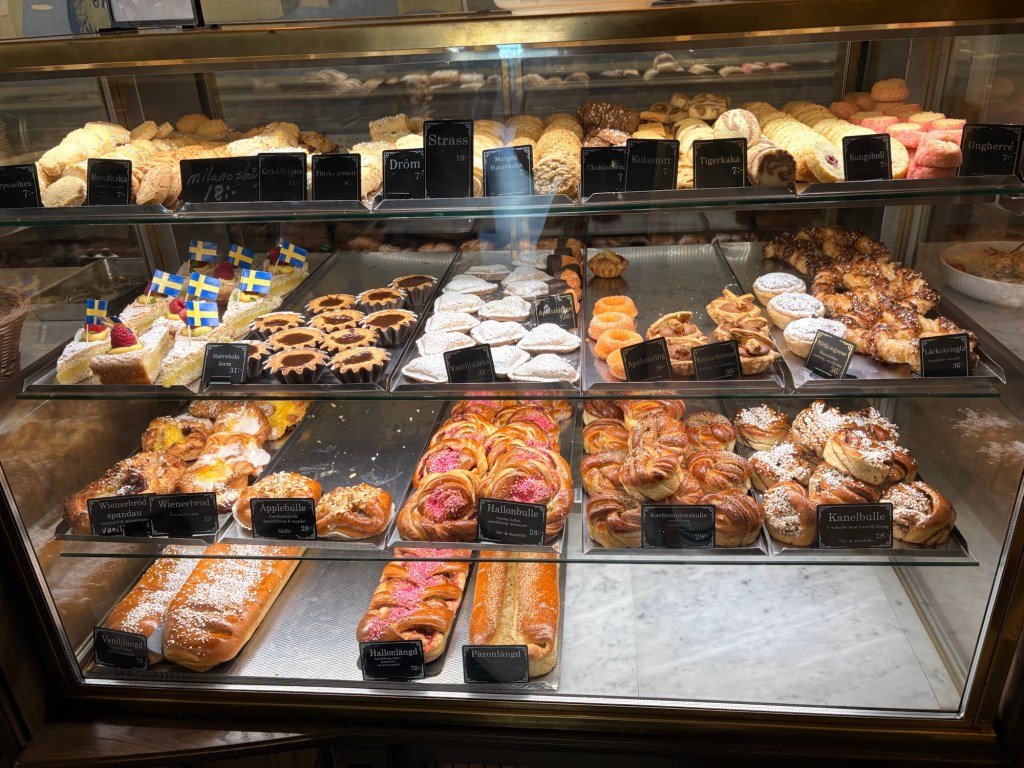
Bullar, buns are everywhere to be found in Sweden, and belong to the category of Fikabröd, fika breadstuff. The most common sweet bun is the iconic kanelbulle – the Swedish cinnamon bun: with pearl sugar on top and no icing, less fatty than American ones. There is even a cinnamon bun day in Sweden!
Swedish bun
contains
topping
kanelbulle (cinnamon bun)
cinnamon
pearl sugar
kardemummabulle (cardamom bun)
cardamom
–
toscasnäcka ‘tosca shell’
often cardamom
almonds
vaniljbulle/solbulle (vanilla/sun bun)
custard cream
sometimes chocolate-coated
A Längd is basically a big and long bun, that can have various fillings, often custard cream, with toppings as icing, pear sugar, almonds or coconut flakes.
toscabulle with cardamom
Kafferep cookies and small treats
pastry
description
variations
name origin
chokladboll
no-bake small chocolate balls usually covered in shredded coconut.
can have colorful sprinkles instead of coconut
dammsugare
green marzipan and chocolate coated ends
also known as punschrullar (punch rolls) if they contain punsch liqueur. In Denmark and Holland they are white instead of green
The name means ‘hoover’ probably due to using leftover biscuit crumbs to make them.
biskvi
Chocolate covered cones with buttercream and an almond cookie base
Also known as Sarah Bernhardt in other Nordic countries, called tree trunk and marrowbone
Swedish adaption of biscuit (cookie, biscuit) in French. Sarah Bernhardt is named after a French actress.
Mazarin
small, round shortcrust pastry, filled with almond paste and has icing on top.
white or pink icing
Maybe named after Cardinal Jules Mazarin’s (chief minister to the King of France Louis XIV), in association with his name sounding like marzipan
Napoleon
whipped cream between two puff pastry layers and red icing on top
Similar to French Mille Feuille, Dutch Tompouce is very similar and has pink icing (or orange for national days)
Named after Napoleon, whose cook perfectioned the mille-feuille. Or maybe name either from Napolitain (French for ‘neapolitan’)
Vaniljhjärta
tender heart-shaped shortcrust pastry filled with vanilla cream
Jitterbug
buttery spiral-shaped cookiewith merengue
Jitterbug was from a swing dance from the US
Some pastries are quite old: Mazarin originated in the 17th-18th century, and Napoleon Swedish version is from the 1800s by Johan Broqvist, made as his journeyman’s piece in Austria The Bronqvist confectionery he opened in Växjö is still active!
Biskvi, chokladboll, and Dammsugare of all sizes!Traditional Swedish cookies and buns
kafferep was a tradition which developed in the 19th century, before Fika name and concept emerged. There are IKEA cookies called Kafferep! It consisted in gatherings that included eating cookies, kakor – seven types to be precise, called sju sorters kakor. Baking seven types of cookies is actually also a Norwegian Christmas tradition. They include:
name
name meaning
description
Hallongrottor
raspberry caves
vanilla cookies where the ‘cave’ in the middle is filled with raspberry jam.
Chokladsnittar
chocolate slices
rectangular chocolate cookies
Brysselkakor
Brussels cookies
round vanilla cookies circled by a pink coating
Drömmar
dreams
meringue-like vanilla round cookies, melting in your mouth like ..’dreams’.
Havrekakor
oat cookies
crunchy oat biscuits
Nötkakor
nut cookies
little balls with a whole hazelnut
Schackrutor
chessboards
chocolate-vanilla square cookies
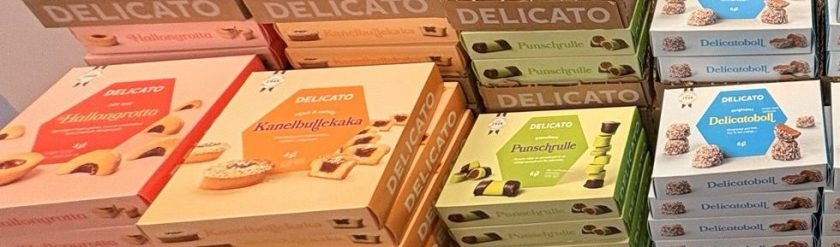
You also have Delicato mini versions of fika favourites: Chokladboll, kanelbullekaka, hallongrotta, punschrulle and also havreboll, biskvi, mazarin… You also find single-packed ones at Pressbyrån among other places.
Swedish classic Cakes
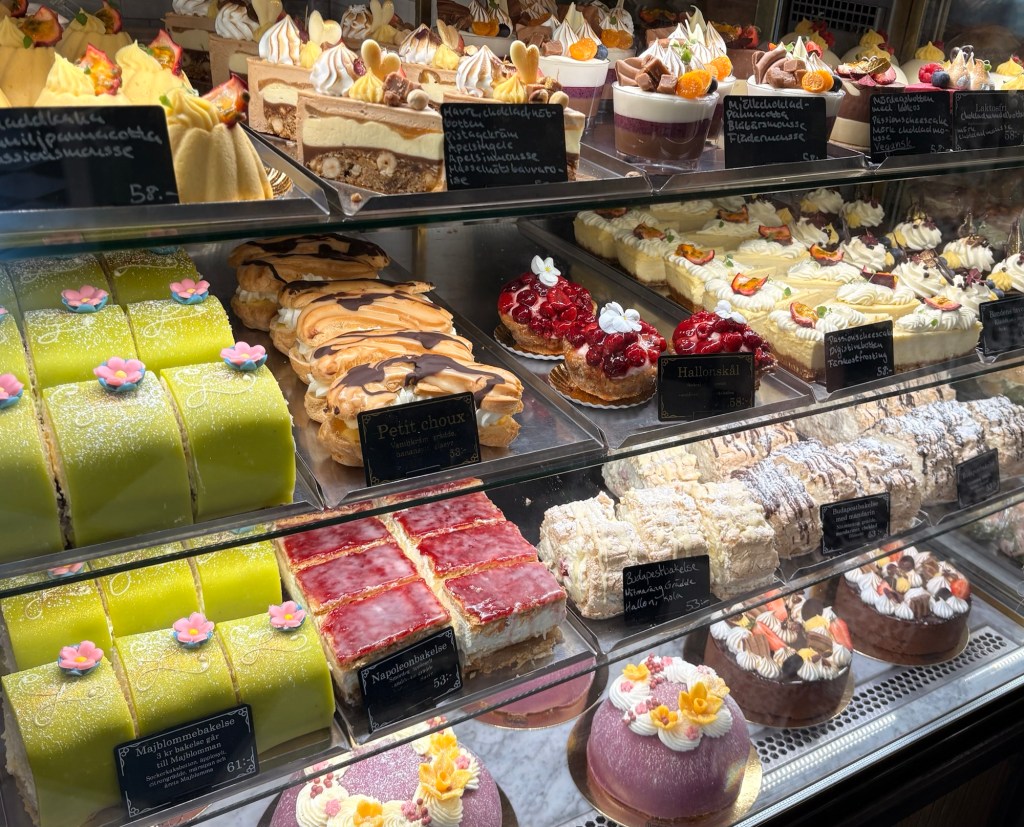
in Sweden you have Tårtor, kakor and paj. A tårta typically has whipped cream and looks fancier than a basic kaka, while a paj is.. a pie.
Tårta
kaka
paj (typically served with vanilla sauce)
Prinsesstårta ‘princess cake’: a green dome with a pink rose on top. Made of layers of sponge, whipped cream and raspberry jam, covered by green marzipan. can also be made as a roll and served in slices.
Jordgubbstårta (strawberry cake): a classic Swedish summer cake
Toscakaka (see above, tosca = almonds): moist cake with crispy caramel almonds on top.
Smulpaj (crumble cake), Typical fillings are rhabarber, apples and blueberries
Rulltårta (rollcake), Budapest: roll with whipped cream and (usually) mandarin, coated in an almond crumble with a chocolate swirl
Morotkaka (carrot cake)
Oscarstårta: almond and cream cake
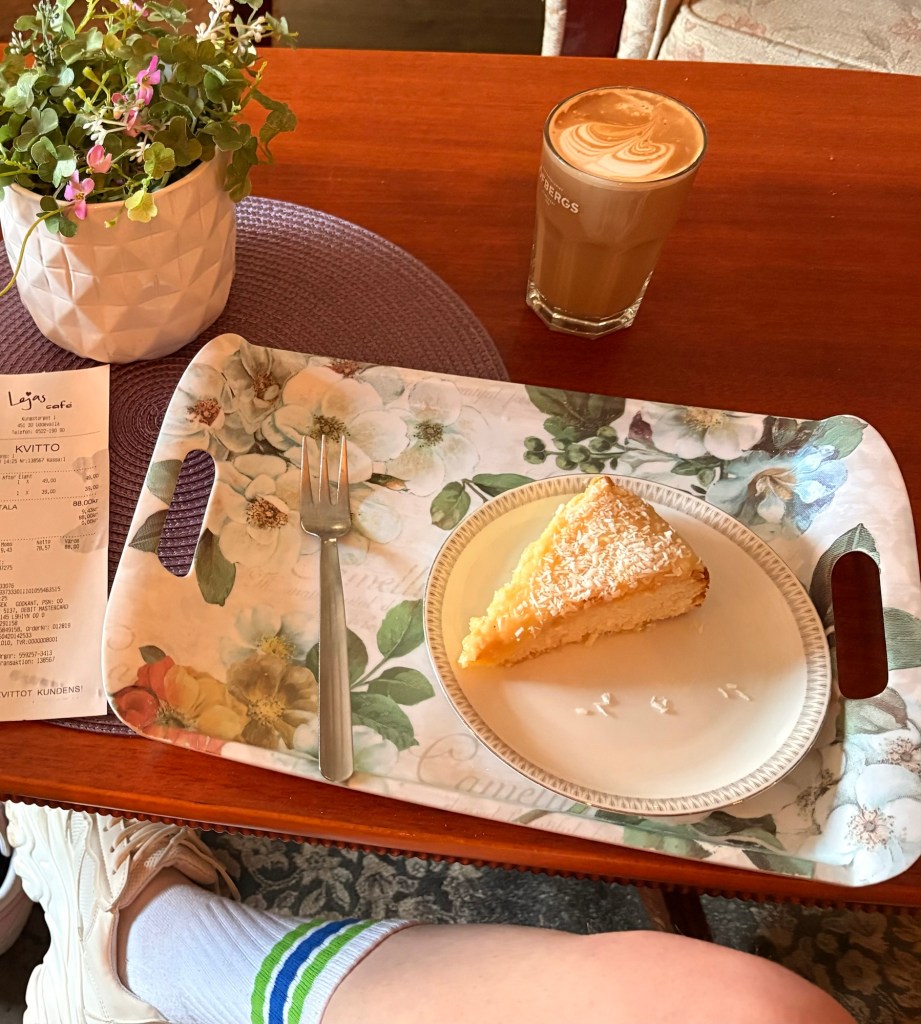
Silviakaka: a sponge cake with coconut on top
Silviakaka
Prinsesstårta is the princess of Swedish cakes, often served for birthdays! First featured in the early 20th century Princesses’ cookbook Prinsessornas kokbok, it is very recognizable by being a green dome with a pink rose on top. There are variations with other colors (and meanings): yellow –prinstårta (prince cake), pink – operatårta(opera cake).
Budapest can also have variations, I tried a pear version the first time actually. And I’ve seen a white version with raspberry inside, or chocolate and banana.
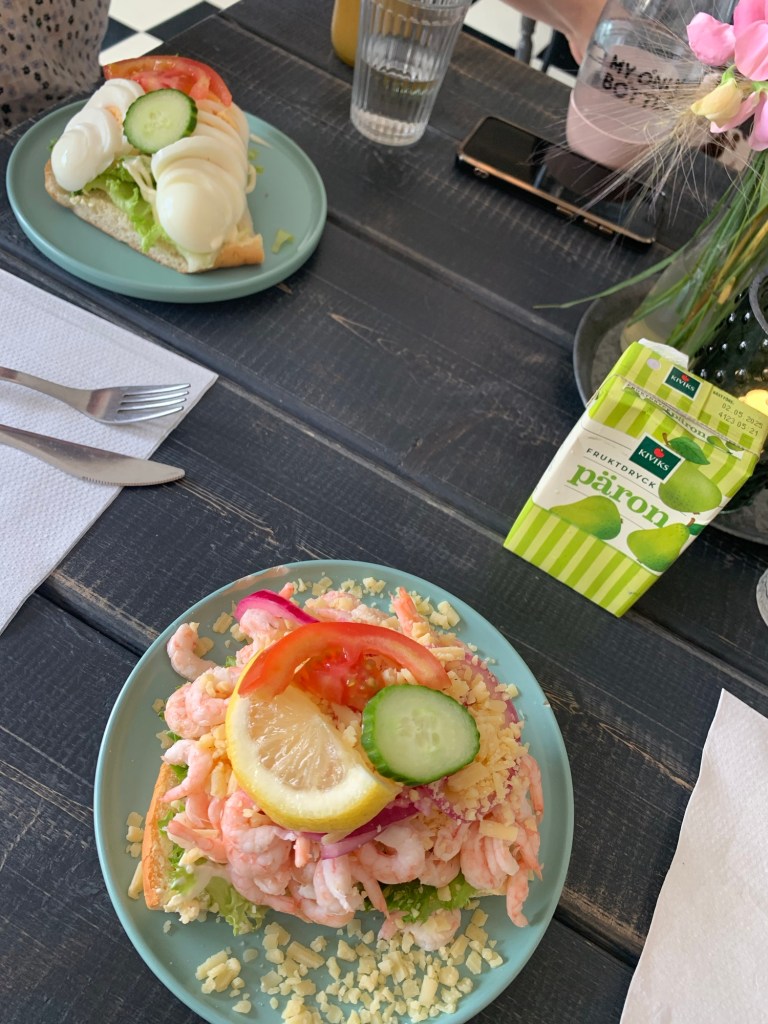
savory fika ‘ sandwiches
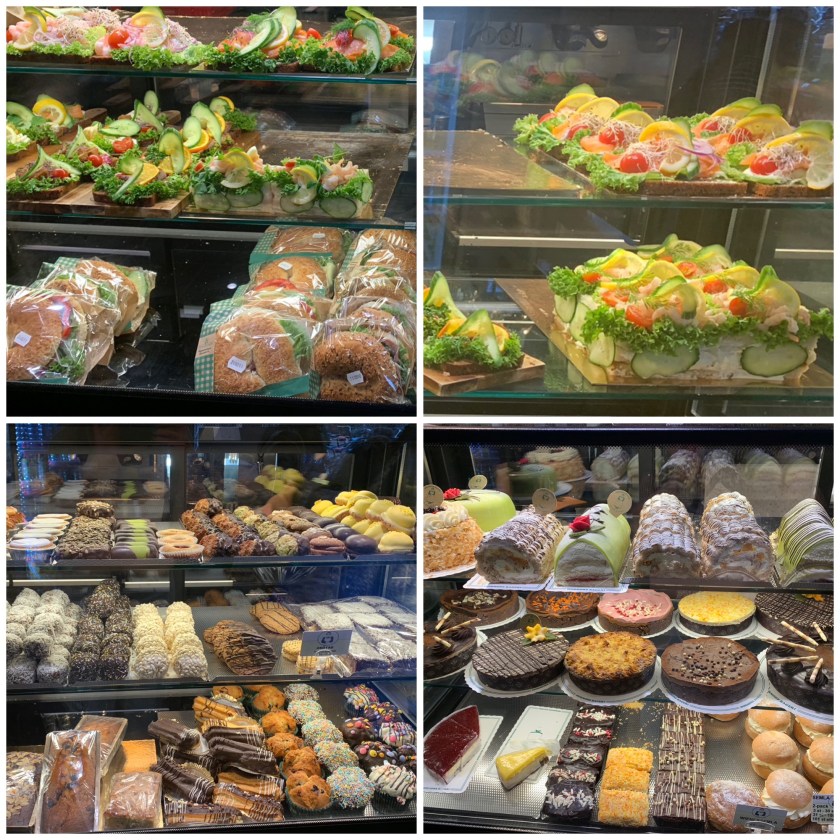
Sweet fika is great, but sometimes you cannot risk a sugar crash: there are plenty of nice options for a savory fika, with open Sandwich (macka) options! The most iconic ones are the shrimp sandwich (räkmacka, often accompanied by eggs) and meatballs on redbeet salad (kötbullemacka). It is quite easy to make these Swedish sandwiches at home too.
Discover Faroese – today spoken by about 80,000 people in the North Sea archipelago- as Icelandic still has much in common with Old Norse in grammar and vocabulary
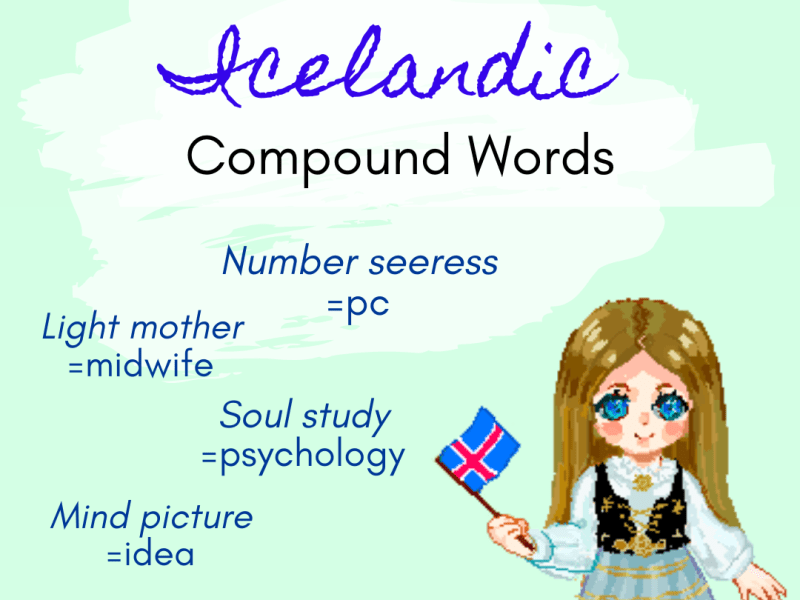
Faroese (Føroyskt) is the language spoken in the Faroe Islands (Føroyar), located between Scotland, Norway and Iceland. Faroese people’s ancestors were Norsemen, and despite centuries of Danish rule, they managed to preserve their language through oral tradition. Faroese and Icelandic are closely related to Scandinavian languages, but still look much more like the language of their ancestors.
How similar is Faroese to Icelandic, and Scandinavian languages?
As follows, some basic expressions in Faroese, Icelandic, and Swedish/Danish/Norwegian. Although Faroese and Icelandic are closer, you can easily see that they belong to the same language group.
Faroese
Icelandic
Scandinavian
yes/no
ja/nei
já/nei
ja/ nej/nei
thank you
takk
takk
tak(k)
excuse me
orsaka
afsakaðu
se:ursäkta / no,dk:un(d)skyld
sorry
umskylda
fyrirgefðu
se:förlåt/ no:beklager
here you go/you’re welcome
ger so væl
gjörðu svo vel
varsågod
what’s your name
hvussu eitir tú?
hvað heitir þú?
(h)va(d) heter/hedder du?
good day
góðan dagin
góðan daginn
god dag
Faroese-Icelandic Differences in Spelling: tell them apart
Faroese has a written form based on etymology, making it look much closer to old Norse (and Icelandic), than its pronunciation.
No Þ (thorn) in Faroese:þ, pronounced as English th in mouth, is not present in the Faroese alphabet. Where Icelandic has a Þ, Faroese usually has a T: tú (you); tað (this) vs þú, það. In Scandinavian languages this is usually a D: du, det
No é in Faroese: Faroese alphabet does have just like Icelandic and unlike Scandinavian languages several accented vowels: Á Í Ó Ú Ý, It does however not have é (‘I’ in Faroese: eg, Icelandic: ég)
Faroese Ø/ Icelandic Ö
-ggj ending in Faroese: oyggjar, nýggj, kríggj (islands, new, war)
Faroese vocabulary: Language purism, Danish loanwords, and a sprinkle of Irish
A language committee has invented words to prevent more influential languages to take over Faroese, similarly to Icelandic language purism. The Faroese Jóhan Hendrik W. Poulsen (1934-2022) invented words as:
Telda (computer), Fartelda (laptop), Fartelefon (mobile phone) – In Icelandic (far)tölva and (far)sími
Talgildur (digital), fløga (CD) ‘thick slice’
tyrla (helicopter) – in Icelandic þyrla from tiril=whirl, Farstøð (terminal) ‘distance/travel place’
flogbóltur (volleyball), ‘fly ball’
Gosbað (jacuzzi) ‘air bath’
At the same time, being under the Kingdom of Denmark, Faroe islanders incorporated loanwords form Danish in their language: snakka, forstanda – speak, understand – are used colloquially instead of tosa and skilja (Icelandic tala, skilja). Bike is súkkla (cykel in Danish, reiðhjól in Icelandic), War is kríggj (krig in Danish, lögregla in IS)
Faroese vocabulary is of course North Germanic, but as Norsemen brought Celtic women from their settlements in the Irish Sea, you also find a few traces of that, mainly regarding cattle and fields apparently.
Grammar: genders, declensions, verbs
Faroese and Icelandic are Insular North Germanic languages- and thanks to their isolation they retained many aspects of Old Norse that Swedish, Danish and Norwegian dropped.
Faroese
Icelandic
Scandinavian
genders/articles
3 (m, f, n)
3 (m, f, n)
2* (m/f, n)
cases
3 (often 2 when spoken)
4
–
verb endings (present)
3/4: -i,-r,-a/u (plural=1 ending)
5/6: -,-t, -r,-um,-ið,-a/u
1: -r
Here are explanations regarding the table above:
Genders
Both Icelandic and Faroese have masculine, feminine and neuter gender.
*in Scandinavia, only Norwegian partially kept the masculine/feminine distinction, while Swedish and Danish have only general and neuter – Norwegian was actually grouped as West- North Germanic together with Faroese and Icelandic before shifting towards the languages in the continent. What is neuter in Icelandic and Faroese usually is also in Scandinavian, as feminine when used in Norwegian. There is some overlap also with German and Dutch, so speaking multiple Germanic languages helps when in doubt!
The gender can be often assumed from the endings:
Masculine: -UR, -I: dagur, matur (day, food)- Scandinavian languages lost the ending: dag, mat; tími
Feminine: -, -A: bók, nátt/nótt; kirkja, gøta/gata (book, night, church, street). A often stays in Swedish, but is an E in Danish: kyrka/kirke, gata/gade
In addition, Faroese and Icelandic have declesions for numbers until 3 (Faroese) and 4 (Icelandic). The number changes depending on the gender: ein maður/kona, eitt barn; tveir menn, tvær konur, tvey børn and so on. This does happen in Scandinavian languages only for one/a: en bok, ett barn.
Faroese
Icelandic
1/a man, woman, child
ein maður/kona, eitt barn
einn maður, ein kona, eitt barn
2 men, women, children
tveir menn, tvær konur, tvey børn
tveir menn, tvær konur, tvö börn
3
tríggir, tríggjar, tryy
þrir, þrjar, þrjú
4
–
fjórir, fjær, fjogur
What about articles?: there is no undetermined article. ‘a man’ is simply maður. As in all North Germanic languages, the determined form is made by adding a suffix to the substantive, which varies by gender: -in, -n, -ið: Masculine maðurin(n) (the man), feminine-n konan (the woman),neuter-ið: husið (the house).
in Scandinavian you do have en/ett as undetermined article, becoming -en, -et for the determined form: ett hus, huset. Norwegian might also have feminine ei as ei bok (a book), becoming boka, the book. Another interesting common trait with some varieties of Norwegian is that the possessive adjective can be put after the noun: boka mi – bókin min vs min bok/bog in Swedish and Danish.
Cases
In Faroese and Icelandic, a noun changes depending on the grammatical case according to its gender/number, and the prepositions it follows.
Faroese: Bátur(in): (the) boat – eg síggi bátin: i see a boat
Icelandic: bátur(inn) – ég sé bát
Icelandic retained 4 cases: Nominative (subject), accusative (object), dative, genitive, as for example German does – while Faroese 3, dropping the genitive, considered obsolete, very formal, or only in fixed expressions- or even 2, as in spoken Faroese the accusative is often used instead of dative!
So the name of the Faroe Islands is Føroyar, but: í Føroyum (in the Faroes), and you have the Føroya Banki (Bank of the Faroes); the Faroese language is called Føroyskt, but in Faroese is á føroyskum.
How to Learn Faroese?
You find resource to learn Faroese, Icelandic and all Scandinavian languages in my free language resources list – many of these are free!
Faroese is now available on google translator, though the Faroe Islands started their own translation service Faroe Islands Translate in 2017, with sentences human-translated.
Norwegian Seamen Churches all over the world host 17th May celebrations. I attended the festivities in Rotterdam, joining the parade and eating a pølse i lompe!
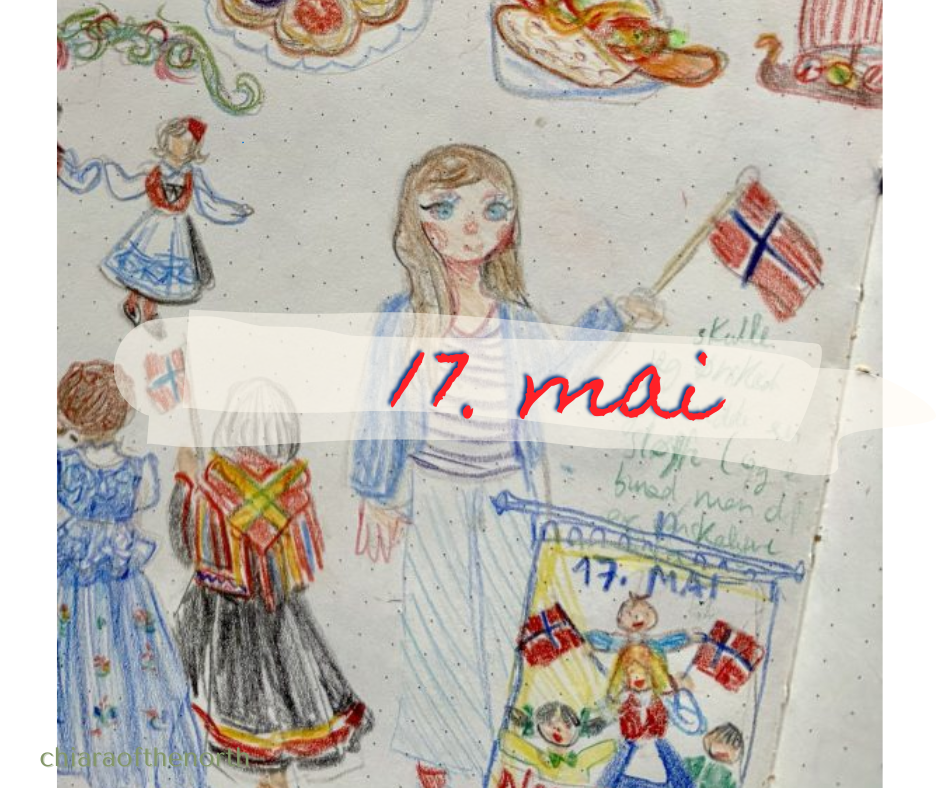
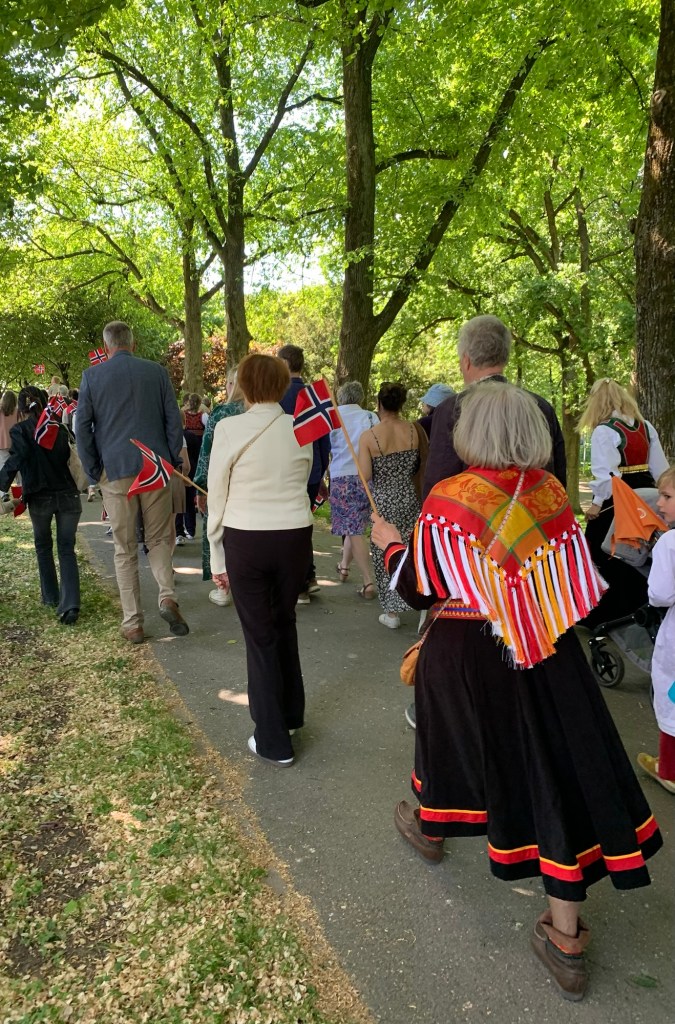
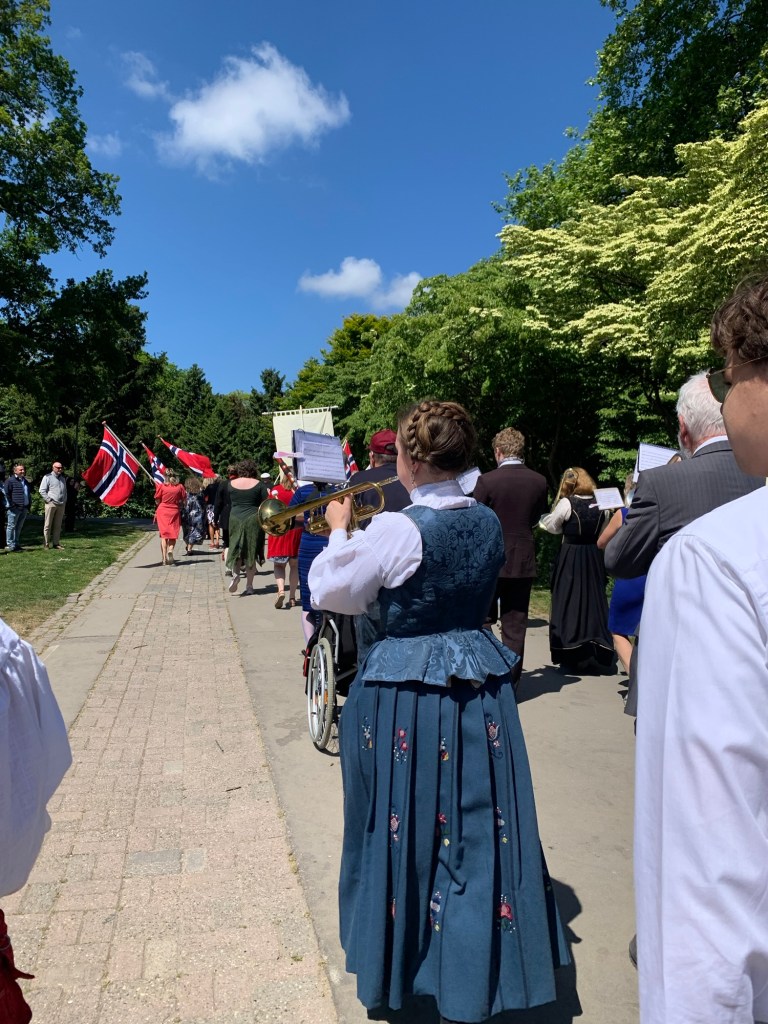
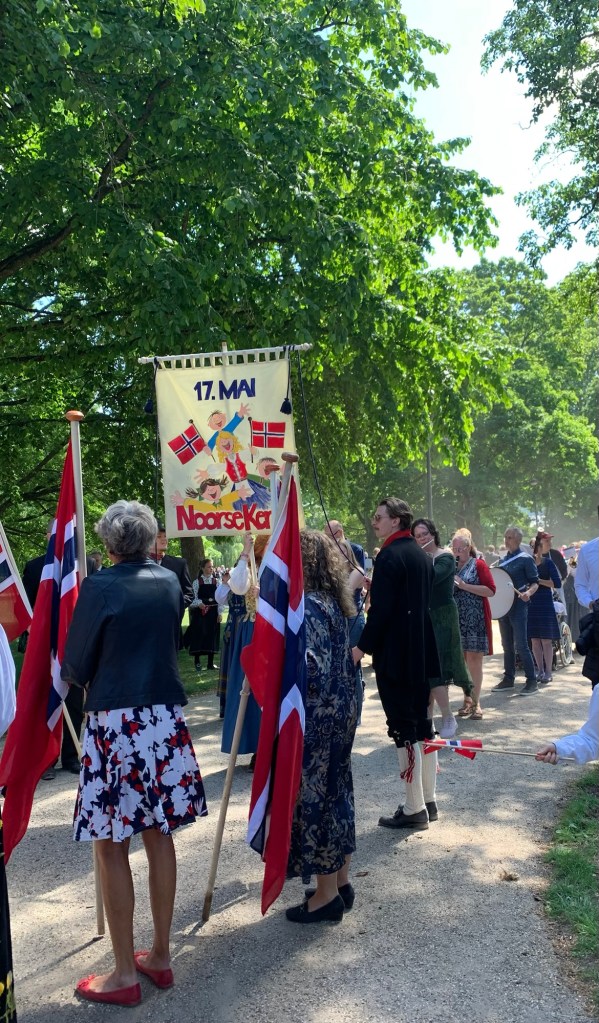
Last year I found out that the Norwegian seamen churches in Holland- which as the other Nordic seamen churches organise Christmas markets around November – also hosts national day – 17th May – celebrations, and that is according to the Norwegian tradition: hotdogs, a parade, and games for children!
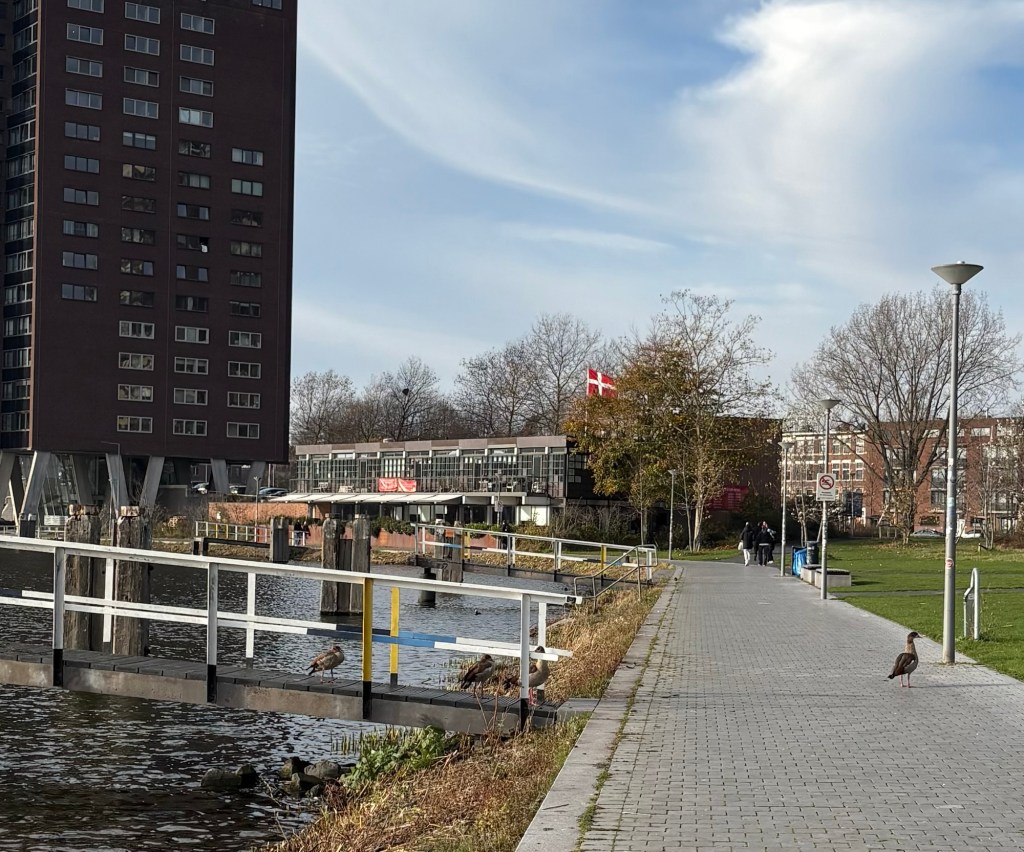
The Norwegian seamen church of the Netherlands is located in Rotterdam, with a nice park where the parade takes place. So I had a trip there to check it out, equipped with my Norwegian flag!
I arrived there slightly after the start of the program (thanks train), so I missed seeing the flag being raised.
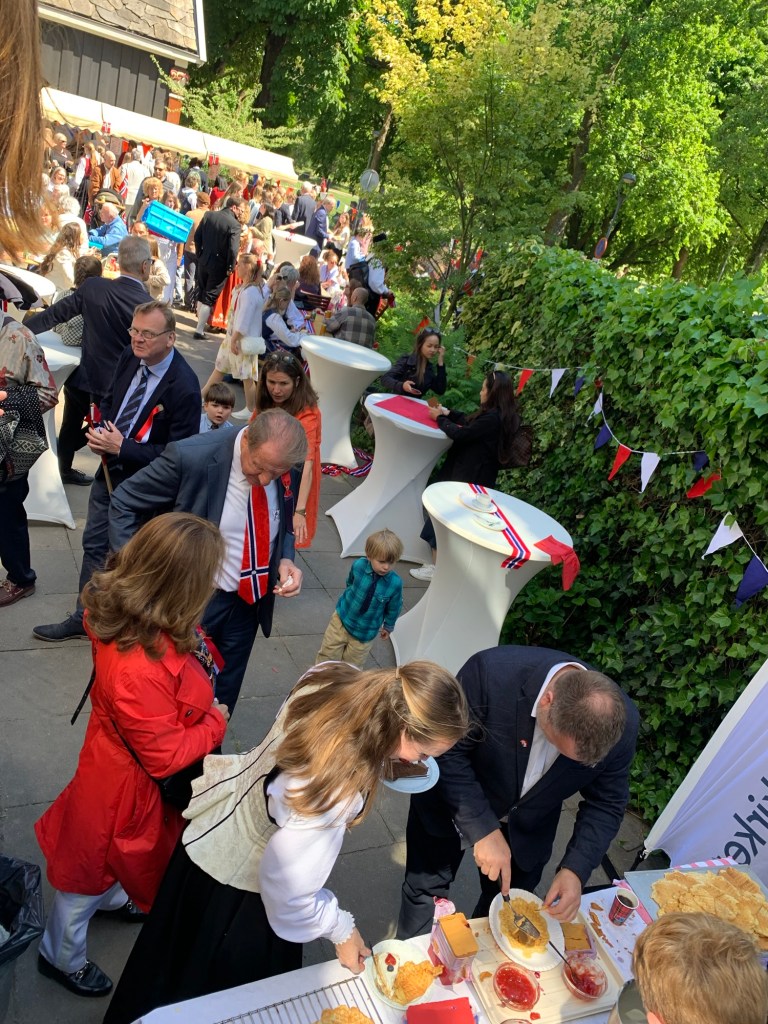
People, a lot dressed in their beautiful bunads, were entering the building, where you could get cakes, stuff as flags and løyse (brooches/ribbons), and waffles or hotdogs outside. I got my vaffel and as I could I just went a bit mad with jam and brunost toppings..
As follows 2025 17 mai Program:
11:00 Flaggheising – flag raising
12:00 Gudstjeneste – church service
13:00 Taler for dagen – speeches of the day, among others the ambassador
Folketog – parade,
grilling, leker, pølse i lompe – parades, bbq, games
celebrations closing at 16:30
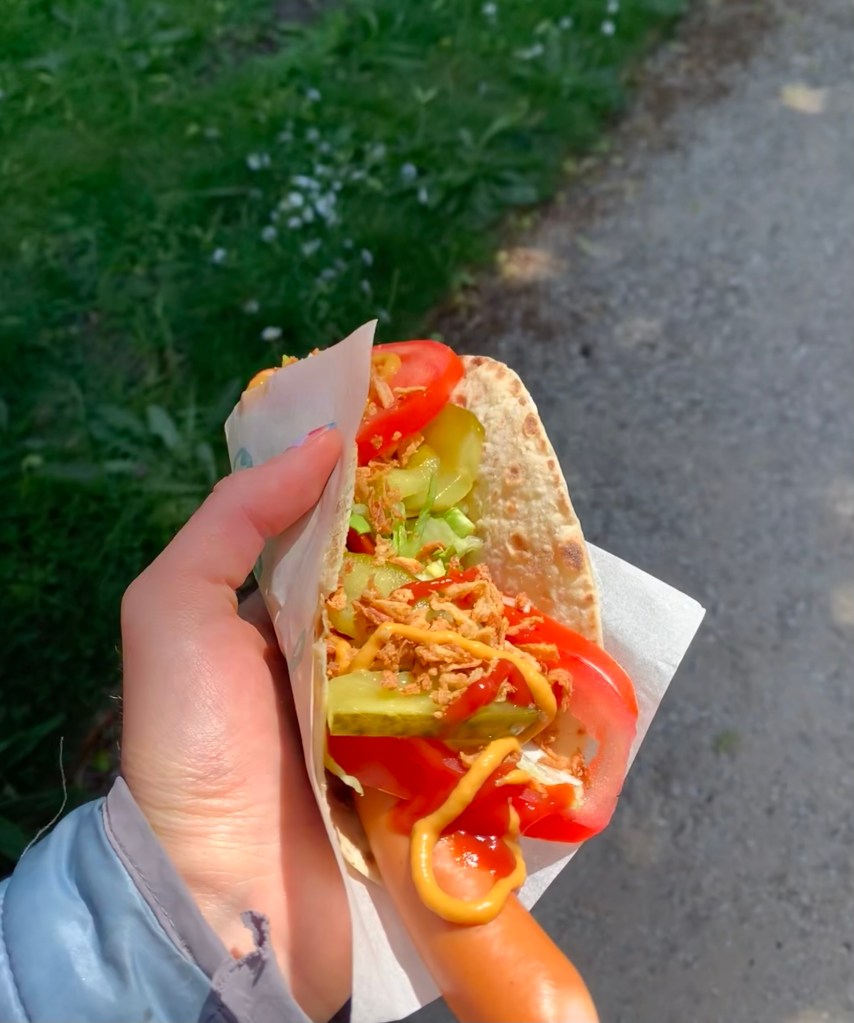
Just as the parade in the park with the marching band was starting, i got my pølse i lompe, hotdog in a wrap!
Who knows, maybe I’ll be back for 2026! Stay tuned to find out about more Nordic events!
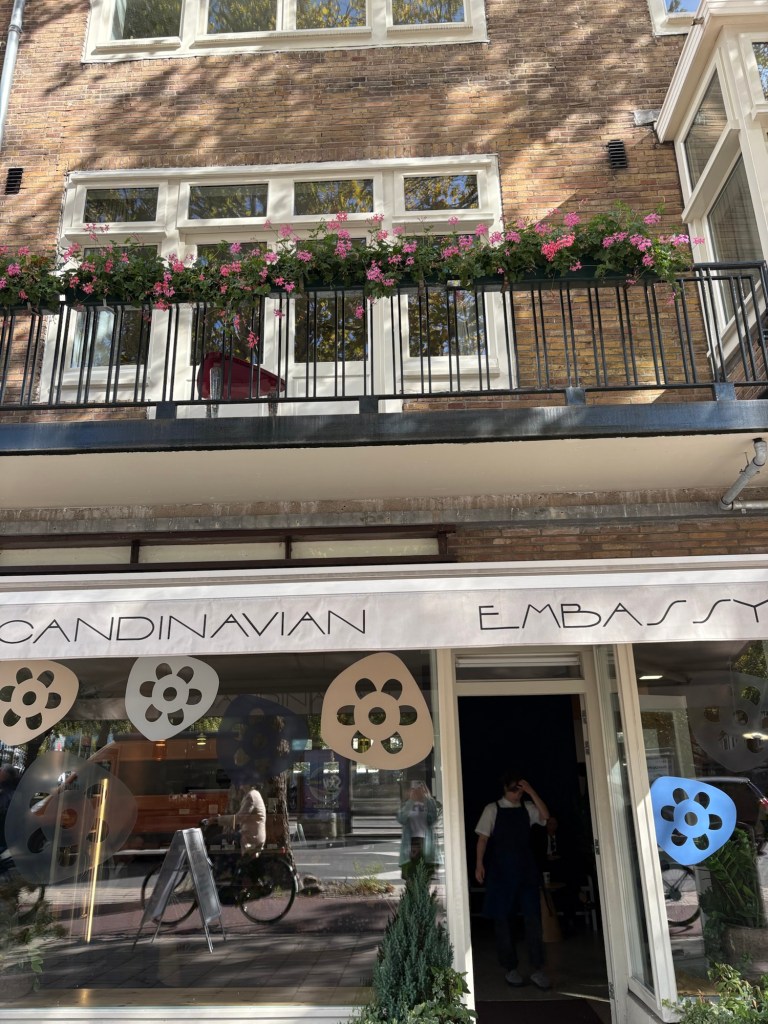
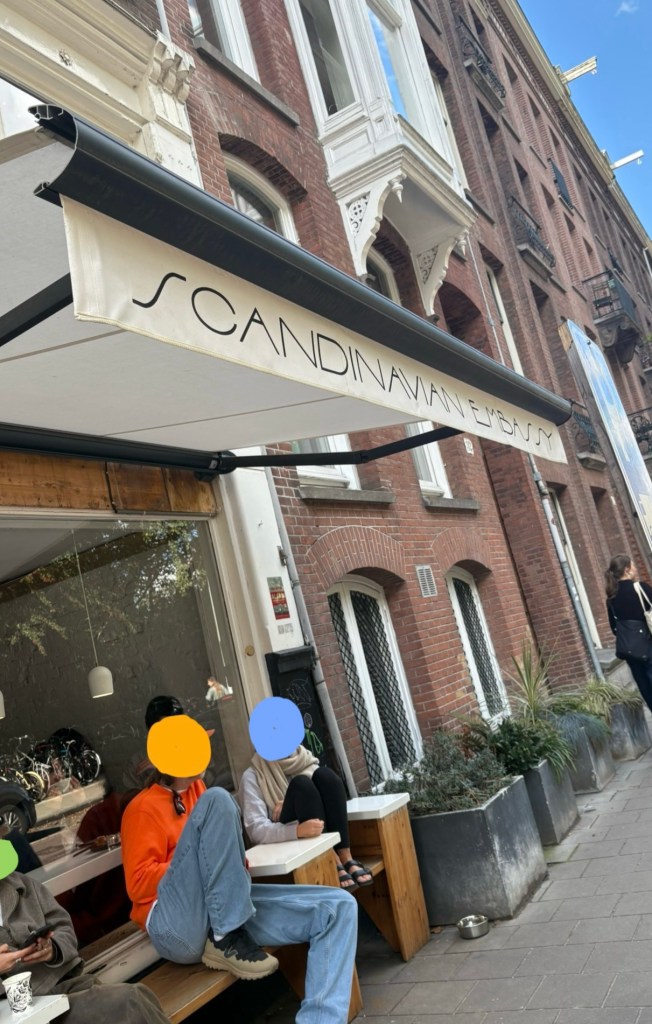
On a trip to Amsterdam, I decided to test Scandinavian Embassy and both of its two locations, starting with the bakery in europaplein.
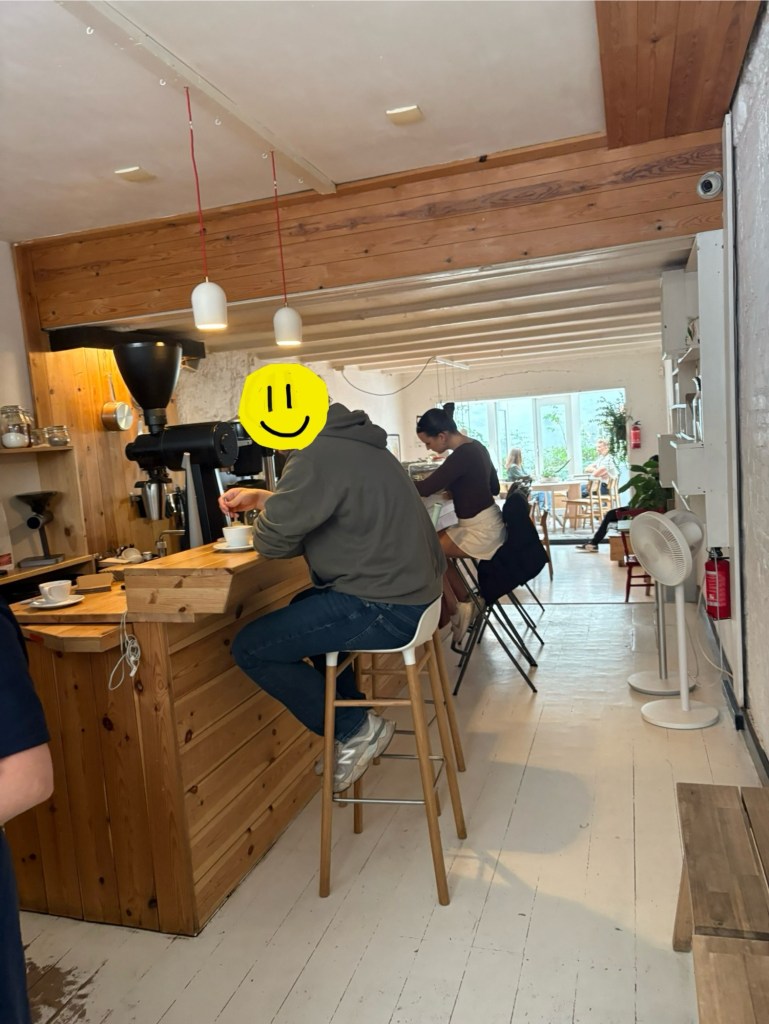
The two locations are in Amsterdam zuid: Saphatipark and Europaplein: in the former, a more central location, you can sit but it has fewer items than the bakery in Europaplein. The bakery, on the contrary, barely has any places to sit.
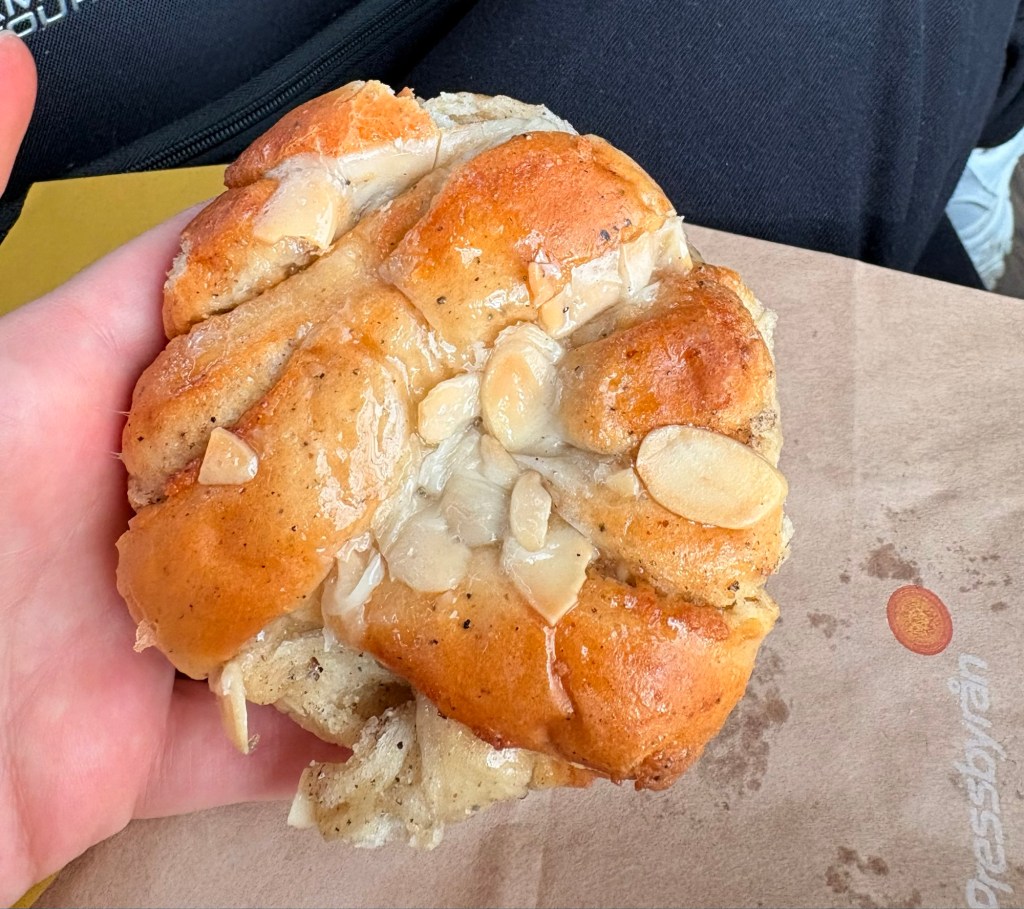
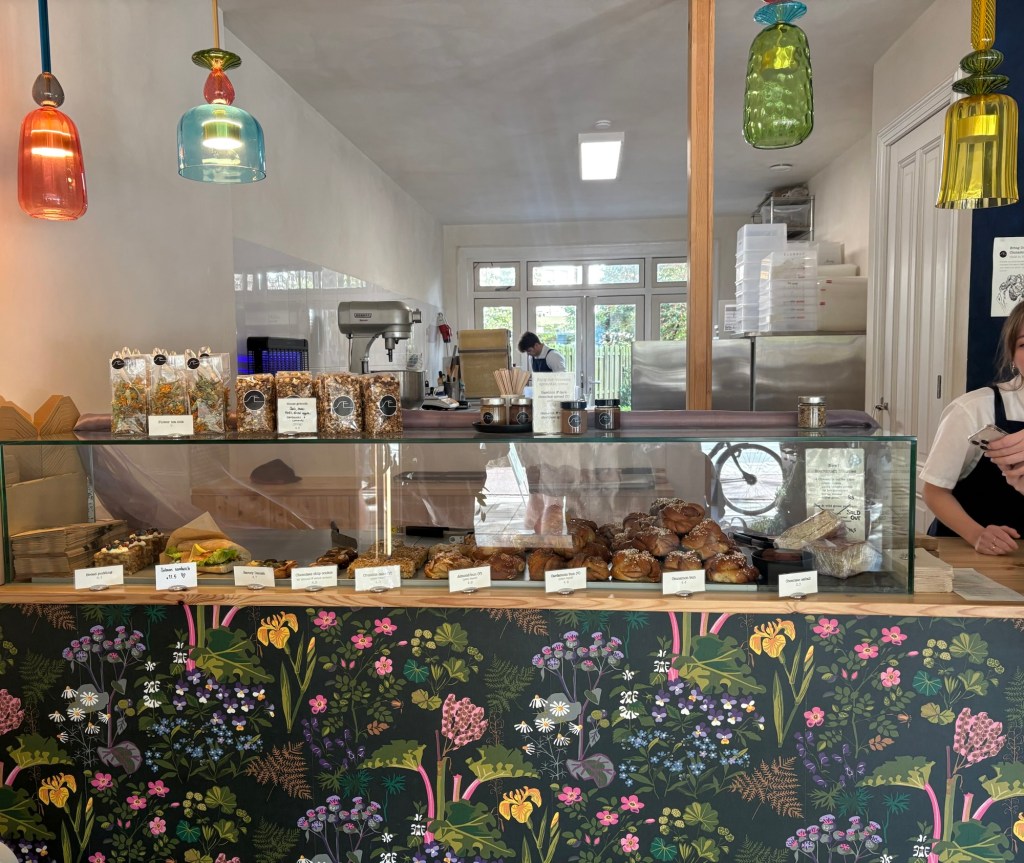
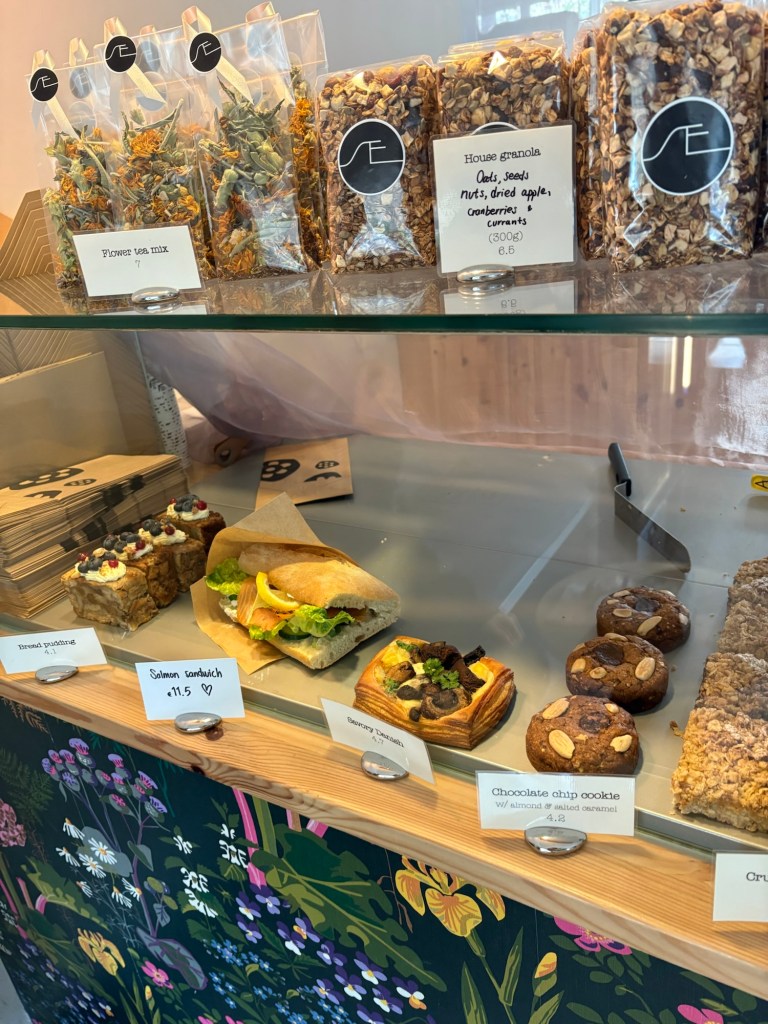
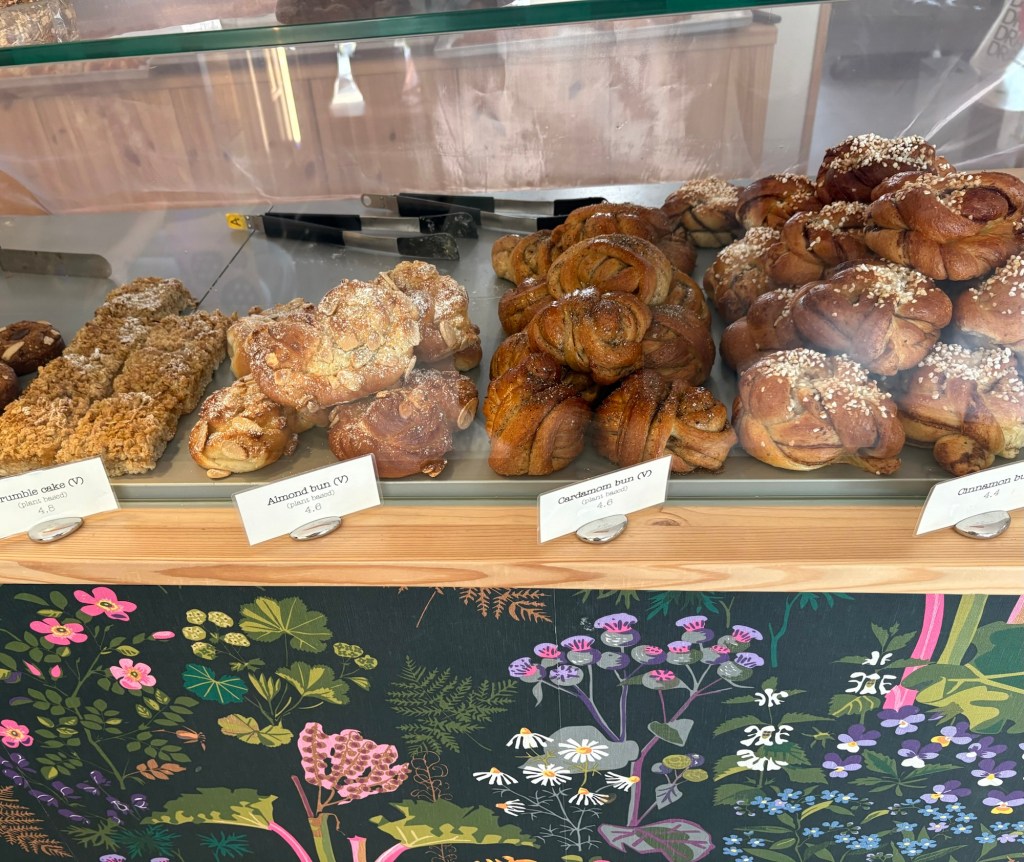
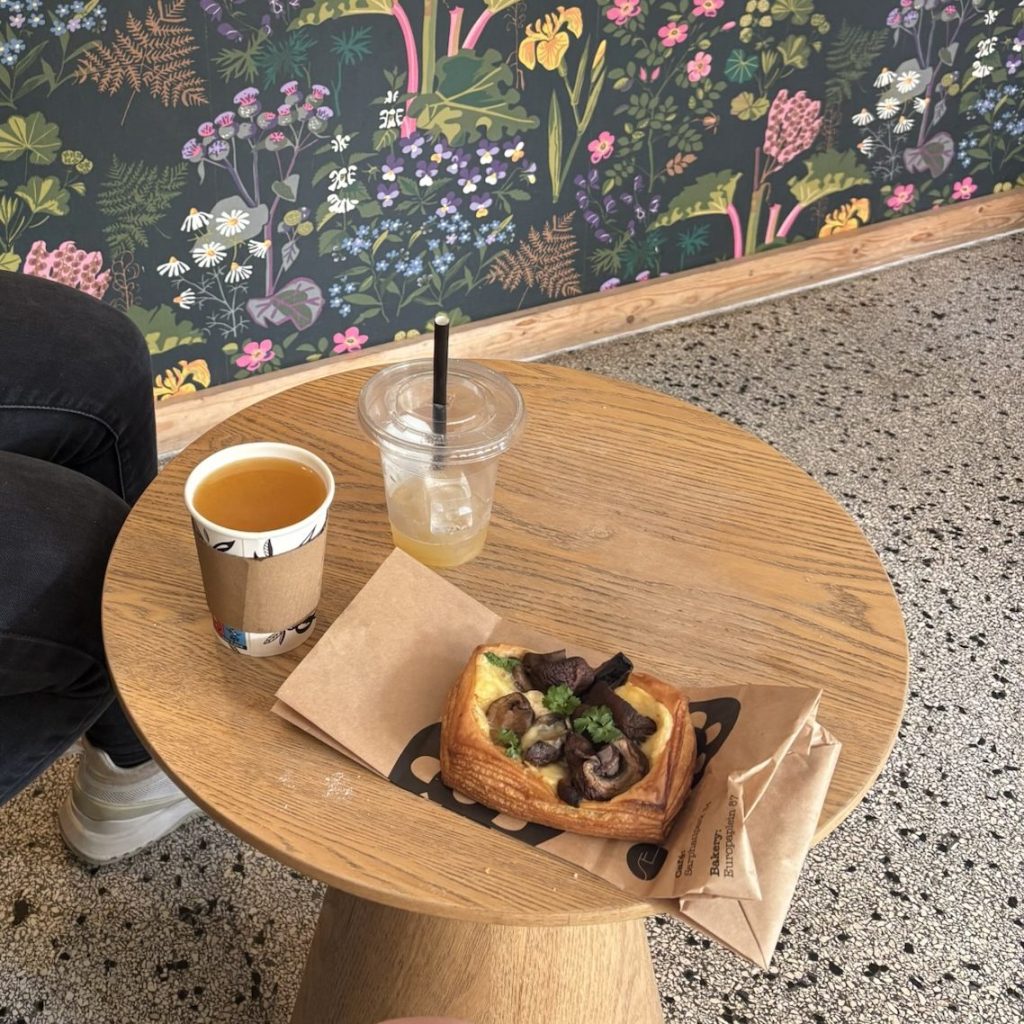
First we got an almond bun, that was delicious!Then, for the savory part, we got a mushroom & cheese danish, and apricot drinks – a soda and a warm one.
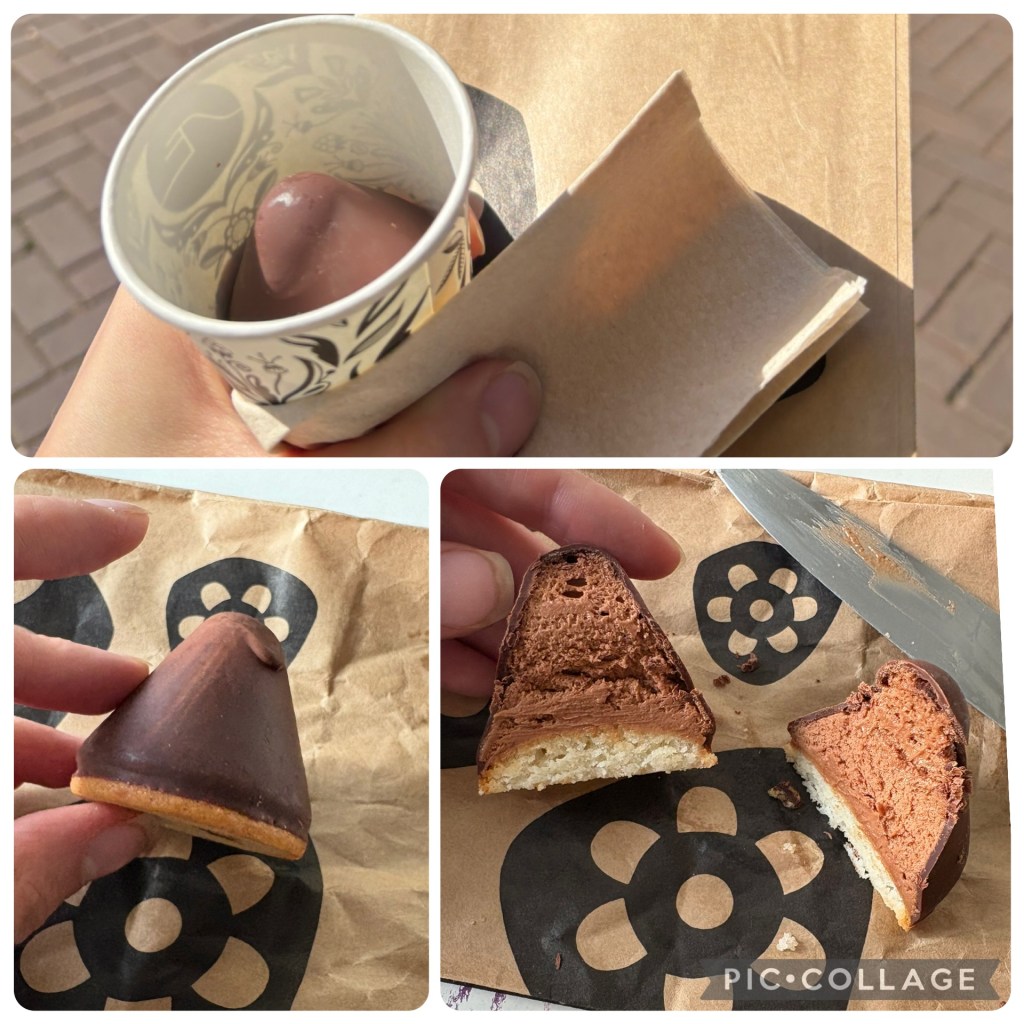
Afterwards we decided to check out the cafe too, where I got a biskvi, served in a paper cup to-go 🙂
i had wanted to try their biskvi for a while, and I did at the cafe, slightly closer to the centre:
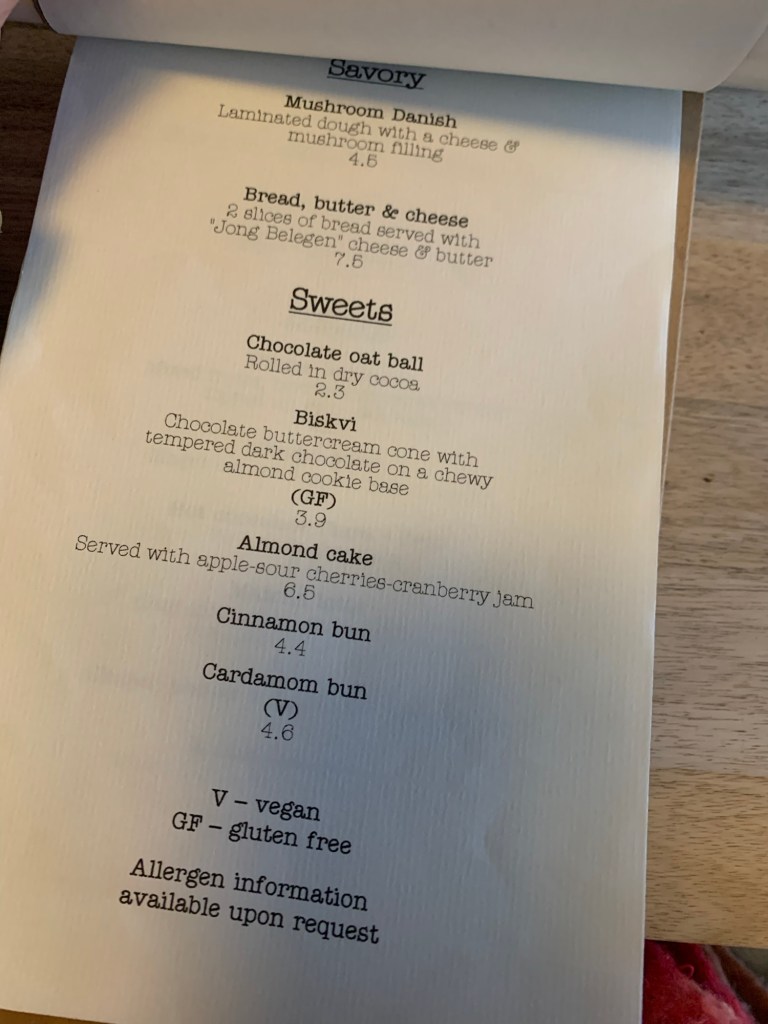
The classic cinnamon and cardamom bun were on the sweets menu as well, as the chocolate balls and an almond cake (toscakaka?).
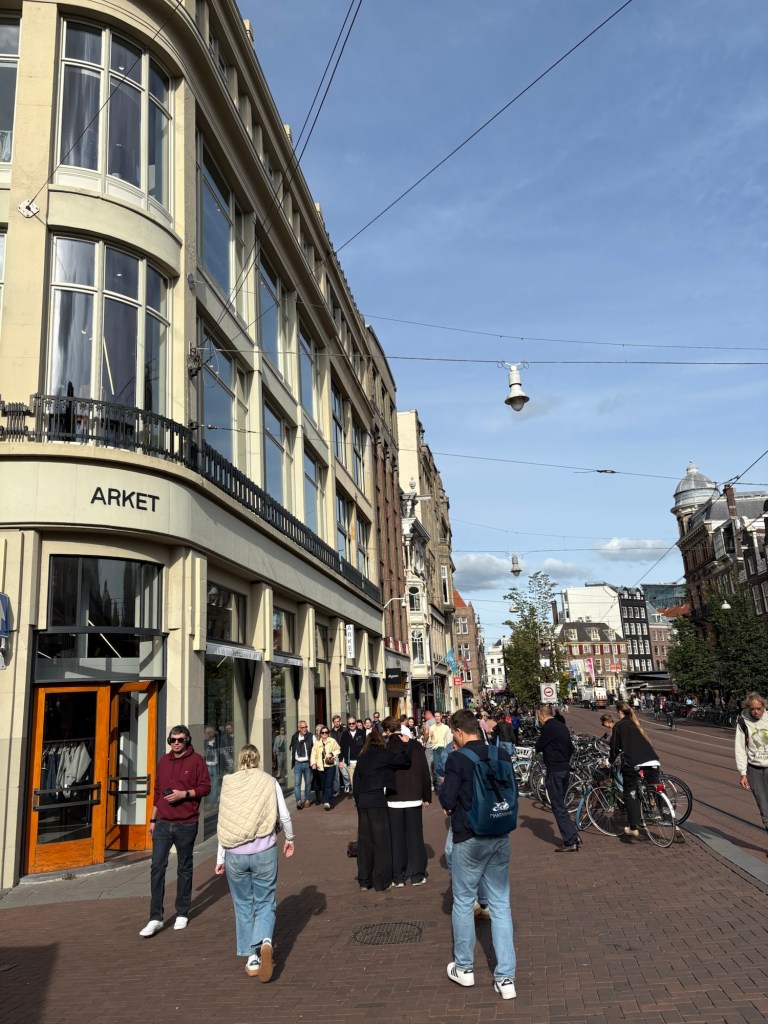
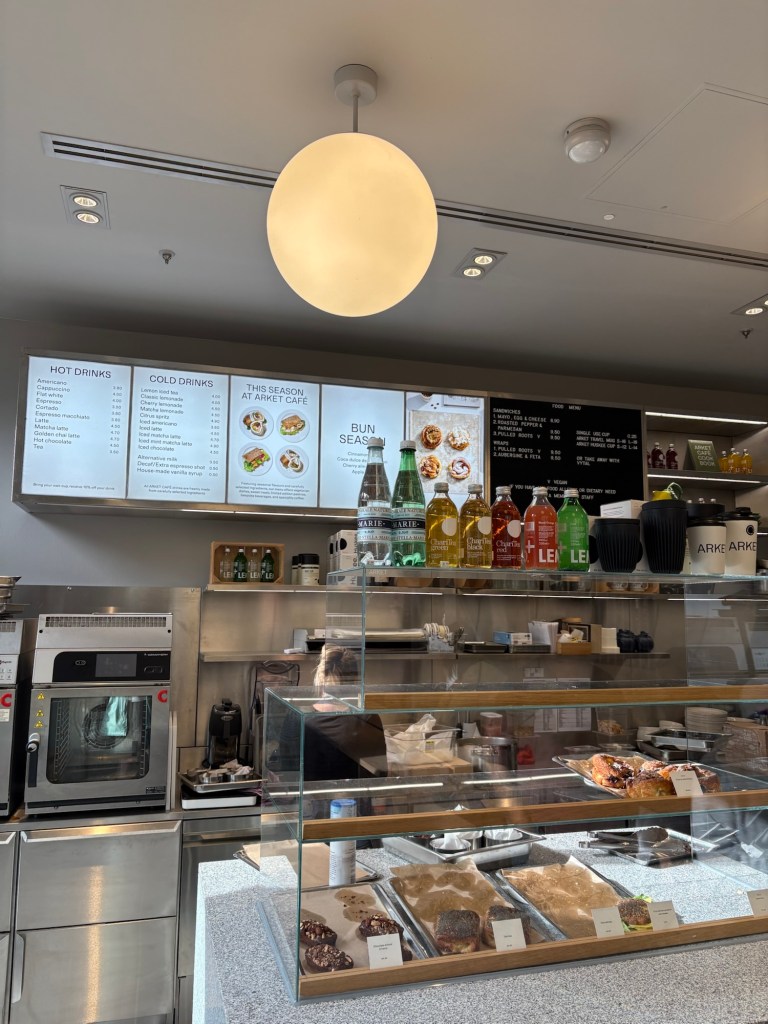
We happened to pass by Arket later, which had special buns and tebirkes
Scandinavian Embassy also serves typical seasonal Swedish treats as semlor and lussekatter.
The ‘anchor’ language concept allowed me to learn Swedish, Dutch, Danish, Norwegian easily starting from studying properly only one language. This approach helps prevent confusion and builds a solid foundational understanding of language structures.
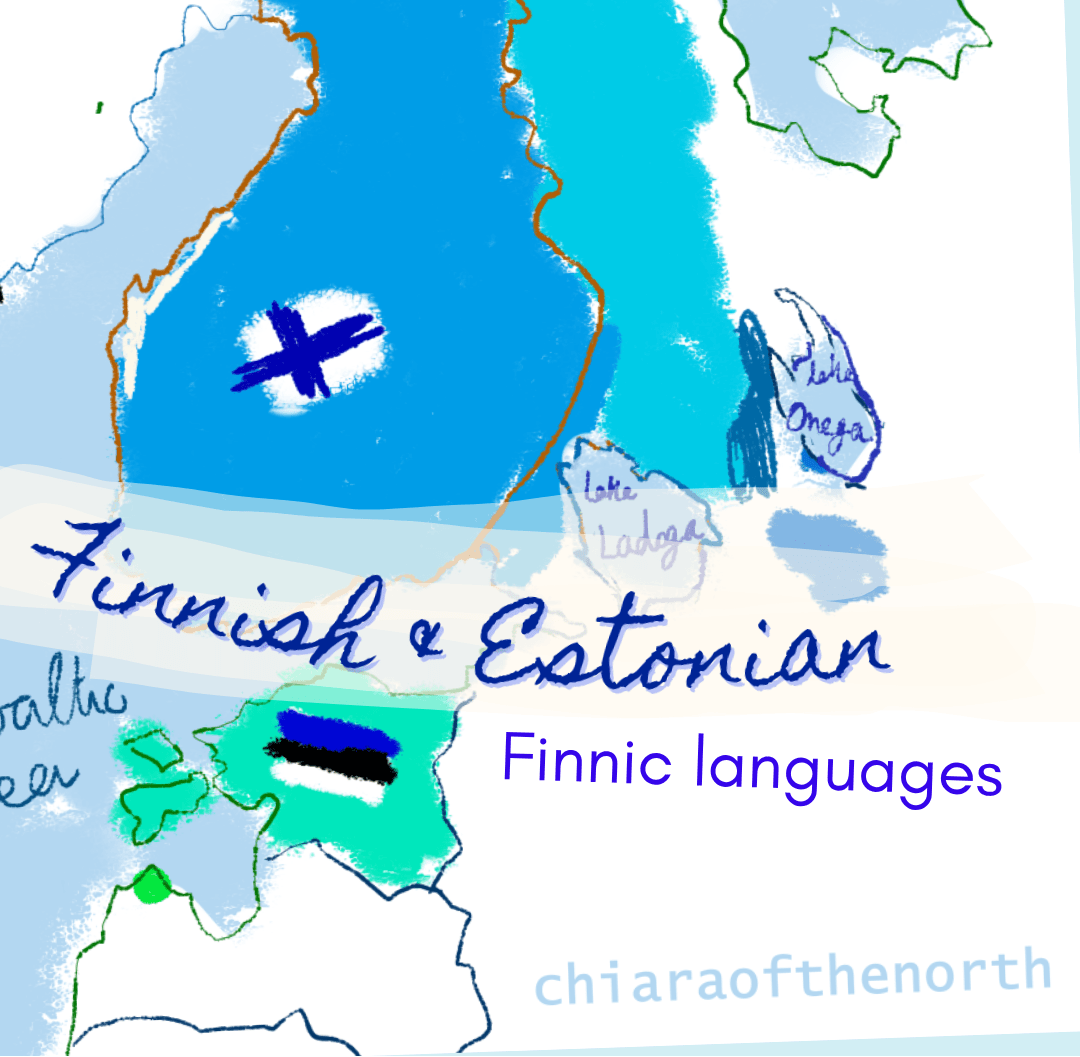
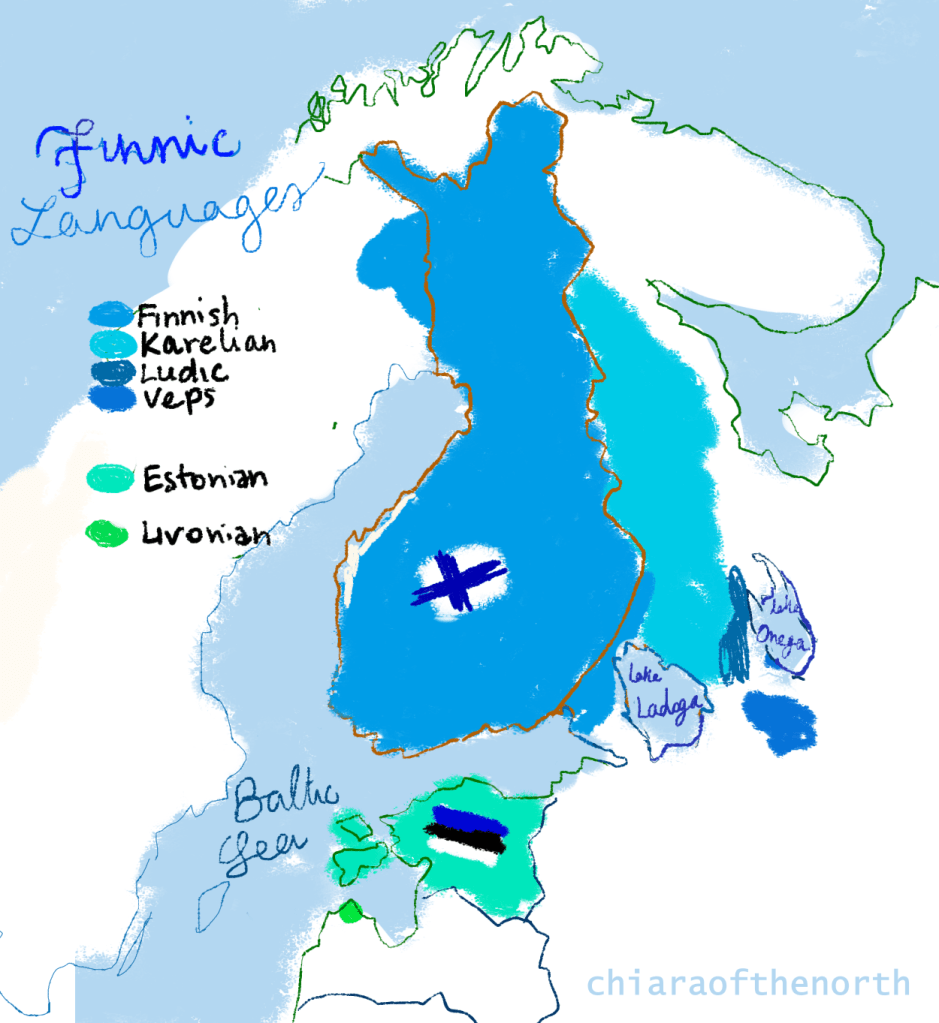
Estonian is a Finnic language, sharing many similarities with its ‘bigger’ sister Finnish, while being unrelated to all their bigger language neighbours
24th February is Estonian Independence Day! To celebrate, here is some info on one of the closest relatives of Finnish and insight on Uralic languages.
Finnish and Estonian are both Uralic languages, belonging to a different family than most languages spoken in Europe, from Icelandic to Italian, which are all Indo-European languages. Find out more about Finnish compared to other Nordic languages. I already wrote in Estonian culture in general compared to Finland after my trip to the Baltics last summer.
Finnish and Estonian: Finnic sister languages
Estonian is the second biggest Finnic language after Finnish , spoken by around 1 million people, (Finnish has 5 millions). Other related languages exist in the Baltics, although most have very few speakers left: võro, Livonian (in Latvia).
There are many similarities exist betwenn Finnish and Estonian. Although they are not always mututally intelligible, Finns and Estonians can often understand each other, particularly in written form. Estonians in particular used to be able to understand Finnish very well thanks to access to Finnish media they had access to during the Soviet occupation.
Unique Finnic language features
Gender-neutral pronoun: The English third person pronoun has a gender distinction – he/she. Finnish and Estonian have only one, neutral version: “hän” in Finnish and “ta” in Estonian.
Vowel Length (2 in Finnish, 3 in Estonian): Both Finnish and Estonian have short and long vowels: you often see double ones when bumping into these languages – aa, ää , ee, oo, ii etc. For example: mutta ‘but’ vs muuttaa ‘to change’ in Finnish. Estonian, has however not two, but three vowel lengths: kala (fish) Long: kaala (weigh), kaalla (with a neck).
14-15 inflections of grammatical cases (simplified in Estonian): Both languages often convey meaning through inflection: I go to Estonia – Tulen estii Finnish stayed more conservative, while Estonian started using more prepositions instead and dropped the accusative case.
Finnish and Estonian vocabulary
There is a large Finnic common vocabulary: the following words are the same in Finnish and Estonian, unrelated to indoeuropean languages:
water: vesi
moon: kuu
money: raha
tree: puu
snow: lumi
hand: käsi
expensive: kallis
sea: meri
Countries around Finnic people got similar, distinct names in their languages, notice the following: Finland, Sweden, Germany, Russia, Denmark:
Finnish: Suomi, Ruotsi, Saksa, Venäjä, Tanska
Estonian: Soome, Rootsi, Saksamaa, Venemaa, Taani. Maa means ‘Land’ also in Finnish
Finnish got many loanwords from Sweden, being its neighbor and ruling power. Similarly, Estonian has borrowed as much from German. As a common Finnic feature, many words which originally had S with another consonant after it, dropped the S.
Finnish
Estonian
Swedish
German
school
koulu
kool
skola
Schule
chair
tuoli
tool
stol
Stuhl
to paint
maalata
maalima
måla
malen
ham
kinkku
sink
skinka
Schinken
cake
kakku
kook
kaka
Kuchen
kitchen
keittiö
köök
köket
Küche
mirror
peili
pegeli
spegel
Spiegel
Tell Finnish and Estonian apart
Estonian and Finnish look similar, so if you’re not familar with any you can tell if it is Estonian instead for these features:
Estonian has the unique letter Õ, and – unlike Finnish – uses Ü, B and G in native Finnic words (Finnish only in foreign words). Š and Ž can also be rarely seen in words of foreign origin in Estonian, although not officially part of the alphabet
diphthongs not present in Finnish: if you see two different vowels next to each other, that cannot be Finnish – but if it looks like it, it might be Estonian: päev.
No vowel harmony in Estonian: In Finnish, words contain vowels from only front or back vowels – so ä, y, ö cannot be together in the same word with a, u, o. In Estonian, mixing them is possible.
Spoken Estonian tends to sound softer and more fluid, while Finnish pronunciation is more rythmic. This might be due to dipthongs and consonant length distinction in pronunciation, stricter in Finnish, where the difference between short and long consonants is stronger.
Finnish and Estonian language days
Both countries have a day dedicated to their respective languages.
Estonian language day, also Mother Tongue day, Emakeelepäev, is celebrated on 14th March since 1999, birthday of the poet Kristjan Jaak Peterson. Poetry readings including a 12-hours reading marathon mark the day.
Finnish language day is on 9th April in honour of Michael Agricola, a 1500s clergyman considered the father of written Finnish for having published the first book in this language.