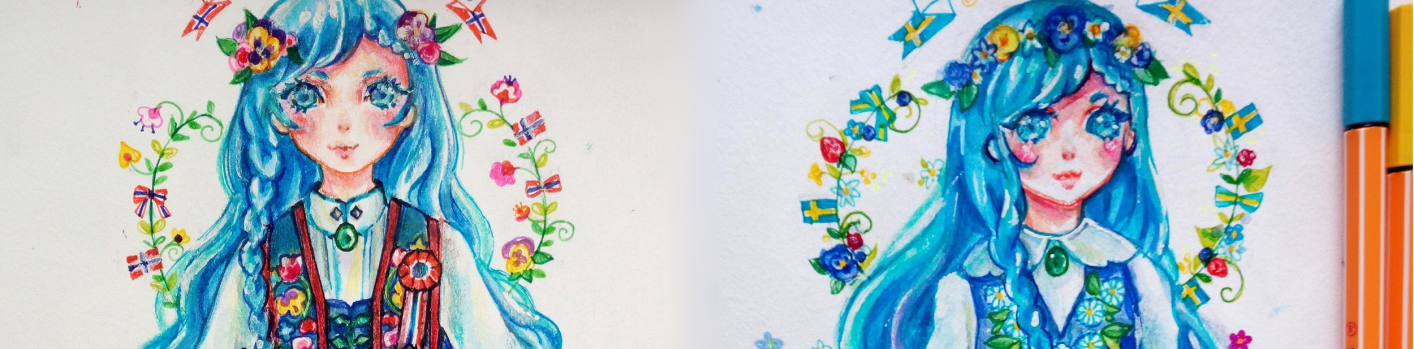
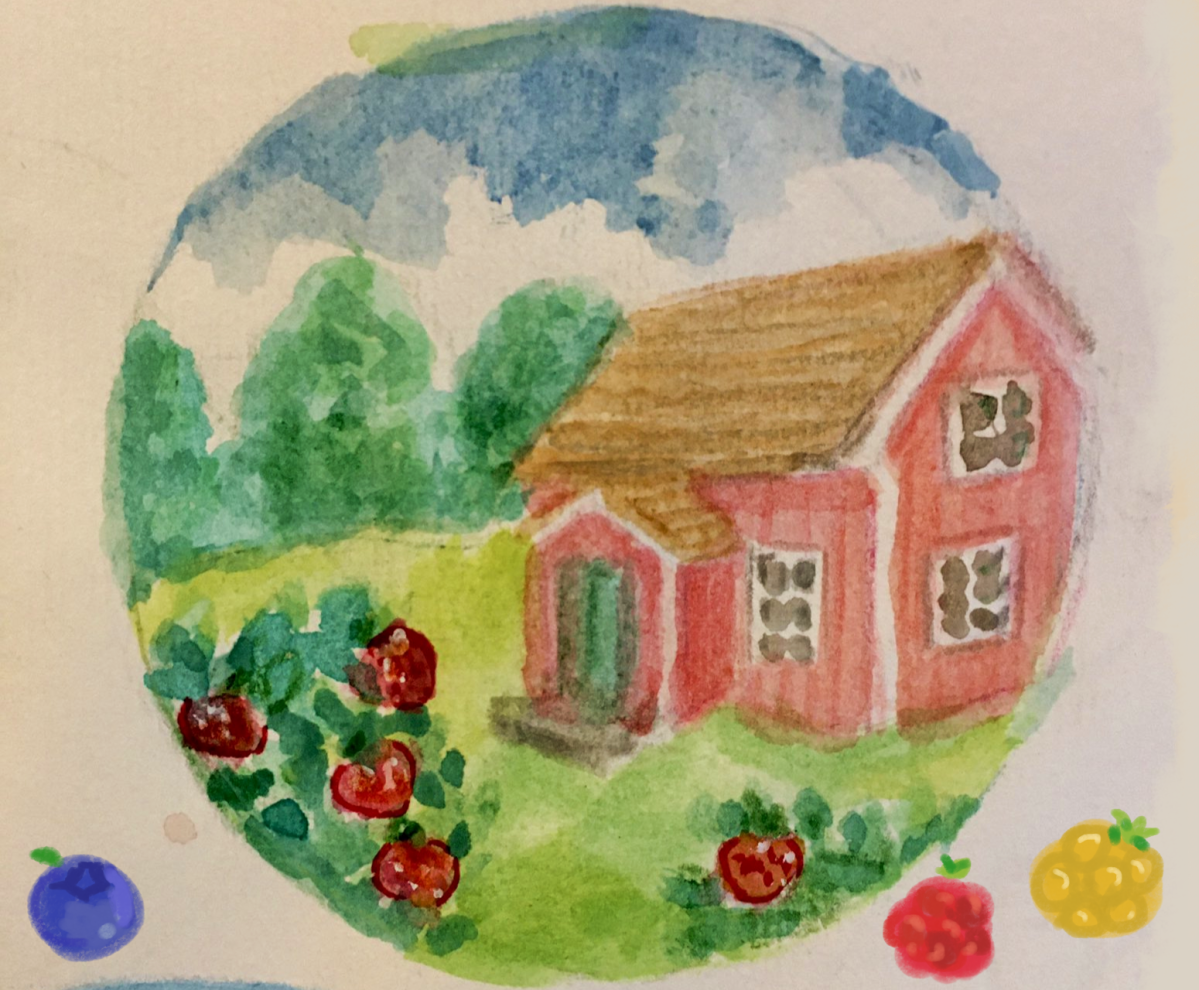
Berries are a big thing in Nordic countries, and you can hear that in their languages as well! So I have collected a few sayings and idioms involving them in Swedish, Norwegian Finnish and Danish.
Swedish
- Smultronstället – Place of wild strawberries – a special place discovered, treasured, returned to for solace and relaxation; a personal idyll free from stress or sadness
- Blott Sverige svenska krusbär har – Only Sweden has Swedish gooseberries – There’s no place like home… Originally a quote by writer Carl Jonas Love Almqvist (1793-1866)
- Hej hopp i blåbärsskogen! / Hej svejs i lingonskogen tjosan hoppsan hej! – hey hey in the blueberry/lingonberry wood hey hey: a funny surprised expression Swedes may use in a joking way
Norwegian
- Det er bare blåbær – It’s just blueberries: it’s not a big deal/it’s a piece of cake
- Være på bærtur – To be picking berries: being completely lost/wrong.
Finnish
- Oma maa mansikka, muu maa mustikka – our land strawberry, other land blueberry: No place like home, here too 🙂
- he ovat kuin kaksi marjaa – they are like two berries: they look very much alike
- se maksaa mansikoita – it costs strawberries: very expensive
- and last but not least paskanmarjat – sh*t berries: bullsh*t
Danish
- stikkelsbærben – gooseberry legs: pale, skinny, and hairy legs
- et surt ribs – a sour redcurrant: a grumpy person
- at give (eller få) en på bærret: to give (or get) one on the berry: to hit or get hit on the face
sources: Københavns sprogcentret
Feel free to comment if you know more!
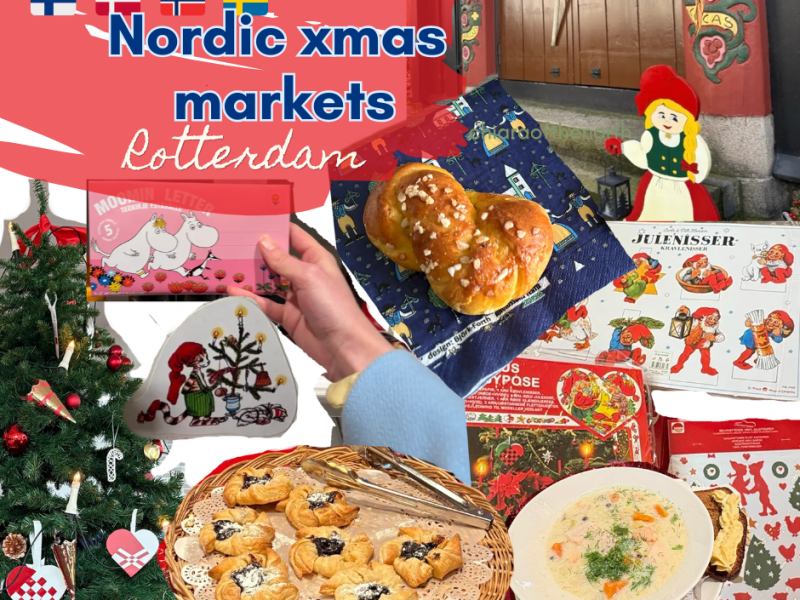
My visit to Nordic Christmas markets in Rotterdam
Norwegian, Danish, Finnish and Swedish Christmas markets in Rotterdam. Christmas decorations, imported typical Nordic products for sale, a cafe with lunch and cakes in each of them!

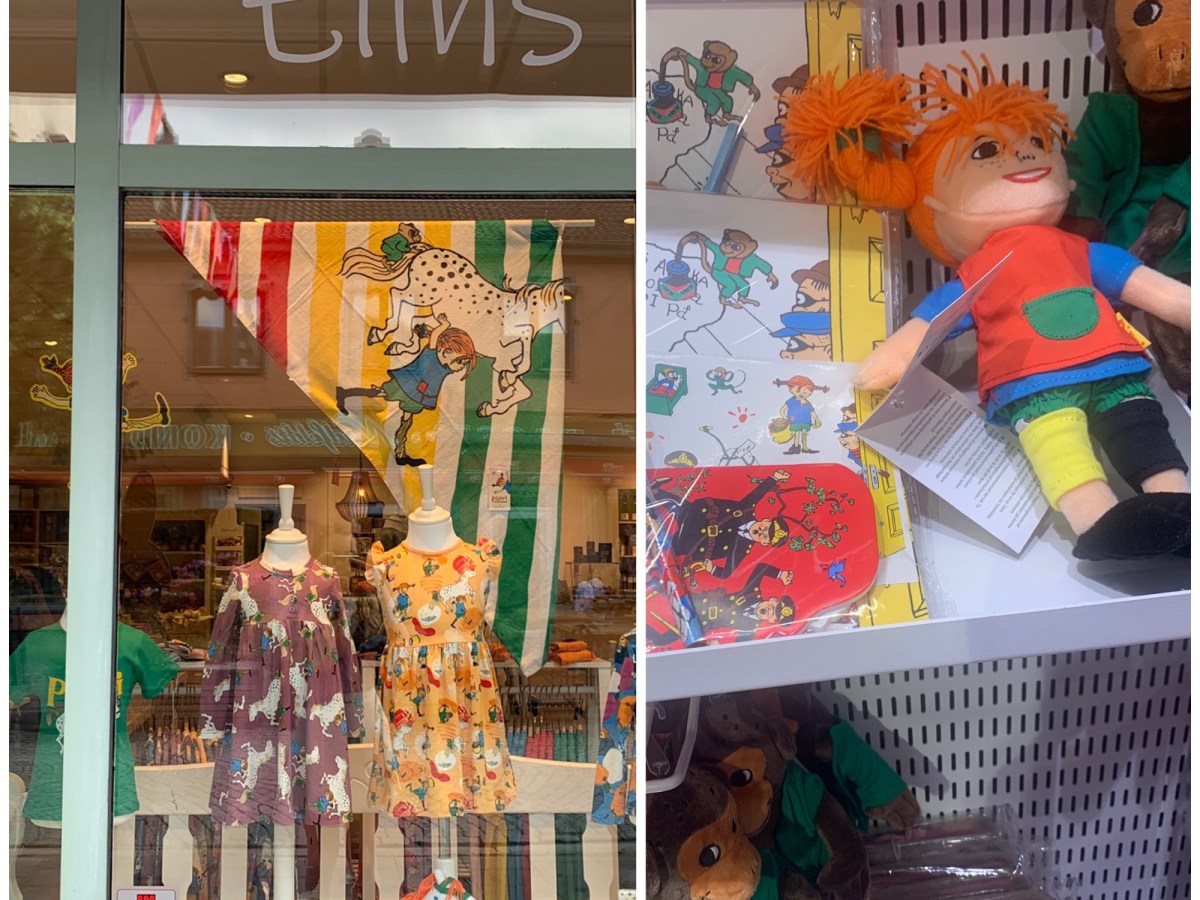
Favourite souvenirs from Sweden: Pippi and Astrid Lindgren characters merch
In Sweden, Pippi Longstocking objects can be a lovely souvenir. Pippi is on sweets and various children’s items a well, as sometimes other Astrid Lindgren’s characters, which have also cherished cultural impact as a part of Swedish identity.
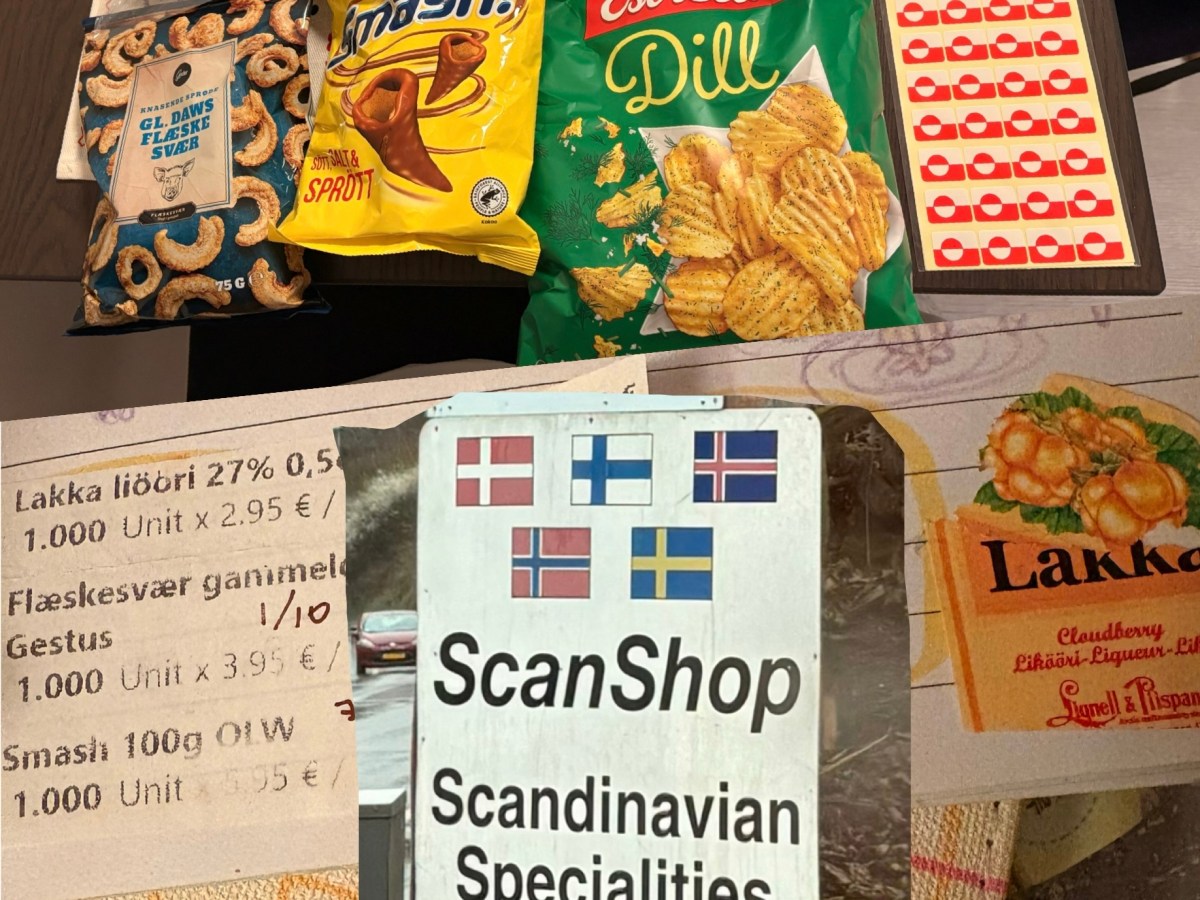
ScanShop: Nordic supermarket in Luxemburg
I visited Scanshop, a supermarket for Nordic expats in Luxembourg and Belgium. It offers a wide range of Scandinavian food products, including rye bread, fish, and sweets, alongside flags and tableware.

