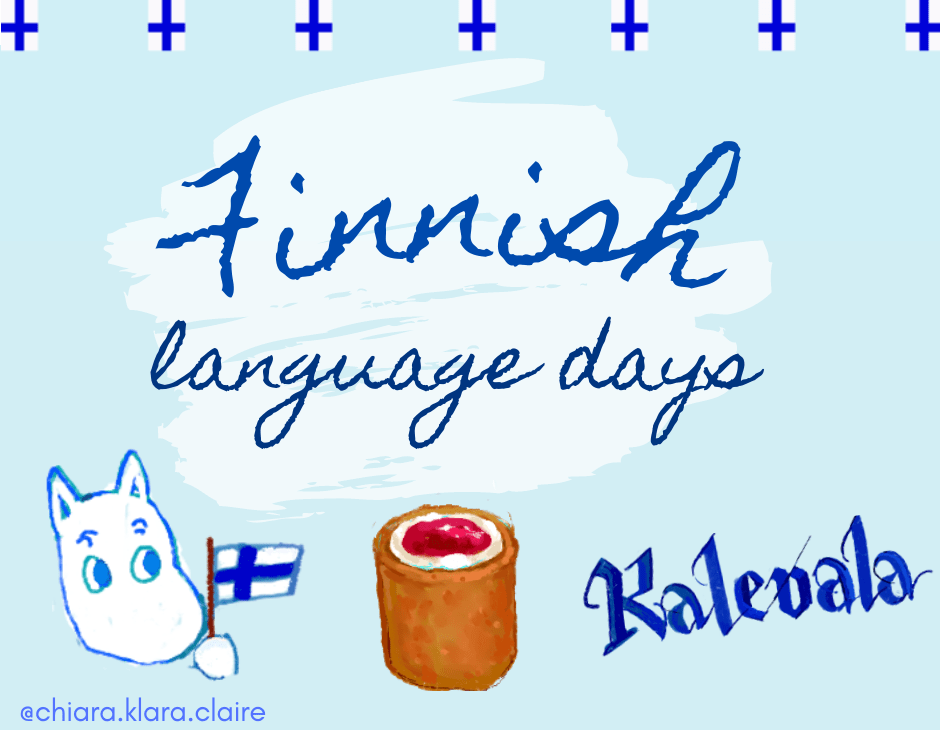
Finland celebrates its language and culture during special days chosen for birthdays of Poets and artists. Most are flag days in the country, on which the Finnish flag Siniristilippu (“blue cross flag”) shall fly.
Runeberg day – 5 February
In Finnish Runebergin päivä, it is the birthday of the national poet Johan Ludvig Runeberg (1804–1877). The highlight of the celebration is eating Runeberg’s torte (Finnish: Runebergintorttu; Swedish: Runebergstårta).
Runeberg lived in Porvoo/Borgå and although he is considered the national poet of Finland, he only wrote in Swedish! His Vårt land (“Our Land”, Maamme in Finnish) became an unofficial Finnish national anthem.
Runeberg ate the torte now carrying his name everyday, baked by his wife Fredrika. it is an almond and rum flavoured pastry with raspberry jam, and a ring of icing on top. You can find it in shops from the beginning of January until 5 February. The exception to this is Runeberg’s hometown Porvoo, where you can enjoy the torte the whole year round!
Kalevala day – 28 February
In Finnish Kalevalan päivä, it also known as Finnish Culture Day because of the central role Kalevala has as the national epic of Finland and Karelia. Elias Lönnrot (1802 – 1884), a Finnish physician and philologist, compiled it in the 19th century by collecting traditional Finnic oral folklore in Finland, Karelia, the Kola Peninsula and the Baltic countries.
Kalevala means land of Kaleva, and its main character is Väinämöinen, a sort of godlike shaman with a magical voice, and it tells about the hero’s search for a wife.
As a symbol of Finnish culture and history, Kalevala has inspired many Finnish artists, among others the classical composer Jean Sibelius and the painter Akseli Gallen-Kallela.
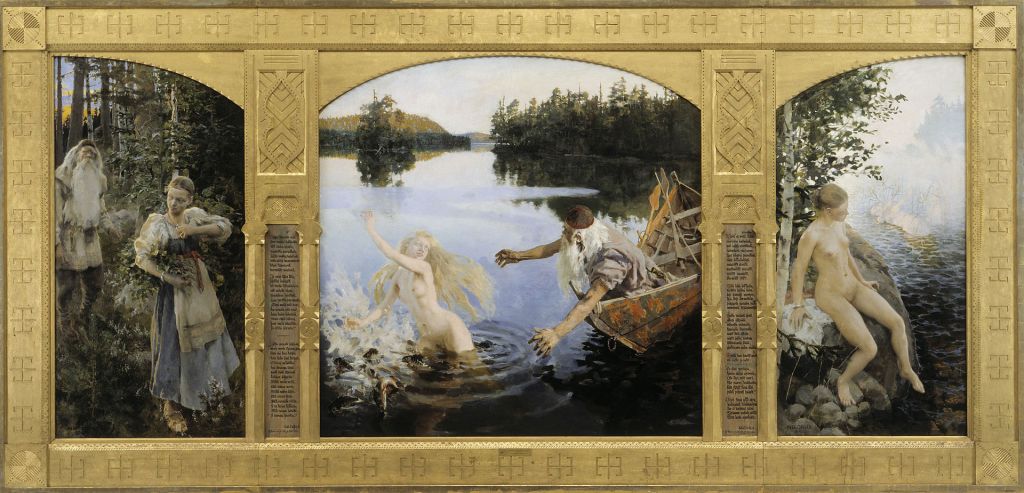
Something as old and quintessentially Finnish can be described as kalevalainen “Kalevala-esque”!
Finnish Language day – 9 April
On 9 April Mikael Agricola, the “father of literary Finnish” died, and Elias Lönnrot was born. For this reason it is celebrated as Finnish language day, suomen kielen päivä.
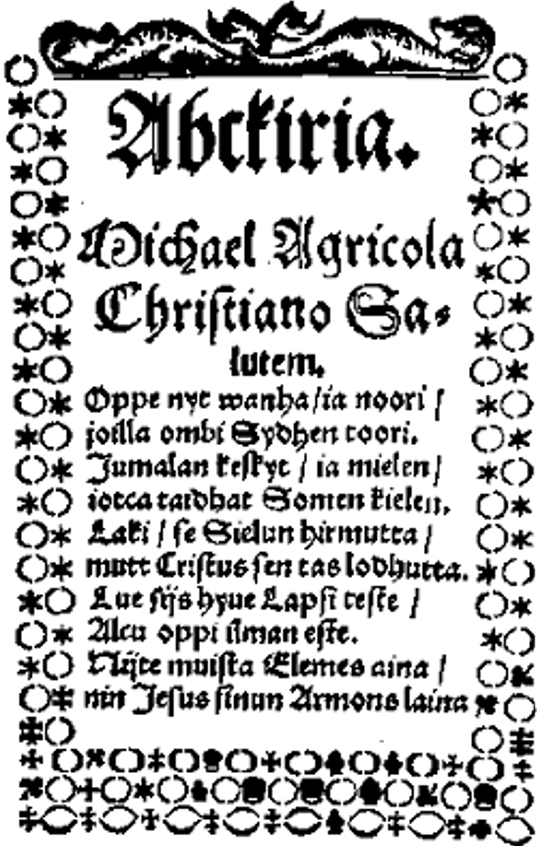
While the previously mentioned Elias Lönnrot compiled the Kalevala, Mikael Agricola was a Bishop and scholar who created Finnish as a written language in the 1500s, with all its lovely double vowels.
Agricola’s role for the Finnish language was similar to that of Luther for German. Both translated the bible into their people’s language. He did that with other Finns while living in Wittenberg, Luther’s town. Agricola also wrote the Abckiria (ABC Book), the first piece of literature in Finnish.
Other important days for Finnish culture
- 3 February – Day of Finnish architecture and design, Arkkitehtuurin ja muotoilun päiviä. It is the birthday of Alvar Aalto
- 12 may – Day of Finnish Identity, suomalaisuuden päivä, birthday of the statesman Johan Vilhelm Snellman
- 9 August – Tove Jansson day, Since 2020 this day, Tove Jansson’s birthday, is a flag day in Finland, celebrating Finnish art. Tove Jansson was a painter and illustrator, most known as the creator of Moomintrolls. Her novels and other written work have been translated into more than 50 languages
- 8 December – John Sibelius day, Birthday Jean Sibeliuksen päivä/ also day of Finnish music
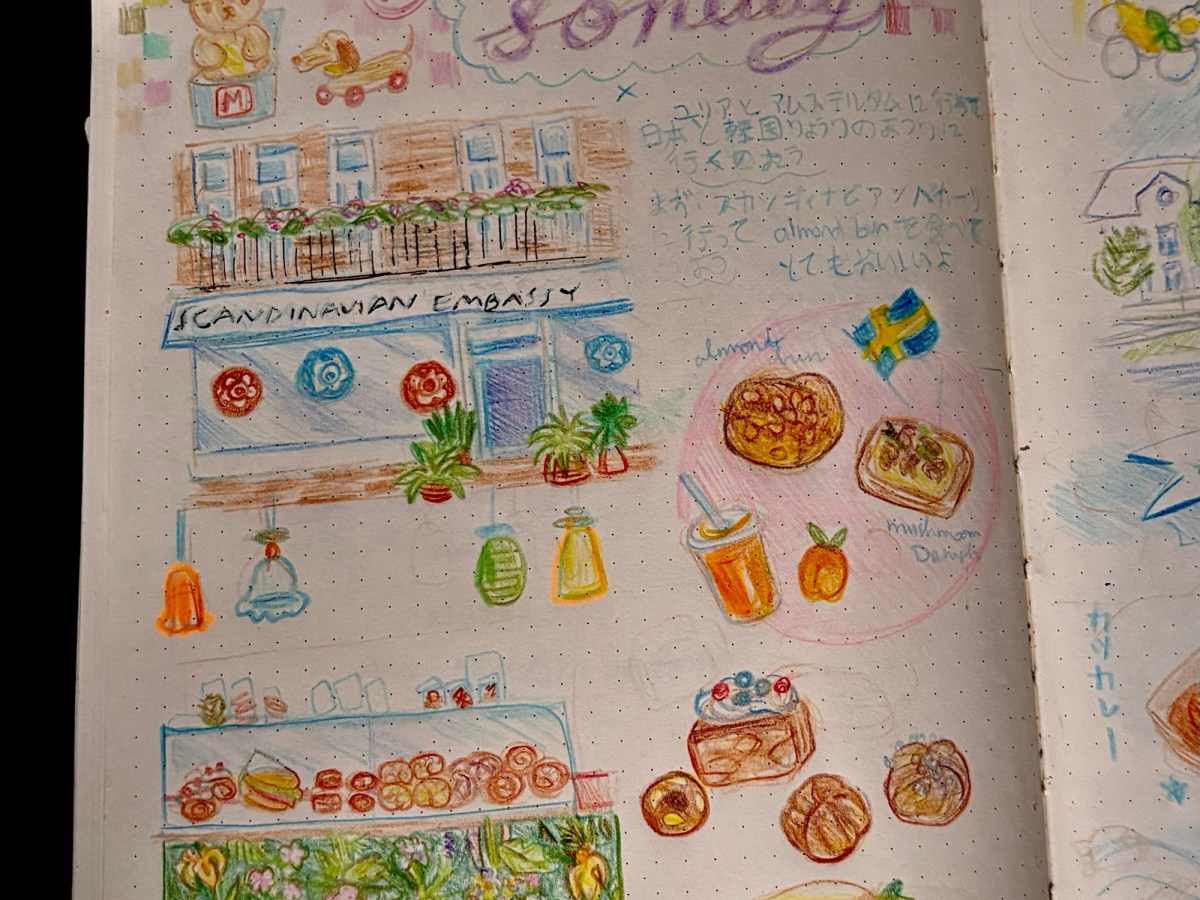
Scandinavian Embassy‘s bakery and cafe in Amsterdam zuid
On a trip to Amsterdam, I decided to test Scandinavian Embassy and both of its two locations, starting with the bakery in europaplein. The two locations are in Amsterdam zuid: Saphatipark and Europaplein: in the former, a more central location, you can sit but it has fewer items than the bakery in Europaplein. The bakery,…

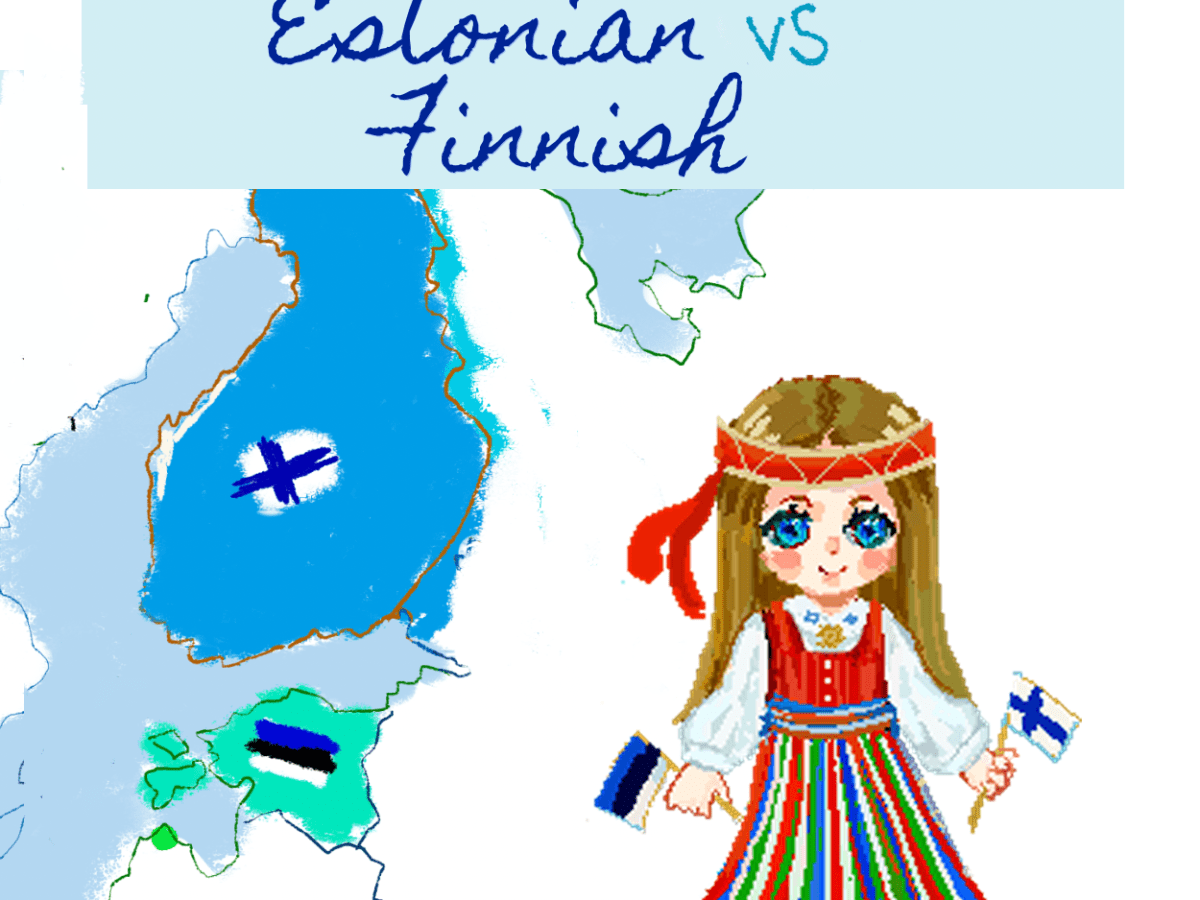
An introduction to Estonian: sister language of Finnish
Estonian is a Finnic language, sharing many similarities with its ‘bigger’ sister Finnish, while being unrelated to all their bigger language neighbours
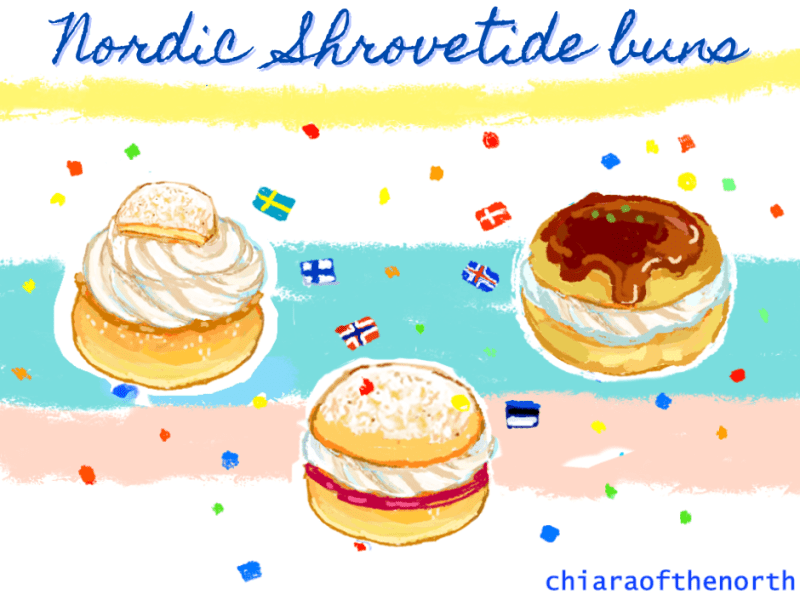
Scandinavian carnival buns (and where to eat them in the Netherlands)
Cream buns are enjoyed in Nordic and Baltic countries during shrovetide, between January and February. Sweden’s classic semla has almond paste, while other countries variations include jam, vanilla cream, and chocolate icing top.
 a Polyglot illustrating Scandinavia
One thought on “Days to celebrate Finnish culture”