Astrid Lindgren’s birthday was on 14th November, to celebrate Scandinavia’s and the world’s favourite children author here’s an article about her homeland.
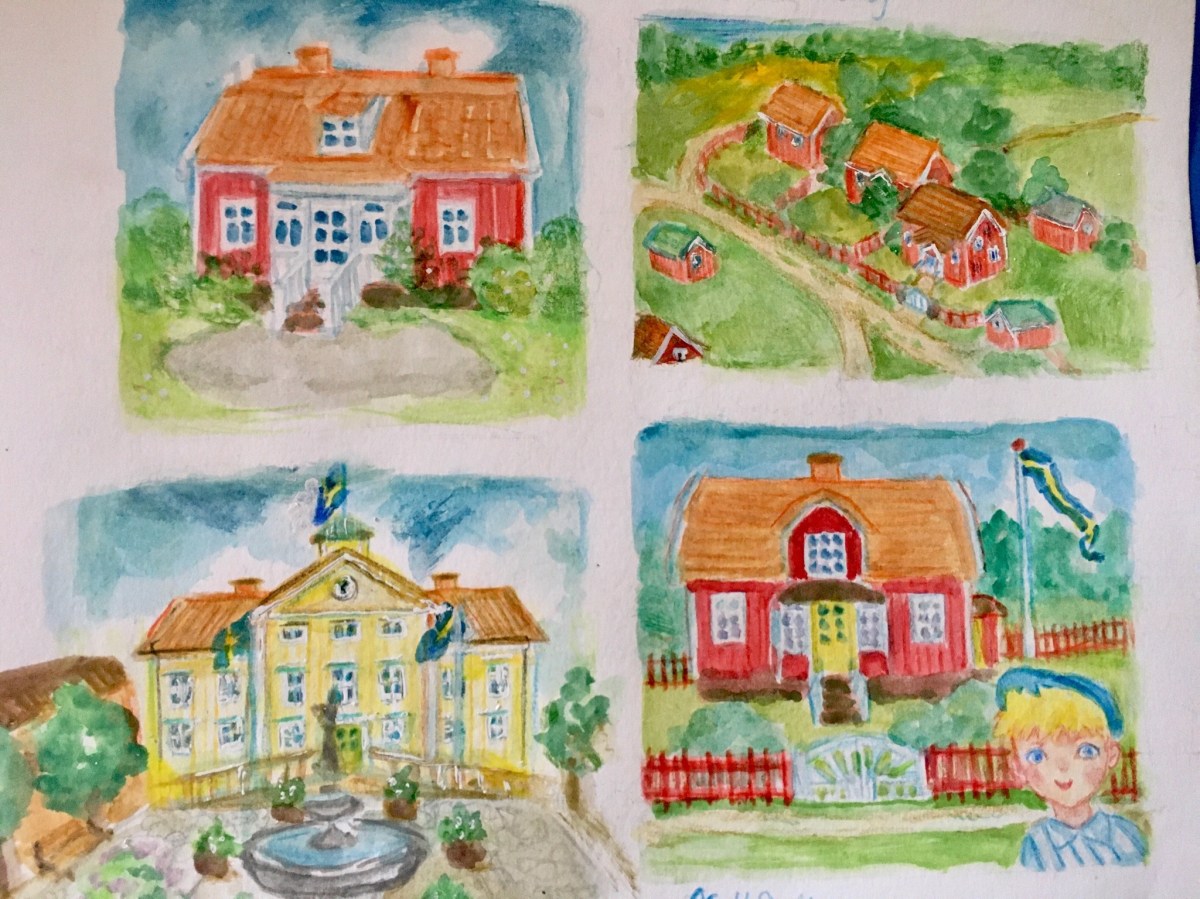
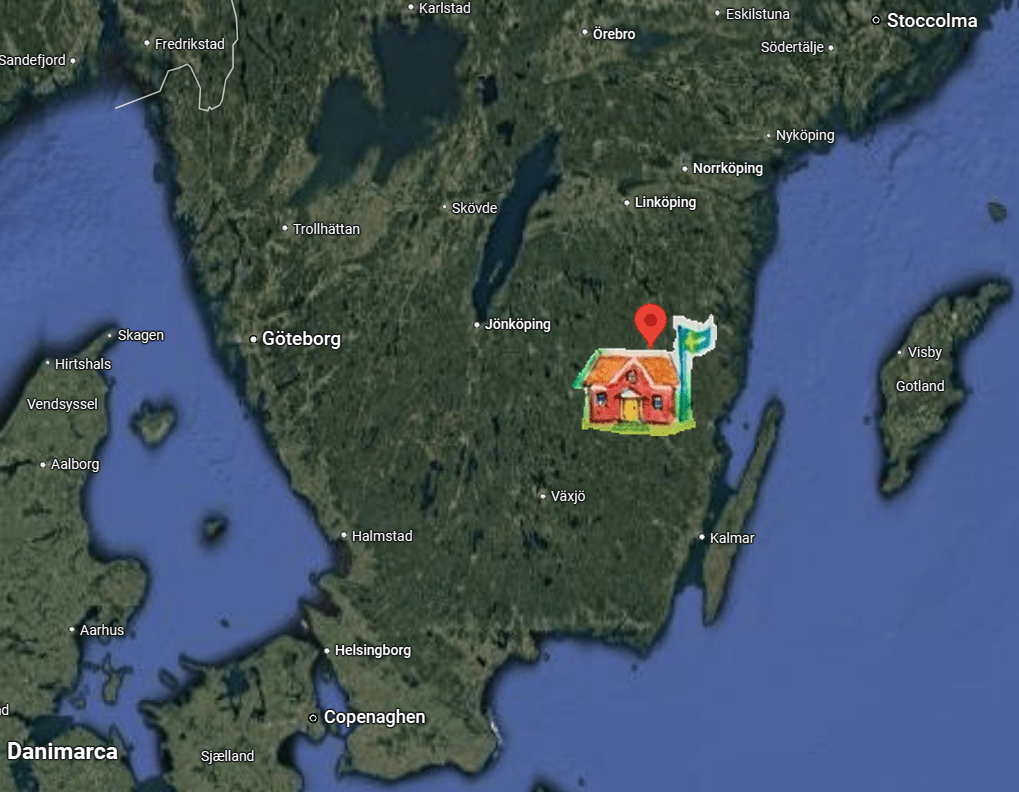
Astrid Lindgren came from Småland, a region in the south of Sweden full of idyllic villages, wild nature (51% of Småland is forests!) and old farms. There you can visit the places from her childhood that were sources of inspiration for books as Emil in Lönneberga, Bullerby/Noisy Village, Pippi Longstocking and so on around the town of Vimmerby.
There were two things that made our childhood what it was – security and freedom.
From the book Mitt Småland (“My Småland”) by Astrid Lindgren and Margareta Strömstedt
Vimmerby and surroundings
Where Astrid Lindgren grew up
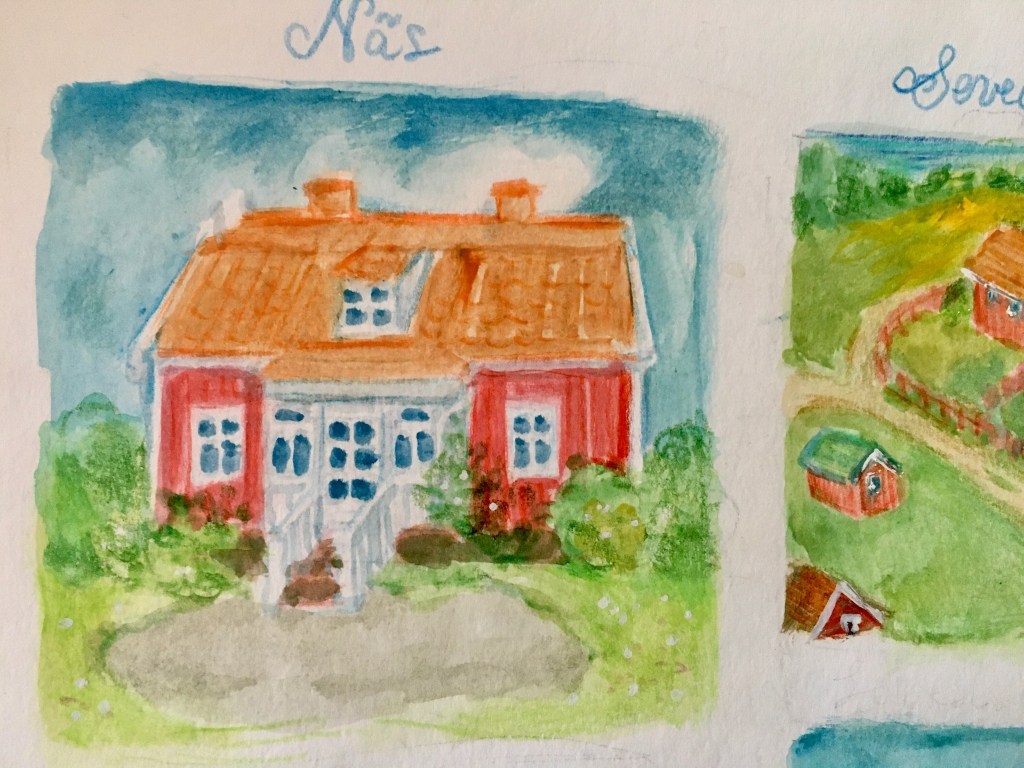
Astrid Lindgren spent her happy childhood on the Näs farm. The hollow elm which was Pippi’s “lemonade tree” (Sockerdricksträdet) is still in the garden. Astrid and her siblings had named it Owl Tree (Uggleträdet).
The farm is still owned by the family and is part of the cultural center, which was opened in 2007 for Astrid Lindgren’s 100th birthday. You can find out more about Astrid Lindgren, her life and work in exhibitions there.
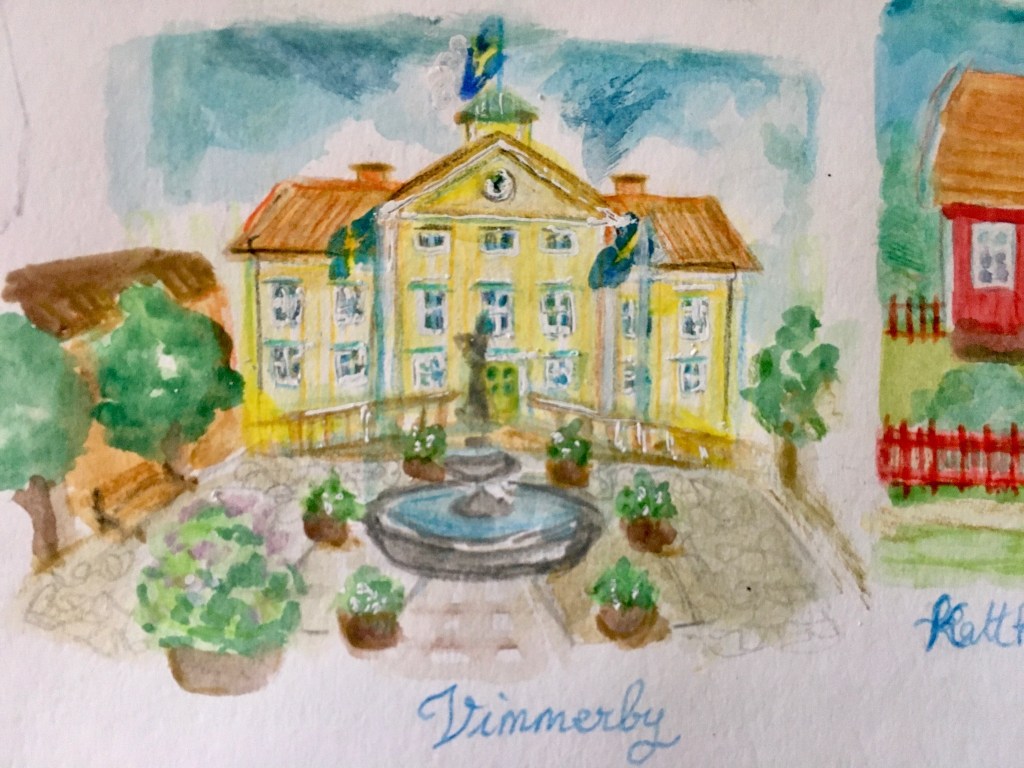
Vimmerby is the town were Astrid Lindgren grew up and went to school. The young Astrid played with her siblings and friends in the alleyways of this small town and in the surrounding woods. Her childhood provided the raw material for her stories. Here are some contained in Pippi Långstrump, her major success:
- The game “Don’t touch the ground”, that Pippi plays one day with Tommy and Annika was also played Astrid Lindgren.
- The message in a bottle in Pippi Longstocking Goes Aboard comes from a game Astrid played with her brother Gunnar and her two cousins.
- Her brother Gunnar also invented the “things-finder” (sakletare) game.
- Pippi’s freckles and red hair came from a friend of Lindgren’s daughter Karin.
- in Furusund, where the summer house of the Ericsson family was, there was a girl who had a horse tied to the porch similar to Pippi’s Lilla Gubben.
She was also good at school to the point where she was called “Vimmerby’s Selma Lagerlöf” after her first essay was published in the local newspaper Vimmerby Tidning. She worked two years as a volounteer for it until she got pregnant at 18 and left the town.
Emil’s village and Bullerby
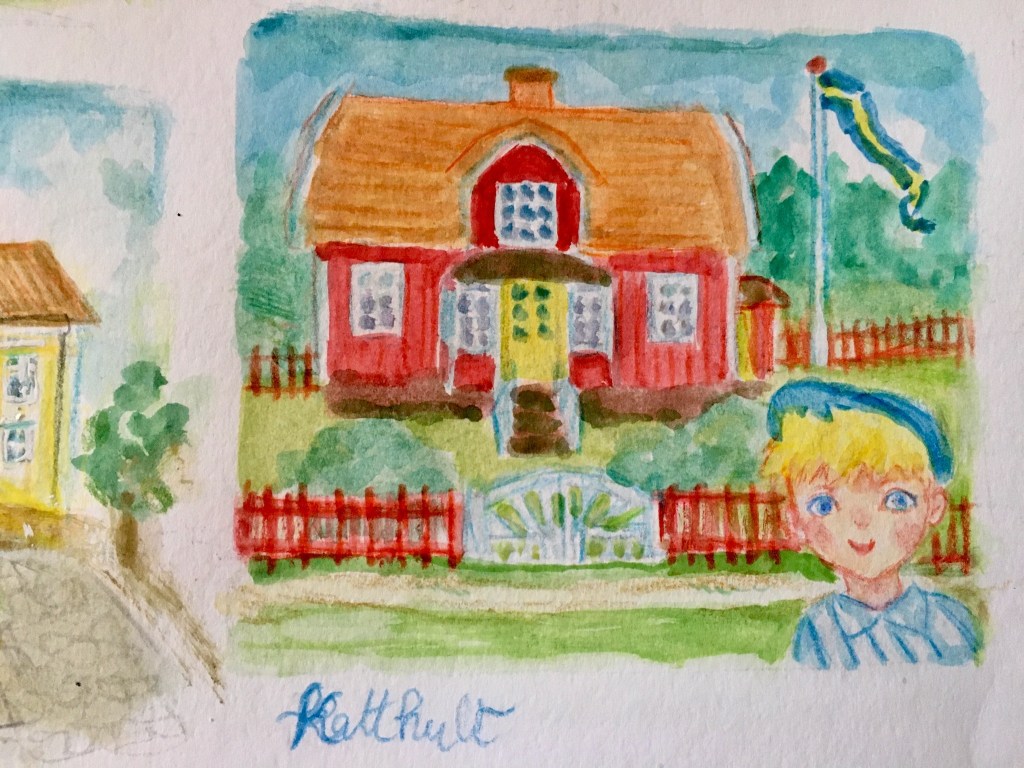
Around Mariannelund, just 20 km south of Vimmerby, is where the Emil of Lönneberga films were made from 1971 to 1874, in the Film village Filmbyn Småland. In this interactive museum you will be able to have a look behind the scenes and see classic film clips, sing along to tracks and check out original props. Emil´s home, Katthult, is actually called Gibberyd, located between Lönneberga and Mariannelund.
Astrid Lindgren found the inspiration for Emil from the stories her father told about his childhood, but the character of Emil came to life when she was taking care of her three-year-old grandson, who was screaming with all his might. Astrid Lindgren asked the boy if he knew what Emil had done one day. Since the boy wanted to know that, he started being quiet to listen. From that moment, she went on telling her grandson about Emil and later wrote the stories down.
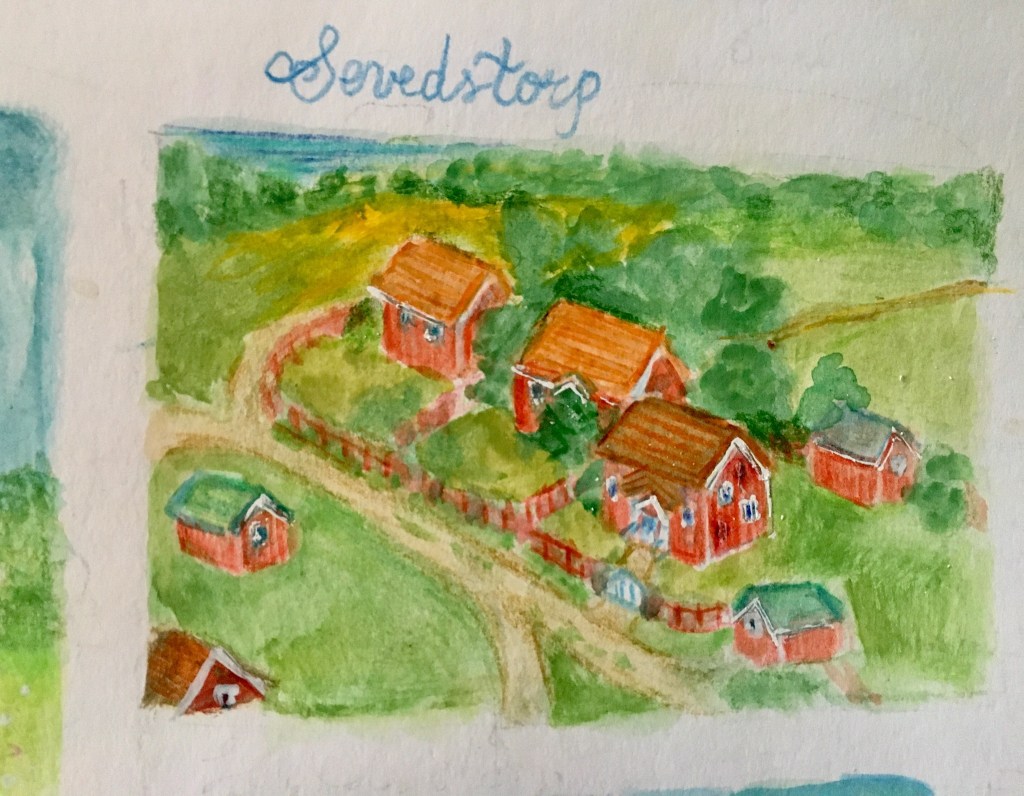
The village of Sevedstorp became Bullerby (Noisy Village) in the films. This hamlet was the childhood home of Astrid Lindgren’s father, and the three farms in Pelarne, 10 km from Vimmerby, were in fact also the model for the Bullerby. Astrid Lindgren‘s father Samuel August Ericsson grew up there with his four brothers and two sisters. Astrid Lindgren’s grandfather was also the model for Bullerby’s grandfather. The farms are however private property now.
I am sorry for all who do not live in Bullerby
Anna in Bara roligt i Bullerbyn
Astrid Lindgren’s Amusement Park: Astrid Lindgrens värld
And if you want to see everything at once, you can visit astrid lindgren’s world. The author’s theatre park, few minutes walking away from Näs, is where the characters and settings from Astrid’s most famous books are brought to life. It lets you truly immerse yourself in the stories of Astrid Lindgren. leap across the Hell’s Gap chasm with Ronja the Robber’s Daughter, meet Katla the dragon with the Brothers Lionheart or watch That Emil hoist little Ida up the flagpole.
Outside Småland
Here you can read (in Swedish) about the locations of the movies. However, not all films inspired by Astrid Lindgren books are located in Småland, in some occasions even outside Sweden!
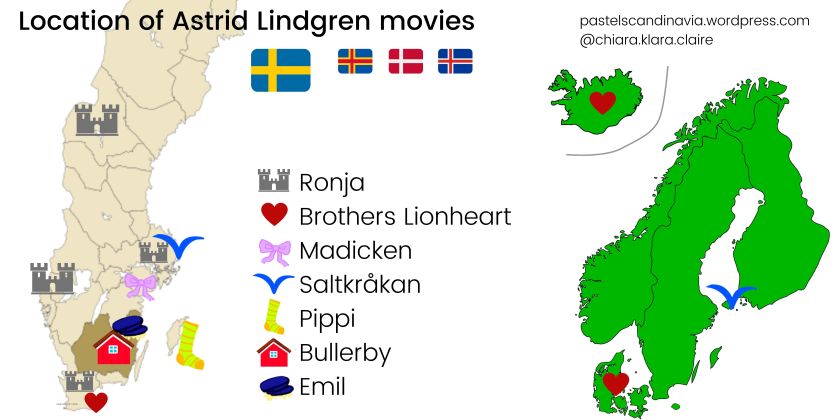
- Pippi Longstocking was filmed in the town of Visby in Gotland, the largest island in the Baltic Sea. The shops were located in the St Hansgatan street in the centre. Villa Villekulla is a few kilometres outside Visby, later moved to the south of the town.
- Brothers Lionheart: Tomelilla and in the hills Brösarps Backar in Österlen, south-east Skåne. The town of Törnosdalen in the movie is in Den Gamle By, an open-air museum in the Danish city of in Aarhus, in Jutland. Much was also in Iceland.
- Madicken: Söderköping
- Ronja: most scenes are near the mountain Sörknatten i Dalsland. most scenes by the lake in Jämtland (lake Blåsjön). Other scenes are in the cave Tykarpsgrottan in Ignaberga, Skåne; and in the ruins of the Haga castle in Solna, near Stockholm.
- Vi på Saltkråkan/ Seacrow island: islands in the Stockholm northern archipelago: most in Norröra, some Söderöra. A lot of scenes were also in Eckerö, in the archipelago of Åland (Finland).
More articles:
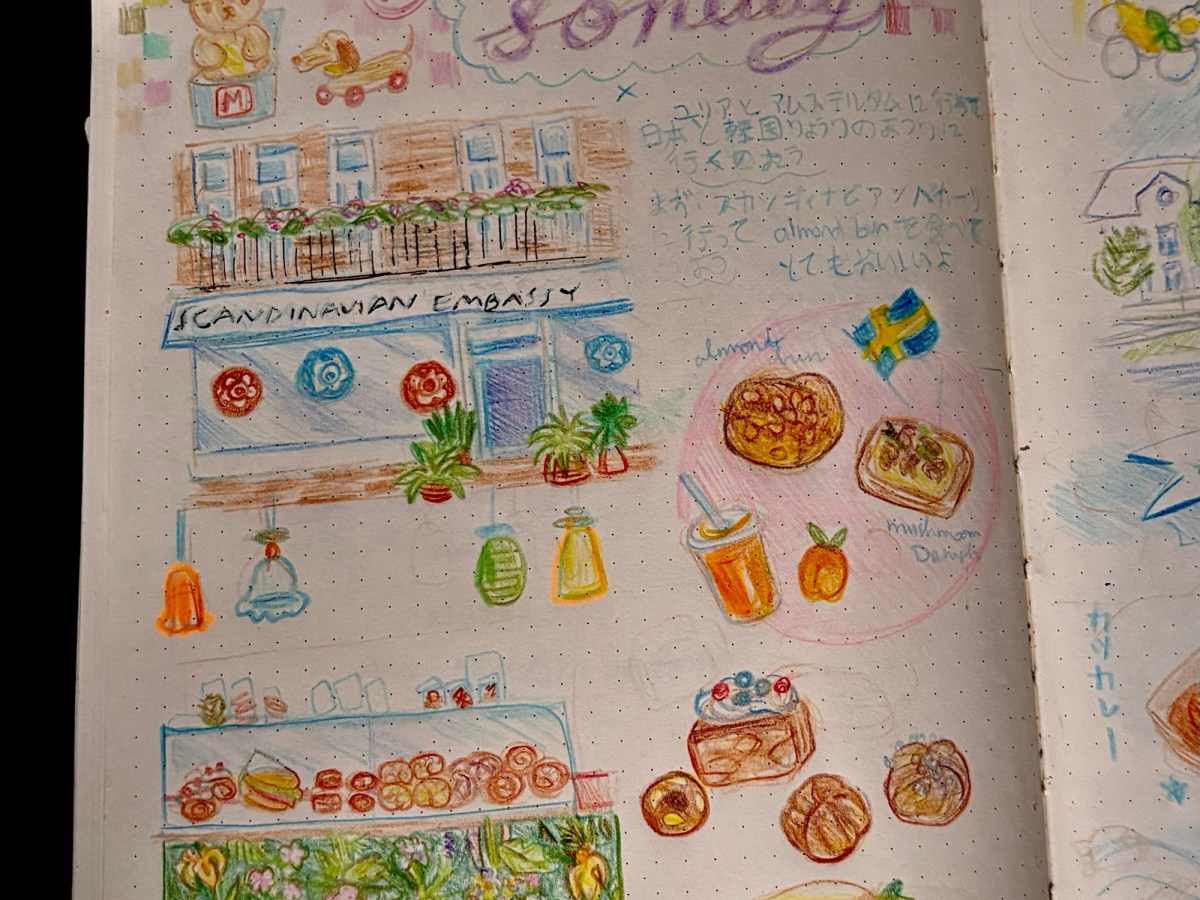
Scandinavian Embassy‘s bakery and cafe in Amsterdam zuid
On a trip to Amsterdam, I decided to test Scandinavian Embassy and both of its two locations, starting with the bakery in europaplein. The two locations are in Amsterdam zuid: Saphatipark and Europaplein: in the former, a more central location, you can sit but it has fewer items than the bakery in Europaplein. The bakery,…

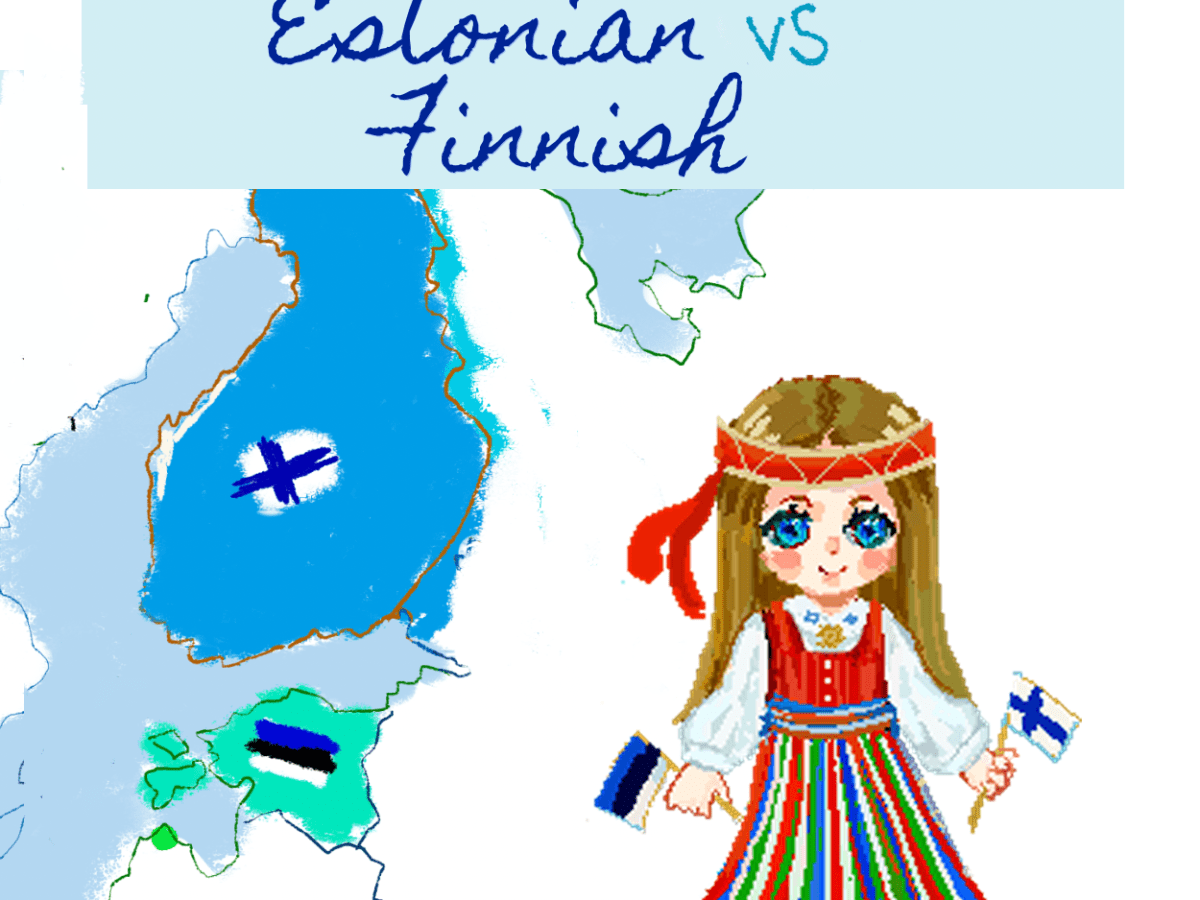
An introduction to Estonian: sister language of Finnish
Estonian is a Finnic language, sharing many similarities with its ‘bigger’ sister Finnish, while being unrelated to all their bigger language neighbours
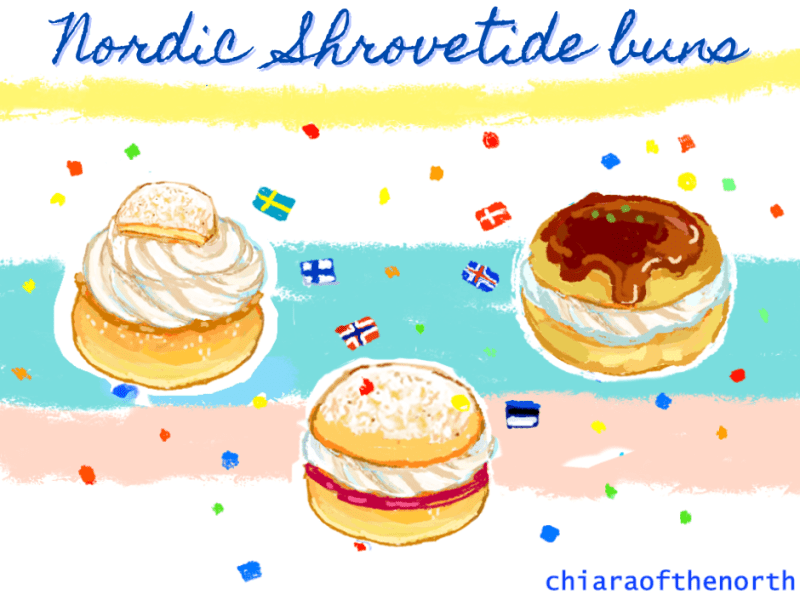
Scandinavian carnival buns (and where to eat them in the Netherlands)
Cream buns are enjoyed in Nordic and Baltic countries during shrovetide, between January and February. Sweden’s classic semla has almond paste, while other countries variations include jam, vanilla cream, and chocolate icing top.
 a Polyglot illustrating Scandinavia