
Something that makes some Danish learners desperate is its numbers, but I developed my own trick for that, and thought I could share it!
Danish numbers until 40 might look “normal” and quite similar to English, which is not surprising as a fellow Germanic language:
- 1-10: 1-et, 2-to, 3-tre, 4-fire, 5-fem, 6-seks, 7-syv, 8-otte, 9-ni, 10-ti
- 11-19: 11-elleve, 12-tolv, 13-tretten, 14-fjorten, 15-femten, 16-seksten, 17-sytten, 18-atten, 19-nitten,
- 20-tyve, 30-tredive, 40-fyrre
You’d expect 50, 60, etc. till 90 to be fem-, seks-something, as it is in Swedish, Norwegian and Icelandic (femtio, sextio; femti, seksti; fimmtíu sextíu…); but Danes use another… method, based on a vigesimal system: a numeral system based on twenty, making them harder to remember for Danish learners. You can’t guess what halvfems is without having learned it first, I suppose.
How I remember Danish numbers
Let’s start by remembering the easier ones, that is to say the ones that are just called “x times 20”
- 3 x 20 = 60: tres (three times twenty)
- 4 x 20 = 80: firs (four times twenty)
to remember them, I just think of half of the target number: 60 is 30×2 and 80 is 40×2 so the number will sound like 3(s), 4(s)
50, 70 and 90 are however not perfectly divided by 20, and start with halv. It might help you to think that each halv- is smaller than the similar version without halv by 10:
- 60 is tres, and 50 is halvtreds is 50
- 80 is firs, and 70 is halvfjerds
- 90 is before 100, which is 50x2, so 90 is halvfems
In addition to all this, remember that from 20 units go before tens, just like in German and Dutch, separated by og (“and”), so 21 is enogtyve
Here’s a graphic summary of my tricks
Hundreds hundred(e), Thousands tusind(e), etc work just as in English, read everything in detail on wiktionary.
Here’s a program where you can exercise! hit “run” button on the top and on the bottom of the page you’ll have to answer how to write a number 0-100
Actual meaning
Here’s the ethymological explanation from languagesandnumbers:
The fractional system used in these numbers names is as follow: first half is ½ [0.5], second half is 1½ [1.5], third half is 2½ [2.5] (halvtreds=50), and so on as follows:
- 50 is halvtreds, which stands for halvtredje-sinds-tyve, meaning “third half times twenty”, or “two scores plus half of the third score” [2½ * 20].
- 60 is tres, short for tre-sinds-tyve, which means “three times twenty” [3*20].
- 70, halvfjerds, is short for halvfjerd-sinds-tyve, meaning “fourth half times twenty”, or “three scores plus half of the fourth score” [3½ * 20].
- 80 is firs, which long form firsindstyve, or fire-sind-styve, meaning “four times twenty” [4*20].
- 90, halvfems, short for halvfemsindstyve or halv-fem-sinds-tyve, means “fifth half times twenty”, or “four scores plus half of the fifth score” [4½ * 20].
Don’t ask me how this makes sense because I have no idea, I barely survived maths in school.
Ordinals
The vigesimal form leads to very long expressions of the numbers, which have been shortened phonetically, dropping -sindstyve (“times twenty”). Ordinal numbers may however still include that ending: 52 is usually rendered as tooghalvtreds (from the now obsolete tooghalvtredsindstyve), whereas 52nd is either tooghalvtredsende or tooghalvtredsindstyvende.
Even the Danes don’t know what they are doing
If you feel bad about not getting this whole thing, be aware that few Danish people know what the numbers actually mean, they just deal with those words all the time.
In addition, the decimal style is also commonly used in banking and when relating to other Scandinavian people. The numbers from 20 to 90 are: toti (literally “two tens”), treti, firti, femti, seksti, syvti, otti, niti.
Was this any helpful? Let me know 🙂 Held og Lykke! (good luck)
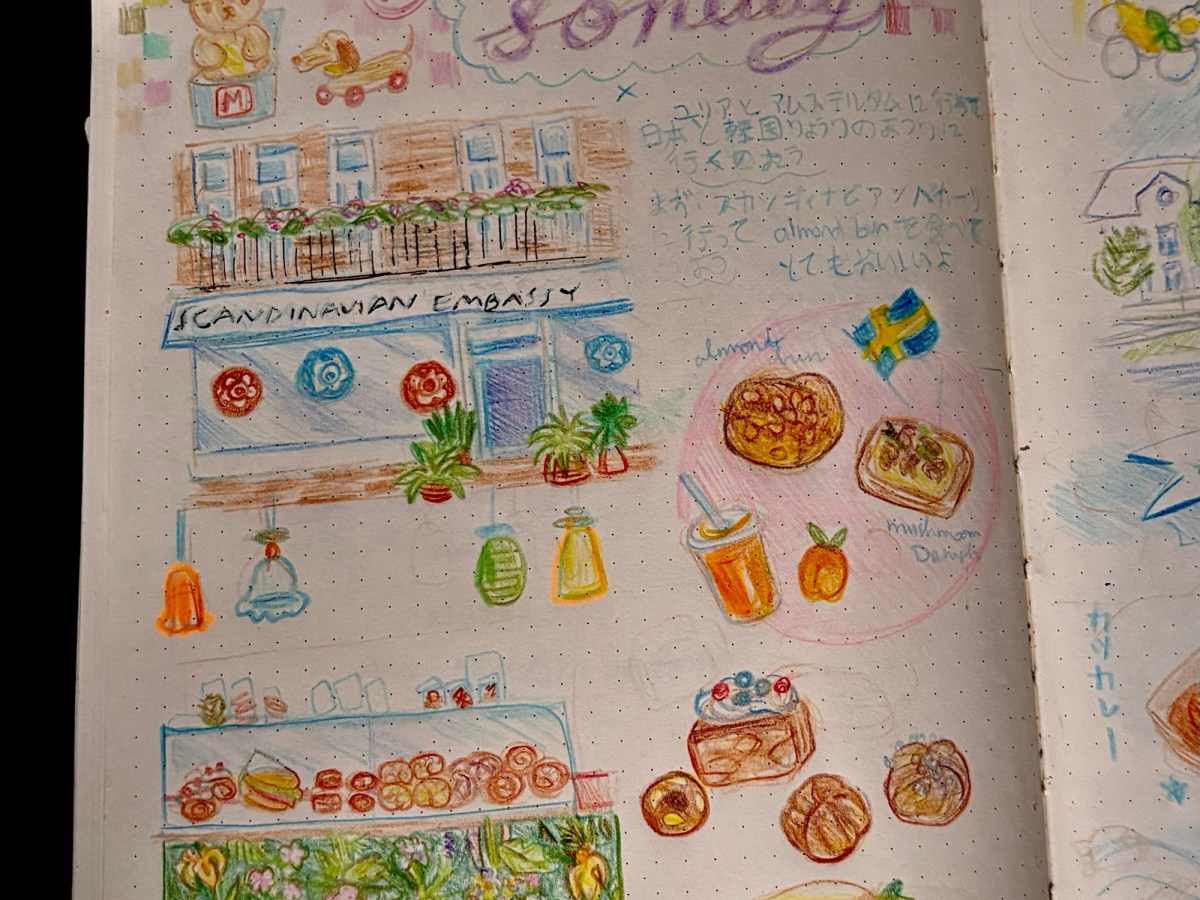
Scandinavian Embassy‘s bakery and cafe in Amsterdam zuid
On a trip to Amsterdam, I decided to test Scandinavian Embassy and both of its two locations, starting with the bakery in europaplein. The two locations are in Amsterdam zuid: Saphatipark and Europaplein: in the former, a more central location, you can sit but it has fewer items than the bakery in Europaplein. The bakery,…

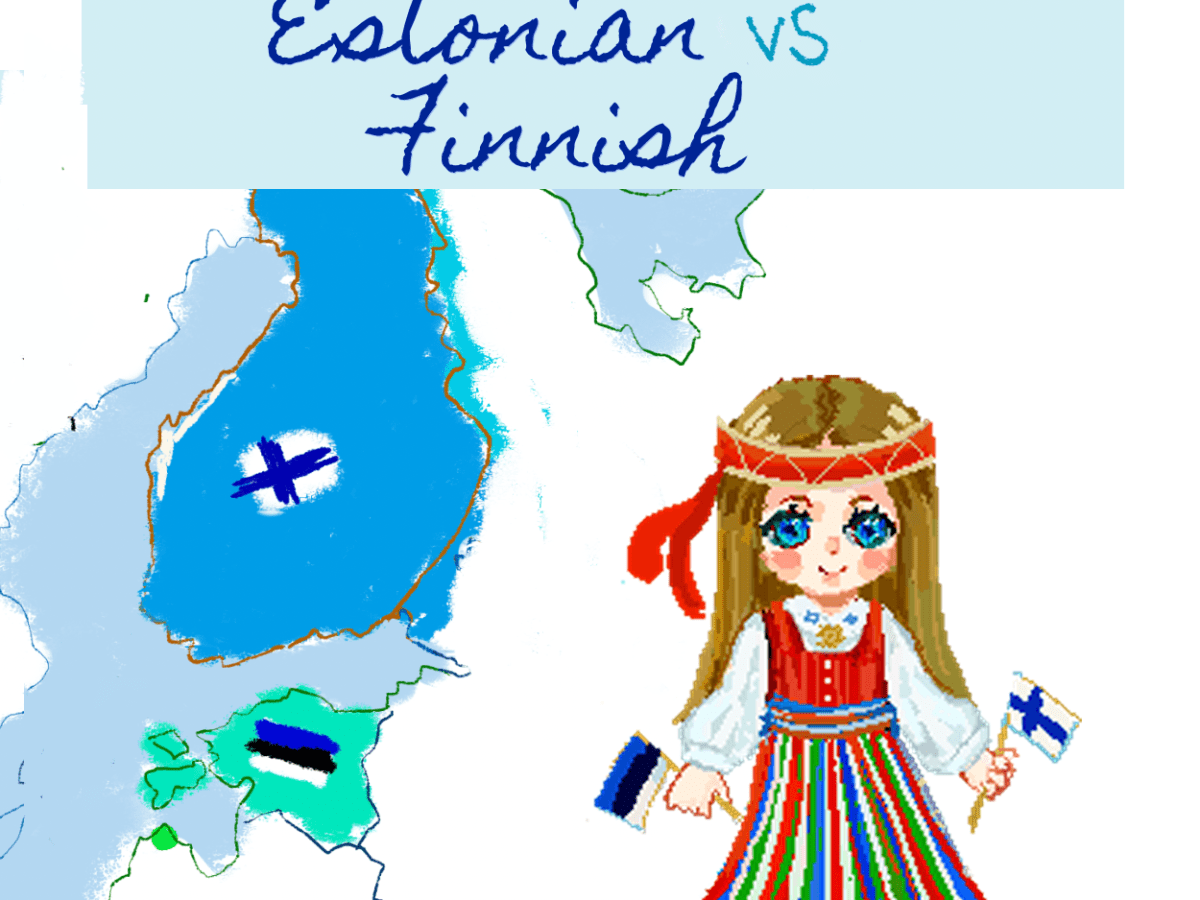
An introduction to Estonian: sister language of Finnish
Estonian is a Finnic language, sharing many similarities with its ‘bigger’ sister Finnish, while being unrelated to all their bigger language neighbours
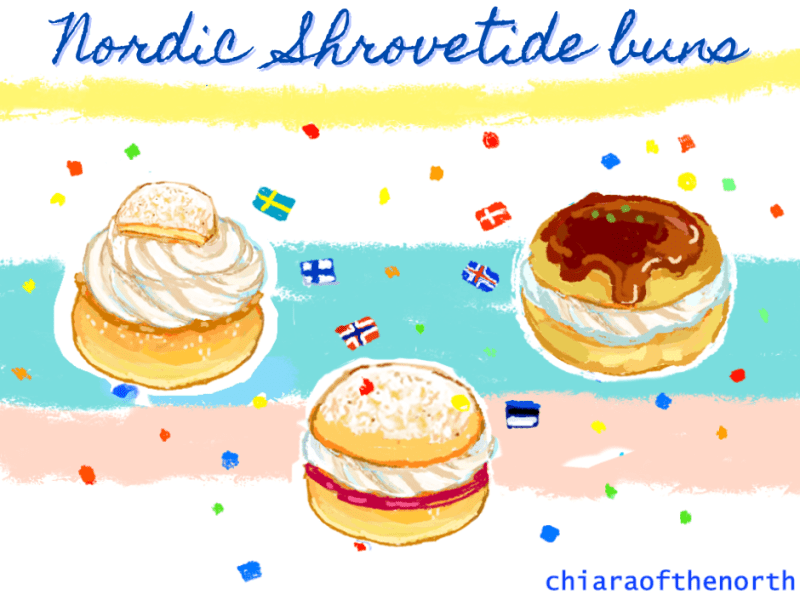
Scandinavian carnival buns (and where to eat them in the Netherlands)
Cream buns are enjoyed in Nordic and Baltic countries during shrovetide, between January and February. Sweden’s classic semla has almond paste, while other countries variations include jam, vanilla cream, and chocolate icing top.
 a Polyglot illustrating Scandinavia