
Something that makes some Danish learners desperate is its infamous numbers, with a logic behind their names which is hard to figure out to say the least. But I’ll get you covered, don’t worry.
Until 40 Danish numbers might look “normal” and quite similar to Swedish, Norwegian , English and other languages
- 1-10: 1-et, 2-to, 3-tre, 4-fire, 5-fem, 6-seks, 7-syv, 8-otte, 9-ni, 10-ti
- 11-19: 11-elleve, 12-tolv, 13-tretten, 14-fjorten, 15-femten, 16-seksten, 17-sytten, 18-atten, 19-nitten,
- 20-tyve, 30-tredive, 40-fyrre
You’d expect 50, 60, etc. till 90 to be fem-, seks-something, (as Swedish femtio, sextio; Norwegian femti, seksti; Icelandic fimmtíu sextíu…); but Danes still use the vigesimal system: a numeral system from ancient times, based on twenty. As 50 is not simply 5-something, it is difficult to retain it without knowing what’s behind it.
There is actually some logic behind them, but I figured tricks to easily remember Danish numbers without doing complicated maths, – (most Danes themselves do not know what’s behind the names, they just grow up hearing those words).
Share to help fellow learners!
How I remember Danish numbers: just think of their half
Let’s start by remembering the easier ones, that is to say the ones that are just called “x times 20” to remember them, I just think of half of the target number: 60 is 30×2 and 80 is 40×2 so the number will sound like 3(s), 4(s)
- 3 x 20 = 60: tres, short for tre-sinds-tyve ”three-times-twenty” – or just remember half of 60 is 3(0) (tre+s)
- 4 x 20 = 80: firs (four times twenty), or just remember half of 80 is 4(0) (fir+s)
5(0), 7(0), 9(0) cannot be divided by 20, so it is a bit more complicated.
They do all have halv- before that. Remember it like this: 50 is a little less than 60, 70 a little less than 80 and 90 is not exactly 5 times twenty. Put halv- before that digit, voila.
- 50 is halvtreds, halvtredje-sinds-tyve ”half 3rd time-20”, or 20 repeated twice and third time it is half 20, so =20+20+(20:2). halvtreds comes before 60, tres! The -d- is there because in the original meaning it was an ordinal number, tredje=third.
- 70 is halvfjerds halvfjerd-sinds-tyve, meaning “fourth half time of twenty”=20+20+20+(20:2)= 60+10=70. But it is much easier to remember it from 80, firs, which changes to fjers +halv
- 90 is halv-fem-sinds-tyve “fifth half times twenty”= 20+20+20+20+(20:2), but again, it is before 100, which is 20×5, so 90 is halvfems
So in short, learn a couple of them and you can figure out the rest yourself by thinking of the half. Here’s a graphic summary of my tricks. Hundreds hundred(e), Thousands tusind(e), etc work just as in English.
Extra notes
Ordinals: add -s(indstyv)ende ”20-times-th”: Ordinal numbers may still include the whole times-twenty ending, so 50th= halvtredsende or halvtredsindstyvende.
Remember also that units go before tens, just like in German and Dutch, separated by og (“and”), so 21 is enogtyve.
Fun fact: the decimal style is also commonly used in banking and when relating to other Scandinavian people. numbers 20-90 are: toti (literally “two tens”), treti, firti, femti, seksti, syvti, otti, niti.
Was this any helpful? Let me know 🙂 Held og Lykke! (good luck)
Sources:
Languagesandnumbers
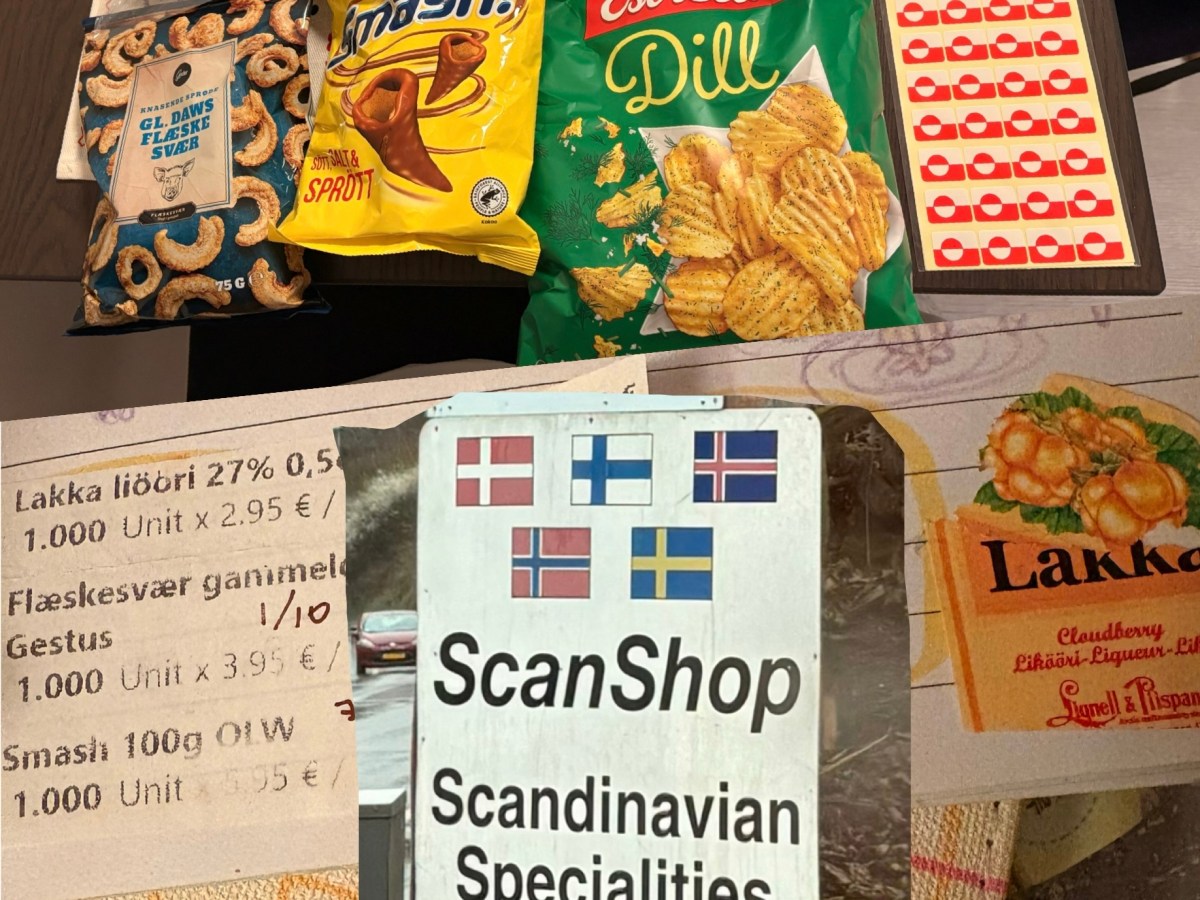
ScanShop: Nordic supermarket in Luxemburg
I visited Scanshop, a supermarket for Nordic expats in Luxembourg and Belgium. It offers a wide range of Scandinavian food products, including rye bread, fish, and sweets, alongside flags and tableware.

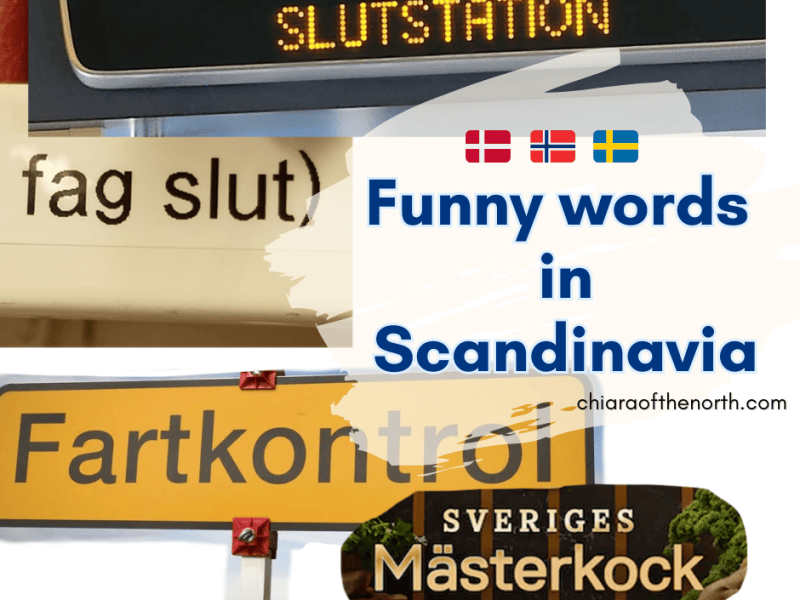
A collection of (unintentionally) Hilarious False Friends in Nordic languages
Take a train in Scandinavia to reach a “slutstation” or see”fartkontrol” signs while driving. Kiss and killing also mean something you were not expecting!
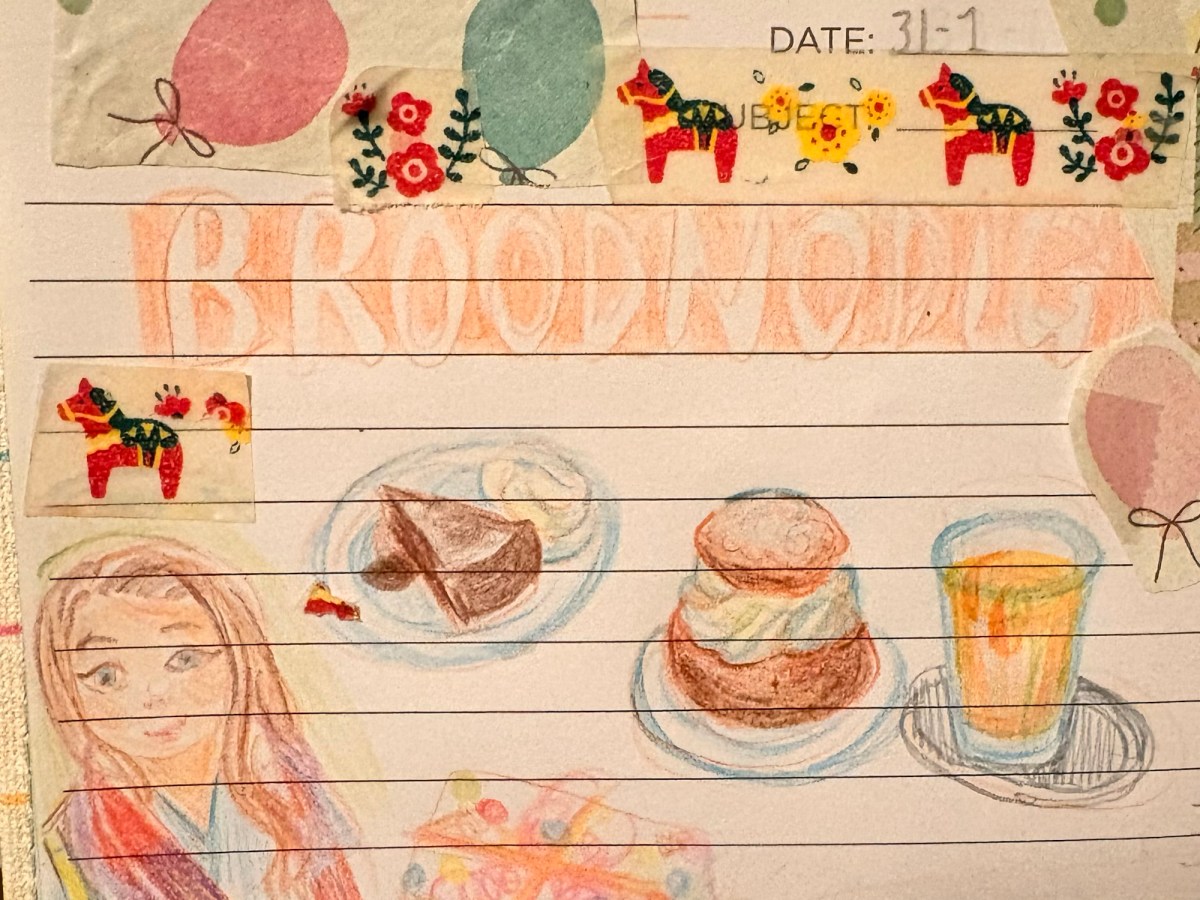
Swedish Café in Utrecht: Broodnodig
In Utrecht, the cafe Broodnodig serves Swedish pastries and cakes as cinnamon and cardamom buns, kladdkaka, smulpaj and Scandinavian seasonal treats as semlor and saffron buns.

