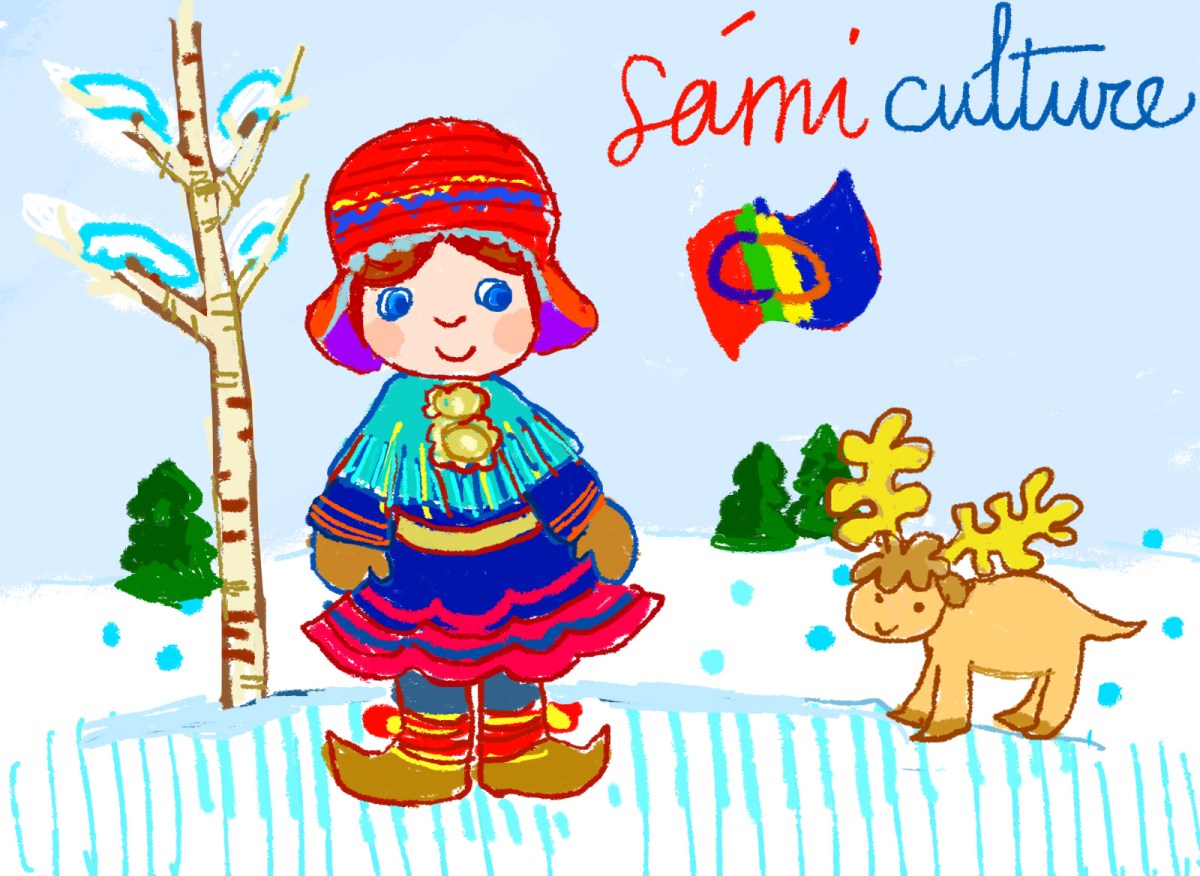
The Sámi are an indigenous people inhabiting Sápmi, Northern Scandinavia. The Sámi have historically been known as Lapps or Laplanders, offensive terms. There are about 100,000 Sámi people, who share a common history, culture and languages across borders.
Sami flag
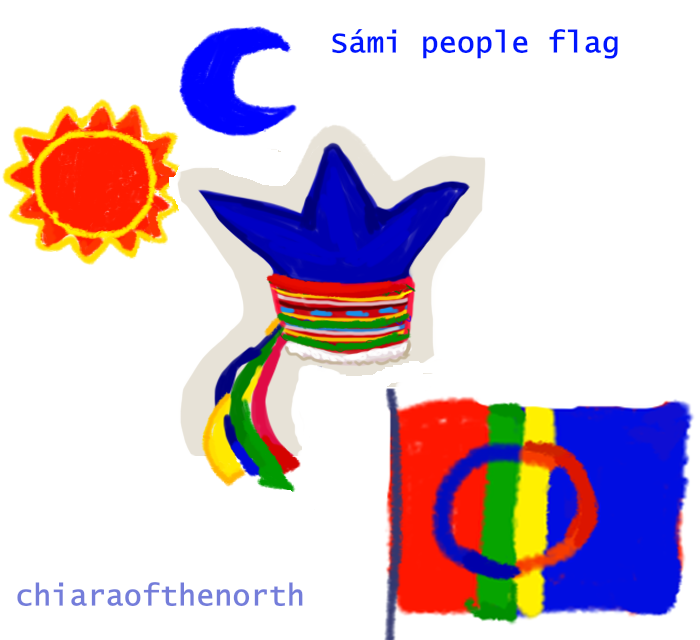
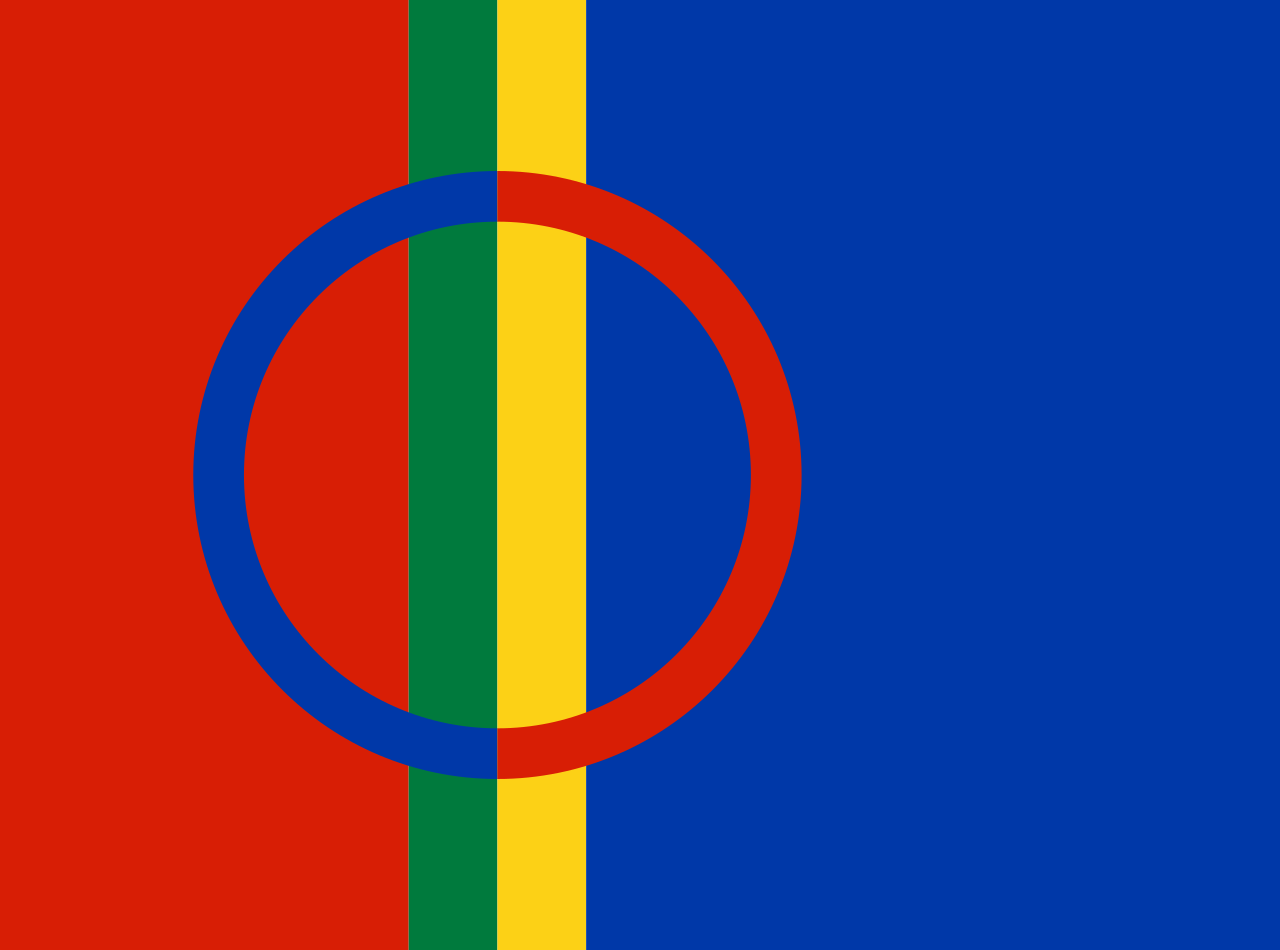
The colors found in Sami clothing inspired the Sámi flag – designed by Astrid Båhl, from Skibotn, Norway, and approved by the Nordic Sámi Council in1986. The circle is a symbol for the sun (red) and the moon (blue), emphasizing Sami people’s connection to nature.
The colors found in Sami clothing inspired the Sámi flag –
Reindeers
One of the most typical traits of Sami culture is the central role of reindeers: around 10% of Sámi practice reindeer herding nowadays, which in some parts of the Nordic countries can be practiced only by Sámis.
Sami languages
There is no single Sámi language, but a group of around 10 distinct Sámi languages which belong to the Ugro-Finnic language family (as Finnish and Estonian). Sami languages are relatively closely related, but not mutually intelligible to each other. North Sámi is the most widely used language and is spoken in all the four countries.
traditional clothing
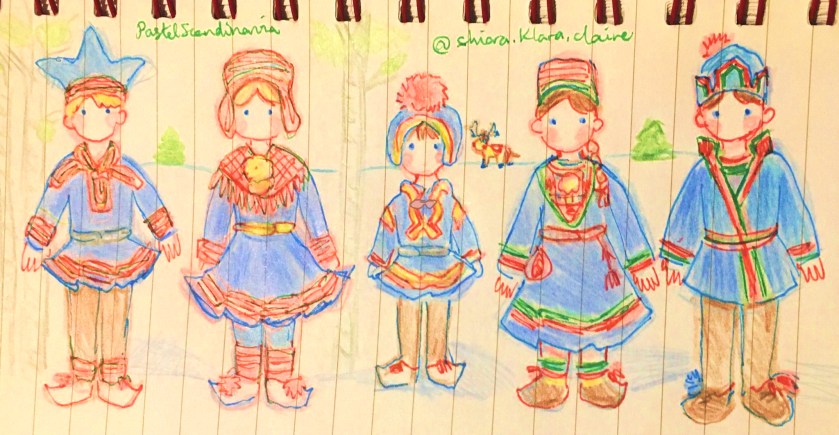
The Sami traditional clothing, gákti/gapta/gábdde in Sami languages, kofte/kolt in Norwegian and Swedish, is well dinstinguished from Norwegian bunads and Swedish national dresses. It is worn at important occasions and varies depending on the gender, family, area one is from and status.
handicrafts: duodji•
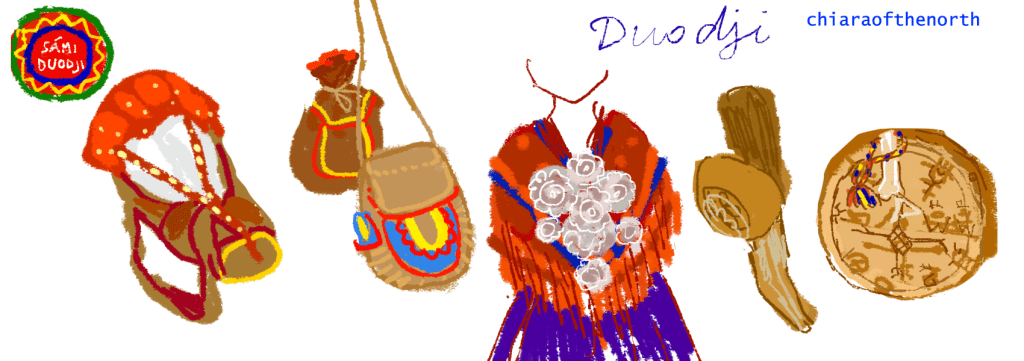
Important parts of Sami culture are Sami handicrafts, known as duodji, which include accessories, clothing, various objects – from drums to infant beds and knives. There is a Duodji certificate to prove that what you are buying is made by a Sami.
Yoik
Another unique cultural element is the Yoik (or jojk), a traditional song-chant, with different functions, and can be about each other, places and animals. it is however inappropriate to sing a yoik about oneself, as this would be a form of self-flattery. Sami national jojk is Sámi eatnan duoddariid by Nils-Aslak Valkeapää, who modernised the yoik tradition. A famous example of yoik is Daniels jojk by Jon Henrik, a yoik tied to his late friend, which was sung at tv-show Sweden’s got talent.
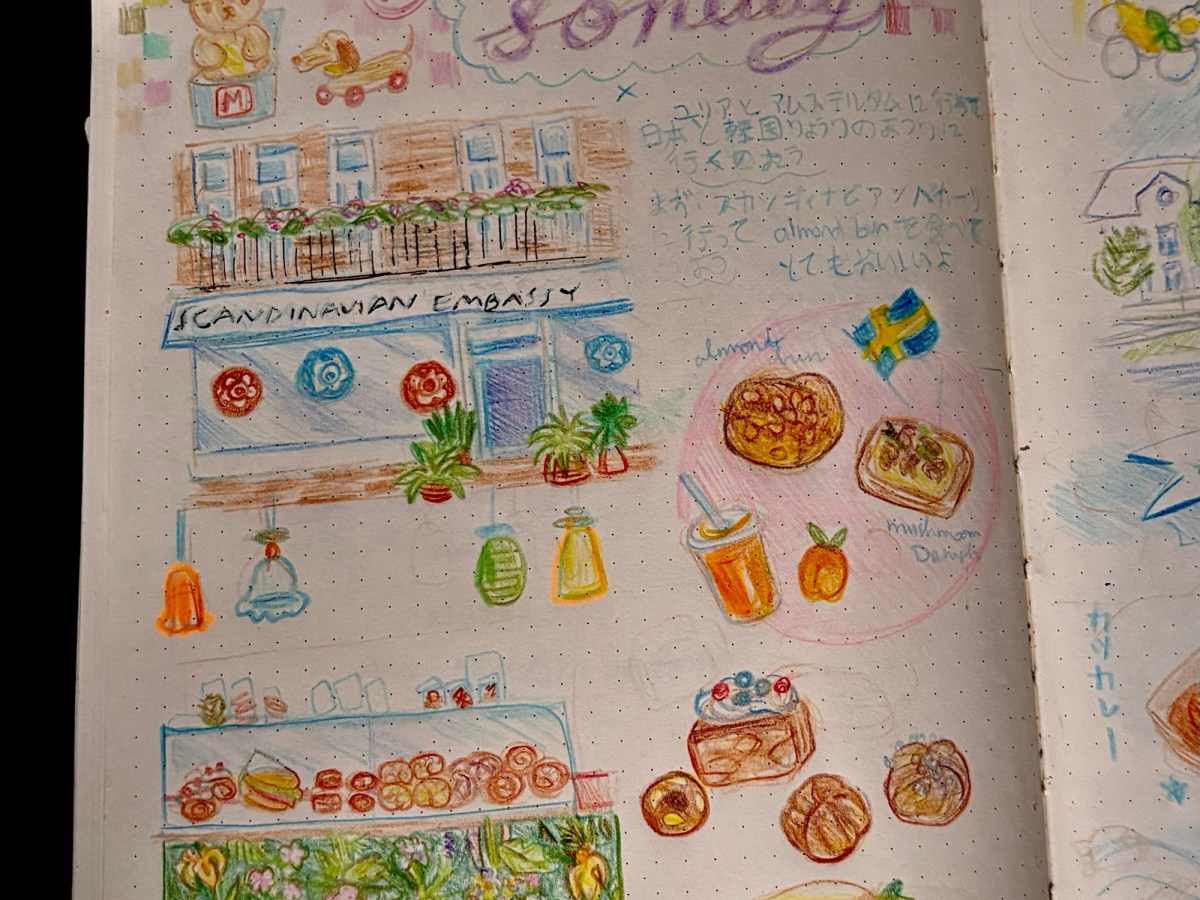
Scandinavian Embassy‘s bakery and cafe in Amsterdam zuid
On a trip to Amsterdam, I decided to test Scandinavian Embassy and both of its two locations, starting with the bakery in europaplein. The two locations are in Amsterdam zuid: Saphatipark and Europaplein: in the former, a more central location, you can sit but it has fewer items than the bakery in Europaplein. The bakery,…

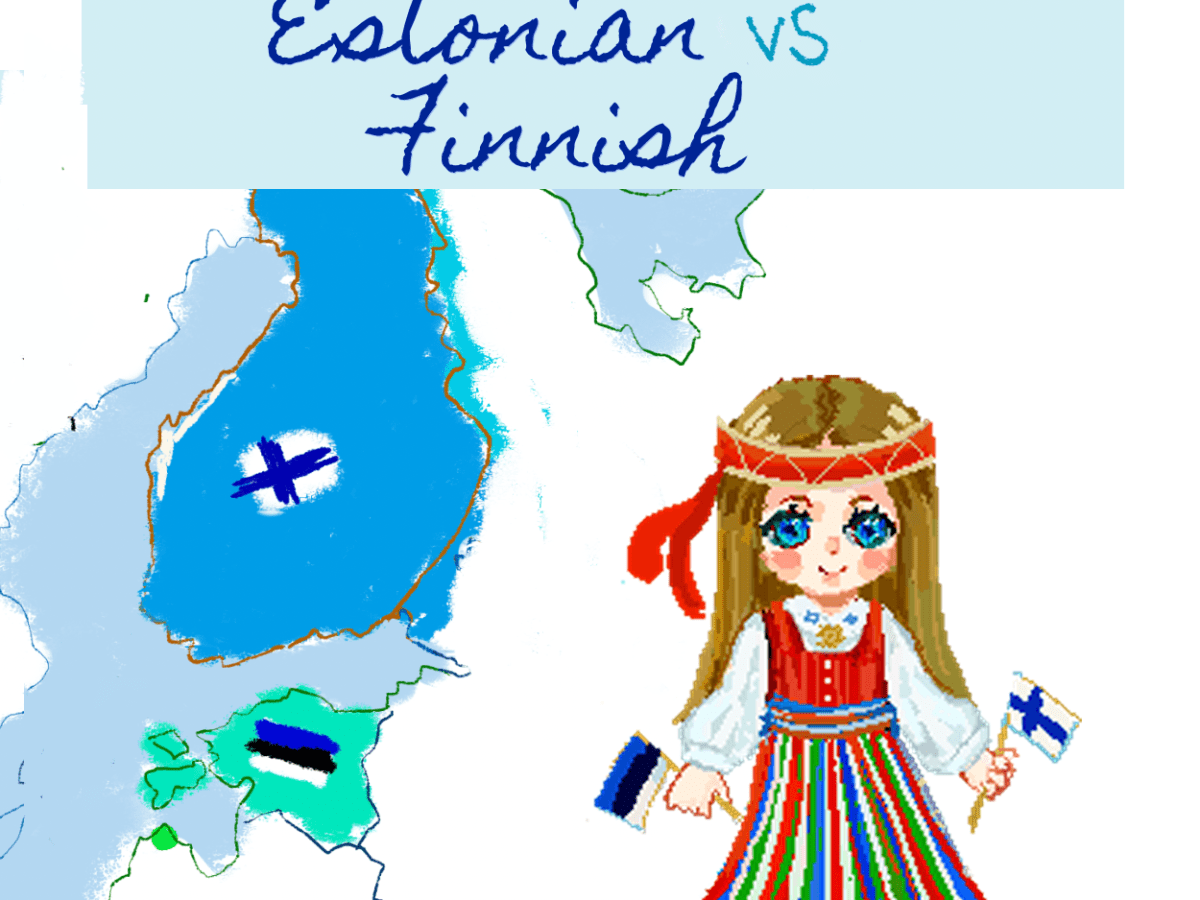
An introduction to Estonian: sister language of Finnish
Estonian is a Finnic language, sharing many similarities with its ‘bigger’ sister Finnish, while being unrelated to all their bigger language neighbours
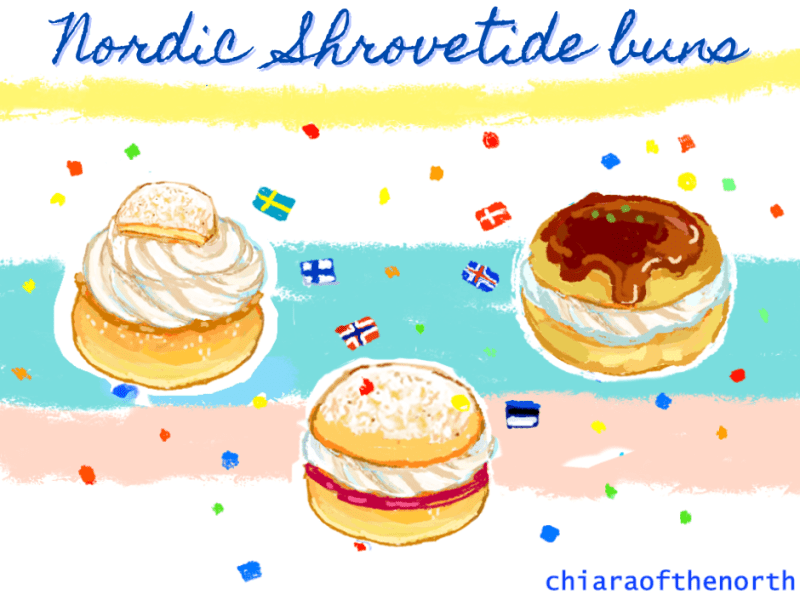
Scandinavian carnival buns (and where to eat them in the Netherlands)
Cream buns are enjoyed in Nordic and Baltic countries during shrovetide, between January and February. Sweden’s classic semla has almond paste, while other countries variations include jam, vanilla cream, and chocolate icing top.
 a Polyglot illustrating Scandinavia