Iceland national day and the Lady of the Mountain

The Fjallkona is the personification of Iceland and has a big role in the Icelandic national day, between poetry and parades

June, 17th, is Iceland’s national day, Þjóðhátíðardagurinn. The day was established after Iceland’s independence from Denmark in 1944, on the independentist Jón Sigurðsson’s birthday.

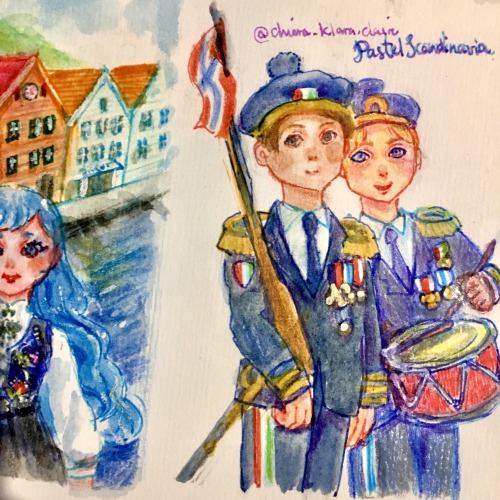
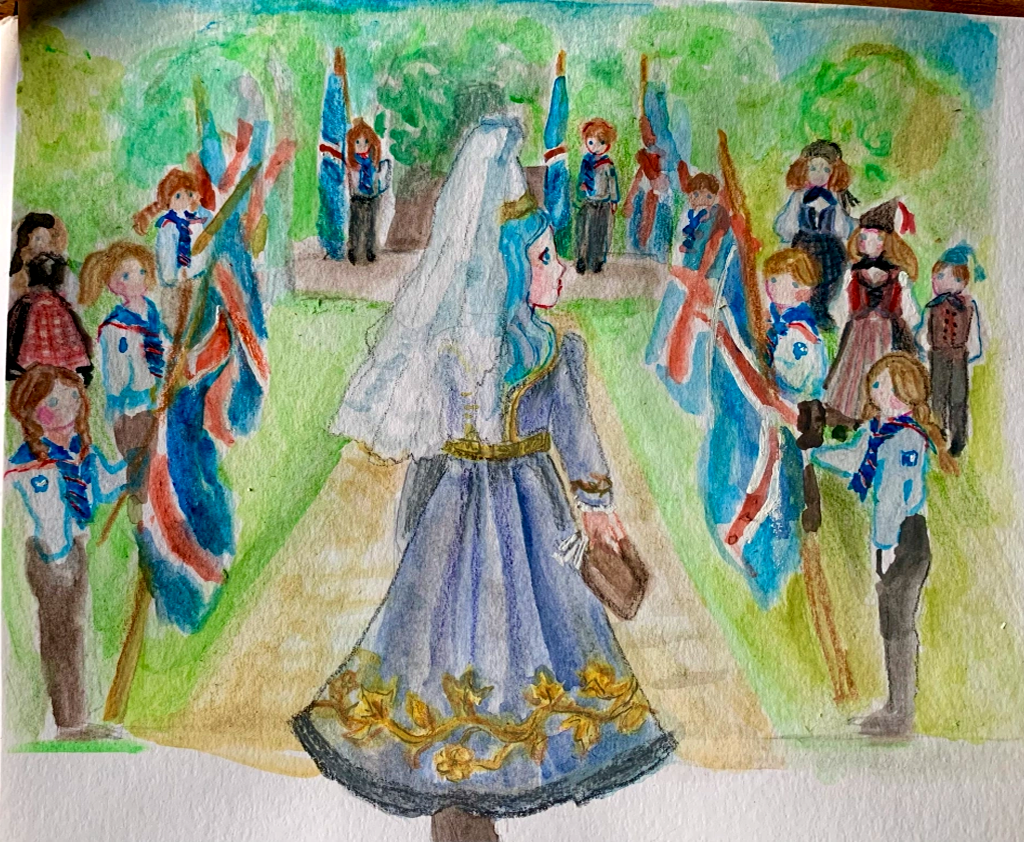
The day is marked by parades, with marching bands and flag-bearing troops from the national scout movement. After the parades, it’s time for the town’s elected ‘lady of the mountain’ to recite a poem. Her identity is however secret until the ceremony. Before that, authorities and freshman students in Reykjavík have laid wreaths to honour Jón Sigurðsson. You can see the program for 17 júní in Reykjavík.

The woman representing the fjallkona, literally ‘lady/maid of the Mountain’, wears the skautbúningur, dark dress with golden embroidery and a sort of horn-shaped headgear, inspired by the ancient krókfaldur with a veil. The first time a woman represented the fjallkona with a skautbúningur was actually in Winnipeg, Canada in 1924, where many Icelanders migrated in the 1870s.
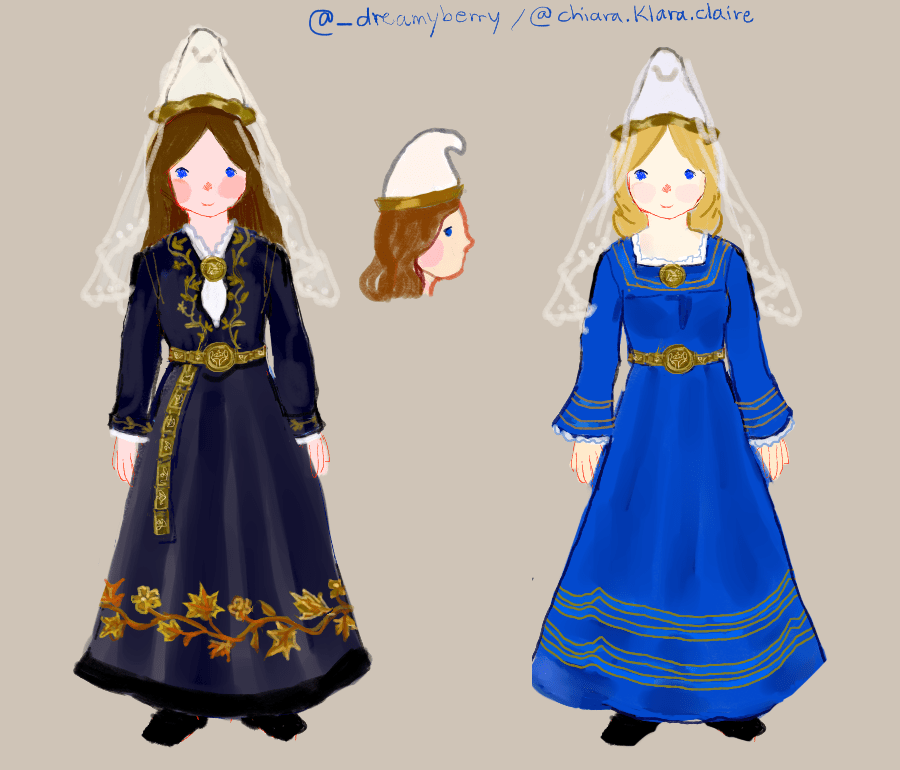
skautbúningur and kyrtill dresses are worn by the fjallkona, both designed by Sigurður Guðmundsson in the 19th century

Icelanders are encouraged to wear a folk costume on the national day, Þjóðbúningur. There are officially several types among which the Upphlutur for women and Hátíðarbúningur for men, not too different from other Nordic folk costumes as Norwegian Bunads and Swedish Folkdräkter, often black but also in colours as red or blue. part of the outfit is a tail cap.

Icelandic national day feels to me kind of a mix between Norway’s 17 (!) mai, with national dresses, parades and marching bands, and Lucia, with its elected Lucia/Fjallkona!

Where does the Fjallkona come from?

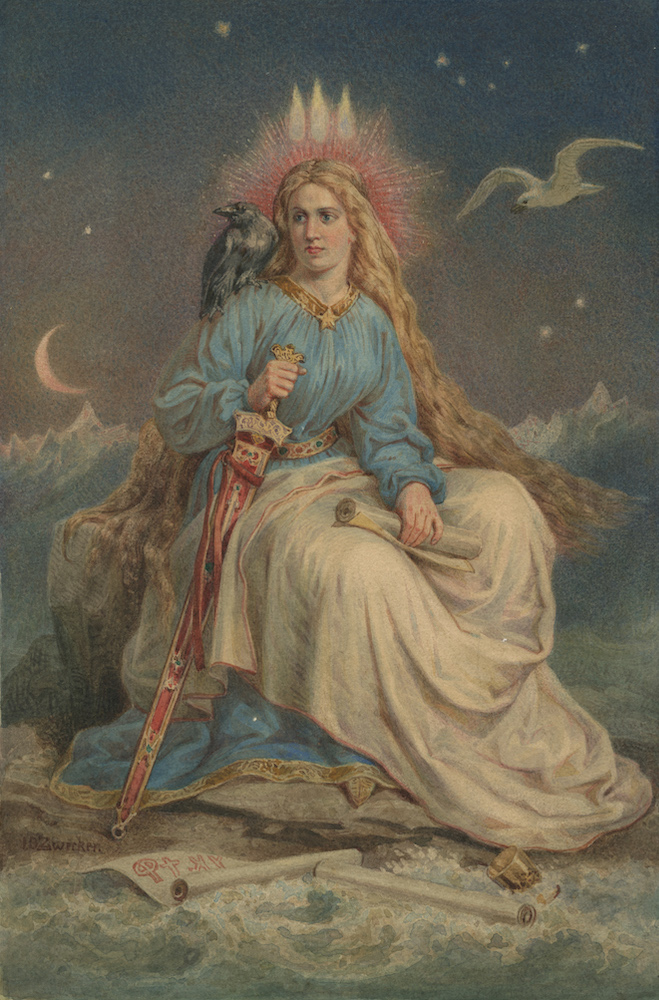
the Fjallkona is the female personification of Iceland. She represents Iceland’s spirit and its nature. Its name appears in the poem Eldgamla Ísafold a.k.a. Íslands minni by Bjarni Thorarensen in the early 19th century. Its most popular depiction is the painting by German painter Johann Baptist Zwecker in 1866.

Eldgamla Ísafold/ ástkæra fósturmold/ fjallkonan fríð!/ mögum þín muntu kær/ meðan lönd gyrðir sær og gumar girnast mær/ gljár sól á hlíð.

(Ancient land of ice / beloved nurturing soil / fair mountain woman. /May you love your sons, while countries barricade their waters / and men yearn for maidens / the sun glistens on a hillside.)

Bjarni Thorarensen , ‘Íslands minni’/ Eldgamla Ísafold
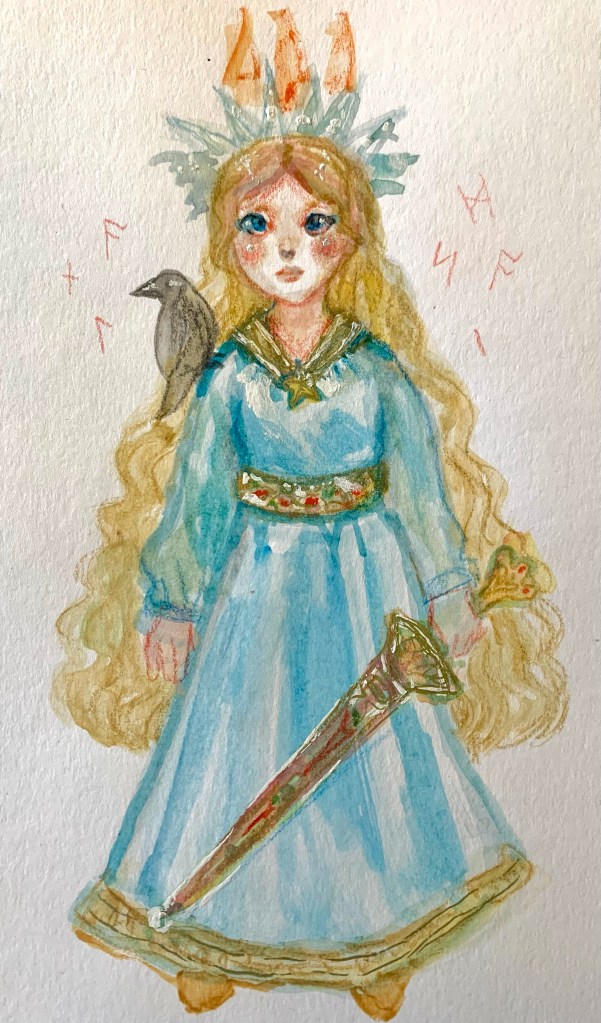
In Zwecker’s painting, made for the last volume of a collection of Icelandic folk tales, Icelandic Legends, the fjallkona has a crown of ice from which fires erupt, representing Icelandic nature with its glaciers and geysers. On her shoulder is a raven, symbol for the god Odin and norse mythology, and runes on a parchment, representing Icelandic culture.

It then gained popularity as symbol for the motherland, sometimes opposed to the Danish King as father under the Danish rule.

Icelandic patriotic poems

On the occasion of the institution of the Republic in 1944, a poem contest was held. Hver á sér fegra föðurland (who has a lovelier fatherland) and Land Míns Föður (My father’s land) were the winning poems. An extract from the two follows:

Hver á sér fegra föðurland / með fjöll og dal og bláan sand / með norðurljósa bjarmaband / Og björk og lind í hlíð? […]

Við heita brunna, hreinan blæ / og hátign jökla, bláan sæ / hún uni grandvör, farsæl, fróð / Og frjáls – við ysta haf.

Hulda (Unnur Bedediktsdóttir Bjarklind), ‘Hver á sér fegra föðurland’

Who has a lovelier fatherland / with fells and dales and bluest sand, with northern lights up aloft, and birch and lime on hilltops? […] With hot springs of a pure hue / majestic glaciers, a sea of blue / she remains thoughtful, peaceful, sage / and free, in the farthest sea.

Hvíslað var um hulduland / hinst í vestanblænum / hvítan jökul, svartan sand / söng í hlíðum grænum. / Ýttu þá á unnarslóð / Austmenn, vermdir frelsisglóð / fundu ey og urðu þjóð / úti´í gullnum sænum. […]

Hvort sem krýnist þessi þjóð / þyrnum eða rósum / hennar sögur, hennar ljóð / hennar líf vér kjósum. / Ein á hörpu íss og báls / aldaslag síns guðamáls / æ hún leiki,ung og frjáls / undir norðurljósum.

Jóhannes úr Kötlum, ‘Land Míns Föður’

There were whispers of a hidden land / hinst in the western blues / white glacier, black sand / singing on green slopes. / Push them on a path of success / Men of the East, warmed by the embers of freedom / found an island and became a nation / out in the golden seas. […] Whether this nation is crowned / with thorns or roses / its stories, its poetry / its life we choose. / Alone on the land of ice and fire / the eternal sound of her divine language / forever she moves, young and free / under the northern lights.

Gleðilegan Þjóðhátíðardag! (Happy national day!)

More articles:
5 symbols of Sami culture

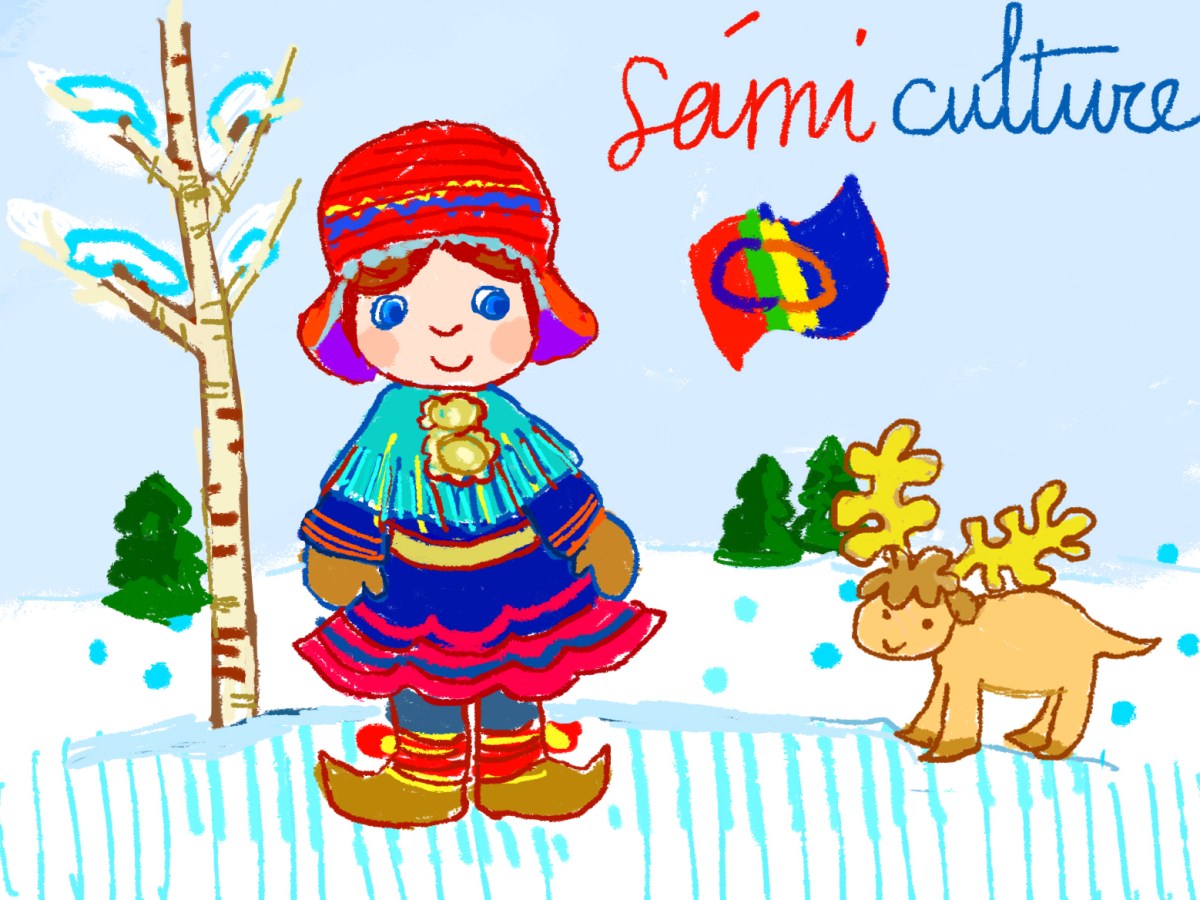
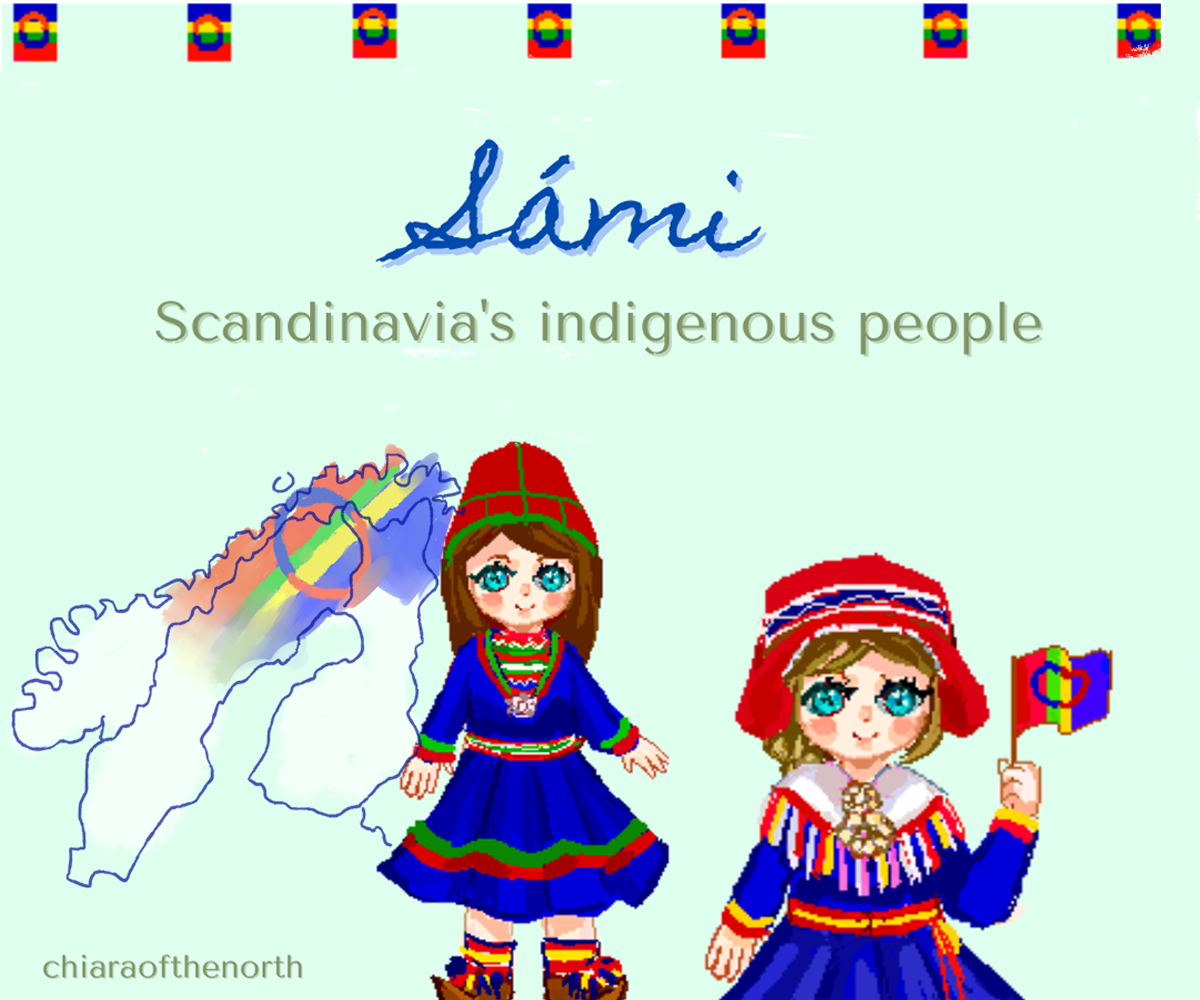
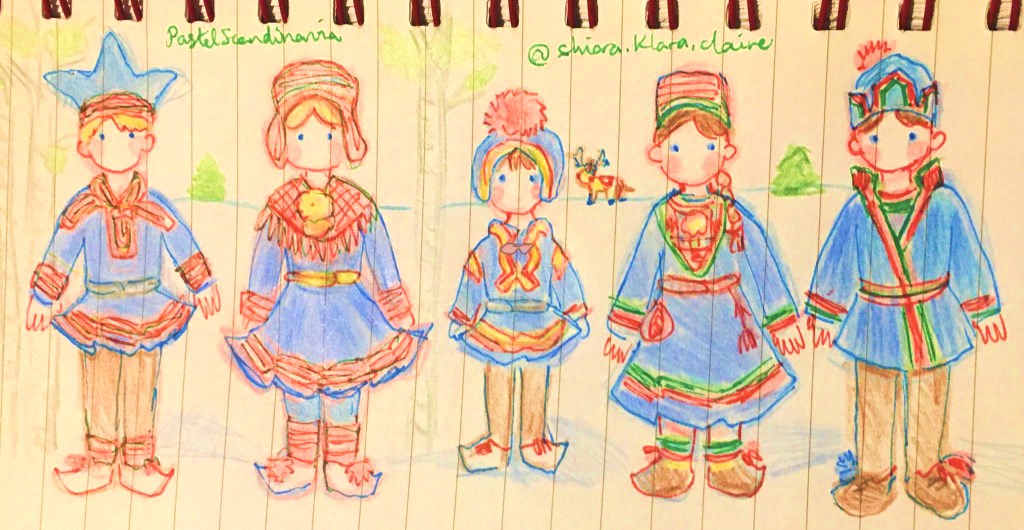
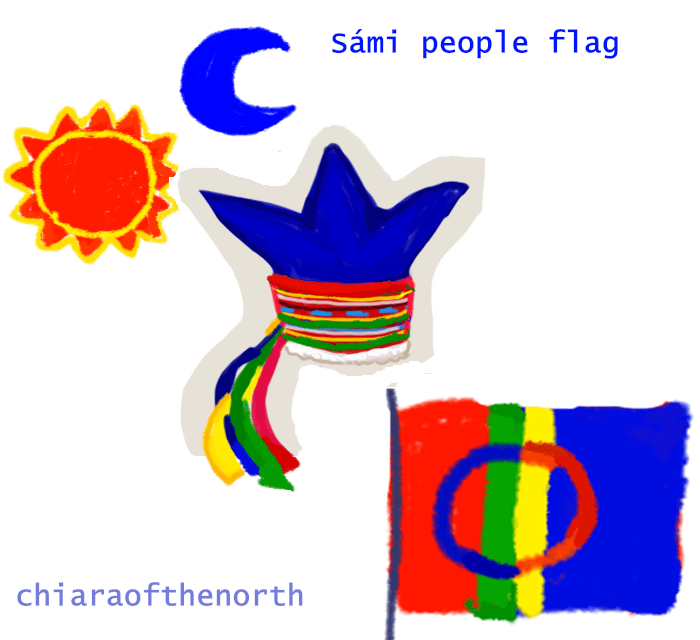
Sámi people, indigenous people of North Scandinavia, have a distinct culture, symbolised by its unique flag and traditional clothing, and part of it are Duodji handicrafts and unique musical expression through yoik.
17. Mai in Norway

17th May is Norway’s national day, in which parades are the central event

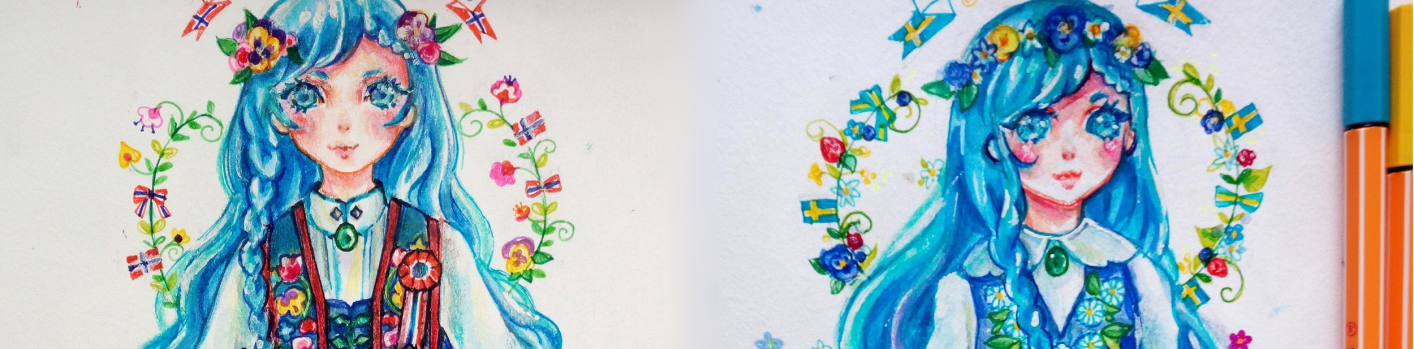
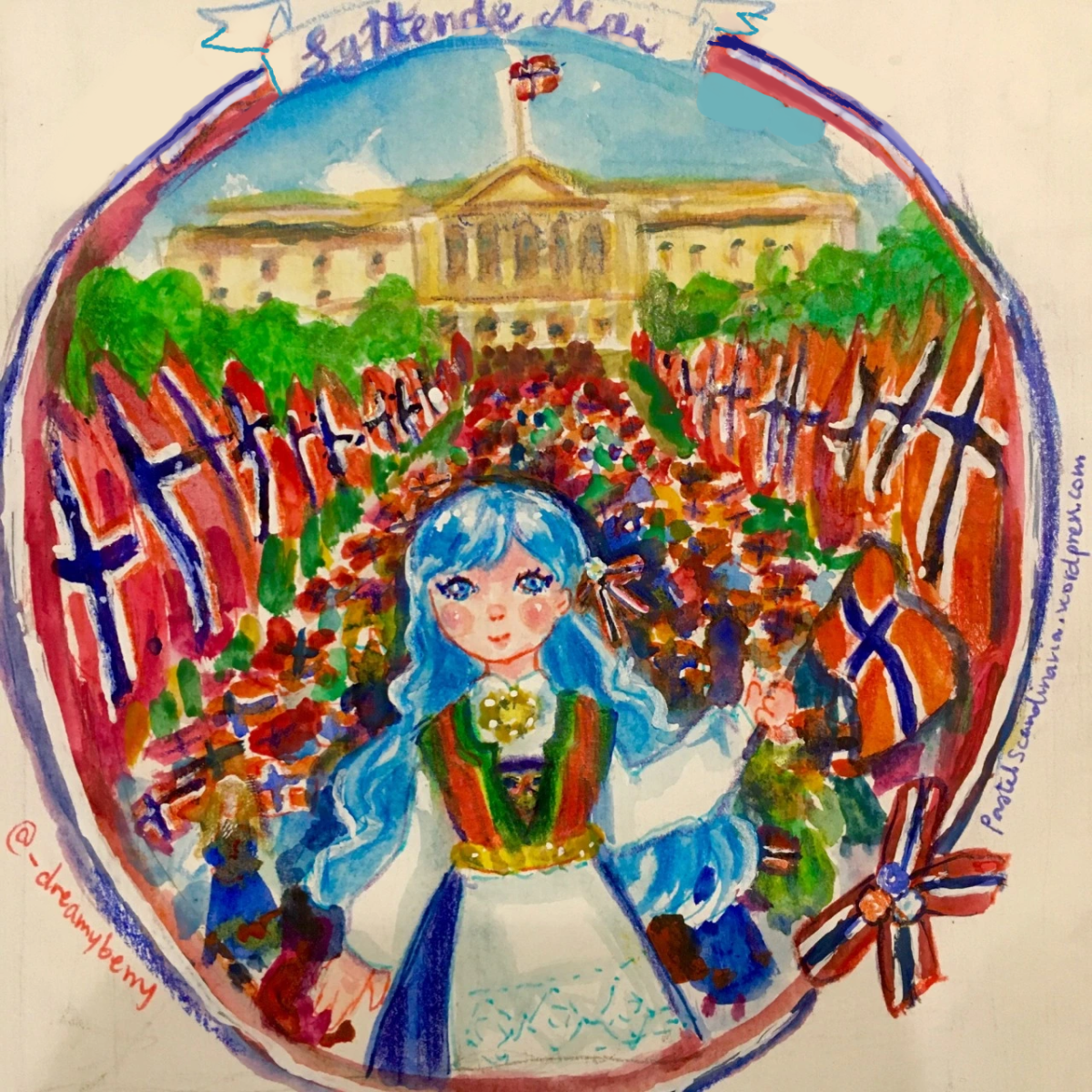
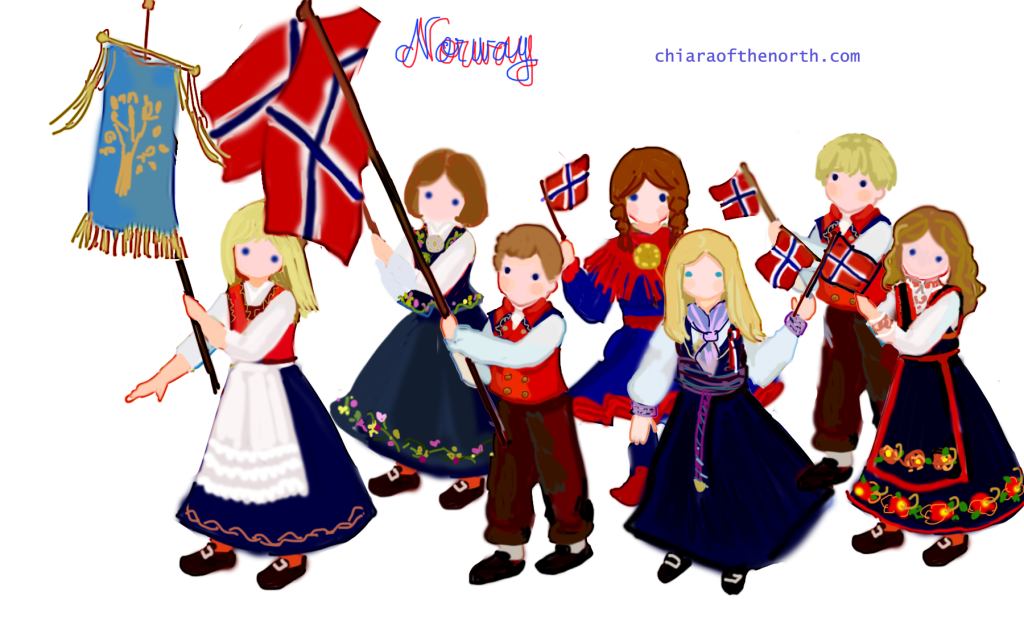
Known as Syttende Mai (17th May) is Norway’s Constitution Day, Grunnlovsdagen, the most important day in Norway, characterized by parades, a sea of flags everywhere and people wearing the Norwegian folk costume, the Bunad. It is commonly called Norway’s birthday!

On this day the Constitution was signed at Eidsvoll in 1814, declaring Norway as an independent kingdom after being continuosly handed over from and to Sweden and Denmark. Celebrations began among students despite Norway still being in an union with Sweden. WW2 ended in Norway nine days before that year’s Constitution Day, and this strengthened the meaning of 17. mai!

Parades (17. mai-tog)

Norway’s national day is also called “Barnas dag” (children’s day). Each elementary school district arranges its own parade with marching bands. In 1864 the first children’s parade was launched in Oslo, but only with boys until 1899. The parades are, in order:

  • senior school children carrying the school’s official banner
  • others carrying full-size Norwegian flags;
  • the school’s marching band;
  • the rest of the children follow with hand-sized flags, and often self-made banners for each class.

The parade often stops at homes of senior citizens and war memorials. Kindergartens and bystanders often join in behind the parade as it passes.

songs about the celebration of the National Dayare sung, and the parade is concluded with the national anthem Ja, vi elsker dette landet, and the royal anthem Kongesangen. At the end, The children shout “Hurra!”. All parades begin or end with speeches. Both grown-ups and older children are invited to speak. After the parades, there are games for the children: sekkeløp (sack race) and potetløp (egg & spoon race) are two classics.

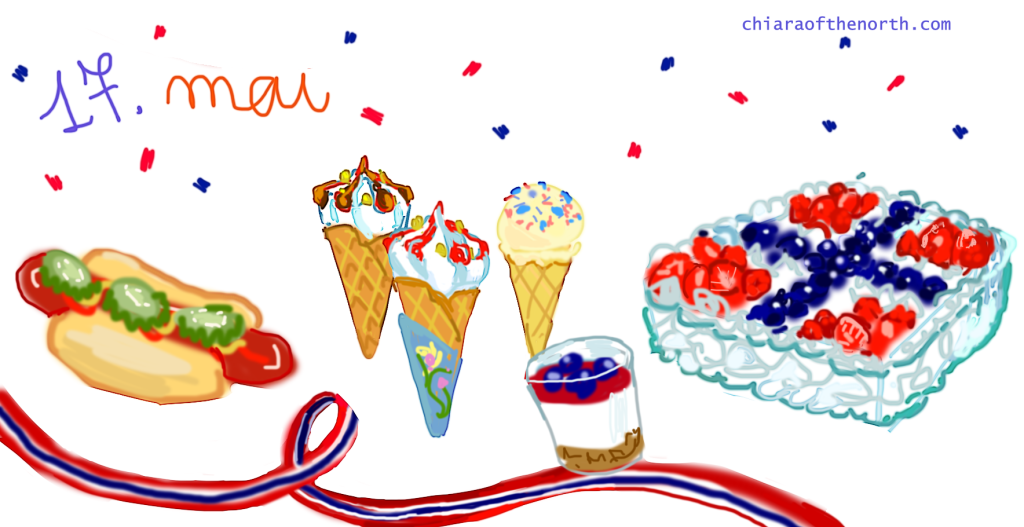
Norway’s birthday is the day on which children are allowed to eat as much ice cream as they please! Popular snacks are pølser (hotdogs), barbecue, waffles. Food with colors of the Norwegian flags is of course a must.

Other parades

Parades for the public, Borgertog, where everybody is welcome to join in. They are led by marching bands and often local boy scouts, local choirs, NGOs, sport associations and firefighters. The borgertog take place in the early morning or in the afternoon, before or after the school’s parade.

The Russ, graduating class of the videregående (high school),celebrate 17 May with their own parades in Norwegian streets later in the day, usually around 4 or 5 pm, on a Russebuss, a party bus, highlight of Norwegian graduation traditions…

Celebrations in Norwegian cities

The longest parade is in Oslo, broadcasted on tv. It includes around 100 schools, marching bands, and passes the royal palace where the royal family greet the people from the main balcony. In the municipality of Asker, near Oslo, the children gather outside the residence of the Crown Prince in the morning.

Bergen has its own traditions for the parade, including comic troupes, various local organisations, a children’s parade, and the buekorps

In Stavanger international schools arrange parades with flags from many countries and an international parties. the British school started it in the 1970s, followed up by the Dutch school and the American school.

Kristiansand, is known for the conclusion of the National Day with running through the city centre (“Tapto”) and spectacular fireworks. A trad jazz band plays until midnight in front of the Christiansholm Fortress.

17 MAI IN THE WORLD

Norwegian seamen churches (sjømannskirken) and Norwegian heritage associations organise 17 mai parades, Norwegian church service, and celebrate the day in parks, with typical Norwegian food and music.

AMERICA

In the United States and Canada, the local lodges of the Sons of Norway often play a central part in organizing the festivities, attended by people with Norwegian ancestry, common in the mid-western USA.

  • Chicago – holds a three-day 17 mai celebration
  • New York City – has had a 17 mai parade since 1952.
  • Petersburg, Alaska a.k.a. “Little Norway”: has a festival the weekend around 17 May, including Vikings and Valkyries.
  • Since 1969, the city of Westby, western Wisconsin has a four-day festival
  • Seattle and Salt Lake City, Utah also have 17 mai celebrations with parades, folk dancing and luncheons.

EUROPE

  • Stockholm has the biggest 17 mai parade outside Norway – ending at Skansen, where you can get waffles, coffee and hot dogs!
  • 17 May in London is celebrated every year in Southwark Park. Games, live music, and a parade from the Norwegian church to the park are in the programme
  • In Orkney/Shetland (Scotland) 17 May is celebrated as the islands used to be part of the Norwegian kingdom. Orkney holds a parade, and children are invited to bring their Norway and Orkney flags.

GRATULERER MED DAGEN! Happy birthday Norway!

Who are the Sámi? – The indigenous people of Scandinavia and their history

The indigenous people of North Scandinavia & 6th February

February 6th is, other than my birthday, Sámi people’s National Day.

The Sámi – also spelled Saami – are an indigenous people inhabiting Sápmi, which today encompasses large northern parts of Norway, Sweden, Finland and Russia. The Sámi have historically been known as Lapps or Laplanders, but these terms are usually regarded as offensive. There are about 100,000 Sámi people, divided by the borders of 4 states: Norway (ca. 60.000), Sweden (30.000), Finland (8.000) and Russia (2.000).

The Sami are well known for their traditional occupation of reindeer herding: around 10% of Sámi practice reindeer herding nowadays, which in some parts of the Nordic countries can be practiced only by Sámis.

Sami people mantain a strong cultural identity while being citizens of their countries, from languages – which are related to Finnish – to traditional clothing and a Sami flag.

Sami people of Norway, Sweden, and Finland also reunite in Sami parliaments of each country since the late 20th century, and have a joint Saami Council. The first meeting of Sami across borders in 1917 became Sami national Day, on 6th February.

After religious missions and colonisation of Northern Scandinavia, Sami people were subject to discriminization and forced assimilation – from prohibiting them to enter territories to the south in Sweden or buying land in Norway, to the Systematic Norwegianization in the 1860s.

The majority of the Sámi now speak the majority languages of the countries they live in and all Sámi languages are at some degree of endangerment.

Sámi languages had been illegal for centuries in Sweden and Norway, with assimilation policies and special residential schools (similarly to what happened in North America with indigenous people). This left many with traumas, not speaking Sámi languages to children as a way to protect them.

This started to change with laws, the funding of Sami parliaments, and recognization of Sami as indigenous people of Scandinavia, giving them the right to education in their language. Despite this, most Sami languages are endangered

Recommendations

  • the movie Sameblod, or Same Blood in English (2016), directed my Amanda Kernell. It is set in Sweden in the 1930s and concerns a 14-year-old girl who experiences prejudice at a nomad school for Sami children, and decides to escape her town and disavow her Sami heritage. Parts of the story are inspired by Kernell’s own grandmother.
  • books by Ann-Elen Laestadius: Stöld (stolen is the English title- with a Netflix adaption from 2021 as well), Straff (punished in English)
  • Sami singers: Jarnna (their Nilas jojk was my favourite song to calm down in an incredibl stressing period), Jon Henrik, Elin Oskal

Sources :

  • Samiskeveivisere.no – Samer og nordmenn i Norge – Samiske Veivisere
  • Store Norske Leksikon – snl.no/samer
  • sametinget.no
  • samer.se
  • YLE’s Say it in Saami quick guide to Saami culture