Icelandic, like other languages, has a lot of compound words, expressing a concept with multiple other words.
For new concepts, for example technology-related vocabulary, Iceland has a committee inventing new words for new concepts, by assembling existing Icelandic words. This is to follow the language purism policy, and avoid just adapting foreign words or using loanwords.
Here are some Icelandic compound words I like. Can you guess the meaning by looking at the literal translation?
words unique to Icelandic:
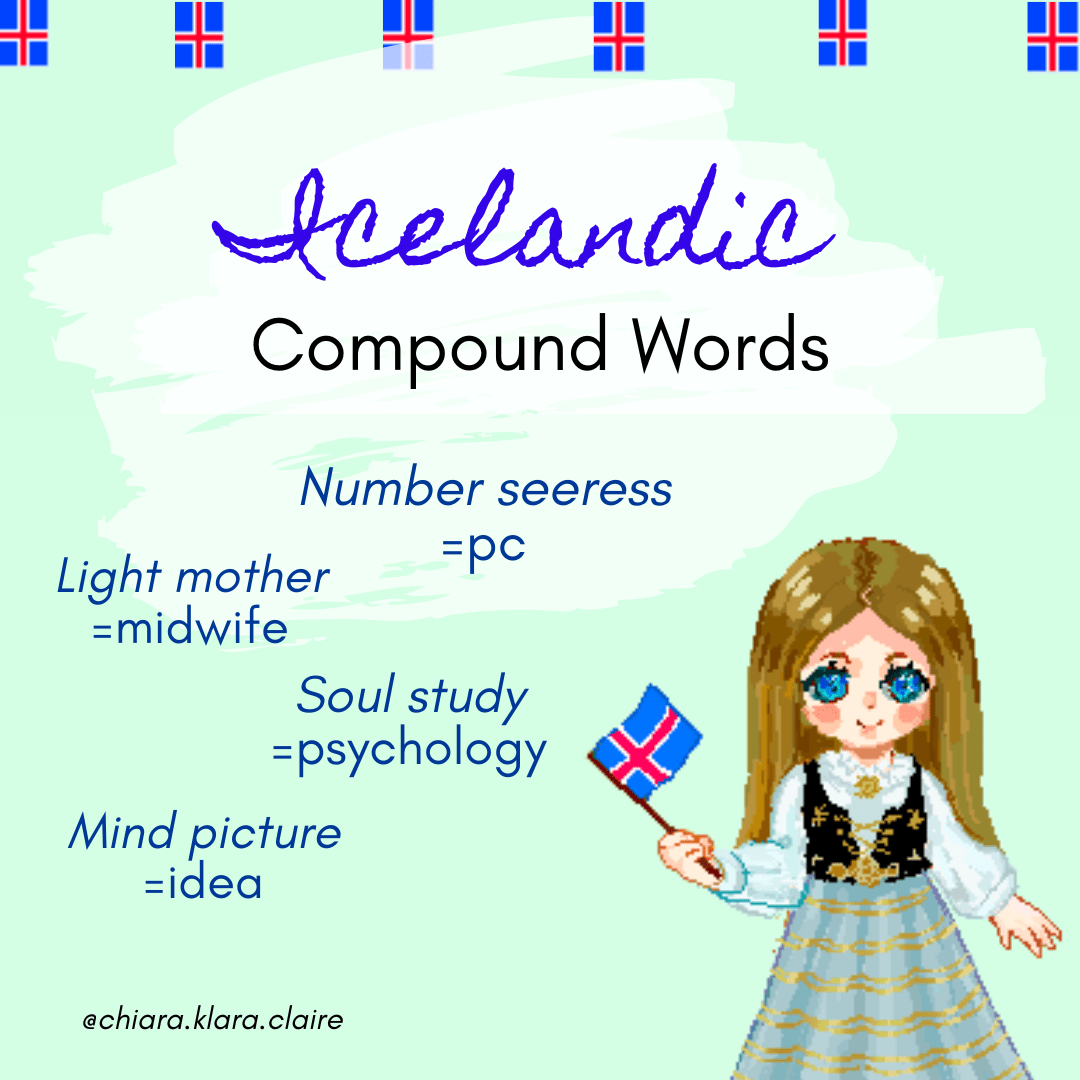
- a classic example is tölva – Number-Prophetess (tala+völva): computer
- ljósmóðir – light-mother: midwife
- bergmál –rocks-language: echo
- spékoppar – naughty cups: cheek dimples
- tónlist – sound-art: music
- hugmynd – mind-picture: idea
- ástfanginn – Love-captured: be in love. This one is probably my favourite!!
- hugfanginn – mind-captured: fascinated
- sálfræði – soul-study: psychology. Most academic subjects have their own icelandic name, as málfræði – language-study: grammar.
- ratljóst – know/find the way (rata)-light: enough light to wander. This is however not widely used.
- Viðskiptavinur – business-friend: customer
- Mörgæs – Fat-Goose: penguin
- smokkfiskur – condom-fish: squid: it might be that smokk comes from smock, however, smokkur means condom, and that would somehow makes sense…
Compound words that also exist in other languages
Icelandic also took words that are jut adaptions of the original Greek words, literally translating into Icelandic, and shares quite a few with other (Germanic) languages, which are still curious if you are not a speaker of any of them.
- eldfjall – fire-mountain: volcano (just like 火山 in Japanese)
- Reikistjarna – wandering-star: planet. (what Planet originally means in Greek)
- rafmagn – amber-power: electricity (as electricity originally comes from Greek ēlektron meaning amber)
- flóðhestur – river-horse: hippo. (As in Scandinavian languages flodhe/äst or ‘Nile-horse’ in German and Dutch Nipferd/nijlpaard, it is just the literal translation of Greek hippopotamos). Nashyrningur – nose-horn: rhino. See above literal translation of rhinocerus, as Noshörning, neshorn, Nashorn, Neushoorn.
- Legkaka – Womb-Cake: placenta. (As Scandinavian mo(de)rkake, ‘mother cake’…)
- Gæsalappir – Goose-Feet: Quotation Marks (besides Anführungszeichen, German also has Gänsefüßchen)
- Ljósapera – Light-Pear: Lightbulb (as Glühbirne in German, and lyspære in Norwegian)
- Innblástur – In-Breeze: inspiration…(yes, you’re welcome)
- vínber – wine-berry: grapes (also exists in Estonian viinamarjad)
sources:
Article by Silvia Cosimini on Passenger Islanda, Iperborea.
Reddit thread: /r/linguisticshumor/comments/17k5ivl/whats_the_most_ridiculous_example_of_semantic/
guidetoiceland.is ‘s Icelandic Language iverview
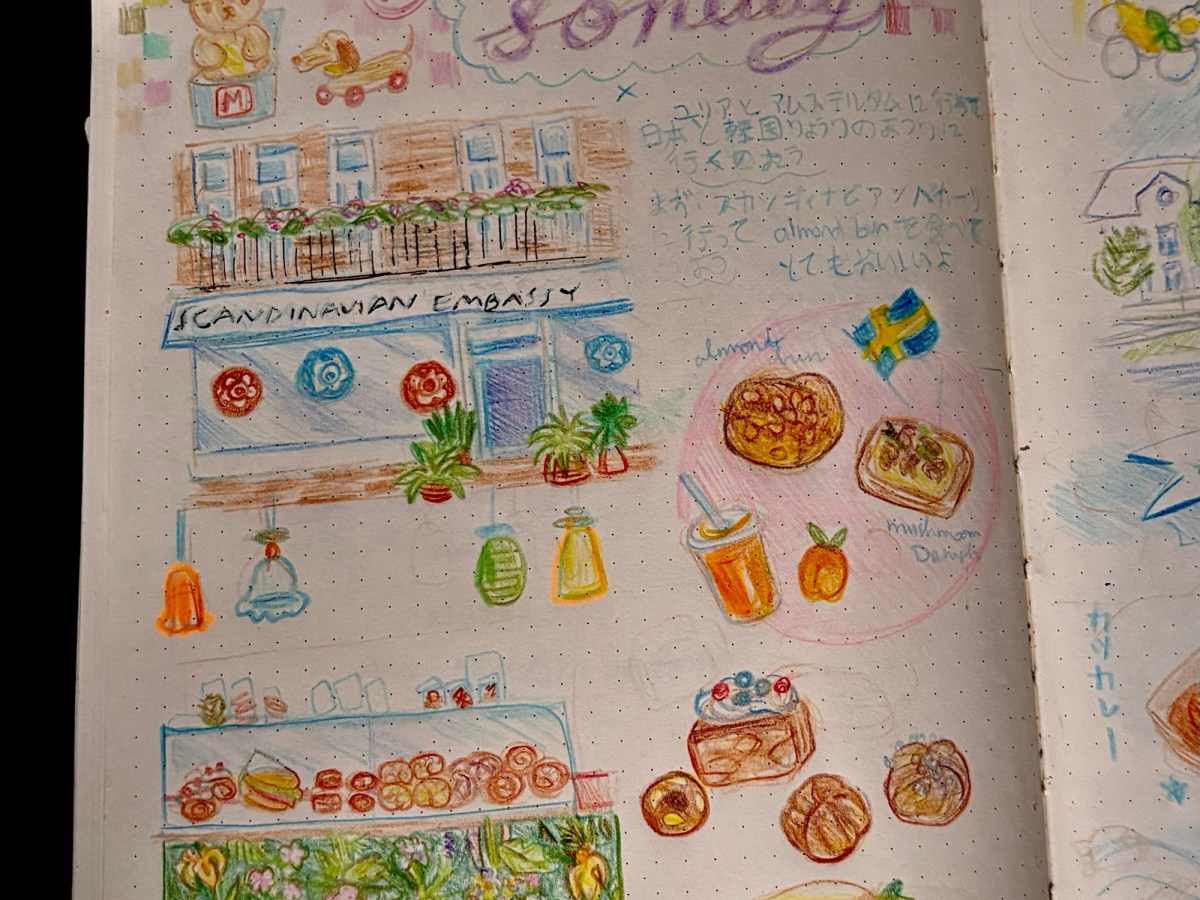
Scandinavian Embassy‘s bakery and cafe in Amsterdam zuid
On a trip to Amsterdam, I decided to test Scandinavian Embassy and both of its two locations, starting with the bakery in europaplein. The two locations are in Amsterdam zuid: Saphatipark and Europaplein: in the former, a more central location, you can sit but it has fewer items than the bakery in Europaplein. The bakery,…

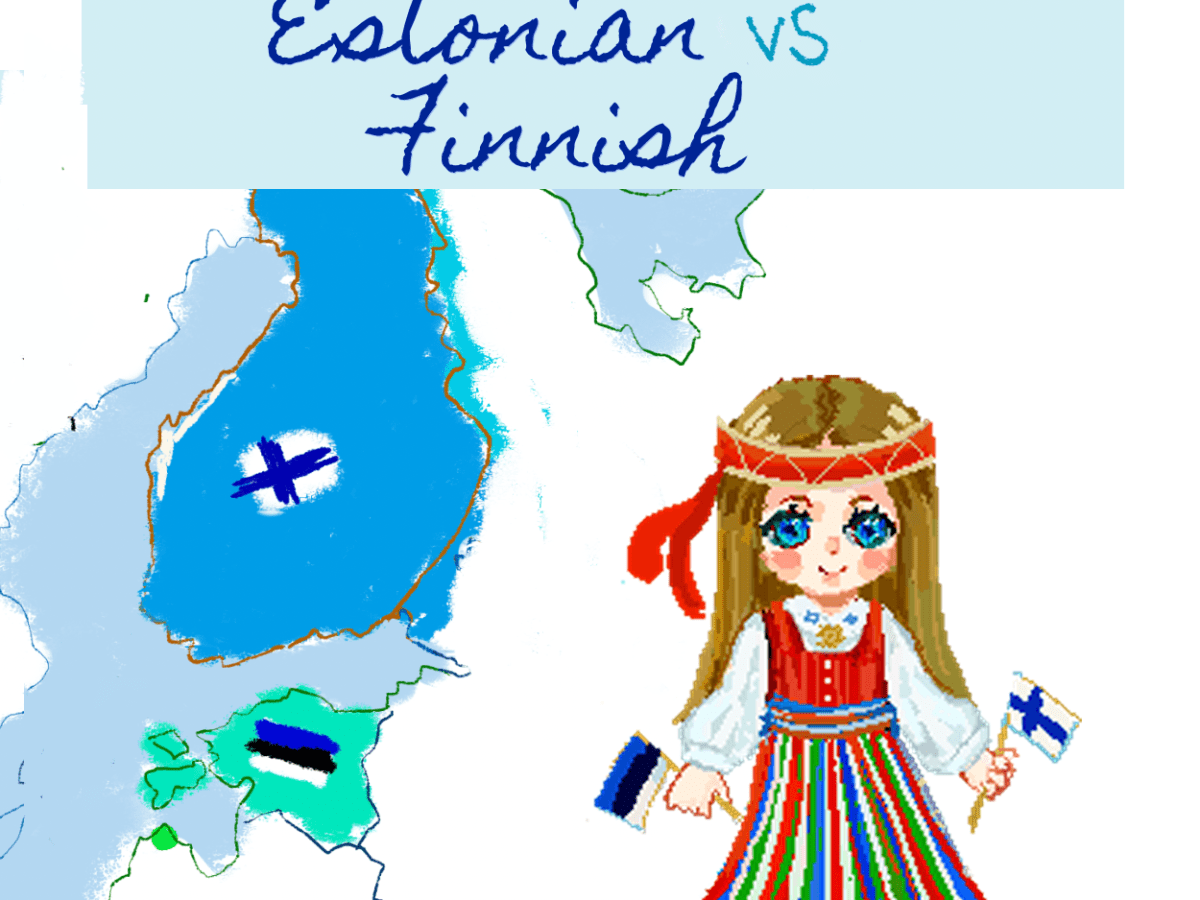
An introduction to Estonian: sister language of Finnish
Estonian is a Finnic language, sharing many similarities with its ‘bigger’ sister Finnish, while being unrelated to all their bigger language neighbours
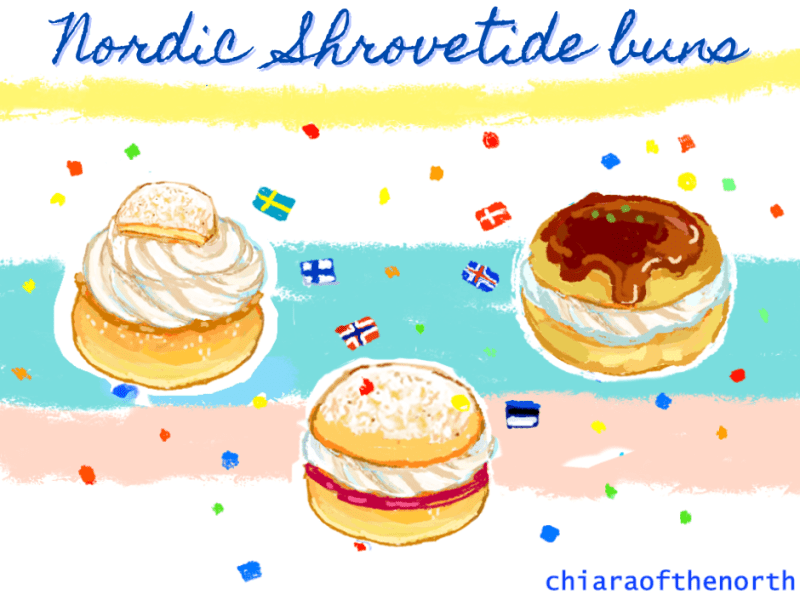
Scandinavian carnival buns (and where to eat them in the Netherlands)
Cream buns are enjoyed in Nordic and Baltic countries during shrovetide, between January and February. Sweden’s classic semla has almond paste, while other countries variations include jam, vanilla cream, and chocolate icing top.
 a Polyglot illustrating Scandinavia