Guide to Ice Creams in Scandinavia

Discover Ice creams to try in Denmark, Sweden, and Norway: all-time classics,
Popular flavors, and curious novelties.

Since travelling to Scandinavia for the first time, i got quite acquainted with ice lollies available there, they have of course the magnum ice creams you see everywhre, but also quite a few interesting national classics, which vary. Here is a guide, so you are prepared..

Liquorice is a Nordic favourite!

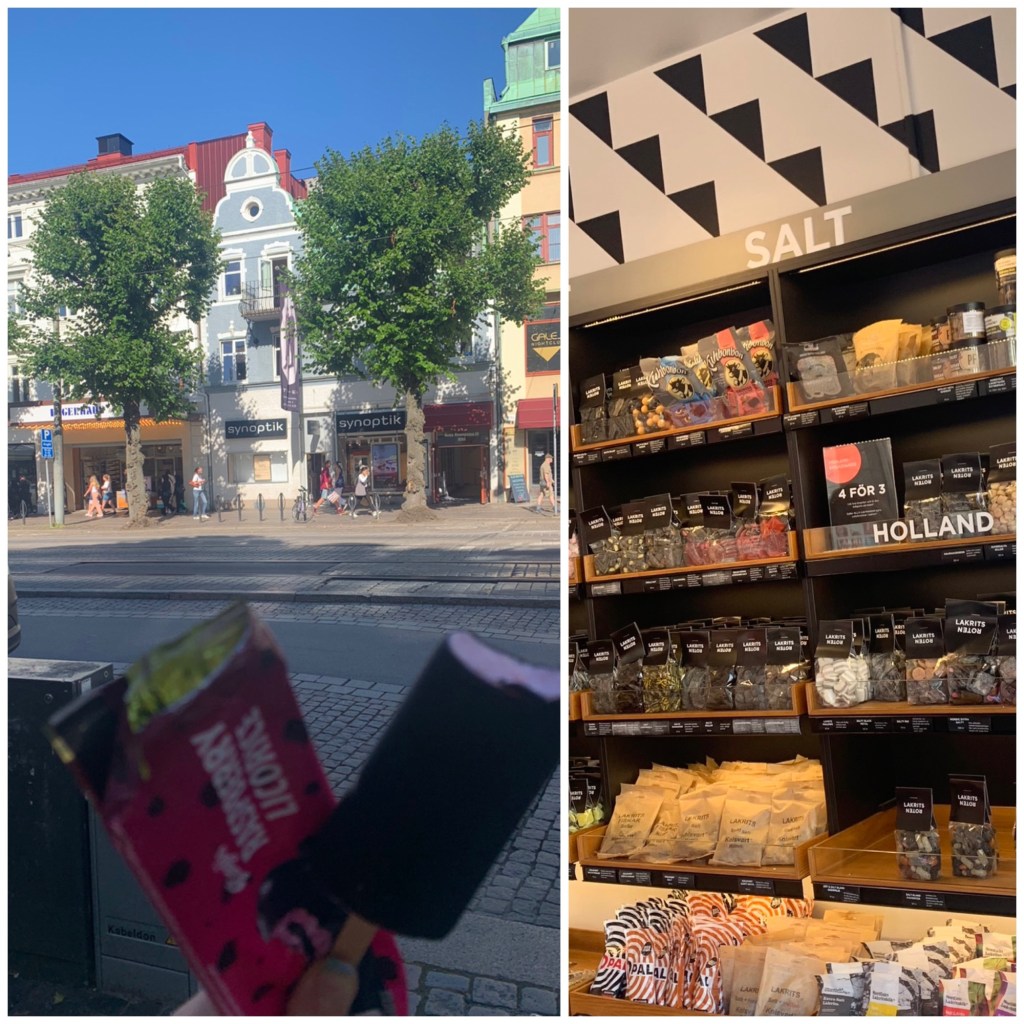
One thing you see everywhere in Nordic countries is liquorice, lakrits/lakrids. You find tons of liquorice candy, in chocolate, and of course as ice cream flavour, and there are several options.
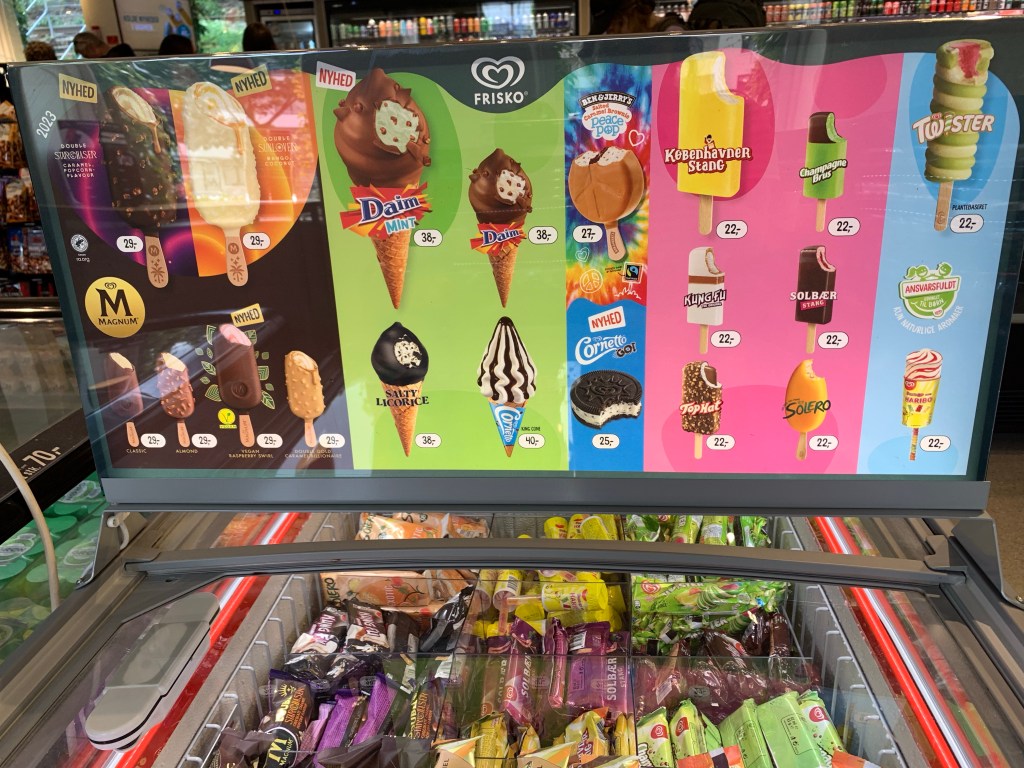
A pan-Scandinavian ice cream type is a round DAIM chocolate covered cream cone with a few variations, and it got recently a salt liquorice version!

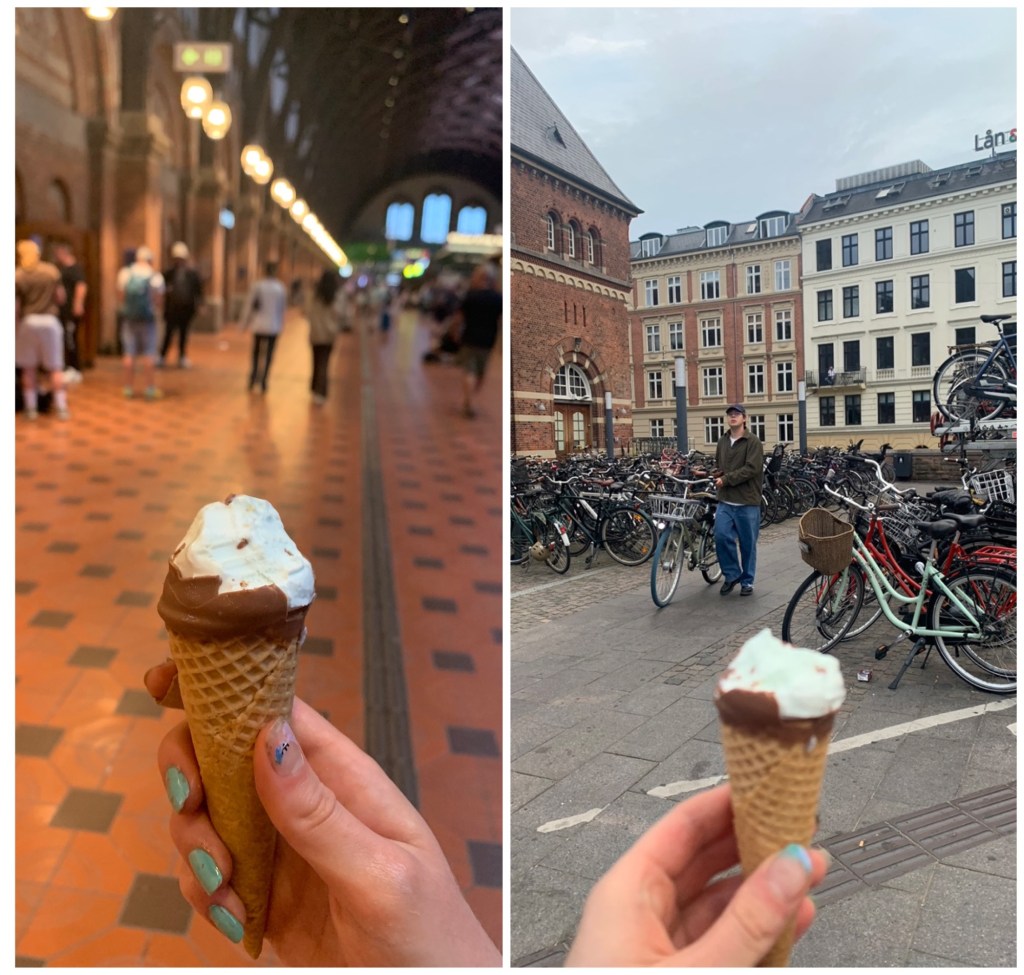
During my Denmark-Sweden holiday of last summer, I got the Daim Mint variation at a 7/11 of Copenhagen station last year though. And I did try a berry-liquorice combo in Sweden though.

The Danish Classic ice creams

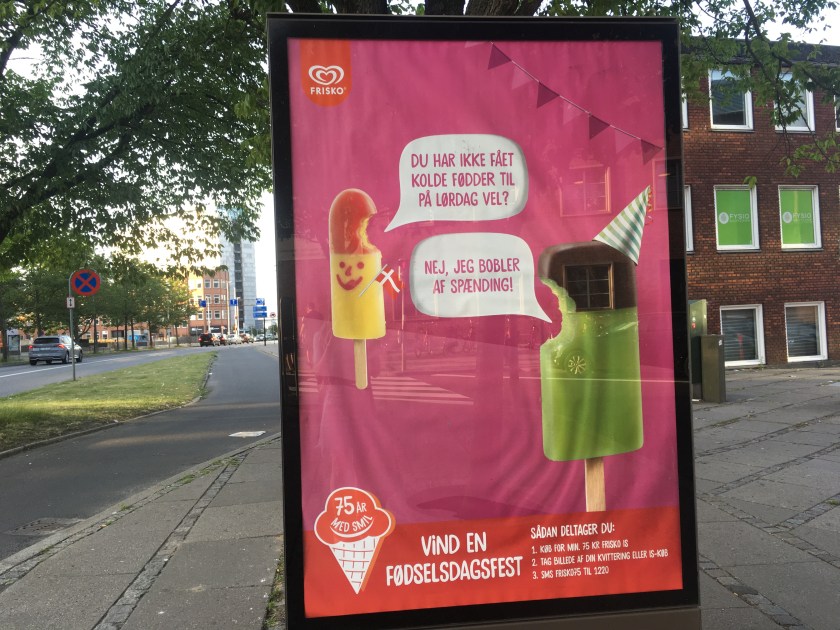
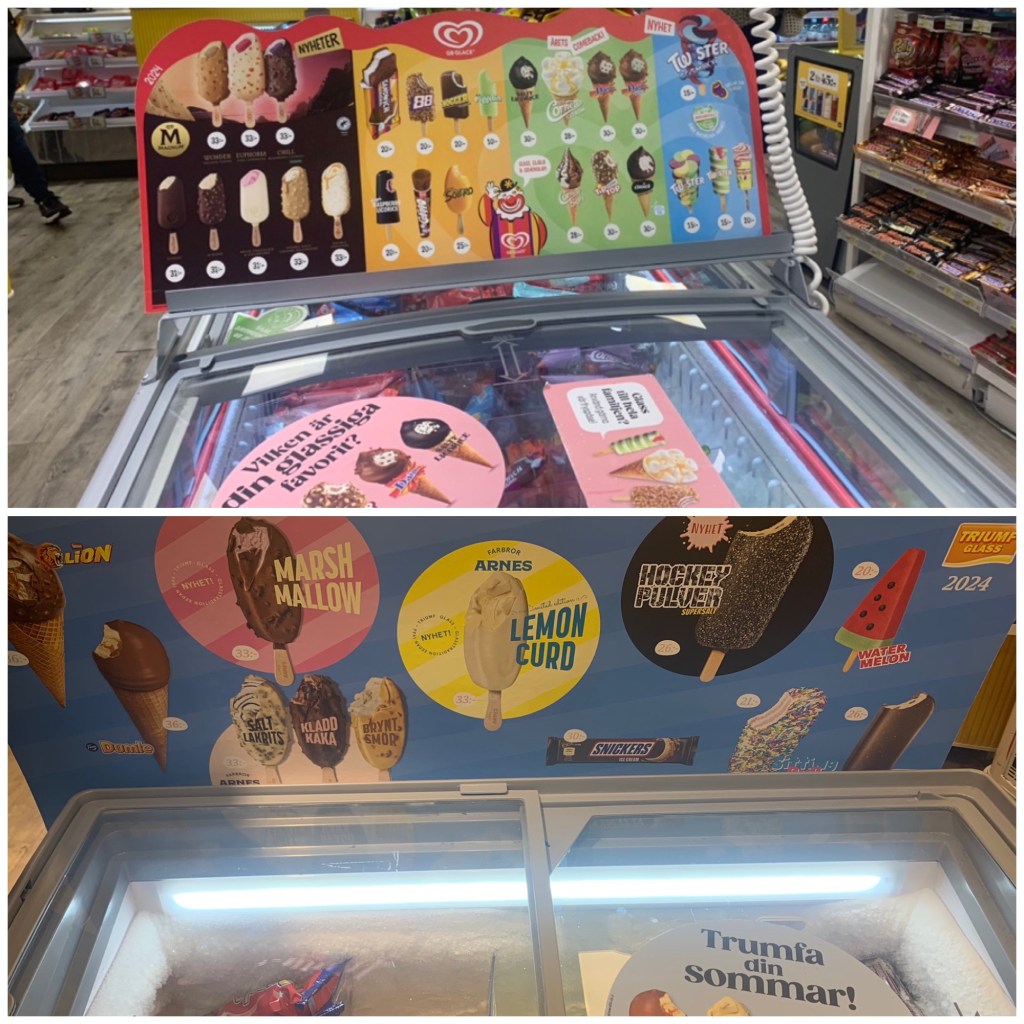
Frisko in Denmark, GB Glace in Sweden is the ice cream brand with the heart symbol present everywhere with different names, and many Ice creams I will mention are sold by it. Denmark has a set of all-time favourites, some have been around since the 50s!


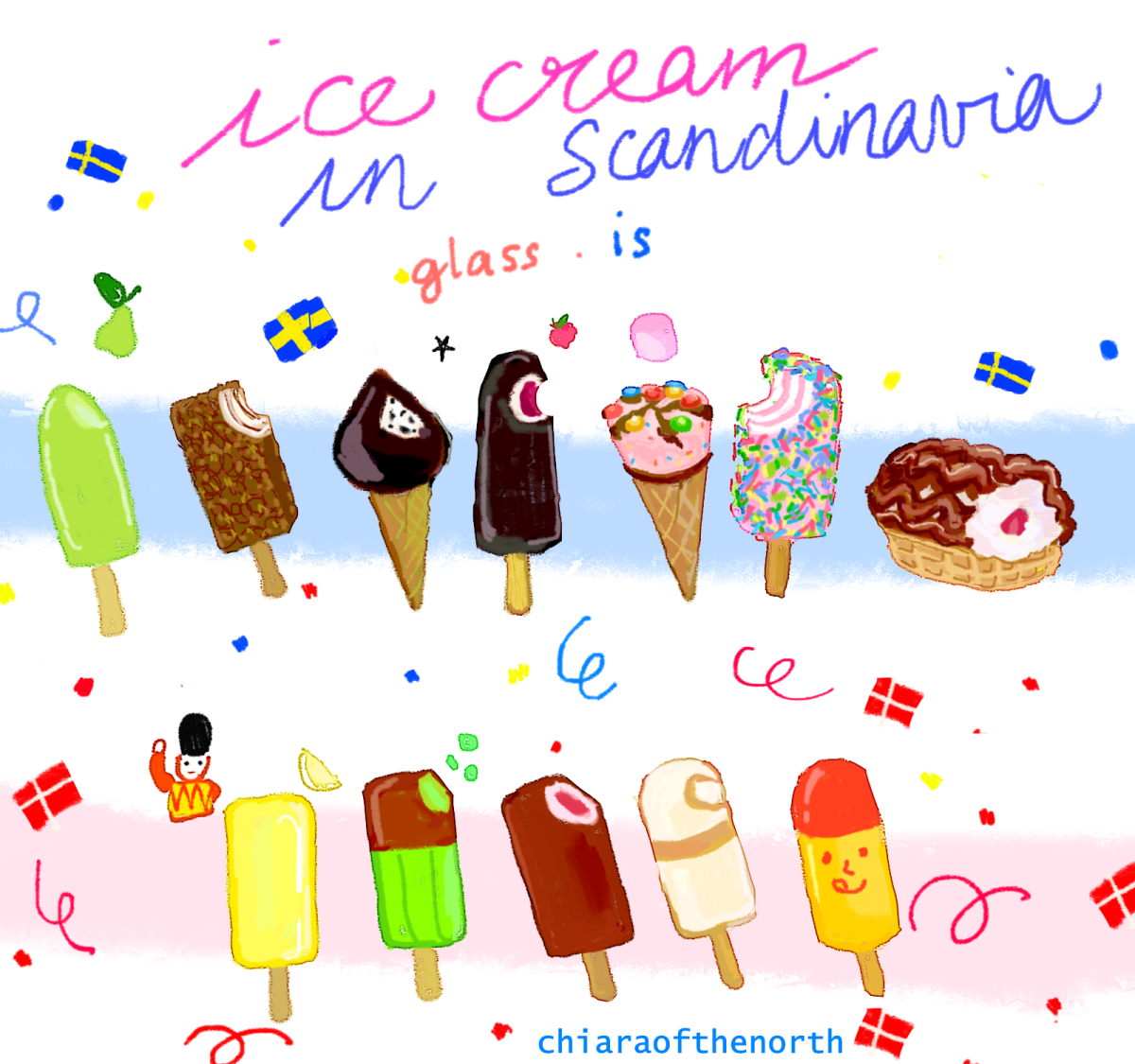
I have tried Københavner stang, Champagne Brus and Solbær of them. the former is just a plain lemon one (picked it because of the logo), but I enjoy Champagne brus contrast of lime-ish freshness with the chocolate covering. Solbær – which changed name from Kæmpe Eskimo for political correctness reason – is just chocolate with berry creamy filling. Still good! Kung Fu is lime and liquorice, Filur is the cute orange-raspberry water ice cream.

Sweden: pear flavour, Pippi and Emil

Other than liquorice being king, a particularly common flavour in Sweden is pear, or at least much more than it seems to me in other countries. A Finnish Swede friend told me it probably is because you cannot grow many other fruit…Piggelin by GB Glace is a pear ice cream classic.


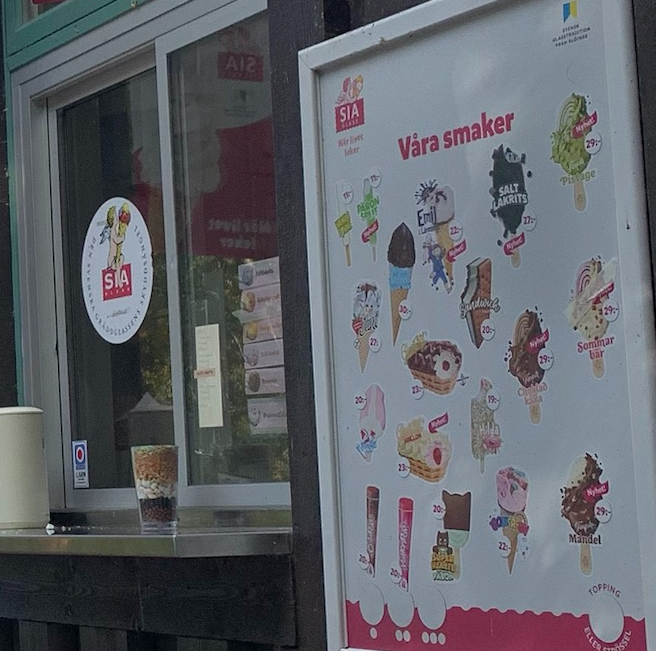
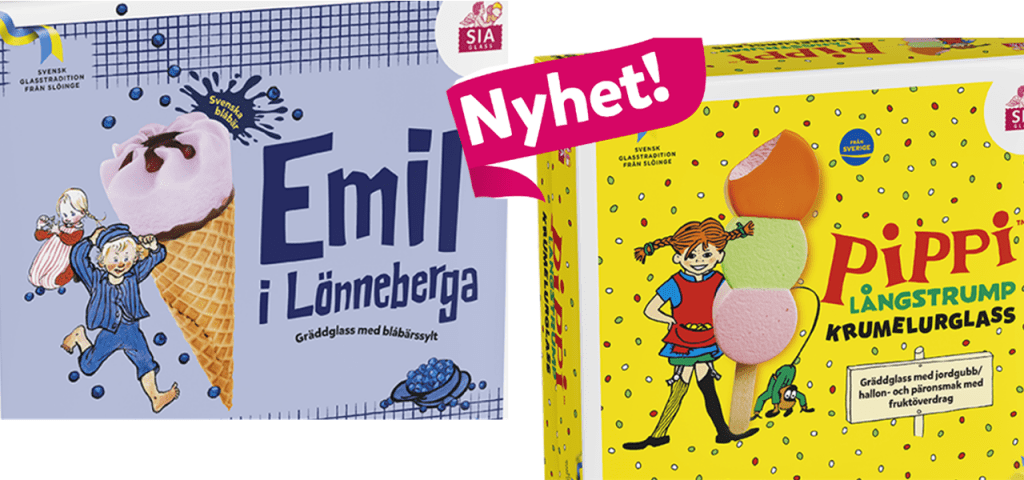
SIA is the main competitor of GB in Sweden I guess, based in Halland. It has introduced Emil and this year Pippi ice creams!! The former is Krumelurglass (which i got in the original candy form last year, krumelurpiller), a fruity ice cream. The green part is -you guess it- pear. Emil has blueberry flavour.

pictures (c) SIA Glass

I actually tried the raspberry liquorice ice cream, the lemon cornetto, and the Swedish classic 88, read åttioåtta. Shoutout to my friend Linda & her husband who made me try it. I would have also tried a Hilda, marshmallow/strawberry-ish? ice cream covered in rainbow sprinkles, or Godisregn (‘candy rain’), basically the same concept but in a cone. Glassbåt (‘ice cream boat’), also looks interesting. There are a few versions of it.
I have seen other new ones from this year with very Nordic vibes:

  • Konfetti gul & blå (blue-yellow as the Swedish flag) from Hemglass, lemon and blueberry ice creams with sprinkles on them.
  • Punschrulleglass, inspired by the green and chocolate dammsugare pastry. Hence it looks like a Danish Champagne Brus.
  • a Kanelbulle flavour one
  • Geisha ice cream- ice cream version of the famous chocolate candy by not Japanese, but Finnish Fazer.

Norway’s 17 mai ice creams

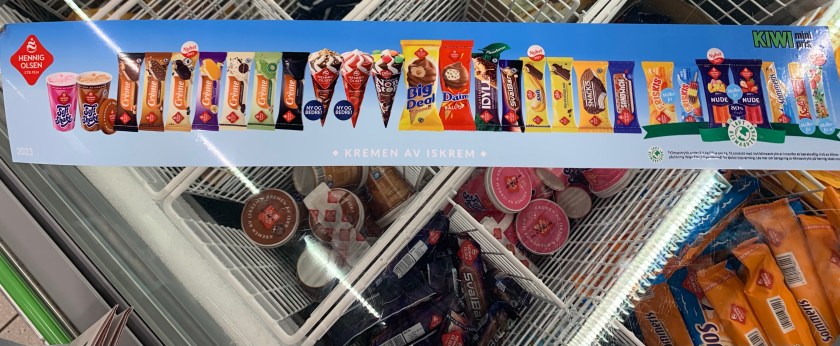
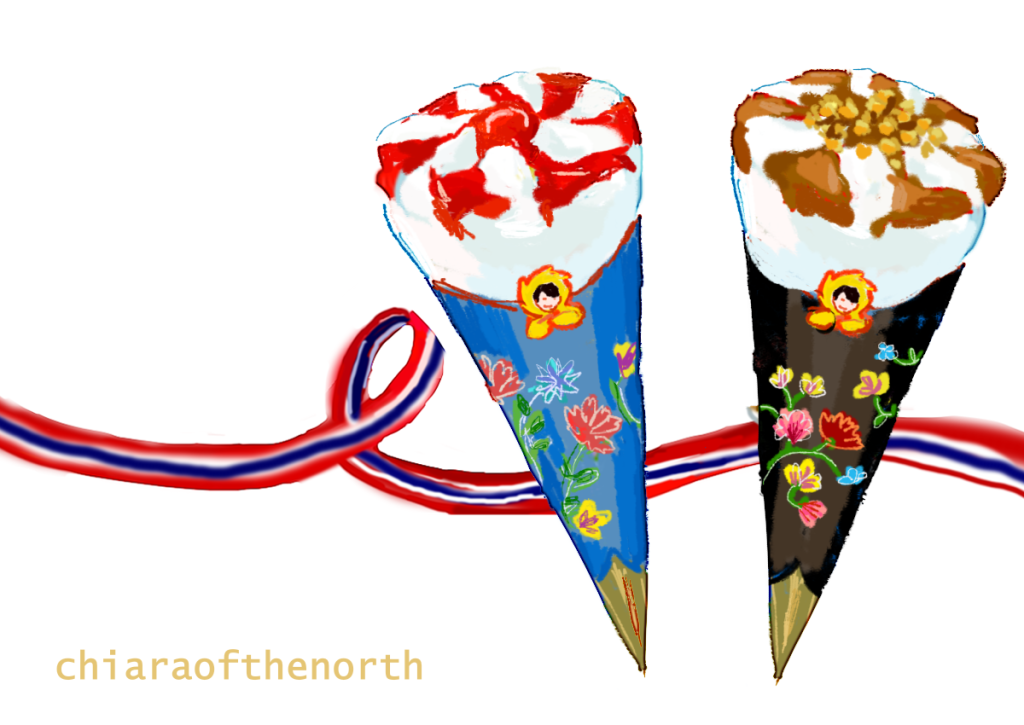
In Norway you see Diplom-Is or Hennig Olsen instead, not sure if Unilever is still behind them – Whatever. There are ‘regular’ strawberry or chocolate and cream cones, which around May get fancier for the National Day, 17 Mai, with bunad-like patterns.

I have not eaten any ice creams in Norway, but I have to say I saw nothing that stood out compared to the other countries! Please invite me to Norway to prove me wrong, haha.

That was all for now, I will probably update this post for the future summers…Or add it for Finland and Iceland and hopefully try out their ice creams!!

So subscribe to stay update on Scandinavian Ice creams:

Read more:

7 fun facts about Lucia, Sweden’s pagan saint

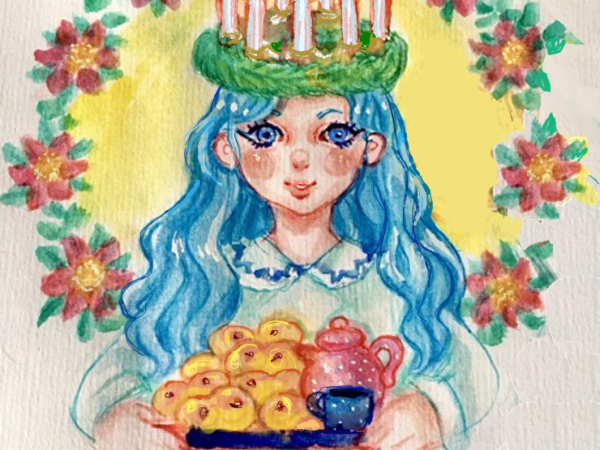
Lucia brings light in the darkest night of the year and is a mix of pagan and christian traditions. It is celebrated in Scandinavia with processions, saffron buns and church concerts.

3 easy and fast iconic Nordic dishes

simple and iconic Scandinavian recipes to make yourself for a typical Nordic dinner

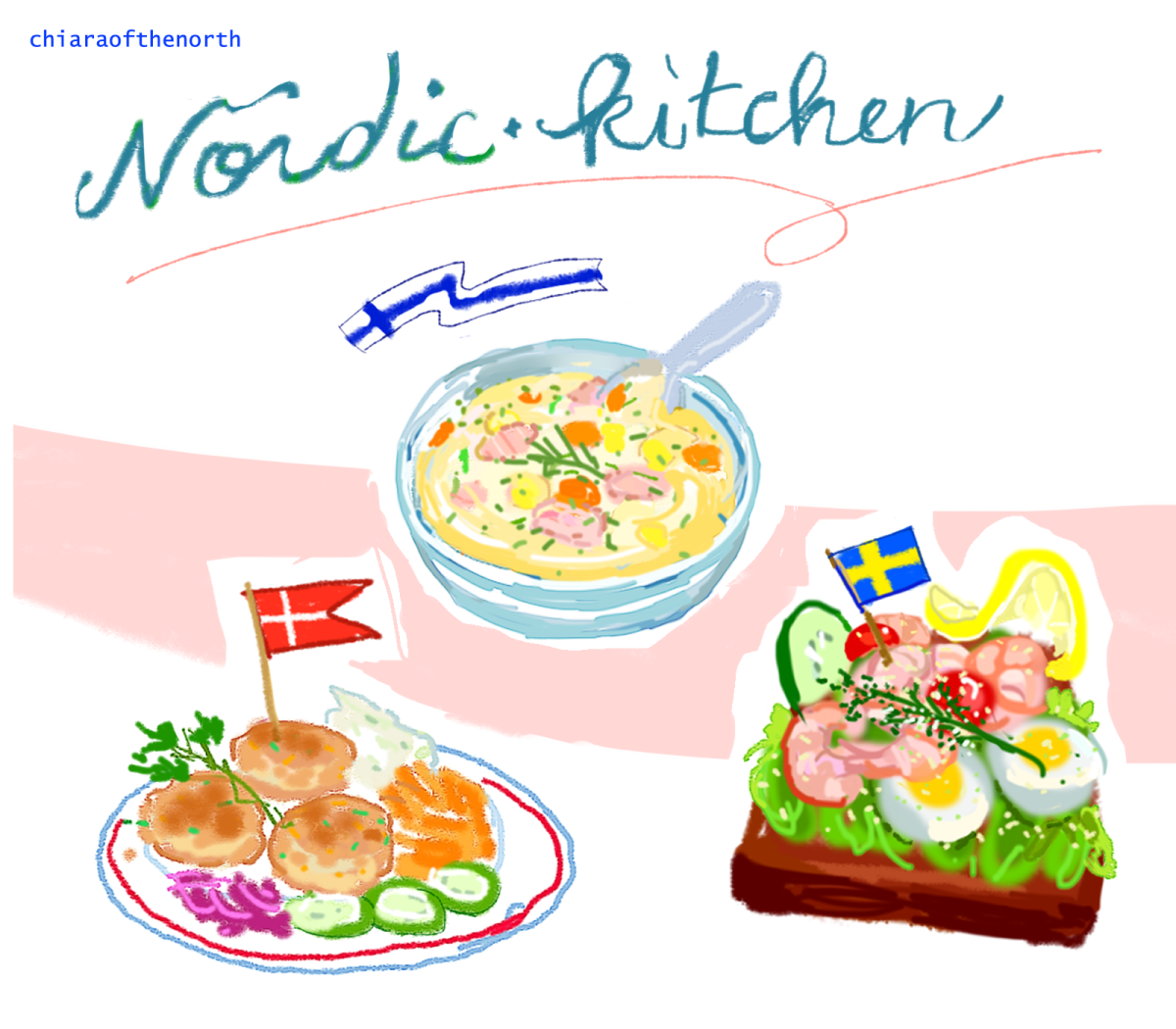
I have been testing Nordic dishes as someone with not-so-incredible cooking skills who likes to cook simple things, and these are three delicious and easy meal ideas I can present you, in time/complexity order from the easiest:

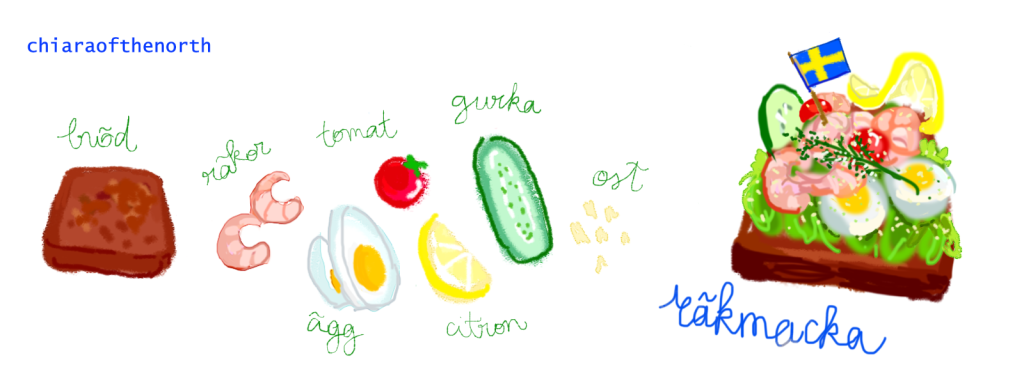
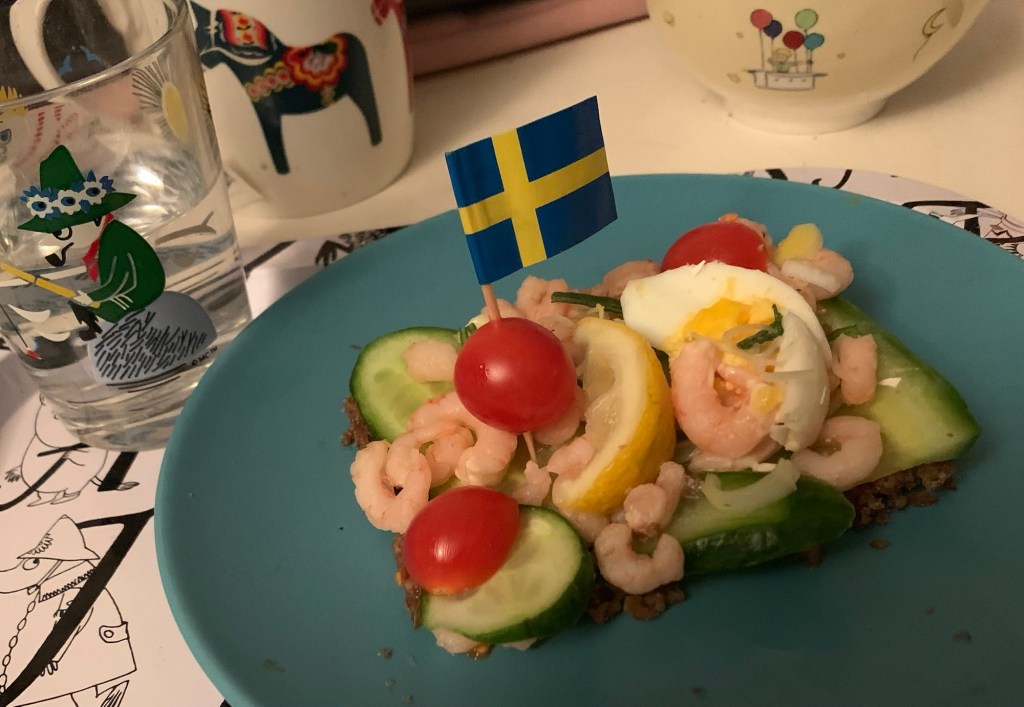
1. Räkmacka – Swedish Shrimp open sandwich

Typically found at cafés as savoury option for a fika, but you can easily make it yourself – (rye) bread with Shrimps, cucumbers and tomato slices on salad, often egg and lemon – add whatever you like and make it look fancy!

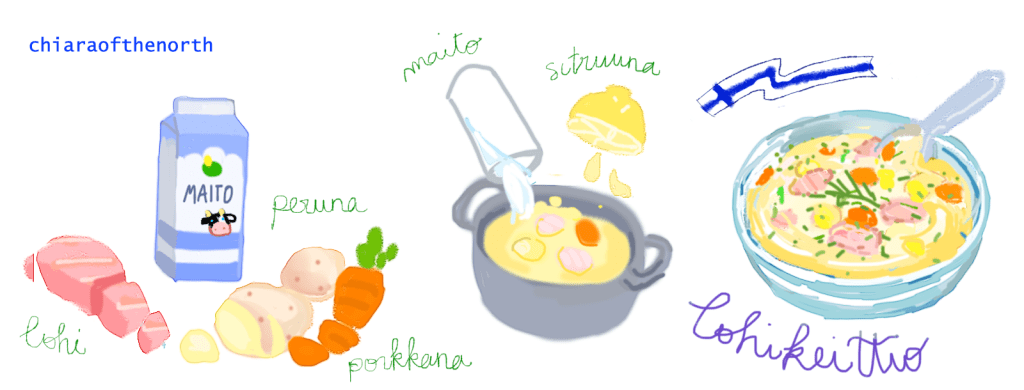
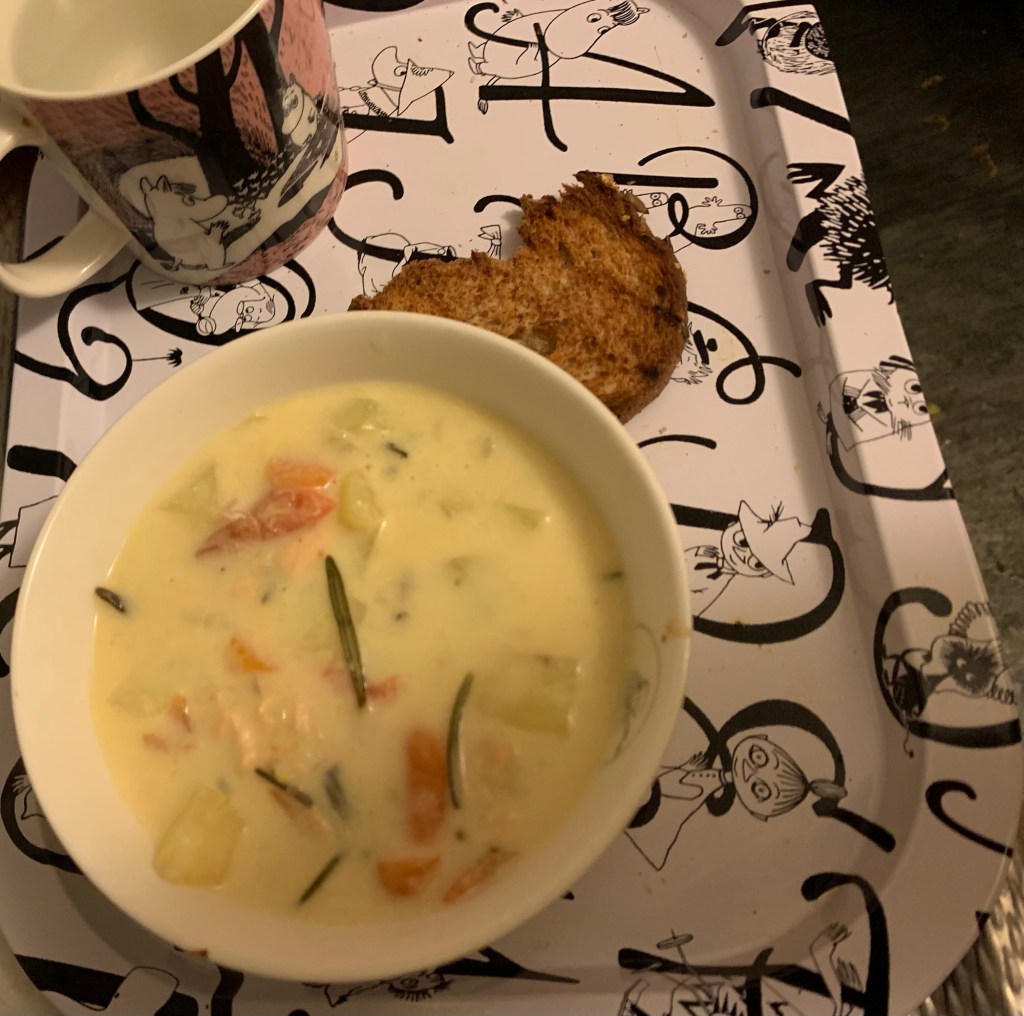
2. Lohikeitto – Finnish salmon soup

soup with chopped salmon, based off milk and lemon juice, and enriched by veggies as potatoes and carrots.

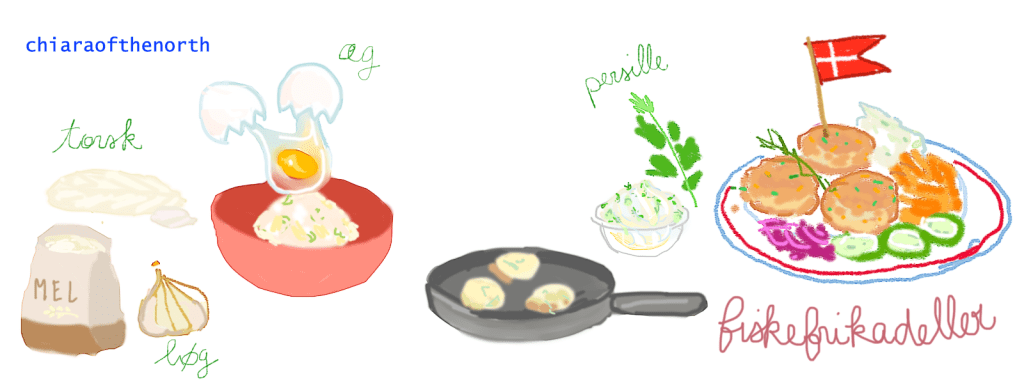
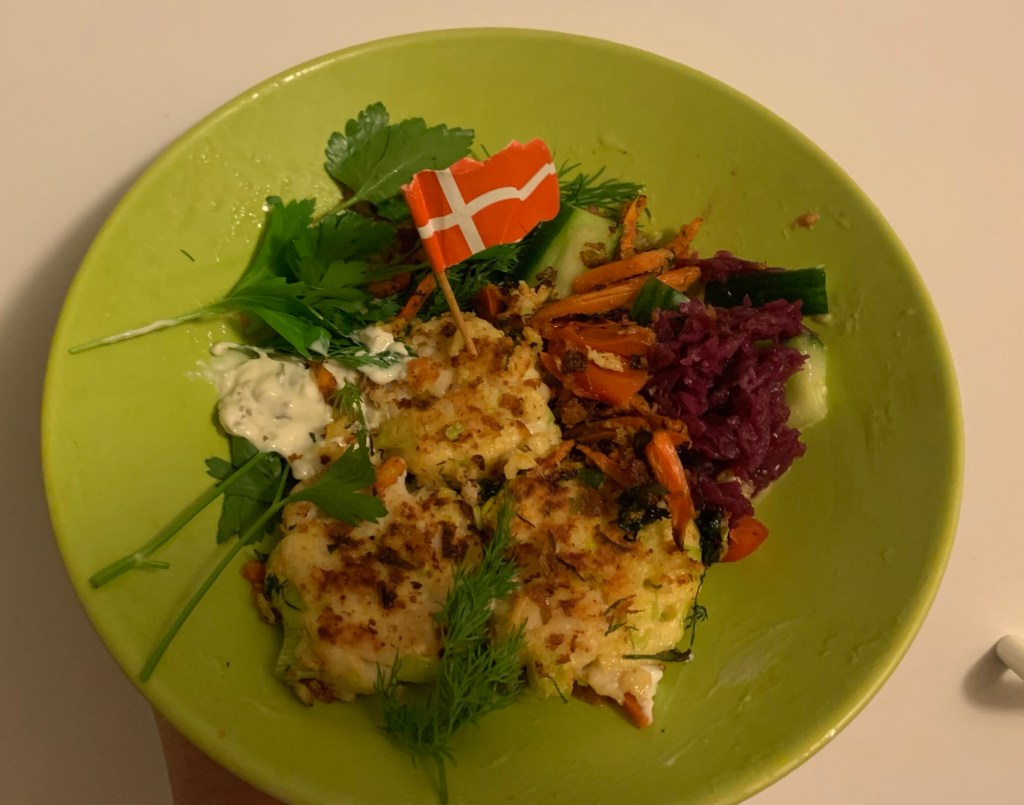
3. Fiskefrikadeller – Danish fishballs

Make balls after mixing fish chunks (I have used pangasius and cod) with egg, flour, spring onion – I also like to add carrot bits -, Fry them in a pan on both sides. Garnish with herbs as parsley. Complete the plate with some fresh veggies to the plate as cucumber and red cabbage. Enjoy the fishballs with remoulade sauce as the Danes do!

Here are pictures of my experiments:

Disclaimer: these are my creative versions, and I do not follow 1:1 classic recipes. You find plenty of other references online! You can still see more Scandinavian and Nordic food on this blog, from my trips in Scandinavia and to Nordic cafés elsewhere.

Please let me know if you will try making these!

Nordic findings in japan

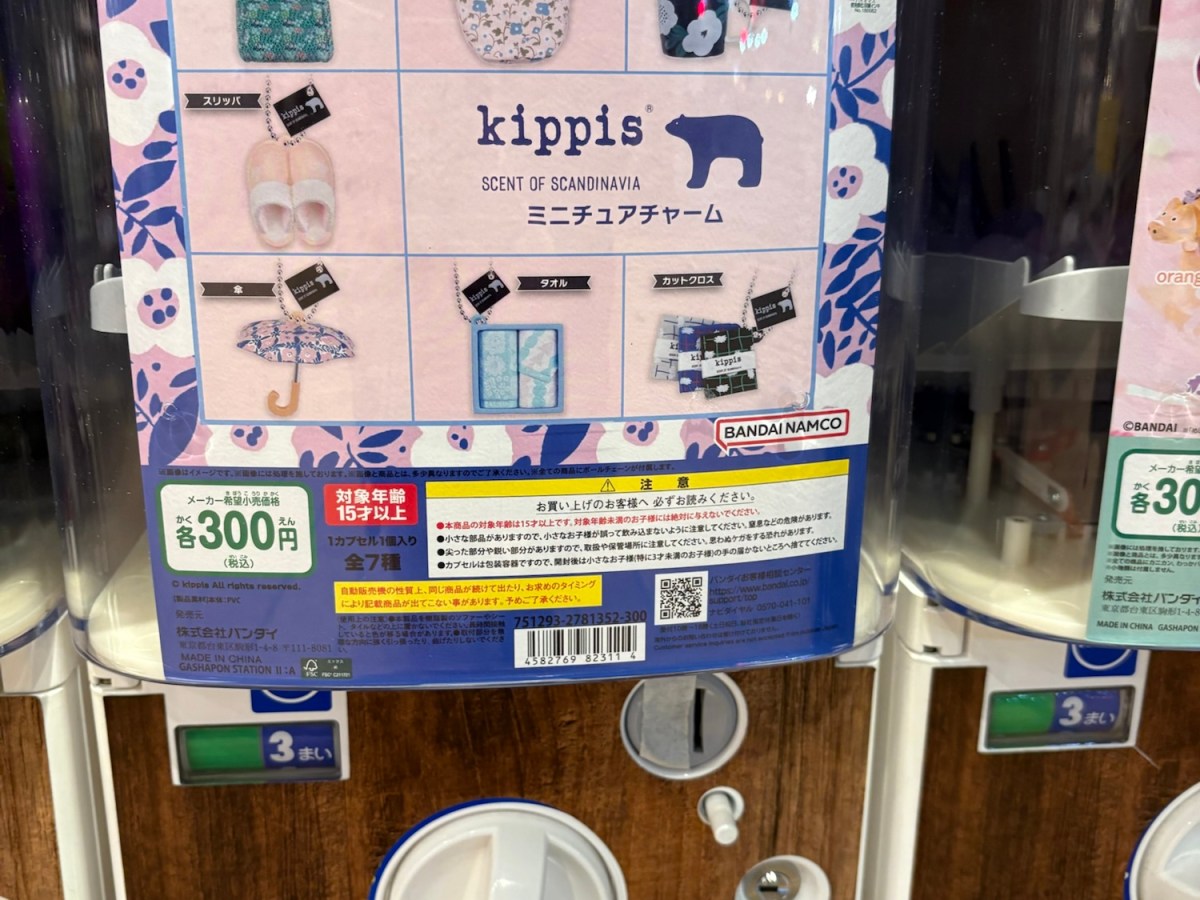
Nordic culture experienced in Japan: Moomins, Dala horse stationery, Nordic-inspired foods and books about Scandinavia seen by the Japanese.

How Nordic are Baltic countries

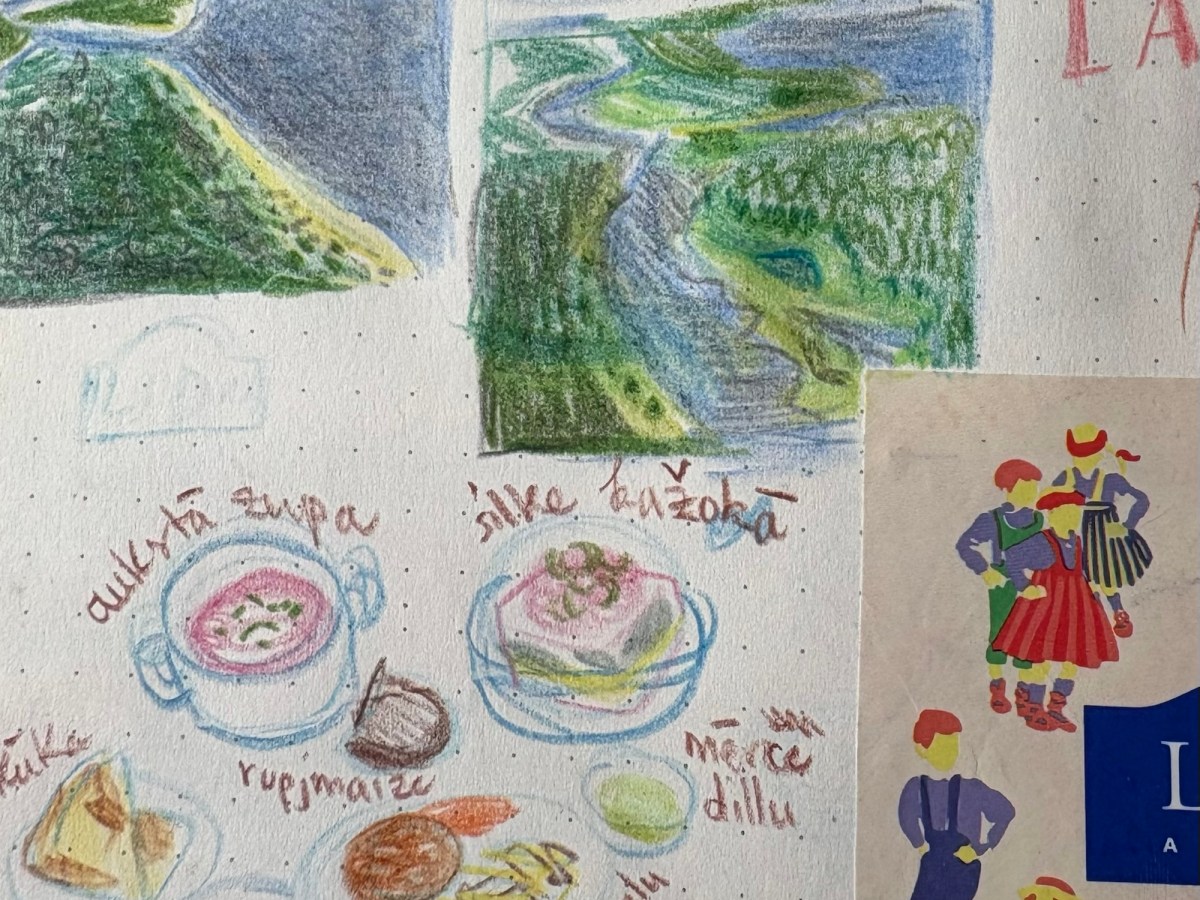
Are Baltic countries Nordic at all? I explored Latvia and Estonia, noting their ties to Nordic culture, from languages to Rye bread and Midsummer.

Sweden’s sweet calendar: kanelbullensdagen and other pastry-themed days

cinnamon buns, waffles, semlor and more: there is a special day dedicated to each in Sweden

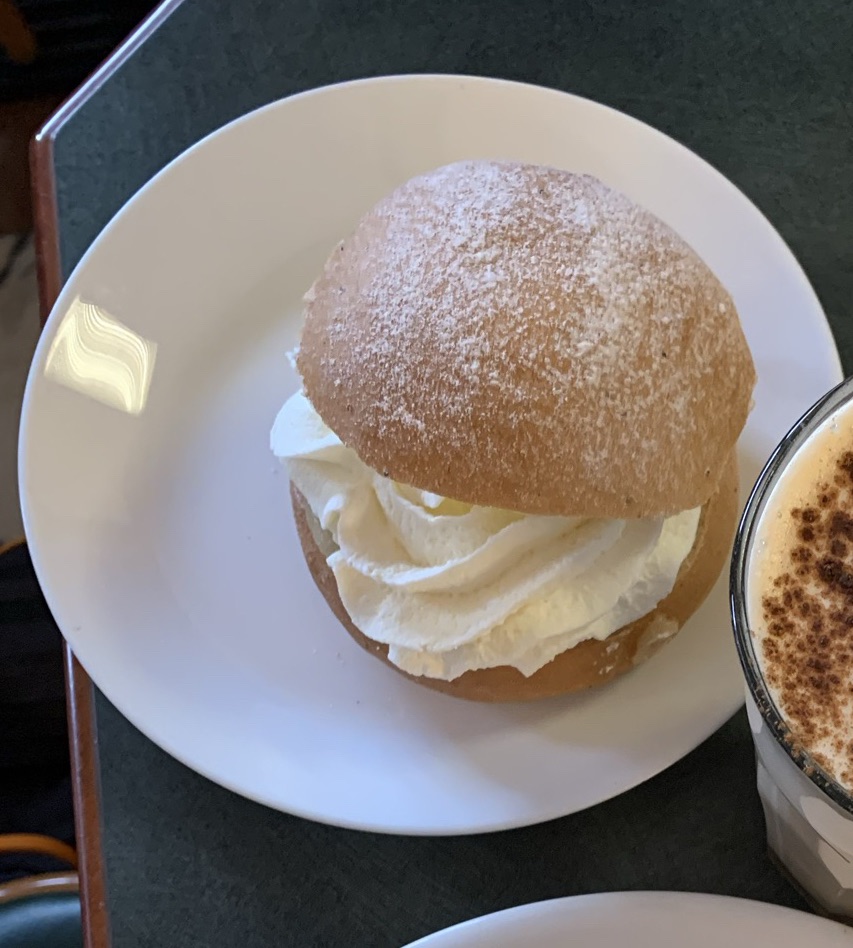
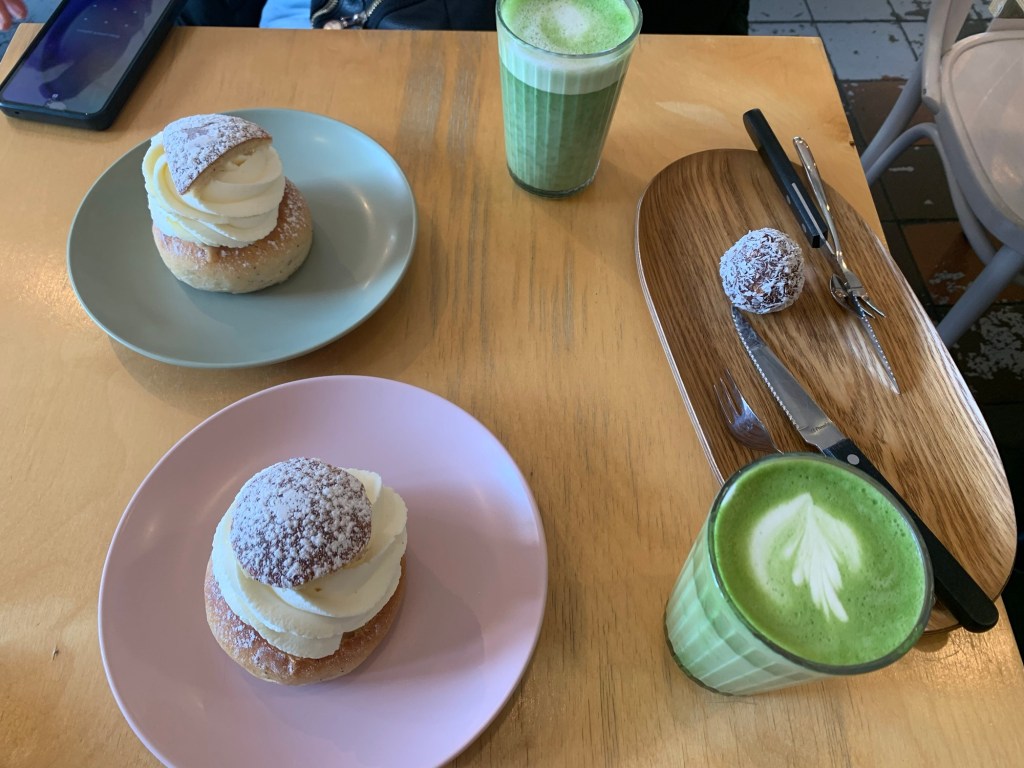
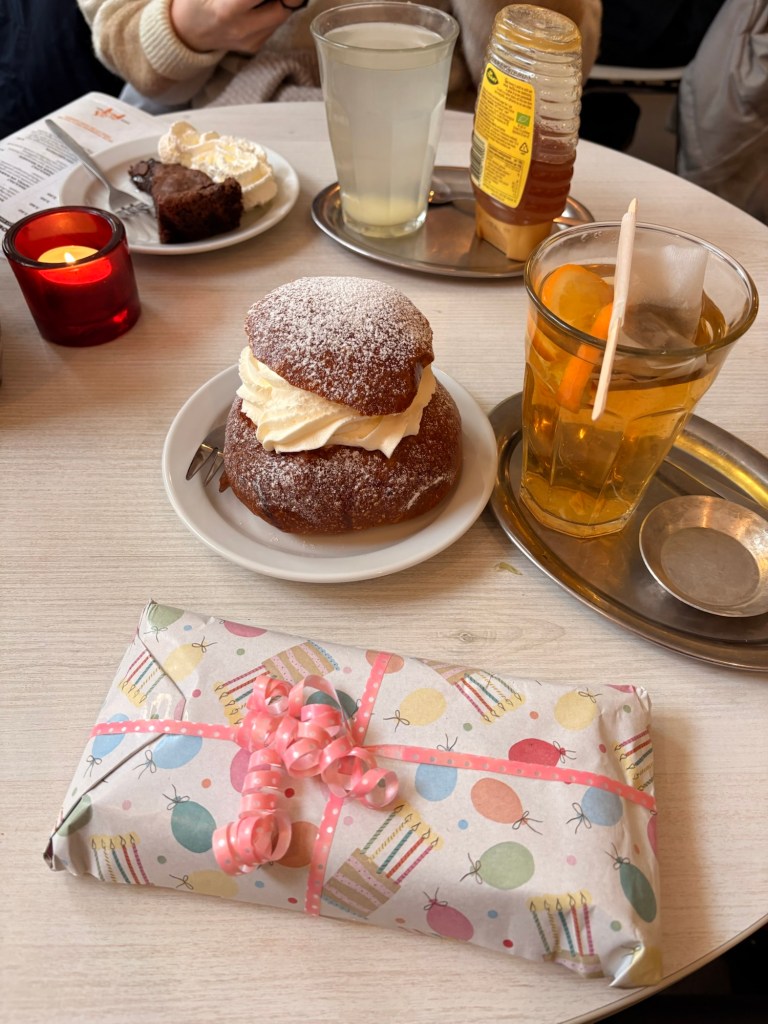
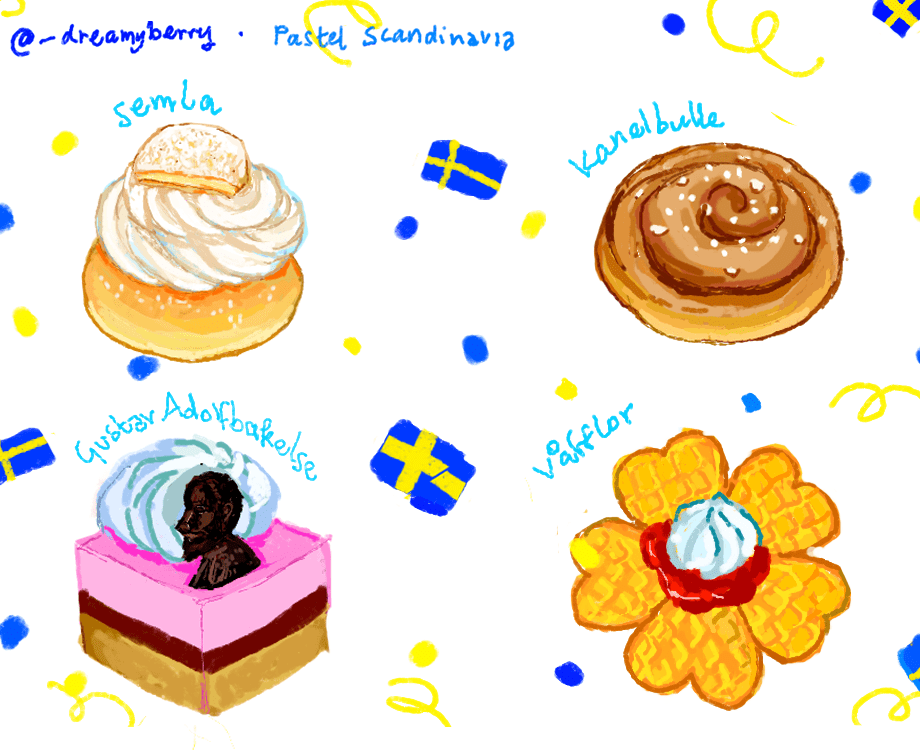
Soon it is time to eat semlor pastries in Sweden! Swedes have a few days dedicated to eating a specific thing. Whether it started to honour a king or just find an excuse to bake, time to mark some days on your calendar and join them in celebrating Swedish confectionery!

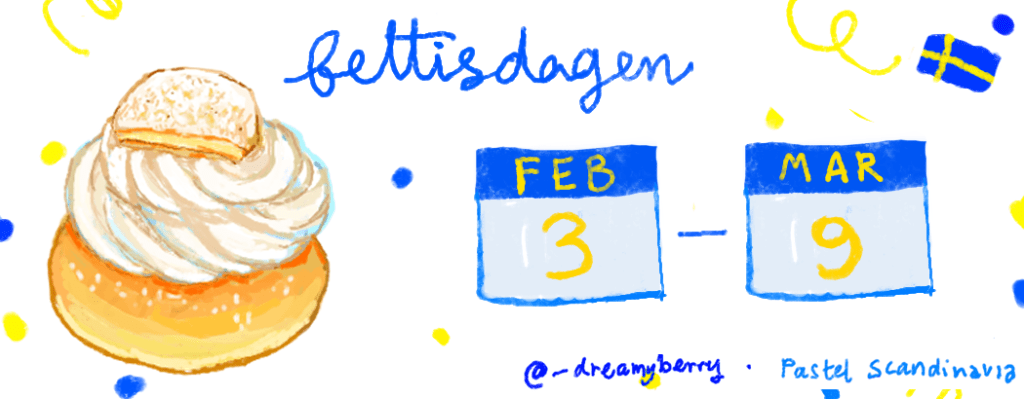
Semlor: February/MarchFettisdagen

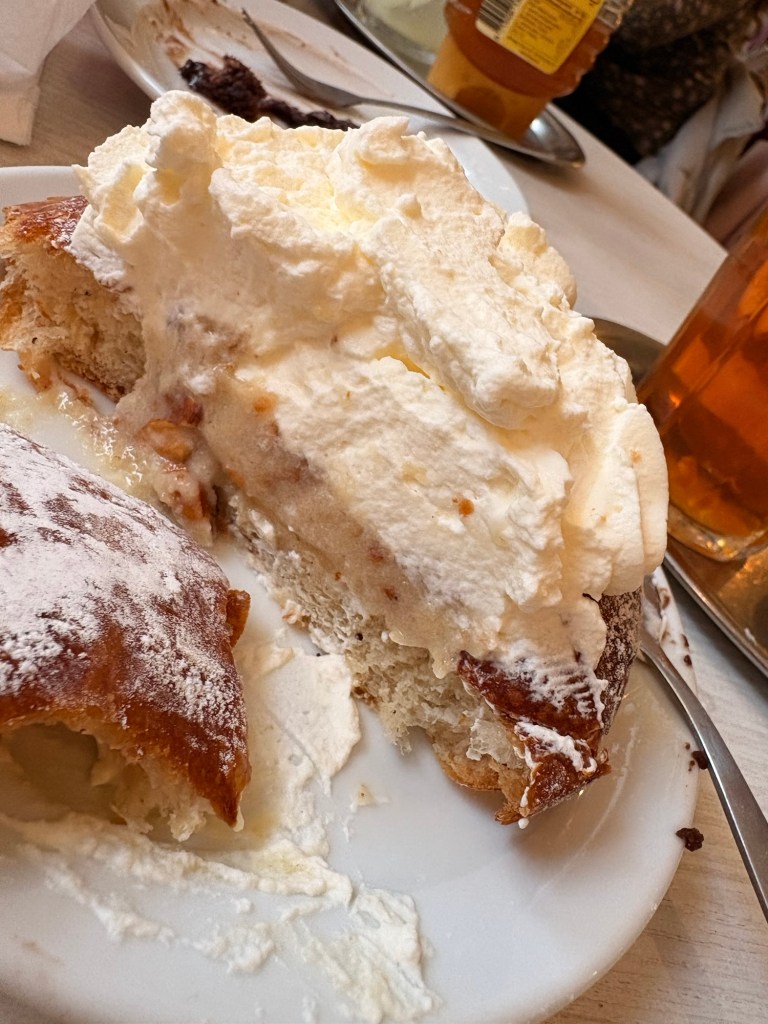
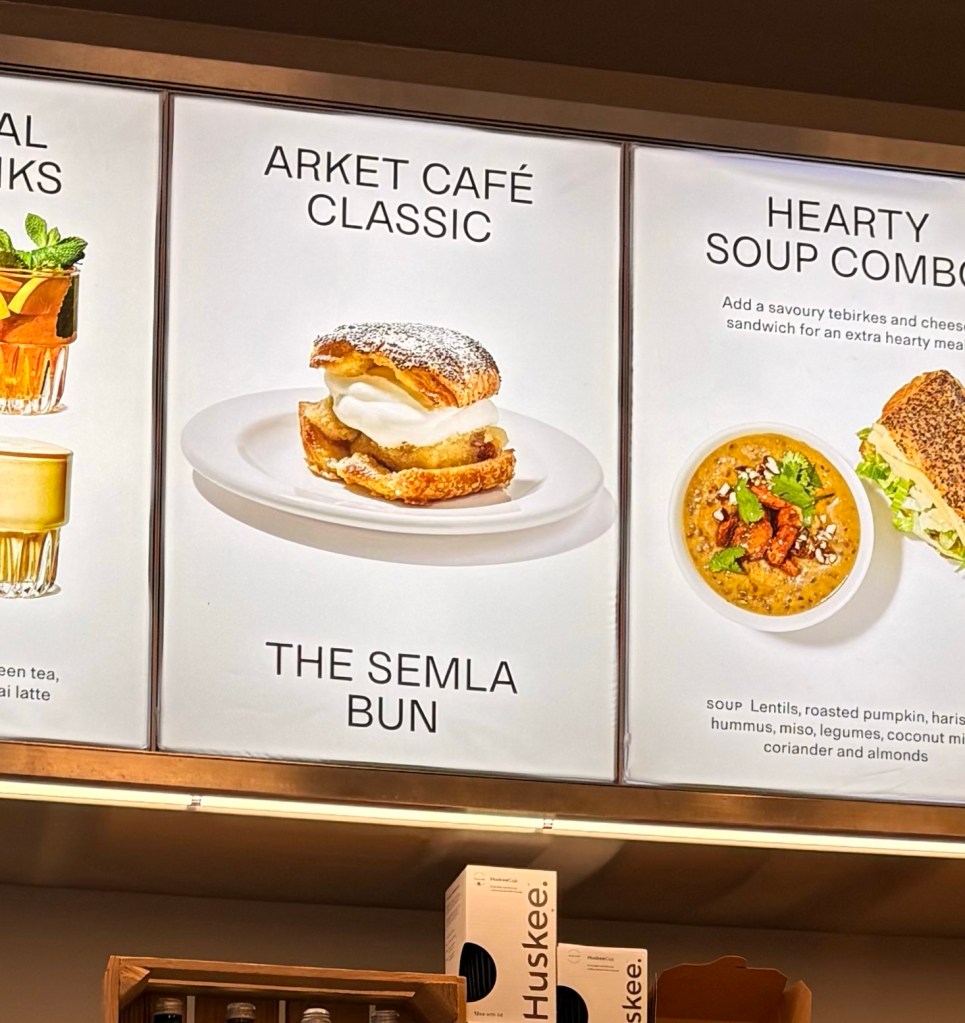
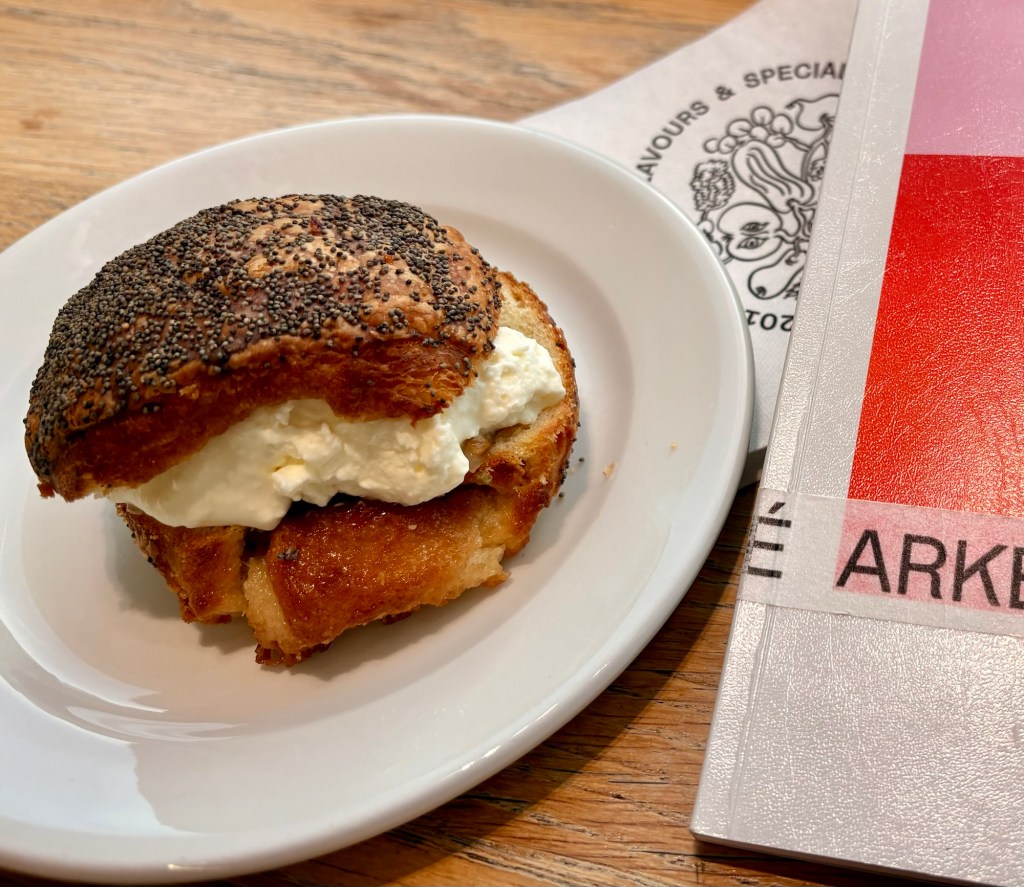
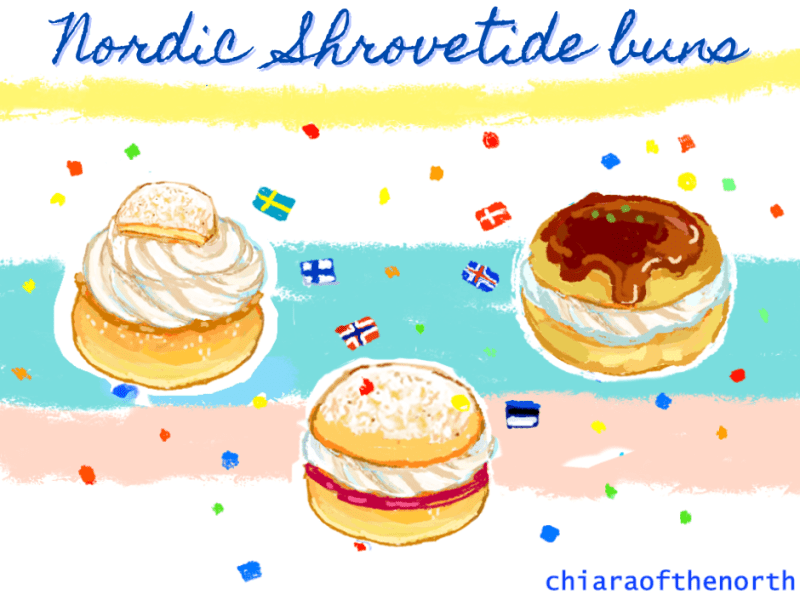
On Shrove Tuesday (fettisdagen, fet tisdag = fat Tuesday), 21 February in 2023, tons of of semlor are purchased in Sweden. A semla is a cardamom-spiced bun with almond paste and whipped cream. A perfect pastry you’d want to devour before the fastening time preceding Easter starts! Semlor are eaten in Swedish Finland too, but called fastlagsbulle there, and Fettisdagen is called fastlagstisdagen. Slightly different versions of semlor exist in the other Nordic countries too, and they are usually eaten on Shrove Monday instead: Bollur in Iceland, Fastelavnboller in Denmark/Norway. Unlike the Swedish semlor, they often have chocolate on top…

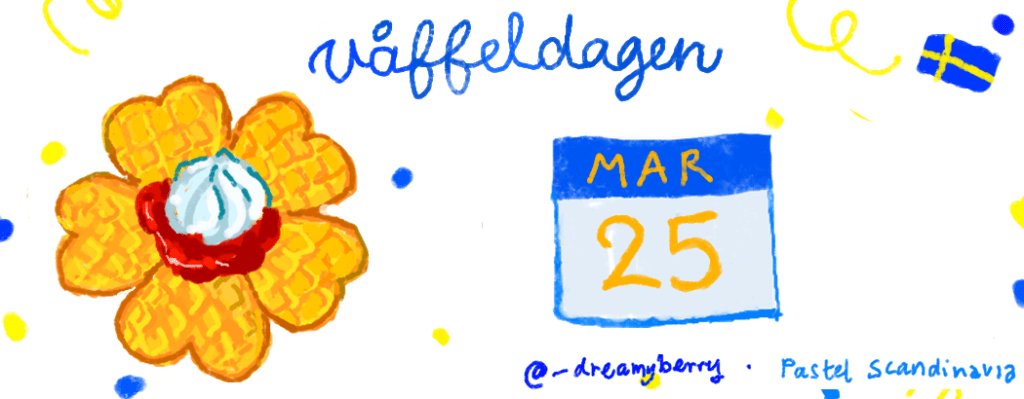
Waffles: 25 March Våffeldagen

The christian feast of the Annunciation, in Swedish Vårfrudagen, lit. “Our Lady’s Day”, ended up becoming for most Swedes the similar-sounding våffeldagen (“waffle day”). This turned a religious day into a chance to eat heart-shaped waffles! It is also ”observed” In Norway and Denmark!

Cinnamon buns: 4 October – Kanelbullensdagen

Cinnamon bun day has been celebrated since 1999, and it was actually invented for commercial reasons: the person who made it up, Kaeth Gardestedt, was at the time working for an association of baking products producers. After almost 25 years people still bake cinnamon buns on 4th October!

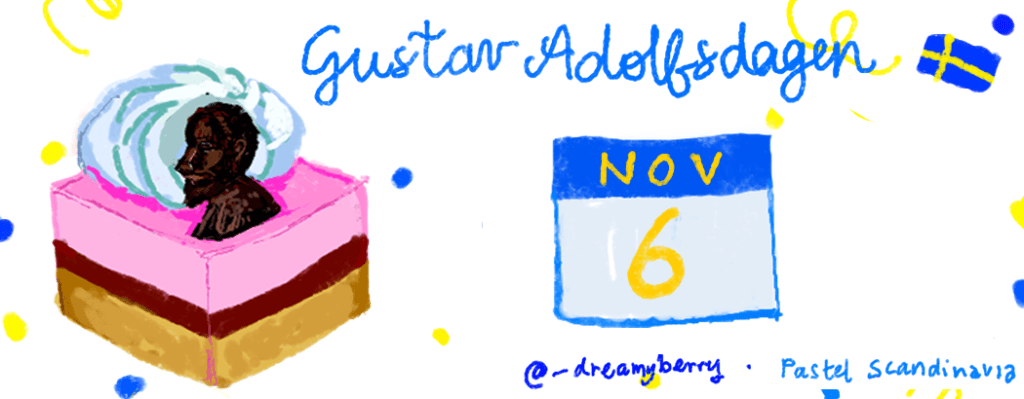
Gustav Adolf pastry: 6 November – Gustav Adolfsdagen

6th November is the date of the Swedish king Gustav II Adolf’s death in 1632. The king was very generous with universities as the one of Gothenburg, where a pastry was invented in his remembrance: Gustav Adolfsbakelse. It has been popular since the late 1800s. You can see it in a lot of variations, but what makes it a Gustav Adolf pastry is the chocolate bust of the king on top!

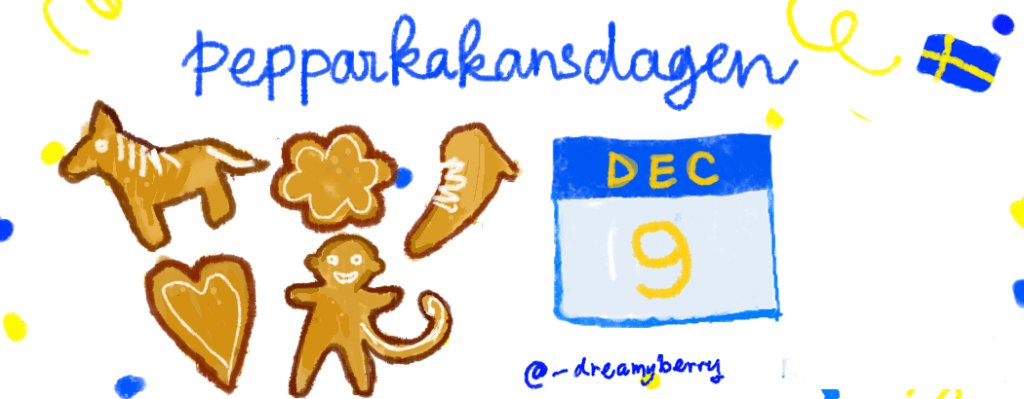
Gingerbread biscuits: 9 December – Pepparkakansdag

Gingerbread cookies, known as pepparkakor in Sweden, probably originated in Nuremberg, Germany, in the middle ages. Mentioned in Swedish in 1444 for the first time, the word pepper was used to mean spices in it, as pepper was the most common spice at the time. Baking them became a typical Christmas thing in Sweden and other countries, remember the episode of Pippi were she cuts them in the shape of her horse and monkey? Pepparkakansdag was, similarly to Kannelbullensdag, invented in 1996 by gingerbread maker Annas Pepparkakor.

Apparently there is also a Polkagrisensdag (candy cane day) on 20th April, but it mostly promoted in Gränna, near the Vättern lake. There Amalia Eriksson invented the polkagrisstång in 1859, the red-white peppermint candy cane, and many local shops celebrate this day.

Does your country have any days like these?

More articles: