Culture, languages and lifestyle of Nordic countries
Category: Culture
Traditions, food, typical things and iconic objects from Nordic cultures. How Scandinavians celebrate Christmas, Midsummer, Birthdays and graduation among others.
simple and iconic Scandinavian recipes to make yourself for a typical Nordic dinner
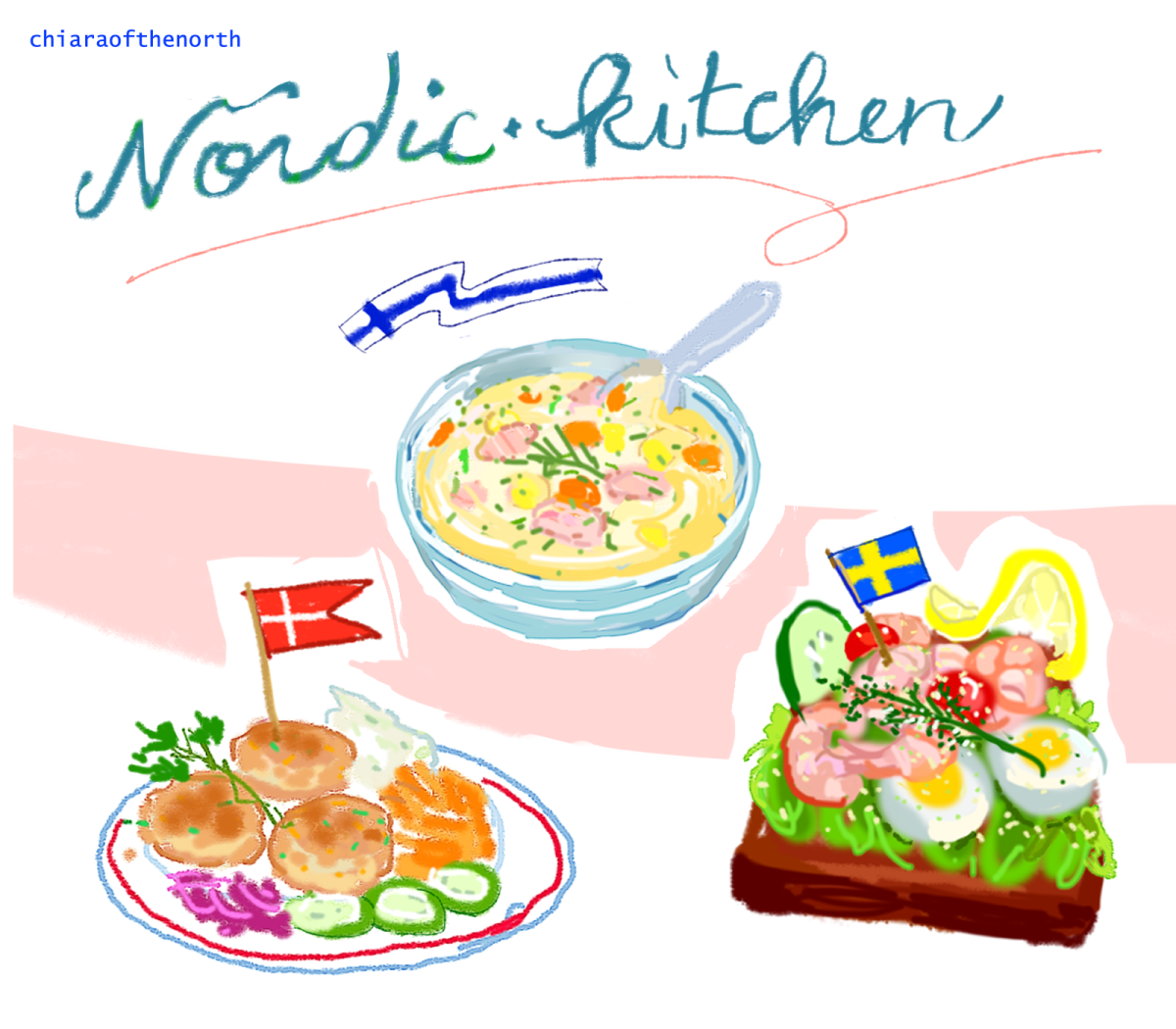
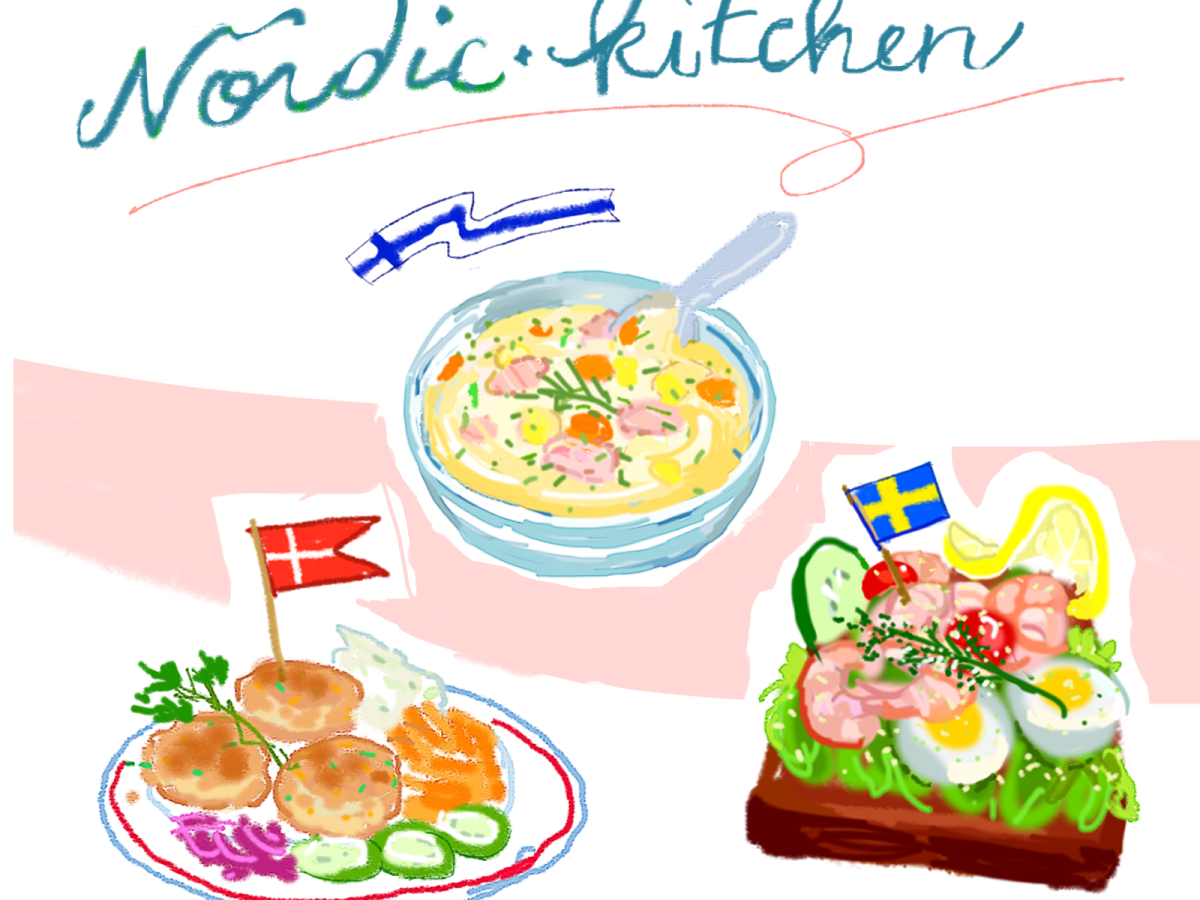
I have been testing Nordic dishes as someone with not-so-incredible cooking skills who likes to cook simple things, and these are three delicious and easy meal ideas I can present you, in time/complexity order from the easiest:
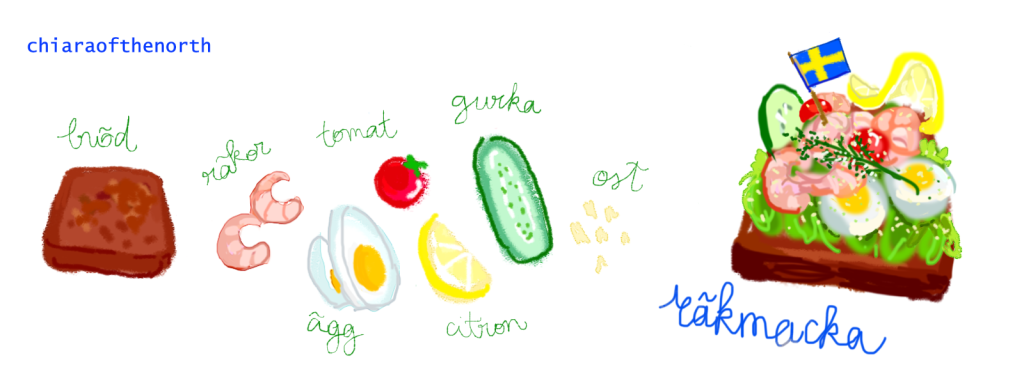
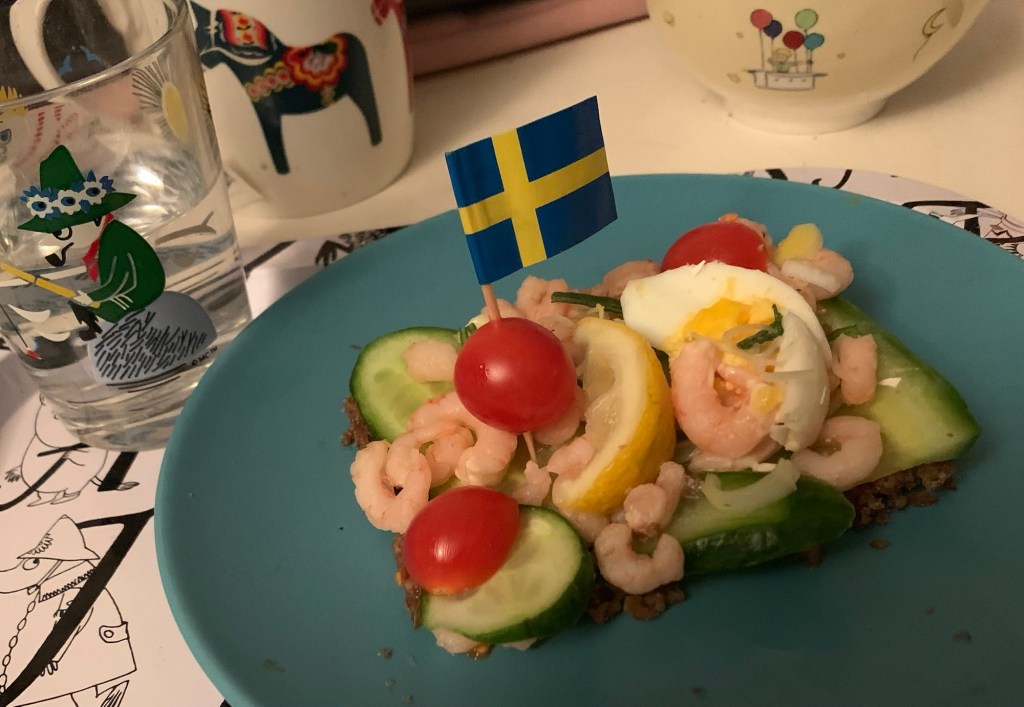
1. Räkmacka – Swedish Shrimp open sandwich
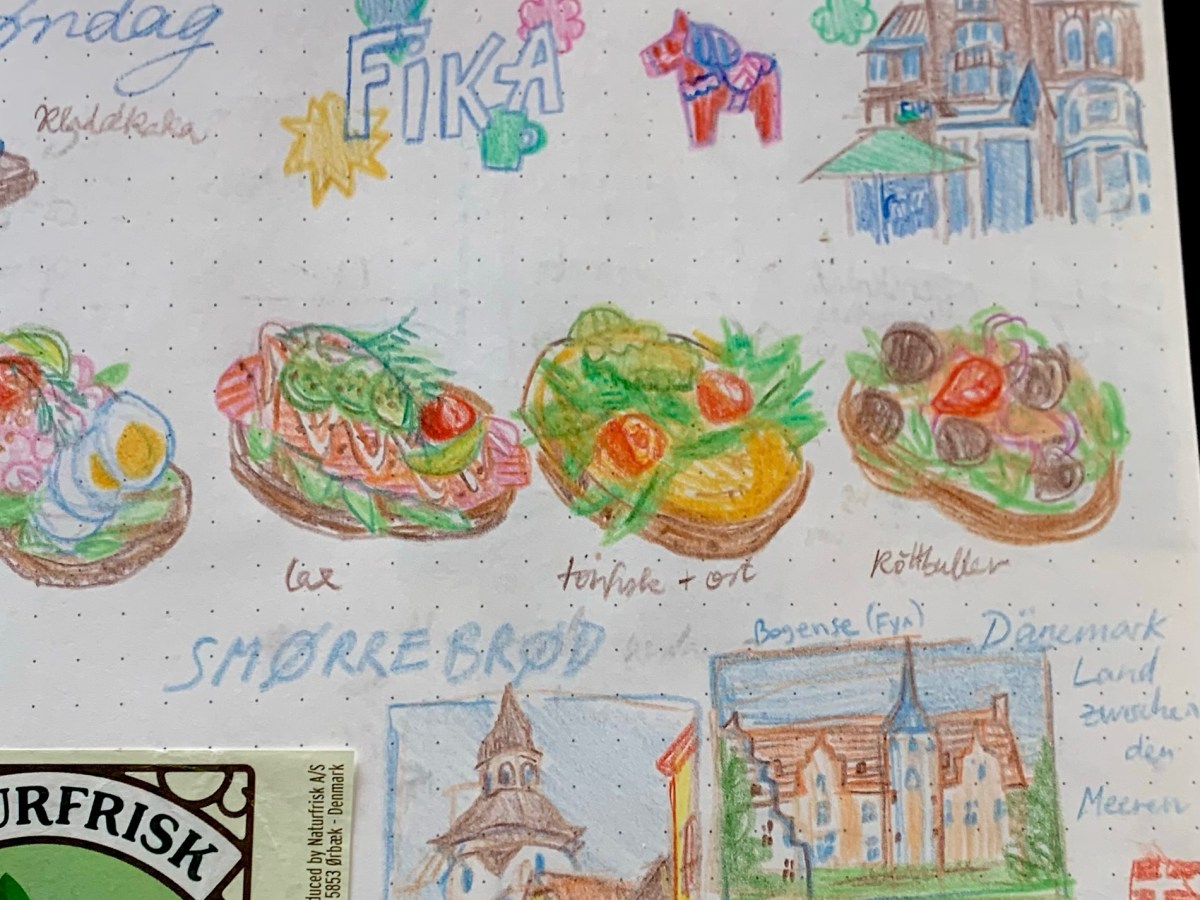
Typically found at cafés as savoury option for a fika, but you can easily make it yourself – (rye) bread with Shrimps, cucumbers and tomato slices on salad, often egg and lemon – add whatever you like and make it look fancy!
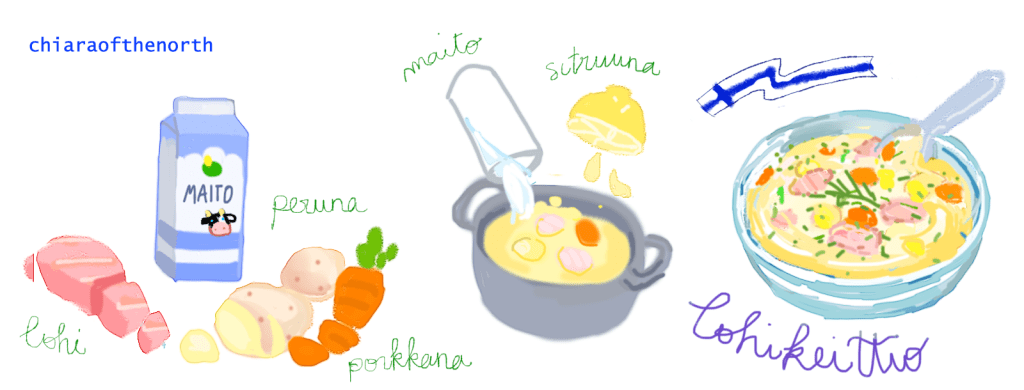
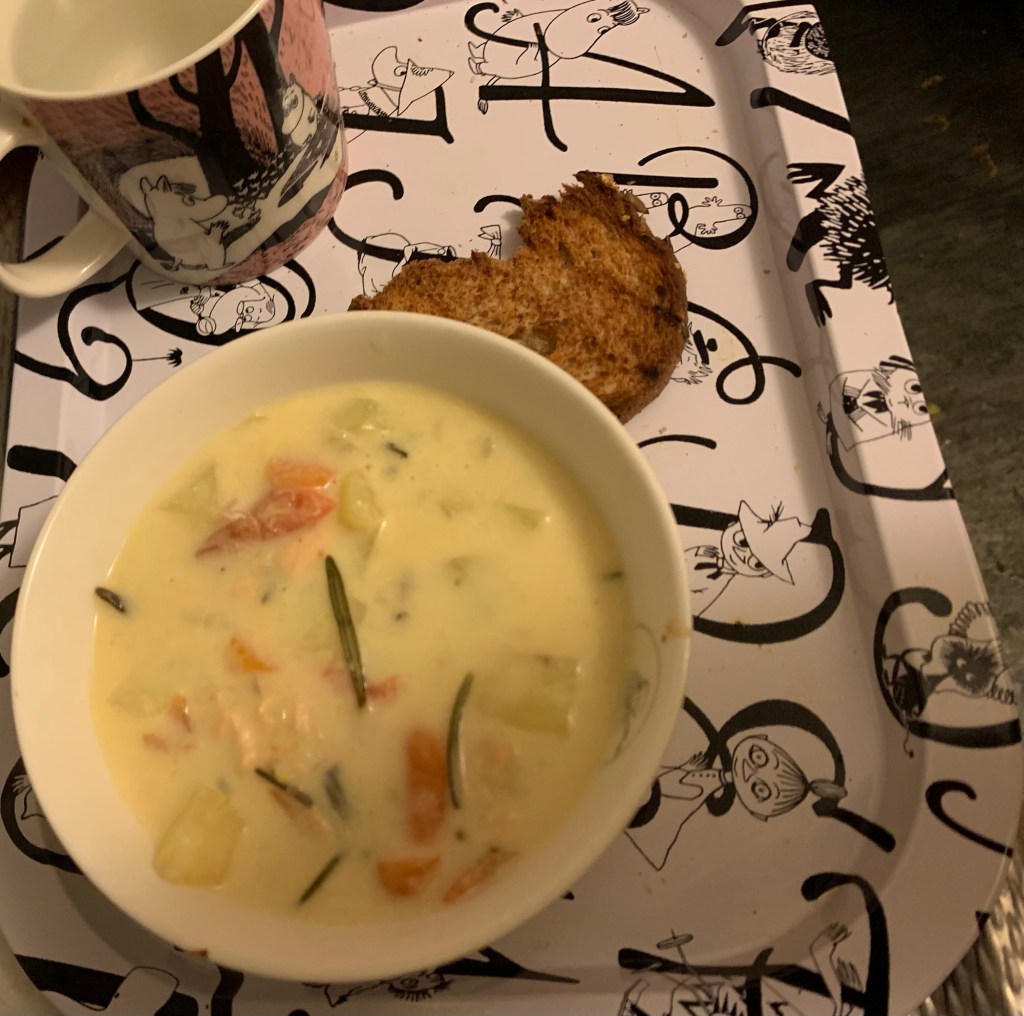
2. Lohikeitto – Finnish salmon soup
soup with chopped salmon, based off milk and lemon juice, and enriched by veggies as potatoes and carrots.
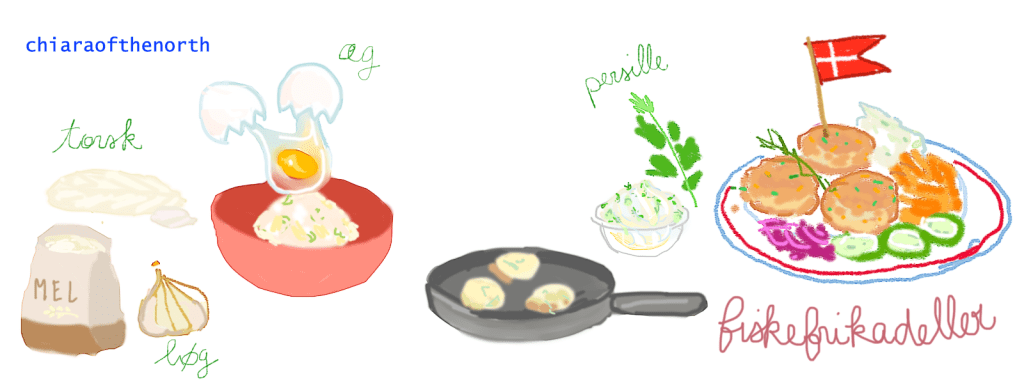
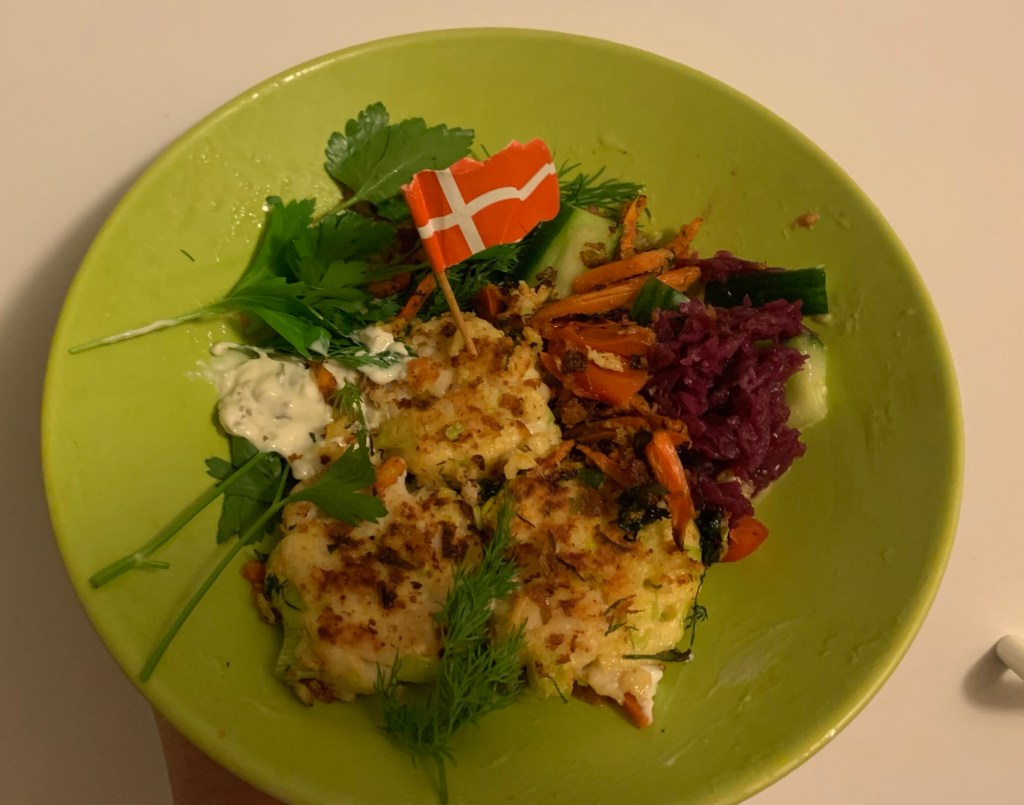
3. Fiskefrikadeller – Danish fishballs
Make balls after mixing fish chunks (I have used pangasius and cod) with egg, flour, spring onion – I also like to add carrot bits -, Fry them in a pan on both sides. Garnish with herbs as parsley. Complete the plate with some fresh veggies to the plate as cucumber and red cabbage. Enjoy the fishballs with remoulade sauce as the Danes do!
Here are pictures of my experiments:
räkmackalohikeittofiskefrikadeller
Disclaimer: these are my creative versions, and I do not follow 1:1 classic recipes. You find plenty of other references online! You can still see more Scandinavian and Nordic food on this blog, from my trips in Scandinavia and to Nordic cafés elsewhere.
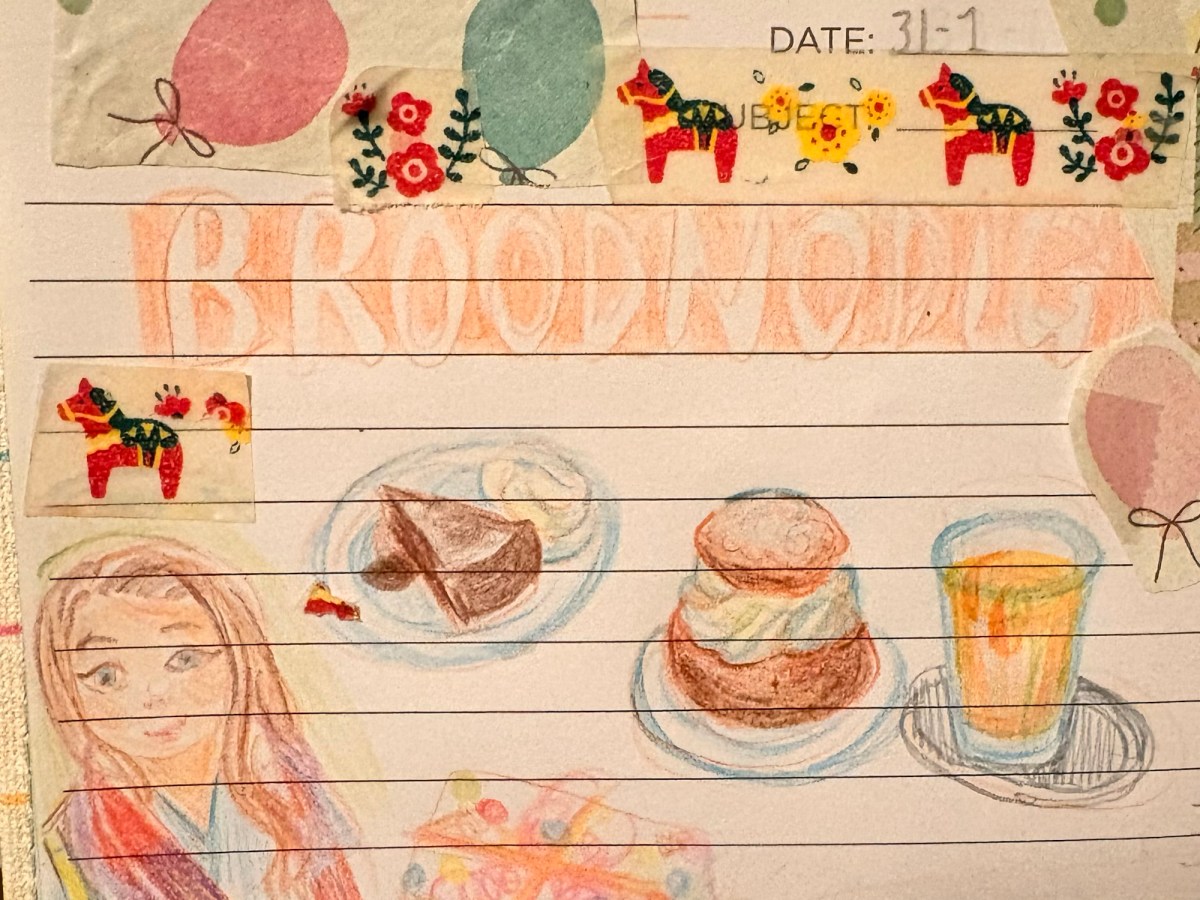
In Utrecht, the cafe Broodnodig serves Swedish pastries and cakes as cinnamon and cardamom buns, kladdkaka, smulpaj and Scandinavian seasonal treats as semlor and saffron buns.
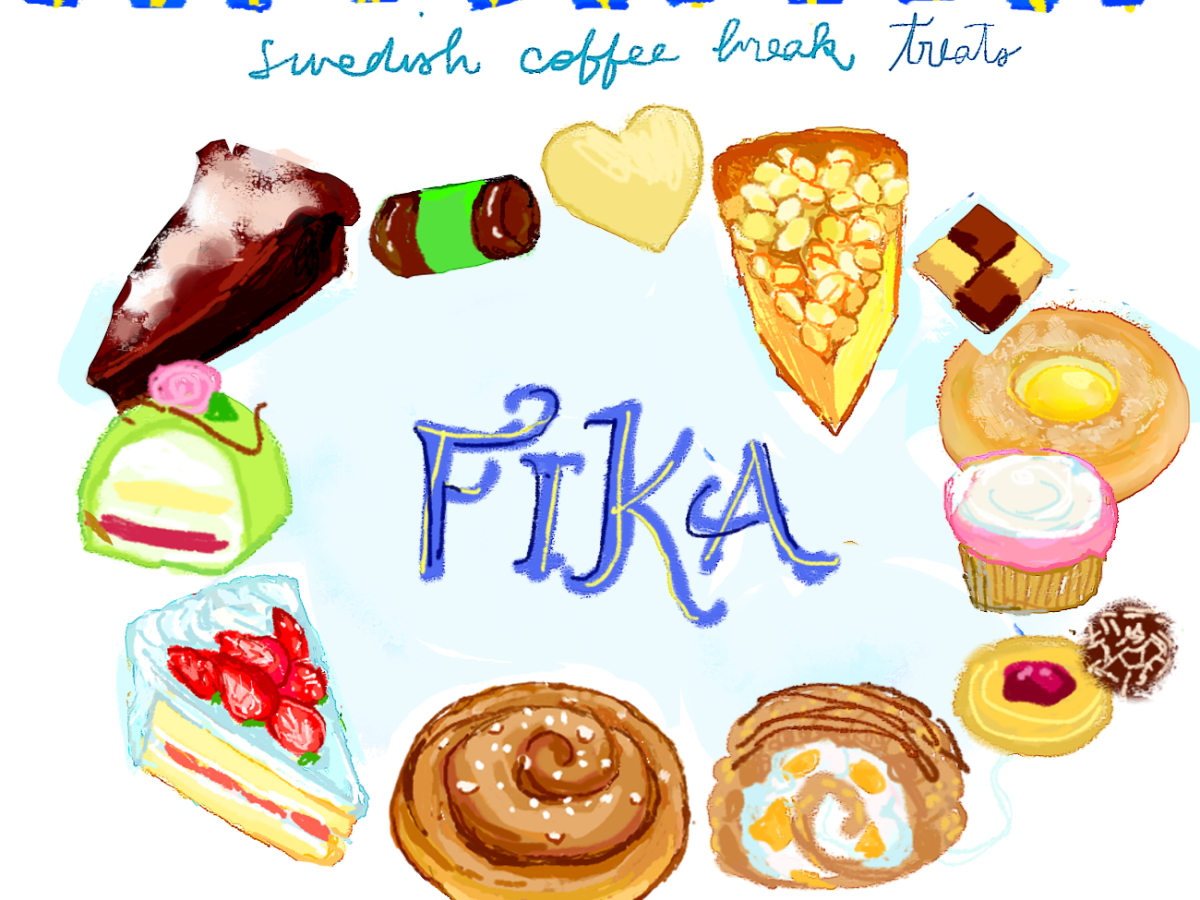
Fika is a cherished Swedish tradition involving a coffee and cake break. Discover various Fika treats, from classic kanelbullar (cinnamon buns), cakes and cookies to savory options.
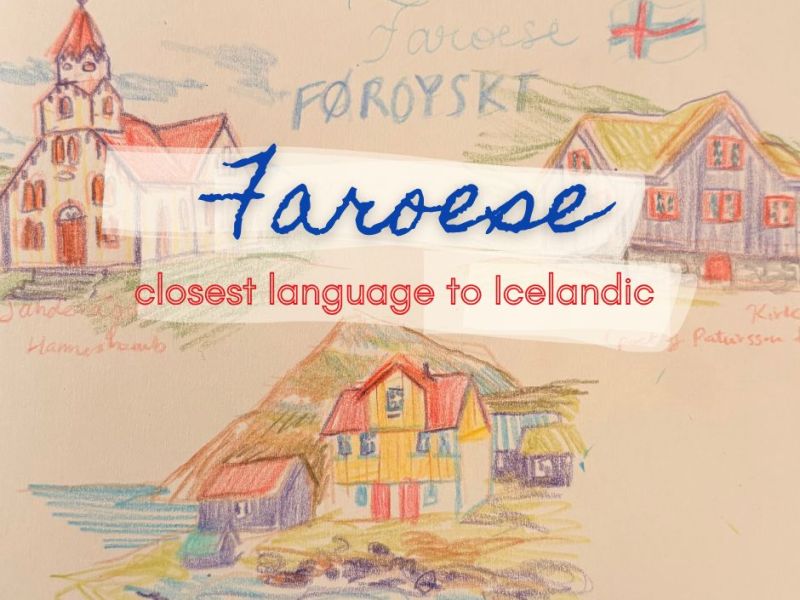
Discover Faroese – today spoken by about 80,000 people in the North Sea archipelago- as Icelandic still has much in common with Old Norse in grammar and vocabulary
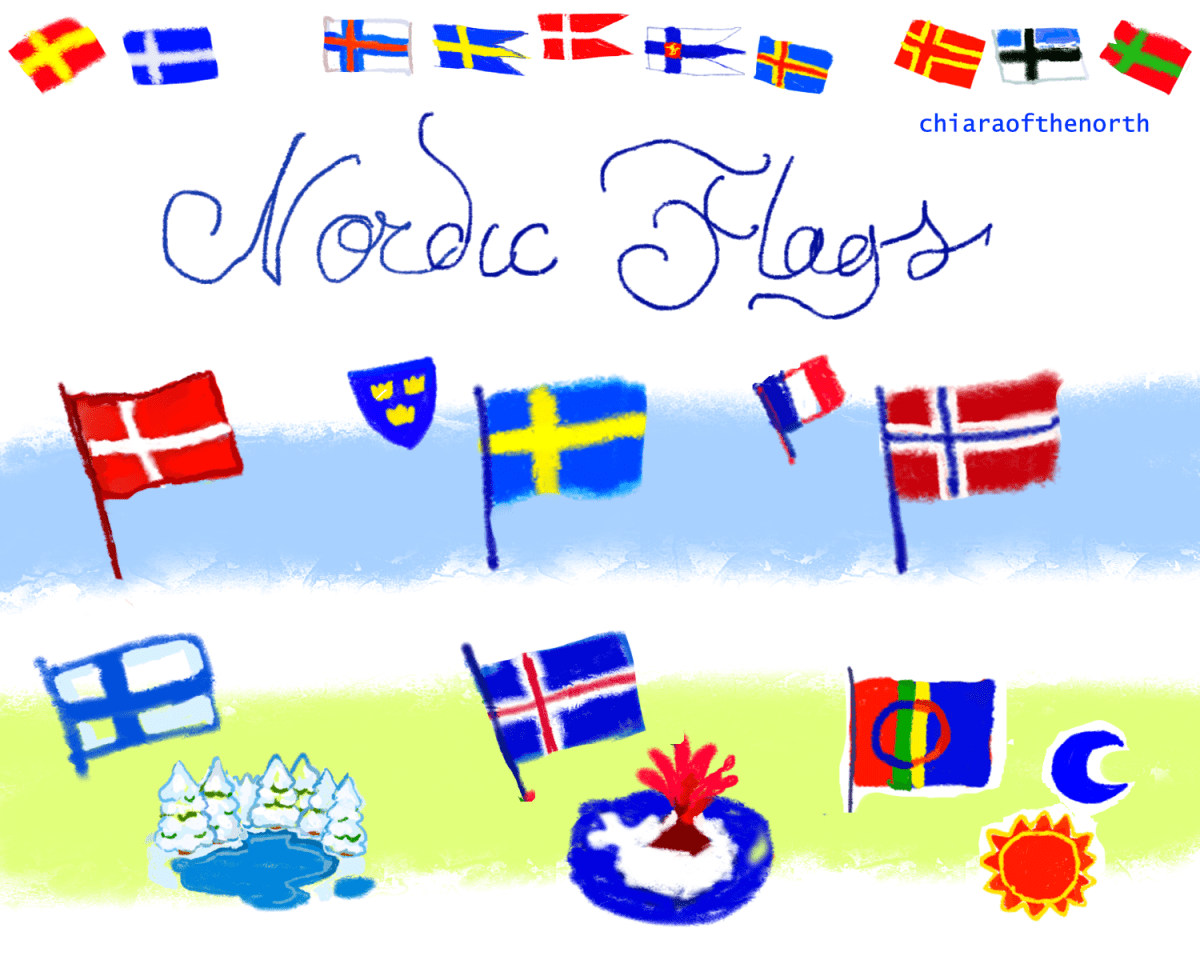
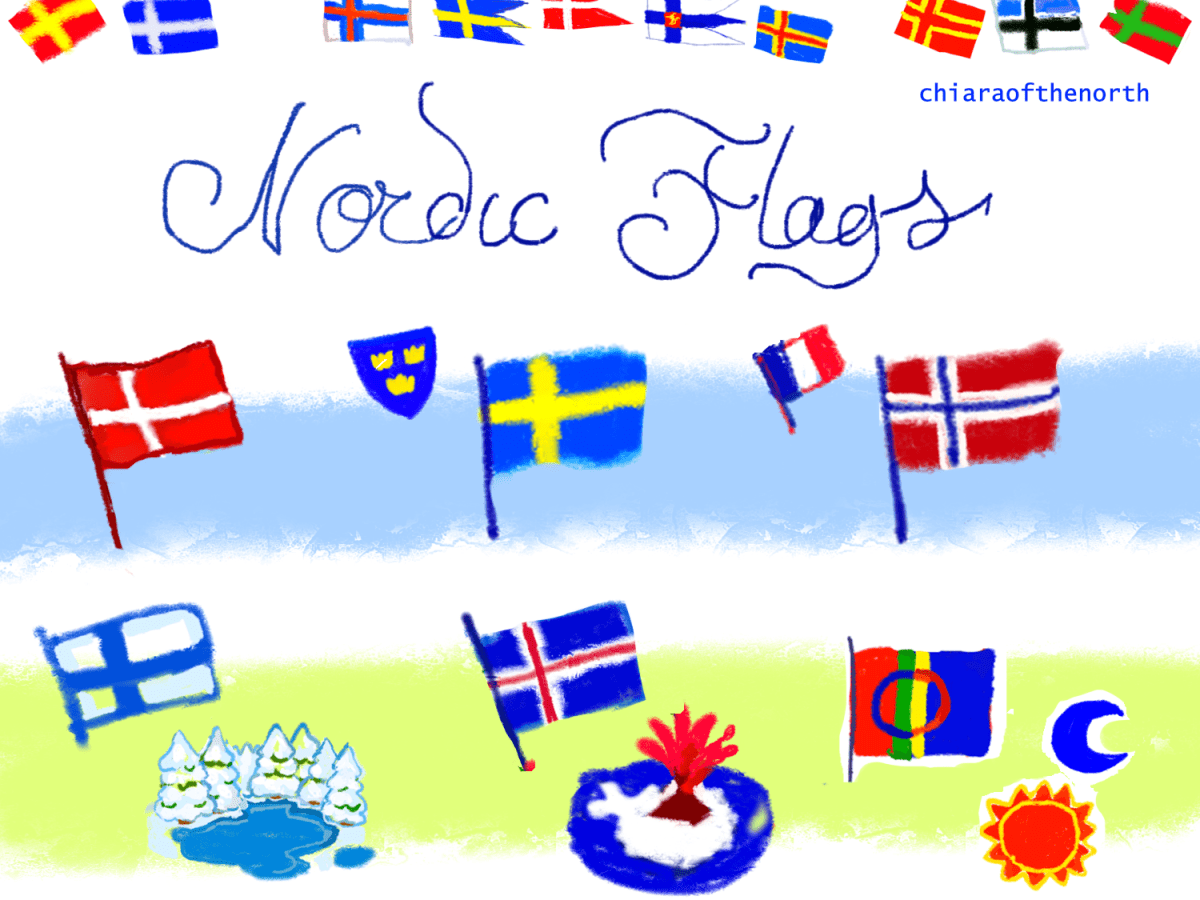
Origin and meaning of Nordic flags and other Nordic cross flags explained
Tomorrow, 23 March, is Nordic day, on this day the Helsinki treaty, establishing the Nordic Council, was signed in 1962. Its member are all Nordic countries and autonomous regions – includingÅland, the Faroe Islands and Greenland.
In honour of this occurence, I am writing this post explaining Nordic (cross) flags. Scandinavians and Nordic peoples in general really like to use their flag, which are common to see in various forms and occasions, from pennants to wooden table flags, as decoration for a birthday or on a Christmas tree. But let’s go back to history!
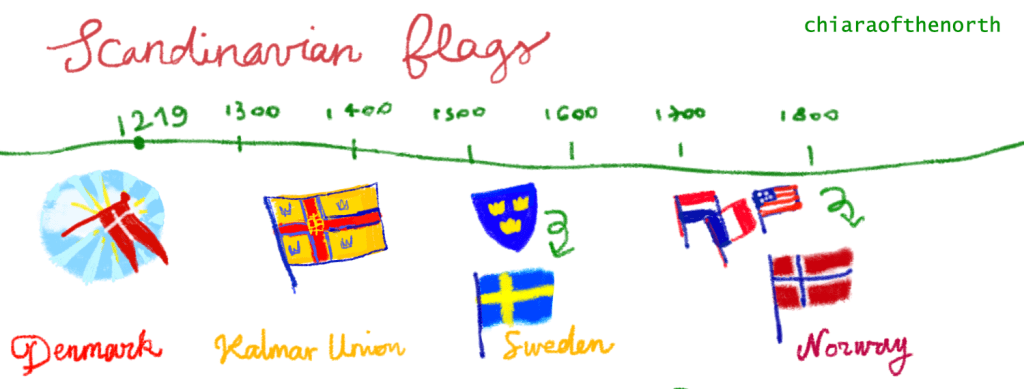
Where Nordic flags come from: Dannebrog, the oldest flag in the world
the Nordic cross flags originated from the Danish flag, the oldest flag in the world! Also called Dannebrog, according to the legend it fell from the sky during a battle in Lyndanisse (today’s Estonian capital Tallinn) in 1219, turning 800 years old few years ago! 15th June is celebrated as Valdemarsdag in Denmark, from Valdemar Sejr,the king who fought in that battle.
The flag of the Kalmar Union, union of Scandinavia (or Denmark and Sweden, with Denmark reigning over Norway) 1397-1523, also had a Nordic cross. The Danish flag then became the model for fellow Scandinavian countries:
Sweden officially got its flag 300 years later, with a design from the 16th century, with the colors -yellow and blue – taken from the coat of arms dating back to 1275. The day on which the flag is celebrated is June 6th, Svenska flaggans dag.
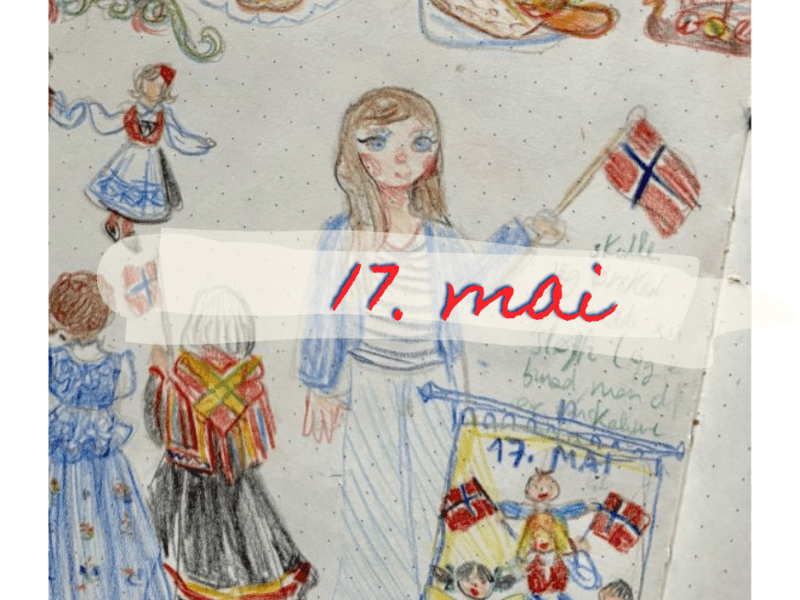
Norway‘s current flag appeared in 1821 – picked among a few different flag design proposals. It was the first Nordic flag with 3 colors, maybe inspired by the French revolution wanting to get rid of the Danes…parliament member Fredrik Meltzer from Bergen said ‘it means freedom, as the French flag, and in the Flags of the Dutch and Americans, and the Union of the English’. You will see a sea of flags everywhere on 17th May, Norway’s constitution day
2oth century Nature-inspired Iceland and Finland, Faroe islands and Åland
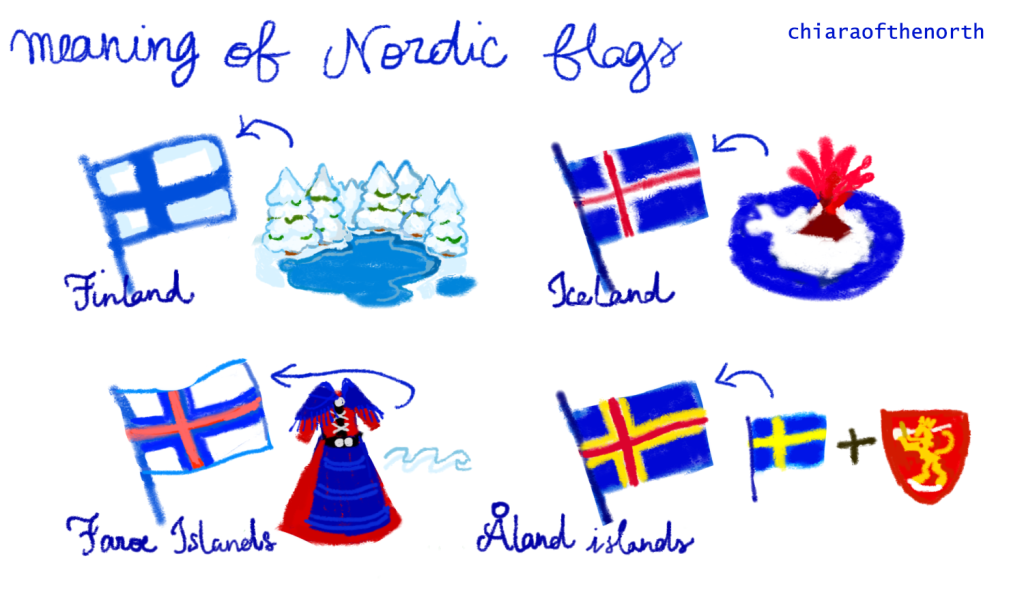
Iceland‘s official flag became official in 1915, based off its nature: according to the Flag Act the flag colours are “sky blue”, “fire red” and “snow white”. Iceland had previously an unofficial flag called Hvítbláinn, the ‘white-blue’, used by Icelandic nationalist activists from 1897 and after 1915 partly abandoned due to its similarity to other flags. Today it is still used by the Icelandic Youth Association among others.
Finland‘s flag, called Siniristilippu“blue cross flag”, was adopted in 1917. The colors would represent the lakes Finland is rich of and snow. Finland has a Day of the Flag, Suomen lipun päivä, which also happens to be Midsummer (or Juhannus in Finnish), a very important day for the Nordics! On this day the Finnish flag is raised on Midsummer eve on 6pm, until 9pm of midsummer itsself.
Faroe Islands flag is called Merkið “drape / mark”, with a white background symbolizing the foam of the sea and the pure, radiant sky of the Faroe Islands, while the old Faroese blue and red colours are reminiscent of other Scandinavian and Nordic flags, also reminding the colors of traditional Faroese clothing. Faroese students in Denmark strongly felt the need to have their own flag, and in 1919 their newly created flag was hoisted for the first time by a student in his home village. On 25 April 1940, the British Authorities officially recognised the Merkið as the Marine Flag of the Faroe Islands. This day became later the Faroese flag day, Flaggdagur.
Åland islands, the autonomous Swedish-speaking archipelago belonging to Finland, mixes Sweden and Finland in its flag, where the red cross represented Finland as the color of its coat of arms. The red cross used to be blue, with the colors taken from a song festival in the capital Mariehamn. Since 1954 it has been the official flag of Åland, April’s last Sunday is the flag day, Ålands flaggas dag.
Regional, minority and other unofficial nordic cross flags
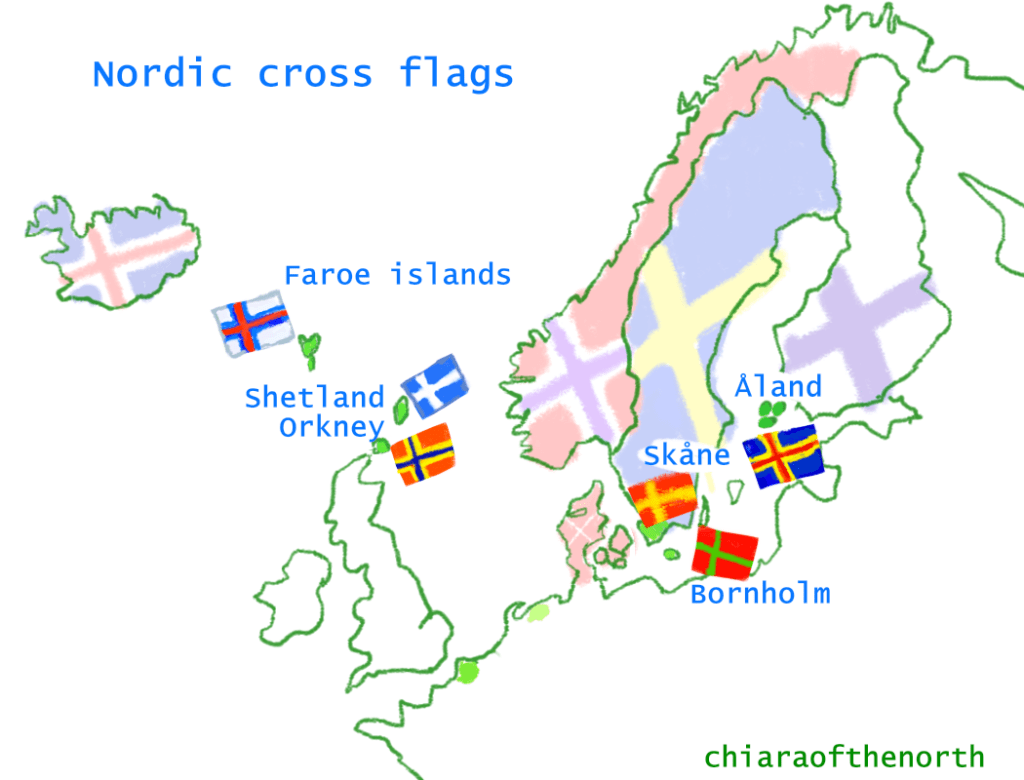
On this map I added official or widely used flags, not adding therefore Normandy and proposed flags
Skåne – The flag of Scania is actually quite old, and has its origin in the historical coat of arms of Lund’s (Danish) archibishop of Lund, older than the Danish Dannebrog! The Nordic cross flag was made up in the 1800s though. The third Sunday of July is Skåne flag day. skaneflaggan.nu
Finnish/Swedish minority: Flag mixes – Finland’s Swedes (looks actually the same as Skåne flag, red stands for Finland as above for Åland) and Swedish Finns, Finland’s flag with a yellow lining around the cross.
Bornholm – The island’s unofficial flag is from the 70s, designed by Bent Kaas. Green would represent the nature on the Danish island. It is mainly used in tourism and to mark local products.
Unofficial Nordic cross flags have been created for Swedish regions as Norrland, Bohuslän, Småland among others, and the Swedish Baltic Sea islands of Öland, and Gotland, although these are not really used.
Nations with Nordic ties- scandi heritage
Shetland and Orkney for their Nordic heritage, historical and cultural ties of the Scottish islands with Scandinavia. Shetland‘s flag was created in the 60s for the 500 years since its transfer to Scotland from Norway (after belonging to Norway for as long). A Nordic cross with Scottish colors. Orkney‘s flag was chosen in 2007, after a public consultation (all proposed flags were a Nordic cross). Yellow and red from Scottish and Norwegian royal coats of arms, Blue representing Scotland and the Sea.
Normandy‘s Saint Olaf flag: mainly used by regionalists movements, its name comes from the Norwegian kind Olaf Haraldson, probably baptised in Rouen, remarking the region’s viking origin.
Nordic cross flags were also proposed for Estonia in 1919, to remark its Nordic (rather than Baltic) identity and historical ties.
A cool Nordic cross flag was also proposed for Frisia, probably due to the part of Scandinavian heritage Frisian people (scattered between the Netherlands, Germany and Denmark) have.
Nordic indigenous nations without Nordic cross: Greenland and Sami people
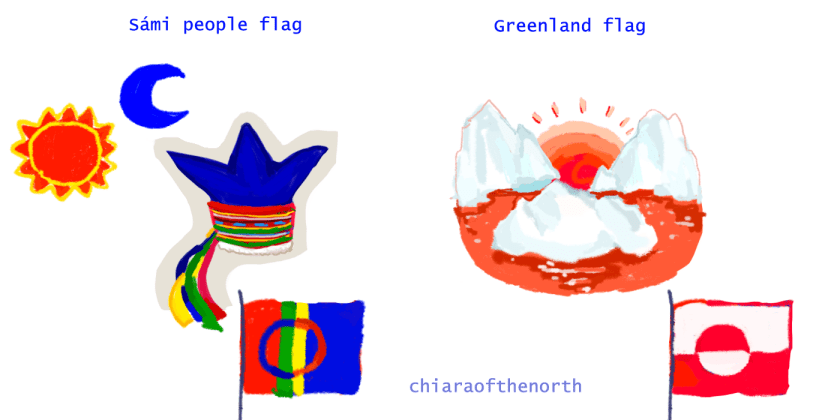
Greenland and Sami people have a flag since 1985 and 1986, both Inuit and Sami people adopted a sun/moon symbol instead of a cross, more typical of indigenous people and their connection to nature. the sun symbol was kept however in the same left-aligned position as Nordic crosses. Greenland has had a Nordic cross flag proposal – you might guess, green was in it- , but the Greenlandic iceberg landscape-inspired design by Tue Christiansen was eventually chosen instead. its name is Erfalasorput,”our flag”. In the Sami flag sun and moon are represented as a circle. The first Sami flag, designed in 1977 by Synnøve Persens, was the simpler, red and blue with the yellow line, inspired by Sami traditional clothing. Astrid Båhl added the Green line (color more present in South sami clothing) and the circle.
sources
Norway: stortinget.no – Det Norske Flagg – et flagg i frihetens farger
Norwegian Seamen Churches all over the world host 17th May celebrations. I attended the festivities in Rotterdam, joining the parade and eating a pølse i lompe!
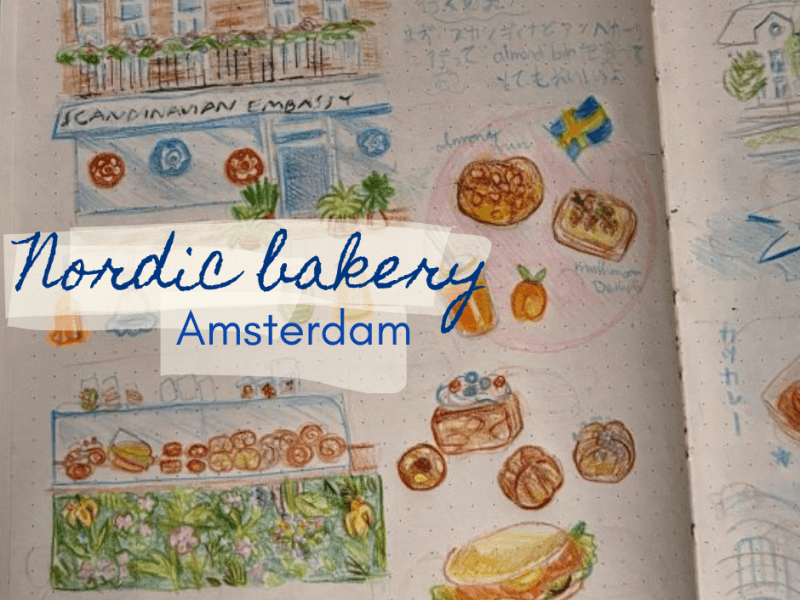
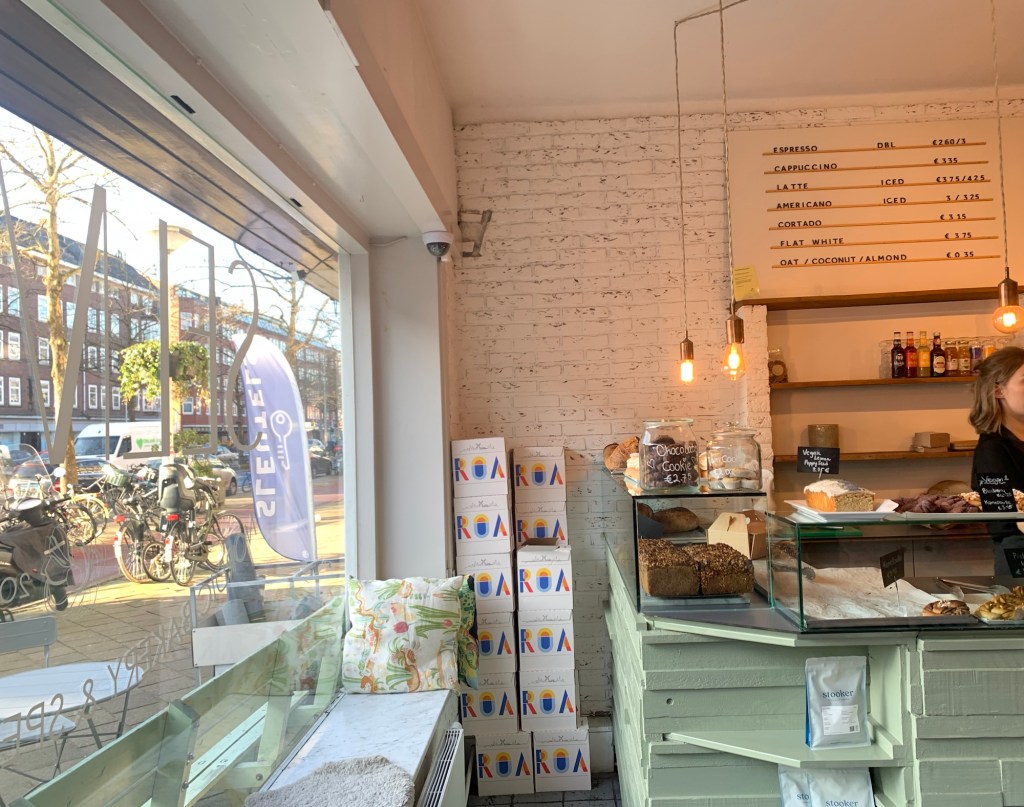
On a trip to Amsterdam, I decided to test Scandinavian Embassy and both of its two locations, starting with the bakery in europaplein. The two locations are in Amsterdam zuid: Saphatipark and Europaplein: in the former, a more central location, you can sit but it has fewer items than the bakery in Europaplein. The bakery,…
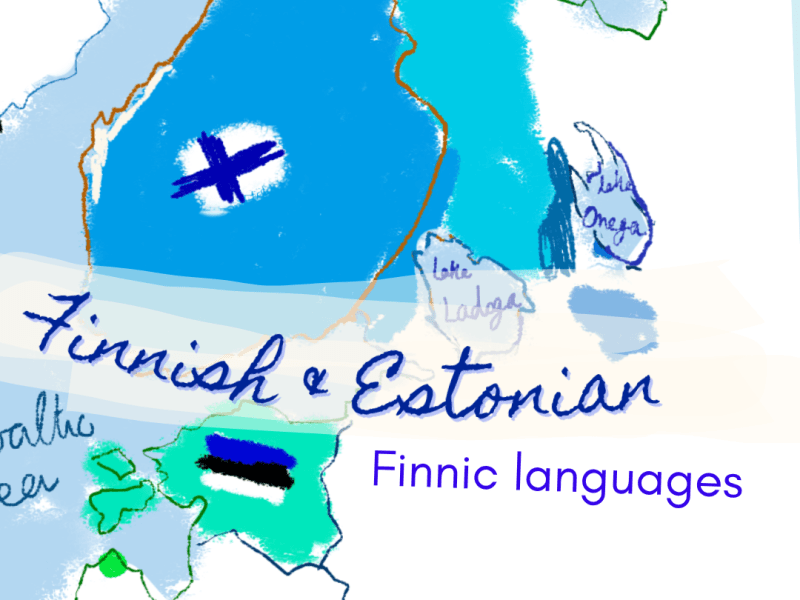
Estonian is a Finnic language, sharing many similarities with its ‘bigger’ sister Finnish, while being unrelated to all their bigger language neighbours
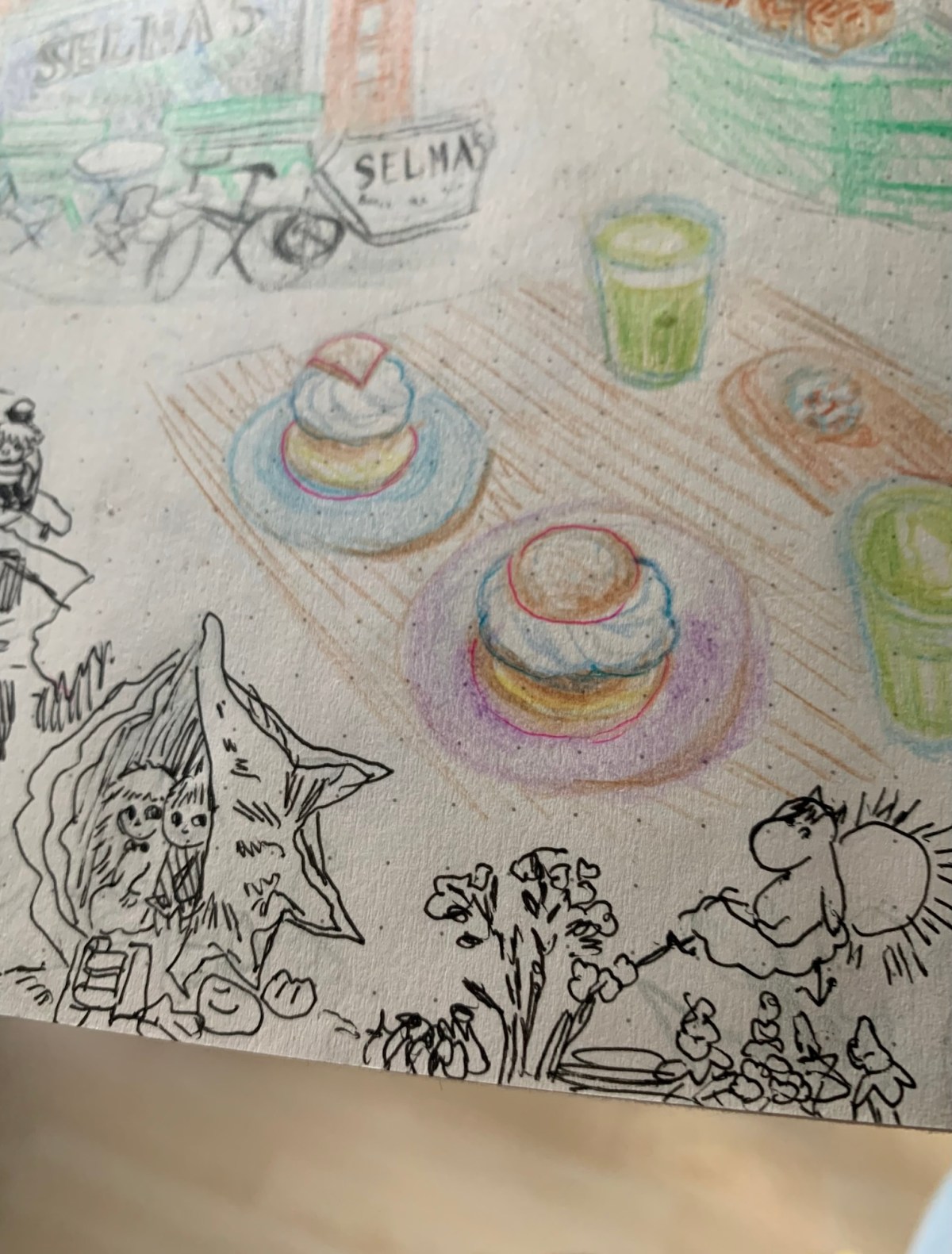
Trip to another Nordic bakery to enjoy a fika with a semla, and surprises on my way
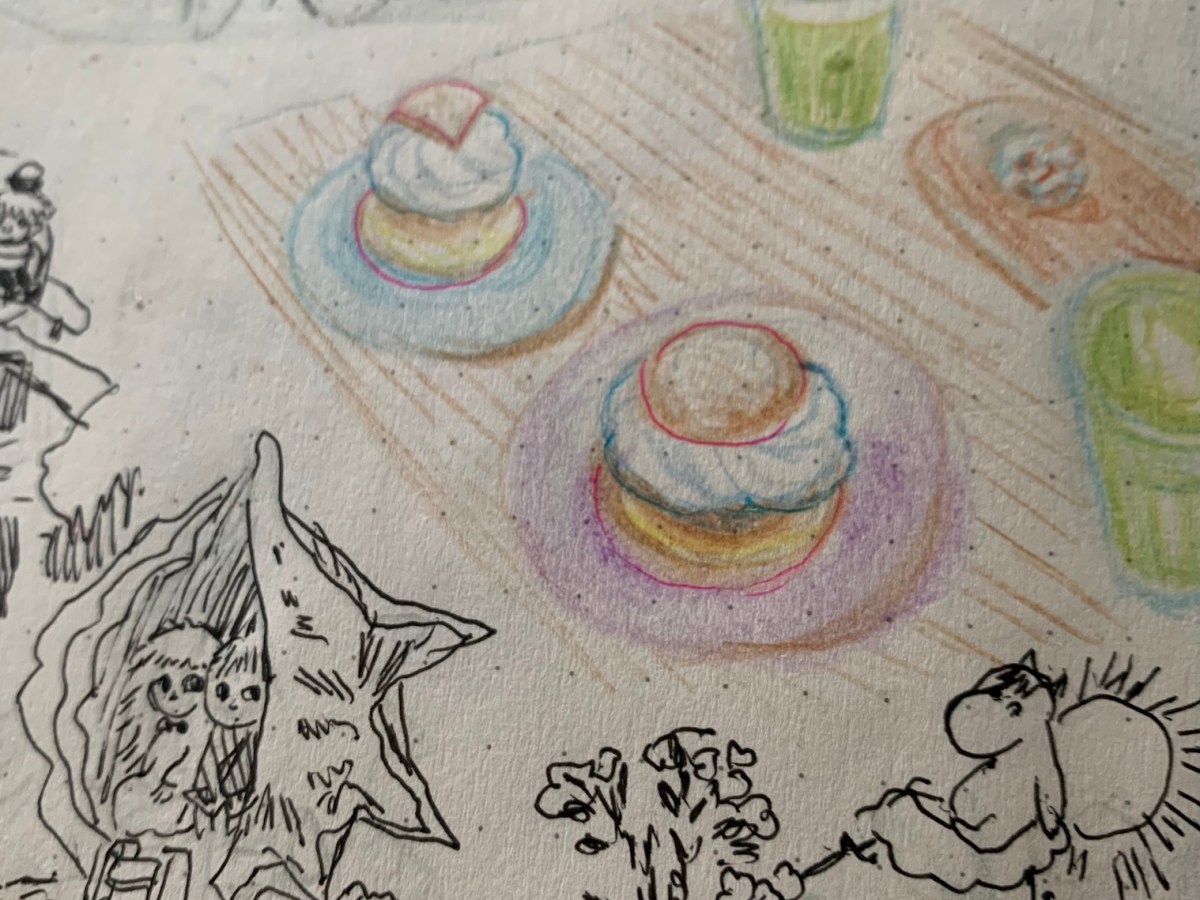
After getting a lussekatt during the Christmas season, I was really eager to also eat a semla, the whipped cream-filled bun which is eaten in the shrovetide season instead, culminating on Fettisdagen (fat Tuesday).
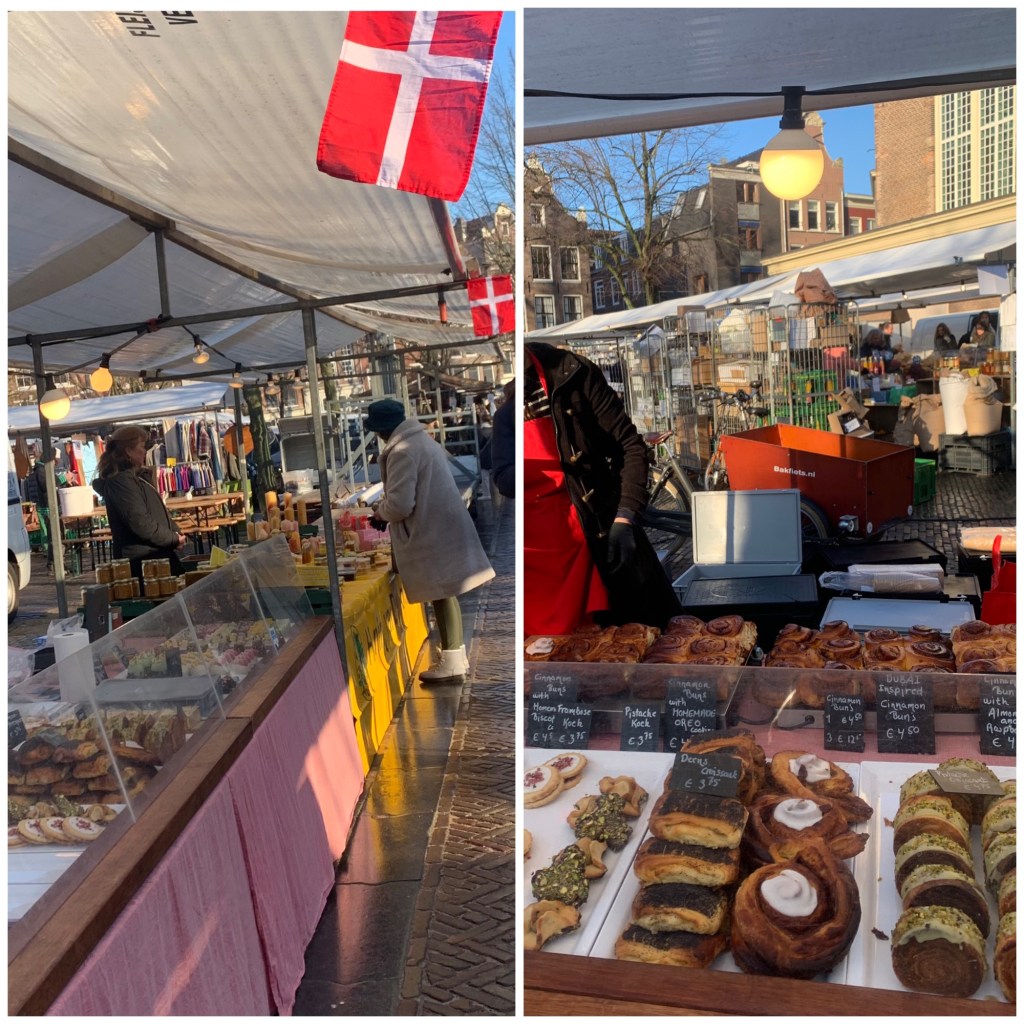
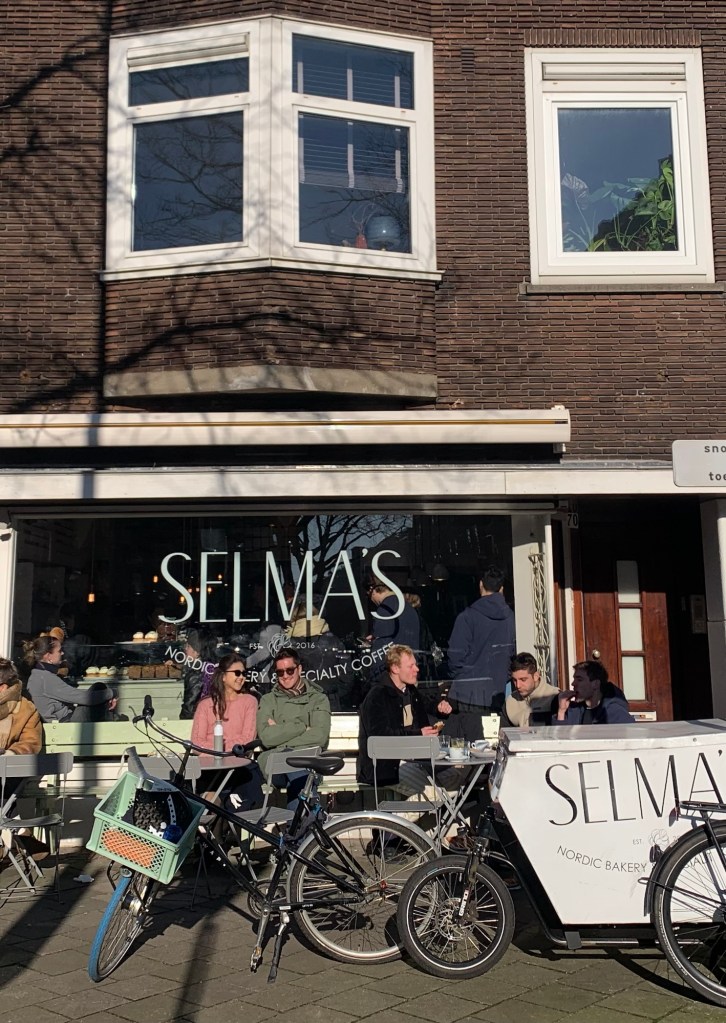
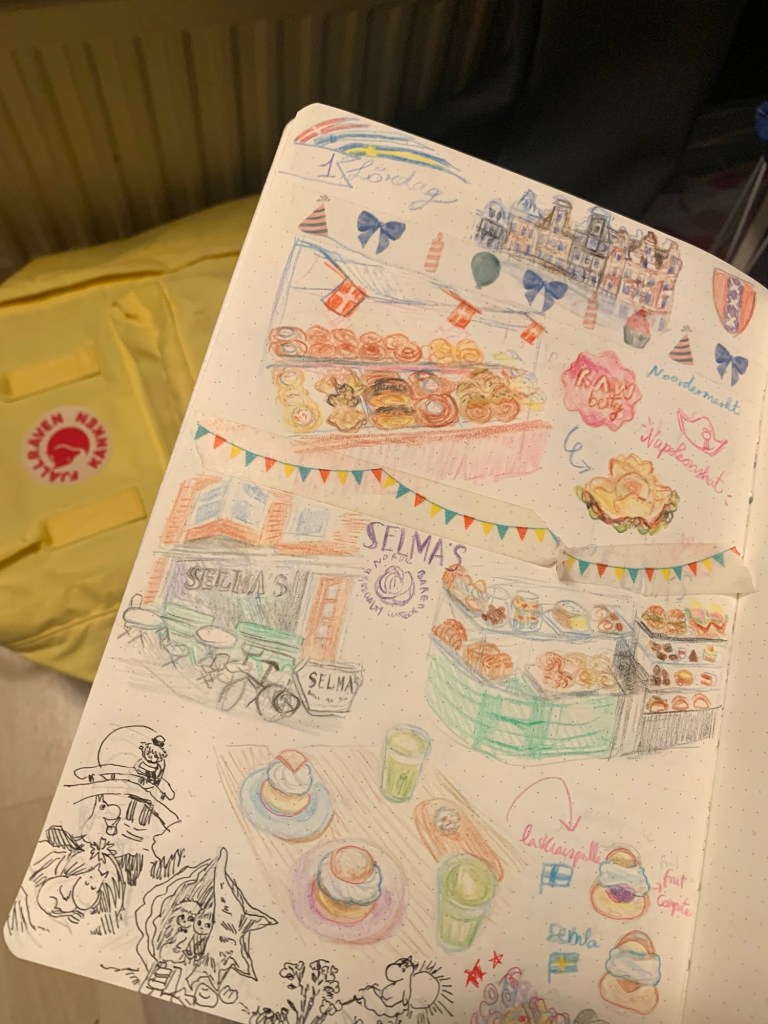
So I picked Selma’s Nordic Bakery in Amsterdam! On my way I randomly saw Danish flags at the Noordermarkt and happened to discover Raw Betty (Raw_betty42 on instagram), selling Danish delicious buns, cookies and cakes at Amsterdam markets. Read the article till the end to find out what I chose…
Raw Betty stand at Noordermarkt, Betty’s son also runs a hotdog stand, maybe I’ll get a pølse once!
We then walked forward on our way to Selma’s, located in Amsterdam West, around 30 minutes walking from Amsterdam Centraal. Which I was not upset about at all, because it would mean a well-deserved fika.
Selma’s also has a to-go location closer to the station, in the Jordaan area, but this time we wanted to sit and enjoy it.
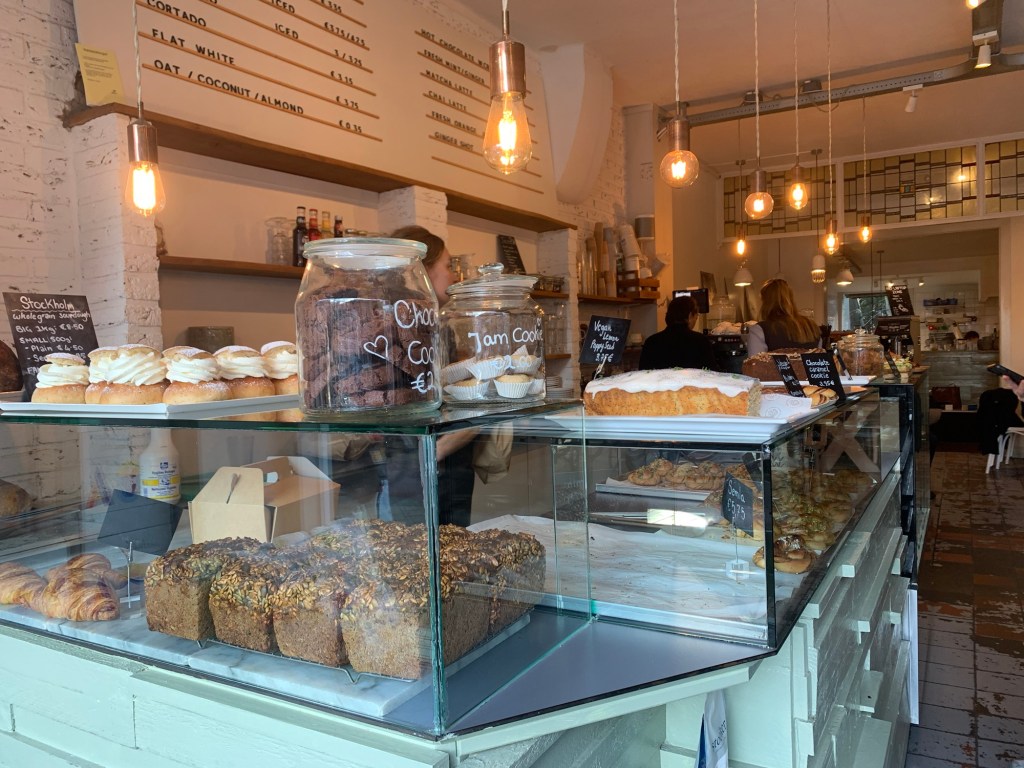
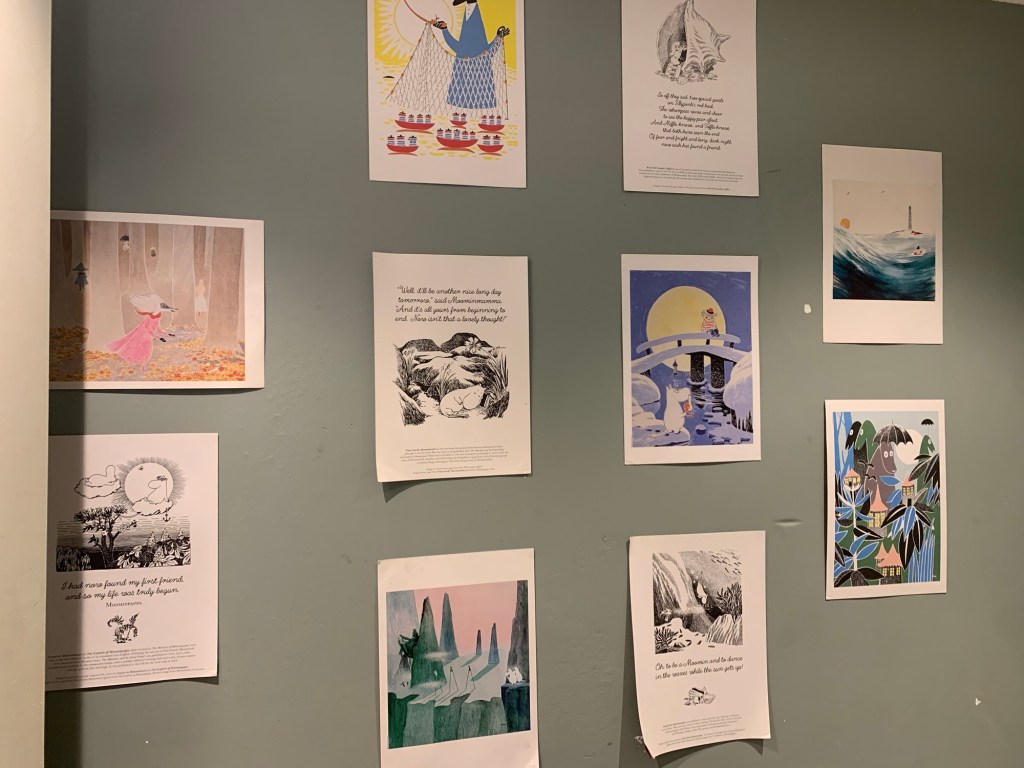
The interiors are also in a quite Nordic and pastellish style. The restroom even had moomin posters!
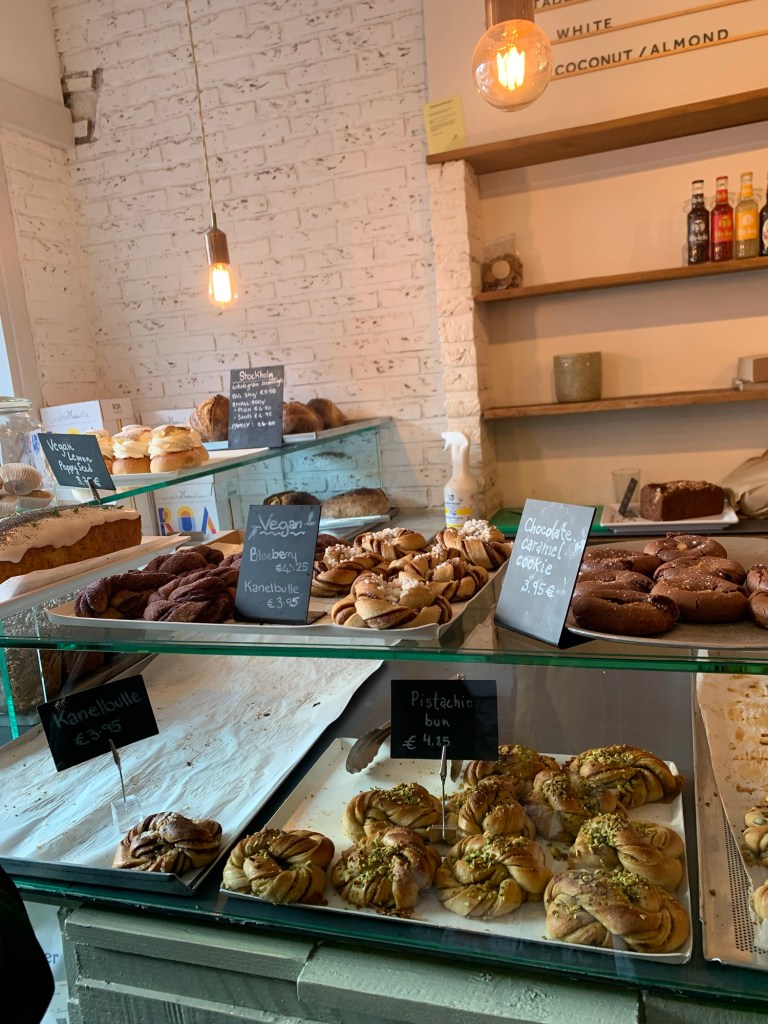
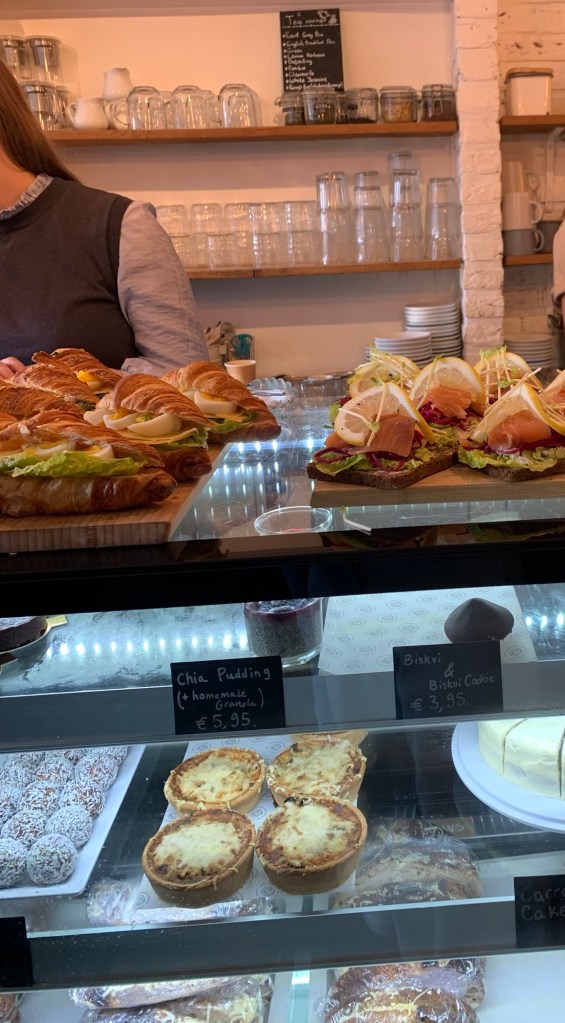
Rye bread loaves, cinnamon and pistachio buns and smørrebrød were among the sold products, among others classic fika treats as chokladbollar, biskvi and kladdkaka. Of course at this moment semlor had their own spotlight!
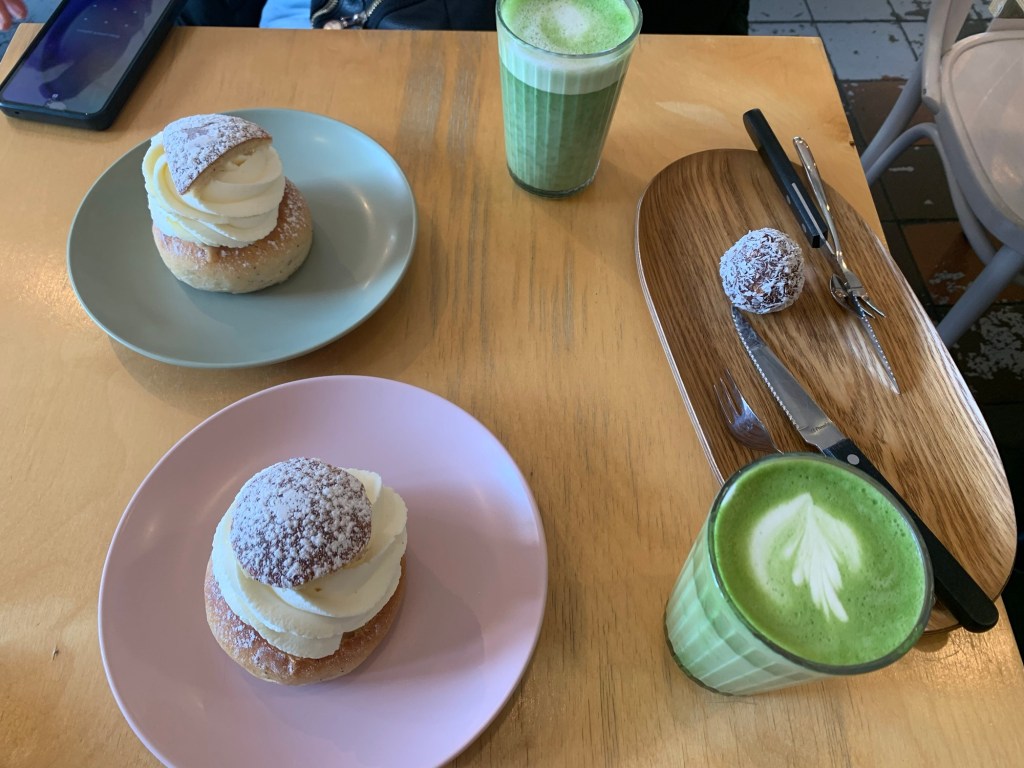
They sold 2 versions: the classic Swedish one with almond paste, and Finnish one, laskiaispulla with a fruit compote. Since I had already tried the classic one in Sweden last year, I went for the fruit compote. We had matcha latte as drink, which is not particularly Nordic but always delicious.
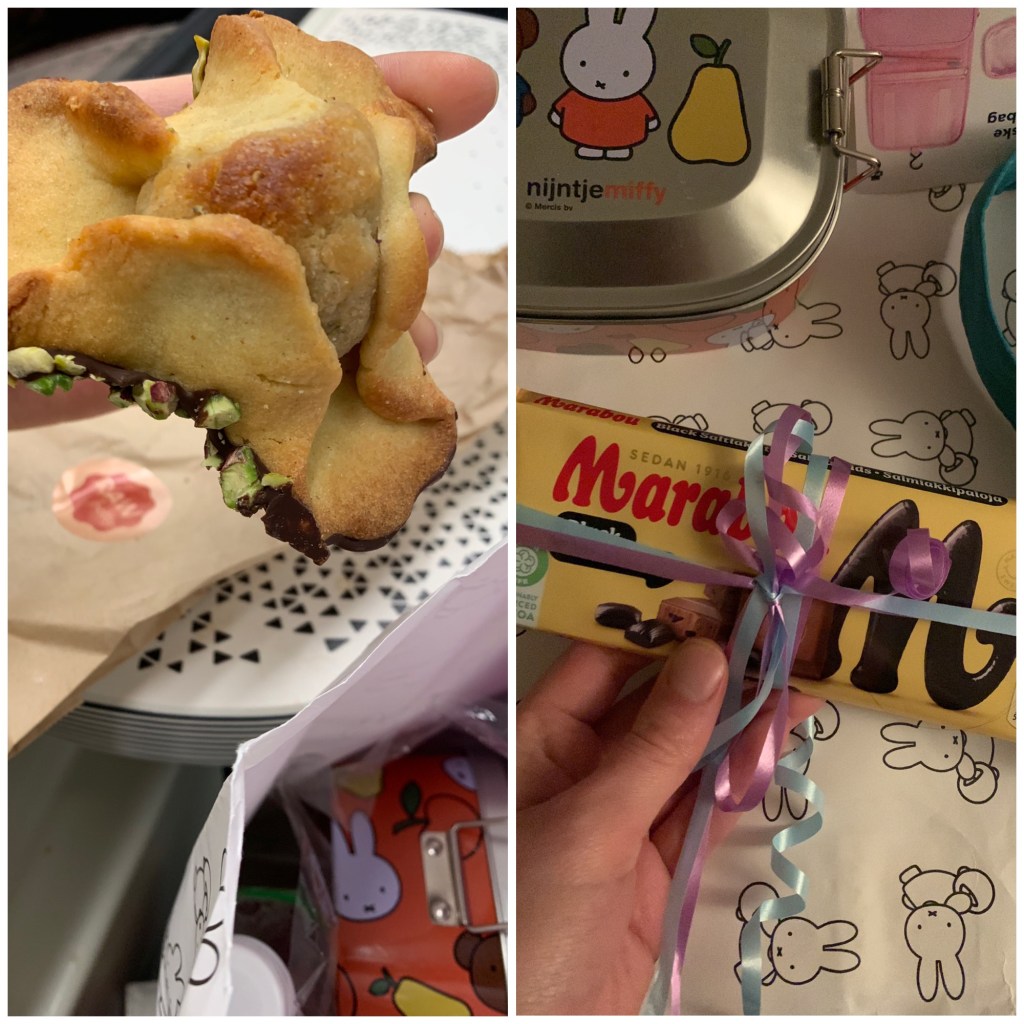
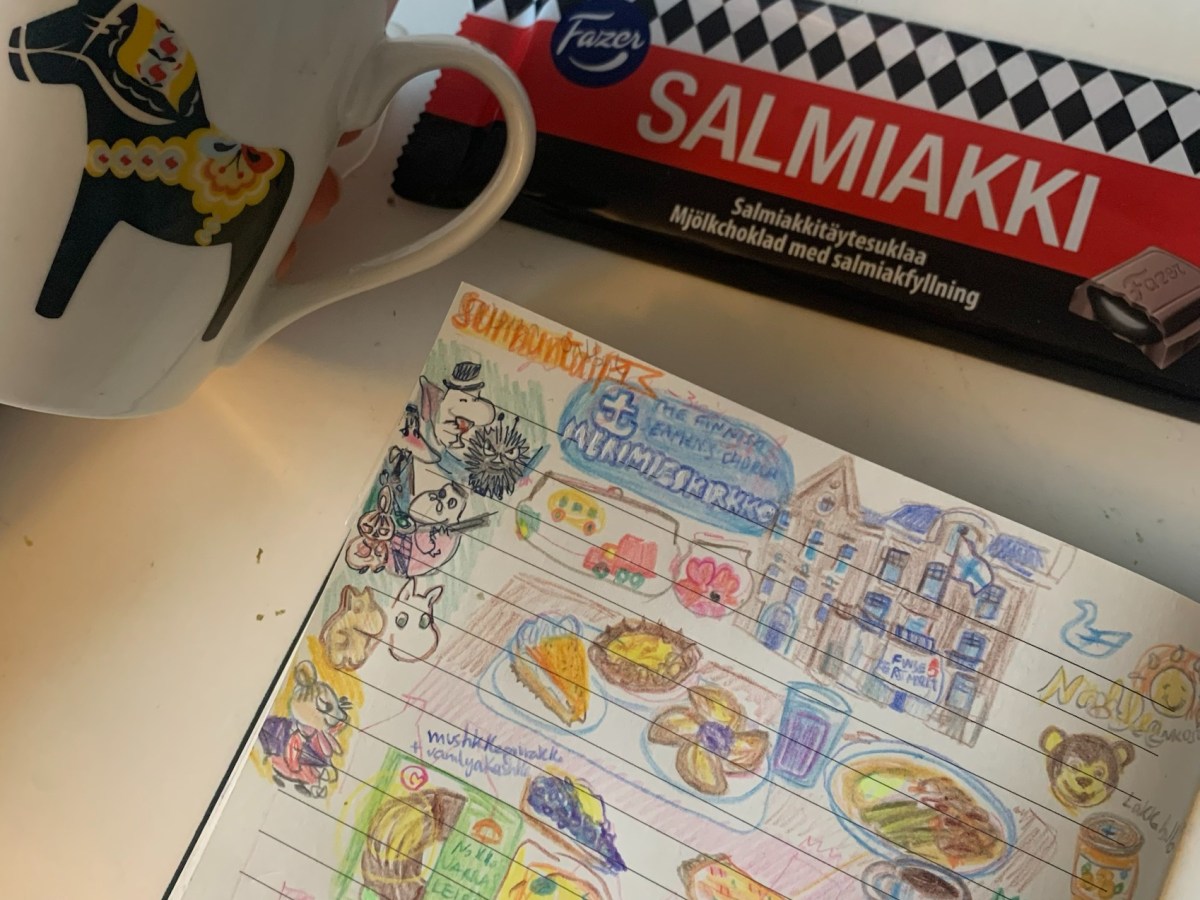
While at Selma’s, i also got my birthday present from my friend: liquorice Marabou (Sweden’s favourite chocolate brand)! I had actually got a salmiakki Fazer bar (Finland’s favourite chocolate brand) when I went to the Finnish seamen church for their Christmas market month before, and it was actually fun to compare! the Fazer one is slightly darker, with a bigger liquorice chunk, also a bit juicy, while Marabou has smaller, crispier pieces.
As for the Danish treat I got, that was a Napoleonshat! The name is as you can imagine a hint to its shape, a sort of butter cookie with marzipan inside, coated with chocolate, and in this case pistachio. mega lækker!
I already have plans for other Nordic trips to Amsterdam, so stay tuned to see more interesting places…!
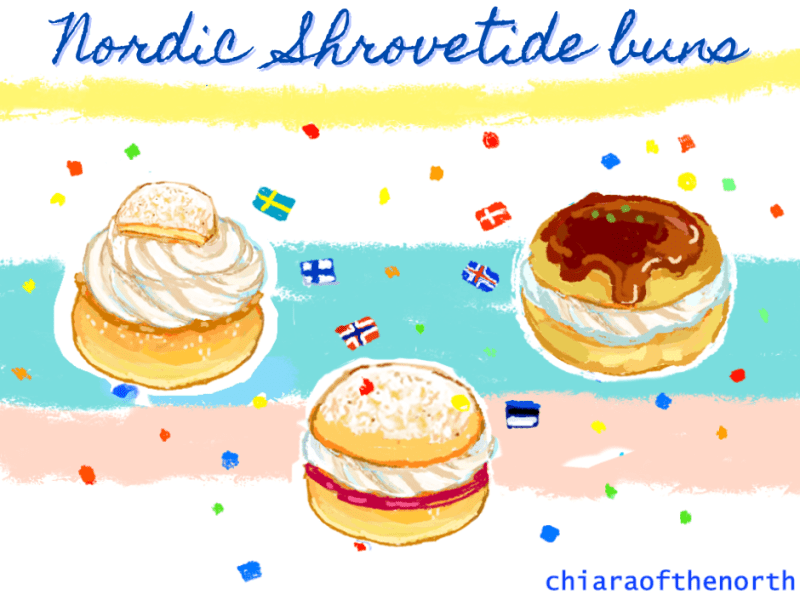
Cream buns are enjoyed in Nordic and Baltic countries during shrovetide, between January and February. Sweden’s classic semla has almond paste, while other countries variations include jam, vanilla cream, and chocolate icing top.
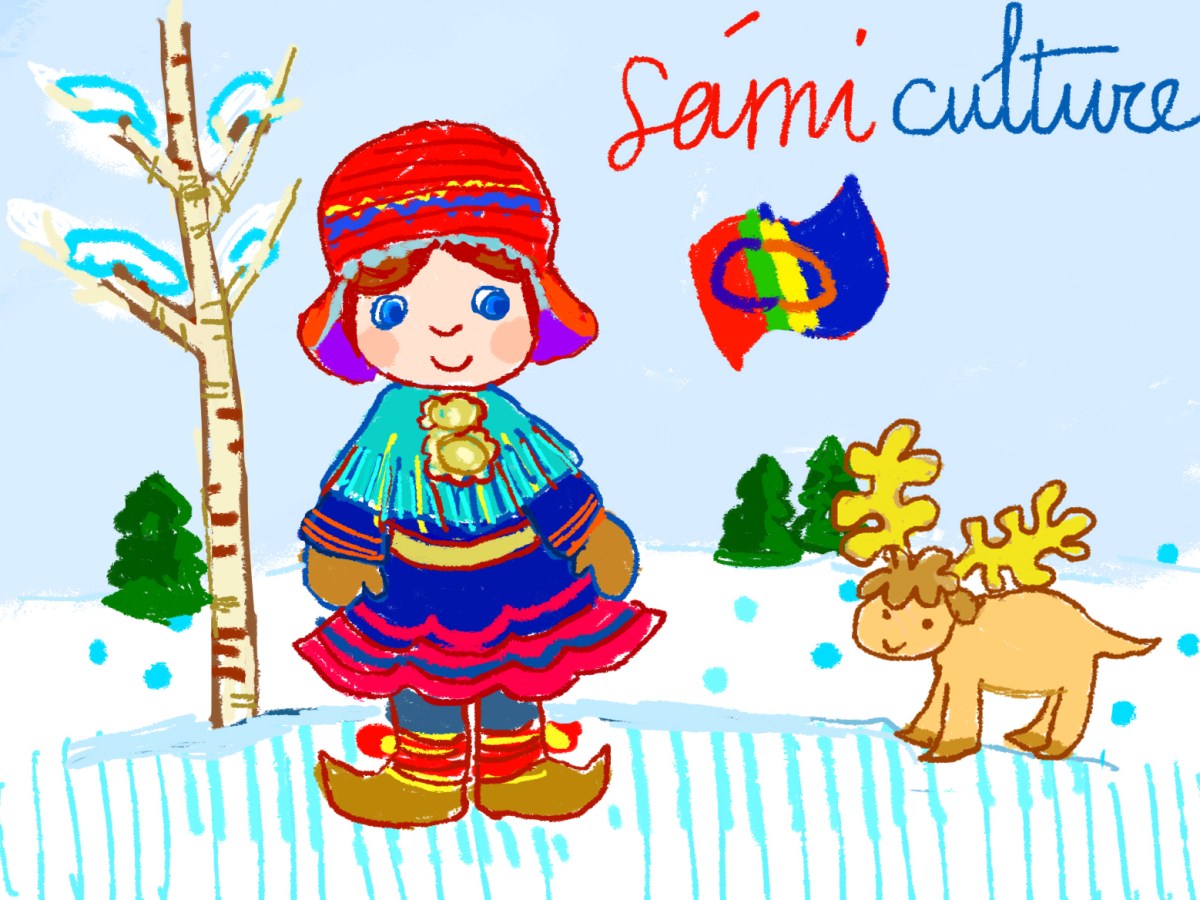
Sámi people, indigenous people of North Scandinavia, have a distinct culture, symbolised by its unique flag and traditional clothing, and part of it are Duodji handicrafts and unique musical expression through yoik.
A lovely place to have a Swedish fika or lunch in Den Haag – from bullar to Janssonsfrestelse
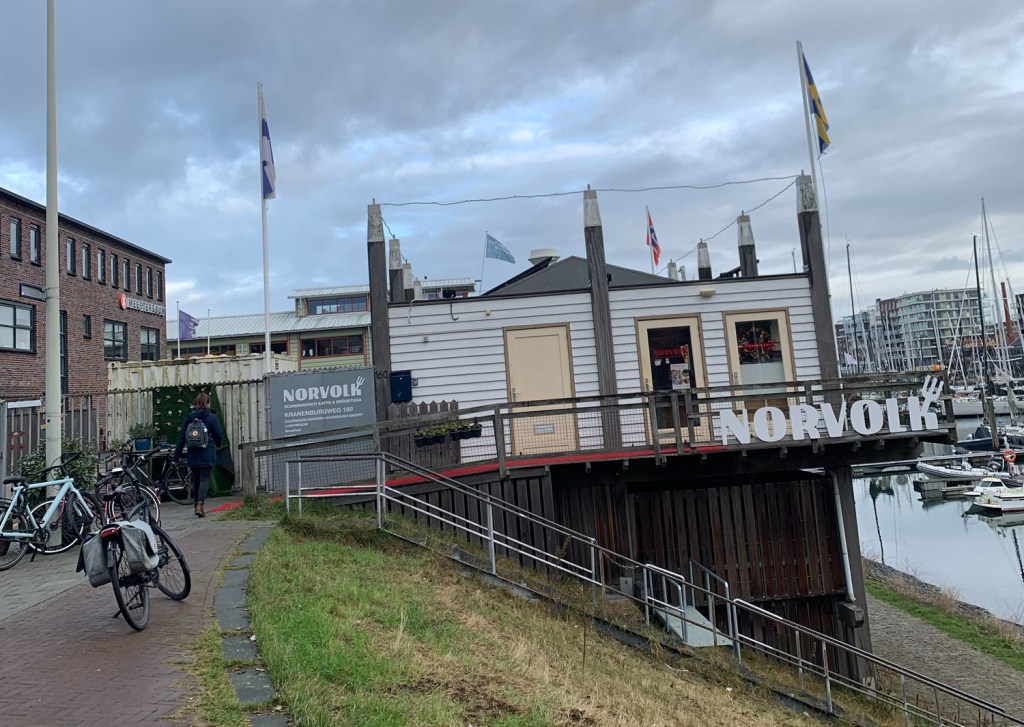
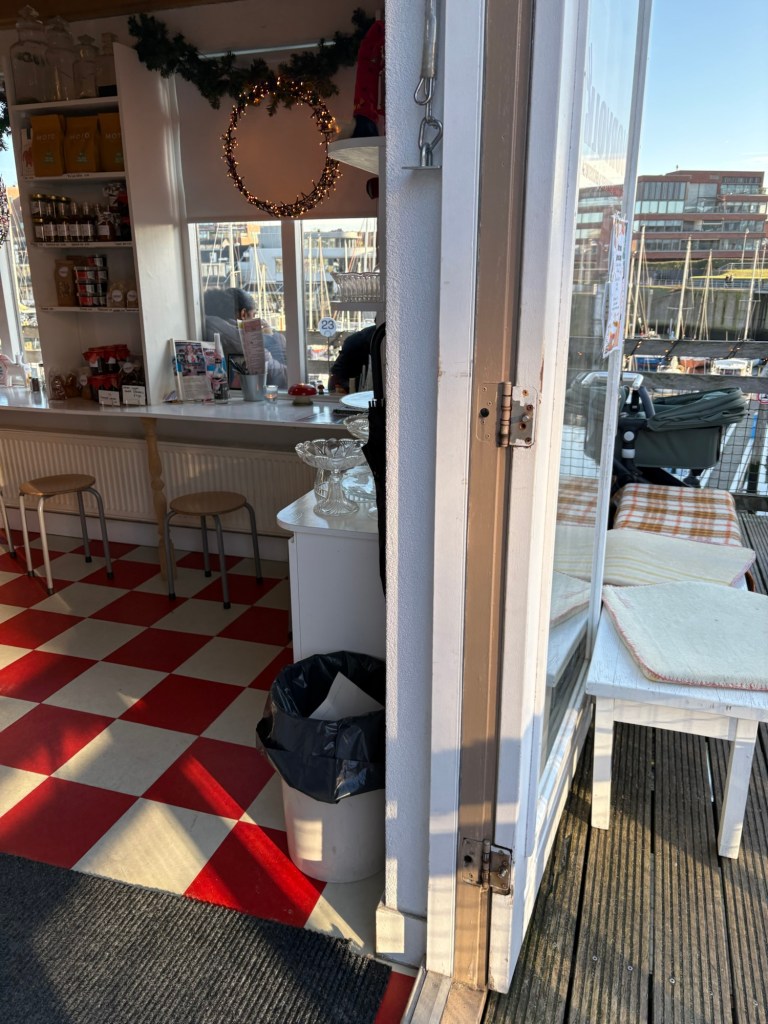
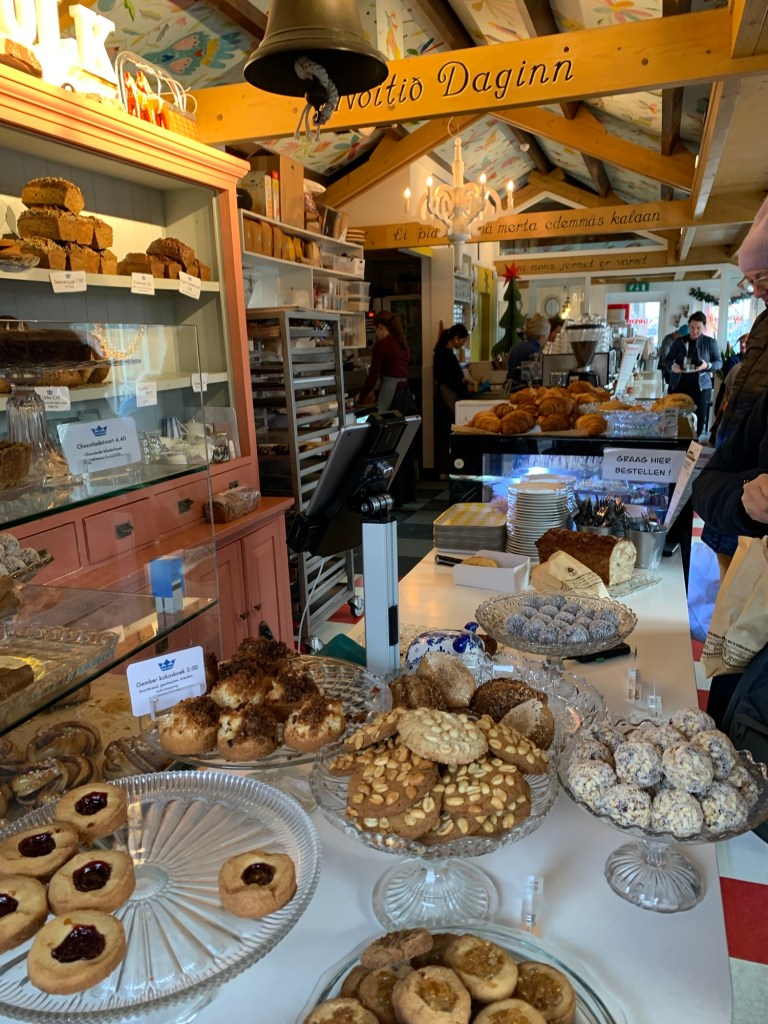
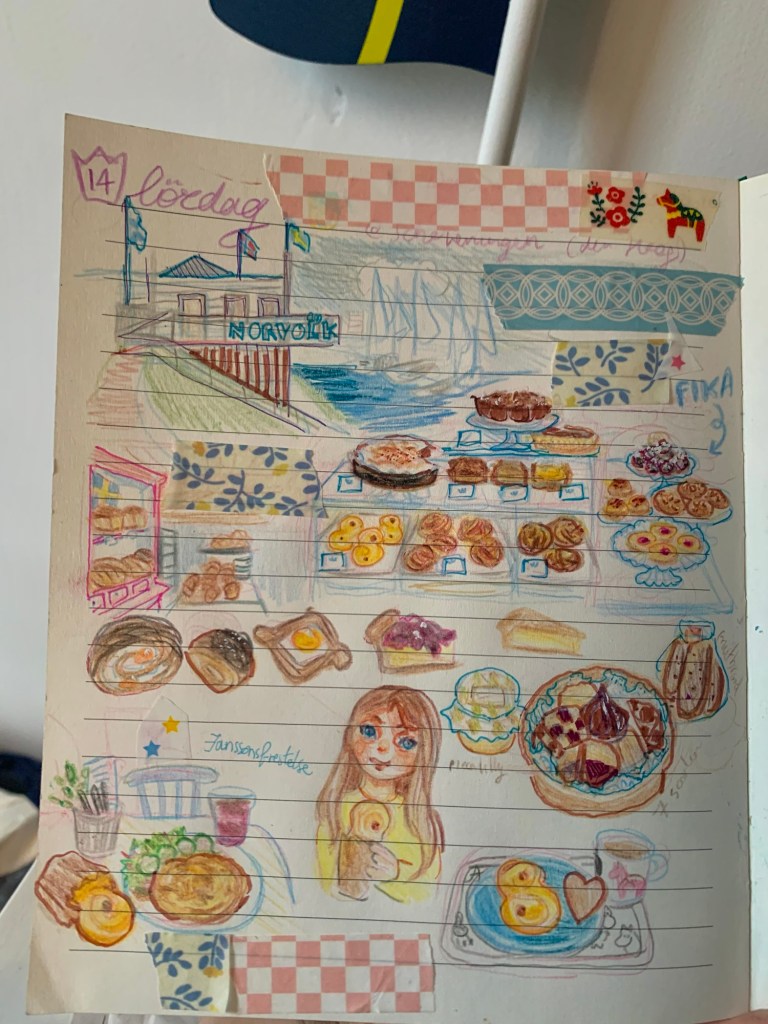
On my quest to find somewhere to buy a Lussekatt (Swedish Christmas time saffron bun) in the Netherlands, I found a lovely place in Den Haag: Norvolk. A Swedish / Scandinavian-inspired lunchroom and bakery, or Brödstuga, serving their freshly baked breadstuff, various cookies and cakes, and many open-face sandwiches.
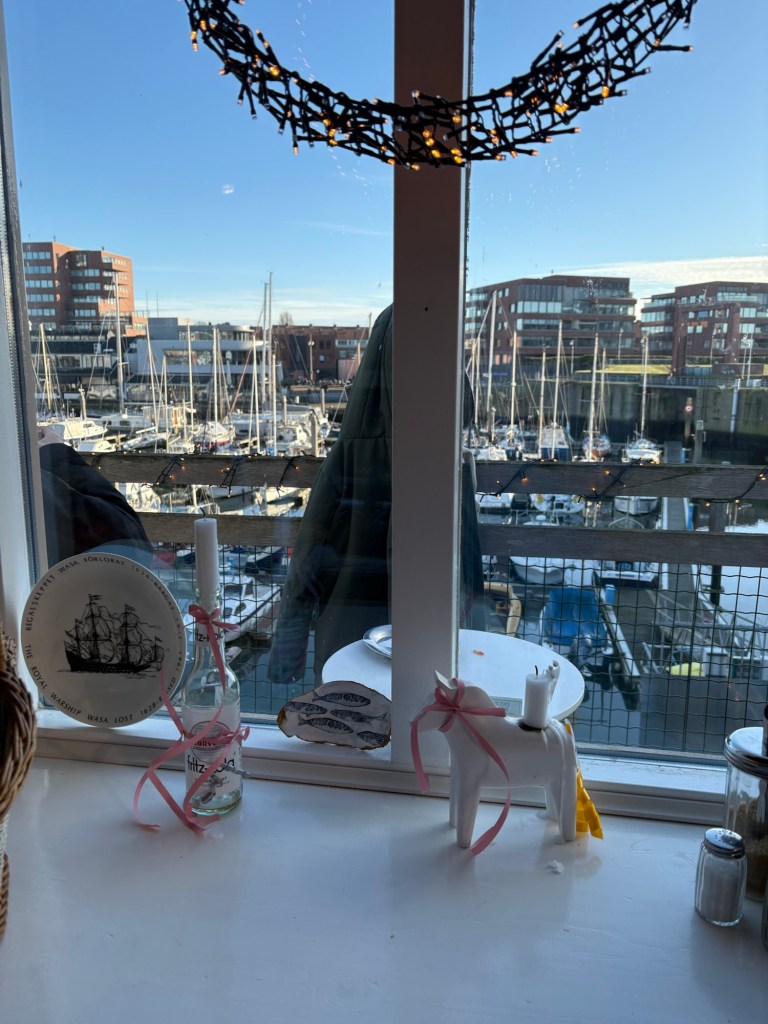
Norvolk is located in a pretty building right on the harbour of Scheveningen. You recognize it quite easily for the Nordic flags flying!
NL – Op mijn zoektocht naar een plek om een Zweedse saffraanbroodje in Nederland heb ik Norvolk gevonden, een Zweeds/Scandinavisch geïnspireerde lunchroom en bakkerij. Hier kun je vinden: kaneel- en kardemombollen; Zweedse cakjes als prinsessårta en Budapest rol; koekjes voor met de koffie vinden (hallongrottor, kokosbollar); Lunch opties als de Zweedse klassiek Janssonsfrestelse ‘Janssons verleiding’ – potato quiche with ansjovis of brood met Zweedse gehktballen, vis en meer. Zie alles onderaan!
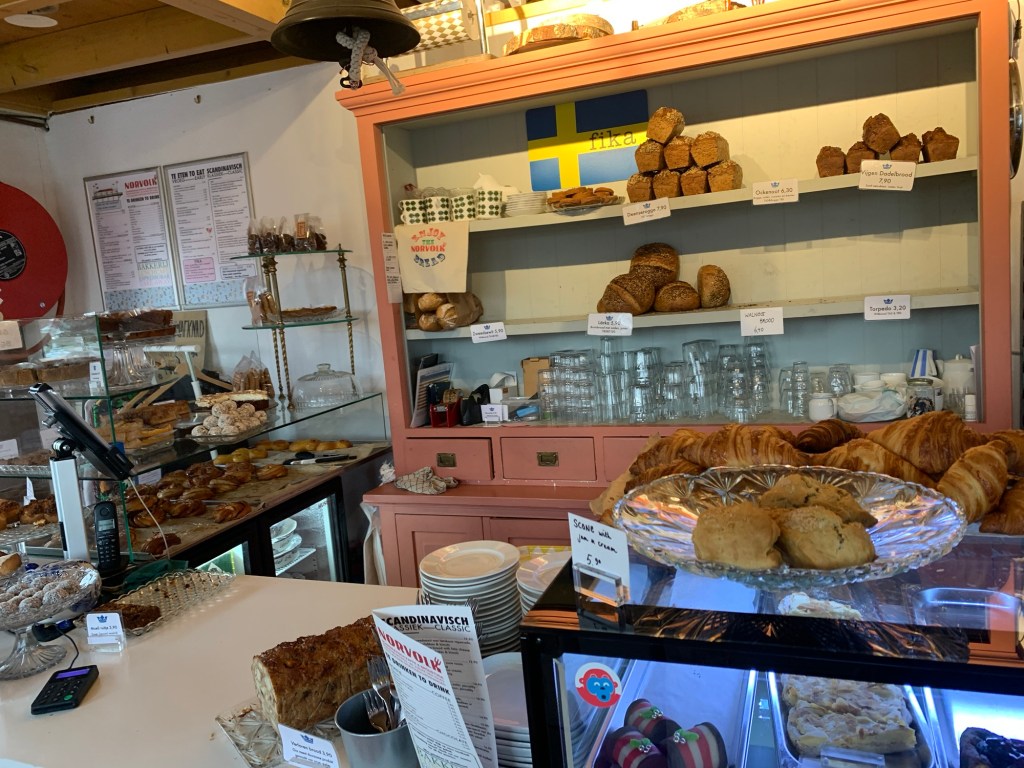
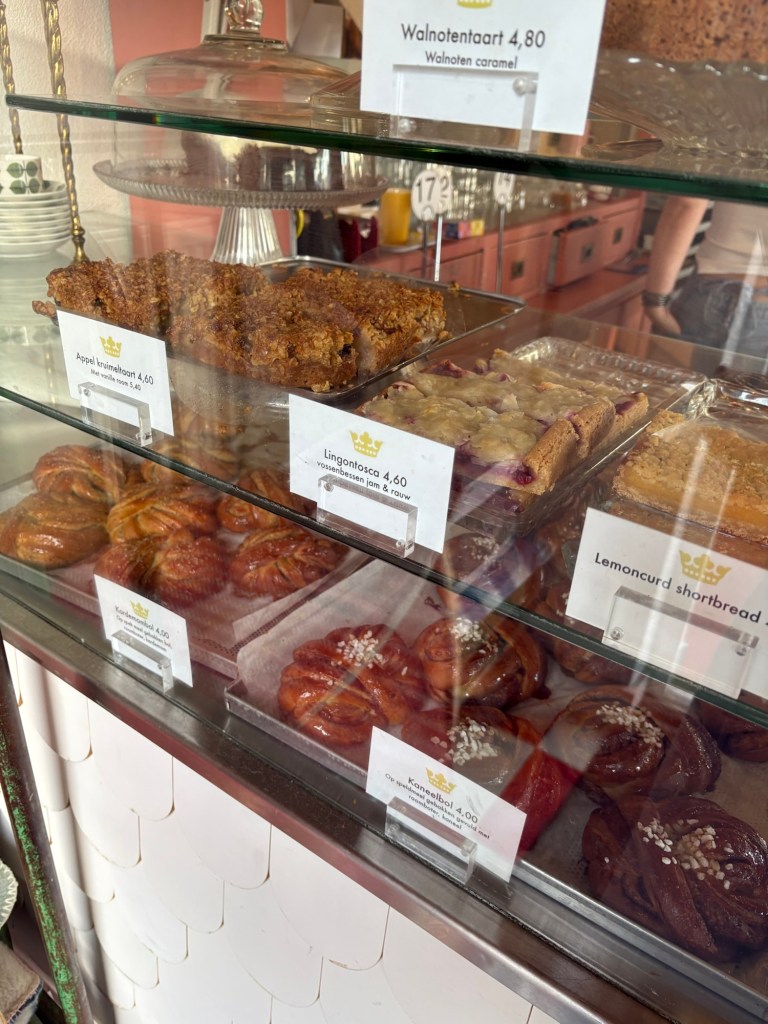
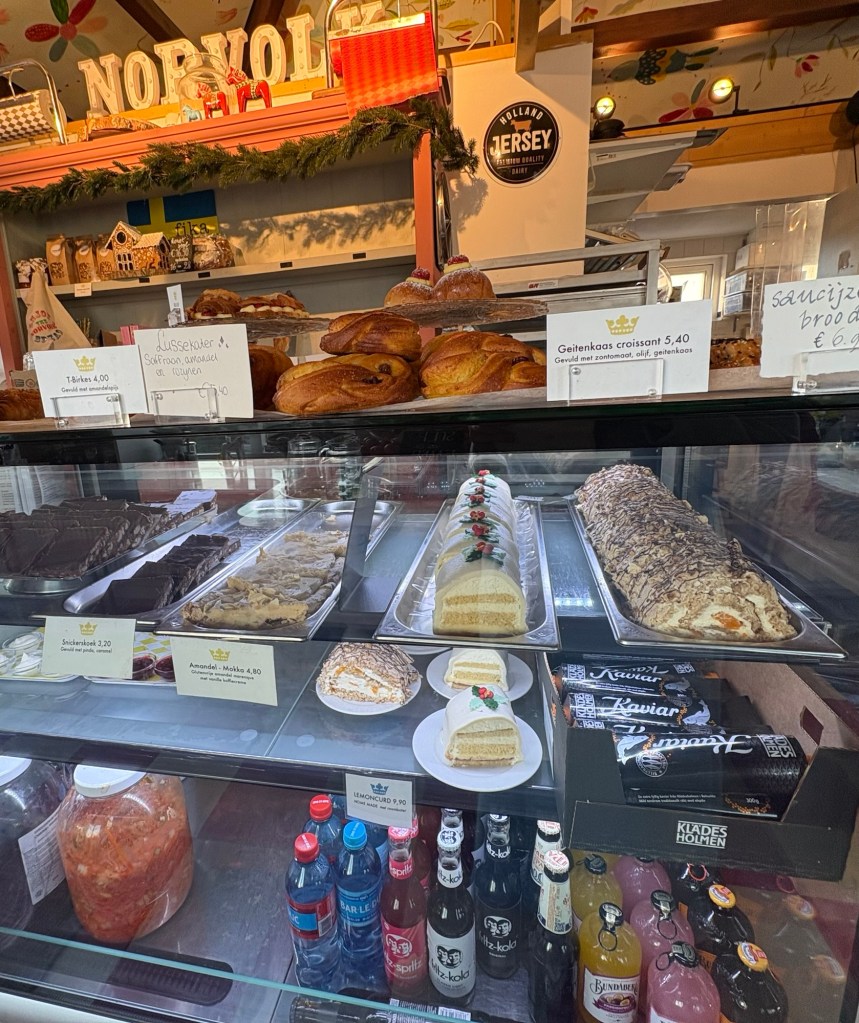
Once entered, you see some buns and cakes. Standard at Norvolk are of course cinnamon and cardamom buns – kanelbullar & kardemummabullar; lingontosca (Lingonberry jam cake topped with almonds), lemondcurd shortbread are also always there. On the corner are fika cookies: hallongrottor cookies (butter cookies with jam), kokosbollar (chocolate-coconut balls) and ginger cookies among others.
On the inside, a detail I loved was the words in Nordic languages on the wooden beams:
Noitið daginn (Icelandic) – enjoy the day
Ei pidä ennä merta edemmäs kalaan (Finnish) – “it does not pay off to go further than the sea to fish” – do not get ahead of yourself when doing something
Smi mens jernet er varmt (Norwegian/Danish) – ‘forge while the iron is hot’ -seize the day. In Danish it is (man skal) smedemens jernet er varmt
Elsker samvær mad – either Danish or Norwegian, but I cannot find this saying online..
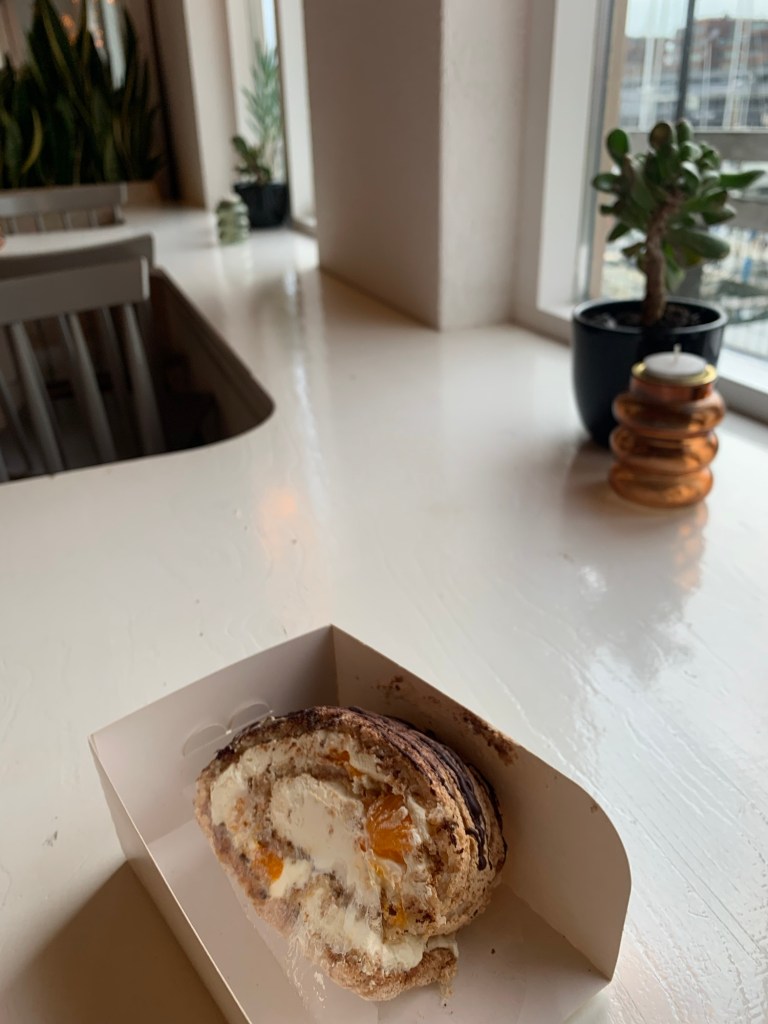
A bit further you have the cakes and sweet or savory breadstuff: croissant, typical Danish almond pasted filled T-birkes with poppy seeds on top, egg-filled Danishes.. Among the cakes the Swedish classics Budapest rollcake and Princess cake – with green marzipan in the classic version – at Norvolk varies its look depending on the season!
On the menu there were a few Scandinavian-inspired Lunch options as:
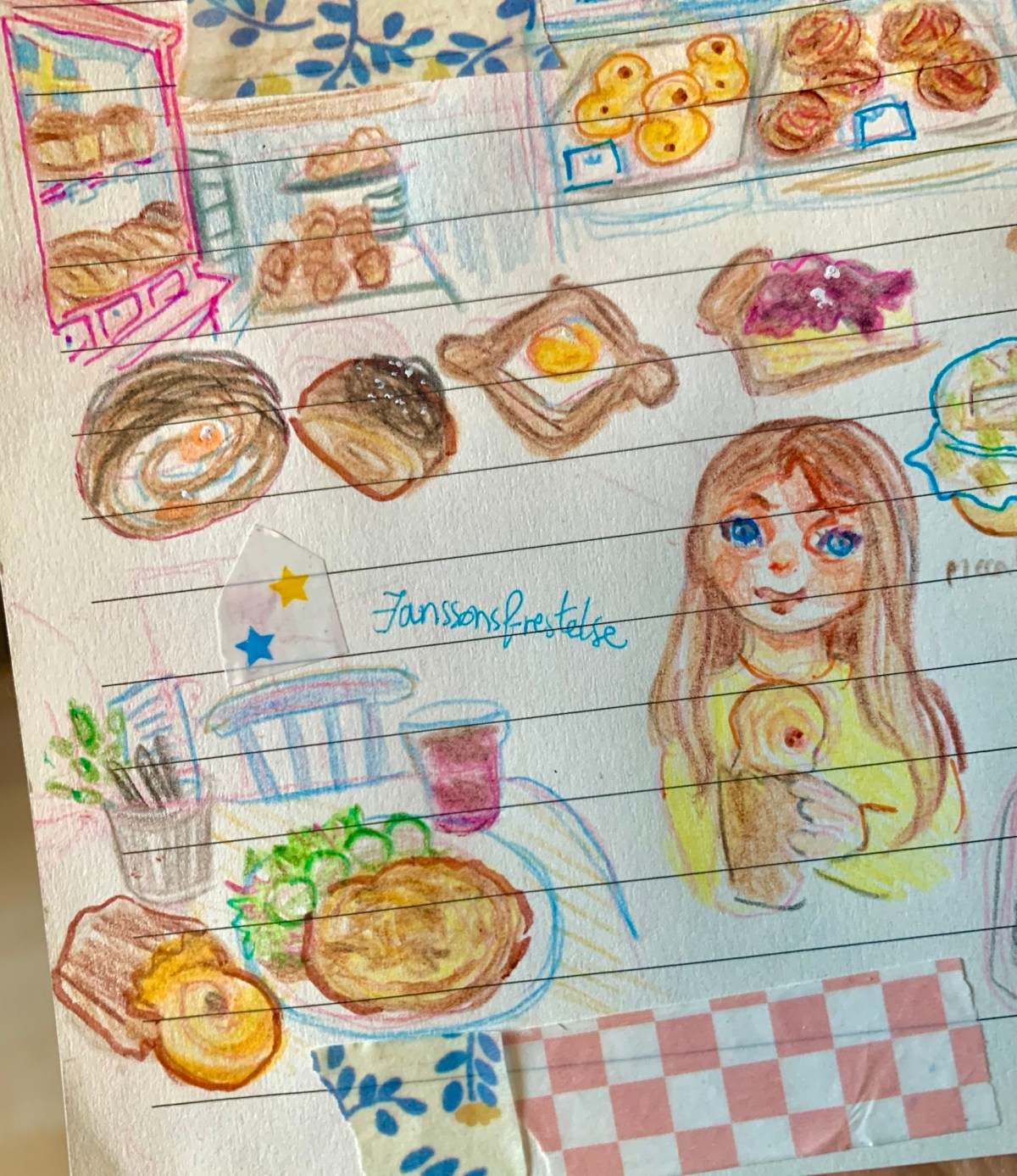
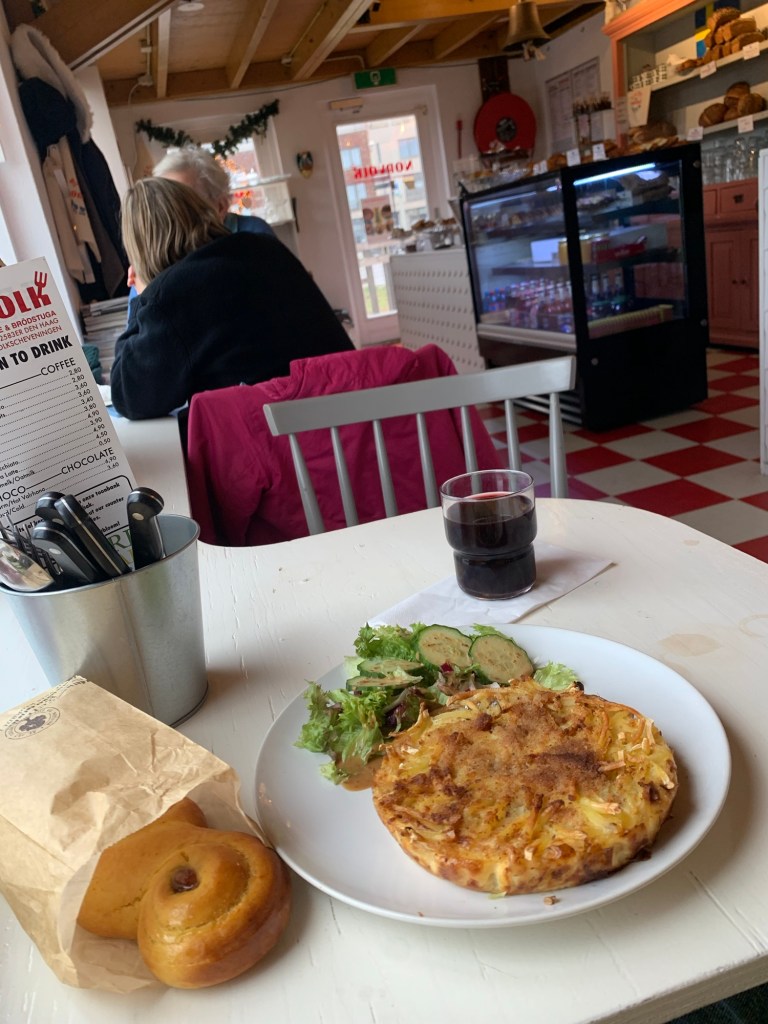
Swedish classic Janssonsfrestelse‘Janssons temptation’ – potato quiche with anchovy
Sill o Dill – herring on rye bread with egg and pickled red onion.
Bullen – Meatballs with beetroot salad, red cabbage, fried onions
Värmland – smoked salmon on rye bread with piccalilli sauce
Skagen – shrimp salad and eggs
Laxråg – salmon and remoulade sauce and dill
I ordered Janssonsfrestelse for lunch Swedish-style, and since I was already full I saved the Lussekatt for later.
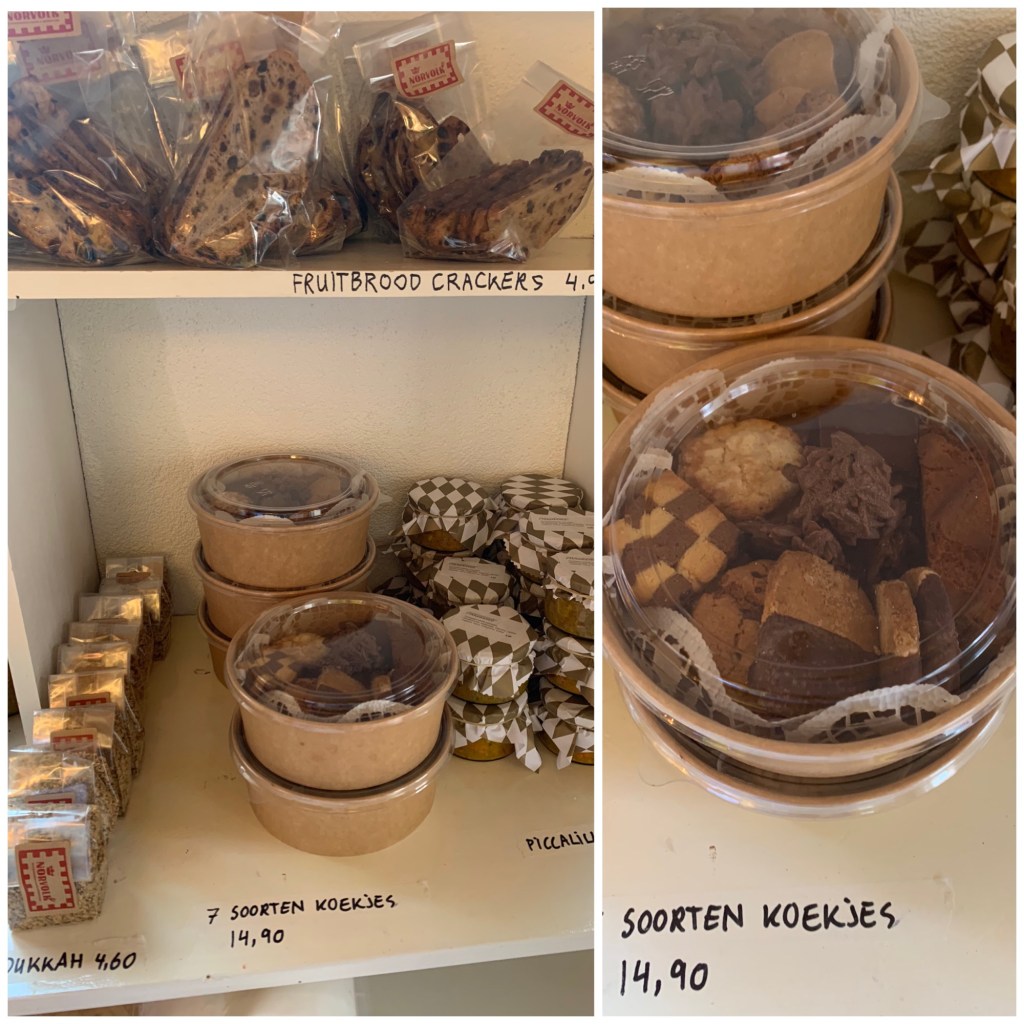
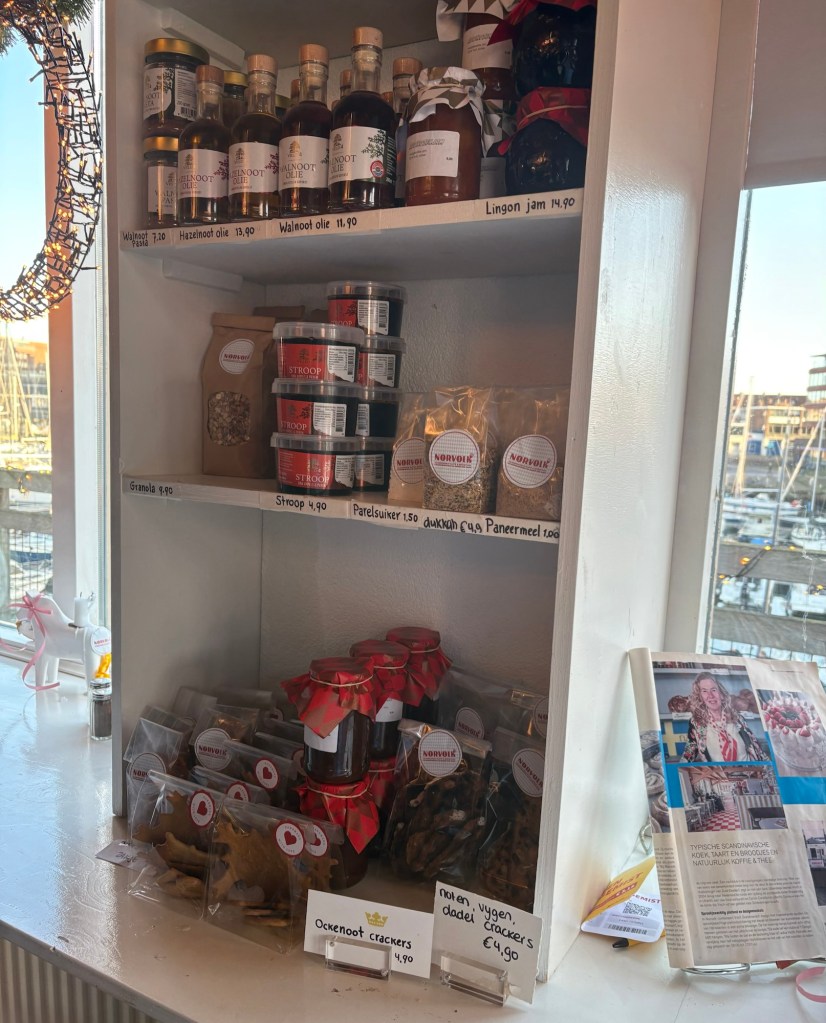
At Norvolk you can also find others products for sale, as cookies and spreads: Among these the 7 sorter (there is a Swedish/Norwegian tradition to bake 7 kinds of biscuits), fruit bread and homemade lemoncurd, Picalilly sauce, kimchi.
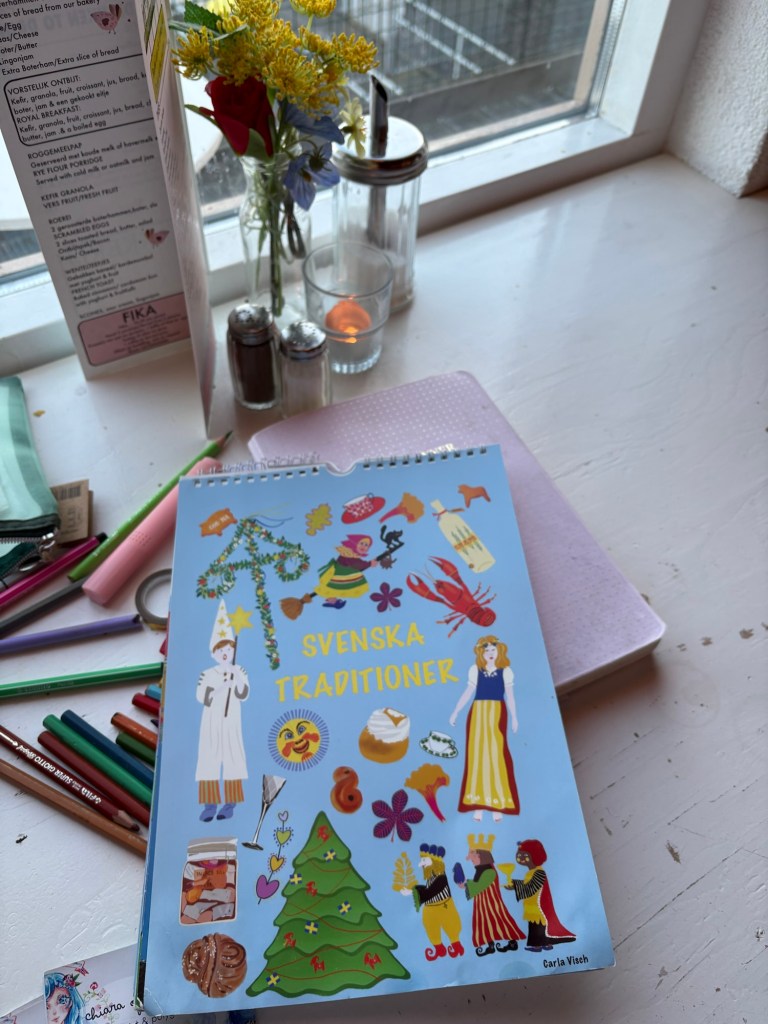
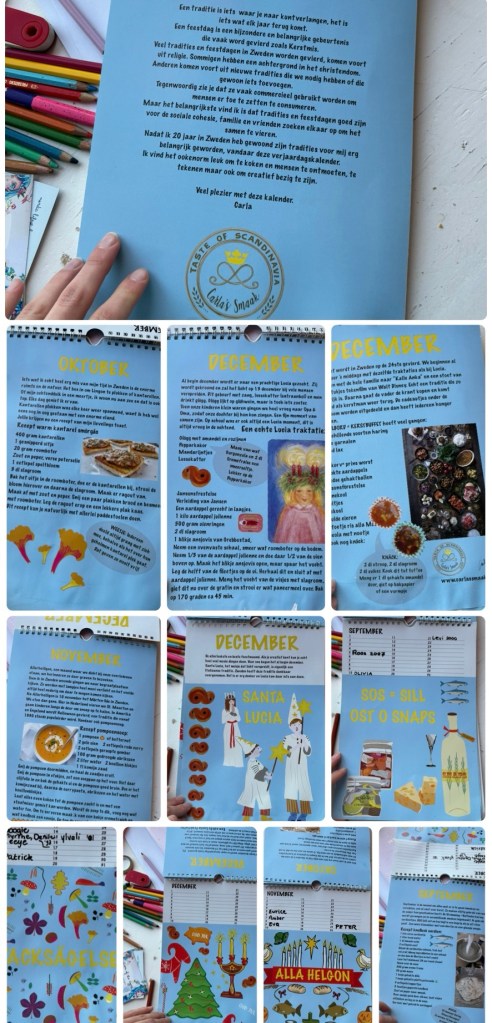
The owner Carla Visch made her own Swedish traditions birthday calendar, a really cute idea I would actually love to copy…
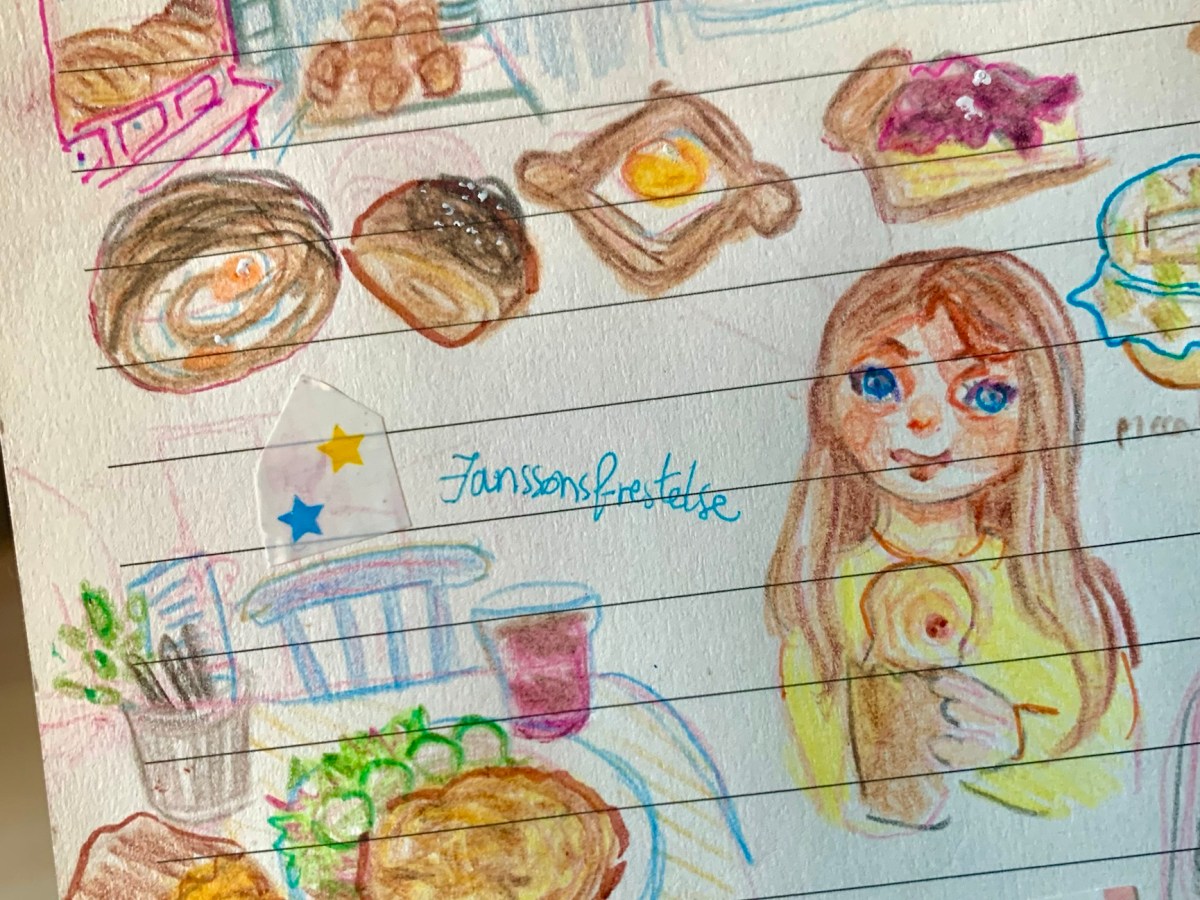
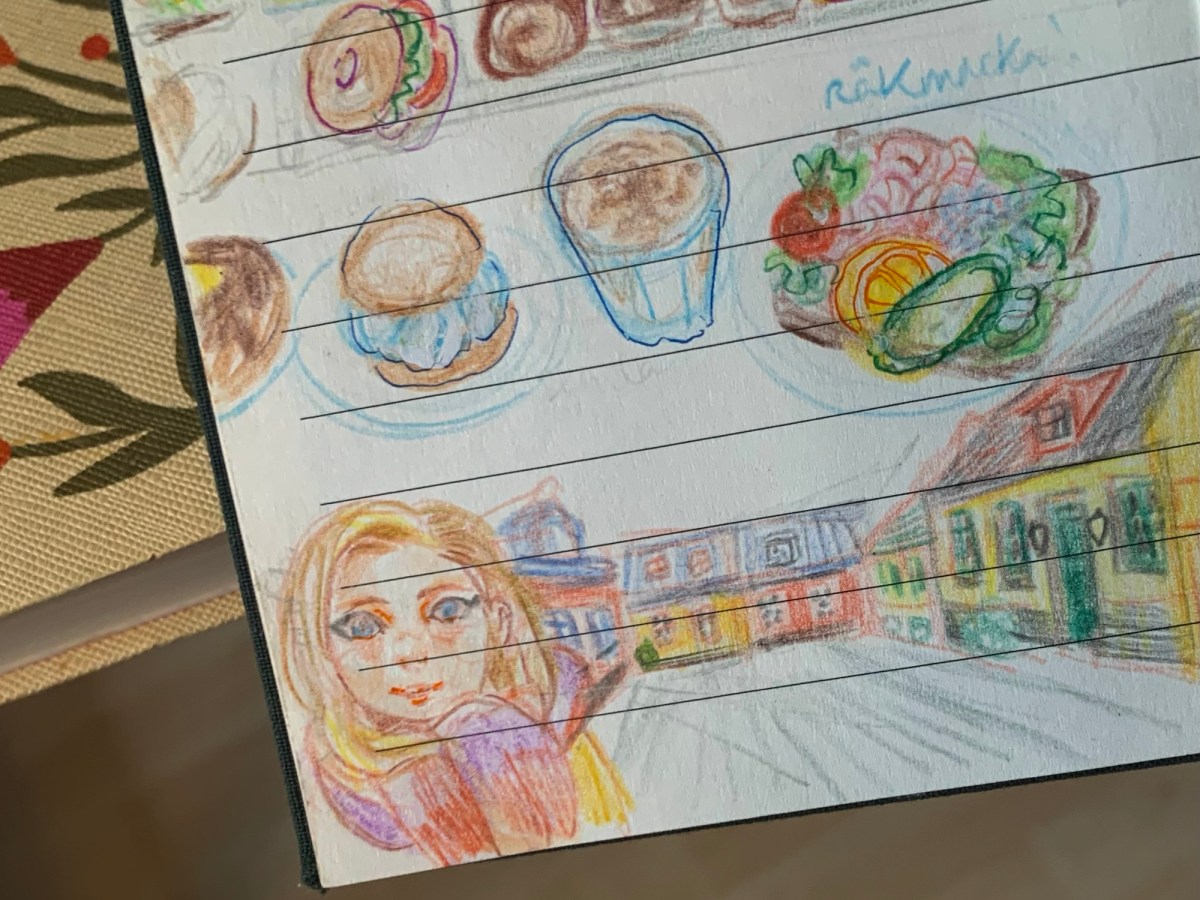
Below is the summary of Norvolk in a journal spread:
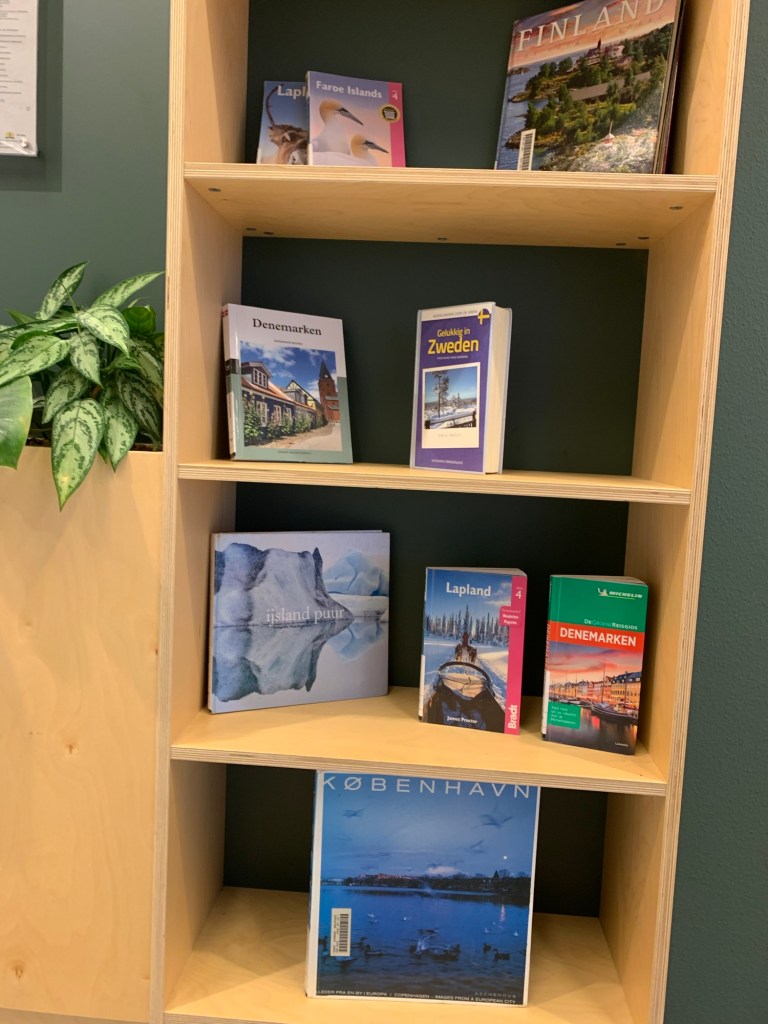
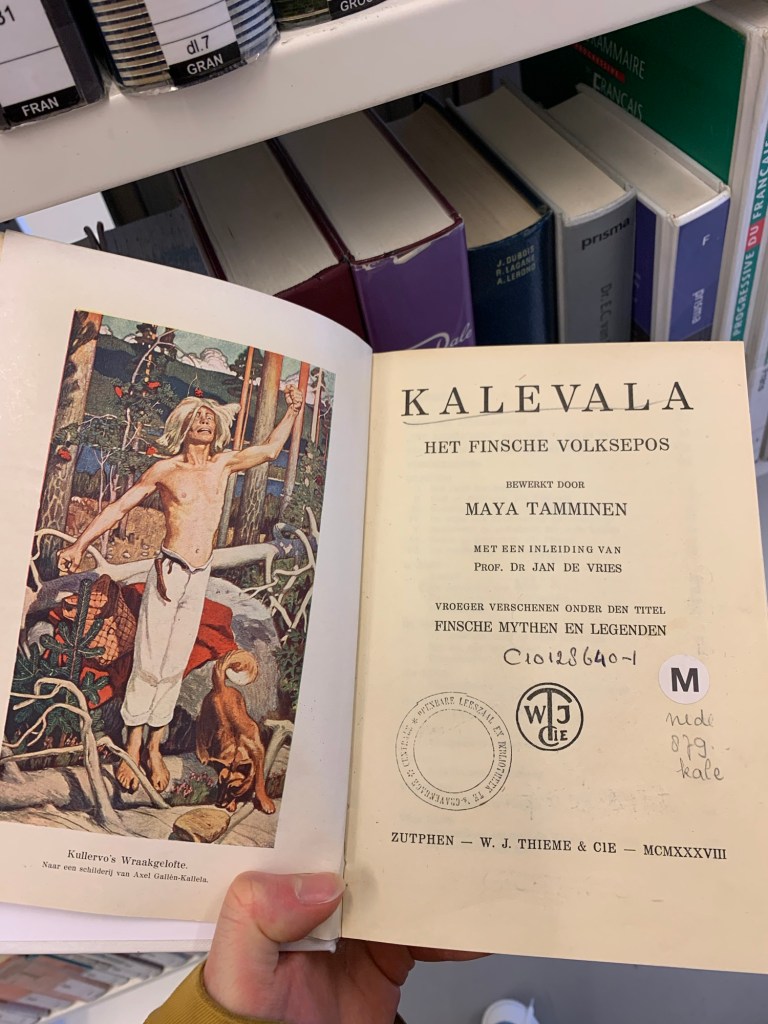
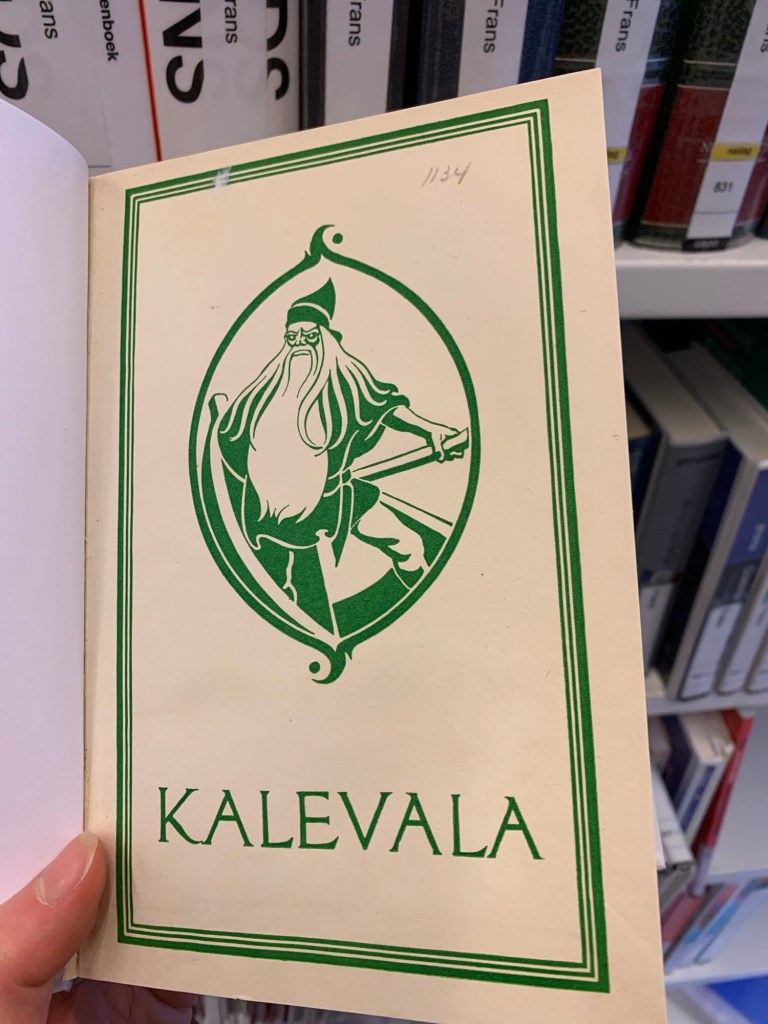
Afterwards I went to the centre, and in the library – which has a good Nordic language books collection – I stumbled upon Nordic countries-themed books, and I found a Kalevala (Finnish epic poem) in the language section…!! I hope to be back when I will have more time.
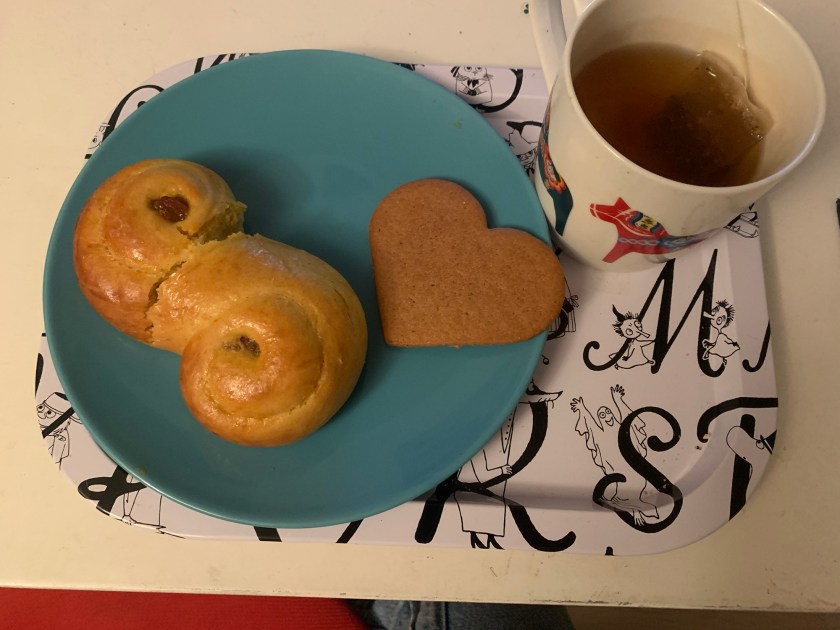
When I arrived home, I had the Lussekatt with tea in my Dala mug and a pepparkaka on my Moomin tray. Could that be more Swedish?
I definitely have reasons to go back to Norvolk someday, so expect an update and subscribe to my blog!
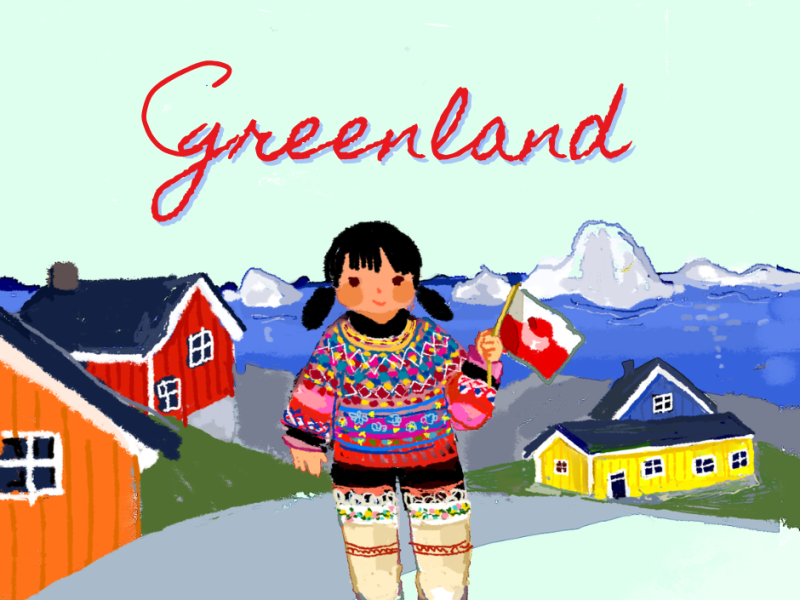
Discover Greenland, home to the Inuit Kalaallit, and its most iconic aspects as its flag, language and folk costumes. The biggest island of the world has a rich history of indigenous culture intertwined with Norse colonization and later Danish rule.
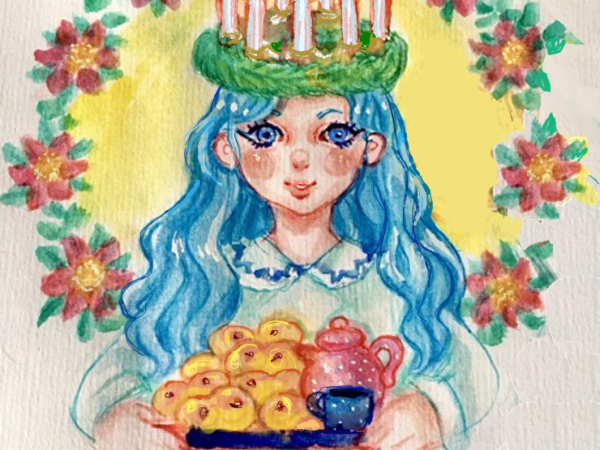
Lucia brings light in the darkest night of the year and is a mix of pagan and christian traditions. It is celebrated in Scandinavia with processions, saffron buns and church concerts.
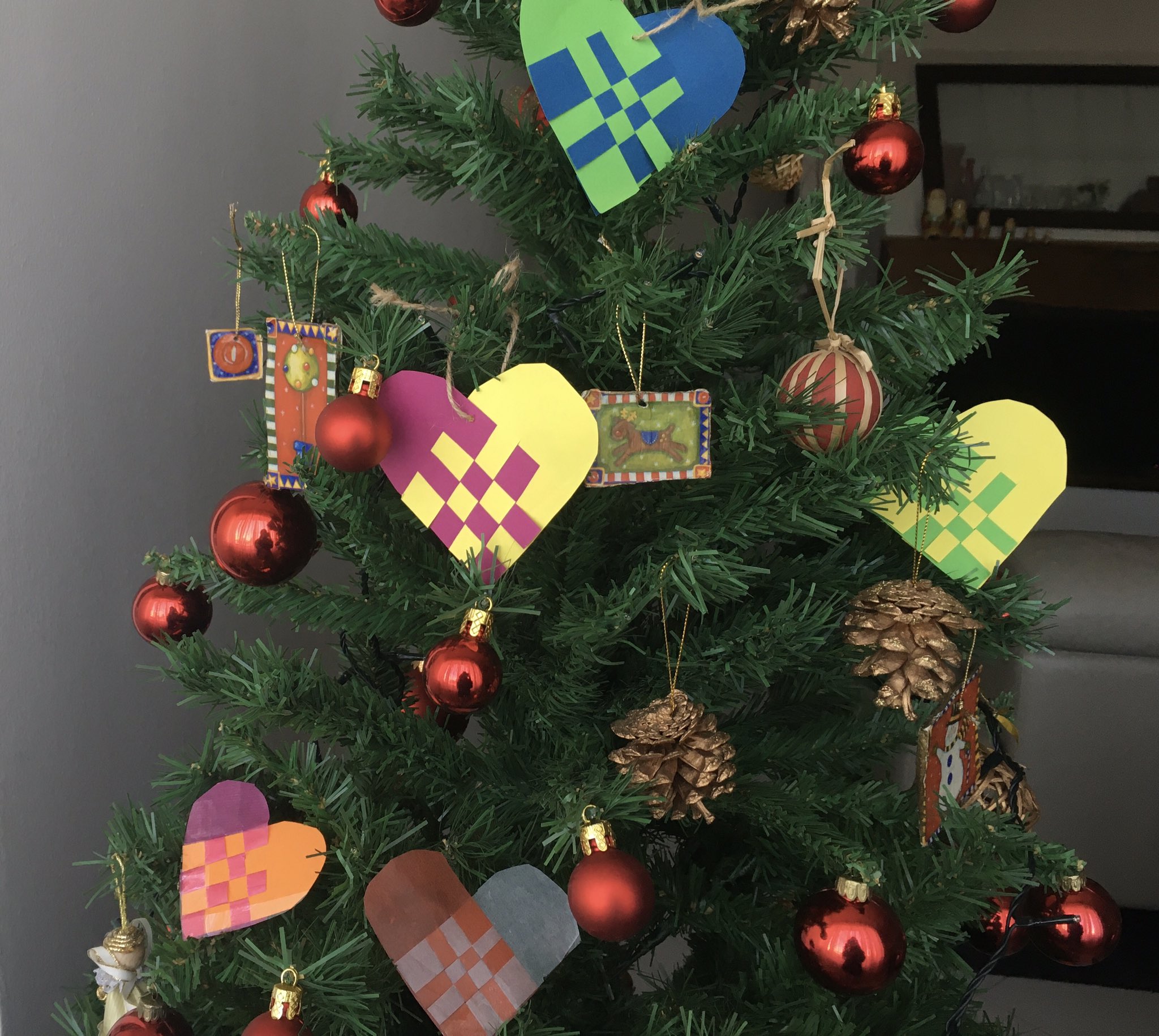
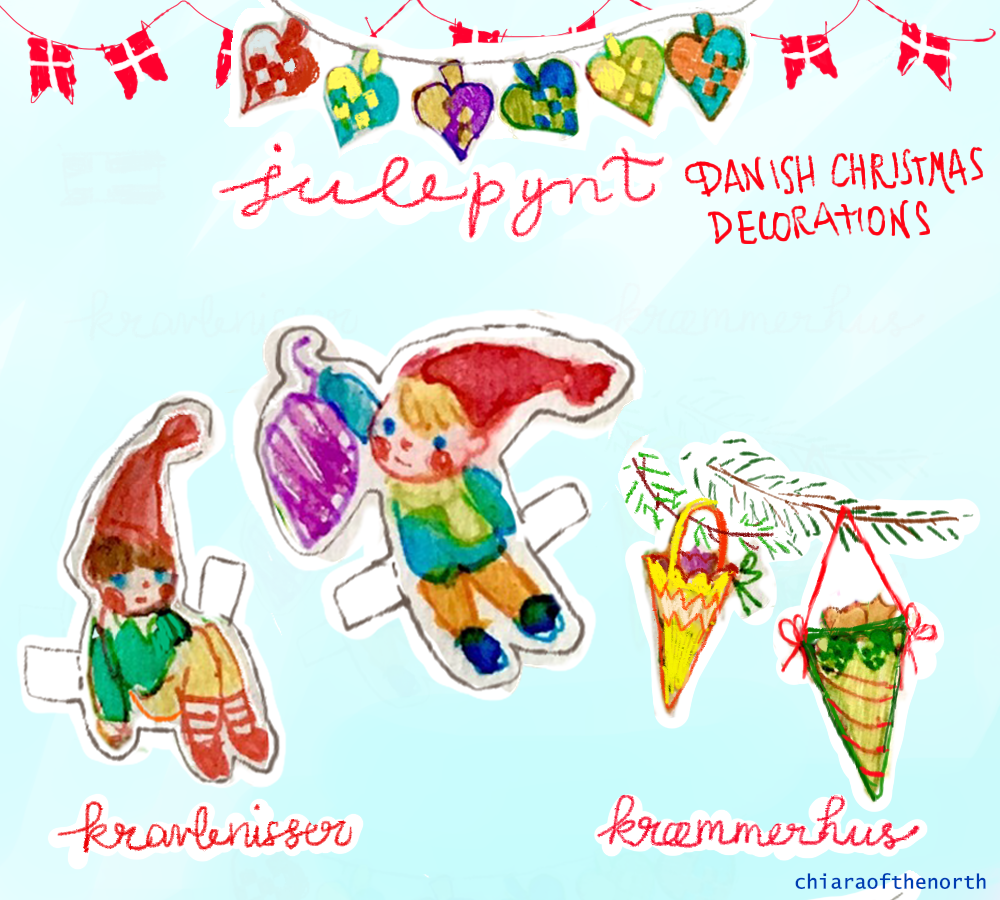
Christmas paper decorations in Denmark: hearts, candy cones and nisser
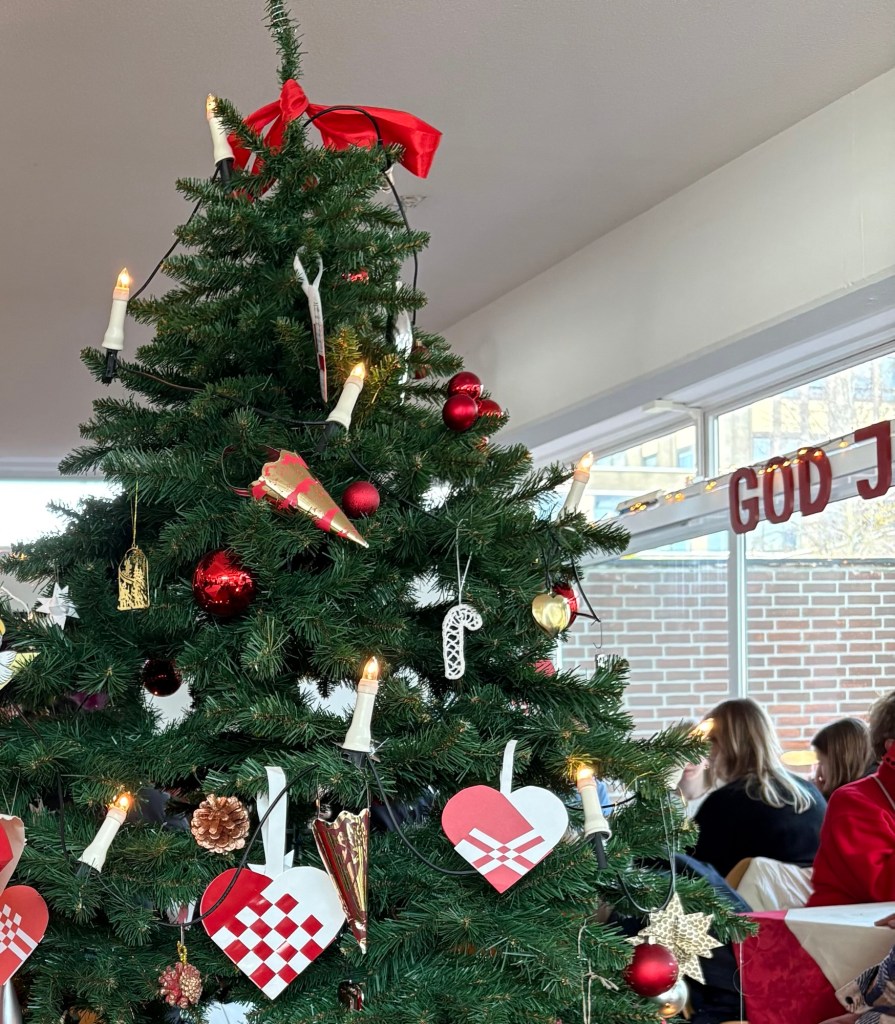
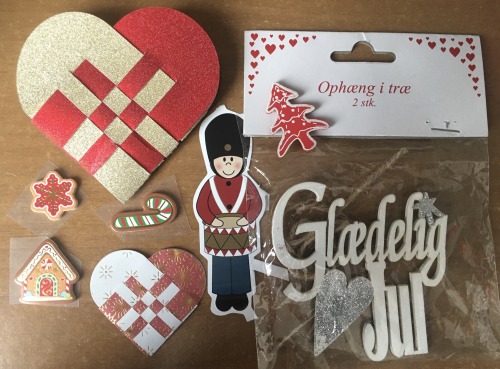
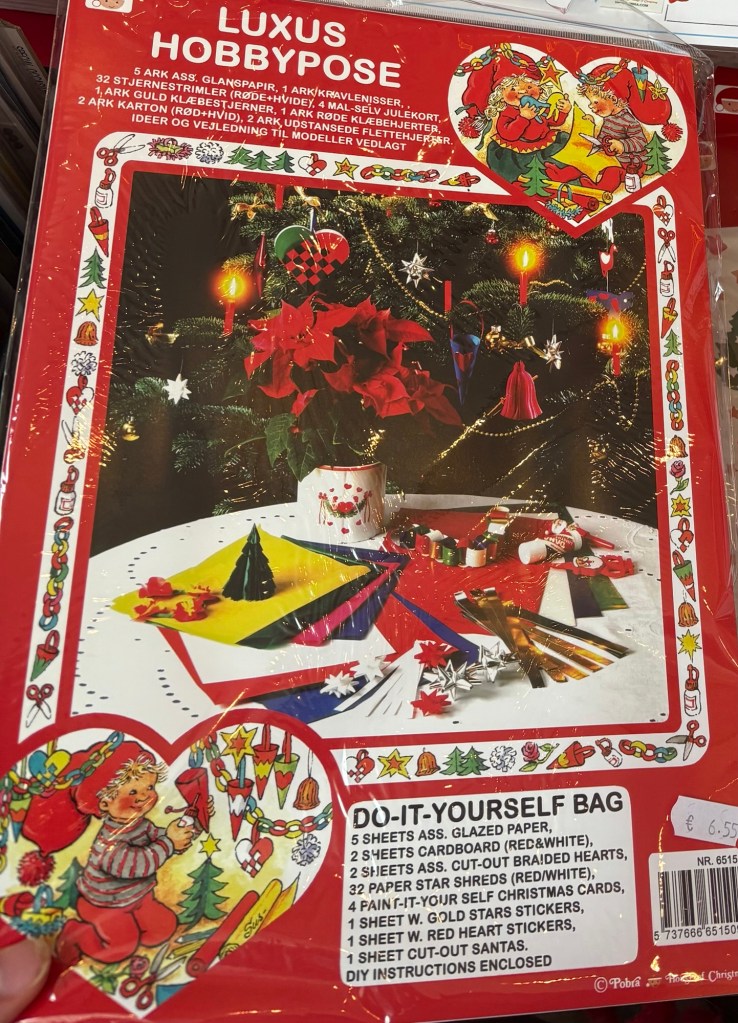
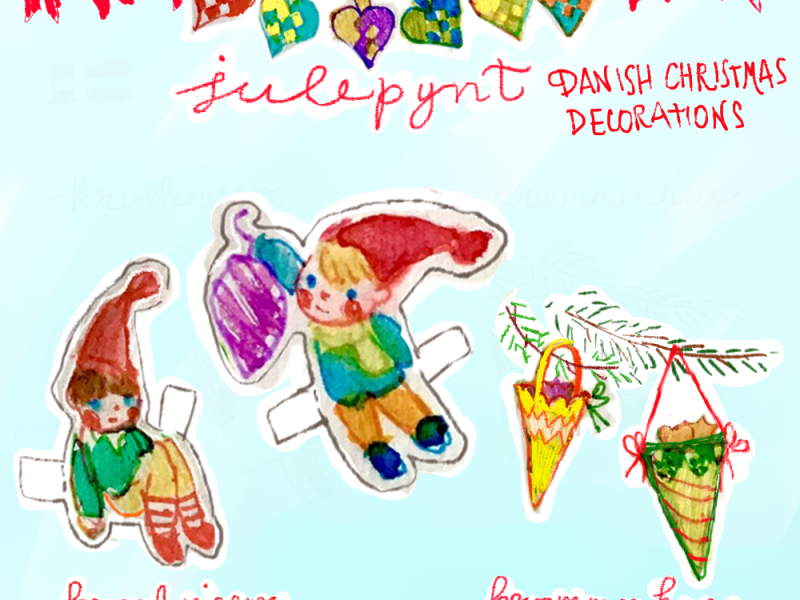
Typical Danish Christmas decorations – Julepynt – are homemade paper ornaments, and have been a tradition since H. C Andersen’s time! Besides the ones I’ll mention below, flags are a typical tree ornament, a more general Scandinavian Christmas tradition.
Julehjerter
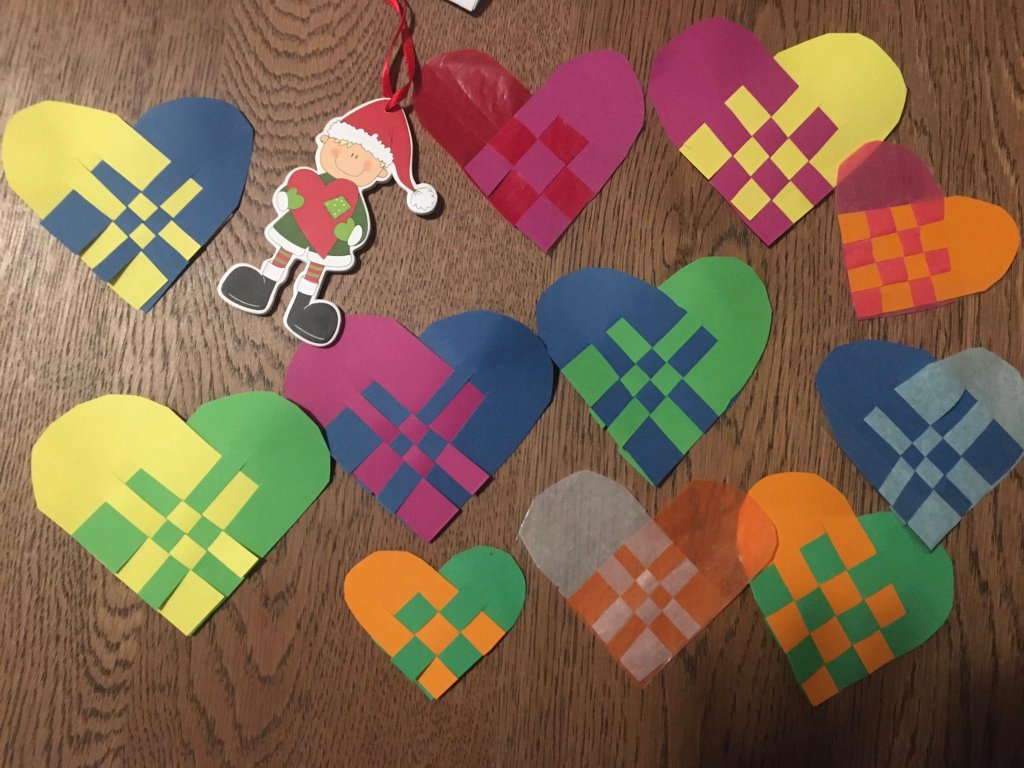
Pleated hearts, Julehjerter, are one of the most iconic Danish and Nordic Christmas symbol. They are most often red and white, and making them is a typical family activity.
Their origin is unknown, but the oldest heart was made by the fairytale author H. C. Andersen in 1860, still to be seen in his house in Odense. They might have become so common since Danish kindergartens started having children make them around 1910. The oldest depiction of a Chistmas tree decorated with pleated hearts dates from 1901 from the Danish manor house Søllestedgaard.
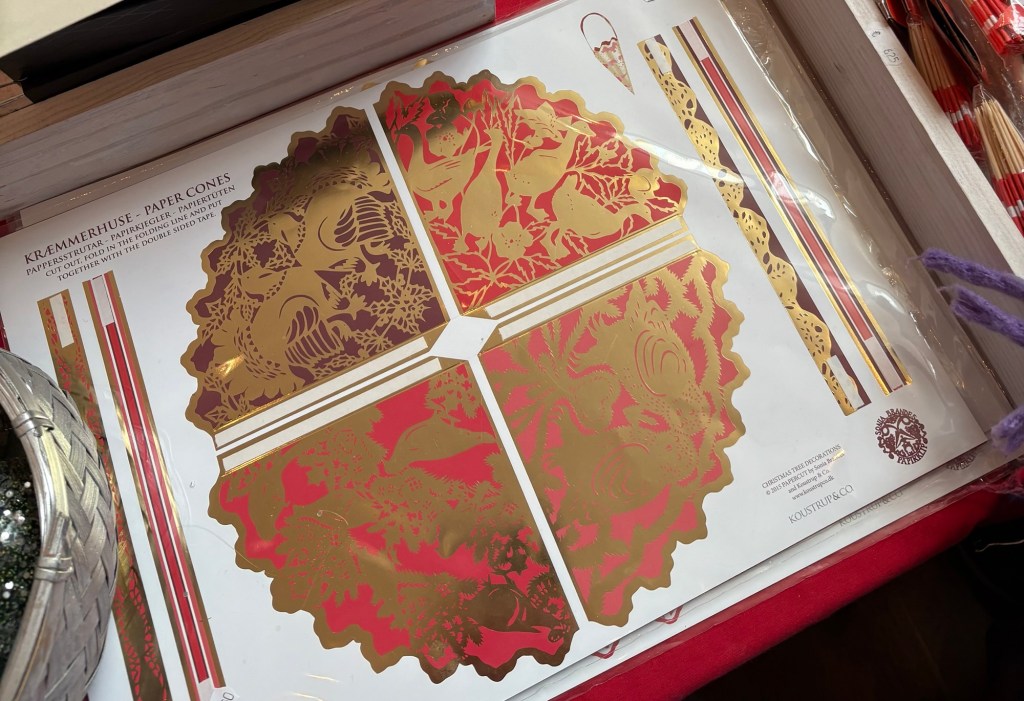
These paper cones, often homemade and decorated, are commonly hung on Christmas trees through an handle and filled with sweets, as hardy candy, bolsjer, or pebernødder – Træet skal spises – The tree has to eat.
Kræmmerhus kits
They are as old as 1860s – their origin comes from how traveling peddlers (kræmmere), would carry food flour, sugar and other food they got from merchants in bulk. Children would also got candy in such paper cones.
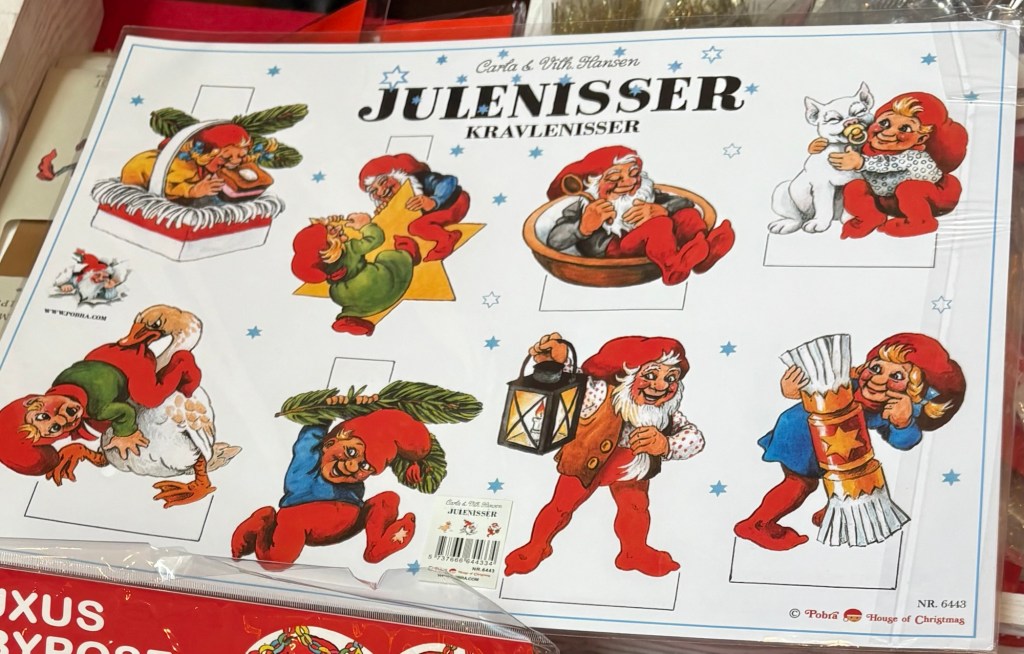
Kravlenisser
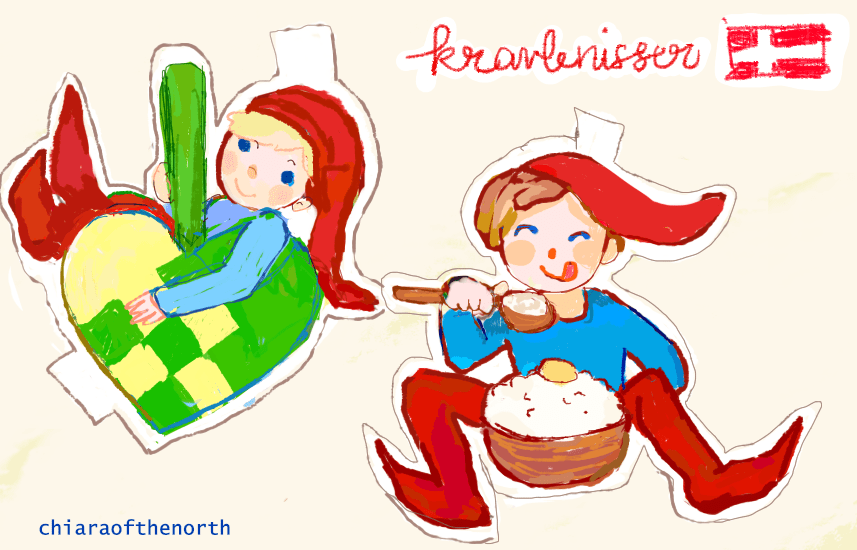
“Climbing nisser”, are drawings of nisser, Christmas elves, sometimes hanging from things, and are a more recent but not less typical Danish Christmas decoration. They were invented by the drawer Frederik Bramming, publishing the first group of them in 1947. On top of an ‘ark’ of kravlenisser he wrote “Her er de igen – Julens smaa fornøjelige Hyggespredere‘: Here they are again – Christmas’ small joyful Hygge-spreaders. The idea was then copied by many artists especially in the 50s and 60s, as Aage Dam, Illa Winkelhorn and Iben Clante. I also made my own (see below), inspired by common kravlenisser pictures as a nisse eating rice porridge, risengrød, and hanging from a julehjerte.
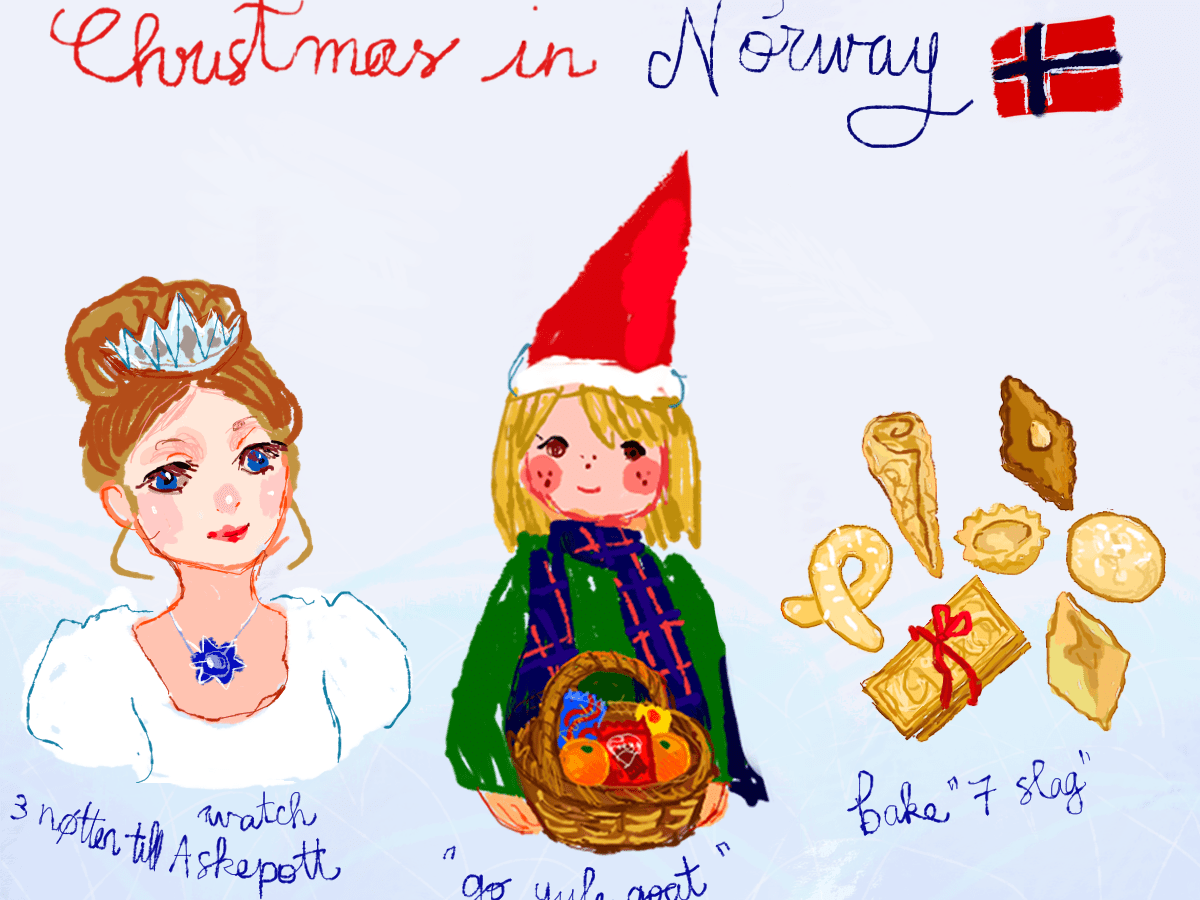
Traditions and popular things to do in Norway around and on Christmas day: from movies to cookies
After Scandinavian Christmas Traditions and Finnish Christmas facts, I am continuing this series with Norway!
Watching Czech Cinderella
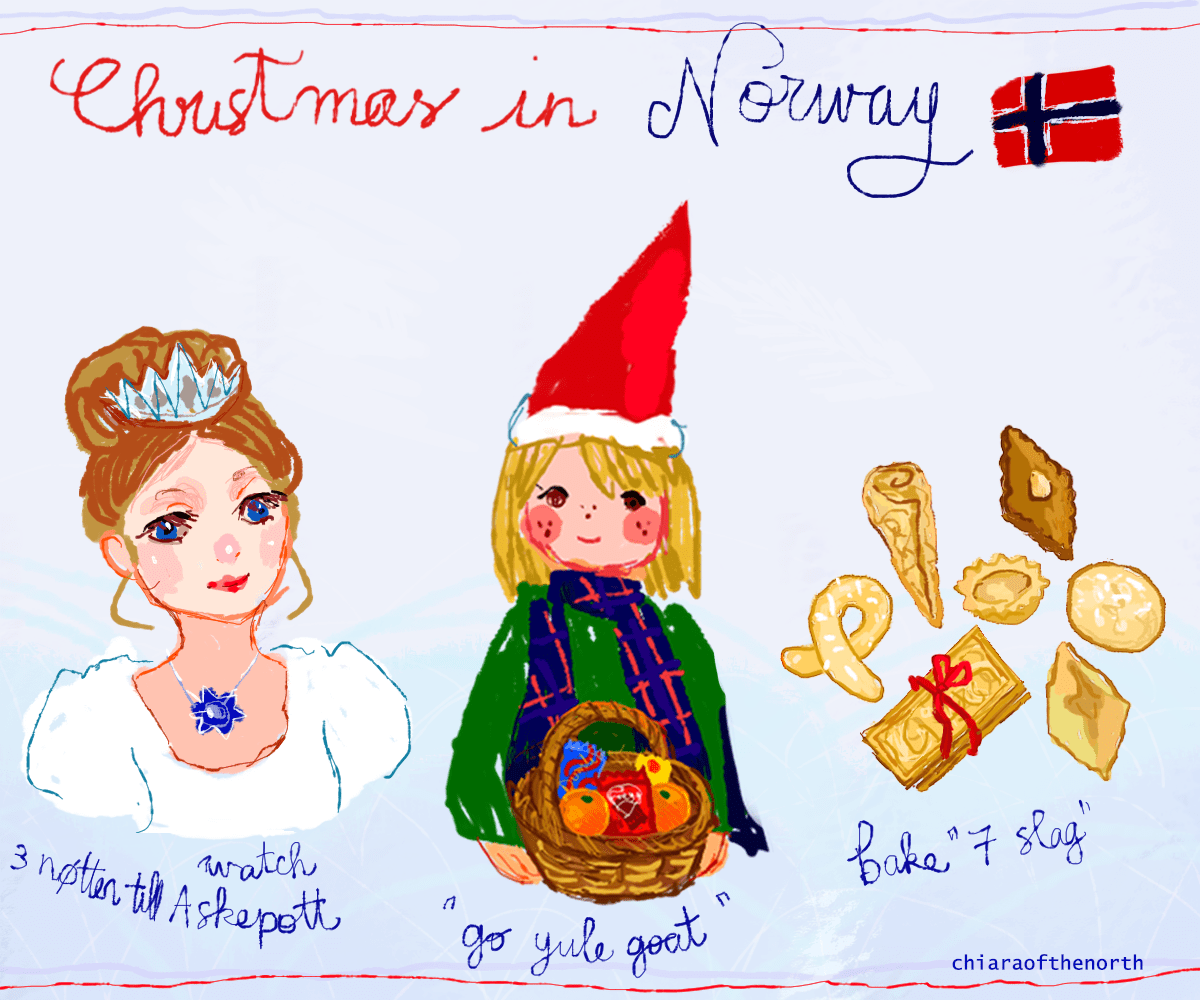
An iconic Christmas movie In Norway is actually Czech, from 1973: 3 nøtter til Askepott (3 wishes for Cinderella), broadcasted on Christmas eve in Norway since 1996 – Norwegians made a remake in 2021 though. Another popular Christmas movie in Norway is Reisen til Julestjernen (journey to the Christmas Star), a Norwegian production from 1976, in which a princess disappears to look for the Christmas Star…
‘Going Yule goat’ or Christmas trick-or-treating
In the period of Romjul, between Christmas and New Year, some Norwegian children go around with a Nisselue (Santa hat), with red cheeks and freckles painted on their face, or as angels, shepherds and other Christmas figures, singing Christmas Carols from door to door, in exchange for sweets. This is called å gå julebukk – to go Yule Goat..a sort of christmasy halloween. According to the Store Norske Leksikon it 14% of interviewed Norwegians or their children was going julebukk in 2017.
Baking 7 cookies
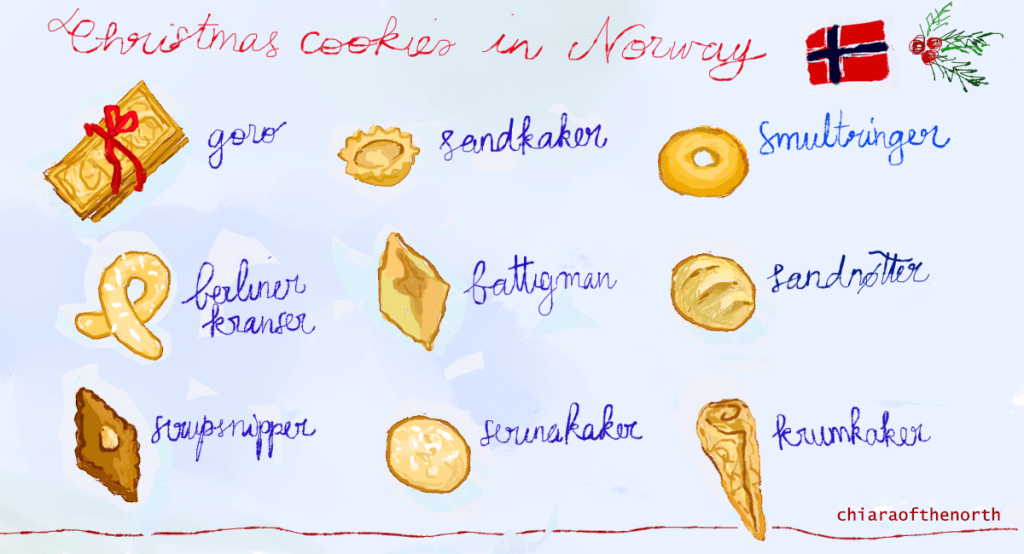
Some Norwegians bake the ‘Seven types’ – 7 different type of cookies, deSyv slag in Norwegian. Baking seven different types of cookies is a tradition that exists also in Sweden. There is no fixed list, but the classical types are Sandkaker, Pepperkaker (gingerbread cookies), Fattigmann ‘poor man’, Goro from Danish god raad, one of the oldest types from the 1800s- made with an iron press with patterns – Krumkaker, Berlinerkranser, Serinakaker.
Kransekake, kokosmakroner, sirupsnipper, sandnøtter and smultringer are also popular to be included in the syv slag according to godt.no.
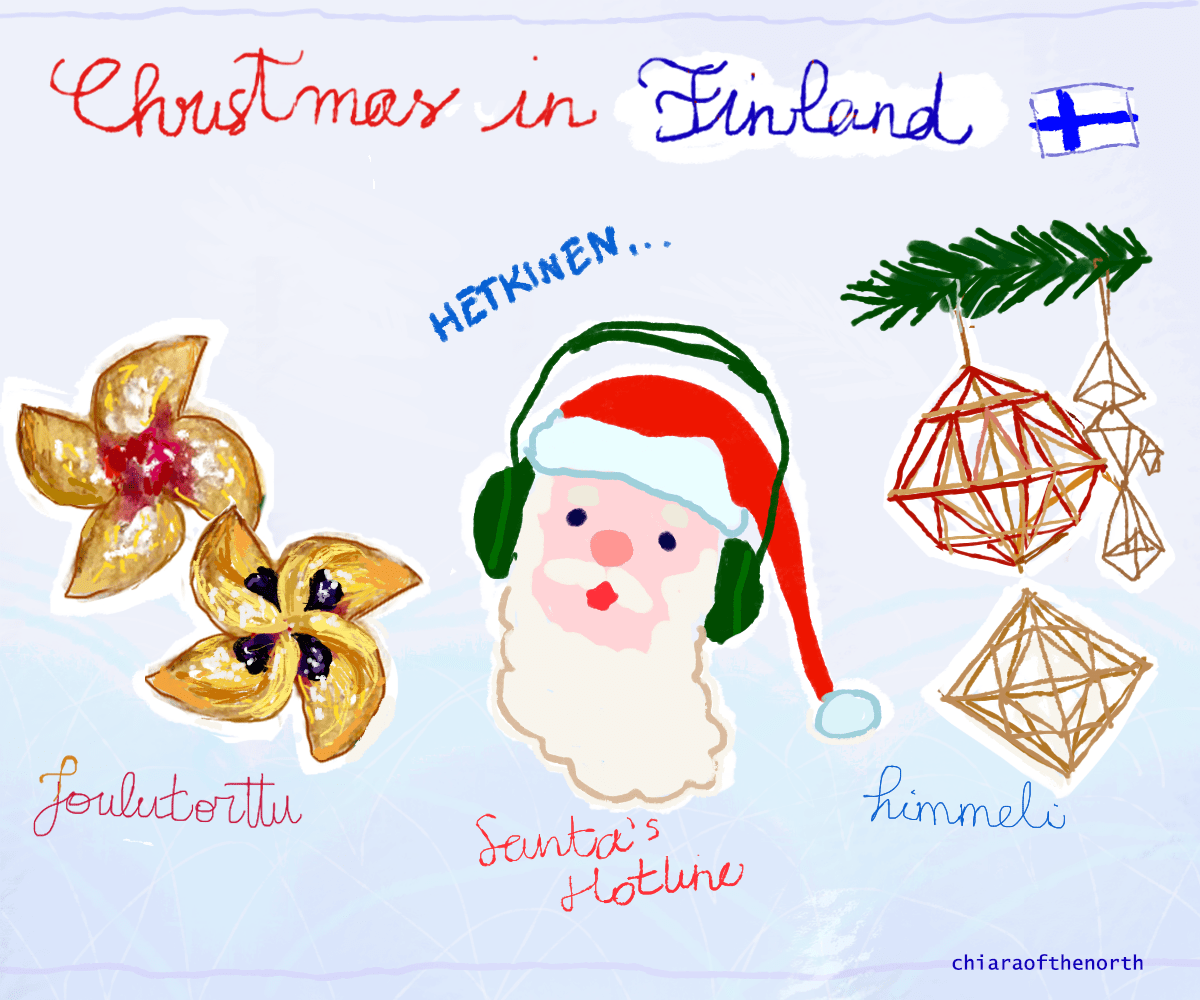
3 typical unique Christmas symbols and traditions in Finland
Here are country-specific facts about how Christmas is celebrated in Nordic countries, after an overview of Scandinavian Christmas I actually keep updating… Next up will be Norway and Iceland, so stay tuned!
Joulutorttu: pinwheel pastry
Also called tähtitorttu “star cake”. it has the shape of a star or pinwheel, with apple or plum filling. It was already mentioned in the 1830s by Zacharias Topelius (Swedish-speaking Finnish writer), and it still is a Christmas classic in Finland, being present on 76% of Finnish tables on Christmas eve.
the Santa Claus Hotline
In Finland they have had the Joulupukin kuumalinja ‘Santa Claus Hotline’ for 33 years on tv. Here is the Finnish tv program for the day in 2024: There are breaks between one Christmas-themed cartoon and the other, where children can call, elves will take the call and some lucky children will be able to talk to Santa..It is also possible to send pictures, and some of these will be shown!
Himmeli Christmas decoration
Himmeli are wooden straw geometrical pendants, of various sizes, decorating Finnish houses. It comes from himmel, sky/heaven in Swedish and Germanic languages. Himmeli traditionally hung above dining tables until summer to ensure a good crop, as Finlandi.fi mentions.
The ‘anchor’ language concept allowed me to learn Swedish, Dutch, Danish, Norwegian easily starting from studying properly only one language. This approach helps prevent confusion and builds a solid foundational understanding of language structures.
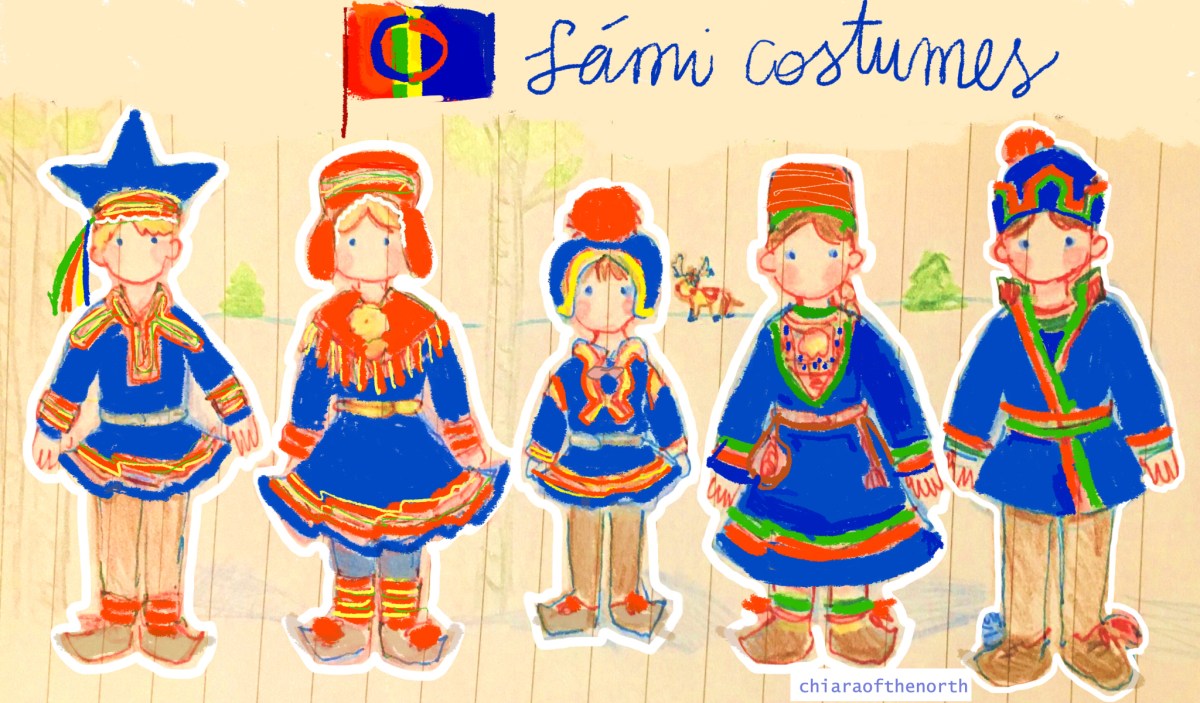
Sami traditional costumes: hats and dresses from Lapland
My birthday falls on Sami national day, and to honour the sami people (who used to be called Lapps), I decided to write an an article about their traditional clothing, after Swedish and Norwegian costumes.
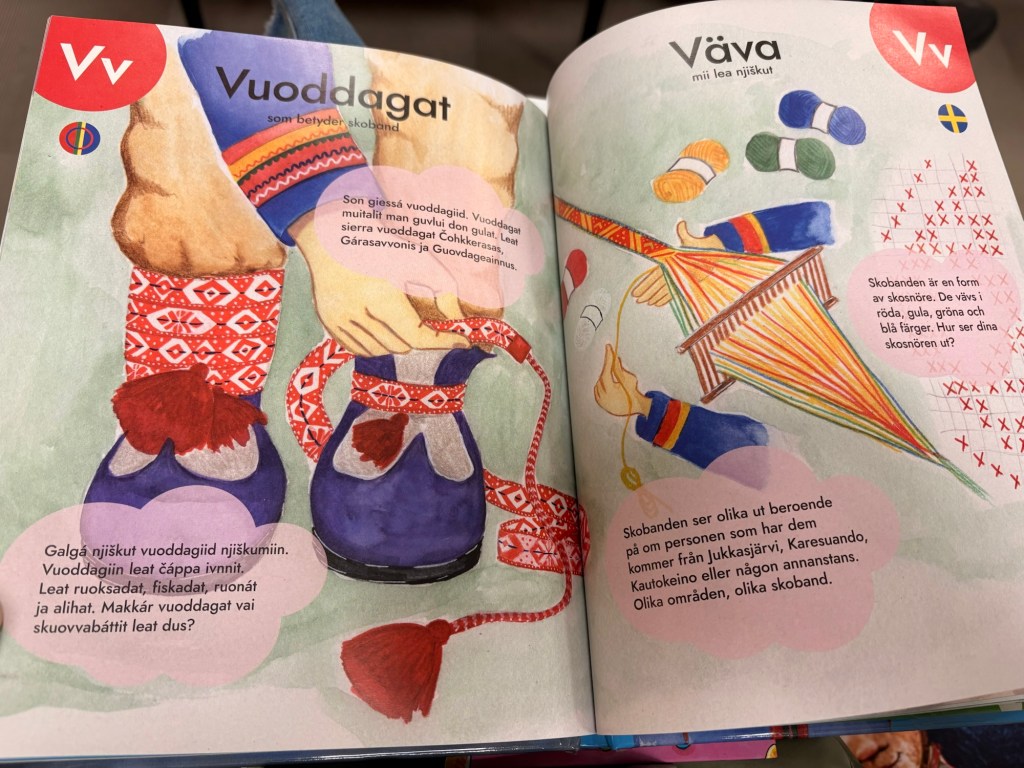
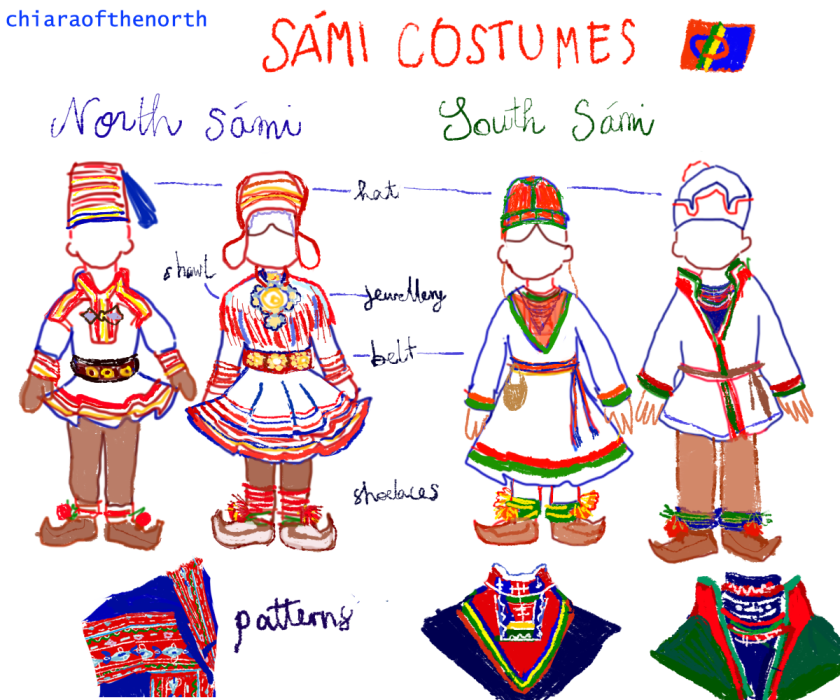
The main part of the Sami traditional costume is called gapta/gåptoe, in southern Sami, gábdde in Lule Sami, gákti in Northern Sami. In Swedish and Norwegian repectively kolt and kofte. Sami costumes include hats, belts, jewellery as brooches, mittens, shoelaces. There are traditional superstitions tied to the costumes, for example, if the shoelace came loose, someone was thinking about that person or was about to joke about them.
From the North Sami-Swedish alphabet book by Elon Marakatt and Anna-Stina Svonni
Sami handicrafts, Duodji, also include making your own clothing, and that is still the case for some families. Natural resources determined the material to produce clothing, which consisted in just skin and fur until the middle ages and the introduction of fabric.
In 1940 the archeologist Gutorm Gjessing and his wife Gertrjud were the first to write about Sami clothing, in their book Lapdrakten.
Sami costume variations
Sami Costumes vary depending on the geographical area and gender, with bright colors that are also present in the Sami flag: red, white, yellow and Green. The base color of dresses is most often blue, especially since the post-war period, with edges and details in red, yellow and green. In the 1960s, Sami women started sewing summer costumes with floral-patterned cotton, as you can see in this music video of Sami singer Elin Oskal..
Generally, variations in Sami costumes follow Sami languages and ethnical groups within Samis. However, because of nomadic life depending on reindeers, designs from different groups ended up influencing each other.
Although Sami costumes vary district by district, there is a marked difference between North and South Sami variations. The most notable is the neck style and length: long dress and v-neck with intricated decorations on the the breastplate for women costumes to the south of Jokkmokk, with a shawl on top and a more “curled up” end in the North Sámi versions.
Other variations depend on gender or status: Skolte-sami women hats change for girls, married and single women; Lule and South Sami dresses have red breastplates for women and blue for men.
Sami iconic hats
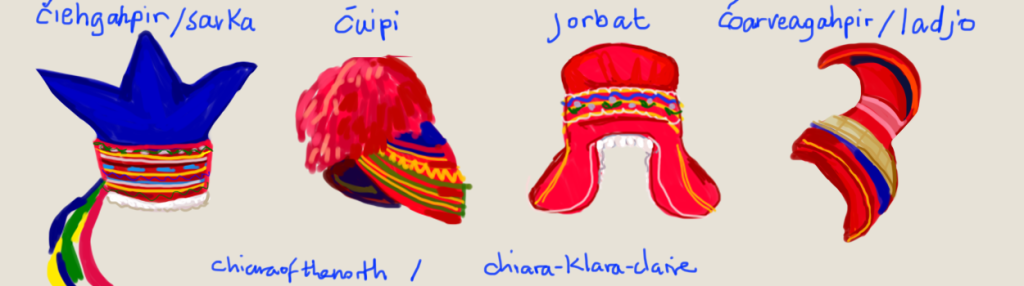
An important part of Sami costumes is the hat, which also strongly differ depending on gender, area and status. Various types of hats exist (see picture), different for men and women. Among others:
men hats: Four Winds Hat, čiehgahpir or Šávka, with summer and winter variations (also stjernelue in Norwegian “star hat”), used in East Finnmark, Karasjok, Kautokeino, North-East Norway; ćuipi, a kind of poofball hat with a big red pom pom, used in Karesuando, Swedish Lapland.
Women hats: Jorbat, the hat with the big ‘ears’; Ládju/ladjo, also called čoarvegahpir (čoarvi – horn, gahpir – hat), which stopped being used a hundred years ago, but still exists in eastern Sami areas now under Russia.
Costumes as a symbol of Sámi identity
Some Sami grow up wearing it, others only use it for their confirmation ceremony, others got it as adults, taking pride in their ethnic identity, which was repressed and discouraged due to discrimination and forced assimilation in the past. A revival lead to reconstruct costumes also in areas where they were disappeared, similarly to what happened with Norwegian bunads.
In the 1970s, Sami movements made it an important symbol for Sami identity, leading many young Sami to sew their own costumes. Wearing Sami costumes became a new tradition in some contexts, as during Sami national parliament assemblies in Sweden, Norway and Finland.
The Fjallkona is the personification of Iceland and has a big role in the Icelandic national day, between poetry and parades
June, 17th, is Iceland’s national day, Þjóðhátíðardagurinn. The day was established after Iceland’s independence from Denmark in 1944, on the independentist Jón Sigurðsson’s birthday.
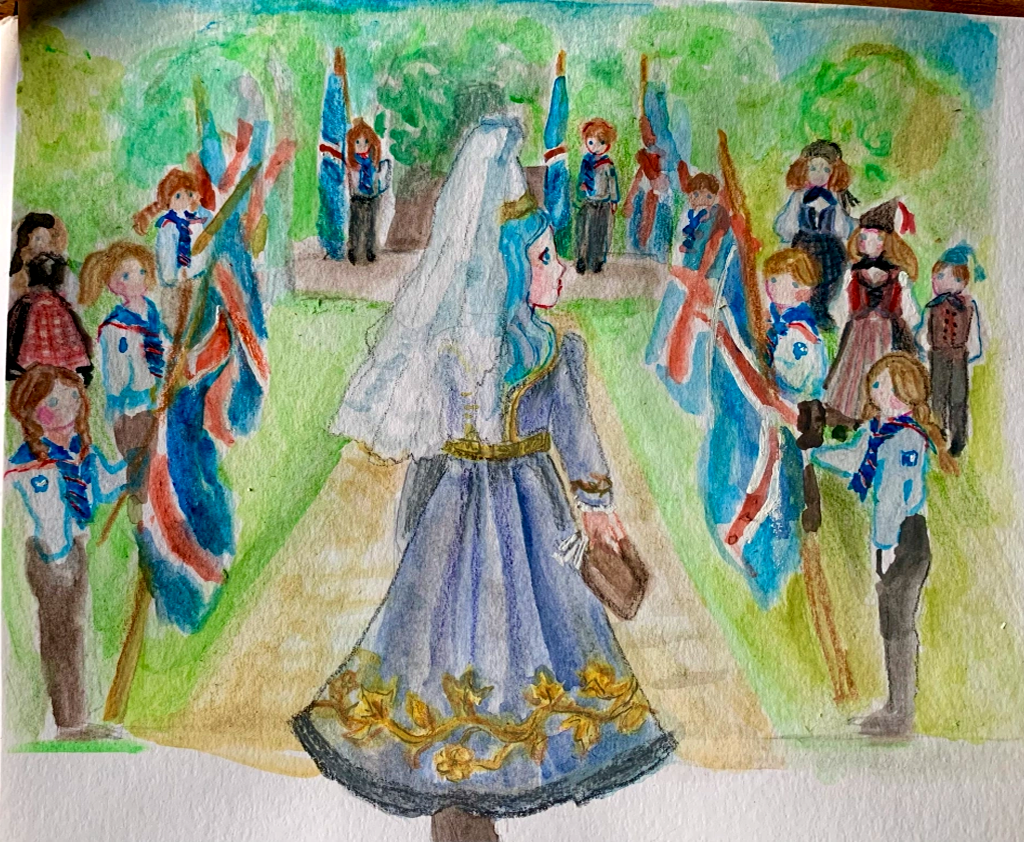
The day is marked by parades, with marching bands and flag-bearing troops from the national scout movement. After the parades, it’s time for the town’s elected ‘lady of the mountain’ to recite a poem. Her identity is however secret until the ceremony. Before that, authorities and freshman students in Reykjavík have laid wreaths to honour Jón Sigurðsson. You can see the program for 17 júní in Reykjavík.
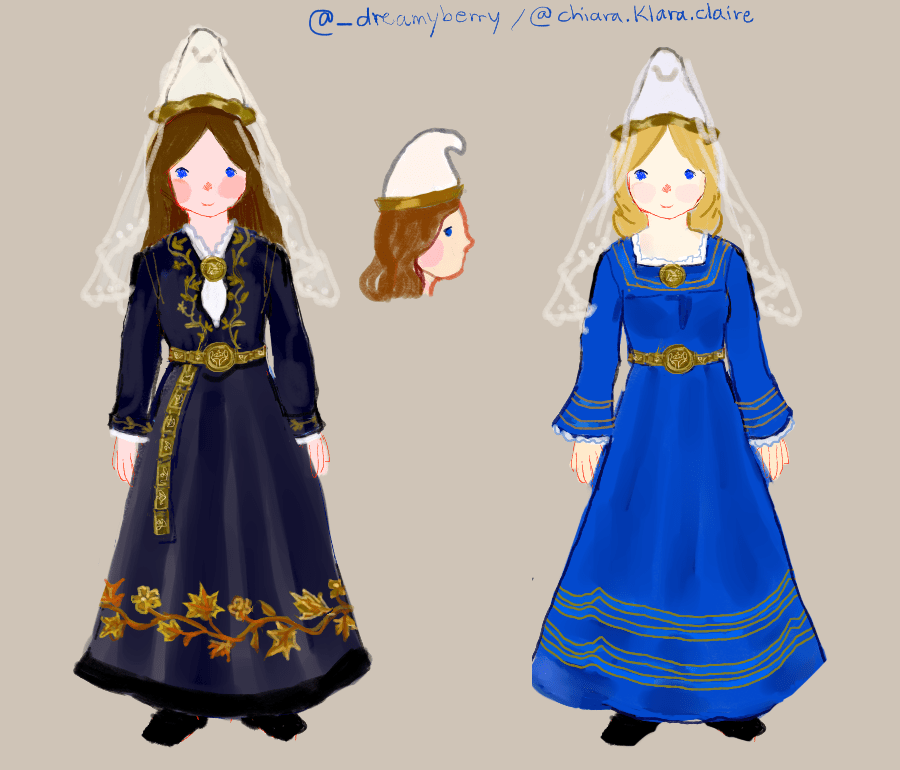
The woman representing the fjallkona, literally ‘lady/maid of the Mountain’, wears the skautbúningur, dark dress with golden embroidery and a sort of horn-shaped headgear, inspired by the ancient krókfaldur with a veil. The first time a woman represented the fjallkona with a skautbúningur was actually in Winnipeg, Canada in 1924, where many Icelanders migrated in the 1870s.
skautbúningur and kyrtill dresses are worn by the fjallkona, both designed by Sigurður Guðmundsson in the 19th century
Icelanders are encouraged to wear a folk costume on the national day, Þjóðbúningur. There are officially several types among which the Upphlutur for women and Hátíðarbúningur for men, not too different from other Nordic folk costumes as Norwegian Bunads and Swedish Folkdräkter, often black but also in colours as red or blue. part of the outfit is a tail cap.
Icelandic national day feels to me kind of a mix between Norway’s 17 (!) mai, with national dresses, parades and marching bands, and Lucia, with its elected Lucia/Fjallkona!
Where does the Fjallkona come from?
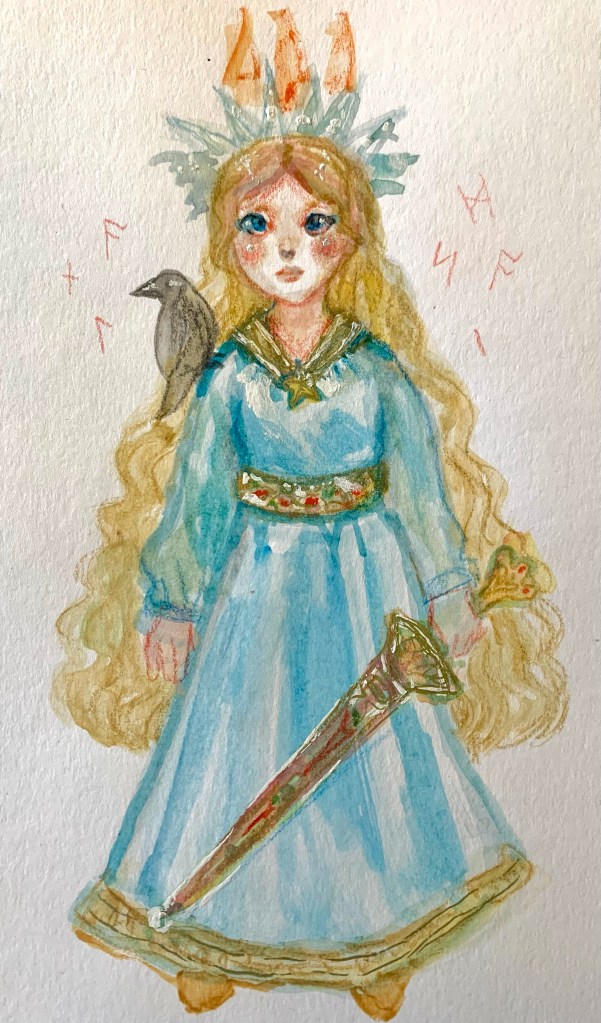
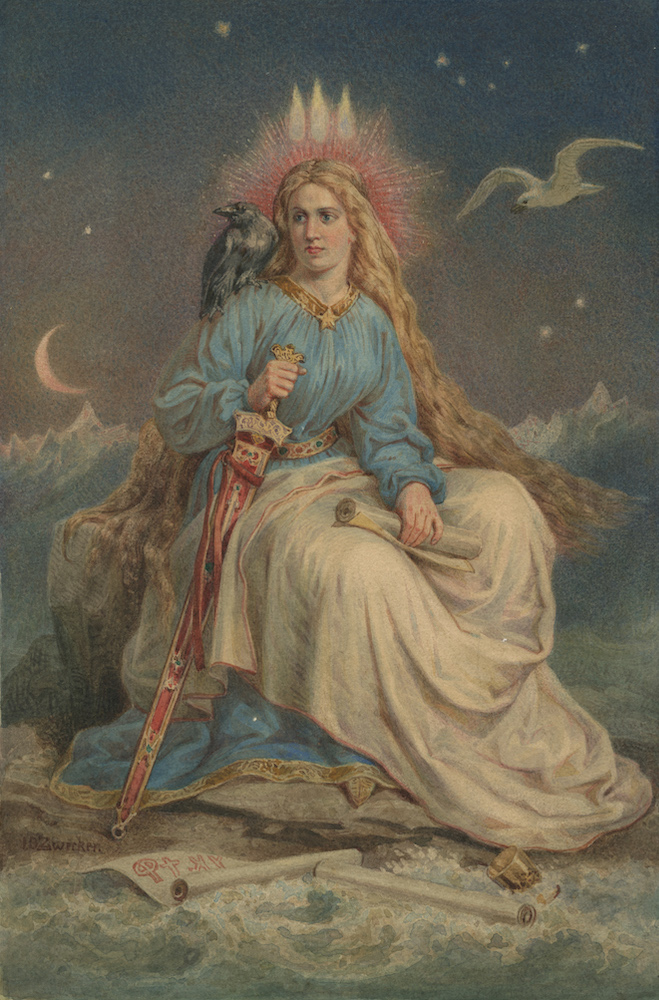
the Fjallkona is the female personification of Iceland. She represents Iceland’s spirit and its nature. Its name appears in the poem Eldgamla Ísafolda.k.a. Íslands minni by Bjarni Thorarensen in the early 19th century. Its most popular depiction is the painting by German painter Johann Baptist Zwecker in 1866.
Eldgamla Ísafold/ ástkæra fósturmold/ fjallkonan fríð!/ mögum þín muntu kær/ meðan lönd gyrðir sær og gumar girnast mær/ gljár sól á hlíð.
(Ancient land of ice / beloved nurturing soil / fair mountain woman. /May you love your sons, while countries barricade their waters / and men yearn for maidens / the sun glistens on a hillside.)
In Zwecker’s painting, made for the last volume of a collection of Icelandic folk tales, Icelandic Legends, the fjallkona has a crown of ice from which fires erupt, representing Icelandic nature with its glaciers and geysers. On her shoulder is a raven, symbol for the god Odin and norse mythology, and runes on a parchment, representing Icelandic culture.
It then gained popularity as symbol for the motherland, sometimes opposed to theDanish King as father under the Danish rule.
Icelandic patriotic poems
On the occasion of the institution of the Republic in 1944, a poem contest was held. Hver á sér fegra föðurland (who has a lovelier fatherland) and Land Míns Föður (My father’s land) were the winning poems. An extract from the two follows:
Hver á sér fegra föðurland / með fjöll og dal og bláan sand / með norðurljósa bjarmaband / Og björk og lind í hlíð? […]
Við heita brunna, hreinan blæ / og hátign jökla, bláan sæ / hún uni grandvör, farsæl, fróð / Og frjáls – við ysta haf.
Hulda (Unnur Bedediktsdóttir Bjarklind), ‘Hver á sér fegra föðurland’
Who has a lovelier fatherland / with fells and dales and bluest sand, with northern lights up aloft, and birch and lime on hilltops? […] With hot springs of a pure hue / majestic glaciers, a sea of blue / she remains thoughtful, peaceful, sage / and free, in the farthest sea.
Hvíslað var um hulduland / hinst í vestanblænum / hvítan jökul, svartan sand / söng í hlíðum grænum. / Ýttu þá á unnarslóð / Austmenn, vermdir frelsisglóð / fundu ey og urðu þjóð / úti´í gullnum sænum. […]
Hvort sem krýnist þessi þjóð / þyrnum eða rósum / hennar sögur, hennar ljóð / hennar líf vér kjósum. / Ein á hörpu íss og báls / aldaslag síns guðamáls / æ hún leiki,ung og frjáls / undir norðurljósum.
Jóhannes úr Kötlum, ‘Land Míns Föður’
There were whispers of a hidden land / hinst in the western blues / white glacier, black sand / singing on green slopes. / Push them on a path of success / Men of the East, warmed by the embers of freedom / found an island and became a nation / out in the golden seas. […] Whether this nation is crowned / with thorns or roses / its stories, its poetry / its life we choose. / Alone on the land of ice and fire / the eternal sound of her divine language / forever she moves, young and free / under the northern lights.
The Norwegian national costume, to be seen in all its glory on 17 may, and its old but not so old tradition
A bunad (plural bunader) is the Norwegian national costume. Bunads are among the most beloved folk costumes in the world, and the most worn in Europe. Other Nordic countries have their own folk costumes as well, but they are much less common and strictly connected to folk traditions as folk dances. Read about Swedish folkdräkter.
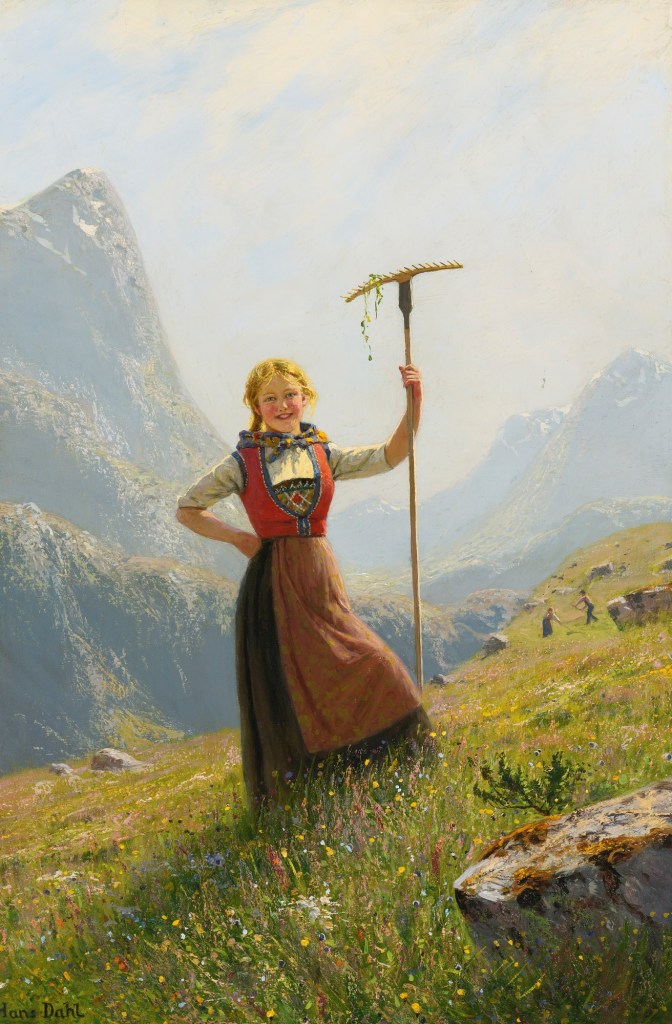
In Norwegian there’s a distinction between a Bunad and a folkedrakt (“folk costume”) , with the latter specifically used for costumes from the past. The word bunad, from Old Norse búnaðr began to be used in the 20th century, as the national costumes gained popularity with the rise of the National romantic movement in the 19th century, with artists as Adolph Tidemand and Hans Dahl depicting them.
Why bunads are so popular in Norway
After national romanticism, the use of bunads increased in the 1920s, but it was after the war that the national dress became even more popular, as a symbol of free and indepent Norway. First and foremost on the national day, and then for any festive occasions – as christenings and weddings. It is now officially seen as a gala attire, which can be for instance worn at the opening of the Stortinget, the Norwegian parliament. The best day to admire Bunads remains 17th May (Norway’s National day).
Young adults traditionally receive their bunad on their confirmation, as 15-year-olds, and it will last their entire lifetime. Crown princess Alexandra had hers sewn by her grandmother the Queen for this occasion. Purchasing a bunad costs thousands of euros/dollars, although lately low cost “China bunad” emerged.
Around 80% of Norwegian women owns a bunad. It is less common for men to wear it, with 20% having one, but the number is rising. In 1999, Pakistani-born Stortingen member Rubina Rana wore a bunad as the first person with migration background doing so in a 17 mai parade.
The diverse bunad designs
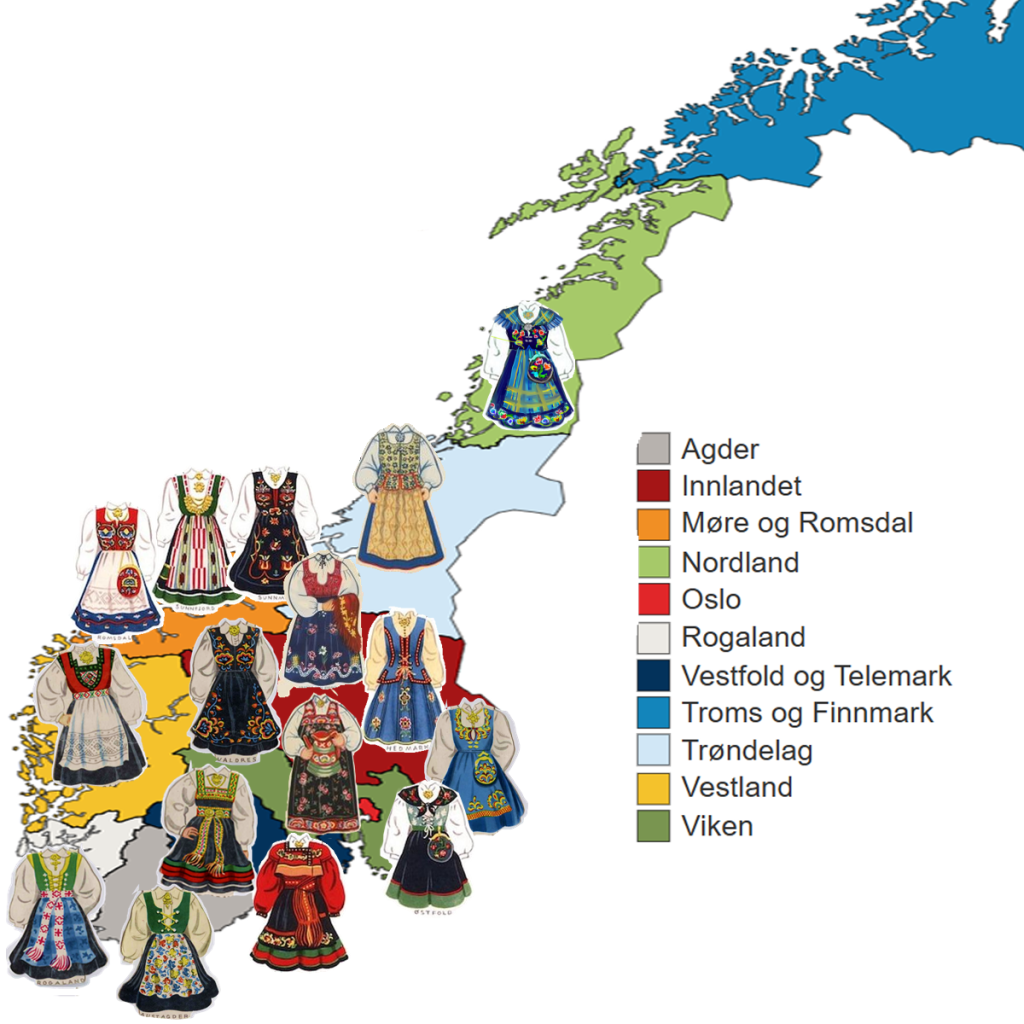
Norway’s fylker (counties) with some bunads from them
There are around 450 bunads in Norway, with each district having its own designs. They can be grouped into 5 categories of Bunads depending on how they were created, from traditionally in use to entirely recounstructed.
At the beginning of the 20th century Norway had just become fully independent and many were trying to promote Norwegian traditions and make the national identity stronger. In these years Bunads were being redesigned from old costumes with Hilda Garborg as leading figure for the movement. She published a very successful book called Norsk Klædebunad in 1917.
Bunads with the oldest tradition
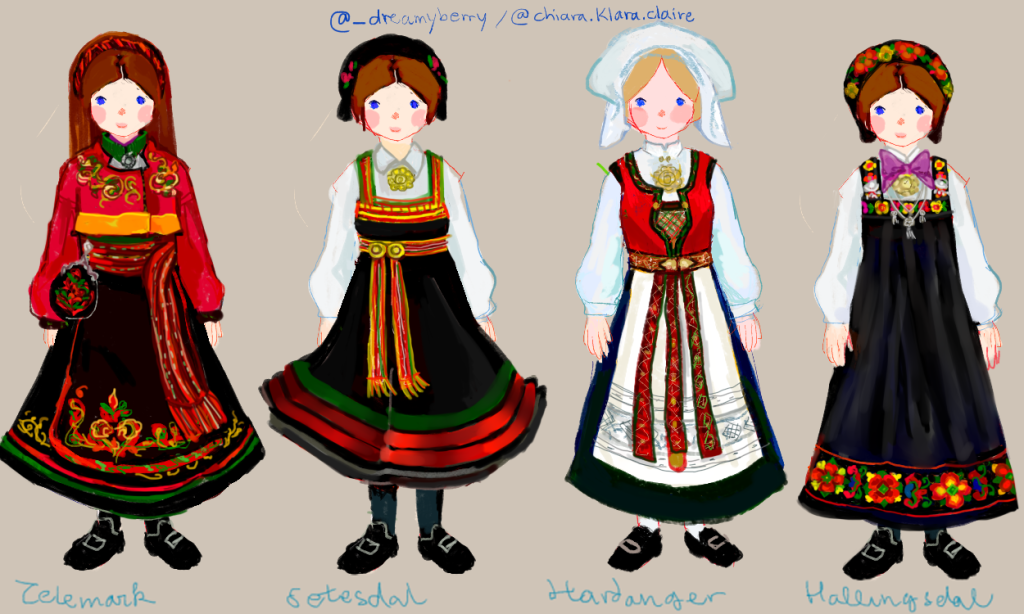
The Hardanger bunad, was established in its use and is retained as the most Norwegian, depicted in art and easily recognisable. Setesdal, Hallingdal and Telemark are the other districts with the oldest and most established bunad tradition.
More recent bunads
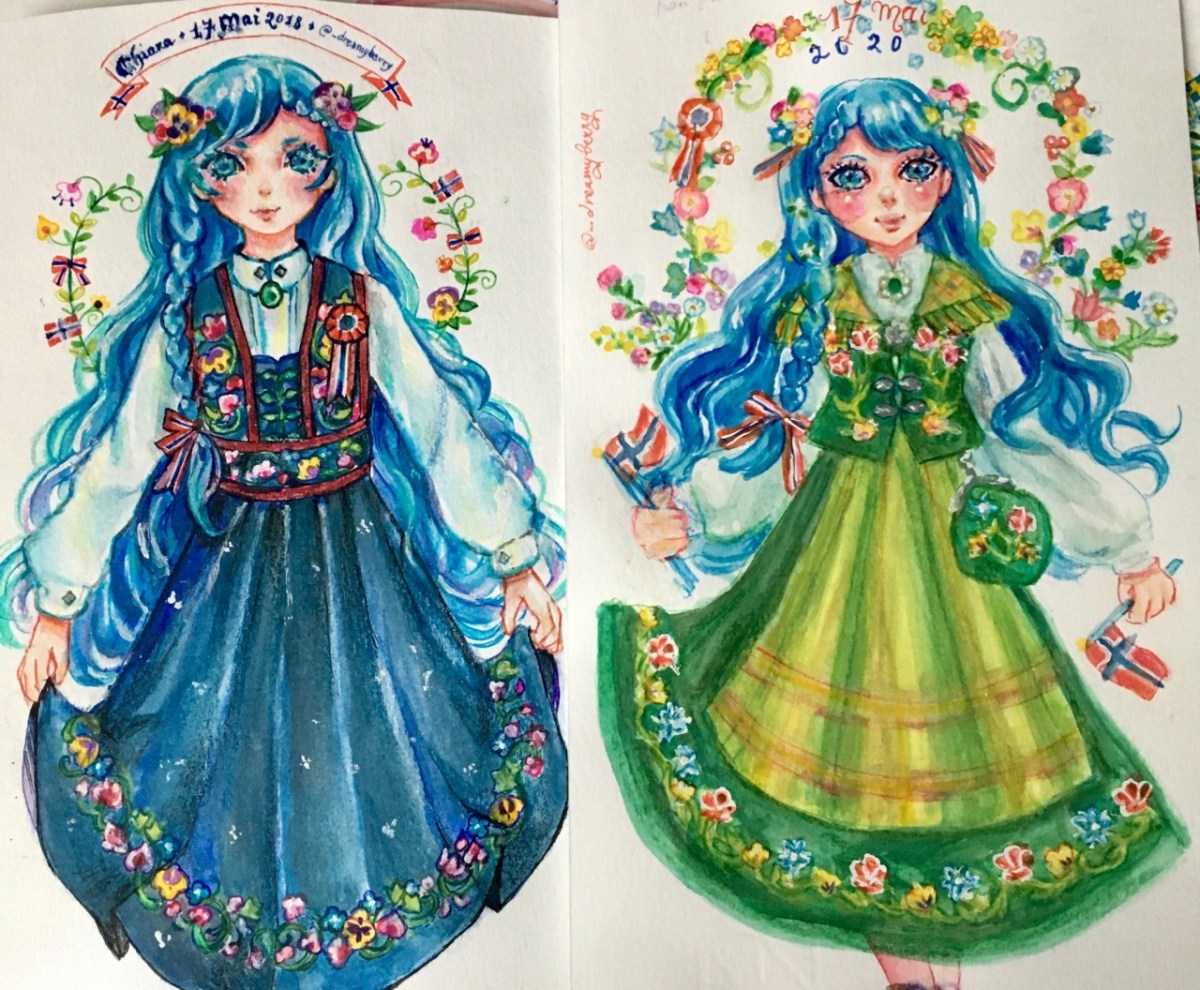
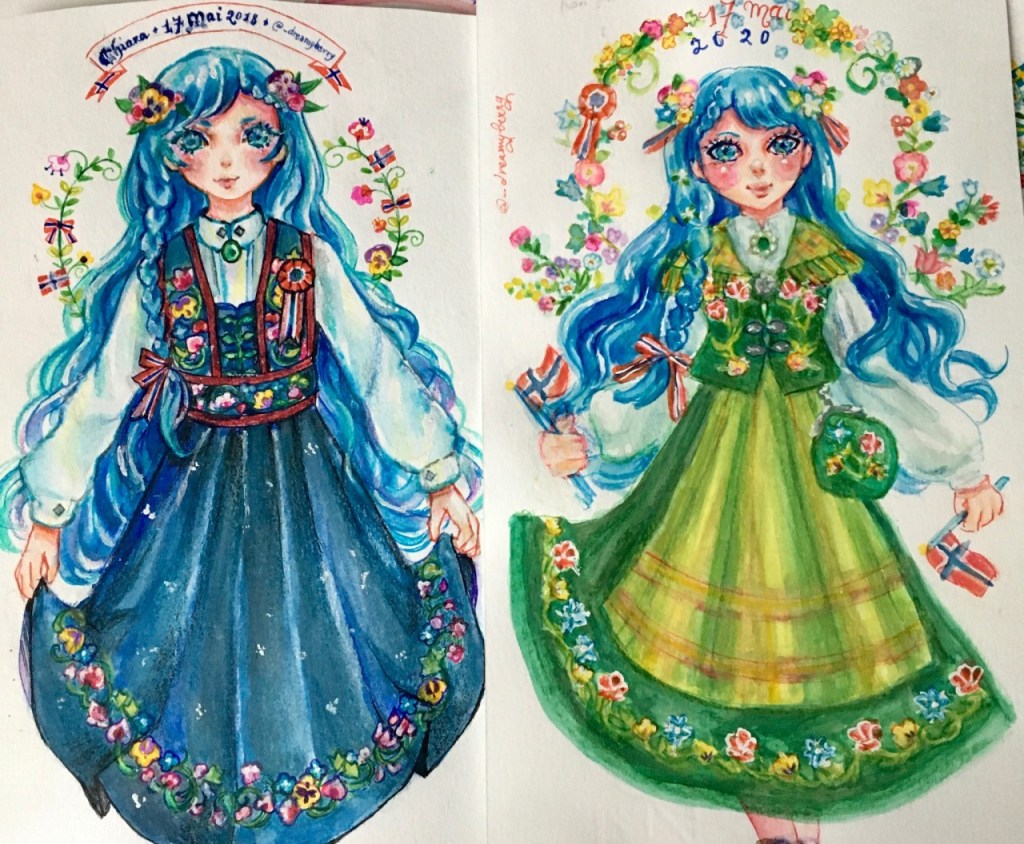
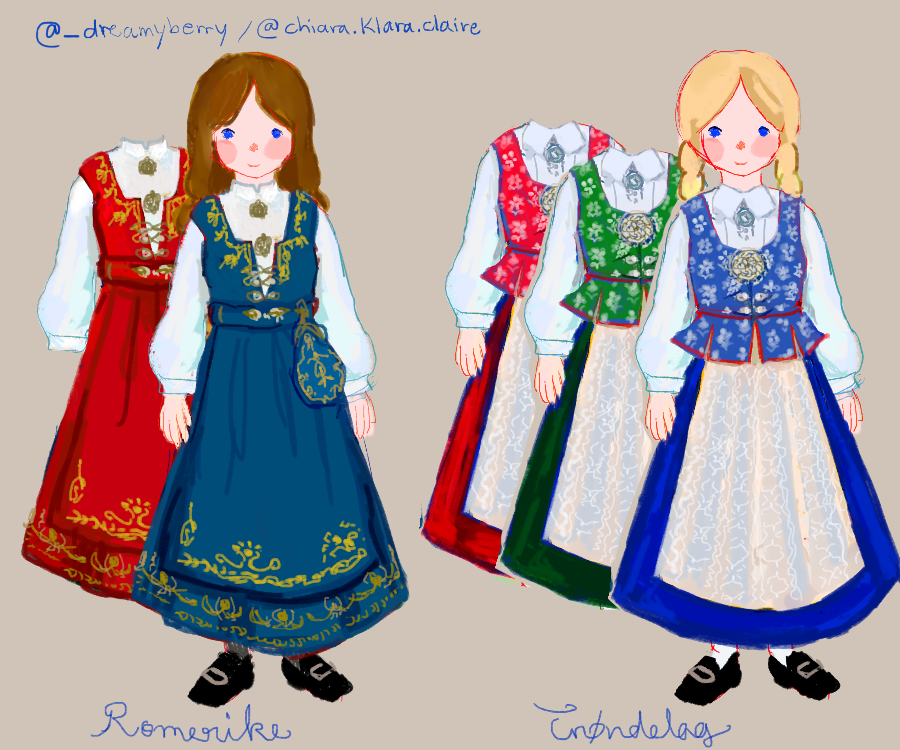
Flower embroideries are very common. Present among others in the Nordland bunad (considered by many Norwegians the prettiest bunad) and Gudbrandsdalen bunad. The same design can also come in different colours, with the Nordland bunad existing both in green and blue and the Trøndelag and Romerike bunads in blue, red and green.
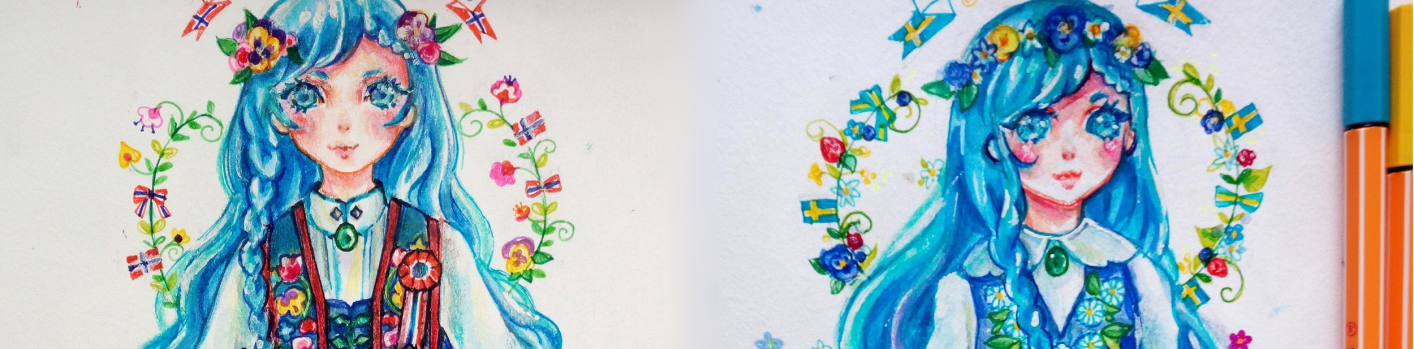
Left to right: my flower-themed original character with by Gudbrandsdal and Nordland bunads. Romerike (South-East Norway, near Oslo), Trøndelag (North Norway)
Accessories of the Bunad outfit
Part of the bunad outfit is Sølje, hand-made silver or gold jewellery, which is very important and gets bigger with older one gets. Silver was believed to have magical powers!
Headdresses, as bonnets, used to be important as they indicated an individual’s social or marital status, but big ones as the hardanger bonnet are now scarcely used.
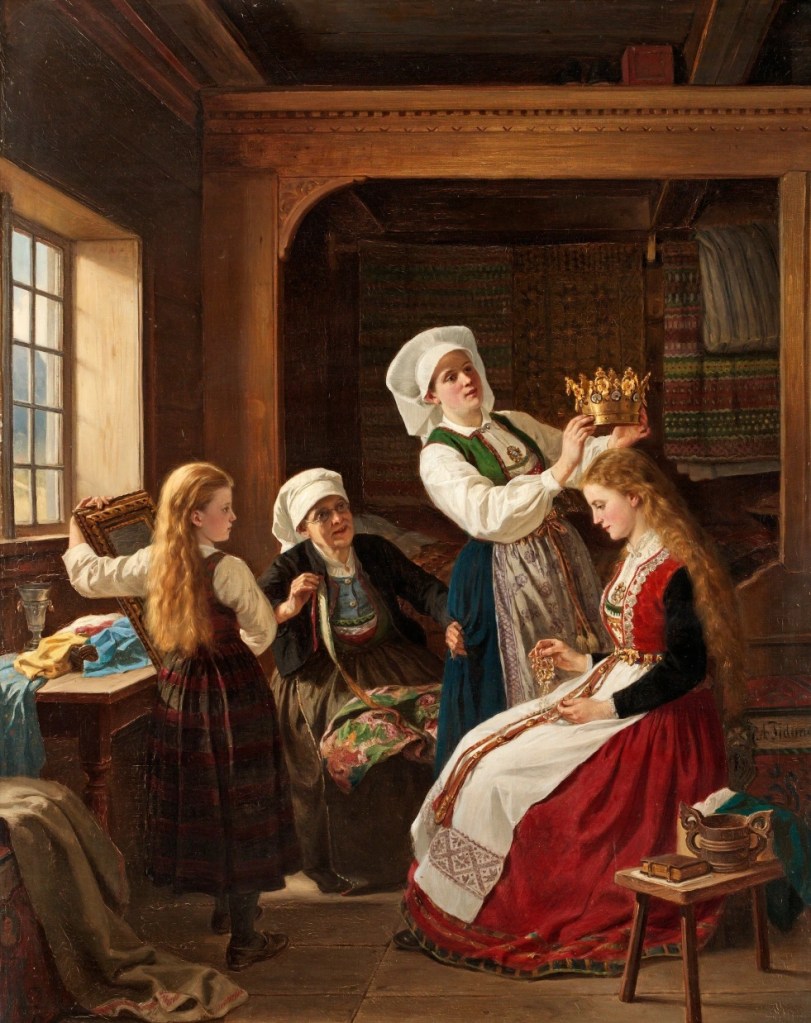
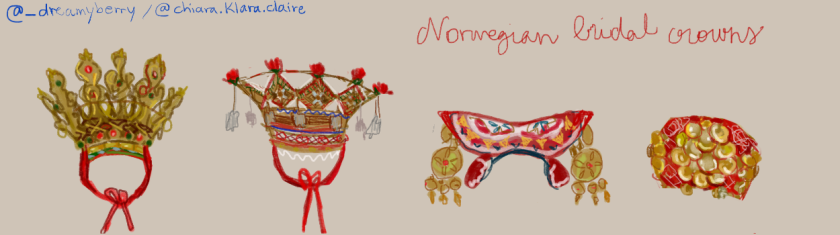
An elaborate with bridal crown can be used for a traditional Norwegian wedding, it was a sign of virginity in connection to the Holy Virgin. The bridal crown tradition goes as far back as the Middle Ages. Like bunads, there are many regional variations.
The silver crown, present in many regional variations, Hardanger perlekrune, Voss, Setesdal


 a Polyglot illustrating Scandinavia