20+ Mindblowing Icelandic Composed Words

curious Icelandic compound words, from unique Icelandic words as ‘number prophetess’ for computer to ‘light pear’ for lightbulb.

Icelandic, like other languages, has a lot of compound words, expressing a concept with multiple other words.
For new concepts, for example technology-related vocabulary, Iceland has a committee inventing new words for new concepts, by assembling existing Icelandic words. This is to follow the language purism policy, and avoid just adapting foreign words or using loanwords.

Here are some Icelandic compound words I like. Can you guess the meaning by looking at the literal translation?

words unique to Icelandic:

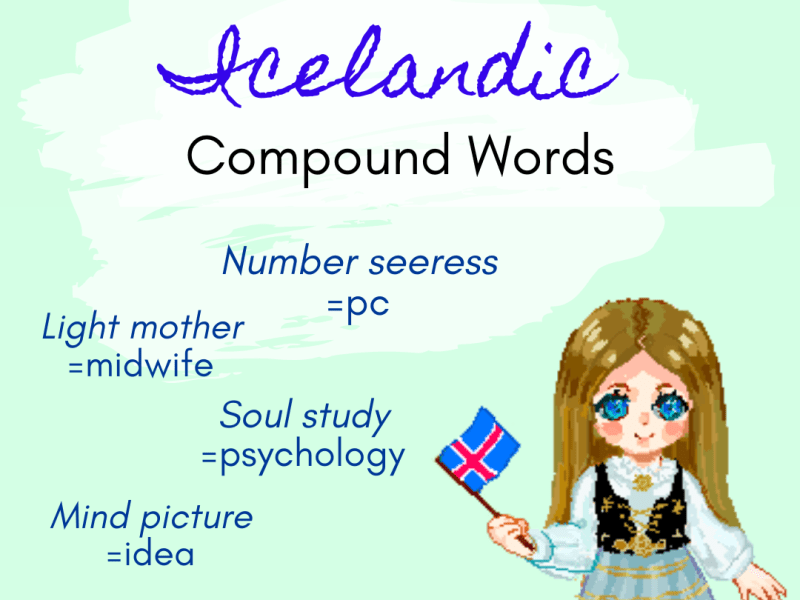
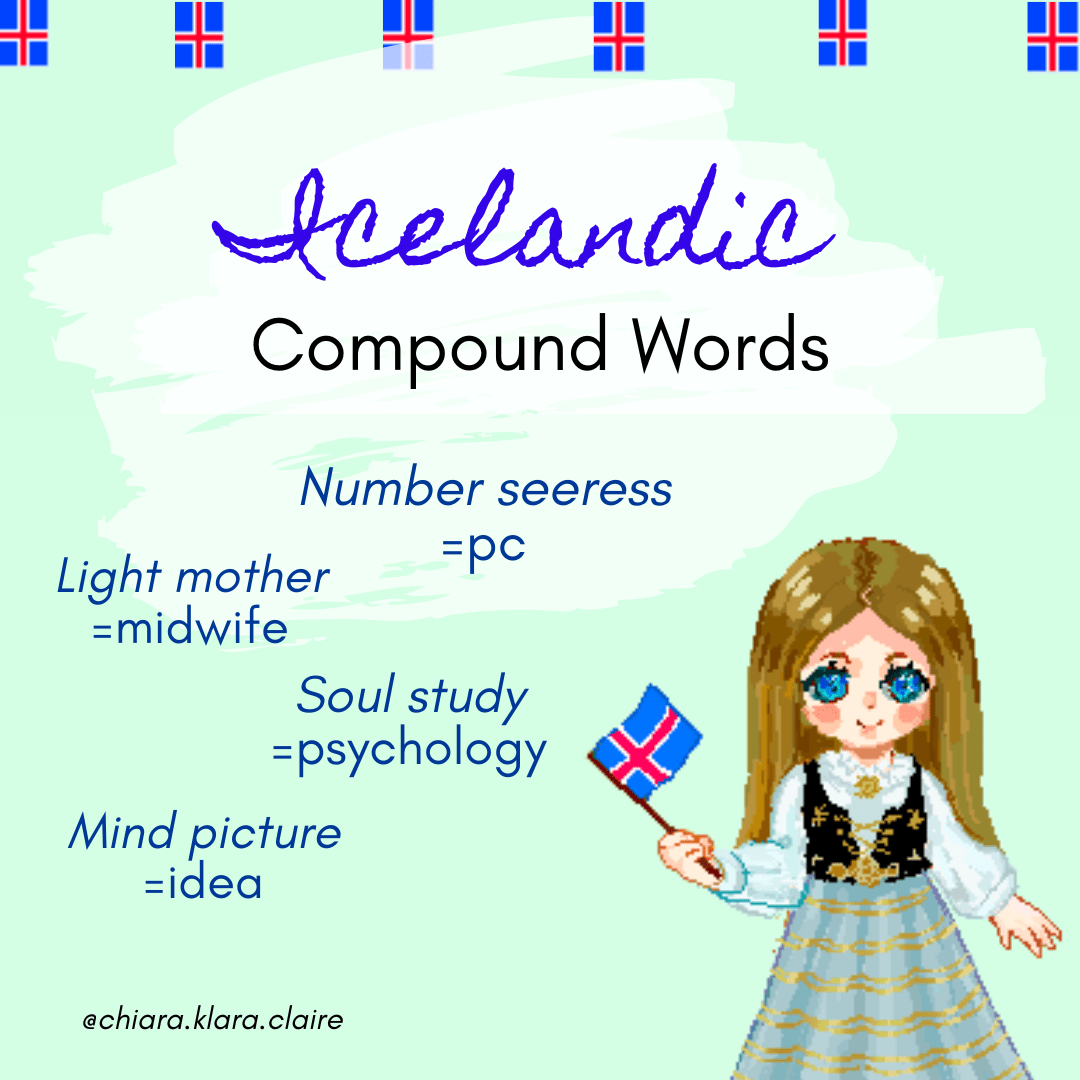
  1. a classic example is tölvaNumber-Prophetess (tala+völva): computer
  2. ljósmóðir light-mother: midwife
  3. bergmálrocks-language: echo
  4. spékopparnaughty cups: cheek dimples
  5. tónlist – sound-art: music
  6. hugmyndmind-picture: idea
  7. ástfanginnLove-captured: be in love. This one is probably my favourite!!
  8. hugfanginnmind-captured: fascinated
  9. sálfræði soul-study: psychology. Most academic subjects have their own icelandic name, as málfræðilanguage-study: grammar.
  10. ratljóstknow/find the way (rata)-light: enough light to wander. This is however not widely used.
  11. Viðskiptavinur – business-friend: customer
  12. Mörgæs – Fat-Goose: penguin
  13. smokkfiskur condom-fish: squid: it might be that smokk comes from smock, however, smokkur means condom, and that would somehow makes sense…

Compound words that also exist in other languages

Icelandic also took words that are jut adaptions of the original Greek words, literally translating into Icelandic, and shares quite a few with other (Germanic) languages, which are still curious if you are not a speaker of any of them.

  1. eldfjallfire-mountain: volcano (just like 火山 in Japanese)
  2. Reikistjarnawandering-star: planet. (what Planet originally means in Greek)
  3. rafmagn amber-power: electricity (as electricity originally comes from Greek ēlektron meaning amber)
  4. flóðhestur river-horse: hippo. (As in Scandinavian languages flodhest or ‘Nile-horse’ in German and Dutch Nipferd/nijlpaard, it is just the literal translation of Greek hippopotamos). Nashyrningurnose-horn: rhino. See above literal translation of rhinocerus, as Noshörning, neshorn, Nashorn, Neushoorn.
  5. Legkaka – Womb-Cake: placenta. (As Scandinavian mo(de)rkake, ‘mother cake’…)
  6. Gæsalappir – Goose-Feet: Quotation Marks (besides Anführungszeichen, German also has Gänsefüßchen)
  7. Ljósapera – Light-Pear: Lightbulb (as Glühbirne in German, and lyspære in Norwegian)
  8. Innblástur – In-Breeze: inspiration…(yes, you’re welcome)
  9. vínber – wine-berry: grapes (also exists in Estonian viinamarjad)

sources:

Article by Silvia Cosimini on Passenger Islanda, Iperborea.
Reddit thread: /r/linguisticshumor/comments/17k5ivl/whats_the_most_ridiculous_example_of_semantic/
guidetoiceland.is ‘s Icelandic Language iverview

7 fun facts about Lucia, Sweden’s pagan saint

Lucia brings light in the darkest night of the year and is a mix of pagan and christian traditions. It is celebrated in Scandinavia with processions, saffron buns and church concerts.

3 easy and fast iconic Nordic dishes

simple and iconic Scandinavian recipes to make yourself for a typical Nordic dinner

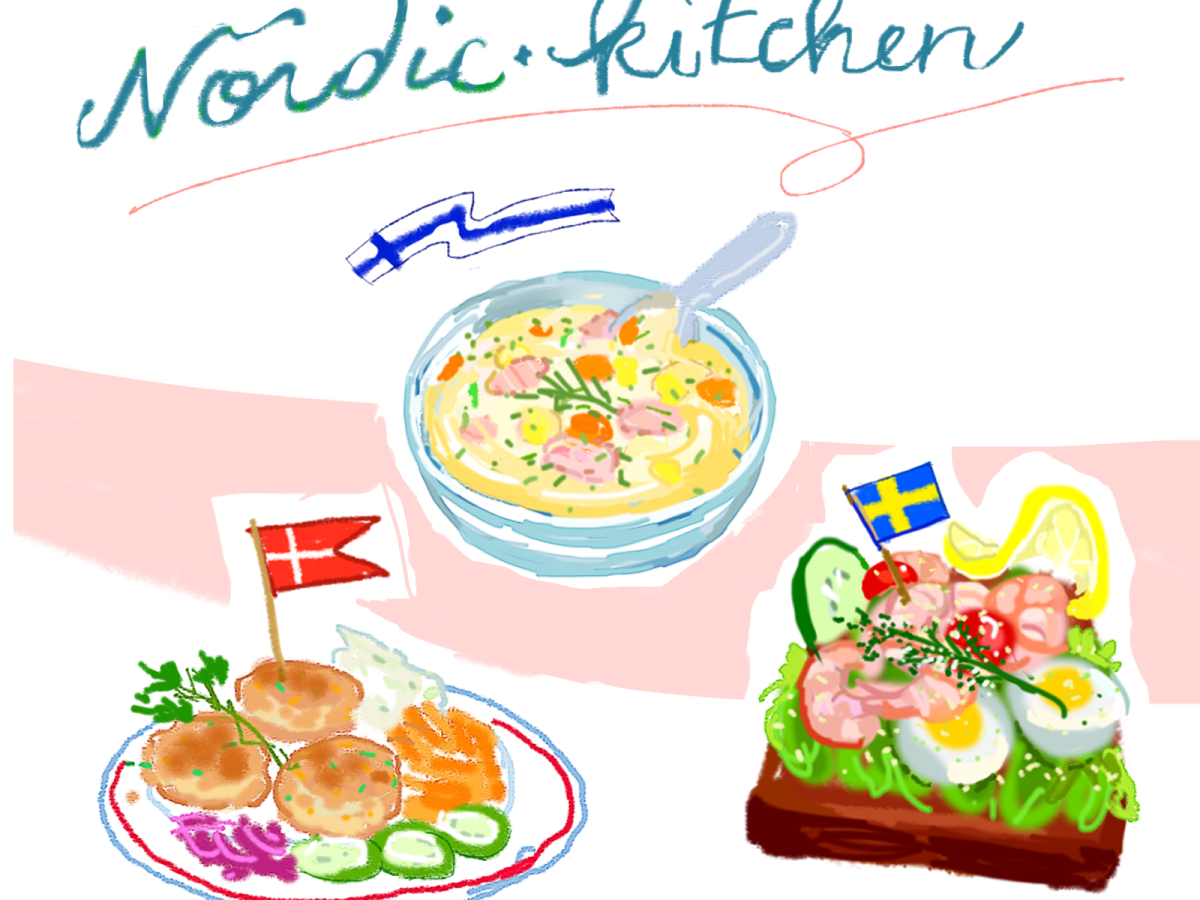
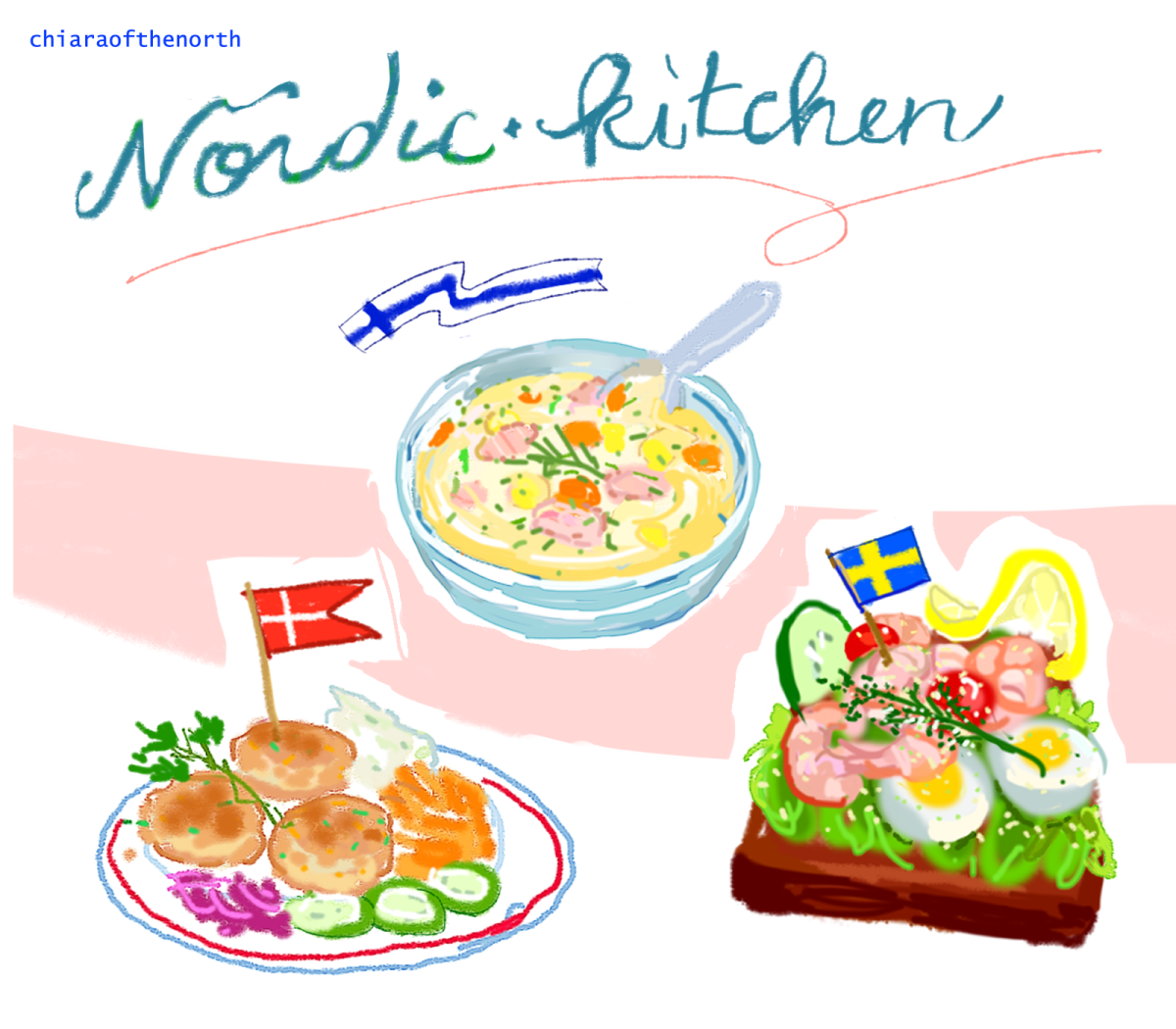
I have been testing Nordic dishes as someone with not-so-incredible cooking skills who likes to cook simple things, and these are three delicious and easy meal ideas I can present you, in time/complexity order from the easiest:

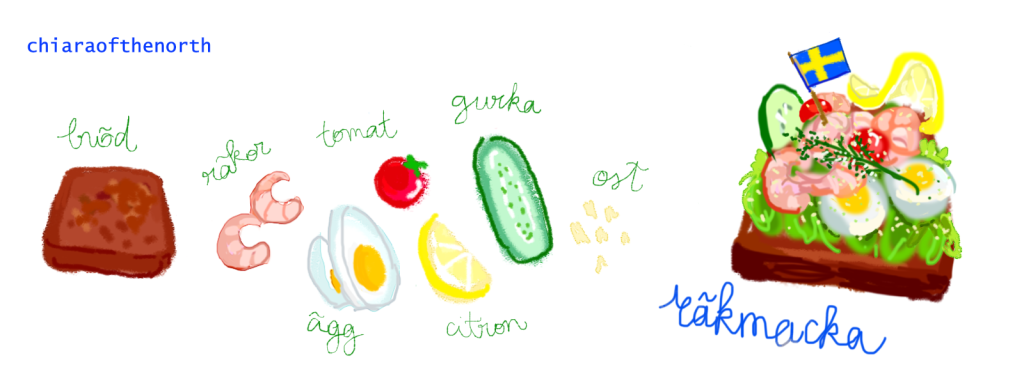
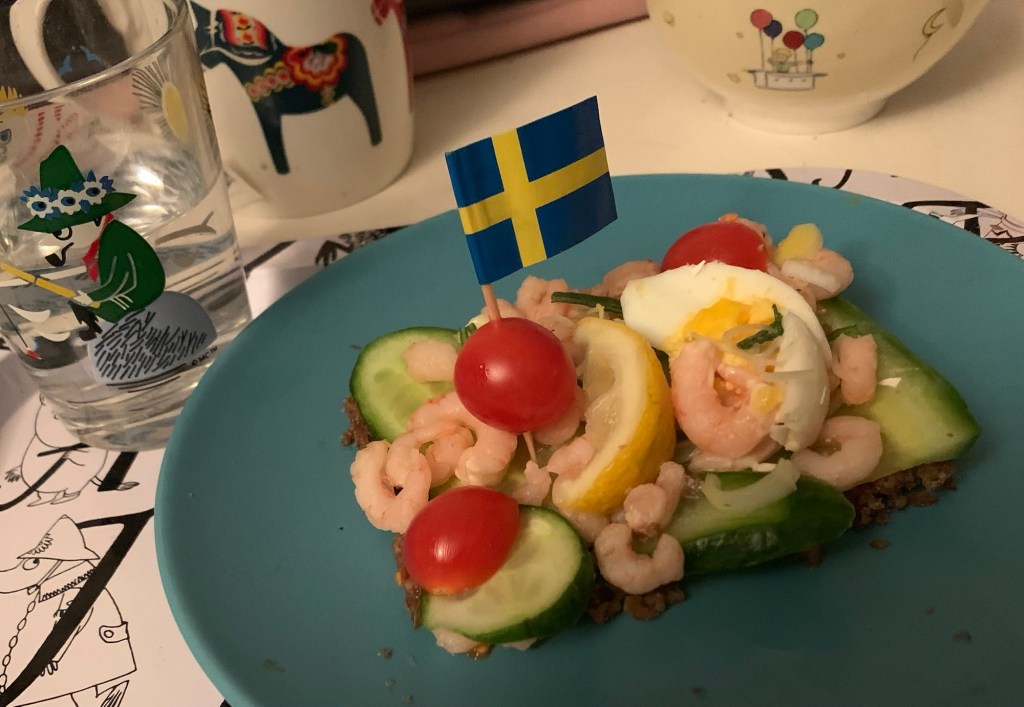
1. Räkmacka – Swedish Shrimp open sandwich

Typically found at cafés as savoury option for a fika, but you can easily make it yourself – (rye) bread with Shrimps, cucumbers and tomato slices on salad, often egg and lemon – add whatever you like and make it look fancy!

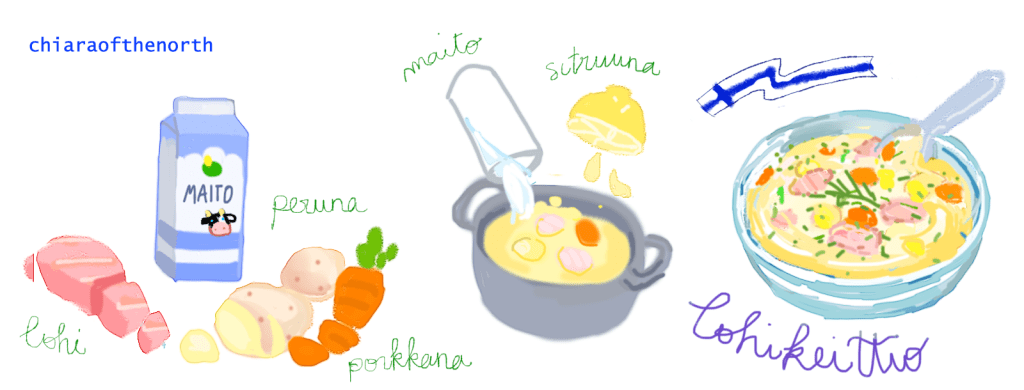
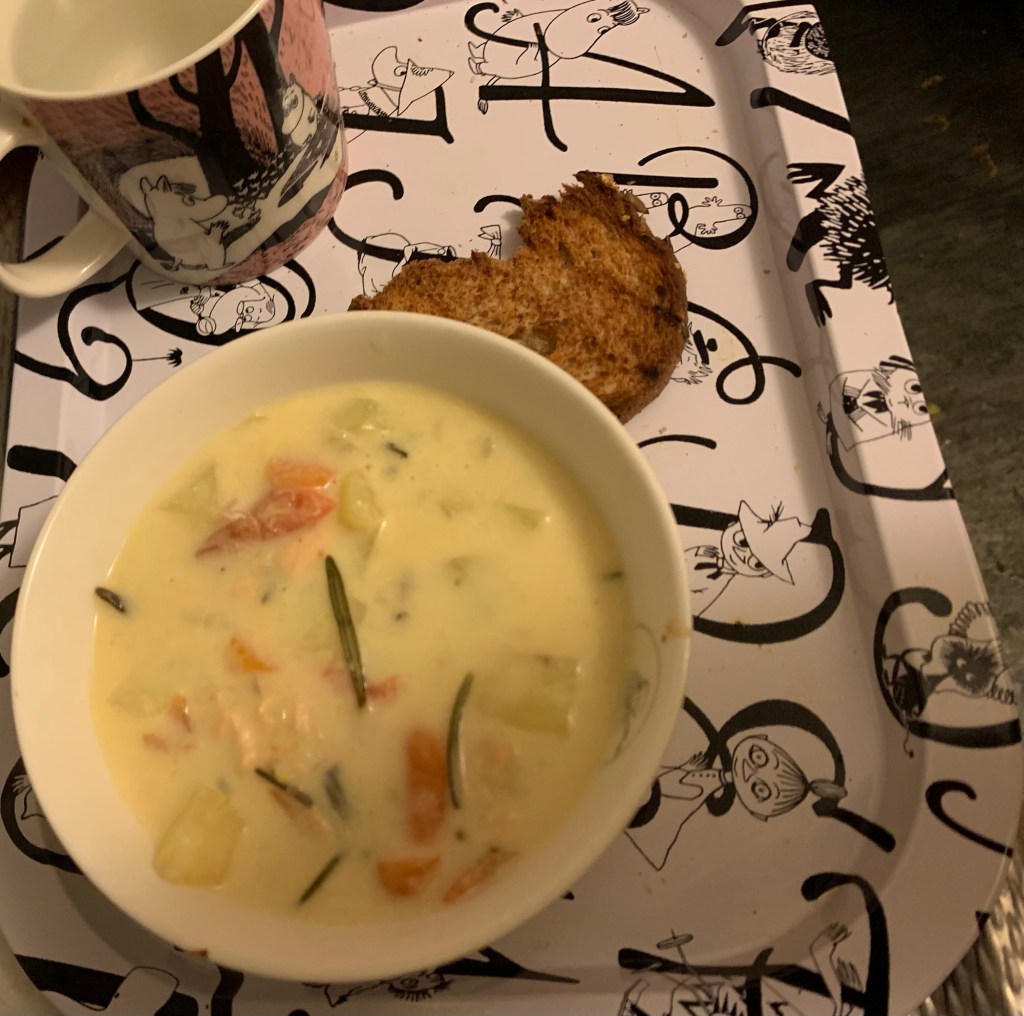
2. Lohikeitto – Finnish salmon soup

soup with chopped salmon, based off milk and lemon juice, and enriched by veggies as potatoes and carrots.

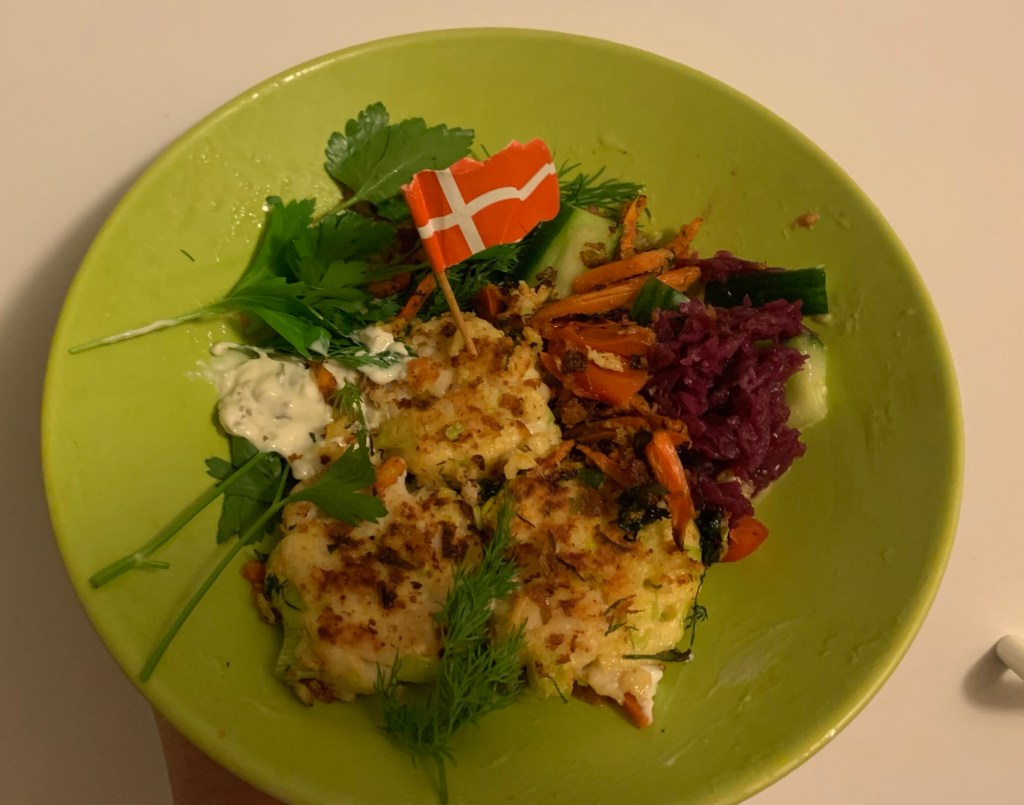
3. Fiskefrikadeller – Danish fishballs

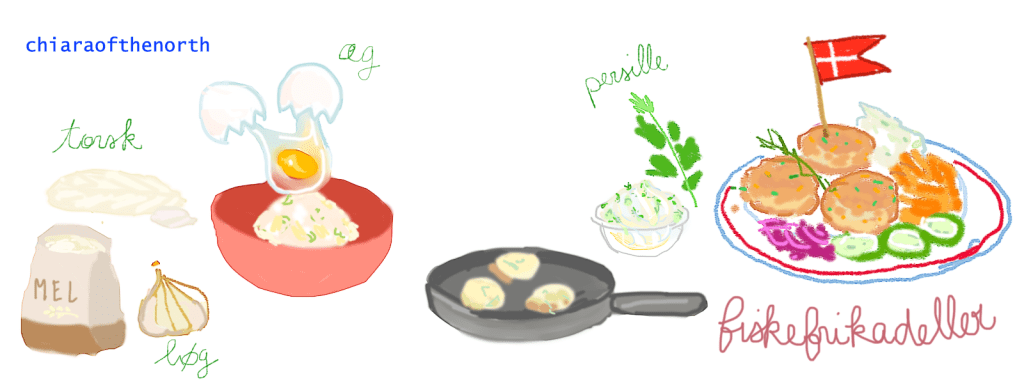
Make balls after mixing fish chunks (I have used pangasius and cod) with egg, flour, spring onion – I also like to add carrot bits -, Fry them in a pan on both sides. Garnish with herbs as parsley. Complete the plate with some fresh veggies to the plate as cucumber and red cabbage. Enjoy the fishballs with remoulade sauce as the Danes do!

Here are pictures of my experiments:

Disclaimer: these are my creative versions, and I do not follow 1:1 classic recipes. You find plenty of other references online! You can still see more Scandinavian and Nordic food on this blog, from my trips in Scandinavia and to Nordic cafés elsewhere.

Please let me know if you will try making these!

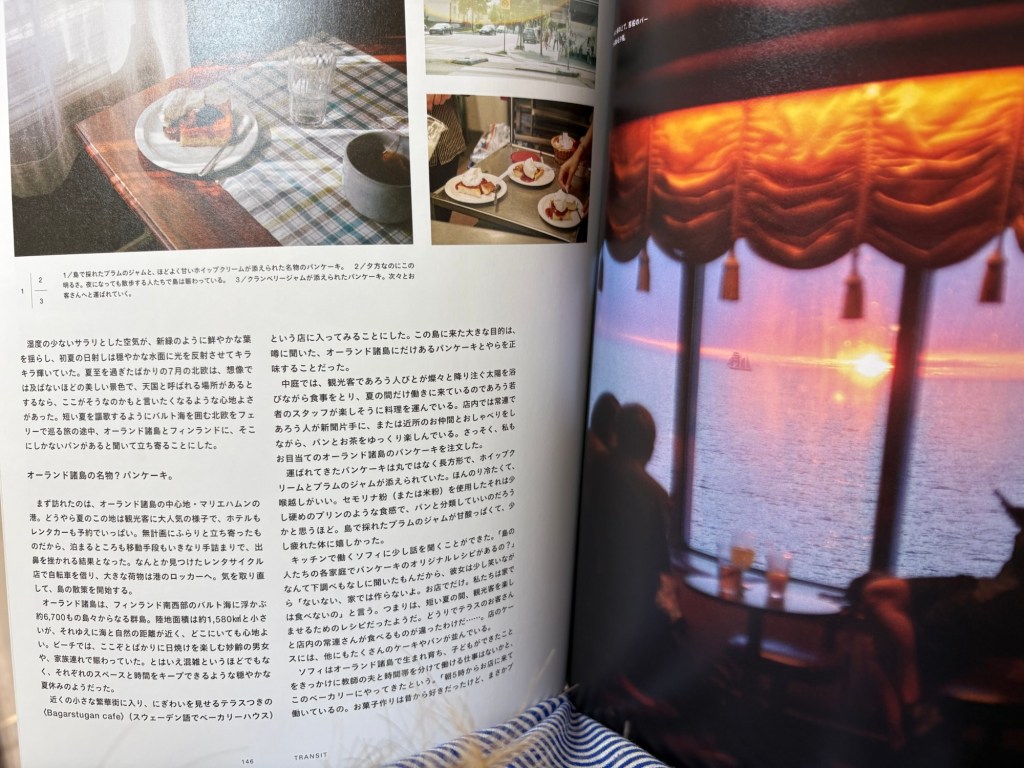
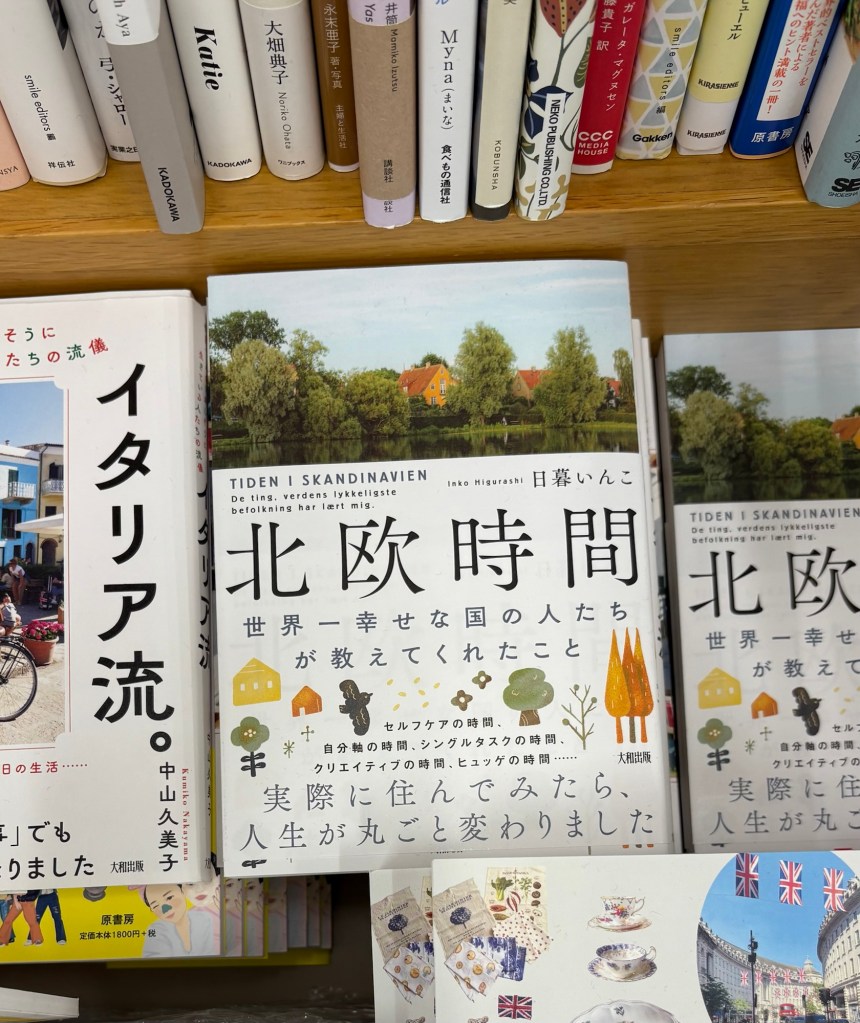
Nordic findings in japan

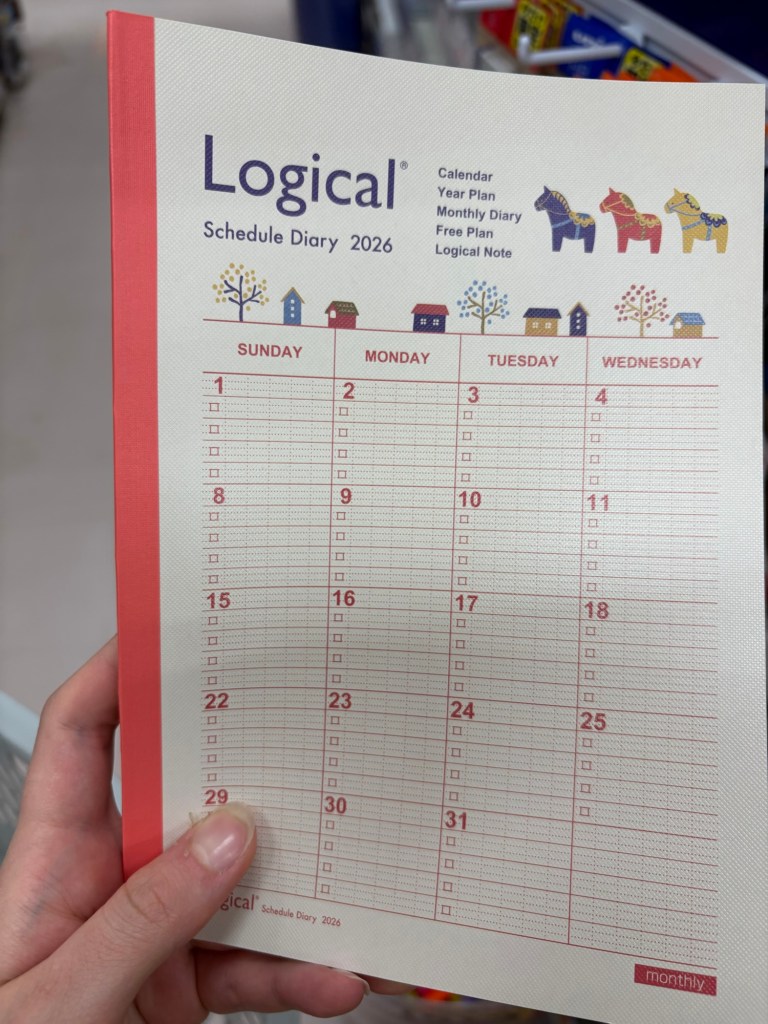
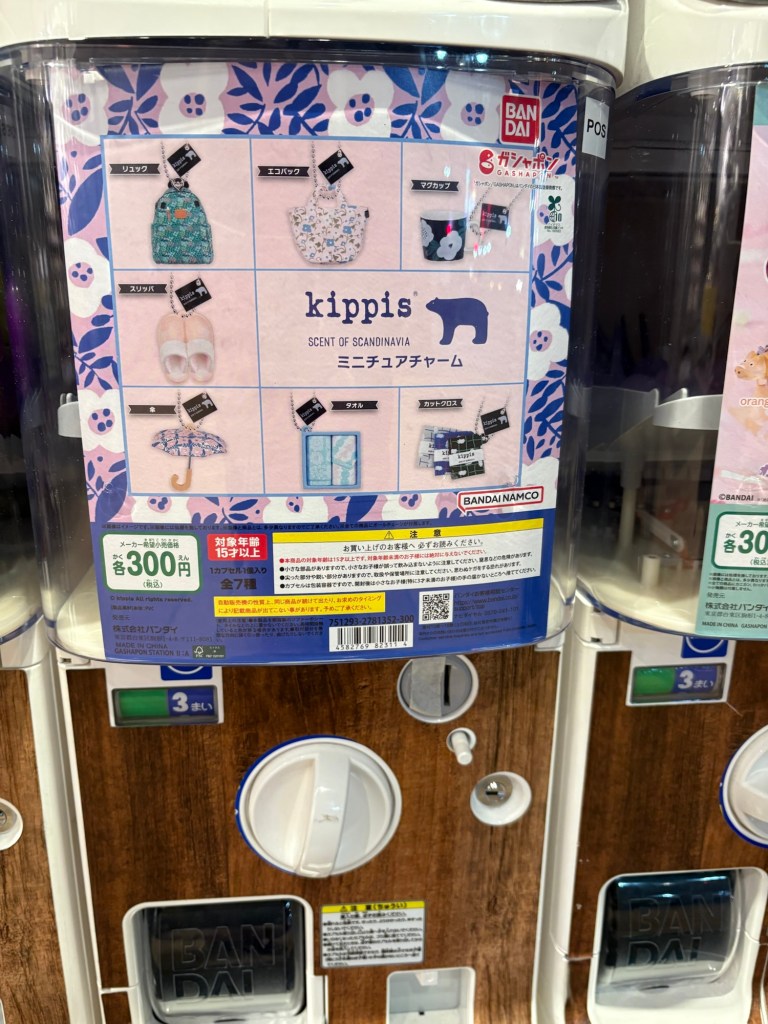
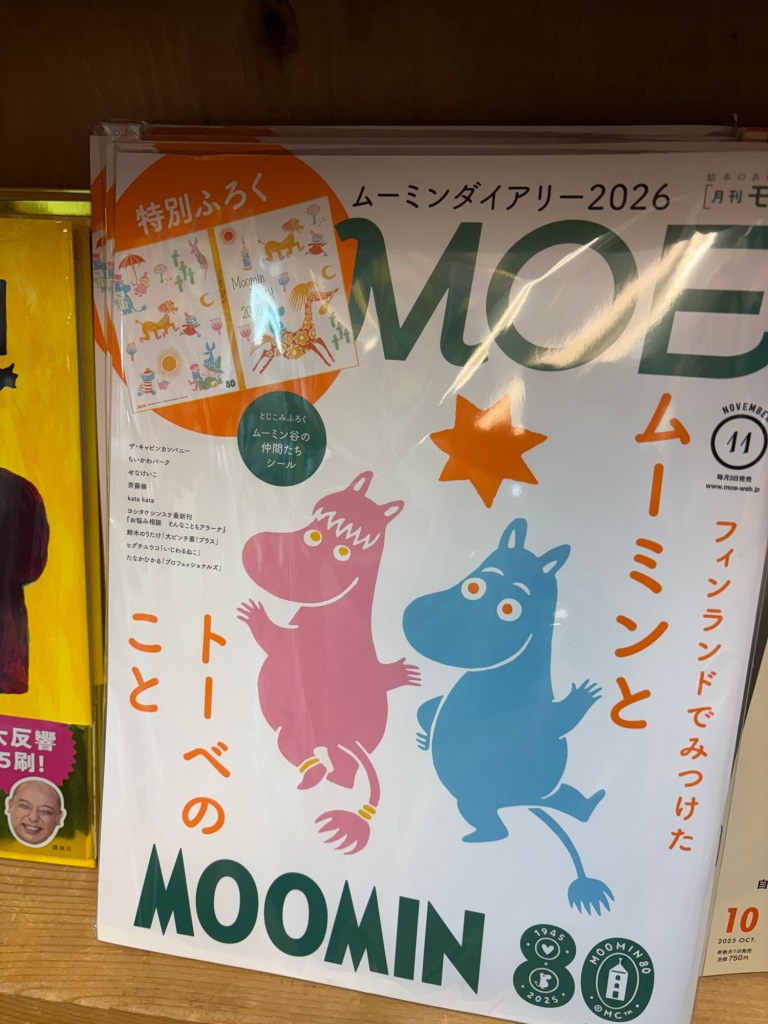
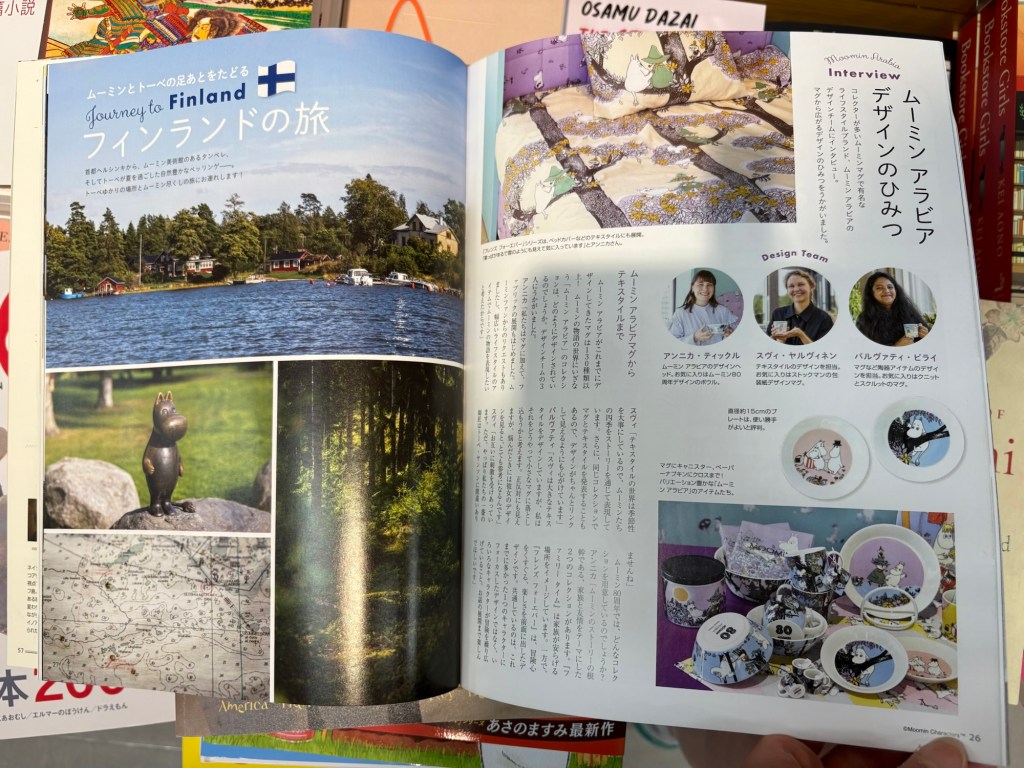
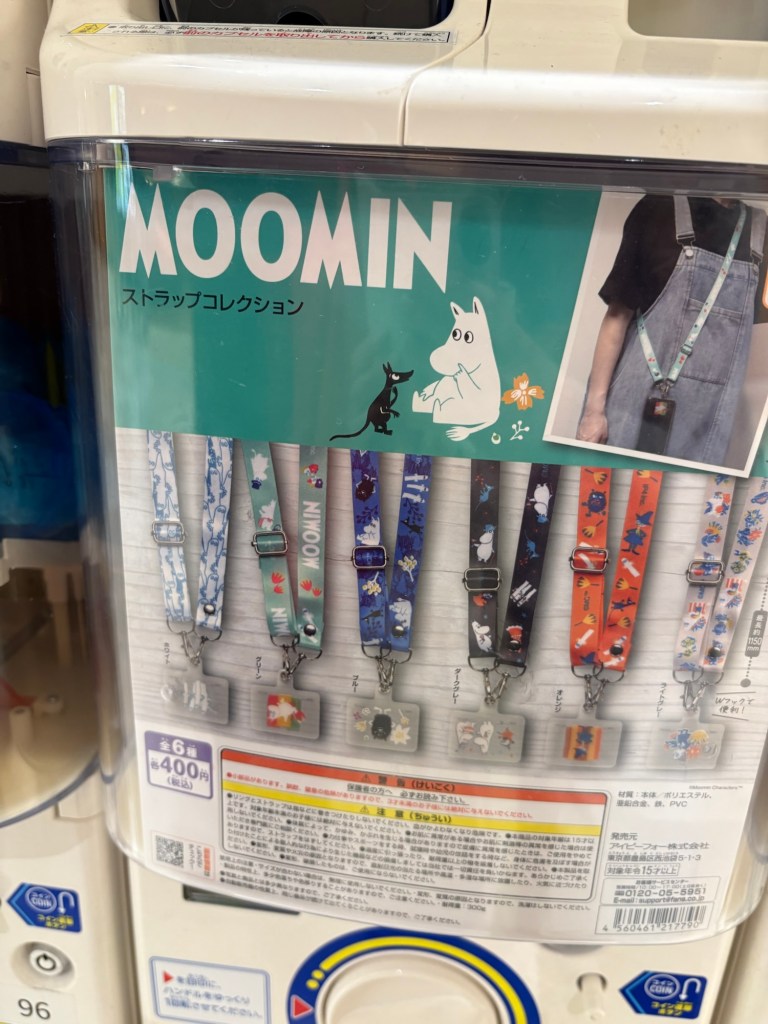
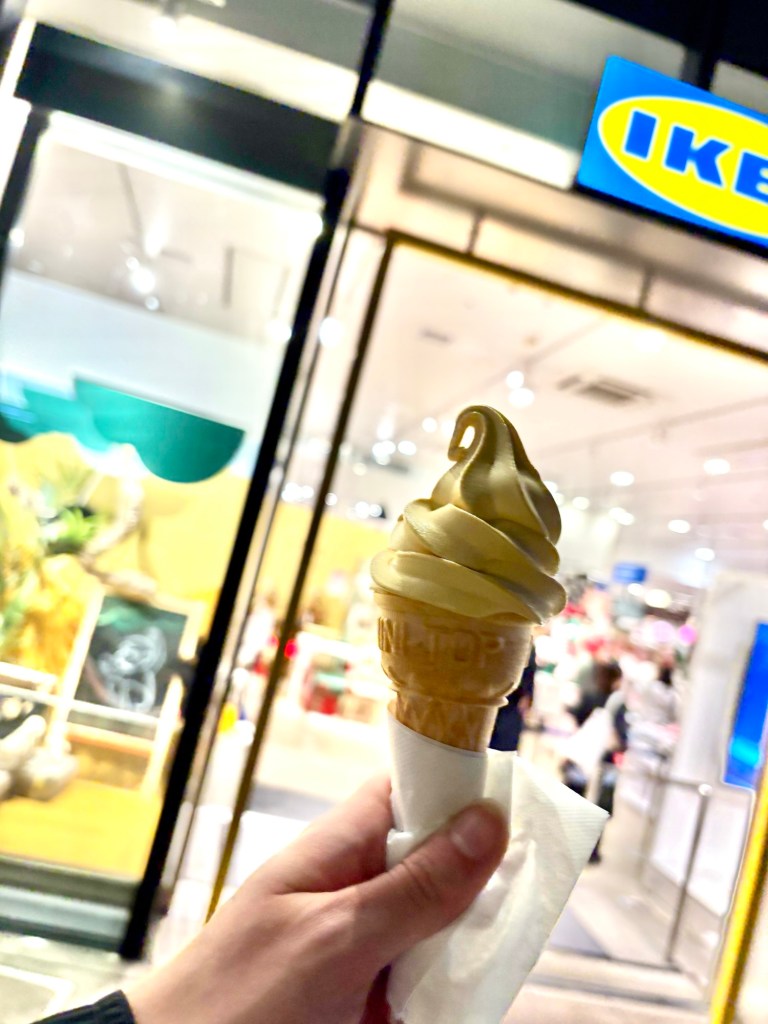
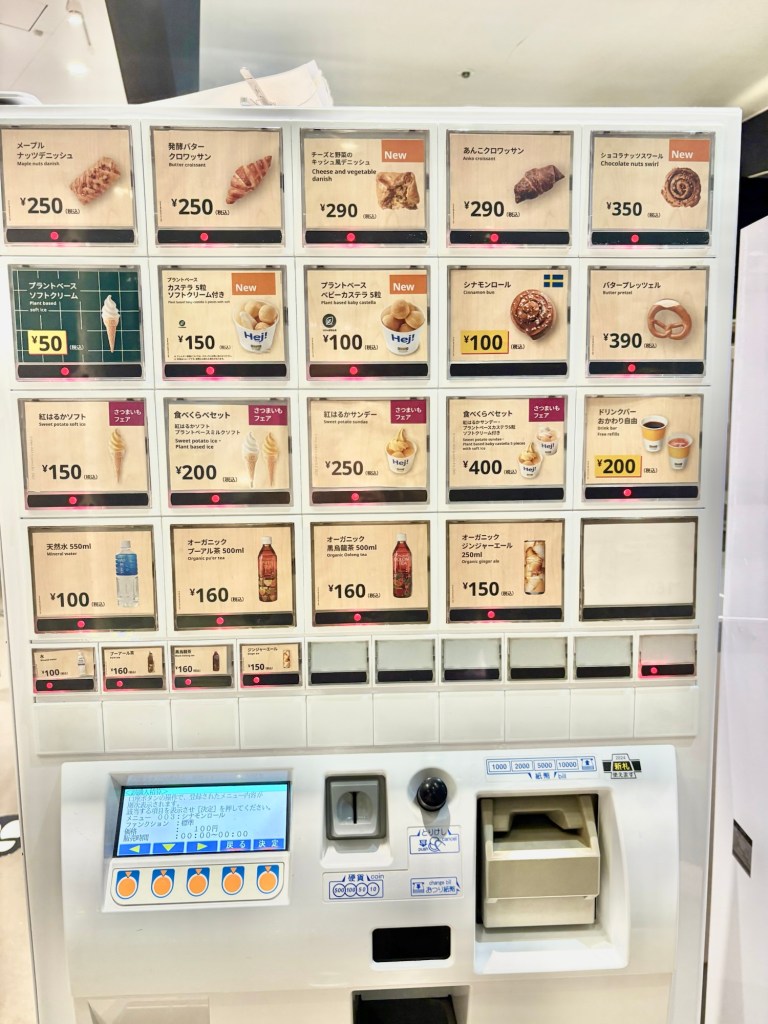
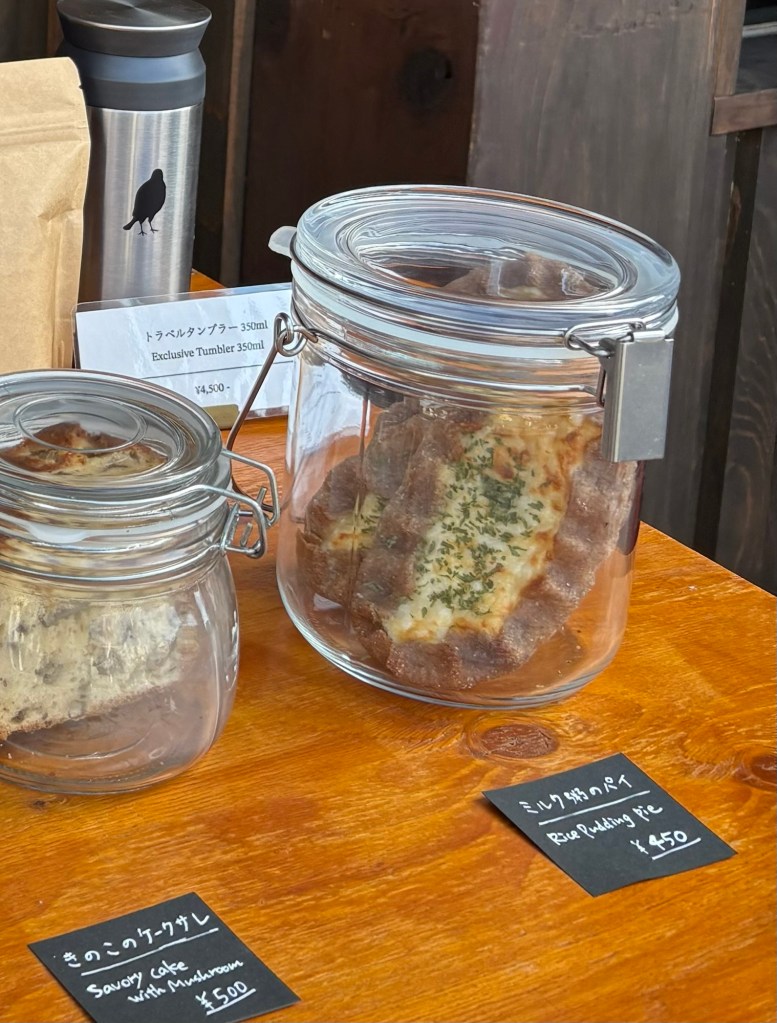
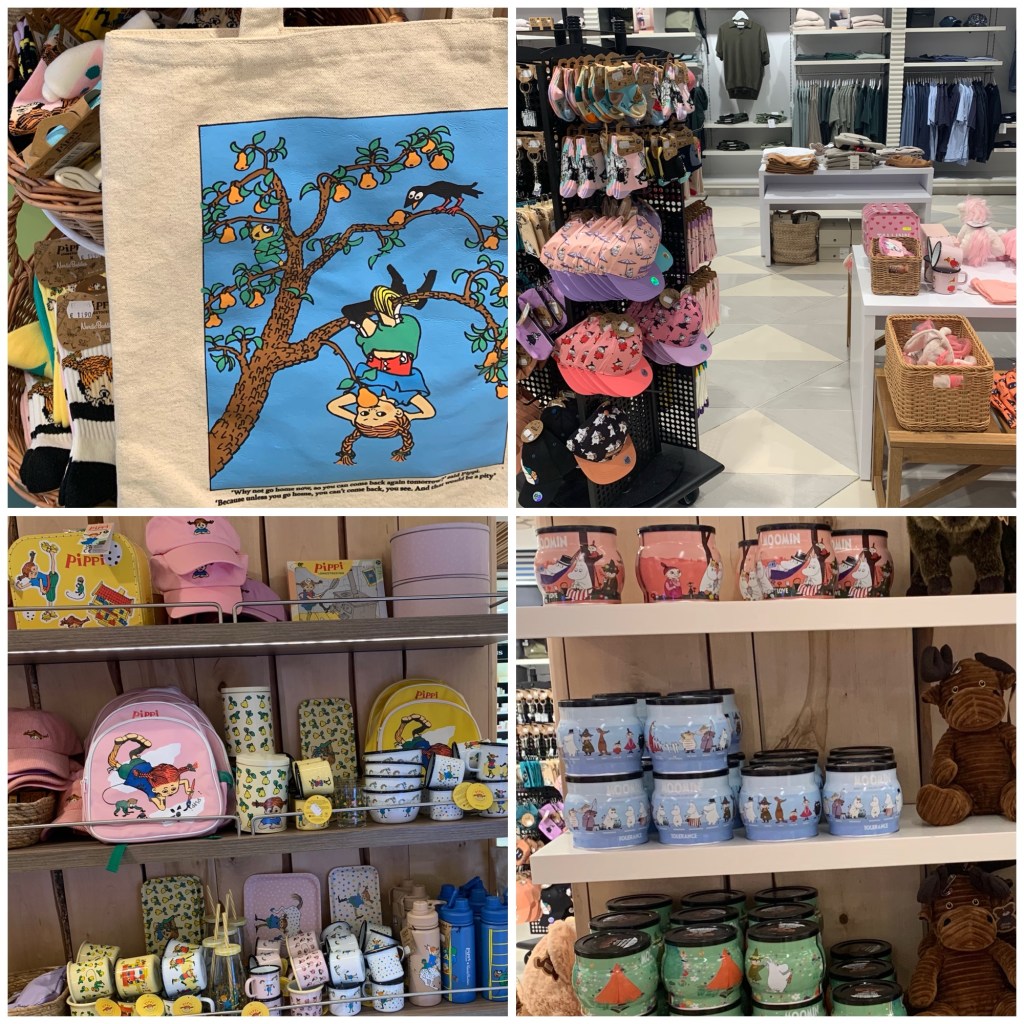
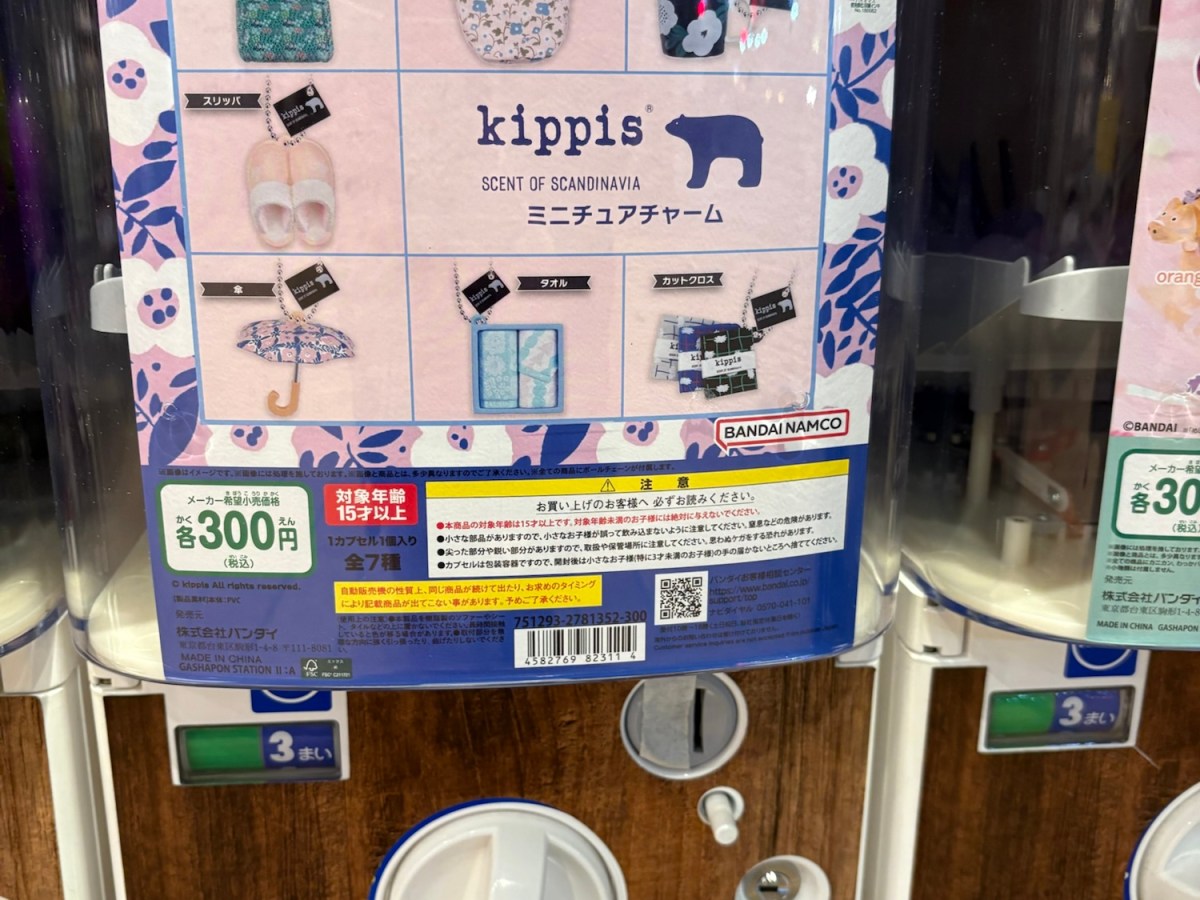
Nordic culture experienced in Japan: Moomins, Dala horse stationery, Nordic-inspired foods and books about Scandinavia seen by the Japanese.

How Nordic are Baltic countries

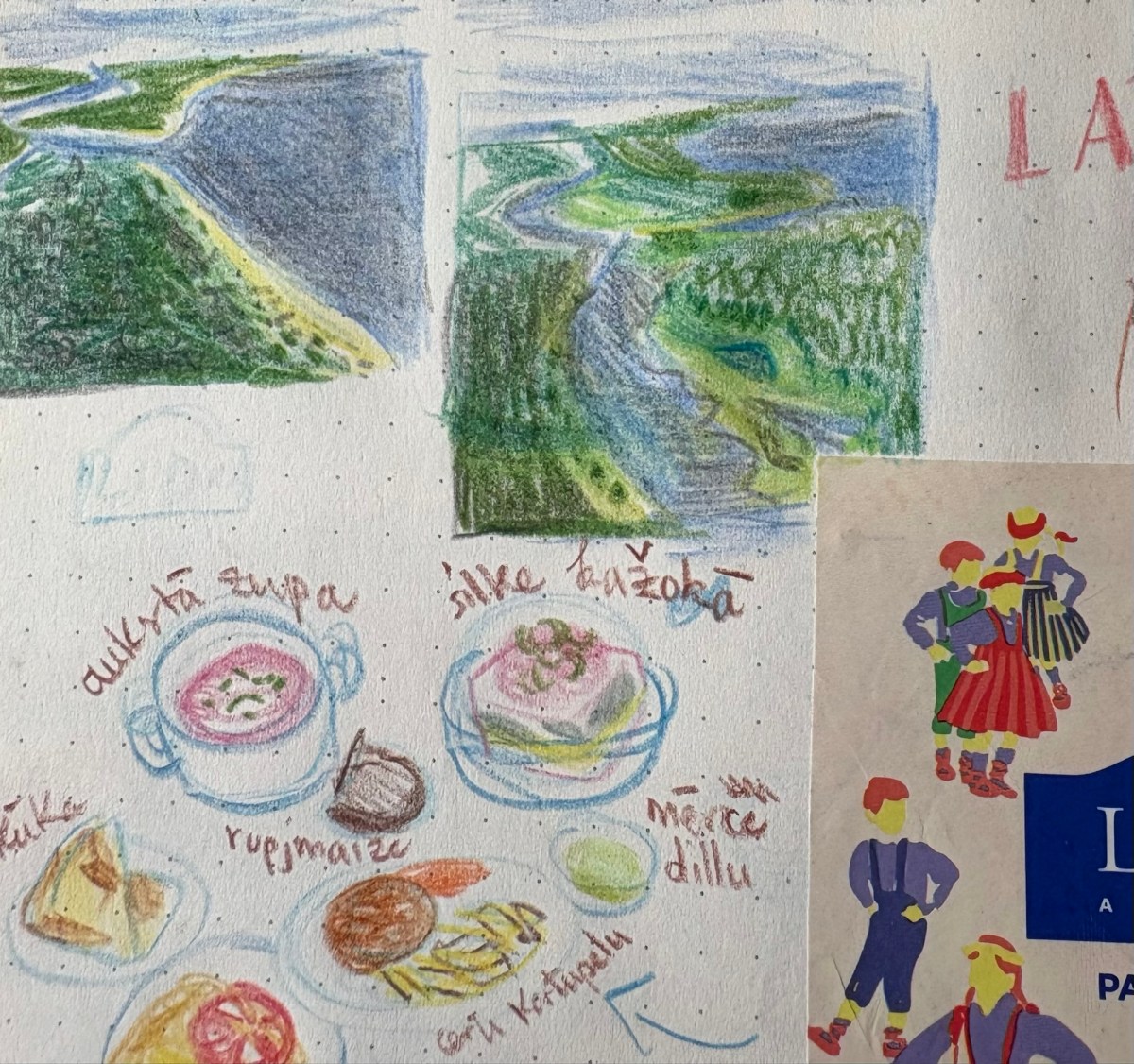
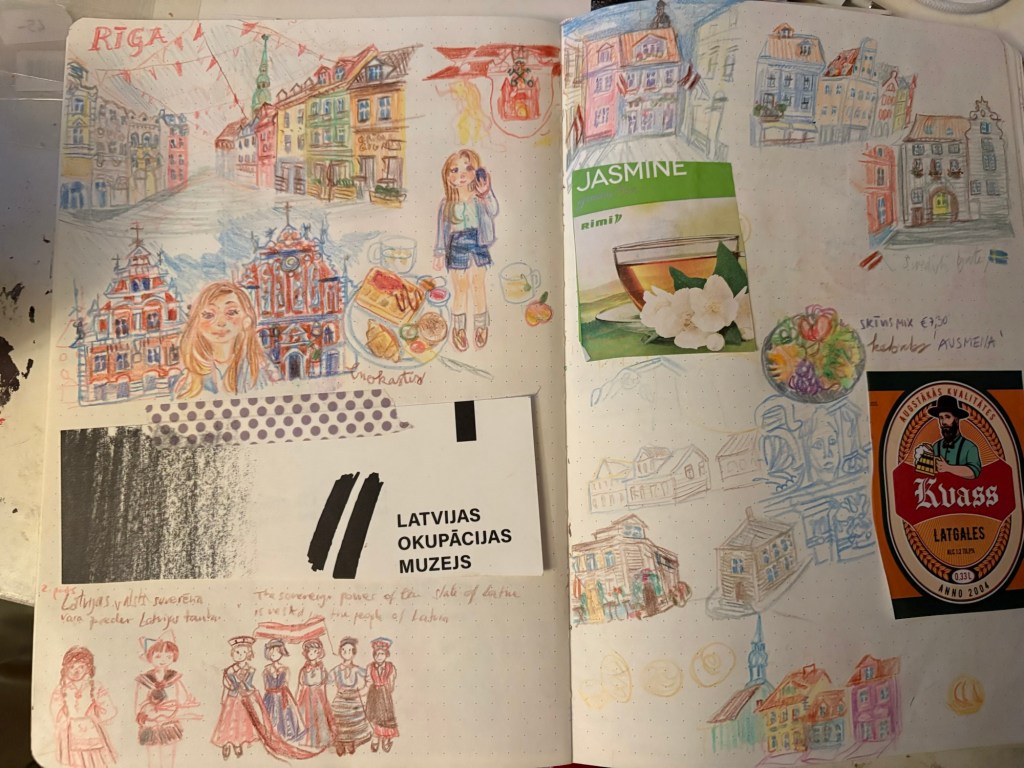
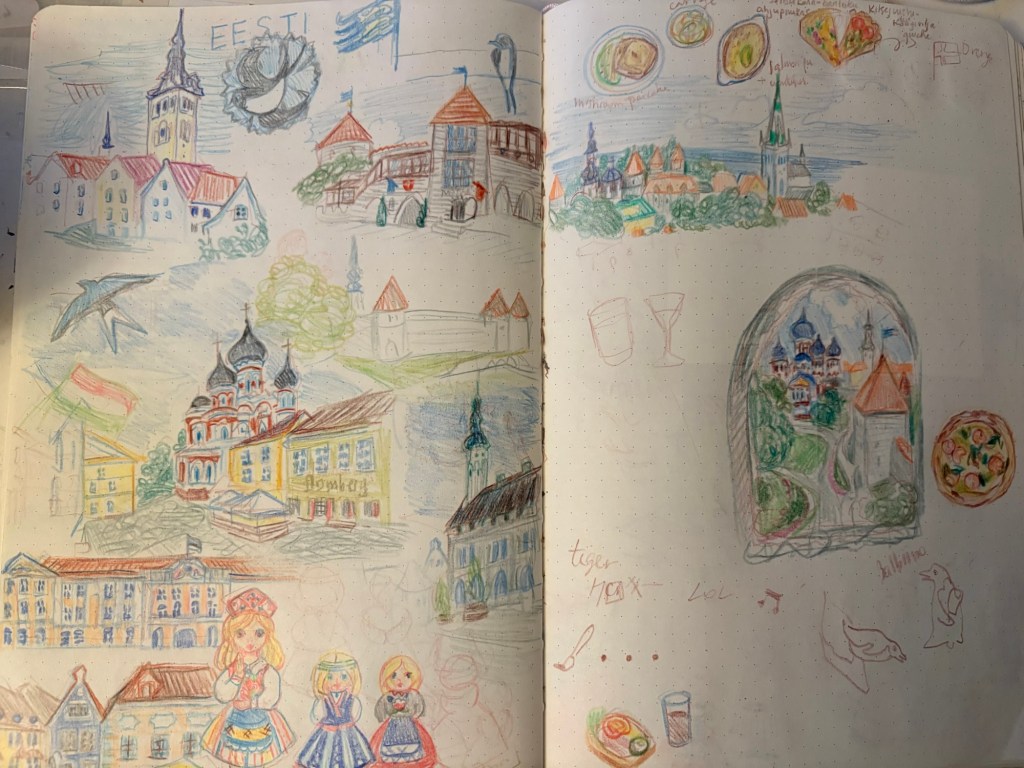
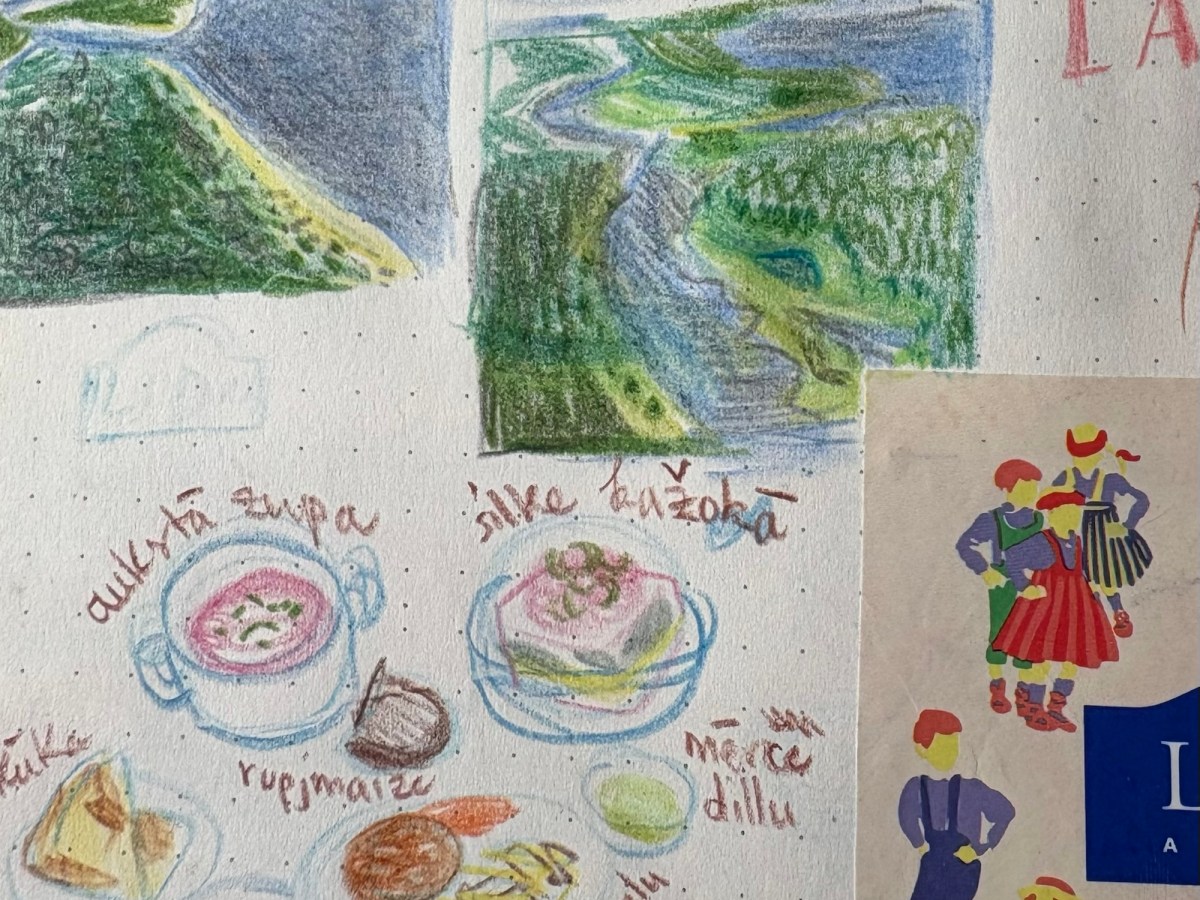
Are Baltic countries Nordic at all? I explored Latvia and Estonia, noting their ties to Nordic culture, from languages to Rye bread and Midsummer.

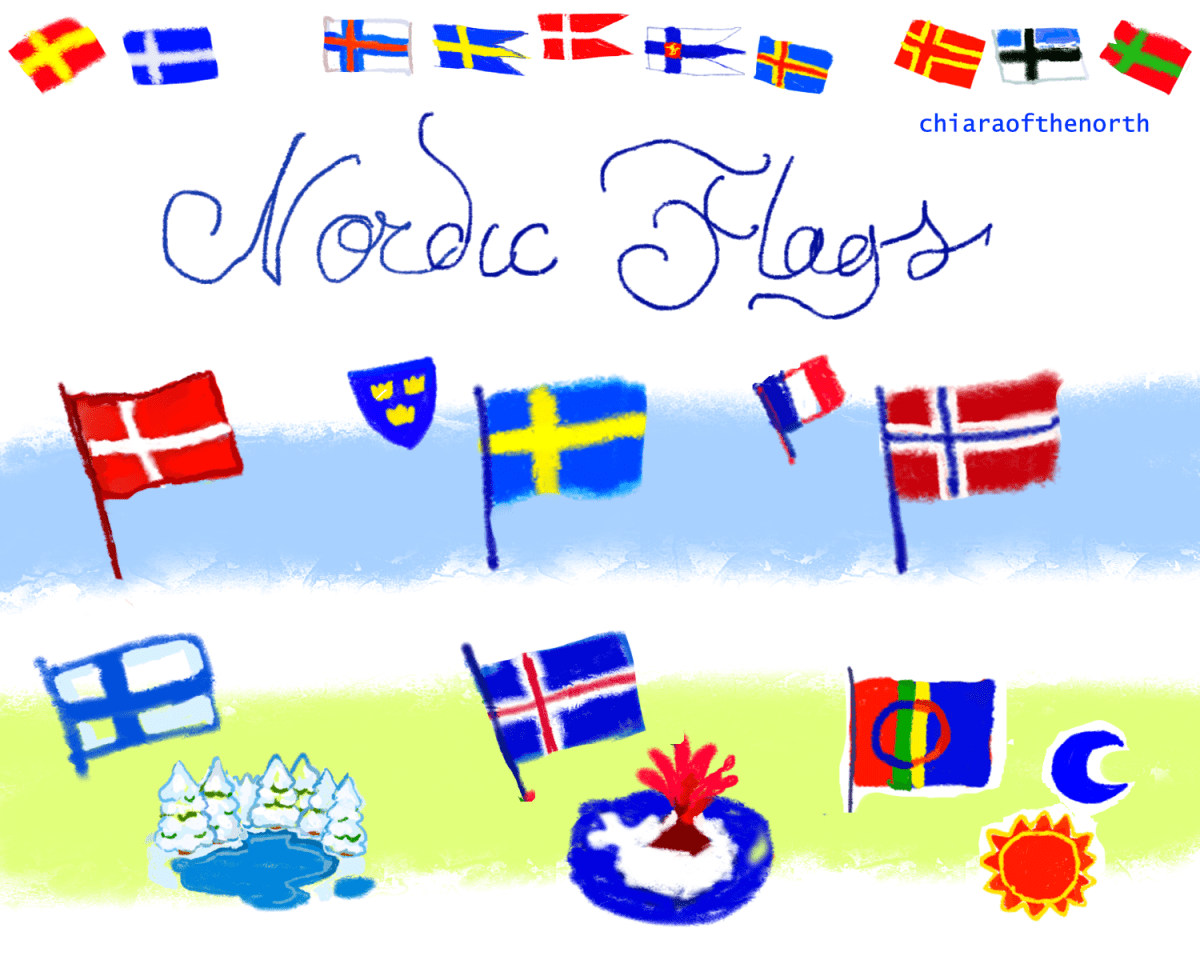
Nordic flags explained

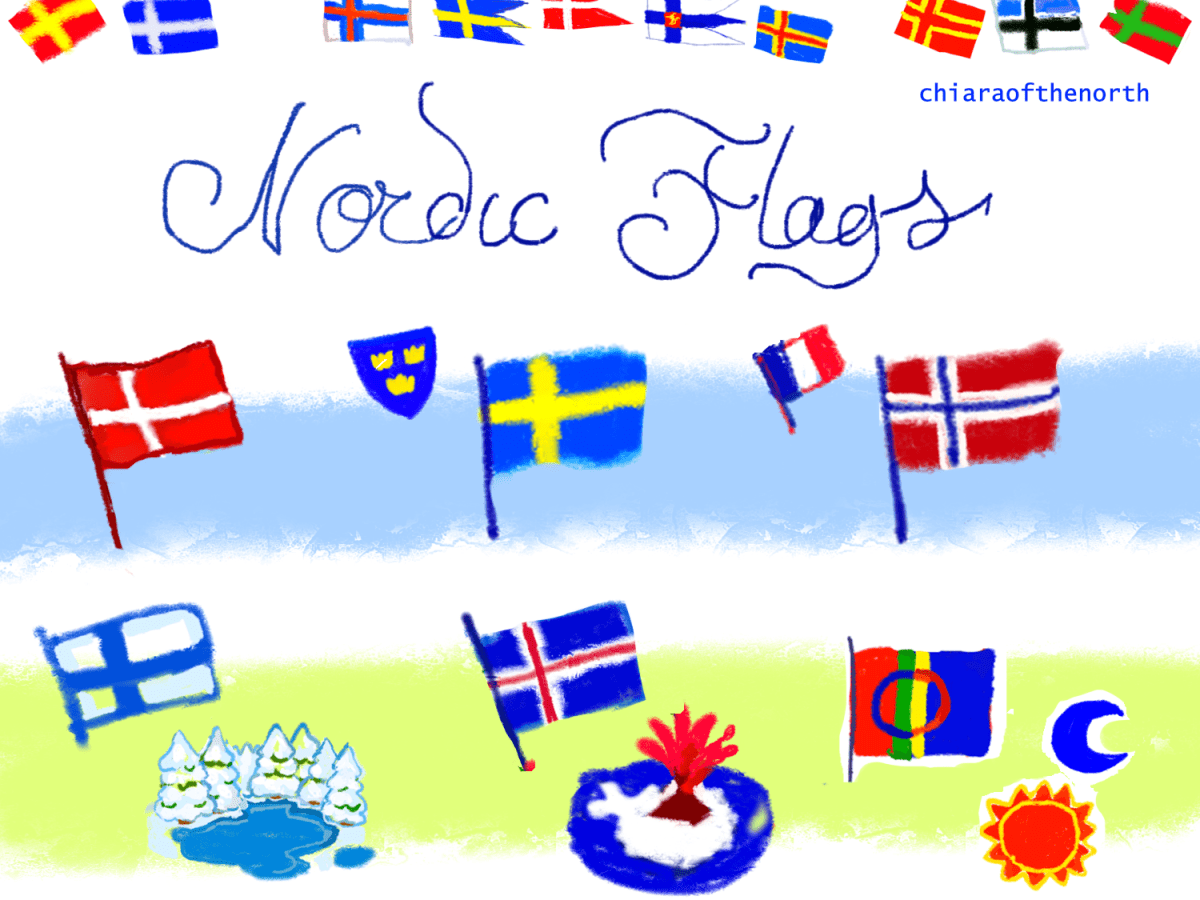
Origin and meaning of Nordic flags and other Nordic cross flags explained

Tomorrow, 23 March, is Nordic day, on this day the Helsinki treaty, establishing the Nordic Council, was signed in 1962. Its member are all Nordic countries and autonomous regions – including Åland, the Faroe Islands and Greenland.

In honour of this occurence, I am writing this post explaining Nordic (cross) flags. Scandinavians and Nordic peoples in general really like to use their flag, which are common to see in various forms and occasions, from pennants to wooden table flags, as decoration for a birthday or on a Christmas tree. But let’s go back to history!

Where Nordic flags come from: Dannebrog, the oldest flag in the world

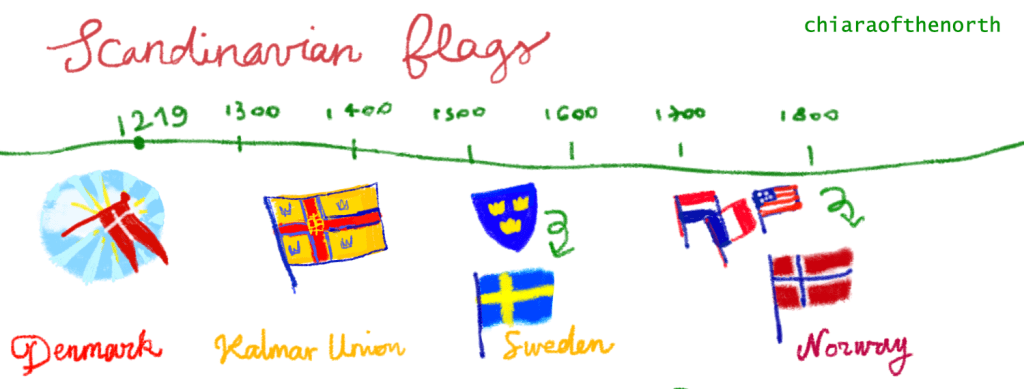
the Nordic cross flags originated from the Danish flag, the oldest flag in the world! Also called Dannebrog, according to the legend it fell from the sky during a battle in Lyndanisse (today’s Estonian capital Tallinn) in 1219, turning 800 years old few years ago! 15th June is celebrated as Valdemarsdag in Denmark, from Valdemar Sejr, the king who fought in that battle.

The flag of the Kalmar Union, union of Scandinavia (or Denmark and Sweden, with Denmark reigning over Norway) 1397-1523, also had a Nordic cross. The Danish flag then became the model for fellow Scandinavian countries:

Sweden officially got its flag 300 years later, with a design from the 16th century, with the colors -yellow and blue – taken from the coat of arms dating back to 1275. The day on which the flag is celebrated is June 6th, Svenska flaggans dag.

Norway‘s current flag appeared in 1821 – picked among a few different flag design proposals. It was the first Nordic flag with 3 colors, maybe inspired by the French revolution wanting to get rid of the Danes…parliament member Fredrik Meltzer from Bergen said ‘it means freedom, as the French flag, and in the Flags of the Dutch and Americans, and the Union of the English’. You will see a sea of flags everywhere on 17th May, Norway’s constitution day

2oth century Nature-inspired Iceland and Finland, Faroe islands and Åland

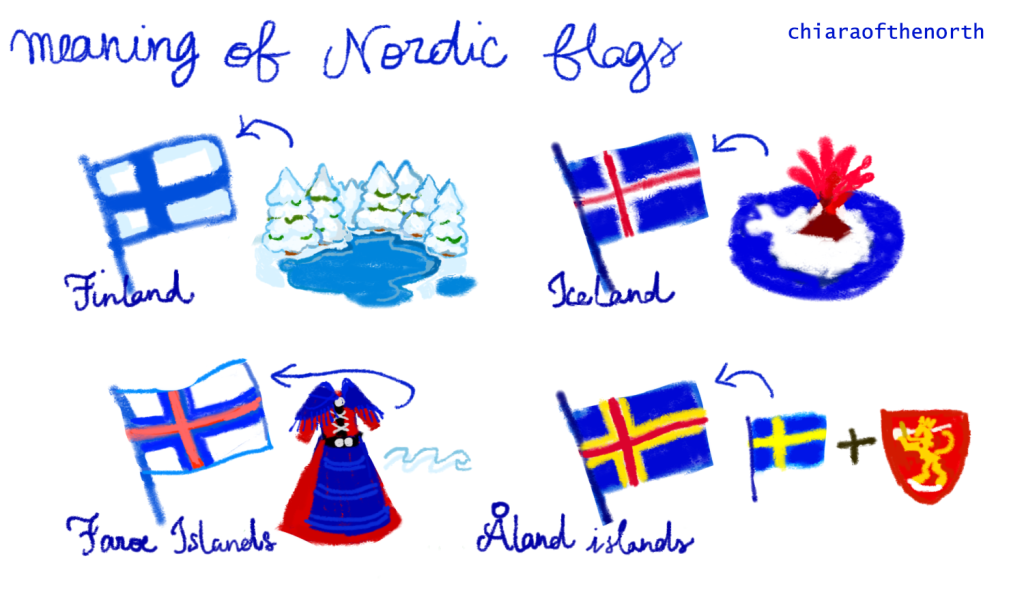
Iceland‘s official flag became official in 1915, based off its nature: according to the Flag Act the flag colours are “sky blue”, “fire red” and “snow white”. Iceland had previously an unofficial flag called Hvítbláinn, the ‘white-blue’, used by Icelandic nationalist activists from 1897 and after 1915 partly abandoned due to its similarity to other flags. Today it is still used by the Icelandic Youth Association among others.

Finland‘s flag, called Siniristilippu “blue cross flag”, was adopted in 1917. The colors would represent the lakes Finland is rich of and snow. Finland has a Day of the Flag, Suomen lipun päivä, which also happens to be Midsummer (or Juhannus in Finnish), a very important day for the Nordics! On this day the Finnish flag is raised on Midsummer eve on 6pm, until 9pm of midsummer itsself.

Faroe Islands flag is called Merkið “drape / mark”, with a white background symbolizing the foam of the sea and the pure, radiant sky of the Faroe Islands, while the old Faroese blue and red colours are reminiscent of other Scandinavian and Nordic flags, also reminding the colors of traditional Faroese clothing. Faroese students in Denmark strongly felt the need to have their own flag, and in 1919 their newly created flag was hoisted for the first time by a student in his home village. On 25 April 1940, the British Authorities officially recognised the Merkið as the Marine Flag of the Faroe Islands. This day became later the Faroese flag day, Flaggdagur.

Åland islands, the autonomous Swedish-speaking archipelago belonging to Finland, mixes Sweden and Finland in its flag, where the red cross represented Finland as the color of its coat of arms. The red cross used to be blue, with the colors taken from a song festival in the capital Mariehamn. Since 1954 it has been the official flag of Åland, April’s last Sunday is the flag day, Ålands flaggas dag.

Regional, minority and other unofficial nordic cross flags

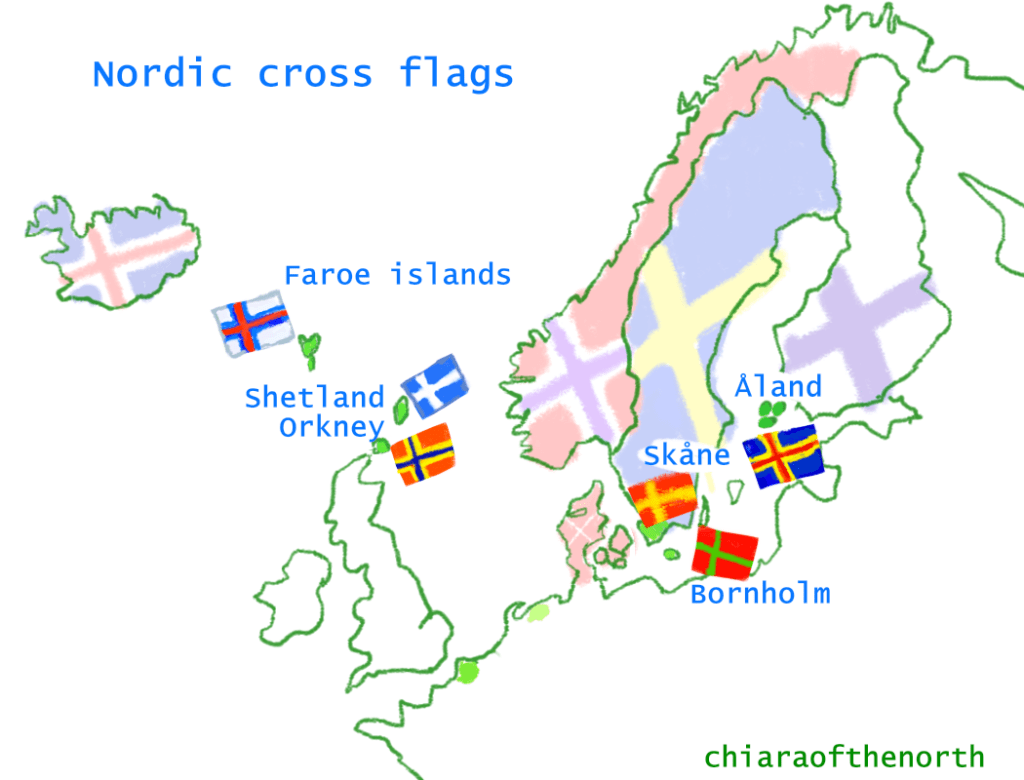
On this map I added official or widely used flags, not adding therefore Normandy and proposed flags
  • Skåne – The flag of Scania is actually quite old, and has its origin in the historical coat of arms of Lund’s (Danish) archibishop of Lund, older than the Danish Dannebrog! The Nordic cross flag was made up in the 1800s though. The third Sunday of July is Skåne flag day. skaneflaggan.nu
  • Finnish/Swedish minority: Flag mixes – Finland’s Swedes (looks actually the same as Skåne flag, red stands for Finland as above for Åland) and Swedish Finns, Finland’s flag with a yellow lining around the cross.
  • Bornholm – The island’s unofficial flag is from the 70s, designed by Bent Kaas. Green would represent the nature on the Danish island. It is mainly used in tourism and to mark local products.
  • Unofficial Nordic cross flags have been created for Swedish regions as Norrland, Bohuslän, Småland among others, and the Swedish Baltic Sea islands of Öland, and Gotland, although these are not really used.

Nations with Nordic ties- scandi heritage

  • Shetland and Orkney for their Nordic heritage, historical and cultural ties of the Scottish islands with Scandinavia. Shetland‘s flag was created in the 60s for the 500 years since its transfer to Scotland from Norway (after belonging to Norway for as long). A Nordic cross with Scottish colors. Orkney‘s flag was chosen in 2007, after a public consultation (all proposed flags were a Nordic cross). Yellow and red from Scottish and Norwegian royal coats of arms, Blue representing Scotland and the Sea.  
  • Normandy‘s Saint Olaf flag: mainly used by regionalists movements, its name comes from the Norwegian kind Olaf Haraldson, probably baptised in Rouen, remarking the region’s viking origin.
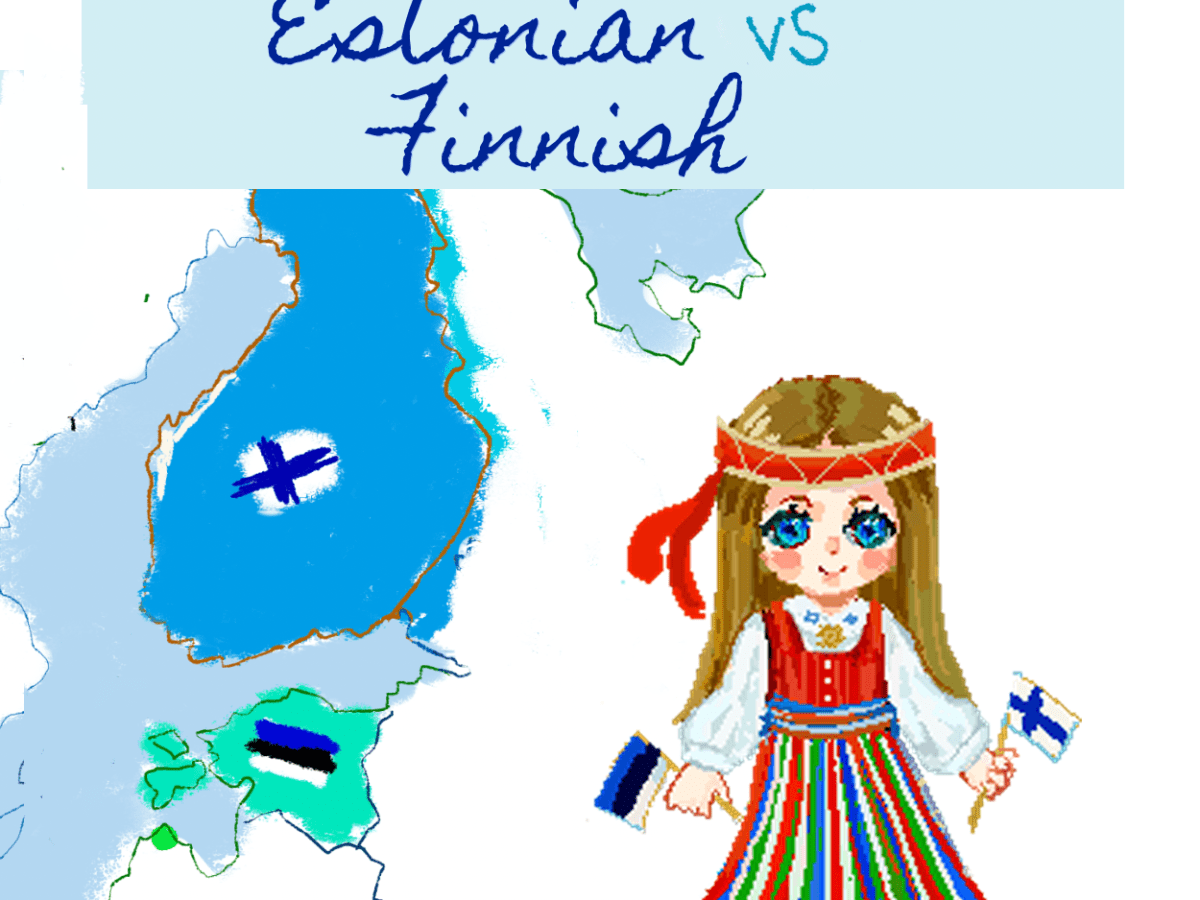
  • Nordic cross flags were also proposed for Estonia in 1919, to remark its Nordic (rather than Baltic) identity and historical ties.
  • A cool Nordic cross flag was also proposed for Frisia, probably due to the part of Scandinavian heritage Frisian people (scattered between the Netherlands, Germany and Denmark) have.

Nordic indigenous nations without Nordic cross: Greenland and Sami people

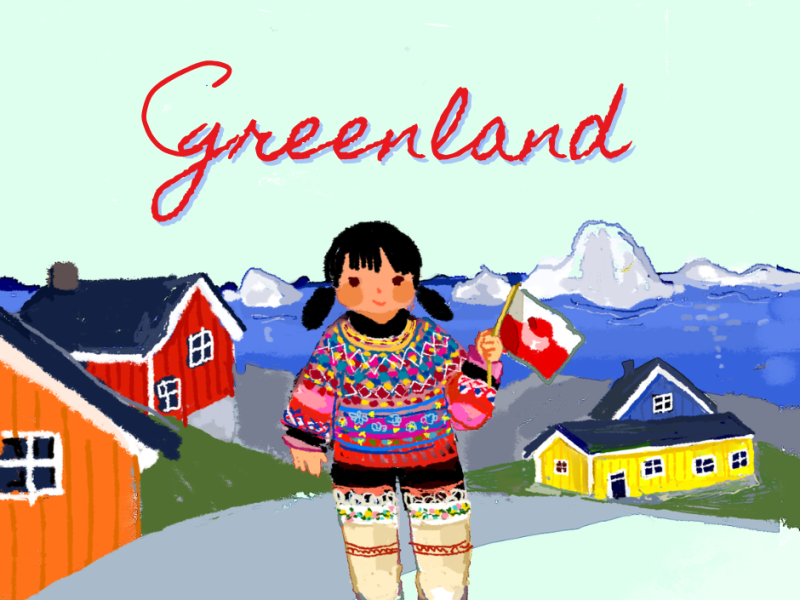
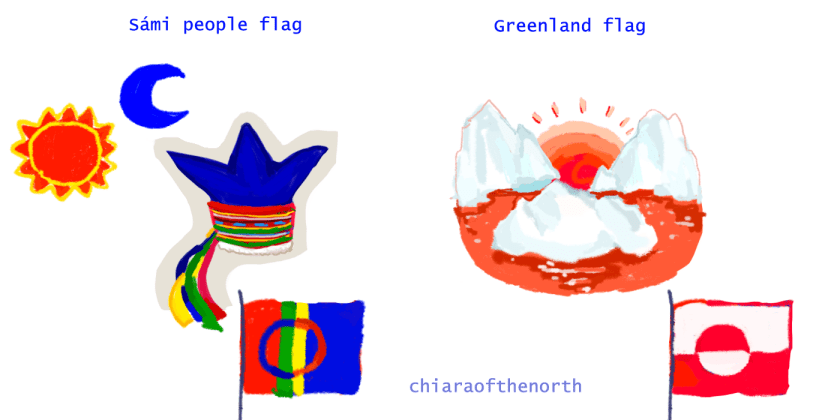
Greenland and Sami people have a flag since 1985 and 1986, both Inuit and Sami people adopted a sun/moon symbol instead of a cross, more typical of indigenous people and their connection to nature. the sun symbol was kept however in the same left-aligned position as Nordic crosses.
Greenland has had a Nordic cross flag proposal – you might guess, green was in it- , but the Greenlandic iceberg landscape-inspired design by Tue Christiansen was eventually chosen instead. its name is Erfalasorput,”our flag”.
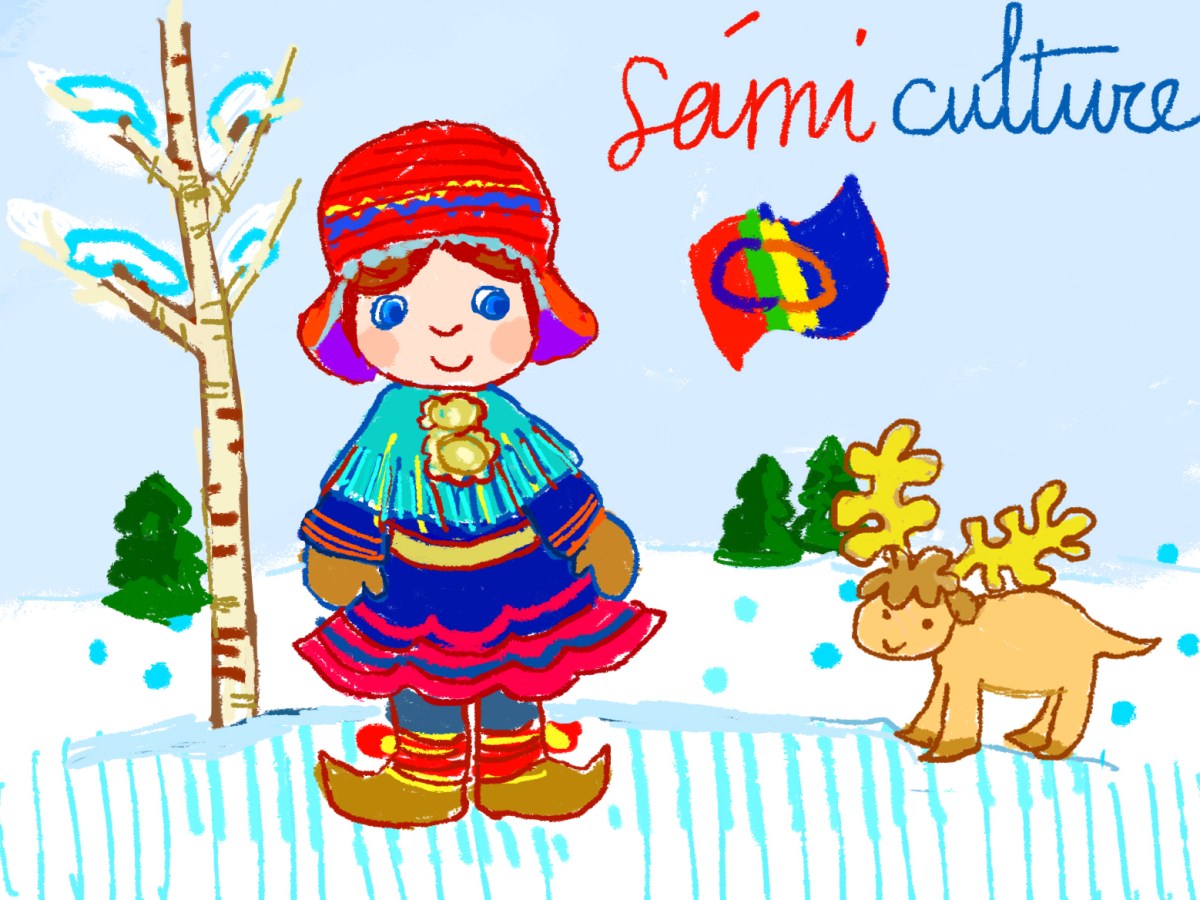
In the Sami flag sun and moon are represented as a circle. The first Sami flag, designed in 1977 by Synnøve Persens, was the simpler, red and blue with the yellow line, inspired by Sami traditional clothing. Astrid Båhl added the Green line (color more present in South sami clothing) and the circle.

sources

  • Norway: stortinget.no – Det Norske Flagg – et flagg i frihetens farger
  • Iceland: government.is
  • Faroe islands: faroeislands.fo
  • Åland: regeringen.ax
  • Greenland: dr.dk – video about the Greenlandic flag (Danish)
  • Sami flag: Store Norske Leksikon
  • more: britishcountyflags.com, skaneflaggan.nu, patrimoine-normand.com

Semlor at Selma’s and Danish pastries in Amsterdam

Trip to another Nordic bakery to enjoy a fika with a semla, and surprises on my way

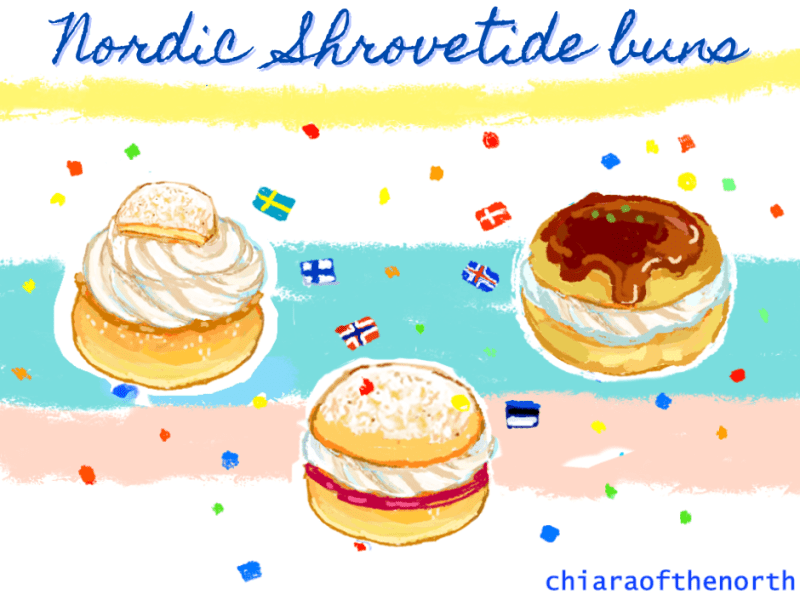
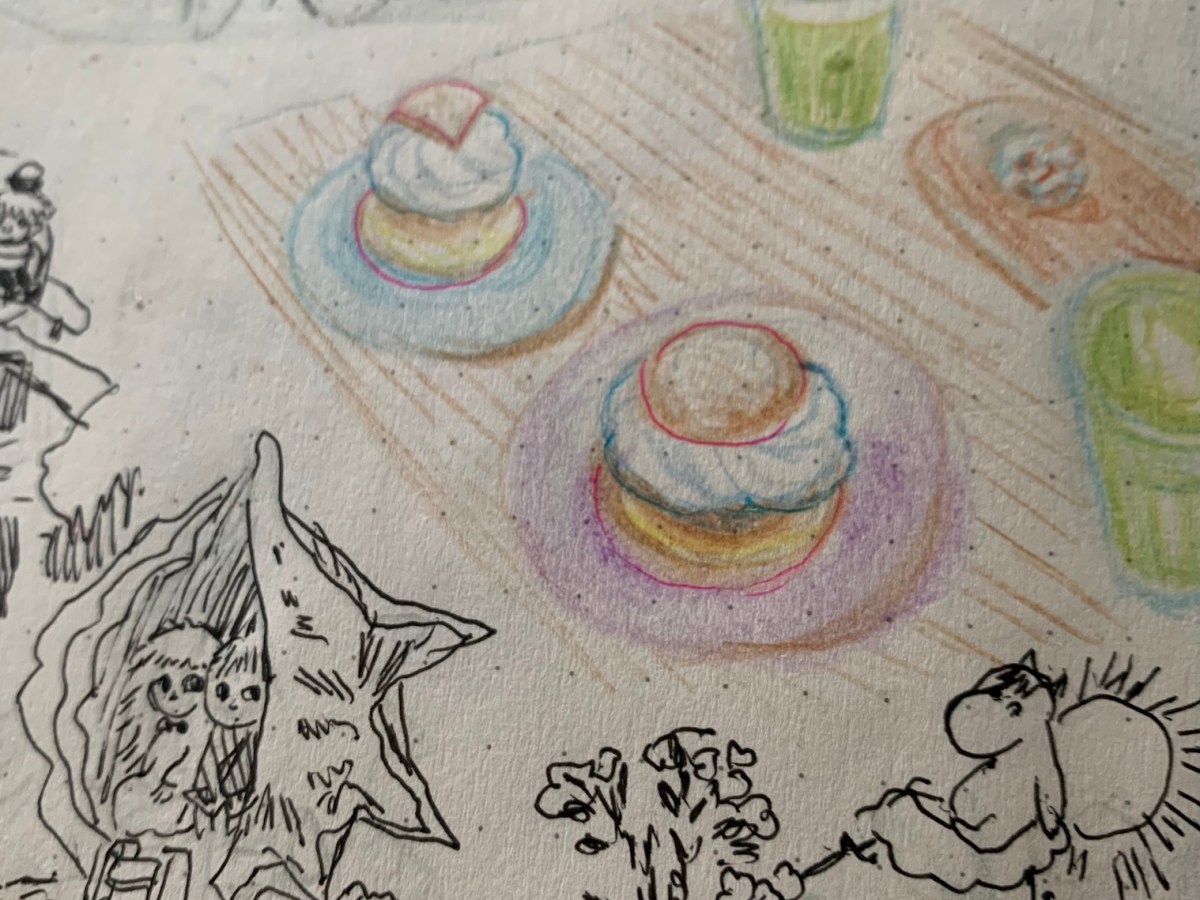
After getting a lussekatt during the Christmas season, I was really eager to also eat a semla, the whipped cream-filled bun which is eaten in the shrovetide season instead, culminating on Fettisdagen (fat Tuesday).

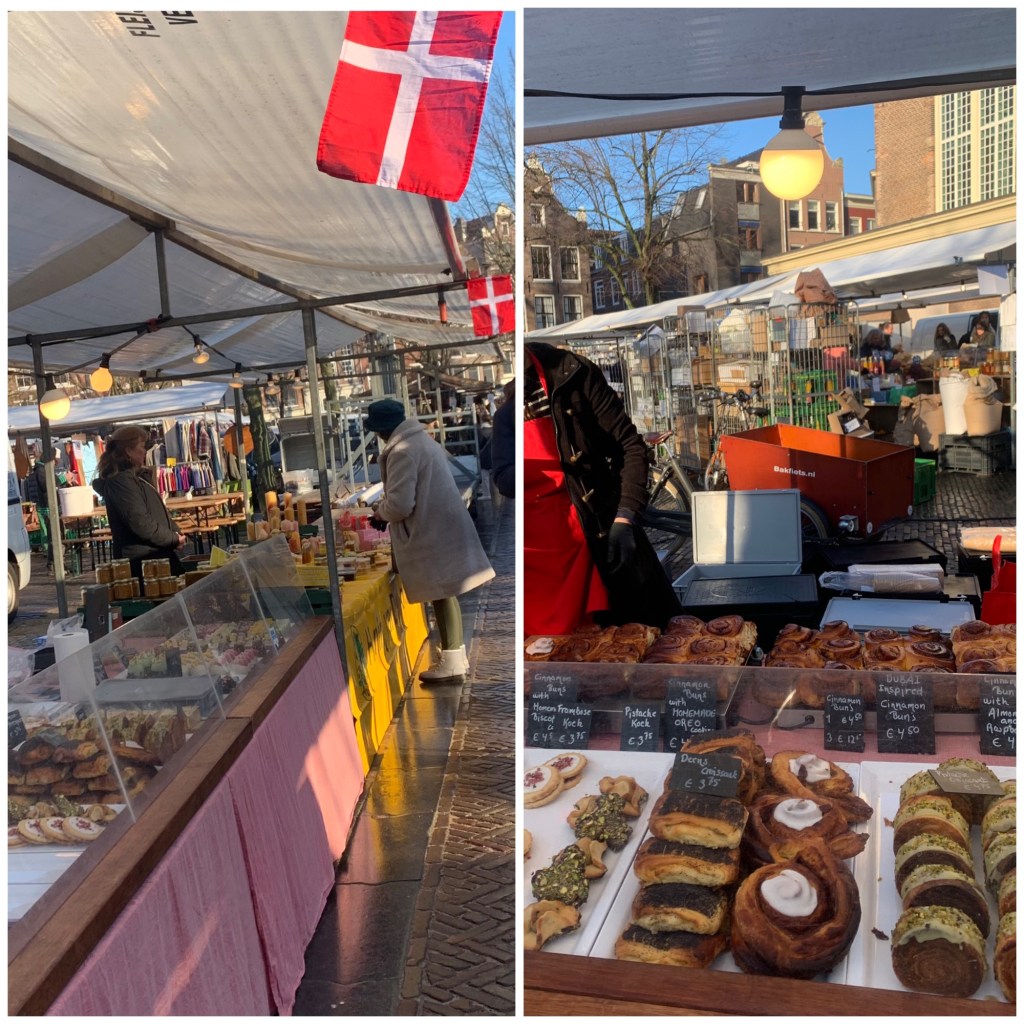
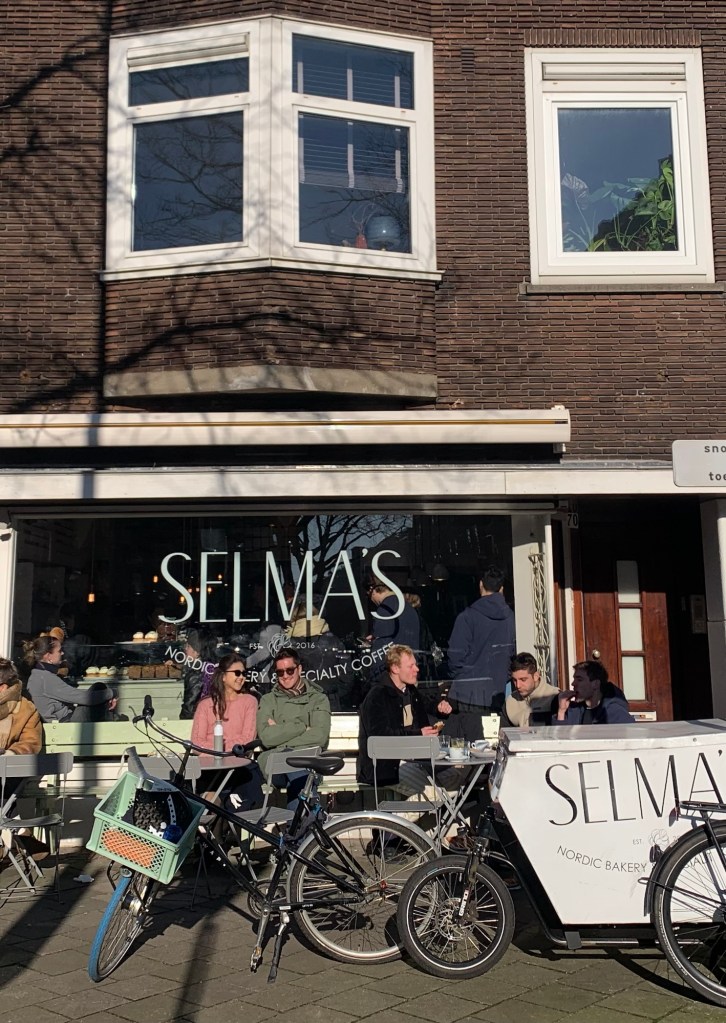
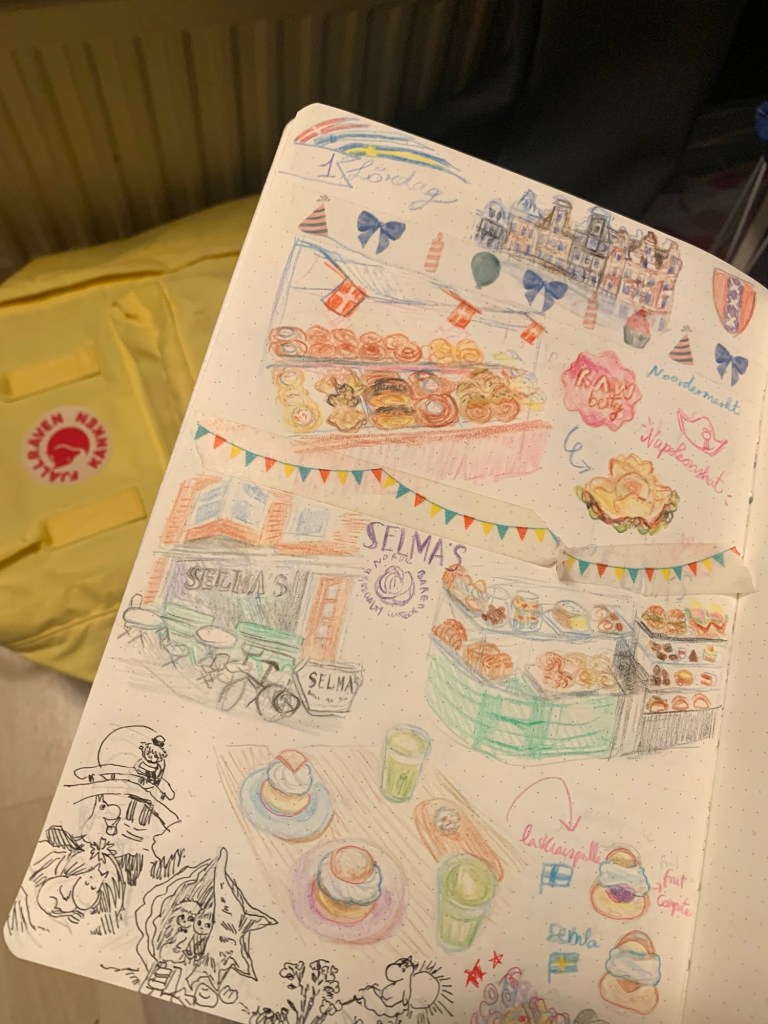
So I picked Selma’s Nordic Bakery in Amsterdam! On my way I randomly saw Danish flags at the Noordermarkt and happened to discover Raw Betty (Raw_betty42 on instagram), selling Danish delicious buns, cookies and cakes at Amsterdam markets. Read the article till the end to find out what I chose…

Raw Betty stand at Noordermarkt, Betty’s son also runs a hotdog stand, maybe I’ll get a pølse once!

We then walked forward on our way to Selma’s, located in Amsterdam West, around 30 minutes walking from Amsterdam Centraal. Which I was not upset about at all, because it would mean a well-deserved fika.

Selma’s also has a to-go location closer to the station, in the Jordaan area, but this time we wanted to sit and enjoy it.

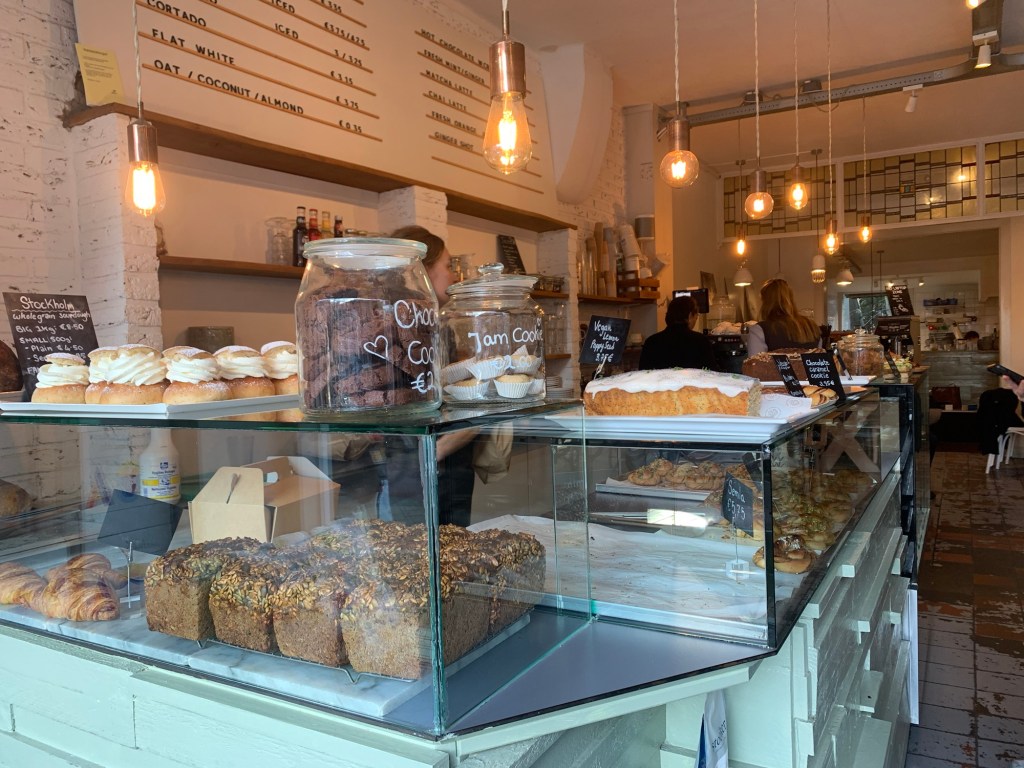
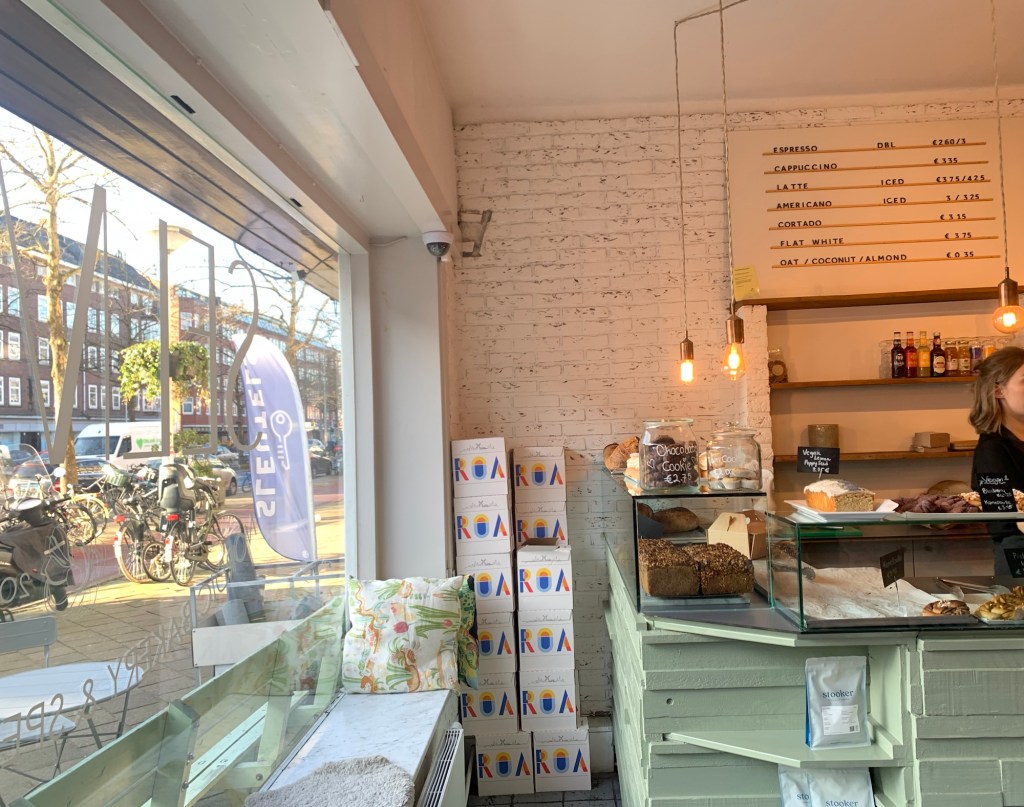
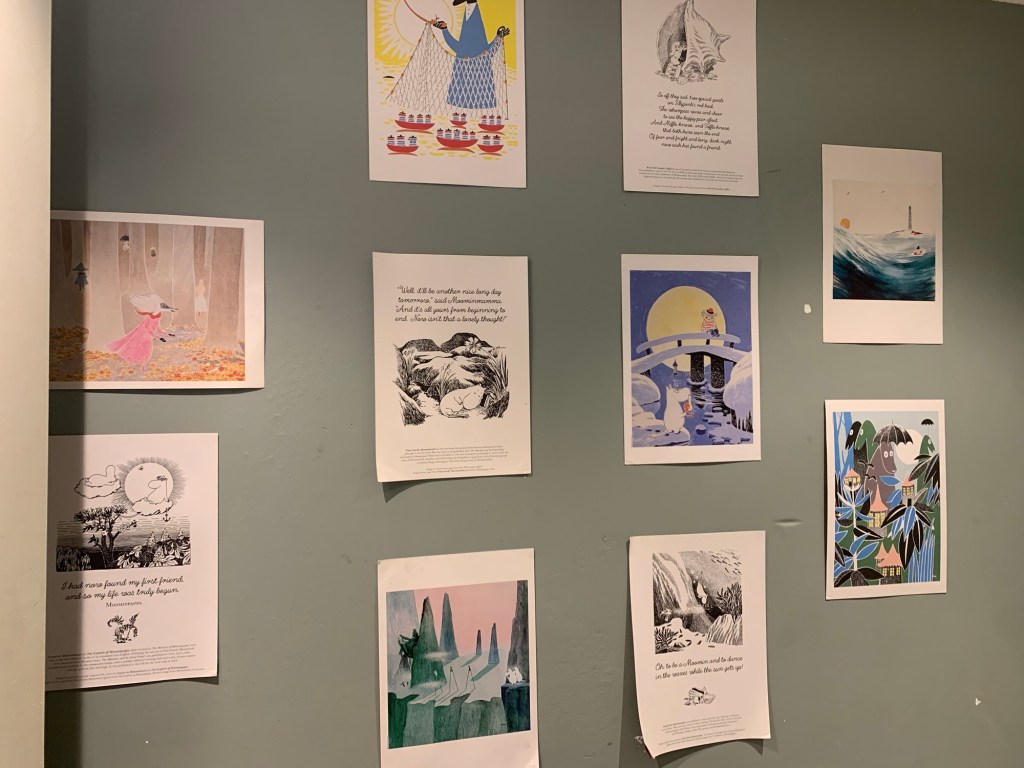
The interiors are also in a quite Nordic and pastellish style. The restroom even had moomin posters!

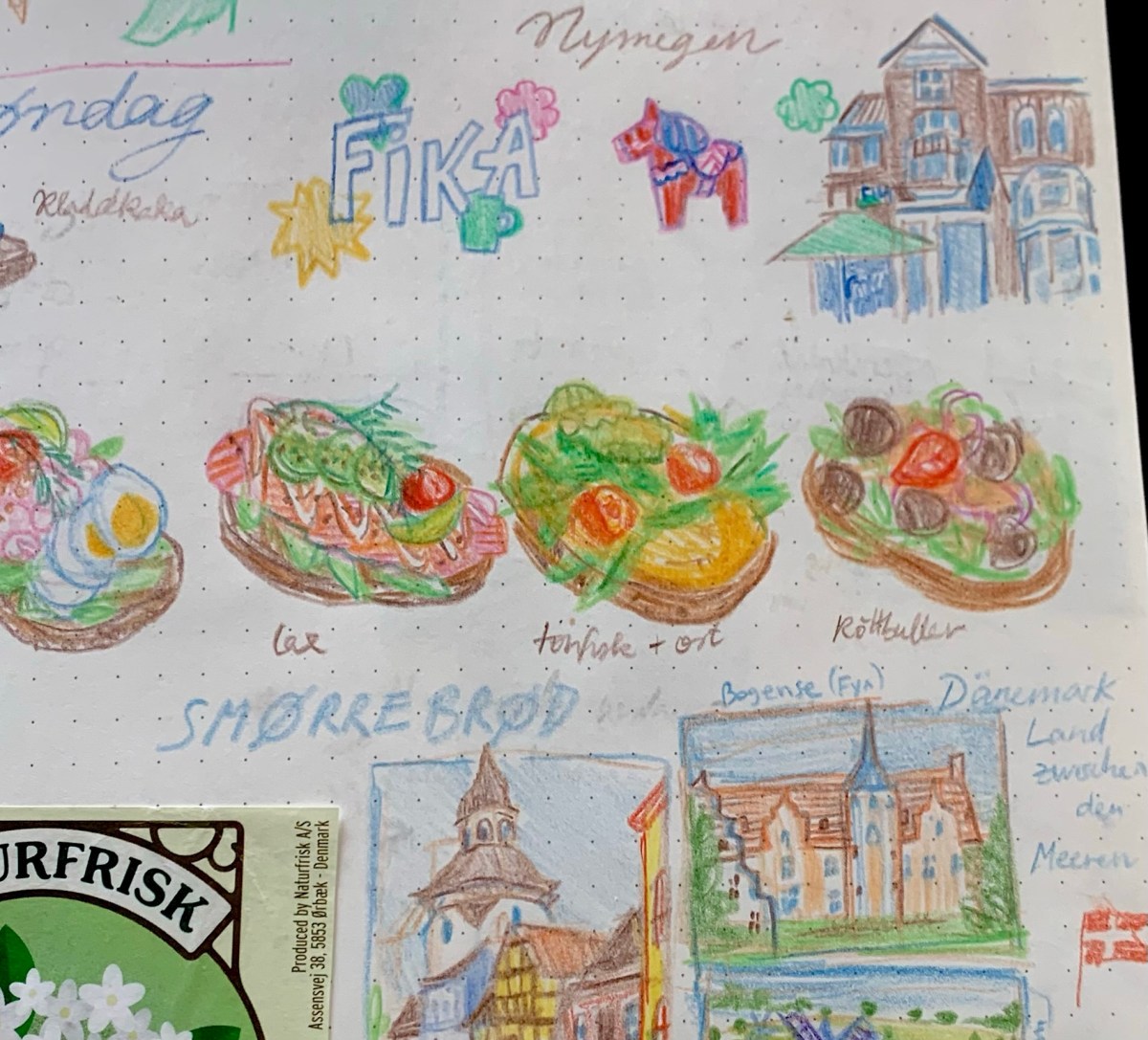
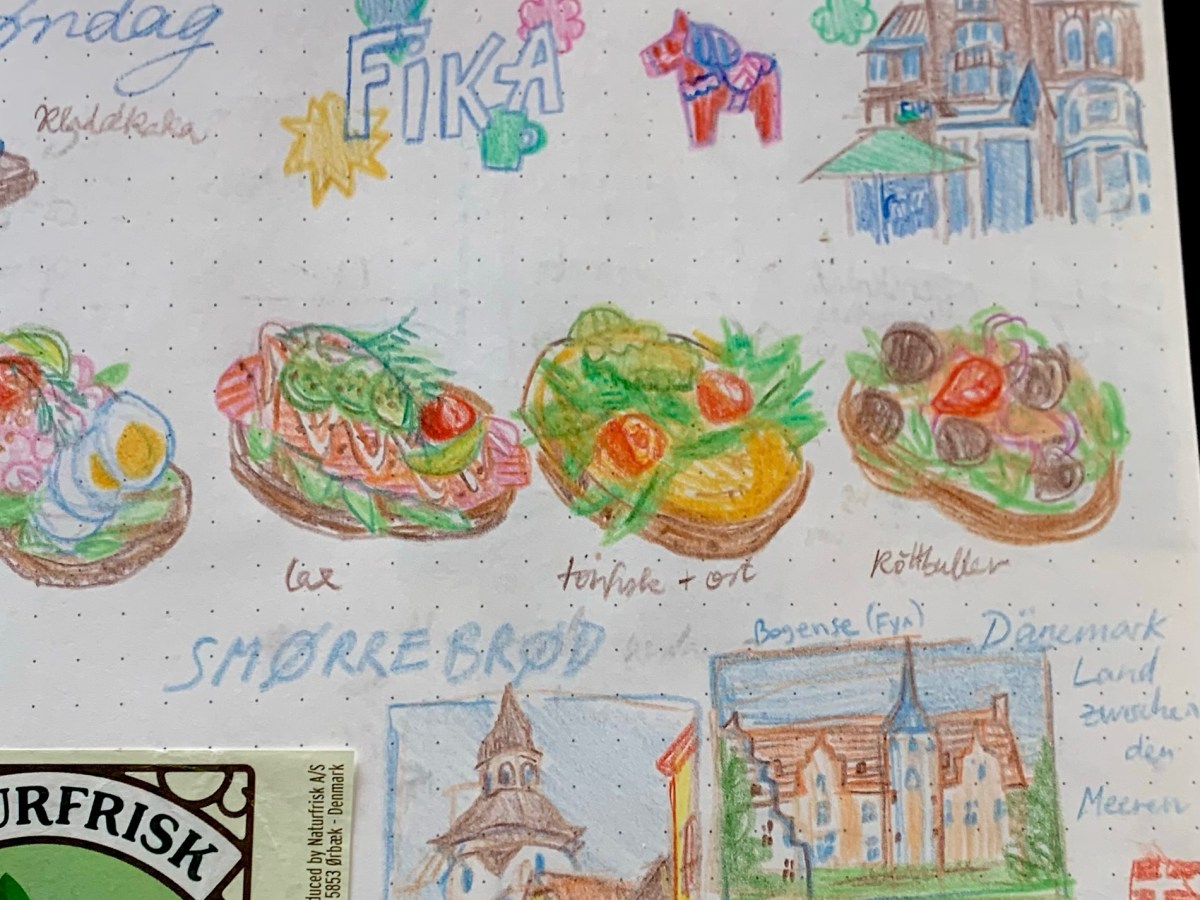
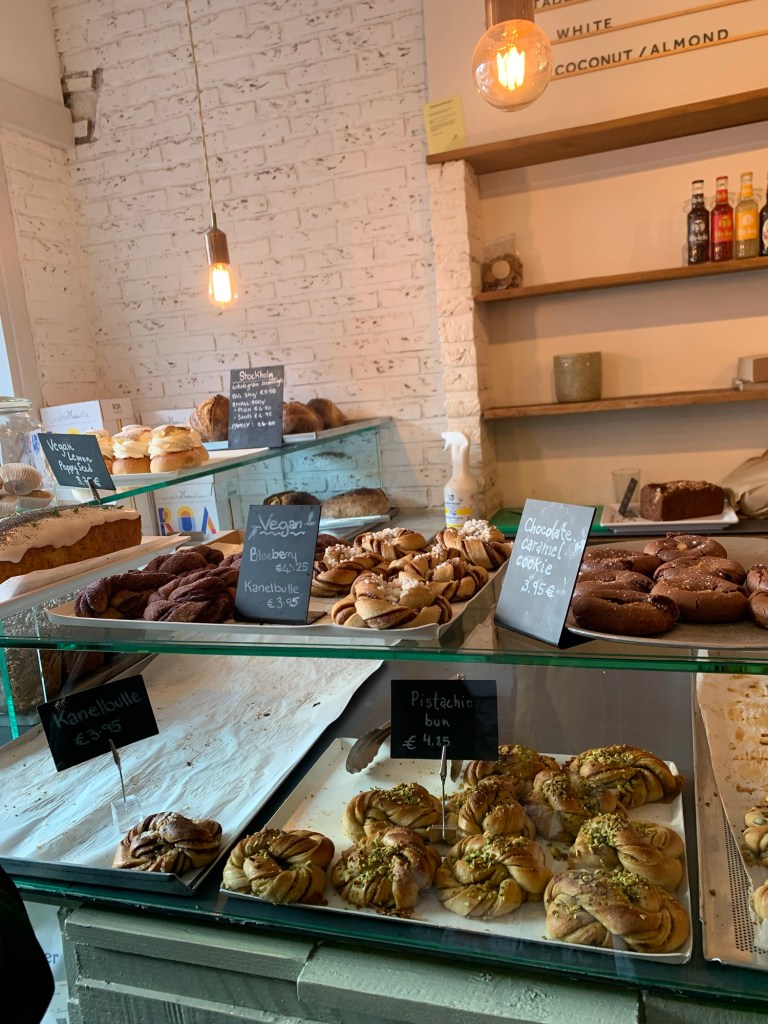
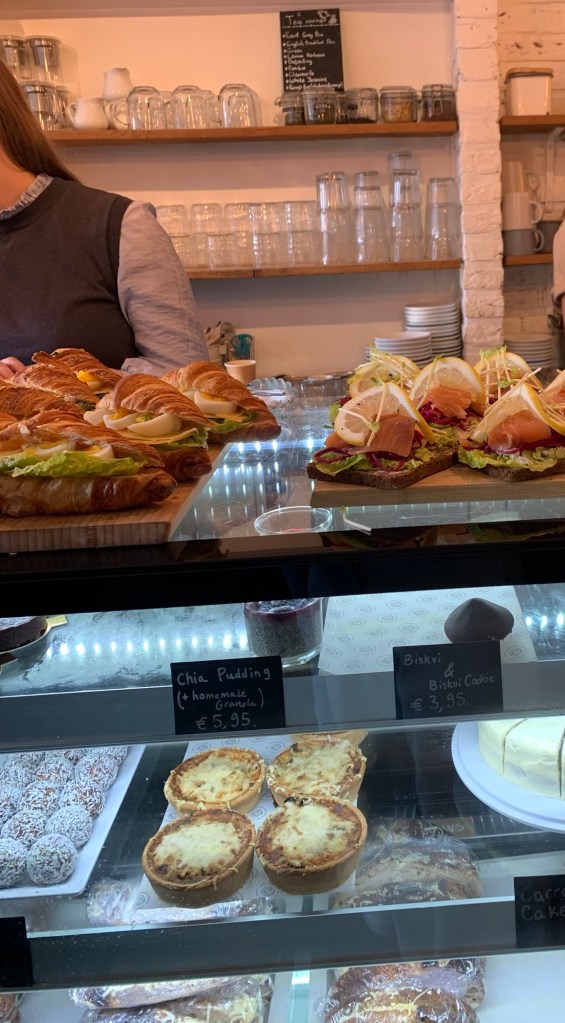
Rye bread loaves, cinnamon and pistachio buns and smørrebrød were among the sold products, among others classic fika treats as chokladbollar, biskvi and kladdkaka. Of course at this moment semlor had their own spotlight!

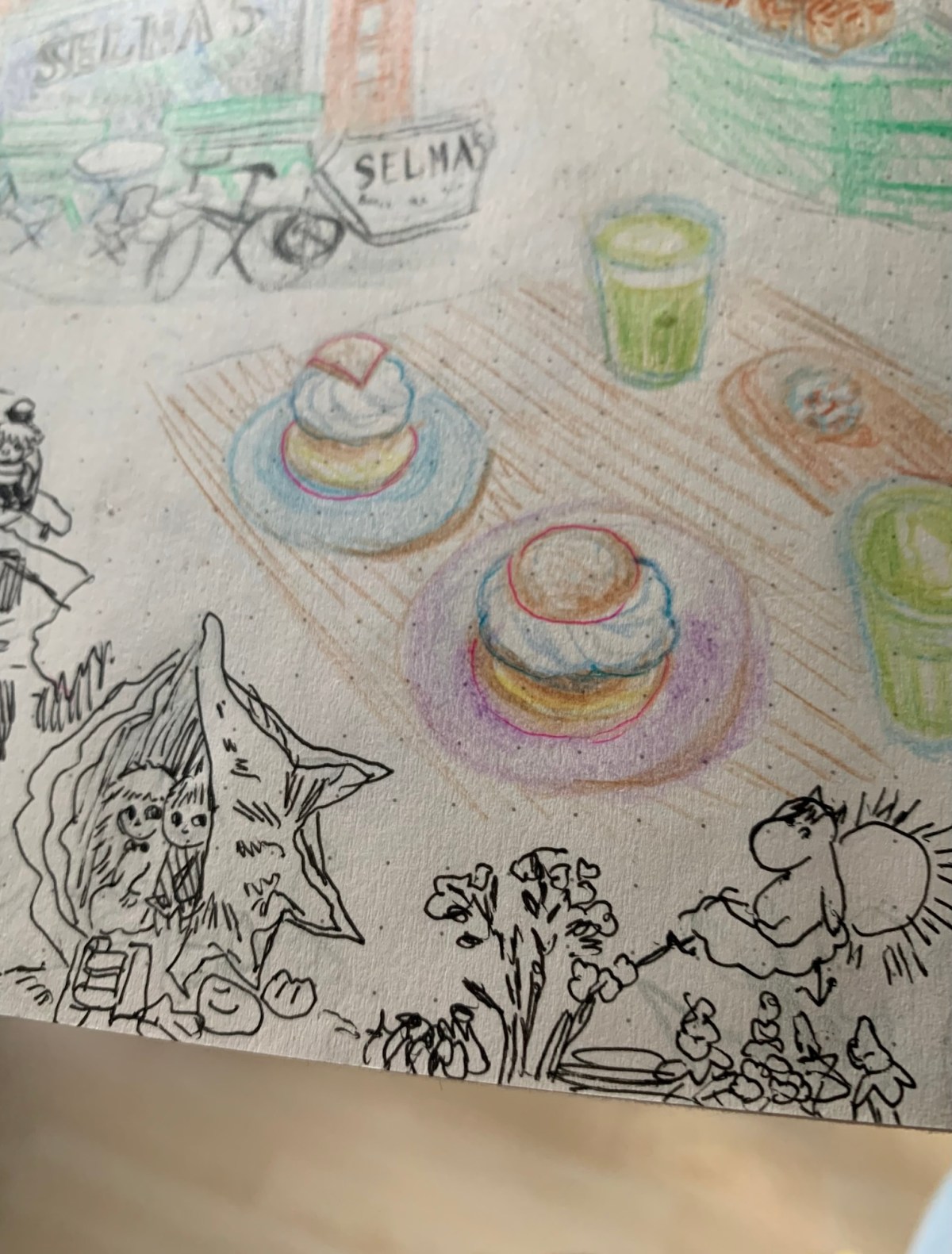
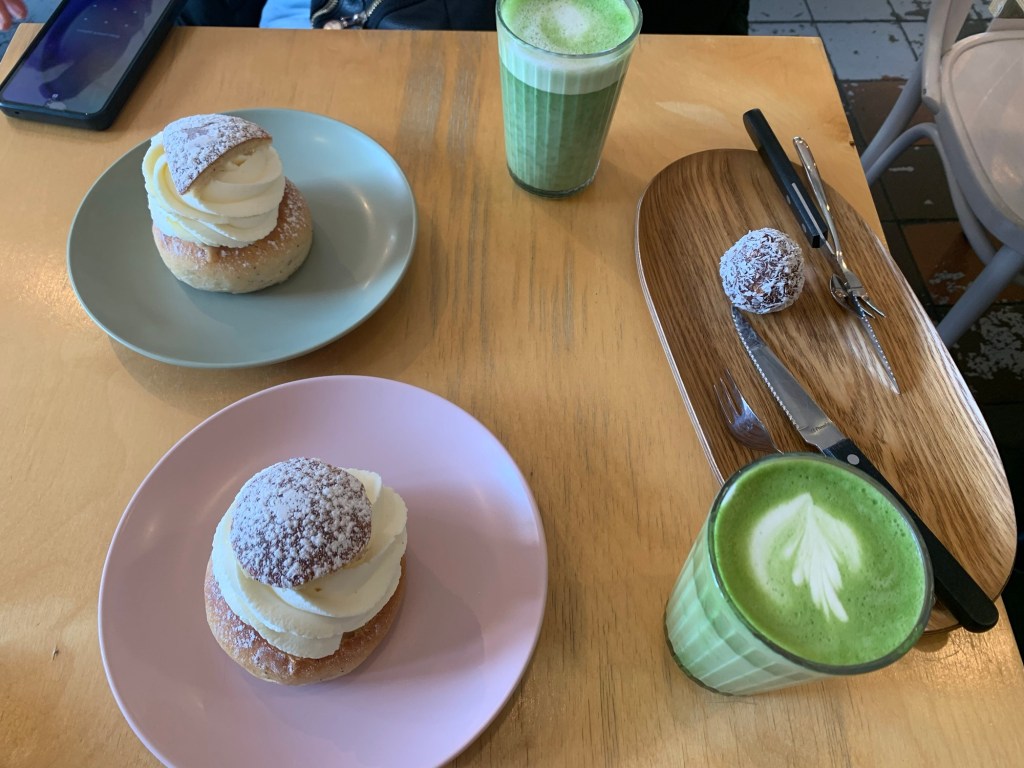
They sold 2 versions: the classic Swedish one with almond paste, and Finnish one, laskiaispulla with a fruit compote. Since I had already tried the classic one in Sweden last year, I went for the fruit compote. We had matcha latte as drink, which is not particularly Nordic but always delicious.

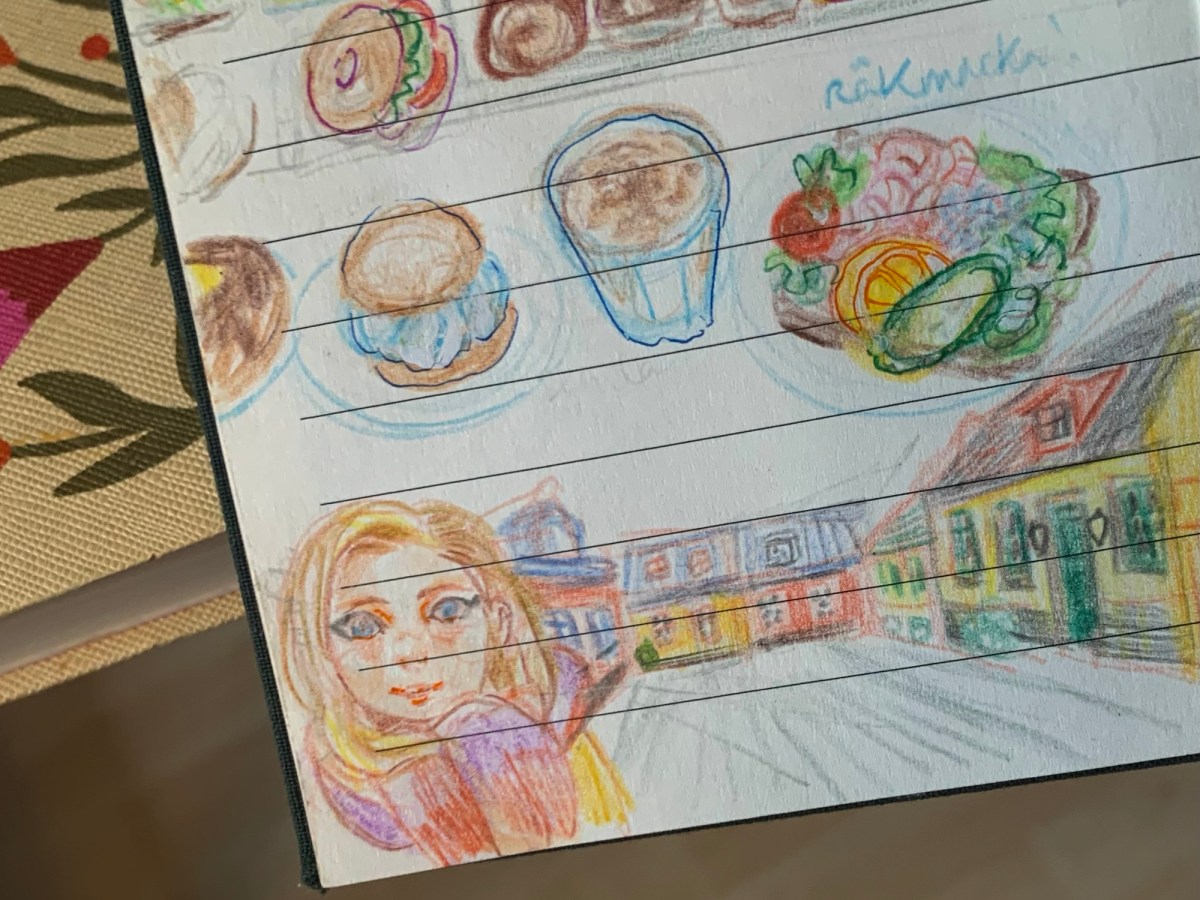
journal art nordic bakery

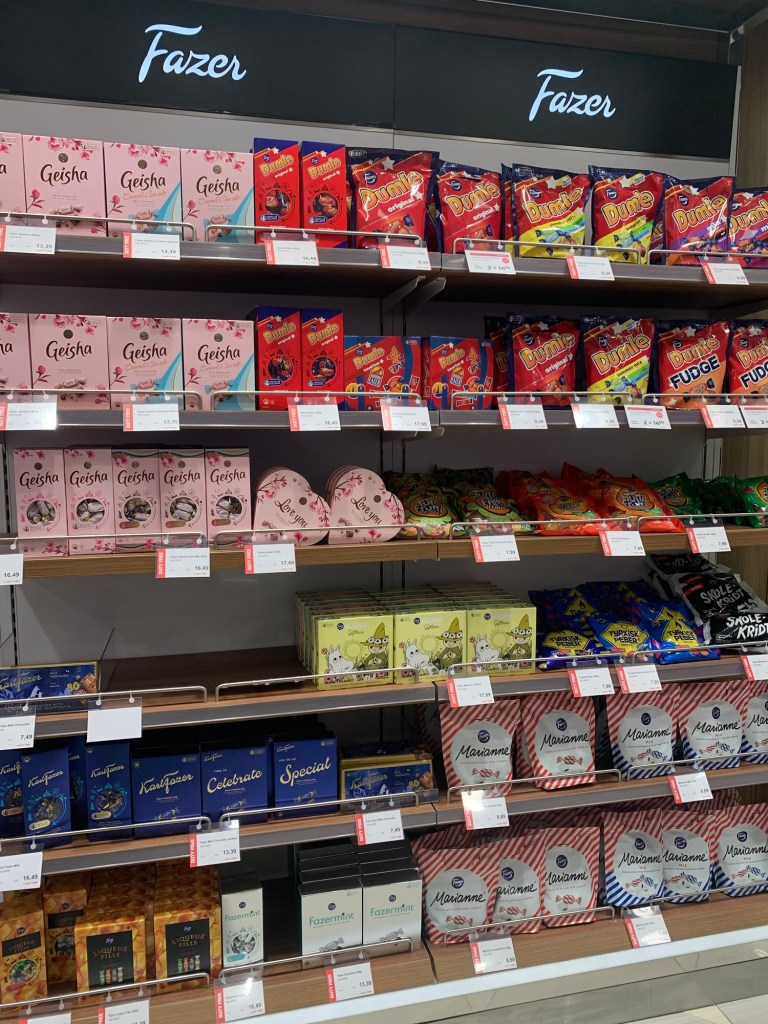
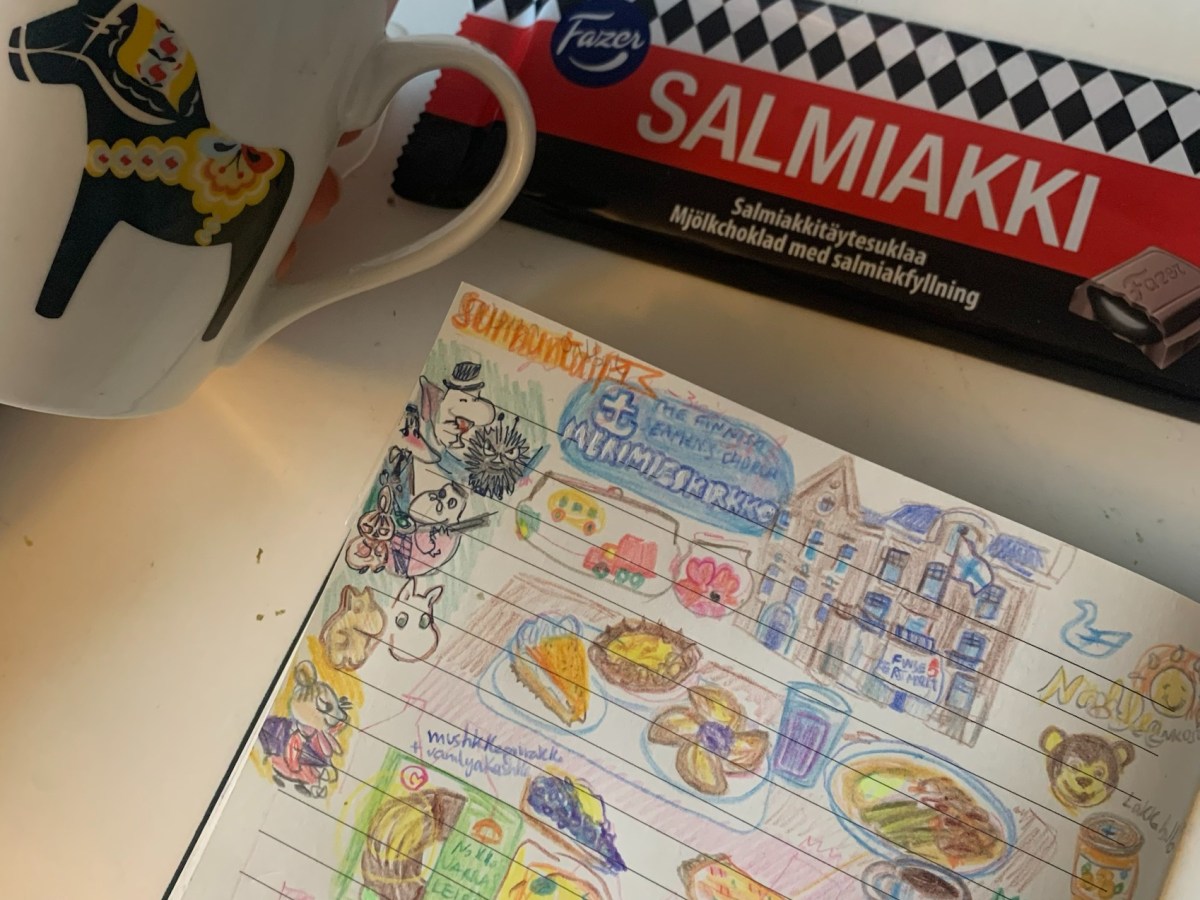
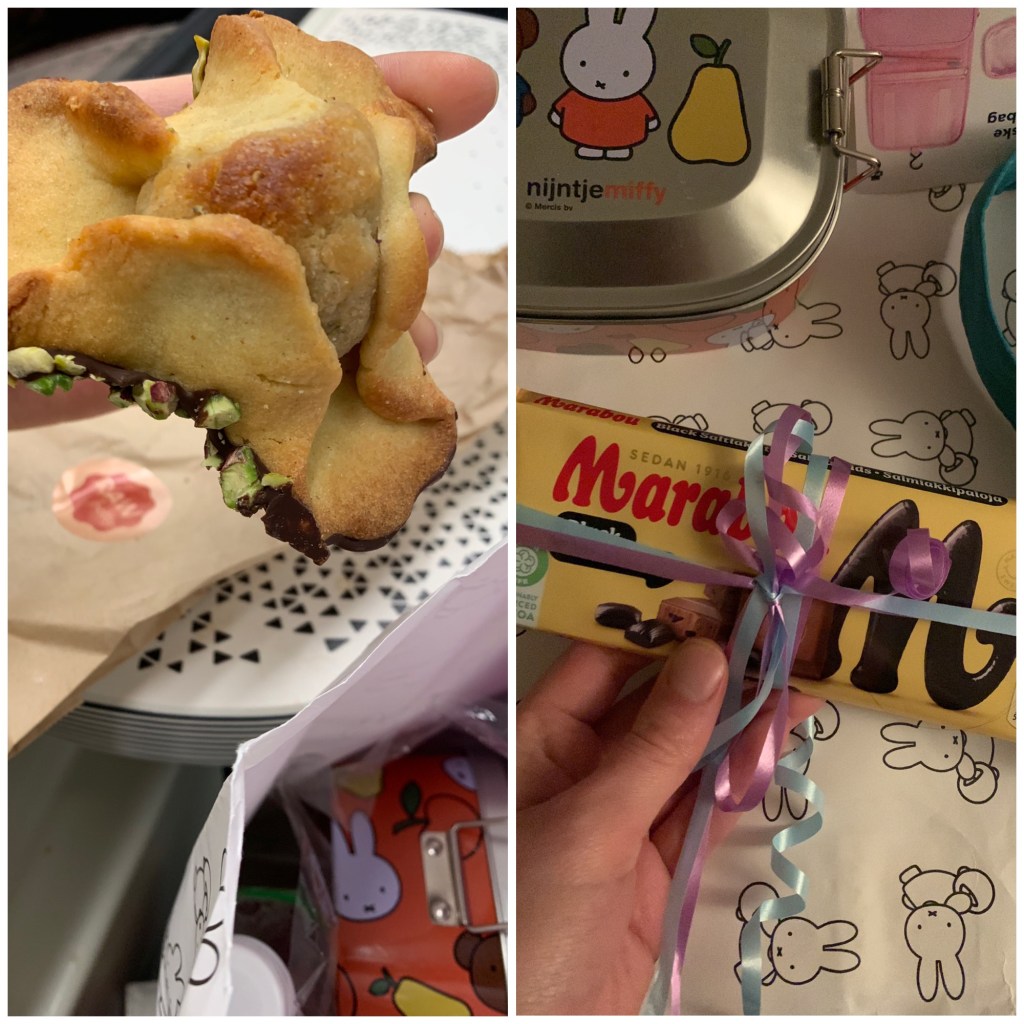
While at Selma’s, i also got my birthday present from my friend: liquorice Marabou (Sweden’s favourite chocolate brand)! I had actually got a salmiakki Fazer bar (Finland’s favourite chocolate brand) when I went to the Finnish seamen church for their Christmas market month before, and it was actually fun to compare! the Fazer one is slightly darker, with a bigger liquorice chunk, also a bit juicy, while Marabou has smaller, crispier pieces.

As for the Danish treat I got, that was a Napoleonshat! The name is as you can imagine a hint to its shape, a sort of butter cookie with marzipan inside, coated with chocolate, and in this case pistachio. mega lækker!

I already have plans for other Nordic trips to Amsterdam, so stay tuned to see more interesting places…!

Guide to practice languages with penpals

Snailmail is a great way to practice languages at your own pace, make friends and get creative at the same time!

I have been into penpalling/snailmail since my early teenage years, and I started using this hobby more recently as a way to practice languages.

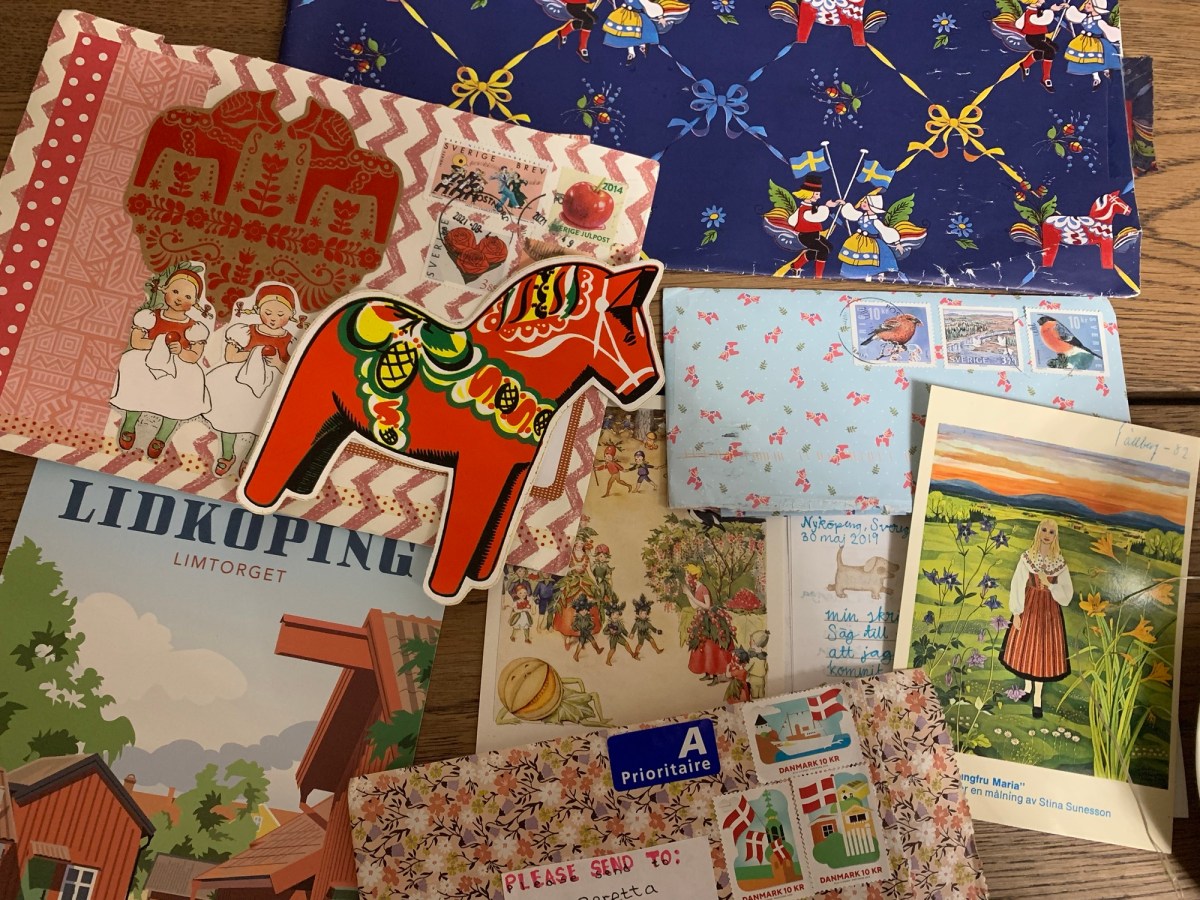
I actually started learning Danish and Norwegian by writing letters in them. I spoke decent Swedish already and could read them, but had to look for a lot of words and correct grammar forms, and that was a boost, learning actively while having fun and being creative! At the moment, I am actively using my Finnish and Japanese with my penpals from Finland and Japan.

How to find penpals: hashtags, communities, websites

One of the ways to find other people interested in penpalling is searching with the right hashtags on social media as instagram and tiktok. For example #penpalswanted , #lookingforpenpal, etc. In some cases snailmail accounts give a chance to comment and introduce themselves under a post to those looking for a penpal.
There are also websites made for people looking for a penpal, for example Global Penfriends, interpals.net... Here you can select a country and age to find your future penpals! Other websites are country-specific as Pen friends clubs of Japan.

introduce youself with a video or post adding the hashtags above, or interact and send messages to other penpal-wannabes. Talk about your interests, your aesthetic, show your letters and. No creativity, special things you’d send as stickers, postcards..

Get creative: material you need & ideas. pinterest board

There are no right or wrong things to include in a letter, but usually, the more things you include in it, the nicer it is for your penpal receiving it!

In this Pinterest board I add inspirational pictures for my letters. Some ideas:

  • washi samples, stickers
  • memo notes
  • postcards
  • cutouts (pictures from magazines..)
  • Questions for your penpal
  • songs

Similar the length of your letter is up to you. When practicing languages, the longer the more space to improve! It can be as personal as you want it to.

fun fact: When writing to a new penpal, I always write/doodle about things I like or know about the other person’s country, copying illustrations from books I had as a child among others 🙂

Stick to the language

As I mentioned in my blog post about practicing a language spoken in a country with high English proficiency, it is important to find a space whee you force yourself to use that language no matter what – and writing letters is a perfect solution for that. It is a relaxed, fun way to practice taking your time, both when reading others’ letters and writing your own. You can look up words, and exercise writing in other scripts too if needed! Just handwriting å, æ or ð feels quite satisfaying to me.

Penpal etiquette

  • If you are the one asking to become penpals and get a yes – write first. It is also possible to do swaps – one-shot mail exchanges where you send more things than in an ordinary penpal letter. In that case, sending it at the same time would be a fair option if you inform yourselves about what the other person likes to begin with.
  • In the first letter, introduce yourself and your interests, what you like/dislike..
  • Try to put similar effort in letters as your penpals do, or ask them what they’d like to receive – it would be a bit unfair if someone uses a lot of materials, decorations and small gifts while you send a half empty sheet in a blank envelope.
  • If you do not feel like continuing writing to a penpal – that’s totally okay, but let the penpal know.

Scandinavian bakery & lunchroom in Den Haag: Norvolk

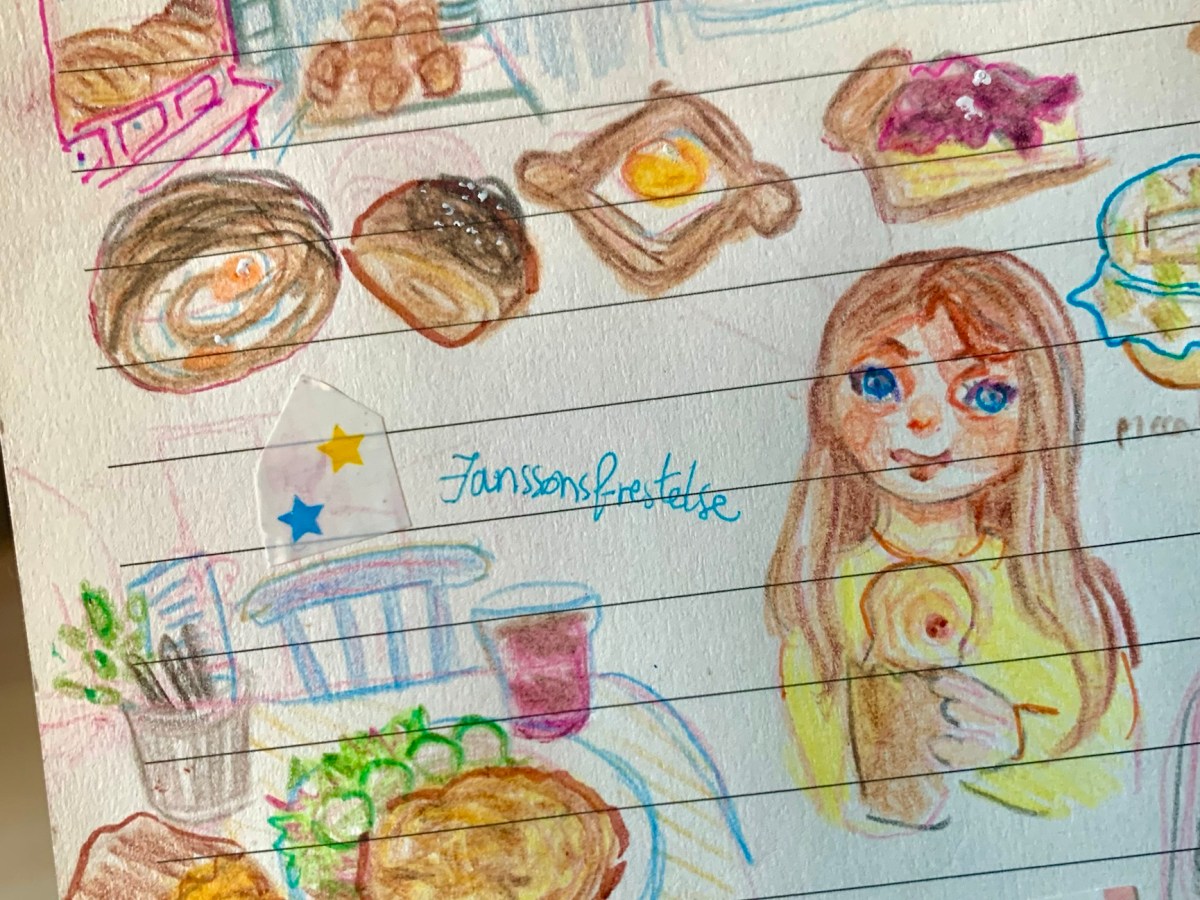
A lovely place to have a Swedish fika or lunch in Den Haag – from bullar to Janssonsfrestelse

On my quest to find somewhere to buy a Lussekatt (Swedish Christmas time saffron bun) in the Netherlands, I found a lovely place in Den Haag: Norvolk. A Swedish / Scandinavian-inspired lunchroom and bakery, or Brödstuga, serving their freshly baked breadstuff, various cookies and cakes, and many open-face sandwiches.
Norvolk is located in a pretty building right on the harbour of Scheveningen. You recognize it quite easily for the Nordic flags flying!

NL – Op mijn zoektocht naar een plek om een Zweedse saffraanbroodje in Nederland heb ik Norvolk gevonden, een Zweeds/Scandinavisch geïnspireerde lunchroom en bakkerij. Hier kun je vinden: kaneel- en kardemombollen; Zweedse cakjes als prinsessårta en Budapest rol; koekjes voor met de koffie vinden (hallongrottor, kokosbollar); Lunch opties als de Zweedse klassiek Janssonsfrestelse ‘Janssons verleiding’ – potato quiche with ansjovis of brood met Zweedse gehktballen, vis en meer. Zie alles onderaan!


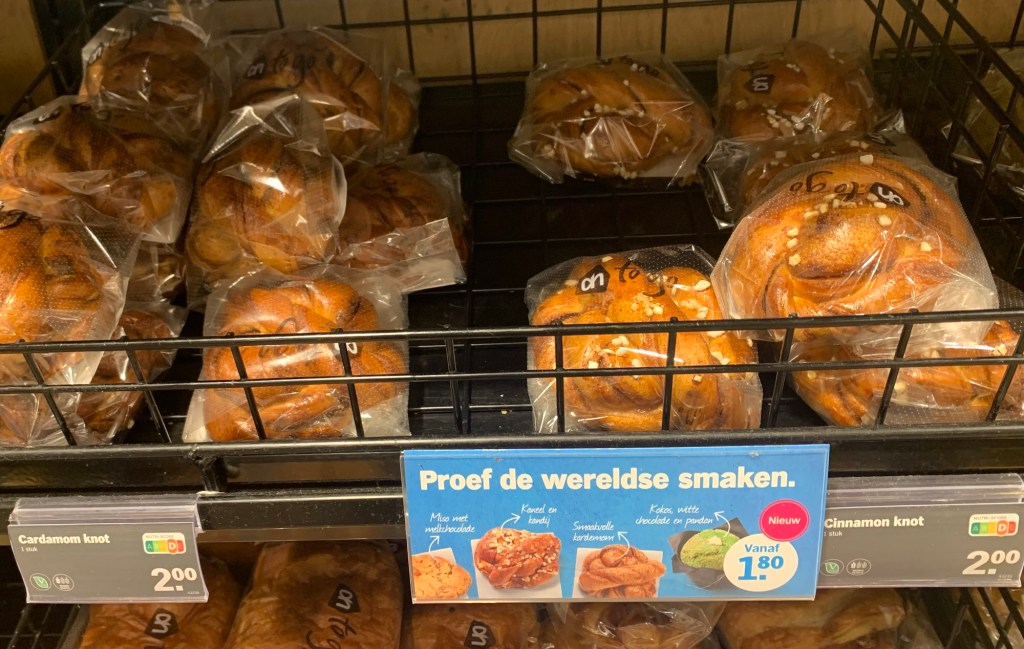
Once entered, you see some buns and cakes. Standard at Norvolk are of course cinnamon and cardamom buns – kanelbullar & kardemummabullar; lingontosca (Lingonberry jam cake topped with almonds), lemondcurd shortbread are also always there.
On the corner are fika cookies: hallongrottor cookies (butter cookies with jam), kokosbollar (chocolate-coconut balls) and ginger cookies among others.

On the inside, a detail I loved was the words in Nordic languages on the wooden beams:

  • Noitið daginn (Icelandic) – enjoy the day
  • Ei pidä ennä merta edemmäs kalaan (Finnish) – “it does not pay off to go further than the sea to fish” – do not get ahead of yourself when doing something
  • Smi mens jernet er varmt (Norwegian/Danish) – ‘forge while the iron is hot’ -seize the day. In Danish it is (man skal) smede mens jernet er varmt
  • Elsker samvær mad – either Danish or Norwegian, but I cannot find this saying online..

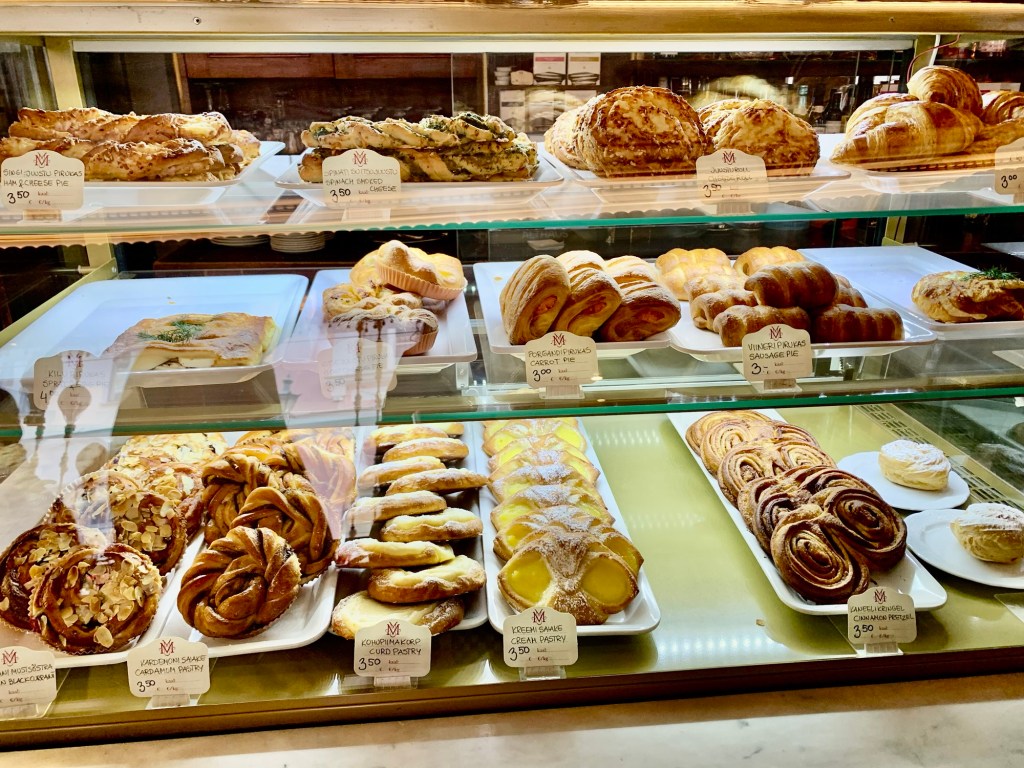
A bit further you have the cakes and sweet or savory breadstuff: croissant, typical Danish almond pasted filled T-birkes with poppy seeds on top, egg-filled Danishes..
Among the cakes the Swedish classics Budapest rollcake and Princess cake – with green marzipan in the classic version – at Norvolk varies its look depending on the season!

On the menu there were a few Scandinavian-inspired Lunch options as:

  • Swedish classic Janssonsfrestelse ‘Janssons temptation’ – potato quiche with anchovy
  • Sill o Dill – herring on rye bread with egg and pickled red onion.
  • Bullen – Meatballs with beetroot salad, red cabbage, fried onions
  • Värmland – smoked salmon on rye bread with piccalilli sauce
  • Skagen – shrimp salad and eggs
  • Laxråg – salmon and remoulade sauce and dill

I ordered Janssonsfrestelse for lunch Swedish-style, and since I was already full I saved the Lussekatt for later.

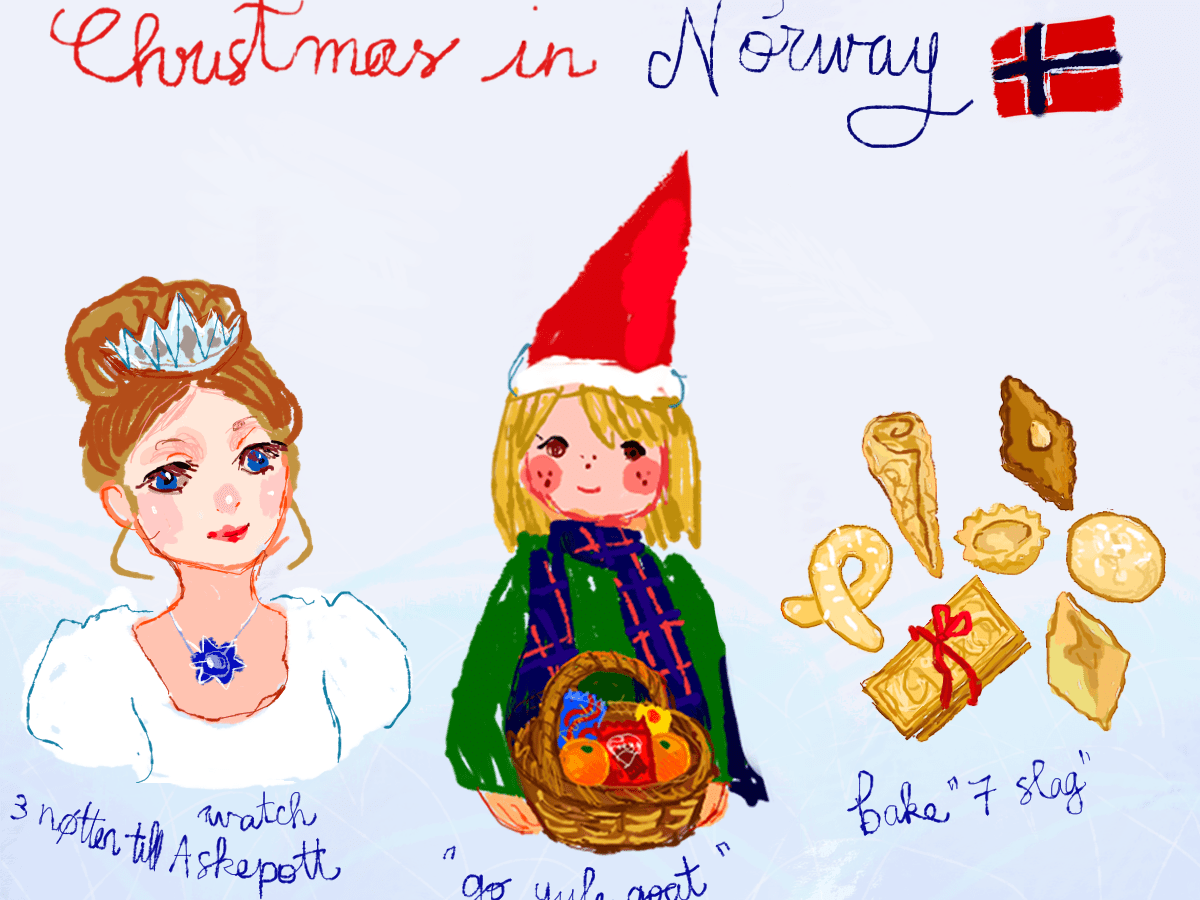
At Norvolk you can also find others products for sale, as cookies and spreads: Among these the 7 sorter (there is a Swedish/Norwegian tradition to bake 7 kinds of biscuits), fruit bread and homemade lemoncurd, Picalilly sauce, kimchi.

The owner Carla Visch made her own Swedish traditions birthday calendar, a really cute idea I would actually love to copy…

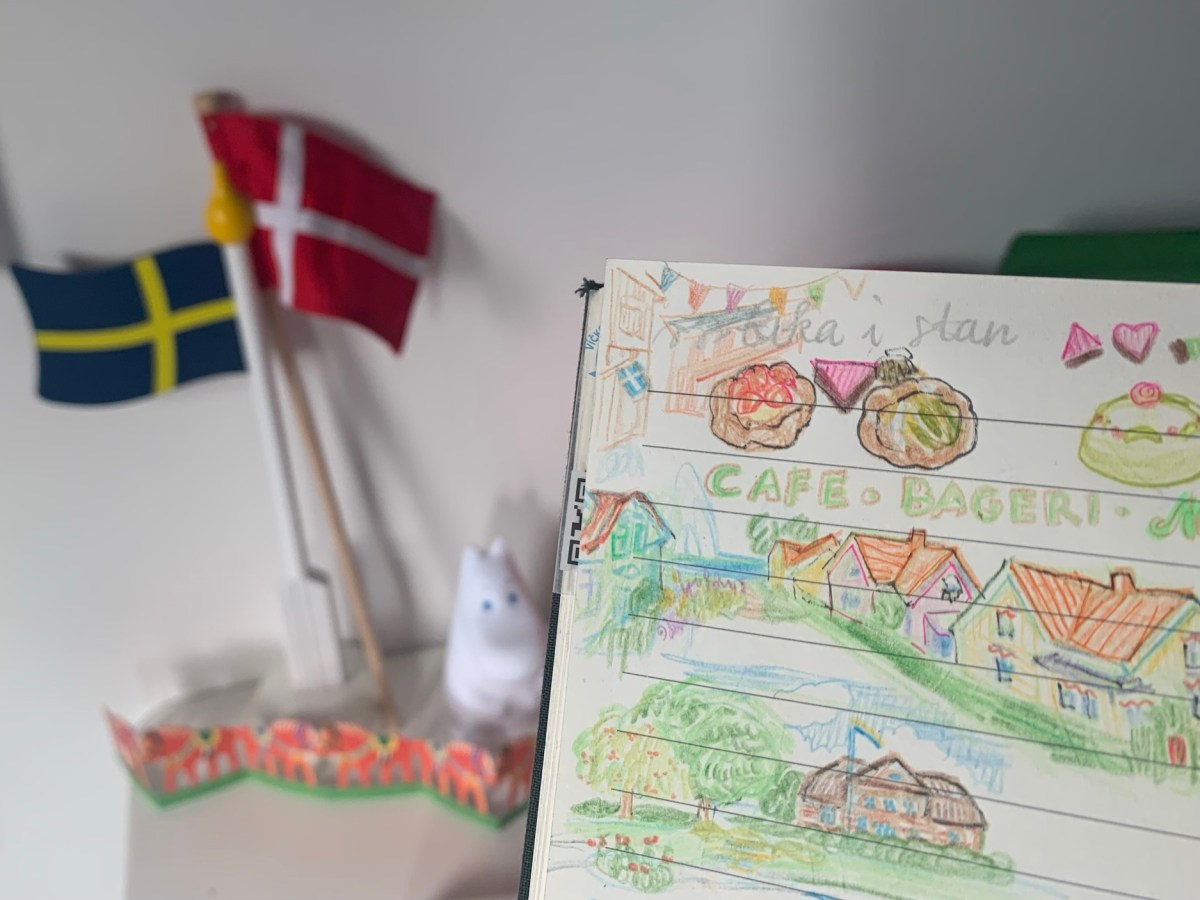
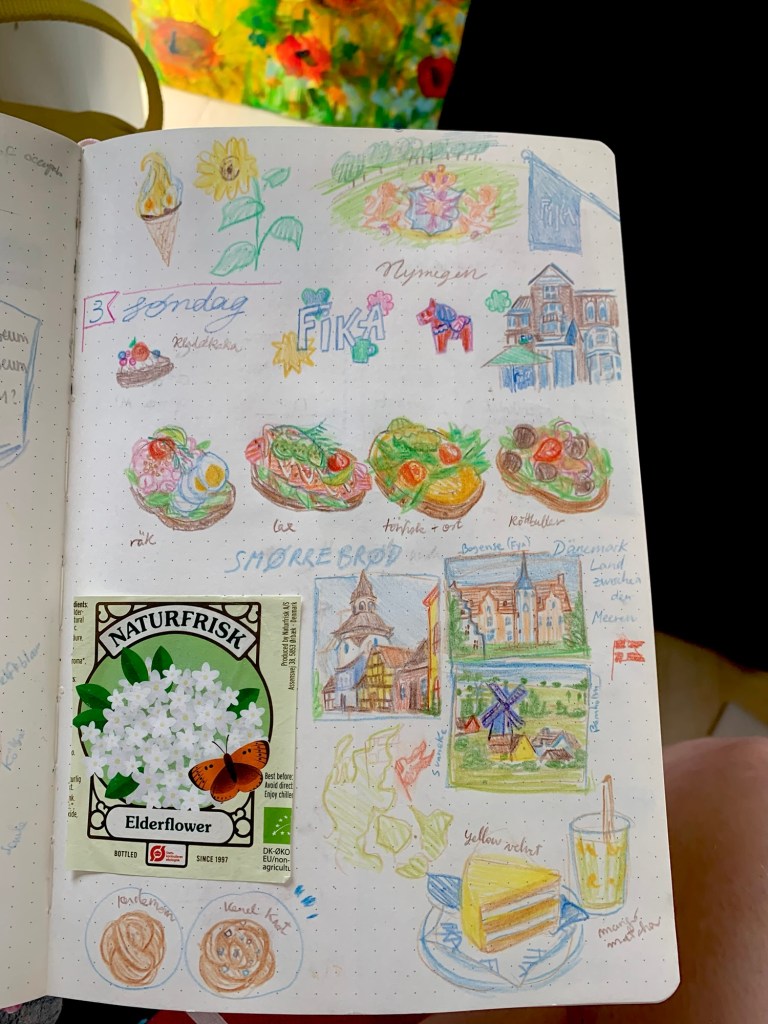
Below is the summary of Norvolk in a journal spread:

Afterwards I went to the centre, and in the library – which has a good Nordic language books collection – I stumbled upon Nordic countries-themed books, and I found a Kalevala (Finnish epic poem) in the language section…!! I hope to be back when I will have more time.

When I arrived home, I had the Lussekatt with tea in my Dala mug and a pepparkaka on my Moomin tray. Could that be more Swedish?

I definitely have reasons to go back to Norvolk someday, so expect an update and subscribe to my blog!


More posts:

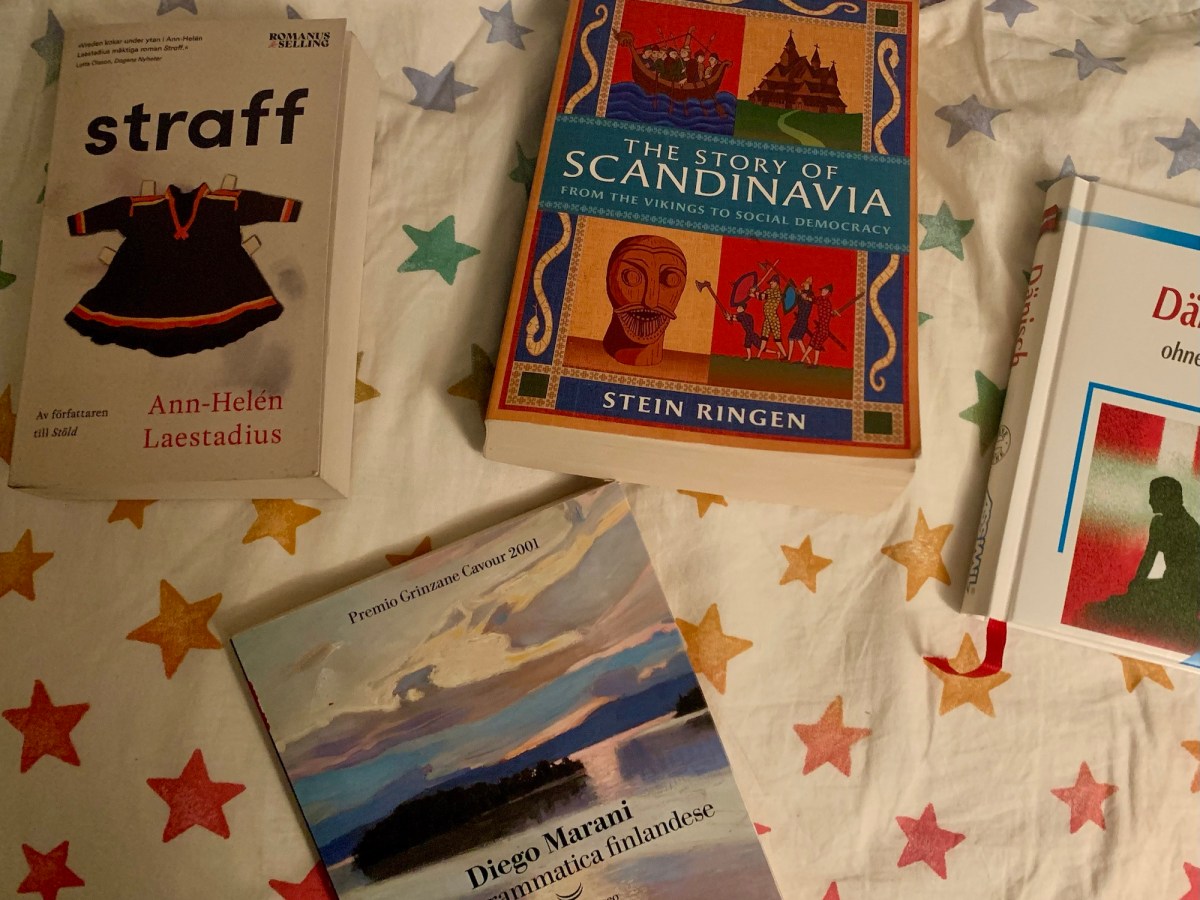
Nordic books to read and study in 2025

Novels, non-fiction and coursebooks to learn Nordic languages I plan to or might use this year, from Swedish to Icelandic.

I already had these books in 2024, started some of them during the year but still have some to begin yet:

  • Story of Scandinavia, Stein Ringen – detailed history of Sweden, Denmark and Norway from Viking Age to Present!
  • Sprog, Mikkel Wallentin – a booklet about language as a way to communicate and its peculiarities, part of the series Tænkepauser by Aarhus University.

Started (and already finished) in 2025:

  • New Finnish Grammar (Nuova Grammatica Finlandese), Diego Marani – novel about a soldier found in an italian harbour without any memory of his past and believed to be Finnish, he will be brought to Finland to re-learn his language and culture.

A few novels I still have to start:

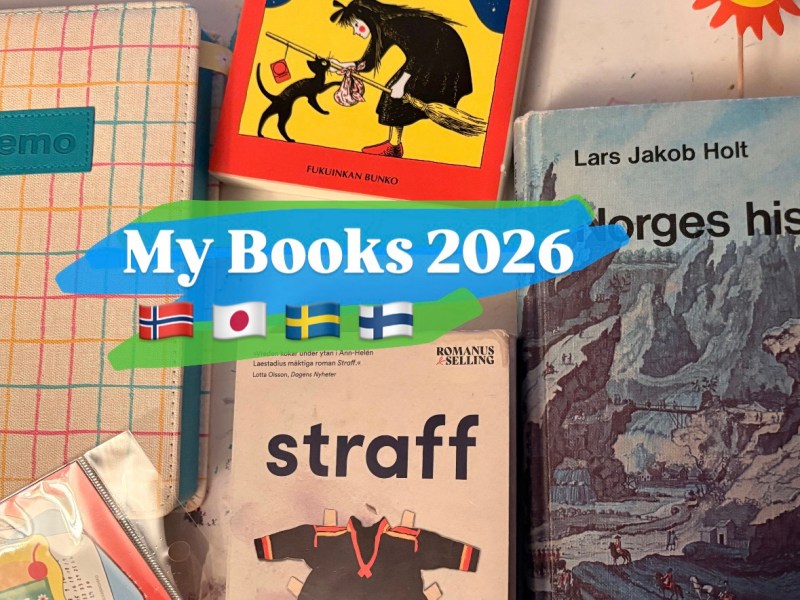
  • Straff, Ann-Helen Laestadius – Sami kids taken away from their families to a Sami-hostile environment, who meet again 30 years later.
  • Allting växer, Lyra Koli – dystopic novel about a Scandinavian girl set in a post- world war and climate catastrophe world.

Language books

This year I want to begin by focusing on Japanese, but also Finnish, continuing the coursebook by Hoepli (from Italian).

I am looking forward to improve my Danish a little with the German Assimil edition. Other books, as Swedish assimil and Short Stories in Icelandic, were started in the past and I might continue (for Icelandic) or review (for Swedish) them later.

That was pretty much all for now.. Let’s hope 2025 continues better than how it started, for me by being sick…

visiting Lund (Sweden) in February

Travelled to Sweden during Semlor season, deep winter, arriving by train and flixbus from the Netherlands.

Going to Sweden in the middle of winter, January-February, is usually not the preferred period, it is cold and dark, not during the festive period either. The only plus point is that it is Semla season, which was my main motivation to go there around my birthday (February 6th).

Back in November i had purchased a 10-day Interrail ticket i used during Christmas holidays, and since it was valid for 2 months after activation, i decided to give myself a birthday present and visit friends in Lund. And That would be my first time in Sweden, after Denmark and Norway!

Sweden at last!

I was supposed to arrive to Lund by train, but In Hamburg all trains to Denmark from Hamburg got cancelled due to some kind of technical problem, possibly ruining my trip. I then thankfully found a flixbus going there. You bet I was the happiest person in the world once I had secured my small holiday. After 6 hours I was in Lund!!! It had snowed a bit that evening and walking to the hostel -luckily at walkable distance from the station as it was past midnight- felt soo magical! I was the only person in town!

I stayed at Winstrup hostel, located right in the centre, a no-staff hostel, which i do recommend if you don’t feel the need for social activities within it! I had a quick meetup with my friend and that was soo cool!!

The following day started by thinking about exploring a supermarket for breakfast. I only ended up getting an egg sandwich, but fika was waiting for me..

After some miscommunication caused by me turning off data and forgetting to turning it back on, I met up with my friends, and we visited Lund’s cathedral and assisted to an explanation of a clock engine thing inside. The priestess doing that was also late. It was not that interesting, I must confess. I am also not very enthusiastic about visiting churches usually.. We could have visited a museum, but had no time really. And my friends kept saying that in winter there was not much to do anyway..

Fika and books

One of the reasons I was excited about visiting Sweden in February was Semlor!! Of course I got one, plus a räkmacka, a shrimp open-face sandwich. So good!! Semlor might not be thaaaat incredible, but it was something I absolutely had to get off my bucket list. I expected it to be harder and that the dough itsself would be almond-based, but it was actually very soft, and the almond thing is like a cream on top of the base of the semla.

Before and after we had been to a statioenery shop (Lexis Papper) and a book shop (Akademibokhandel). As one of my things from ym bucket list for Sweden, I got a journal there. I also got a book about Sami characters, and Pippi postcards! I loved checking out the bookshop..

Falafelrulle and Lördagsgodis

We got to ICA to get Lördagsgodis, the Saturday candy. Swedes are wild for sweets, and you can see that in their supermarkets, with an entire aisle of bulk candy and chocolates… We got them and ate them at the hostel, after having eaten a falafelrulle, 🙂

End of the trip with a Kanelbulle for breakfast

The morning I left, very early, the ICA near the station was luckily already open and I used my last hour in Sweden to get a sacred kanelbulle!! Nothing I cannot eat elsewhere, but had to tell myself I had eaten a Swedish kanelbulle..

Speaking Swedish

I actually apparently got a discount even if I should have been registered because the shop assistant was surprised I spoke Swedish, after I answered that no, I had no personnummer because I had only been in Sweden on day up to that moment in my life, that day..

A cashier at the supermarket was also surprised when I replied in Swedish after she realized I was not a local from my trouble dealing with the self-service cassa..

I did go to Sweden in summer after this trips, so check out my other posts to see the bright side of the Nordics as well!

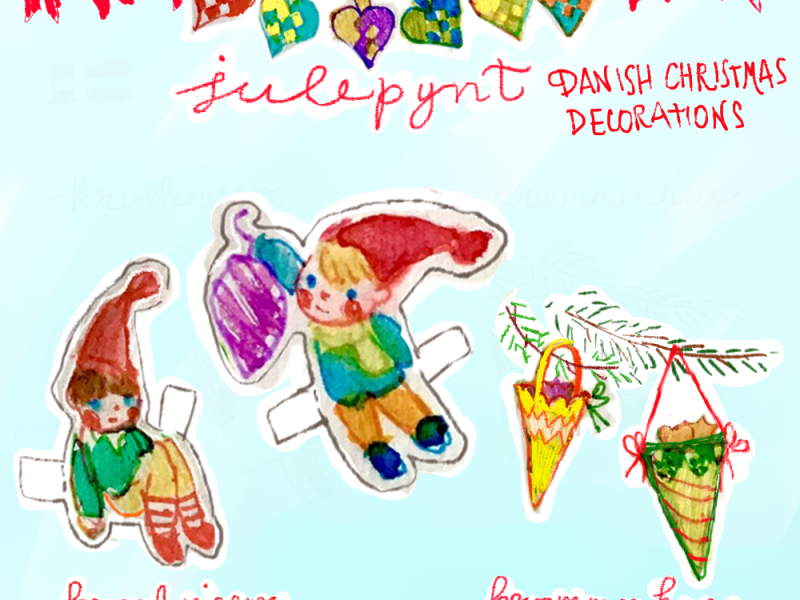
Danish Christmas decorations: Julepynt

Christmas paper decorations in Denmark: hearts, candy cones and nisser

Typical Danish Christmas decorations – Julepynt – are homemade paper ornaments, and have been a tradition since H. C Andersen’s time! Besides the ones I’ll mention below, flags are a typical tree ornament, a more general Scandinavian Christmas tradition.

Julehjerter

Pleated hearts, Julehjerter, are one of the most iconic Danish and Nordic Christmas symbol. They are most often red and white, and making them is a typical family activity.

Their origin is unknown, but the oldest heart was made by the fairytale author H. C. Andersen in 1860, still to be seen in his house in Odense. They might have become so common since Danish kindergartens started having children make them around 1910. The oldest depiction of a Chistmas tree decorated with pleated hearts dates from 1901 from the Danish manor house Søllestedgaard.

You can try making DIY Julehjerter yourself as I did

Kræmmerhus

These paper cones, often homemade and decorated, are commonly hung on Christmas trees through an handle and filled with sweets, as hardy candy, bolsjer, or pebernødder – Træet skal spises – The tree has to eat.

They are as old as 1860s – their origin comes from how traveling peddlers  (kræmmere), would carry food flour, sugar and other food they got from merchants in bulk. Children would also got candy in such paper cones.

Kravlenisser

“Climbing nisser”, are drawings of nisser, Christmas elves, sometimes hanging from things, and are a more recent but not less typical Danish Christmas decoration. They were invented by the drawer Frederik Bramming, publishing the first group of them in 1947. On top of an ‘ark’ of kravlenisser he wrote “Her er de igen – Julens smaa fornøjelige Hyggespredere‘: Here they are again – Christmas’ small joyful Hygge-spreaders. The idea was then copied by many artists especially in the 50s and 60s, as Aage Dam, Illa Winkelhorn and Iben Clante. I also made my own (see below), inspired by common kravlenisser pictures as a nisse eating rice porridge, risengrød, and hanging from a julehjerte.

Glædelig jul!

sources: lex.dk

Finnish Christmas market in Rotterdam & “Swedish” Christmas market in Groningen

my trips to Nordic Christmas markets at the Finnish seamen house in Rotterdam and a Swedish Christmas market in Groningen

I had been looking for a place selling Lussekatter (Lucia post) but ended up finding about Nordic Christmas markets in the Netherlands where I live! The blog post will be in Dutch – English Below

Alle Skandinavische zeemanskerken in Rotterdam organiseren Kerstmarkten in november, en ik ontdekte ze net op tijd om alleen naar de Finse Kerstmarkt te gaan. Een week later ging ik ook naar de ‘Zweedse’ kerstmarkt in Groningen. Twee heel verschillende evenementen! Spoiler- ik vond de gezellige, authentieke Finse markt veel leuker.

Finnish Christmas Market – Finse Kerstmarkt bij de Suomen Merimieskirkko in Rotterdam

De Finse kerstmarkt werd direct georganiseerd door de Finse zeemanskerk, Suomen Merimieskirkko, twee weekenden in november, en het was gratis toegankelijk. De meeste mensen hadden wel een band met Finland en het was er niet te druk, op zondag tenminste. Ik werd ook een paar keer in het Fins aangesproken en een paar mensen waren benieuwd over waarom ik daar was. Het was dus zeker perfect om wat contact met Finland en het Finse taal te hebben! Ik heb namelijk heel erg zin gekregen om Fins weer te gaan leren.

De locatie was het Finse Huis, binnen was er een soort Finse minimarkt, met ook wat andere typisch Finse spullen zoals Marimekko en Moomin merch. Daarnaast was er een café waar je van een authentieke Finse maaltijd en gebak kon genieten. Buiten was een kraam voor gegrilde worst en zelfs een Finse sauna waar je gebruik van kon maken tegen betaling!

Ik heb gekocht Fins rond gedroogd roggebrood, kaas, Fazer chocolade met salmiakki (drop). Ik was heel onzeker over kruipbraam jam (lakka is de naam van de oranje beer in het Fins – hjortron in het Zweeds, cloudberry in het Engels). Dit alles was vrij prijzig, van € 4 voor de chocoladereep tot € 13 die de jam zou hebben gekost!!! Maar goedkoper dan reizen naar Finland…

Ik heb van alles geprobeerd in het café, waaronder Joulutorttu (typisch Fins kerstgebak), Karjalanpiirakka (pasteitje met rijst vulling, waar je een ei-botermengsel op smeert), en een cake met kruipbraam jam. écht Noords en iets zuur). Daarna een Karjalan paisti, Karelische stoofvlees met aardappelpuree en augurken, € 15 met koffie erbij. Omdat ze al het overgebleven eten voor de halve prijs weggaven, kreeg ik aan het eind ook nog een broodje kardemom…

The Finnish Christmas market at the Finnish seamen Church there was a sort of Finnish minimarket, including some typical Finnish stuff as Marimekko houseware and Moomin mugs. Next to it you could have an authentic Finnish meal and cakes at the café, and sausages at a kiosk. It was also possible to try the Finnish sauna outside!|•

I bought Finnish round dried rye bread, cheese, Fazer chocolate with salmiakki, liquoricem and almost got also cloudberry jam. All these were quite pricy, from € 4 for the chocolate bar to € 13 which the jam would have costed!! But cheaper than travelling to Finland..

I tried a bit of anything at the café, and that included Joulutorttu, Karjalanpiirakka, a cloudberry jam cake. Then a Karelian stew, Karjalan paistu, with coffee included. There was a egg and butter mix to be added to the Karelian pie, but found it out late, so guess what…I ate it twice. As they were Giving away all food left for half price, i also got a cardemom bun at the end..

Swedish Christmas market – Zweedse Kerstmarkt in Groningen, Suikerfabriek

De ‘Zweedse’ markt in Groningen was in de Suikerfabriek, een voormalige suikerfabriek, dus een vrij grote plek, en er was een kaartje voor € 8-9, dat de ochtend van het evenement op zaterdag al was uitverkocht. Het was een typische kerstmarkt waar van alles werd verkocht, ook spullen, van oorbellen tot houten dingen tot handschoenen.

Er waren niet heel veel stands die Scandinavische spullen verkochten, en eigenlijk meer souvenirs in die gevallen, met een heleboel Dala-paardjes. Prenten van Scandinavische steden waren ook bij een paar te koop.

Pas Eén kraam verkocht Moomin-spullen (je zou meer verwachten als je ziet hoe vaak Moomin spullen zijn te vinde in Zweden), en een paar hadden sokken met Zweedse motieven, ook hier te koop bij Svensk Husman, en andere Pepparkakor, snoep en Julmust flessen (specerij-cola). Het eten was een beetje teleurstellend: Kanelbullar (kaneelbroodjes), een kraampje van Noorse zalm, en ‘Zweedse’ gehaktballen met standaard sauzen voor Nederland en niets meer…

De Skandinavische Vereniging en Informatie bureau in Nederland – SVIN – en culturele associatie van vertalers voor Scandinavische talen en culturen, was erbij. Ik las hardop iets voor mijn vriend daar en kreeg complimentjes voor mijn Deense uitspraak!!!

Conclusie: om Skandinavische/Zweedse (kerst) spullen en eten te vinden kon je beter naar IKEA gaan, en zonder € 8 kaartje.

Ik heb ondanks dat wel iets gekocht: een mooie Dalahäst kop en sokken, een Moomin dienblad (ik had eigenlijk een dienblad erg nodig).

Maar ben blij dat ik daar ben geweest om een vriend en Groningen te zien.

The ‘Swedish’ market in Groningen was located at an old factory now serving as a fair location, entry with a € 8-9 ticket. It was for a great part a general Christmas Market with stands selling from earrings to wooden things to gloves.

There were only a which sold legit Nordic stuff, which was actually souvenirs and a lot of Dala horse objects. another couple prints depicting Nordic cities. One was selling Moomin stuff and a couple socks with Swedish things as motifs. The food part was kind of delusional, the only Scandinavian thing to be found was Kanelbullar, and a stand selling Norwegian salmon. And ‘Swedish’ meatballs, without typical Swedish sides as lingonsylt though. The Dutch association of translators from Nordic languages also had a stand, selling some books and verb paradigm round cheat-cheets. I read out loud for my friend something and got praised for my Danish!!

I got Dala horse stuff although there was barely anything else worth being bought (thankfully for my wallet lately): A mug and socks! I already needed a tray and happened to find a Moomin one, so I went for it..

Scandinavian Christmas findings in chain shops

Naast IKEA verkopen Tiger en Søstrene Grene, Deense winkelketens, een paar typisch Scandinavische kerst artikelen met betaalbare prijzen: Julehjerter decoraties, Yule-geiten van stro, Pepparkakor/Brunkager koekjes en zakjes met Deense pepernoten.

Other than IKEA, Tiger and Søstrene Grene, as Danish shop chains, also sell some typical Scandinavian Christmas articles at affordable prices.