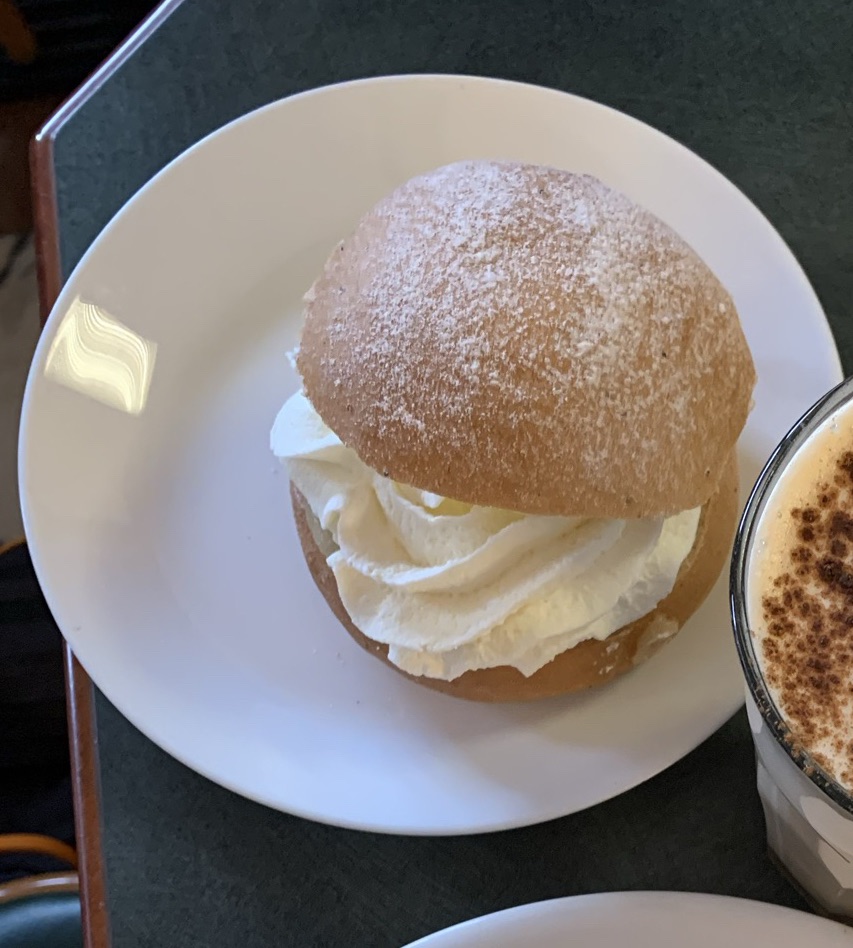
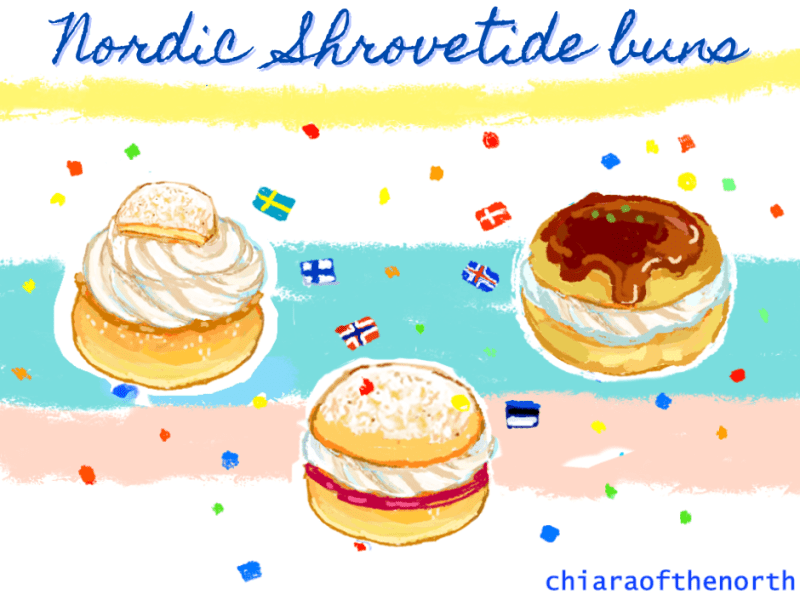
Cream buns are enjoyed in Nordic and Baltic countries during shrovetide, between January and February. Sweden’s classic semla has almond paste, while other countries variations include jam, vanilla cream, and chocolate icing top.
Whipped cream-filled buns are eaten and baked in Nordic countries during shrovetide (carnival for catholics), Fastelavn in Danish/Norwegian, Laskiainen in Finnish. This period would anticipate the lent before Easter, and culminates on Fat Tuesday – Fettisdagen in Sweden, or Shrove Sunday.
Lent was abolished with the reformation, but the buns stayed! To the point that Icelanders call the day when you eat bollur, shrove Monday, bolludagur, ‘bun day’.
National Variations of Shrovetide buns
In Sweden the semla is filled with almond paste and whipped cream. It is traditional to eat it soaked in hot milk, known as hetvägg. Swedish King Adolf Frederick died from digestion problems after eating 14 hetvägg!
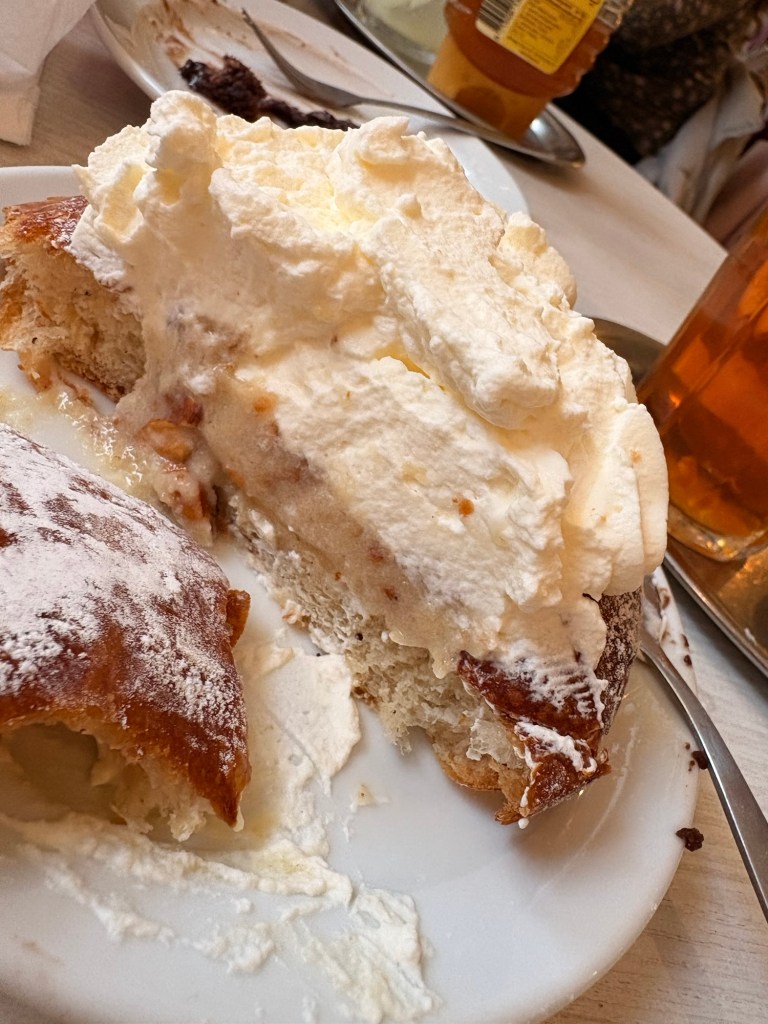
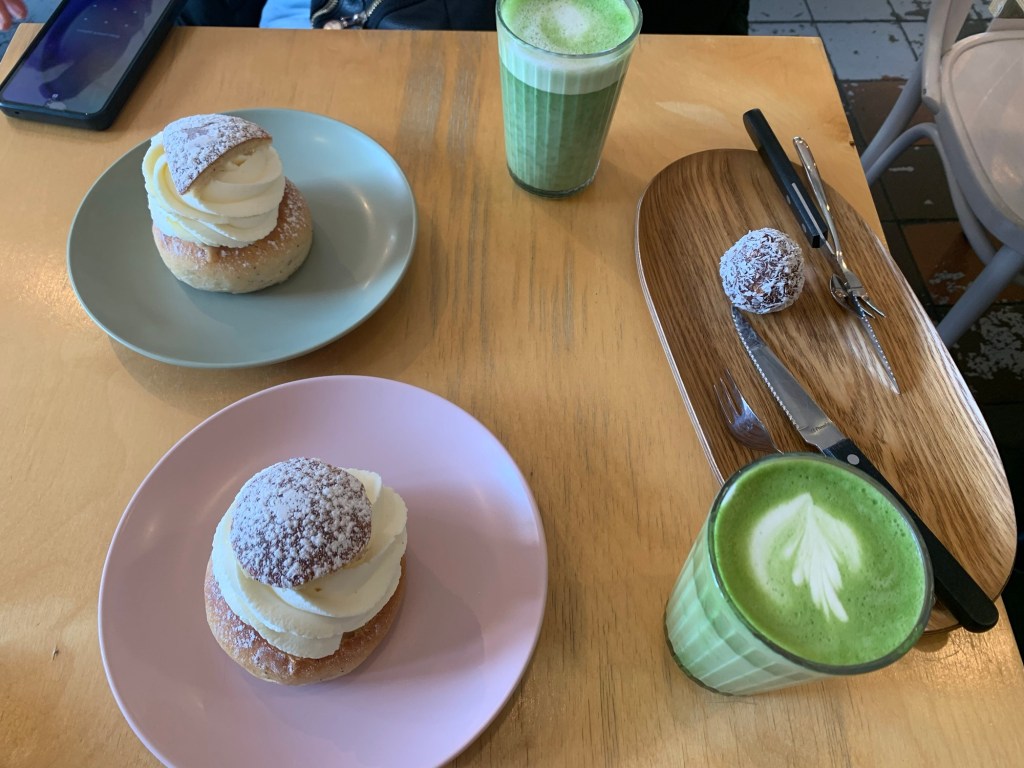
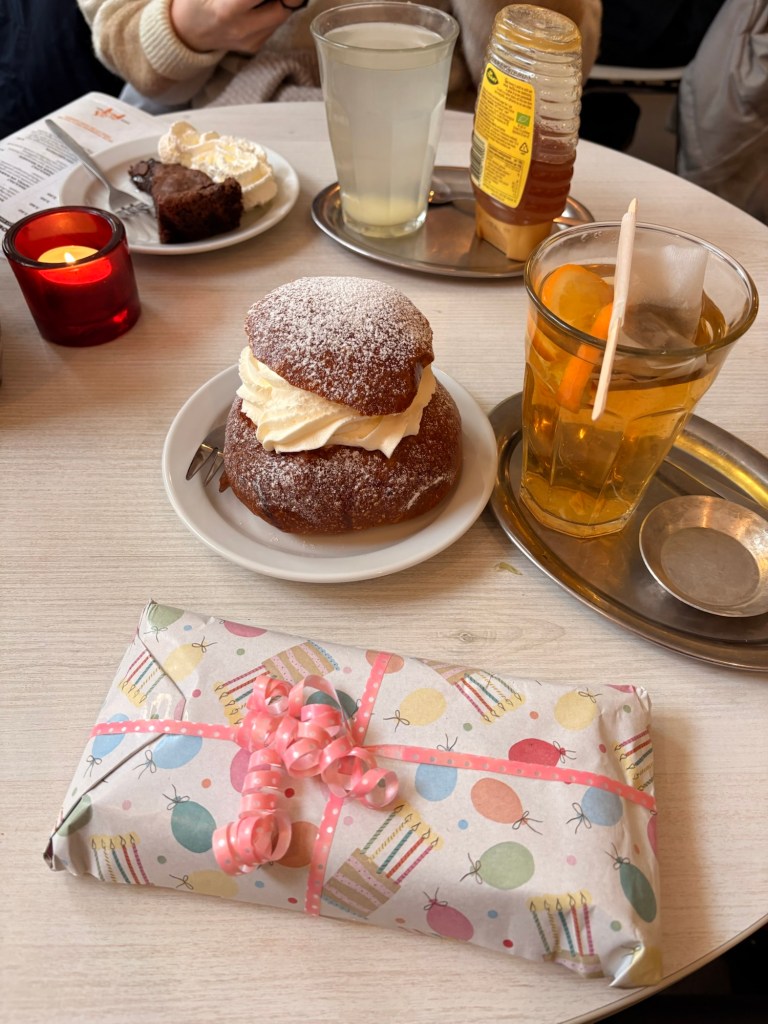
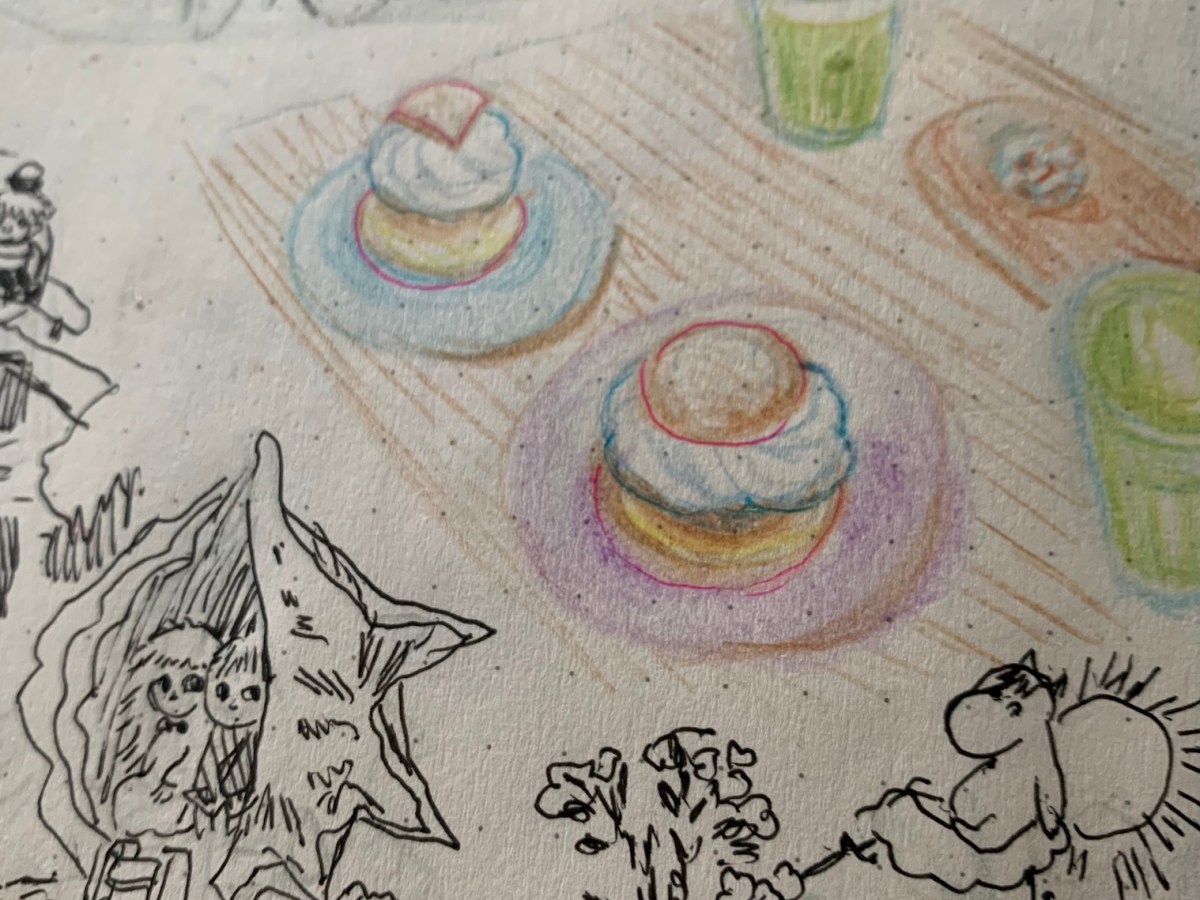
Mormors bageri Semla in LundAlmond paste inside Broodnodig’s Semla in Utrecht
in Finland, Laskiaispulla – or fastlagsbulle in Swedish-speaking Finland – instead of almond paste you find jam. Estonian Vastlakukkel is more simple, genereally only with whipped cream, but sometimes also contain jam, and Norwegian fastelavnsboller can be filled with vanilla cream, jam, chocolate and almond paste.
Danish fastelavnsboller, similar to bollur in Iceland and Føstulávintsbolli in the Faroe, are made from puff and choux pastry, often with chocolate icing on top and besides whipped cream filled with vanilla cream, whipped cream and jam.
Besides the traditional version named above, there are more and more variations including liquorice, pistache and so on, with curious semlor made up each year.
Mentioning Dutch culture, a Danish/Icelandic fastelavnsbolle reminds me of a Bossche Bol, although the latter are completely coated in chocolate. I believe Italian Maritozzo is very similar to a plain semla, without almond paste.
Where to try them in the Netherlands
In Amsterdam, Selma’s Nordic bakery and Scandinavian Embassy make Semlor. Selma was also serving Finnish-style laskiaispulla in 2025, with a fruit compote, and a Danish fastelavnsbolle in 2026!
I also tried Broodnodig’s classic almond paste semla in 2026, a very big one!
In Den Haag semlor are also available Norvolk (in Scheveningen)
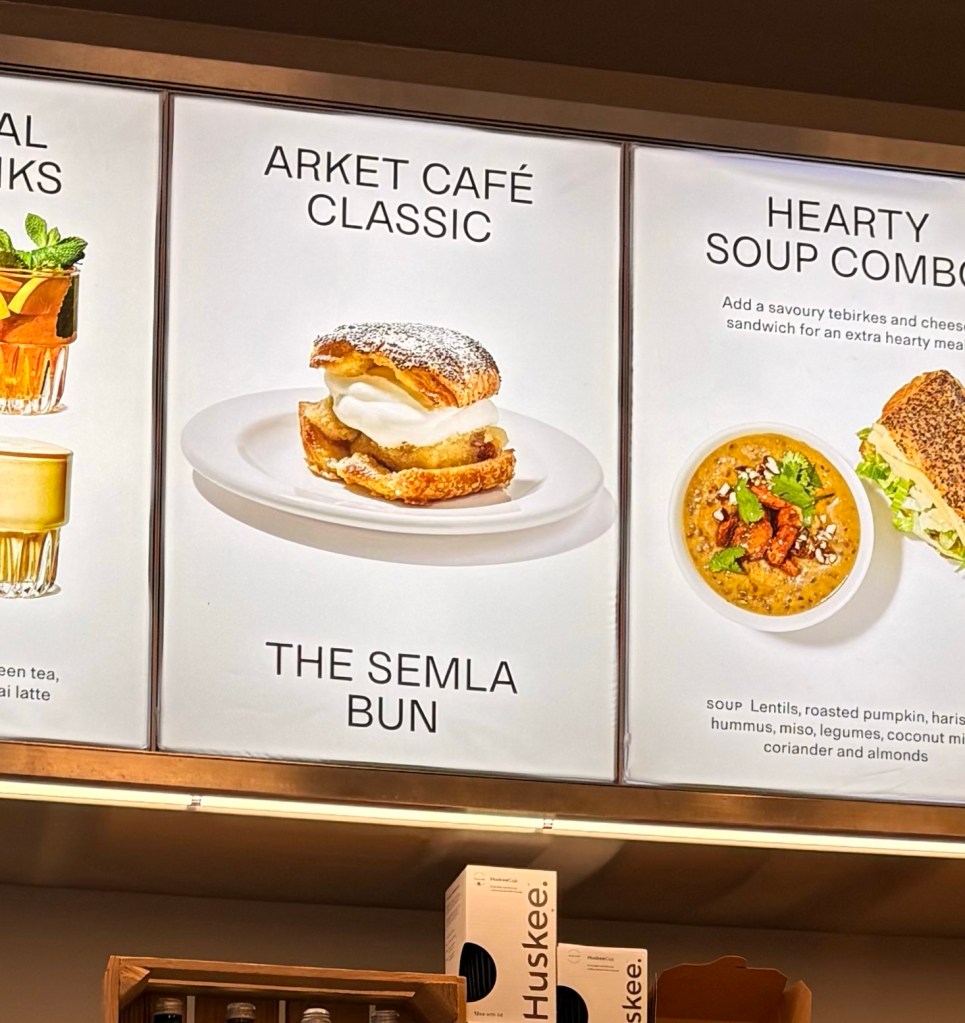
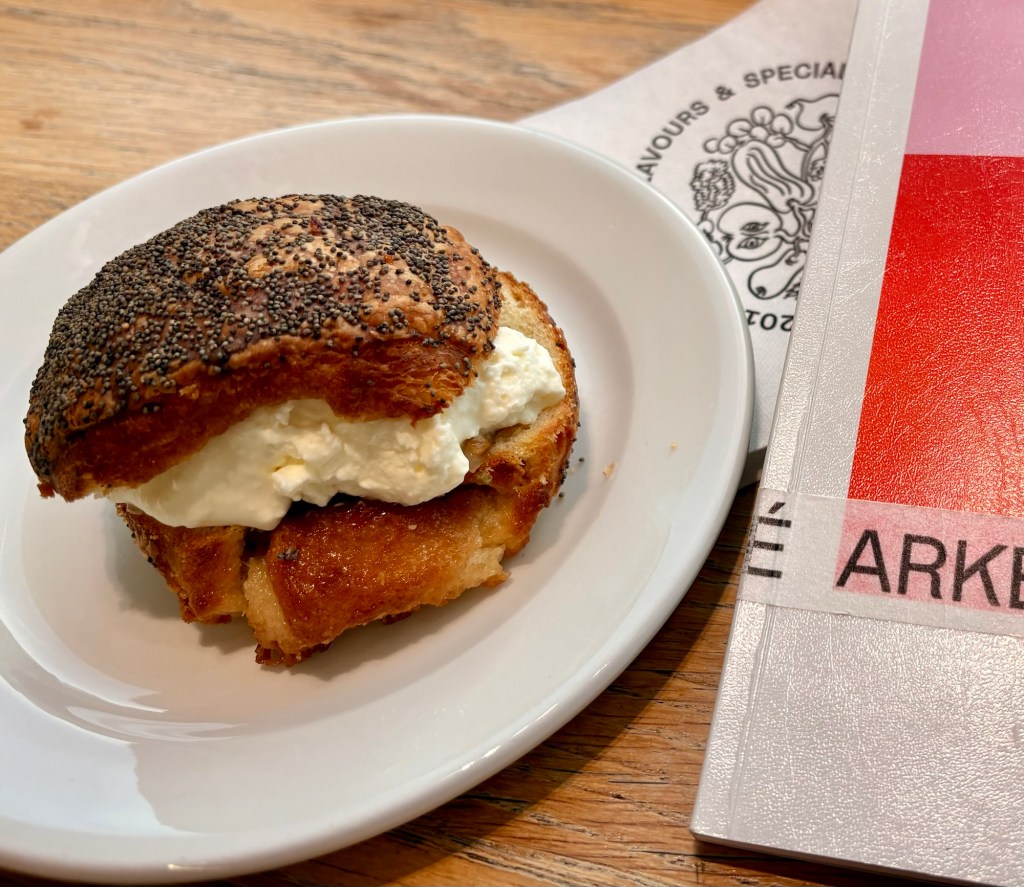
Arket made an interesting Danish-Swedish twist, with the classic wienerbrød Tebirkes cut and filled with whipped cream and almond paste like a semla!
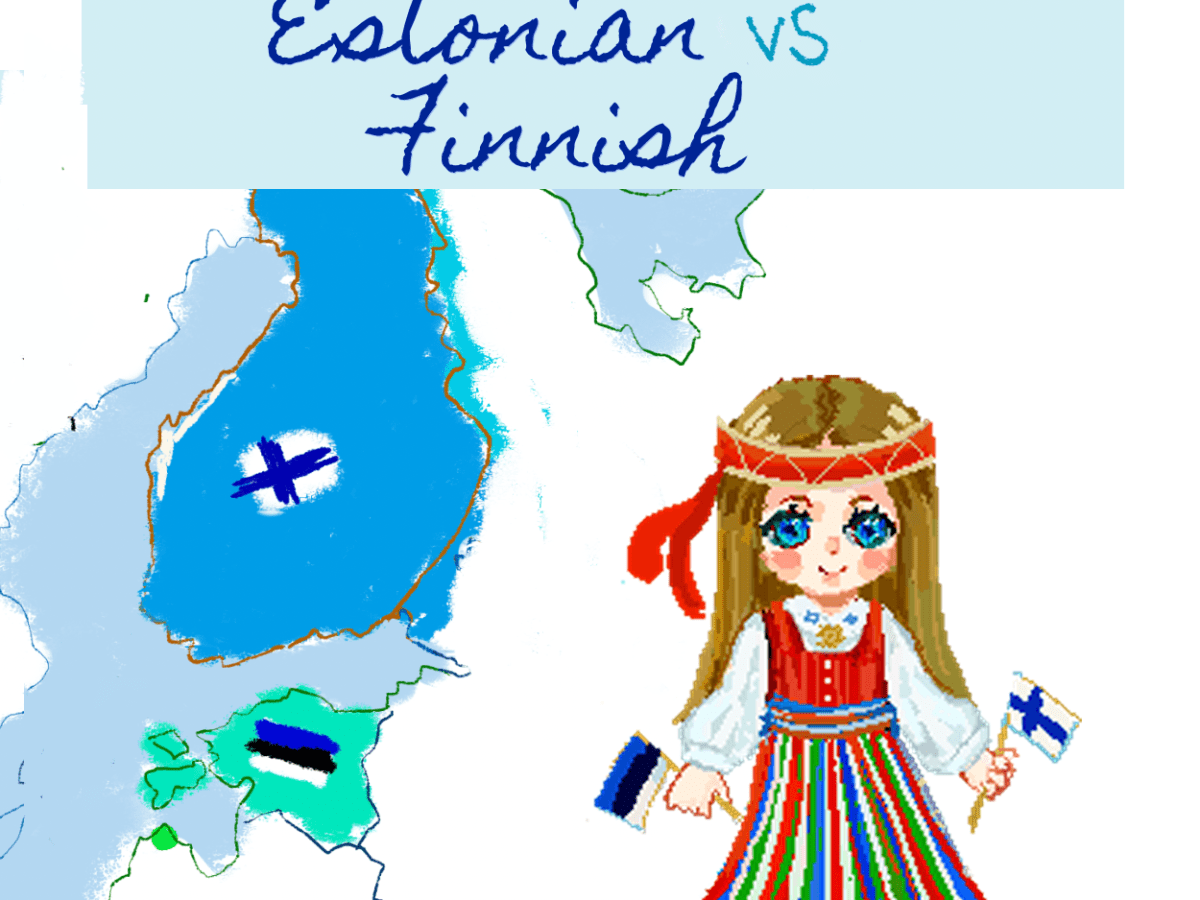
Estonian is a Finnic language, sharing many similarities with its ‘bigger’ sister Finnish, while being unrelated to all their bigger language neighbours
Cream buns are enjoyed in Nordic and Baltic countries during shrovetide, between January and February. Sweden’s classic semla has almond paste, while other countries variations include jam, vanilla cream, and chocolate icing top.
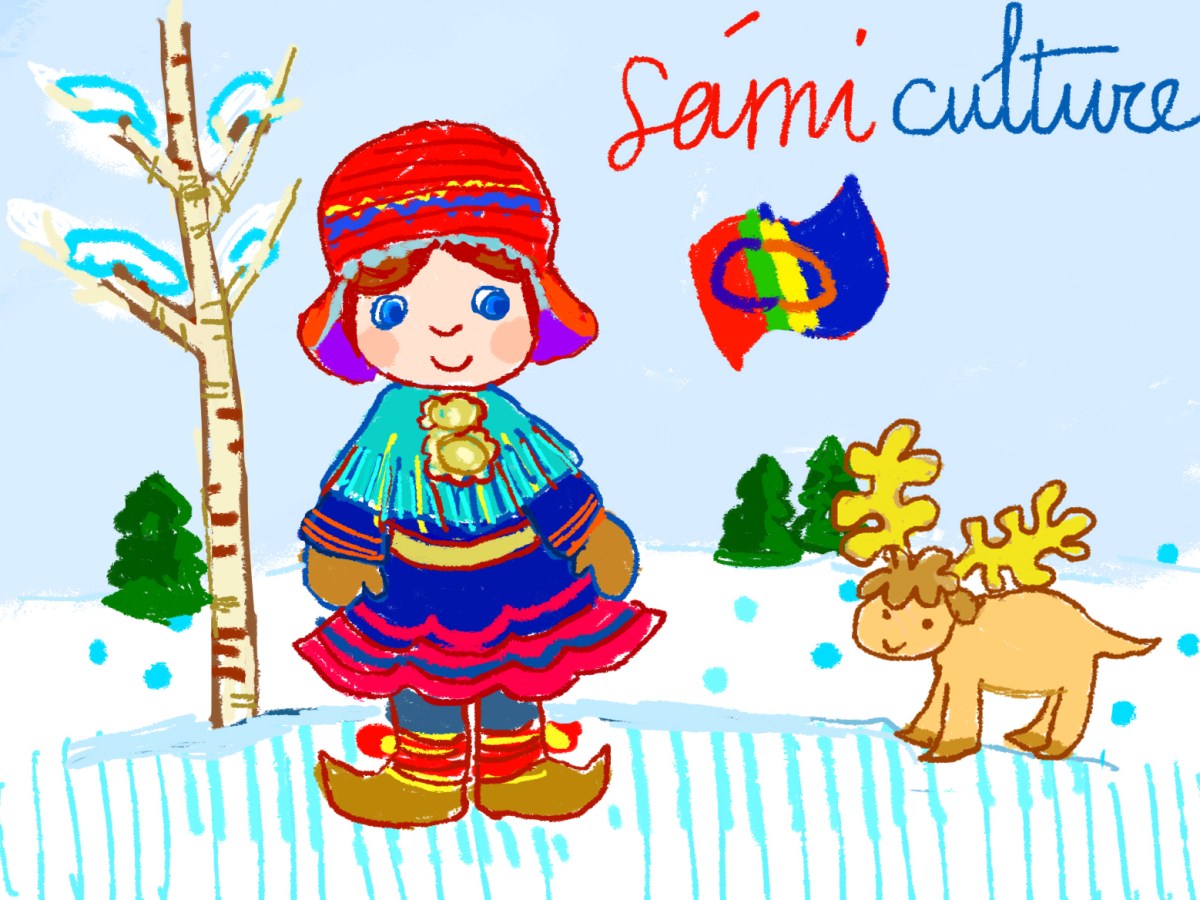
Sámi people, indigenous people of North Scandinavia, have a distinct culture, symbolised by its unique flag and traditional clothing, and part of it are Duodji handicrafts and unique musical expression through yoik.
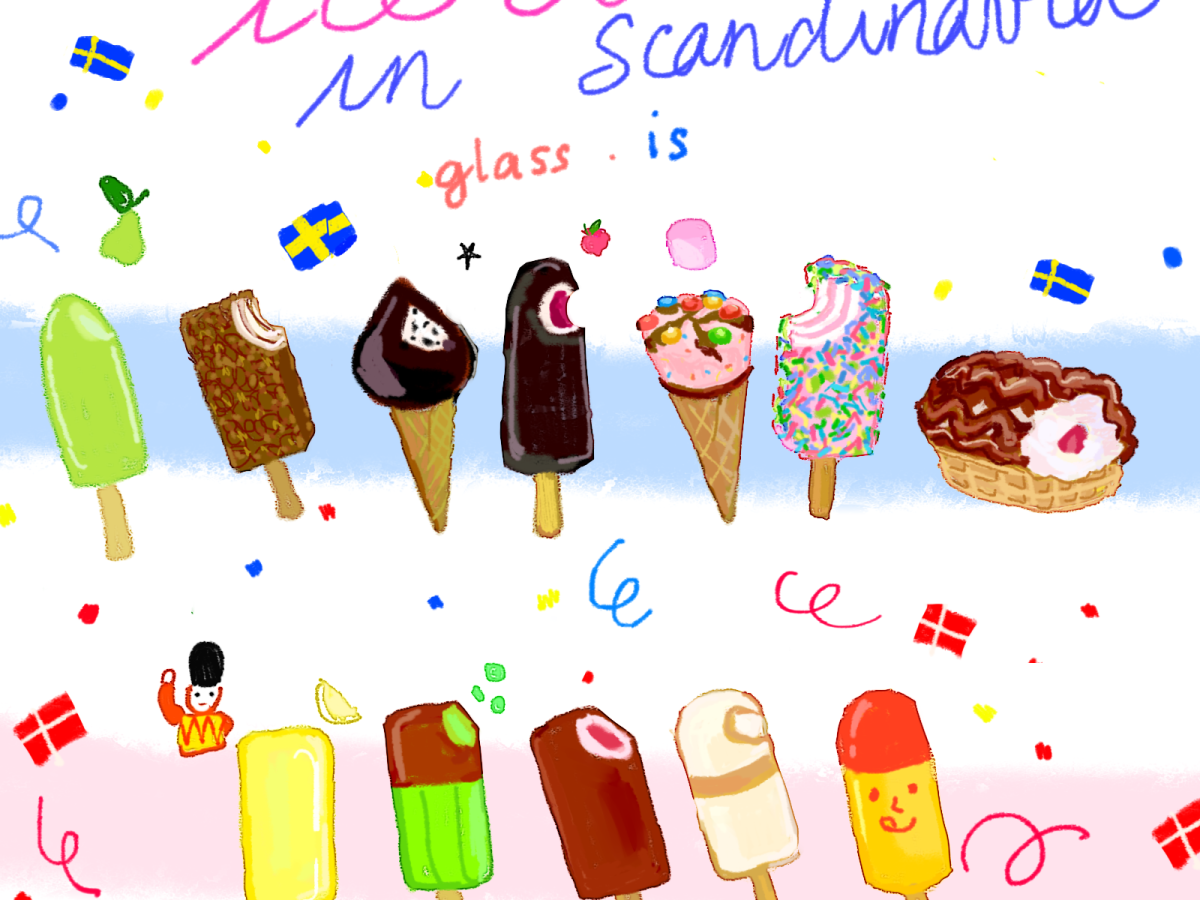
Discover Ice creams to try in Denmark, Sweden, and Norway: all-time classics,
Popular flavors, and curious novelties.
Since travelling to Scandinavia for the first time, i got quite acquainted with ice lollies available there, they have of course the magnum ice creams you see everywhre, but also quite a few interesting national classics, which vary. Here is a guide, so you are prepared..
Liquorice is a Nordic favourite!
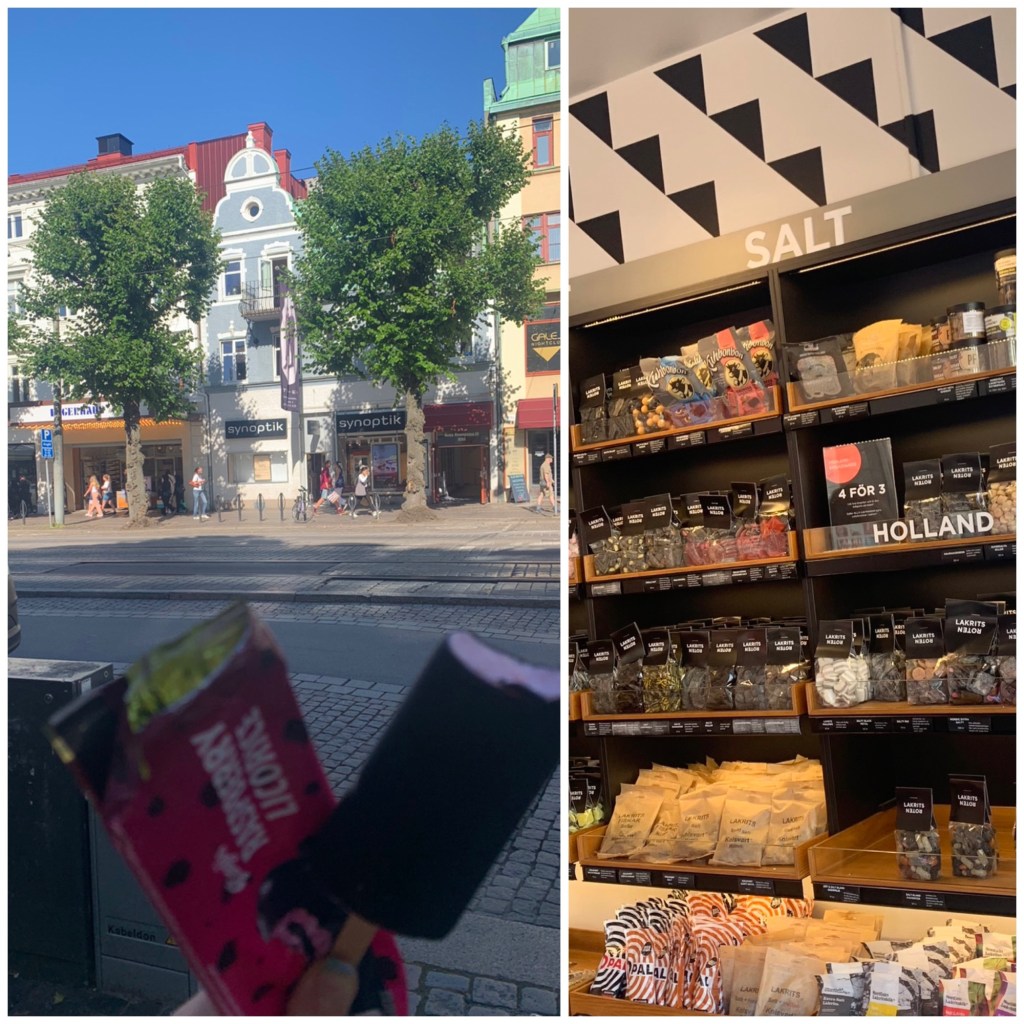
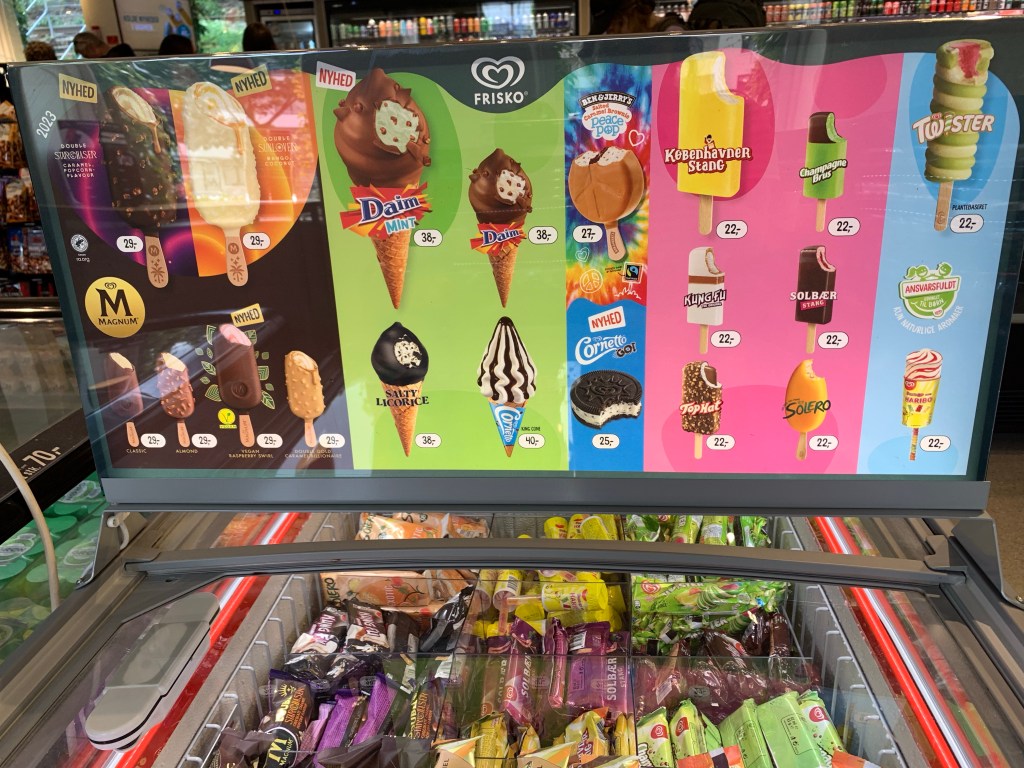
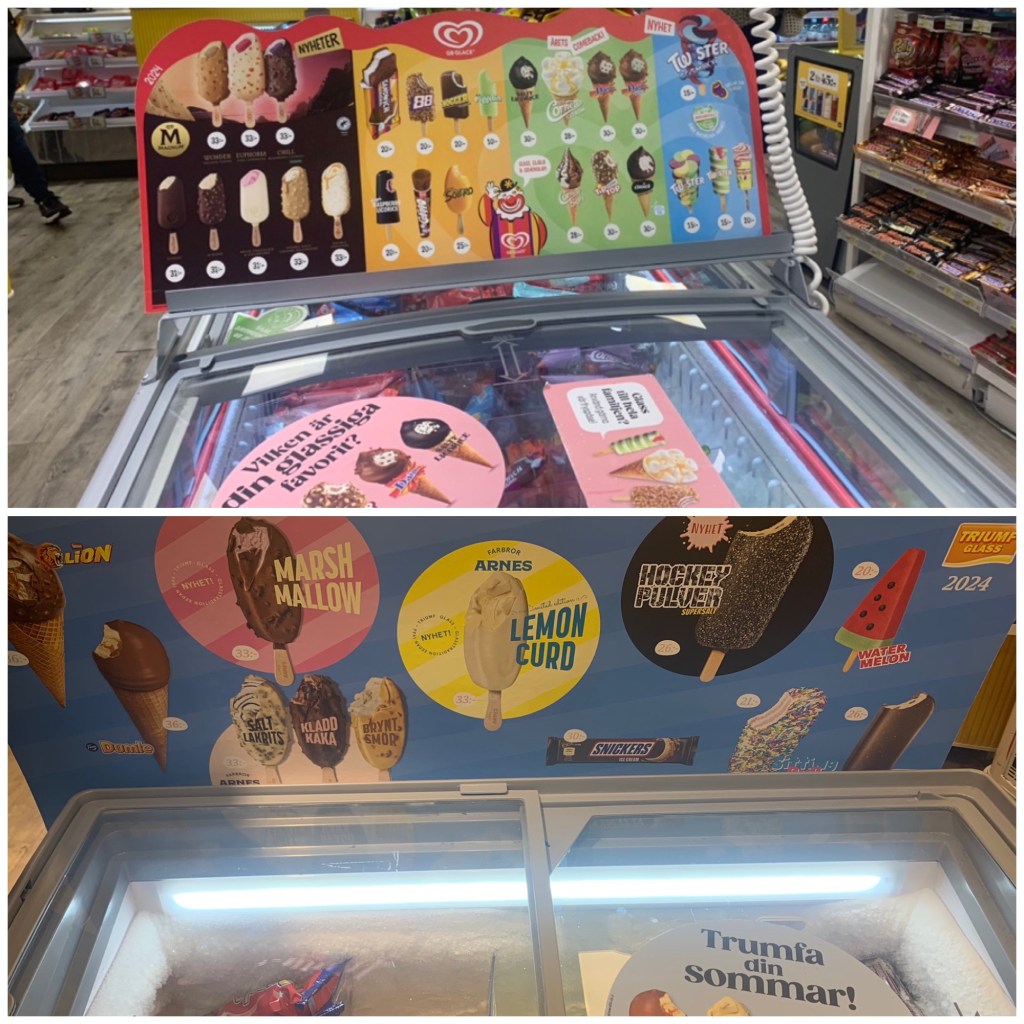
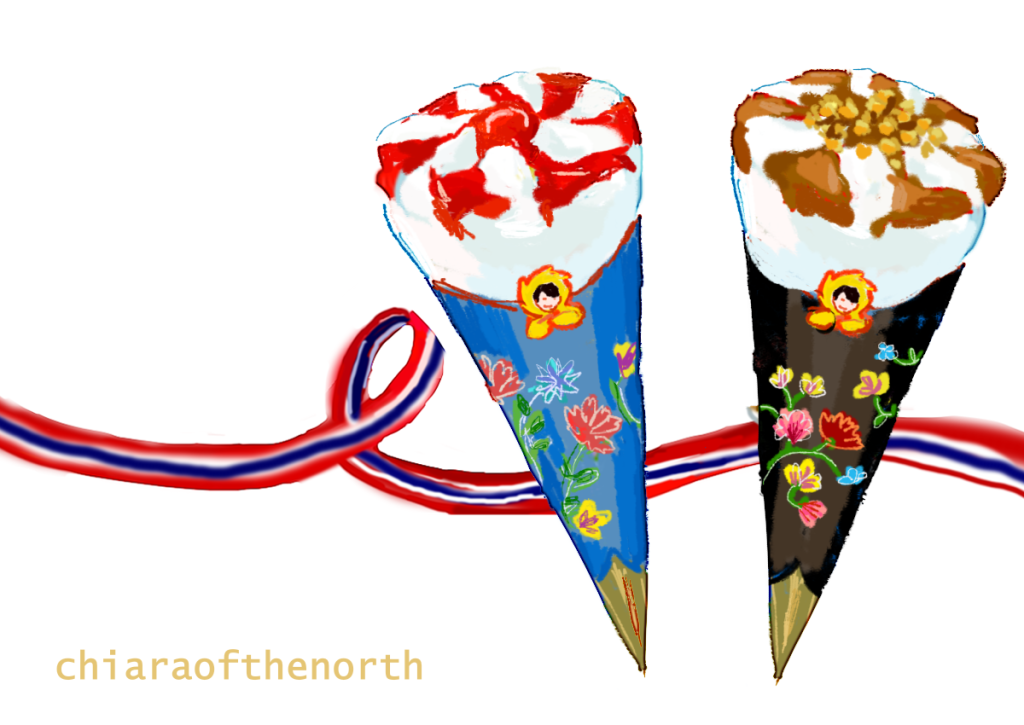
One thing you see everywhere in Nordic countries is liquorice, lakrits/lakrids. You find tons of liquorice candy, in chocolate, and of course as ice cream flavour, and there are several options. A pan-Scandinavian ice cream type is a round DAIM chocolate covered cream cone with a few variations, and it got recently a salt liquorice version!
raspberry liquorice ice cream and a liquorice-only shop!
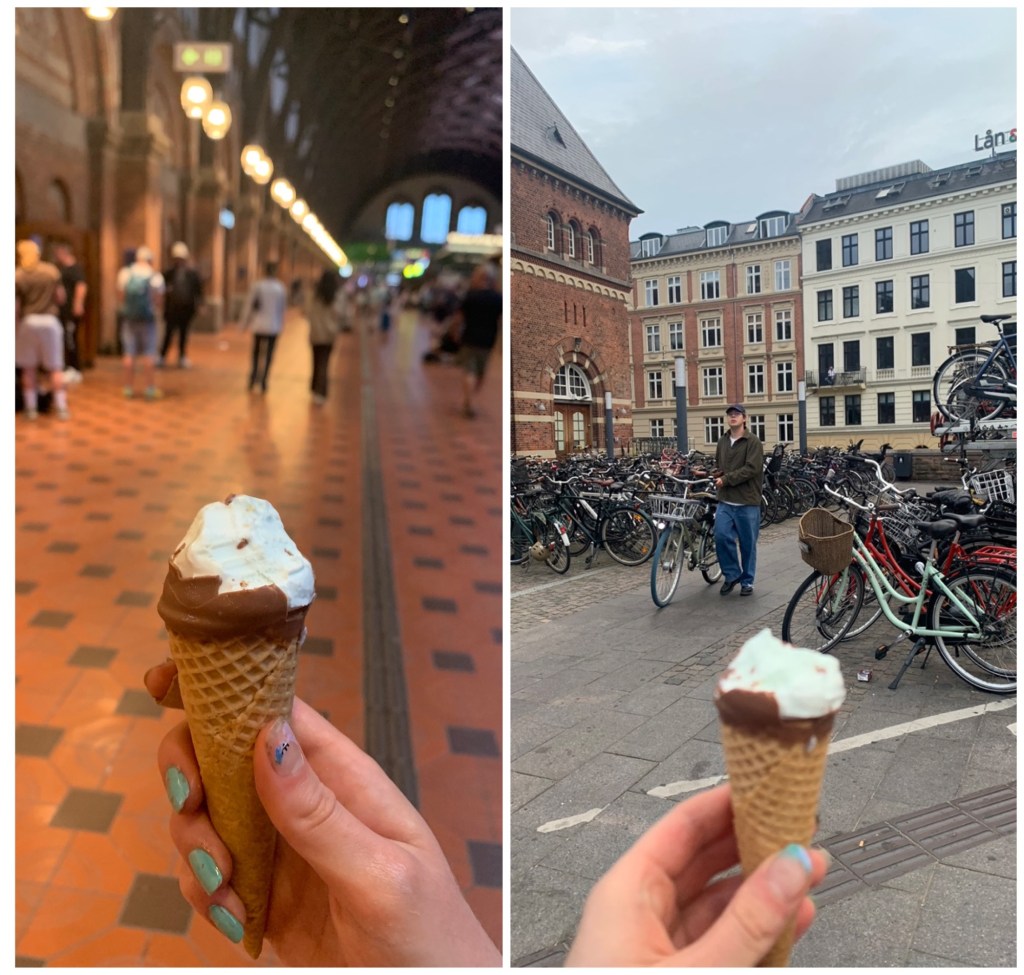
During my Denmark-Sweden holiday of last summer, I got the Daim Mint variation at a 7/11 of Copenhagen station last year though. And I did try a berry-liquorice combo in Sweden though.
The Danish Classic ice creams
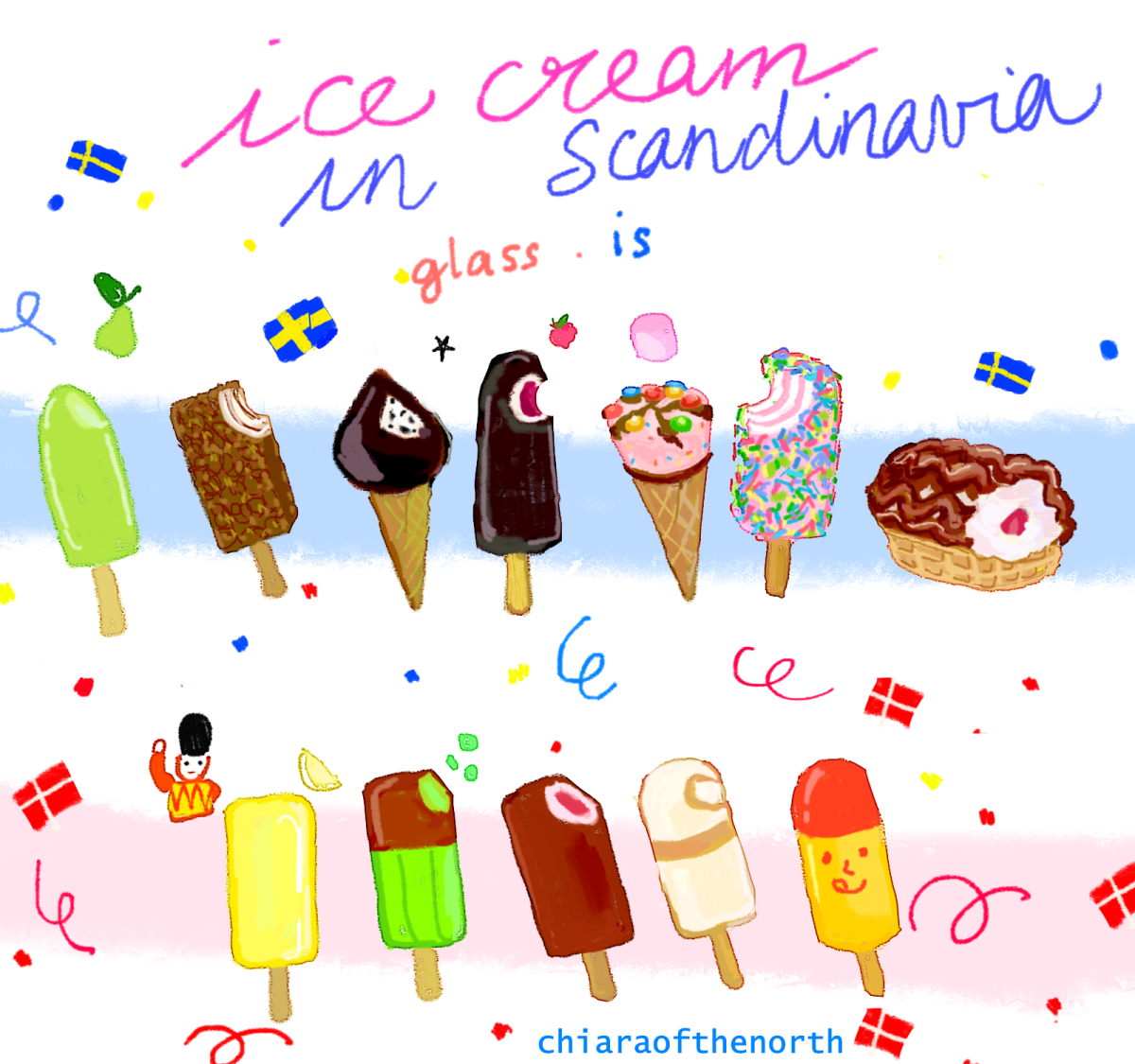
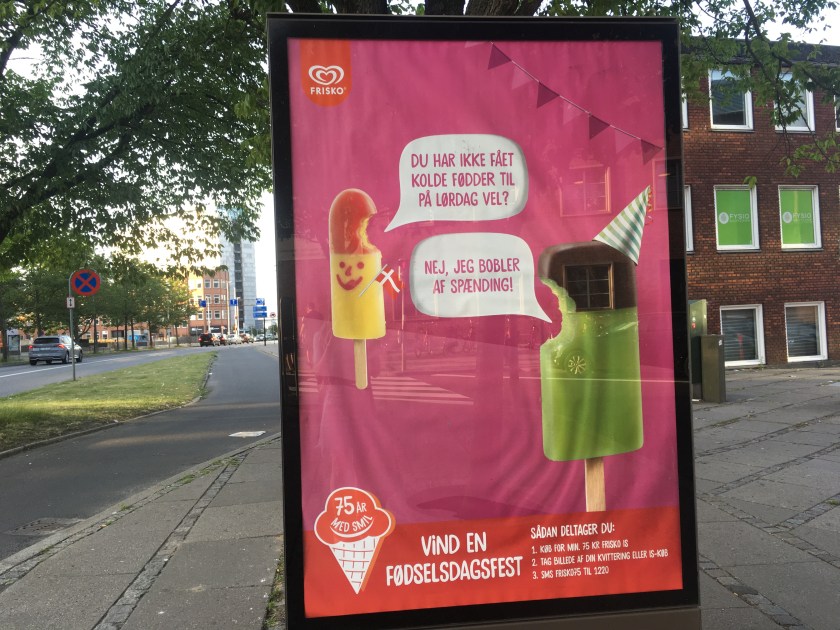
Frisko in Denmark, GB Glace in Sweden is the ice cream brand with the heart symbol present everywhere with different names, and many Ice creams I will mention are sold by it. Denmark has a set of all-time favourites, some have been around since the 50s!
Ice creams at the 7/11 at Fredericia stationFilur: haven’t you got cold feet on saturday? Champagne Brus: No, I am bubbling from excitement!
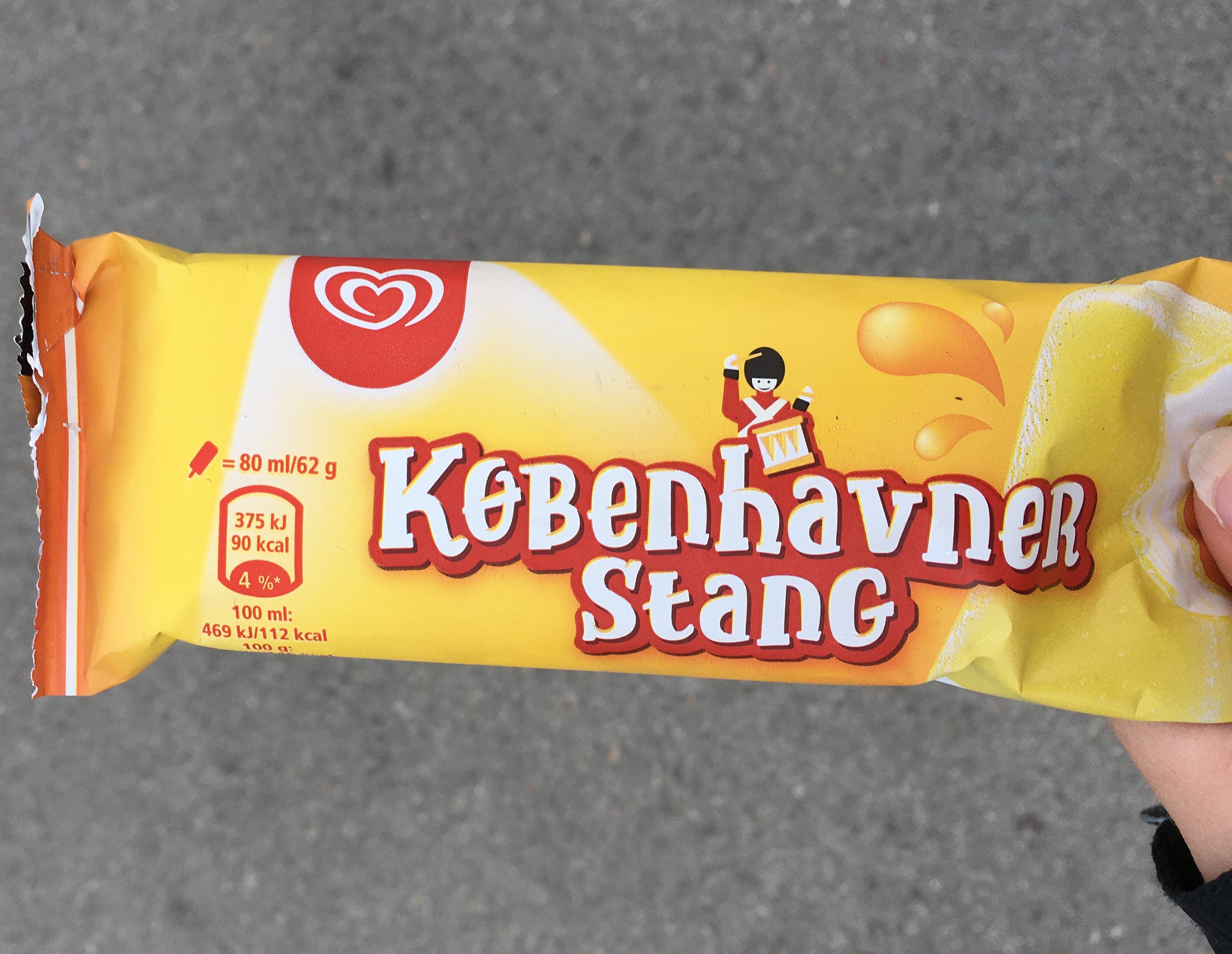
I have tried Københavner stang, Champagne Brus and Solbærof them. the former is just a plain lemon one (picked it because of the logo), but I enjoy Champagne brus contrast of lime-ish freshness with the chocolate covering. Solbær – which changed name from Kæmpe Eskimo for political correctness reason – is just chocolate with berry creamy filling. Still good! Kung Fu is lime and liquorice, Filur is the cute orange-raspberry water ice cream.
Sweden: pear flavour, Pippi and Emil
Other than liquorice being king, a particularly common flavour in Sweden is pear, or at least much more than it seems to me in other countries. A Finnish Swede friend told me it probably is because you cannot grow many other fruit…Piggelin by GB Glace is a pear ice cream classic.
Pressbyrån always making puns, here with ‘Vilken är fin glassiga favorit’: Which one is your classice cream?
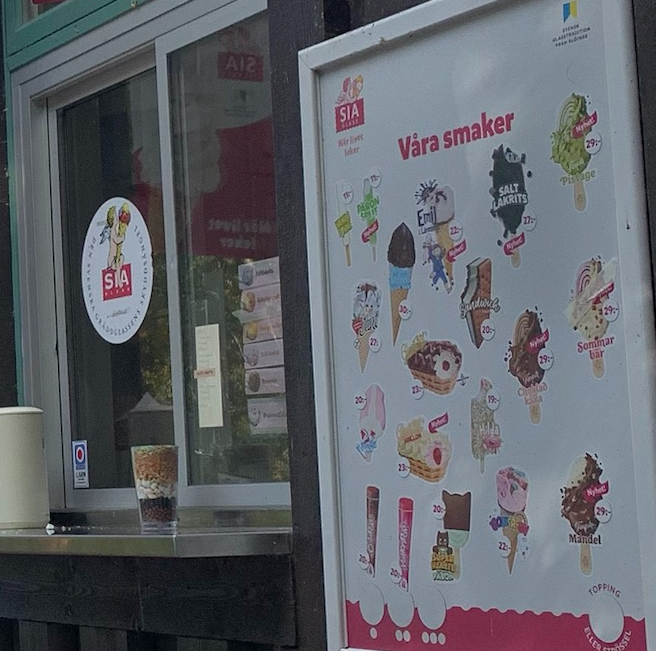
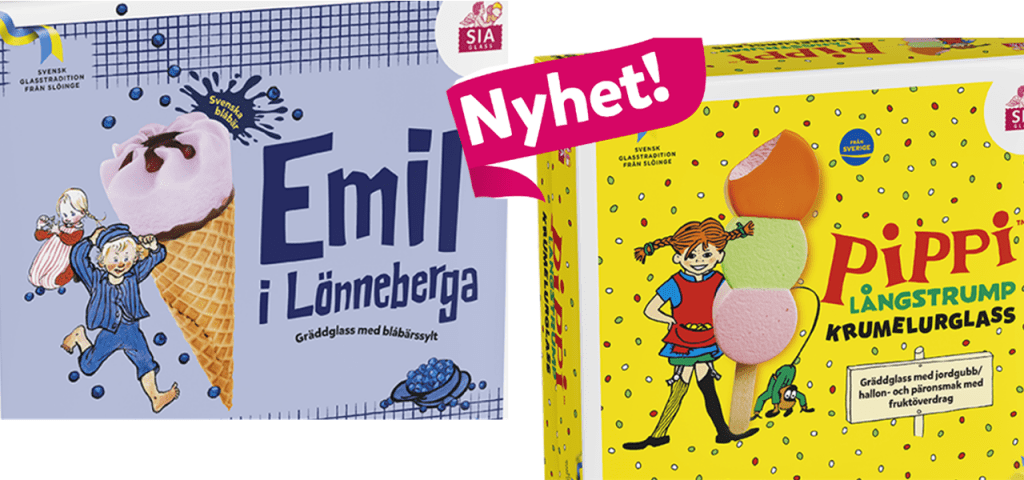
SIA is the main competitor of GB in Sweden I guess, based in Halland. It has introduced Emil and this year Pippi ice creams!! The former is Krumelurglass (which i got in the original candy form last year, krumelurpiller), a fruity ice cream. The green part is -you guess it- pear. Emil has blueberry flavour.
pictures (c) SIA Glass
I actually tried the raspberry liquorice ice cream, the lemon cornetto, and the Swedish classic 88, read åttioåtta. Shoutout to my friend Linda & her husband who made me try it. I would have also tried a Hilda, marshmallow/strawberry-ish? ice cream covered in rainbow sprinkles, or Godisregn (‘candy rain’), basically the same concept but in a cone. Glassbåt (‘ice cream boat’), also looks interesting. There are a few versions of it. I have seen other new ones from this year with very Nordic vibes:
Konfetti gul & blå(blue-yellow as the Swedish flag) from Hemglass, lemon and blueberry ice creams with sprinkles on them.
Punschrulleglass, inspired by the green and chocolate dammsugare pastry.Hence it looks like a Danish Champagne Brus.
a Kanelbulle flavour one
Geisha ice cream- ice cream version of the famous chocolate candy by not Japanese, but Finnish Fazer.
Norway’s 17 mai ice creams
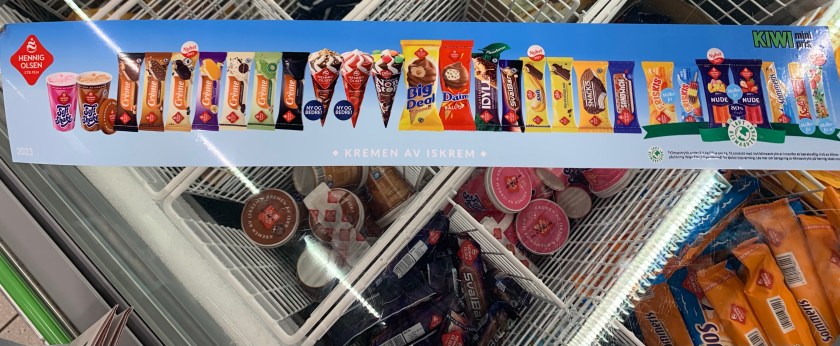
In Norway you see Diplom-Is or Hennig Olsen instead, not sure if Unilever is still behind them – Whatever. There are ‘regular’ strawberry or chocolate and cream cones, which around May get fancier for the National Day, 17 Mai, with bunad-like patterns.
I have not eaten any ice creams in Norway, but I have to say I saw nothing that stood out compared to the other countries! Please invite me to Norway to prove me wrong, haha.
That was all for now, I will probably update this post for the future summers…Or add it for Finland and Iceland and hopefully try out their ice creams!!
So subscribe to stay update on Scandinavian Ice creams:
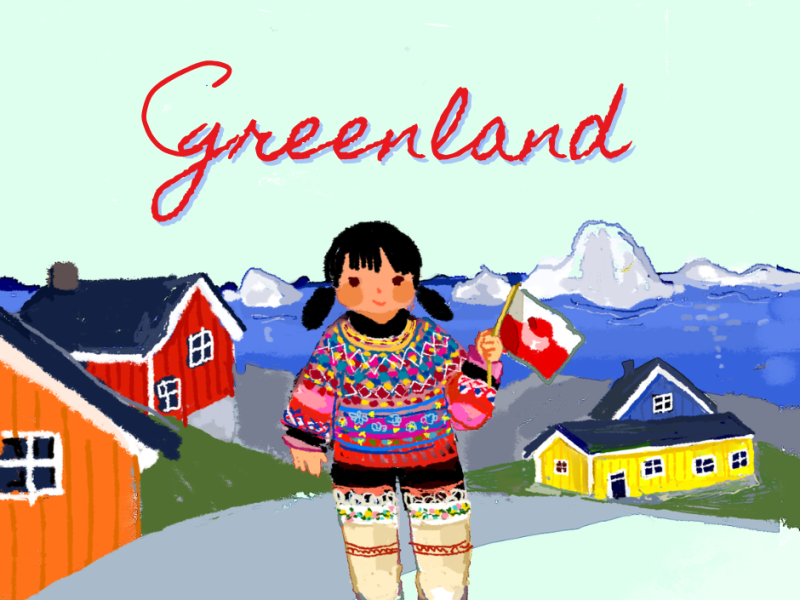
Discover Greenland, home to the Inuit Kalaallit, and its most iconic aspects as its flag, language and folk costumes. The biggest island of the world has a rich history of indigenous culture intertwined with Norse colonization and later Danish rule.
simple and iconic Scandinavian recipes to make yourself for a typical Nordic dinner
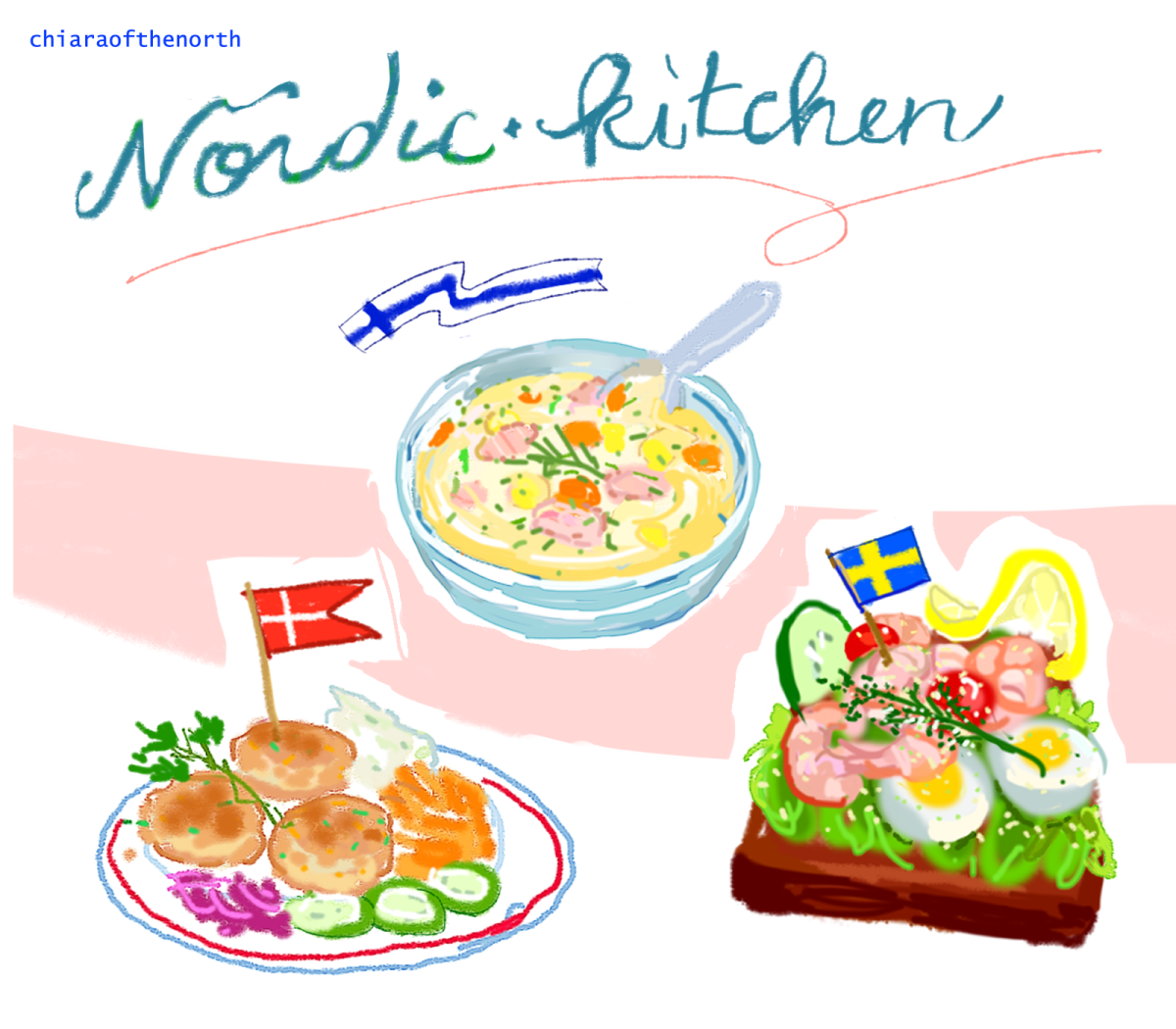
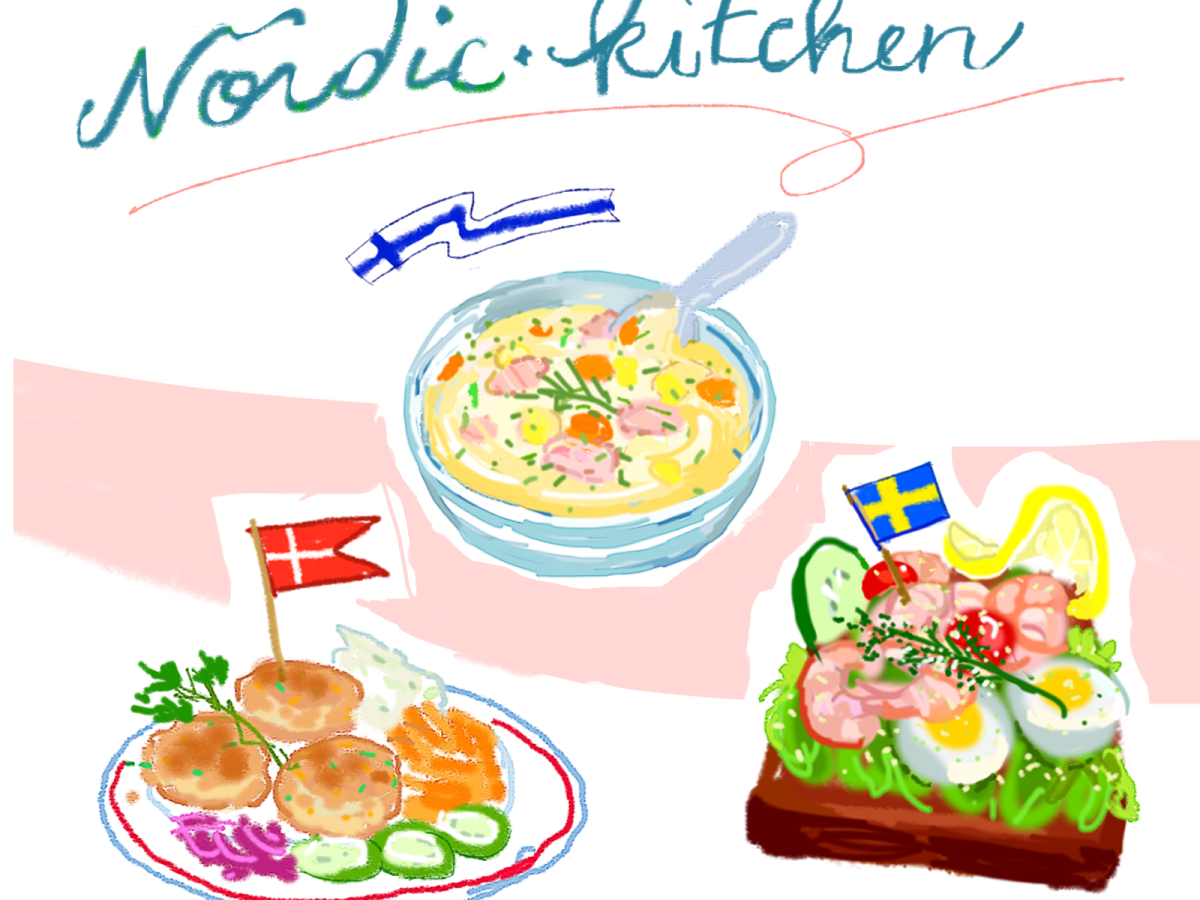
I have been testing Nordic dishes as someone with not-so-incredible cooking skills who likes to cook simple things, and these are three delicious and easy meal ideas I can present you, in time/complexity order from the easiest:
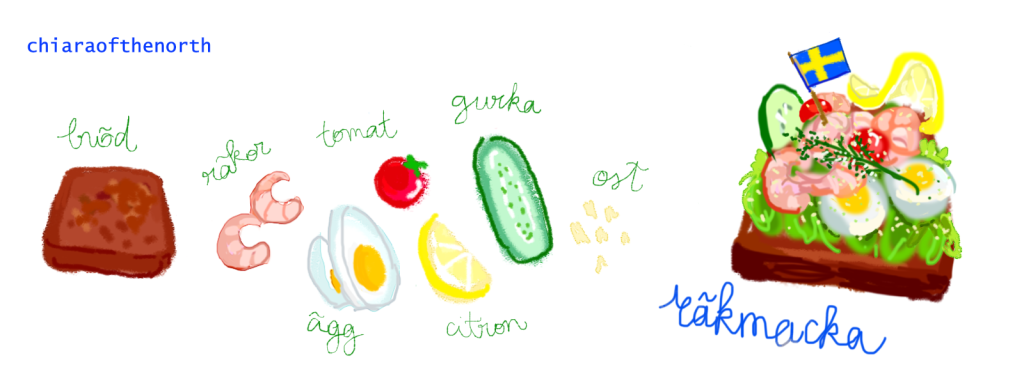
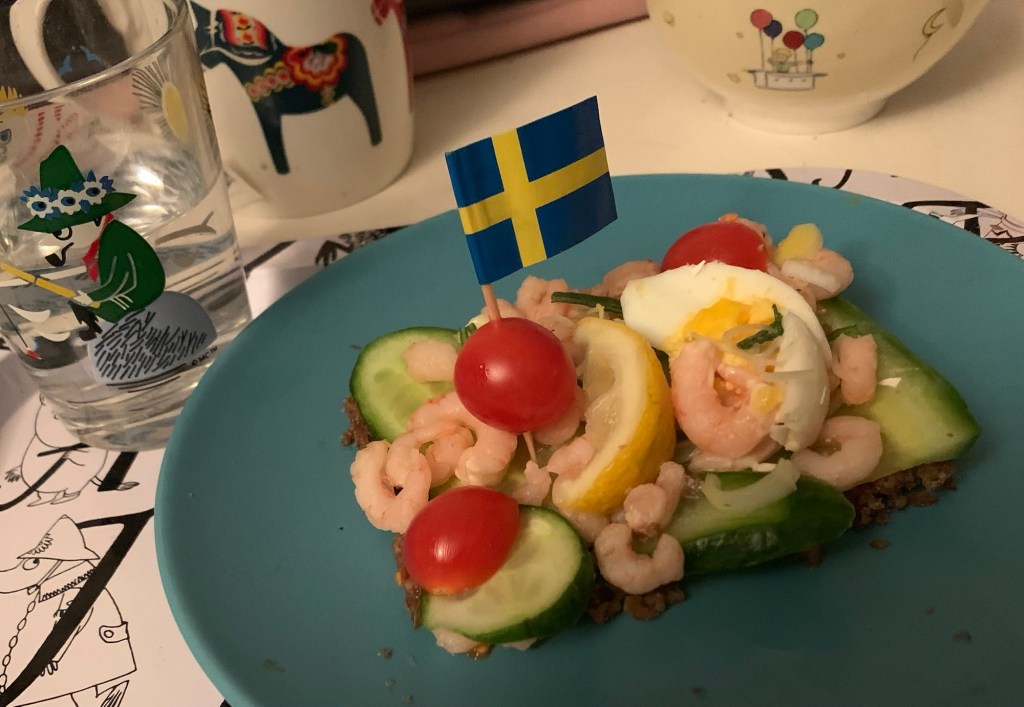
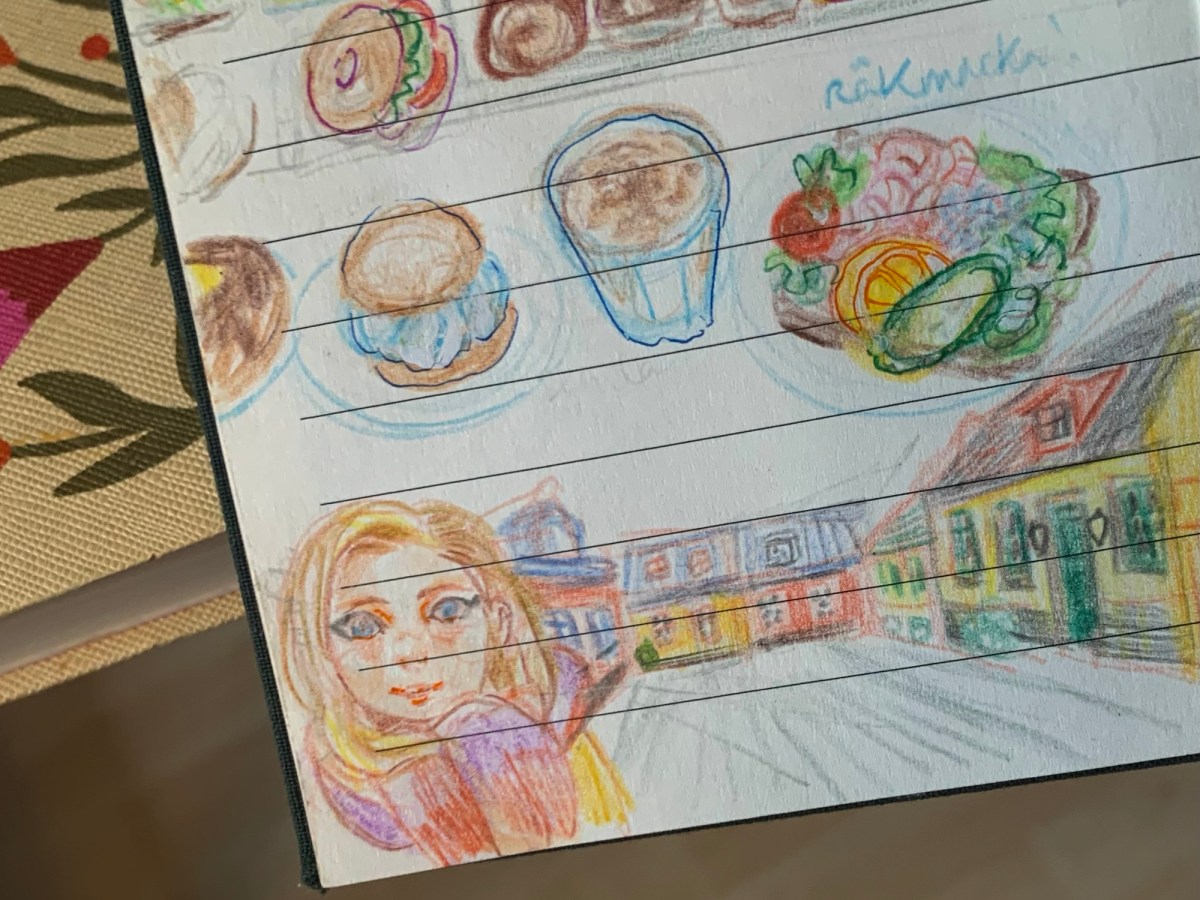
1. Räkmacka – Swedish Shrimp open sandwich
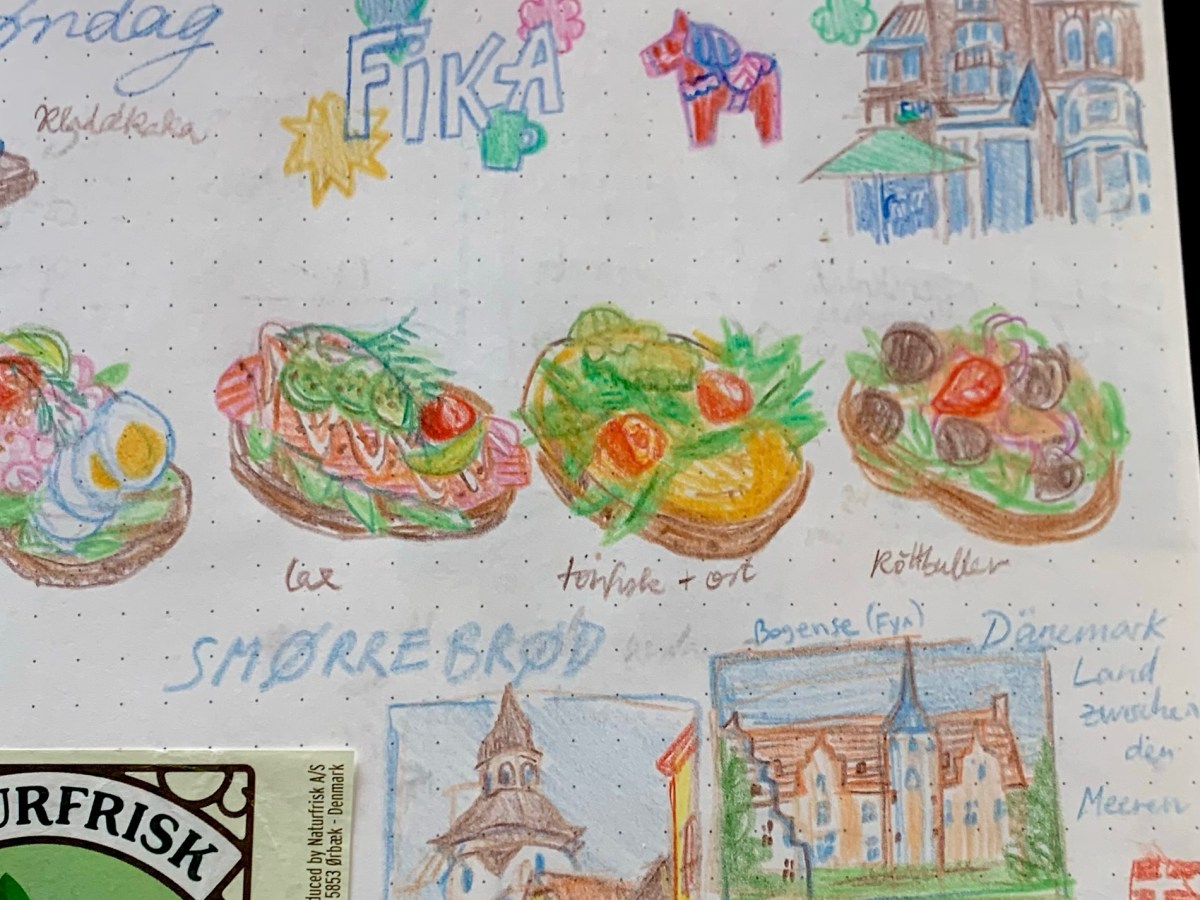
Typically found at cafés as savoury option for a fika, but you can easily make it yourself – (rye) bread with Shrimps, cucumbers and tomato slices on salad, often egg and lemon – add whatever you like and make it look fancy!
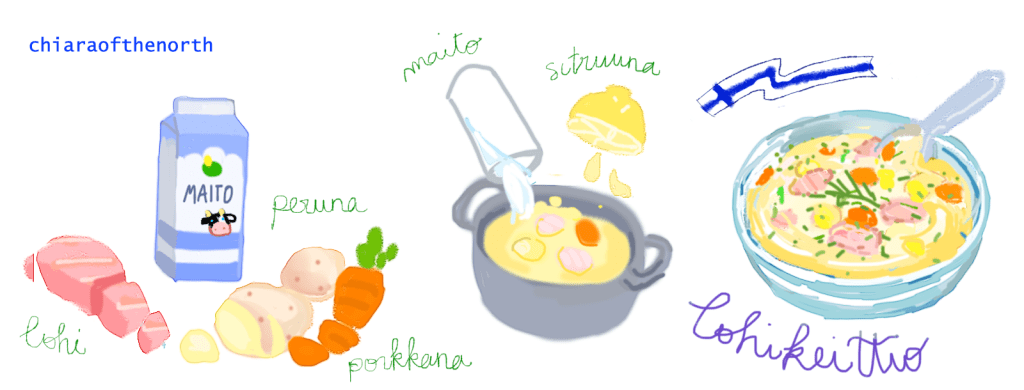
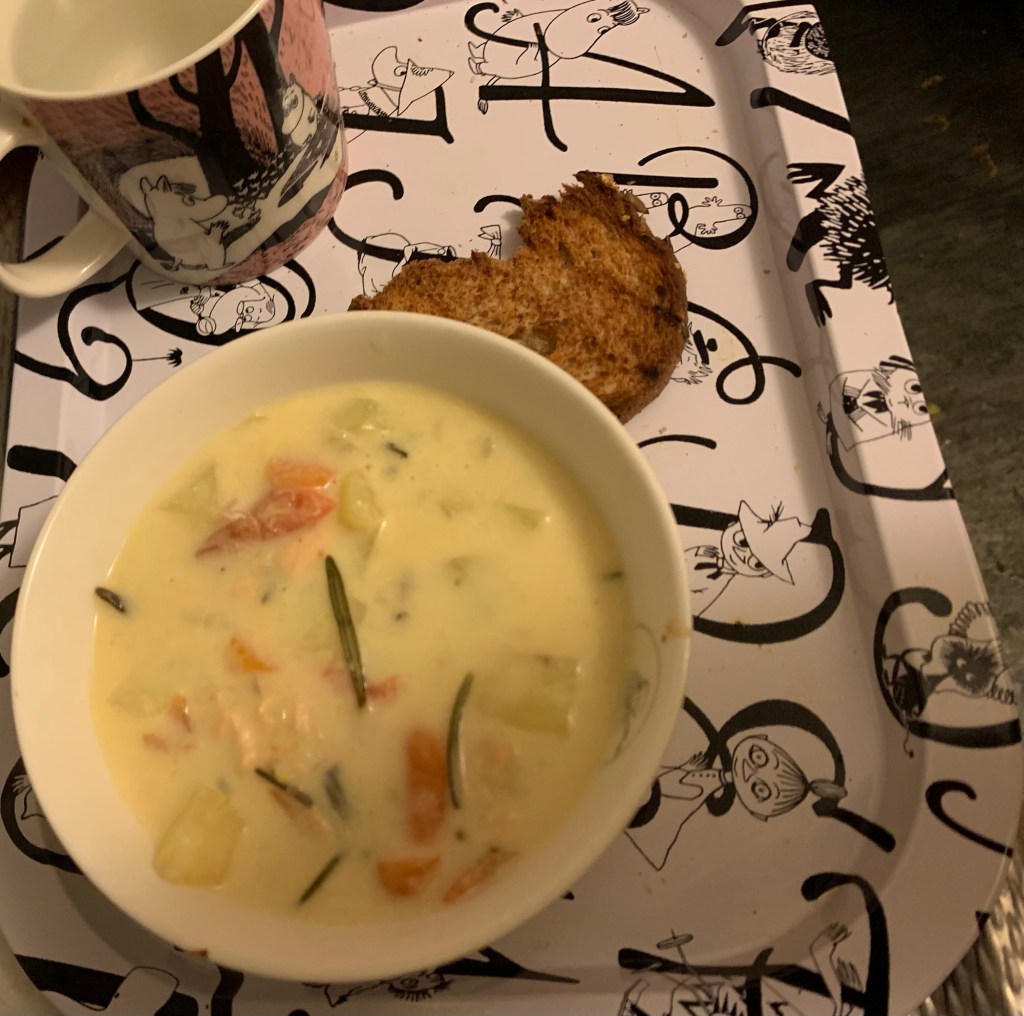
2. Lohikeitto – Finnish salmon soup
soup with chopped salmon, based off milk and lemon juice, and enriched by veggies as potatoes and carrots.
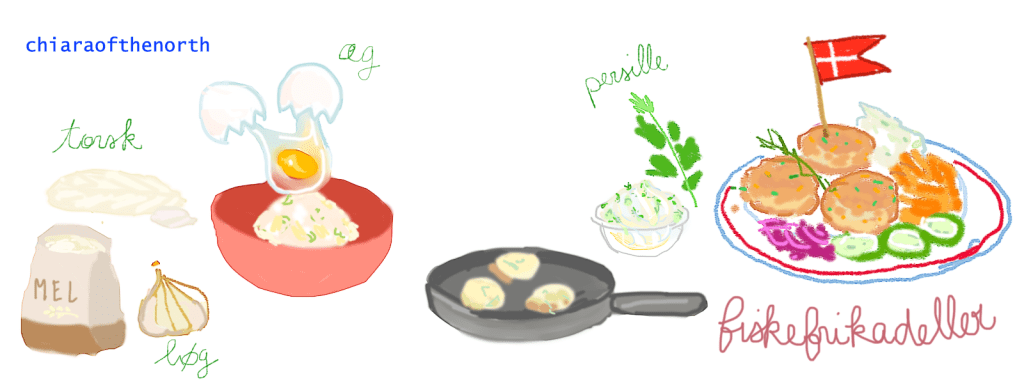
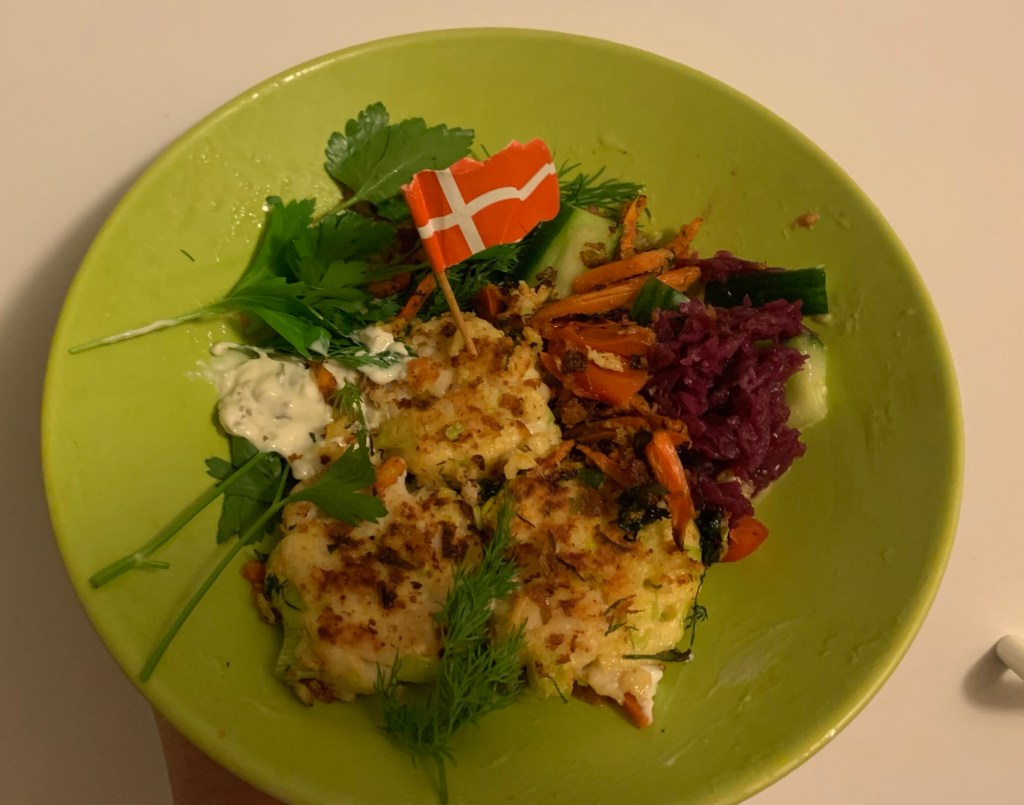
3. Fiskefrikadeller – Danish fishballs
Make balls after mixing fish chunks (I have used pangasius and cod) with egg, flour, spring onion – I also like to add carrot bits -, Fry them in a pan on both sides. Garnish with herbs as parsley. Complete the plate with some fresh veggies to the plate as cucumber and red cabbage. Enjoy the fishballs with remoulade sauce as the Danes do!
Here are pictures of my experiments:
räkmackalohikeittofiskefrikadeller
Disclaimer: these are my creative versions, and I do not follow 1:1 classic recipes. You find plenty of other references online! You can still see more Scandinavian and Nordic food on this blog, from my trips in Scandinavia and to Nordic cafés elsewhere.
Norwegian, Danish, Finnish and Swedish Christmas markets in Rotterdam. Christmas decorations, imported typical Nordic products for sale, a cafe with lunch and cakes in each of them!
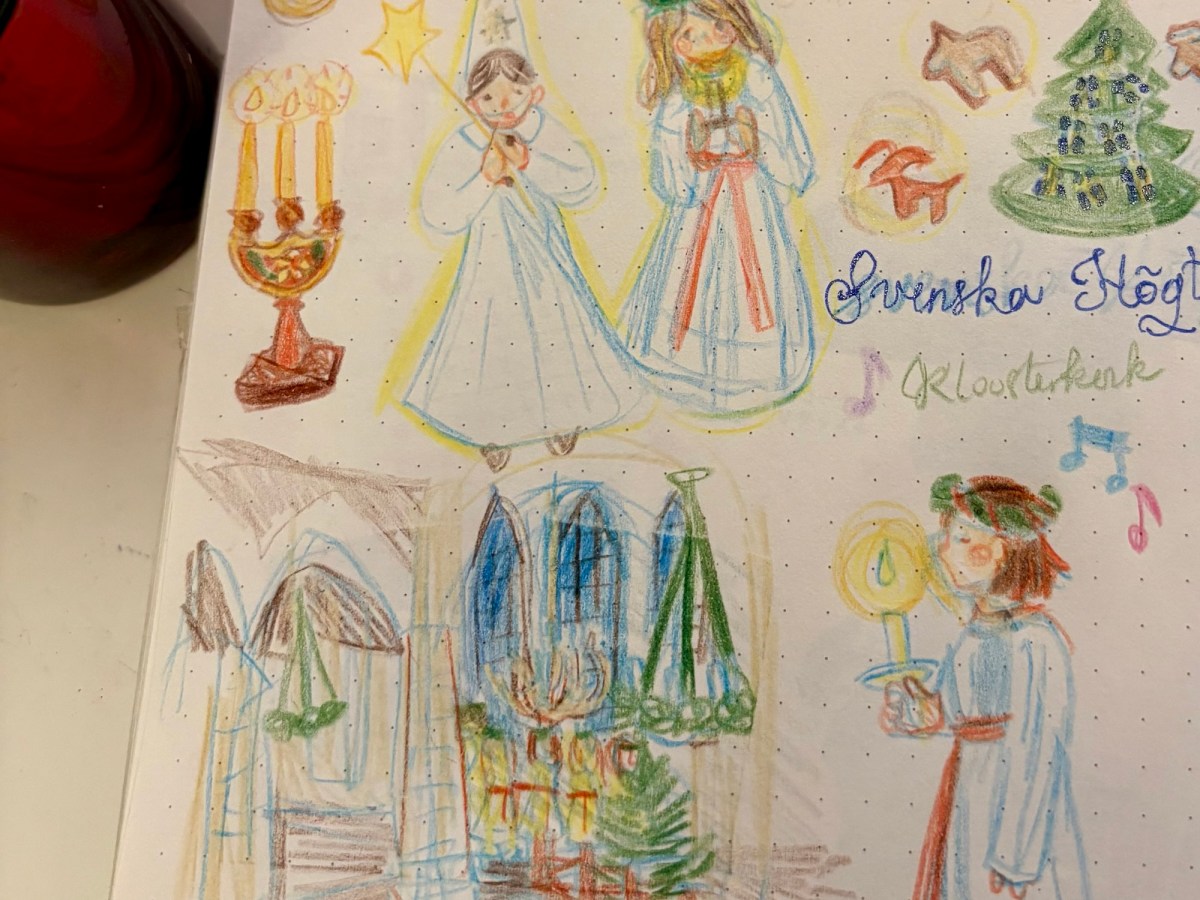
Lucia brings light in the darkest night of the year and is a mix of pagan and christian traditions. It is celebrated in Scandinavia with processions, saffron buns and church concerts.
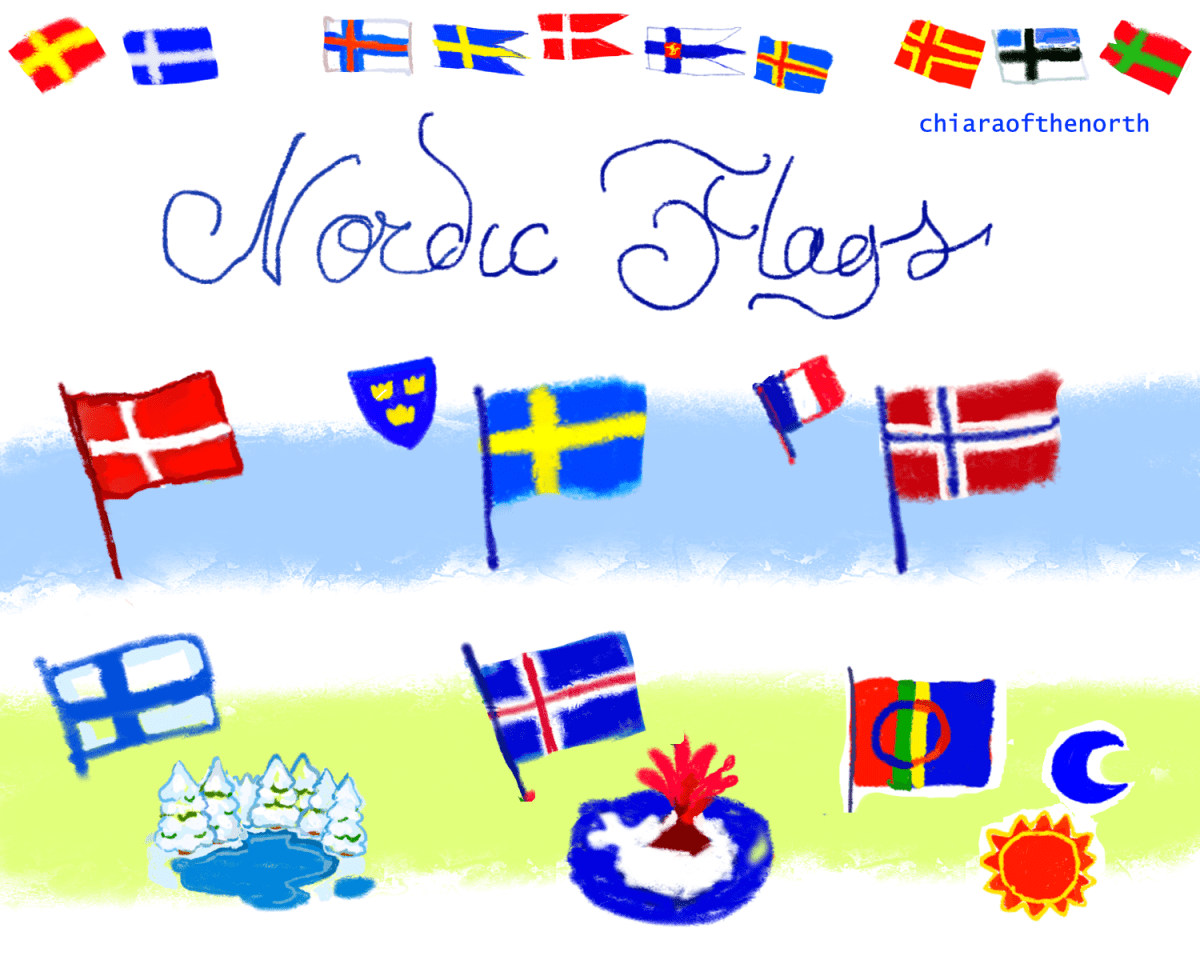
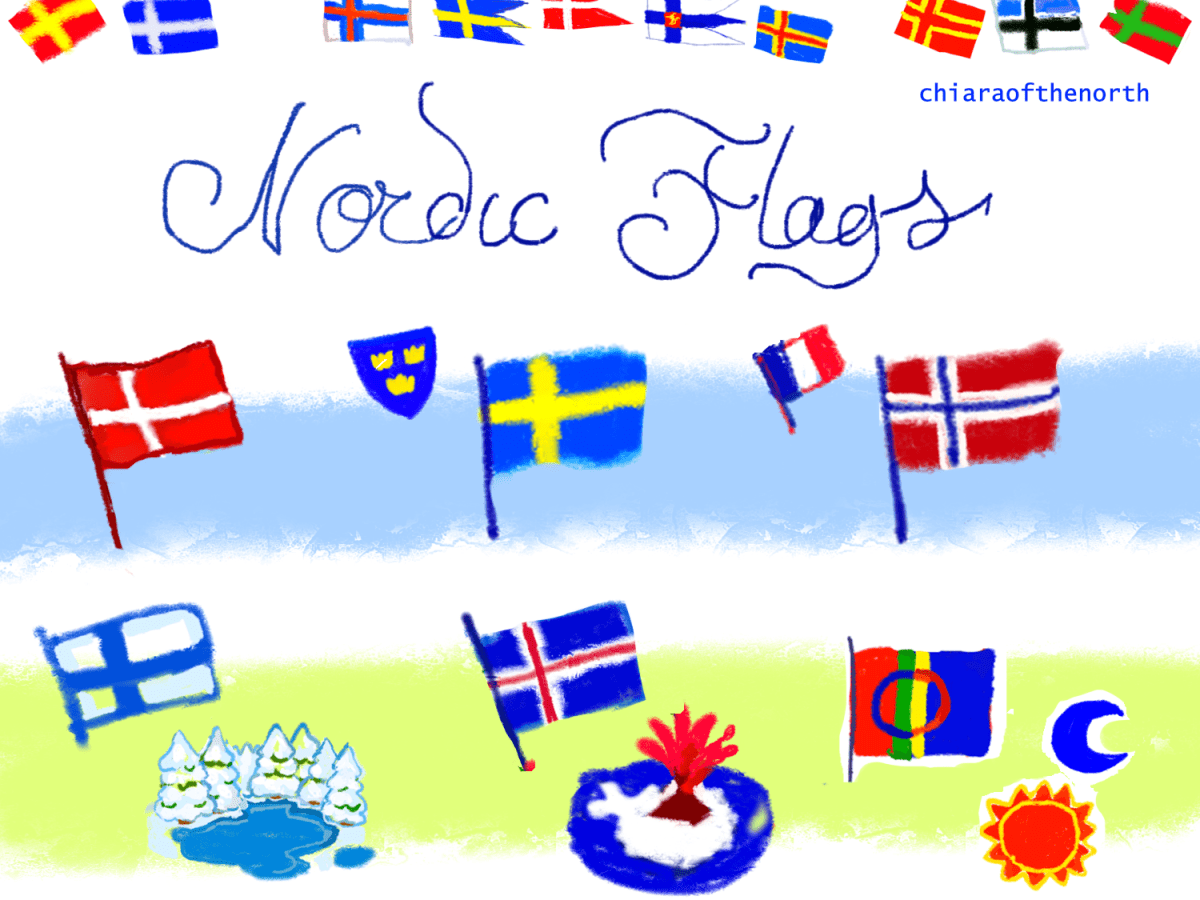
Origin and meaning of Nordic flags and other Nordic cross flags explained
Tomorrow, 23 March, is Nordic day, on this day the Helsinki treaty, establishing the Nordic Council, was signed in 1962. Its member are all Nordic countries and autonomous regions – includingÅland, the Faroe Islands and Greenland.
In honour of this occurence, I am writing this post explaining Nordic (cross) flags. Scandinavians and Nordic peoples in general really like to use their flag, which are common to see in various forms and occasions, from pennants to wooden table flags, as decoration for a birthday or on a Christmas tree. But let’s go back to history!
Where Nordic flags come from: Dannebrog, the oldest flag in the world
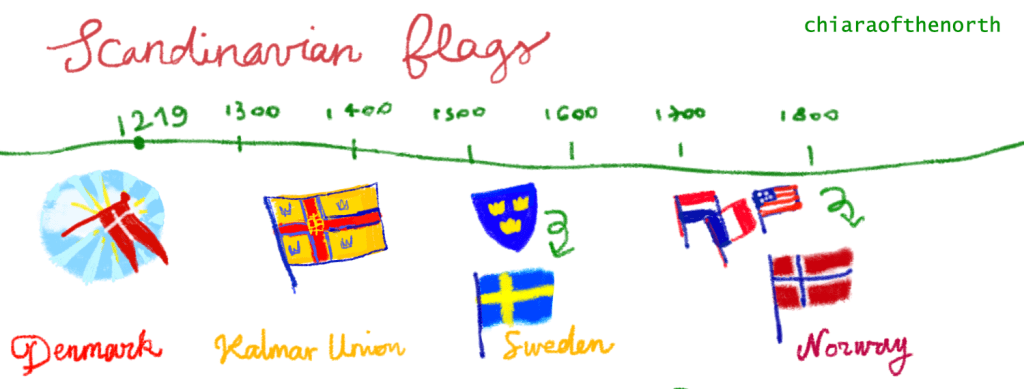
the Nordic cross flags originated from the Danish flag, the oldest flag in the world! Also called Dannebrog, according to the legend it fell from the sky during a battle in Lyndanisse (today’s Estonian capital Tallinn) in 1219, turning 800 years old few years ago! 15th June is celebrated as Valdemarsdag in Denmark, from Valdemar Sejr,the king who fought in that battle.
The flag of the Kalmar Union, union of Scandinavia (or Denmark and Sweden, with Denmark reigning over Norway) 1397-1523, also had a Nordic cross. The Danish flag then became the model for fellow Scandinavian countries:
Sweden officially got its flag 300 years later, with a design from the 16th century, with the colors -yellow and blue – taken from the coat of arms dating back to 1275. The day on which the flag is celebrated is June 6th, Svenska flaggans dag.
Norway‘s current flag appeared in 1821 – picked among a few different flag design proposals. It was the first Nordic flag with 3 colors, maybe inspired by the French revolution wanting to get rid of the Danes…parliament member Fredrik Meltzer from Bergen said ‘it means freedom, as the French flag, and in the Flags of the Dutch and Americans, and the Union of the English’. You will see a sea of flags everywhere on 17th May, Norway’s constitution day
2oth century Nature-inspired Iceland and Finland, Faroe islands and Åland
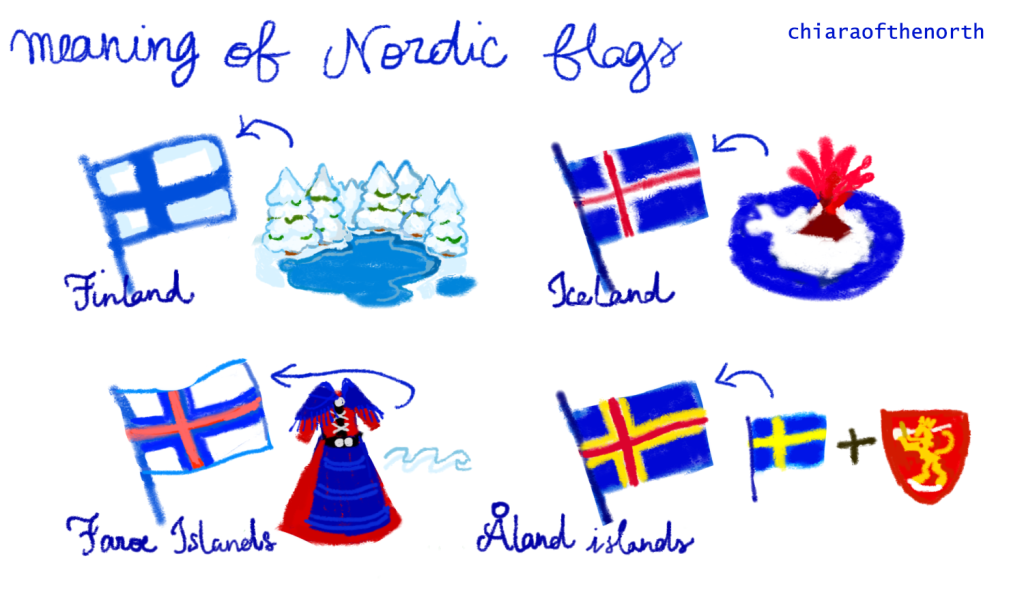
Iceland‘s official flag became official in 1915, based off its nature: according to the Flag Act the flag colours are “sky blue”, “fire red” and “snow white”. Iceland had previously an unofficial flag called Hvítbláinn, the ‘white-blue’, used by Icelandic nationalist activists from 1897 and after 1915 partly abandoned due to its similarity to other flags. Today it is still used by the Icelandic Youth Association among others.
Finland‘s flag, called Siniristilippu“blue cross flag”, was adopted in 1917. The colors would represent the lakes Finland is rich of and snow. Finland has a Day of the Flag, Suomen lipun päivä, which also happens to be Midsummer (or Juhannus in Finnish), a very important day for the Nordics! On this day the Finnish flag is raised on Midsummer eve on 6pm, until 9pm of midsummer itsself.
Faroe Islands flag is called Merkið “drape / mark”, with a white background symbolizing the foam of the sea and the pure, radiant sky of the Faroe Islands, while the old Faroese blue and red colours are reminiscent of other Scandinavian and Nordic flags, also reminding the colors of traditional Faroese clothing. Faroese students in Denmark strongly felt the need to have their own flag, and in 1919 their newly created flag was hoisted for the first time by a student in his home village. On 25 April 1940, the British Authorities officially recognised the Merkið as the Marine Flag of the Faroe Islands. This day became later the Faroese flag day, Flaggdagur.
Åland islands, the autonomous Swedish-speaking archipelago belonging to Finland, mixes Sweden and Finland in its flag, where the red cross represented Finland as the color of its coat of arms. The red cross used to be blue, with the colors taken from a song festival in the capital Mariehamn. Since 1954 it has been the official flag of Åland, April’s last Sunday is the flag day, Ålands flaggas dag.
Regional, minority and other unofficial nordic cross flags
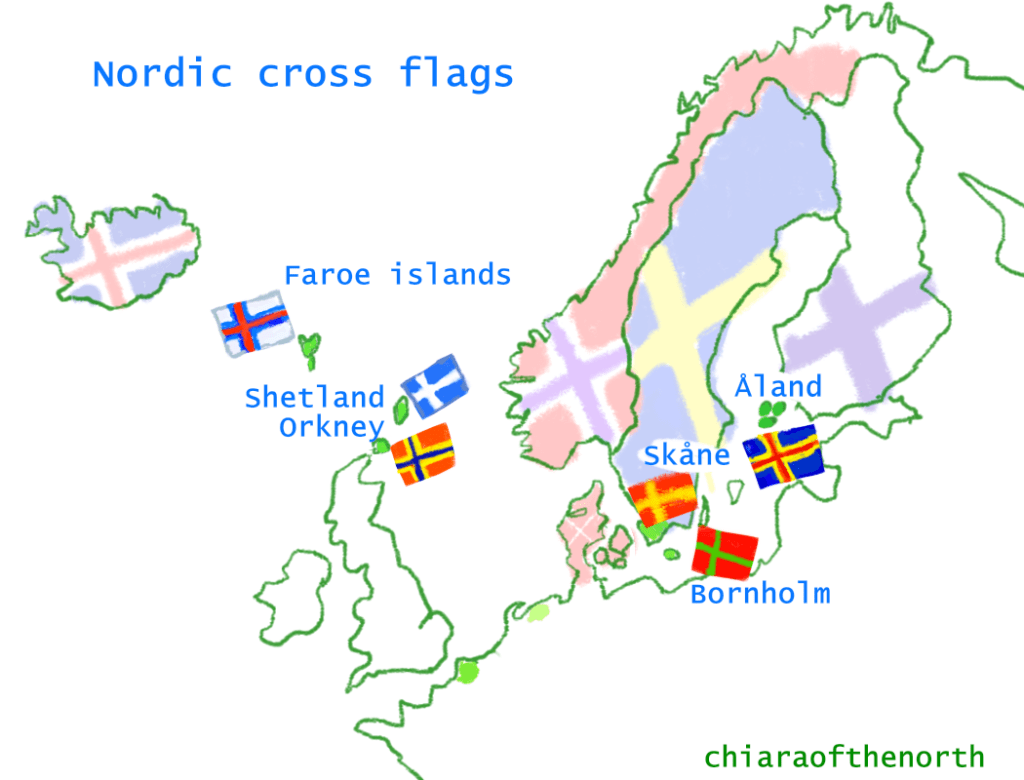
On this map I added official or widely used flags, not adding therefore Normandy and proposed flags
Skåne – The flag of Scania is actually quite old, and has its origin in the historical coat of arms of Lund’s (Danish) archibishop of Lund, older than the Danish Dannebrog! The Nordic cross flag was made up in the 1800s though. The third Sunday of July is Skåne flag day. skaneflaggan.nu
Finnish/Swedish minority: Flag mixes – Finland’s Swedes (looks actually the same as Skåne flag, red stands for Finland as above for Åland) and Swedish Finns, Finland’s flag with a yellow lining around the cross.
Bornholm – The island’s unofficial flag is from the 70s, designed by Bent Kaas. Green would represent the nature on the Danish island. It is mainly used in tourism and to mark local products.
Unofficial Nordic cross flags have been created for Swedish regions as Norrland, Bohuslän, Småland among others, and the Swedish Baltic Sea islands of Öland, and Gotland, although these are not really used.
Nations with Nordic ties- scandi heritage
Shetland and Orkney for their Nordic heritage, historical and cultural ties of the Scottish islands with Scandinavia. Shetland‘s flag was created in the 60s for the 500 years since its transfer to Scotland from Norway (after belonging to Norway for as long). A Nordic cross with Scottish colors. Orkney‘s flag was chosen in 2007, after a public consultation (all proposed flags were a Nordic cross). Yellow and red from Scottish and Norwegian royal coats of arms, Blue representing Scotland and the Sea.
Normandy‘s Saint Olaf flag: mainly used by regionalists movements, its name comes from the Norwegian kind Olaf Haraldson, probably baptised in Rouen, remarking the region’s viking origin.
Nordic cross flags were also proposed for Estonia in 1919, to remark its Nordic (rather than Baltic) identity and historical ties.
A cool Nordic cross flag was also proposed for Frisia, probably due to the part of Scandinavian heritage Frisian people (scattered between the Netherlands, Germany and Denmark) have.
Nordic indigenous nations without Nordic cross: Greenland and Sami people
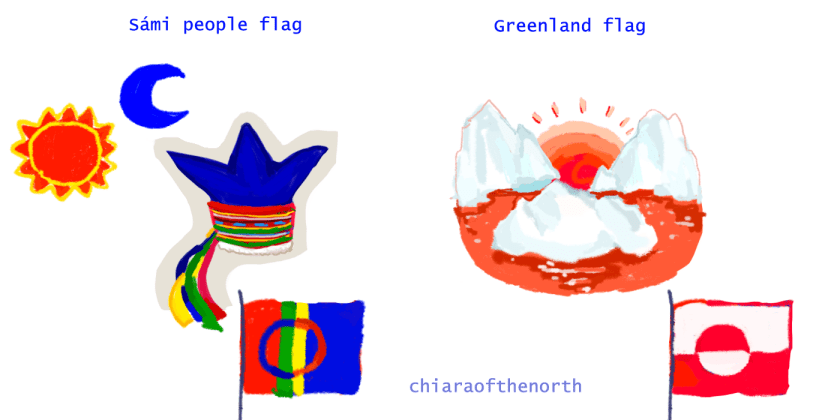
Greenland and Sami people have a flag since 1985 and 1986, both Inuit and Sami people adopted a sun/moon symbol instead of a cross, more typical of indigenous people and their connection to nature. the sun symbol was kept however in the same left-aligned position as Nordic crosses. Greenland has had a Nordic cross flag proposal – you might guess, green was in it- , but the Greenlandic iceberg landscape-inspired design by Tue Christiansen was eventually chosen instead. its name is Erfalasorput,”our flag”. In the Sami flag sun and moon are represented as a circle. The first Sami flag, designed in 1977 by Synnøve Persens, was the simpler, red and blue with the yellow line, inspired by Sami traditional clothing. Astrid Båhl added the Green line (color more present in South sami clothing) and the circle.
sources
Norway: stortinget.no – Det Norske Flagg – et flagg i frihetens farger
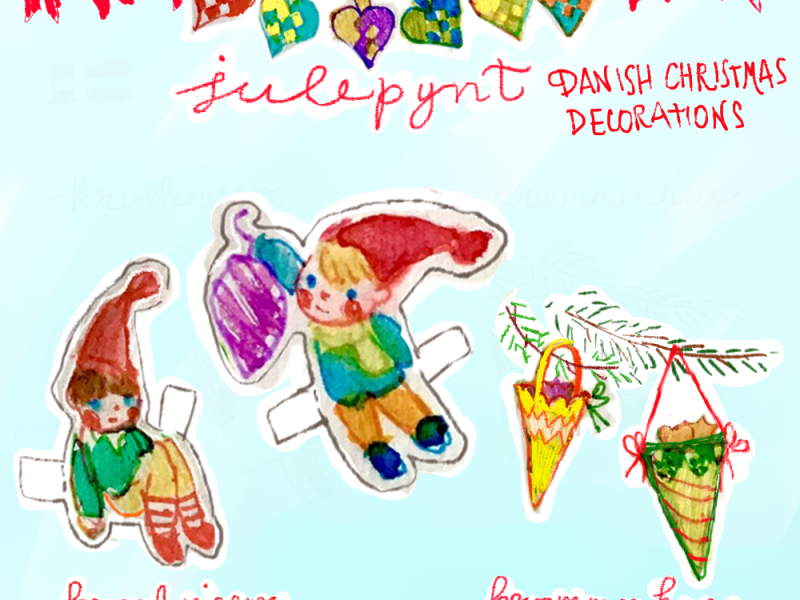
Christmas paper decorations in Denmark: hearts, candy cones and nisser
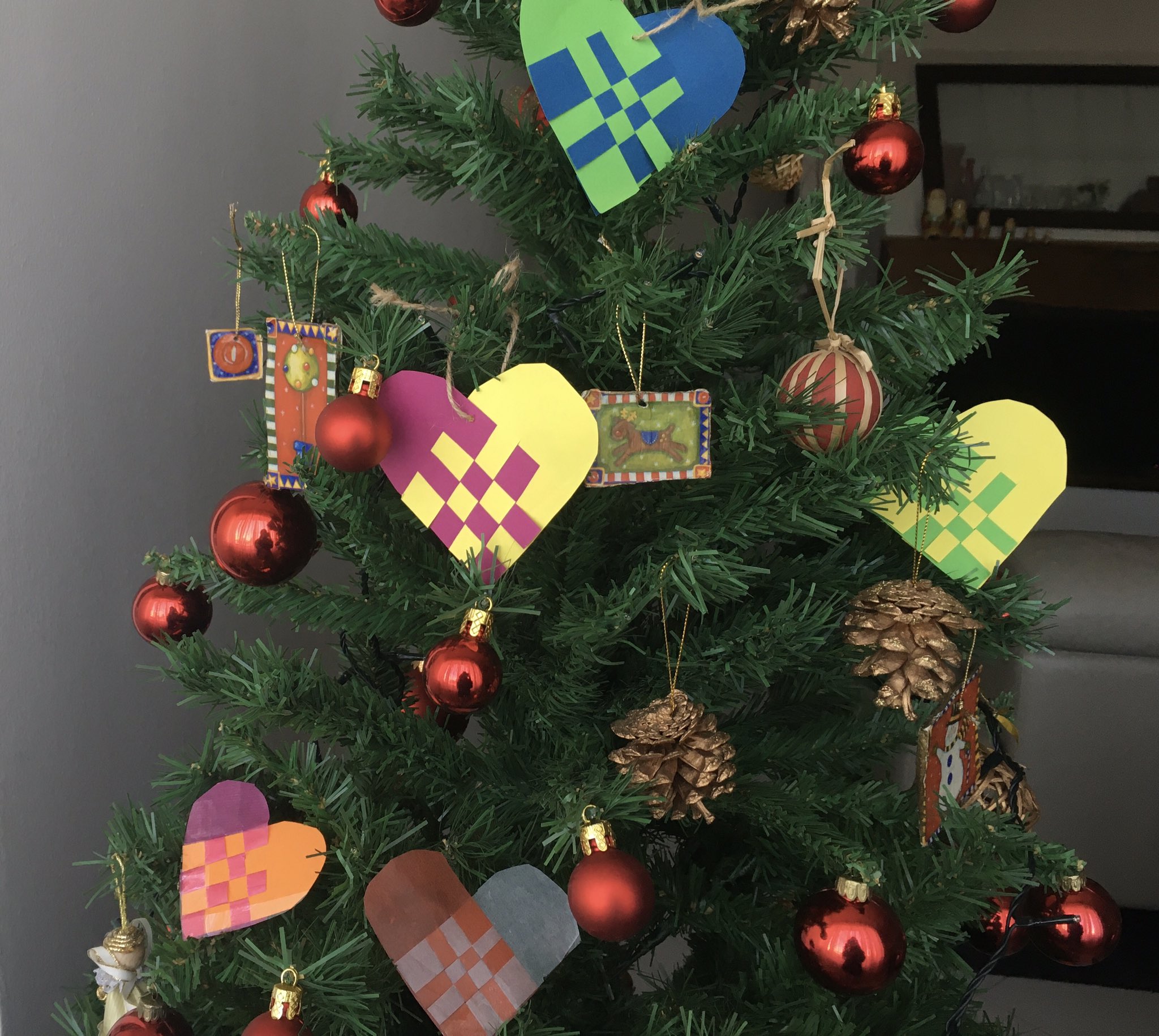
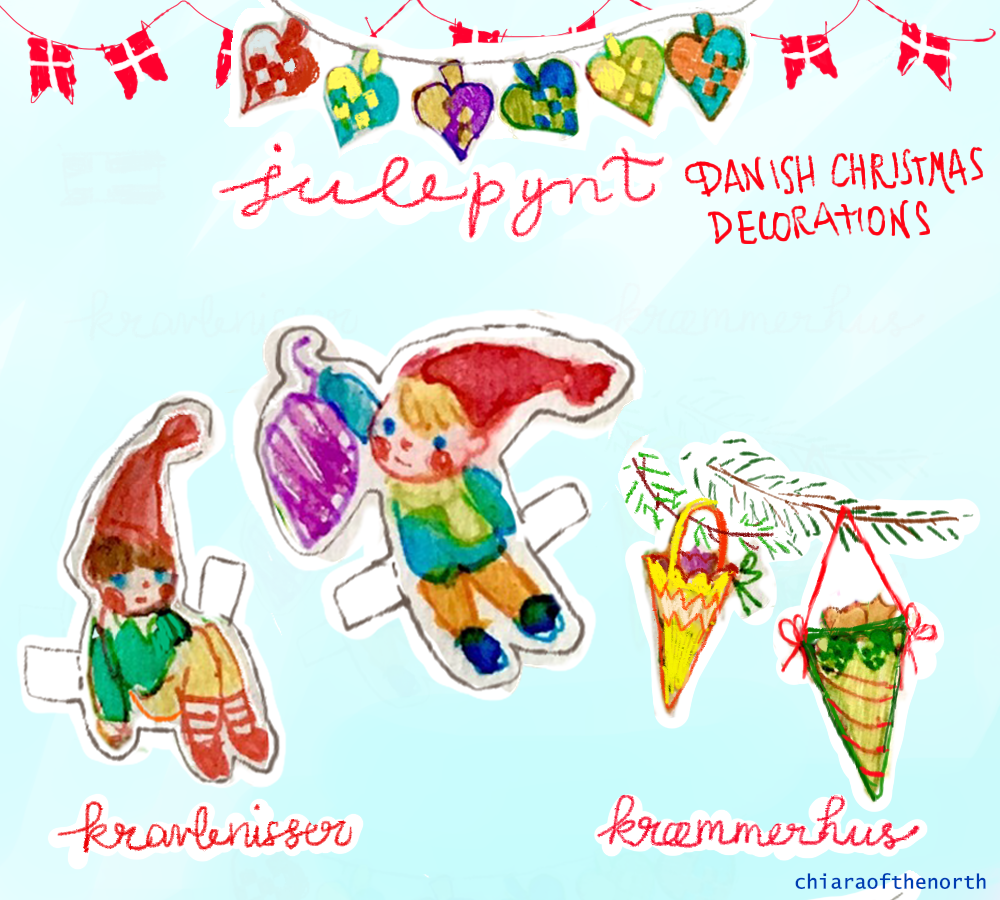
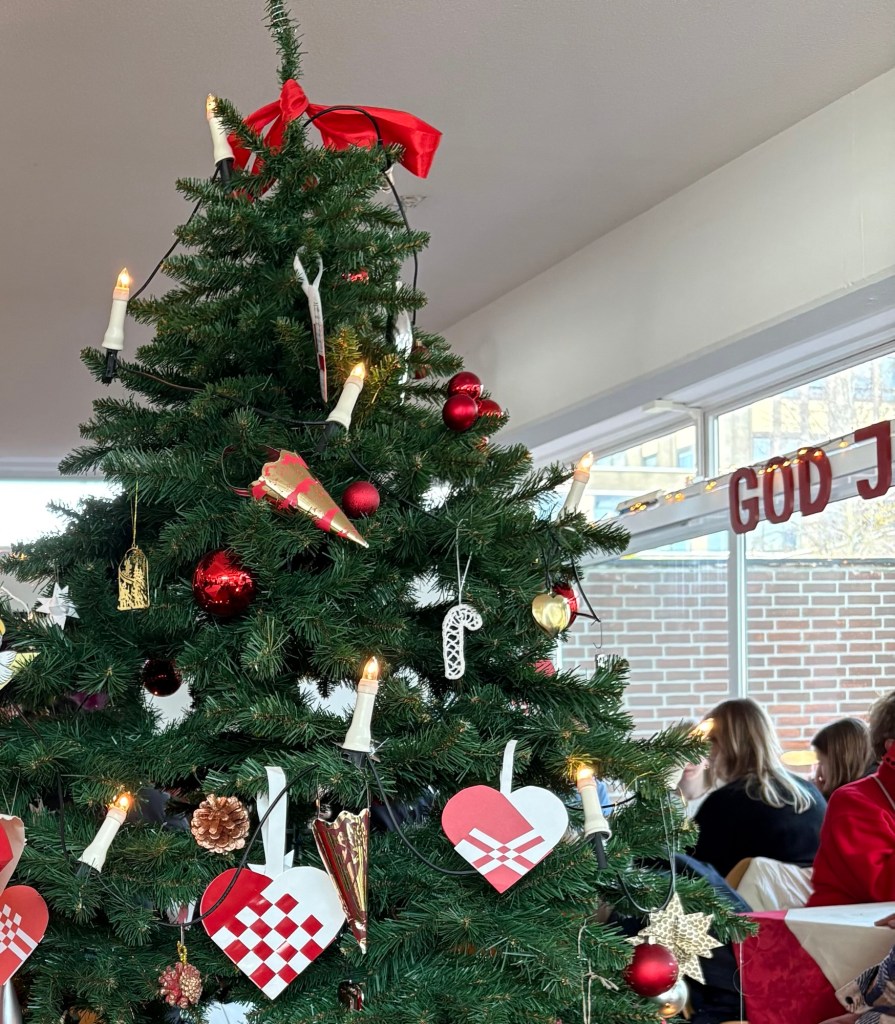
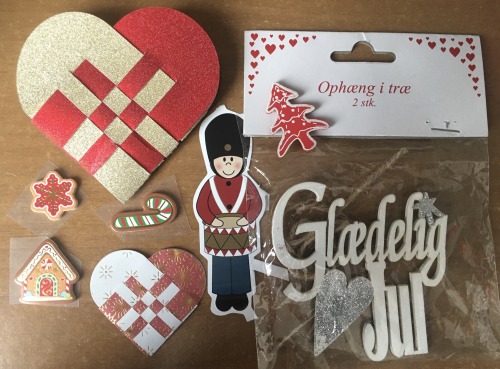
Typical Danish Christmas decorations – Julepynt – are homemade paper ornaments, and have been a tradition since H. C Andersen’s time! Besides the ones I’ll mention below, flags are a typical tree ornament, a more general Scandinavian Christmas tradition.
Julehjerter
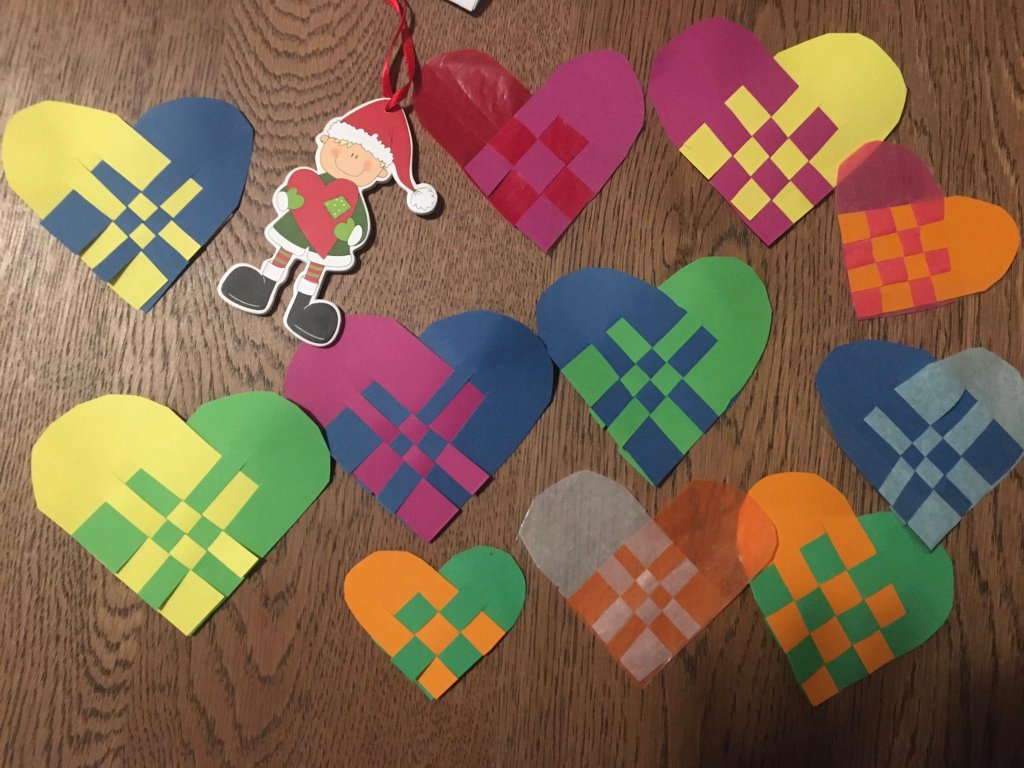
Pleated hearts, Julehjerter, are one of the most iconic Danish and Nordic Christmas symbol. They are most often red and white, and making them is a typical family activity.
Their origin is unknown, but the oldest heart was made by the fairytale author H. C. Andersen in 1860, still to be seen in his house in Odense. They might have become so common since Danish kindergartens started having children make them around 1910. The oldest depiction of a Chistmas tree decorated with pleated hearts dates from 1901 from the Danish manor house Søllestedgaard.
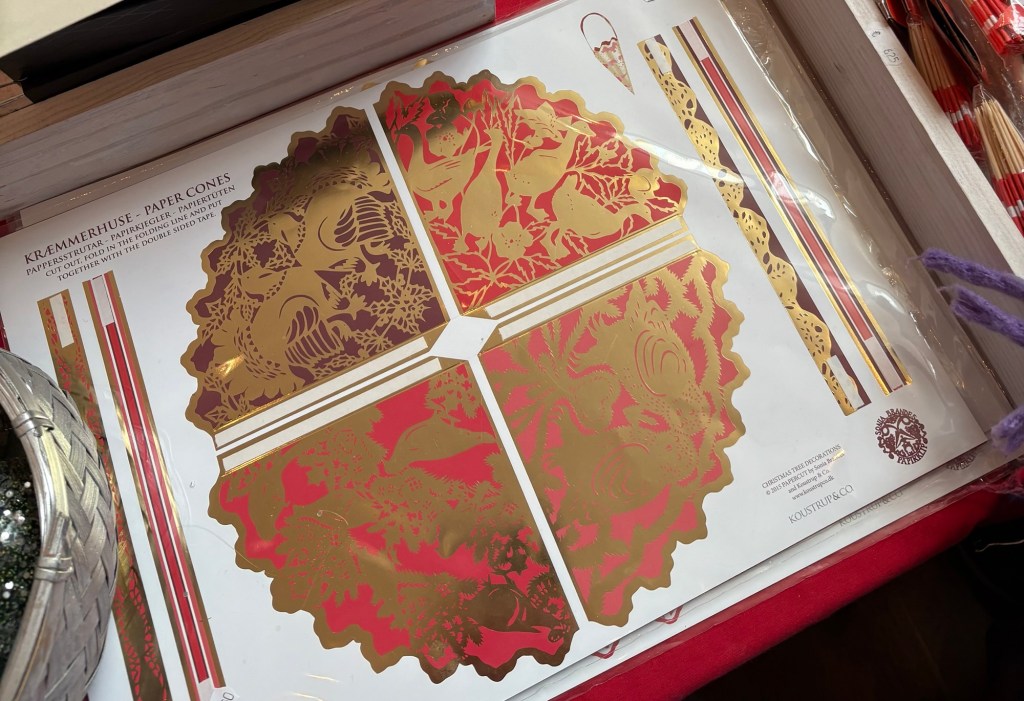
These paper cones, often homemade and decorated, are commonly hung on Christmas trees through an handle and filled with sweets, as hardy candy, bolsjer, or pebernødder – Træet skal spises – The tree has to eat.
Kræmmerhus kits
They are as old as 1860s – their origin comes from how traveling peddlers (kræmmere), would carry food flour, sugar and other food they got from merchants in bulk. Children would also got candy in such paper cones.
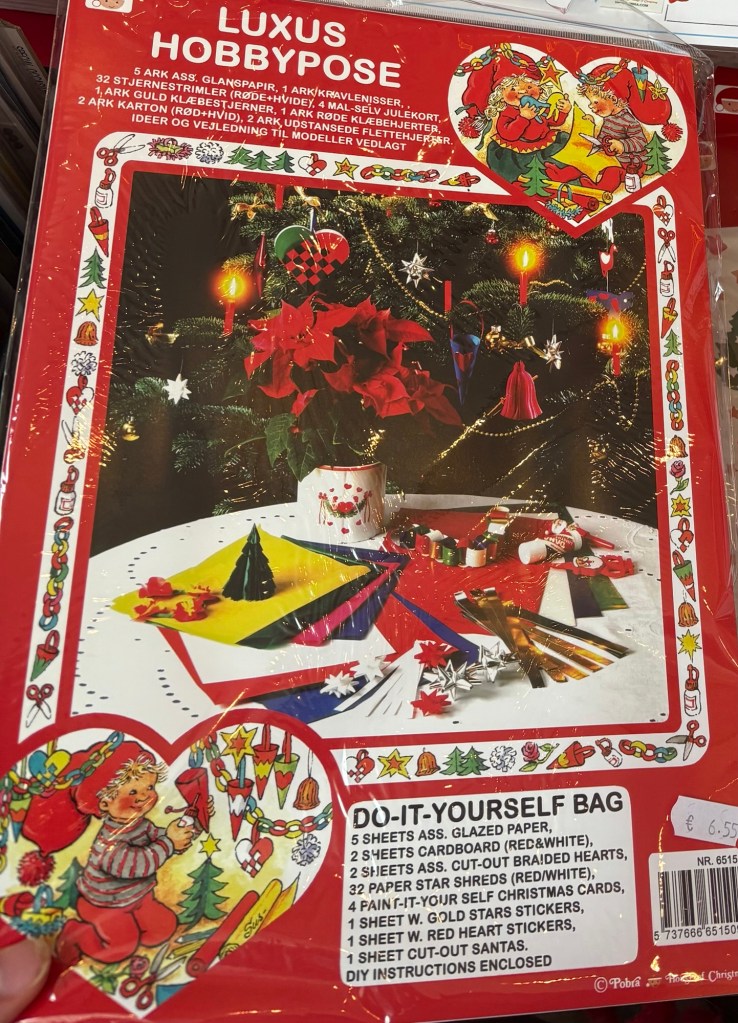
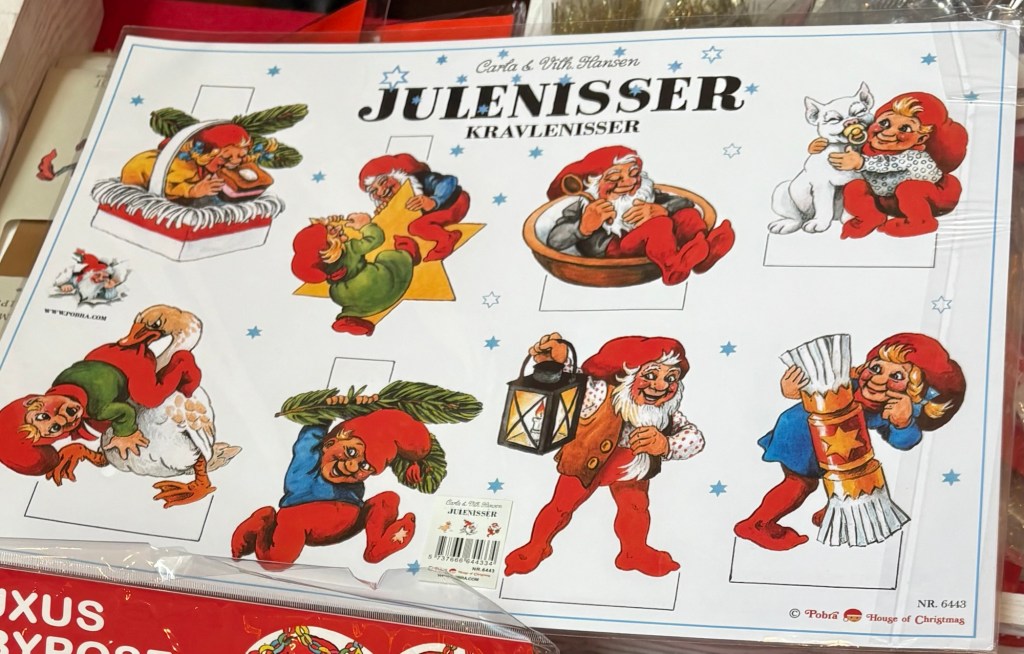
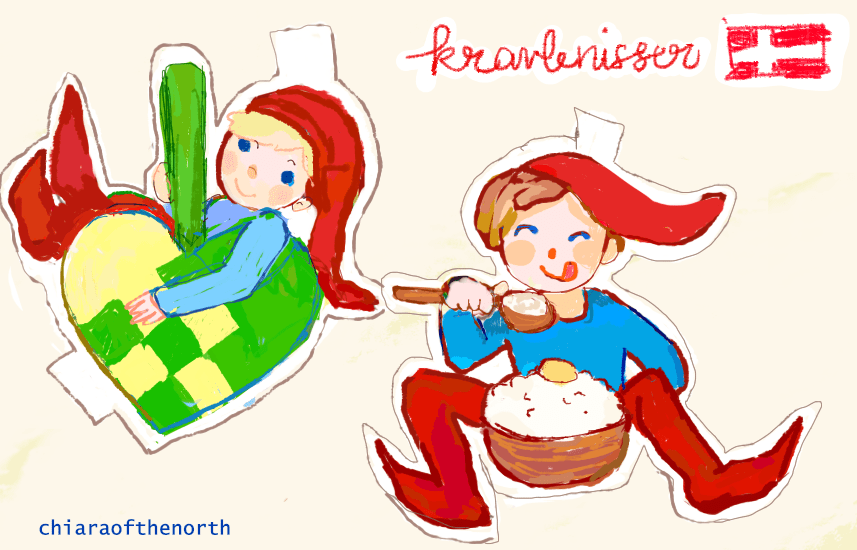
Kravlenisser
“Climbing nisser”, are drawings of nisser, Christmas elves, sometimes hanging from things, and are a more recent but not less typical Danish Christmas decoration. They were invented by the drawer Frederik Bramming, publishing the first group of them in 1947. On top of an ‘ark’ of kravlenisser he wrote “Her er de igen – Julens smaa fornøjelige Hyggespredere‘: Here they are again – Christmas’ small joyful Hygge-spreaders. The idea was then copied by many artists especially in the 50s and 60s, as Aage Dam, Illa Winkelhorn and Iben Clante. I also made my own (see below), inspired by common kravlenisser pictures as a nisse eating rice porridge, risengrød, and hanging from a julehjerte.
My summer holiday was travelling to Scandinavia by train with interrail, passing by Copenhagen, Gothenburg, lake Vänern, Aalborg and Aarhus
After having canceled my initial plan one year ago, only passing by Denmark last summer, my plan for 2024 was to go to Sweden, and as I happen to have a penpal who lives on the lake of Vänern, visit her! Once again, by train. Which means stopping by somewhere, so I also spent some time in Denmark again, before and after.
Super Quick stay in Copenhagen
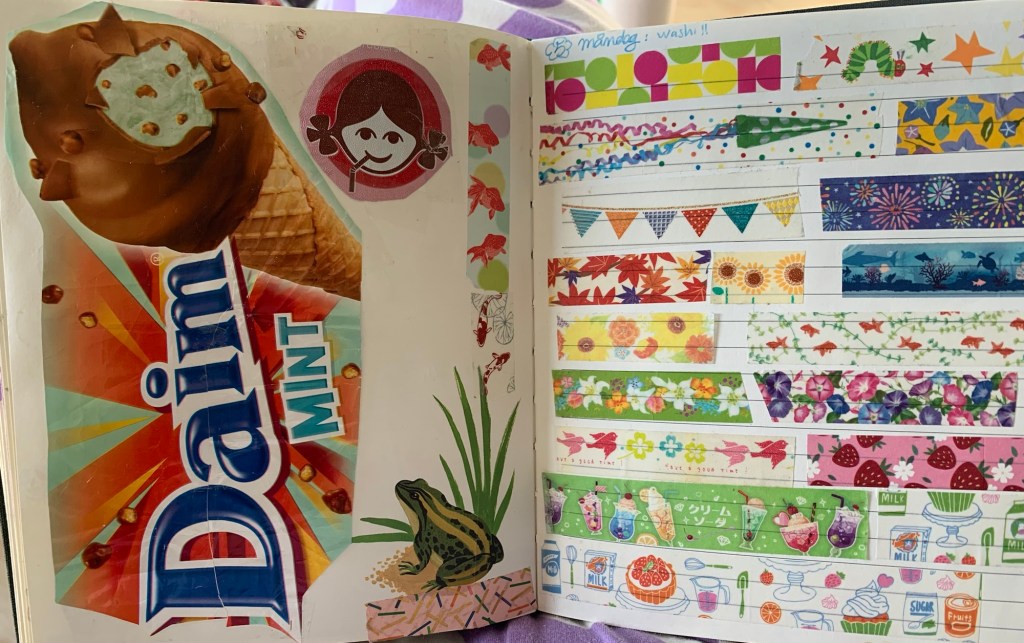
I hoped I’d arrive earlier, but problems with Deutsche Bahn made me arrive a couple hours later to Denmark than what I had hoped for. First thing I got was an ice cream i had noticed last year – a Daim mint cone, I love anything chocomint!!
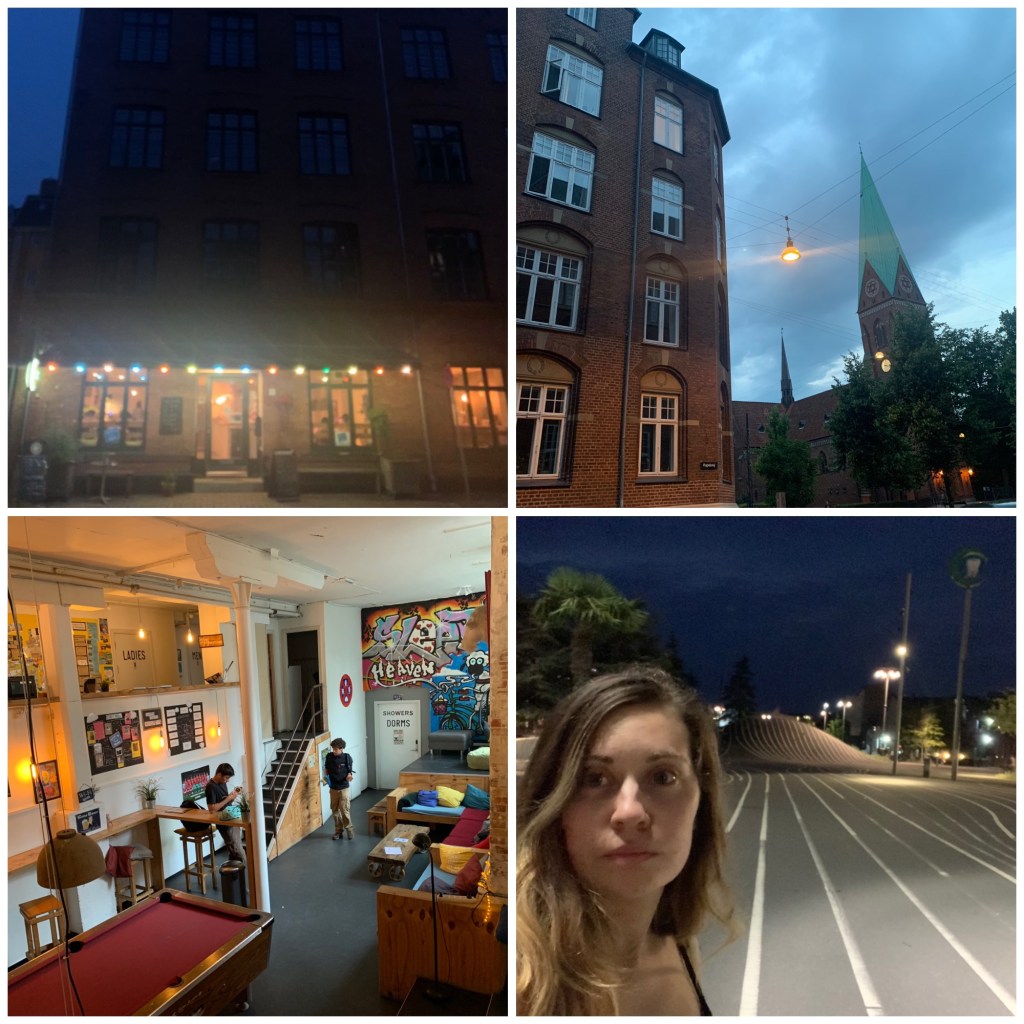
I booked the night at the Sleep in Heaven hostel in the Nørrebro area, so went on a tour of it after checking in. The park Superkilenlooks cooler in pictures, but that did not surprise me. Then I decided I would walk to the centre and I got a Matilde strawberry milkshake, which as probably all stawberry milkshakes tasted like medicine.
I started walking towards Nyhavn but I figured I’d better reduce the damage (it was already past 11pm) and go to sleep asap to wake up earlier and see the centre before my train to Sweden… Could have slept more but no regrets at least…At some point a studenterkørsel bus drove by, playing ‘Elskovspony’, one of my favourite Danish songs, hehe…
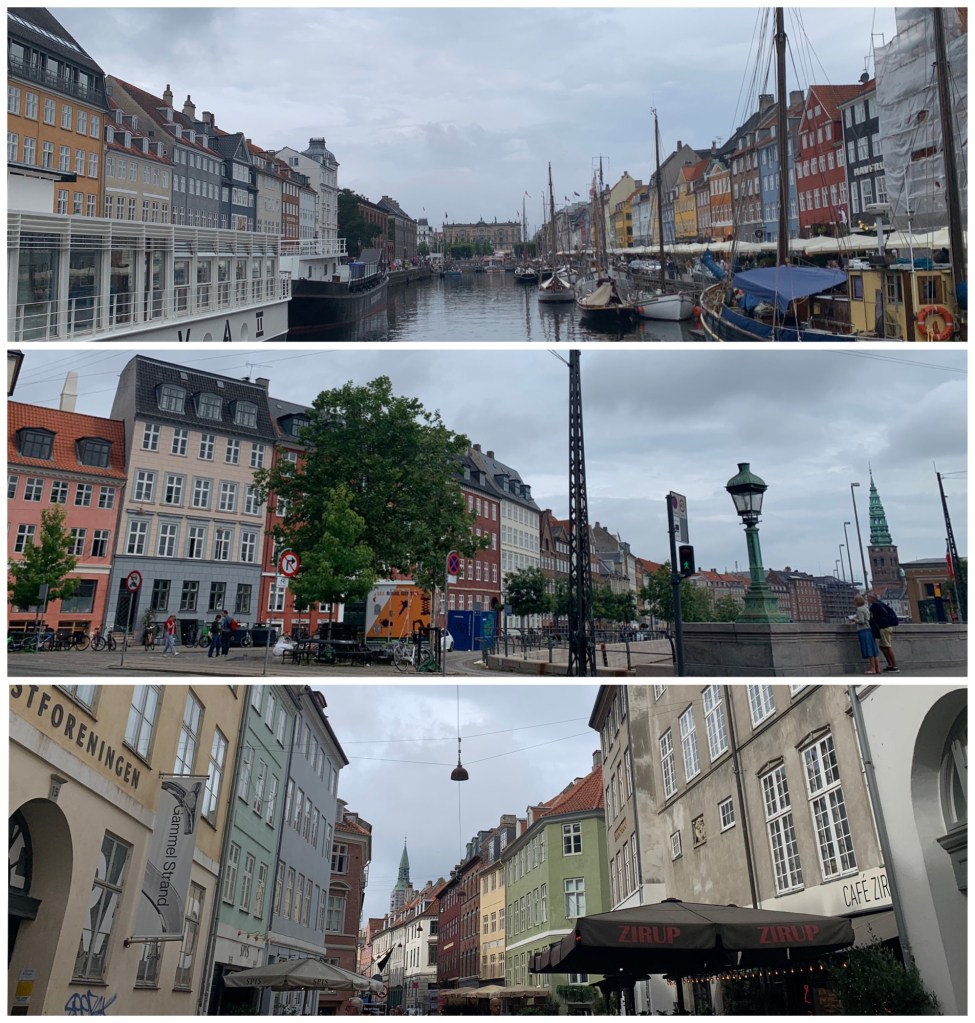
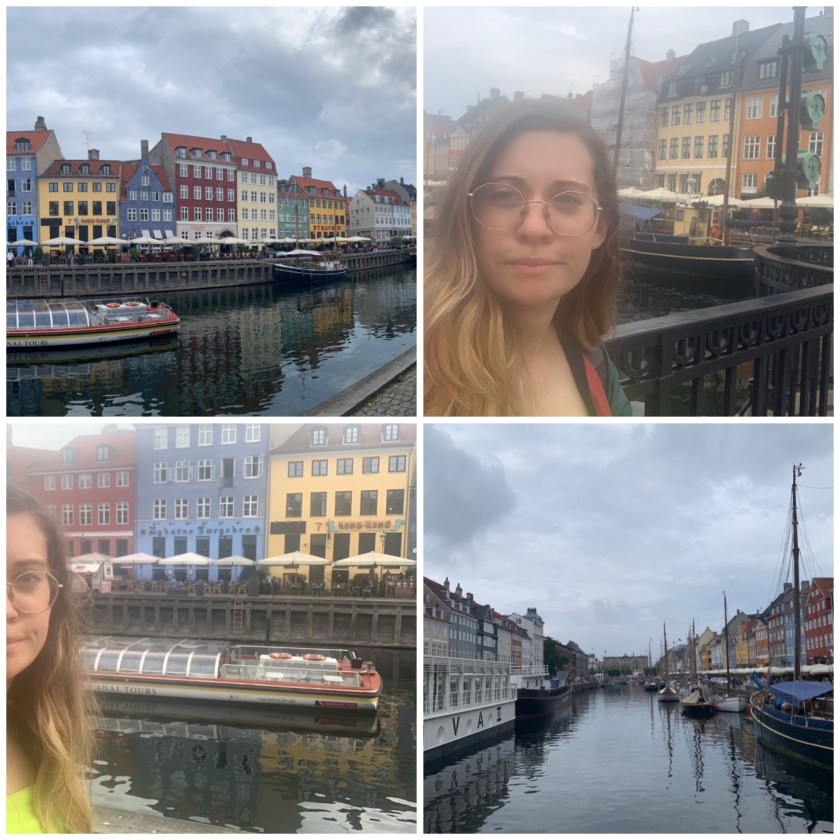
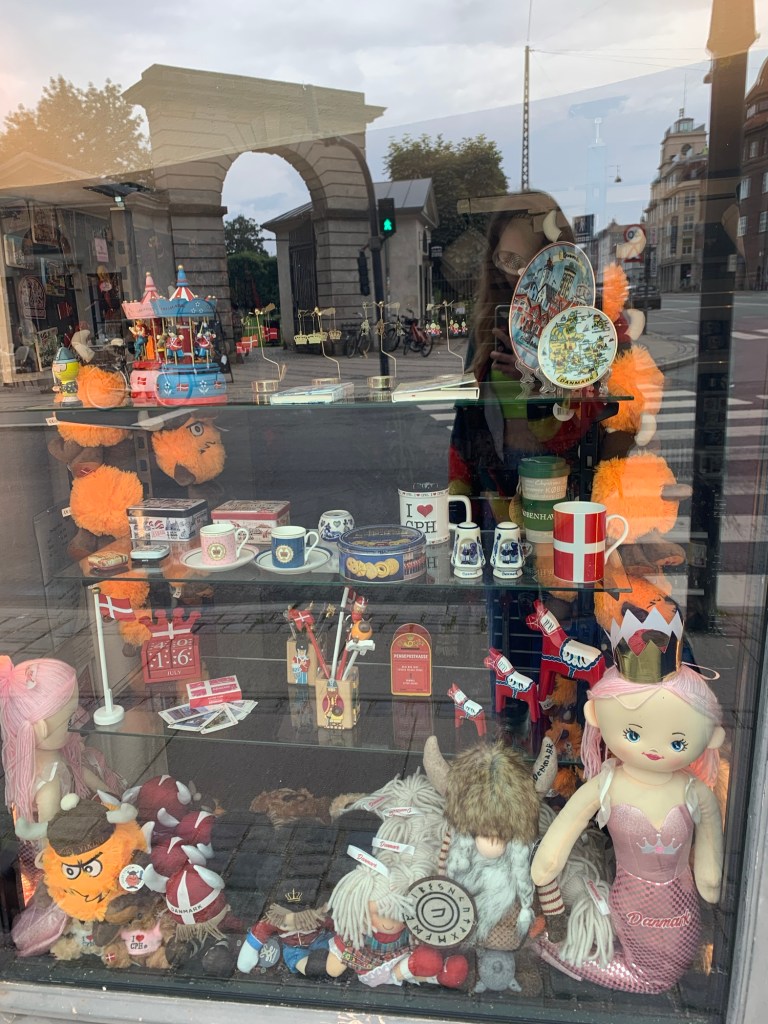
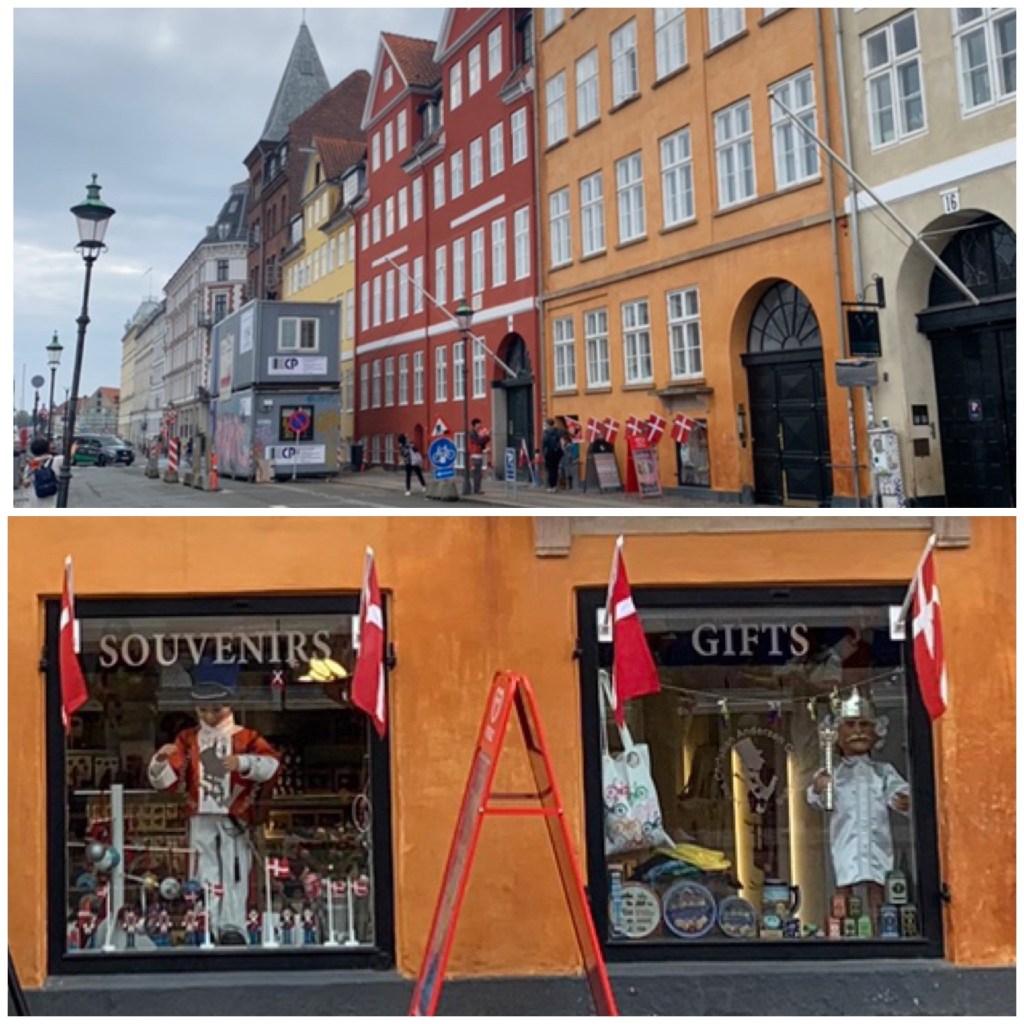
I woke up rather early to see Copenhagen, and walked to Nyhavn, saw Rosenborg from the gate, a super cute souvenir shop and pastel buildings. I wanted to see the Little Mermaid – Den Lille Havfrue– Copenhagen’s icon, but didn’t want to miss my train and turned back (again).
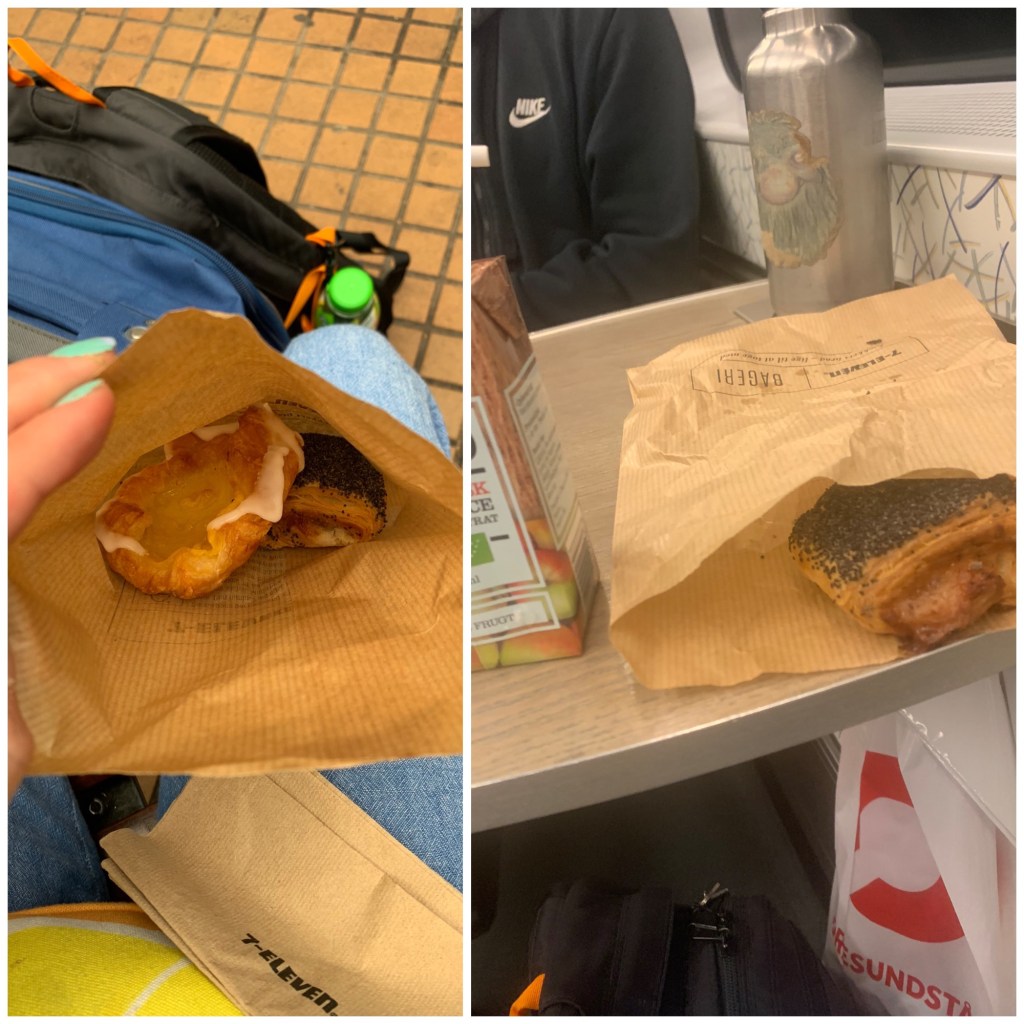
Then at the 7/11 mini Wienerbrød: “minimums” – small versions, which is great for people like me who like to taste everything possibly without overeating… I got a Spandauer and a Tebirkes!
From the Øresund to the Öresund
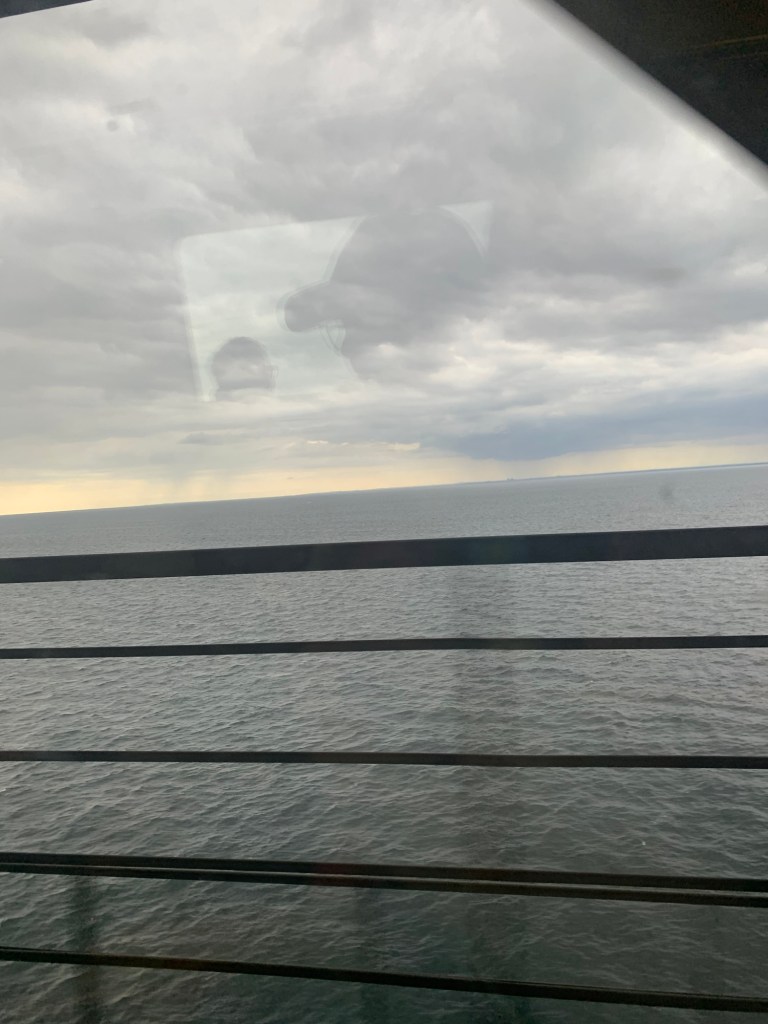
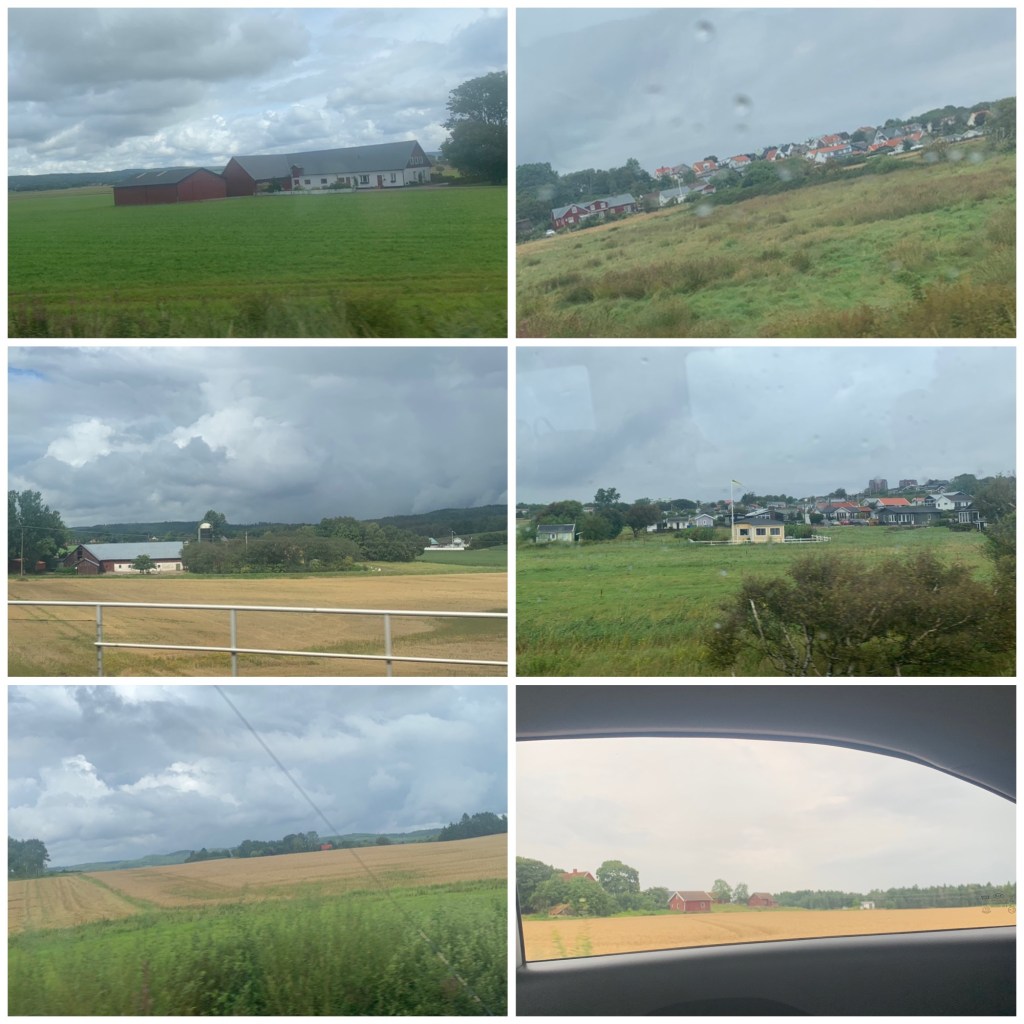
The Öresund train from Copenhagen (where it leaves as Øresund) was headed all the way to Gothenburg, quite packed, but I managed to get on early and have a spot. It felt great to see Sweden, after having only seen the southernmost chunk last winter (I will post about that too..).
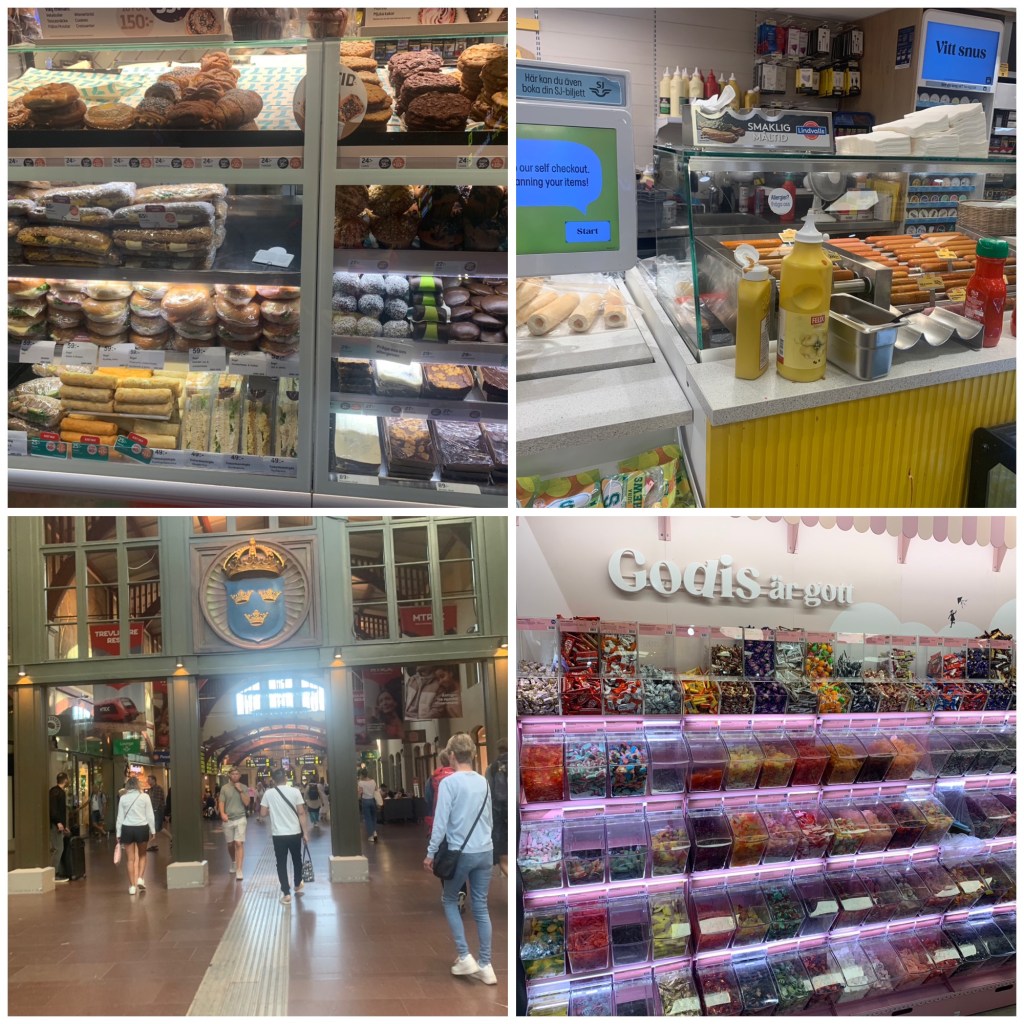
After a few hours I was in Gothenburg, where I’d take the train to Trollhättan. First things first, checking shops at the station. Pressbyrån is everywhere, and has loads of chocolate and candy…. Besides that, you can also get your hot dog there. And of course pastries and sandwiches
I saw a lot more variety in Sweden than Denmark when it came to ice lollies, though both countries have their own classics (in Denmark Københavner stang, Champagne Brus, Kung Fu etc), and a number of common ones like the Daim cones.
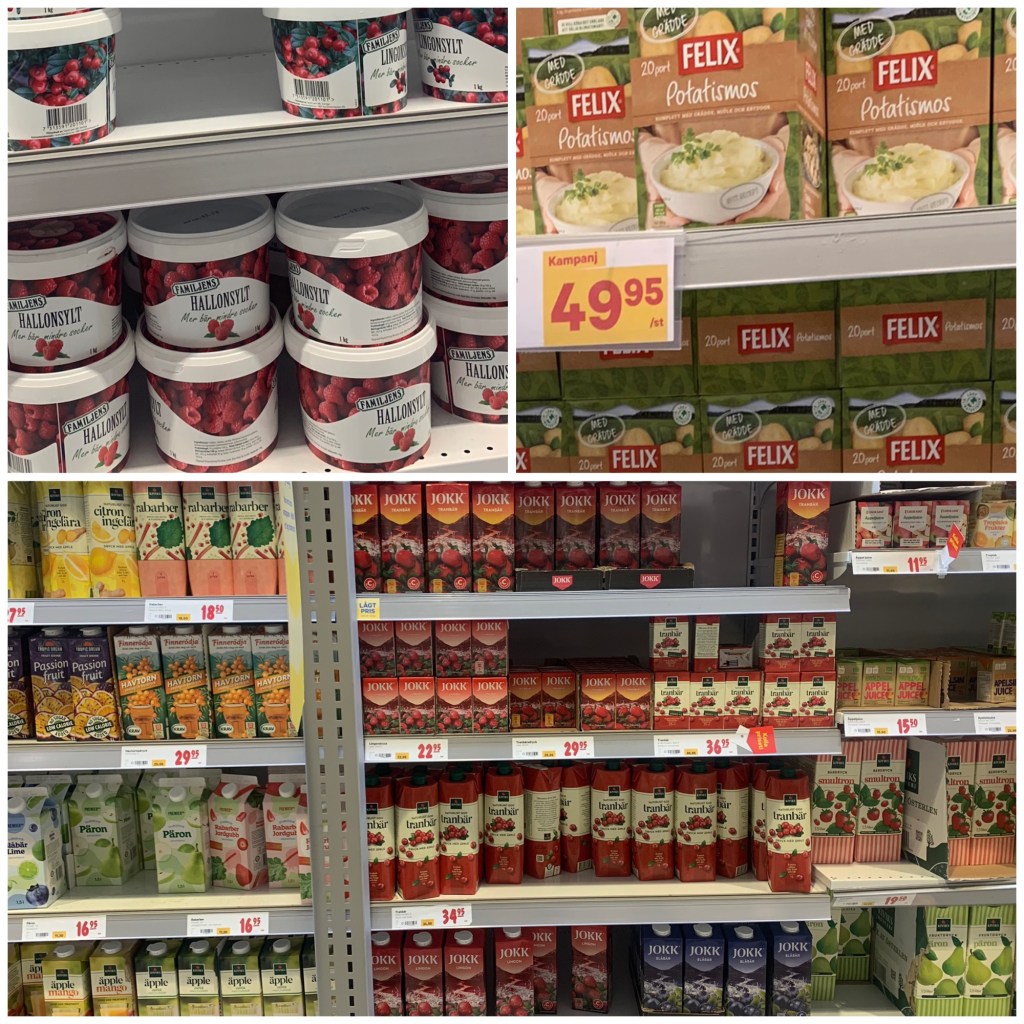
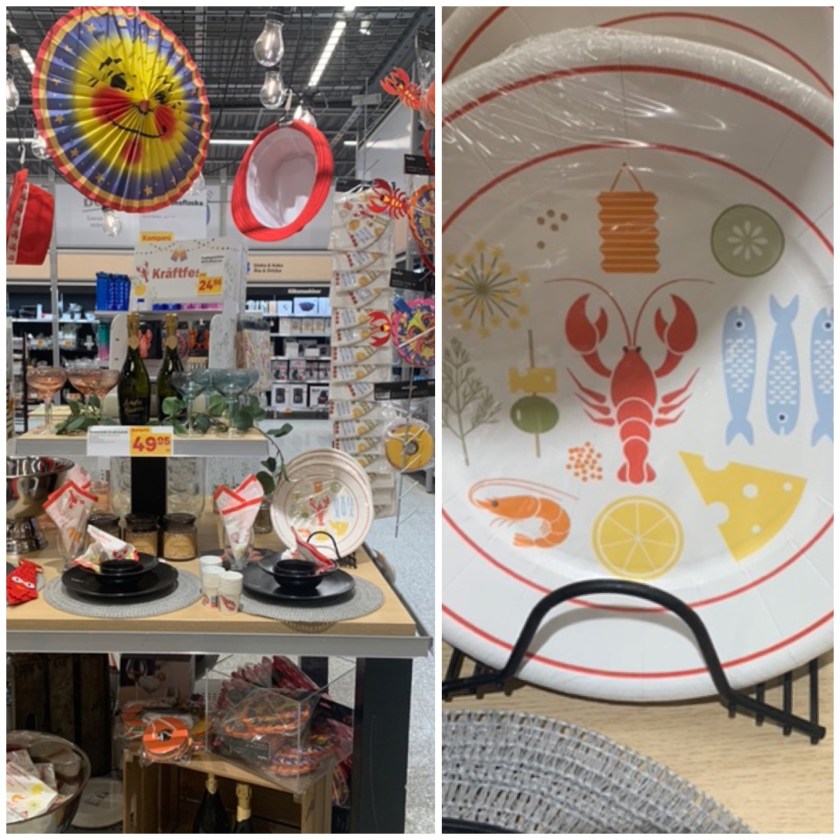
Once in Trollhättan I got picked up and we went to the supermarket, which always feels somewhat exciting, haha. Funny to see walls of Potatismos and Lingonsylt being sold in buckets. And this is kräftskivor (crayfish) season, so there was equipment for it in the supermarket..
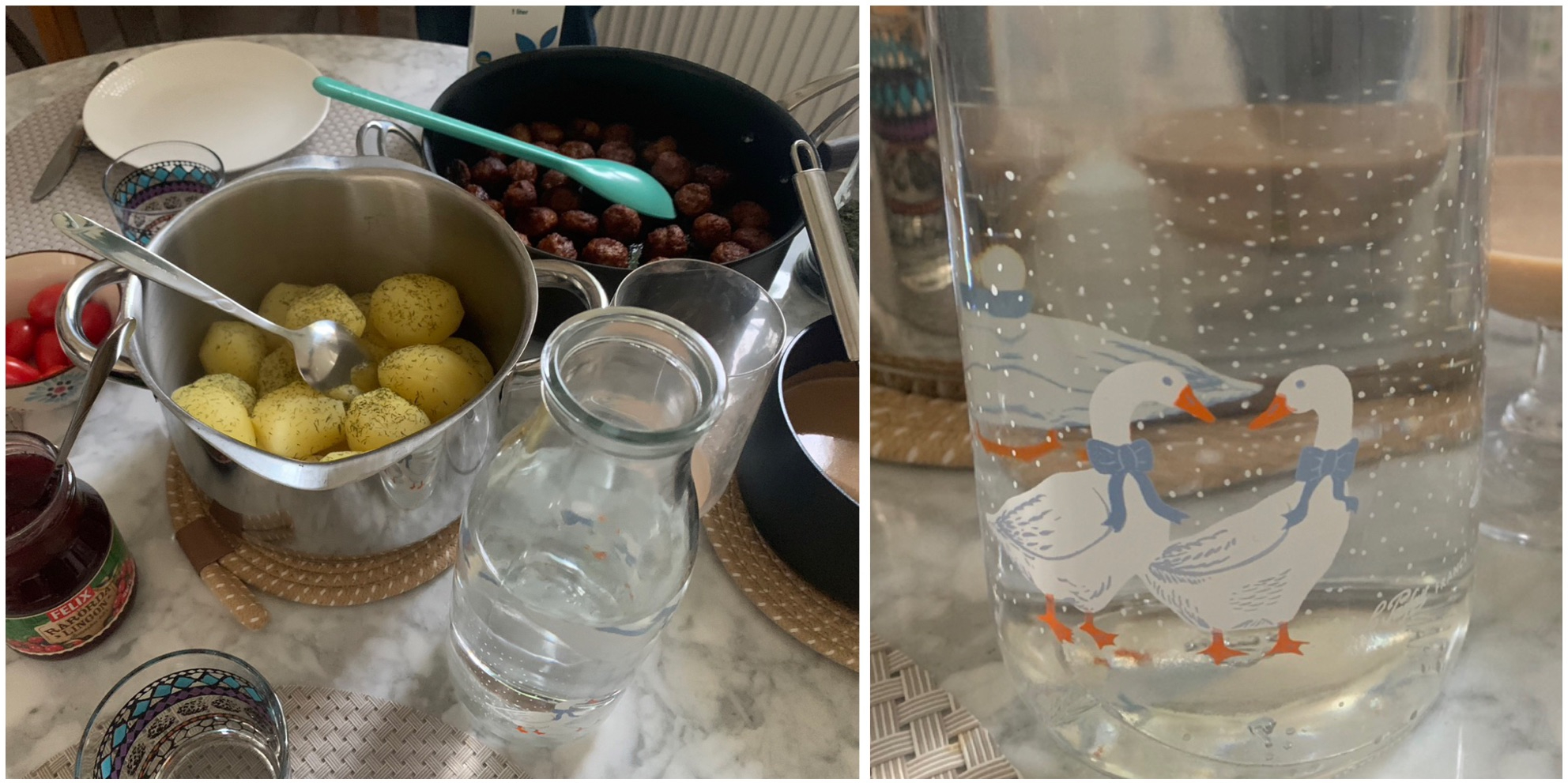
The start could not be better with Swedish husmanskost: köttbullar potatoes!!
day 1: Chill summer day in a Swedish lake town
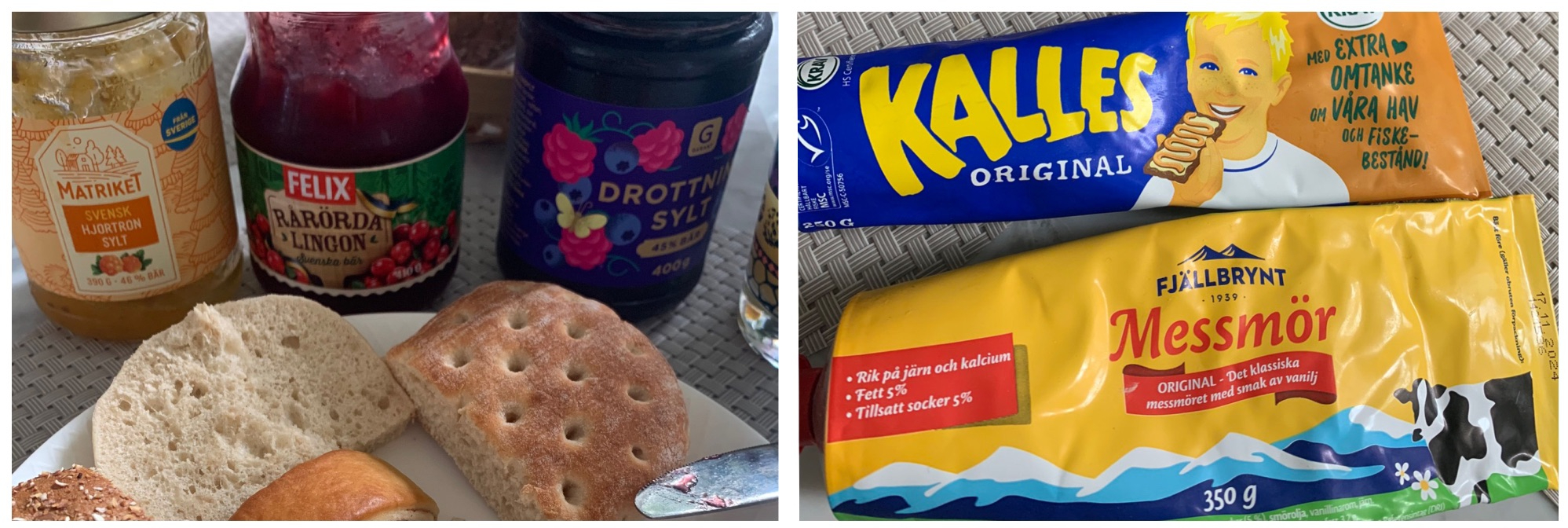
Day started with my first Swedish breakfast. bread bread and bread with all possible jams.. And Kalles kaviar!
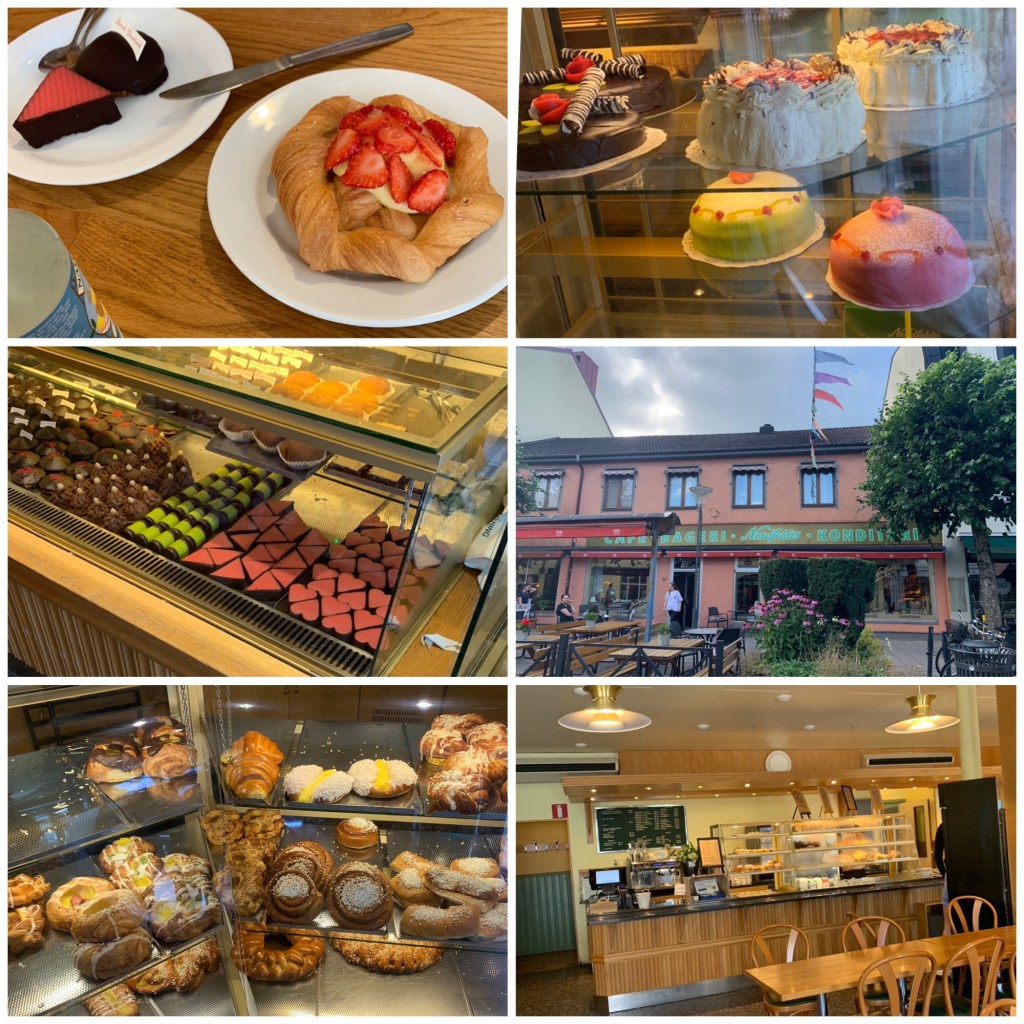
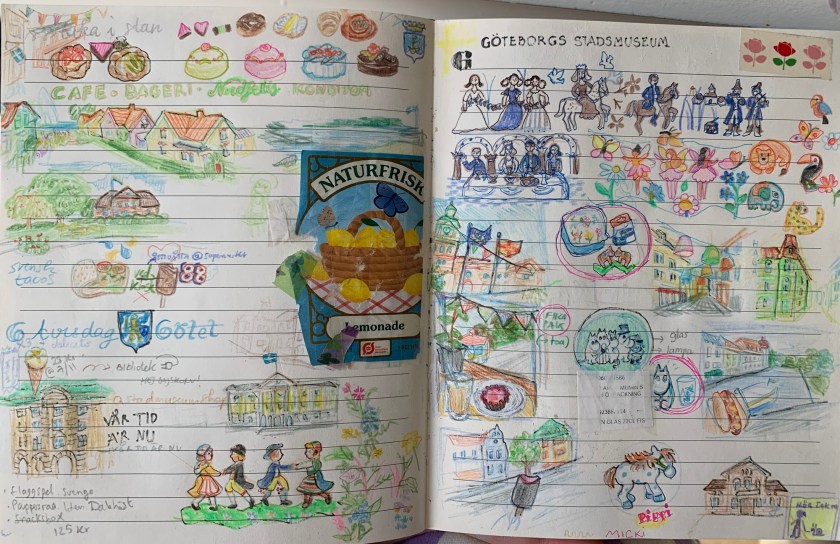
The first full day we went to town and I was so excited to properly fika! Apparently there’s a standard fika pink triangular pastry called Milano. I will look up why it is called like that.
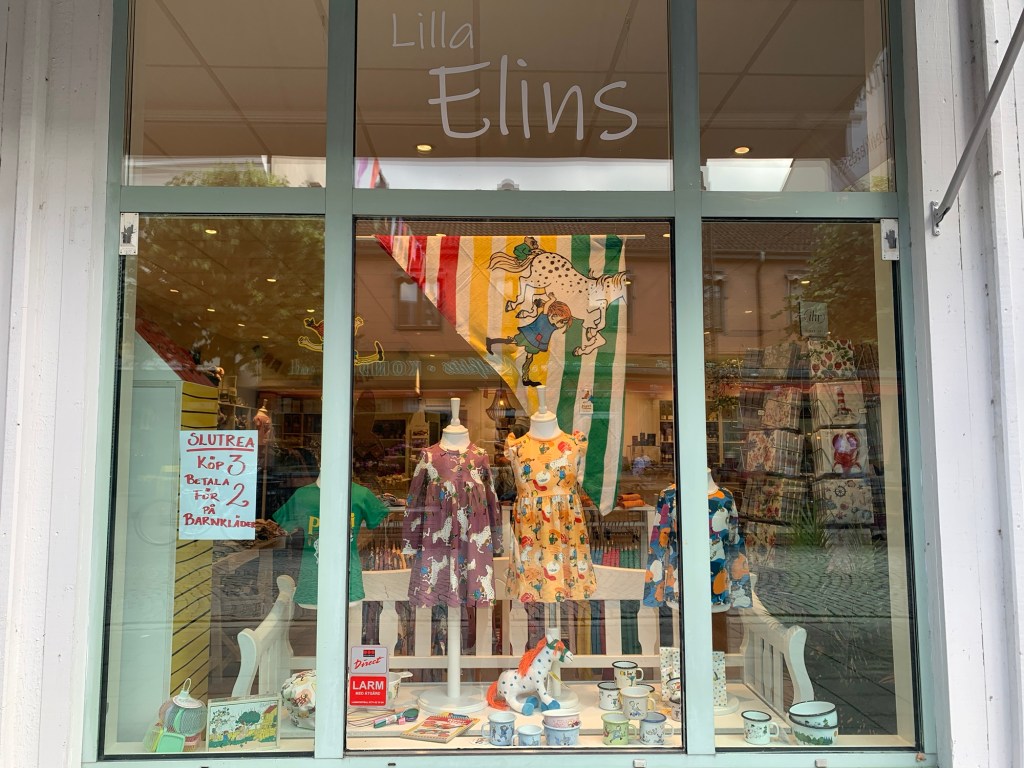
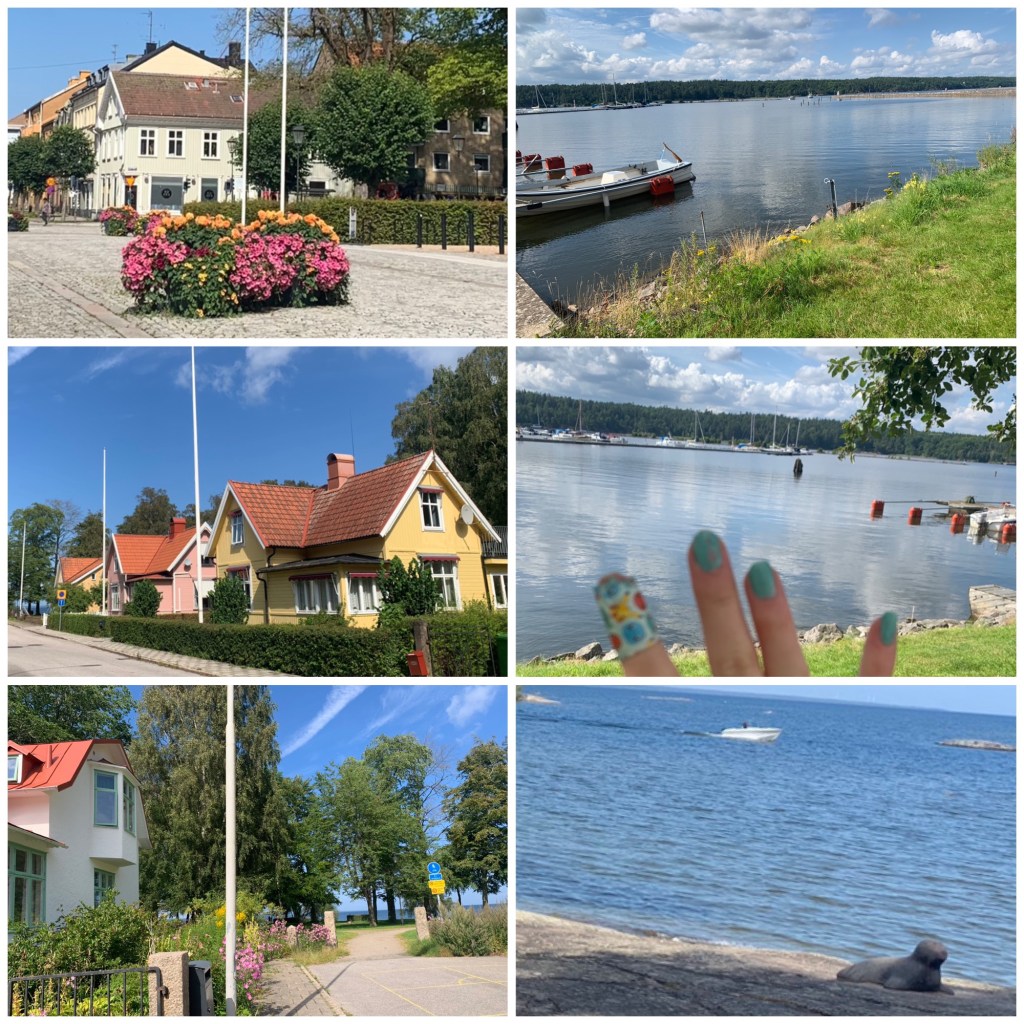
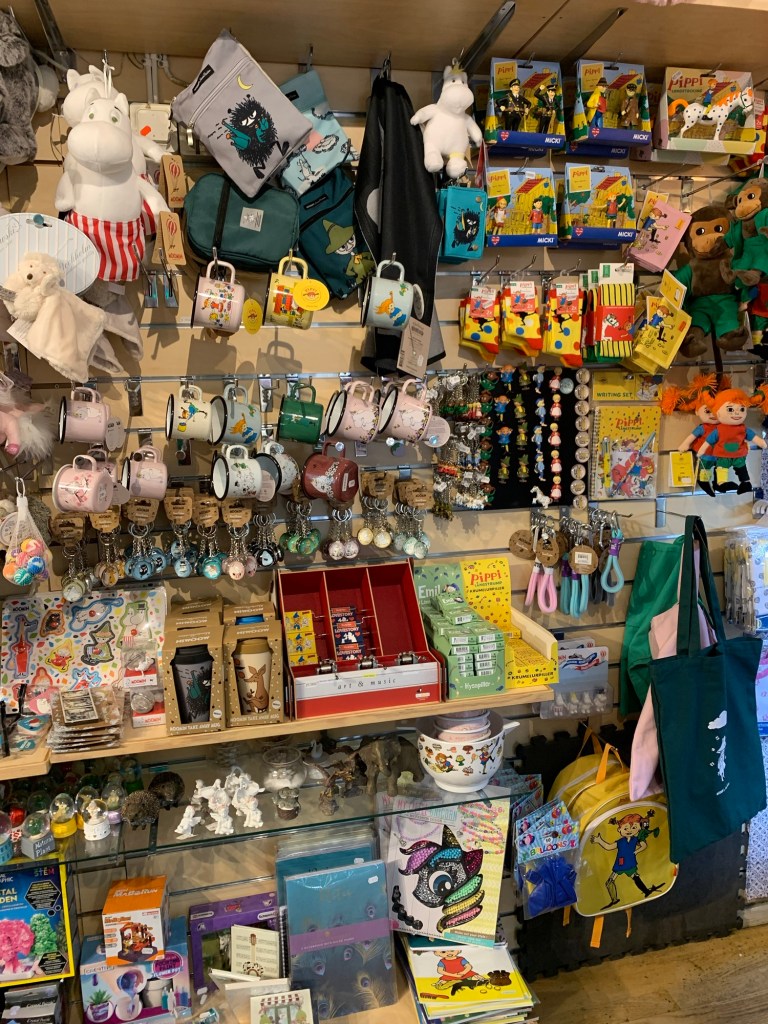
Afterwards, I walked along the lake (Vänern) and in town, it truly felt like I was inside a Pippi Longstocking’s episode, it felt somewhat magical, a truly wonderful Swedish sunny summer day. Actually, there was a shop selling a lot of Pippi stuff in town! And a little Emil too..
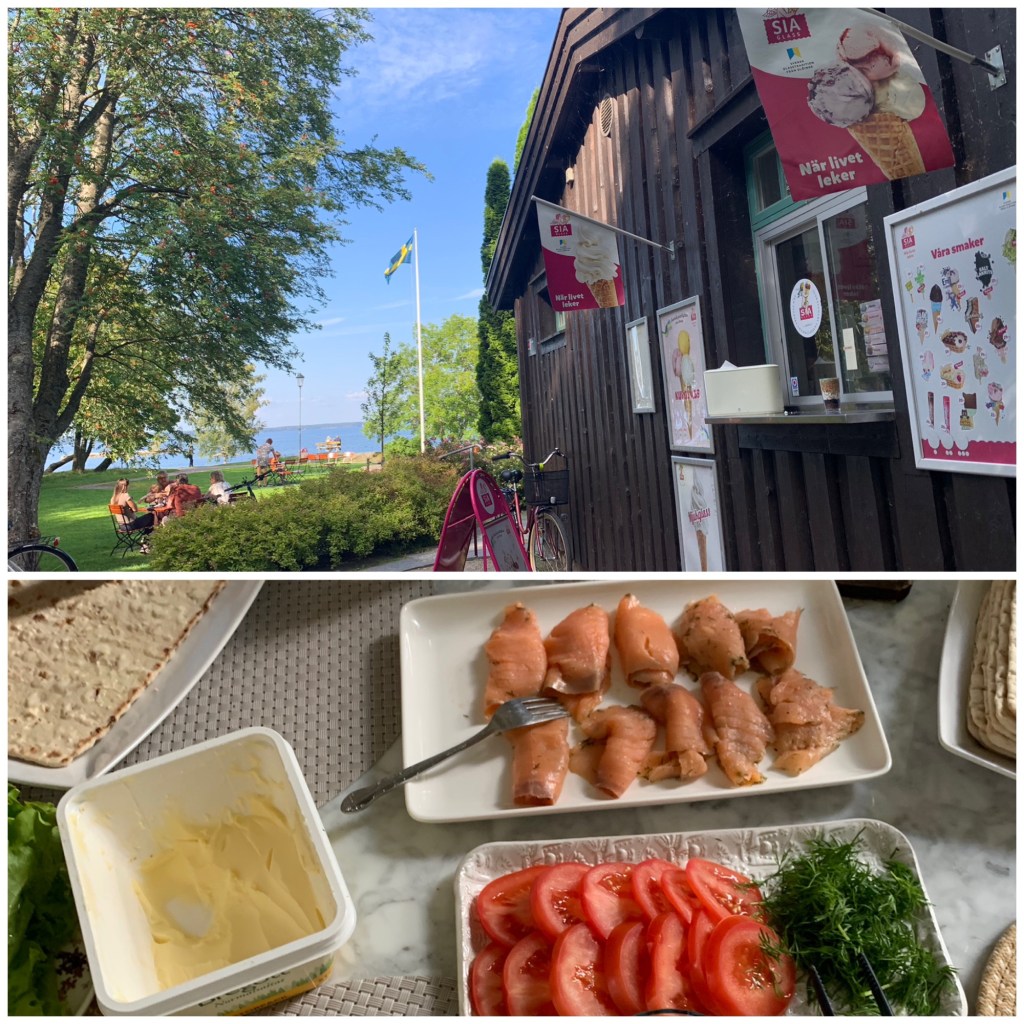
Dinner was a ‘Swedish Taco’ as I named it, and then we went to eat icecream! the kiosk at the lake had its own ice lollies, among which an Emil one
day 2: Trip to Gothenburg
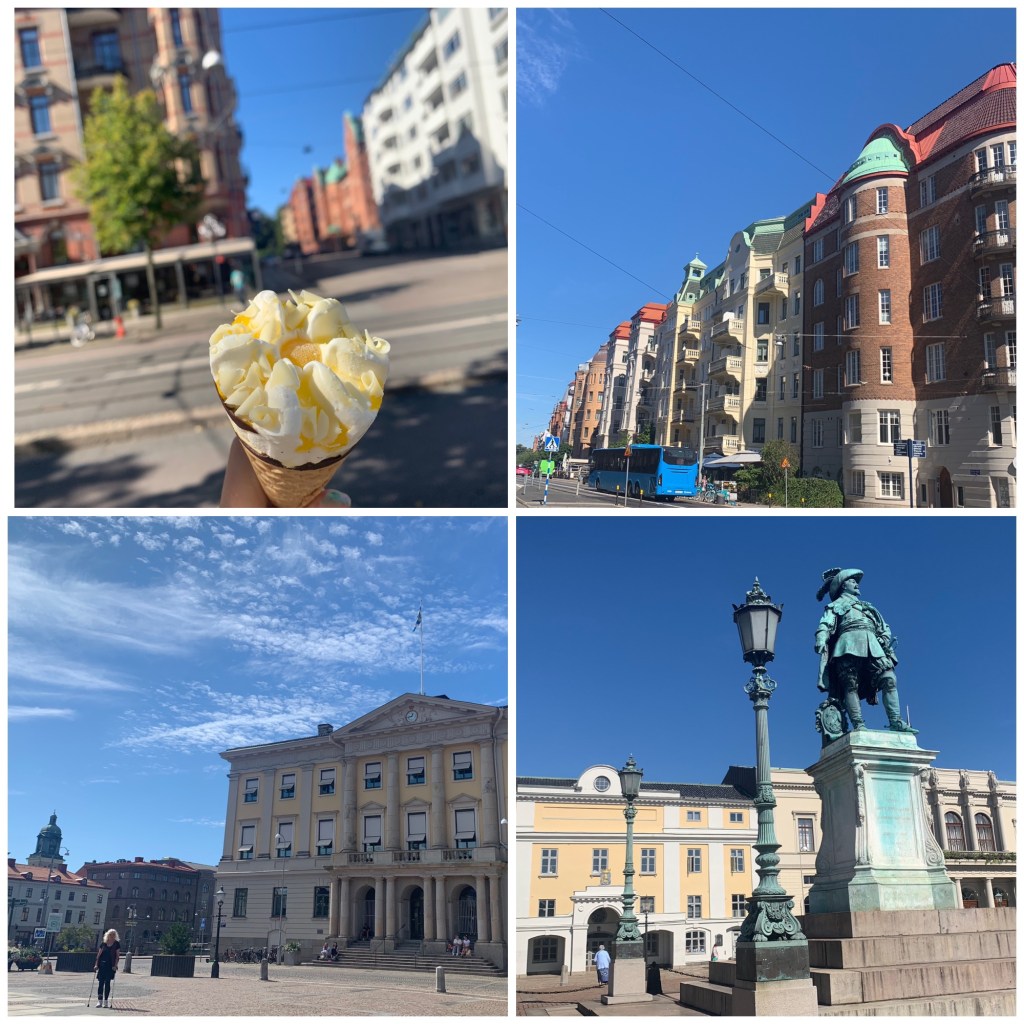
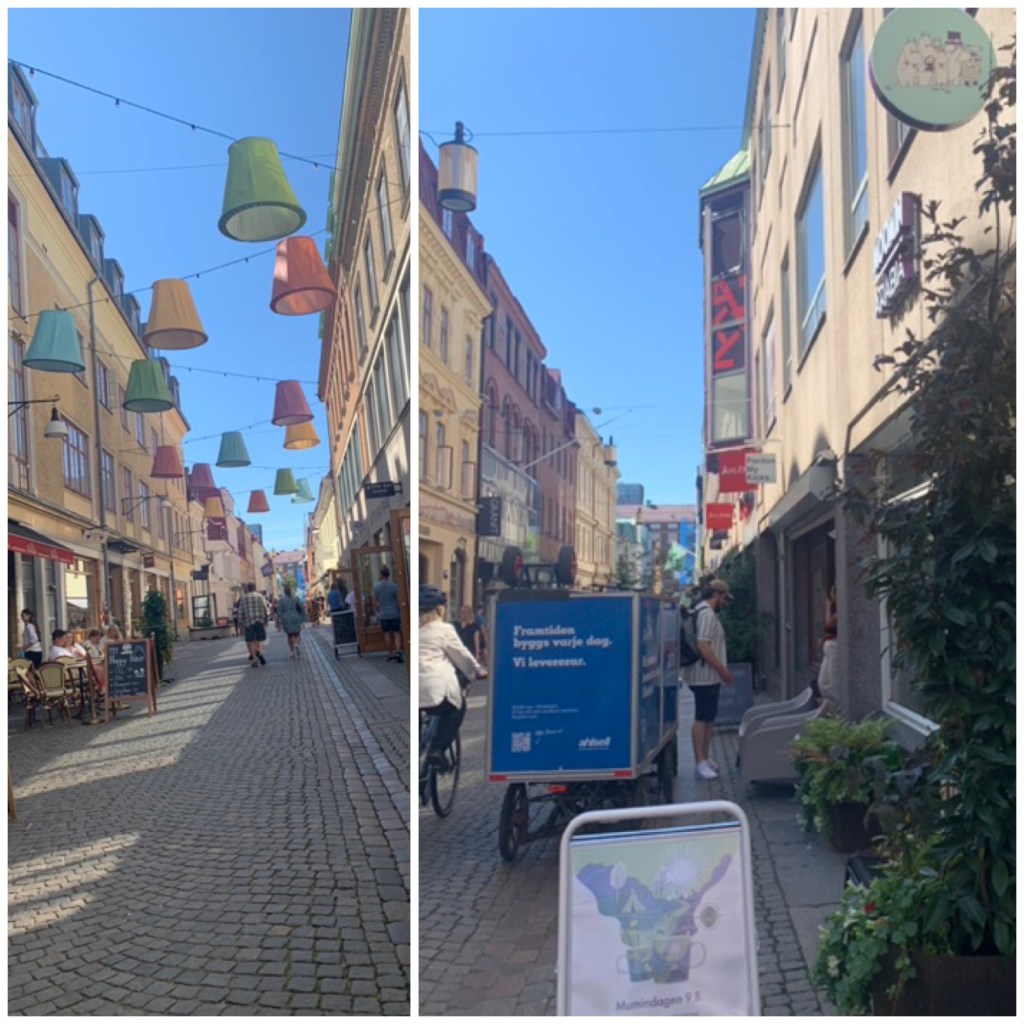
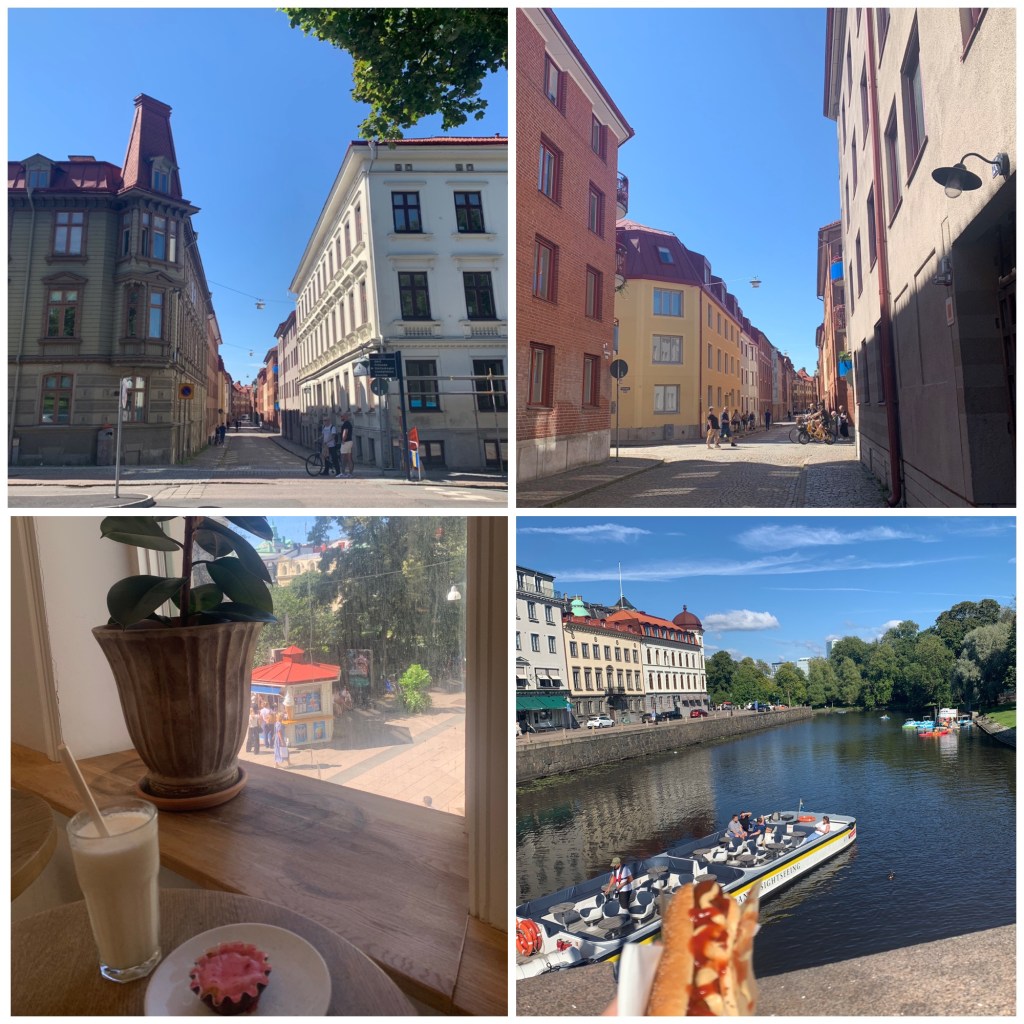
As I was reasonably close to Sweden’s second city, I obviously wanted to visit it. When I arrived to Gothenburg I did not quite understand in what direction I was supposed to go to to see the centre. I just walked somewhere, beginning with another ice cream off my list, a lemon cornetto – I also love lemon-flavored things, by the way…
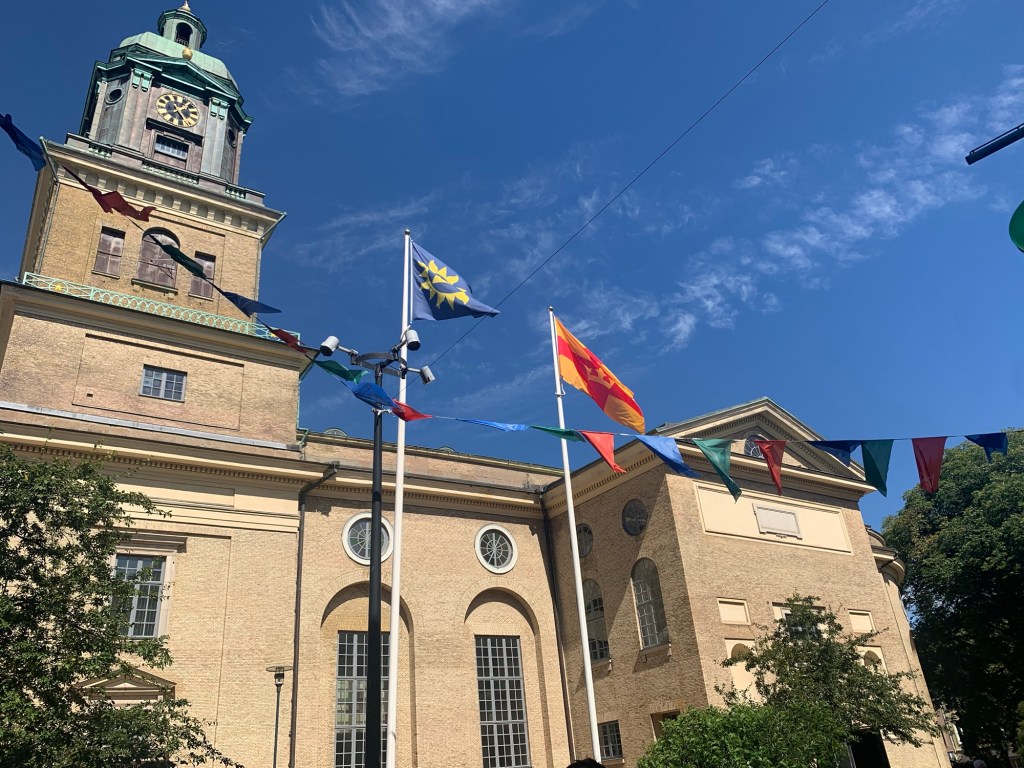
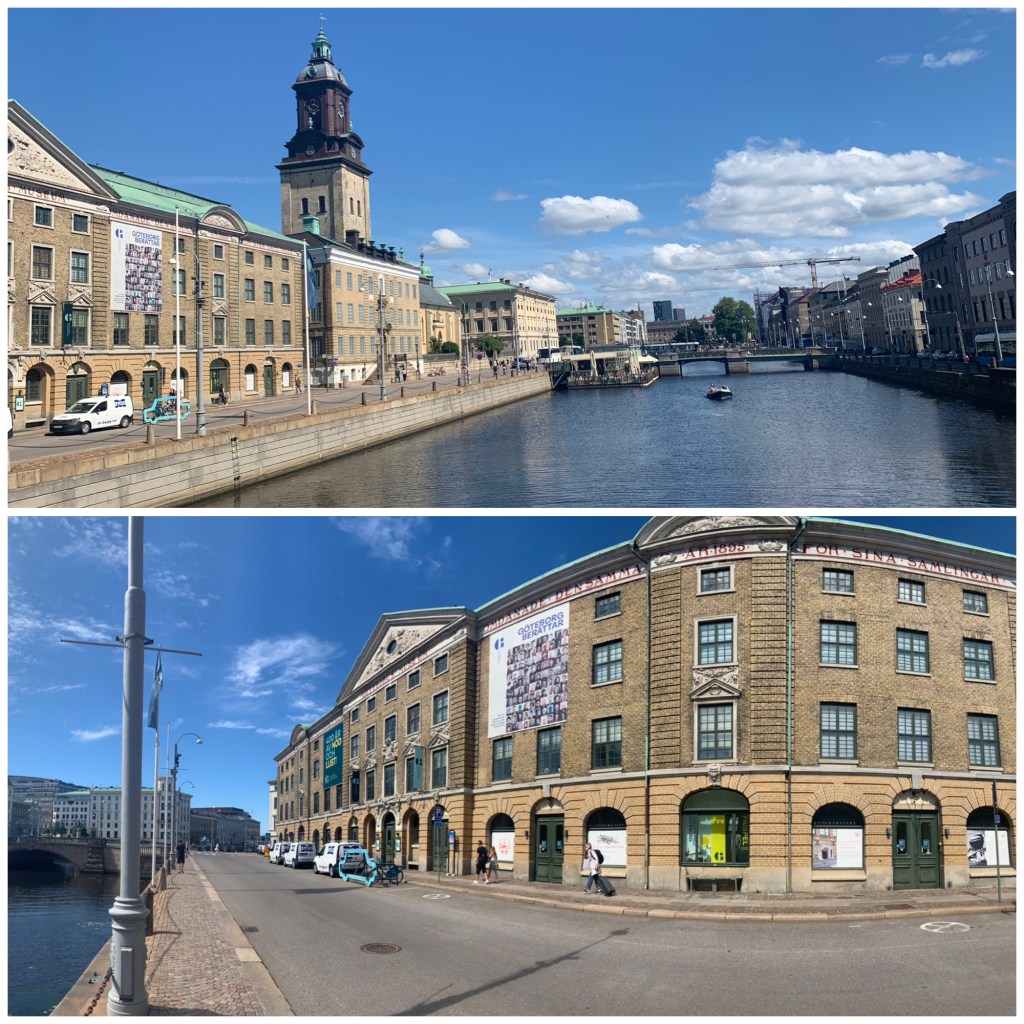
I walked around, ended up to the harbour, then somehow got in the actual city centre, got postcards at a bookshop and I admired bakeries/cafés, posponing a fika break for later…After some time i stumbled upon a small library, which is always cool, but this was a godsend as it had a WiFi connection and sockets under a table to charge my phone…that probably saved my day. While walking I had seen the city’s museum, Göteborgs stadsmuseum, and decided to head back to it after the library.
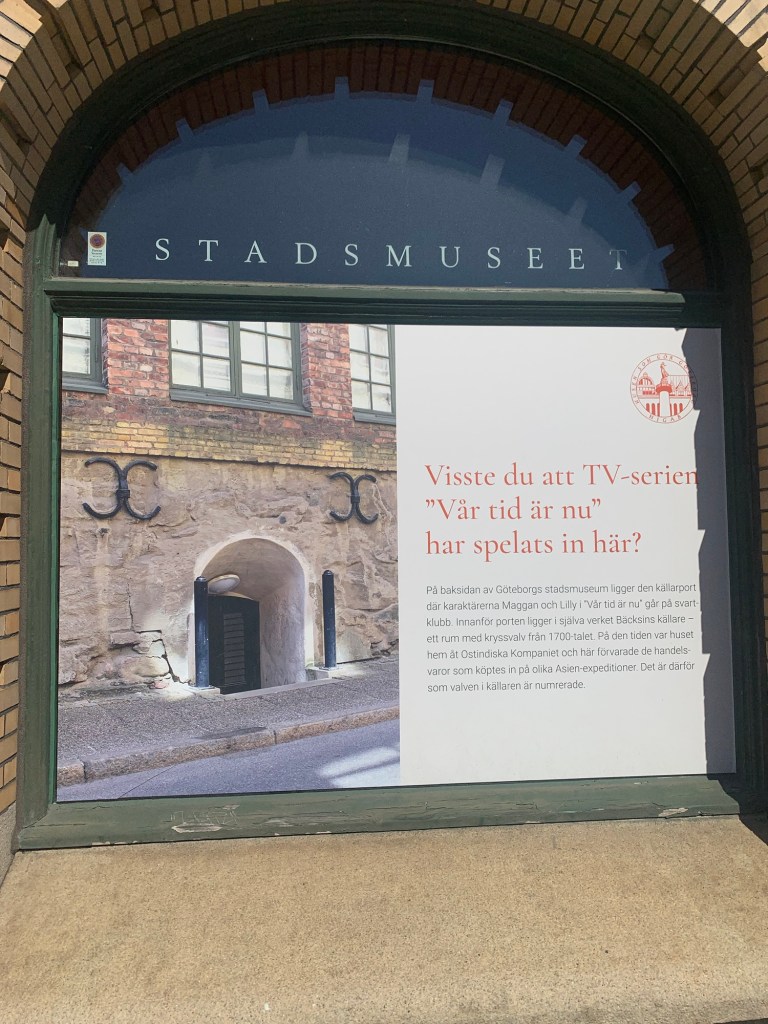
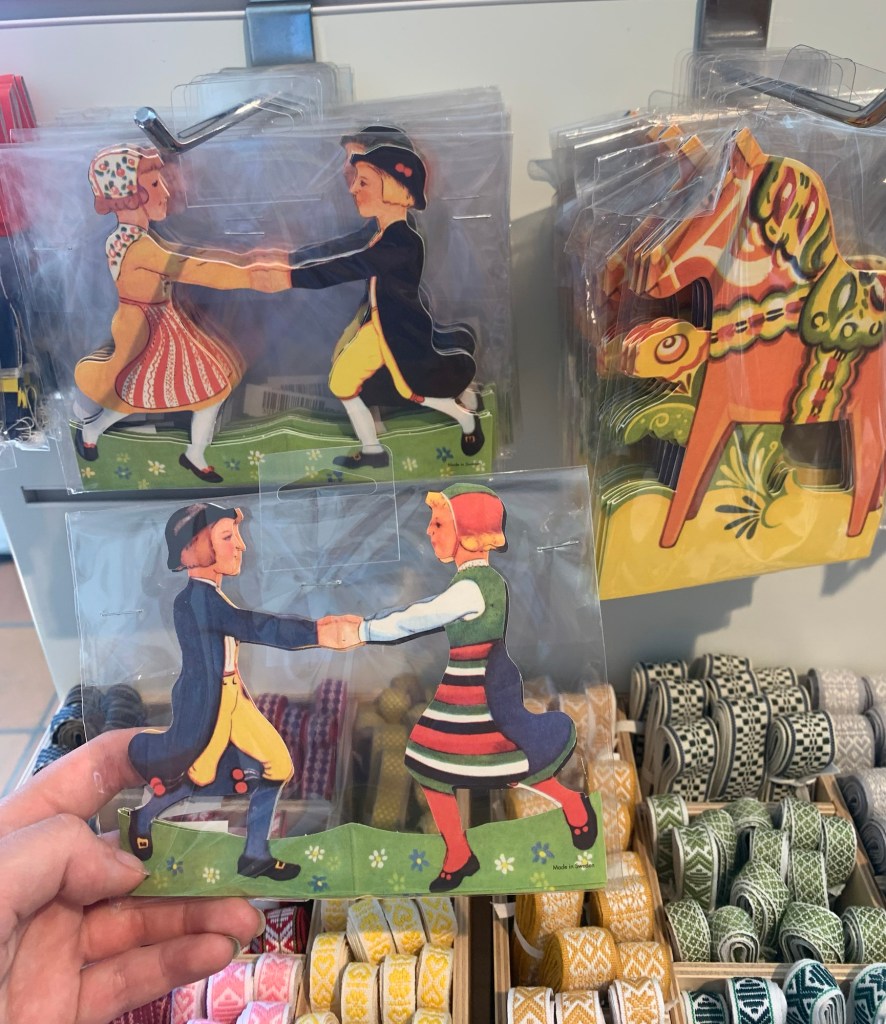
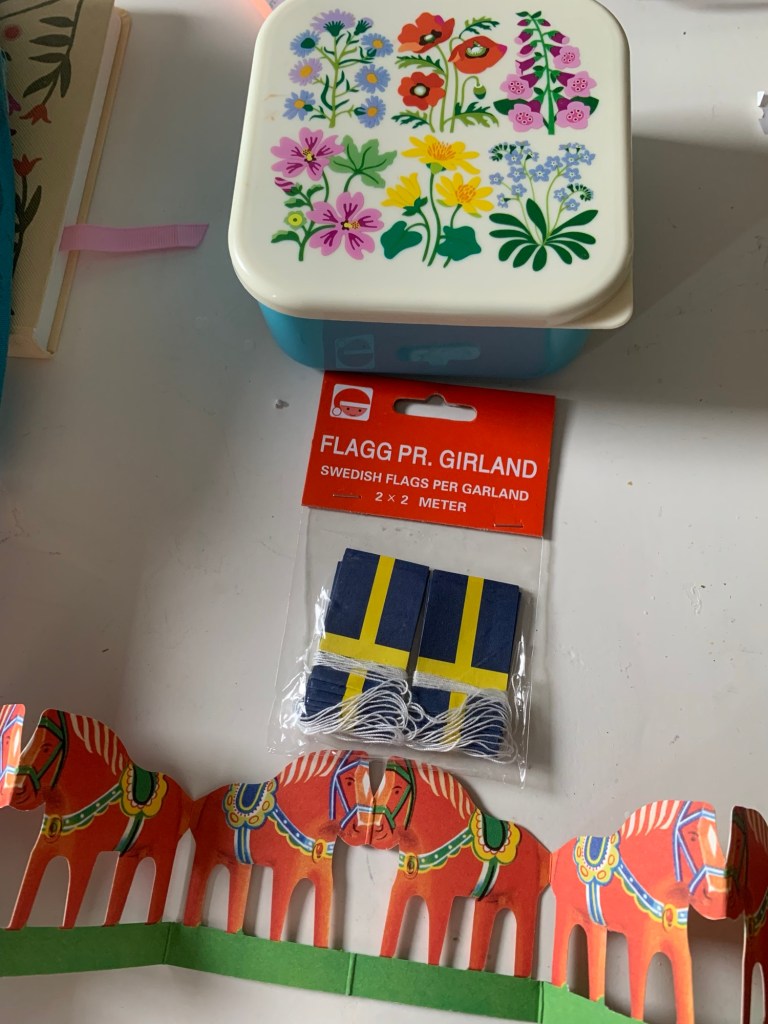
The TV series Vår tid är nu was filmed there! I watched it on Netflix in 2021! I did not have time to visit the museum, but I followed my friend’s advice and went straight to the museum’s shop, which did have nice stuff indeed. Got myself a flower food box, Chritmas tree flag decoration (!) and Dala horse decoration..
..
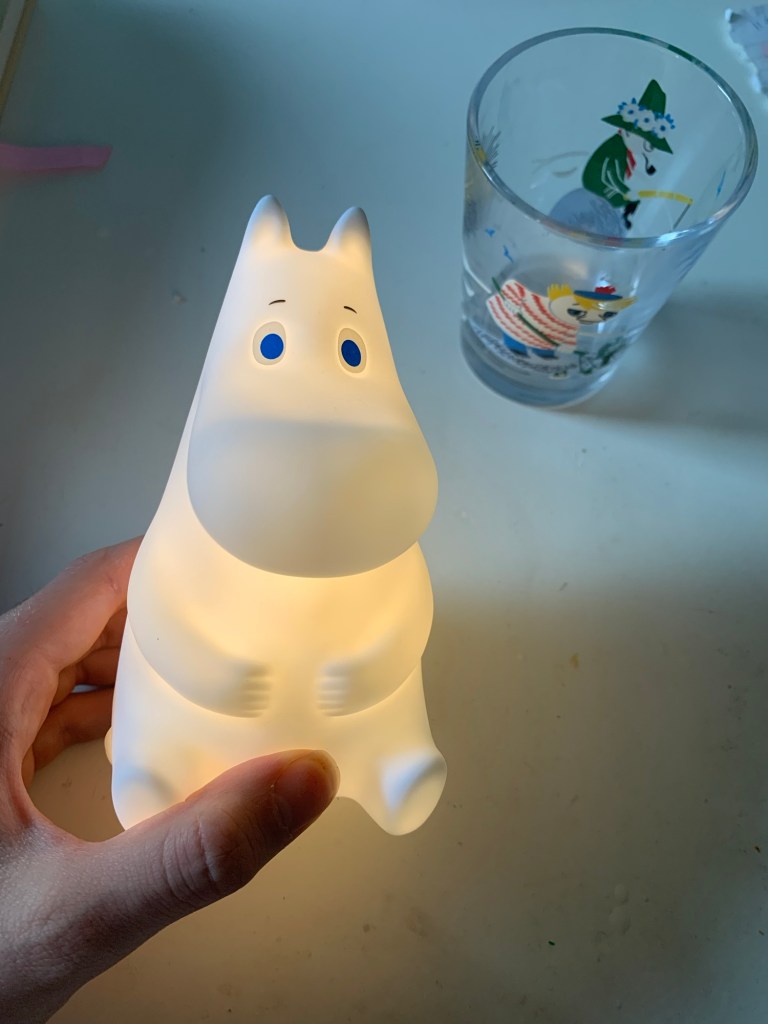
My friend also said there was a Moomin shop, which, whether my wallet liked it or not meant I knew where I wanted to go. I got a lamp and a glass, would have got more but almost € 20 for a glass was enough for this time..
I reaaally needed to go to the toilet, and I first went to the Haga city part, did not really find a café that I felt like sitting in and have a fika, so I went all the way back to where I came from and ended up getting the smallest pastry – a Mazarin. I also got to charge my phone there, which saved me again..
To not have regrets, I got a korv at Pressbyrån…and a Liquorice (Lakrits) is king in Sweden, there is liquorice chocolate, liquorice ice cream… And that was the last Ice cream I HAD to try!
Day 3: Antique and second-hand shops
We went to an antique shop nearby, which had actually quite cool stuff, including old postcards! I ended up not getting anything though.. We went to Uddevalla later to see a second hand shop! I did not see anything I wanted to get there, but at the very end I saw a table flag behind the counter, asked if it was for sale, and I got it for free!!
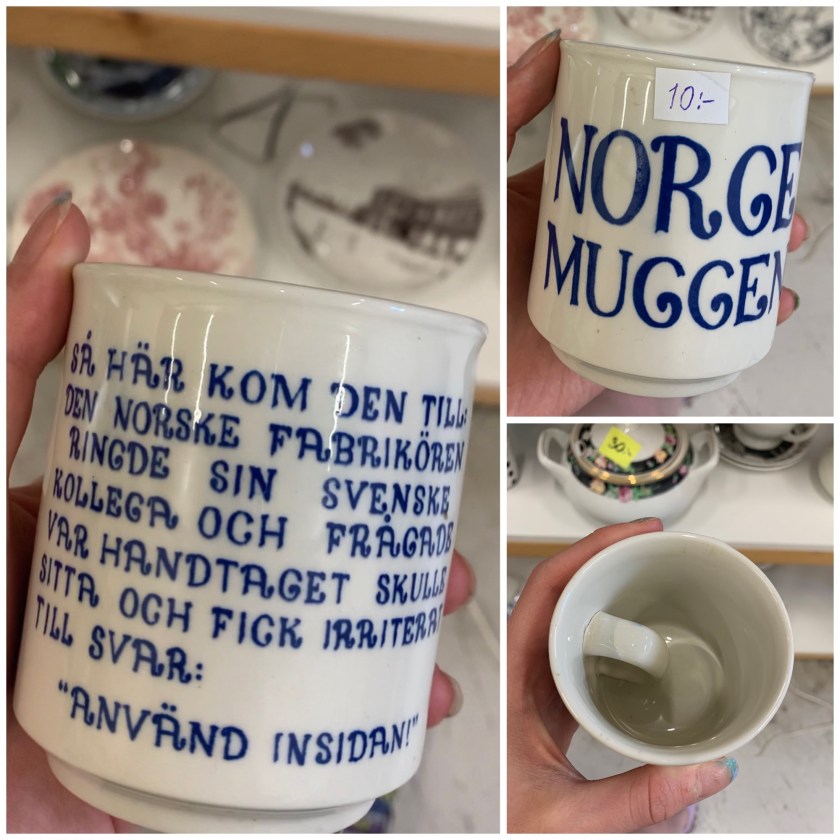
I found among others a wacky mug making fun of Norwegians about using the inside of the mug…
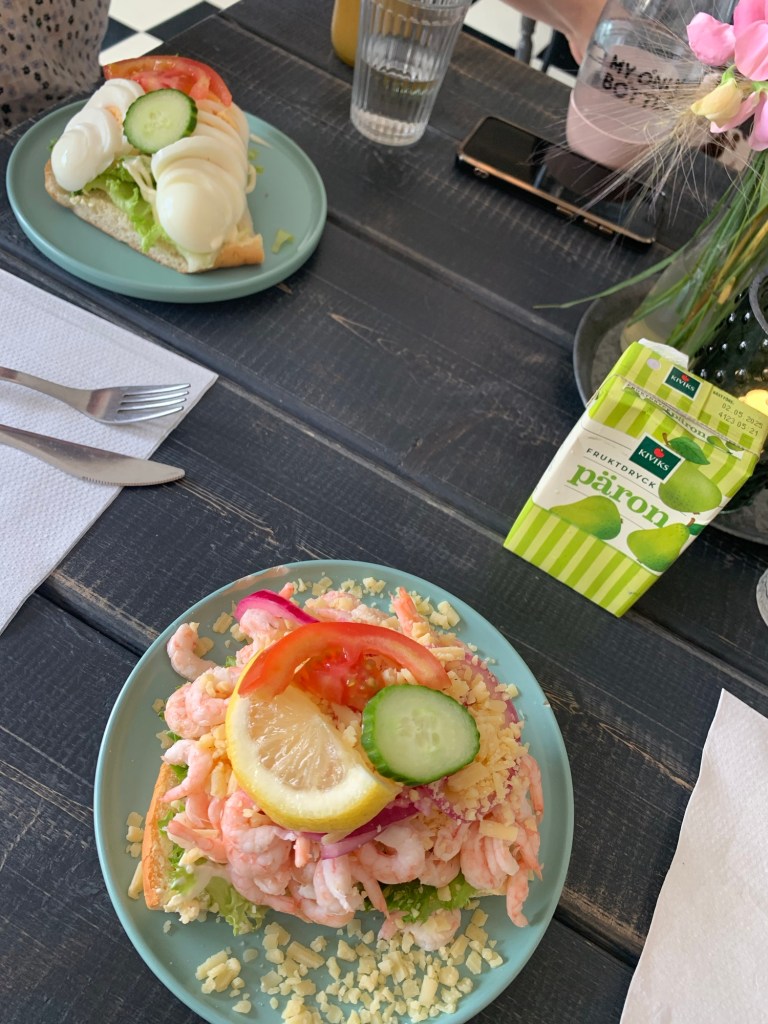
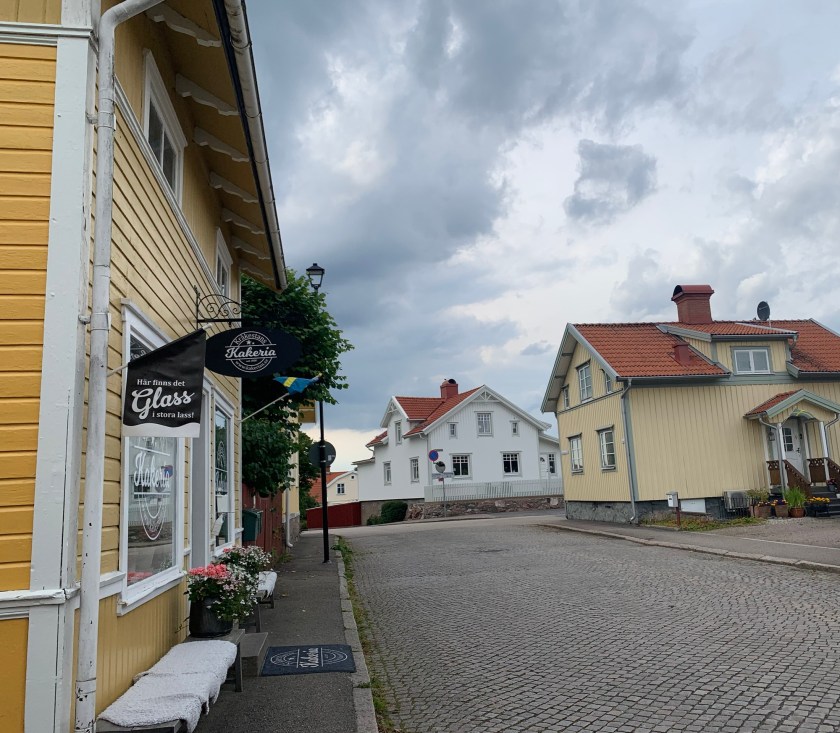
Then it was time for fika again at Kakeria in Kråkestan, and given all the sweet stuff I had been eating, I went for a räkmacka. I do have to say that you can make a macka yourself at home, but pastries and cakes are not quite as easy as placing shrimps and salad on bread…I also happened to go to the toilet in a pizzeria in front of it, which was open but nobody inside. Guess this is possible in the Swedish countryside…
After the fika, we went for a small hike
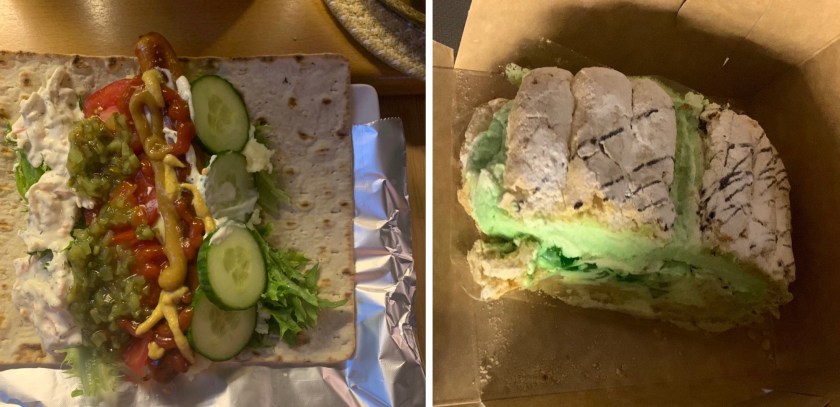
Then we went to the supermarket, and I got a ‘radioactive’ looking pear Budapest pastry. The classic version was finished, but one of my goals when in Sweden has become to try as much pear-flavored stuff as possible, haha! Another fika classic tried eitherway. The Dinner was korv with potatismos and a billion toppings I added!
Hejdå Pippi country
My time in Sweden had come to an end, and being on time at the station, I checked out souvenir shops..Pippi and Moomin souvenirs are as big as Pear and liquorice flavored food in Sweden.. And now I have my own Lilla Gubbe… and got Pippi’s Krumelurpiller candy.
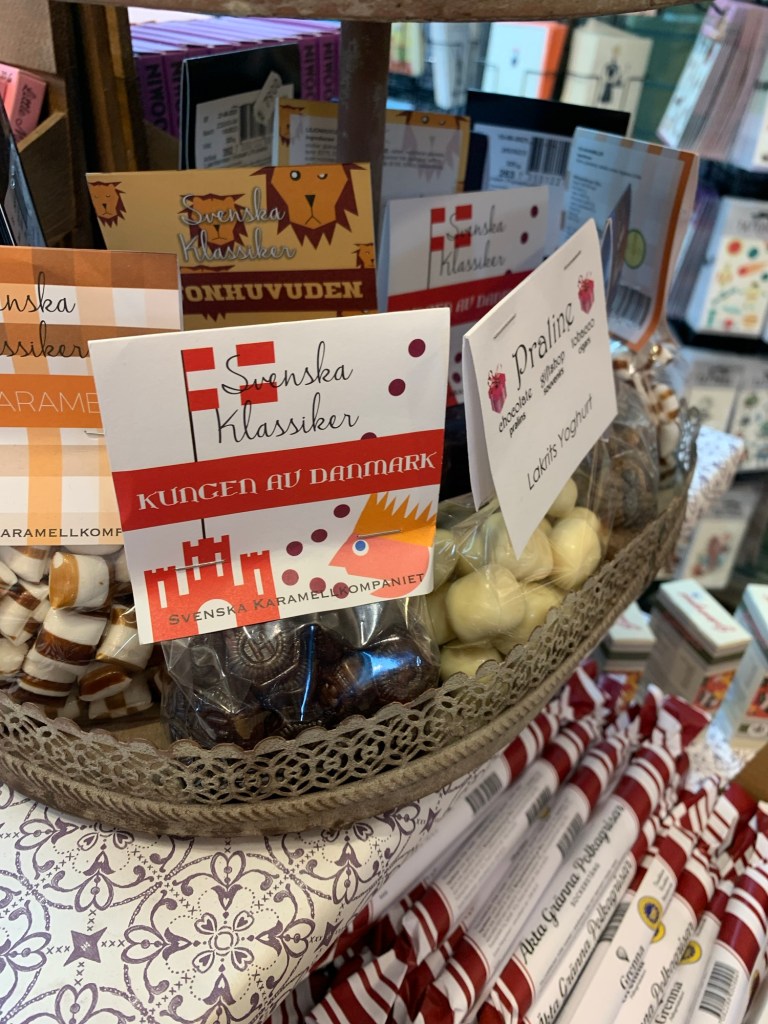
As the Swedes are obsessed with candy, there was also a candy part in the shop, featuring among others the famous polkagris sticks from Gränna, and apparently a Swedish classic called king of Denmark (Kung av Danmark), haha.
Which, brings me to the next part of my holiday, heading back to Denmark.
Day 5: Arrival and trip to Aalborg
The third and last part of my holiday was 2 full days in Jutland. I took my train in the early afternoon from Gothenburg and got to Aarhus around 22… I already had a trip planned for the following day to Aalborg +meetup with friends in Aarhus.
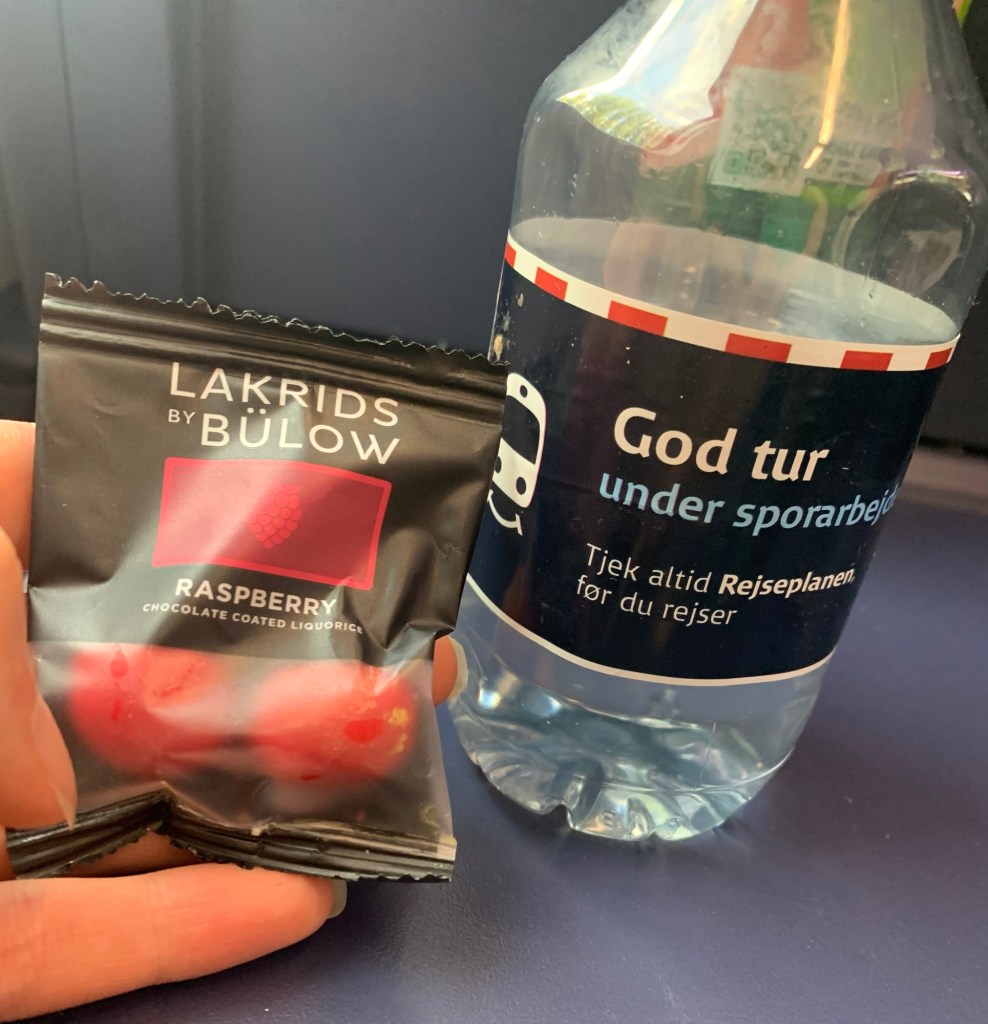
I had never been to North Jutland, so this time I decided to visit Nordjylland’s main city, Aalborg! Instead of train though, I got there with a bus service as there were works going on on the tracks. I got Raspberry/liquorice candy from DSB!
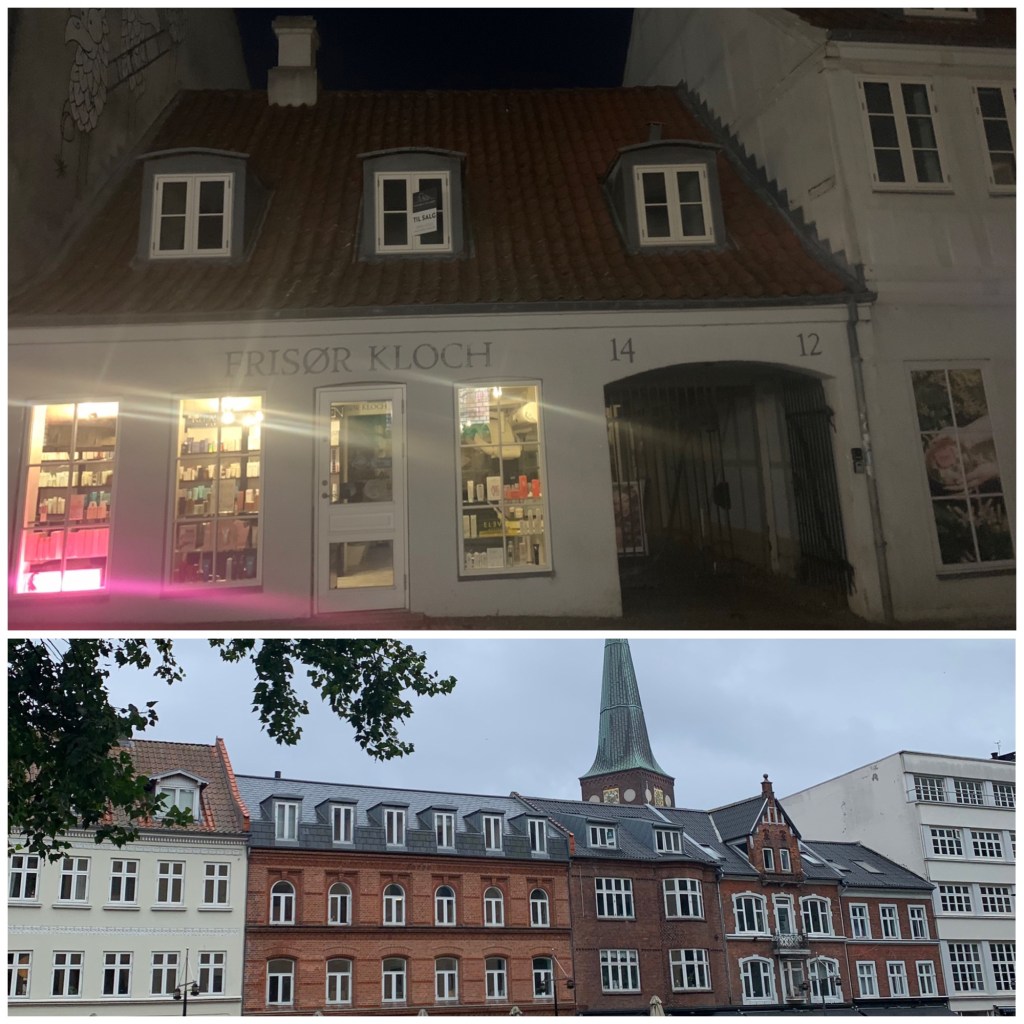
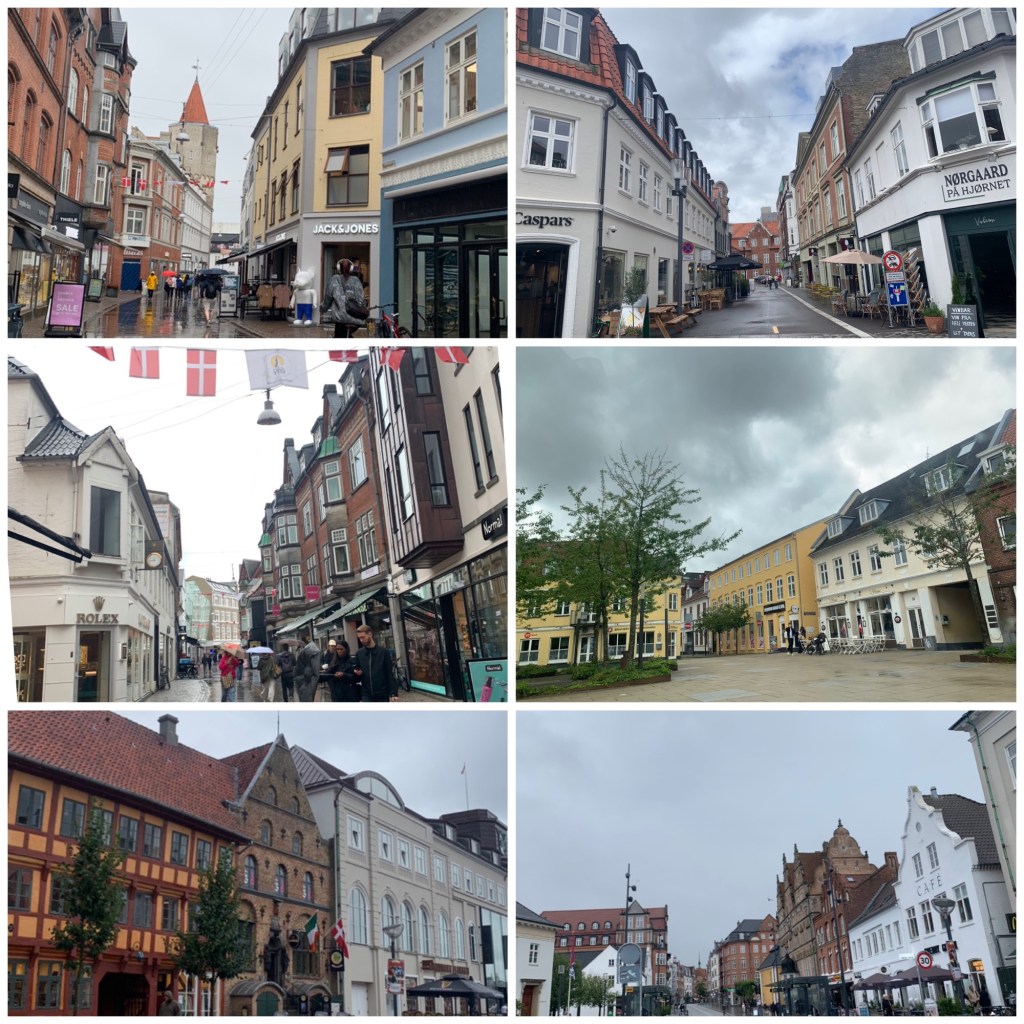
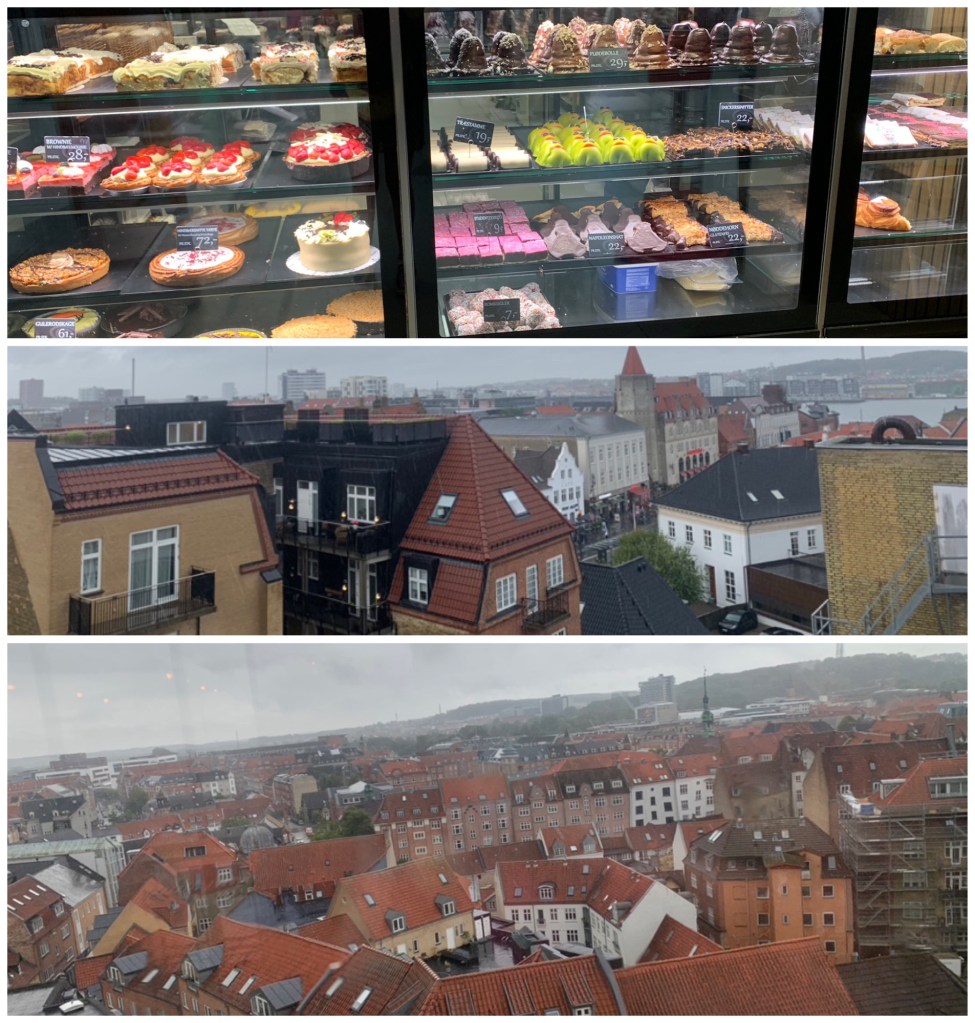
After having been tremendously blessed with the weather in Sweden, in Aalborg it was grey and rainy, I also got a sommerhorn at the shopping centre Salling, which was with marzipan and orange. (Some classic pastries in Denmark are flødebolle, træstamme, marzipan frogs (?), Napoleonshat, nøddehorn, studenterbrød). We went to the rooftop although it was not the best day to enoy it… We had lunch at Aalborg street food. Not Danish food, although I would enjoy that too.
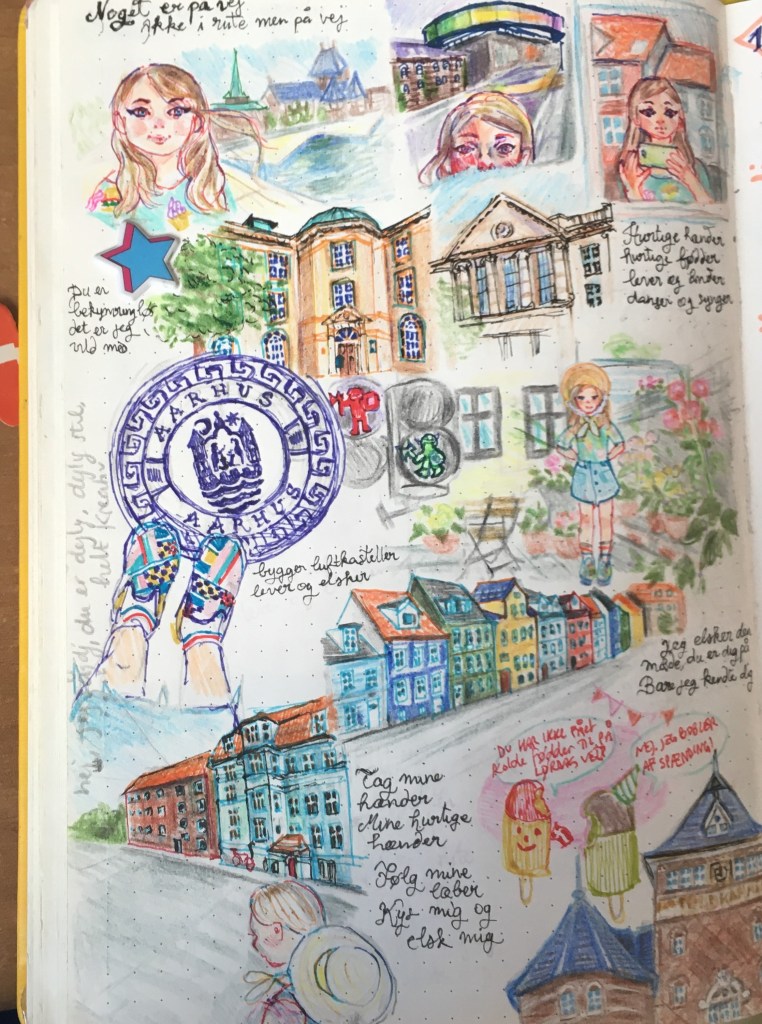
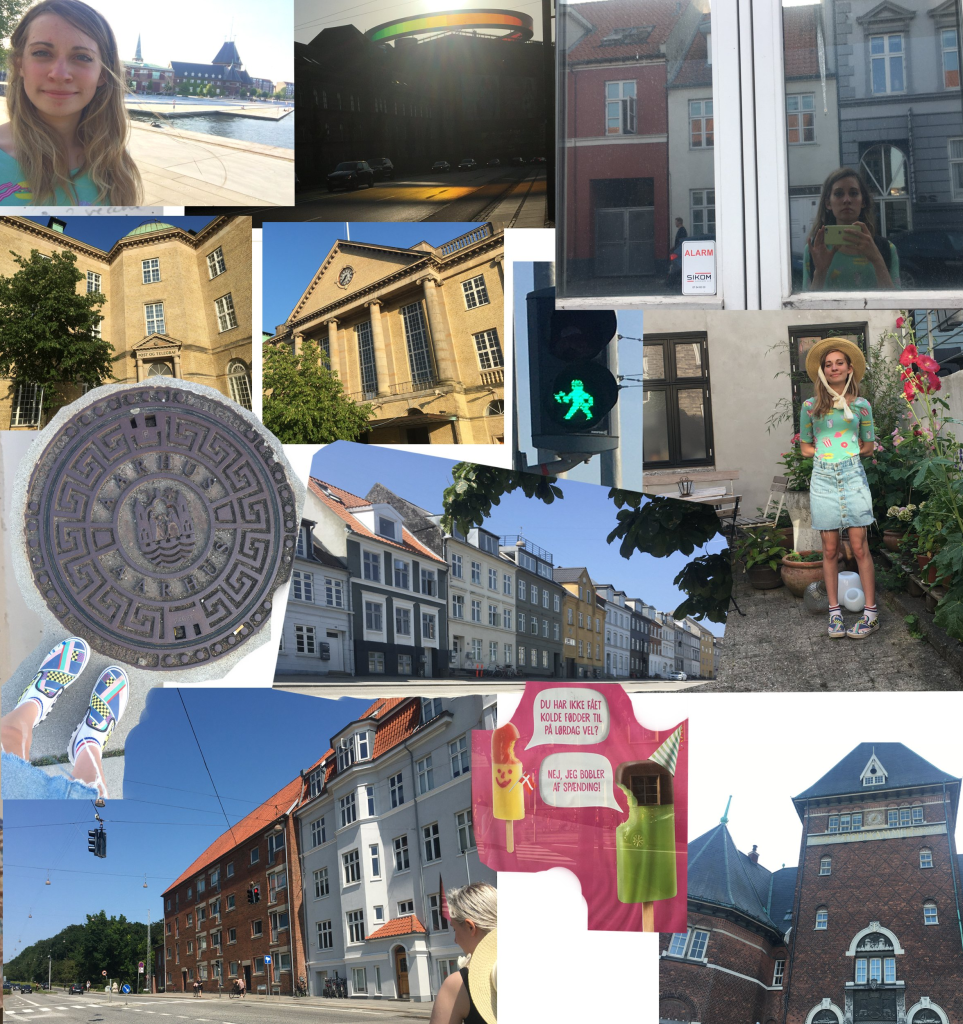
Then I went back to Aarhus and there the sun was shining! So I sat at the dokk1, one of my favourite places!
After that, I went to the bar my friend works at and The Danish handball team was playing, so I got a Denmark hat there ❤
Day 6: ArOS and shopping
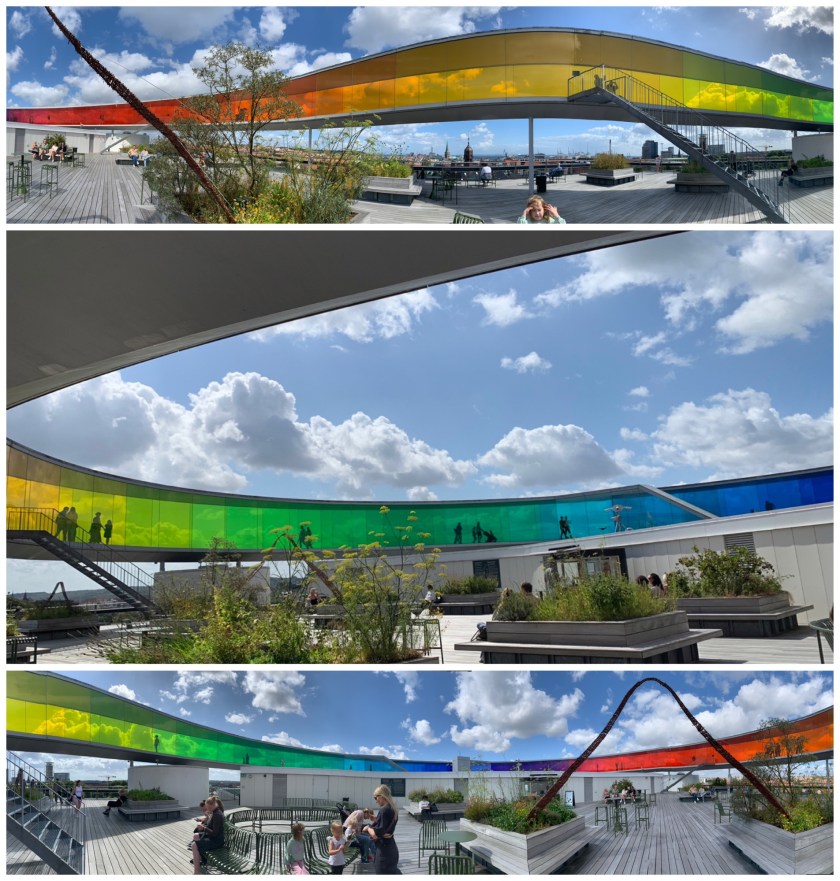
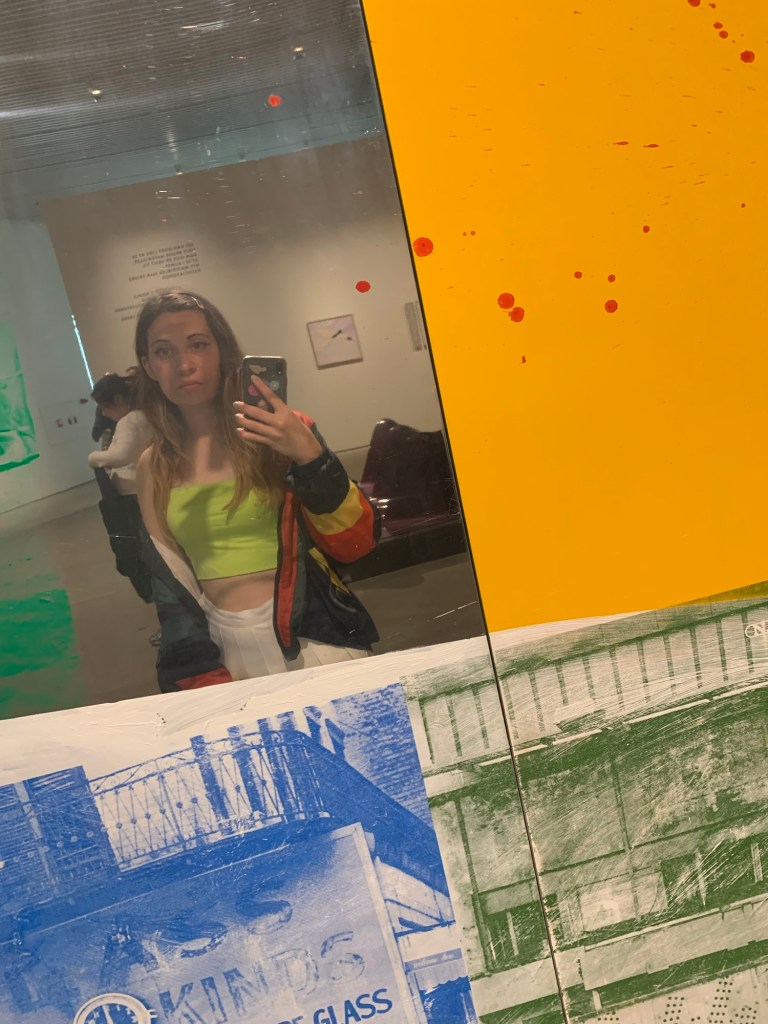
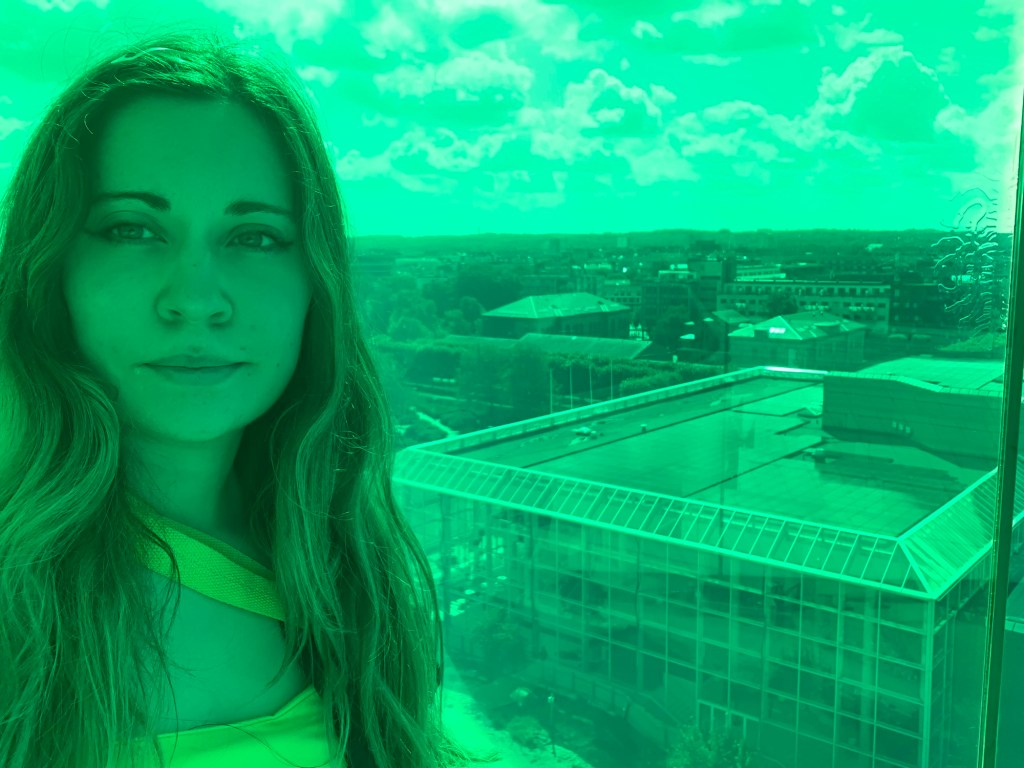
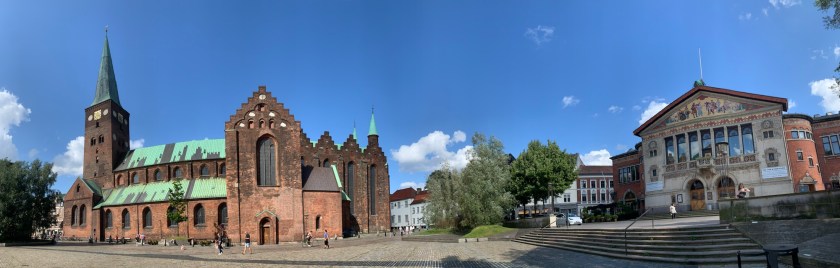
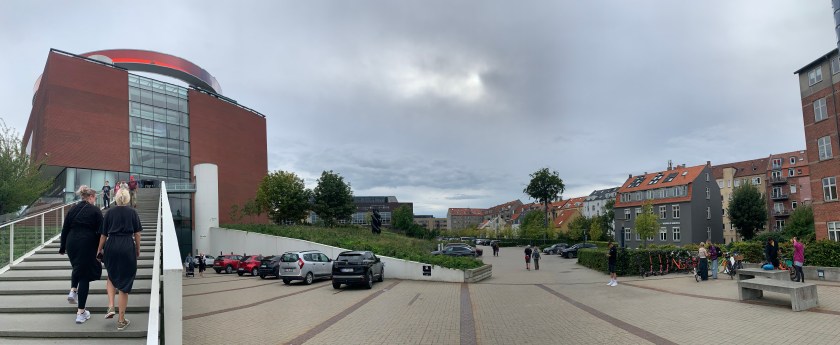
This was the third time in Aarhus, although up until now I’ve barely been there for an entire day, and something I absolutely wanted to visit was the art museum ArOS! Which in other words is the rainbow circle building
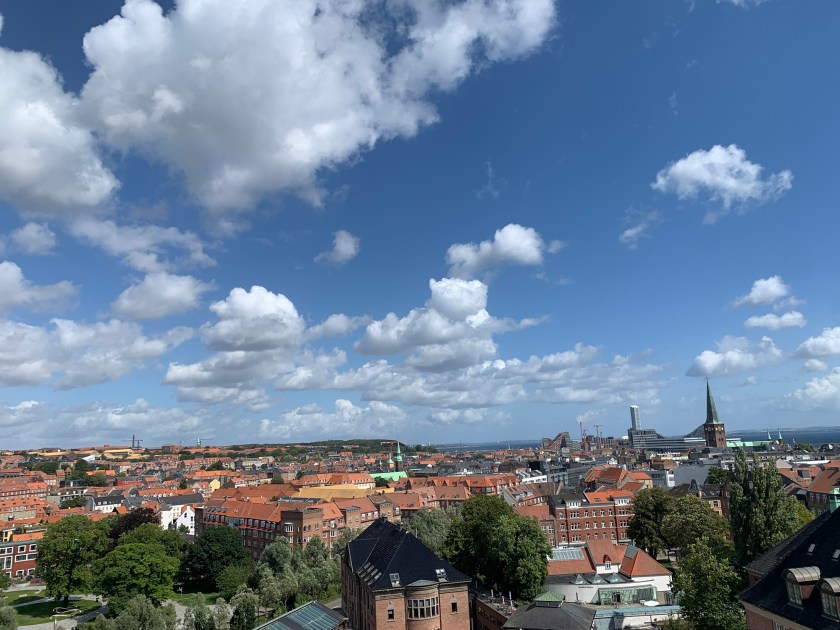
The weather was truly perfect, sunny and windy, a blessing
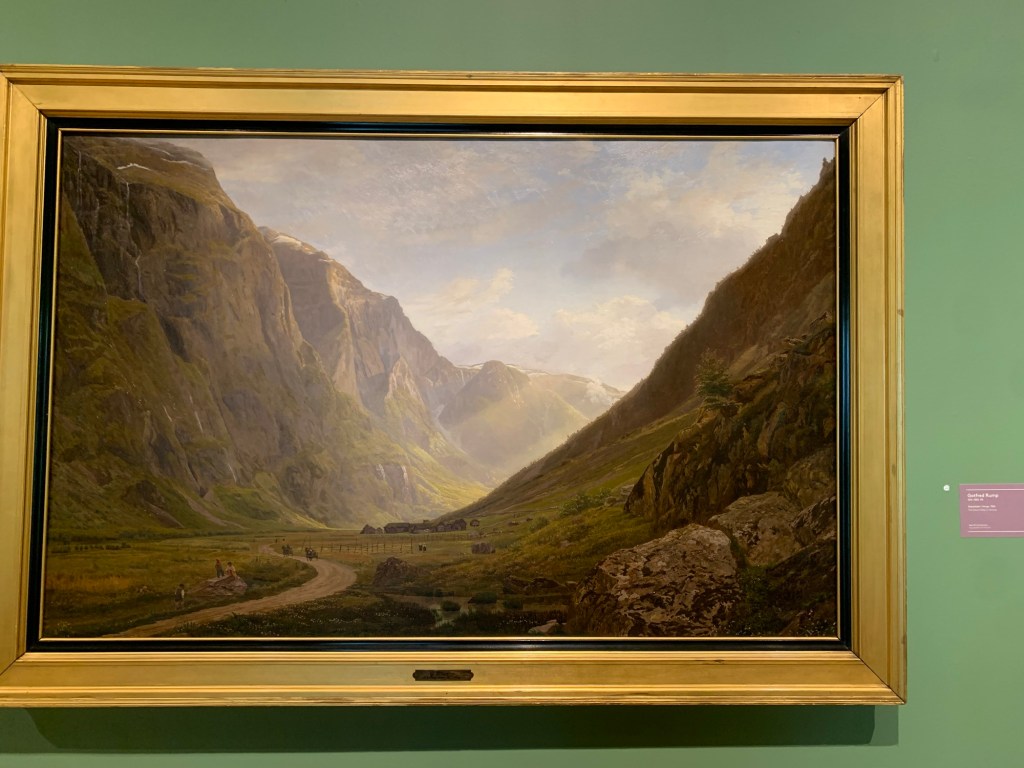
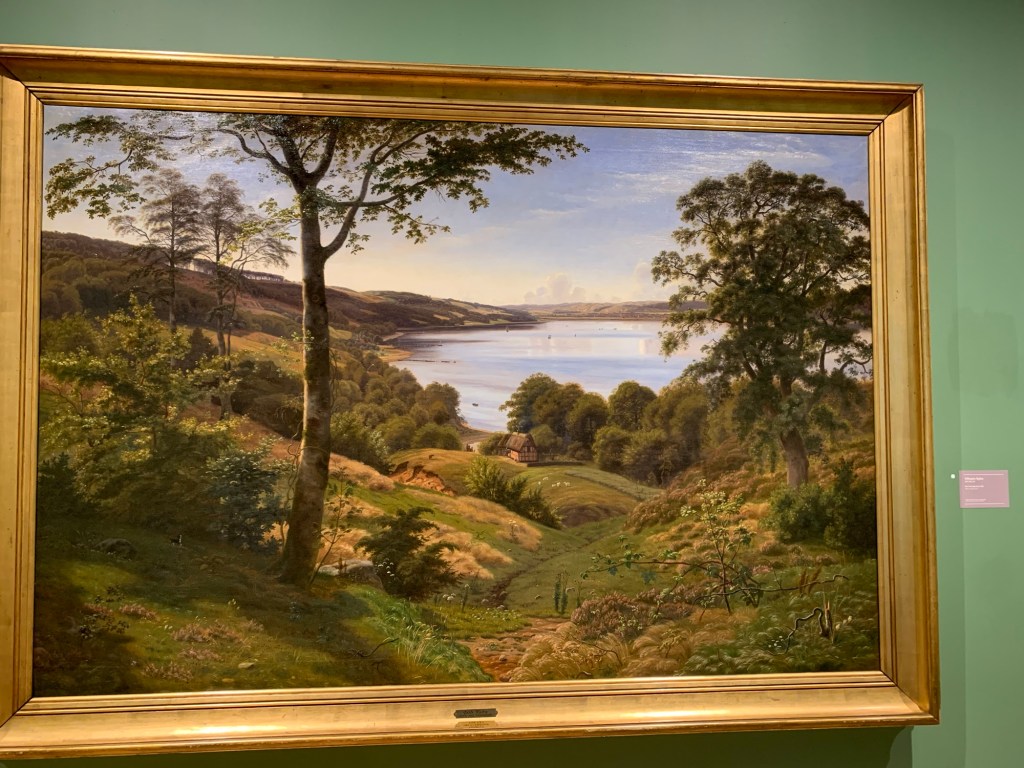
I did not like the modern part that much, but the 1800-ish paintings were the best there, And as follow 2 of my favourites (there were quite a few depicting Italy, but these ones are more relevant to the blog..):
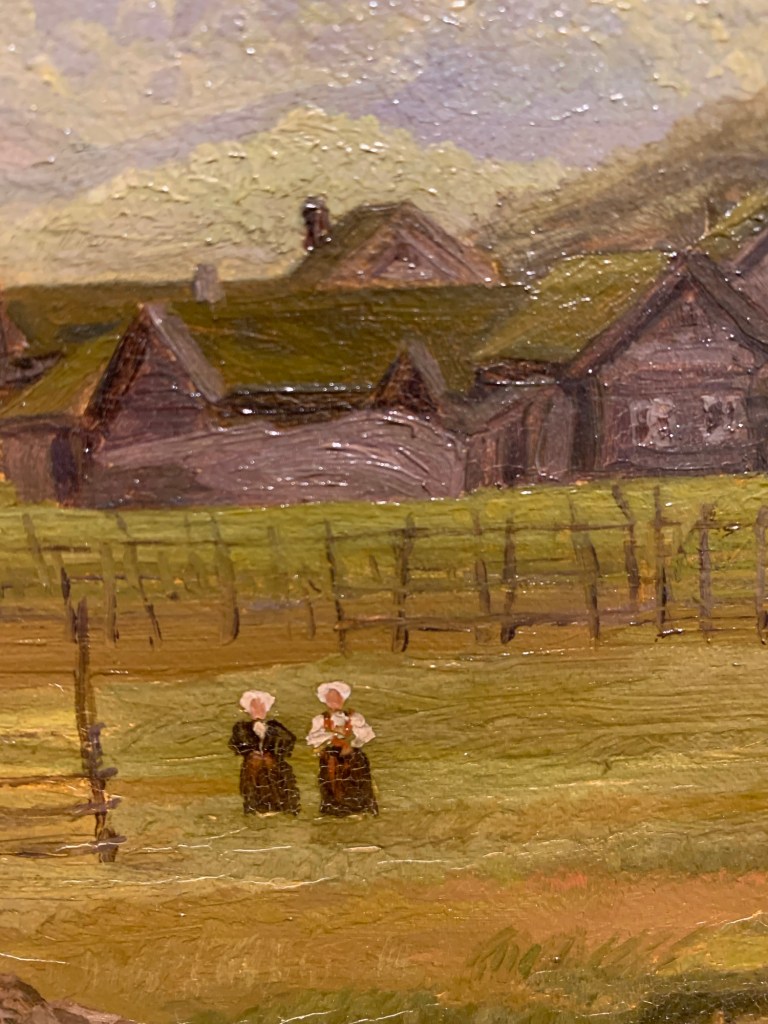
Norway! With tiny women in bunad I spotted. By Gotfred Rump
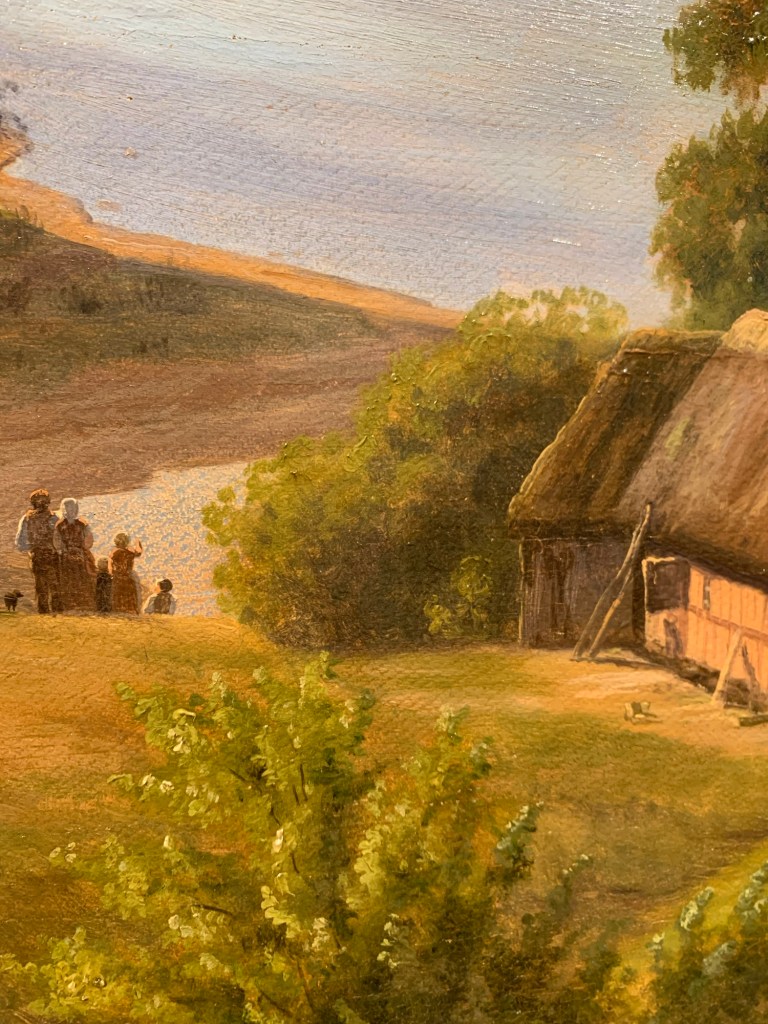
And here’s a Danish hilly coast and half-timbered house by Vilhelm Kyhn.
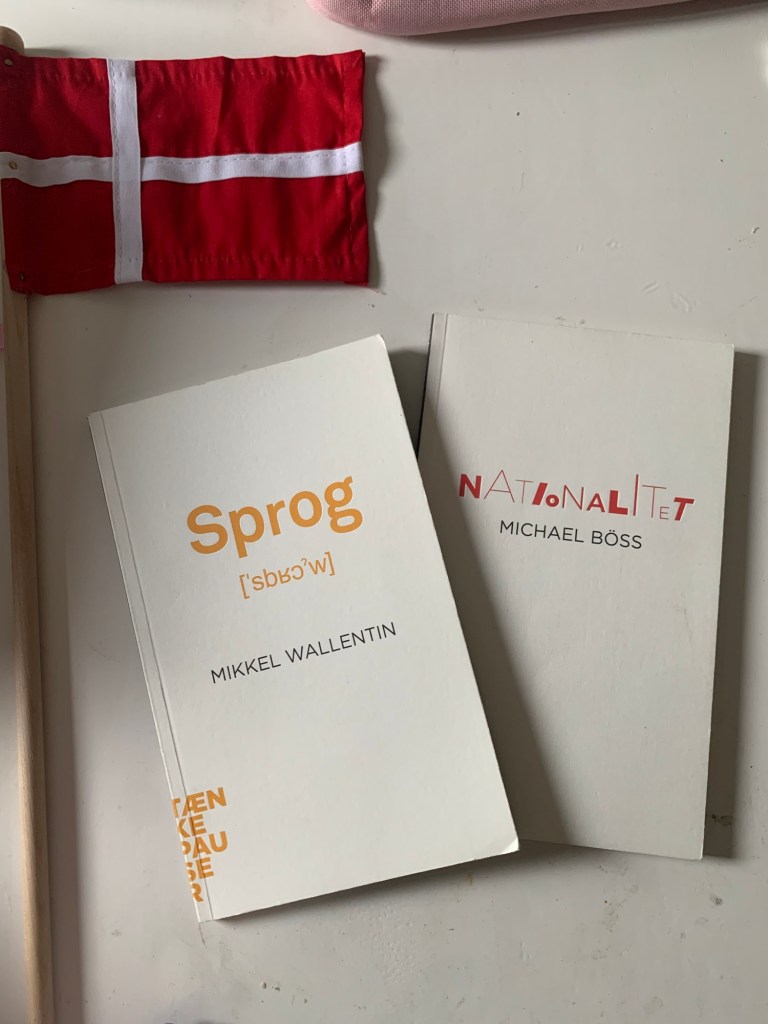
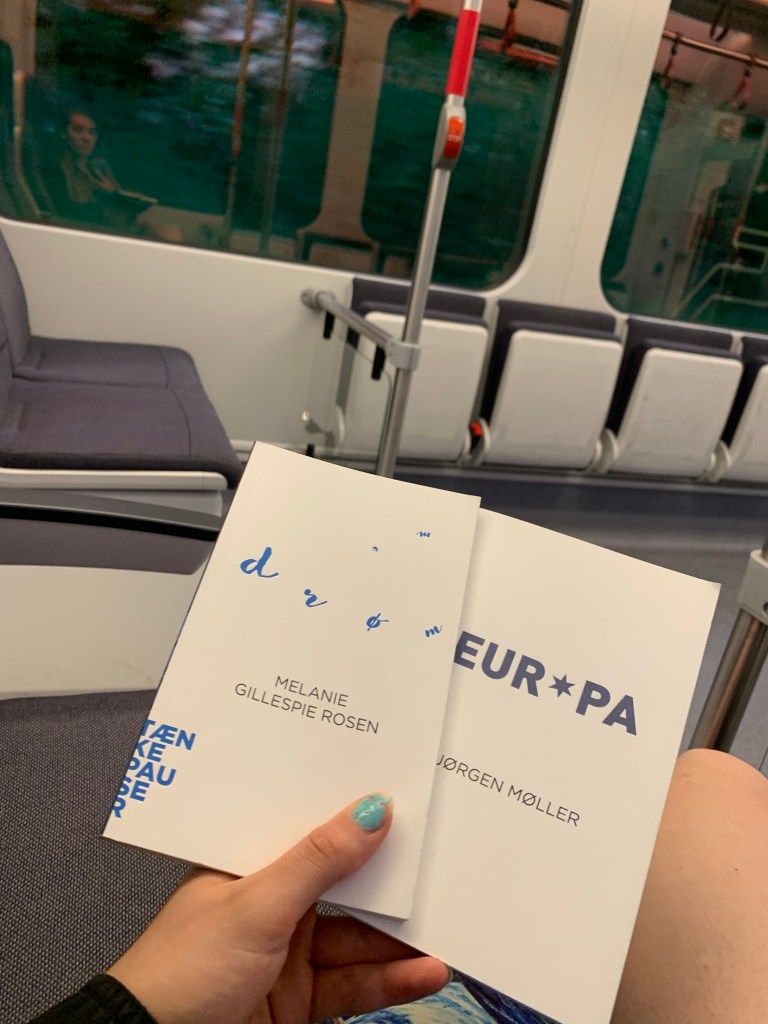
Then I walked here and there in the centre, got 2 books continuing my collection of Tænkepauser booklets by Aarhus University Press; after those about Dreams and Europe I got another two, about Language and Nationality! And then a flag at Søstrene Grene. Oh boy do I like flags…
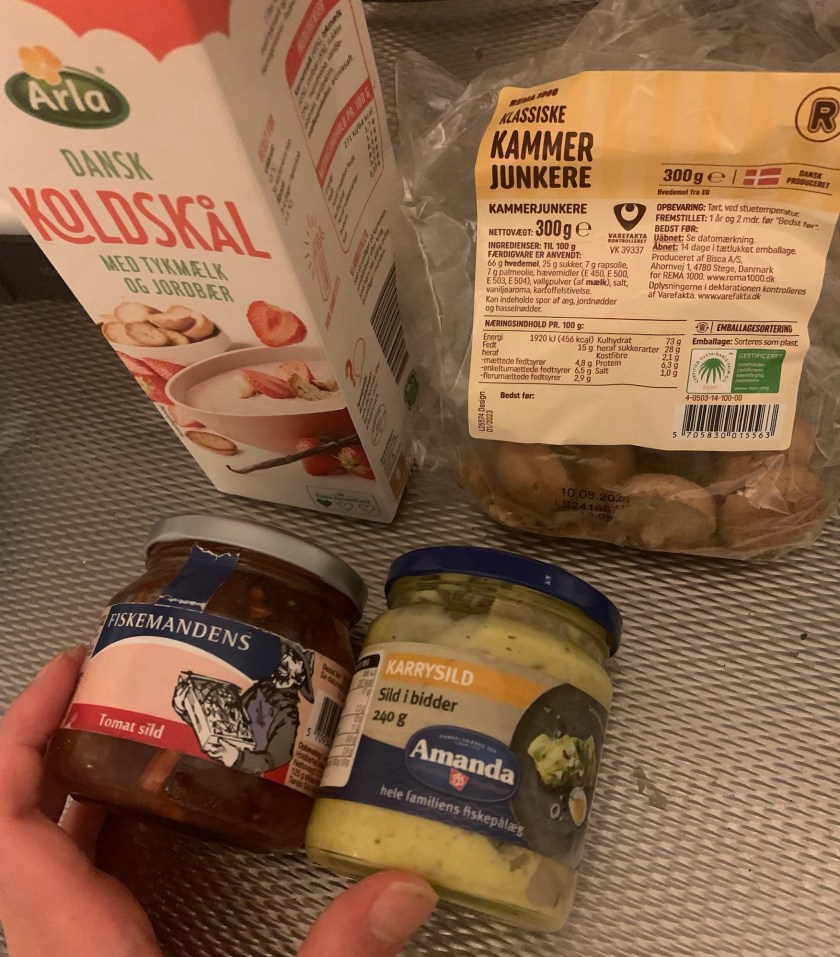
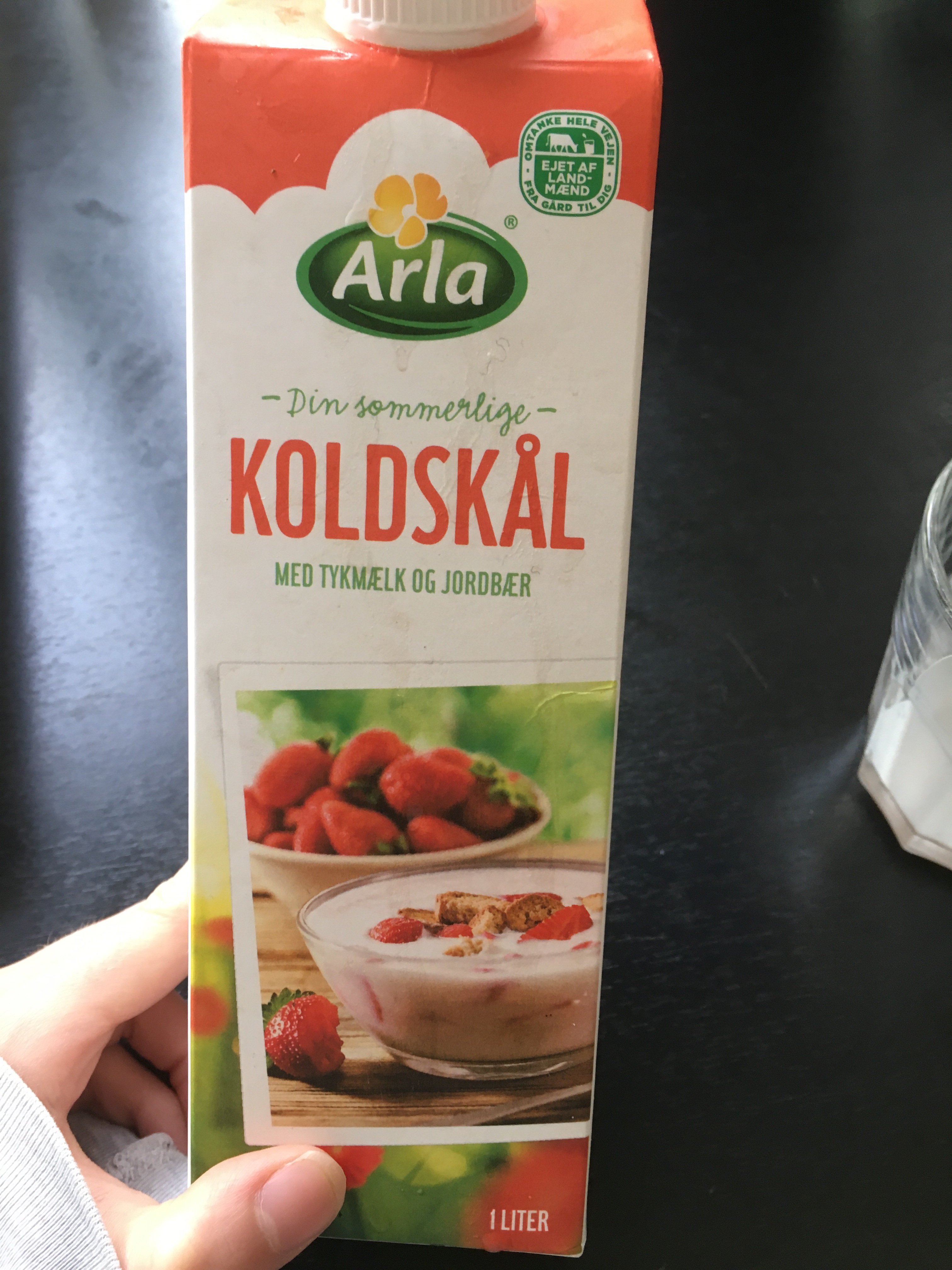
Of course I had on my bucket list getting very Danish grocery stuff: my intention was to just get Karrysild (curry herring) but ended up also buying tomato herring, koldskål and Kammerjunkere, which go together (sour yogurt and cookies?).
I had tried these things in 2021 and despite getting 1L of koldskål one day before taking trains an entire summer day, I had to do this..
After this I had to leave Denmark, and I did not have the best return trip…I also got sick shortly after, probably due to some child I bumped into, but it was fun, I wonder what destination it will be next time!
(Actually, I still have to post about my first time In Sweden last winter, so stay tuned..)!
The ‘anchor’ language concept allowed me to learn Swedish, Dutch, Danish, Norwegian easily starting from studying properly only one language. This approach helps prevent confusion and builds a solid foundational understanding of language structures.
I went on an interrail trip and had a stop in Denmark, back to Grenaa and Aarhus
Last summer I wanted a little holiday for myself, and as I already had to go home to Italy, I realized I could just do that by train and visit people on the way. My first idea was going to Sweden, and stop by in Denmark. However, I ended up not going to Sweden (I ended up doing that for my birthday in February..)
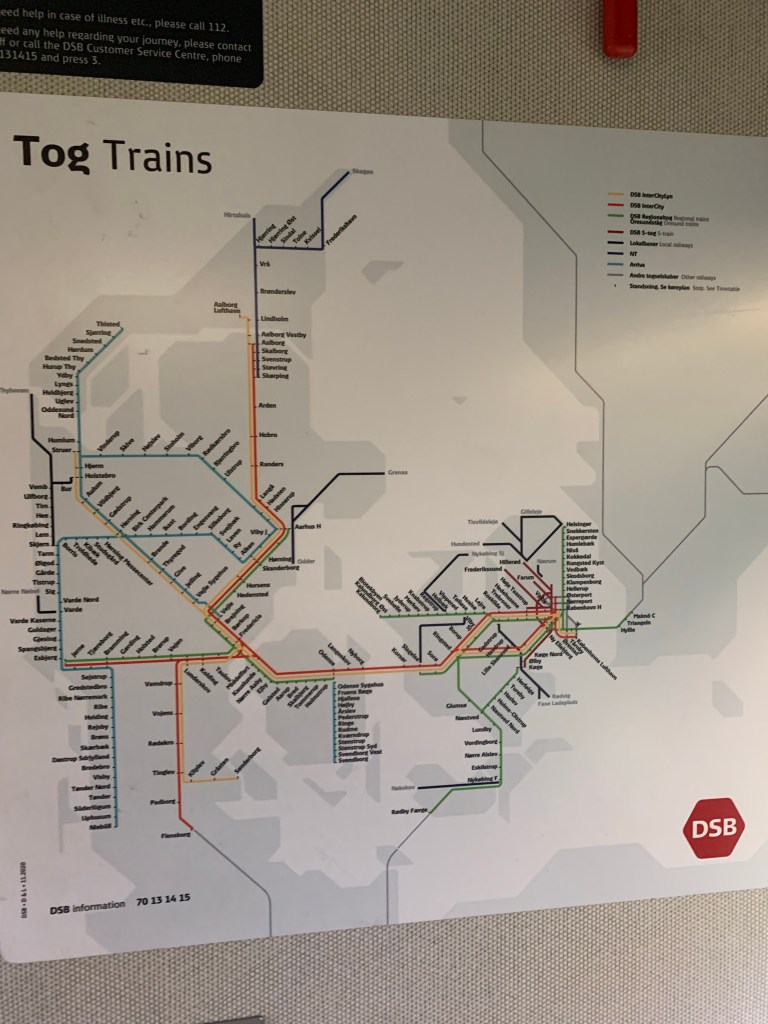
Starting from Eindhoven I went up through Germany: > Venlo (border NL-DE)> Wuppertal > Hamburg >(border DE-DK)> Fredericia > Aarhus > then the letbane (local train) till Grenaa: 5 trains! I took the first train at 7:40 and arrived at 20:50: 13 hours! Long journey, but I enjoyed it! Besides the initial delays in Germany, the train to Hamburg was 35 minutes late when I was supposed to have 39 minutes waiting time for my train into Denmark …. but I made it ..
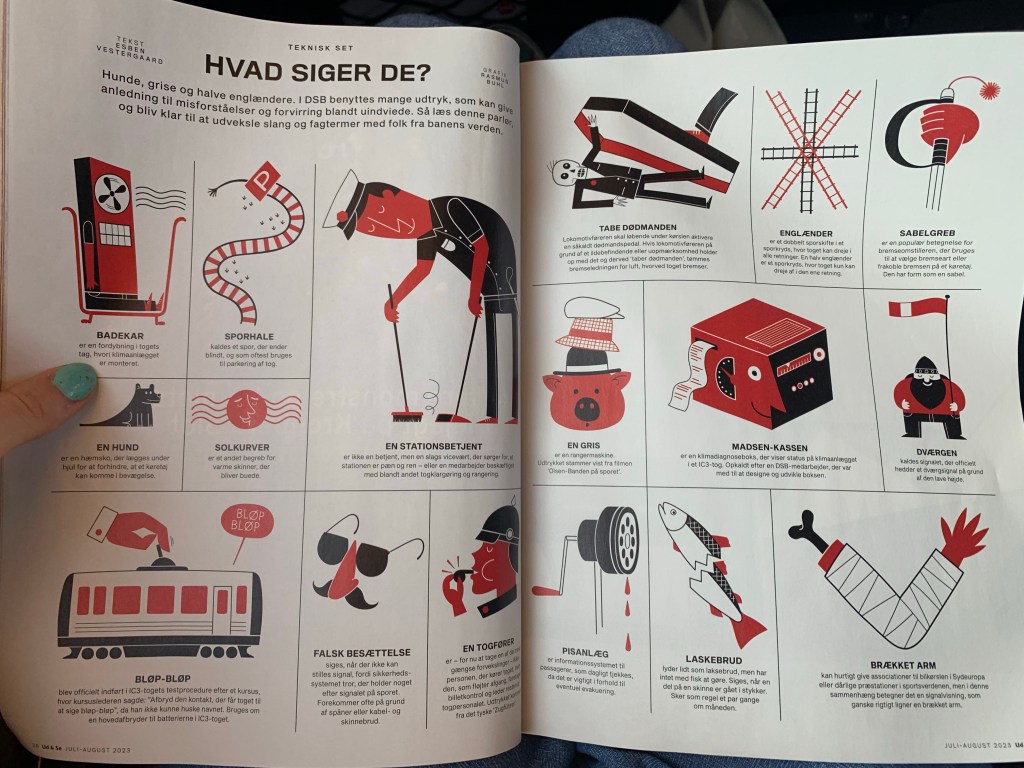
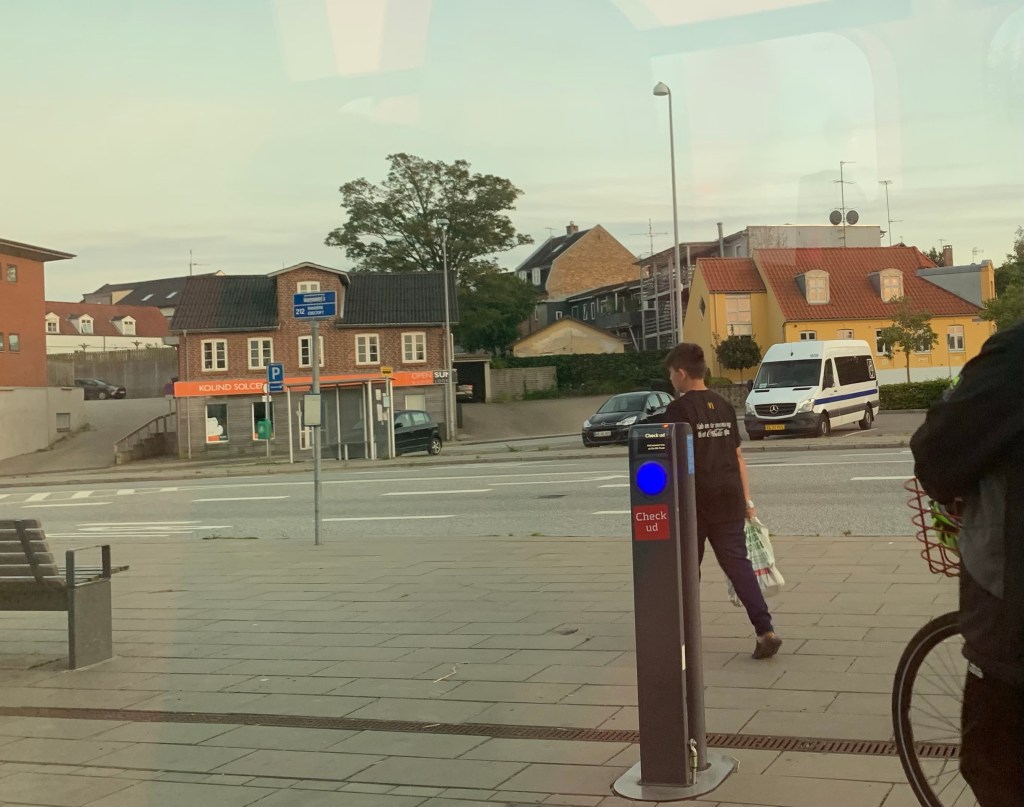
DSB (Danish state railways) uses many figurative expressions which would confuse non-experts: for example a ‘dog’ is a thing put under a wheel to prevent it from moving. Or an ‘Half English’ is a spor track which can only turn in one direction.Kolind
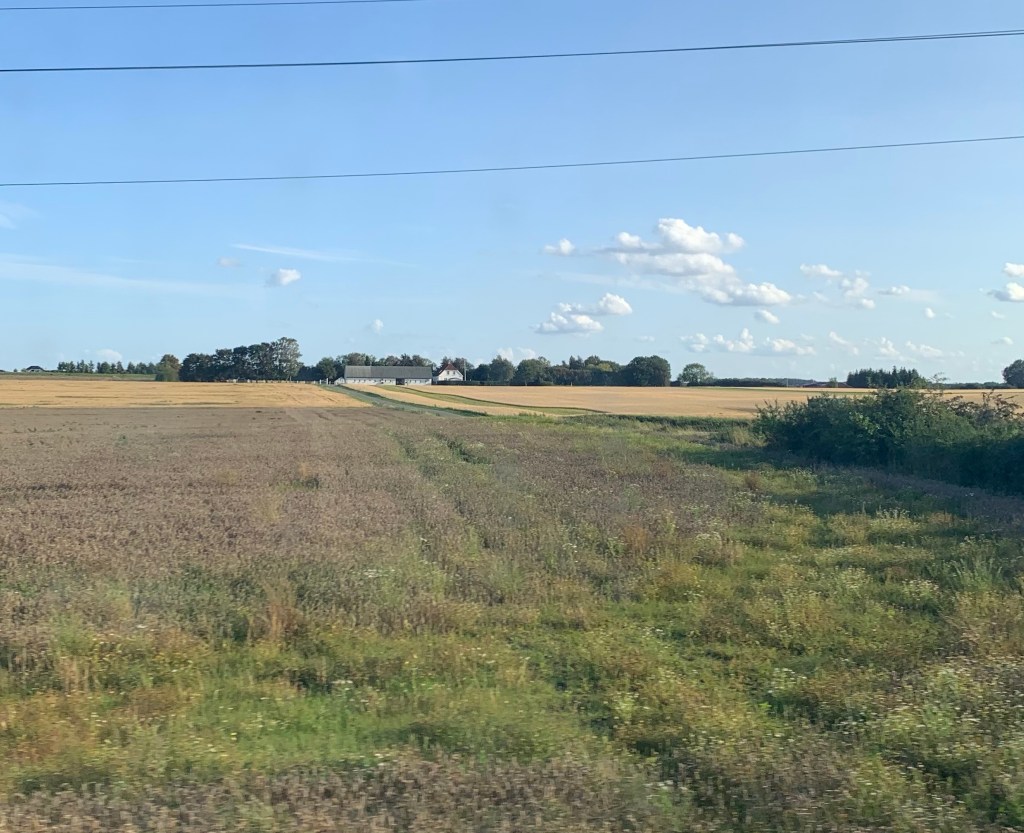
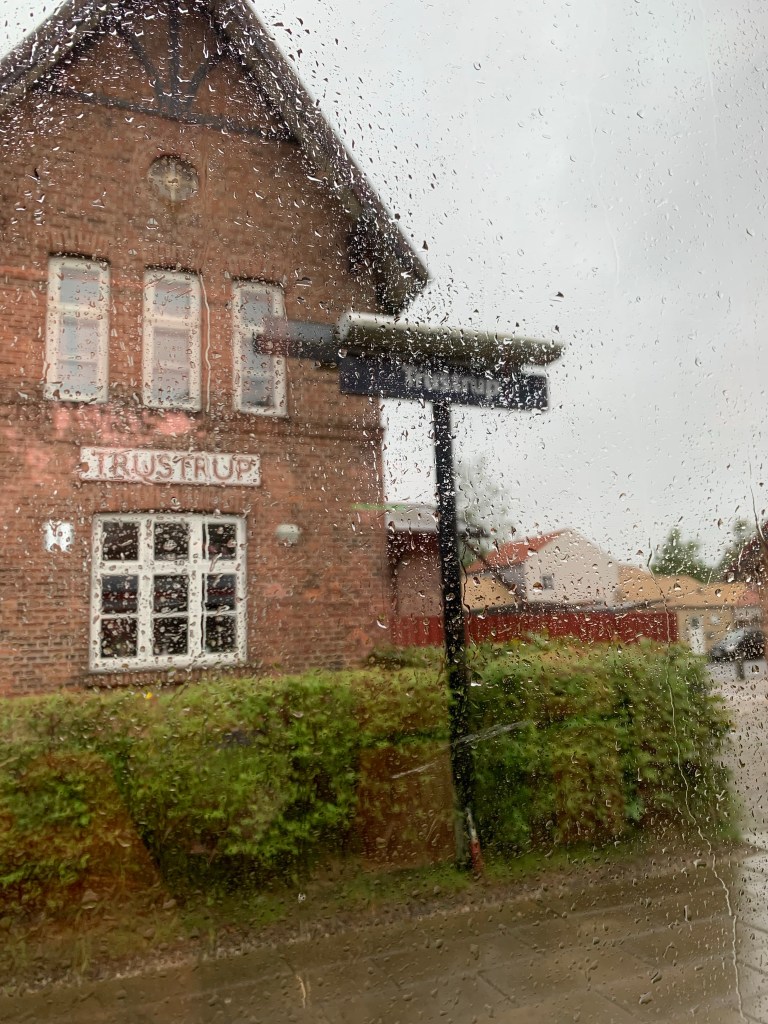
At Aarhus station I saw the entrance into the letbane platform, which I had not found in 2021… It was cool to be riding it again! I hopped off in Trustrup where I was picked up, the air was cool but going through the Danish countryside was so nice. I ate fish and couscous for dinner +the Dutch stroopwafels I brought as gift! The house was super cozy – I kind of miss its smell 🙂
22 August: Grenaa centre
The following day I got my wish granted – seeing the centre of Grenaa I had totally missed back in 2021!! And we got food for the dinner – chicken with sweet potato fries and carrots with rasins 🙂 Then a discount version of Champagne Brus ice lollies – eating one again was my second wish!
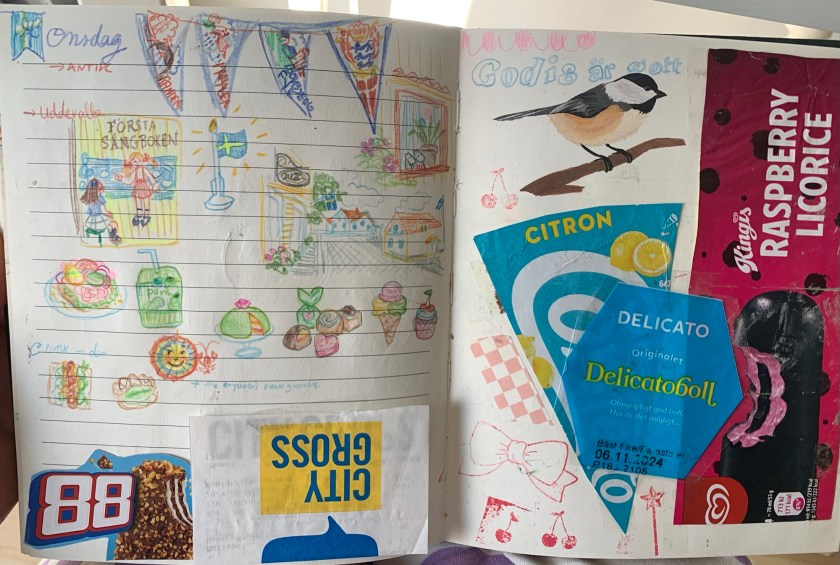
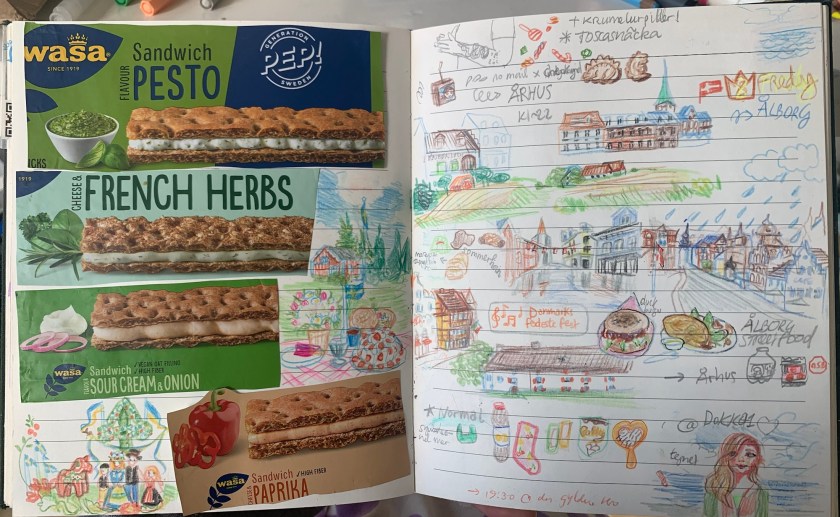
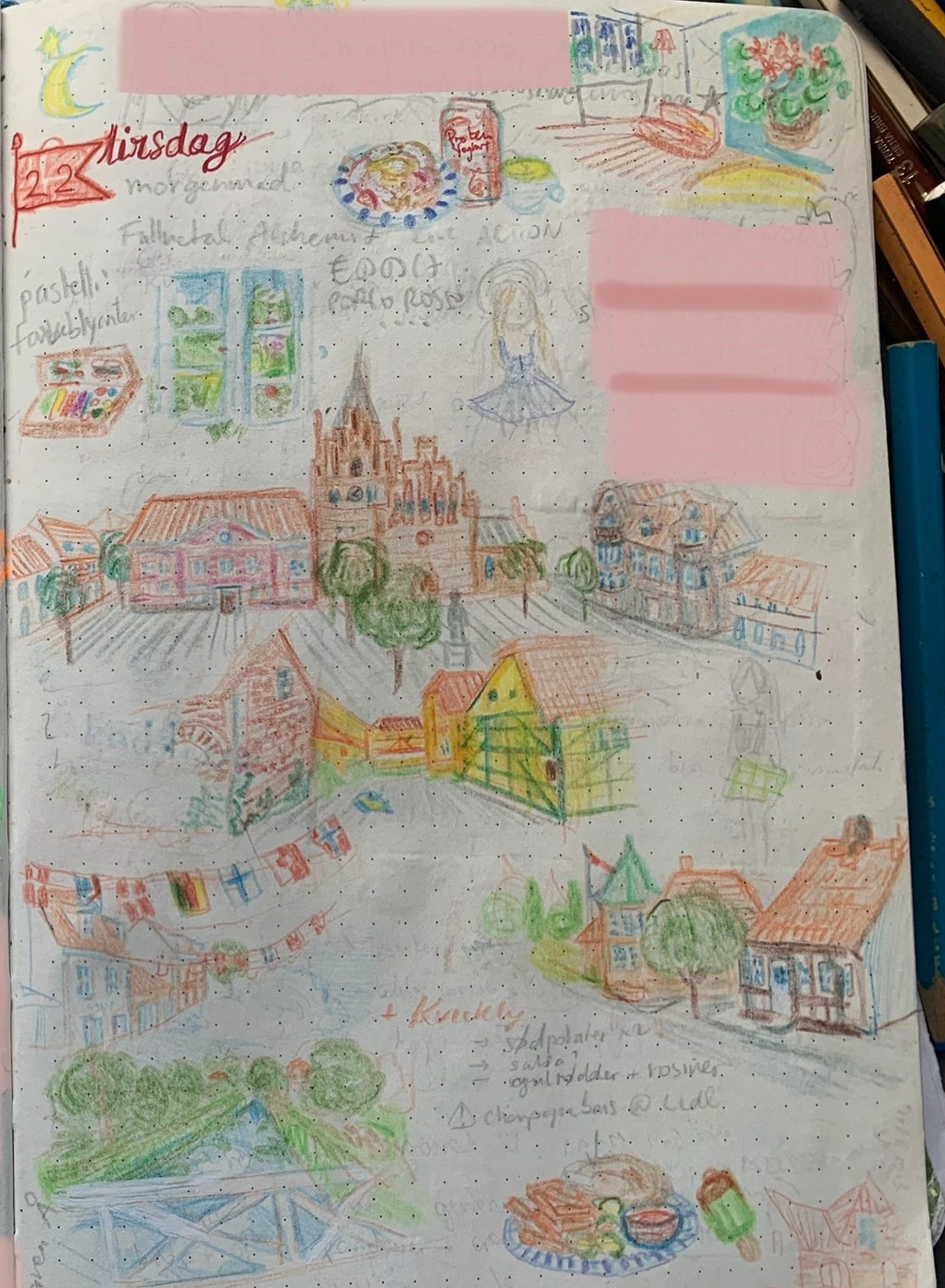
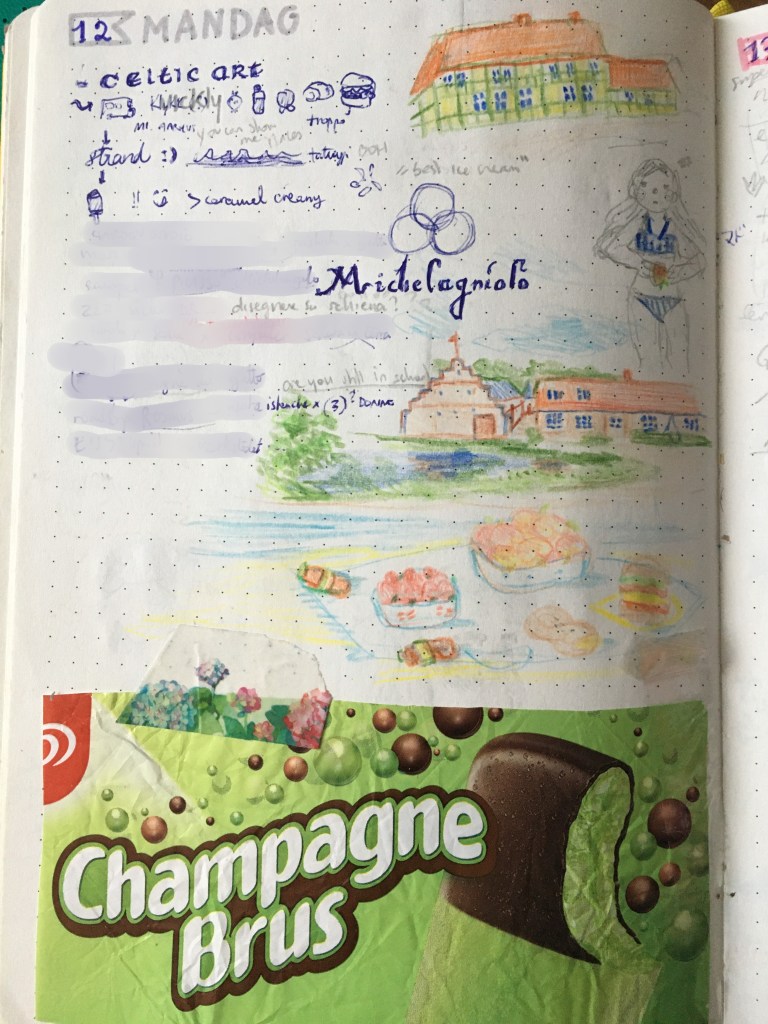
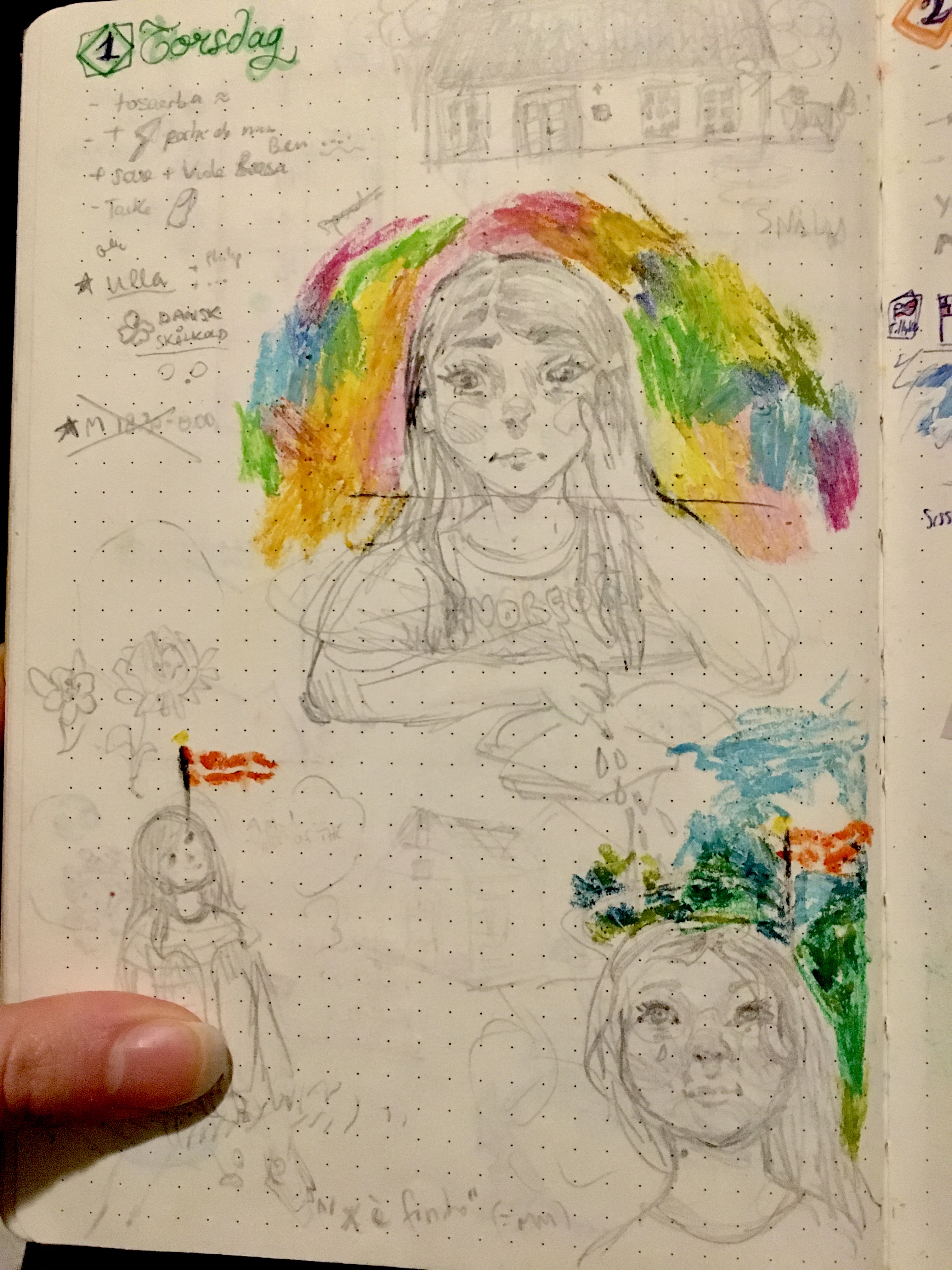
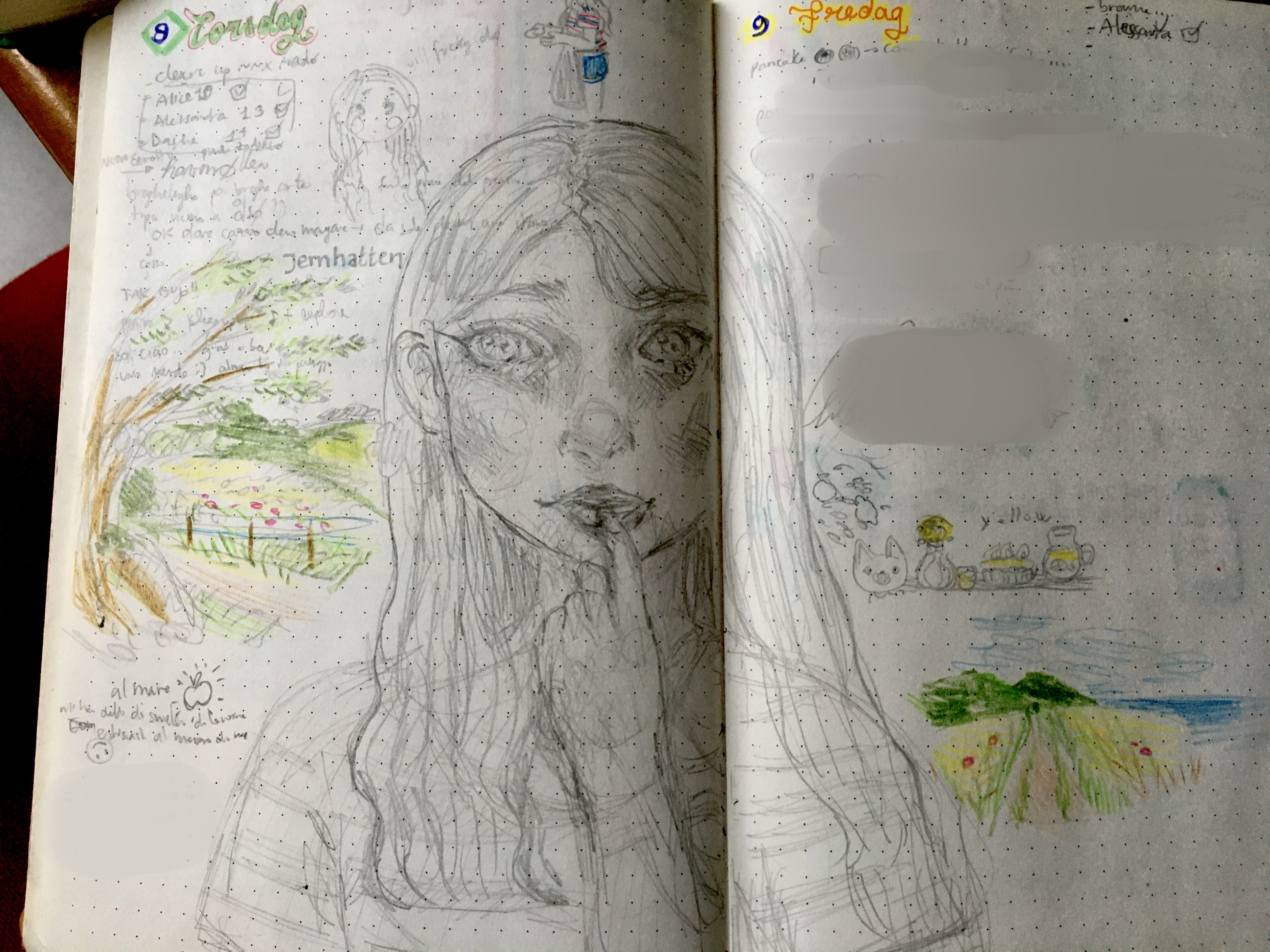
and here my journal of the first day:
23 August: Aarhus and Den Gamle By Museum
On 23rd August I went to Aarhus according to my plan! Main reason was meeting another friend 2 years later :). It started kind of bad, I could use my friend’s bike, but the saddle was way too high for me, so I first went on foot, which meant walking 1,5 hours. But I enjoyed the place and for once it was okay. Then I realized I should have taken the phone charger, and went all the way back. At that point walking again would take too long.. So I took the bike. Well, that wasn’t the most hyggelig thing. But despite falling once (I had to bike with the tip of my feet) I got to the letbane stop 30 secs before the train arrived!! Just in time to lock the bike..
So once in Aarhus I went to my friend’s place, her dad arrived in the meantime and we chatted a little. They convinced me to go to Den Gamle By, even though there wasn’t soo much time left before the closing time.
I walked headed there, and on the way I entered a second hand shop (genbrug) where I found a nice green-white striped tshirt, for just 20 DKK (3€), the brand was Finnish Marimekko, so a bonus point.
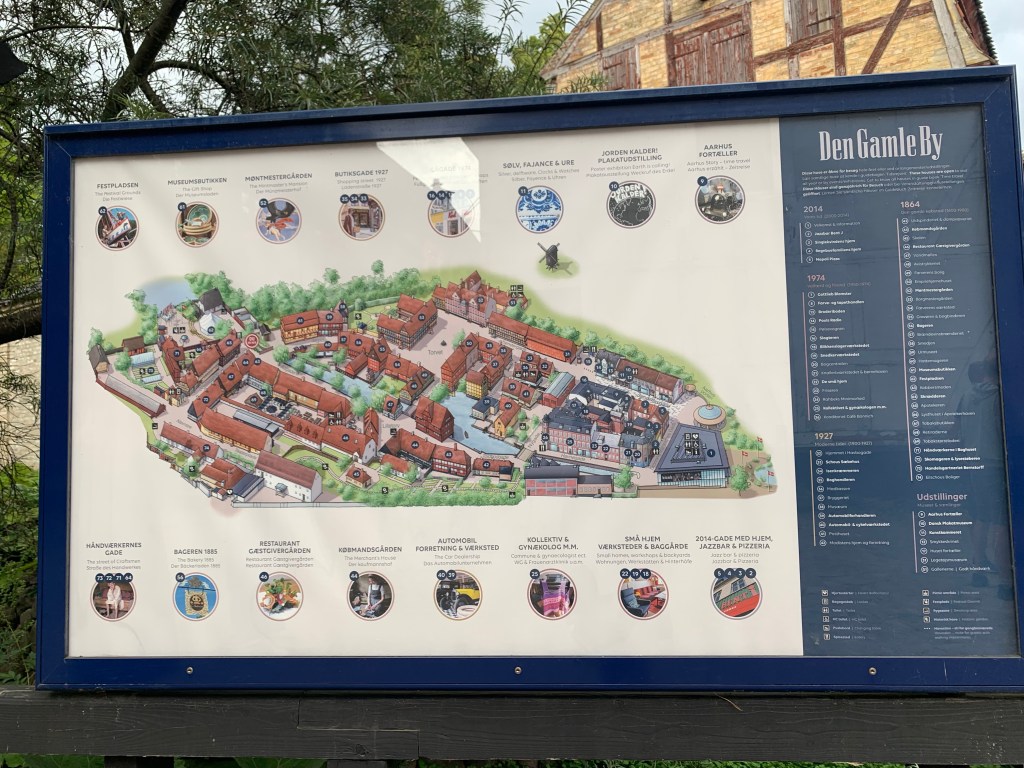
I reached Den Gamle By and went through it very fast, though I didn’t have the time to read most signs.. oh well. It did cost me 25€ but I wouldn’t be there soon again..
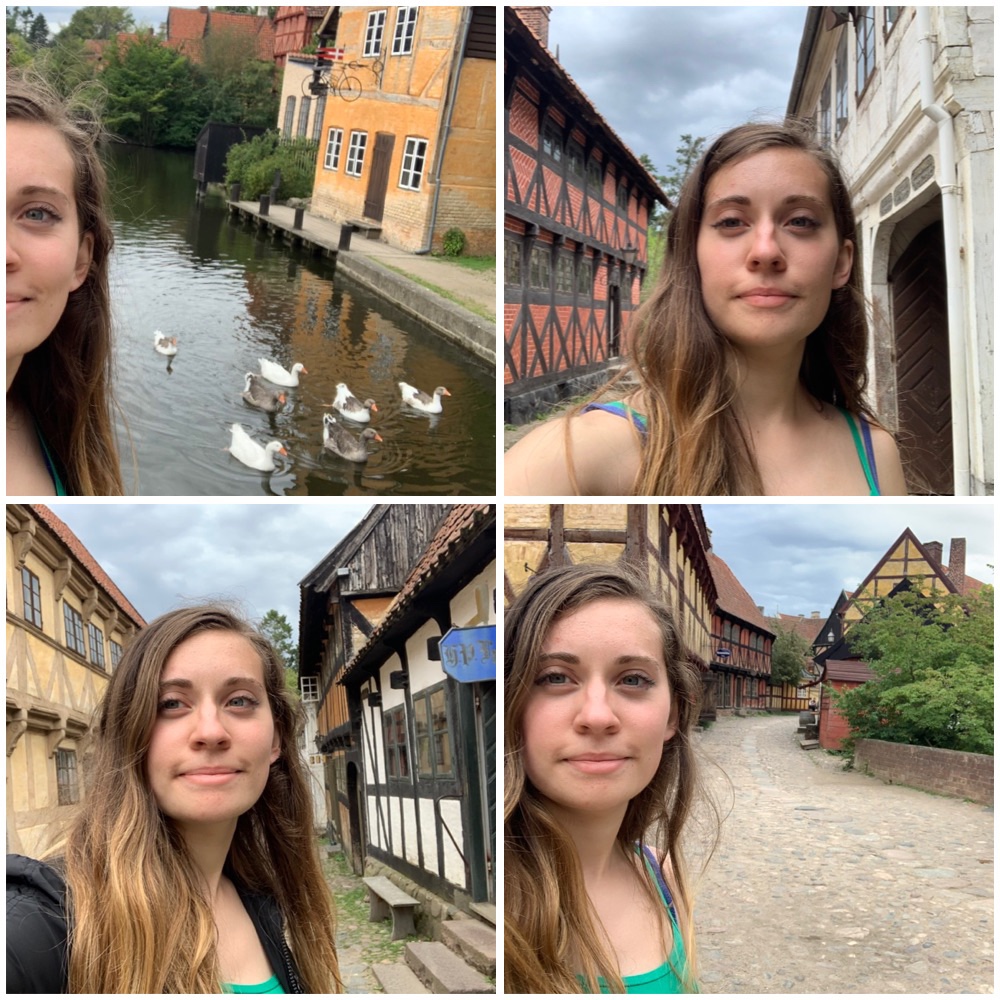
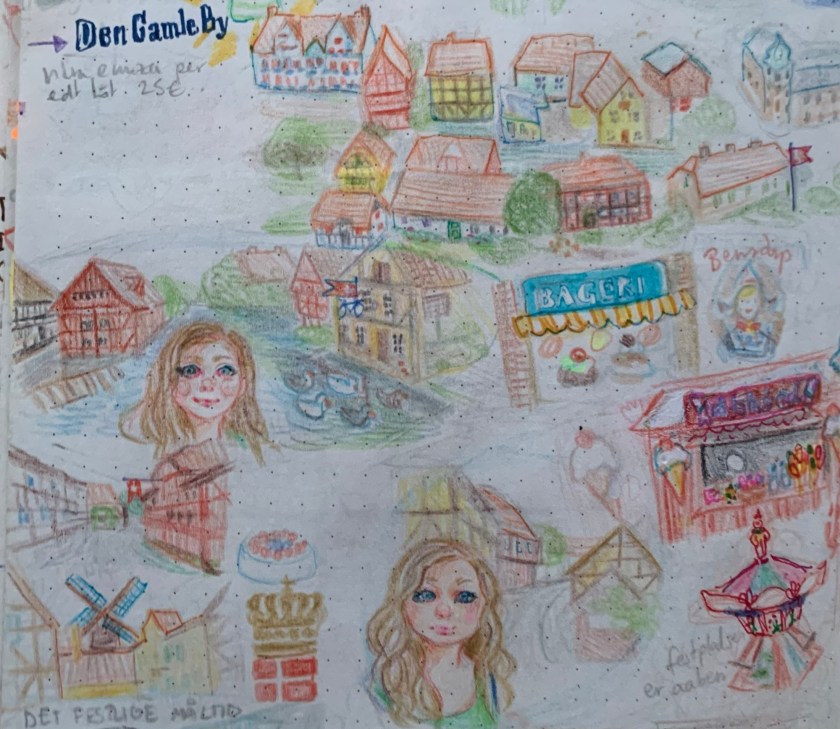
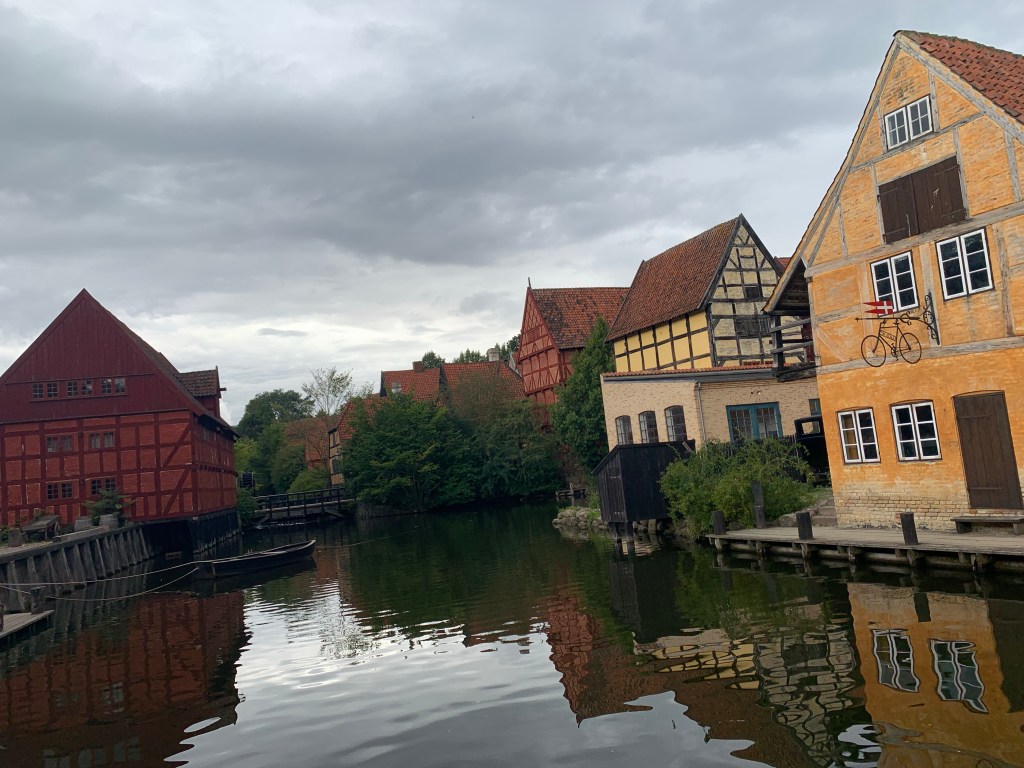
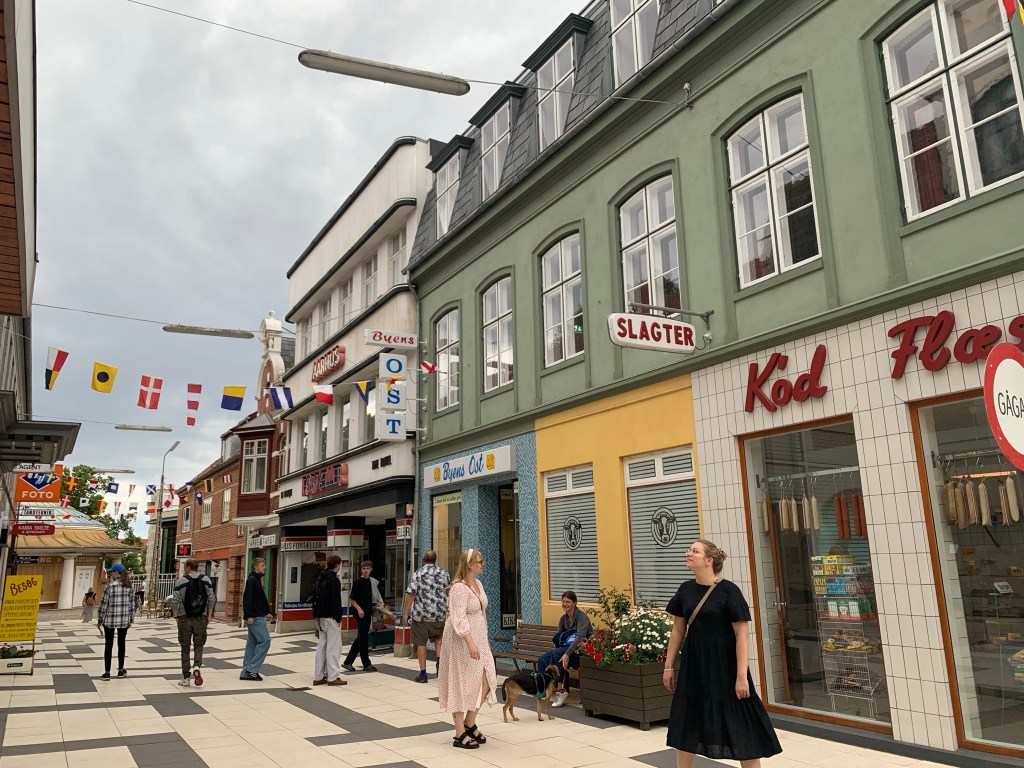
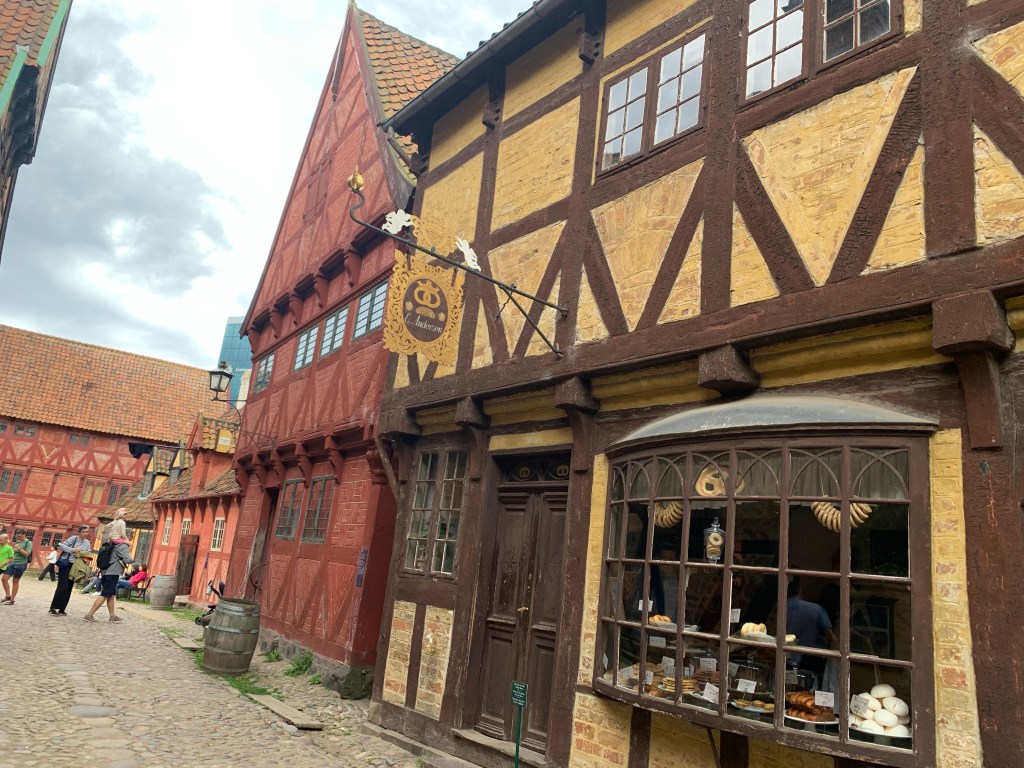
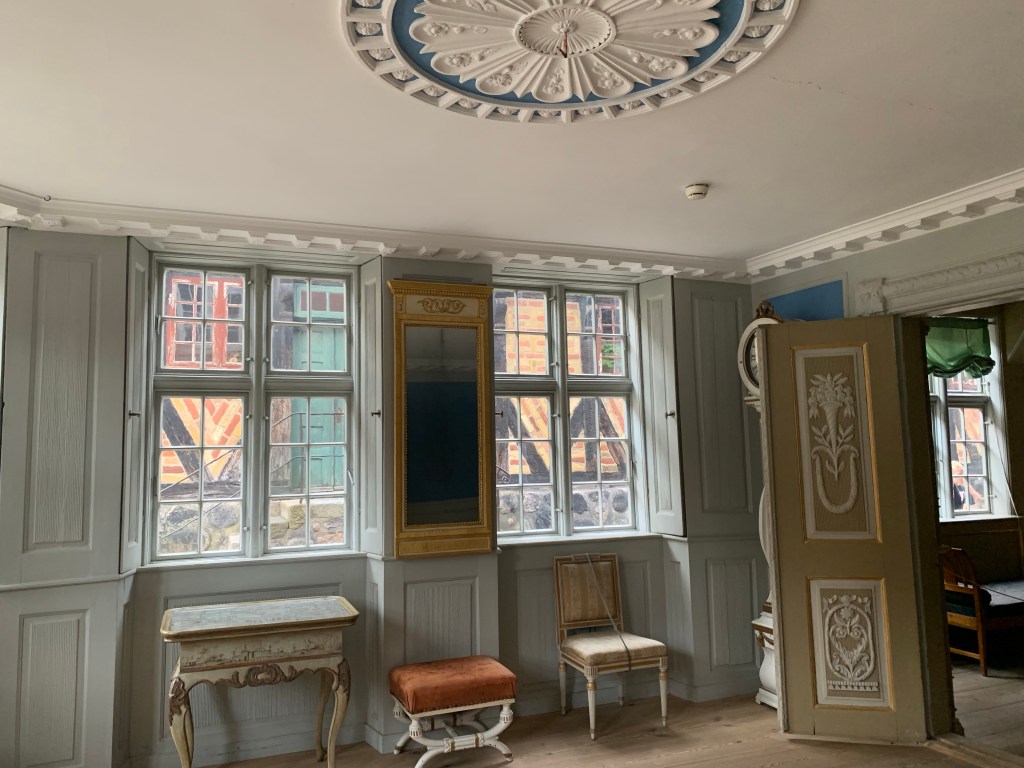
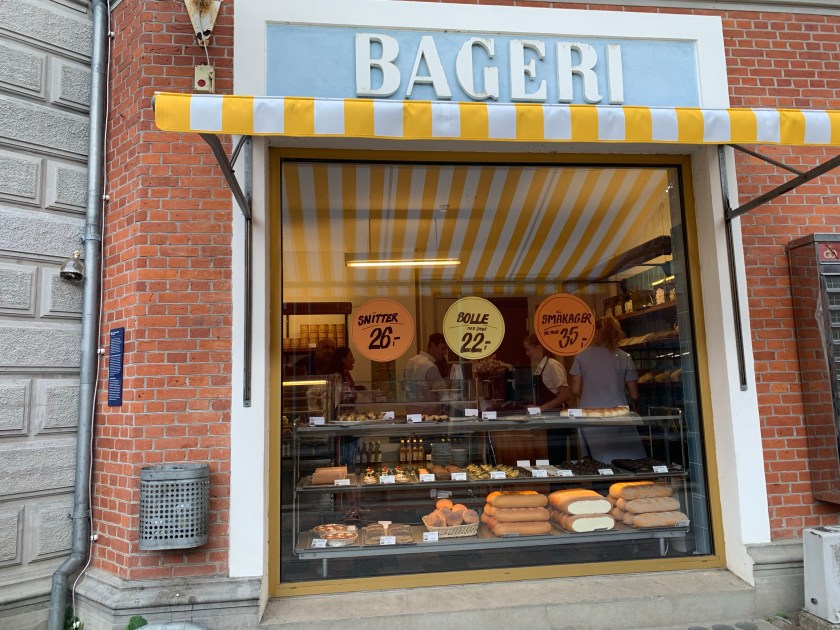
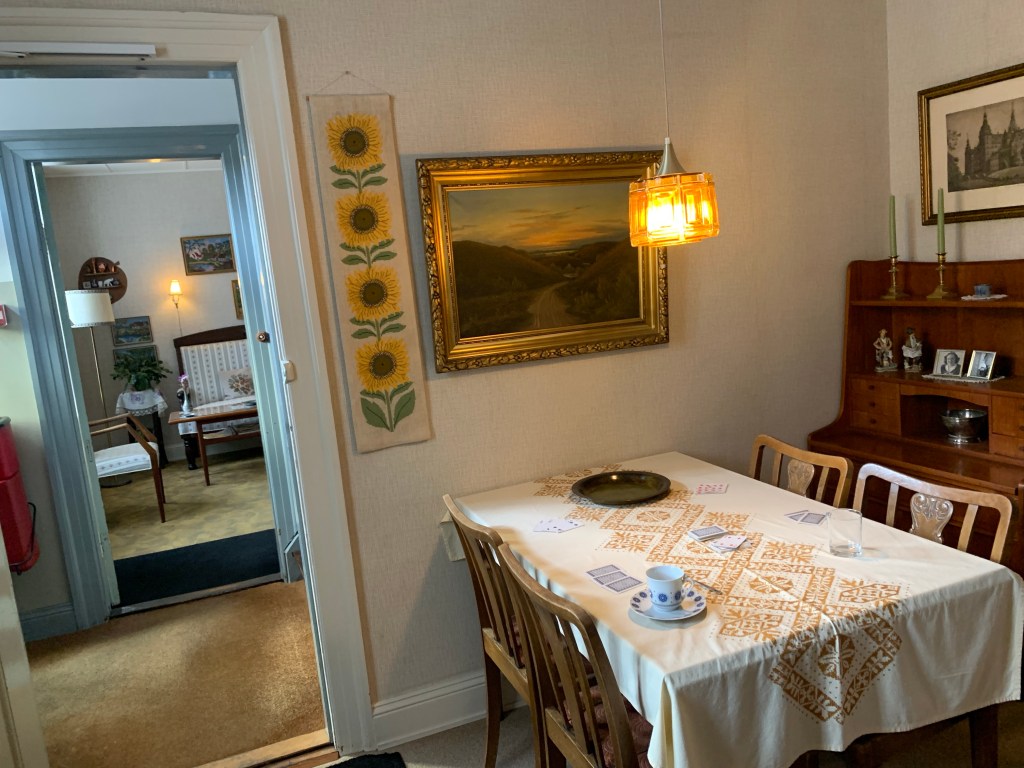
I took a lotta pics, so will make an additional post just for Den Gamle By…Here is a taste of it, bakery and home, from the 1800s and in the 70s:
Once i got out I decided to head to AroS, the art museum.
Though I didn’t enter the museum, had nor energies nor time nor will to spend more money on the ticket (Although one day I should walk in the rainbow circle) . What I did was going up the stairs and then straight to the museum shop! I got my first books in Danish, written by Aarhus university professors, from a series of booklets called Tænke Pauser (Breaks to think(?): one about Dreams (Om Drøm) and one about Europe (simply ‘Europa’). Fast forward 1 month I finished and really enjoyed them! The museum sold also quite a lot of Moomin and Pippi Longstocking (in Danish Pippi Langstrømpe) things… But i resisted..
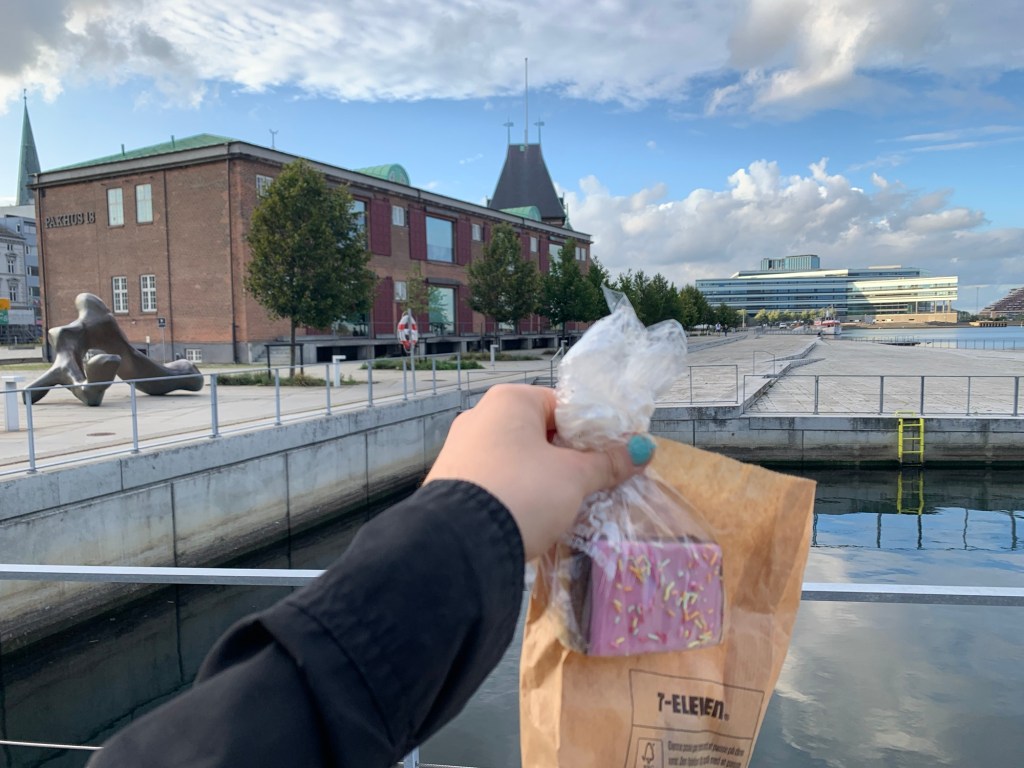
Then, super hungry and a bit tired after an intense day, I wanted to eat something. I got into a 7-Eleven and had to get some Wienerbrød (‘Viennese bread’, Danish pastries that the Danes took from Vienna apparently), I picked a Tebirkes and also bought an ice lolly I had wanted to try for a while, Solbær, which used to be called Kæmpe Eskimo (changed the historic name for politically-correctness reasons, whether it was right or wrong to do that is not up to me to judge). I quickly ate up the lolly and got into a Netto, getting a Studenterbrød!!
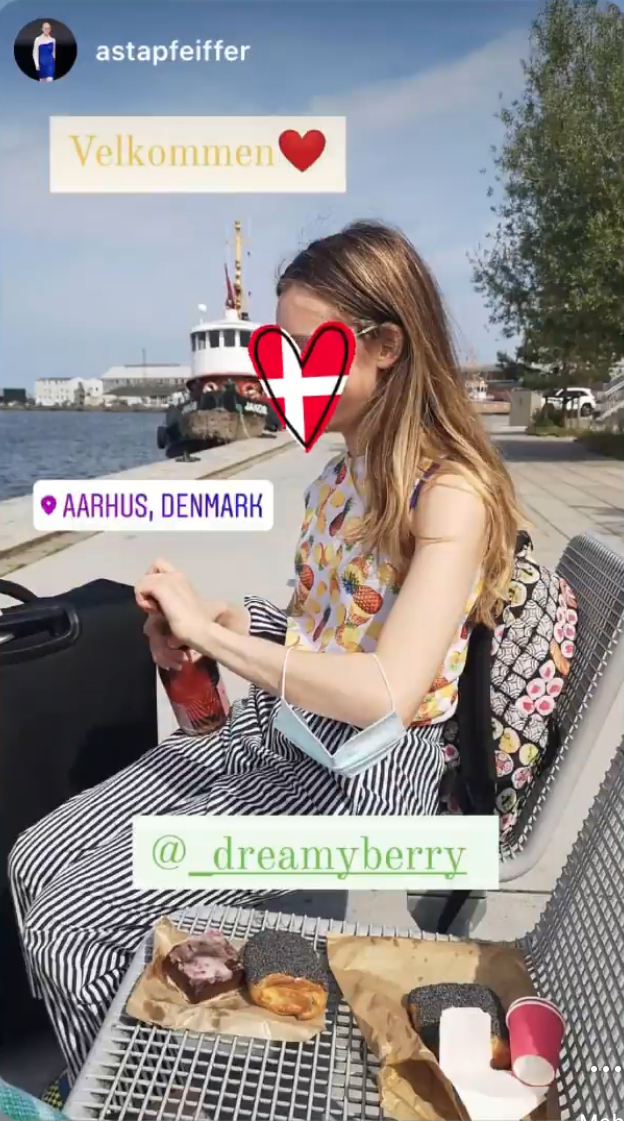
So I had the exact same things my friend got as a welcome thing to Denmark on my very first day 2 years before, and I sat at the same place to eat them, Dokk1! God I loved that so much. So Calming. Would be there every summer evening if only I could! I then got the Letbane home and biked again home, really enojoyed that even though the bike comfiness was what it was!
24 August: Grenaa Beach
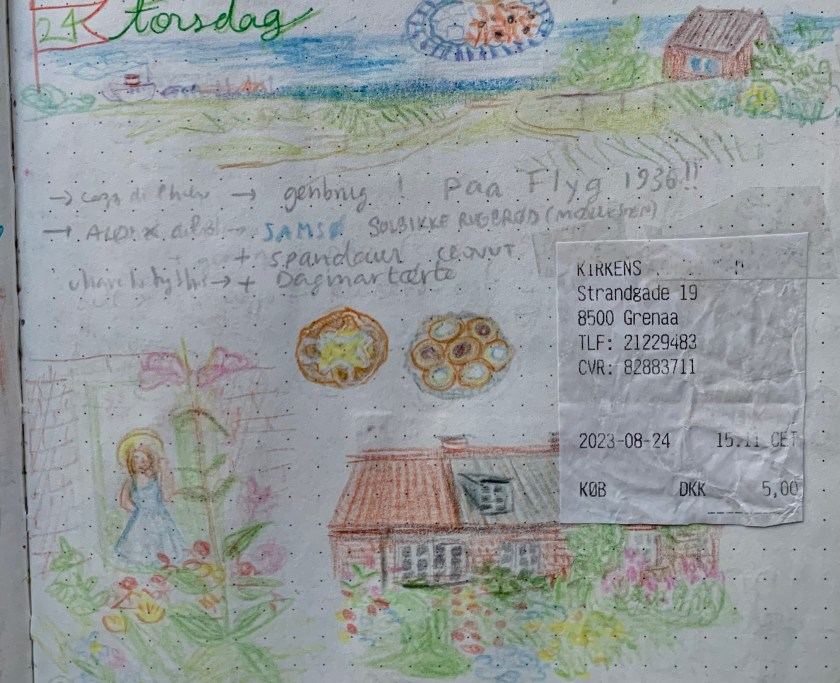
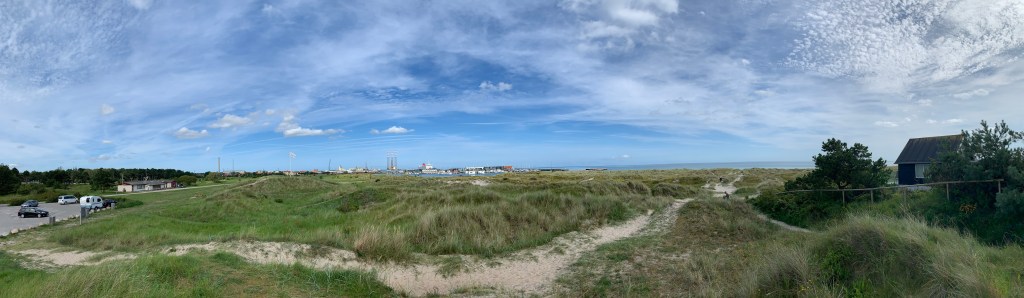
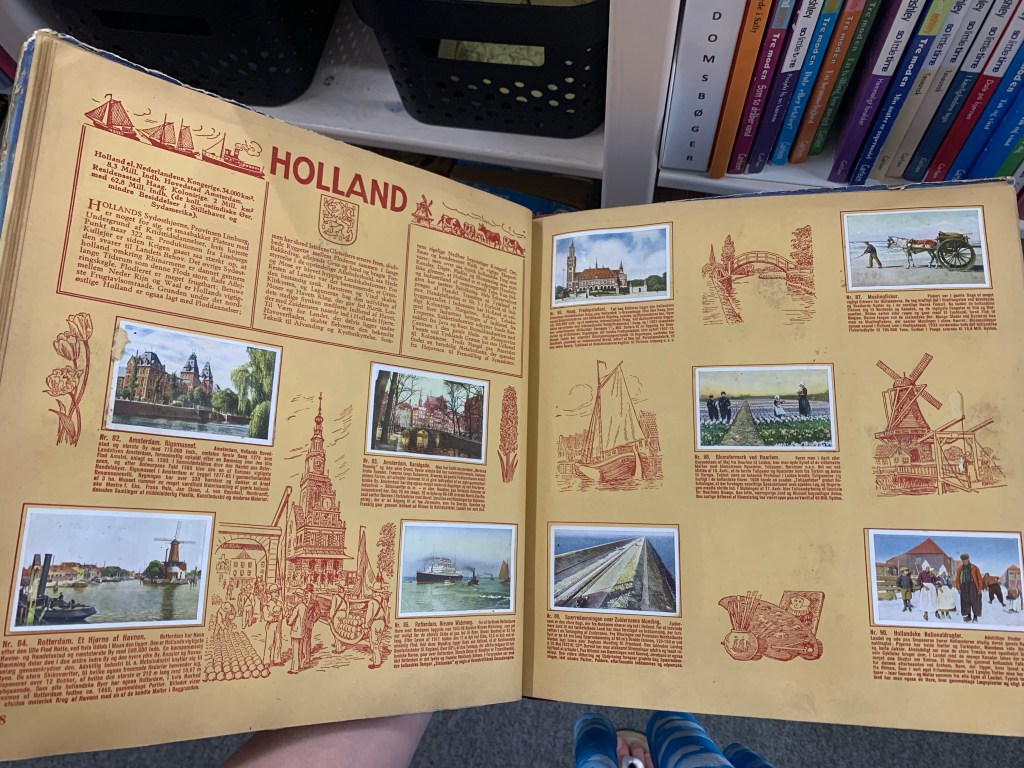
On my last full day in Denmark we went to Grenaa’s beach, another thing I longed to do again. Later we went into the town and in another second hand shop I found a 1936(!!) figurine album about all European countries, so cool! Besides Soviet Union, Yugoslavia and all that it even had Gdansk/Danzig …
I had to get food for the journey of the following day. We went to a Lidl (I guess cheaper than Kvickly?) and of course I got Rygbrød , cheese and a Spandauer, I guess the most iconic Wienerbrød? My friend told me I had to try the Dagmartærte too. I also bought a cronut. Not really Danish but I had yet to try that…We ate one by one all the rolls of the Dagmartærte while sitting in the garden…
On the evening we watched a Danish horror-ish series called Equinotium, Not my thing, but watching stuff in other languages is always a good idea. Also some random tv-reality shows. I had a lot of trouble understanding my friend’s sarcastic comments in Danish though, gotta improve.
25 August: farvel.. for now
Trustrup letbane stop, on the rainy morning of the day I left Denmark..took the train to Federicia in Aarhus, and there I got a kærnemælkhorn at the 7/11 because why not…
So I am glad I got to fulfill some wishes I have had for a while – Seeing the centre of Grenaa, Eating Danish Ice lollies again and Wienerbrød and getting books in Danish! My journey then continued south to Germany, but I hope I will get to see new parts of Denmark soon! Hej hej!
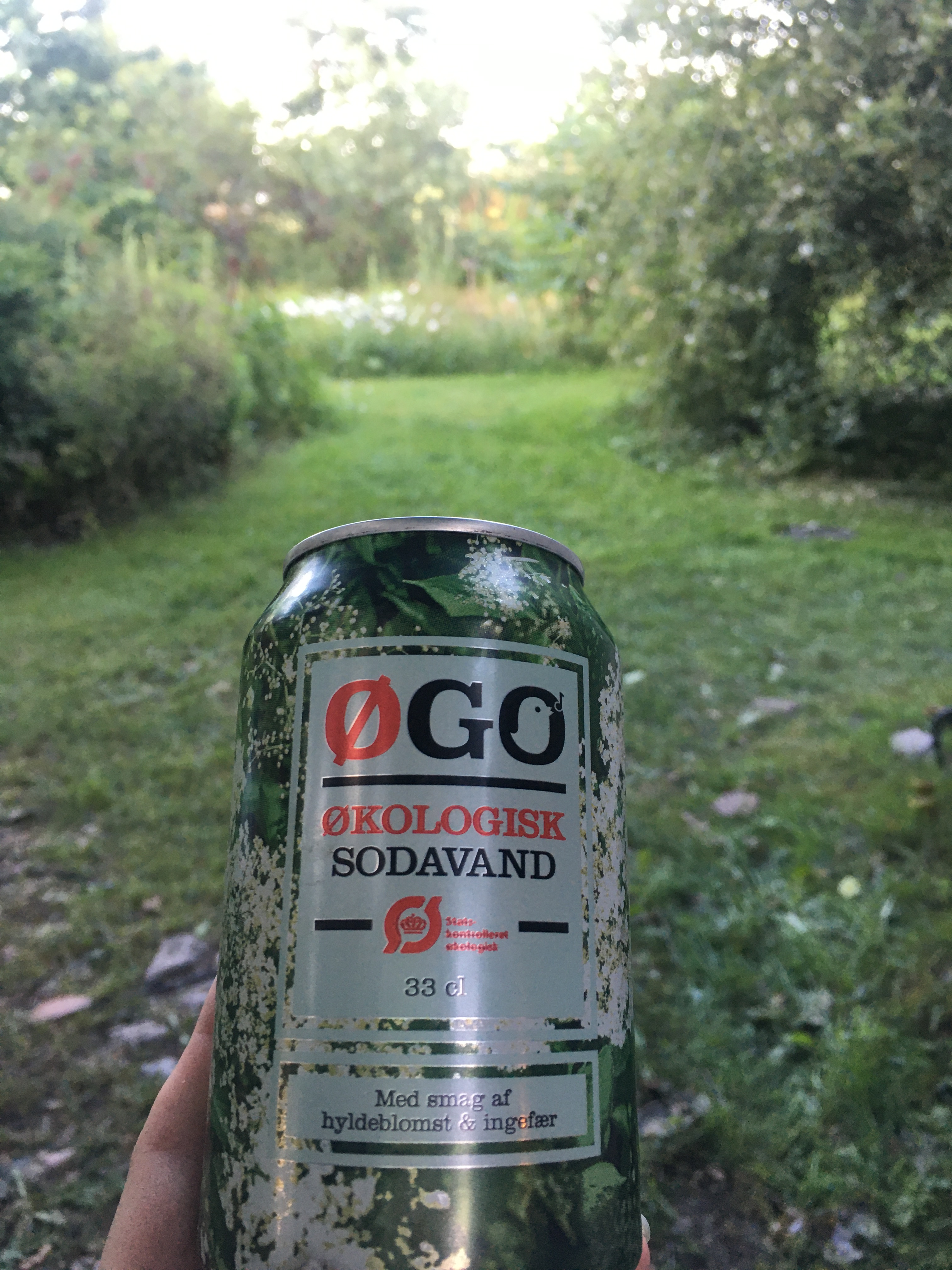
10th July was a big day for the artist community around the Garden Studio: exhibition with a cafe, concerts and such. I started the day by taking away weeds at the entrance, it was raining and my feet got soaked wet! I got so tired and after a short lunch I went home, and then went back where the real thing was waiting for me: the café. It was scary because of my weird relationship with Danish (wanting and knowing how to speak it but not understanding well enough to function well? Which is like, a nightmare), but luckily two girls, daughters of Marie, were there to help, and after an awkward begin where I wasn’t sure what to do I happily went to wash up things and prepare coffee in the “backstage”. Later other two guys, Nils and Knud, came to help, and after a while the amount of work was reduced and I could rest. I was eventually happy of how it went and really thankful for the help! And I got to rest drinking a Sodavand, not my fav drink ever but much cooler than a coke right?
When the event was as good as over I went to sit with Ulla and other women, who were pretty surprised when they heard I could speak Danish! I am just too shy to speak it to begin with with unknown people, because of what i said above. One of them wanted to see my paintings! I also got a free tshirt 🙂
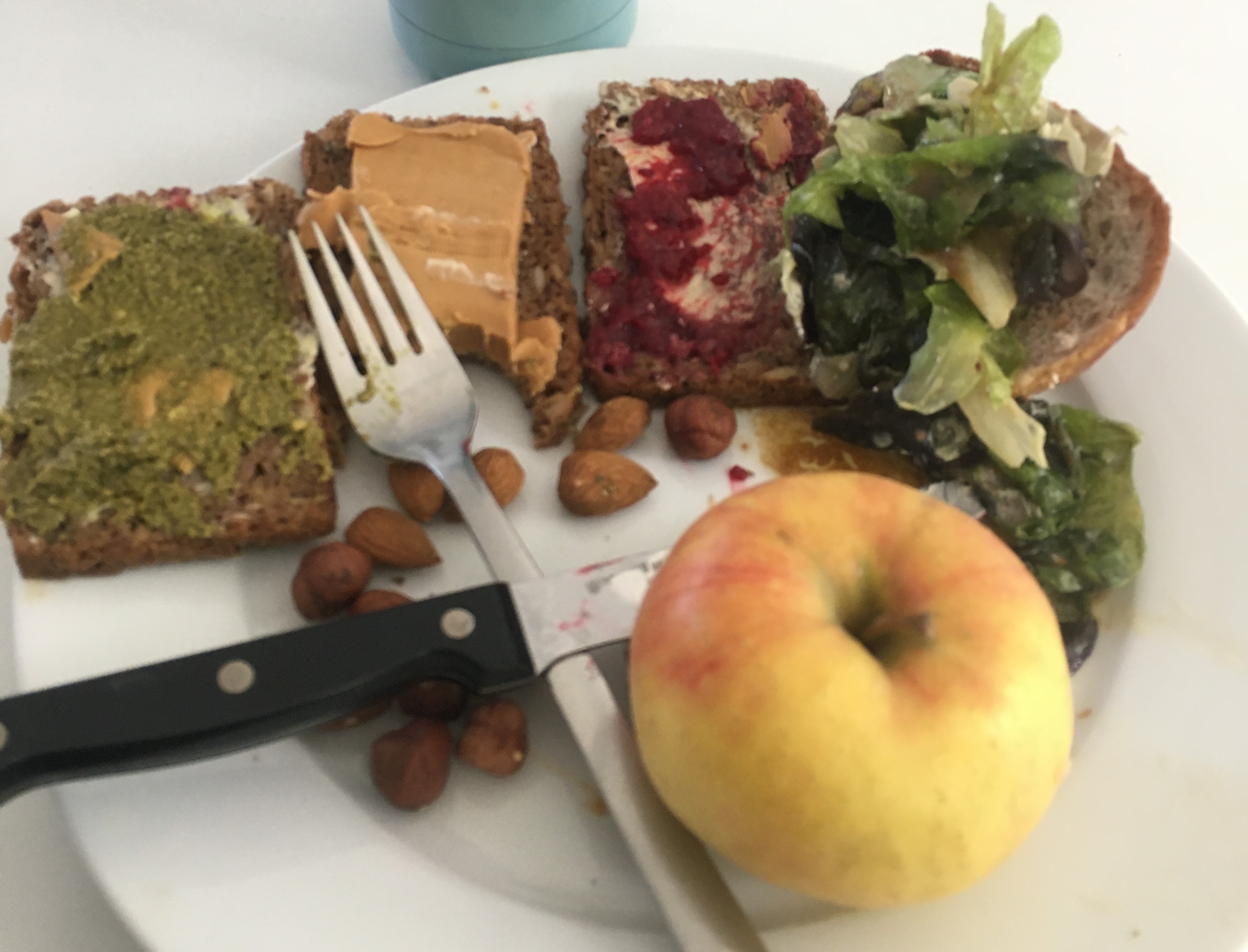
On the 11th I was given a free day, I decided to go to the Garden Studio, and after having helped a little in the morning I went to paint, and I added the sky to the beach painting. After that I went to the house to eat (made myself the usual rygbrød+butter and anything I found, including Brunost (Norwegian brown cheese, delicious!), and I spent the rest of the day reading books, a really chill day!
That was the Eurocup finals’ night, Italy vs England!! England had beaten Denmark n the semifinlans, and whole Europe was rooting for Italy, pretty cool honestly. I am always anxious about these things so I was only relying to DR app updates (Danish national broadcasting company, I have had the app before I even knew I’d go to Denmark though) and my friends!! It was a pain till the end but I was really happy we won!! We revenged Denmark!
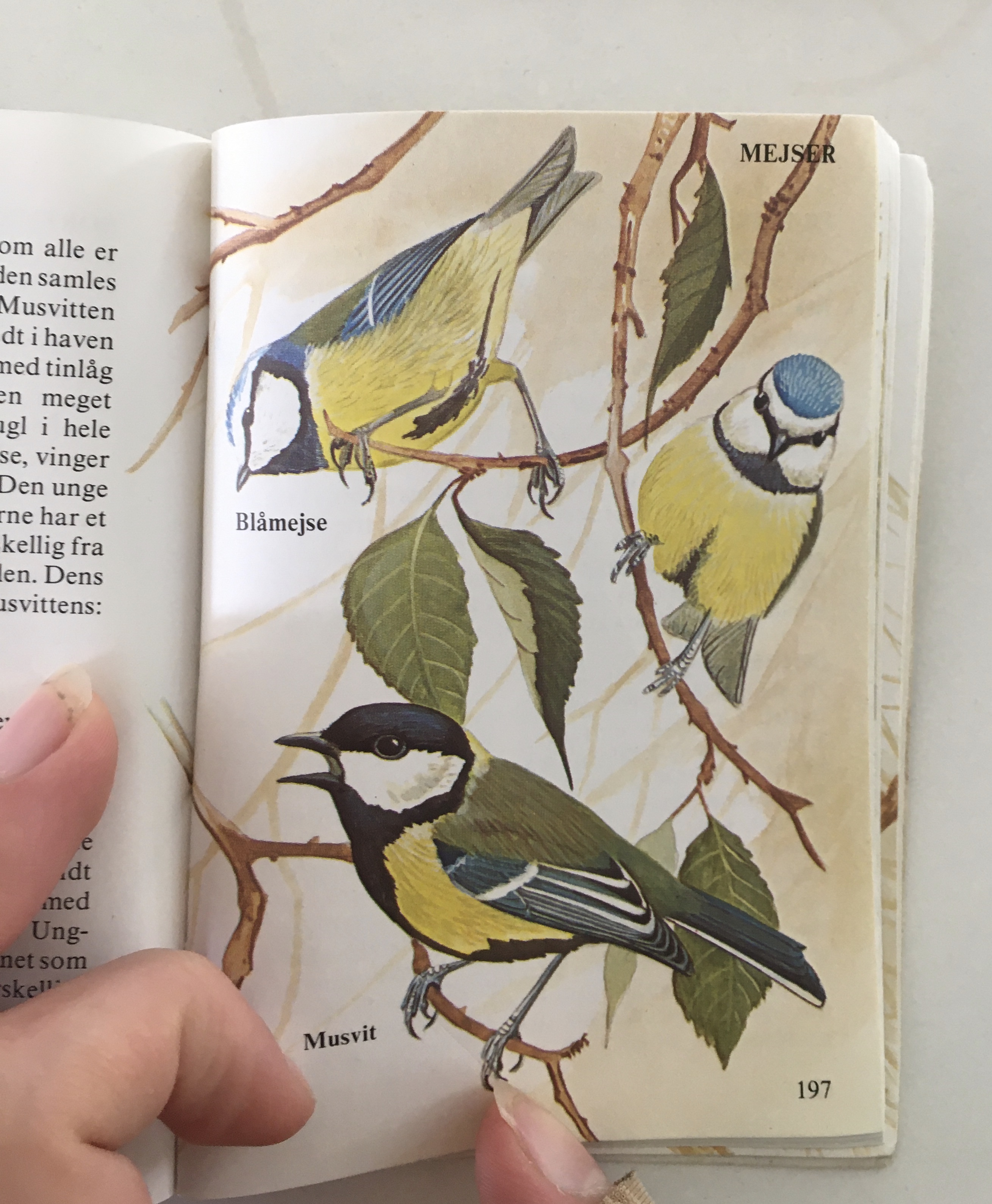
12th July was a super nice day and I was invited to go to the beach! (Grenaa is actually a pretty popular Danish beach destination i think?) Before leaving I read some other books I found in the library:
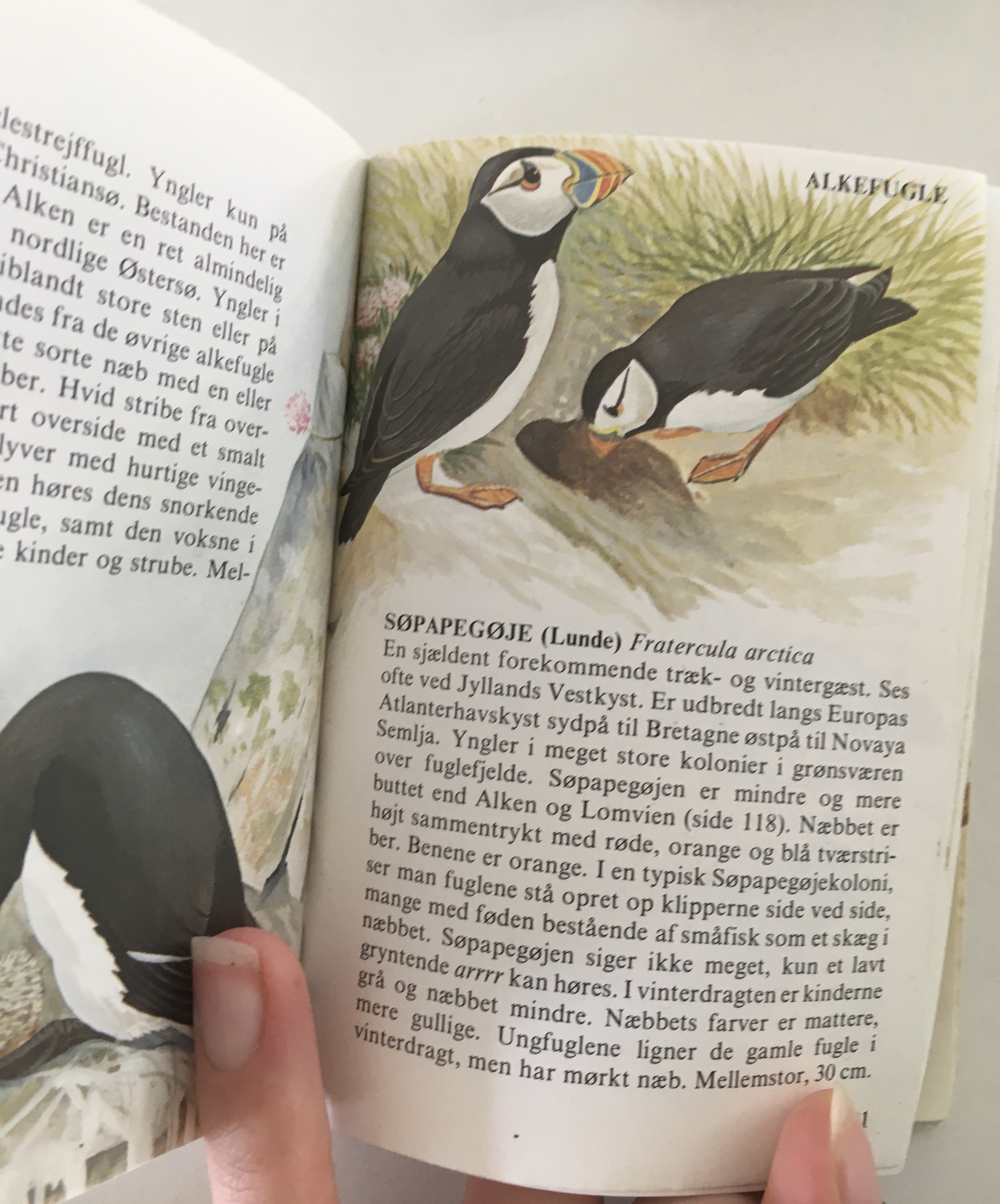
about birds, and i found my favourites: Blue Tit, Blåmejse; and puffin, Lunde or Søpapegøje (lit. sea parrot, love it)
I spent time at the beach, not as long as i wanted to and the weather was exceptionally good? I was told the weather would be food for that day but I had low hopes haha. First got food at Kvikly: peaches, strawberries and a fat-ass burger to eat on the beach, I obviously couldn’t finish it at once so I got my dinner and lunch at once that day! I had to come back from the beach earlier than expected, but at least I got offered ice cream! Champagne Brus was a brilliant choice!
After watching videos and reading books the day ended with a roadtrip in the surroundings, and I saw the witch place (see part 1) again!! I’d say it was one of the best days in Denmark, I even got 2 tote bags for free, which i ended up using a lot!
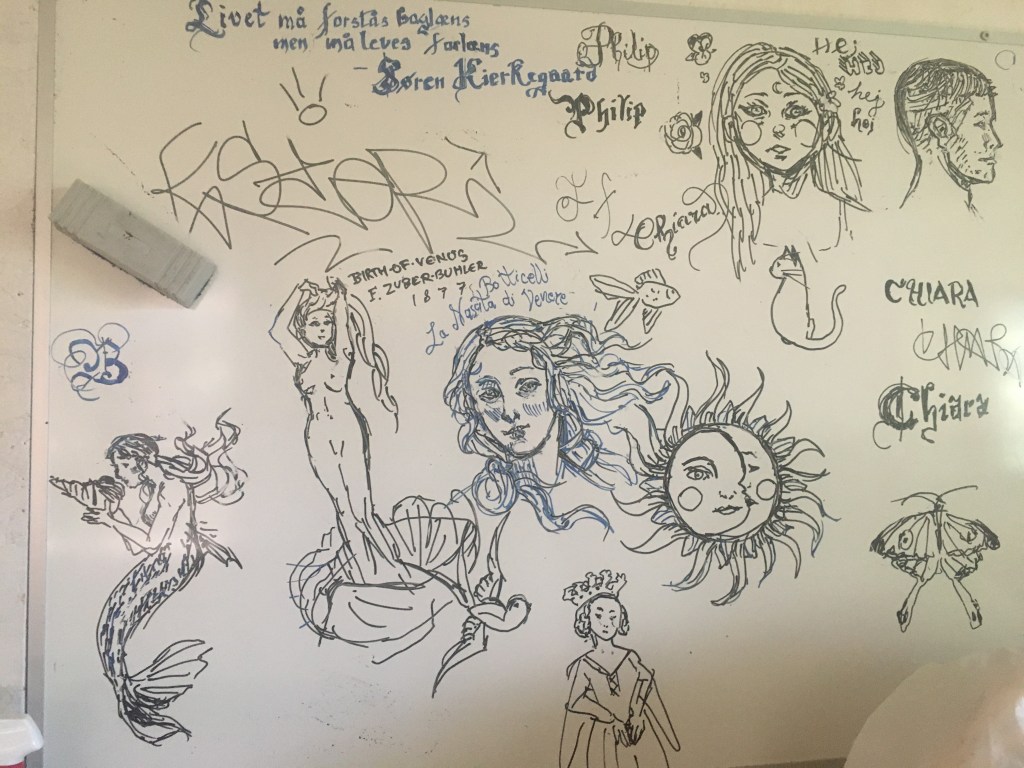
On the14th it was pretty hot upstairs in the workshop, so I ended up doodling on a whiteboard downstairs, invading someone else’s space. Once i made sure I was allowed to draw there i went wild as you can see.
copied The Birth of Venus, italian pride worldwide 🙂 (everything mine but the graffiti-style thing)
I wrote one of my favourite quotes:
Livet må forstås baglæns men må leves forlæns (Life has to be understood backards but has to be lived forwards)
Søren Kierkegaard
I even added something more, copied Water Serpents by Klimt and more I can’t remember, but the board got cleared before i could take another picture…
15th July was a big day, I would go to Aarhus to meet my friend, a second time after the first day! I took the Letbane and once i got to Aarhus I walked up to my friend’s house and damn it was hot! I literally picked the hottest, stickiest day of the year! My friend said that heat wasn’t normal in Denmark. Well, wish I could say the same for the Italian summer. We went to a park and had a pic-nic, I got my skirt dirty with something and it was so hot we ended up going to her house, so I could get it washed. It was quite cozy and nicer than outside due to the weather.
I was eventually going to take the Letbane home, and while I was thinking I might miss it I decided I could just walk around in the city instead! The weather was not as hot anymore and I walked around quite a while for a couple hours, to Dokk1, then to (and inside) the station. I saw the iconic viking traffic lights!
At a point I heard a man saying hej and I thought he would try to sell me something but no, he went like Jeg har set dig (somewhere), du er dejlig har en dejlig stil, helt kreativ, something like “you have a very nice style, very creative”; more or less that concept repeated more times. Basically he had probably seen me when I was walking in around Dokk1 and when he saw me the second time he took courage to tell me that, I still don’t know how to feel about a Dane doing that hahaha. Ironically enough I understood everything he said perfectly, wonder what he would have said if I answered I was not Danish.. And of course I have a hard time understanding things when I would need to! How annoying! I just replied with Ahh okay, okay, tak like twice.
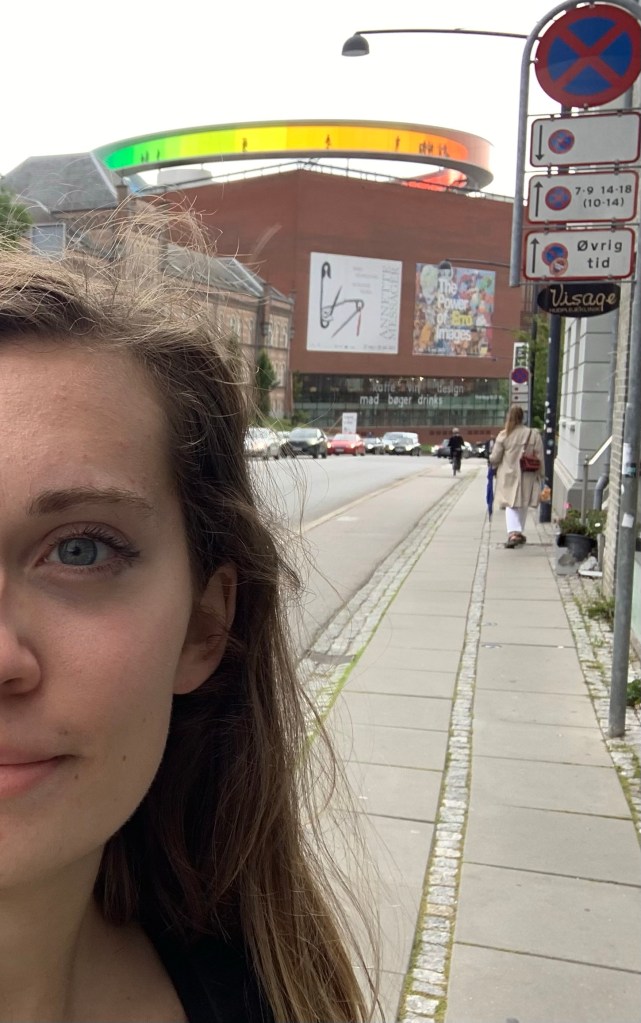
After that unexpected encounter I kept on walking without a destination, till I randomly saw AROS, the museum with a rainbow circle on top of it, standing in front of me. At that point i thought it was really time to go home, I would have walked for another couple hours if only I could but my ticket would expire..
16th July had a bit of a stressing start, sometimes it’s hard to figure out what you should do exactly… But it went well eventually. Karina told me a Danish saying:
Det stille vand har den dybe grund (Calm water is deep)
meaning someone who doesn’t talk much is actually very profound deep inside
I remember someone saying I was so quite yet it seemed like I had a lot say, in 2017… I guess I do really give those vibes sometimes.
She also saw my doodles on the board and said I could go do graffiti at a place, but it was a bit late for that considering the 2 days I had left in Denmark… I still hate that.
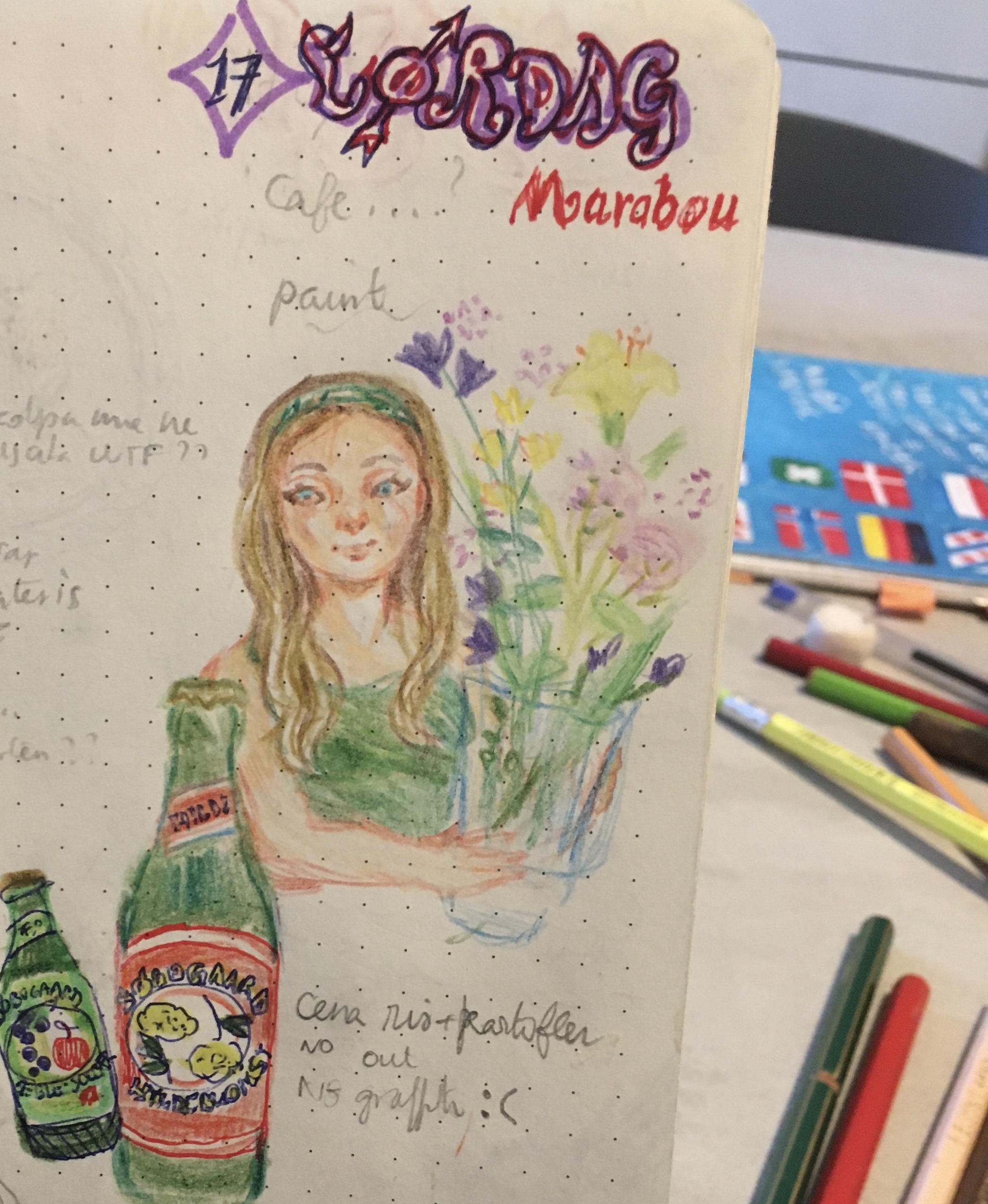
On the 17thmy fellow workawayer Mado from Iran made a (apprently Irani?) dish: rice with potatoes! I did enjoy it and happened to try that myself a year later!
Also got to drink Søbogaardfruity drinks, Hyldeblomst and Æble-Solbær flavours, these were really good!
We went to the wood to eat dinner, and it was pretty cozy, around the fire! Bent, Sara and her daughters were there. While others were walking around in the wood, I spent quite a while sitting by myself around the fire trying not to freeze (should have had a sweater with me..) and drawing a little.
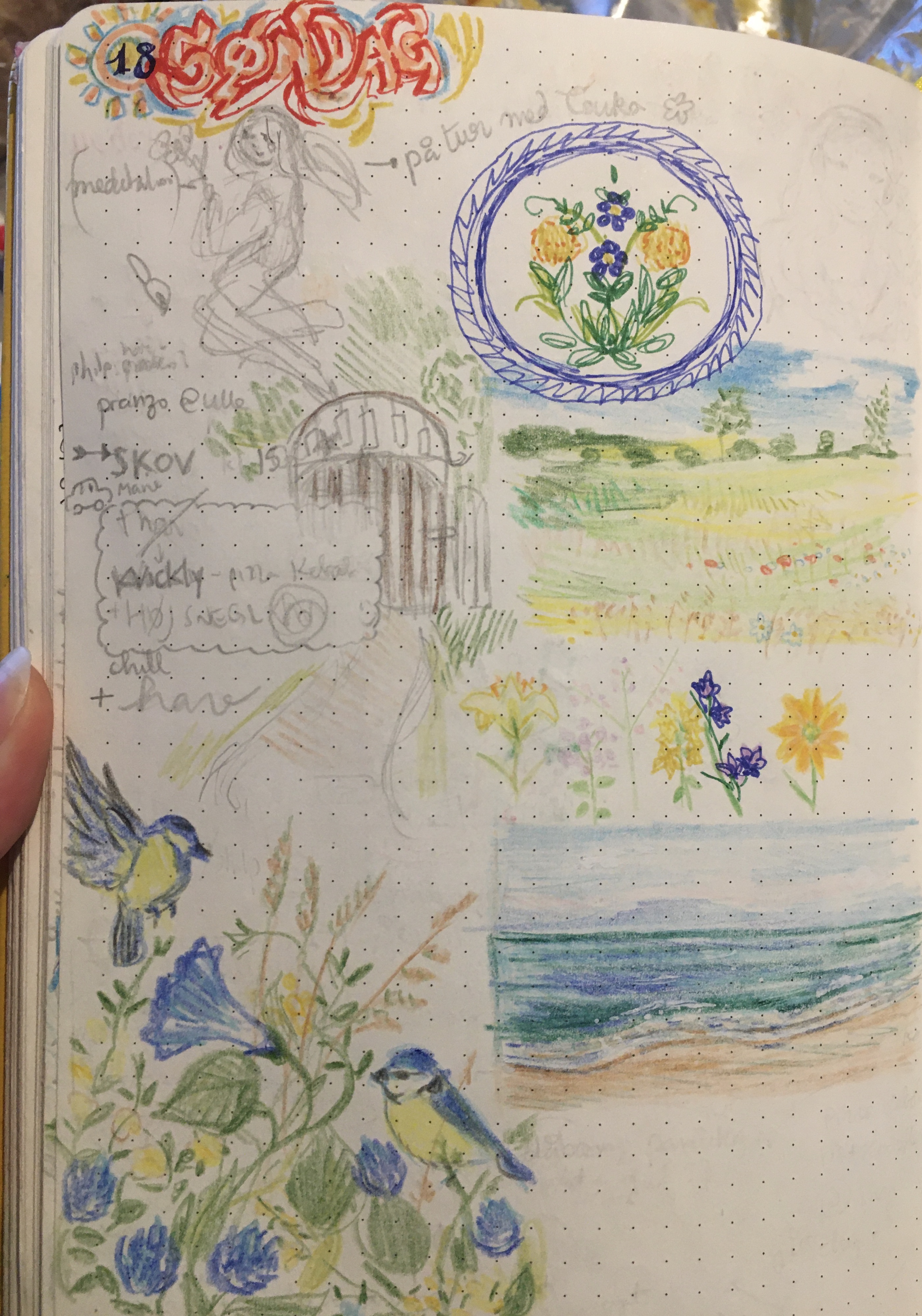
18th July was another important day for the artists and musicians of the area, with an exhibition in the usual wood. started as a sunny and windy day, my host had her meditation meeting, so I walked the dog around the place of it. It was beautiful and I got very inspired for a painting!
After that I managed to go to the Garden Studio again, painted super fast to finish it in a couple hours! After that i ate lunch and Marie took Ulla and me to the wood for the exhibition. It was getting quite chilly! There were quite a lot of people who came to it and we were walking in the wood in lines basically, seeing wooden works and then listening to the concert in the end. That included some food too! I also helped keeping the dog, and ended up looking at the wood for one last time while I was on the swing.
When the exhibition was over and we took all the stuff away, my host was thinking of getting Thai food, which was not available, so we got food at Kvickly: Kebab Pizza for me, and then a kanelsnegl “cinnamon snail”
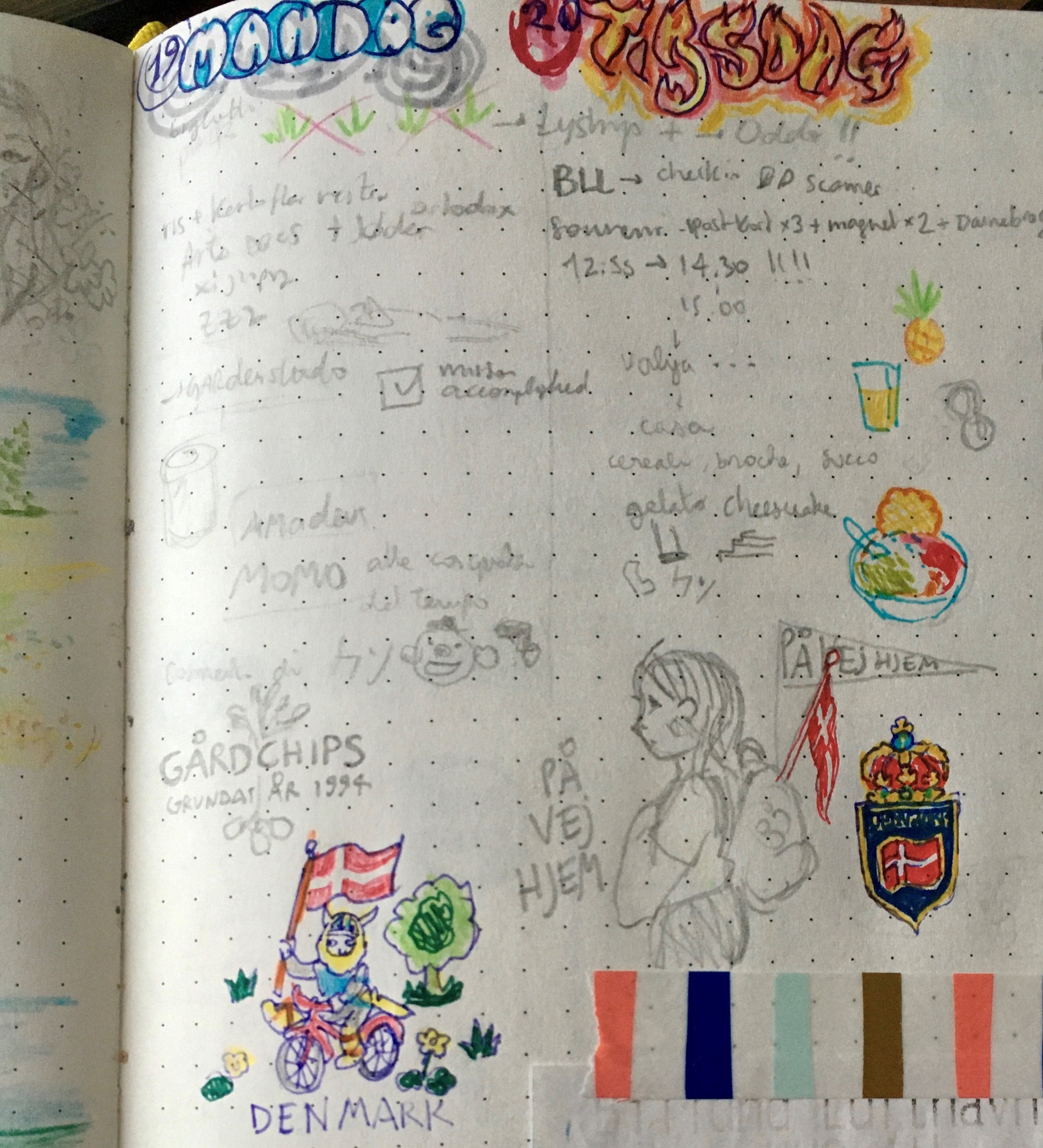
I spent the morning of 19th July, my last full day, weeding. We then went to the Garden Studio, so I could get my paintings (which I didn’t think would fit in my suitcase) and say goodbye. On the way home my host got potato chips at the Gas station: GÅRDCHIPS. We then watched Momo alla ricerca del tempo perduto, a movie from my childhood I barely remembered anything of!
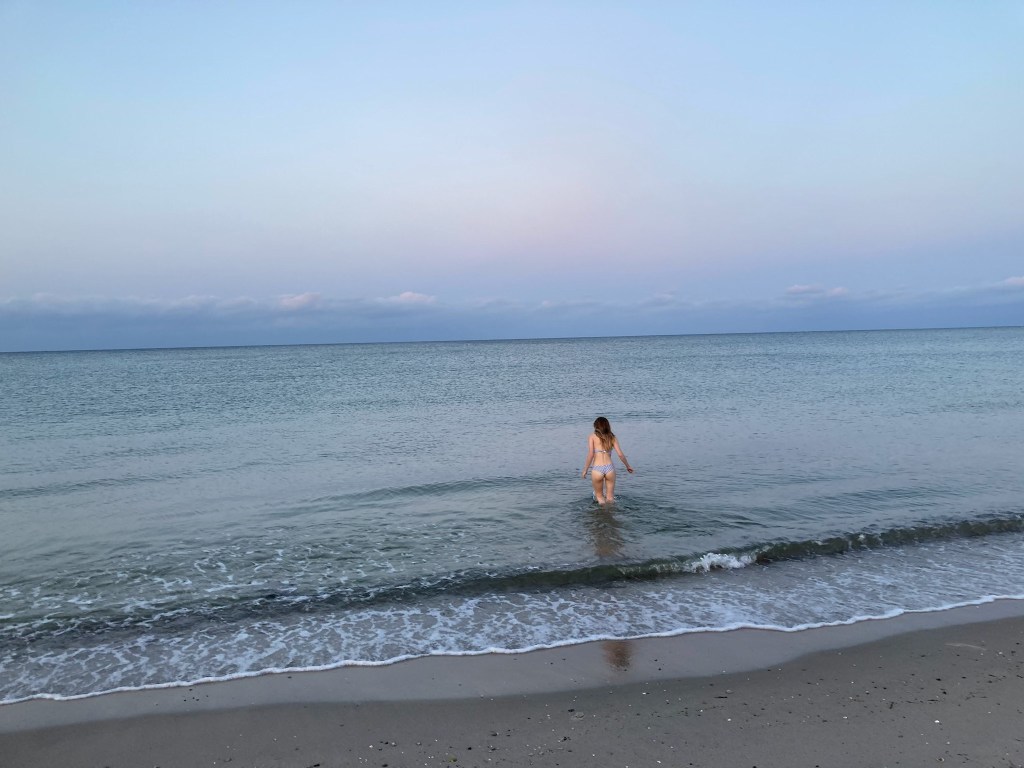
We later drove to the beach where I had a last swim, i named it my Viking baptism since it was cold
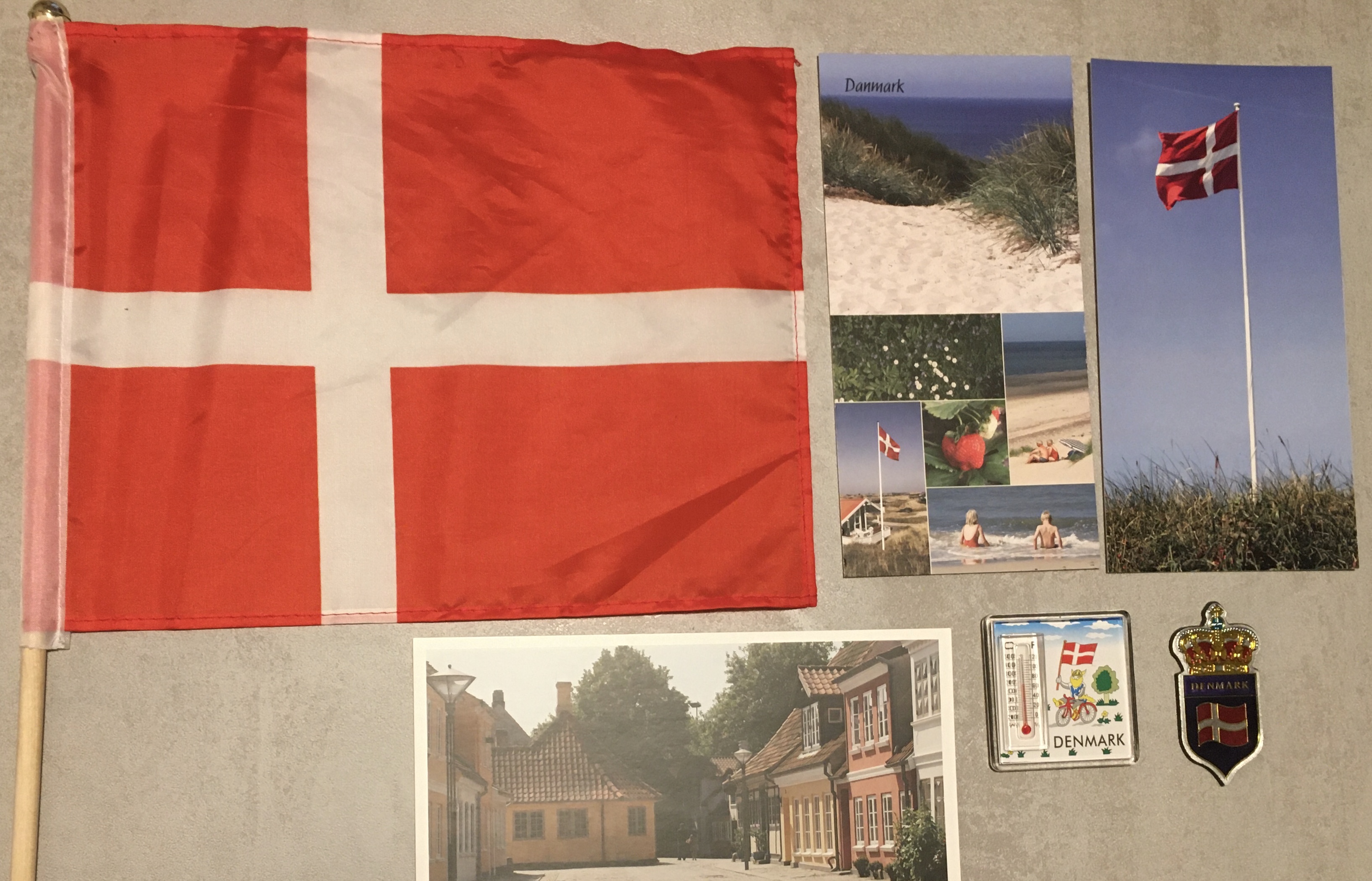
20th July was the day i left, I would have stayed a bit longer so that maybe I could trY doing graffiti, and it always feels awful to leave! Anyway I made sure to buy a few souvenirs: a hurraflag of course, a couple magnets and 3 postcards (there was a 3-postcard deal, one of them had a picture of Odense where I havn’t been but oh well) the flag was too long to completely fit in my backpack so I walked around flying the Dannebrog.. My flight was a couple hours late, but I came home safe and sound 🙂
There were people i couldn’t meet despite being really geographically close to them, places I didn’t see, things I didn’t do, a lot of mistakes, a lot of Danish I didn’t understand, but I am truly glad I did this and wouldn’t mind being back in Denmark again someday!
Of all Danish words I learned during my stay, I always think of Trillebør (wheelbarrow) first, and I just googled now to find it how to say it in English, but it was part of my daily life when gardening in Denmark!
Some Danish songs I found about during my stay were Valby Bakke – Peter Sommer (my host listened to it a lot!), hurtige hænder – Minds of 99, +artist Alphabeat. Right after my stay I started listening to even more Danish music, among others one of my favourites is Halvnøgen – Ulige Numre, Drømmer Jeg – Johnny Deluxe, and for quite a while the autumn 2021 had rapper Clemens among my most-listened artists…
How graduating from high school is like in Sweden, Denmark, Norway!
Hats and buses
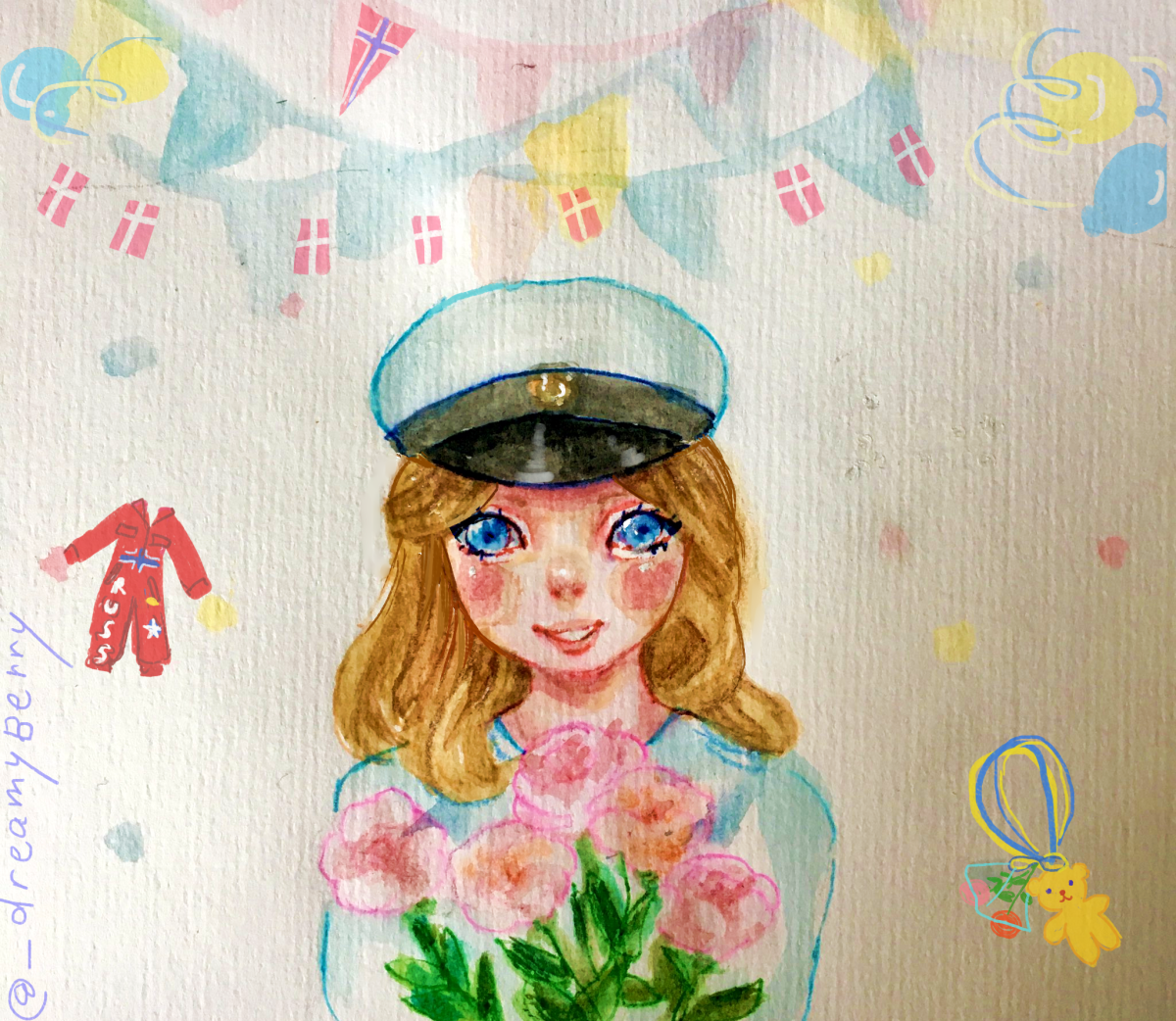
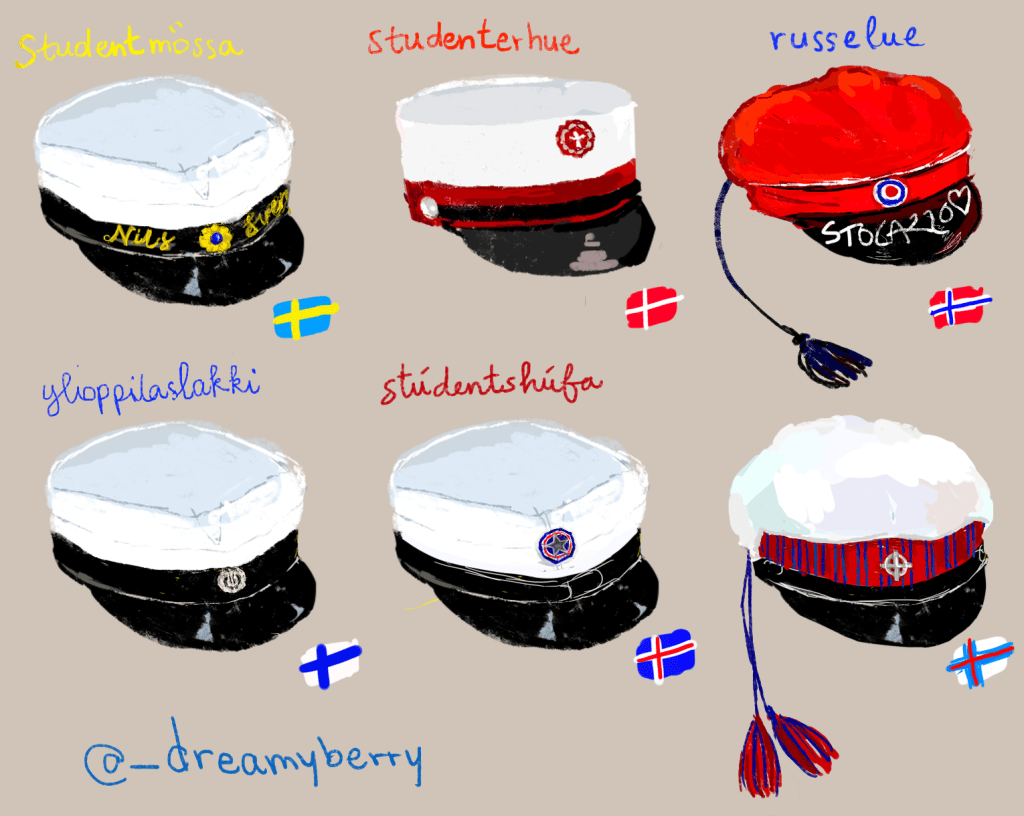
the symbol of High school graduation is a hat resembling a ship’s captain cap, the first time I saw a Swedish graduation celebration picture I was pretty confused about those hats, but it’s actually a tradition inspired by German students, spreading it to Nordic countries in the 19th century.
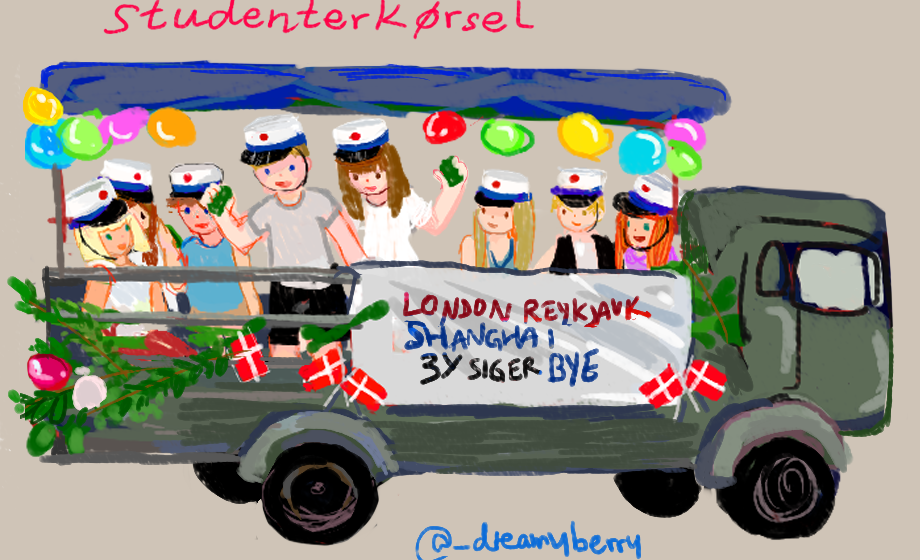
Another common thing in Scandinavian is that graduates celebrate around town on rented buses or trucks (sometimes saving up years just to rent one), generally playing loud music, drinking and just partying!
Denmark 🇩🇰
Danes have an oral exam as final. you have to decide who from your family is placing the hat, studenterhue, on your head, when you step out from it. It’s the norm to wear the graduation cap for at least 2 weeks, It is courtesy that people they meet on the street congratulate them, even if they don’t know each other.
The ribbon on Danish caps was originally only either blue (Mathematics students) or red (Arts students), it now comes in many different colors depending on the length of your education and which school you went to, see all possible variations on Alt.dk. There are lots of rules involving the studenterhue:
You can’t wear your cap before your last exam (it would bring bad luck)
your gradehas to be written in the center of the hat, and friends and family can leave autographs and short notes in it
friends bite in the shadow for good luck.
the students with the biggest and smallest hat size, and the ones with the highest and lowest grade average have to buy a box of beers for the class
the hat has to be cut in different ways if the student has drunk 24 units within sunrise, if he vomits, and so on to the point a which if the student goes to the hospital because of too much alcohol the whole shade is cut off.
more rules are related to having sex (heart on the sweatband if with the partner, lightning on the rim if not in a relation) , kissing someone (if same gender the cross has to be turned), breaking up (metals going off), taking a swim with only the hat on (wave in the rim)
If the student has been awake for 24 hours then the hat must be turned around (shadow in the back).
You can see more on this site dedicated to studenterhue rules (in Danish)!
The Studenterkørsel – student drive – is an important part of the celebration, renting a truck decorated with beech branches to party, drink and play loud music on (here‘s a site where the trucks & stuff can be arranged). It drives to each student’s home for around 15 minutes, for a short visit where parents give snacks and drinks before the next destination.
This can last one or two days and of course also the studenterkørsel has its own rules, among which running after the truck if you get an A in your last exam, and learning a battle cry to scream at passing student trucks!
Everyone greets and sends their congratulations when they see these trucks. On my very first day in Denmark Student buses were driving around (slowing down the bus I was on though, haha) and following my friend’s example we waved at them, flying my welcoming flag! It felt quite cool!
Sweden 🇸🇪
In Sweden there’s one big day, Studenten, but the celebration starts around the end of April, where students organize games which will give points deciding who will be the first student running out of the school on the gruaduation day; it can be anything from chill to embarrassing things to do, though maybe not as wild as what you’ll read for Norway. In May, there’s one day called Mösspåtaggning, on which students dress up nicely with their hat Studentmössa on, and with classmates they go to school and then to a restaurant or bar, celebrating that one month is left until the studenten time.
The big day of Studenten may vary depending on the school, but it is usually around 30th May to 15th June, with 6th June (Sweden national day) being the pitch.
This day starts with fellow students meeting up very early – between 4 and 7 am for the Champagnefrukost, Champagne breakfast
At 8-9 it’s time to leave for school, with some proving they can keep up with the celebration despite being drunk.
Around 10 everybody listens to the principal giving a speech, some students get diploma for things as All-A-Student etc.
At 11-12: photo shootings of classes!
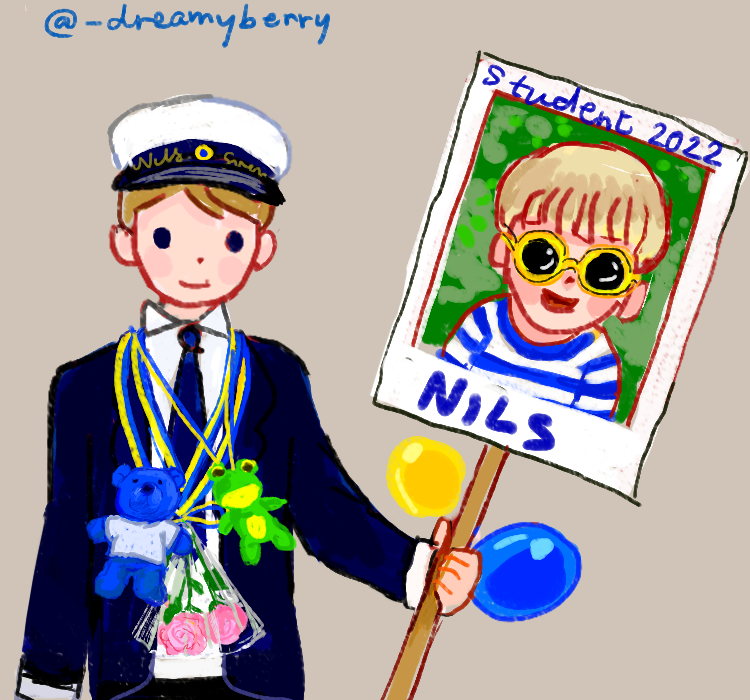
Once they got their diploma, Students run out of school to their families and friends, who are waiting for them holding a picture of the graduate as a baby or small child, and give them blue-yellow chains with flowers and trinkets as plushies!
The clothing for this day is quite formal, with boys wearing suits, girls usually a white dress. each student has their name and surname embroidered on the hat, which costs around 100 euros
After staying with their families for some time, studentsget on flatbed buses driving through the city as the Danes do, dancing, drinking and partying. In some cases they just walk around instead, something which has been encouraged by authorities after several accidents involving the flatbuses occured.
Norway 🇳🇴
Norwegian graduation celebrations, Russ (short for russefeiring) is a big deal in Norway, with youngsters in overalls roaming cities for almost a month, from the end of April to the Norwegian Constitution Day, (read more about May 17th). On that day, the students are awarded their caps and join the parade in their overalls. The russ period has also become known as “the three-week binge” treukersfylla, continue reading to find out why…
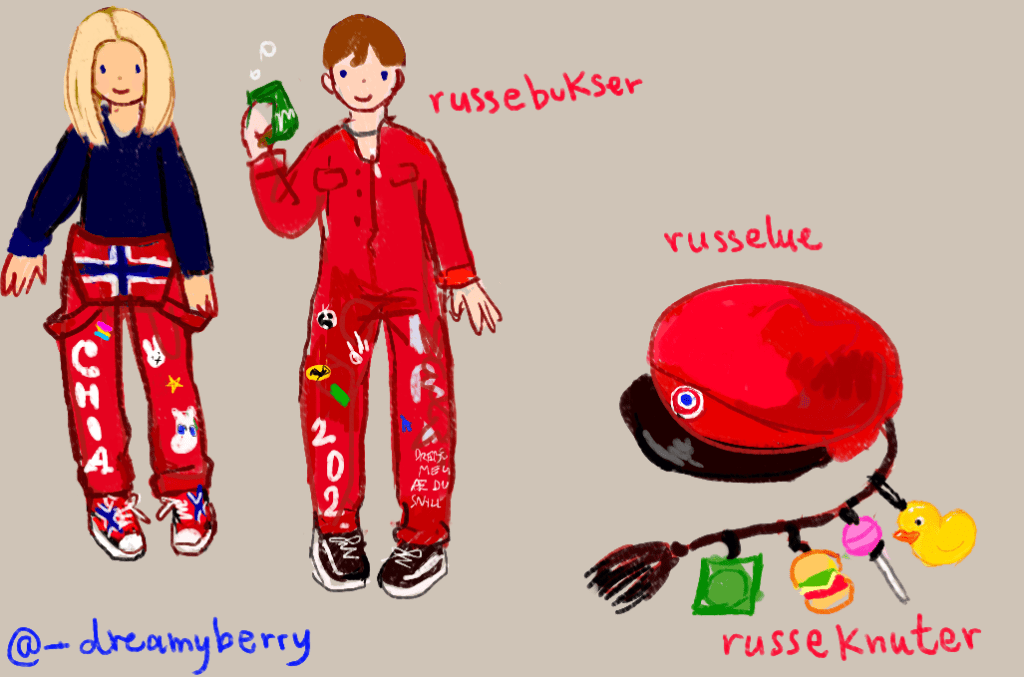
The personalized overalls, russebukse, are usually red, or blue in case of financial and business studies, and personalized with patches. On this website Norwegians can get their russ equipment 😉
On the caps, Russeluer, Students write the Russ names they’ve been given, but the important part is a long cord, which gets knots (knuter) added for given dares completed before graduation: russeknuter. The tradition was introduced in the 40s, with different lists of around 100 dares for every school. Many dares involve sex and alcohol, and a lot are just hilarious. Classics are wearing loaves of bread on your feet for a whole day, not sleeping for 48 hours and bathing outside before 1st May. After criticism that russ was getting too wild, some new dares were invented to encourage teens to make good choices, such as getting tested for STDs or giving food to a homeless person.
Here are a few recurring ones (trinket – dare associated to it):
TAMPON – Put two tampons in your mouth and drink a pint of beer/cider.
TWIGS FROM THE GARDEN – Sleep in a tent in a teacher’s garden.
CANDY BURGER – Eat a cheeseburger in two bites.
“L” – Put an “L” (used for driving practice) on the back of a public transport vehicle.
CONDOM PACKAGE – Buy a pack of condoms using only body language.
BANKNOTE – Place a 5 minute poledance on a pole on a public transport.
RUBBER DUCK – Bathe with someone else in a canopy in front of the school, remember to scrub each other.
TOY FIRE TRUCK – Have safe sex during your period/with someone on theirs.
Here is the whole list of Russeknuter of Oslo for 2022 (in Norwegian). Because of what’s happening, this year there is a special Ukraine-knut, which can be gained if the class contacts a refugee centre and brings some fun activities to socially engage the young refugees there.
As the other Scandinavians Norwegians also rent or buy buses – thetradition of buying an old van or bus and painting it started in the 70s – but they do it on the next level, with their Russebuss, large coach buses completely decked out with colors, graphics, retrofitted and customized to become mobile partying units! The average Russbuss is used by 15 to 25 students and costs around $116,000!! Drivers are hired to drive them to Festivals and landstreff (national meetings) to meet Russ from whole Norway and party, party, party.
You may now wonder why students party that wildly in April. That’s because by the early 2000s, the authorities were worried about the impact all this partying and alcohol would have on the students’ grades, so the final exams in public schools were moved to early May. but what ended up happening was simply that the students started the russefeiring earlier.
Bonus: Finland 🇫🇮
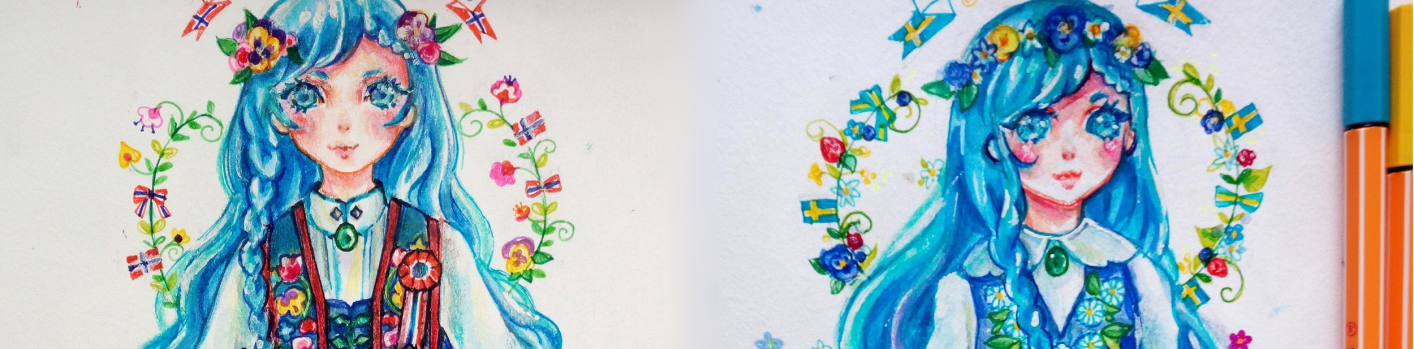
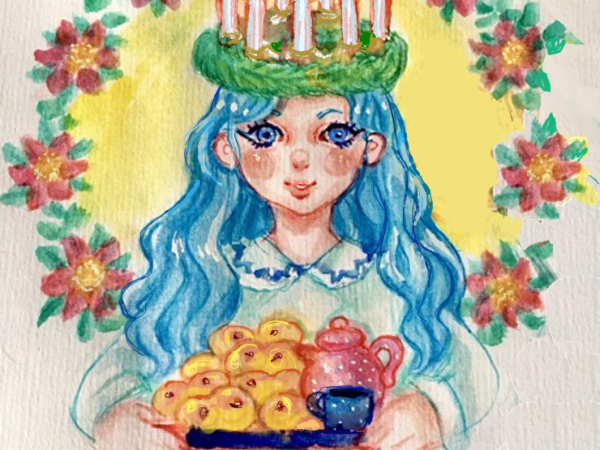
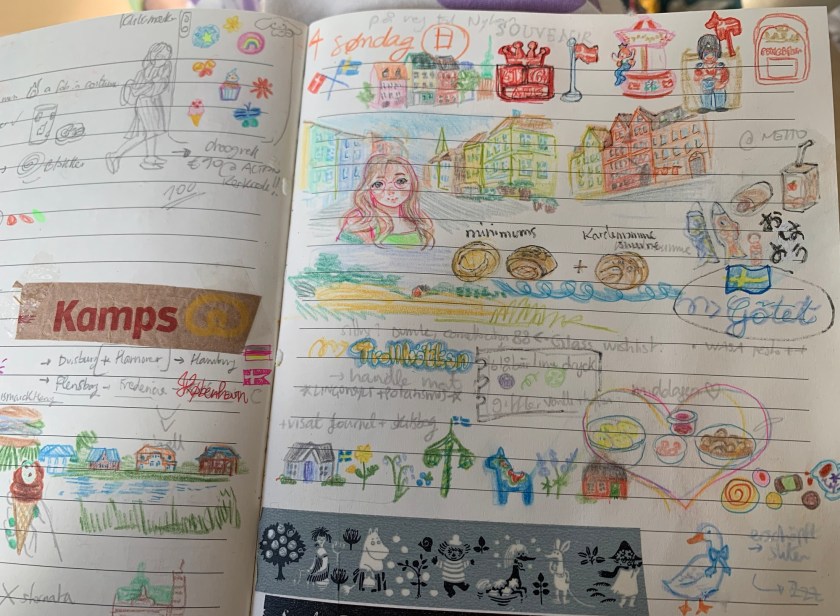
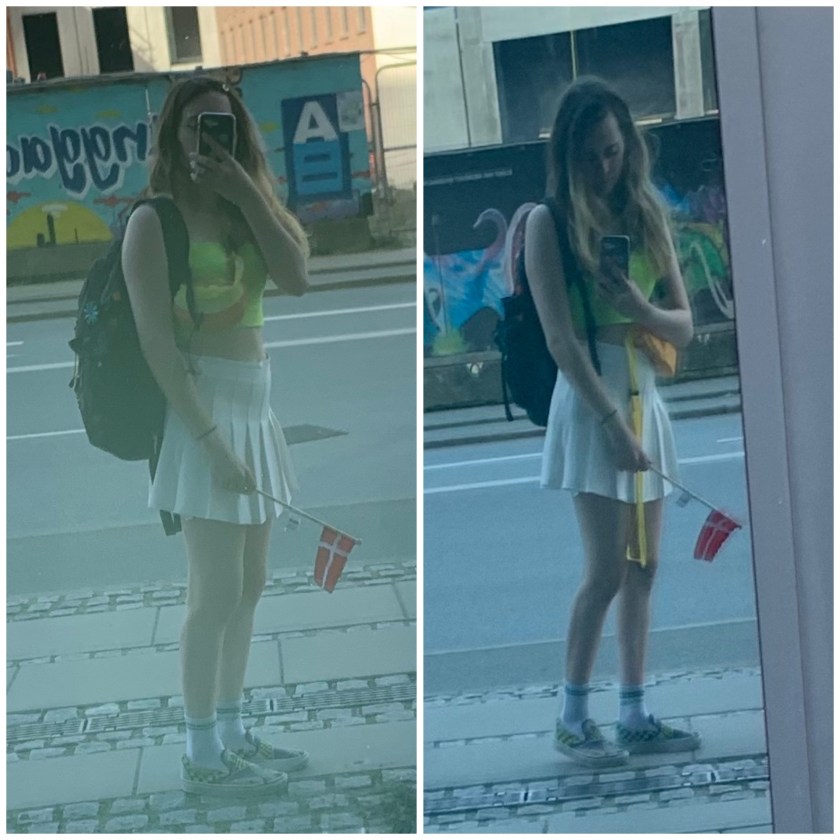
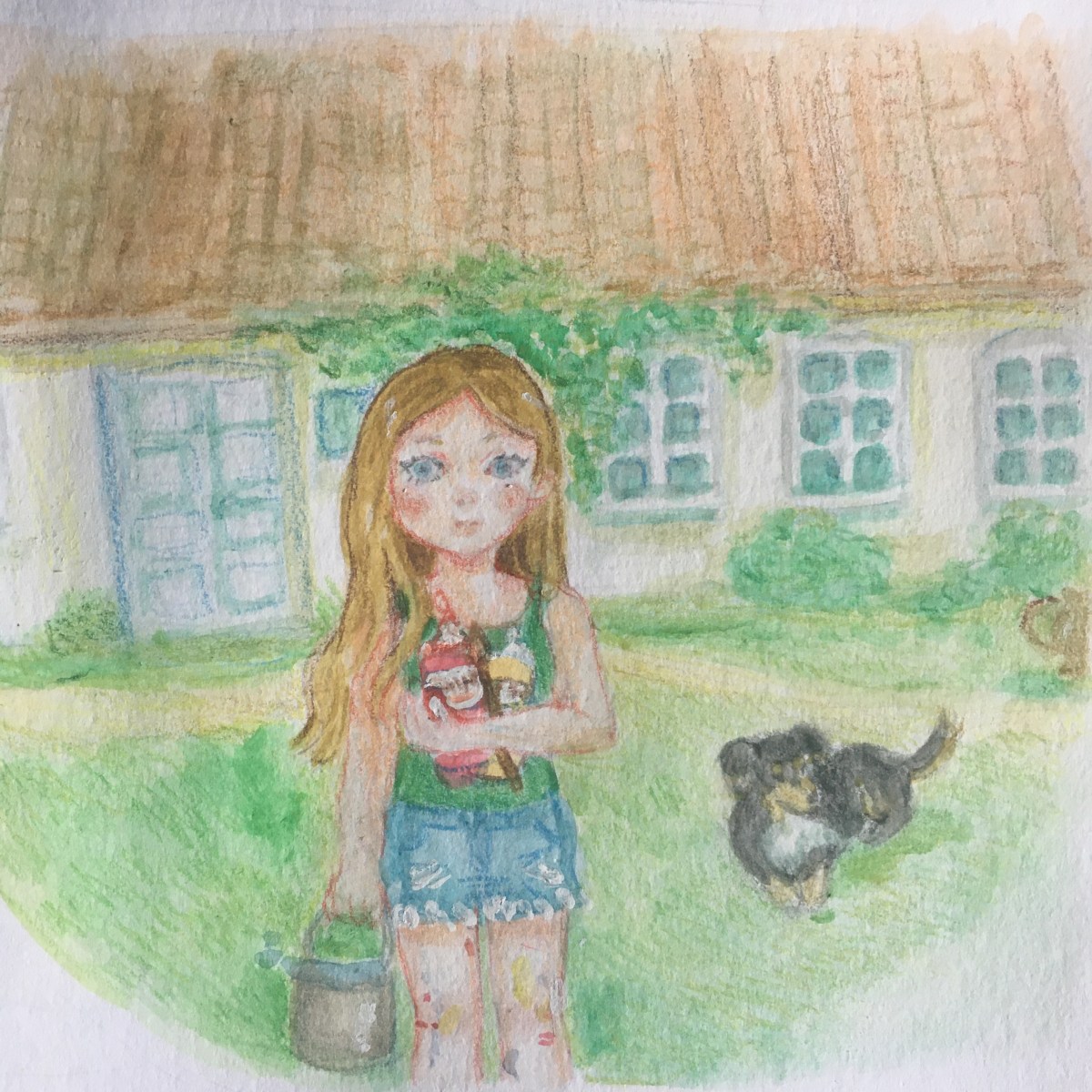
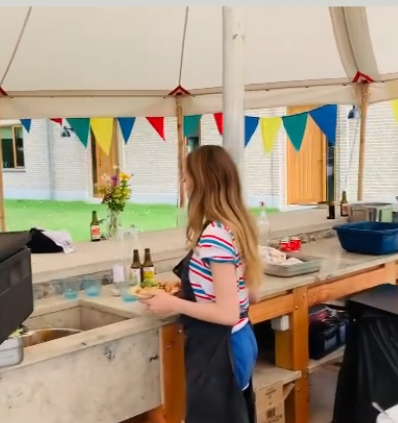
The girl I portrayed on the cover picture of this article is a Finn, (@alwaystimeforbujo on ig, she posts about bullet journaling), so here is something about Finland too:
The Finnish cap, Ylioppilaslakki, is similar to the Swedish version, but instead of coloured fabric cockade, it has a metallic, gold-colored cockade depicting the lyre of Apollo, the insignia of the University of Helsinki.
Truck parties are a thing in Finland too, but in February, when students begin preparing for their final exams. A typical thing they do is dressing up in various costumes visiting the town’s school and throwing candy!
My work-holiday experience in Djursland in summer 2021
I have wanted to visit Scandinavia for very long. First thought of actually going to Sweden in 2020 for a volounteer work holiday (using sites as these), but Covid19 was in the way, so i postponed that. Summer 2021 could have been my last “free” summer and didn’t want to waste it, despite covid not being over. My initial target was Southern Sweden, but I would have had to land in Copenhagen first, and to avoid issues with borders as a third country citizen I went for Denmark. I picked the Aarhus area because I already knew (online) a couple girls I could meet, two birds with a stone!
I found a workaway host related to a community of artists in Djursland! It also had a quick reply ratio and I signed up to the site (which did cost 40 € but seemed worth it) and contacted the host, in Danish of course. I got really nervous about not getting any answers for a couple days, and after talking to a friend’s advice I contacted a couple other hosts, not available. On a beautiful windy early-summer Saturday I was just enjoying the day and thinking i had to give up. Then, around midnight I got a reply by the host, telling me I could go! I was overjoyed and thrilled.
Danmark jeg kommer! Arrival in Denmark
I had my flight at 10:30, luckily on time, I flew to Billund Airport and I couldn’t believe I was actually in Denmark, just a few months earlier it was a distant fantasy…. I then took the bus to Aarhus (read about the city’s history and attractions) enjoying the view of the Danish countryside.
BUS 912X: Billund – (Østerlund – Skanderborg) – Århus
It was such a beautiful day and I managed to meet a friend, who welcomed me so nicely with the flag and took me to Dokk1, a really nice place on the harbour (actually cooler than I thought) and she had Studenterbrød and Tebirkes (so good!) and a drink called Stella (“star” in my language! nice coincidence). We couldn’t obviously do much but honestly it was more than enough and I was so, so happy, and i even spoke Danish the WHOLE TIME, it’s just easy when you feel comfortable with people.
then after a couple hours i took the Letbane (a metro-train?) to Grenaa, actually to the stop right before. I was even risking to have to take 2 buses instead which would have been a pain with a big suitcase, but luckily it wasn’t the case.
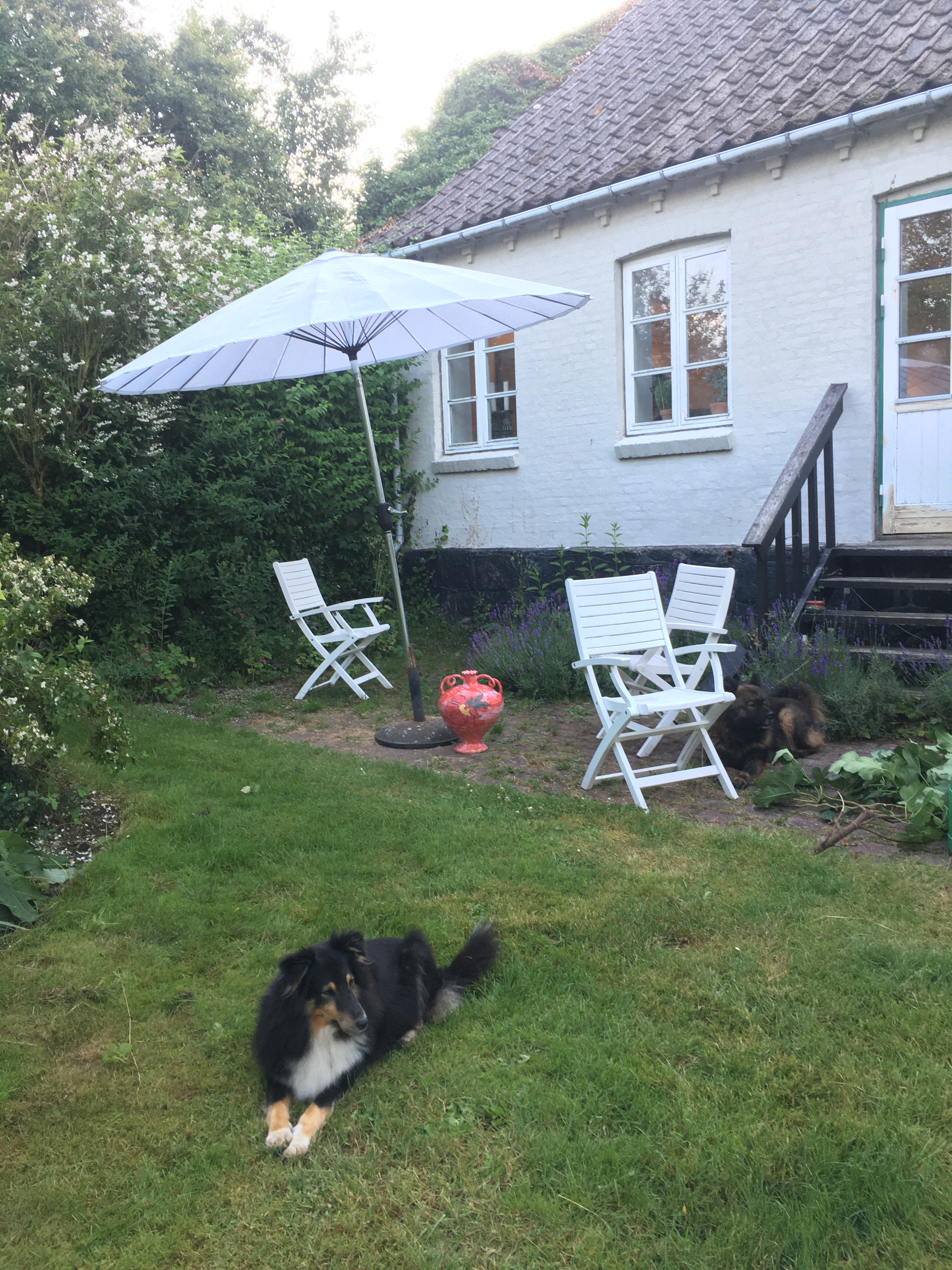
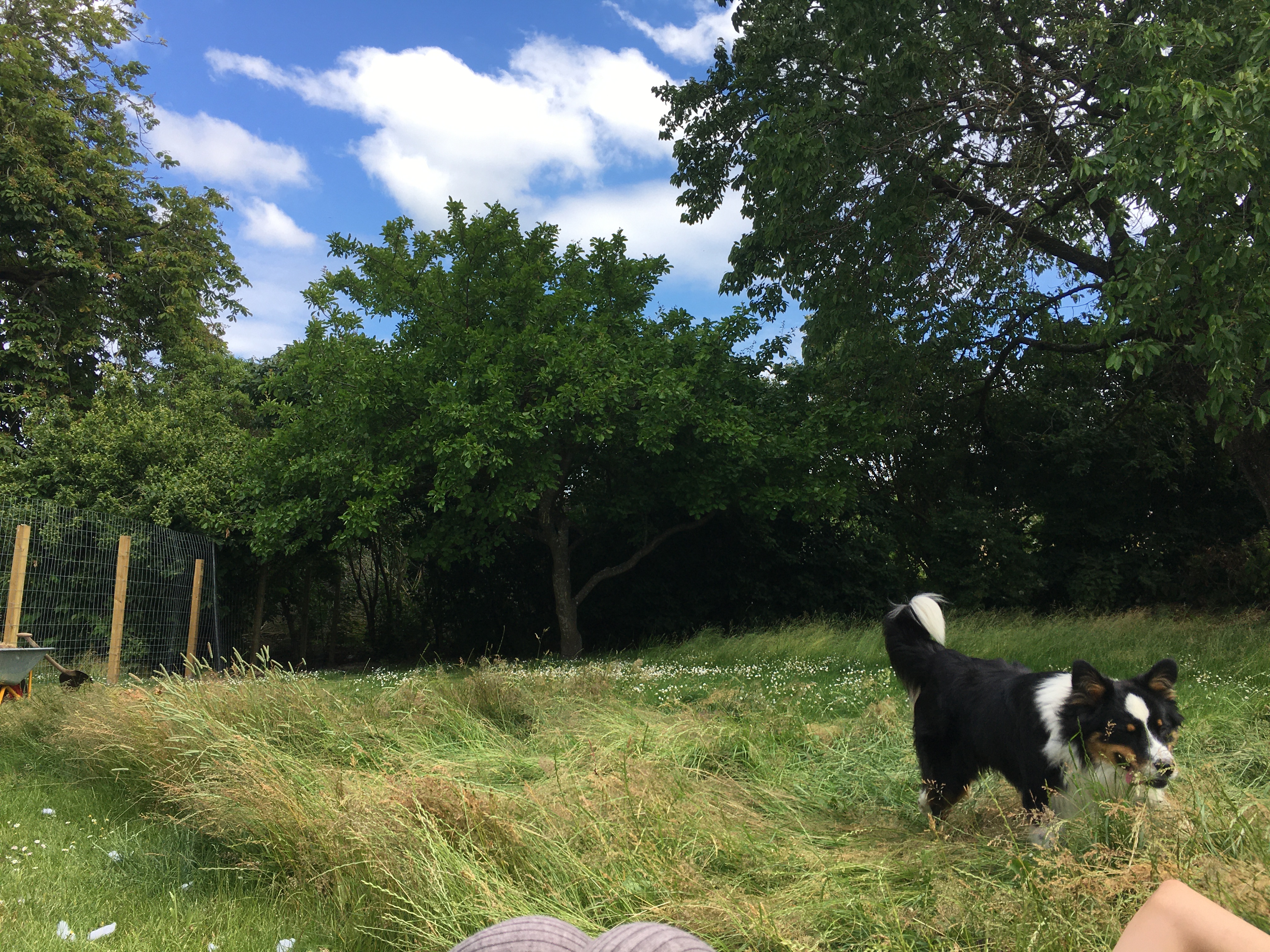
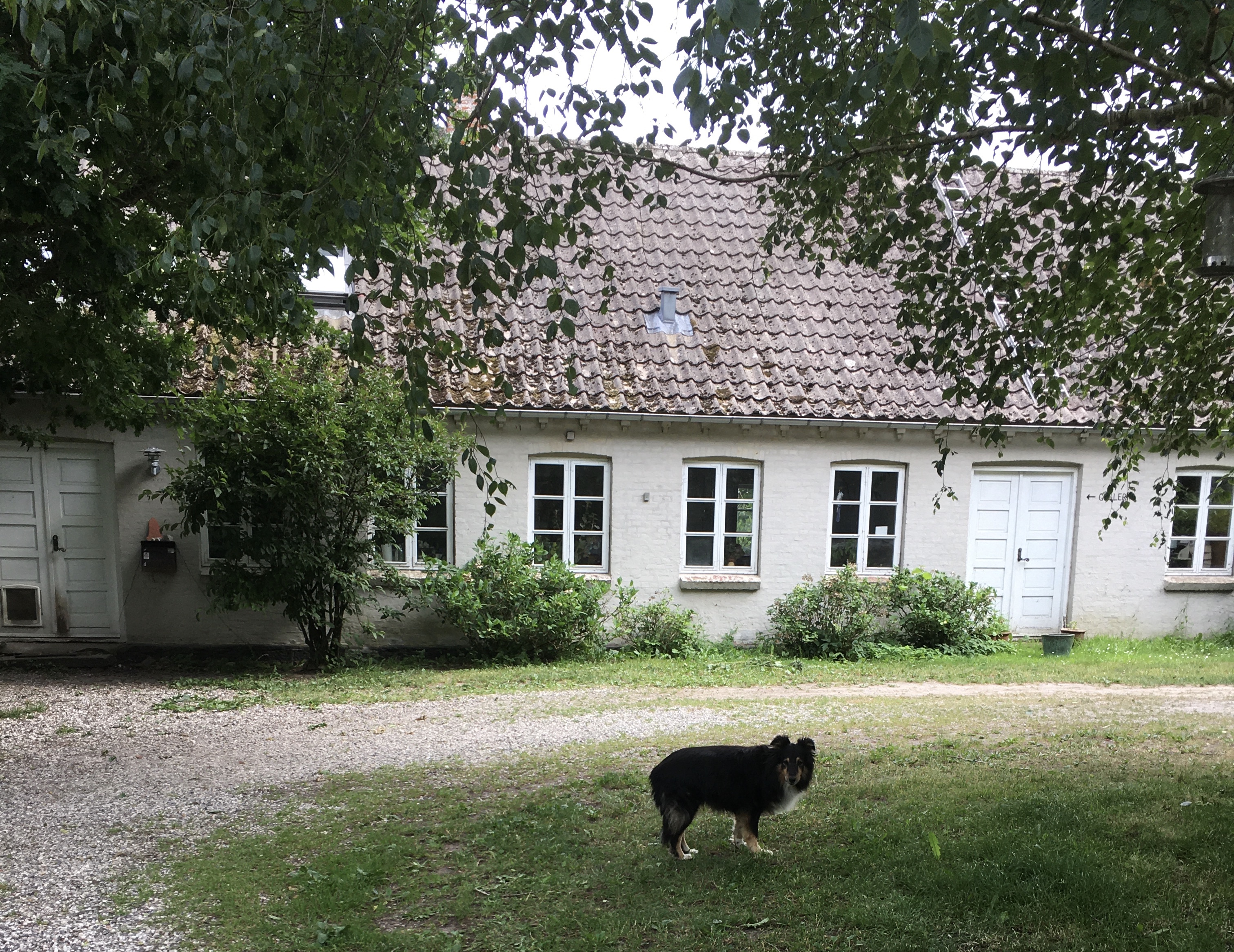
So I got down at the stop I was supposed to, a place in the middle of nowhere with no one, it felt amazing to be there nonetheless. I waited some time for my host but honestly I didn’t care because I was still realising I was there. I did wave to someone passing by with the car thinking it was my host since it was the first car passing by in like 10 minutes, guess they thought I was trying to hitchhike? Haha. My host arrived with her dog, an Australian shepherd called Taika, and we went to the supermarket, a Netto! We then got to the house, had dinner and then went for a walk in the village, some 3 km from Grenaa (or Grenå)’s centre.
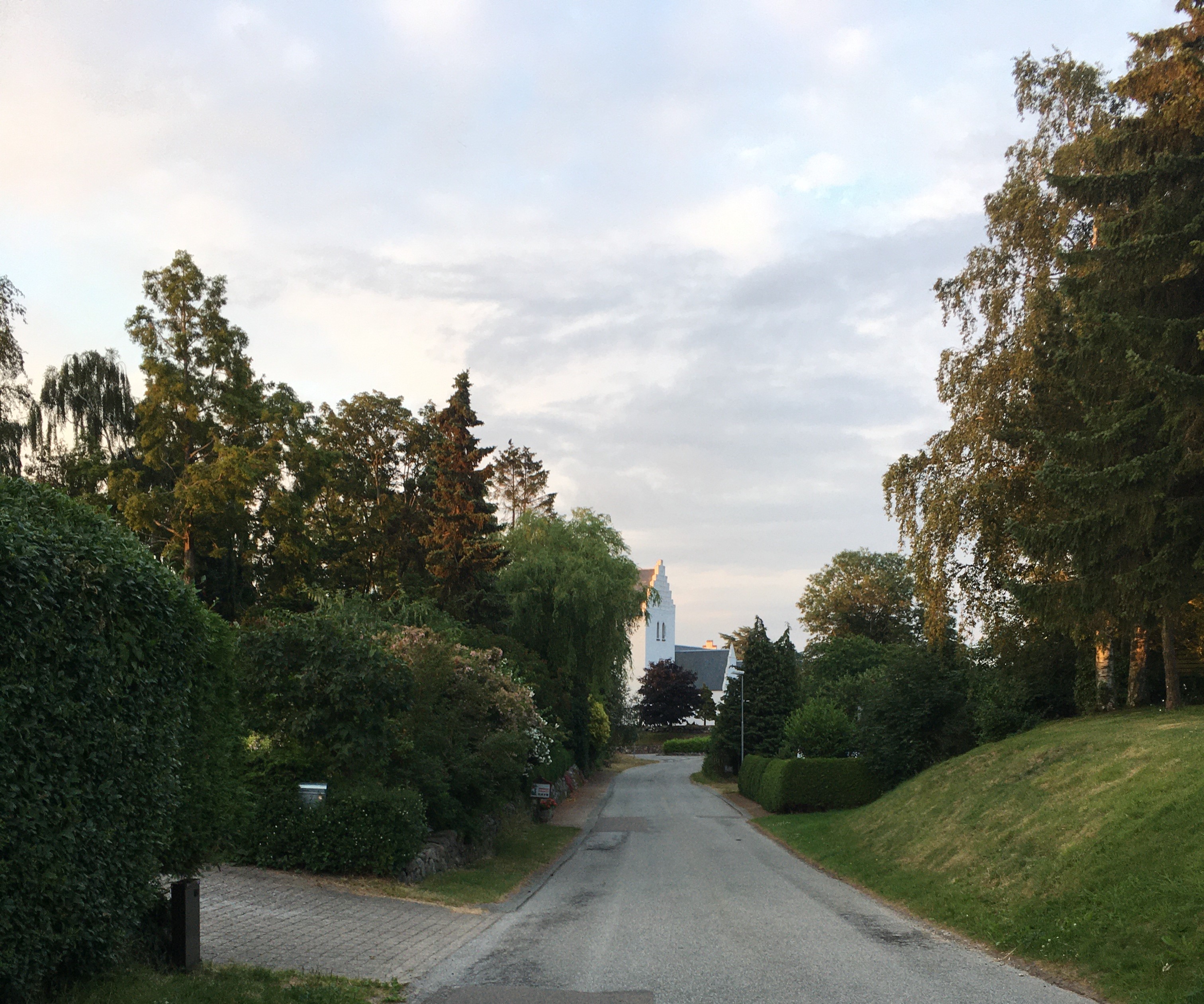
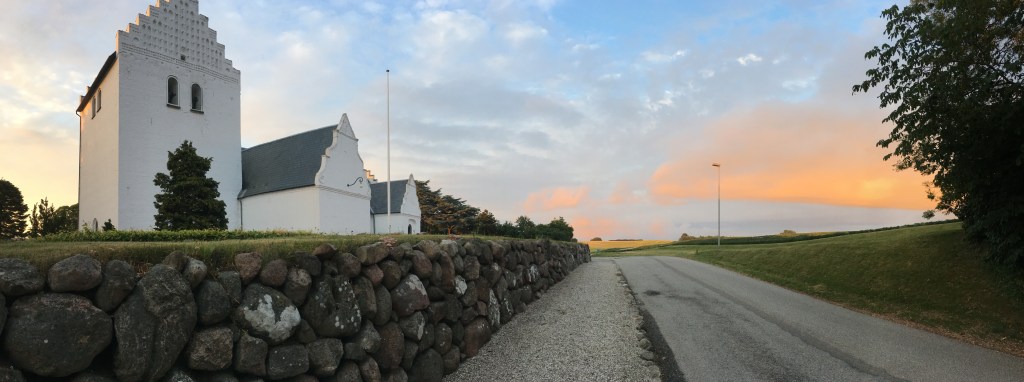
village church, all Danish countryside churches look like this or something?
I basically only spoke Danish that day and I was thinking I wasn’t that bad for never having interacted with a Dane face to face
The following day we went to the wood where they meet with musicians and other artists, I spent much of the time drawing and sitting by myself, which was quite good because I was feeling hell down because of personal reasons. We ate pølser for dinner and made brownies – twice because the dough fell the first try.
On 1st July, Thursday, I helped mowing the grass and later Sara Came with her daughters, Rosa and Viola, (they are both called like flowers, in Italian they are at least, how cute) and the dogs Nuni and Nunika, mother and daughter! We ate together and I talked in Danish! Then we went outside and the weather was so nice, warm and windy. We ate Koldskål (sour liquid yogurt?) with Kammerjunkere, a kind of cookies that go with it. It was windy and nice weather so I sat outside for a while just enjoying it. The dog almost ate my fliflop, but the girls helped me save it.
Painting at The Garden Studio
In the afternoon of the same day my host took me to the Garden Studio, a artist house with workshop and a huge garden. My host had mentioned to me the artist who did some painting she had on the walls, Ulla Lundsgart, and I was looking forward to go there and maybe manage to paint a little! Anything is fine to me as long as it slightly has to do with colours and creating stuff!
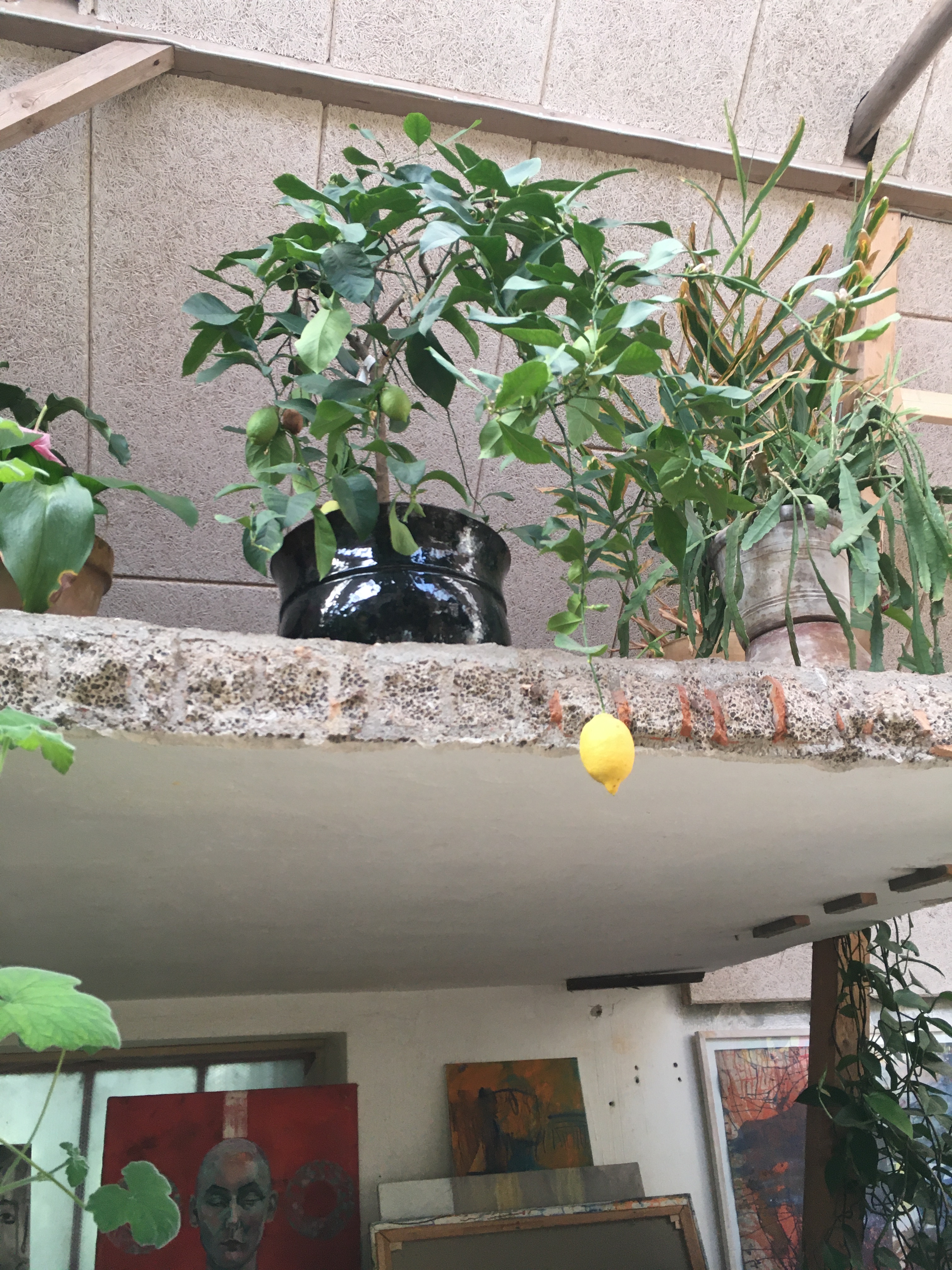
There was a workshop, Værksted, with a lot of plants and paintings. I was introduced to a ceramic artist who was in his workshop, Philip. Then I sat somewhere and doodled for a while.
I hoovered and I saw the beach at last! The weather was terrible but still it was nice to have my feet in the sea. We went to the supermarket and I saw the party section, in Denmark it goes wild with flags, read more about the Danish flag madness.
Grenaa’s beach, on a not-the-best-beach-weather day
Inside the house there were a lot of beautiful books, in the workshop there were mostly art and painters related books, I would have spent ages there! Here are just a couple classics in Danish:
On 3rd July I gave online lessons (I had asked if I was allowed to do that during my stay before deciding to leave). It was a bit hard to adjust everything but I somehow managed to.
not my best piece and I wasn’t really satisfied, but it was fun
Afterwards I was allowed to paint a bit! I didn’t really know what to paint although I was super excited to do it! I never get to paint such big pictures, and with acrylics.
Then in the evening my host and me drove somewhere to have a walk in the forest and towards the sea (going anywhere in Denmark is going towards the sea to be honest).
Here women accused to be witches were drown, and the man who killed them lived here, according to my host! scary!
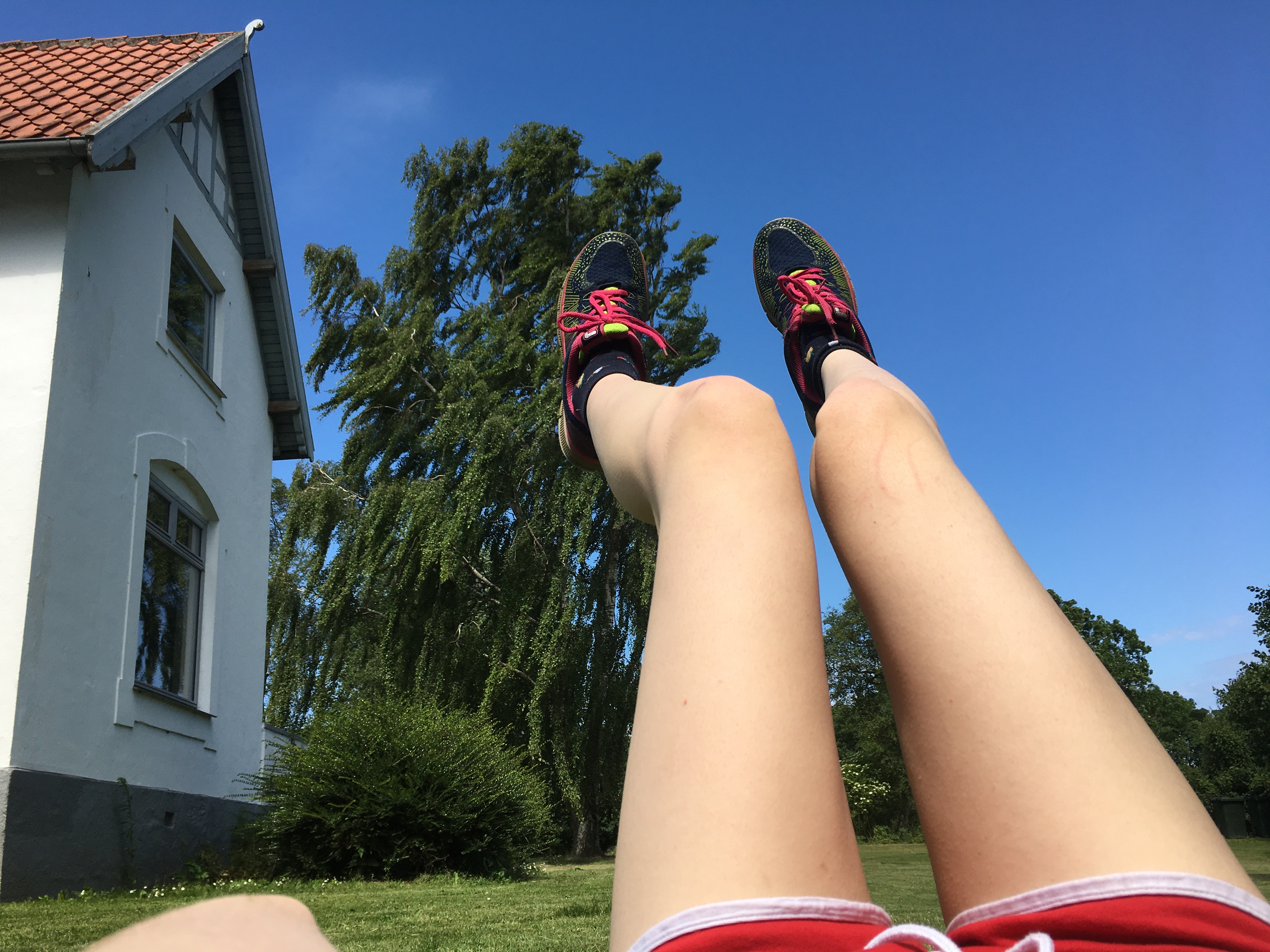
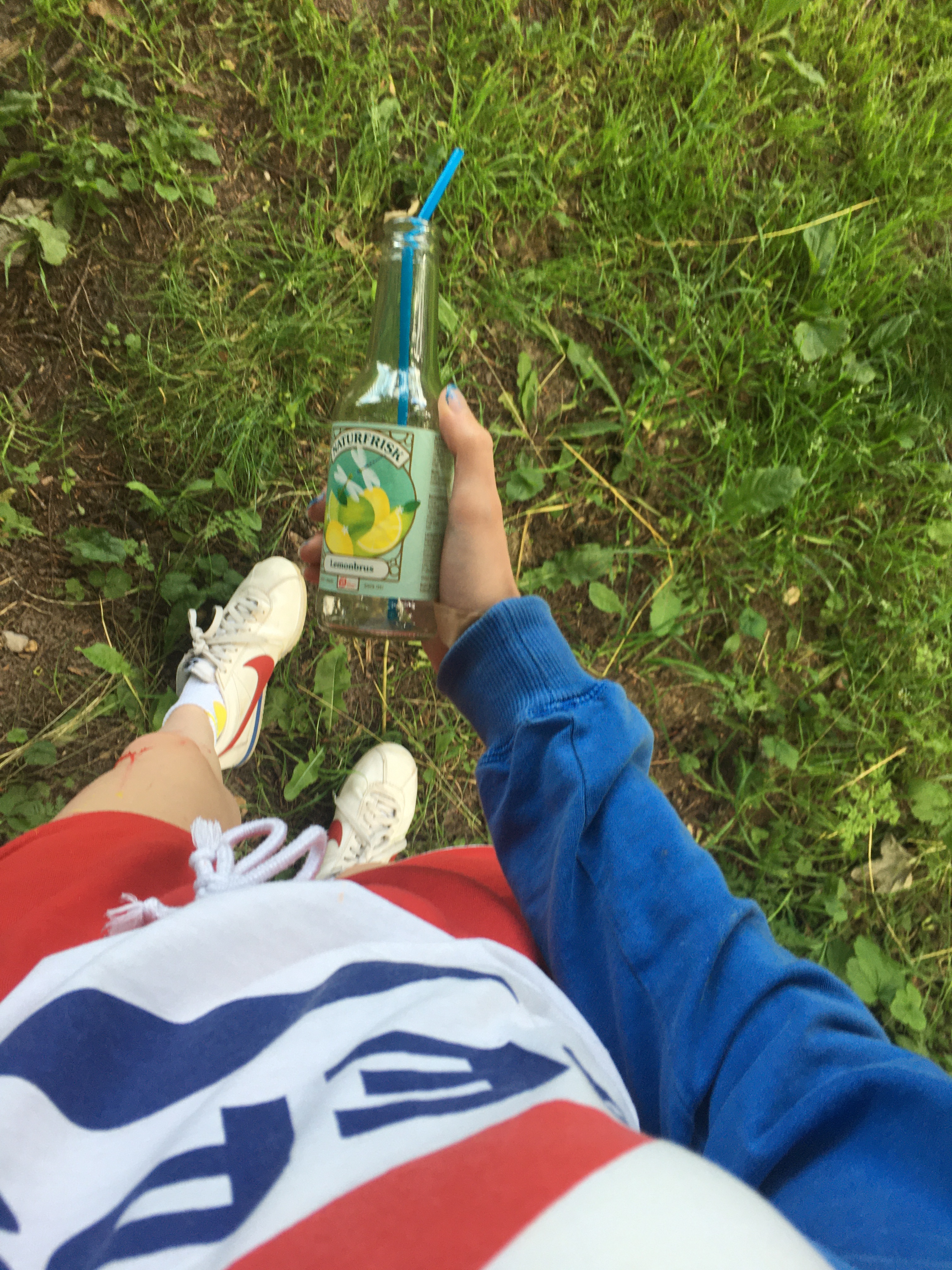
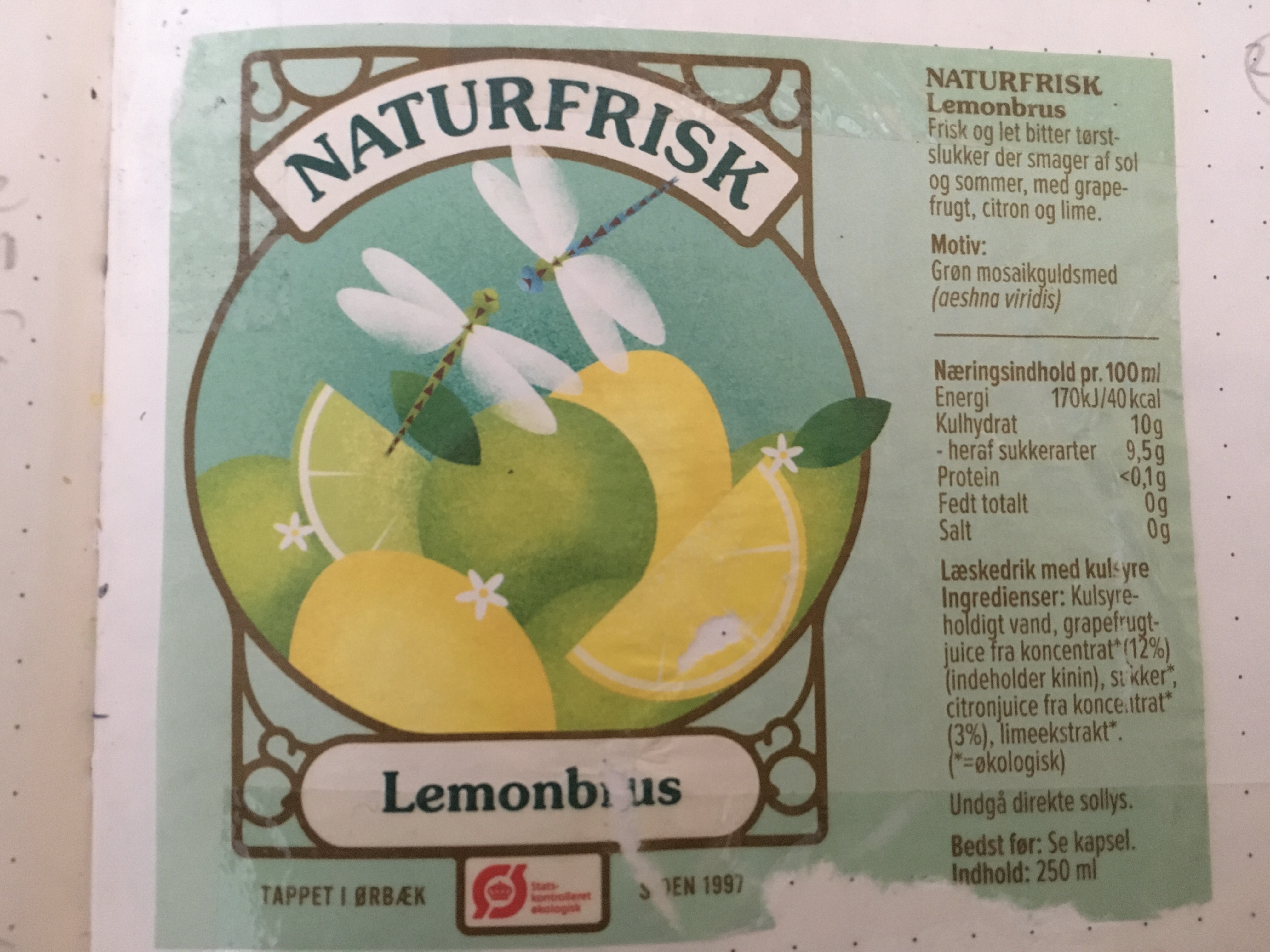
On 4. JulyI was given a lemonbrus bottle at the Garden Studio, I don’t think it tasted exceptionally good but the label looked so pretty! I had a lemon on my socks as well and with a pepsi top, red shorts and red-blue sneakers I felt like a living lemon pepsi or something. I later went with my host to the wood where i drank it on a swing.
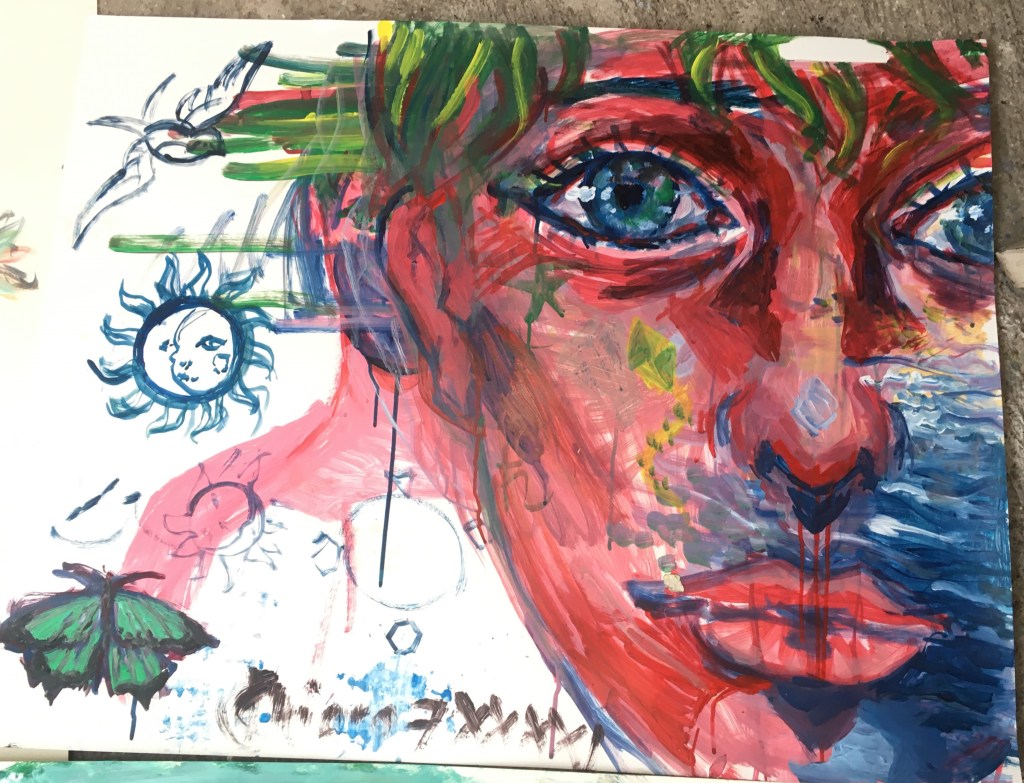
In the afternoon I spent some time painting. Once again, I didn’t really know what to draw although I was excited to do it as always. I started painting a boy but ended up covering it with a big face with the sea in it. There were visitors to the workshop, with children being curious about me painting.
eventually also added some and some tattoo-like elements I am obsessed with: the sun and swallows
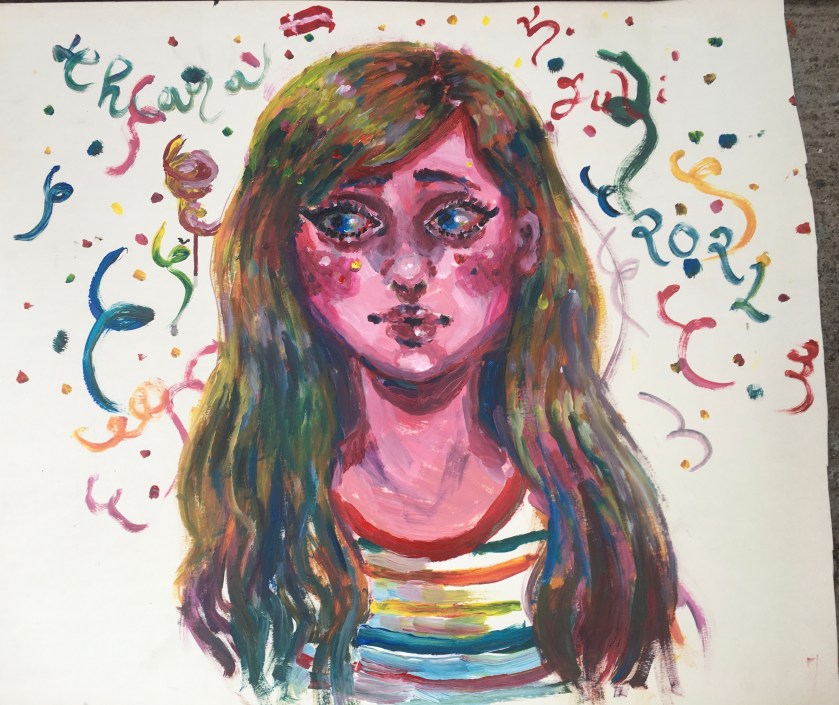
5th July started by going to the wood, Sara was there too with her dogs. Later I went to the Garden Studio, where i helped by weeding and such activities. As usual I went to pain once I was done. This time I simply painted myself!
I must say I was almost satisfied
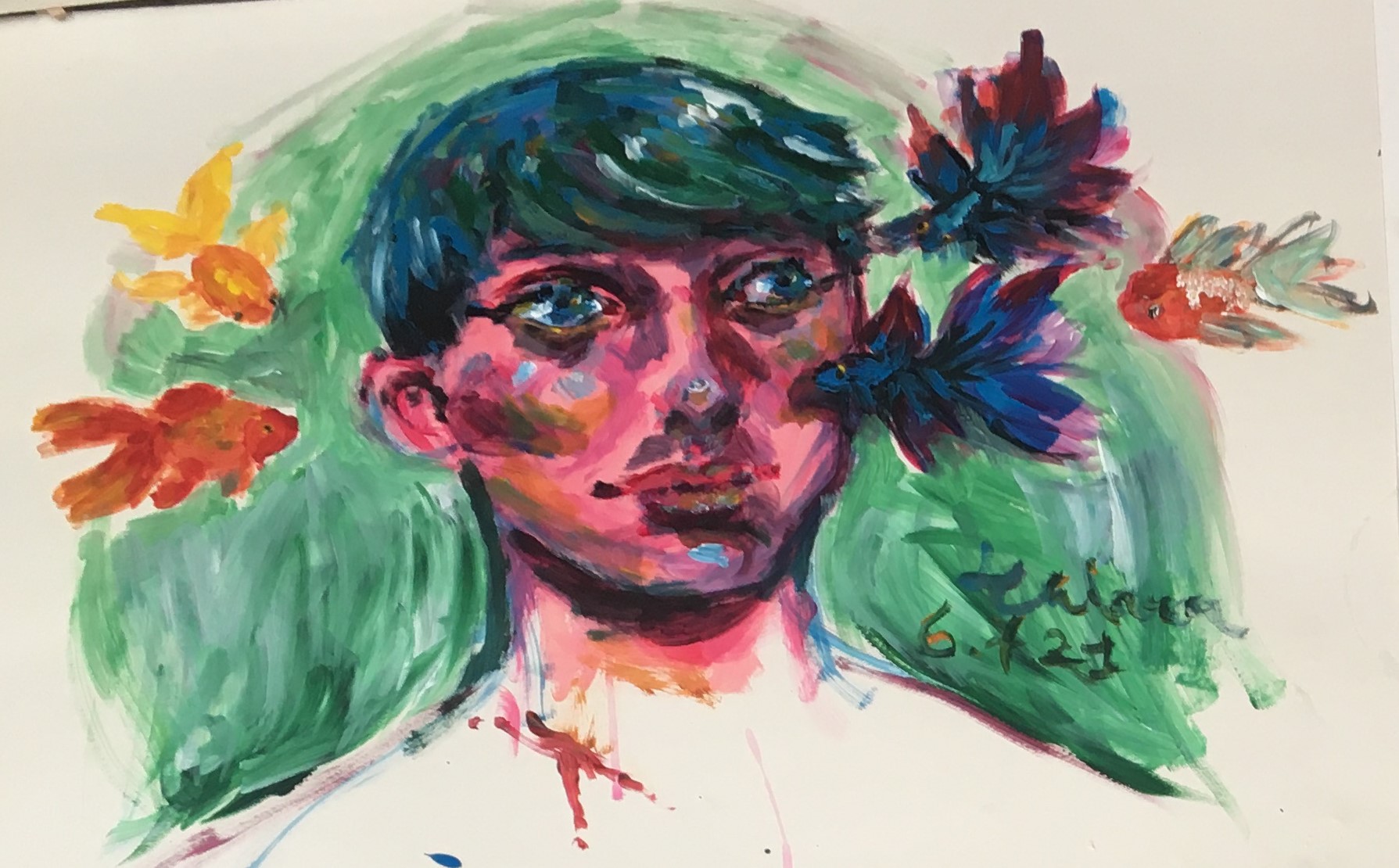
On 6th July I painted my original sea boy character wiht Fish! In my imagination he comes from the North Sea coasts, between Denmark and Holland, so right place to paint him. On the evening Italy played against Spain in the Eurocup, we won!!
On 7th JulyI helped cleaning the house of the Garden Studio, then ate lunch with Ulla, and found this quote in a book case in the house:
Alt, hvad du elsker, vil sindsynligvis gå tabt, men I sidste ende, vil kæligheden vende tilbage på en anden made. (Everything you love is very likely to be lost, but in the end, love will return in a different way.)
Kafka
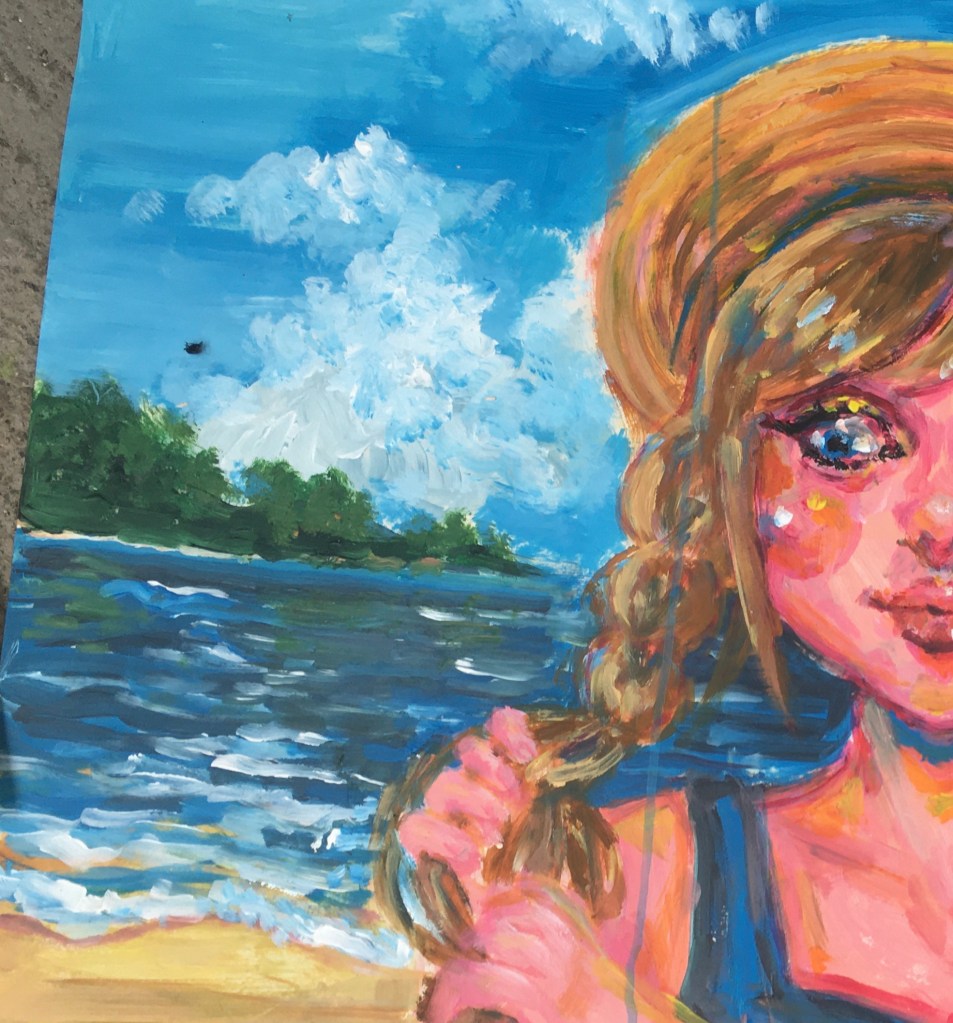
After lunch i was free to go to paint, and I started an idealistic self portrait braiding my hair in front of the sea, in a dress i unfortunately last-minute decided not to bring with me. (it would have been perfect for a day I’ll talk about in the part 2 of this diary)
I actually only finished the sky a few days later!
Volounteering at the Havmøllen
On 8th July my host drove me to Havmøllen (“sea mill”), where I volounteered at an event with dinner and concerts. I started the day by cutting bread and I didn’t bother speaking Danish since I was already in an environment out of my comfort zone..
I would have liked to listen to the concerts but after having helped with serving and cleaning I answered to the nature’s called and went for a short hike.
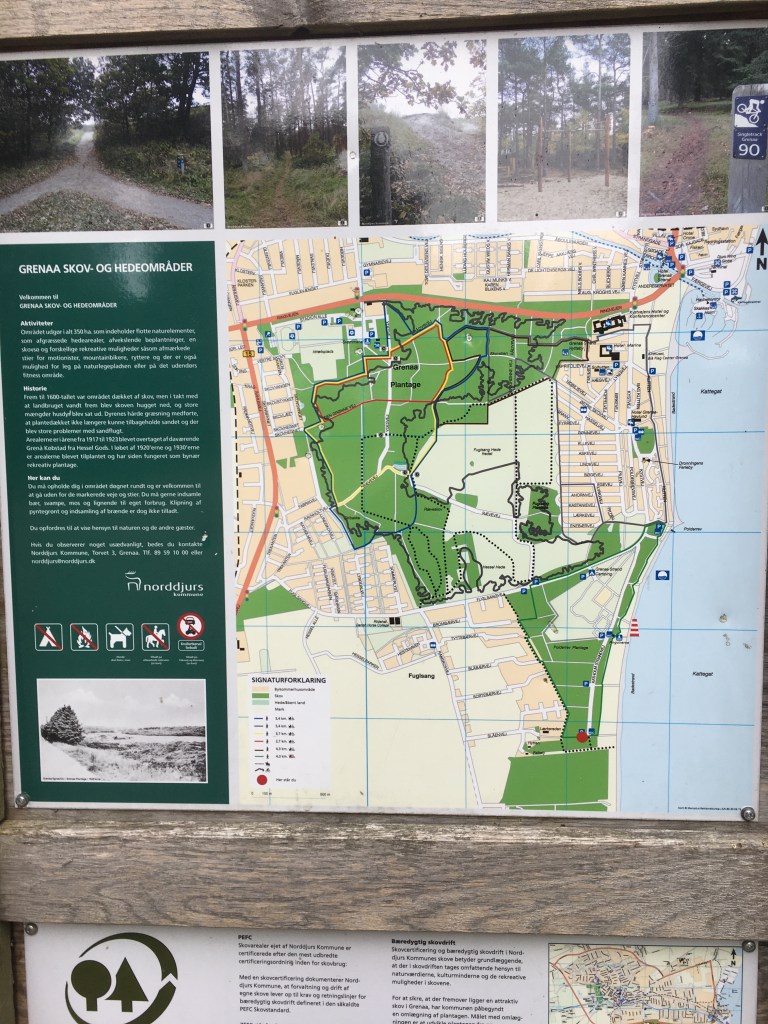
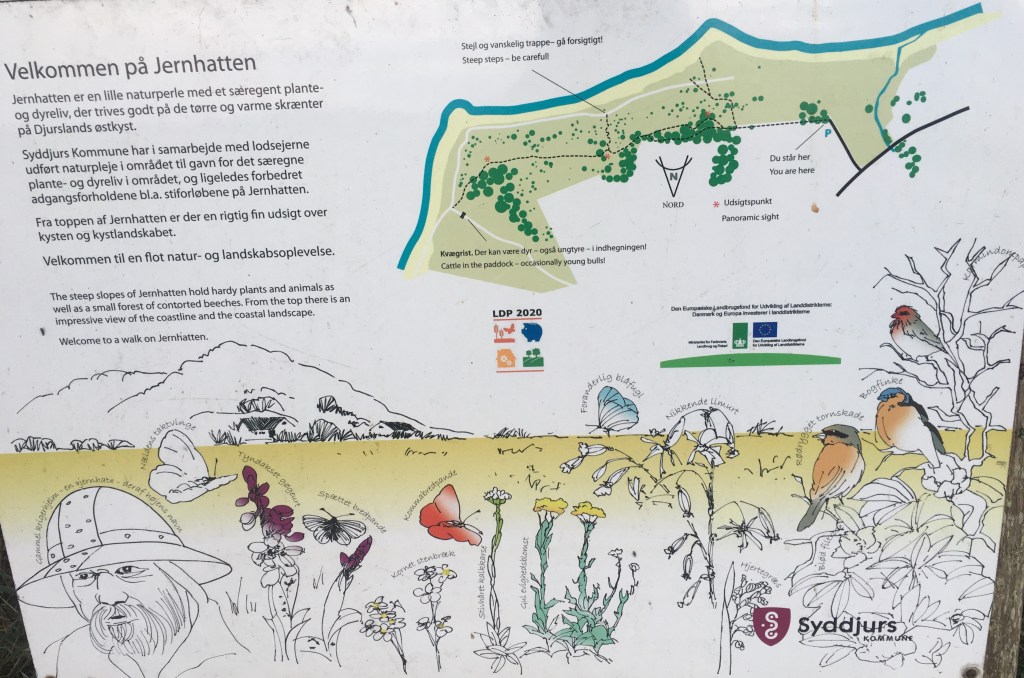
Jernhatten path and a map of Grenaa surroundings wood area
I then spent time looking at the sea while eating an apple. It was a bit hard to talk to others since I didn’t know anybody, so i just enjoyed the place by myself!
See you in the next article of my Denmark diary; with more art, pictures of Denmark, trips, fancy drinks and so on!






 a Polyglot illustrating Scandinavia