7 fun facts about Lucia, Sweden’s pagan saint

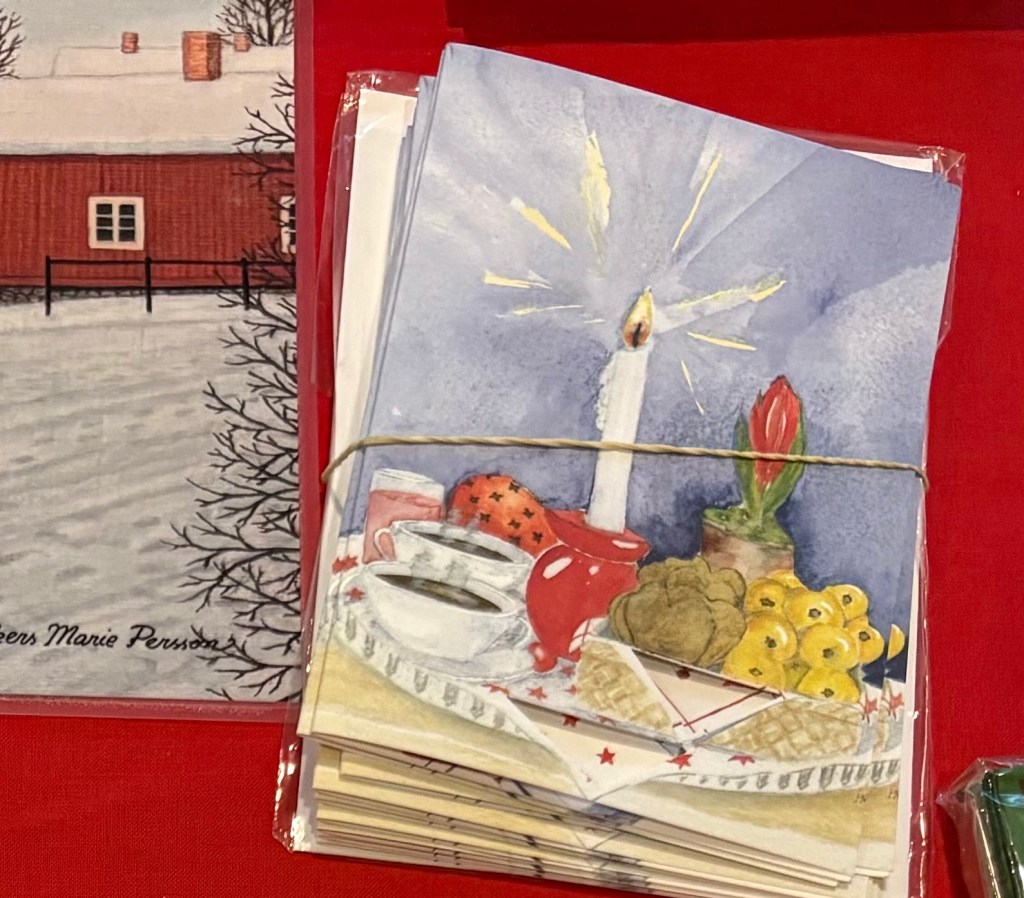
Lucia brings light in the darkest night of the year and is a mix of pagan and christian traditions. It is celebrated in Scandinavia with processions, saffron buns and church concerts.

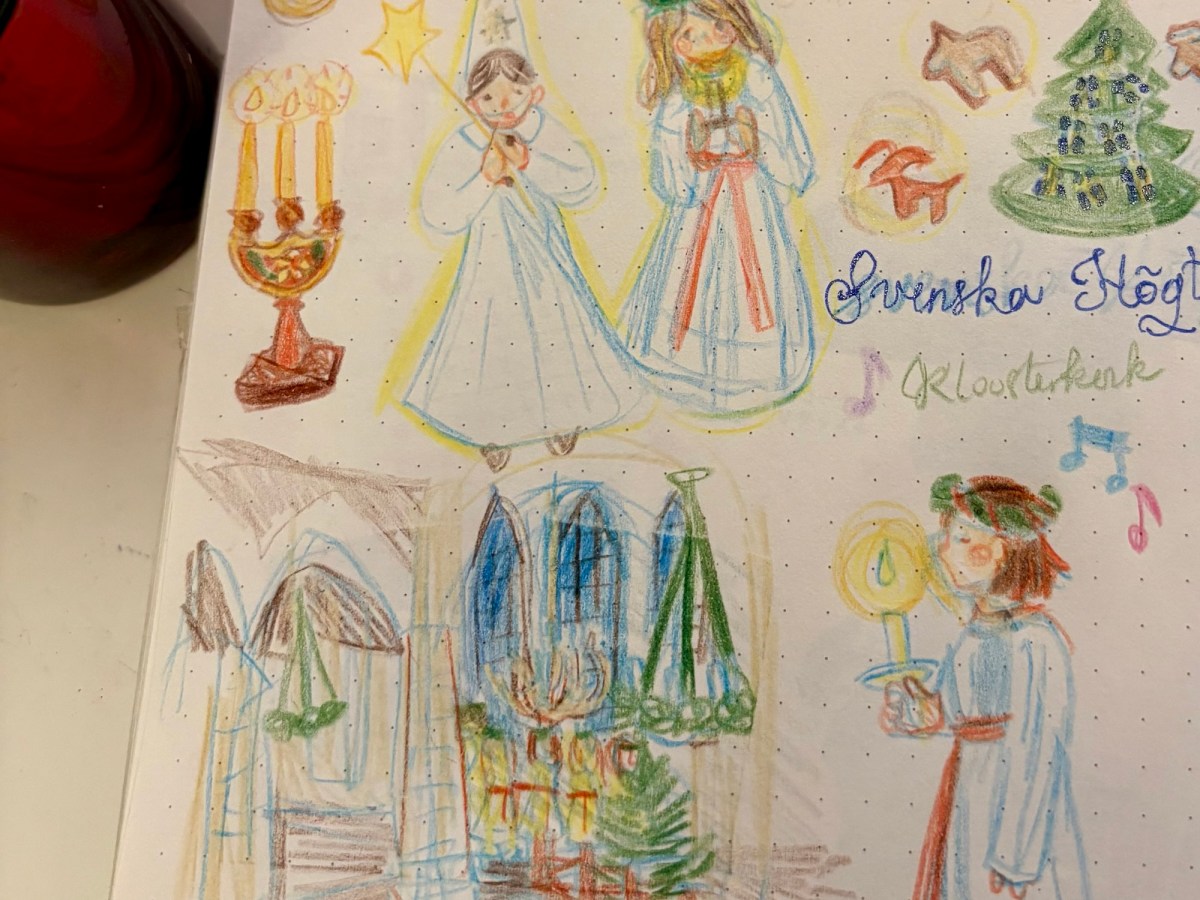
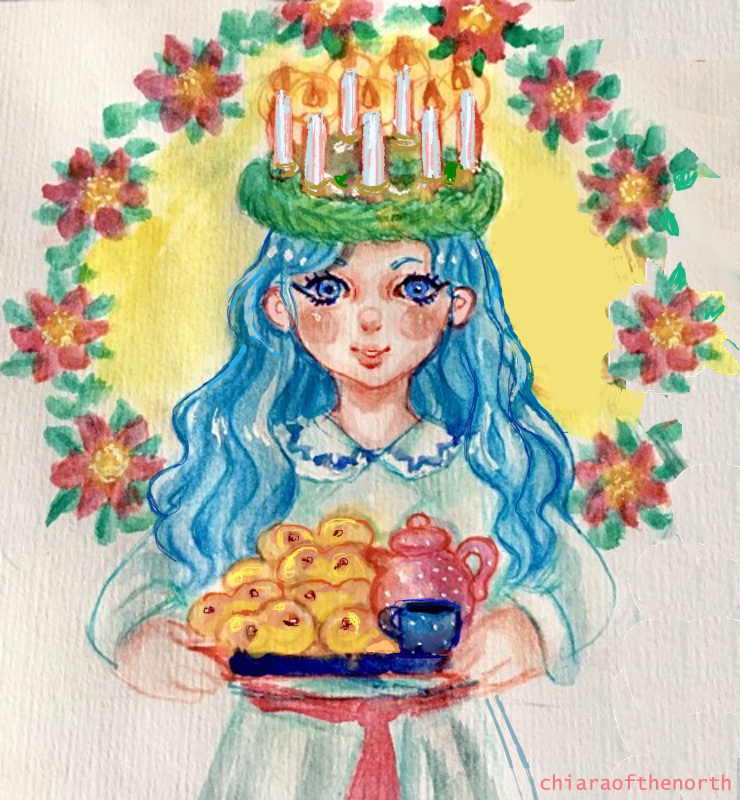
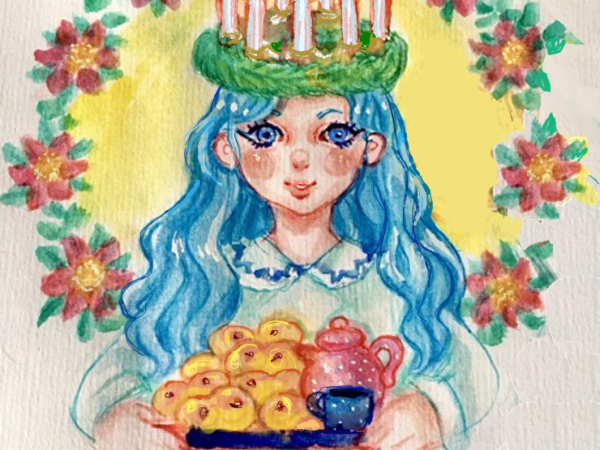
Luciadagen is celebrated in Scandinavia, especially in Sweden, on 13th December, marking the start of Nordic Christmas, Jul, season. Sankta Lucia is typically depitcted with a wreath of candles.

1. Lucia was a dangerous night…– the pagan origin

Lussinatta was observed between Norway and Sweden. On that magic night, Lussi, a dark, female creature, would come with witches and trolls, punishing those who misbehaved or did not observe Yule preparations -also by going down the chimney (reminds me of somebody…) and blowing up the house… To protect oneself, it was necessary to stay indoors and respect the tradition of Lussevaka, staying awake and watching out on the longest night of the year. Candles would also help protect.

2. The real Lucia was Sicilian – the christian origin

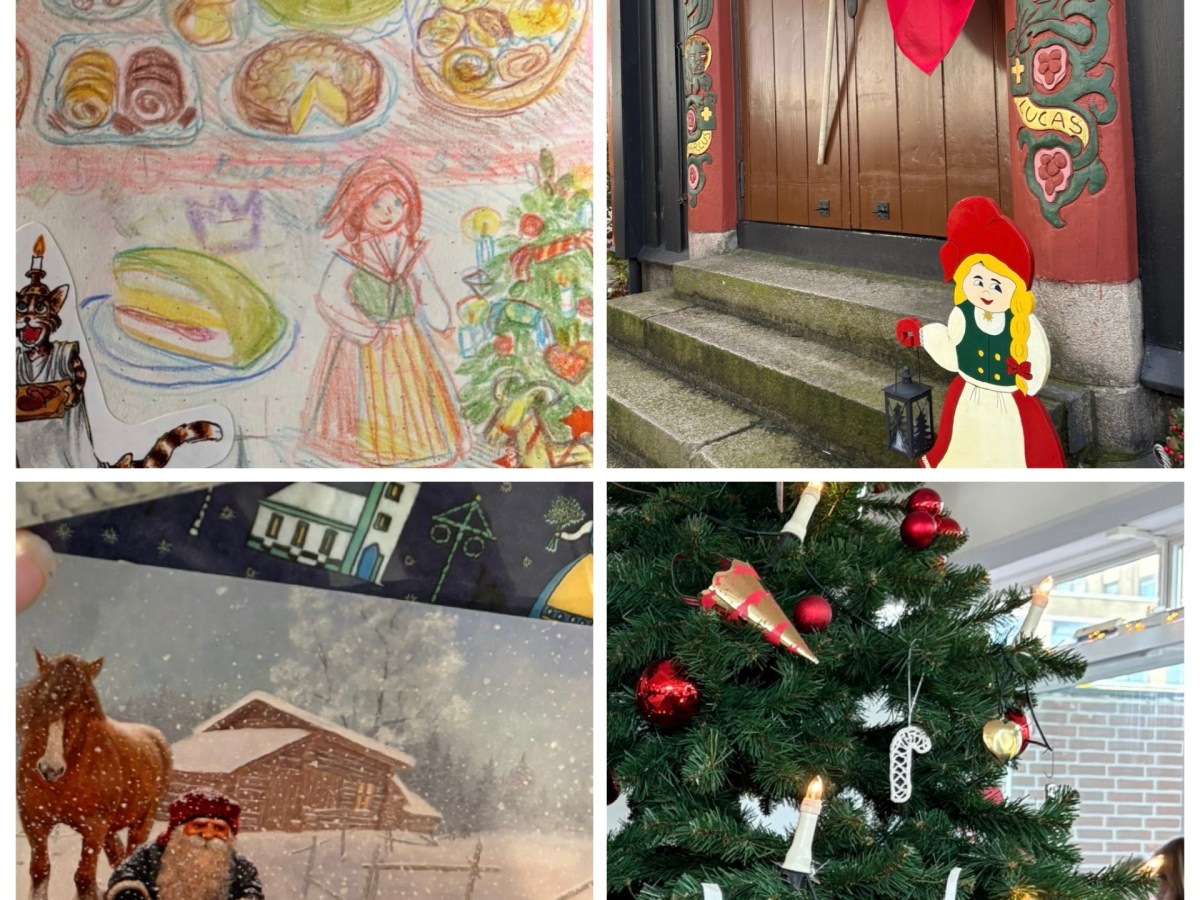
Saint Lucy was a Syracusan martyr of the 4th century AD. Some say she brought food to Christians hidden in the Roman catacombs, with candles on her head to have her hands free. A figure who brings light in the darkness, much needed in the Northern winter, replaced the dark creatures of Lussinatta!

3. Lucia’s modern look came from Germany

The current celebration of Lucia is derived from the German tradition of Kindchen Jesus or Christkind (child Jesus). The Christkind was represented by a girl dressed in white, wearing a crown and lights, who handed out gifts to children. The tradition was brought to Sweden in the 1700s, where the name became Kinken Jes and spread from southwestern Sweden. It became common among wealthy families that a girl dressed as Lucia would serve breakfast in the 1800s.
4. A Lucia is elected each year

The girls representing local Lucias in processions are elected each year, as is one national Lucia for whole Sweden. The first public procession in Sweden took place in 1927, when a newspaper in Stockholm elected an official Lucia of that year for Stockholm. There used to be Lucia contests, but nowadays it is more about children processions, with schools which often let chance decide who’s to be Lucia, for example by organising a draw.

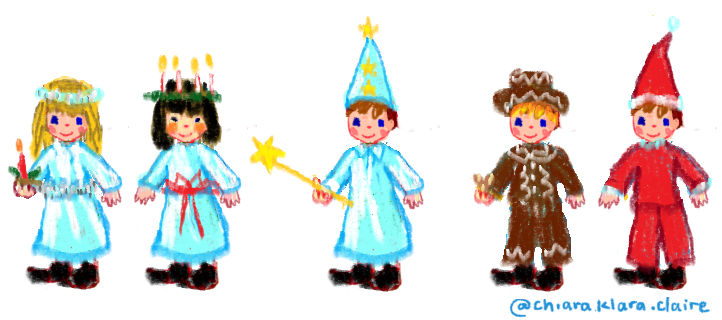
5. Lucia’s male counterparts are Star boys, gingerbread men and christmas elves

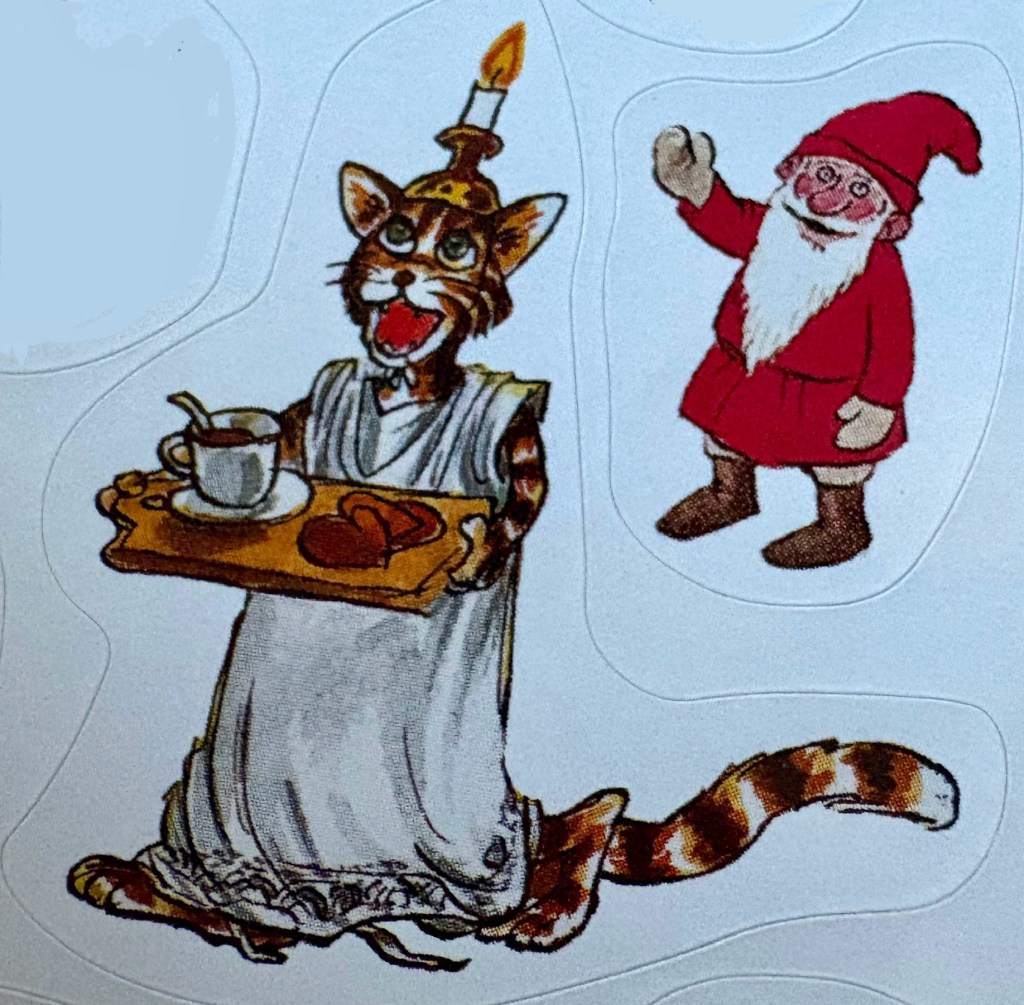
The processions include the Lucia at the head, giving out sweets, accompanied by other angel girls and boys dressed as stjärngossar “star boys”, in white, wearing a cone hat with golden stars and holding a star stick. They are linked to stjärngossespel, a tradition from middle ages consisting in ‘star’ children going door to door singing songs, representing the Three Kings.
Other children are pepparkaksgubbar (gingerbread men) and tomtenissar (Christmas elves). Lucia songs as are sung, as Natten går tunga fjät “the night comes heavily”. It is actually based off a song by a Neapolitan composer.
6. Lucia’s treats: Saffron buns

Around Advent time Sweden is full of Saffron buns, especially the classic Lussekatter, shaped like an S with raisins, which would be shaped as curled-up cats with some fantasy.
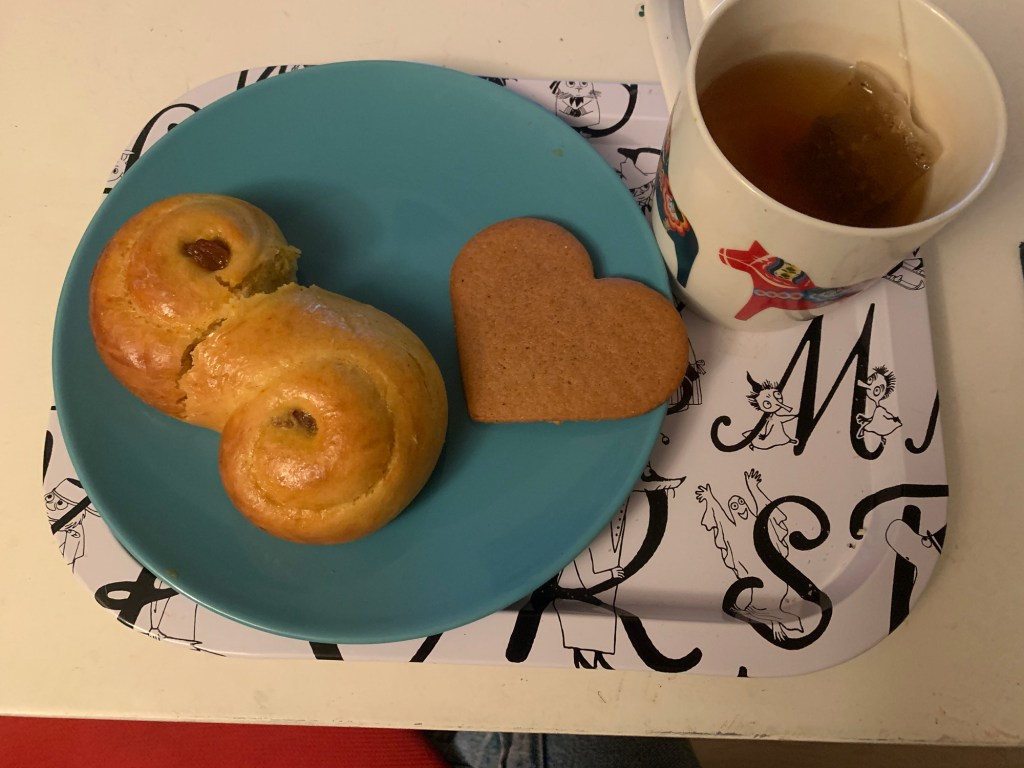
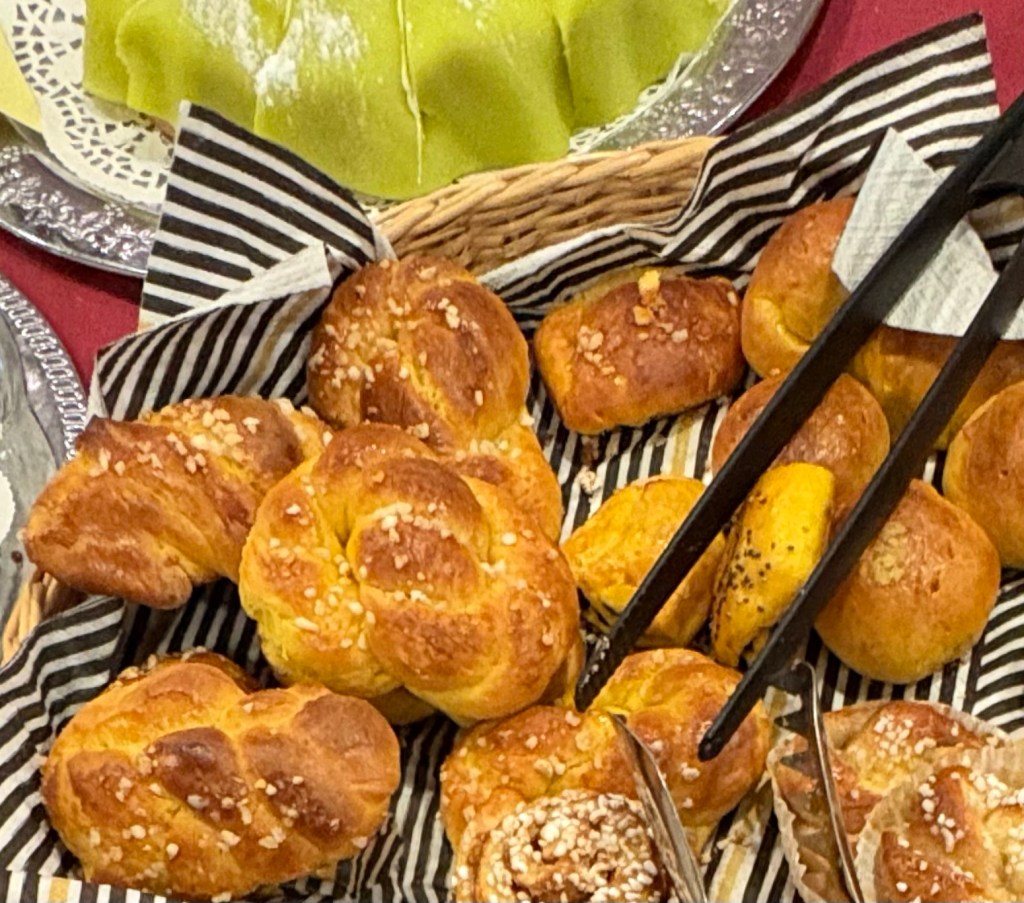
Other Advent-time treats as pepparkakor (spiced cookies) and glögg (mulled whine) are also commonly linked to Lucia traditions.

7. Lucia is celebrated in the rest of Scandinavia…and Italy

The Swedish-speaking population of Finland celebrates Luciasfester. Finland elects its Lucia since 1949, when she was elected and crowned in the cathedral of Helsinki, but the very first Finnish Lucia might have been elected in a school in Åbo/Turku in 1898.
In Denmark and Norway, Lucia started being celebrated during and after WW2, and it is mostly celebrated in schools and kindergartens. In 1944, the tradition was brought to Denmark with the first procession in Copenhagen, as a way to strengthen common Nordic traditions in the dark times of German occupation.

Some parts of Italy also celebrate Lucia! That is mostly around Bergamo, North Italy, where Lucia comes on a donkey and brings presents in the night, and children leave some treats as cookies for her. The 13th is also a special day in schools! It is also celebrated in Sicily, where it is more christianity-centered.

Sources:

5 peculiar symbols of Christmas in Iceland

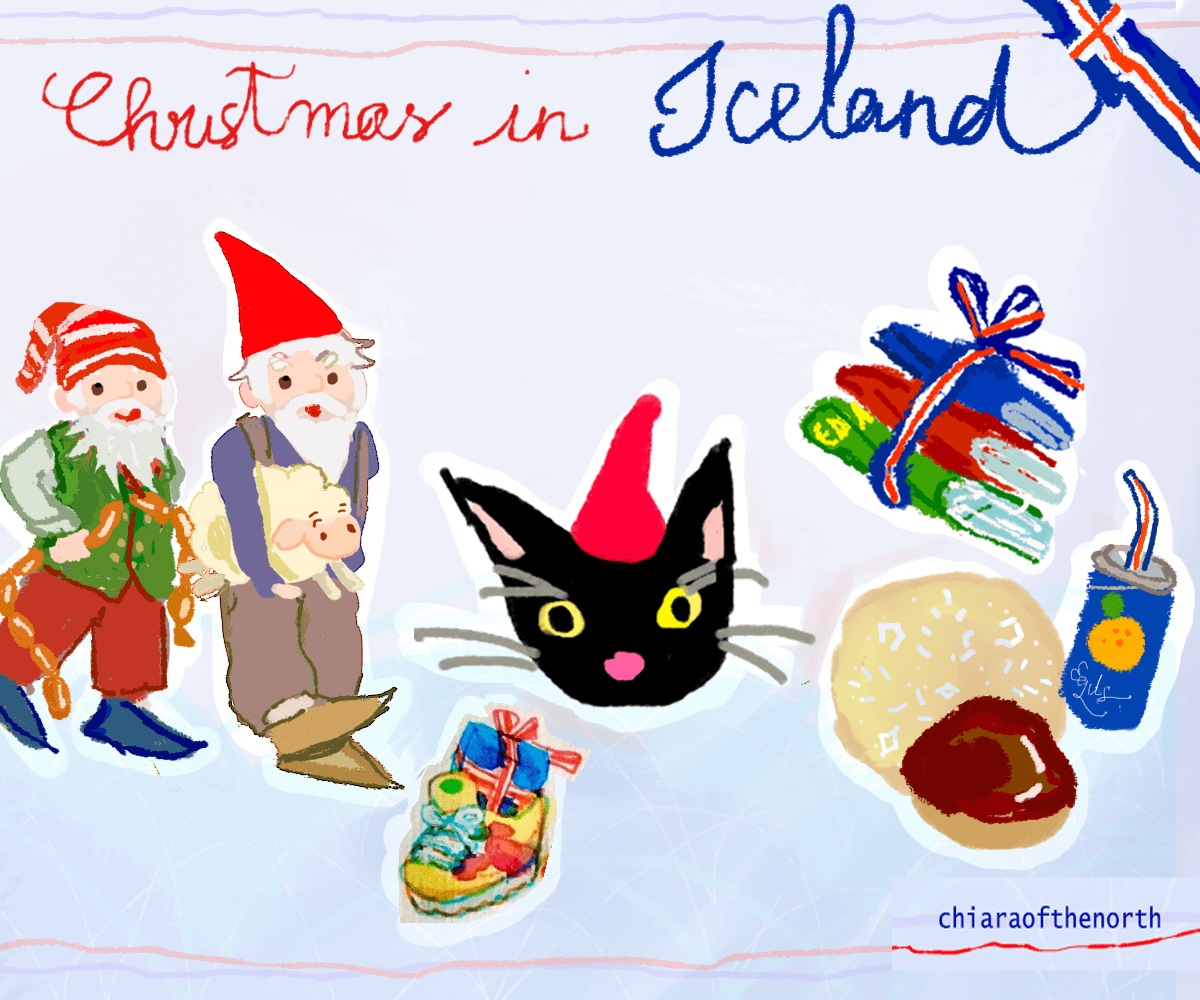
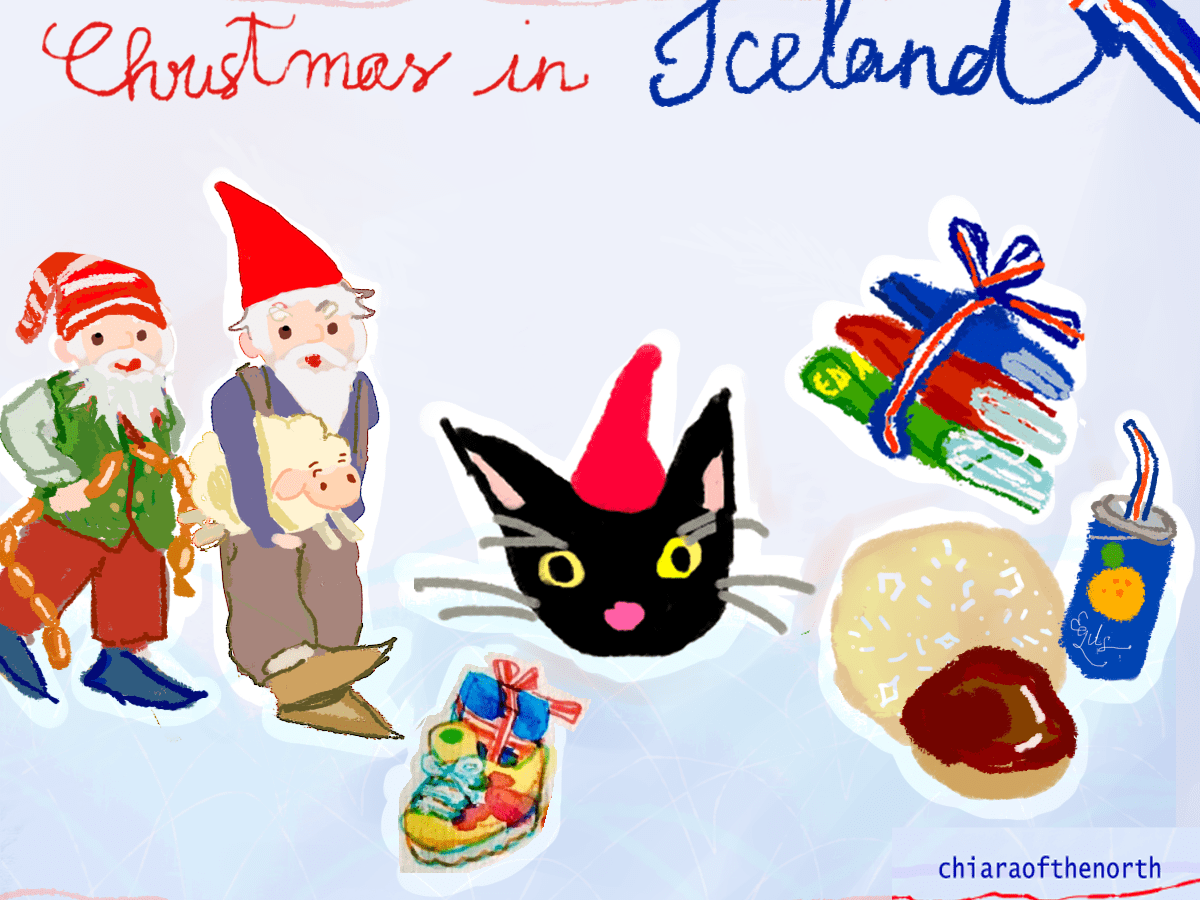
Iceland’s Christmas, Jól, involves 13 mischievous elves, a black cat, orange-beer, and a lot of books.

After Norwegian, Danish, and Finnish Christmas fun facts, this time is Iceland’s turn! As Iceland is fairly isolated from mainland Europe, Icelandic christmas, Jól, is characterized by a few more or less curious things, especially who brings gifts…

13 naughty elves

In Iceland the Christmas gift bringer is not one, but 13 elves, Jólasveinarnir -‘Yule lads’, who start coming 13 days before Christmas, one each day. Icelandic kids leave their shoes on the window sill every evening, so that the yule lads can leave a present inside them. According to the tradition they come from the mountains to annoy the population, each of them has a different name, related to what they do: Hurðaskellir “door slammer”, Skyrgámur “skyr gobbler”, Bjúgnakrækir “sausage stealer”, Stekkjarstaur “sheep harasser“ among others.

A black cat that will eat you *if you have old clothes

In Iceland you also have the Christmas Cat, Jólakötturinn, who eats people who have not received new clothes. During Christmas time you can admire a big sculpture of the cat in Reykjavik.

Books, books, books

Iceland has the highest number of books published (and probably read) per capita, and nearly everyone gives and receives books as Christmas presents. Around 80% of book sales happen during the so-called Jólabókaflóð “Christmas book flood”, in the two months before Christmas. Candles and playing cards are other traditional gifts.

Bread with patterns

An Icelandic Christmas tradition is making a thin and round fried bread laufabrauð “leaf bread”, with patterns cut into it. It kind of end up looking like bread snowflakes! Laufabrauð is often paired with hangikjöt, Icelandic smoked lamb.

Orange soda-beer mix

As it is during Jul period in other Nordic countries, Icelanders have their own Christmas beer. In Iceland, it is orange flavored! Jólaöl is a mix of malt extract and orange soda, from the orange soda brand Egils.

Cookies named after a French actress

Sarah Bernhardt cookies are a common Christmas treat in Iceland, typically home baked. Commonly called Sörur – Icelandic plural of Sara – they are chocolate dipped cookies, invented in Denmark in 1911 in honour of French actress Sarah Bernhardt.

sources -Guidetoiceland.is

Subscribe for more fun facts!

7 fun facts about Lucia, Sweden’s pagan saint

Lucia brings light in the darkest night of the year and is a mix of pagan and christian traditions. It is celebrated in Scandinavia with processions, saffron buns and church concerts.

Nordic findings in japan

Nordic culture experienced in Japan: Moomins, Dala horse stationery, Nordic-inspired foods and books about Scandinavia seen by the Japanese.

You can find Nordic cafés & restaurants in Japan on this blog, but here is some other stuff I bumped into during my trip there !

Nordic-inspired Japanese items

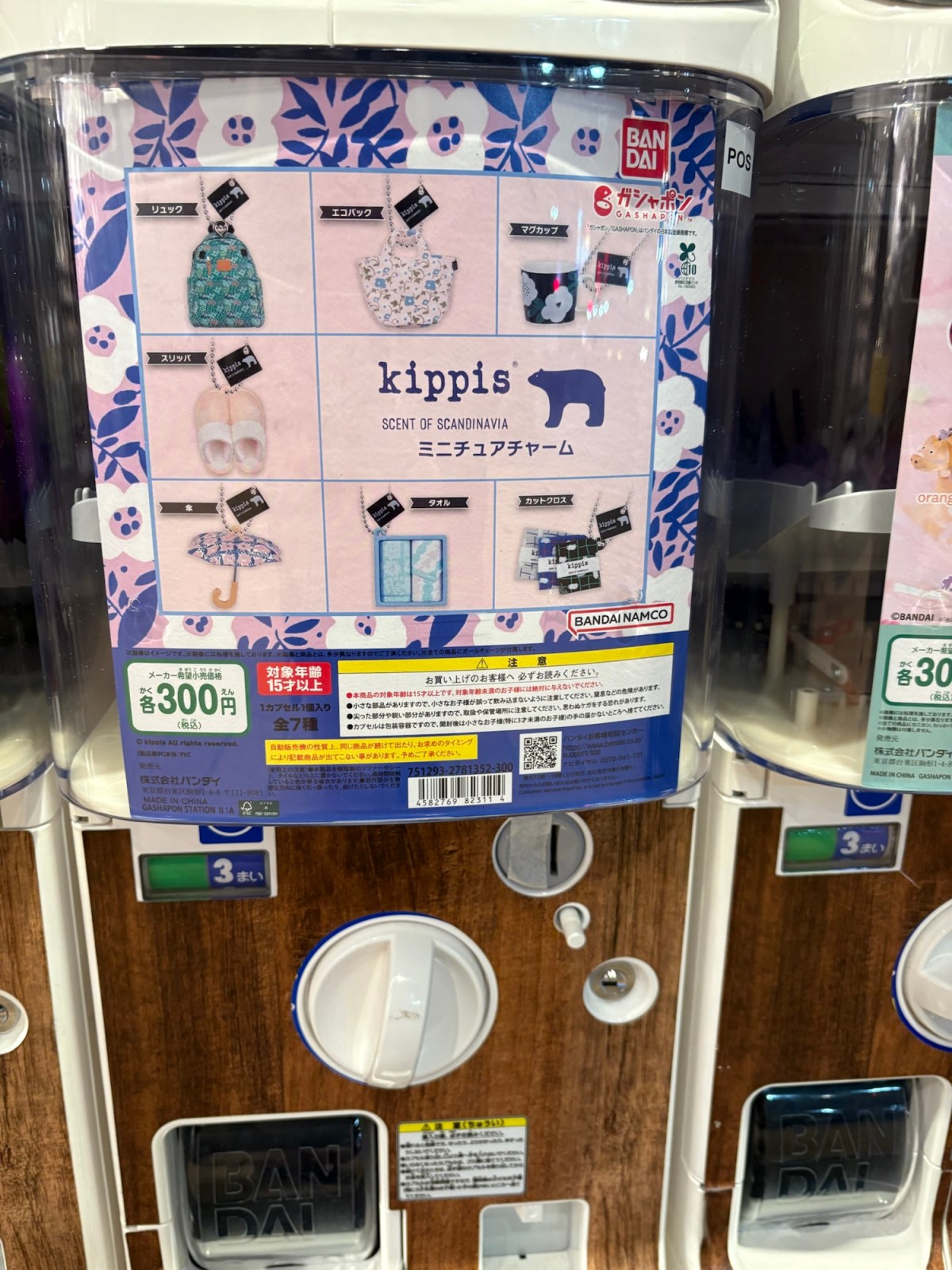
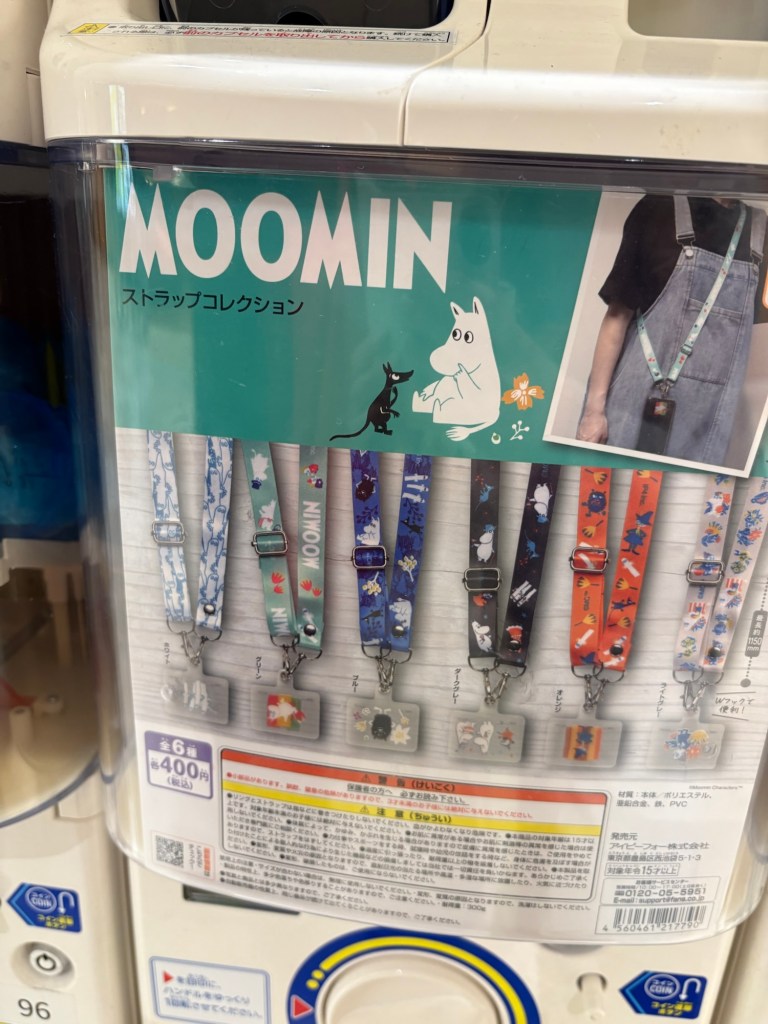
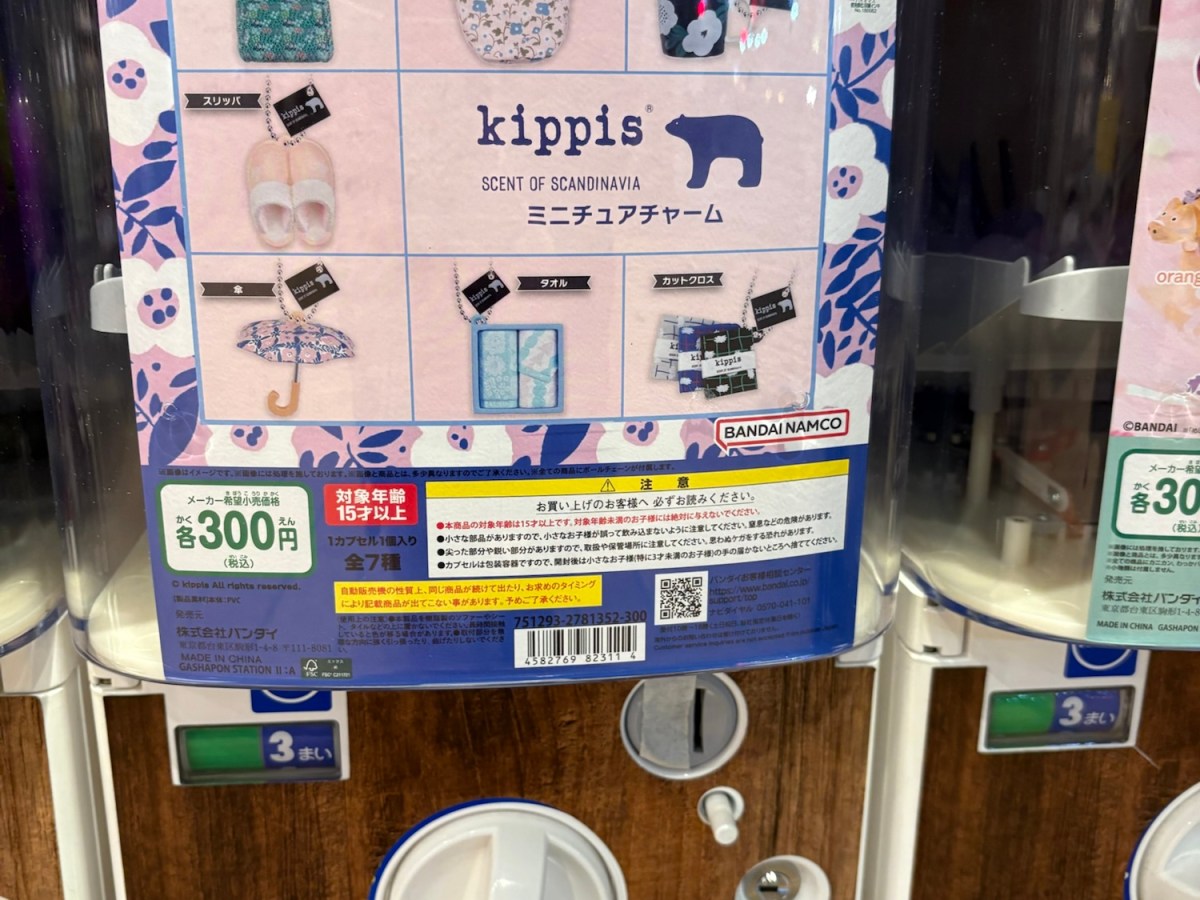
I saw some cute objects connected to Nordic cultures, as a gacha-gacha machine where you could get a Marimekko-looking item keychain! It was called Kippis, what the Finns say when toasting.

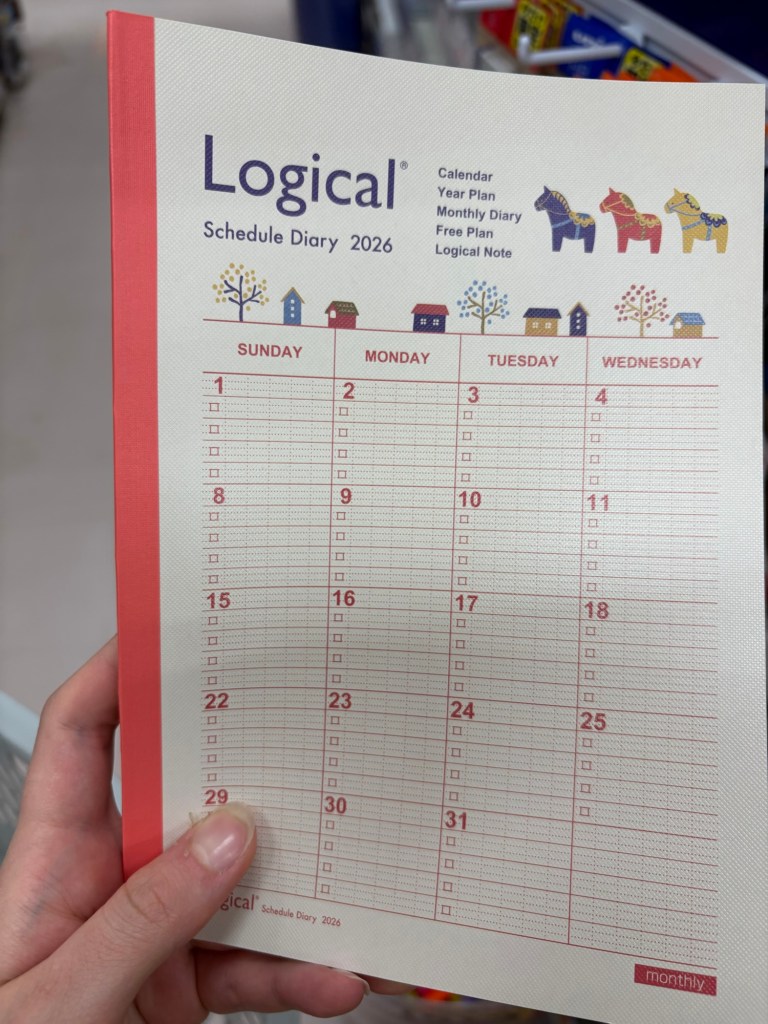
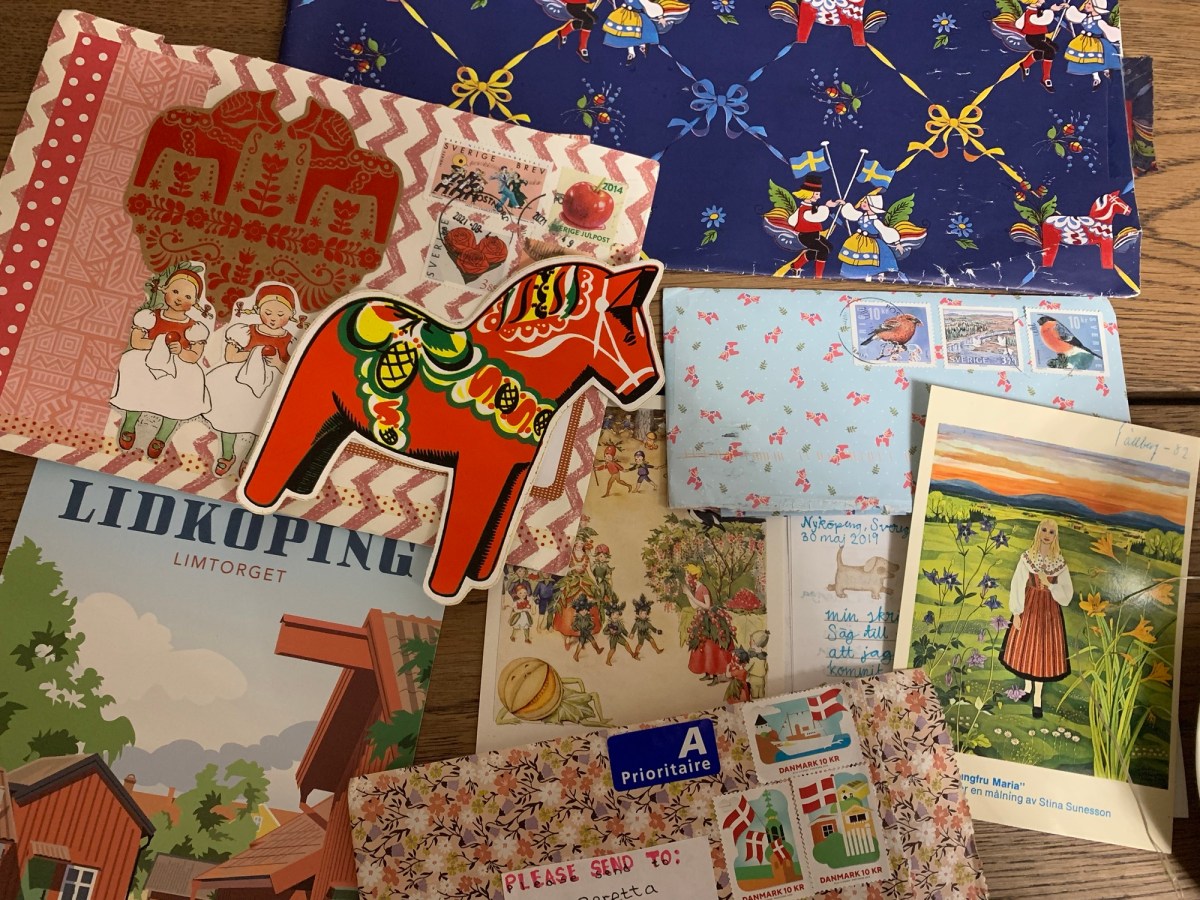
It is also not surprising that Japanese and Asian people find Dala horses cute, and that’s what I saw on the cover of a journal. Was kinda tempted to get it!

Moomin!

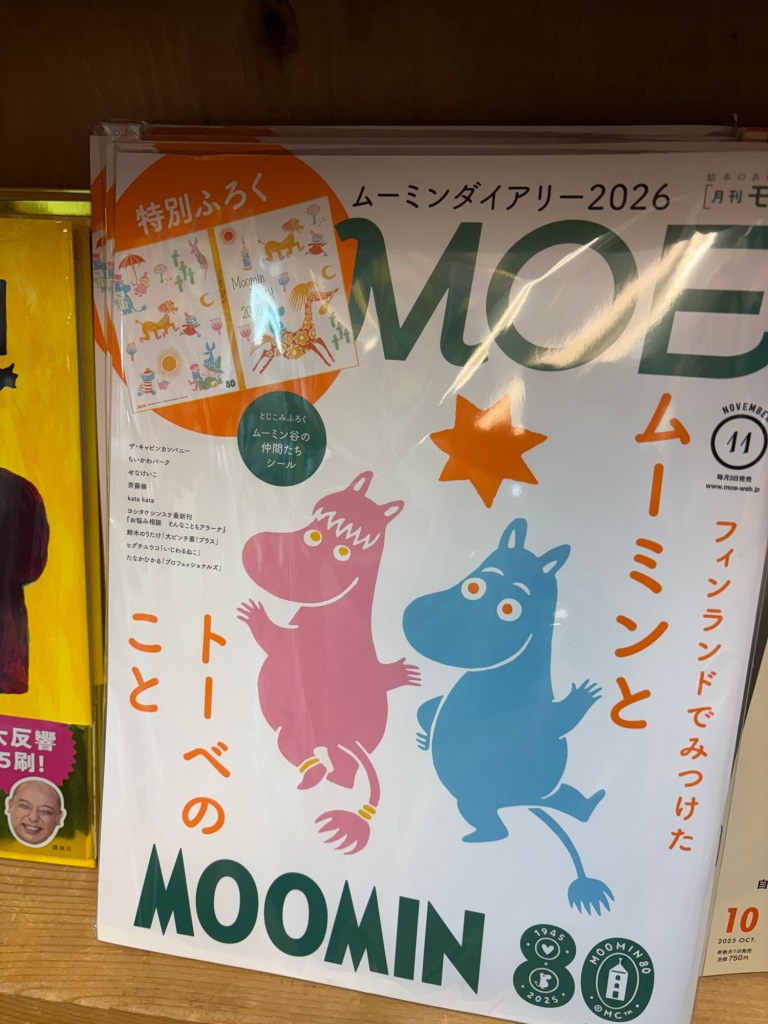
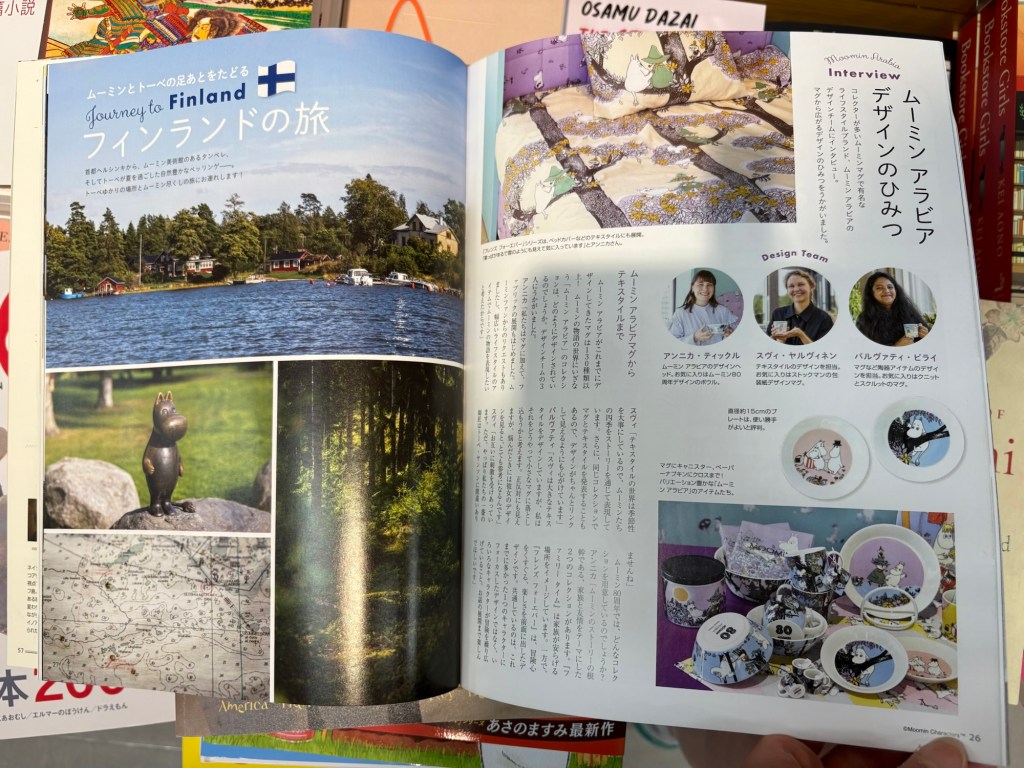
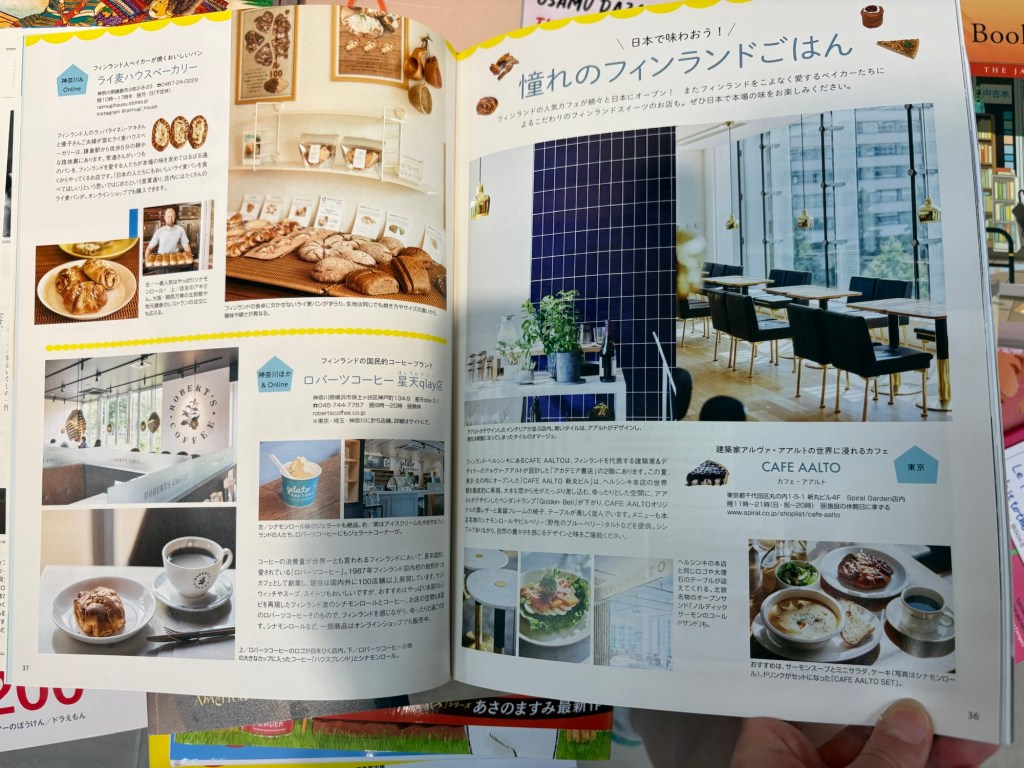
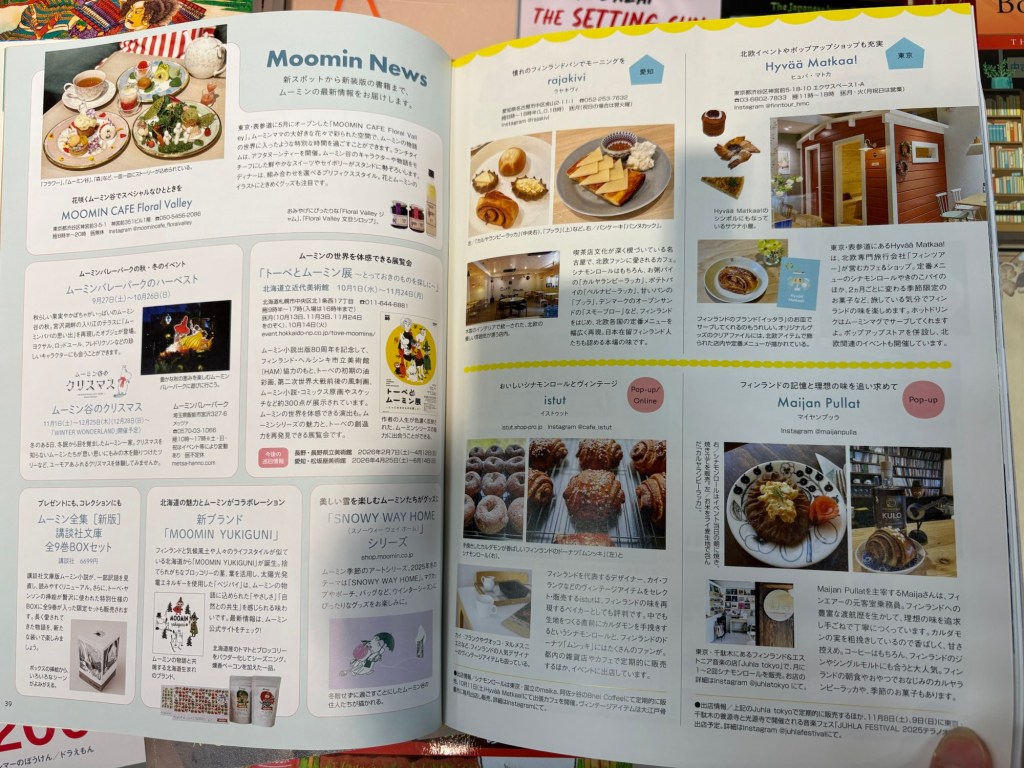
MOE magazine was featuring Moomins in the current issue. Moomins are pretty popular in Japan and represent an iconic symbol of Finnish culture. This issue had many pages about Finland and Finnish bakeries in Japan among others as well.


A Moomin pop-up cafe closed just before I left, and Mcdonalds has Moomin toys in their happy meal right now! Too bad I was either late or early.

Nordic food with a Japanese twist

Fun Fact: all-you-can-eat style fusion buffet restaurants are usually called Viking – バイキング – in Japan. The idea behing the name originates from Smörgåsbord (buffet) restaurants, that a restaurant manager from Tokyo’s Imperial Hotel saw in Sweden. As Smörgåsbord is not the easiest word for a Japanese, the word viking was adopted instead! (Source: tofugu.com)

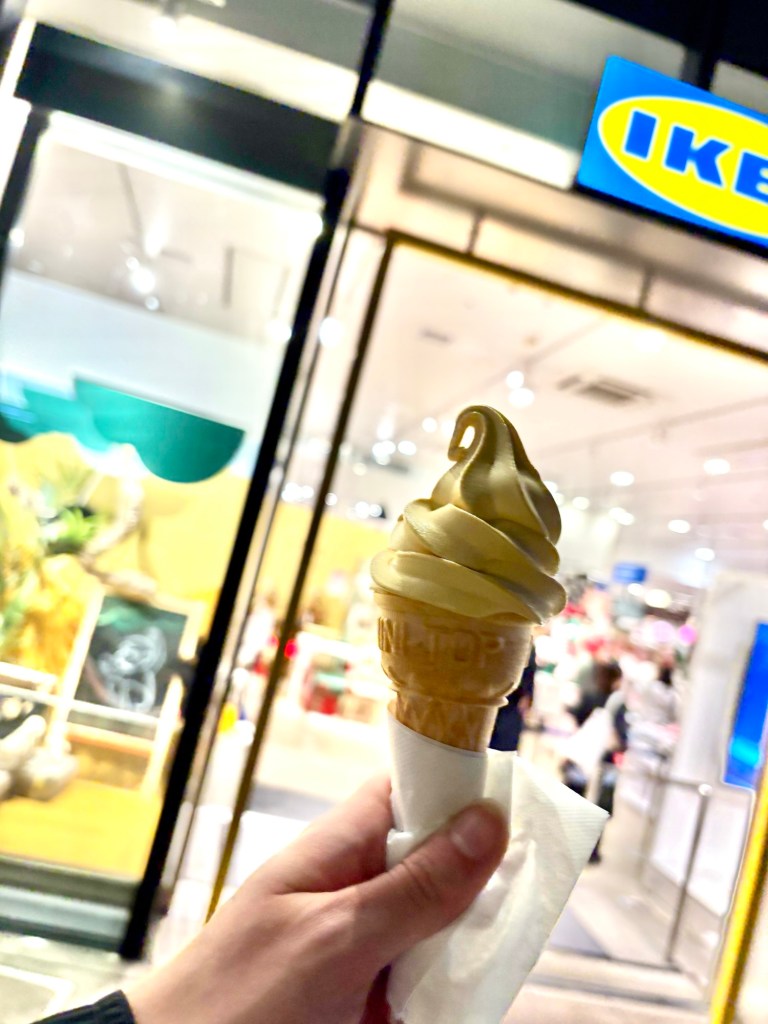
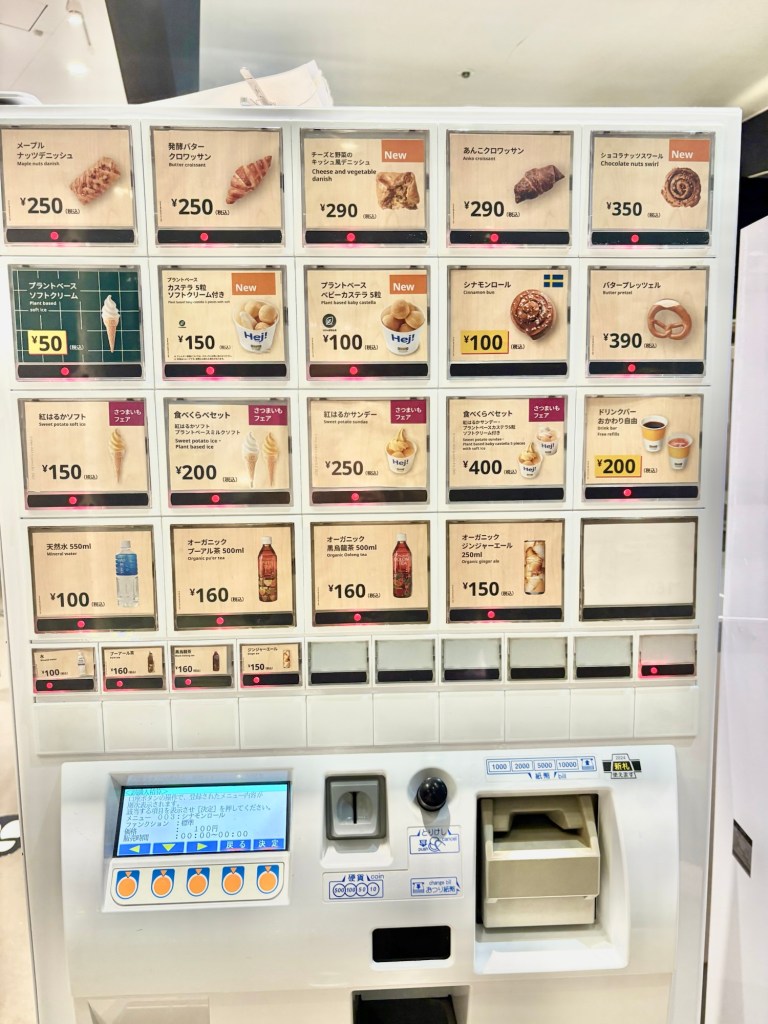
Speaking of Sweden, IKEA is, all over the world, the place to go for Swedish food, with its rather cheap restaurant and bistrot. Japan is no exception, but it has its local twist, and I got to try Sweet Potato soft ice cream!! Sweet Potato is a very common seasonal flavour during Autumn in Japan.

You also have a chain called Danish Bar, selling roll-shaped danish pastries. Nothing particularly Danish besides the wienerbrød-ish dough though.

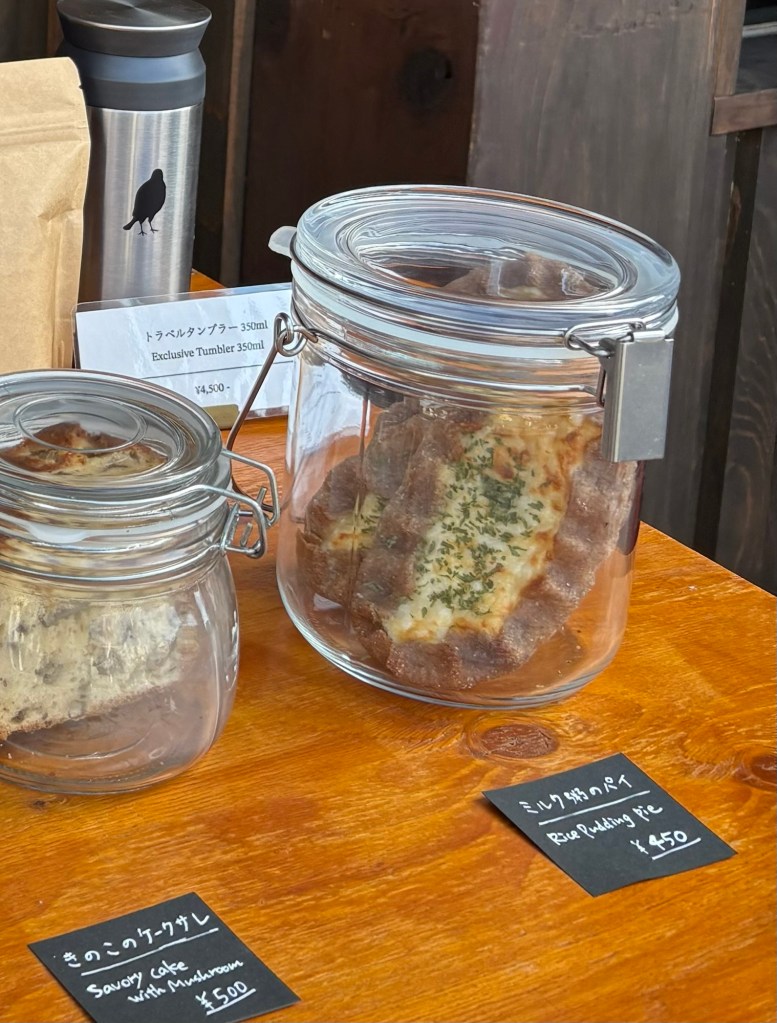
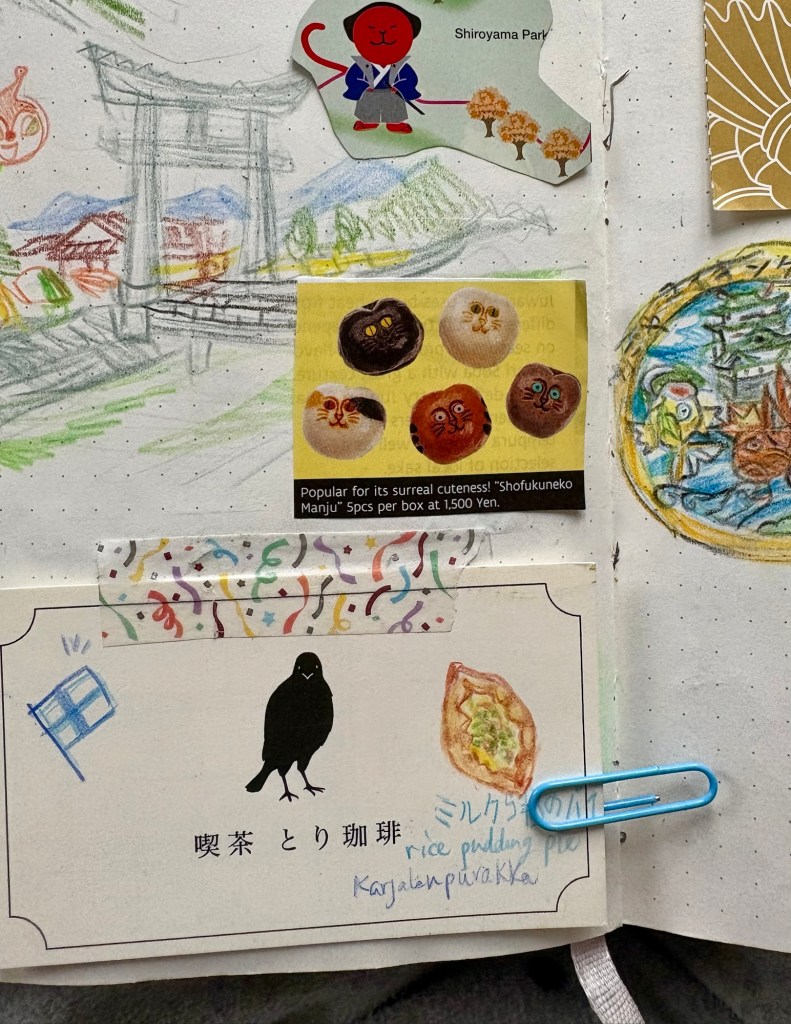
I was walking around in Takayama, Gifu prefecture, when I bumped into a Karjalanpiirakka/Carelian Pie being sold at a cafe called Tori coffee, the iconic Finnish Rice pudding Pie as it was named here!! I had to immediately interact with the person at the counter and ask about it, and I found out the baker had actually been in Finland! I was too full from Japanese food to eat one, but it looked delicious.

Days later, I found Finnish bakeries, cafes and restaurants in Japan being showed off in the MOE Moomin-themed magazine I mentioned above.

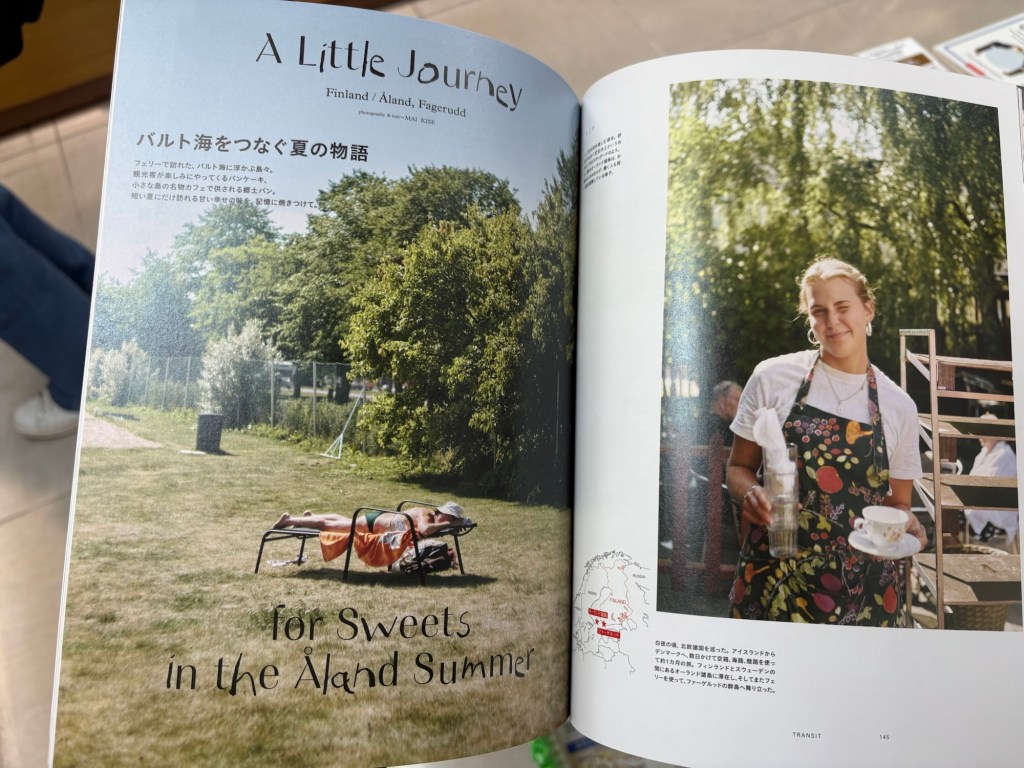
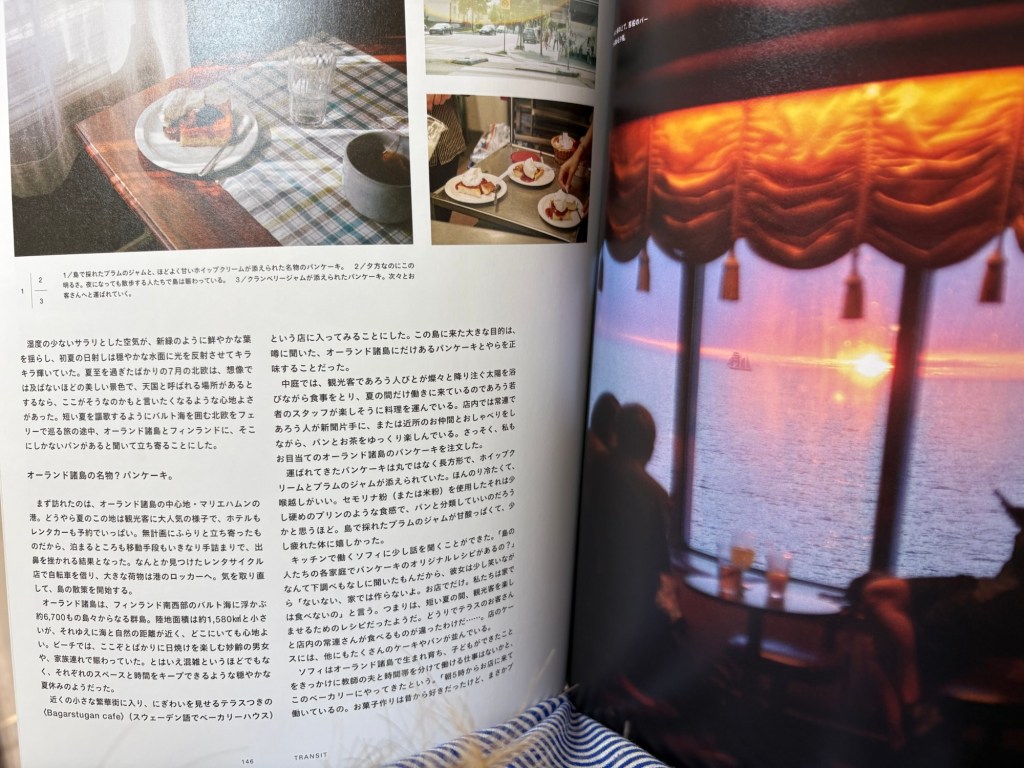
The TRANSIT magazine featured a section about the New Nordic Bread Movement, with among others an article about Åland.

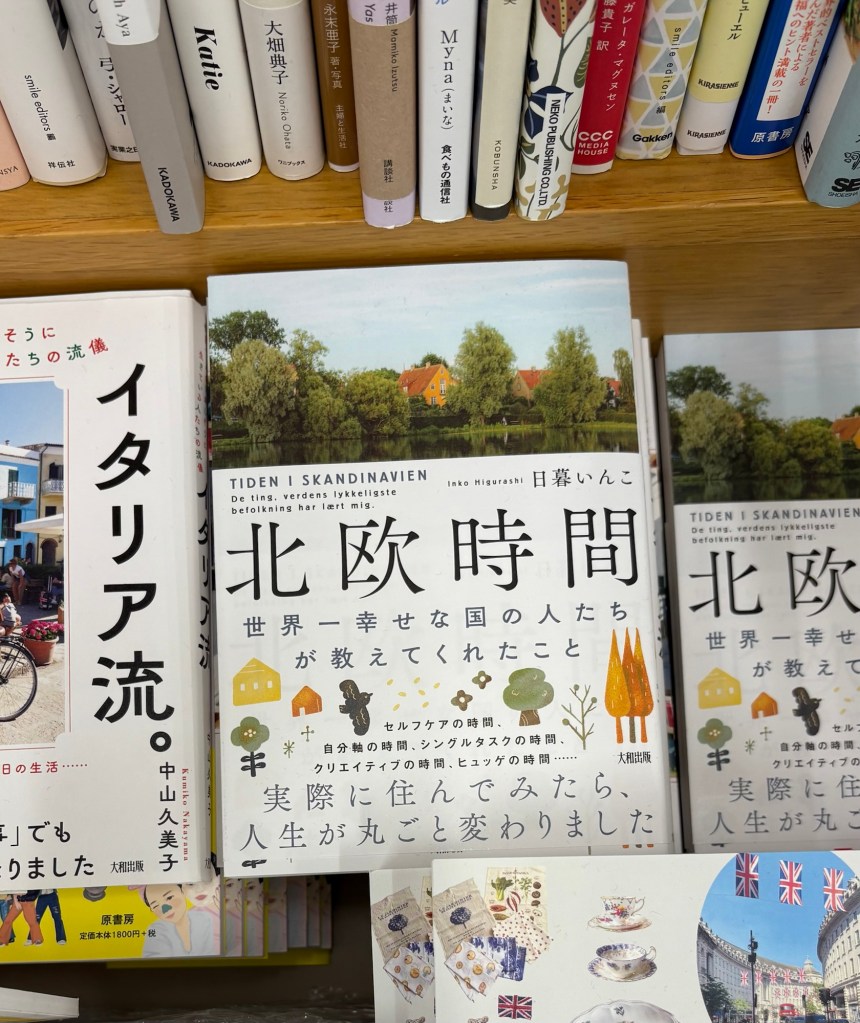
While browsing magazines and books in Kinokinuya 7-floor bookshop, I found Time in Scandinavia – what the world’s happiest people have taught me (北欧時間 世界一幸せな国の人たちが教えてくれたこと) by Inko Higurashi.

inko higurashi scandinavia

I also bumped into what seemed an elederly/daycare house called with the Swedish name of Merhälsa and a shop called Kiitos, Looking up online you find either a cafe, a character merch shop, and a cookie/chocolate manifacturer, but none of these seem to be related to Finland?

Follow for more Nordic-related stuff, wherever it may be!

Nordic findings in japan

Nordic culture experienced in Japan: Moomins, Dala horse stationery, Nordic-inspired foods and books about Scandinavia seen by the Japanese.

How Nordic are Baltic countries

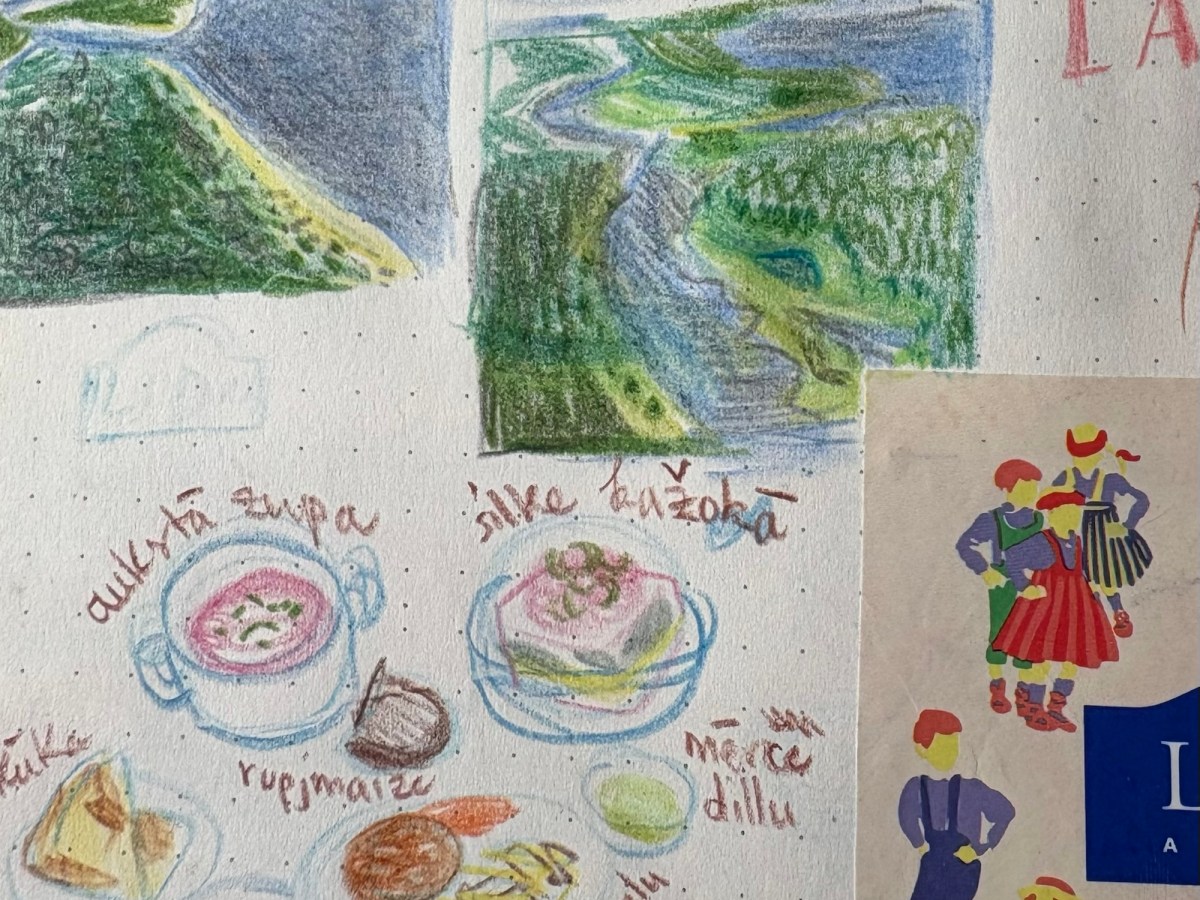
Are Baltic countries Nordic at all? I explored Latvia and Estonia, noting their ties to Nordic culture, from languages to Rye bread and Midsummer.

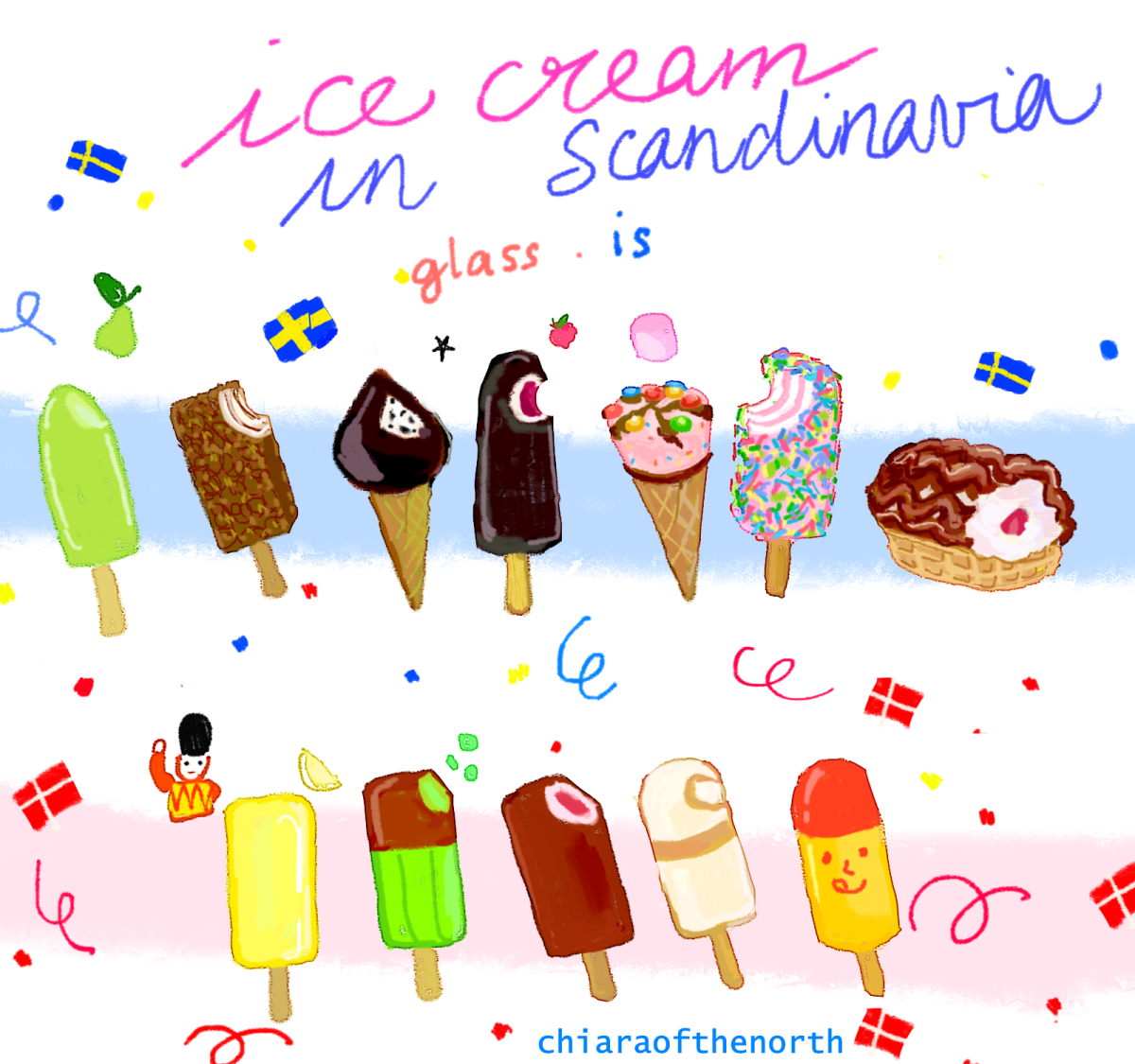
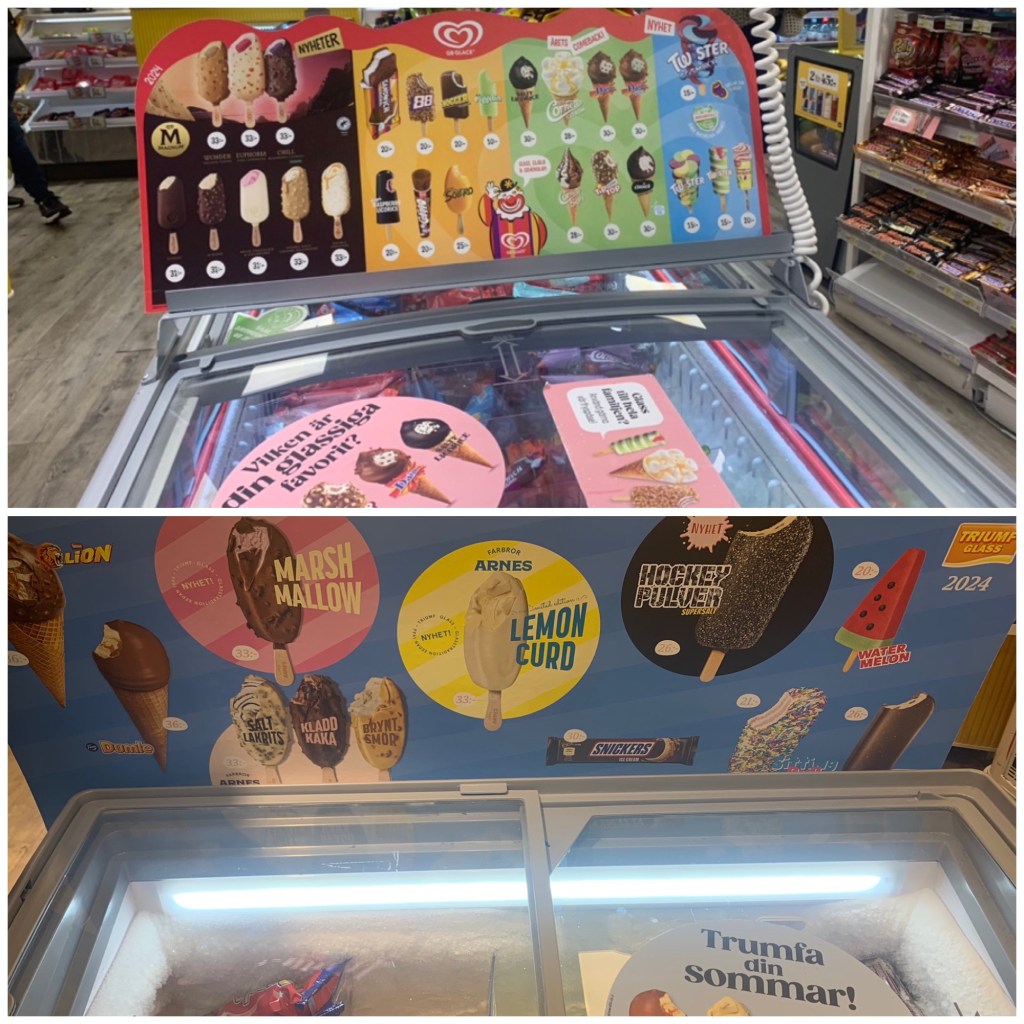
Guide to Ice Creams in Scandinavia

Discover Ice creams to try in Denmark, Sweden, and Norway: all-time classics,
Popular flavors, and curious novelties.

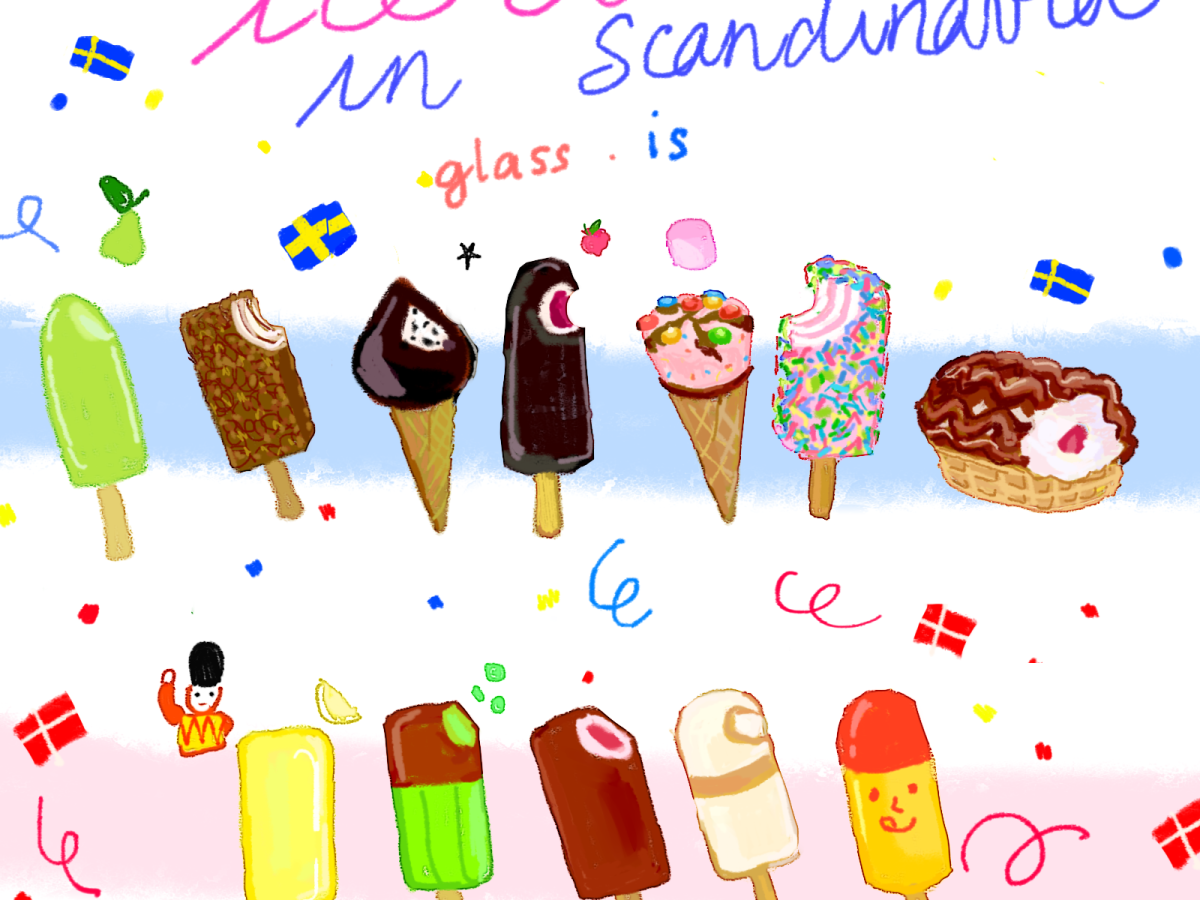
Since travelling to Scandinavia for the first time, i got quite acquainted with ice lollies available there, they have of course the magnum ice creams you see everywhre, but also quite a few interesting national classics, which vary. Here is a guide, so you are prepared..

Liquorice is a Nordic favourite!

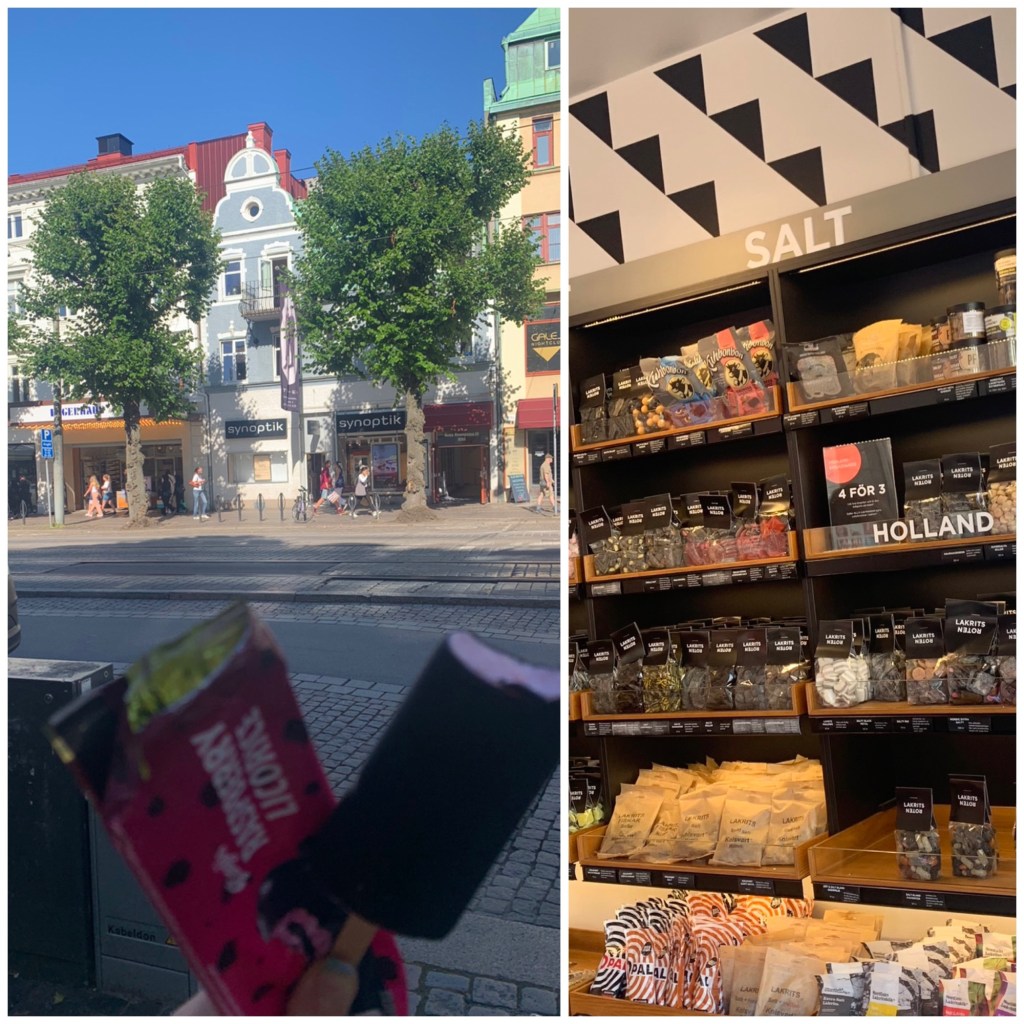
One thing you see everywhere in Nordic countries is liquorice, lakrits/lakrids. You find tons of liquorice candy, in chocolate, and of course as ice cream flavour, and there are several options.
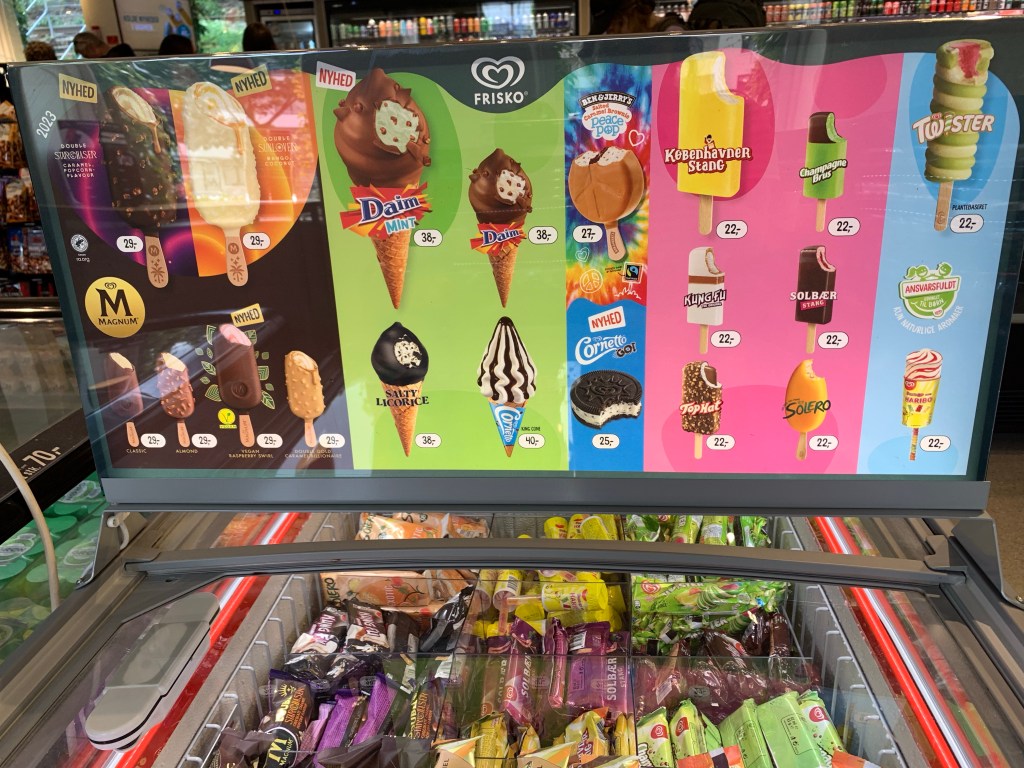
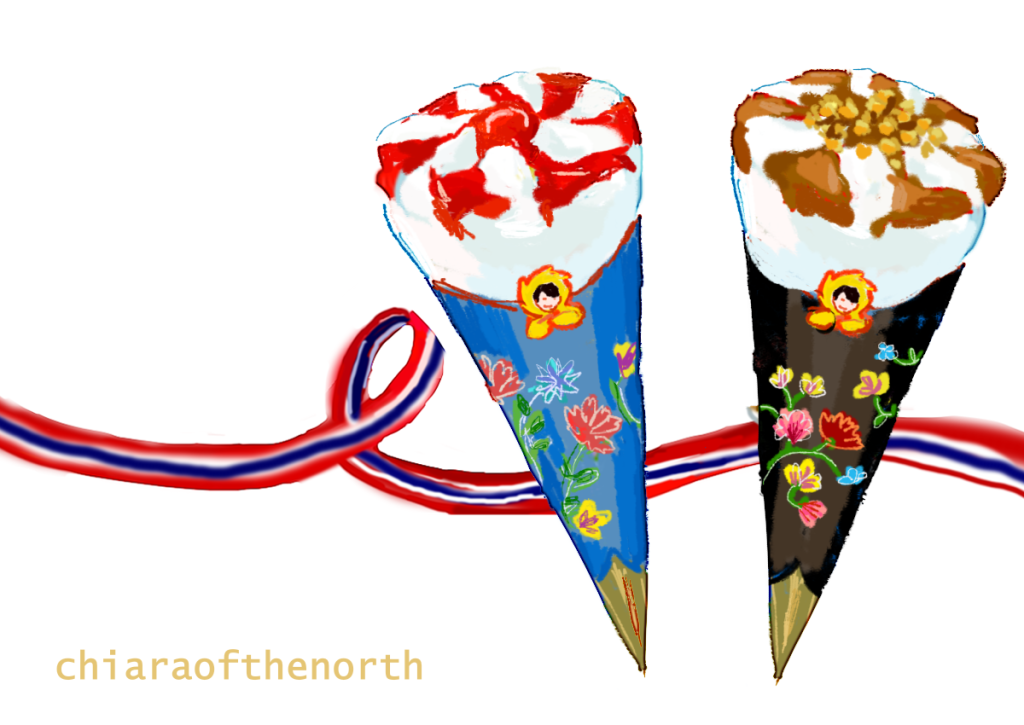
A pan-Scandinavian ice cream type is a round DAIM chocolate covered cream cone with a few variations, and it got recently a salt liquorice version!

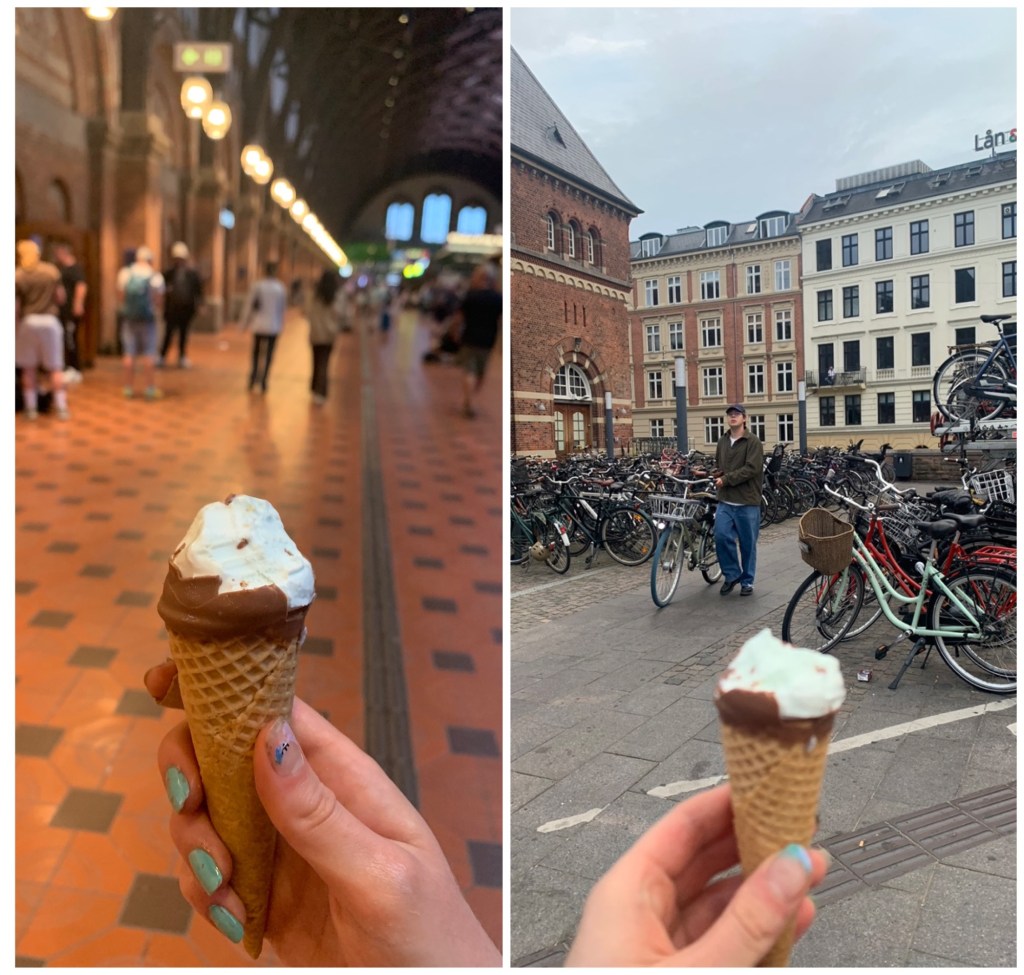
During my Denmark-Sweden holiday of last summer, I got the Daim Mint variation at a 7/11 of Copenhagen station last year though. And I did try a berry-liquorice combo in Sweden though.

The Danish Classic ice creams

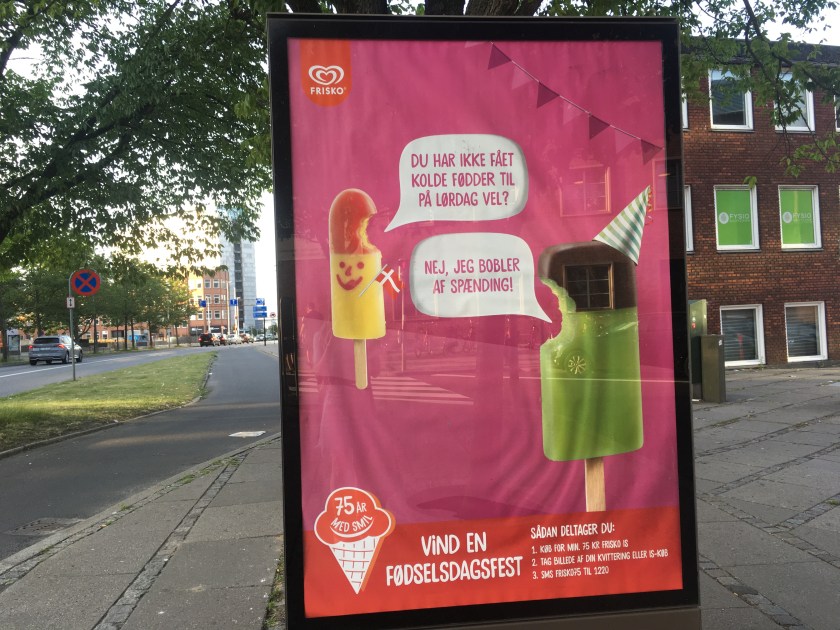
Frisko in Denmark, GB Glace in Sweden is the ice cream brand with the heart symbol present everywhere with different names, and many Ice creams I will mention are sold by it. Denmark has a set of all-time favourites, some have been around since the 50s!


I have tried Københavner stang, Champagne Brus and Solbær of them. the former is just a plain lemon one (picked it because of the logo), but I enjoy Champagne brus contrast of lime-ish freshness with the chocolate covering. Solbær – which changed name from Kæmpe Eskimo for political correctness reason – is just chocolate with berry creamy filling. Still good! Kung Fu is lime and liquorice, Filur is the cute orange-raspberry water ice cream.

Sweden: pear flavour, Pippi and Emil

Other than liquorice being king, a particularly common flavour in Sweden is pear, or at least much more than it seems to me in other countries. A Finnish Swede friend told me it probably is because you cannot grow many other fruit…Piggelin by GB Glace is a pear ice cream classic.


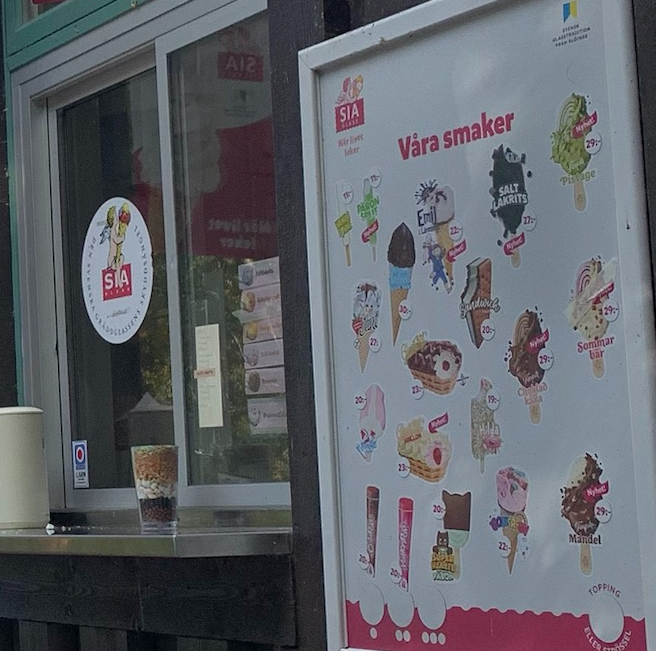
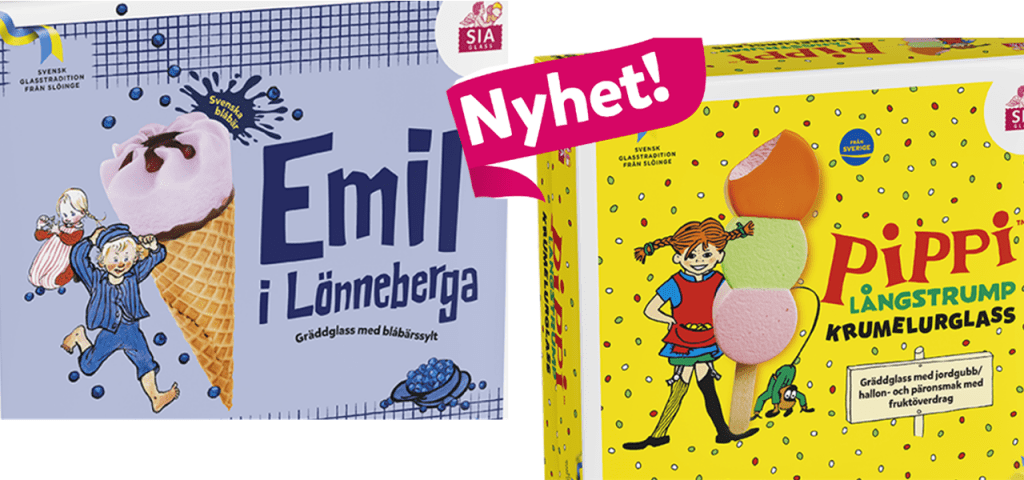
SIA is the main competitor of GB in Sweden I guess, based in Halland. It has introduced Emil and this year Pippi ice creams!! The former is Krumelurglass (which i got in the original candy form last year, krumelurpiller), a fruity ice cream. The green part is -you guess it- pear. Emil has blueberry flavour.

pictures (c) SIA Glass

I actually tried the raspberry liquorice ice cream, the lemon cornetto, and the Swedish classic 88, read åttioåtta. Shoutout to my friend Linda & her husband who made me try it. I would have also tried a Hilda, marshmallow/strawberry-ish? ice cream covered in rainbow sprinkles, or Godisregn (‘candy rain’), basically the same concept but in a cone. Glassbåt (‘ice cream boat’), also looks interesting. There are a few versions of it.
I have seen other new ones from this year with very Nordic vibes:

  • Konfetti gul & blå (blue-yellow as the Swedish flag) from Hemglass, lemon and blueberry ice creams with sprinkles on them.
  • Punschrulleglass, inspired by the green and chocolate dammsugare pastry. Hence it looks like a Danish Champagne Brus.
  • a Kanelbulle flavour one
  • Geisha ice cream- ice cream version of the famous chocolate candy by not Japanese, but Finnish Fazer.

Norway’s 17 mai ice creams

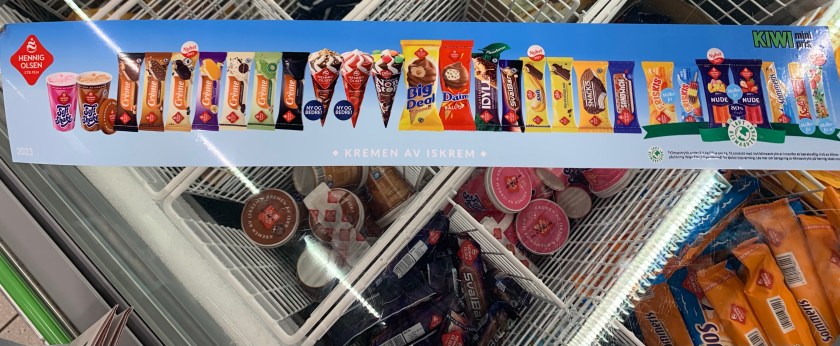
In Norway you see Diplom-Is or Hennig Olsen instead, not sure if Unilever is still behind them – Whatever. There are ‘regular’ strawberry or chocolate and cream cones, which around May get fancier for the National Day, 17 Mai, with bunad-like patterns.

I have not eaten any ice creams in Norway, but I have to say I saw nothing that stood out compared to the other countries! Please invite me to Norway to prove me wrong, haha.

That was all for now, I will probably update this post for the future summers…Or add it for Finland and Iceland and hopefully try out their ice creams!!

So subscribe to stay update on Scandinavian Ice creams:

Read more:

20+ Mindblowing Icelandic Composed Words

curious Icelandic compound words, from unique Icelandic words as ‘number prophetess’ for computer to ‘light pear’ for lightbulb.

Icelandic, like other languages, has a lot of compound words, expressing a concept with multiple other words.
For new concepts, for example technology-related vocabulary, Iceland has a committee inventing new words for new concepts, by assembling existing Icelandic words. This is to follow the language purism policy, and avoid just adapting foreign words or using loanwords.

Here are some Icelandic compound words I like. Can you guess the meaning by looking at the literal translation?

words unique to Icelandic:

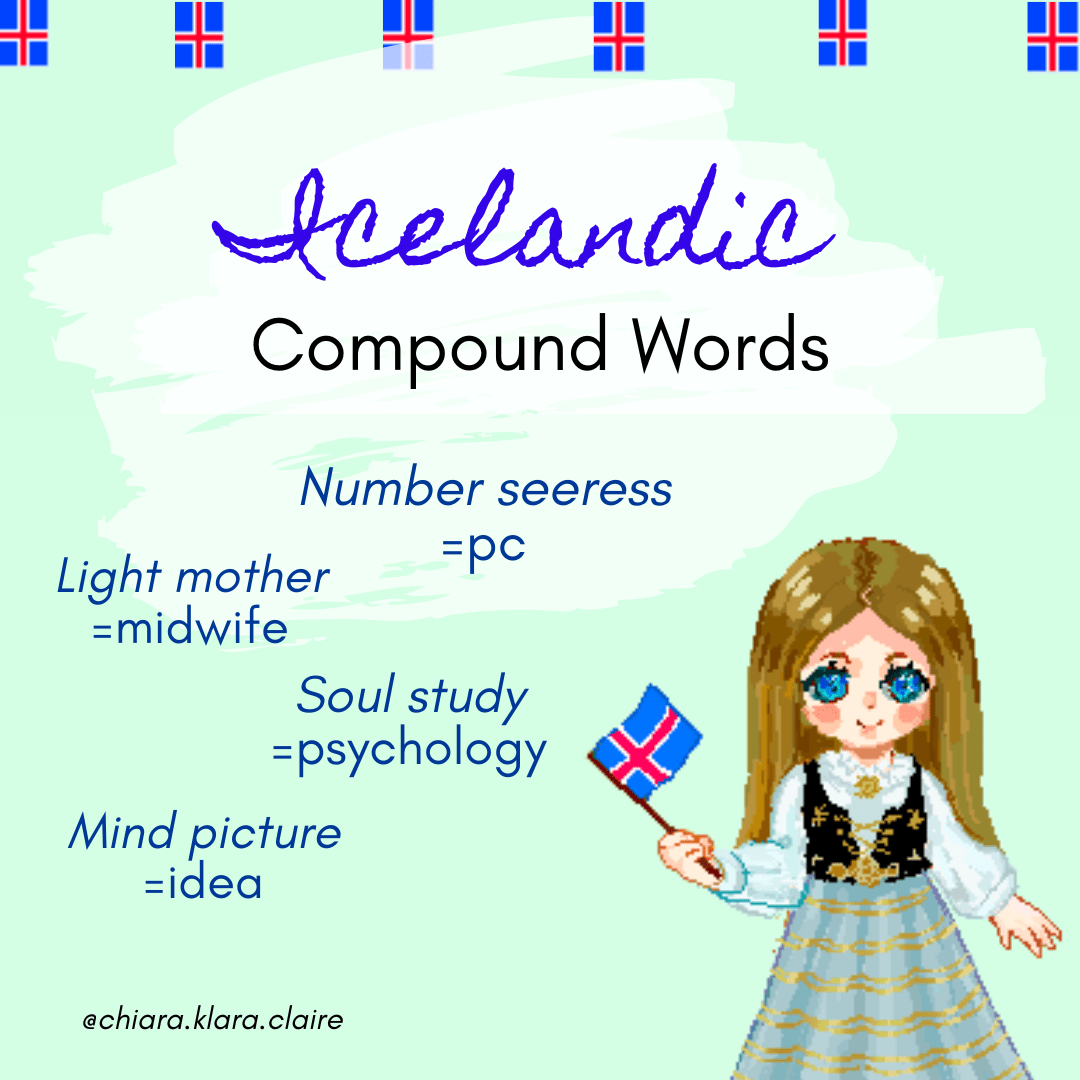
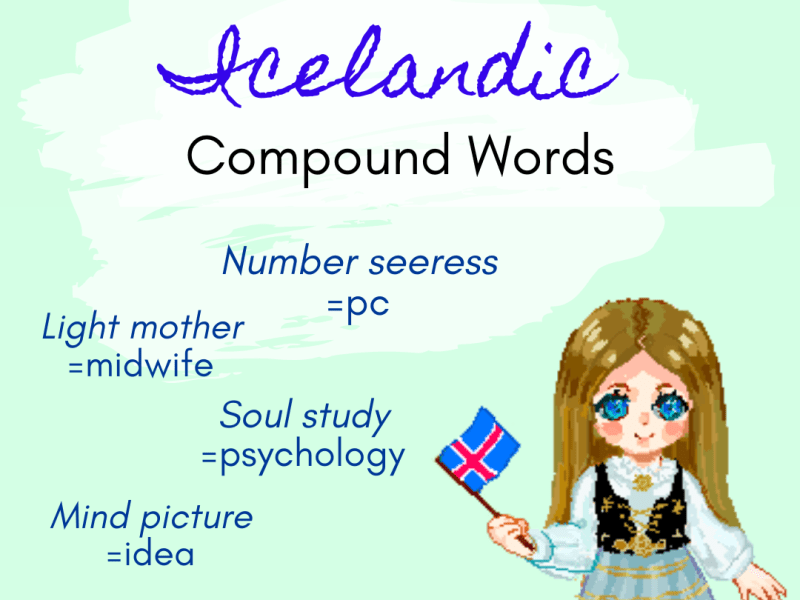
  1. a classic example is tölvaNumber-Prophetess (tala+völva): computer
  2. ljósmóðir light-mother: midwife
  3. bergmálrocks-language: echo
  4. spékopparnaughty cups: cheek dimples
  5. tónlist – sound-art: music
  6. hugmyndmind-picture: idea
  7. ástfanginnLove-captured: be in love. This one is probably my favourite!!
  8. hugfanginnmind-captured: fascinated
  9. sálfræði soul-study: psychology. Most academic subjects have their own icelandic name, as málfræðilanguage-study: grammar.
  10. ratljóstknow/find the way (rata)-light: enough light to wander. This is however not widely used.
  11. Viðskiptavinur – business-friend: customer
  12. Mörgæs – Fat-Goose: penguin
  13. smokkfiskur condom-fish: squid: it might be that smokk comes from smock, however, smokkur means condom, and that would somehow makes sense…

Compound words that also exist in other languages

Icelandic also took words that are jut adaptions of the original Greek words, literally translating into Icelandic, and shares quite a few with other (Germanic) languages, which are still curious if you are not a speaker of any of them.

  1. eldfjallfire-mountain: volcano (just like 火山 in Japanese)
  2. Reikistjarnawandering-star: planet. (what Planet originally means in Greek)
  3. rafmagn amber-power: electricity (as electricity originally comes from Greek ēlektron meaning amber)
  4. flóðhestur river-horse: hippo. (As in Scandinavian languages flodhest or ‘Nile-horse’ in German and Dutch Nipferd/nijlpaard, it is just the literal translation of Greek hippopotamos). Nashyrningurnose-horn: rhino. See above literal translation of rhinocerus, as Noshörning, neshorn, Nashorn, Neushoorn.
  5. Legkaka – Womb-Cake: placenta. (As Scandinavian mo(de)rkake, ‘mother cake’…)
  6. Gæsalappir – Goose-Feet: Quotation Marks (besides Anführungszeichen, German also has Gänsefüßchen)
  7. Ljósapera – Light-Pear: Lightbulb (as Glühbirne in German, and lyspære in Norwegian)
  8. Innblástur – In-Breeze: inspiration…(yes, you’re welcome)
  9. vínber – wine-berry: grapes (also exists in Estonian viinamarjad)

sources:

Article by Silvia Cosimini on Passenger Islanda, Iperborea.
Reddit thread: /r/linguisticshumor/comments/17k5ivl/whats_the_most_ridiculous_example_of_semantic/
guidetoiceland.is ‘s Icelandic Language iverview

Nordic flags explained

Origin and meaning of Nordic flags and other Nordic cross flags explained

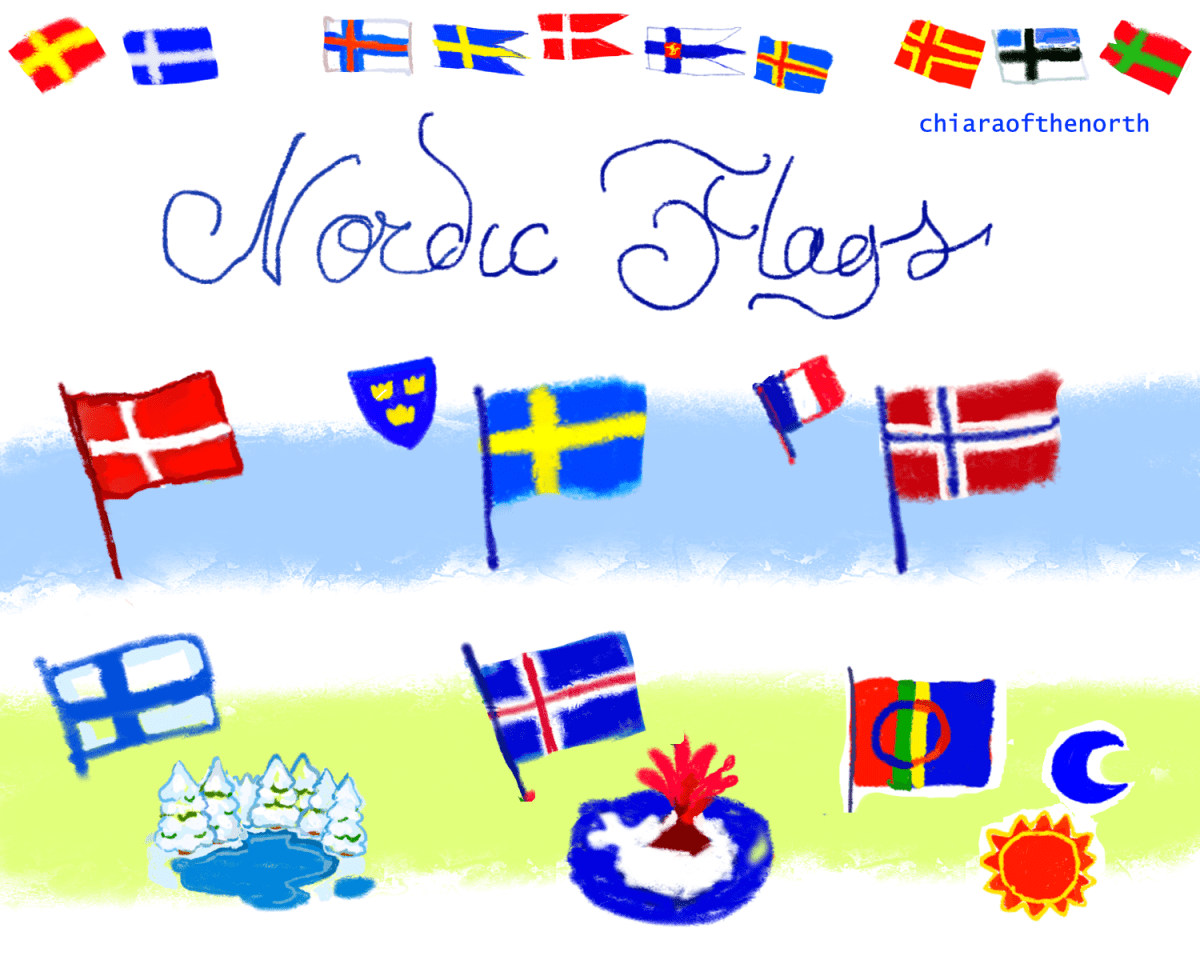
Tomorrow, 23 March, is Nordic day, on this day the Helsinki treaty, establishing the Nordic Council, was signed in 1962. Its member are all Nordic countries and autonomous regions – including Åland, the Faroe Islands and Greenland.

In honour of this occurence, I am writing this post explaining Nordic (cross) flags. Scandinavians and Nordic peoples in general really like to use their flag, which are common to see in various forms and occasions, from pennants to wooden table flags, as decoration for a birthday or on a Christmas tree. But let’s go back to history!

Where Nordic flags come from: Dannebrog, the oldest flag in the world

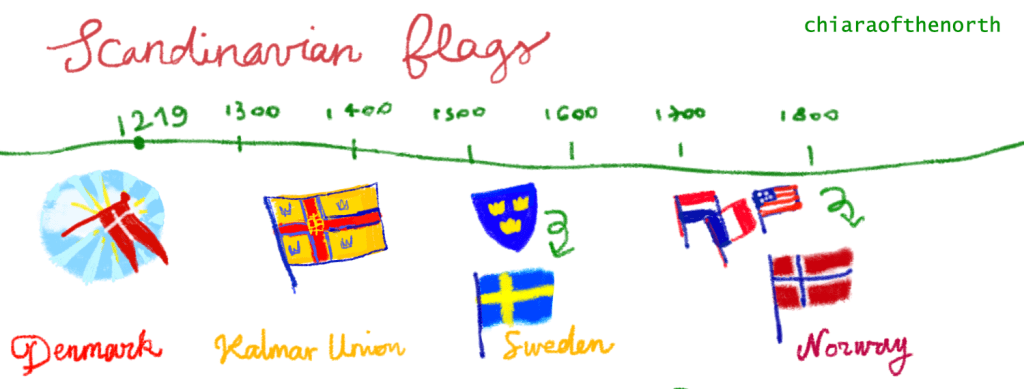
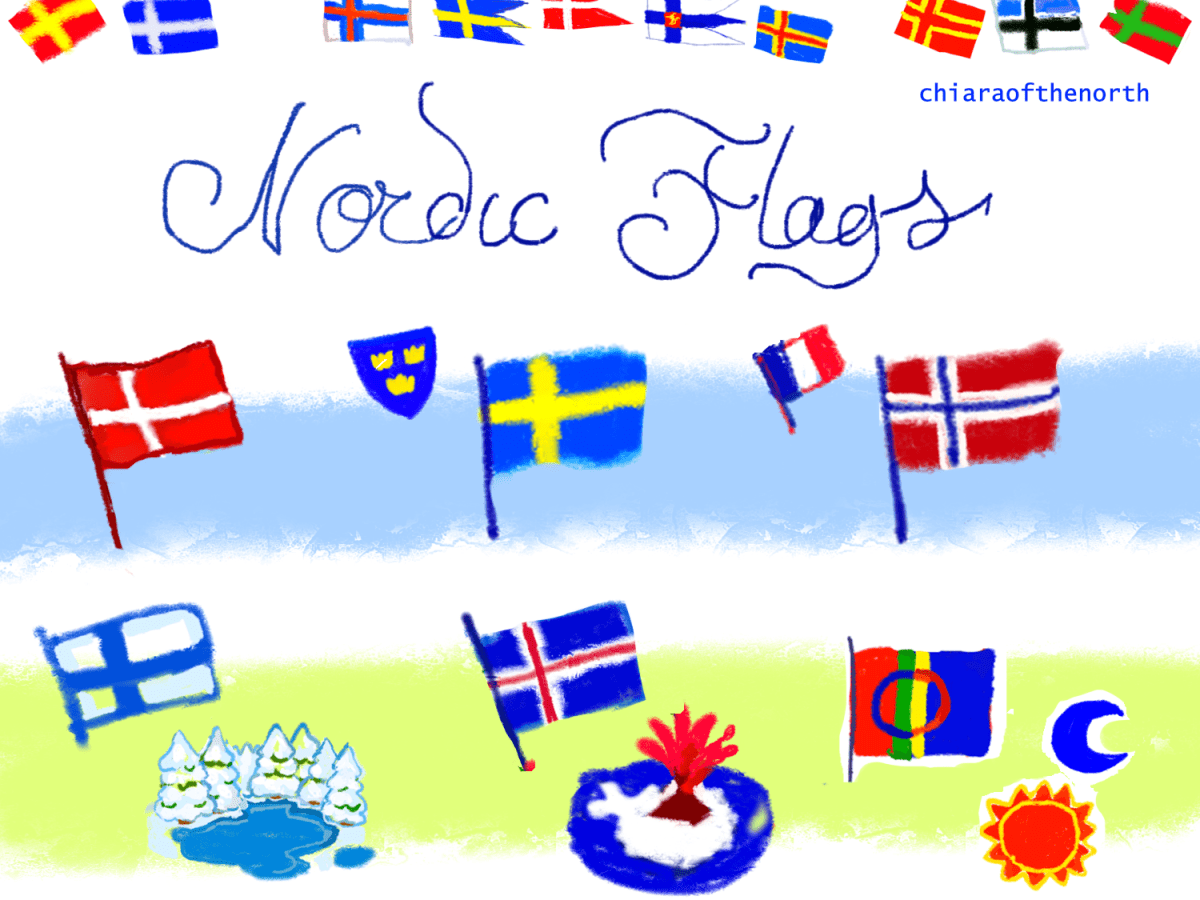
the Nordic cross flags originated from the Danish flag, the oldest flag in the world! Also called Dannebrog, according to the legend it fell from the sky during a battle in Lyndanisse (today’s Estonian capital Tallinn) in 1219, turning 800 years old few years ago! 15th June is celebrated as Valdemarsdag in Denmark, from Valdemar Sejr, the king who fought in that battle.

The flag of the Kalmar Union, union of Scandinavia (or Denmark and Sweden, with Denmark reigning over Norway) 1397-1523, also had a Nordic cross. The Danish flag then became the model for fellow Scandinavian countries:

Sweden officially got its flag 300 years later, with a design from the 16th century, with the colors -yellow and blue – taken from the coat of arms dating back to 1275. The day on which the flag is celebrated is June 6th, Svenska flaggans dag.

Norway‘s current flag appeared in 1821 – picked among a few different flag design proposals. It was the first Nordic flag with 3 colors, maybe inspired by the French revolution wanting to get rid of the Danes…parliament member Fredrik Meltzer from Bergen said ‘it means freedom, as the French flag, and in the Flags of the Dutch and Americans, and the Union of the English’. You will see a sea of flags everywhere on 17th May, Norway’s constitution day

2oth century Nature-inspired Iceland and Finland, Faroe islands and Åland

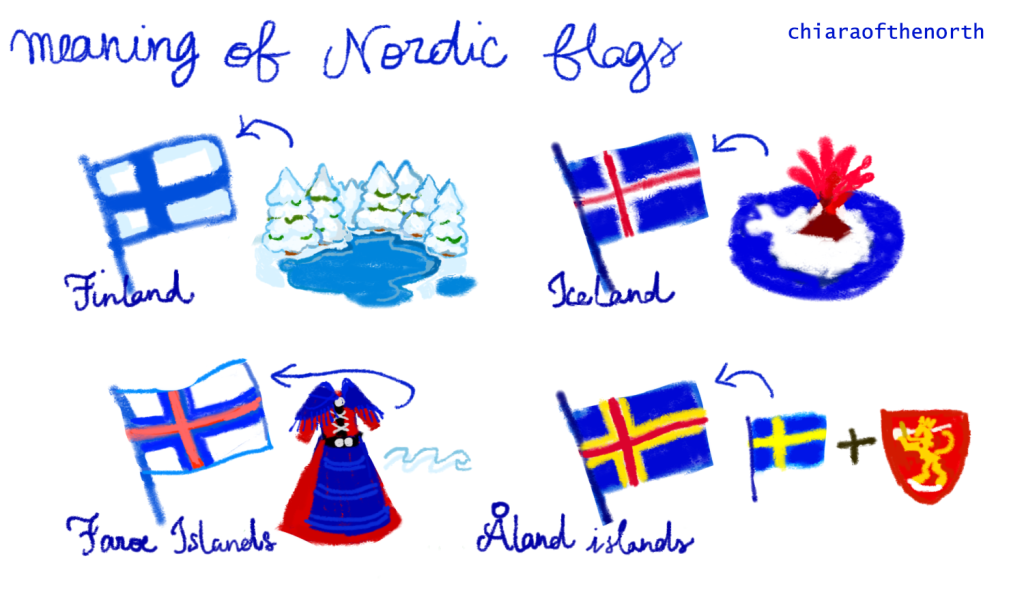
Iceland‘s official flag became official in 1915, based off its nature: according to the Flag Act the flag colours are “sky blue”, “fire red” and “snow white”. Iceland had previously an unofficial flag called Hvítbláinn, the ‘white-blue’, used by Icelandic nationalist activists from 1897 and after 1915 partly abandoned due to its similarity to other flags. Today it is still used by the Icelandic Youth Association among others.

Finland‘s flag, called Siniristilippu “blue cross flag”, was adopted in 1917. The colors would represent the lakes Finland is rich of and snow. Finland has a Day of the Flag, Suomen lipun päivä, which also happens to be Midsummer (or Juhannus in Finnish), a very important day for the Nordics! On this day the Finnish flag is raised on Midsummer eve on 6pm, until 9pm of midsummer itsself.

Faroe Islands flag is called Merkið “drape / mark”, with a white background symbolizing the foam of the sea and the pure, radiant sky of the Faroe Islands, while the old Faroese blue and red colours are reminiscent of other Scandinavian and Nordic flags, also reminding the colors of traditional Faroese clothing. Faroese students in Denmark strongly felt the need to have their own flag, and in 1919 their newly created flag was hoisted for the first time by a student in his home village. On 25 April 1940, the British Authorities officially recognised the Merkið as the Marine Flag of the Faroe Islands. This day became later the Faroese flag day, Flaggdagur.

Åland islands, the autonomous Swedish-speaking archipelago belonging to Finland, mixes Sweden and Finland in its flag, where the red cross represented Finland as the color of its coat of arms. The red cross used to be blue, with the colors taken from a song festival in the capital Mariehamn. Since 1954 it has been the official flag of Åland, April’s last Sunday is the flag day, Ålands flaggas dag.

Regional, minority and other unofficial nordic cross flags

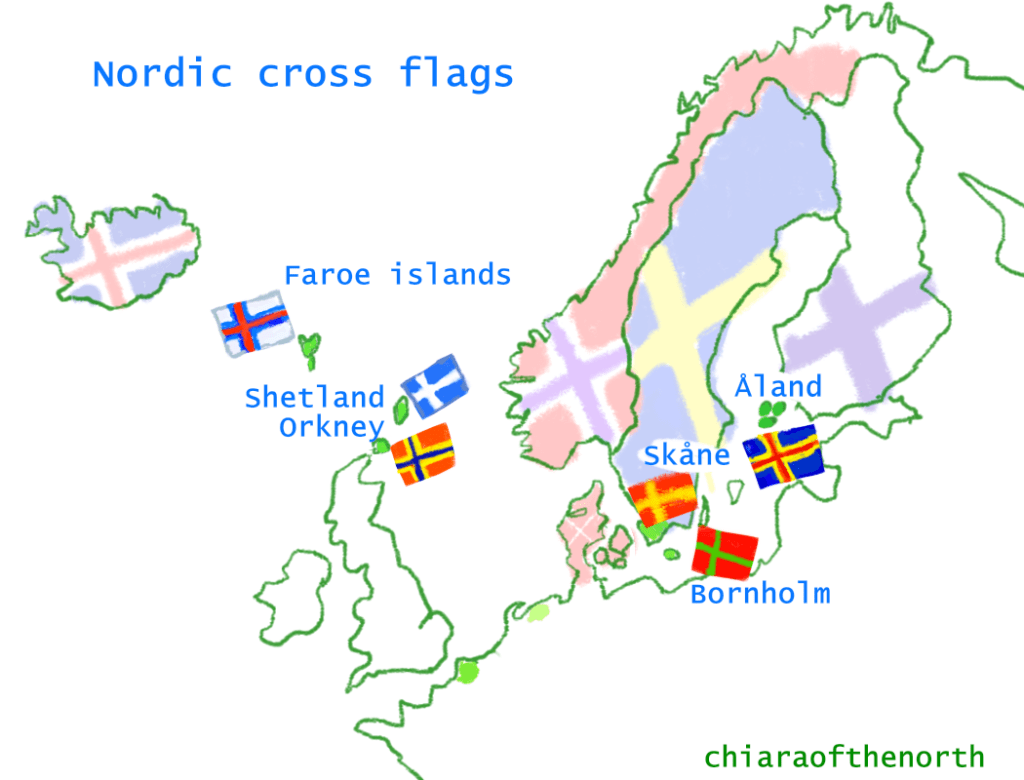
On this map I added official or widely used flags, not adding therefore Normandy and proposed flags
  • Skåne – The flag of Scania is actually quite old, and has its origin in the historical coat of arms of Lund’s (Danish) archibishop of Lund, older than the Danish Dannebrog! The Nordic cross flag was made up in the 1800s though. The third Sunday of July is Skåne flag day. skaneflaggan.nu
  • Finnish/Swedish minority: Flag mixes – Finland’s Swedes (looks actually the same as Skåne flag, red stands for Finland as above for Åland) and Swedish Finns, Finland’s flag with a yellow lining around the cross.
  • Bornholm – The island’s unofficial flag is from the 70s, designed by Bent Kaas. Green would represent the nature on the Danish island. It is mainly used in tourism and to mark local products.
  • Unofficial Nordic cross flags have been created for Swedish regions as Norrland, Bohuslän, Småland among others, and the Swedish Baltic Sea islands of Öland, and Gotland, although these are not really used.

Nations with Nordic ties- scandi heritage

  • Shetland and Orkney for their Nordic heritage, historical and cultural ties of the Scottish islands with Scandinavia. Shetland‘s flag was created in the 60s for the 500 years since its transfer to Scotland from Norway (after belonging to Norway for as long). A Nordic cross with Scottish colors. Orkney‘s flag was chosen in 2007, after a public consultation (all proposed flags were a Nordic cross). Yellow and red from Scottish and Norwegian royal coats of arms, Blue representing Scotland and the Sea.  
  • Normandy‘s Saint Olaf flag: mainly used by regionalists movements, its name comes from the Norwegian kind Olaf Haraldson, probably baptised in Rouen, remarking the region’s viking origin.
  • Nordic cross flags were also proposed for Estonia in 1919, to remark its Nordic (rather than Baltic) identity and historical ties.
  • A cool Nordic cross flag was also proposed for Frisia, probably due to the part of Scandinavian heritage Frisian people (scattered between the Netherlands, Germany and Denmark) have.

Nordic indigenous nations without Nordic cross: Greenland and Sami people

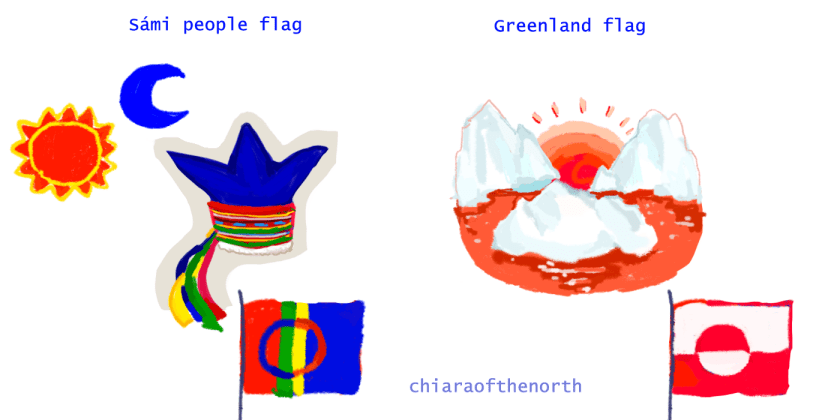
Greenland and Sami people have a flag since 1985 and 1986, both Inuit and Sami people adopted a sun/moon symbol instead of a cross, more typical of indigenous people and their connection to nature. the sun symbol was kept however in the same left-aligned position as Nordic crosses.
Greenland has had a Nordic cross flag proposal – you might guess, green was in it- , but the Greenlandic iceberg landscape-inspired design by Tue Christiansen was eventually chosen instead. its name is Erfalasorput,”our flag”.
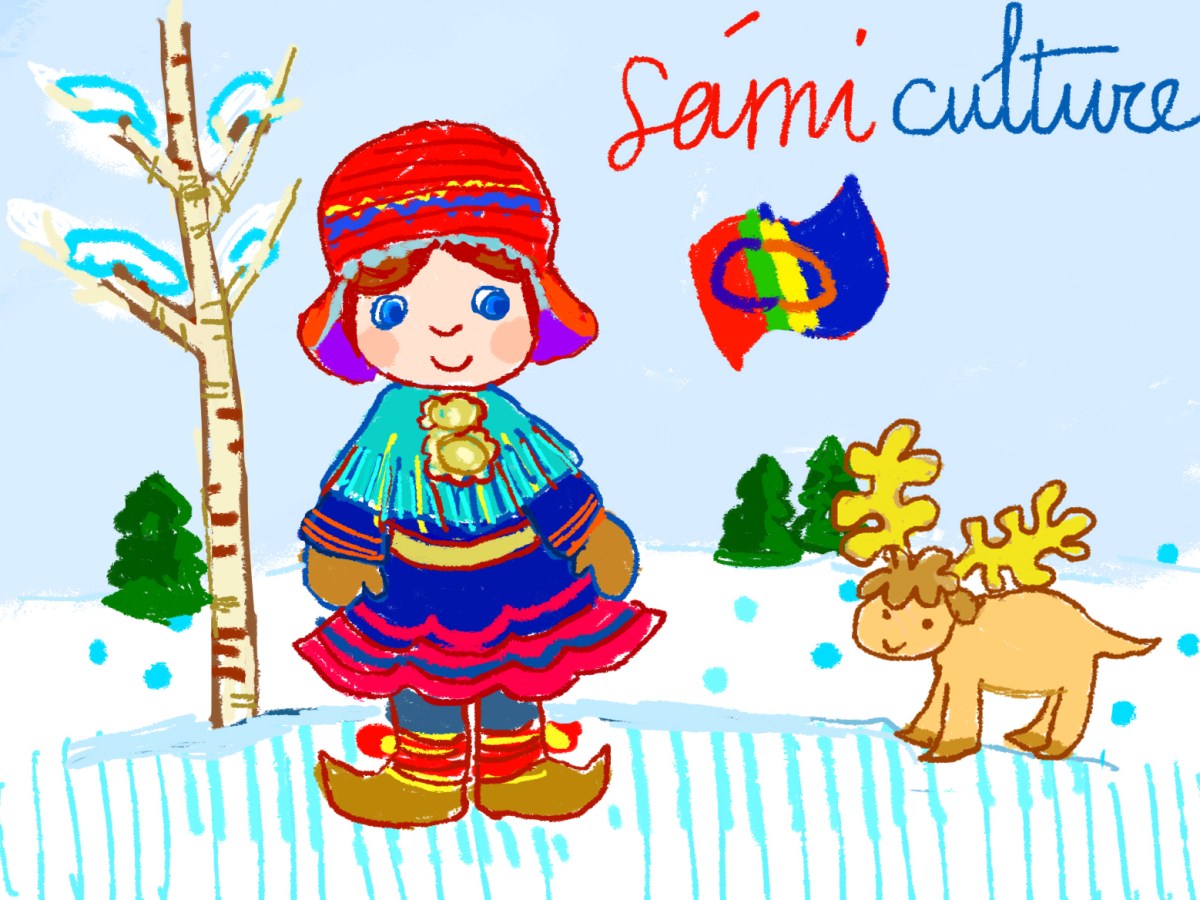
In the Sami flag sun and moon are represented as a circle. The first Sami flag, designed in 1977 by Synnøve Persens, was the simpler, red and blue with the yellow line, inspired by Sami traditional clothing. Astrid Båhl added the Green line (color more present in South sami clothing) and the circle.

sources

  • Norway: stortinget.no – Det Norske Flagg – et flagg i frihetens farger
  • Iceland: government.is
  • Faroe islands: faroeislands.fo
  • Åland: regeringen.ax
  • Greenland: dr.dk – video about the Greenlandic flag (Danish)
  • Sami flag: Store Norske Leksikon
  • more: britishcountyflags.com, skaneflaggan.nu, patrimoine-normand.com
Cozy things Norwegians do around Christmas

Traditions and popular things to do in Norway around and on Christmas day: from movies to cookies
After Scandinavian Christmas Traditions and Finnish Christmas facts, I am continuing this series with Norway!
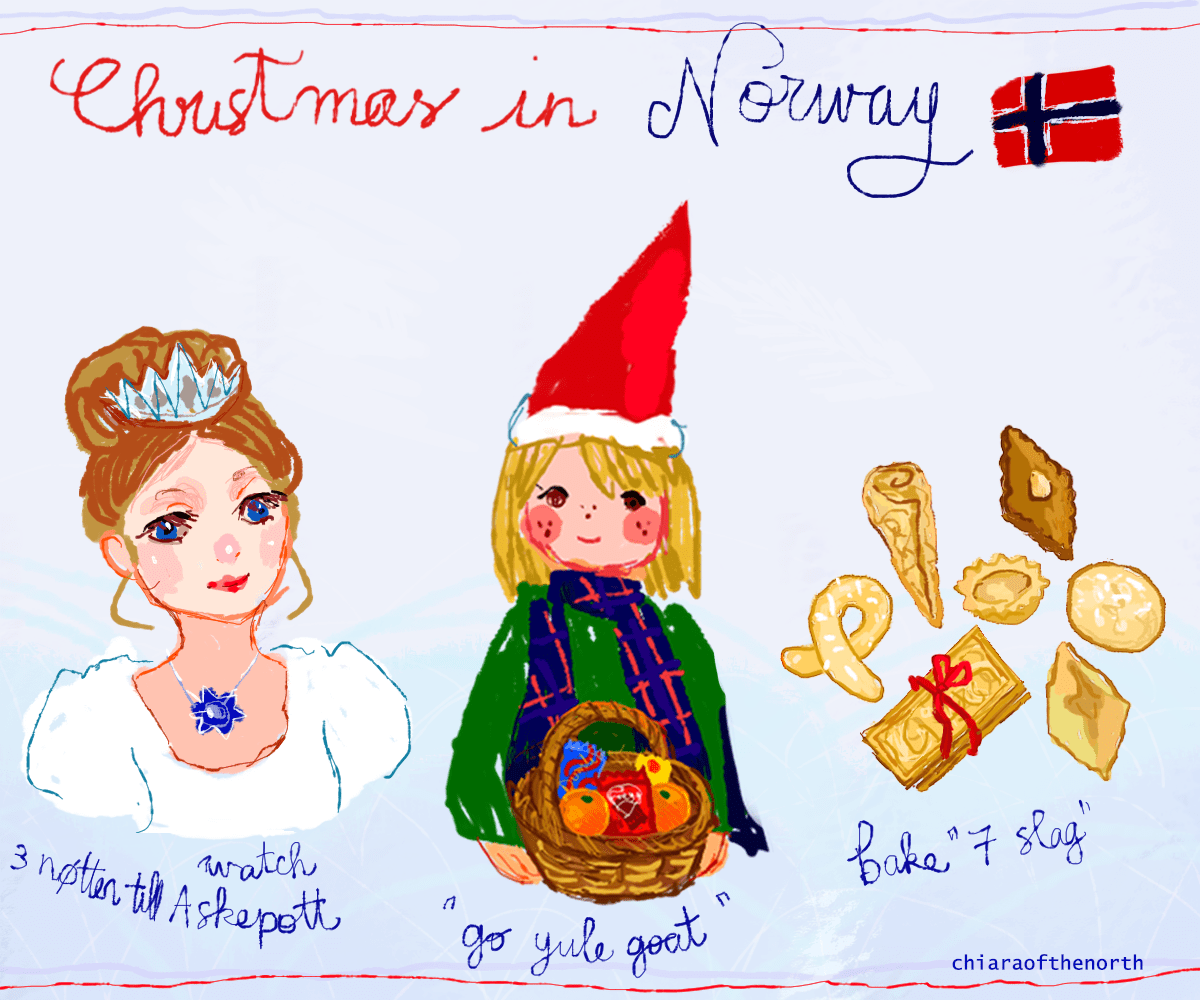
Watching Czech Cinderella

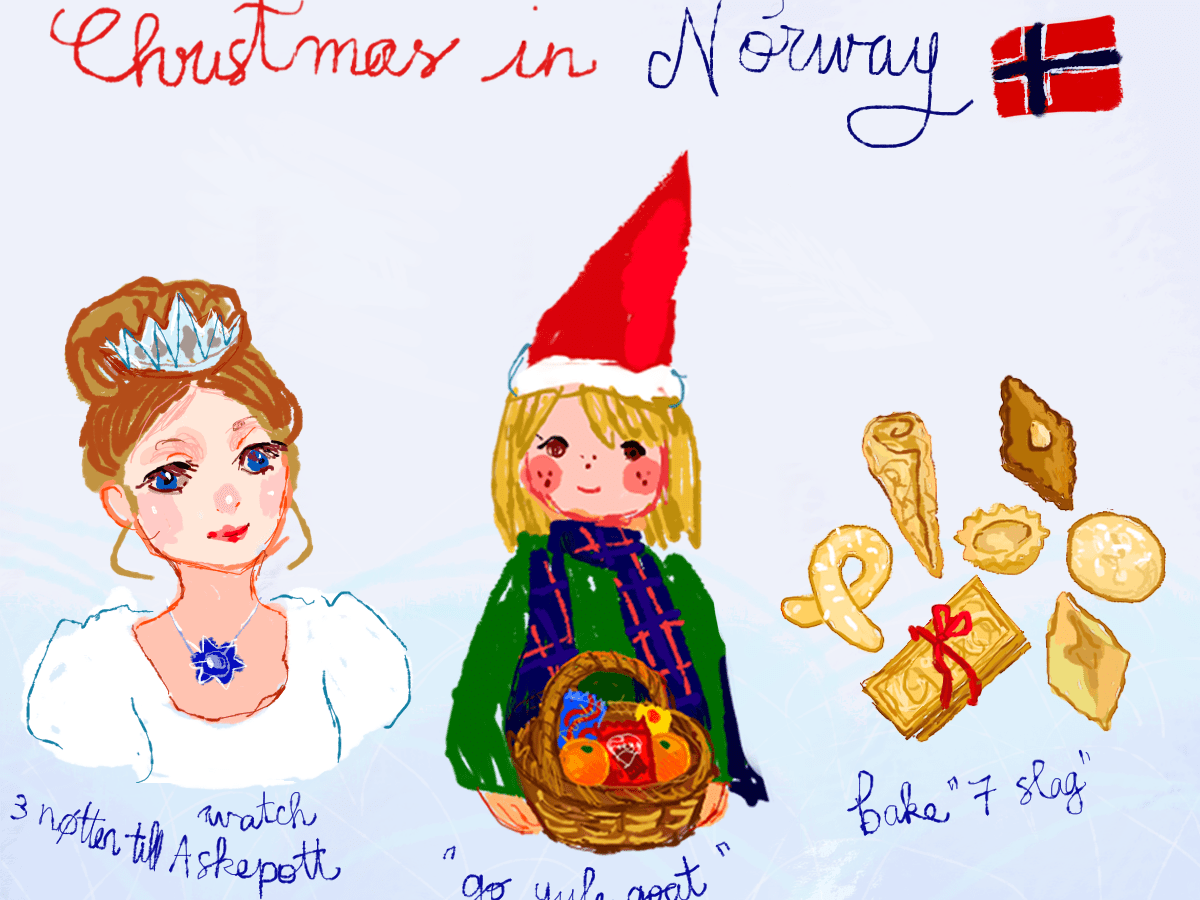
An iconic Christmas movie In Norway is actually Czech, from 1973: 3 nøtter til Askepott (3 wishes for Cinderella), broadcasted on Christmas eve in Norway since 1996 – Norwegians made a remake in 2021 though. Another popular Christmas movie in Norway is Reisen til Julestjernen (journey to the Christmas Star), a Norwegian production from 1976, in which a princess disappears to look for the Christmas Star…

‘Going Yule goat’ or Christmas trick-or-treating

In the period of Romjul, between Christmas and New Year, some Norwegian children go around with a Nisselue (Santa hat), with red cheeks and freckles painted on their face, or as angels, shepherds and other Christmas figures, singing Christmas Carols from door to door, in exchange for sweets. This is called å gå julebukk – to go Yule Goat..a sort of christmasy halloween. According to the Store Norske Leksikon it 14% of interviewed Norwegians or their children was going julebukk in 2017.

Baking 7 cookies

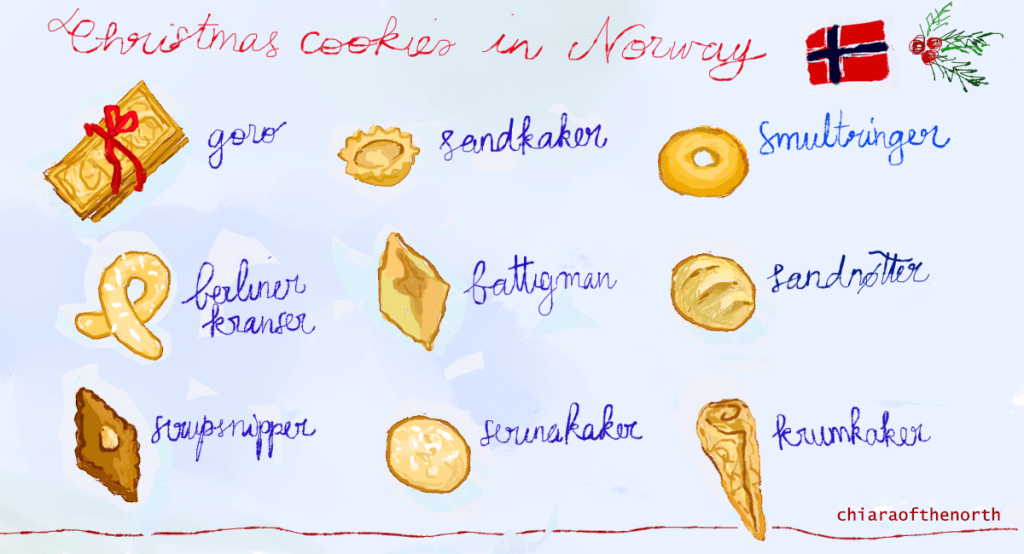
Some Norwegians bake the ‘Seven types’ – 7 different type of cookies, de Syv slag in Norwegian. Baking seven different types of cookies is a tradition that exists also in Sweden. There is no fixed list, but the classical types are Sandkaker, Pepperkaker (gingerbread cookies), Fattigmann ‘poor man’, Goro from Danish god raad, one of the oldest types from the 1800s- made with an iron press with patterns – Krumkaker, Berlinerkranser, Serinakaker.

Kransekake, kokosmakroner, sirupsnipper, sandnøtter and smultringer are also popular to be included in the syv slag according to godt.no.

Typical Finnish Christmas things

3 typical unique Christmas symbols and traditions in Finland

Here are country-specific facts about how Christmas is celebrated in Nordic countries, after an overview of Scandinavian Christmas I actually keep updating… Next up will be Norway and Iceland, so stay tuned!

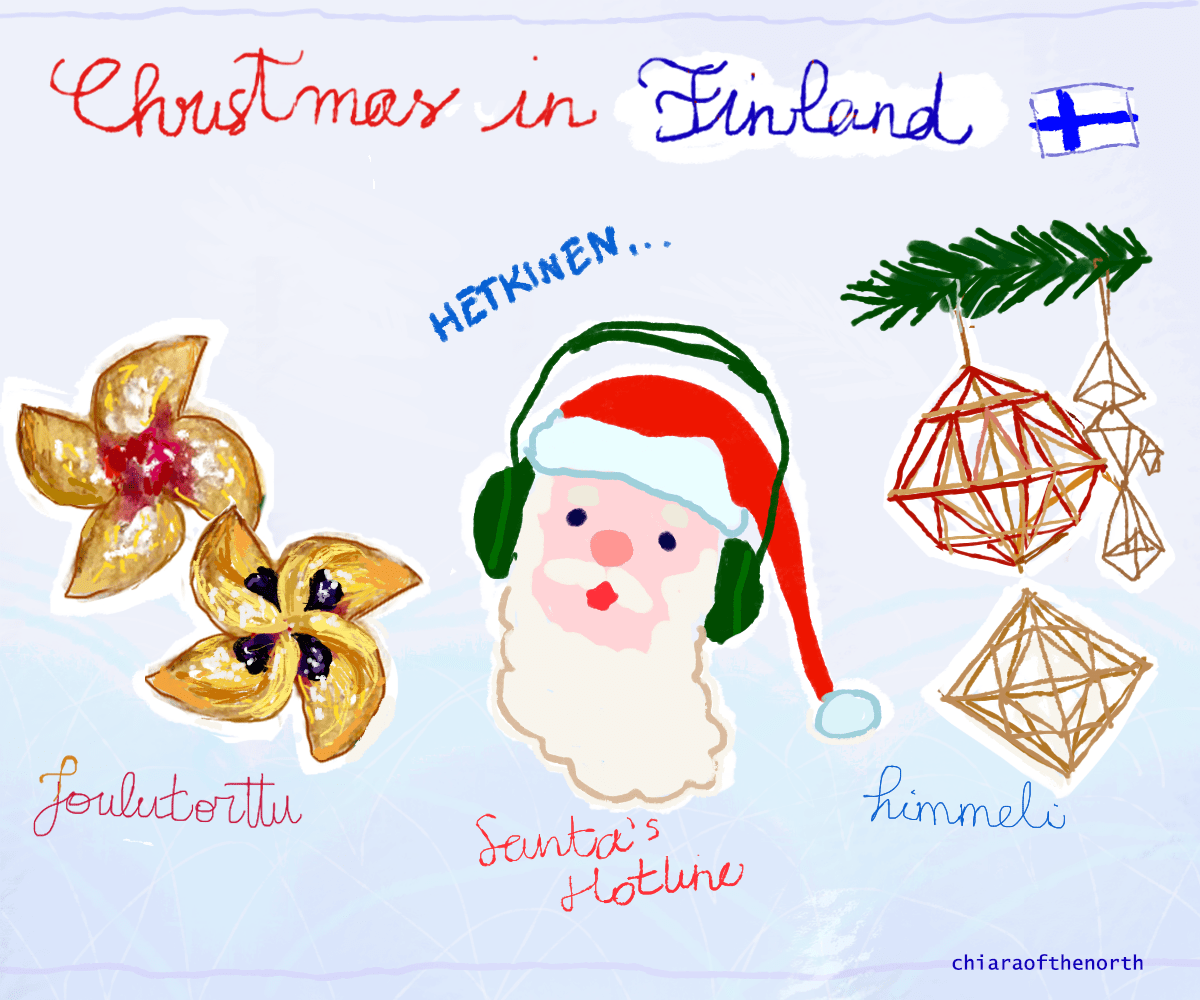
Joulutorttu: pinwheel pastry

Also called tähtitorttu “star cake”. it has the shape of a star or pinwheel, with apple or plum filling. It was already mentioned in the 1830s by Zacharias Topelius (Swedish-speaking Finnish writer), and it still is a Christmas classic in Finland, being present on 76% of Finnish tables on Christmas eve.

the Santa Claus Hotline

In Finland they have had the Joulupukin kuumalinja ‘Santa Claus Hotline’ for 33 years on tv. Here is the Finnish tv program for the day in 2024: There are breaks between one Christmas-themed cartoon and the other, where children can call, elves will take the call and some lucky children will be able to talk to Santa..It is also possible to send pictures, and some of these will be shown!

Himmeli Christmas decoration

Himmeli are wooden straw geometrical pendants, of various sizes, decorating Finnish houses. It comes from himmel, sky/heaven in Swedish and Germanic languages. Himmeli traditionally hung above dining tables until summer to ensure a good crop, as Finlandi.fi mentions.

Idioms with berries in Nordic languages

idioms in Swedish, Finnish, Norwegian and Danish with berries

Berries are a big thing in Nordic countries, and you can hear that in their languages as well! So I have collected a few sayings and idioms involving them in Swedish, Norwegian Finnish and Danish.

Swedish

  • Smultronstället – Place of wild strawberries – a special place discovered, treasured, returned to for solace and relaxation; a personal idyll free from stress or sadness
  • Blott Sverige svenska krusbär harOnly Sweden has Swedish gooseberries – There’s no place like home… Originally a quote by writer Carl Jonas Love Almqvist (1793-1866)
  • Hej hopp i blåbärsskogen! / Hej svejs i lingonskogen tjosan hoppsan hej!hey hey in the blueberry/lingonberry wood hey hey: a funny surprised expression Swedes may use in a joking way

Norwegian

  • Det er bare blåbær It’s just blueberries: it’s not a big deal/it’s a piece of cake
  • Være på bærturTo be picking berries: being completely lost/wrong.

Finnish

  • Oma maa mansikka, muu maa mustikkaour land strawberry, other land blueberry: No place like home, here too 🙂
  • he ovat kuin kaksi marjaathey are like two berries: they look very much alike
  • se maksaa mansikoitait costs strawberries: very expensive
  • and last but not least paskanmarjatsh*t berries: bullsh*t

Danish

  • stikkelsbærbengooseberry legs: pale, skinny, and hairy legs
  • et surt ribs a sour redcurrant: a grumpy person
  • at give (eller få) en på bærret: to give (or get) one on the berry: to hit or get hit on the face

sources: Københavns sprogcentret

Feel free to comment if you know more!

Days to celebrate Finnish culture

Days on which the Finnish language, suomenkieli, and culture is celebrated in Finland, on birthdays of Finnish poets and artists

Finland celebrates its language and culture during special days chosen for birthdays of Poets and artists. Most are flag days in the country, on which the Finnish flag Siniristilippu (“blue cross flag”) shall fly.

Runeberg day – 5 February

In Finnish Runebergin päivä, it is the birthday of the national poet Johan Ludvig Runeberg (1804–1877). The highlight of the celebration is eating Runeberg’s torte (Finnish: Runebergintorttu; Swedish: Runebergstårta).

Runeberg lived in Porvoo/Borgå and although he is considered the national poet of Finland, he only wrote in Swedish! His Vårt land (“Our Land”, Maamme in Finnish) became an unofficial Finnish national anthem.

Runeberg ate the torte now carrying his name everyday, baked by his wife Fredrika. it is an almond and rum flavoured pastry with raspberry jam, and a ring of icing on top. You can find it in shops from the beginning of January until 5 February. The exception to this is Runeberg’s hometown Porvoo, where you can enjoy the torte the whole year round!

Kalevala day – 28 February

In Finnish Kalevalan päivä, it also known as Finnish Culture Day because of the central role Kalevala has as the national epic of Finland and Karelia. Elias Lönnrot (1802 – 1884), a Finnish physician and philologist, compiled it in the 19th century by collecting traditional Finnic oral folklore in Finland, Karelia, the Kola Peninsula and the Baltic countries.

Kalevala means land of Kaleva, and its main character is Väinämöinen, a sort of godlike shaman with a magical voice, and it tells about the hero’s search for a wife.

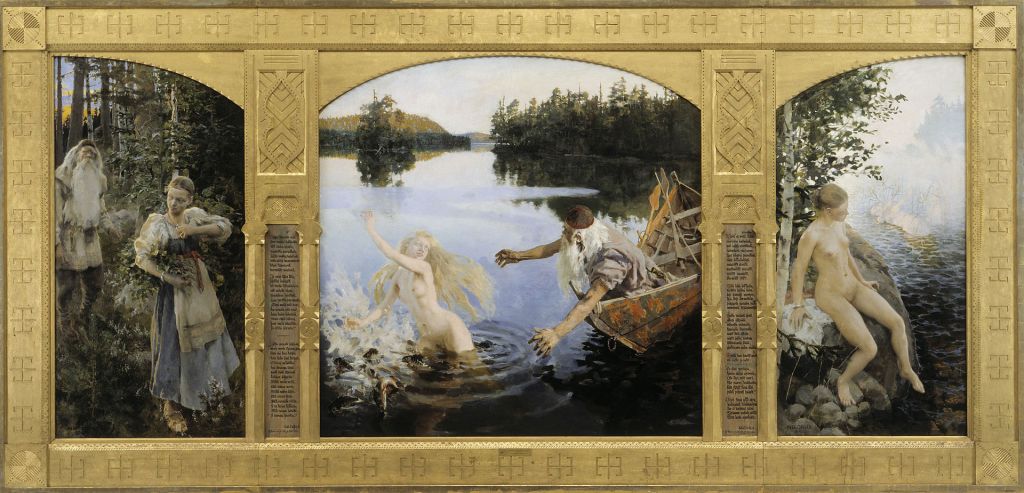
As a symbol of Finnish culture and history, Kalevala has inspired many Finnish artists, among others the classical composer Jean Sibelius and the painter Akseli Gallen-Kallela.

A. Gallen Kallela, Aino Myth, Triptych, 1891

Something as old and quintessentially Finnish can be described as kalevalainen “Kalevala-esque”!

Finnish Language day – 9 April

On 9 April Mikael Agricola, the “father of literary Finnish” died, and Elias Lönnrot was born. For this reason it is celebrated as Finnish language day, suomen kielen päivä.

While the previously mentioned Elias Lönnrot compiled the Kalevala, Mikael Agricola was a Bishop and scholar who created Finnish as a written language in the 1500s, with all its lovely double vowels.

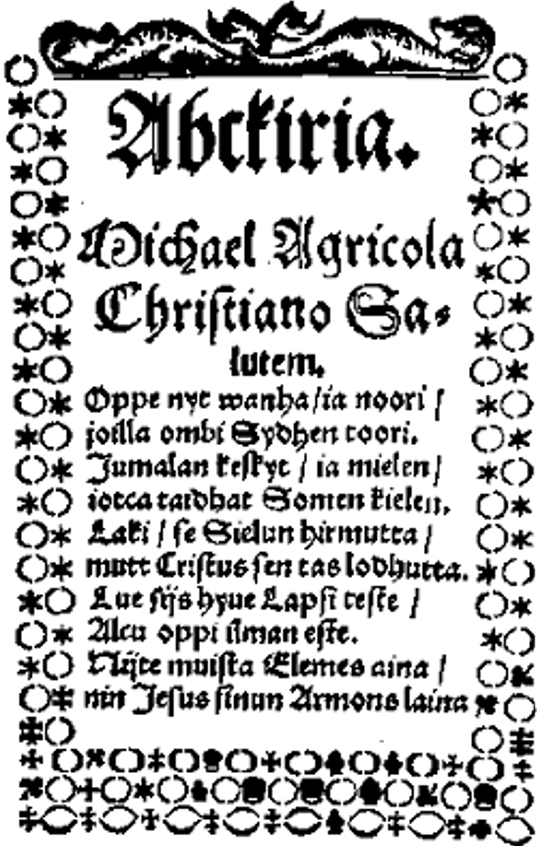
Agricola’s role for the Finnish language was similar to that of Luther for German. Both translated the bible into their people’s language. He did that with other Finns while living in Wittenberg, Luther’s town. Agricola also wrote the Abckiria (ABC Book), the first piece of literature in Finnish.

Other important days for Finnish culture

  • 3 February – Day of Finnish architecture and design, Arkkitehtuurin ja muotoilun päiviä. It is the birthday of Alvar Aalto
  • 12 may – Day of Finnish Identity, suomalaisuuden päivä, birthday of the statesman Johan Vilhelm Snellman
  • 9 August – Tove Jansson day, Since 2020 this day, Tove Jansson’s birthday, is a flag day in Finland, celebrating Finnish art. Tove Jansson was a painter and illustrator, most known as the creator of Moomintrolls. Her novels and other written work have been translated into more than 50 languages
  • 8 December – John Sibelius day, Birthday Jean Sibeliuksen päivä/ also day of Finnish music