Nordic findings in japan

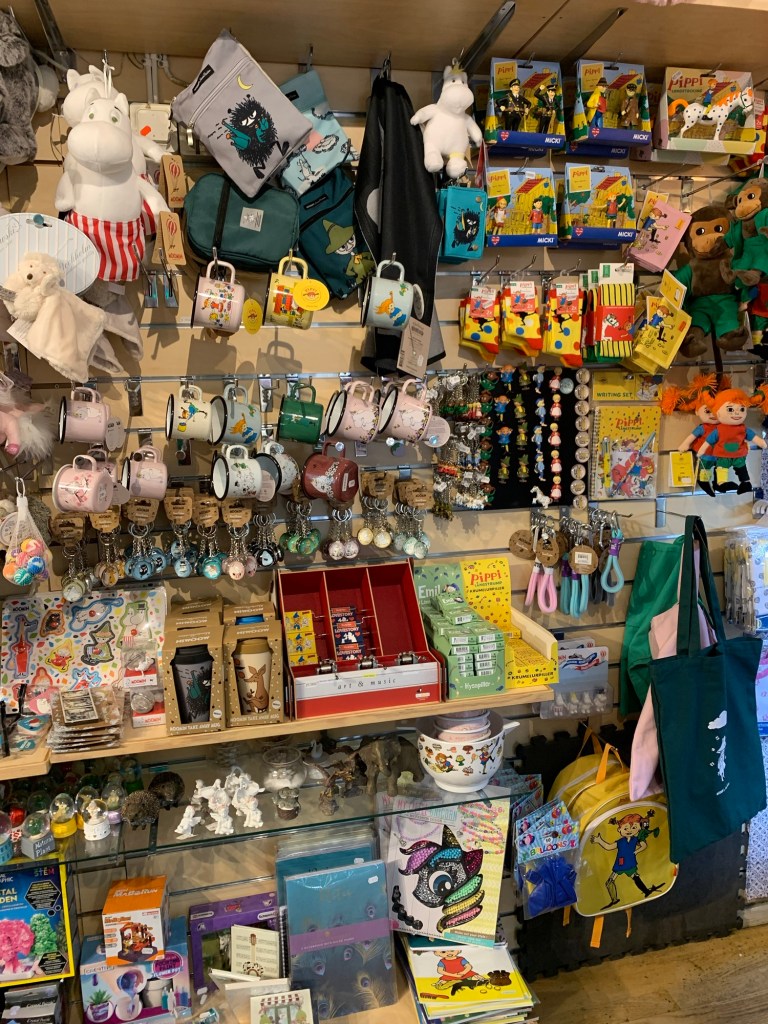
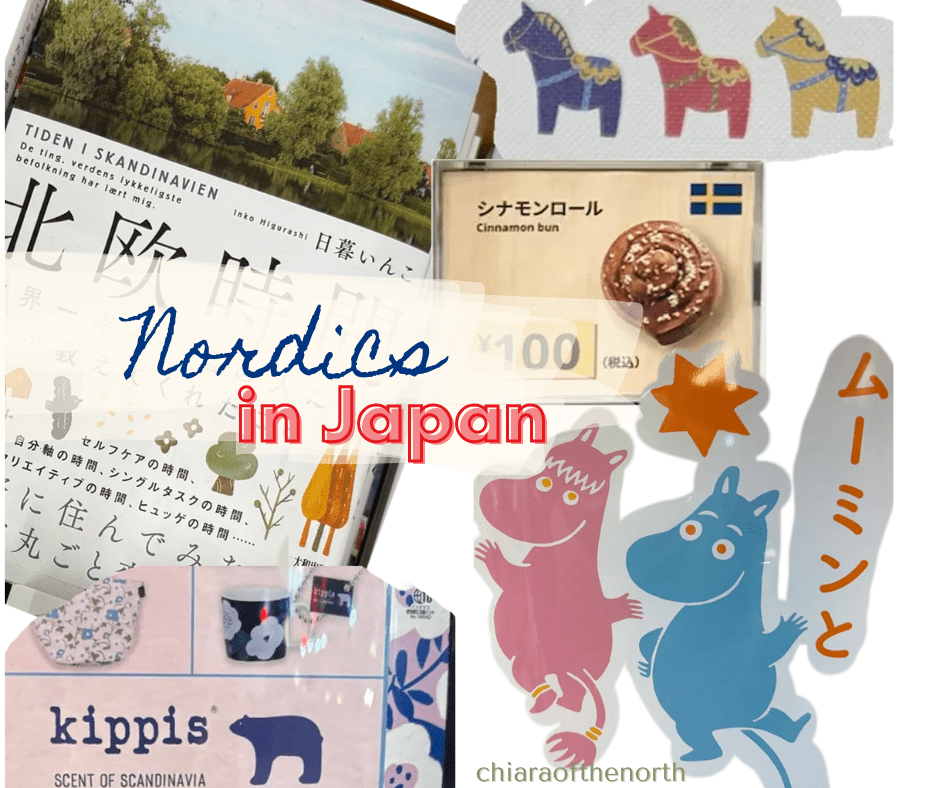
Nordic culture experienced in Japan: Moomins, Dala horse stationery, Nordic-inspired foods and books about Scandinavia seen by the Japanese.

You can find Nordic cafés & restaurants in Japan on this blog, but here is some other stuff I bumped into during my trip there !

Nordic-inspired Japanese items

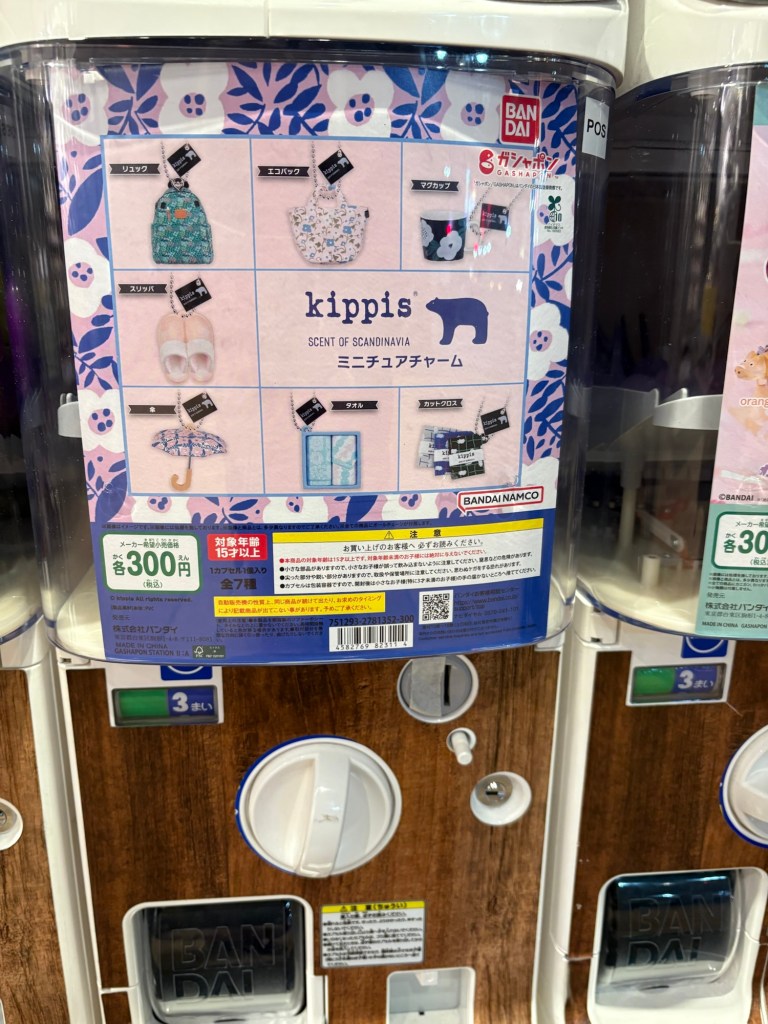
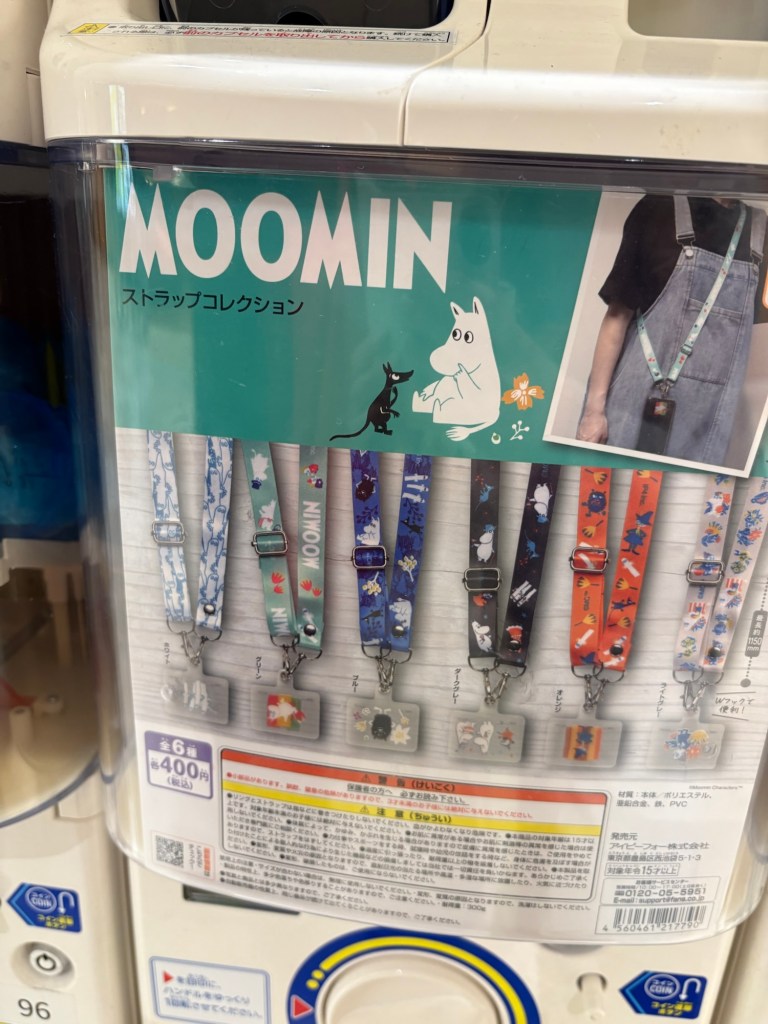
I saw some cute objects connected to Nordic cultures, as a gacha-gacha machine where you could get a Marimekko-looking item keychain! It was called Kippis, what the Finns say when toasting.

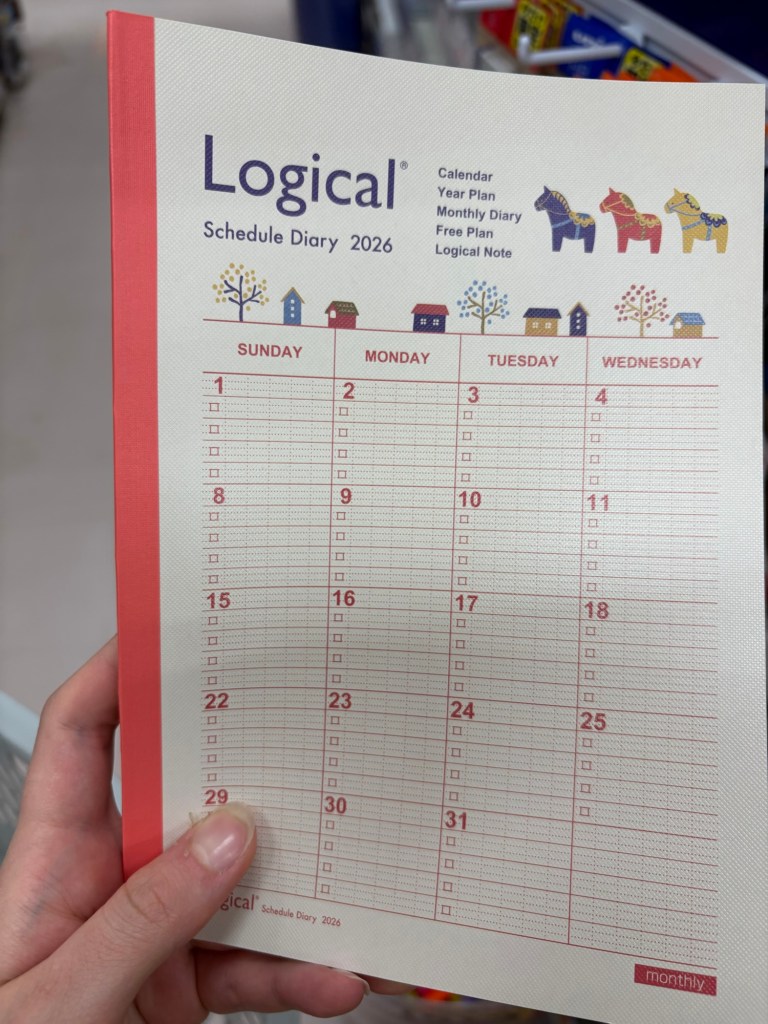
It is also not surprising that Japanese and Asian people find Dala horses cute, and that’s what I saw on the cover of a journal. Was kinda tempted to get it!

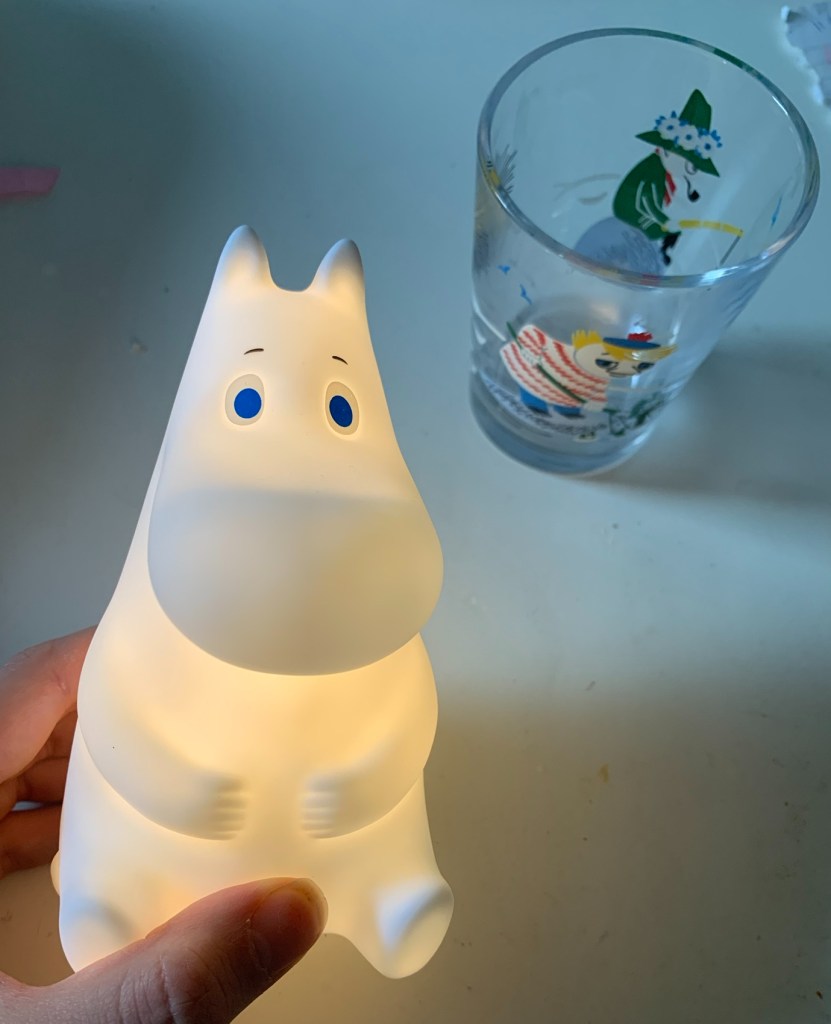
Moomin!

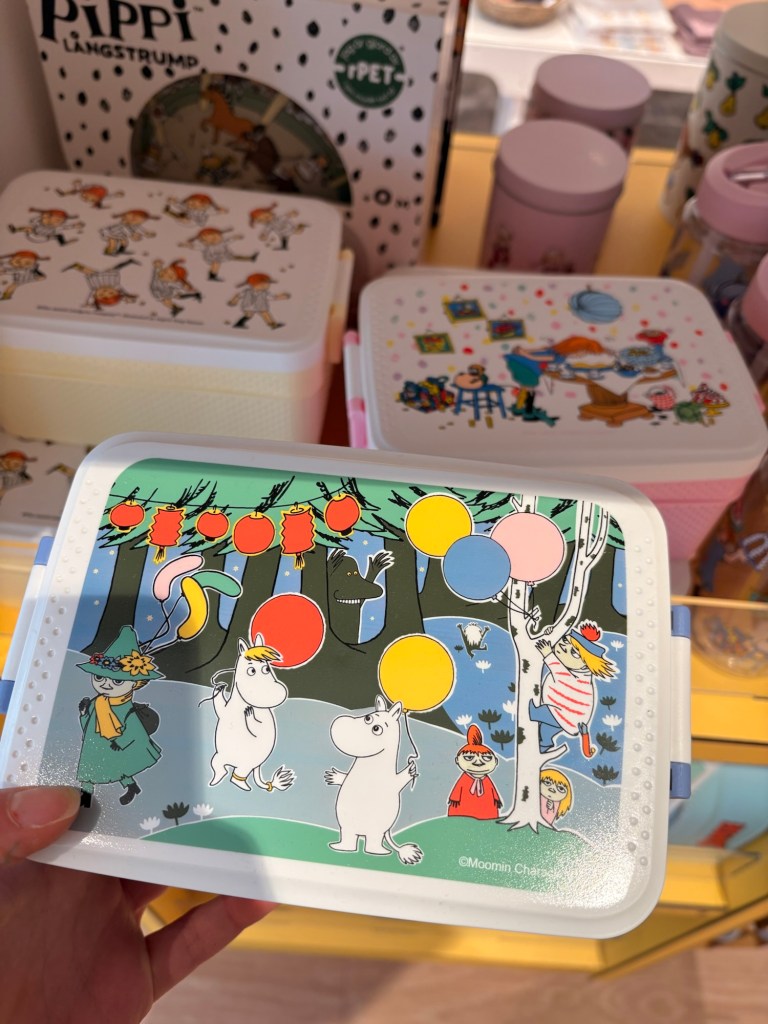
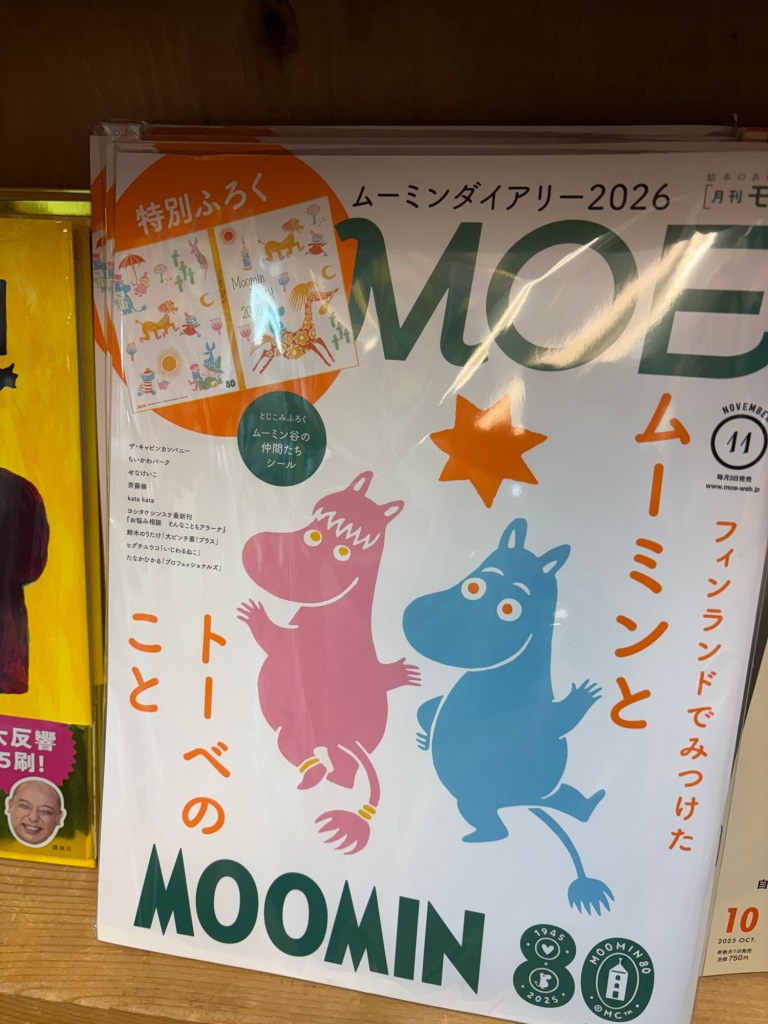
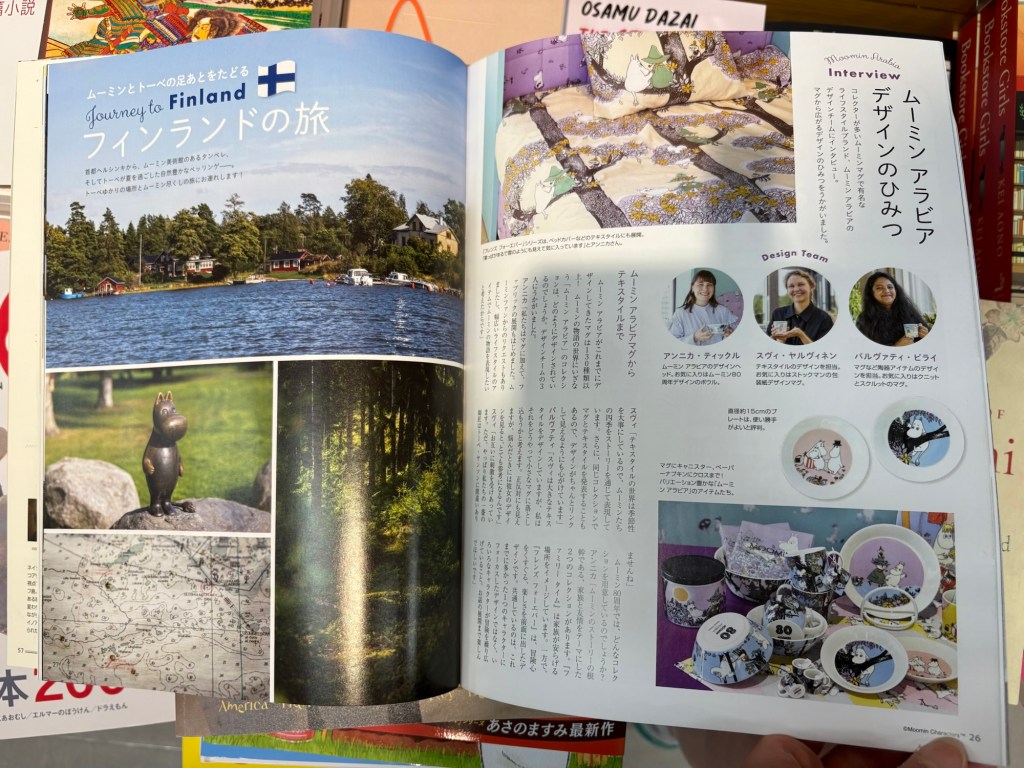
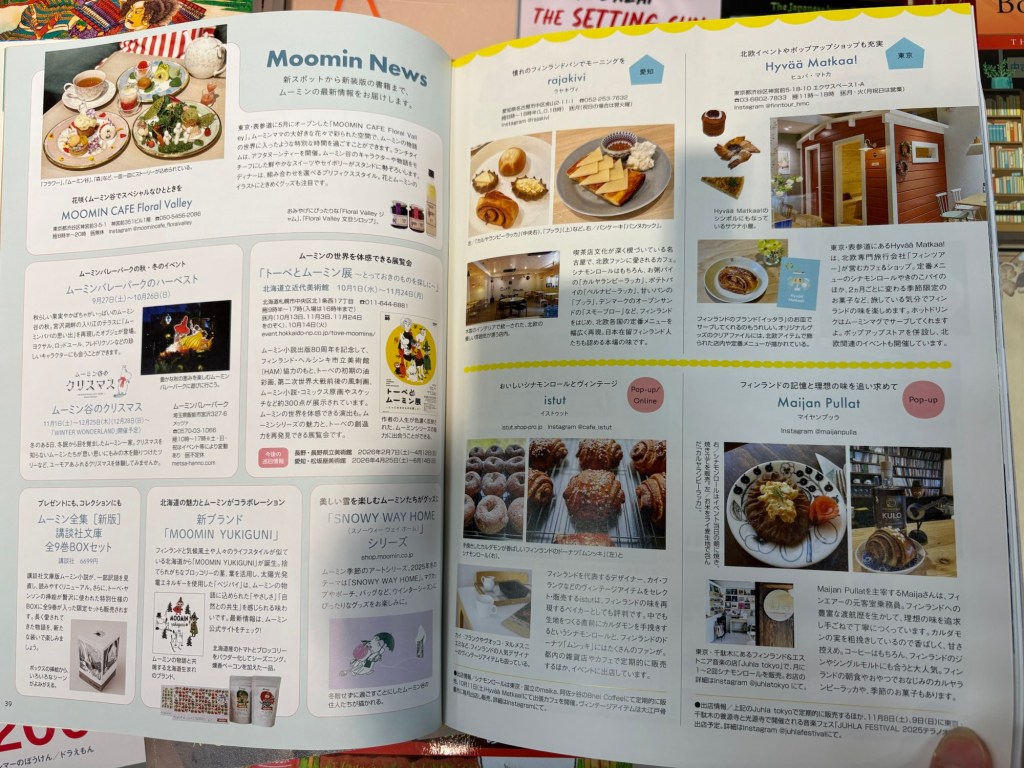
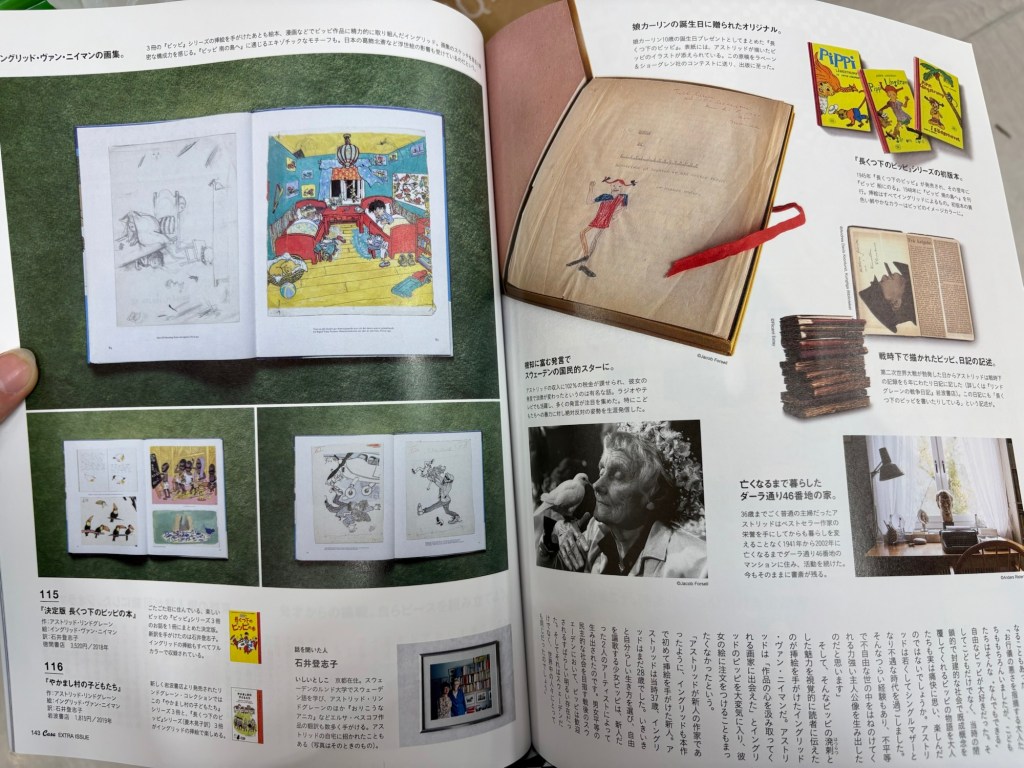
MOE magazine was featuring Moomins in the current issue. Moomins are pretty popular in Japan and represent an iconic symbol of Finnish culture. This issue had many pages about Finland and Finnish bakeries in Japan among others as well.


A Moomin pop-up cafe closed just before I left, and Mcdonalds has Moomin toys in their happy meal right now! Too bad I was either late or early.

I was also very tempted to visit the Metsä in Hanno (near Tokyo), メッツァ公式, a Nordic-themed park with Finland-like nature and a lake, Nordic/Finnish-brands, shops and restaurants, and the Moominvalley park in it!

Nordic food with a Japanese twist

Fun Fact: all-you-can-eat style fusion buffet restaurants are usually called Viking – バイキング – in Japan. The idea behing the name originates from Smörgåsbord (buffet) restaurants, that a restaurant manager from Tokyo’s Imperial Hotel saw in Sweden. As Smörgåsbord is not the easiest word for a Japanese, the word viking was adopted instead! (Source: tofugu.com)

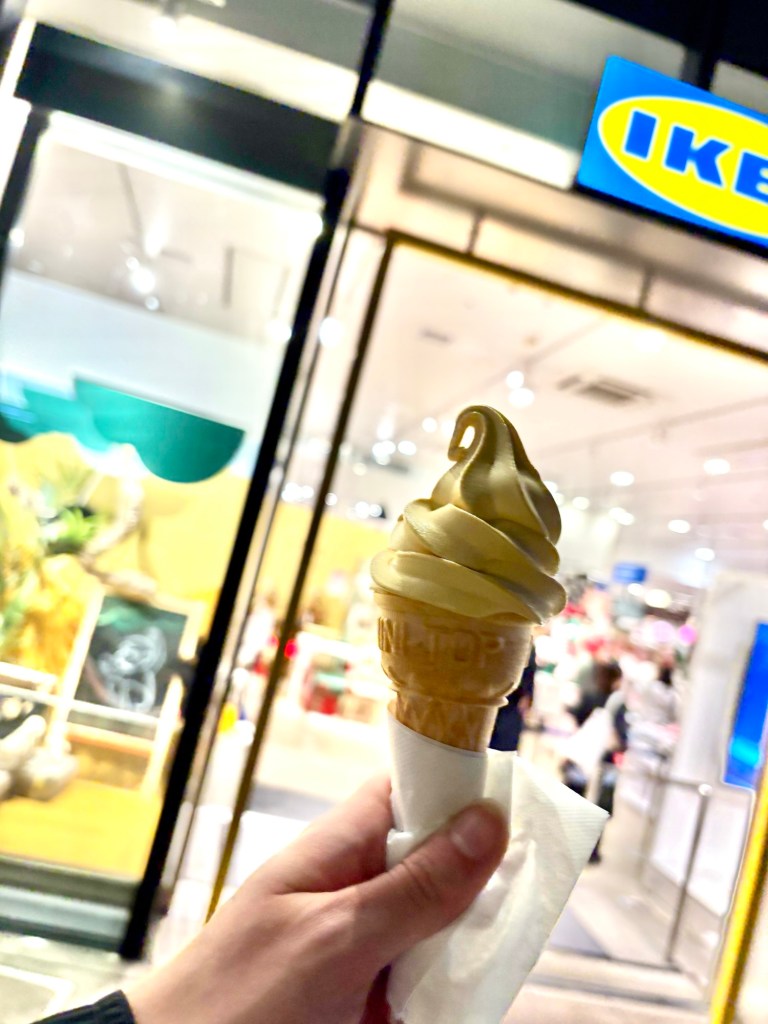
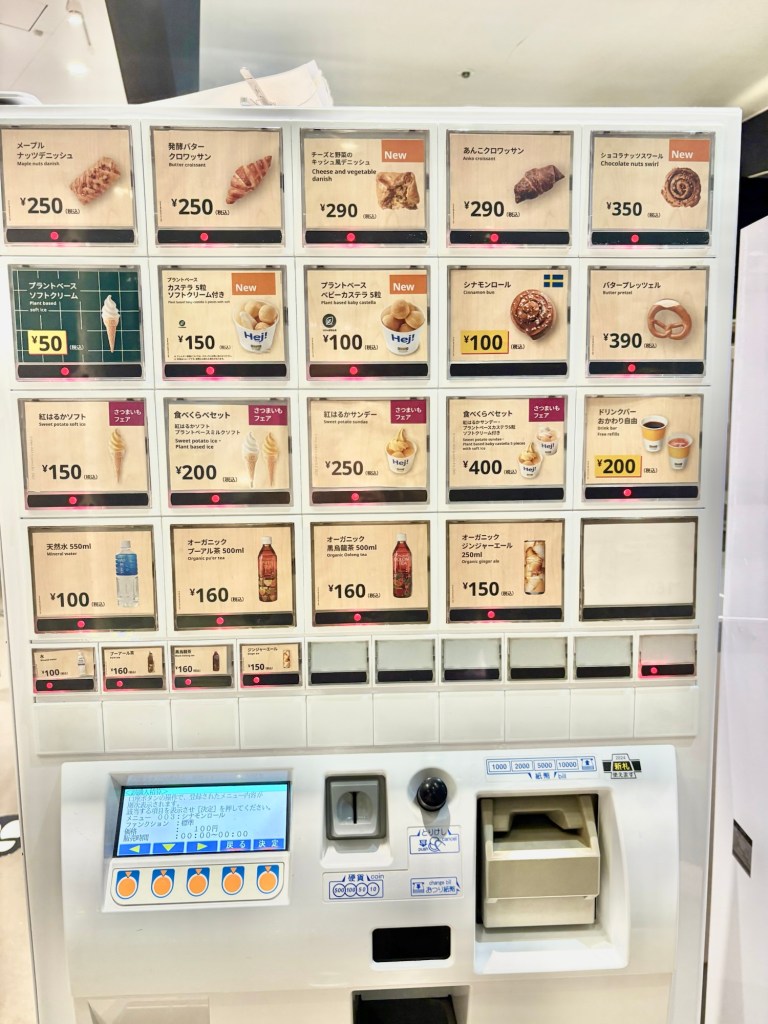
Speaking of Sweden, IKEA is, all over the world, the place to go for Swedish food, with its rather cheap restaurant and bistrot. Japan is no exception, but it has its local twist, and I got to try Sweet Potato soft ice cream!! Sweet Potato is a very common seasonal flavour during Autumn in Japan.

You also have a chain called Danish Bar, selling roll-shaped danish pastries. Nothing particularly Danish besides the wienerbrød-ish dough though.

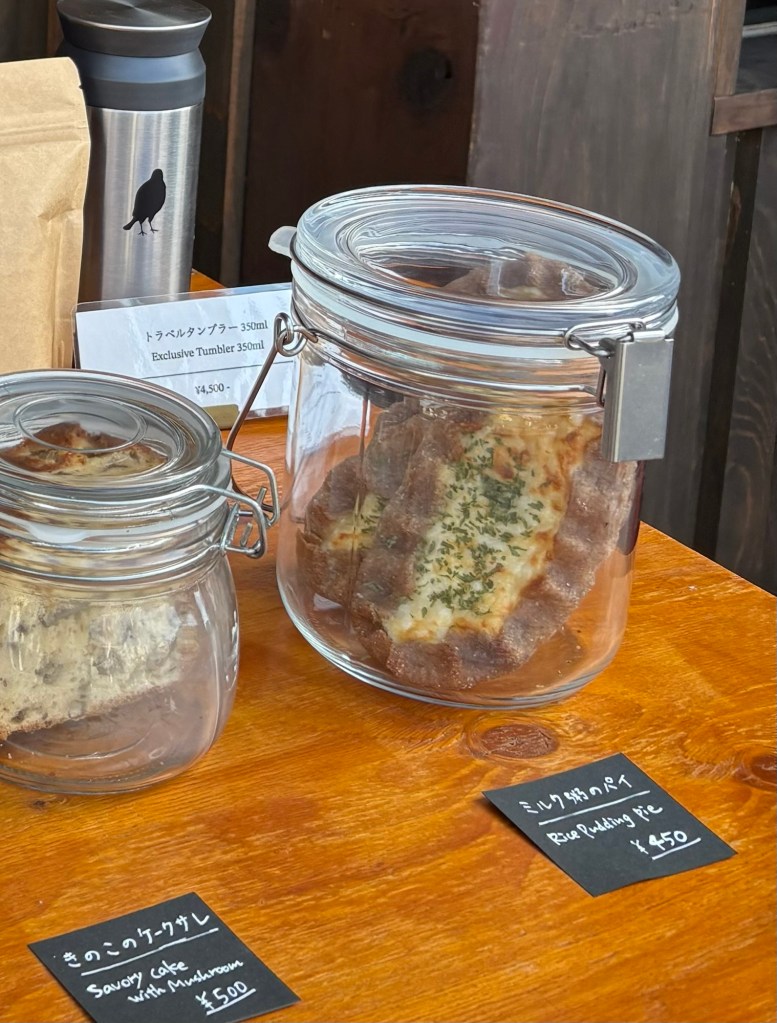
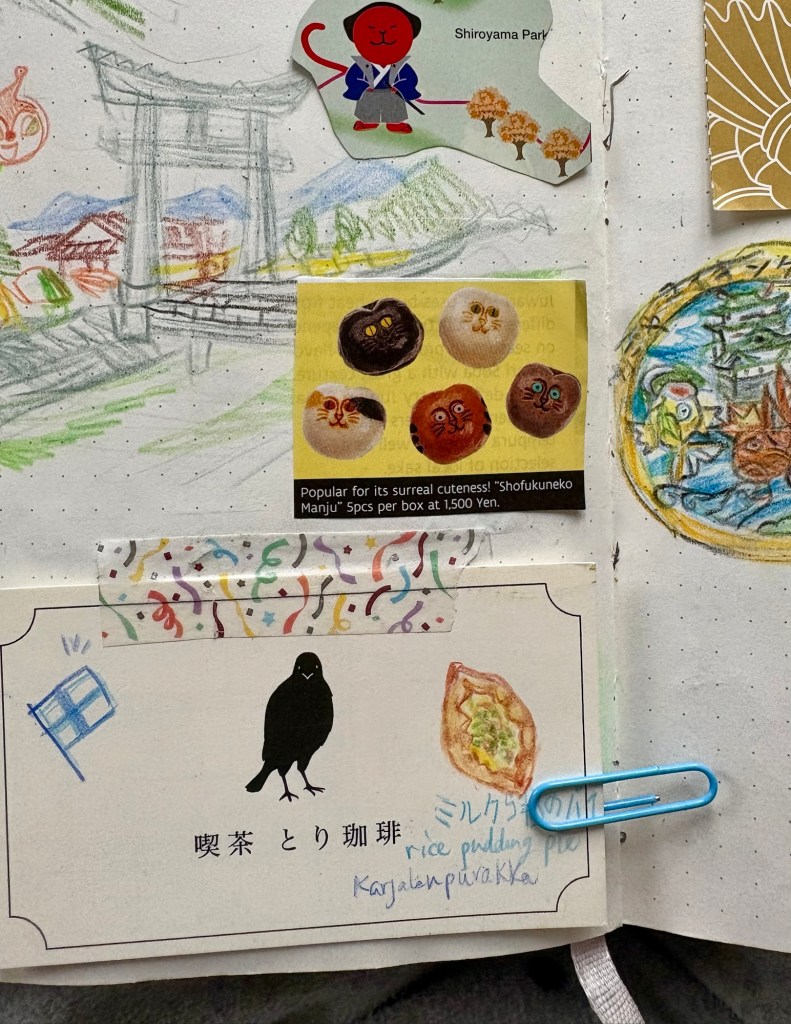
I was walking around in Takayama, Gifu prefecture, when I bumped into a Karjalanpiirakka/Carelian Pie being sold at a cafe called Tori coffee, the iconic Finnish Rice pudding Pie as it was named here!! I had to immediately interact with the person at the counter and ask about it, and I found out the baker had actually been in Finland! I was too full from Japanese food to eat one, but it looked delicious.

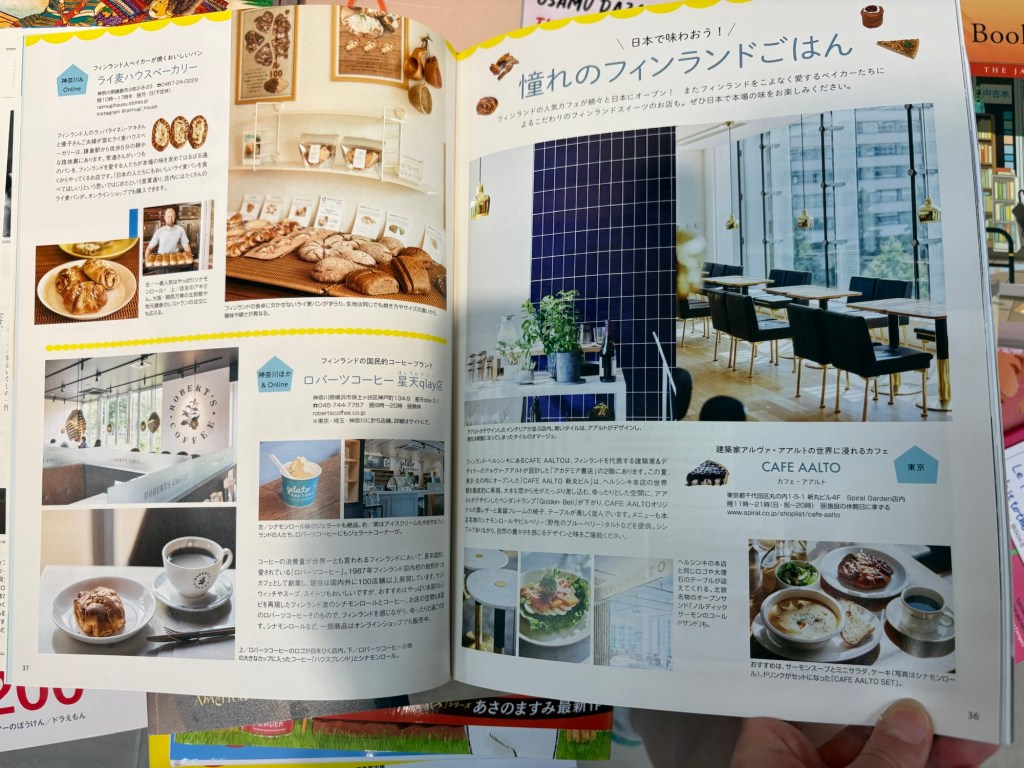
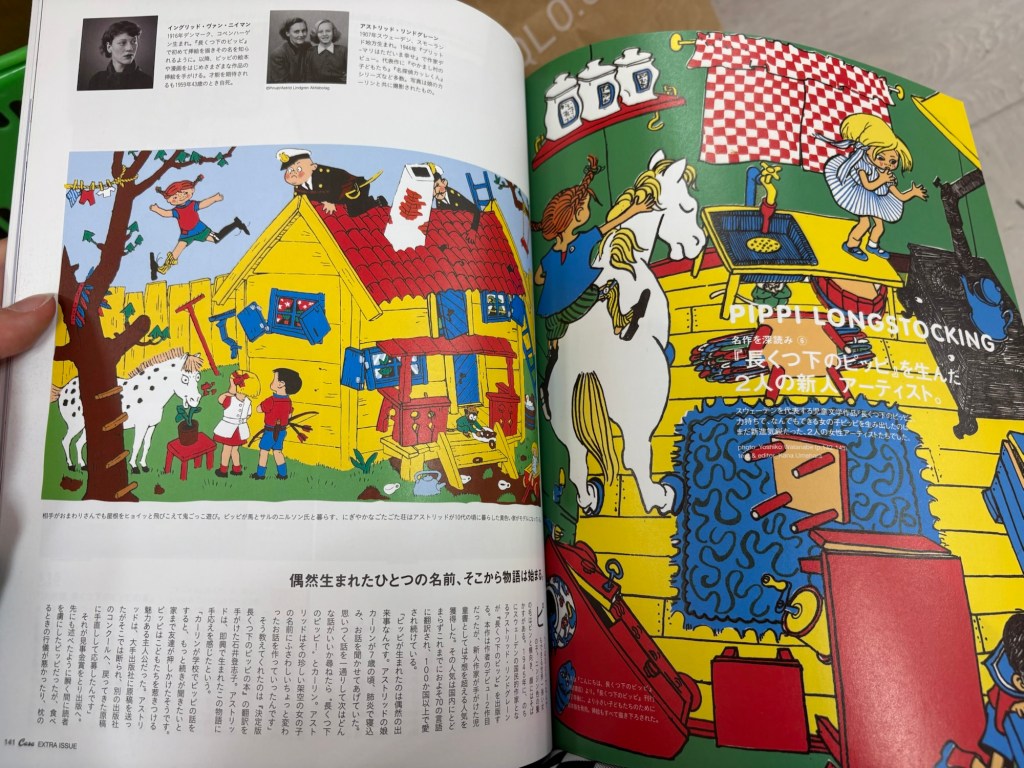
Days later, I found Finnish bakeries, cafes and restaurants in Japan being showed off in the MOE Moomin-themed magazine I mentioned above.

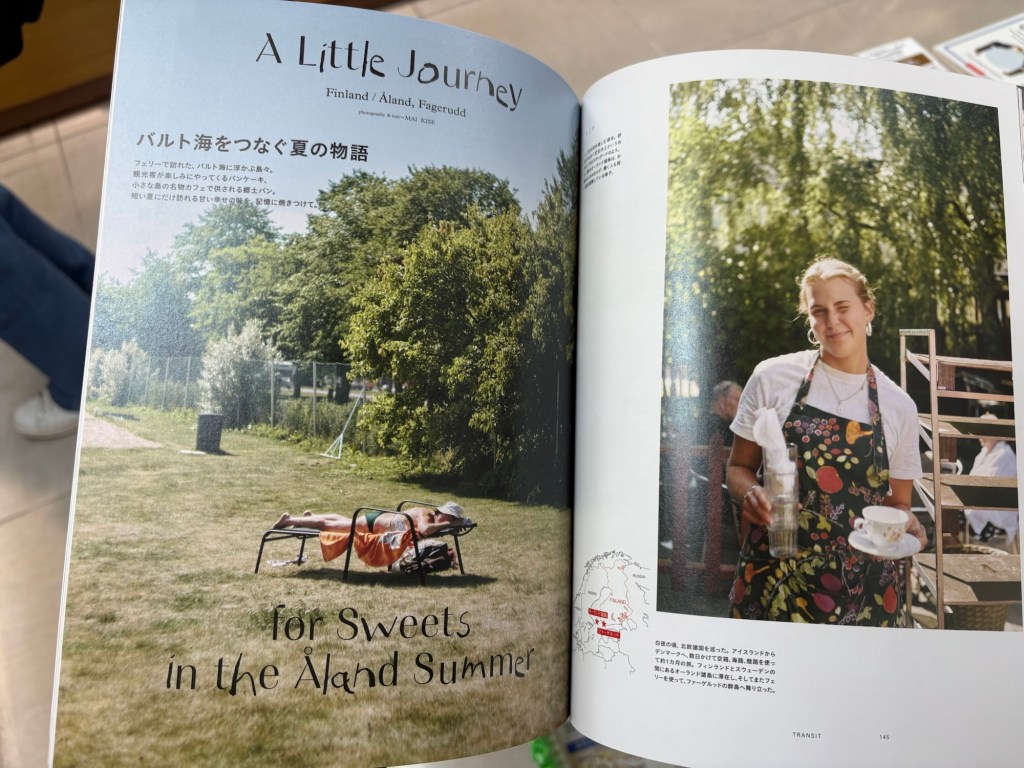
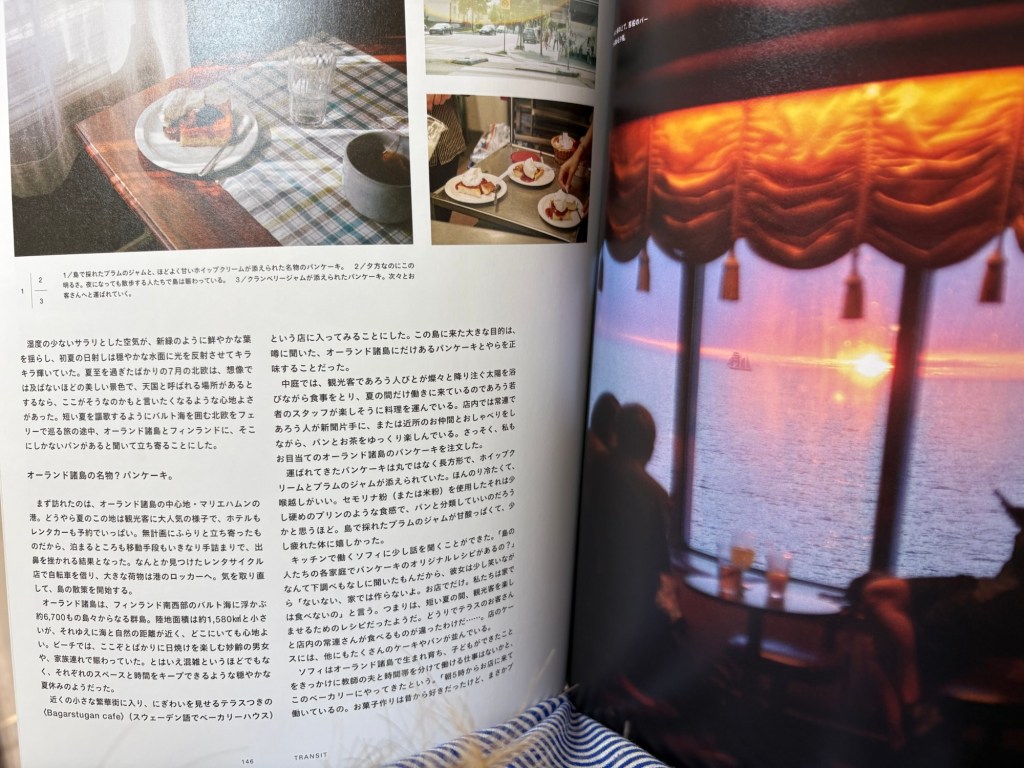
The TRANSIT magazine featured a section about the New Nordic Bread Movement, with among others an article about Åland.

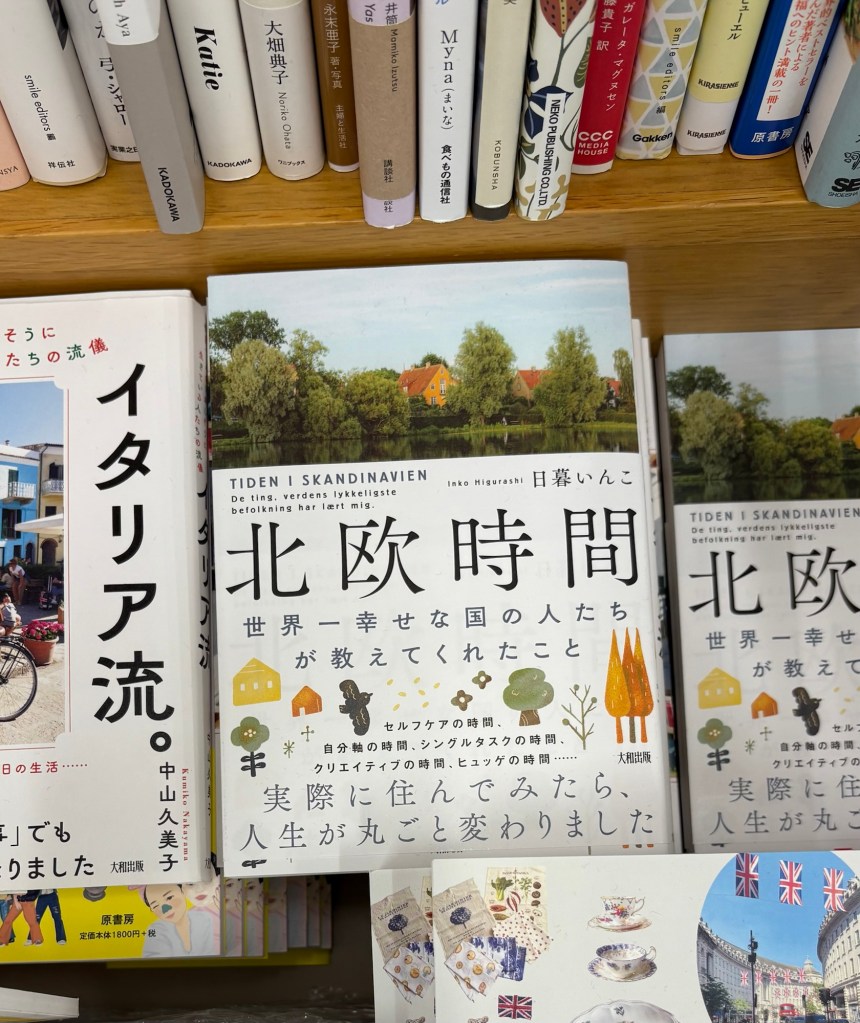
While browsing magazines and books in Kinokinuya 7-floor bookshop, I found Time in Scandinavia – what the world’s happiest people have taught me (北欧時間 世界一幸せな国の人たちが教えてくれたこと) by Inko Higurashi.

inko higurashi scandinavia

I also bumped into what seemed an elederly/daycare house called with the Swedish name of Merhälsa and a shop called Kiitos, Looking up online you find either a cafe, a character merch shop, and a cookie/chocolate manifacturer, but none of these seem to be related to Finland?

Follow for more Nordic-related stuff, wherever it may be!

Swedish Café in Utrecht: Broodnodig

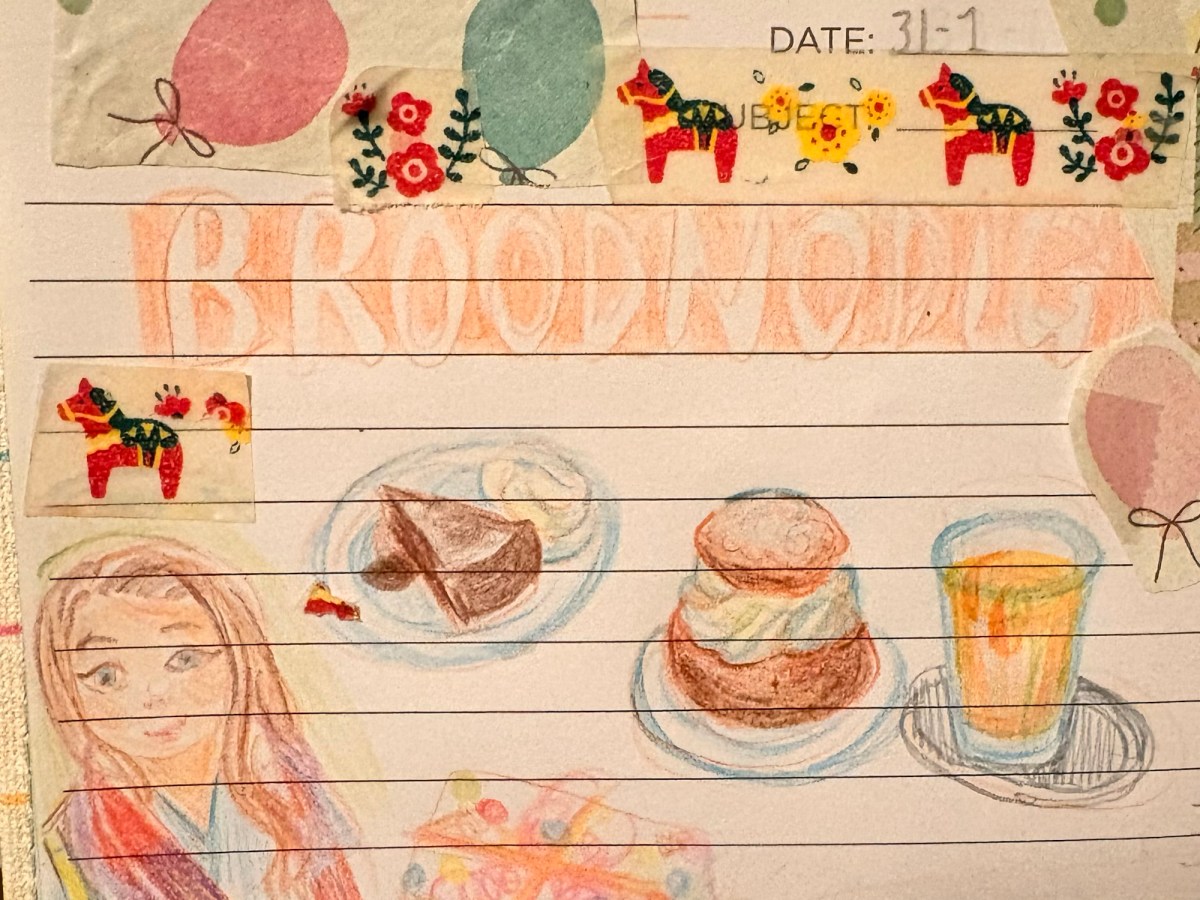
In Utrecht, the cafe Broodnodig serves Swedish pastries and cakes as cinnamon and cardamom buns, kladdkaka, smulpaj and Scandinavian seasonal treats as semlor and saffron buns.

Illustrated Guide to Swedish Fika

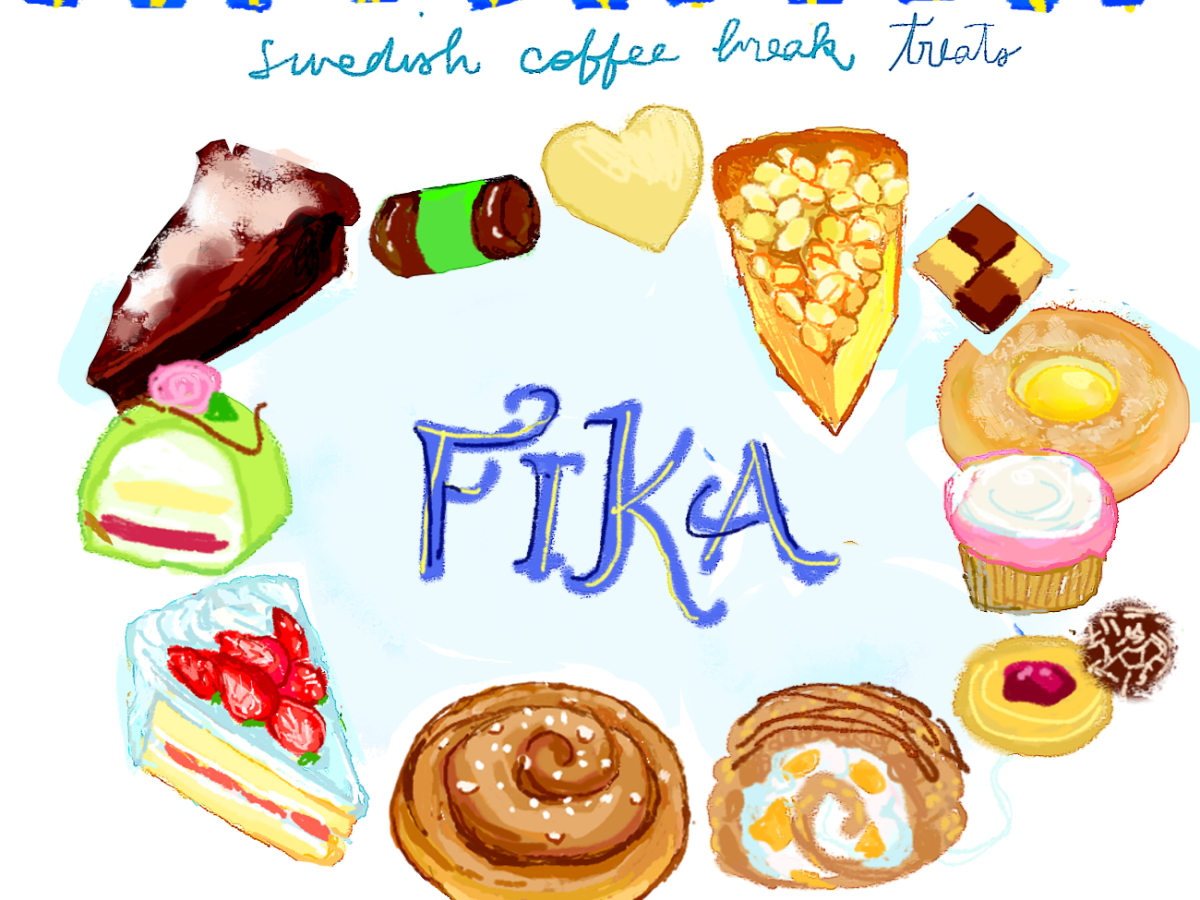
Fika is a cherished Swedish tradition involving a coffee and cake break. Discover various Fika treats, from classic kanelbullar (cinnamon buns), cakes and cookies to savory options.

the MOOMINS

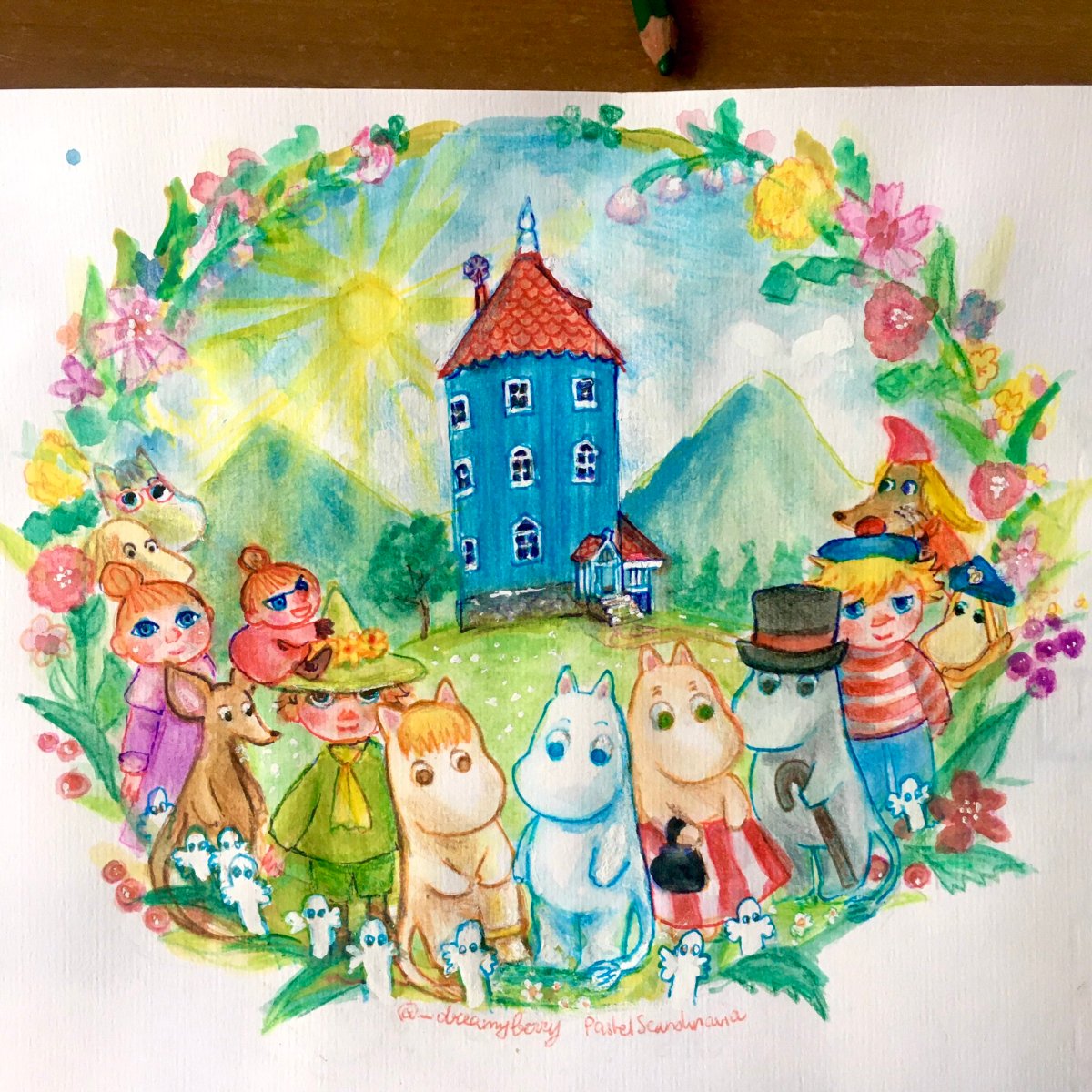
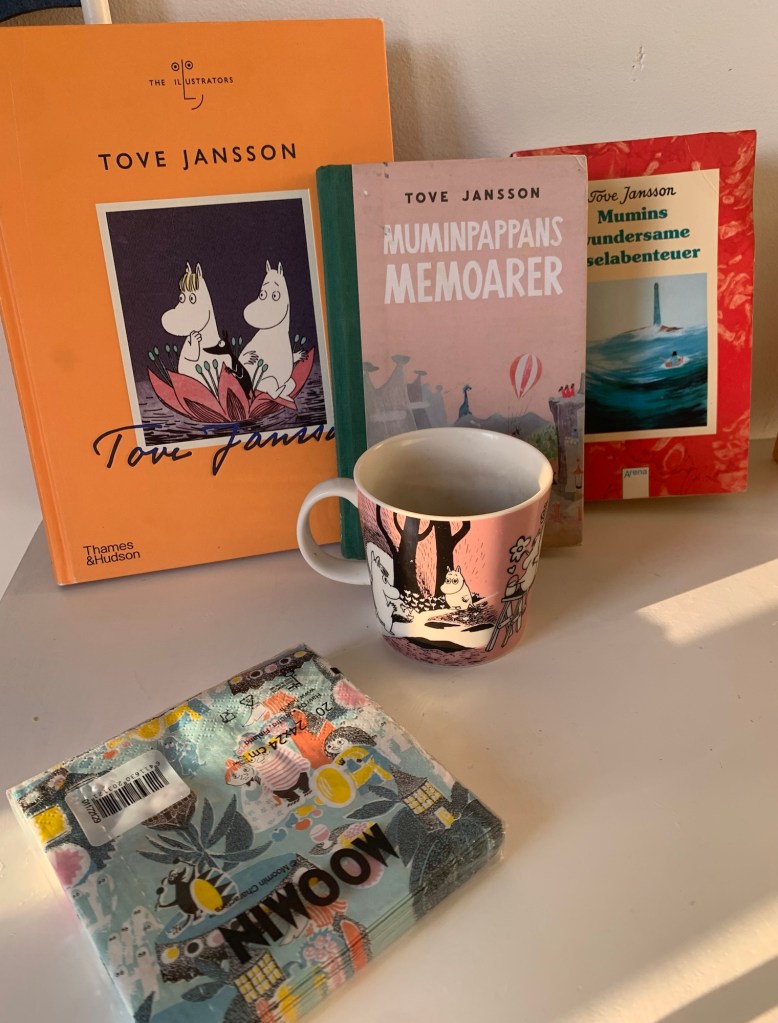
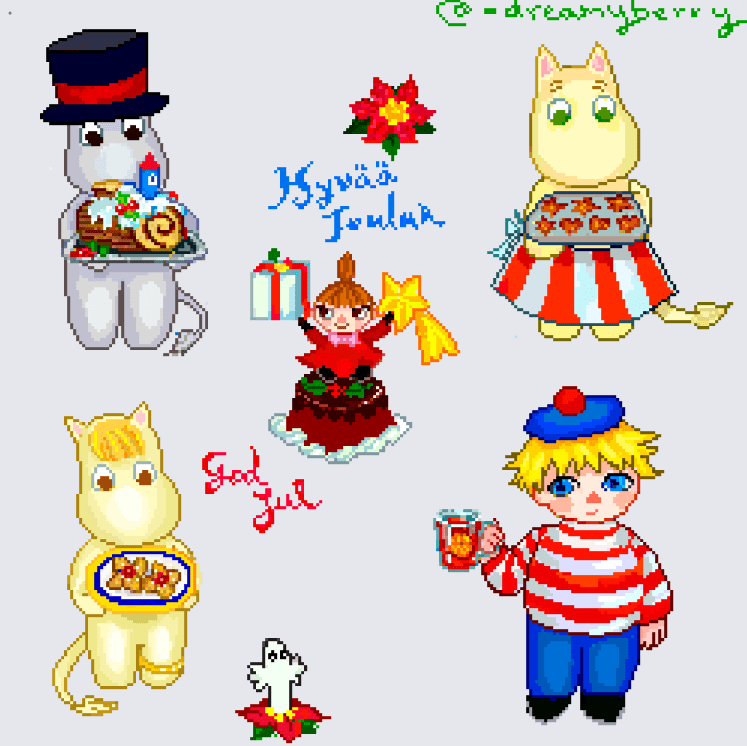
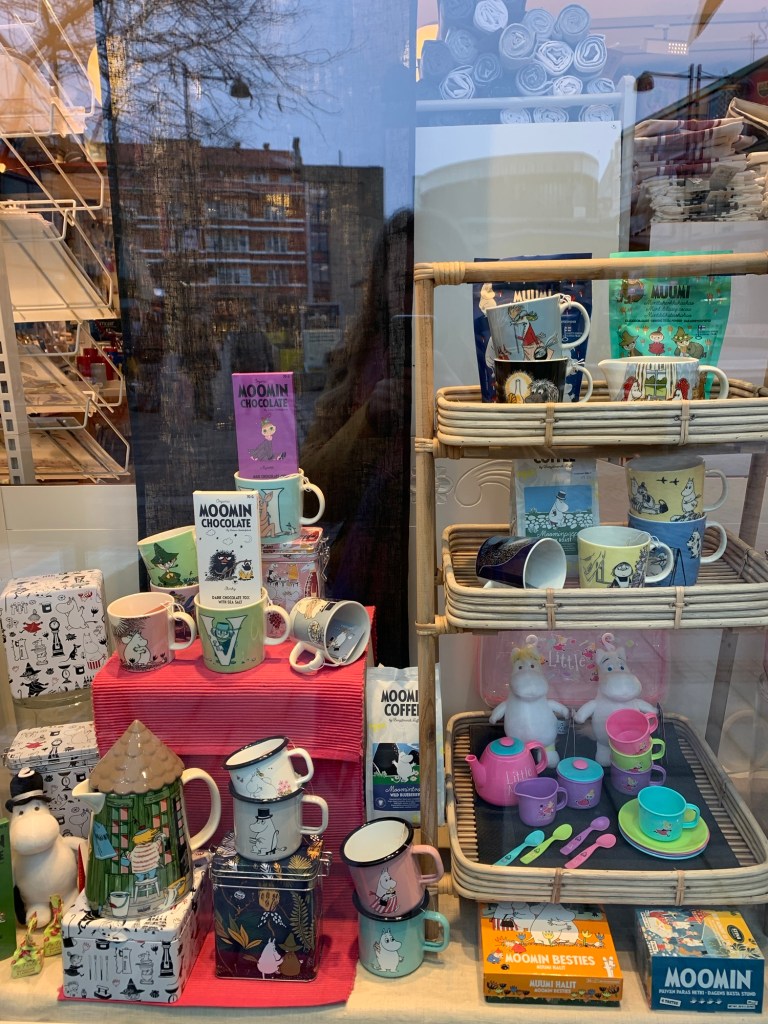
The Moomins, created by Tove Jansson, are the most famous and beloved Finnish characters, First appeared in books, then animated series. Still immensely popular in the Nordic region and Japan, they are feature in countless merchandise items, especially mugs!

The Moomins are a family of hippo-looking characters, created by Swedish-speaking Finnish illustrator Tove Jansson, who created Moomins during the Second World War, as ‘an escape from reality in a fairytale world’. Moomins are still incredibly popular in Nordic countries, and are often used as a Finnish cultural symbol.

moomin books mug tissues

Tove Jansson wrote and illustrated several books and strips between 1945 and 1980, which got translated into 38 languages.
The first animated series is from 1969, but the most popular is from the 90s, and the most recent is from the 2020s.
Other series were made with puppets and cutouts. and there’s even a Moomin opera! Here’s the Moomin timeline.

Moomin Characters

The core family of the moomins is Moomin himself muumipeikko in Finnish, and his parents, Moominmamma and Moominpappa, live in their iconic cylindric blue house (for a while they lived in a lighthouse and a theatre too). But the ‘family’ is not limited to them, and has incorporated other members:

  • the fearful Sniff
  • the naughty Little My, who teaches that being angry is okay too, sometimes.
  • Moomintroll’s girlfriend Snork Maiden,
  • the vagabond and freedom lover Snufkin, an artist soul,connected to a typical Finnish feeling of melancholy and solitude

Other characters who often appear are:

  • the bossy and stubborn Hemulens and the anxious Fillyjonk, representing the petty bourgeoisie of the time when Tove invented the Moomin world
  • the wise and pragmatic Too-Ticky,
  • Mymla, Little My’s big sister.
  • To the east borders of Moomin Valley there are lonely mountains (Ensliga Bergen), a mysteryous place where the monster Groke lives, who freezes everything she walks on and is hard to communicate with.

Many characters are actually invented after people from Tove Jansson’s life, as her parents , Too Ticky – her partner Tuulikki Pietilä.

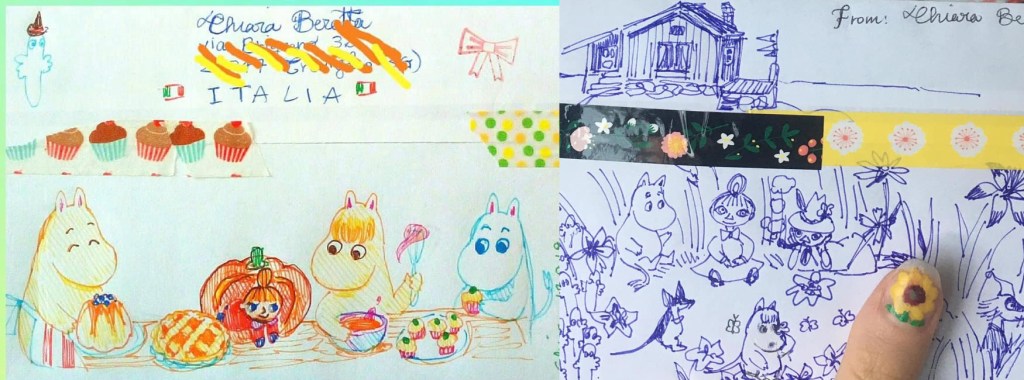
Letters i decorated with Moomin art.

Life in the peaceful Moomin world is often about enjoying small pleasures, as Moomin says:

I only want to live in peace and plant potatoes and dream!

One can’t be too dangerous, if they like to eat pancakes. Especially with jam on it’.

Moomin in Finland

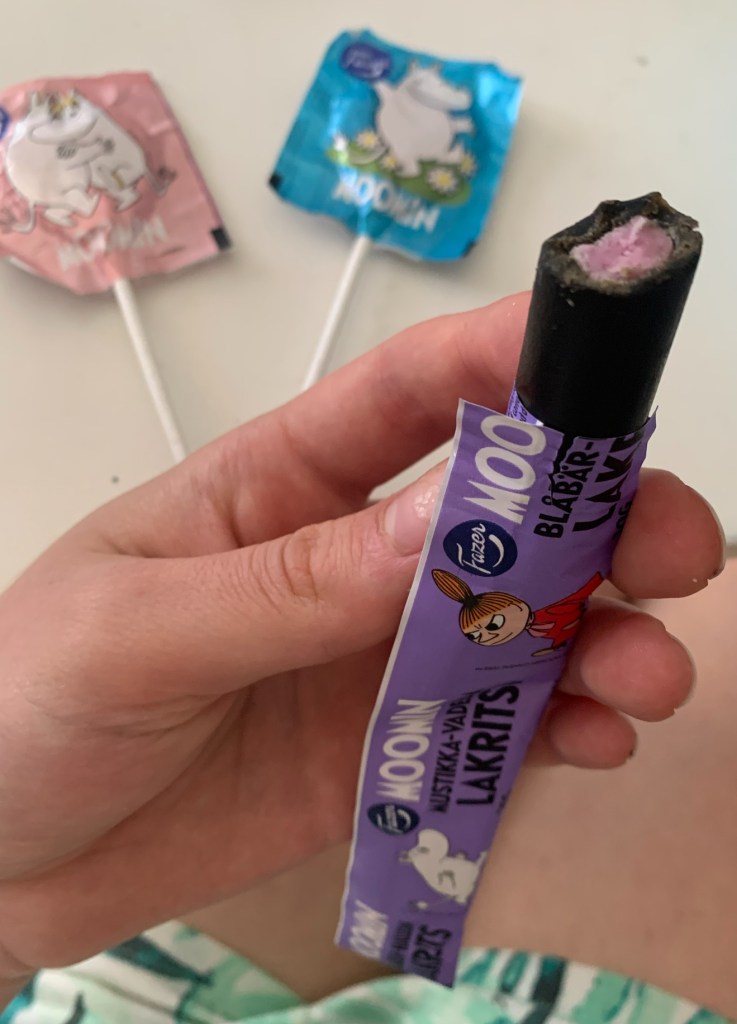
Moomins are still incredibly popular and easy to find in Finland: on Fazer candy and cookies, on finnish postage stamps (since 1988)… but the most classic item to own is probably moomin mugs: produced by Arabia since the 1950s.
You can even fly on a Moomin FINNAIR plane, which of course fly to Japan.

Most Finns (and maybe Swedes or other Nordic peoples as well) have some kind of Moomin object. Even the former Finnish President Tarja Halonen has been known to wear a Moomin watch!

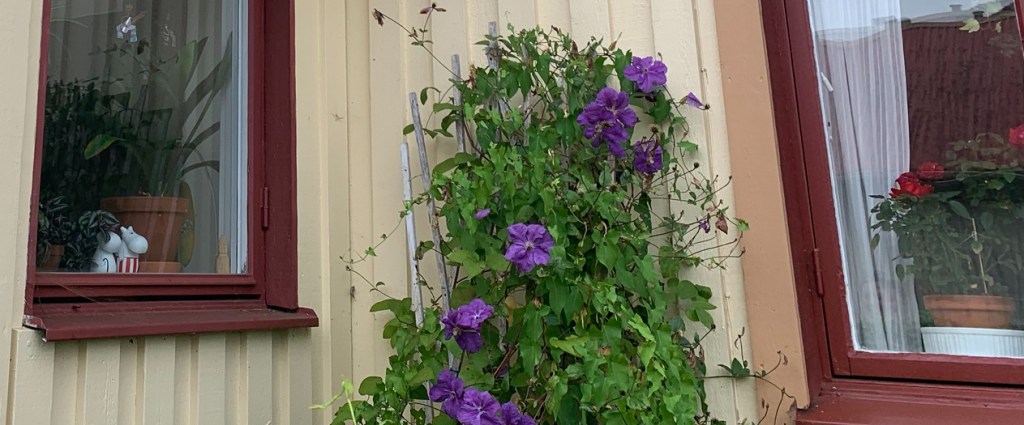
spot the moomins inside this Swedish house!

If you travel to Finland, you can also visit some Moomin-themed attractions:

  • Moomin World theme park (in Finnish Muumimaailma) in Naantali, near Turku, in 1993.
  • Tampere Art Museum has a Moomin section: Muumimuseo, which contains around 2000 original works of Tove Jansson, including a model of the Moominhouse, which Tove Jansson contributed to build.
  • Moomin ice cave is a 30 meters below of a Spa Hotel near Kuopio, it includes Moomin-themed ice sculptures, and offers activities for families with children.

Moomin shops, cafes and attractions in the world

The real Moomin Boom started in the 1990s, with the Japanese animated series Tales From Moominvalley. Moomin books were already bestsellers in Nordic and Baltic countries, but the animation made Moomin extremely popular in Japan among others.

Japan has a Moomin-themed park since 2015: MoominValley Park, in the prefecture of Saitama, near Tokyo.

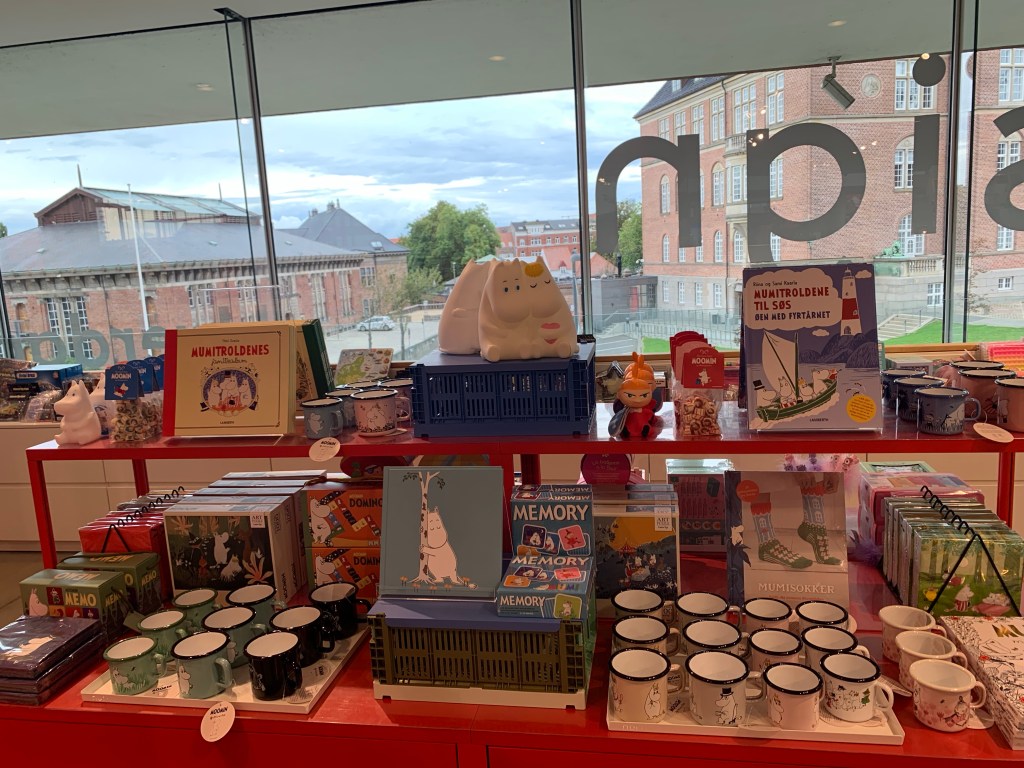
Besides Moomin shops in Nordic countries (I have been in the Gothenburg one, Sweden), there are quite a few in Asia (most in Japan, but also Korea, Thailand, China and Hong Kong), and there is one in the USA, but not NYC or LA – in Hawaii! Not surprisingly due to the Japanese tourists…

Moomin themed-cafes are very popular in East Asian countries: other than in Finland various pop-up cafes have appeared now and then in Japan, Hong Kong, Thailand, South Korea and Taiwan.
You could eat a moomin shaped meal in front of a giant moomin character plush there! Moomin Cafes.

You can check out all currently open Moomin shops, attractions and cafes on Moomin official website.

Subscribe for more info and moominous posts:

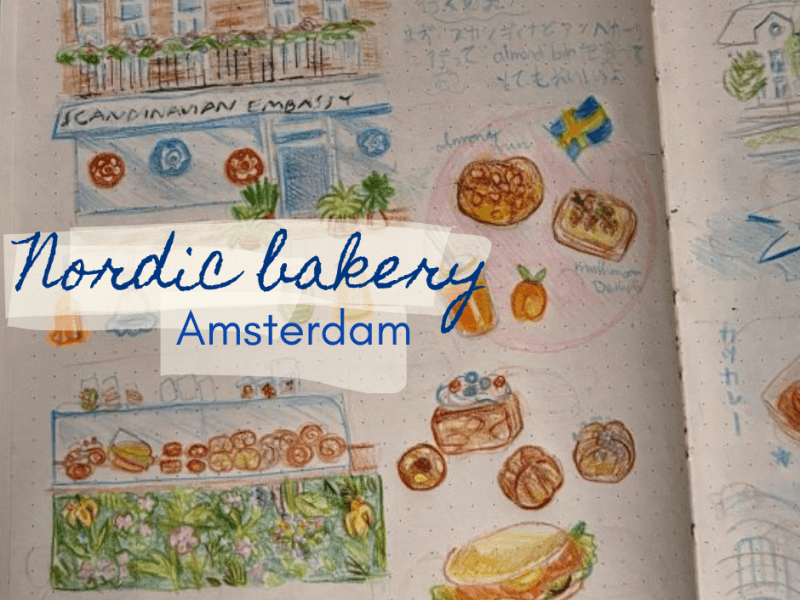
Scandinavian Embassy bakery and cafe in Amsterdam zuid

On a trip to Amsterdam, I decided to test Scandinavian Embassy and both of its two locations, starting with the bakery in europaplein. The two locations are in Amsterdam zuid: Saphatipark and Europaplein: in the former, a more central location, you can sit but it has fewer items than the bakery in Europaplein. The bakery,…

Puffins: Iceland & Faroe’s mascot

The lovely sea parrot living around the North Atlantic coasts, symbol of Iceland and the Faroe Islands.

The Atlantic puffin, Lundi in Icelandic and Faroese, is a species of seabird in the auk family.

It populates the North Atlantic coasts of Iceland, the Faroe Islands, the Shetland and Orkney Islands, Norway, Greenland, Canadian coasts of Newfoundland and Labrador. Colonies in Iceland alone are home to 60% of the world’s Atlantic puffins, in particular Westman islands (Vestmannaeyjar).

Atlantic puffins are in danger, threatened by pollution, and the introduction of predators in islands use for nesting, the risk of drowning in fishing nets among others. Based on current trends, the European population will decline an estimated 50–79% between 2000 and 2065.

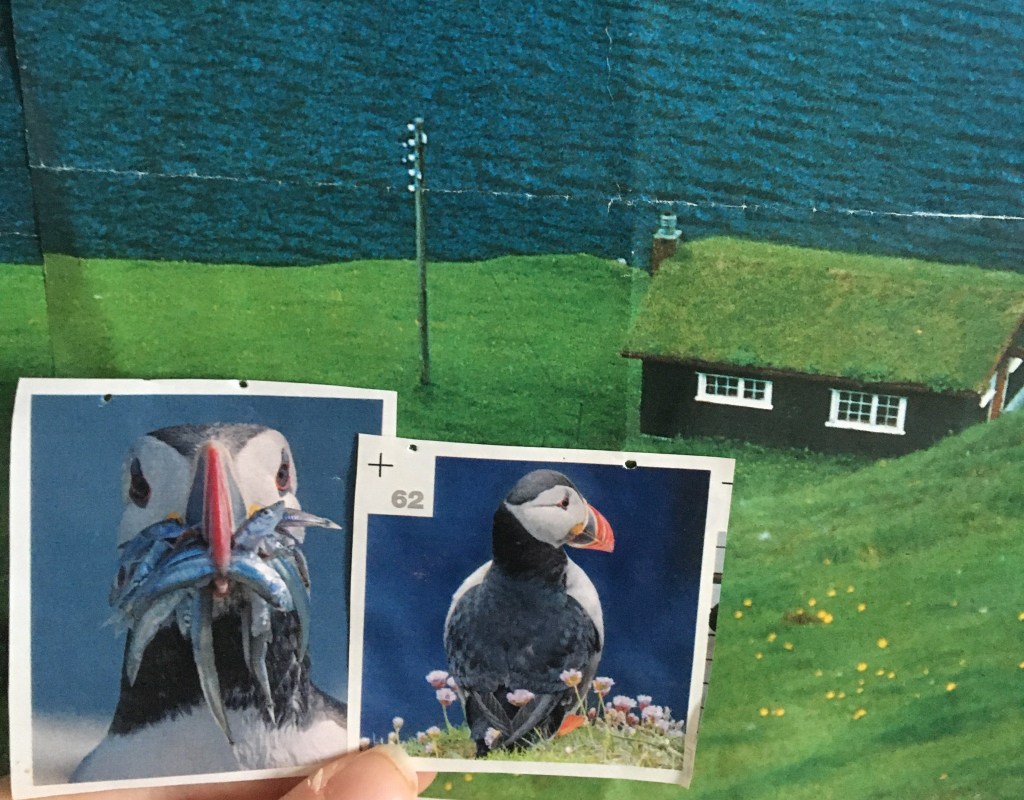
Cutouts of a Faroese landscapes and its puffins! The beak of this 30 cm-tall bird can contain 13 fish!

Name origin of the Puffins

The scientific name Fratercula Artica comes from the Medieval Latin fratercula, “friar”, a reference to the black and white plumage which resembles monastic robes. “Puffin” comes from puffed in the sense of swollen.

The bird’s most distinctive feature, its colorful beak, and its funny appearance have given rise to nicknames associating it to a parrot: for example Danish Søpapegøj “sea parrot” and Dutch papegaaiduiker “parrot diver”.

Puffins in Icelandic and Faroese history

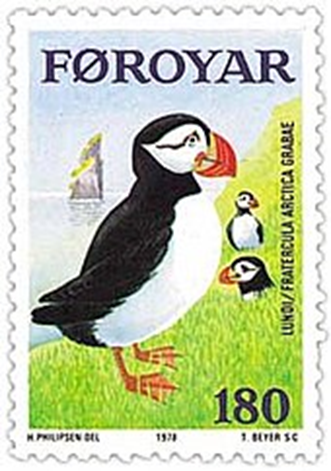
Faroe islands 1978 postal stamp by Holger Philipsen

Puffins have been hunted by man since time immemorial, coastal communities and island dwellers with few natural resources at their disposal didn’t have much else to hunt besides fish and seabirds.

They are still caught and eaten in Iceland and the Faroe Islands A typical device used in the Faroes to catch them was a fleyg. This was a long pole with a neton the end. a skilled hunter could gather 200–300 in a day!

Puffins are now protected by legislation, and where hunting is still permitted, strict laws prevent overexploitation.

A tradition exists on the Icelandic island of Heimaey (part of Westman islands) for the children to rescue young puffins, a fact recorded in Bruce McMillan’s photo-illustrated children’s book Nights of the Pufflings (1995). The fledglings emerge from the nest and try to make their way to the sea, but sometimes get confused, perhaps by the street lighting, ending up by landing in the village. The children collect them and liberate them to the safety of the sea.

Puffins as Icelandic and Faroese ambassador in the world

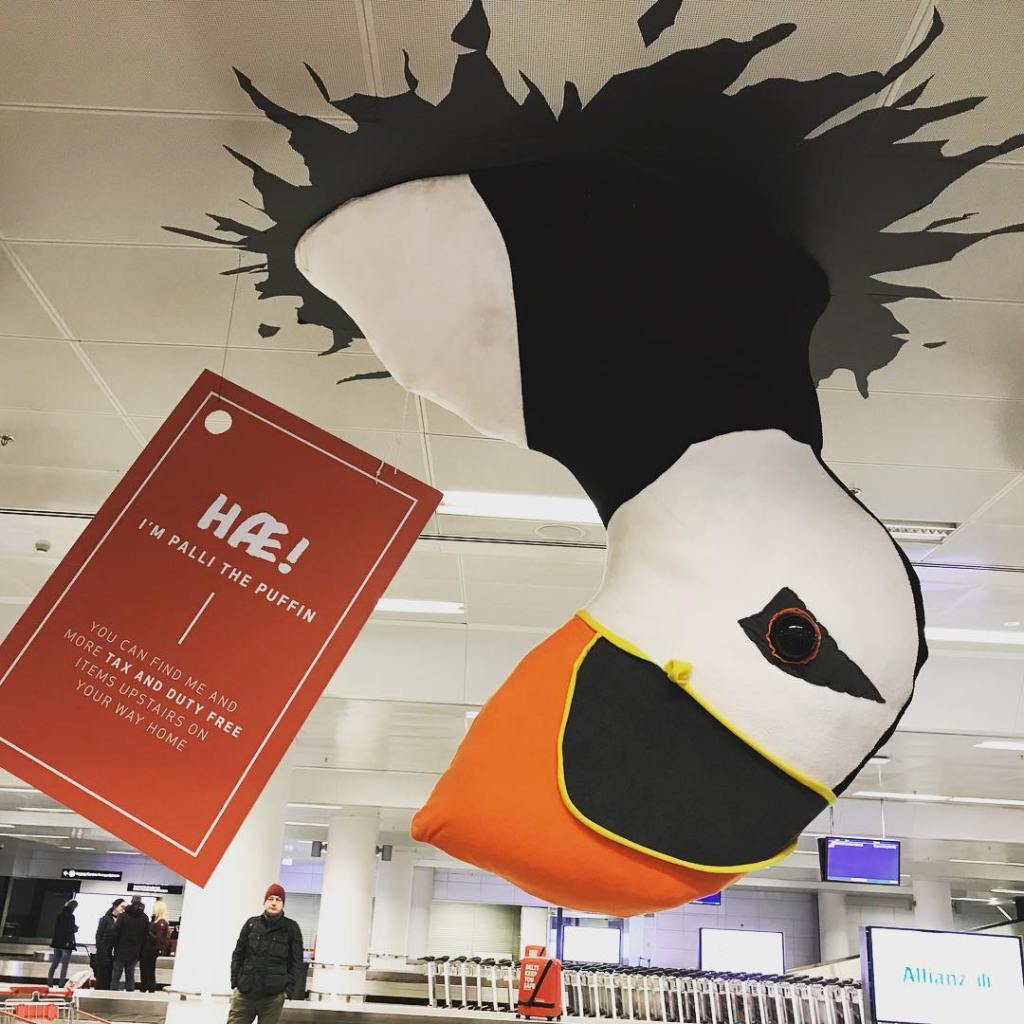
Palli the Puffin greeting travellers coming to Iceland in Reykjavik airport (picture by Mundi Lundi, page about a puffin who was found injured in the Icelandic capital and the nursed back to health)

A puffin named Piddi was the mascot for the Island Games in the Faroes in 1989. In 2023 The UK channel island of Guernsey chose a puffin for its island games mascot as well – Jet the Puffin.

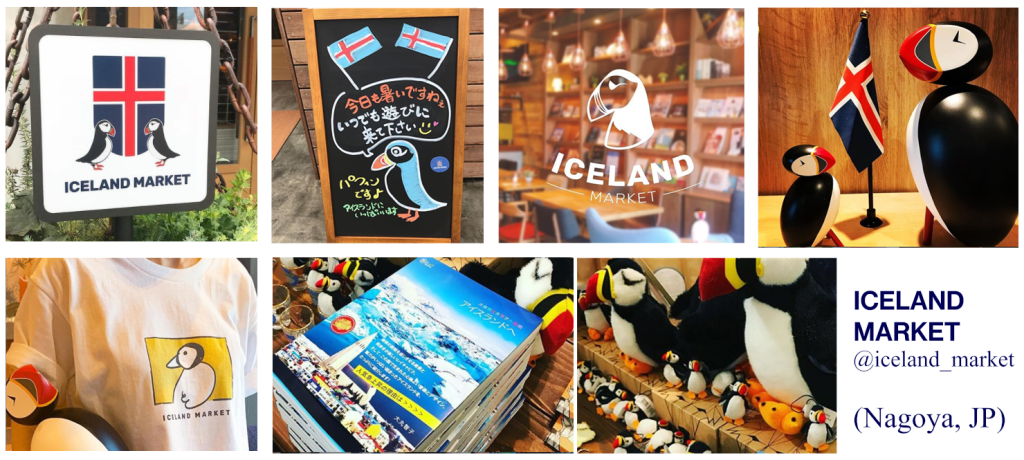
Puffins are often used to promote these Nordic islands, especially where cuteness is highly valued as in East Asia. ICELAND MARKET in Nagoya, Japan, used to be a cafe with puffins in its logo and merch, proudly representing Iceland.

FRAMTAK, a Faroese site, now inactive, promotes the Nordic archipelago and has a section with comics about Ludvík Lundi (“the puffin with glasses”), ideal if you want to practice Faroese!


Puffins in logos, symbols and pop culture elsewhere

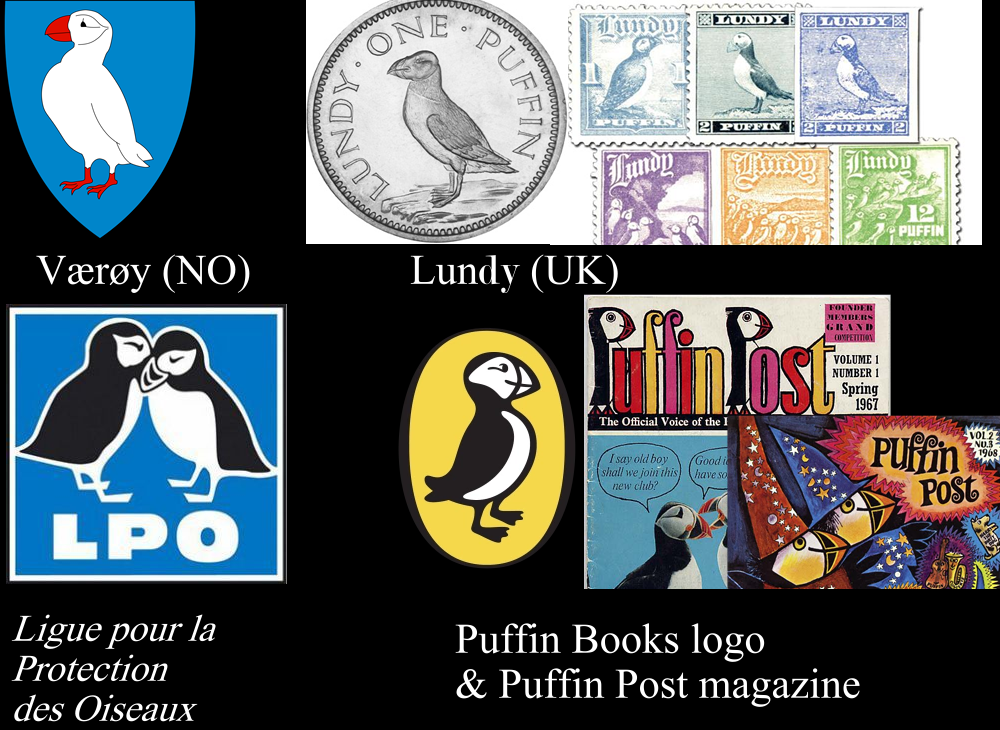
Puffins are a bird very typical of Iceland and the Faroe Islands, but they can of course be found on other countries’ North Atlantic shores. Therefore, they appear in logos, stamps and as mascots from the British isles (channel islands particularly), Norway and North America too.

  • The Norwegian island municipality of Værøy, part of the Lofoten, has an Atlantic puffin as its civic emblem.
  • the name of the island of Lundy (UK) might come from Norse lund-ey or “puffin island”. The Vikings might have found the island a useful refuge and restocking point after their depredations on the mainland . The island issued its own coins, and in 1929, its own stamps with denominations in “puffins”.
  • The paperbook publisher Penguin Books introduced a range of books for children under the Puffin Books brand in 1939. The demand was so great that a children’s magazine called Puffin Post was established, Puffin Post. Oscar Puffin was the mascot of the UK Channel Islands broadcast IVT Channel television. the star of the birthday greeting programme Puffin’s pla(i)ce
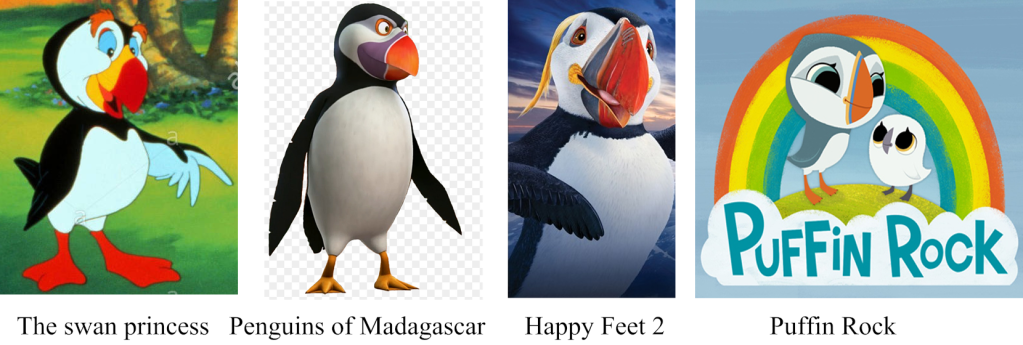
  • The Swan Princess -Puffin
  •  Madagascar – Hans
  • Happy Feet 2 – Sven is a puffin who pretends to be a penguin
  • Puffin Rock – A Netflix original cartoon about the puffin Oona and her little brother Baba
  • Puffins (2020) – spinoff series of Arctic Dogs (2019). A group of puffins working for a walrus.

subscribe for more cutesy stuff from the Nordics:

More articles:

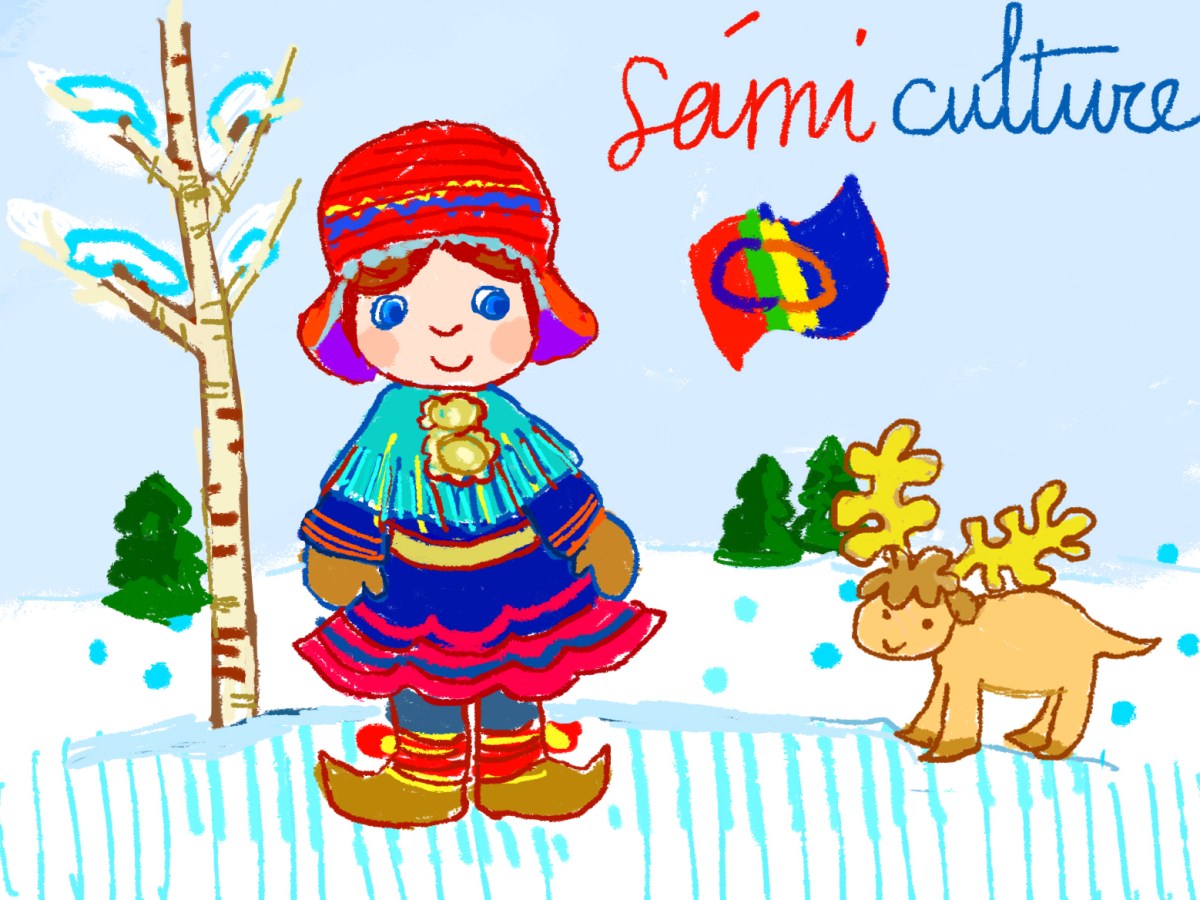
5 symbols of Sami culture

Sámi people, indigenous people of North Scandinavia, have a distinct culture, symbolised by its unique flag and traditional clothing, and part of it are Duodji handicrafts and unique musical expression through yoik.