Illustrated Guide to Swedish Fika

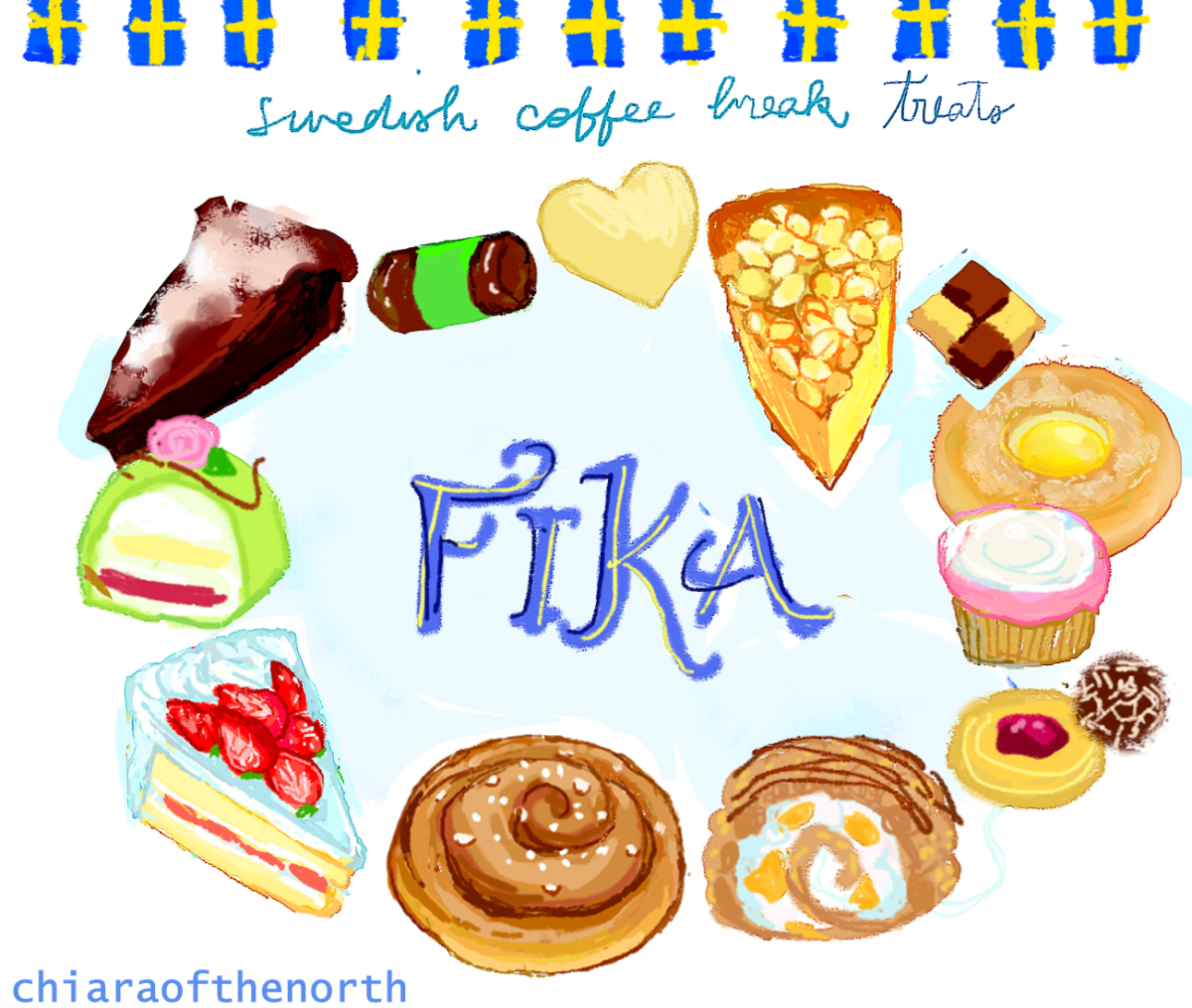
Fika is a cherished Swedish tradition involving a coffee and cake break. Discover various Fika treats, from classic kanelbullar (cinnamon buns), cakes and cookies to savory options.

Fika is a very important Swedish tradition: a cozy coffee-and-cake break you can either take home, at the office or in cafes/bakeries perfectly equipped for it. All that matters is that you relax, drink and eat something. Fika=reversed version of ka-fi (kaffe/coffee).

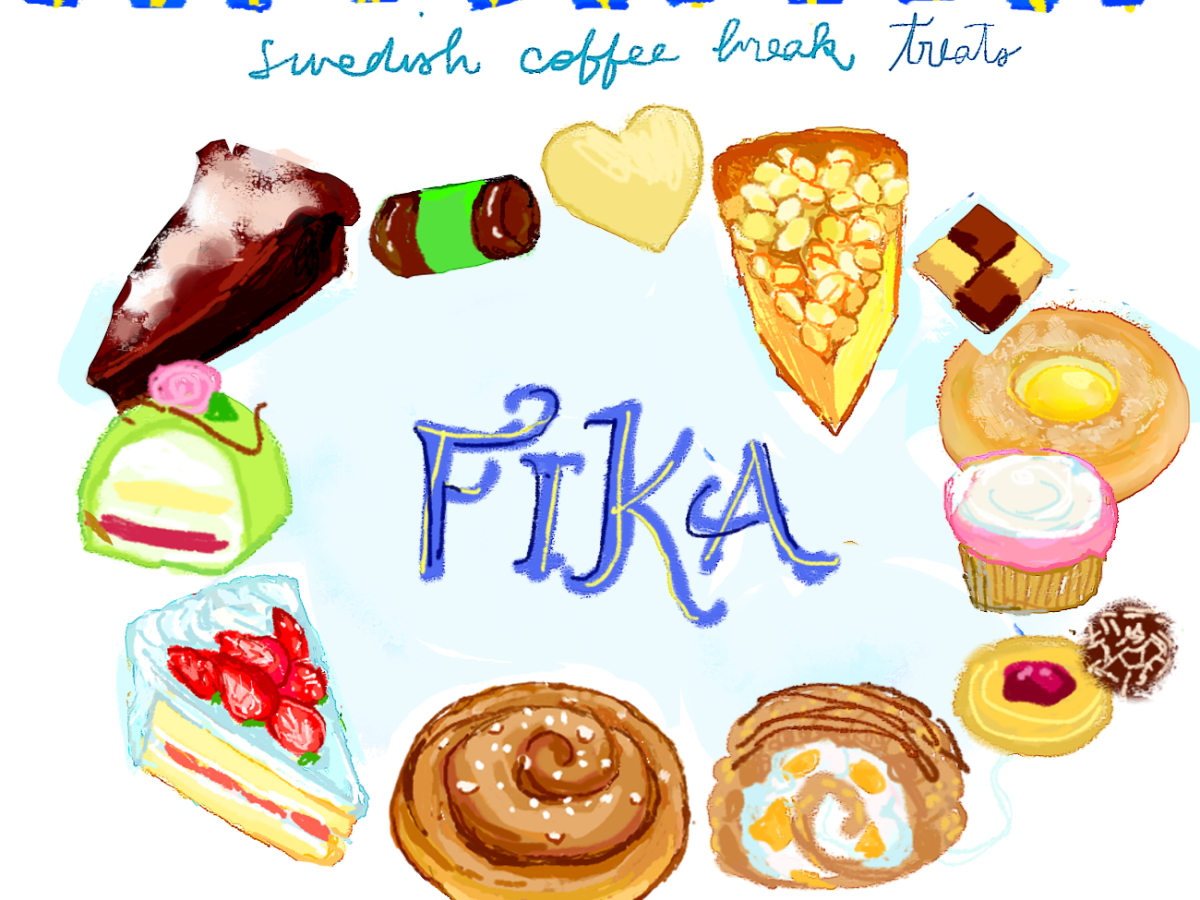
There are quite a few fika treats that became classics – including buns, cakes and cookies. Common ingredients are cardamom, almond, marzipan, raspberry jam and coconut flakes. You will see kola, which has nothing to do with coca cola as I used to think – that would be something caramel flavored.

fikabröd: sweet buns

swedish scandinavian buns illustration

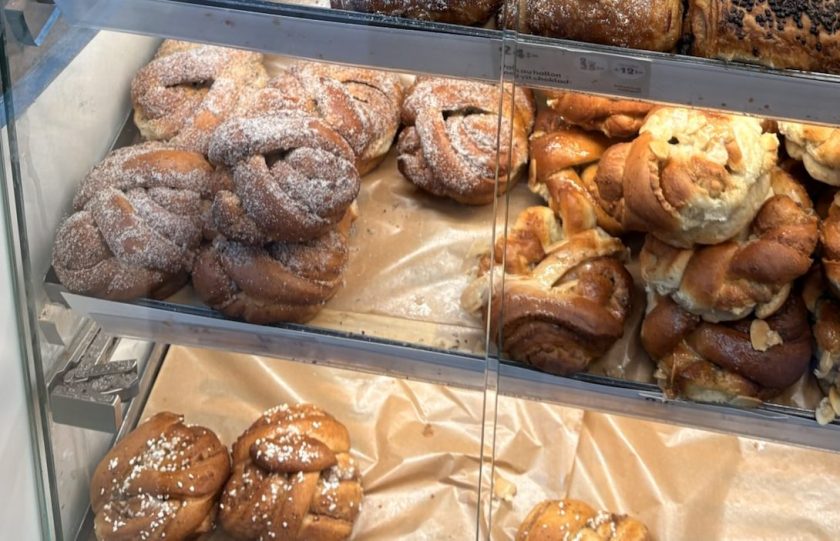
Bullar, buns are everywhere to be found in Sweden, and belong to the category of Fikabröd, fika breadstuff. The most common sweet bun is the iconic kanelbulle, – the Swedish cinnamon bun: with pearl sugar on top and no icing, less fatty than American ones. There is even a cinnamon bun day in Sweden! The second most common is the cardamom bun, kardemummabulle, which could be described as slightly ‘spicy’.
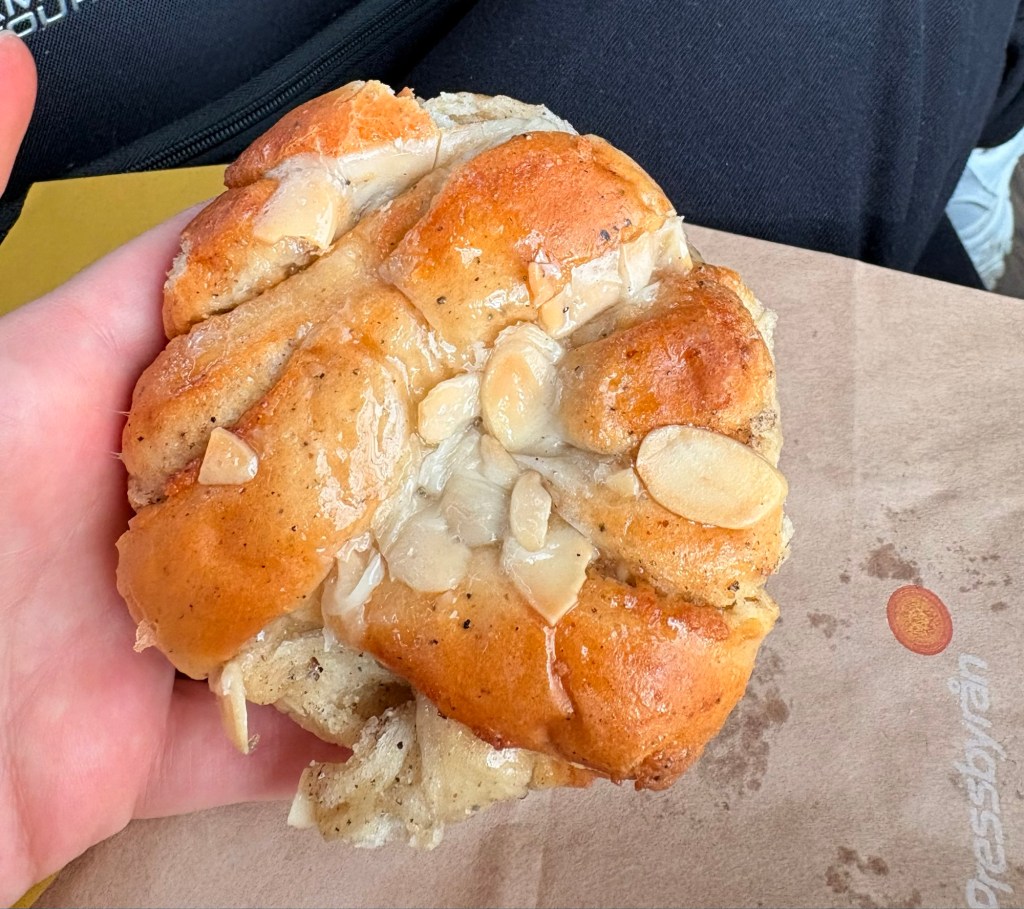
Toscasnäcka is a ‘shell’ covered in almonds. Anything called Tosca in Sweden means it has almonds.
Other buns are vanilj- or solbullar with vanilla custard, and sometimes chocolate-coated as well.
Längd is basically a big and long bun.

Kafferep cookies and small treats

scandinavian swedish cookies fika kafferep illustration
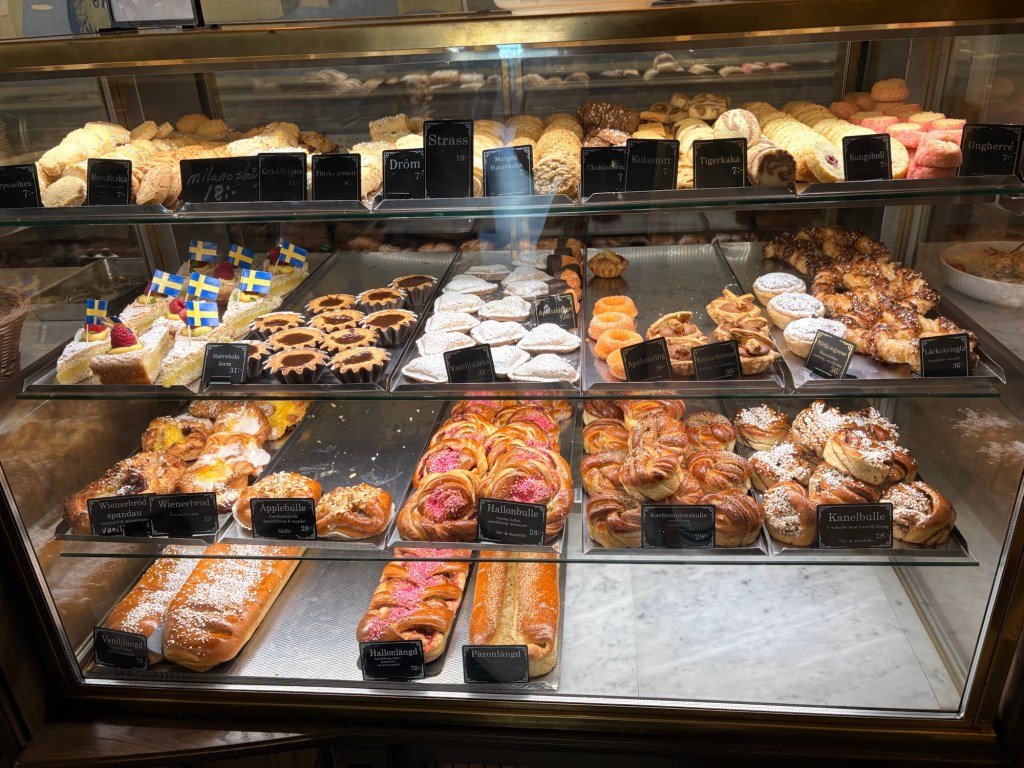
  • chokladboll: one of the simplest and most iconic Fika treats, no-bake small chocolate balls usually covered in shredded coconut.
  • dammsugare hoover. green marzipan and chocolate ends. They’re also known as punschrullar (punch rolls) if they contain punsch liqueur. The name either comes from their shape or the custom of using leftover biscuit crumbs in bakeries. The Danes call their own version -white where you have green in dammsugare – is Træstamme, tree trunk. Which is a marrowbone, mergpijp, for the Dutch.
  • biskvi/sarah bernhardt: Biskvi are chocolate cones with an almond cookie base, filled with buttercream. The Sarah Bernhardt (named after a French actress) is basically a biskvi with a chocolate truffle filling. Sarah Bernhardt’s are apparently very popular around Christmas in Iceland!

  • mazarin is a small, round shortcrust pastry originated in the 17th-18th century, filled with almond paste, and distincted by white or pink icing on top.
  • Napoleon, very similar to Dutch iconic tompouce, except the latter is either pink or orange for special occasions, while I’ve seen Napoleons having a darker red icing
  • Vaniljhjärta: personal addition because I find this lovely. A tender heart-shaped shortcrust pastry filled with vanilla cream.
  • Jitterbug is a buttery spiral-shaped cookie with merengue.

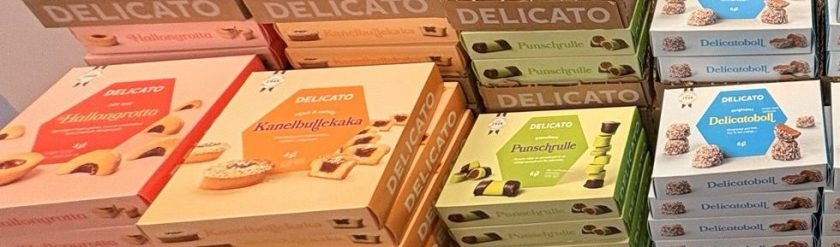
kafferep was a tradition which developed in the 19th century, before Fika name and concept emerged. There are IKEA cookies called Kafferep! It consisted in gatherings that included eating cookies, kakor – seven types to be precise, called sju sorters kakor. Baking seven types of cookies is actually also a Norwegian Christmas tradition. They include: Hallongrottor: vanilla cookies where the ‘cave’ in the middle is filled with raspberry jam. Chokladsnittar: rectangular ‘chocolate slices’. Brysselkakor: round vanilla ‘Brussels cookies’ circled by a pink coating. Drömmar meringue-like vanilla round cookies, melting in your mouth like ..’dreams’. Havrekakor: crunchy ‘oat biscuits’, Nötkakor: little balls with a whole hazelnut. Schackrutor chocolate-vanilla ‘chessboard’ square cookies

cakes

swedish cakes fika illustration

in Sweden you have Tårtor, kakor and paj. A tårta typically has whipped cream and looks fancier than a basic kaka, while a paj is.. a pie.

  • Kladdkaka: iconic Swedish gooey chocolate cake, or mud cake, the name means sticky cake.
  • Toscakaka: moist cake with crispy caramel almonds on top.
  • Smulpaj: crumble cake. Typical fillings are rhabarber, apples and blueberries! Blueberry pie, blåbärspaj paired with vanilla sauce, vaniljsås!
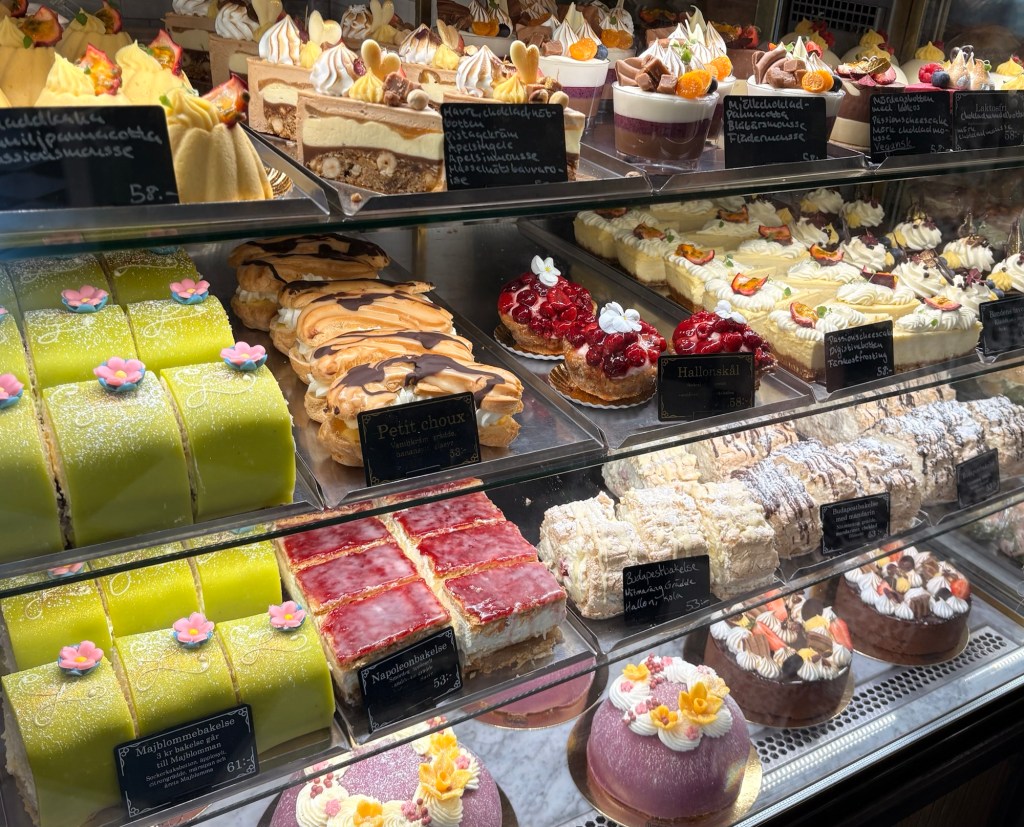
  • Prinsesstårta is the princess of Swedish cakes, often served for birthdays! First featured in the early 20th century Princesses’ cookbook  Prinsessornas kokbok, it is very recognizable by being a green dome with a pink rose on top. It is made of layers of sponge, whipped cream and raspberry jam, covered by green marzipan. There are variations with other colors (and meanings): yellow –prinstårta (prince cake), pink – operatårta (opera cake). Prinsesstårta can also be made as a roll and served in slices.
  • An iconic Swedish rollcake holds the name of Hungary’s capital: Budapest: with whipped cream in the roll and coated in an almond crumble with a chocolate swirl, it usually has mandarin inside. I tried a pear version the first time though!
  • Other notable cakes are Silviakaka (a sponge cake with coconut on top) and Oscarstårta (almond and cream cake)
  • Carrot cake, morotkaka, is also very common

savory fika ‘ sandwiches

swedish sandwiches illustration svenska mackor

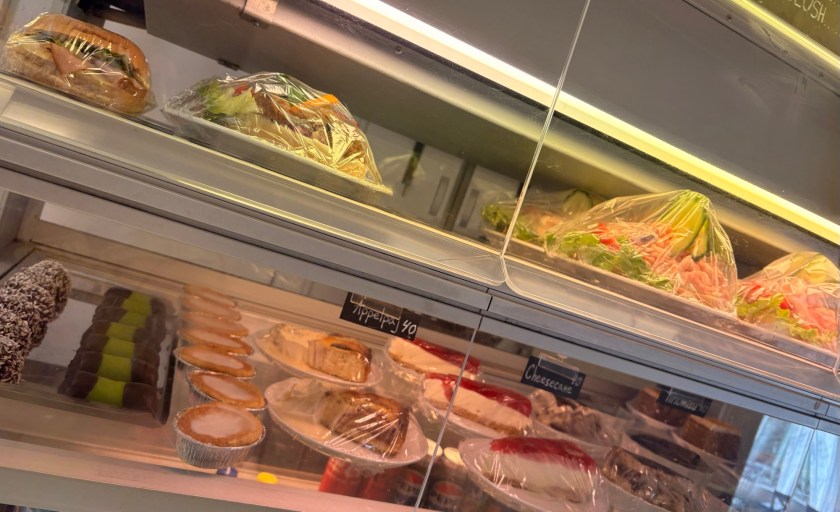
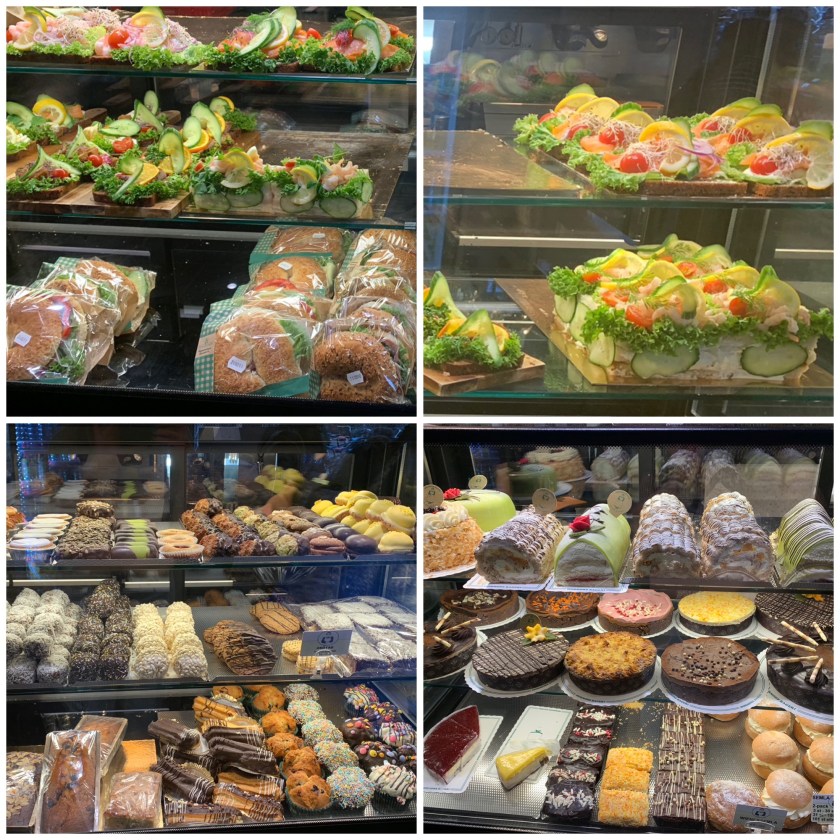
Sweet fika is great, but sometimes you cannot risk a sugar crash: there are plenty of nice options for a savory fika, with open Sandwich (macka) options! The most iconic ones are the shrimp sandwich (räkmacka, often accompanied by eggs) and meatballs on redbeet salad (kötbullemacka). It is quite easy to make these Swedish sandwiches at home too.

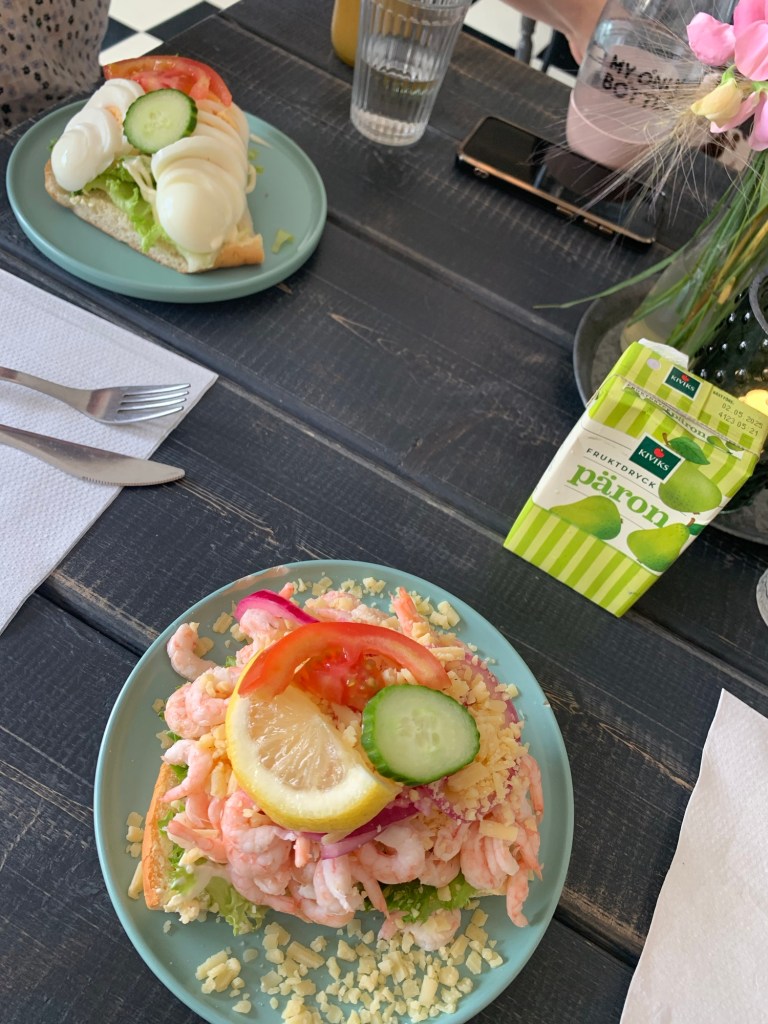
A round, closed sandwich is called Fralla.

Sources:

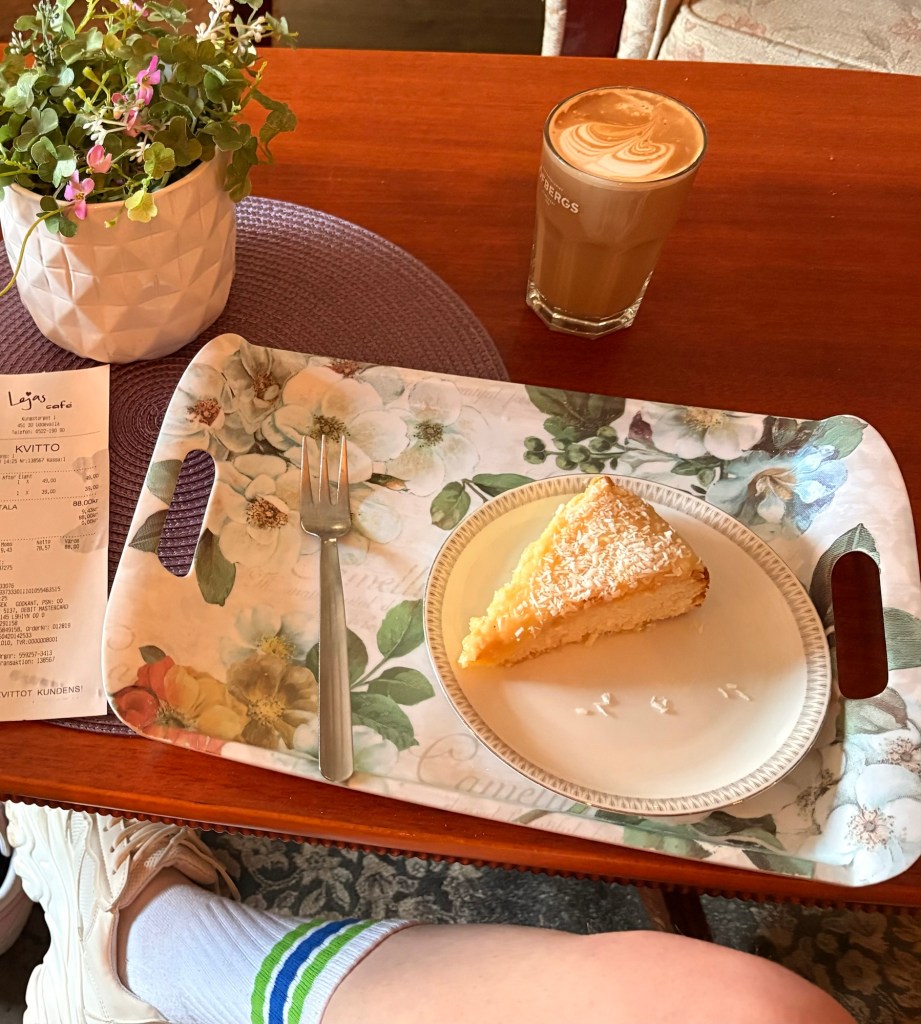
  • Pictures from: Conditori Norpolen (Vara), Mormor (Lund), Lejlas (Uddevalla), Nordfelts (Vänersborg), Kakeria (Trollhättan)
  • visitsweden.com
  • fikatrail.com
Scandinavian carnival buns (and where to eat them in the Netherlands)

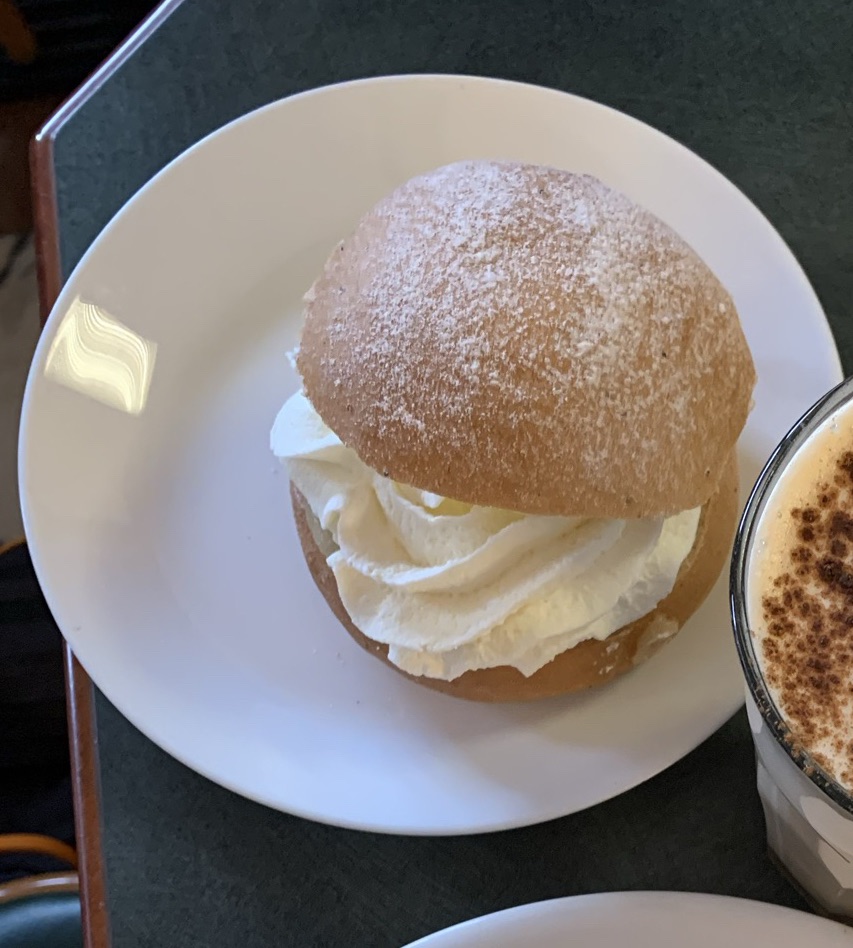
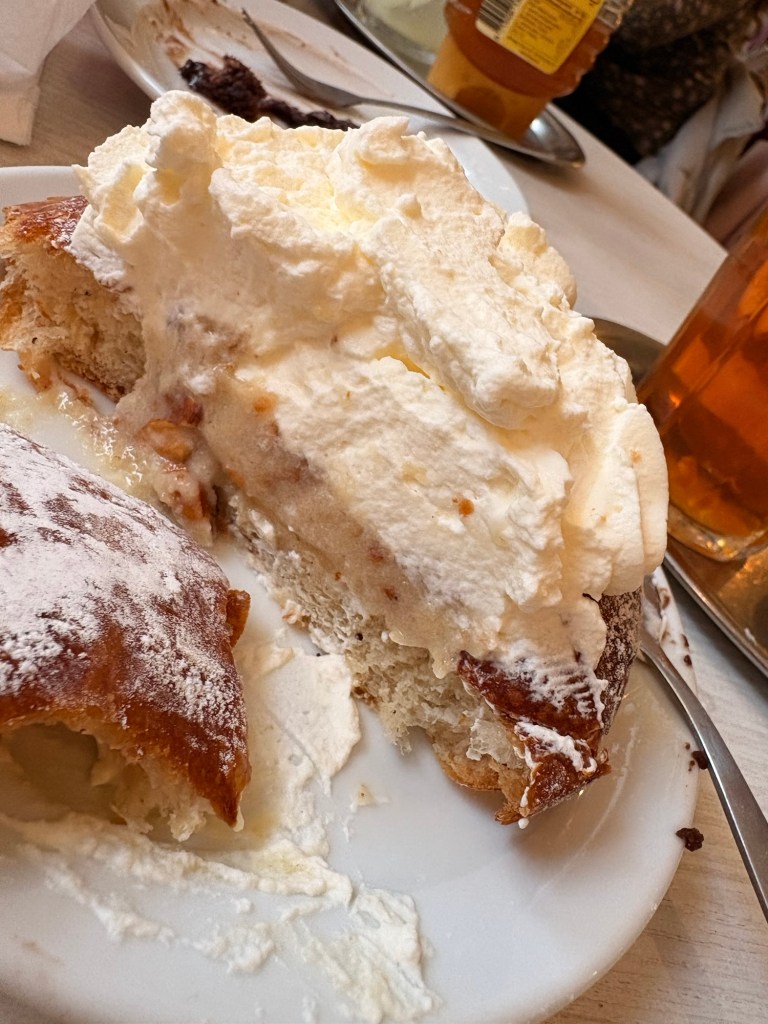
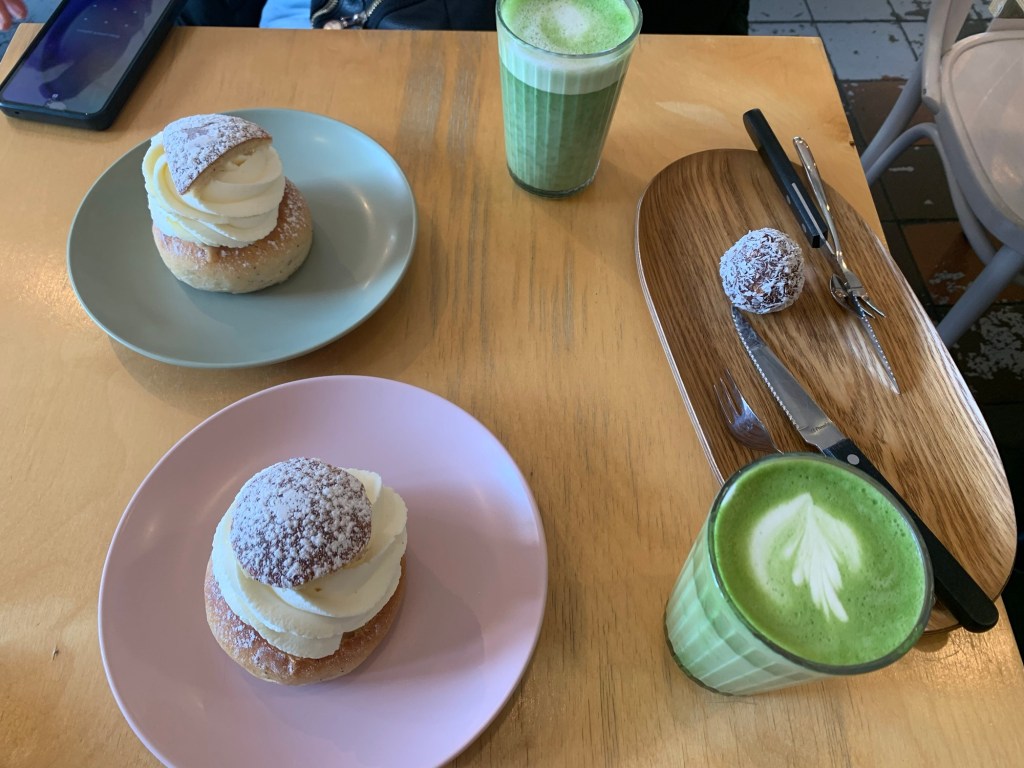
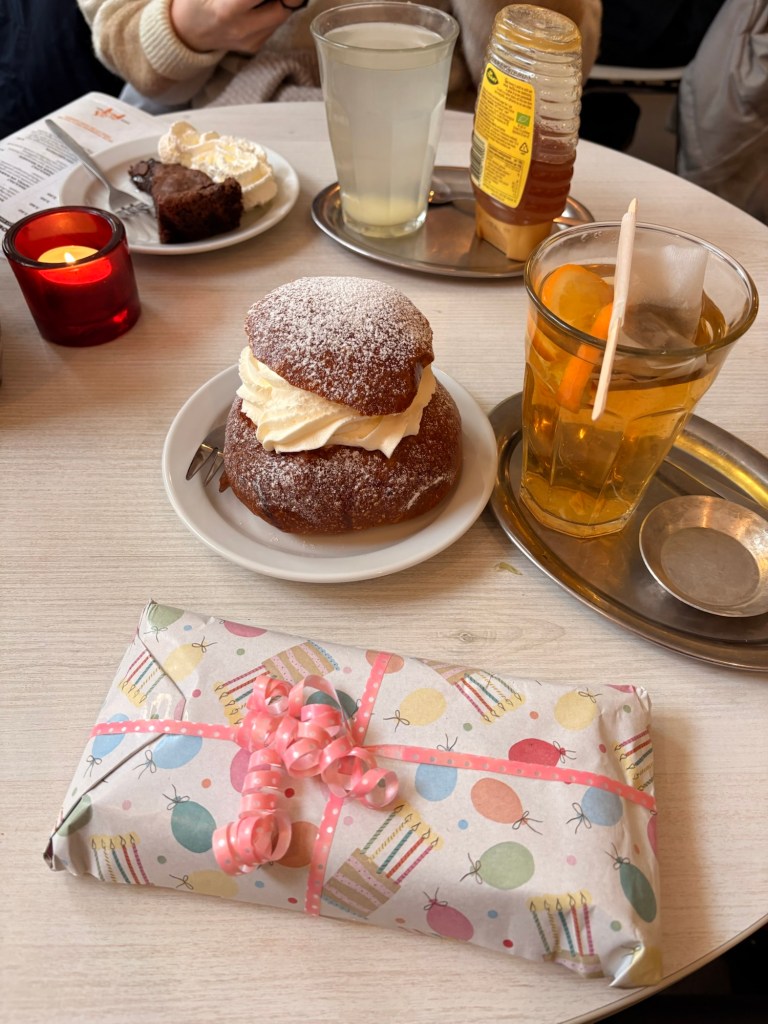
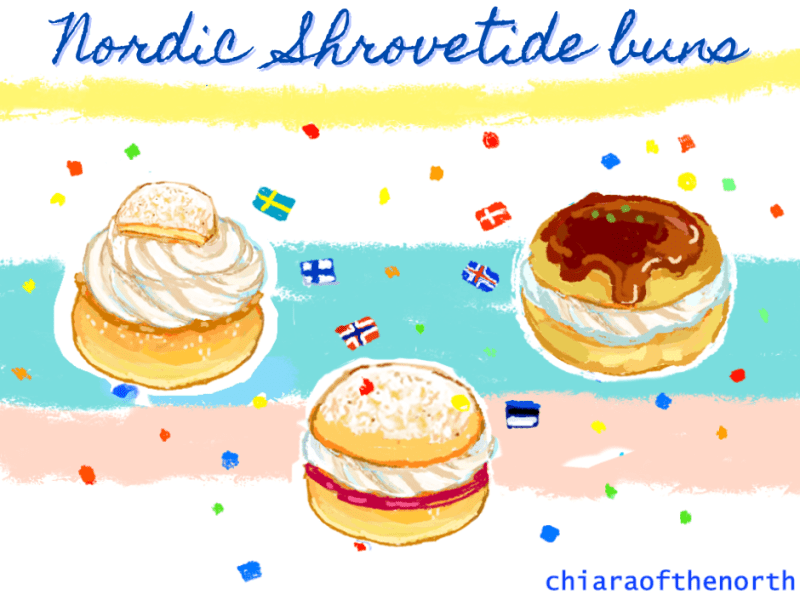
Cream buns are enjoyed in Nordic and Baltic countries during shrovetide, between January and February. Sweden’s classic semla has almond paste, while other countries variations include jam, vanilla cream, and chocolate icing top.

Whipped cream-filled buns are eaten and baked in Nordic countries during shrovetide (carnival for catholics), Fastelavn in Danish/Norwegian, Laskiainen in Finnish. This period would anticipate the lent before Easter, and culminates on Fat Tuesday – Fettisdagen in Sweden, or Shrove Sunday.

Lent was abolished with the reformation, but the buns stayed! To the point that Icelanders call the day when you eat bollur, shrove Monday, bolludagur, ‘bun day’.

National Variations of Shrovetide buns

In Sweden the semla is filled with almond paste and whipped cream. It is traditional to eat it soaked in hot milk, known as hetvägg. Swedish King Adolf Frederick died from digestion problems after eating 14 hetvägg!

in Finland, Laskiaispulla – or fastlagsbulle in Swedish-speaking Finland – instead of almond paste you find jam. Estonian Vastlakukkel is more simple, genereally only with whipped cream, but sometimes also contain jam, and Norwegian fastelavnsboller can be filled with vanilla cream, jam, chocolate and almond paste.

Danish fastelavnsboller, similar to bollur in Iceland and Føstulávintsbolli in the Faroe, are made from puff and choux pastry, often with chocolate icing on top and besides whipped cream filled with vanilla cream, whipped cream and jam.
Besides the traditional version named above, there are more and more variations including liquorice, pistache and so on, with curious semlor made up each year.

Mentioning Dutch culture, a Danish/Icelandic fastelavnsbolle reminds me of a Bossche Bol, although the latter are completely coated in chocolate. I believe Italian Maritozzo is very similar to a plain semla, without almond paste.

Where to try them in the Netherlands

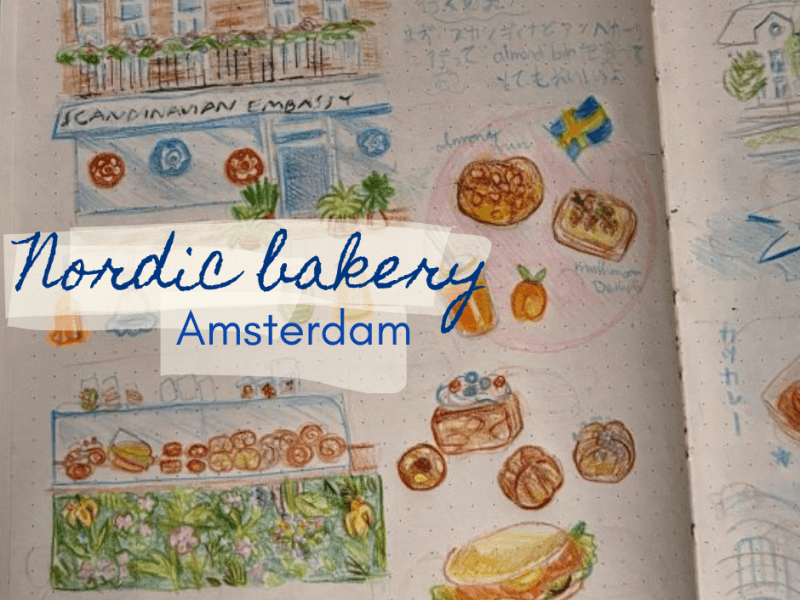
In Amsterdam, Selma’s Nordic bakery and Scandinavian Embassy make Semlor. Selma was also serving Finnish-style laskiaispulla in 2025, with a fruit compote, and a Danish fastelavnsbolle in 2026!

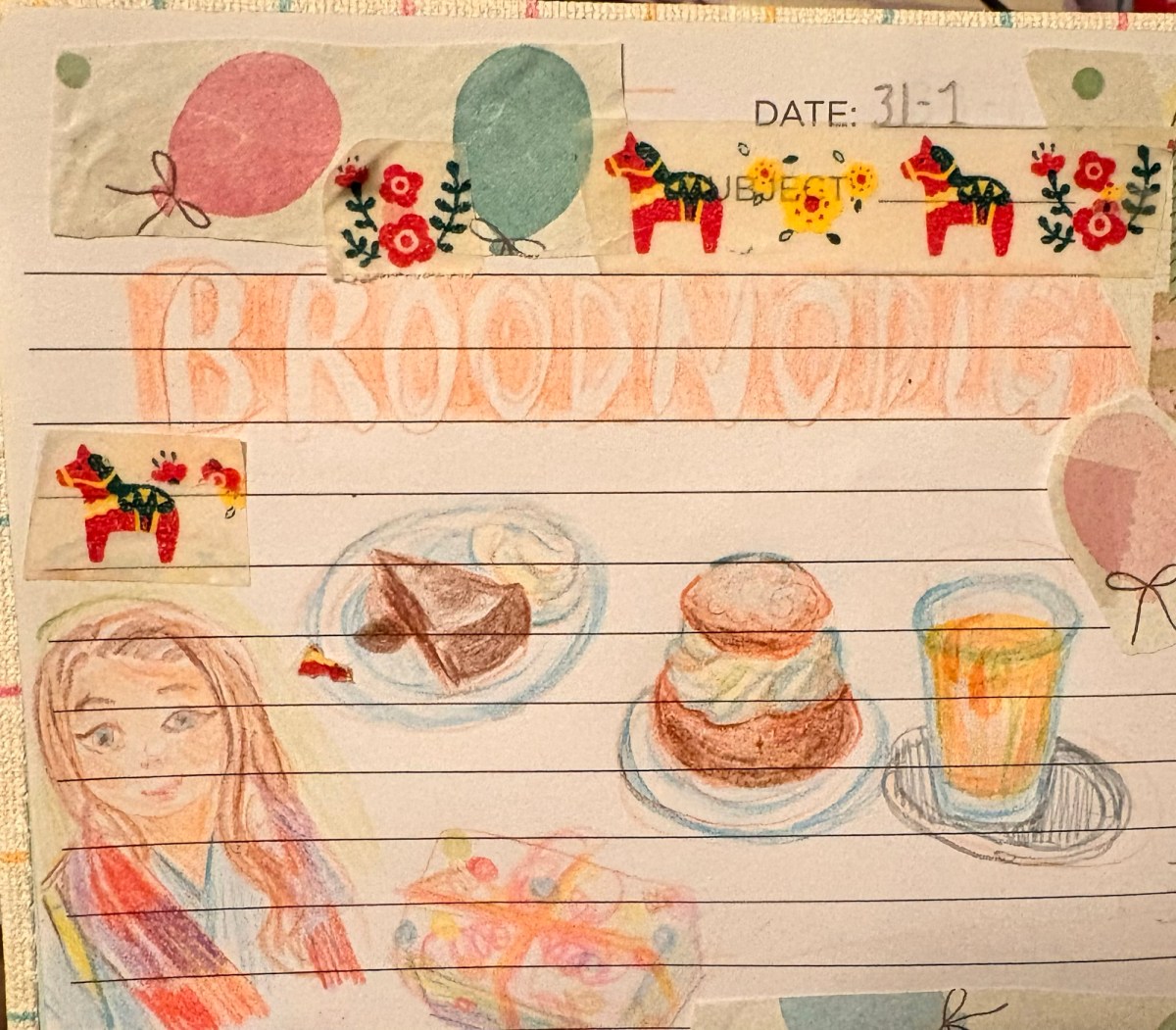
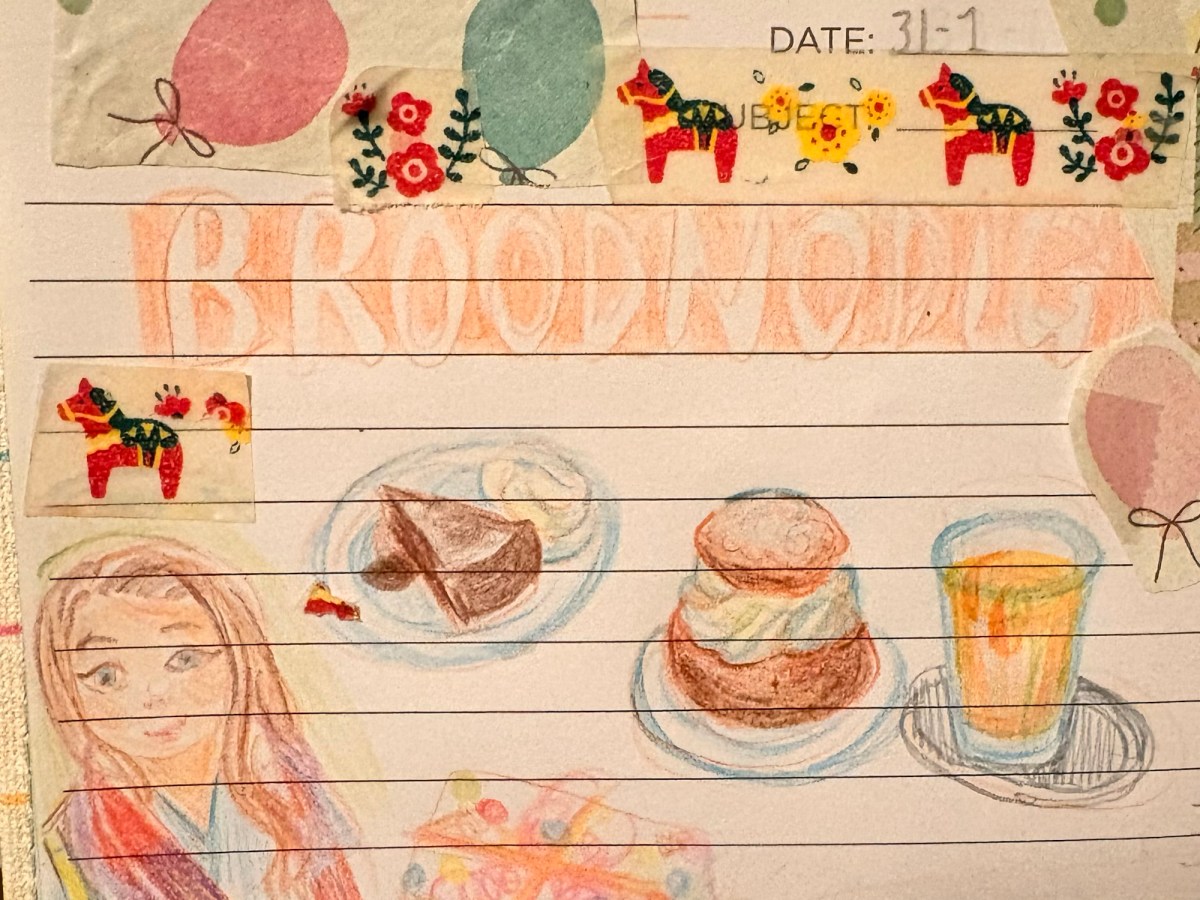
I also tried Broodnodig’s classic almond paste semla in 2026, a very big one!

In Den Haag semlor are also available Norvolk (in Scheveningen)

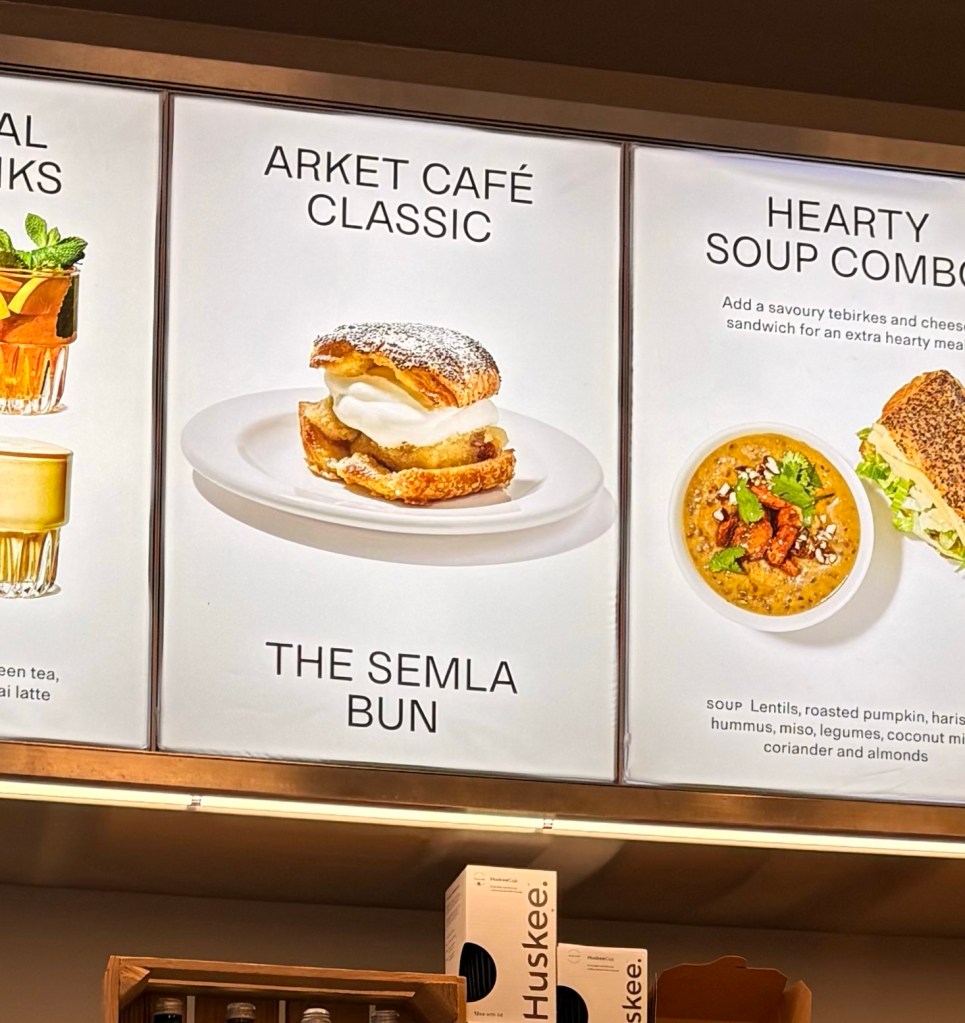
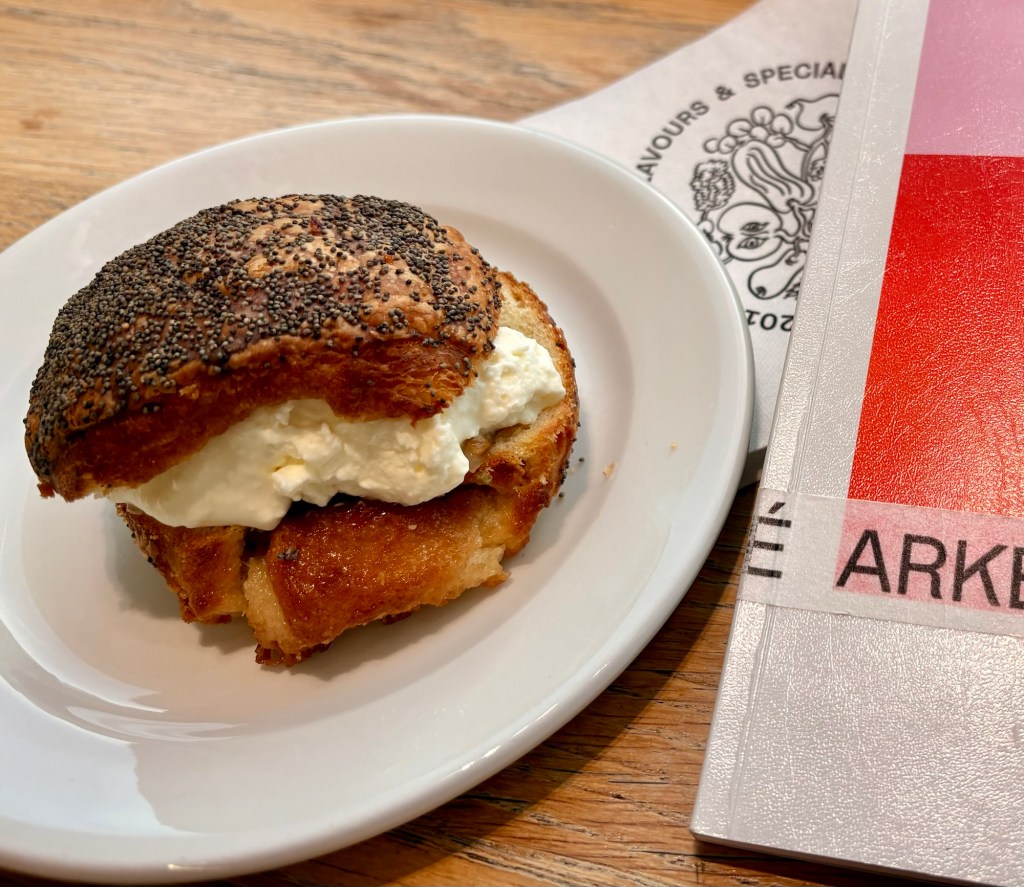
Arket made an interesting Danish-Swedish twist, with the classic wienerbrød Tebirkes cut and filled with whipped cream and almond paste like a semla!

subscribe for more Scandinavian treats..!

sources:

Swedish Café in Utrecht: Broodnodig

In Utrecht, the cafe Broodnodig serves Swedish pastries and cakes as cinnamon and cardamom buns, kladdkaka, smulpaj and Scandinavian seasonal treats as semlor and saffron buns.

Illustrated Guide to Swedish Fika

Fika is a cherished Swedish tradition involving a coffee and cake break. Discover various Fika treats, from classic kanelbullar (cinnamon buns), cakes and cookies to savory options.

Guide to Ice Creams in Scandinavia

Discover Ice creams to try in Denmark, Sweden, and Norway: all-time classics,
Popular flavors, and curious novelties.

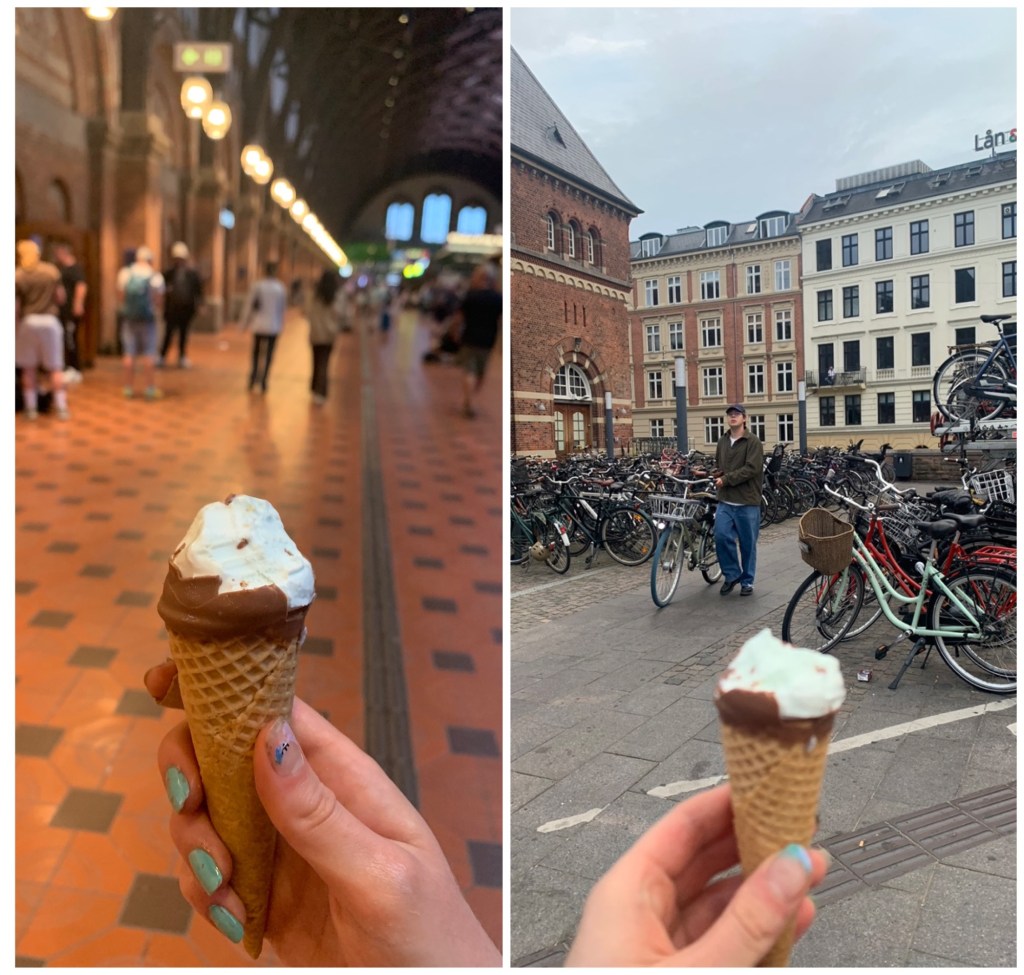
Since travelling to Scandinavia for the first time, i got quite acquainted with ice lollies available there, they have of course the magnum ice creams you see everywhre, but also quite a few interesting national classics, which vary. Here is a guide, so you are prepared..

Typical nordic flavours – Liquorice, pear and berries

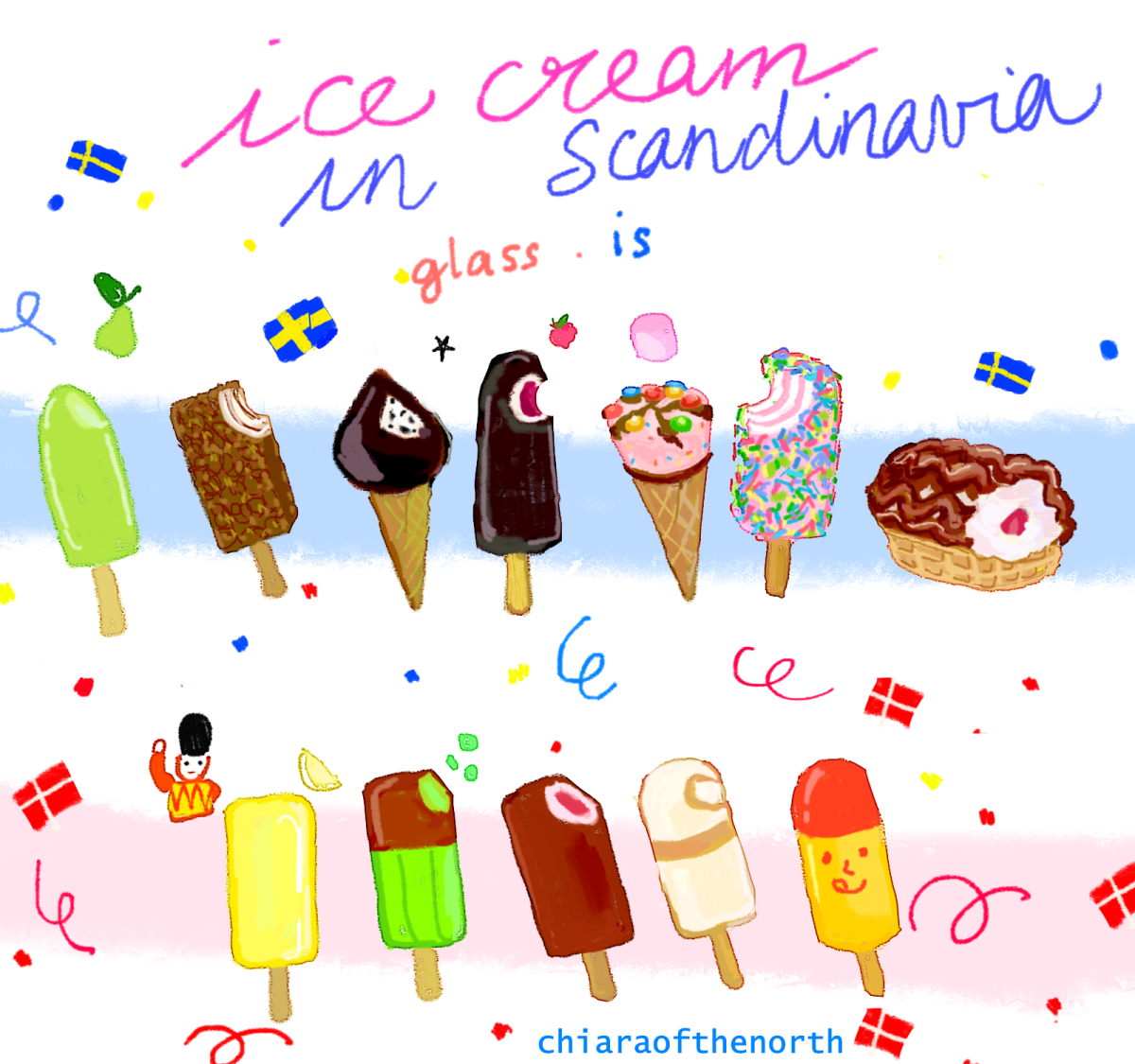
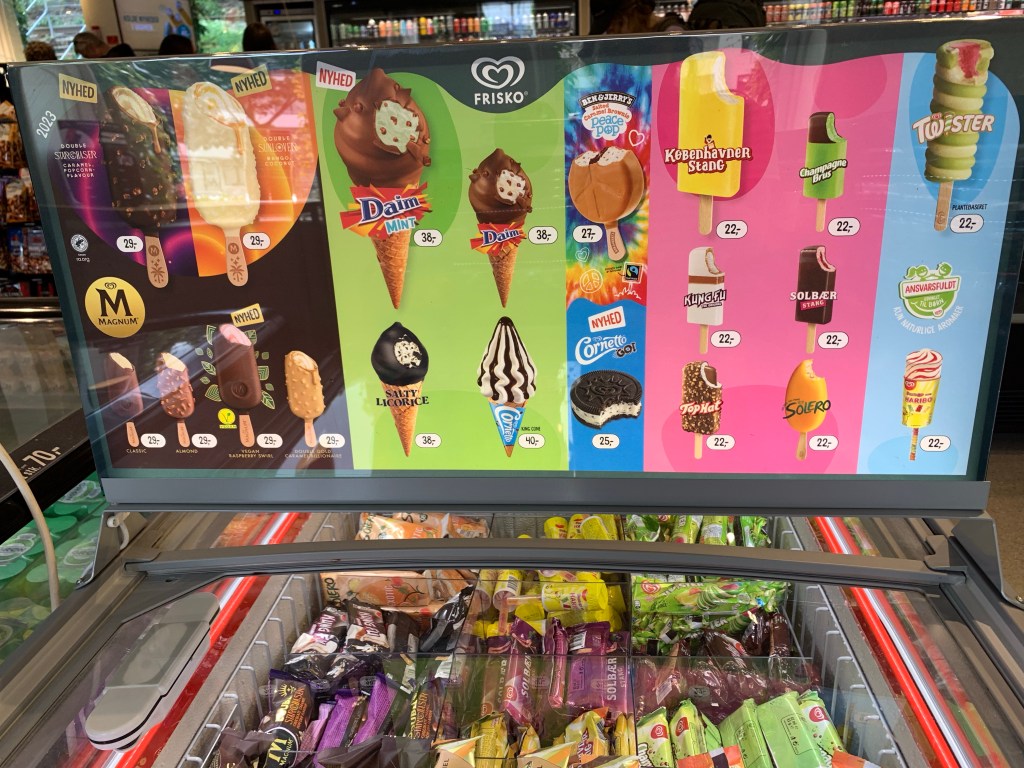
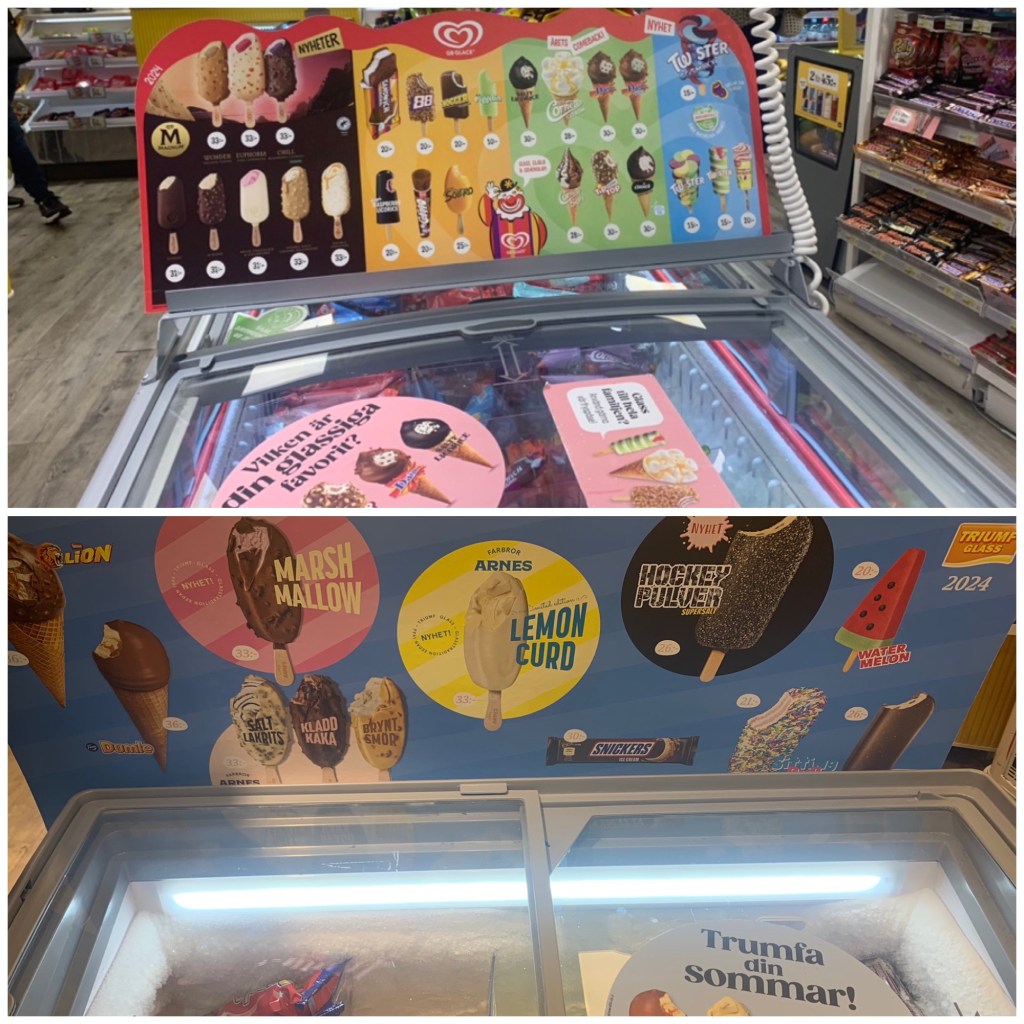
  • One thing you see everywhere in Nordic countries that is not as common elsewhere is liquorice as ice cream flavour: lakrits/lakrids. In Scandinavia you find a round DAIM chocolate covered cream cone with a few variations, which also come in a salt liquorice version! During a Denmark-Sweden holiday I tried a berry-liquorice lolly in Sweden.
  • Pear flavour very common in Sweden (Piggelin is GB pear ice lolly). A friend told me it probably is because you cannot grow many other fruit..
  • Solbær – blackcurrant- is a berry I’ve seen quite a lot in Denmark

The Danish Classic ice creams

Frisko in Denmark, GB Glace in Sweden is the ice cream brand with the heart symbol present everywhere with different names, and many Ice creams I will mention are sold by it. Denmark has a set of all-time favourites, some have been around since the 50s!


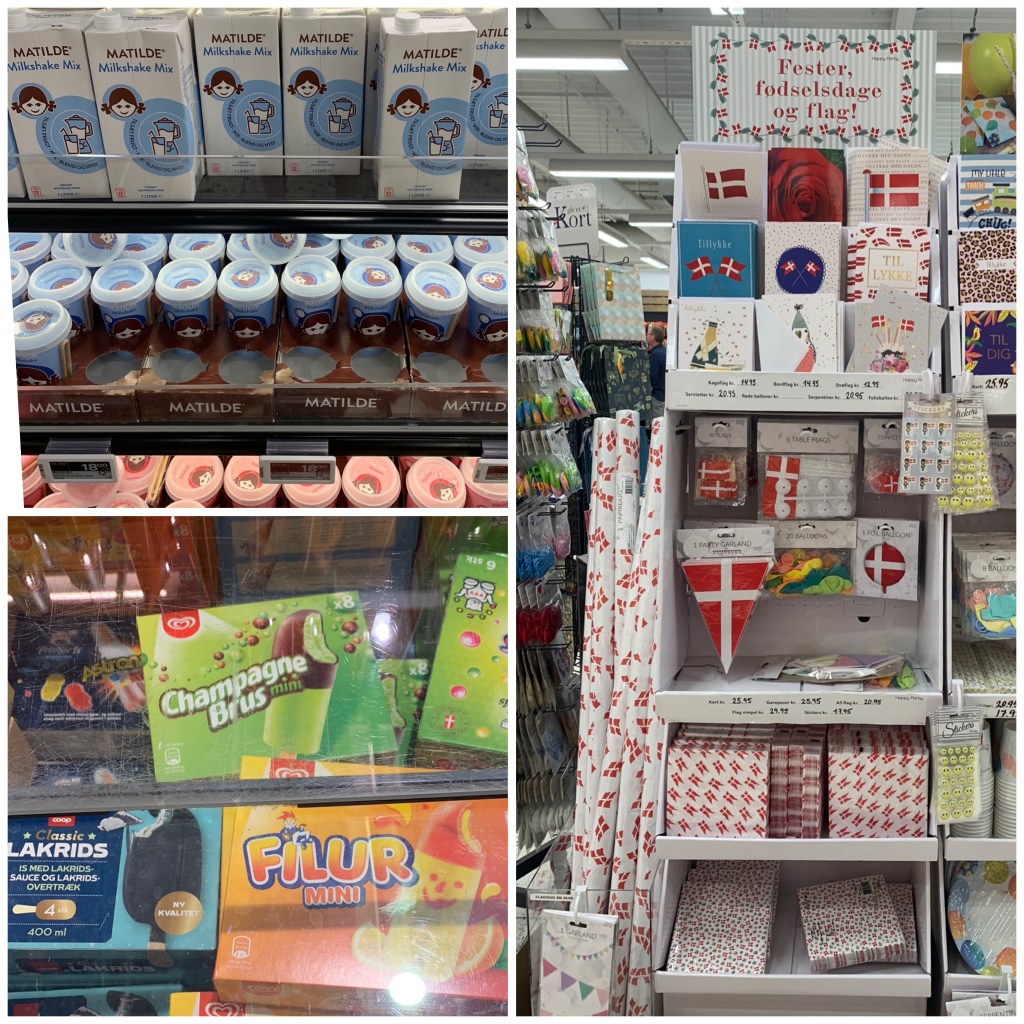
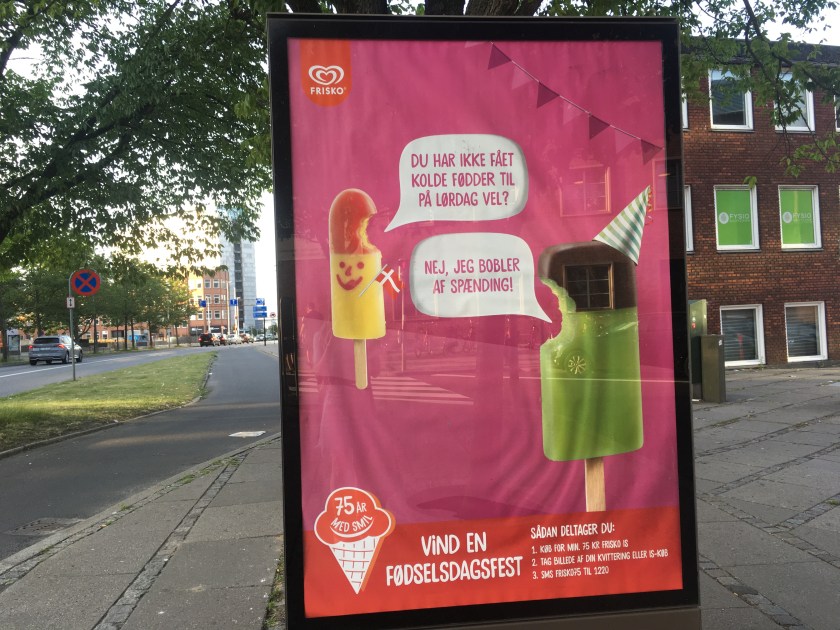
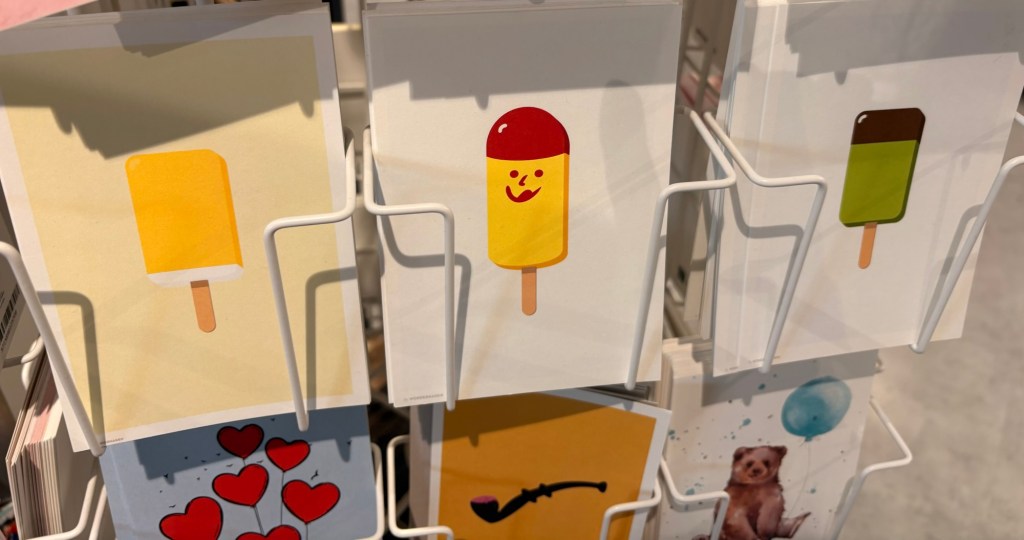
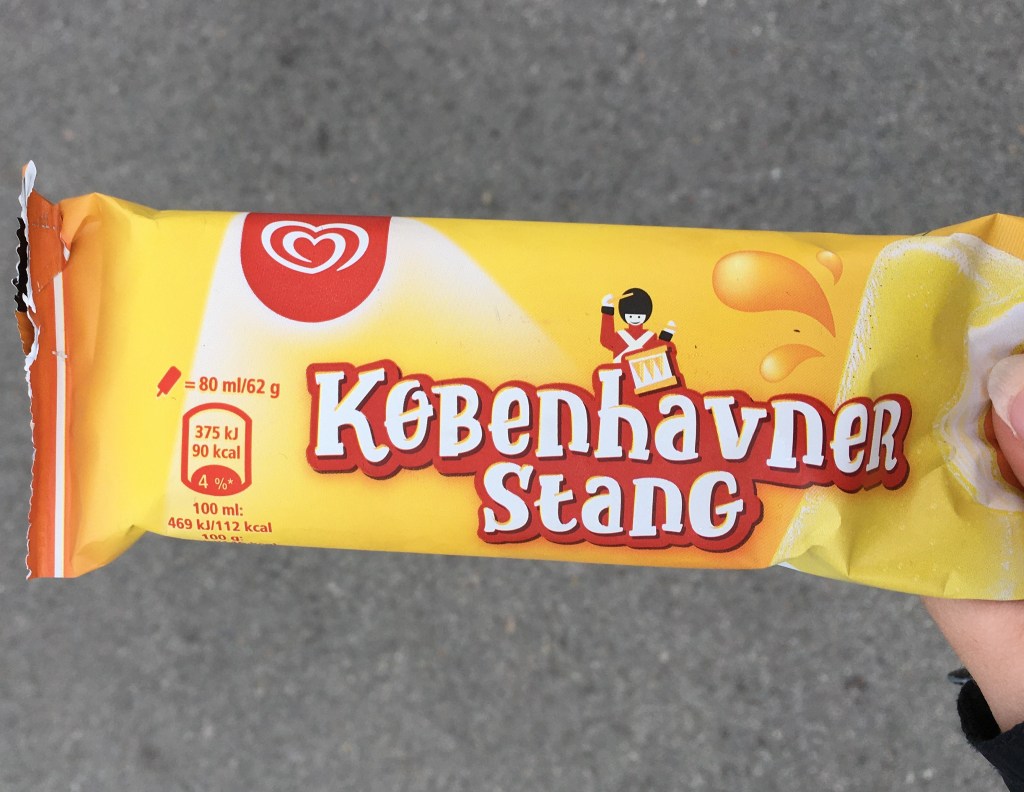
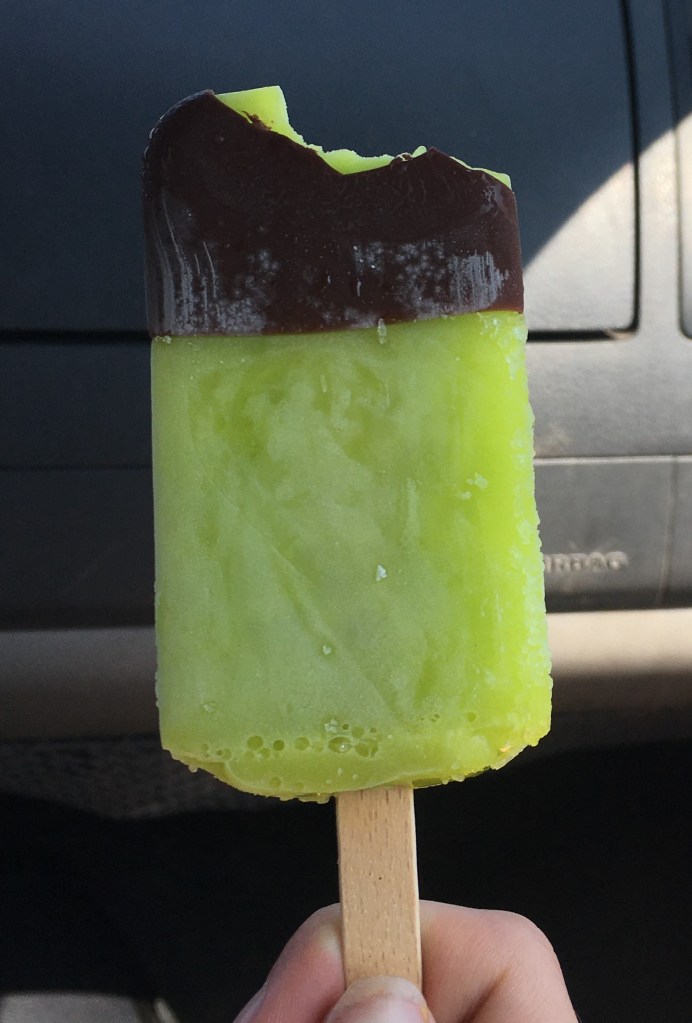
Københavner stang is just a plain lemon flavor but with the cute royal guard logo; Champagne Brus – I love the contrast of fizzy, acid green lemonade flavour and chocolate on top; Solbær – which changed name from Kæmpe Eskimo for political correctness – is cream and blackcurrant under chocolate. Kung Fu is lime and liquorice, Filur is the cute smiley orange-raspberry water ice cream.

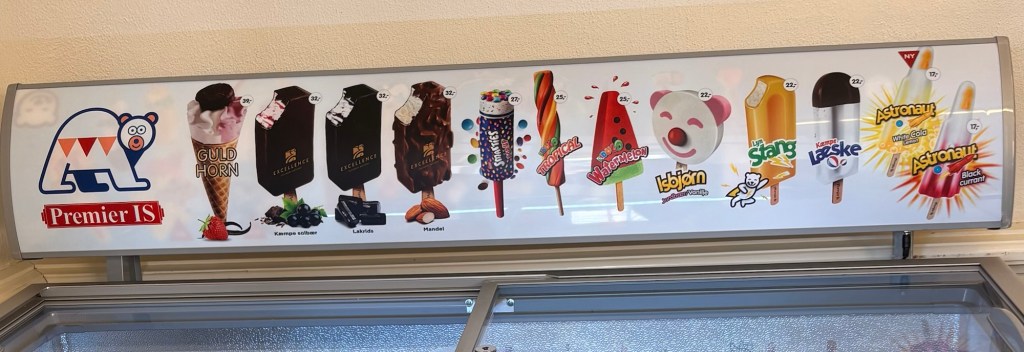
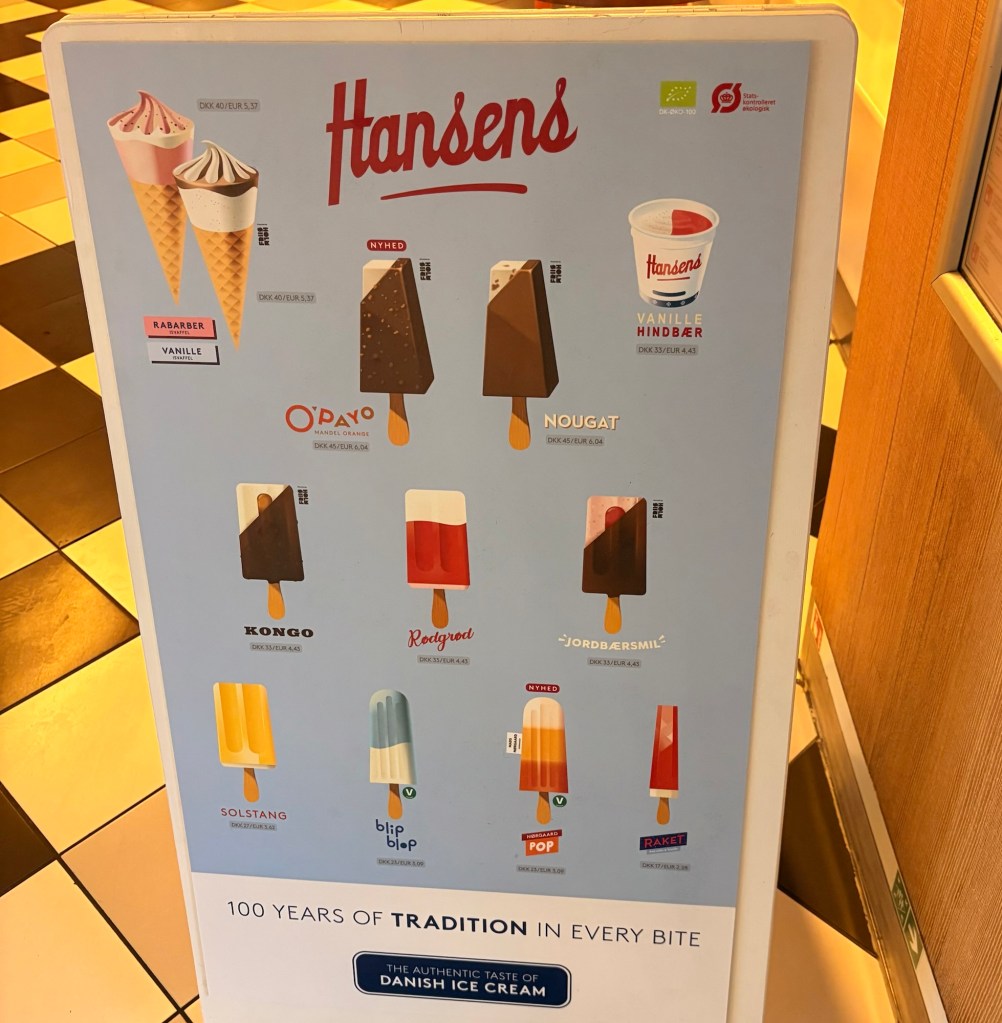
Premier IS is a brand which also features ice creams with black currant, liquorice, and the stang. On the ship between Germany and Denmark I saw Hansens ice creams as well – special mention for the rhabarber ice cream!

Sweden: the most creative ice creams?

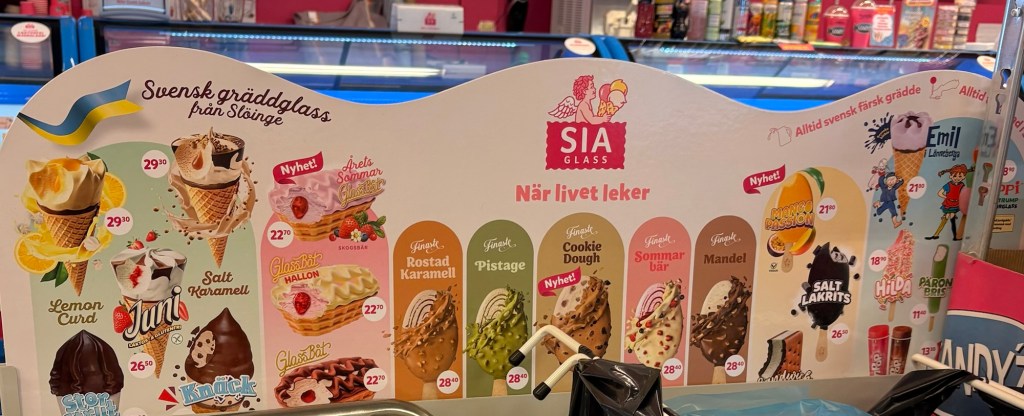
SIA is the main competitor of GB in Sweden I guess, based in Halland. notable ice creams are Emil and Pippi ice creams, the Glassbåt (‘ice cream boat’), and of course there is a pear and a liquorice ice lolly.

SIA ice creams for summer 2026

I would have also tried a Hilda, marshmallow/strawberry-ish? ice cream covered in rainbow sprinkles, or Godisregn (‘candy rain’), basically the same concept but in a cone.

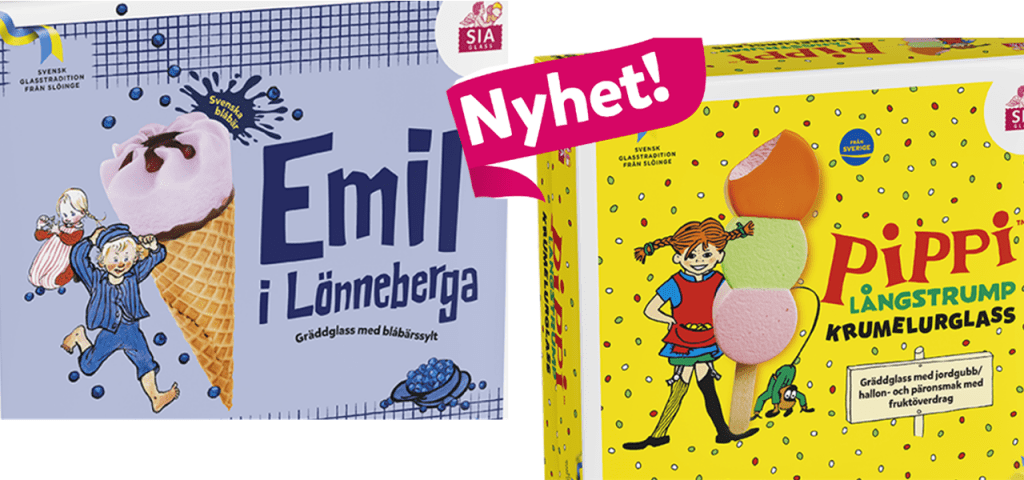
pictures (c) SIA Glass

Emil and Pippi ice creams were 2025 novelties!! The former is Krumelurglass, made of 3 fruity ice cream flavours (which i got in the original candy form last year, krumelurpiller), while Emil is a blueberry and cream cone.

More interesting and very Swedish ice creams I have seen around are:

  • Konfetti gul & blå (blue-yellow as the Swedish flag) from Hemglass, lemon and blueberry ice creams with sprinkles on them.
  • Punschrulleglass, inspired by the green and chocolate dammsugare pastry. Hence it looks like a Danish Champagne Brus.
  • a Kanelbulle and a kladdkaka flavour one
  • Geisha ice cream- ice cream version of the famous chocolate candy by not Japanese, but Finnish Fazer.

The usual GB ice creams are a thing also in Sweden of corse – but a Swedish all-time favourites are the 88, read åttioåtta. Shoutout to my friend Linda & her husband who made me try it.

Norway’s 17 mai ice creams

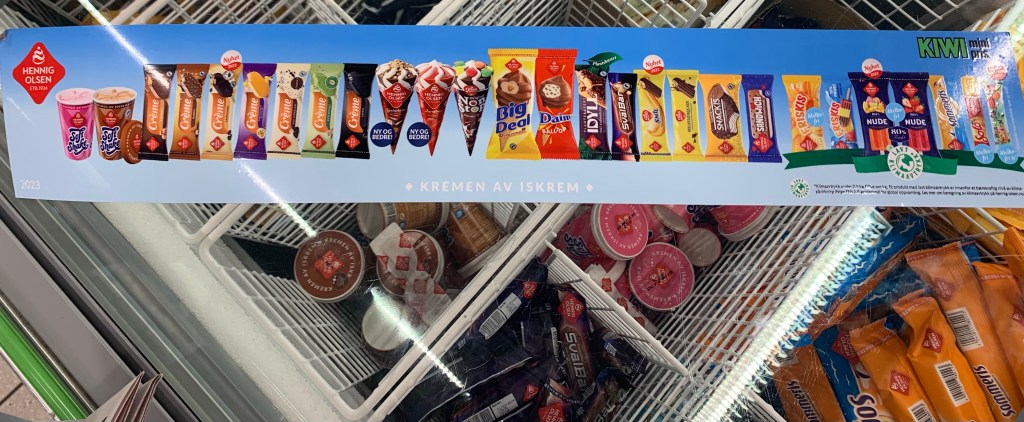
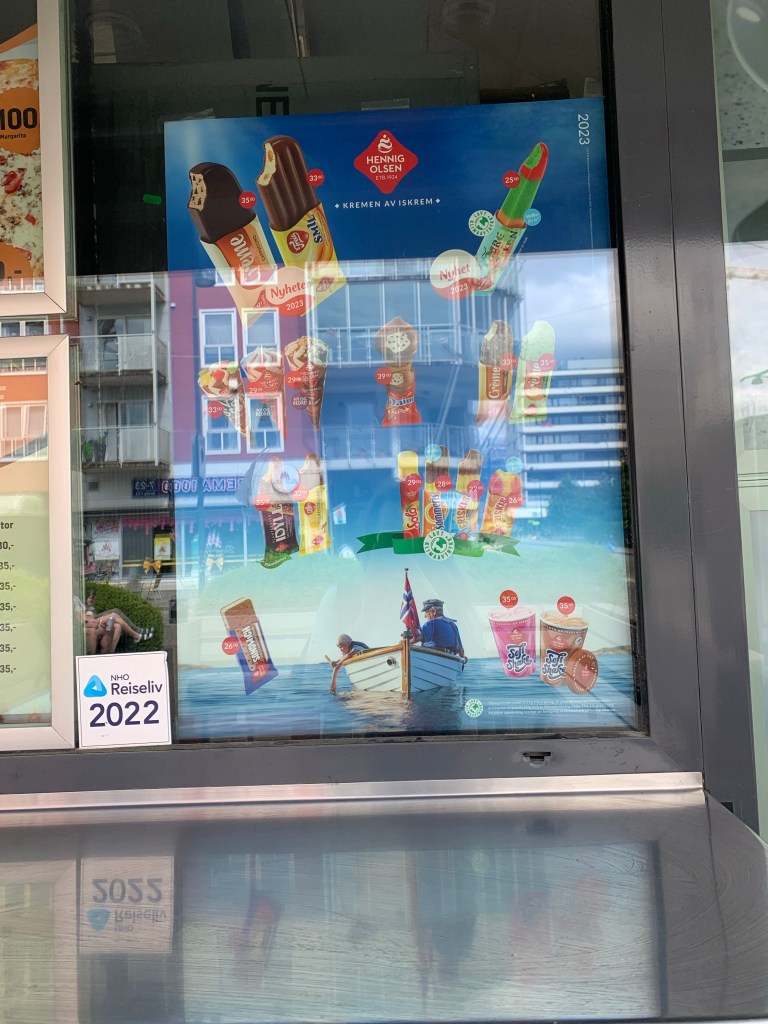
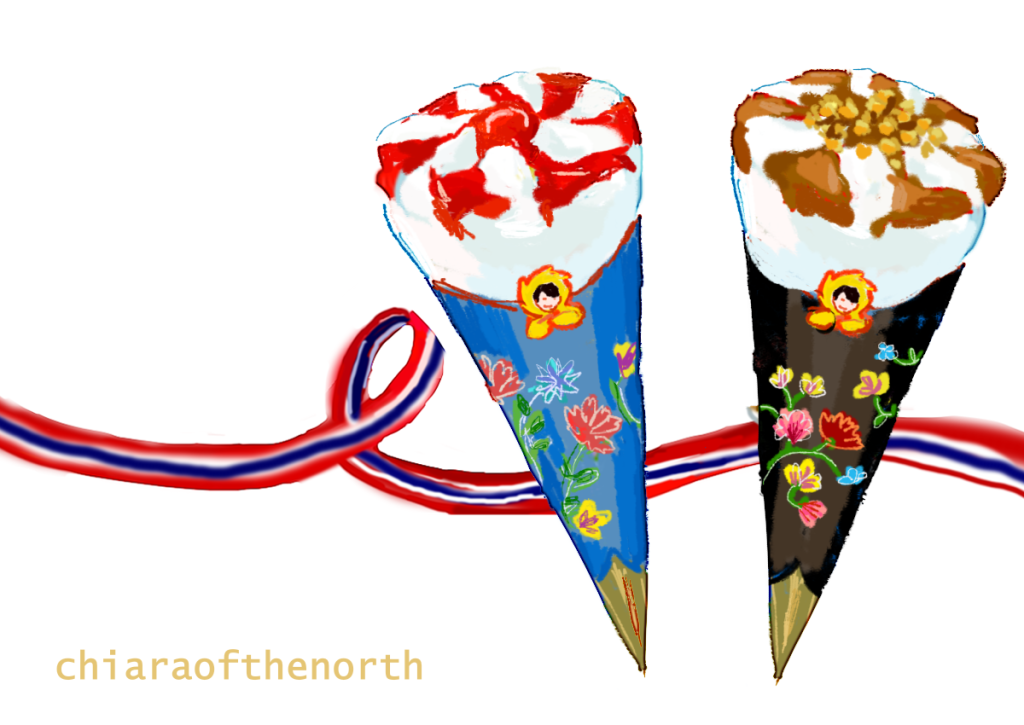
In Norway you see Diplom-Is or Hennig Olsen instead, not sure if Unilever is still behind them – Whatever. There are ‘regular’ strawberry or chocolate and cream cones, which around May get fancier for the National Day, 17 Mai, with bunad-like patterns.

I have not eaten any ice creams in Norway, but I have to say I saw nothing that stood out compared to the other countries! Please invite me to Norway to prove me wrong, haha.

Ice creams in the Baltics

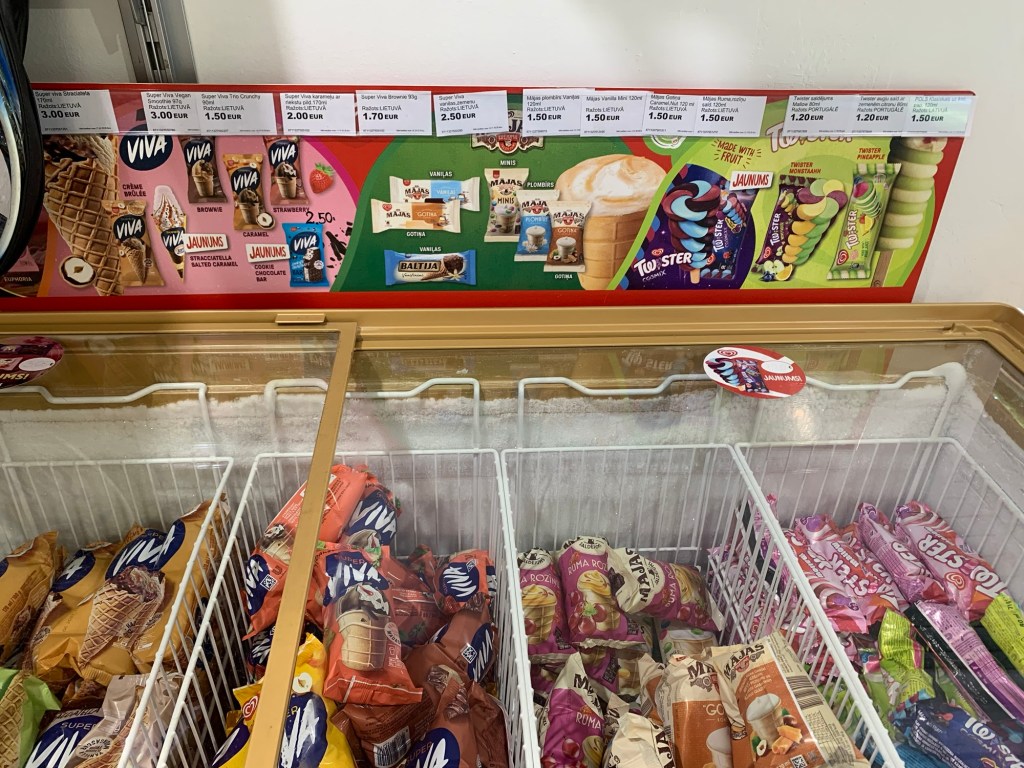
I have noticed noticed particular similarities with the Nordics and the Baltics in ice creams, I did just notice they have a brand called VIVA making chunky ice creams

That was all for now, I will update this post in the future summers…Or add it for Finland and Iceland and hopefully try out their ice creams!!

So subscribe to stay update on Scandinavian Ice creams:

Read more:

Scandinavian Embassy bakery and cafe in Amsterdam zuid

On a trip to Amsterdam, I decided to test Scandinavian Embassy and both of its two locations, starting with the bakery in europaplein. The two locations are in Amsterdam zuid: Saphatipark and Europaplein: in the former, a more central location, you can sit but it has fewer items than the bakery in Europaplein. The bakery,…

3 easy and fast iconic Nordic dishes

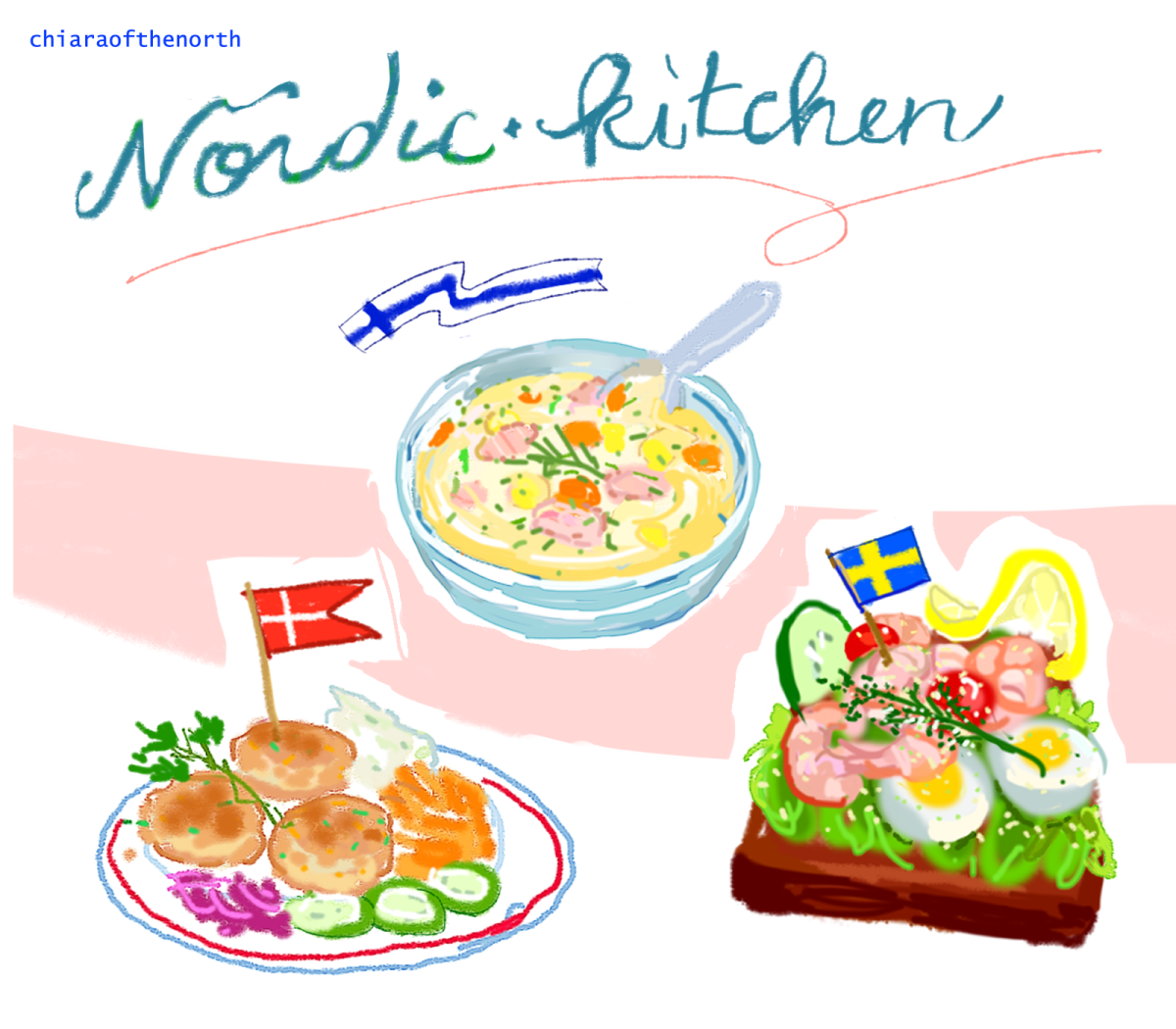
simple and iconic Scandinavian recipes to make yourself for a typical Nordic dinner

I have been testing Nordic dishes as someone with not-so-incredible cooking skills who likes to cook simple things, and these are three delicious and easy meal ideas I can present you, in time/complexity order from the easiest:

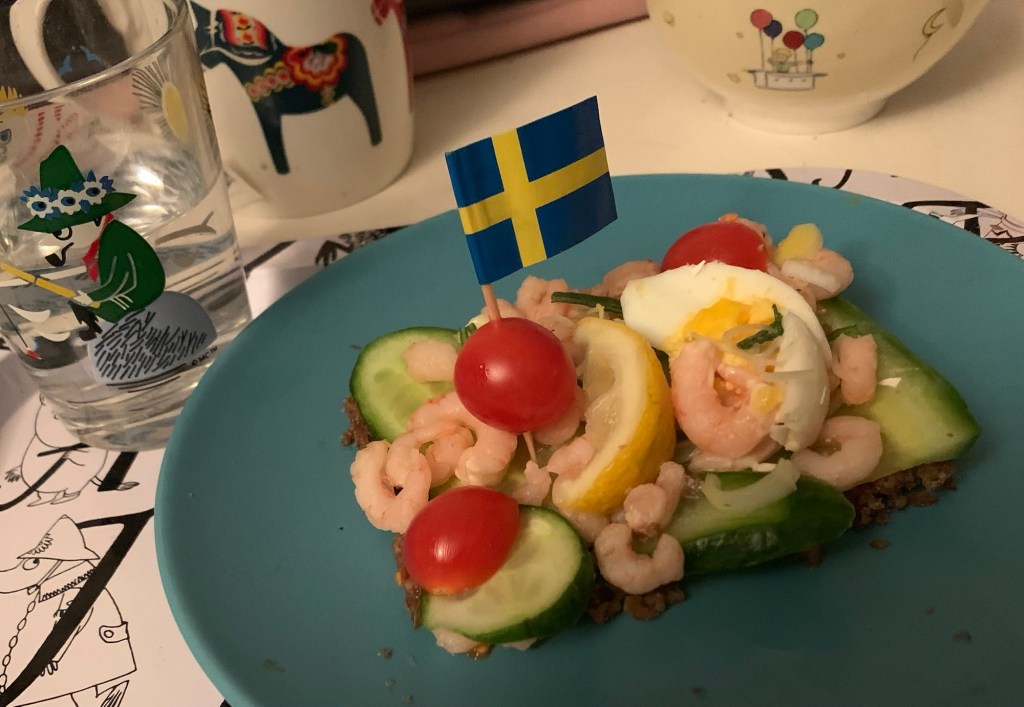
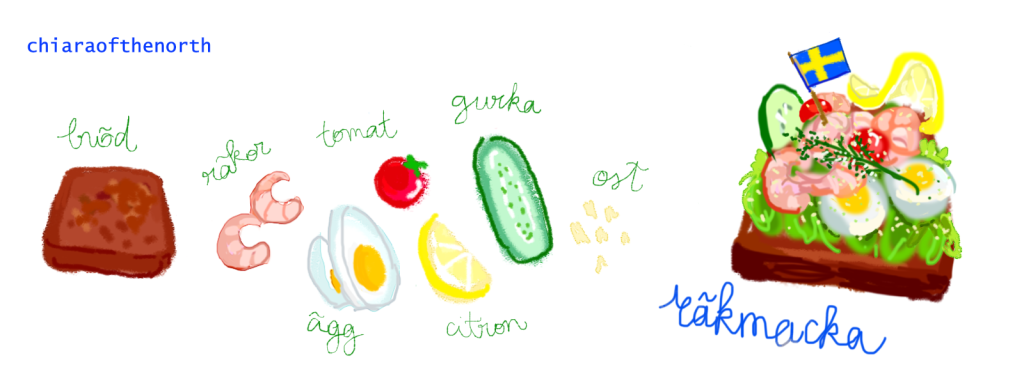
1. Räkmacka – Swedish Shrimp open sandwich

Typically found at cafés as savoury option for a fika, but you can easily make it yourself – (rye) bread with Shrimps, cucumbers and tomato slices on salad, often egg and lemon – add whatever you like and make it look fancy!

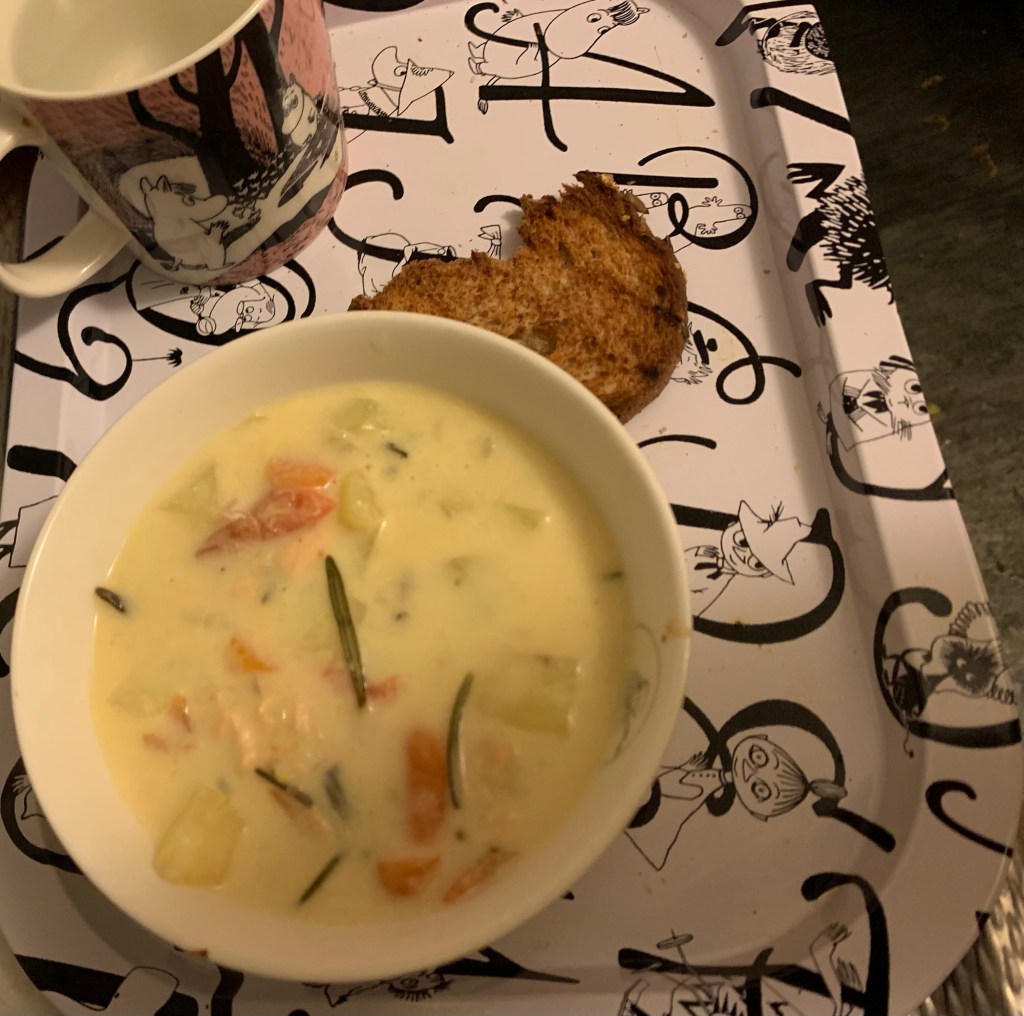
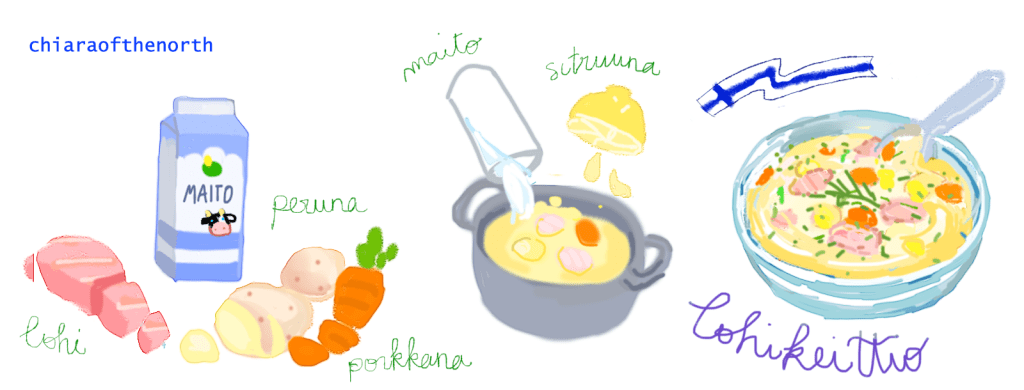
2. Lohikeitto – Finnish salmon soup

soup with chopped salmon, based off milk and lemon juice, and enriched by veggies as potatoes and carrots.

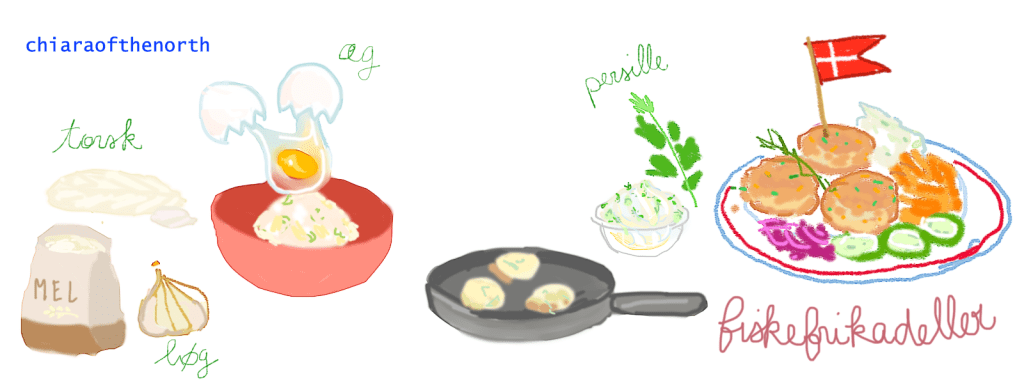
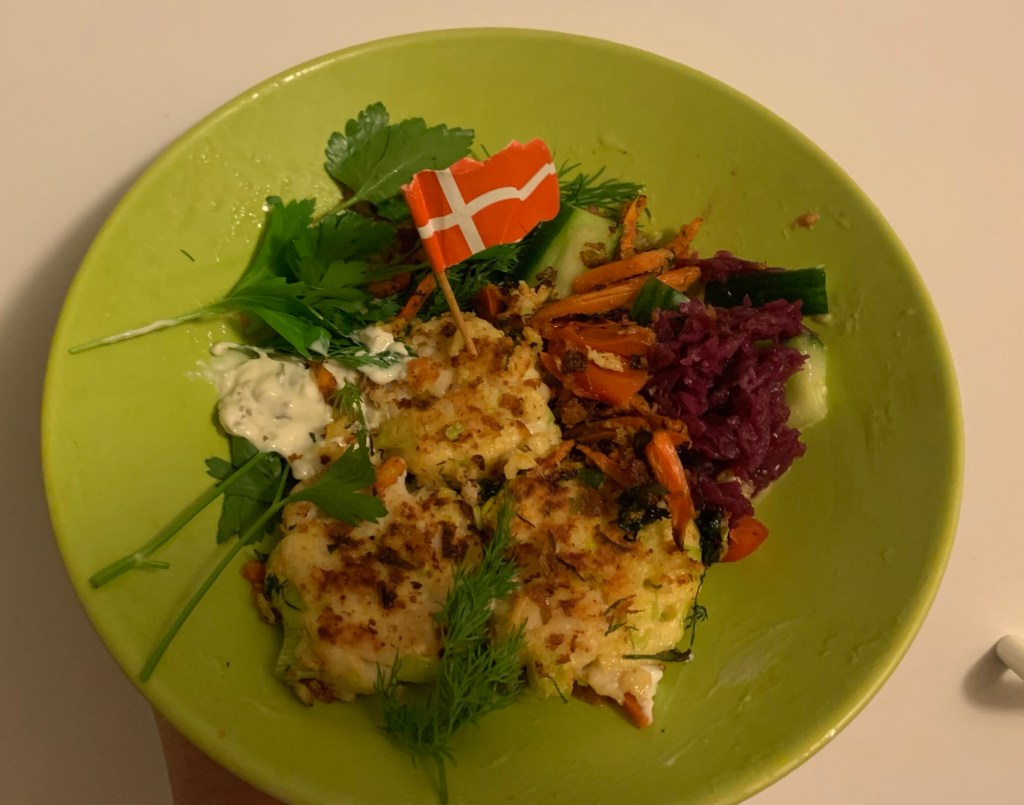
3. Fiskefrikadeller – Danish fishballs

Make balls after mixing fish chunks (I have used pangasius and cod) with egg, flour, spring onion – I also like to add carrot bits -, Fry them in a pan on both sides. Garnish with herbs as parsley. Complete the plate with some fresh veggies to the plate as cucumber and red cabbage. Enjoy the fishballs with remoulade sauce as the Danes do!

Here are pictures of my experiments:

Disclaimer: these are my creative versions, and I do not follow 1:1 classic recipes. You find plenty of other references online! You can still see more Scandinavian and Nordic food on this blog, from my trips in Scandinavia and to Nordic cafés elsewhere.

Please let me know if you will try making these!

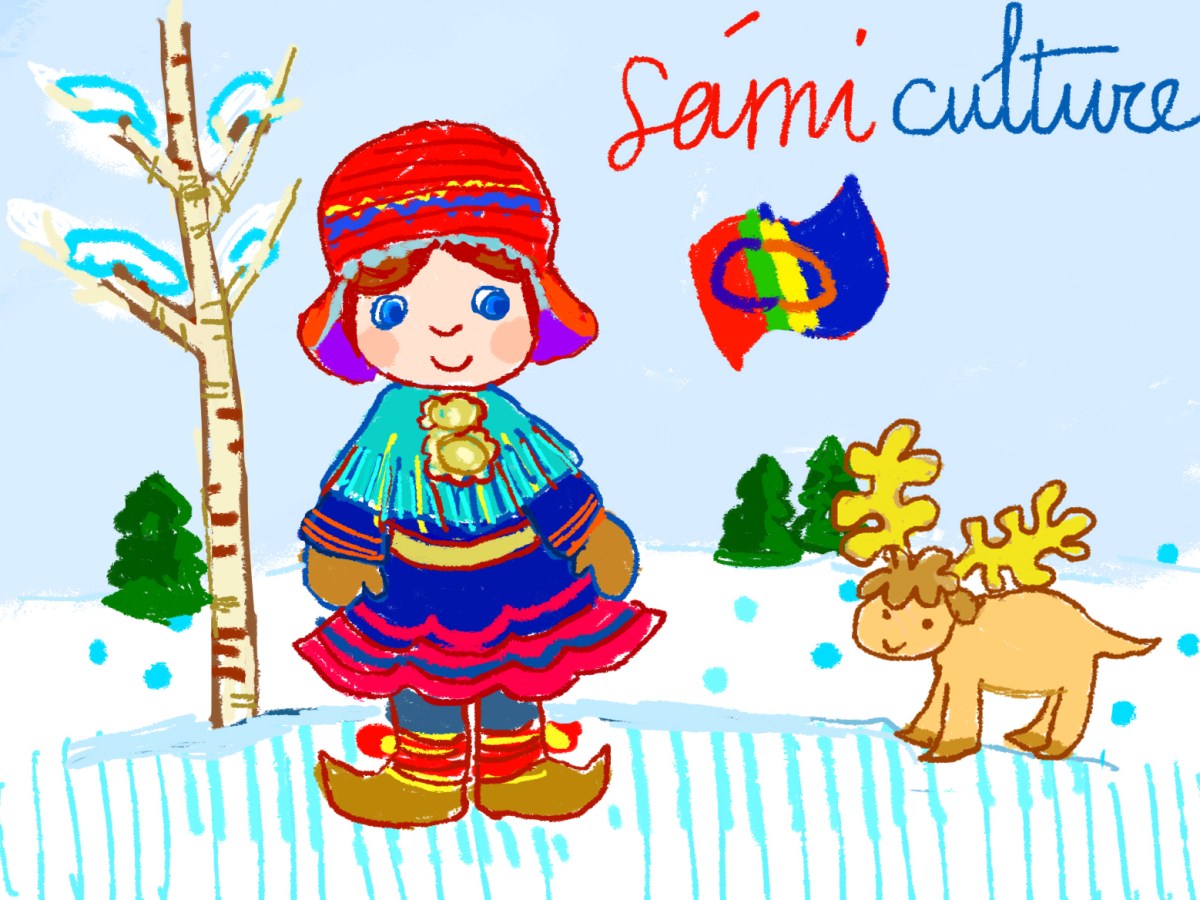
5 symbols of Sami culture

Sámi people, indigenous people of North Scandinavia, have a distinct culture, symbolised by its unique flag and traditional clothing, and part of it are Duodji handicrafts and unique musical expression through yoik.

Sweden’s sweet calendar: 6 food-themed days from cinnamon buns to waffles

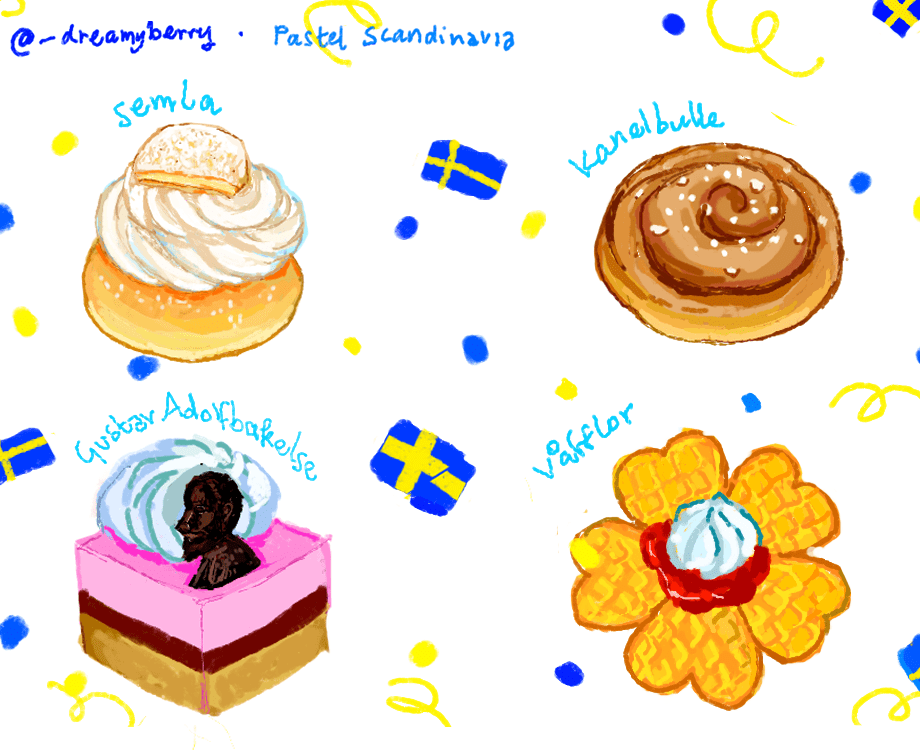
cinnamon buns, waffles, semlor and more: there is a special day dedicated to each in Sweden

Swedes have a few days dedicated to eating a specific thing. Whether it started to honour a king or just as an excuse to bake, mark these days on your calendar!

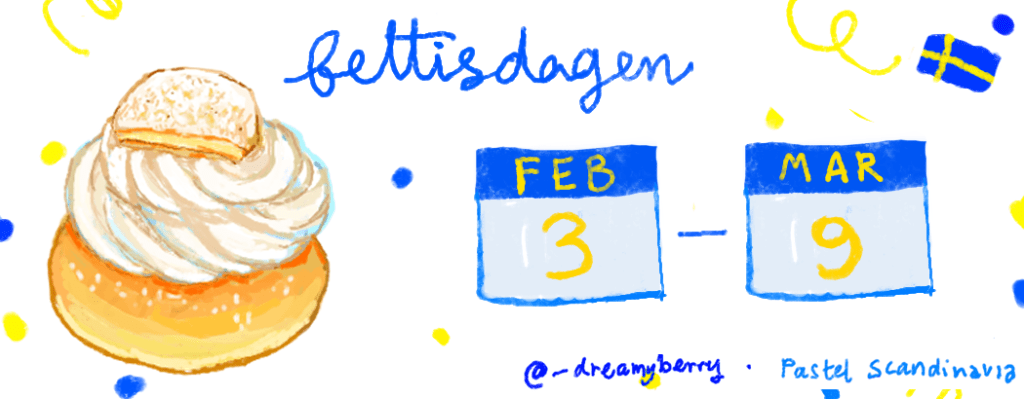
Semlor: February/MarchFettisdagen

On Shrove/fat Tuesday (fettisdagen), between January and February, tons of of semlor are purchased in Sweden. A semla is a cardamom-spiced bun with almond paste and whipped cream – traditionally conceived as a rich treat to enjoy before Lent. Slightly different versions of semlor exist in the other Nordic countries too, and they are usually eaten on Shrove Monday or Sunday instead: Fastelavnboller in Denmark/Norway, Bollur in Iceland, laskiaispulla in Finland.

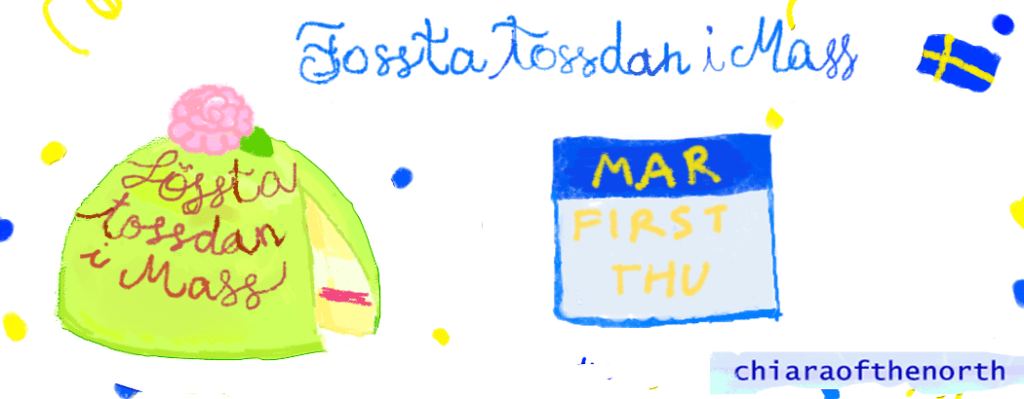
Prinsesstårta: first Thursday of March (Småland)- ssta Tössdan i Mass

in Småland region accent, R’s are not really pronunced. first Thursday of March, Fössta Tössdan i Mass, is celebrated with the famous green massipantåta, marzipan cake, also known as Princess cake!

There was an attempt to make a Skåne version of this: people from Skåne have a tungrots-R, a Danish (or typical French, German) R, not rolling as most Swedes. So fjäRde fRedag i febRuaRi (4th Friday of February) was celebrated with a rollcake, RulltåRta, by Anna Gartz of Café Smulan in Brösarp.

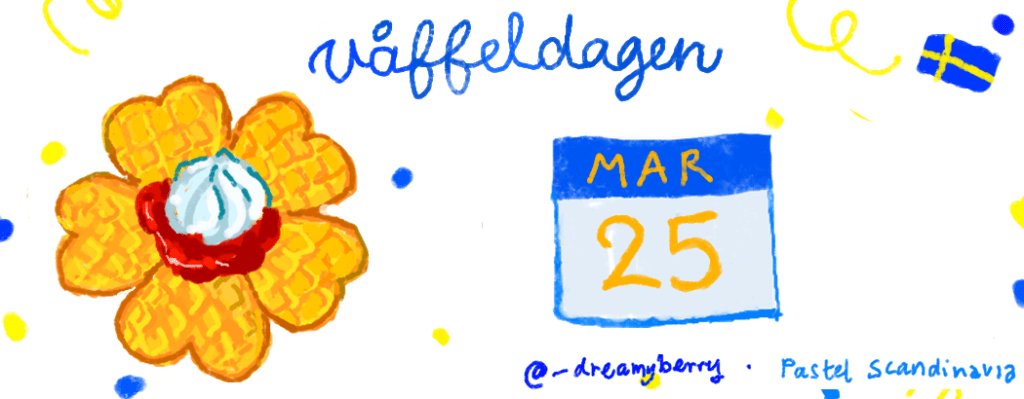
Waffles: 25 March Våffeldagen

The christian feast of the Annunciation, in Swedish Vårfrudagen, lit. “Our Lady’s Day”, ended up becoming for most Swedes the similar-sounding våffeldagen (“waffle day”). This turned a religious day into a chance to eat heart-shaped waffles! It is also ”observed” In Norway and Denmark!

Cinnamon buns: 4 October – Kanelbullensdagen

Cinnamon bun day has been celebrated since 1999, and it was actually invented for commercial reasons: the person who made it up, Kaeth Gardestedt, was at the time working for an association of baking products producers. After almost 25 years people still bake cinnamon buns on 4th October!

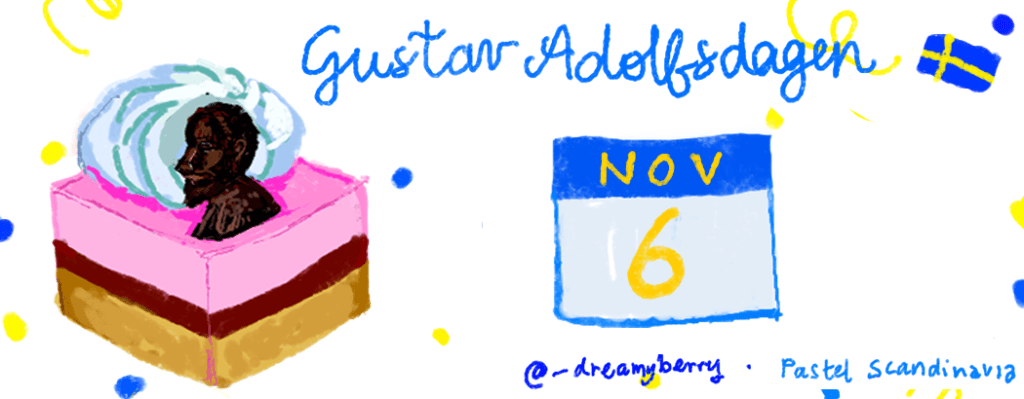
Gustav Adolf pastry: 6 November – Gustav Adolfsdagen

6th November is the date of the Swedish king Gustav II Adolf’s death in 1632. The king was very generous with universities as the one of Gothenburg, where a pastry was invented in his remembrance: Gustav Adolfsbakelse. It has been popular since the late 1800s. You can see it in a lot of variations, but what makes it a Gustav Adolf pastry is the chocolate bust of the king on top!

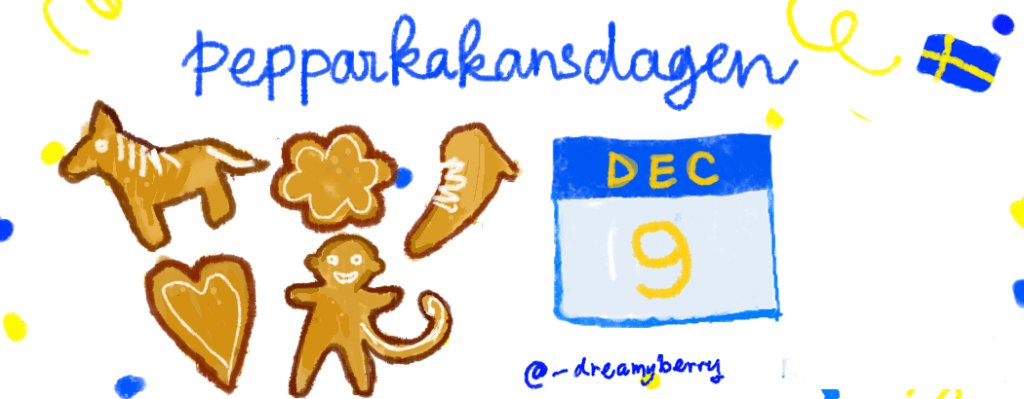
Gingerbread biscuits: 9 December – Pepparkakansdag

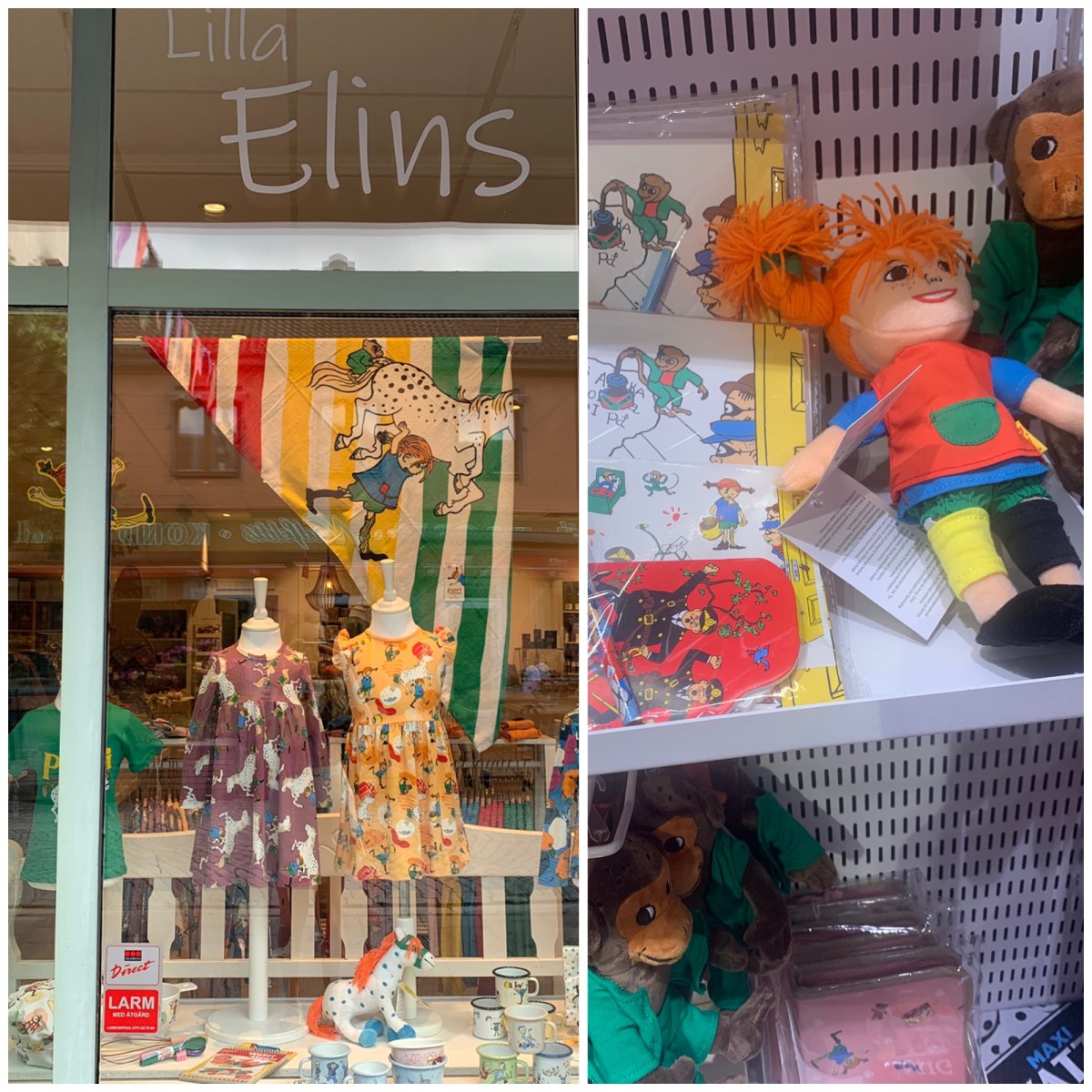
Gingerbread cookies, known as pepparkakor in Sweden, probably originated in Nuremberg, Germany, in the middle ages. Mentioned in Swedish in 1444 for the first time, the word pepper was used to mean spices in it, as pepper was the most common spice at the time. Baking them became a typical Christmas thing in Sweden and other countries, remember the episode of Pippi were she cuts them in the shape of her horse and monkey? Pepparkakansdag was, similarly to Kannelbullensdag, invented in 1996 by gingerbread maker Annas Pepparkakor.

Apparently there is also a Polkagrisensdag (candy cane day) on 20th April, but it mostly promoted in Gränna, near the Vättern lake. There Amalia Eriksson invented the polkagrisstång in 1859, the red-white peppermint candy cane, and many local shops celebrate this day.

Does your country have any days like these?

More articles:

Who are Greenlanders? 3 symbols of Greenlandic culture

Discover Greenland, home to the Inuit Kalaallit, and its most iconic aspects as its flag, language and folk costumes. The biggest island of the world has a rich history of indigenous culture intertwined with Norse colonization and later Danish rule.

7 fun facts about Lucia, Sweden’s pagan saint

Lucia brings light in the darkest night of the year and is a mix of pagan and christian traditions. It is celebrated in Scandinavia with processions, saffron buns and church concerts.