Scandinavian carnival buns (and where to eat them in the Netherlands)

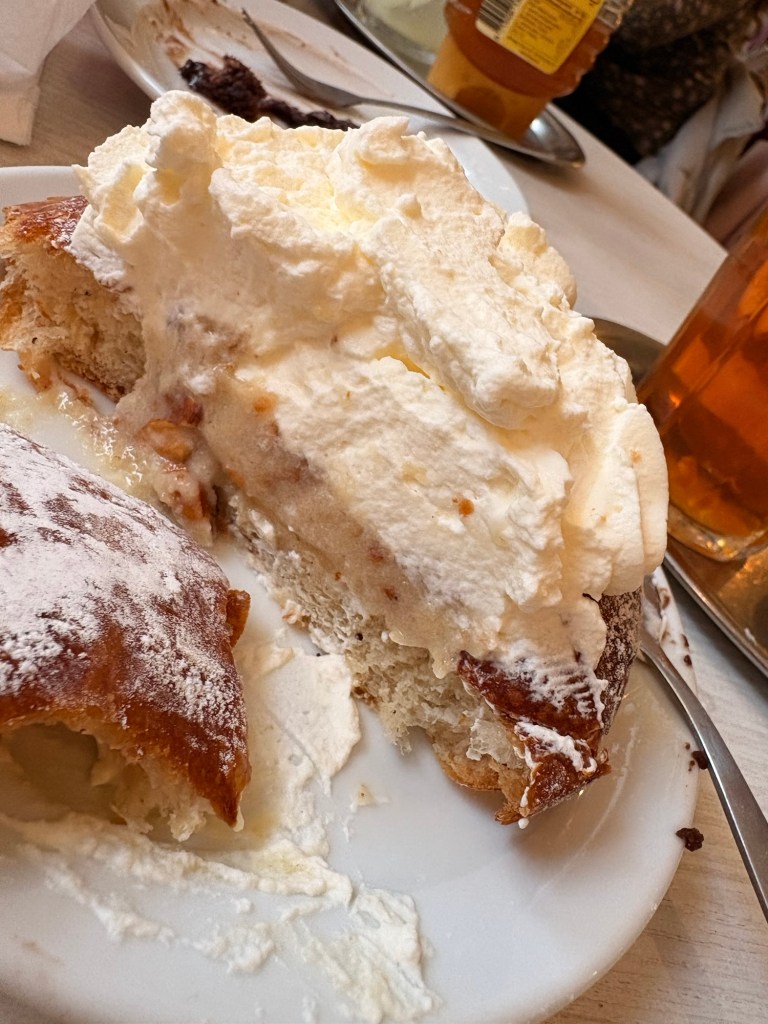
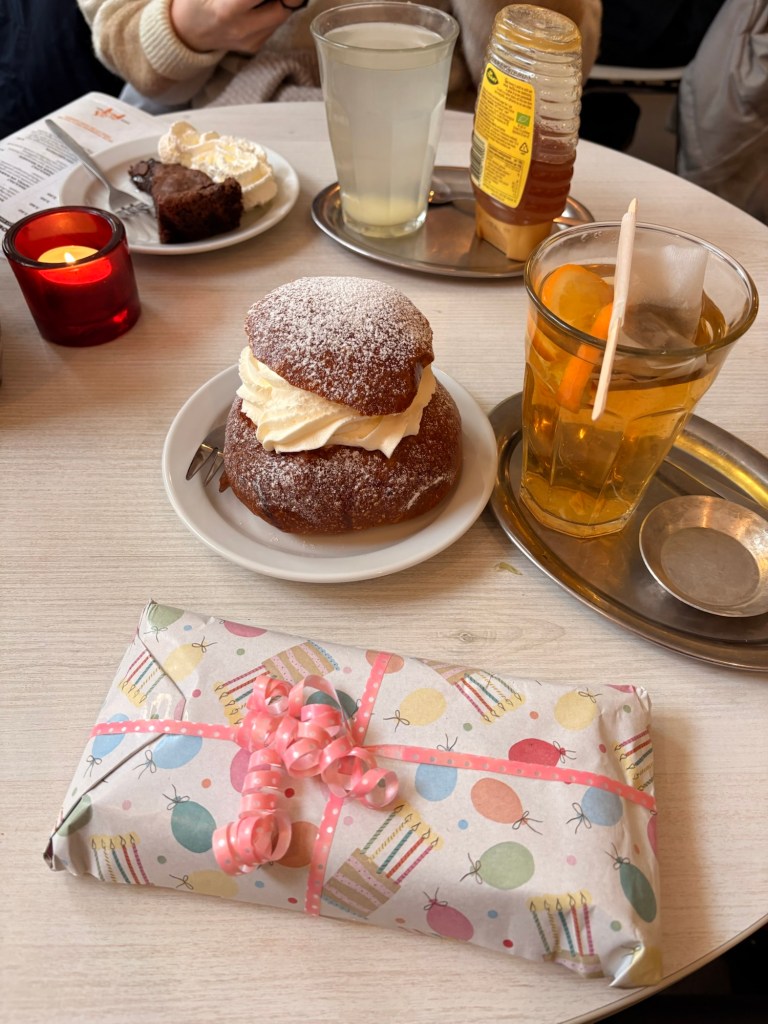
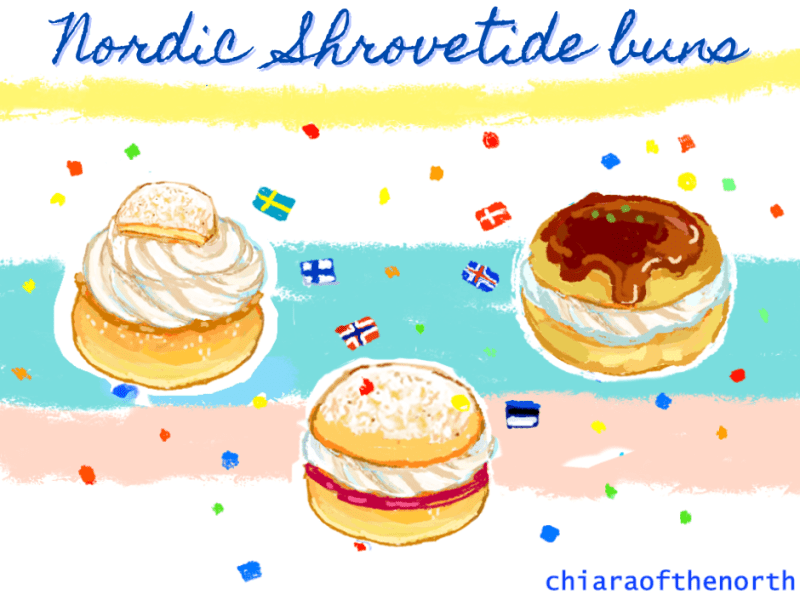
Cream buns are enjoyed in Nordic and Baltic countries during shrovetide, between January and February. Sweden’s classic semla has almond paste, while other countries variations include jam, vanilla cream, and chocolate icing top.

Whipped cream-filled buns are eaten and baked in Nordic countries during shrovetide (carnival for catholics), Fastelavn in Danish/Norwegian, Laskiainen in Finnish. This period would anticipate the lent before Easter, and culminates on Fat Tuesday – Fettisdagen in Sweden, or Shrove Sunday.

Lent was abolished with the reformation, but the buns stayed! To the point that Icelanders call the day when you eat bollur, shrove Monday, bolludagur, ‘bun day’.

National Variations of Shrovetide buns

In Sweden the semla is filled with almond paste and whipped cream. It is traditional to eat it soaked in hot milk, known as hetvägg. Swedish King Adolf Frederick died from digestion problems after eating 14 hetvägg!
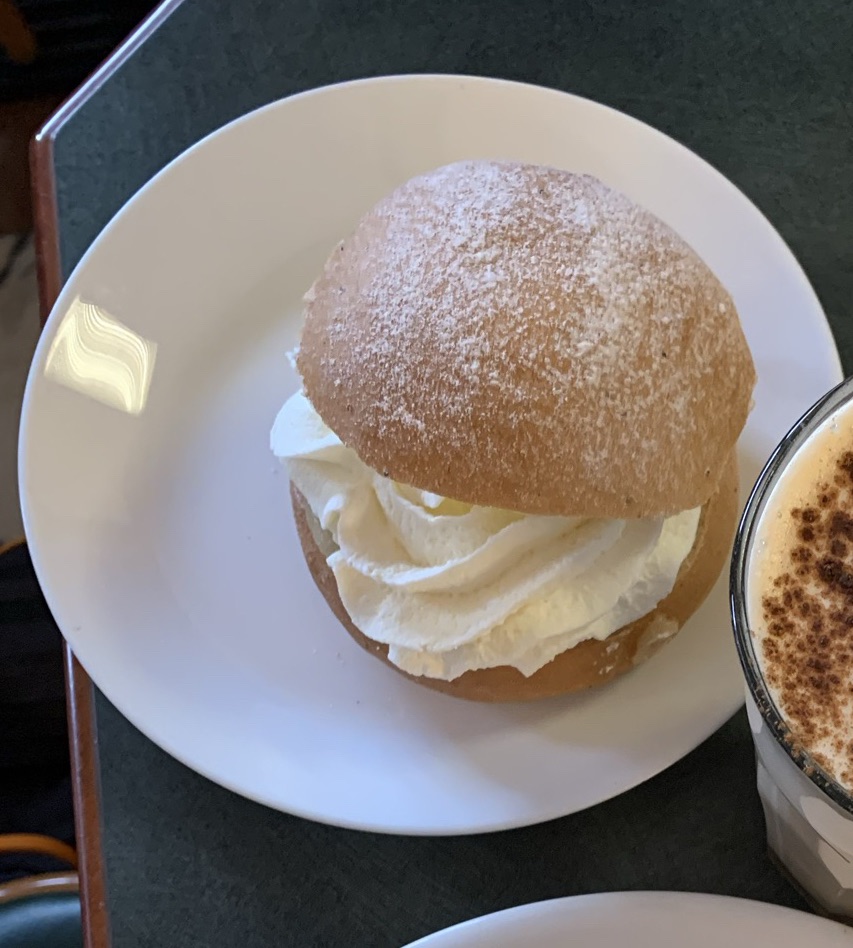

in Finland, Laskiaispulla – or fastlagsbulle in Swedish-speaking Finland – instead of almond paste you find jam. Estonian Vastlakukkel is more simple, genereally only with whipped cream, but sometimes also contain jam, and Norwegian fastelavnsboller can be filled with vanilla cream, jam, chocolate and almond paste.

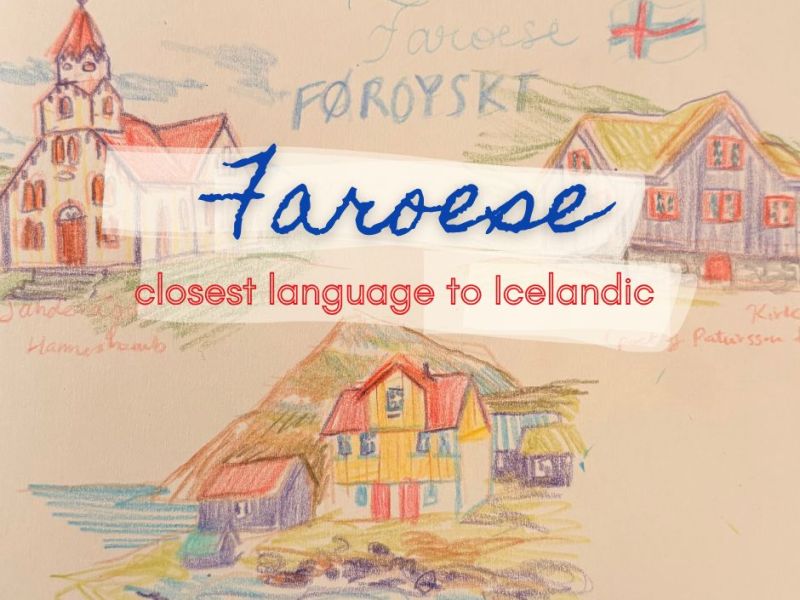
Danish fastelavnsboller, similar to bollur in Iceland and Føstulávintsbolli in the Faroe, are made from puff and choux pastry, often with chocolate icing on top and besides whipped cream filled with vanilla cream, whipped cream and jam.

Besides the traditional version named above, there are more and more variations including liquorice, pistache and so on, with curious semlor made up each year.

Mentioning Dutch culture, a Danish/Icelandic fastelavnsbolle reminds me of a Bossche Bol, although the latter are completely coated in chocolate. I believe Italian Maritozzo is very similar to a plain semla, without almond paste.

Where to try them in the Netherlands

There are multiple Nordic inspired bakeries in the Netherlands where you can have a semla!

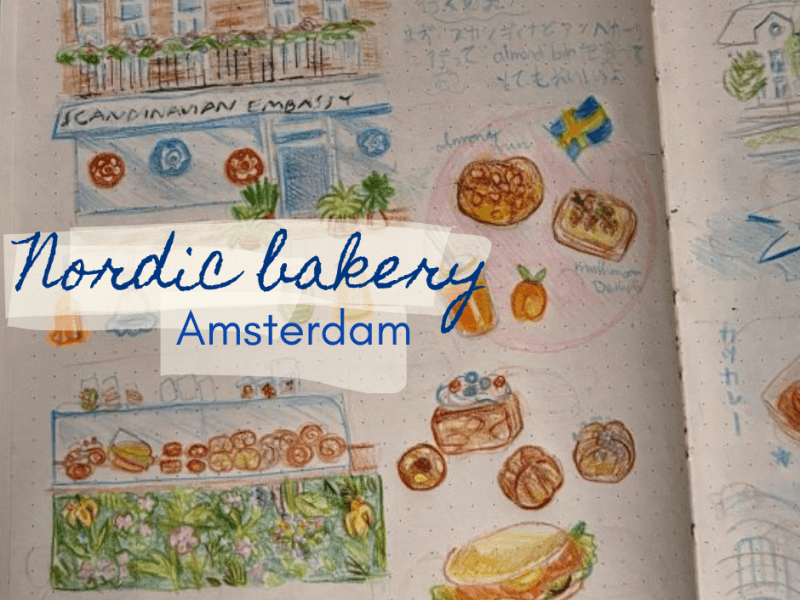
In Amsterdam, Selma’s Nordic bakery and Scandinavian Embassy make Semlor. Selma was also serving Finnish-style laskiaispulla in 2025, with a fruit compote, and a Danish fastelavnsbolle in 2026!

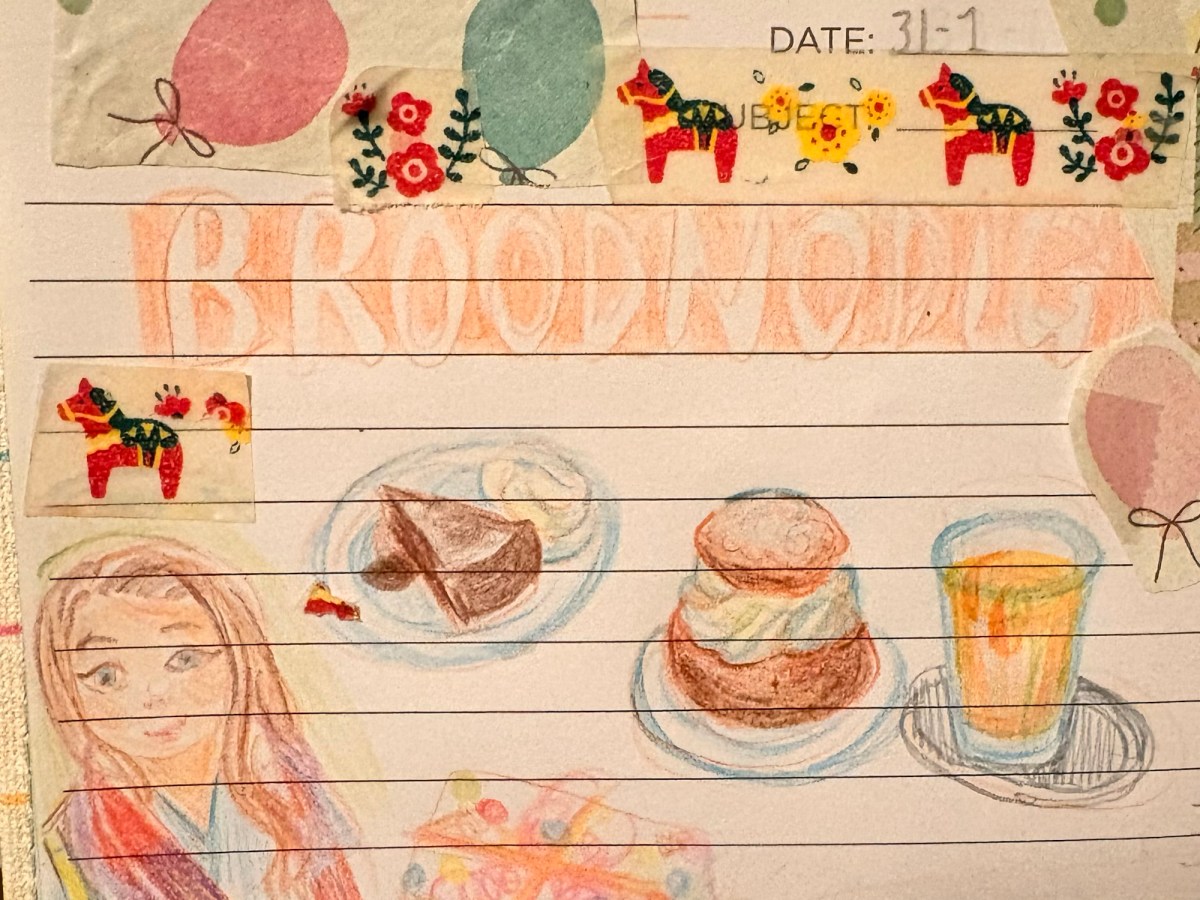
I also tried Broodnodig’s classic almond paste semla in 2026, a very big one!
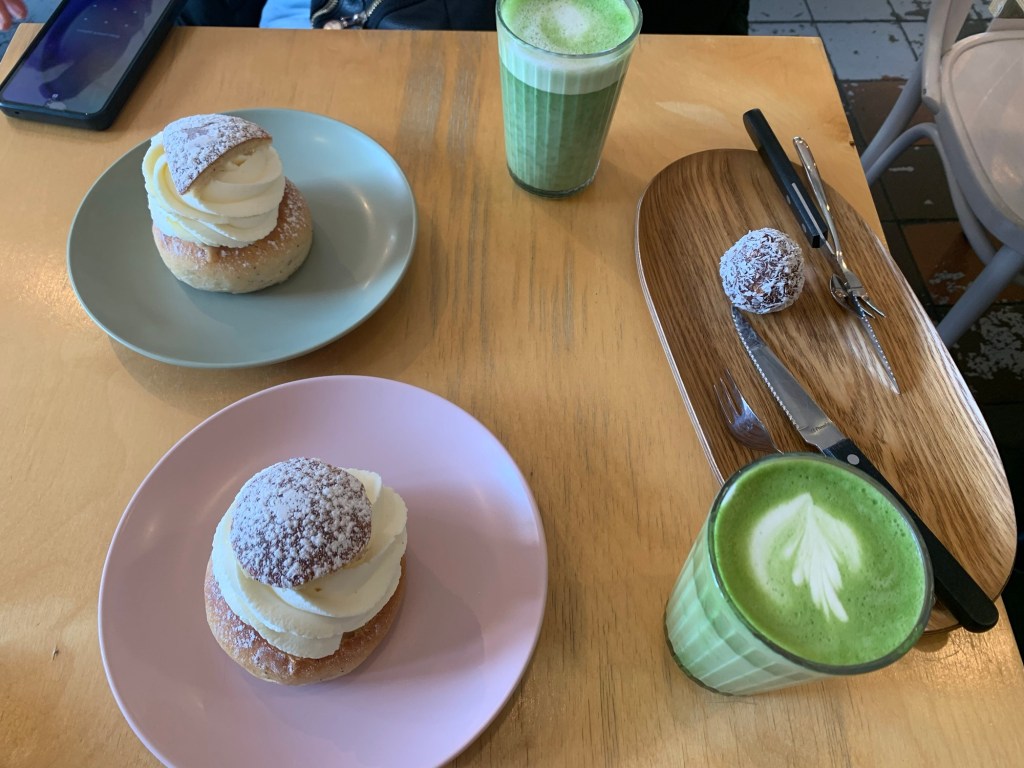
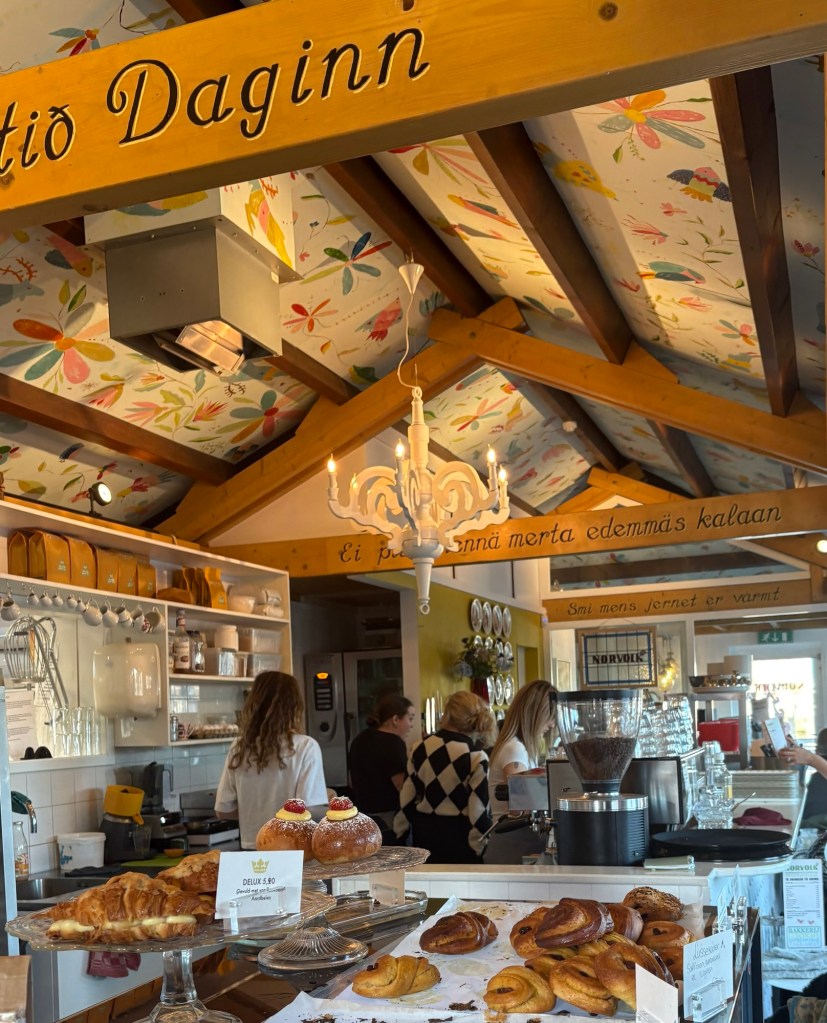
In Den Haag semlor are also available Norvolk (in Scheveningen)

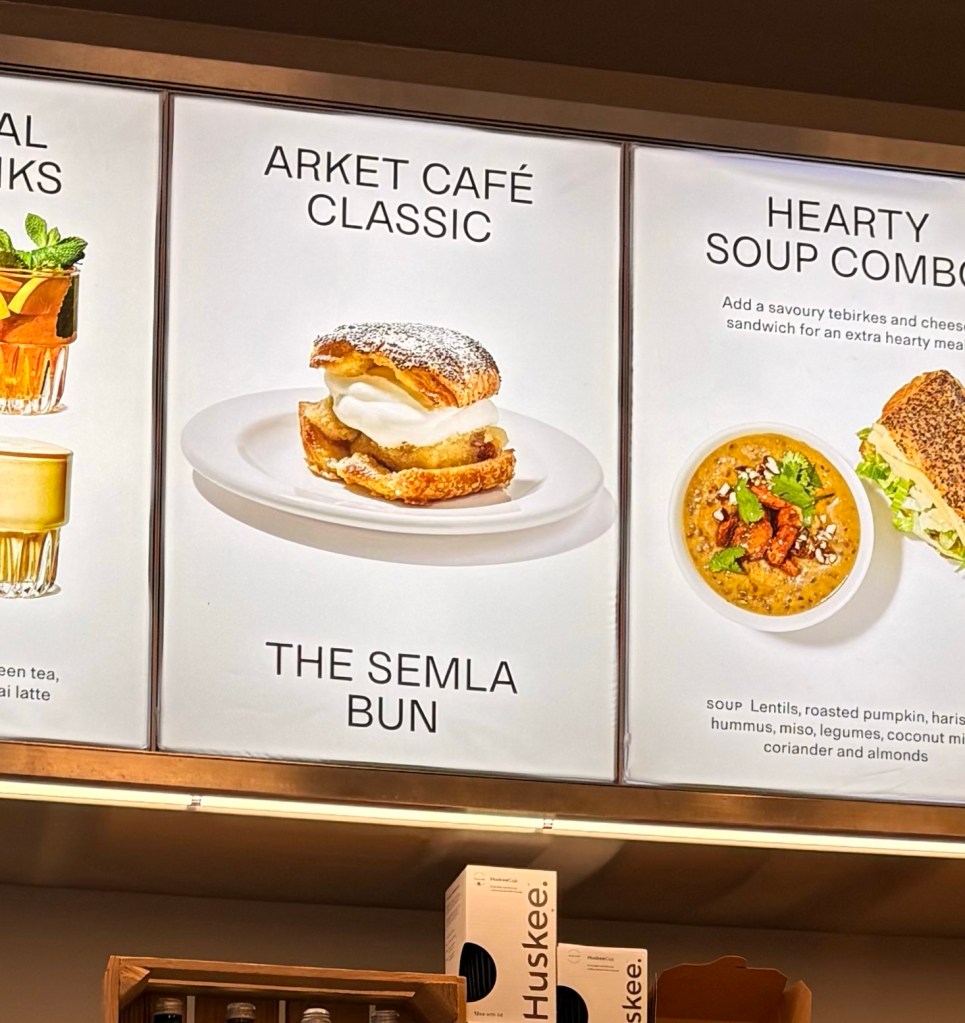
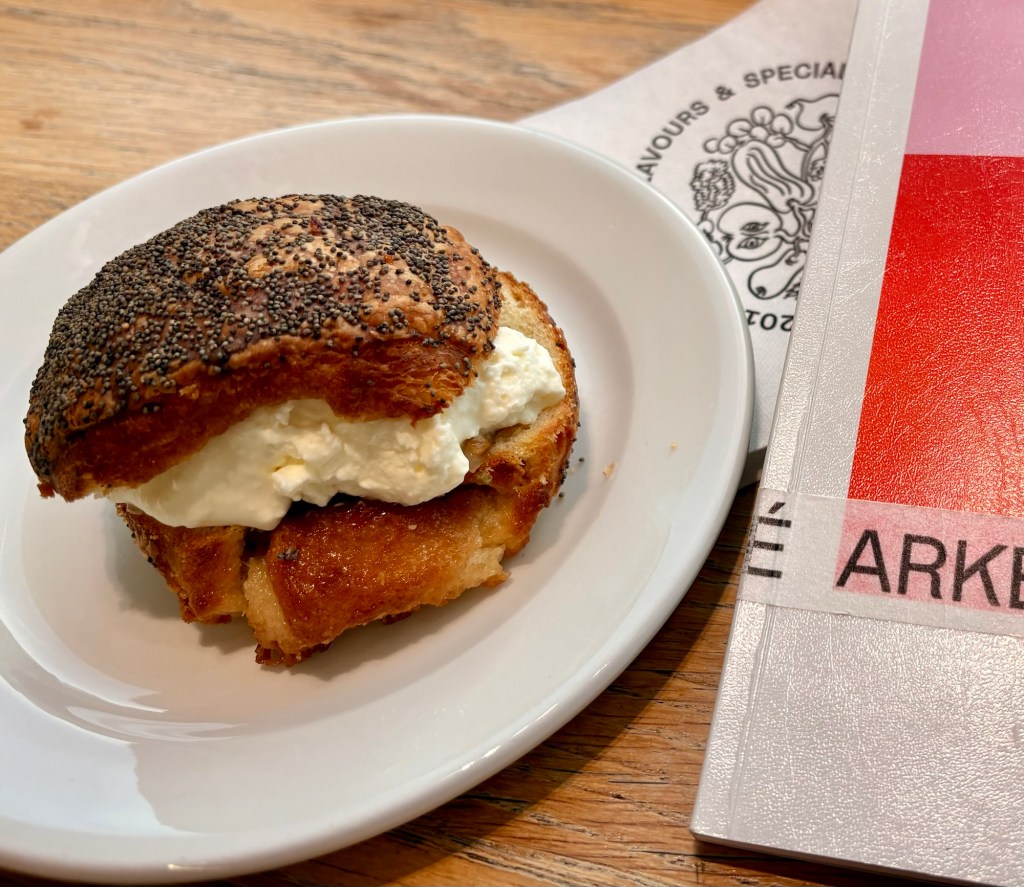
Arket made an interesting Danish-Swedish twist, with the classic wienerbrød Tebirkes cut and filled with whipped cream and almond paste like a semla!
subscribe for more Scandinavian treats..!

sources:
ScanShop: Nordic supermarket in Luxemburg

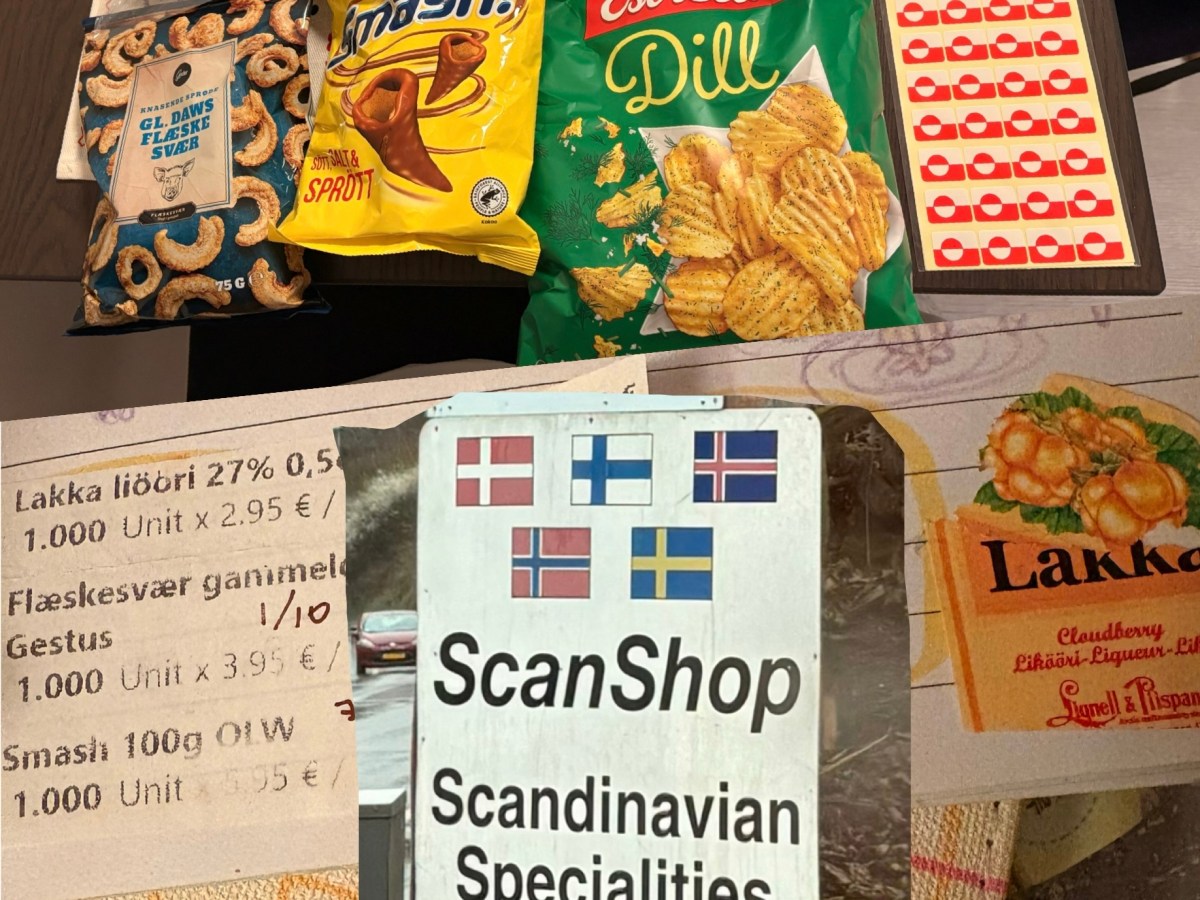
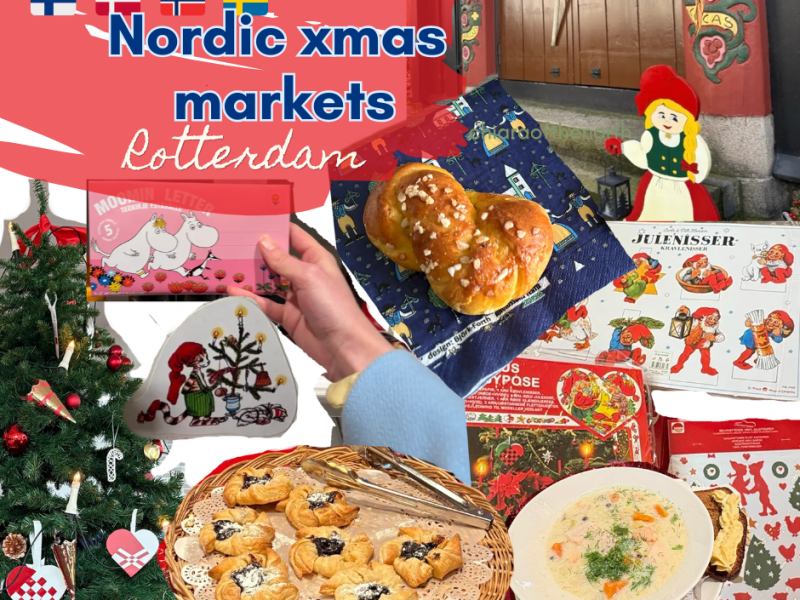
I visited Scanshop, a supermarket for Nordic expats in Luxembourg and Belgium. It offers a wide range of Scandinavian food products, including rye bread, fish, and sweets, alongside flags and tableware.
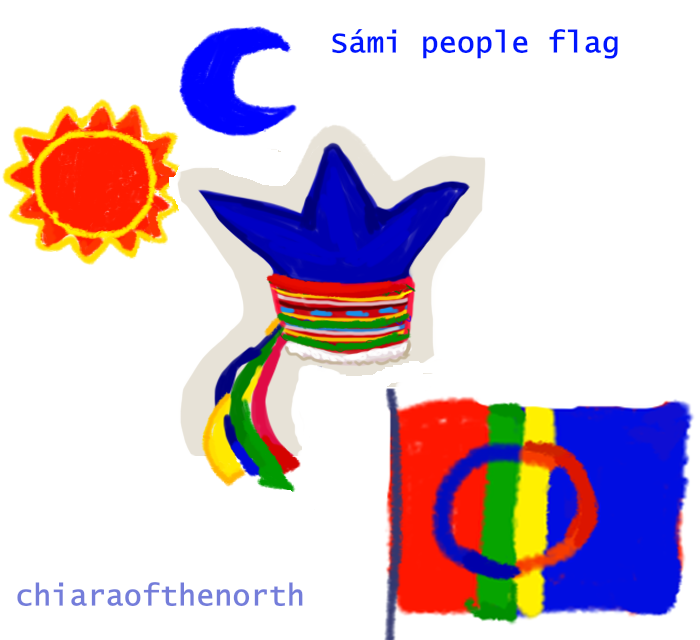
5 symbols of Sami culture

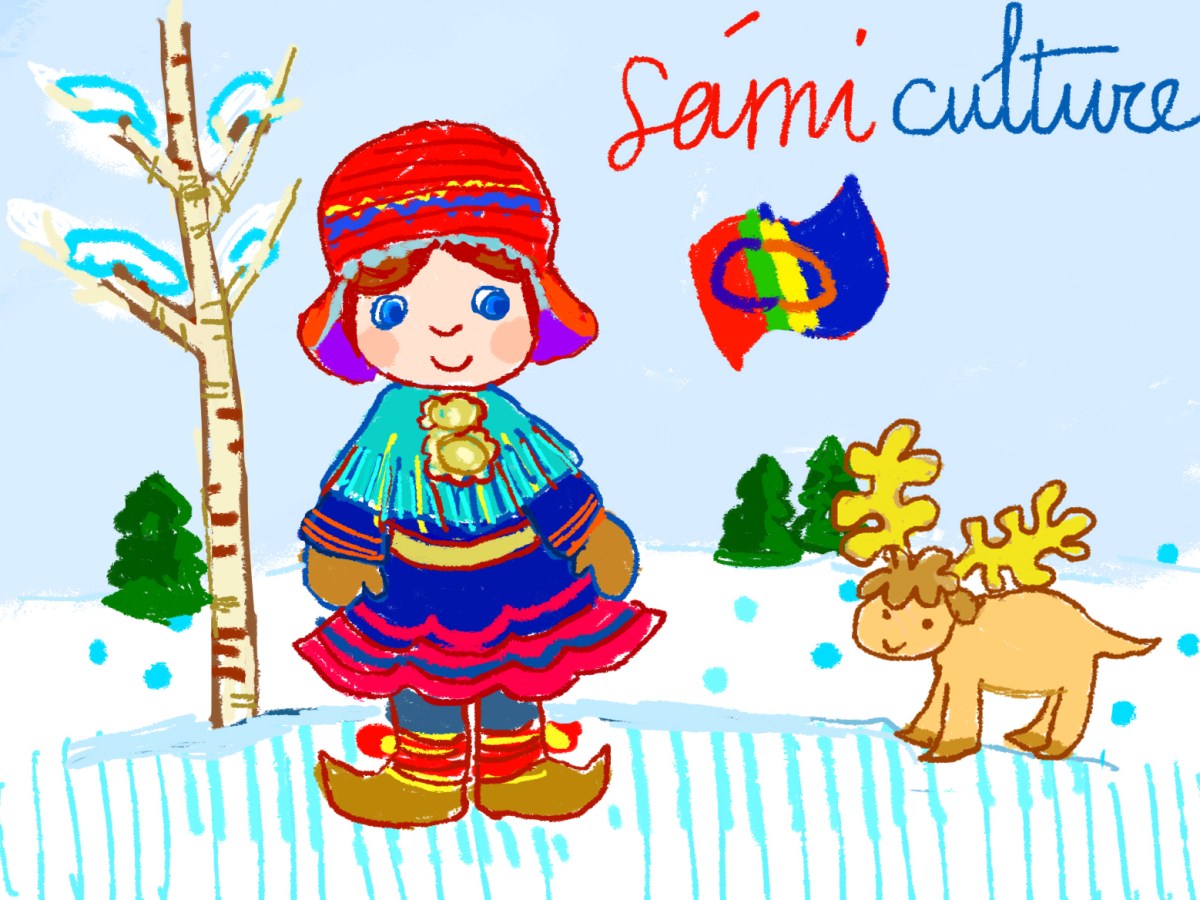
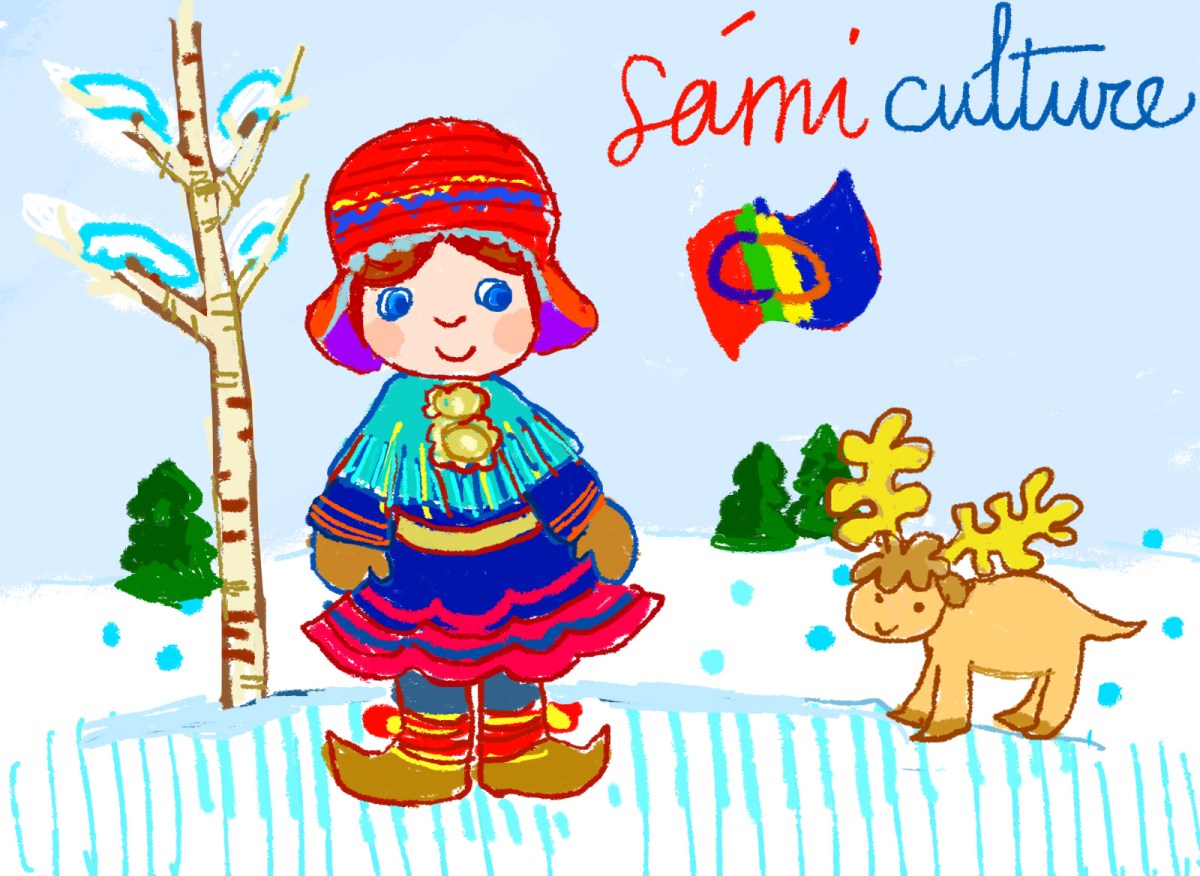
Sámi people, indigenous people of North Scandinavia, have a distinct culture, symbolised by its unique flag and traditional clothing, and part of it are Duodji handicrafts and unique musical expression through yoik.

The Sámi are an indigenous people inhabiting Sápmi, Northern Scandinavia. The Sámi have historically been known as Lapps or Laplanders, offensive terms. There are about 100,000 Sámi people, who share a common history, culture and languages across borders.

Sami flag

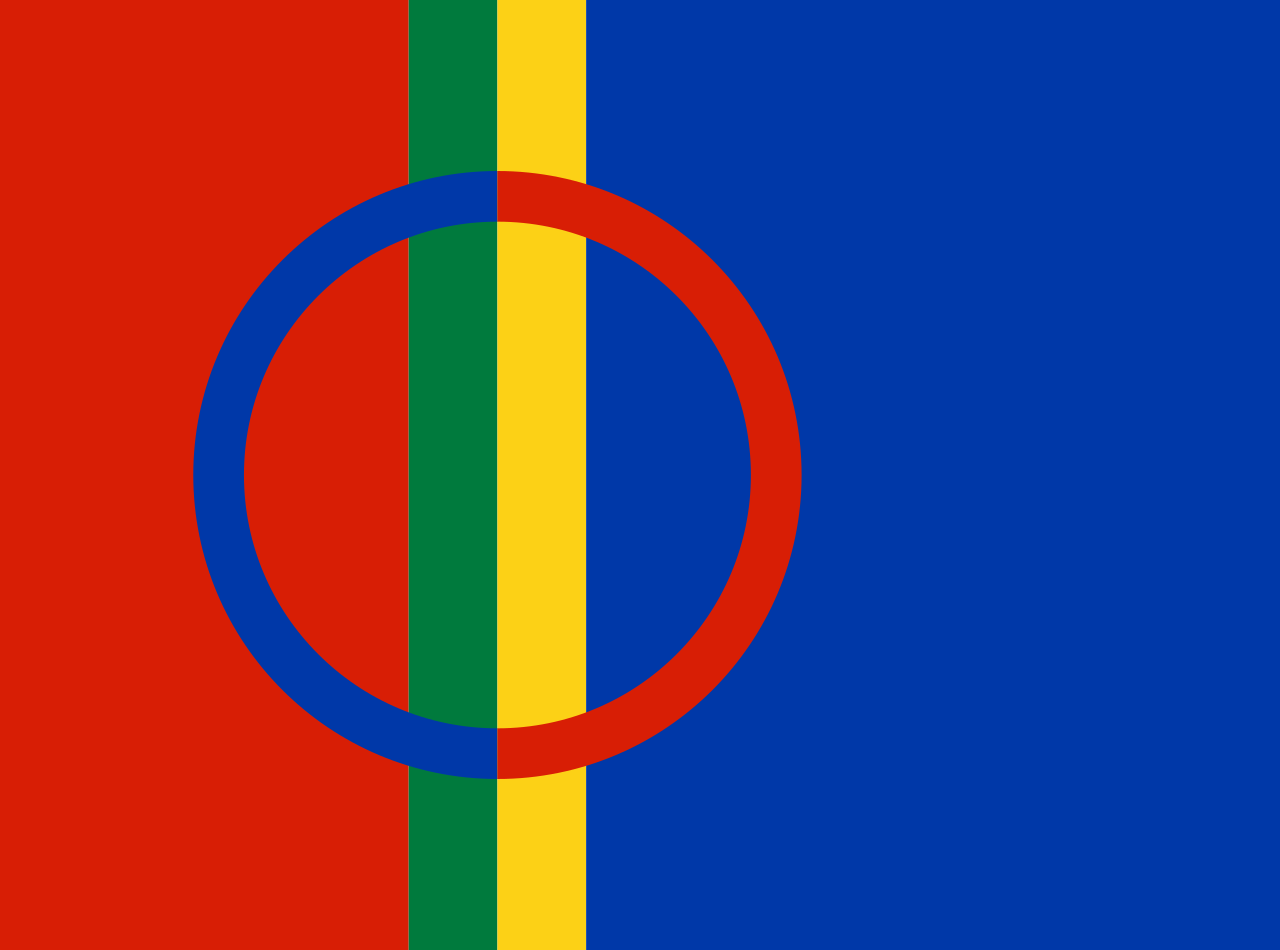
The colors found in Sami clothing inspired the Sámi flag – designed by Astrid Båhl, from Skibotn, Norway, and approved by the Nordic Sámi Council in1986. The circle is a symbol for the sun (red) and the moon (blue), emphasizing Sami people’s connection to nature.
The colors found in Sami clothing inspired the Sámi flag –

Reindeers

One of the most typical traits of Sami culture is the central role of reindeers: around 10% of Sámi practice reindeer herding nowadays, which in some parts of the Nordic countries can be practiced only by Sámis.

Sami languages

There is no single Sámi language, but a group of around 10 distinct Sámi languages which belong to the Ugro-Finnic language family (as Finnish and Estonian). Sami languages are relatively closely related, but not mutually intelligible to each other. North Sámi is the most widely used language and is spoken in all the four countries.

traditional clothing

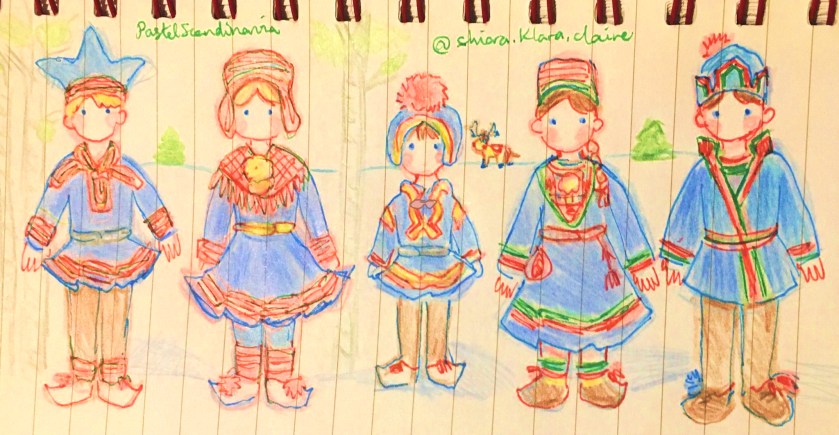
The Sami traditional clothing, gákti/gapta/gábdde in Sami languages, kofte/kolt in Norwegian and Swedish, is well dinstinguished from Norwegian bunads and Swedish national dresses. It is worn at important occasions and varies depending on the gender, family, area one is from and status.

handicrafts: duodji•

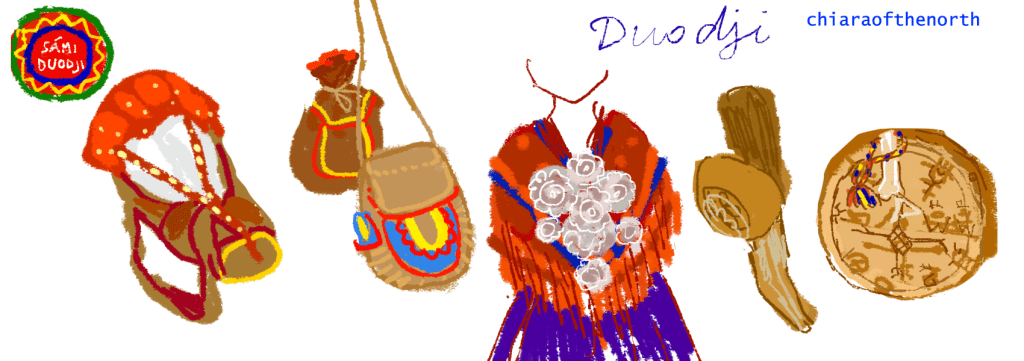
Important parts of Sami culture are Sami handicrafts, known as duodji, which include accessories, clothing, various objects – from drums to infant beds and knives. There is a Duodji certificate to prove that what you are buying is made by a Sami.

Yoik

Another unique cultural element is the Yoik (or jojk), a traditional song-chant, with different functions, and can be about each other, places and animals. it is however inappropriate to sing a yoik about oneself, as this would be a form of self-flattery. Sami national jojk is Sámi eatnan duoddariid by Nils-Aslak Valkeapää, who modernised the yoik tradition. A famous example of yoik is Daniels jojk by Jon Henrik, a yoik tied to his late friend, which was sung at tv-show Sweden’s got talent.

Swedish Café in Utrecht: Broodnodig

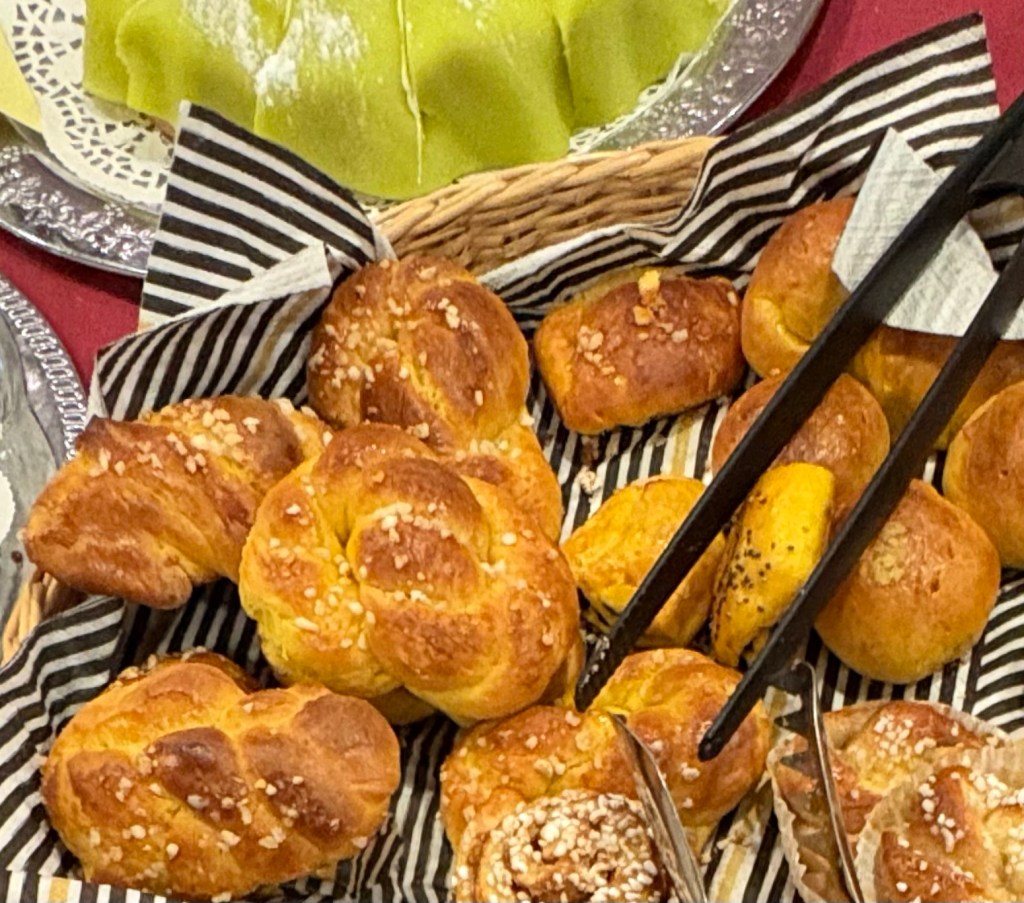
In Utrecht, the cafe Broodnodig serves Swedish pastries and cakes as cinnamon and cardamom buns, kladdkaka, smulpaj and Scandinavian seasonal treats as semlor and saffron buns.

Illustrated Guide to Swedish Fika

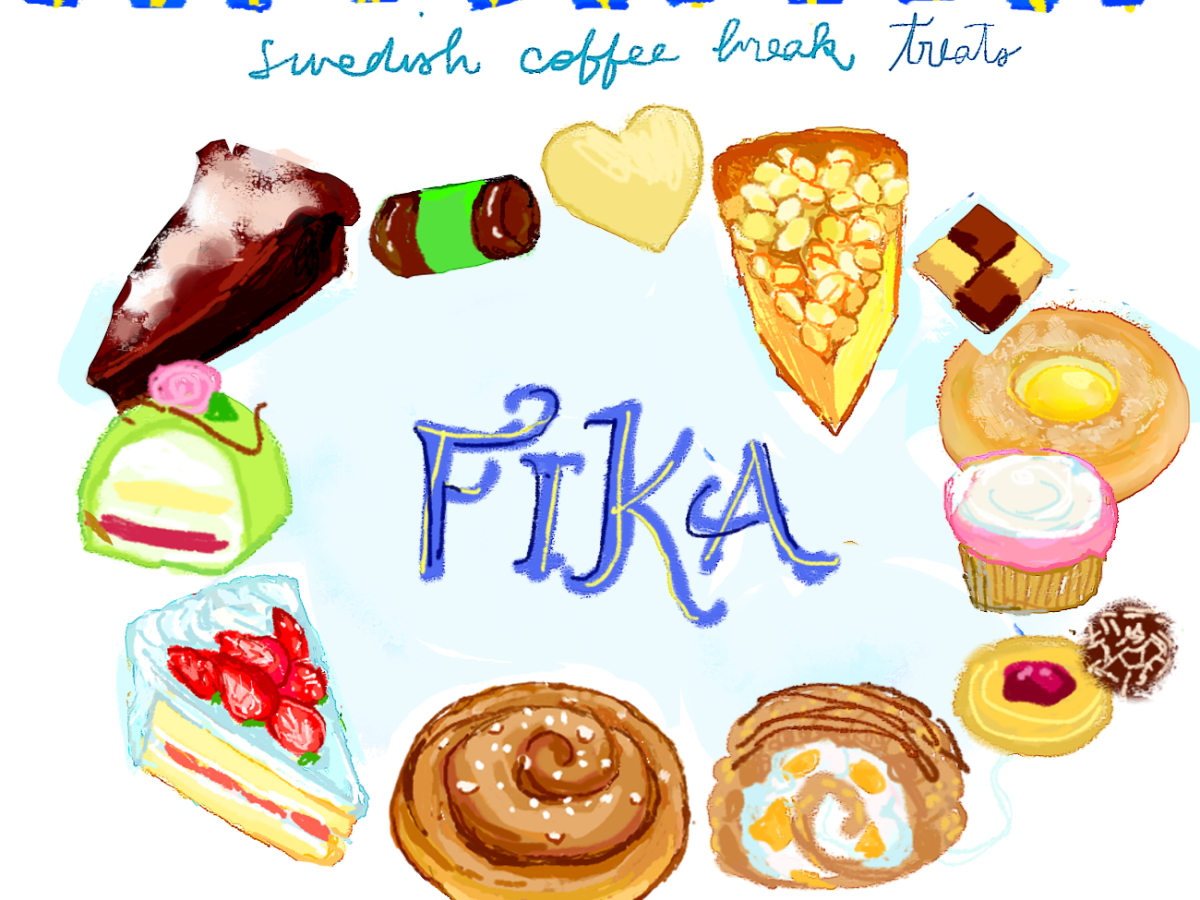
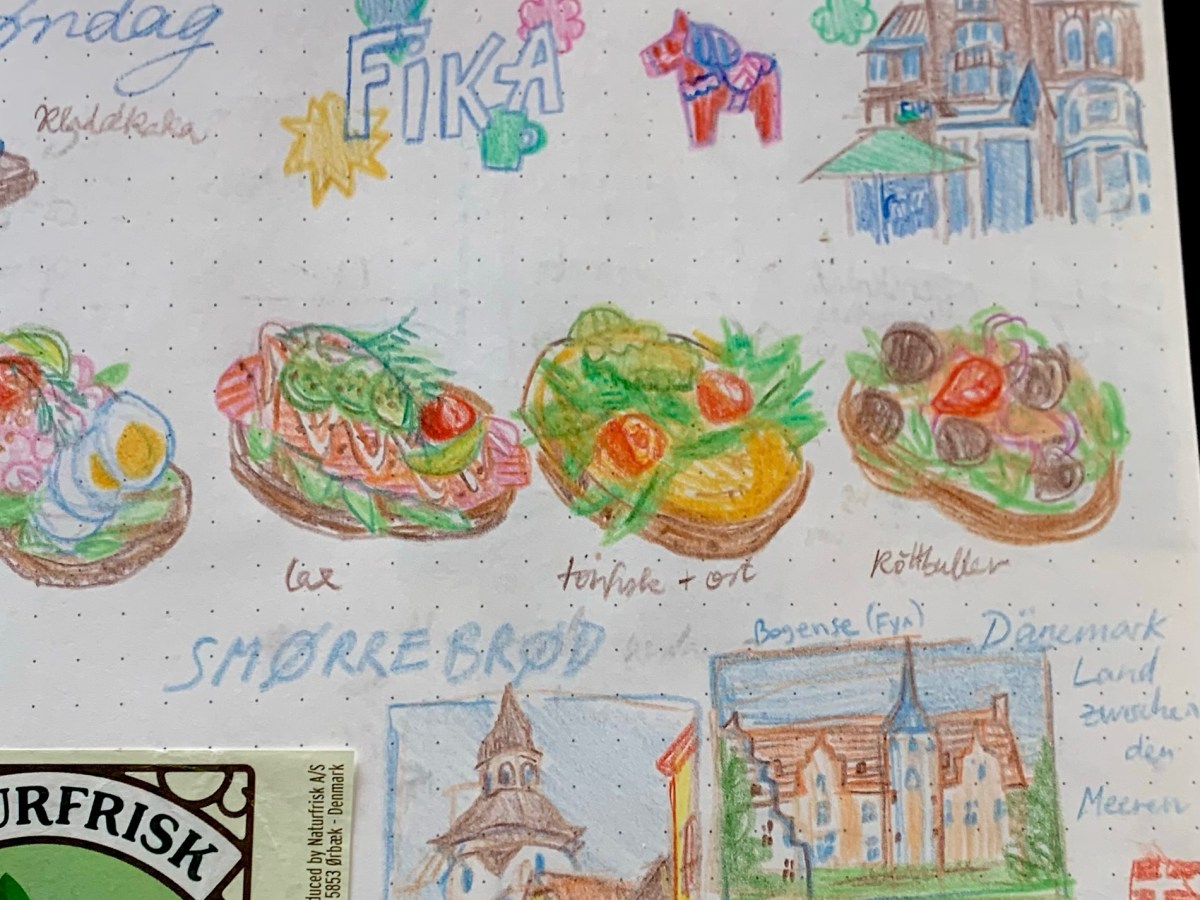
Fika is a cherished Swedish tradition involving a coffee and cake break. Discover various Fika treats, from classic kanelbullar (cinnamon buns), cakes and cookies to savory options.

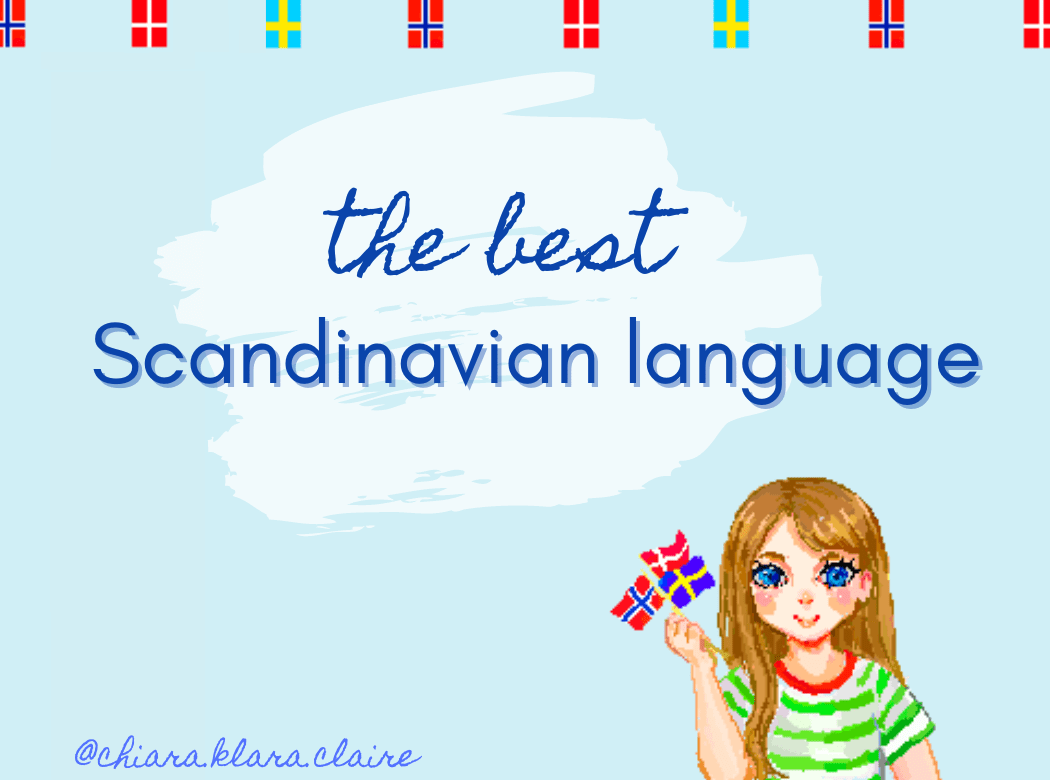
The best Scandinavian language to learn

How to choose the language to study among Swedish, Danish and Norwegian

Many people interested in learning languages of North Europe probably start with this question, Which, among Swedish, Norwegian and Danish, is the best language to study?

Surprise surprise, there is of course no answer, but you can pick one or the other depending on some factors which make one more “suitable” to your interests and goals.

You can first of all learn about general features and learn how to tell Scandinavian languages apart. Do not start all or two of them at the same time if you do not have solid knowledge of one, you can read how I managed to study all Germanic languages.

Some factors you might take into account

The next points can be considered for any language you want to study, with some specific information regarding the three Scandinavian languages:

#1 – Your personal interest

The first factor to consider is personal: is there a reason that makes a country/language more special than the other to you – A travel destination? Friends from there? Some book you would like to be able to read in the original language? Regardless what the reason is, it is good to have something motivating you, whether it is needing it to live somewhere or because you like how ø looks.

#2 – the language that opens the most doors

It is generally handy to speak a language that will give you “access” to the most other languages. The three Scandinavian languages are quite similar to each other, so it won’t make a huge difference. The one having a bit more than the others in common with the other two could be Norwegian: Danish and Norwegian have a more similar spelling due to historical reasons, but Norwegian sounds similar to Swedish, while Danish is….Danish.
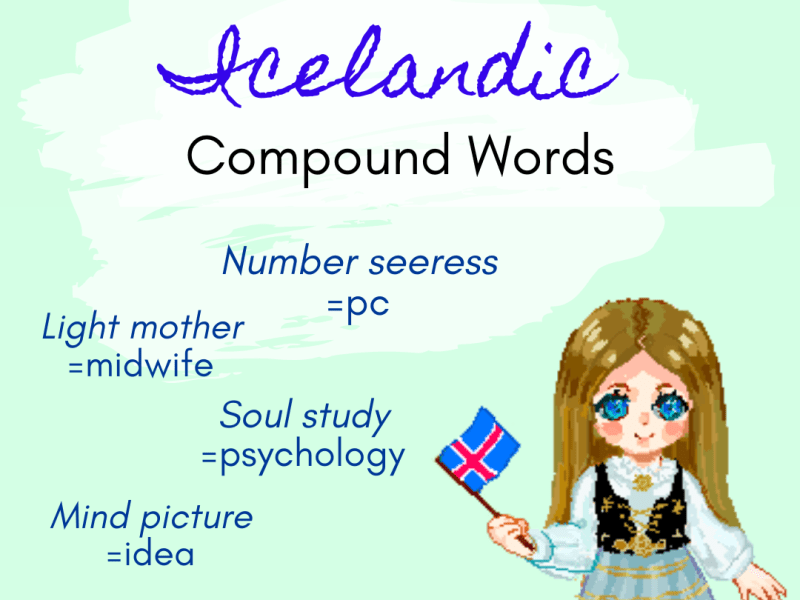
Norwegian is theorically a West-North Germanic language as Icelandic, as opposed to Swedish and Danish which are grouped as East-North Germanic. There are traces of that in some Norwegian dialects, but for geographical and historical reasons Norwegian got a lot closer to Swedish and Danish. Icelandic (unfortunately?) retained its heavy grammar. More about the Icelandic grammar

#3 – the language which allows you to reach most people

Another factor people often take into consideration when starting a new language is how many people you will be able to communicate with. All Scandinavian languages are pretty small (all three make in total around 20 million speakers) but Swedish is significantly more spoken than all other languages of Nordic countries (as big as Danish and Norwegian together), and is present in Finland as well.

Some more or less tricky features

Grammar

Their grammar is very similar and essentially equally hard, with maybe the exception that Norwegian has the feminine gender too, although not used everywhere.

Pronunciation

Danes speak as if they have potatoes in their mouth. (While it is said Norwegian and Swedish sound like singing…) Some sounds like stød can be hard for foreigners to reproduce, saying rødgrød med fløde is a classic. Swedish Pronounciation has a sound similar to German ch in Bach, try this tongue twister: Sju Sjuka sjömän med sju sjuka sköterskor. People from Skåne, Sweden’s southernmost region, might sound to you like Danes speaking Swedish…Centuries ago, Skåne was actually a part of Denmark!

Language variation

Norwegian is famous for its dialects, “I” can be written/pronounced in a number of ways: jeg, Æ, eg.. Being already used to jump from a Scandinavian language to the other, hearing a new Norwegian dialect is not too scary I guess.. And it has two written standards, bokmål and nynorsk. Bokmål is far more popular than Nynorsk though.

This would mean Norwegian is probably the most convenient to learn: vocabulary/spelling lean towards Danish and Pronounciation to Swedish, while you will spare yourself the (for most people) struggle of learning how to pronounce Danish.

My journey

I personally started with Swedish and still keeping it as my “main”, although i learned the others on the way, I look at Swedish as my Scandinavian mother tongue or something, haha. There was no particular reason for this, Sweden and Swedish culture were just somehow more present in my mind and knowledge than the other two, and I just felt like learning Swedish without thinking much.

Truth to be told, many people are not particularly found of the sound of Danish. Not me though, pronouncing Danish is a guilty pleasure of mine.

If you find all of them interesting, just be patient and once you got to a decent level with one you can start picking up the others just by immersion!

Novels and books to study Nordic languages in 2026

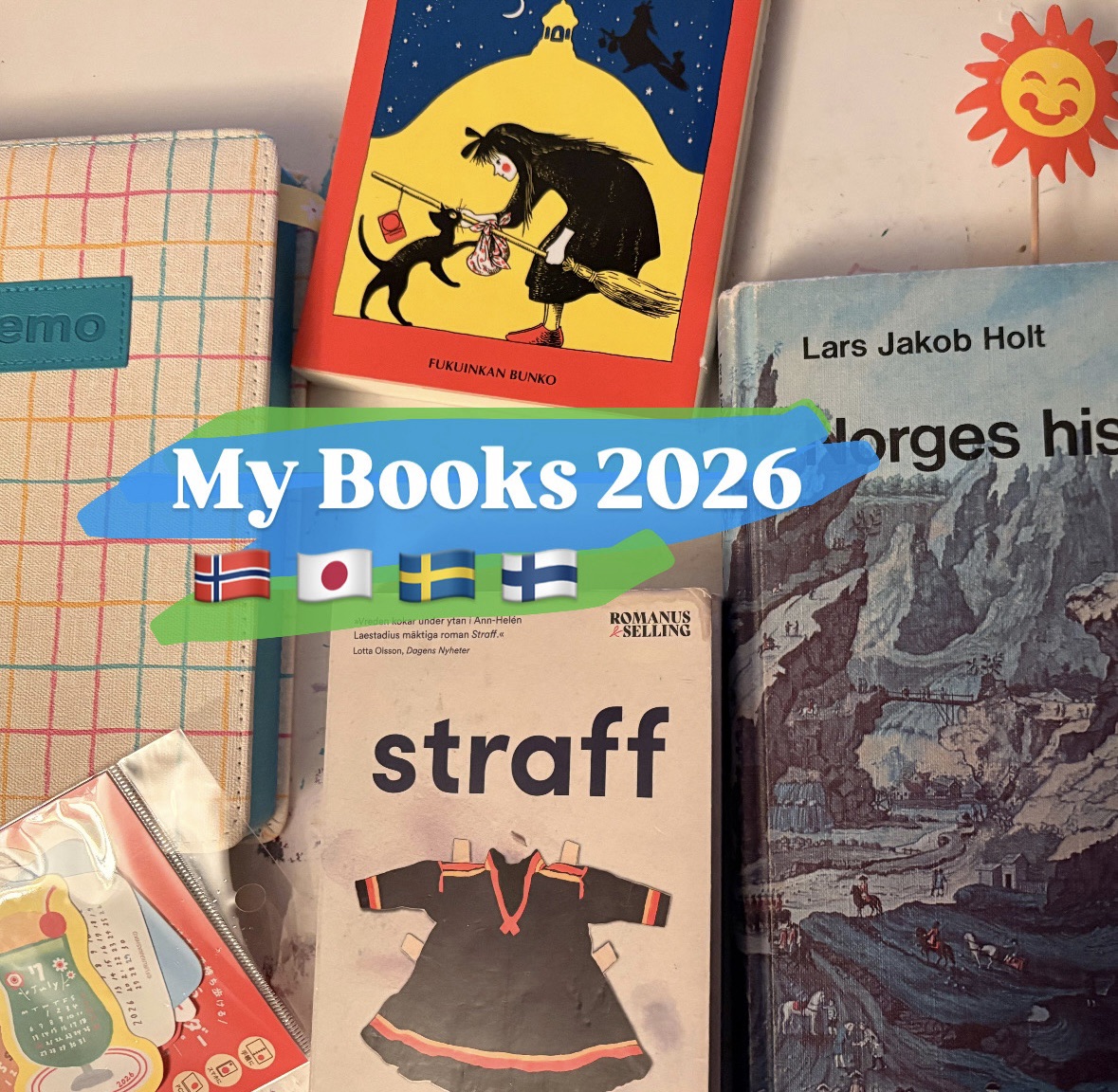
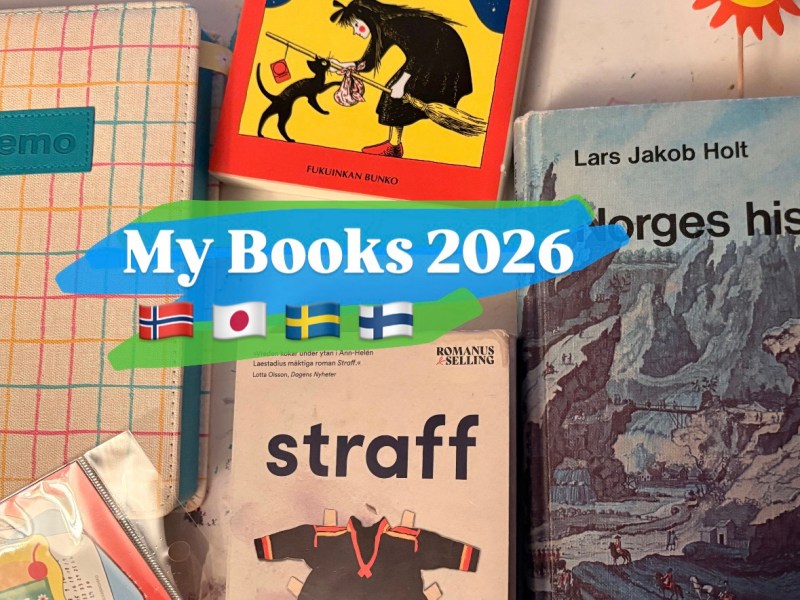
my 2026 language plans with books: continue reading Swedish novels and Norwegian non-fiction, and studying Finnish.

As I did for my Nordic books 2025, here is an updated list of books I will be reading and textbooks I want to use in 2026

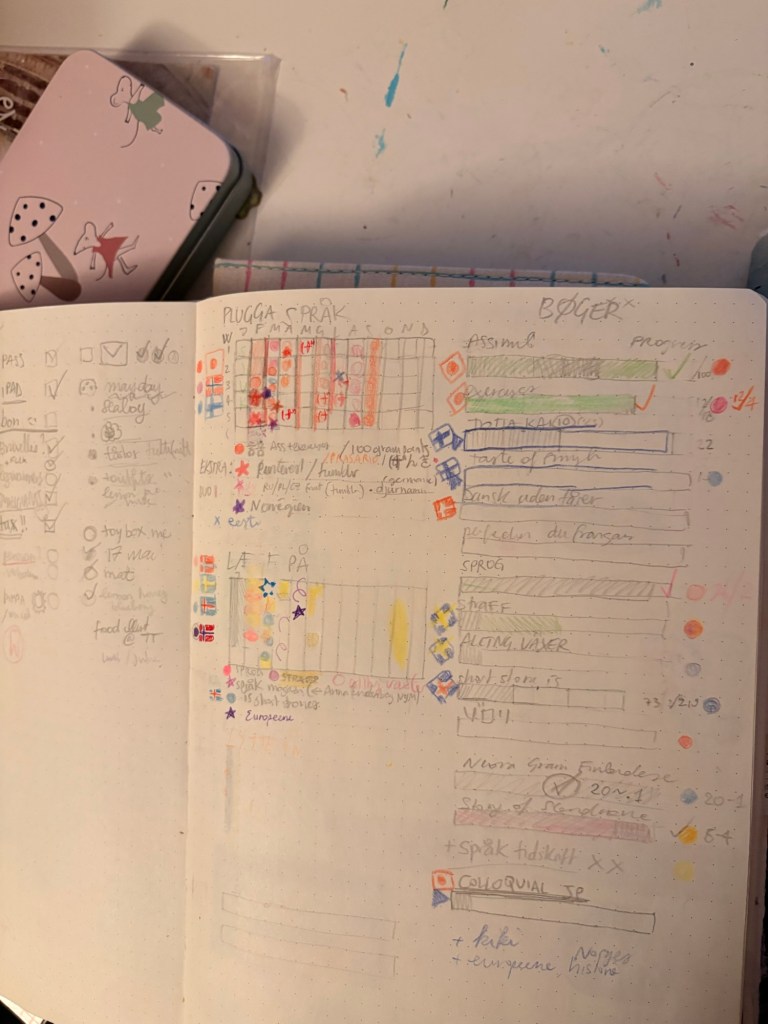
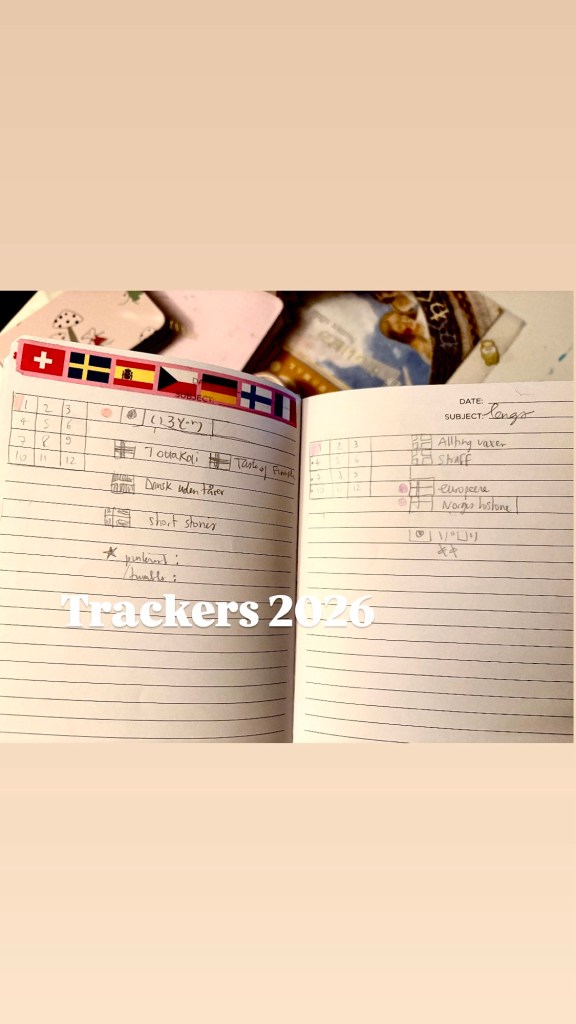
Below my trackers for 2025 and 2026: in 2025 I mostly studied Japanese and read Swedish novels

Book I am reading in Swedish and Norwegian

Novels to finish

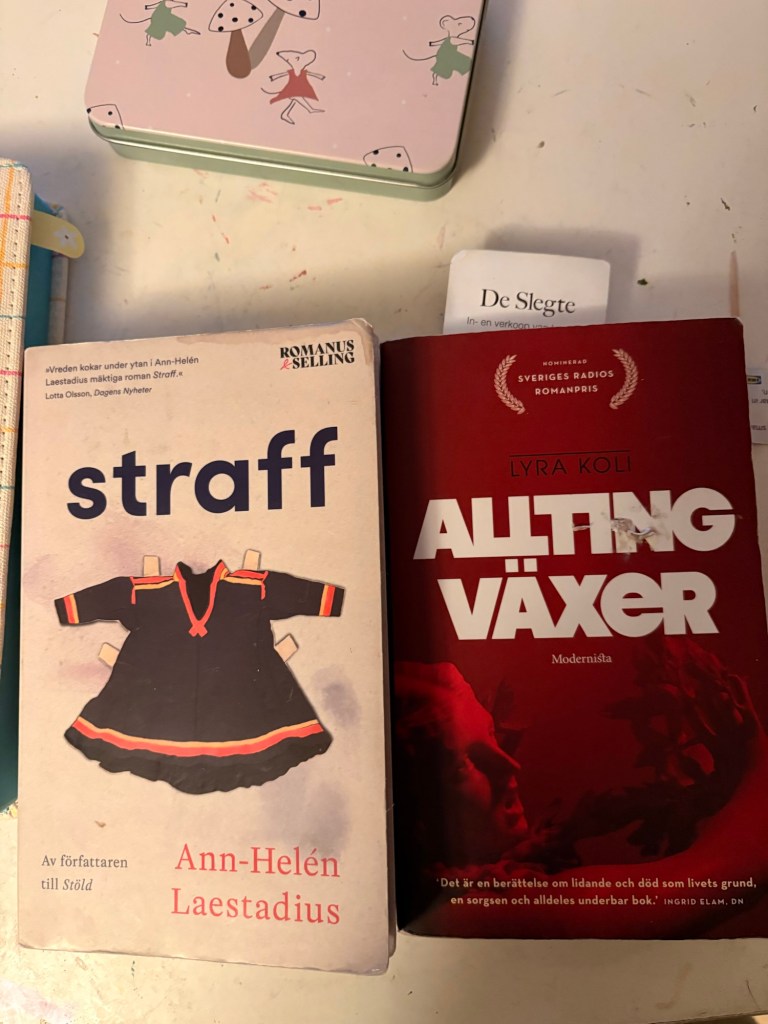
  • Straff, Ann-Helen Laestadius – Sami kids taken away from their families to a Sami-hostile environment, who meet again 30 years later.
  • Allting växer, Lyra Koli – dystopic novel about a Scandinavian girl set in a post- world war and climate catastrophe world.

Norwegian books got from the thrift book shelf at the Norwegian Seamen Church

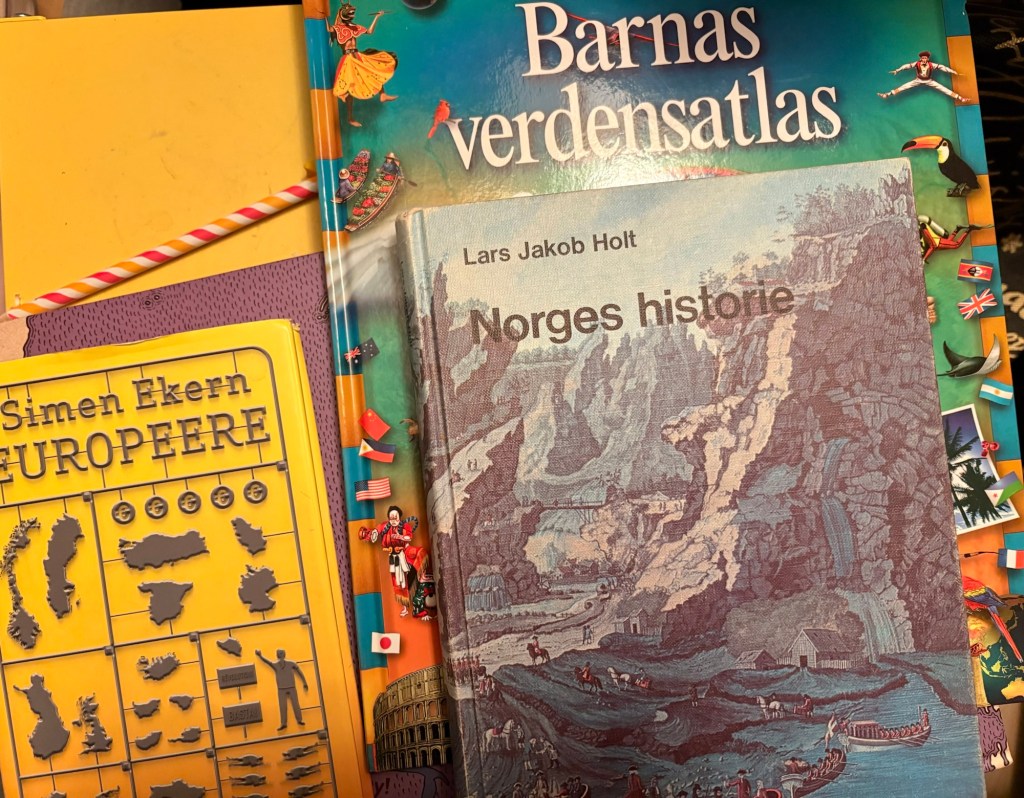
  • Europeere, Simen Ekern – an essay on the European Union, written around 10 years ago. This was how I opened my 2026 readings!
  • Norges Historie – encyclopedia-ish book on Norwegian History, from Vikings to the 70s, when it was published

Books to study Finnish

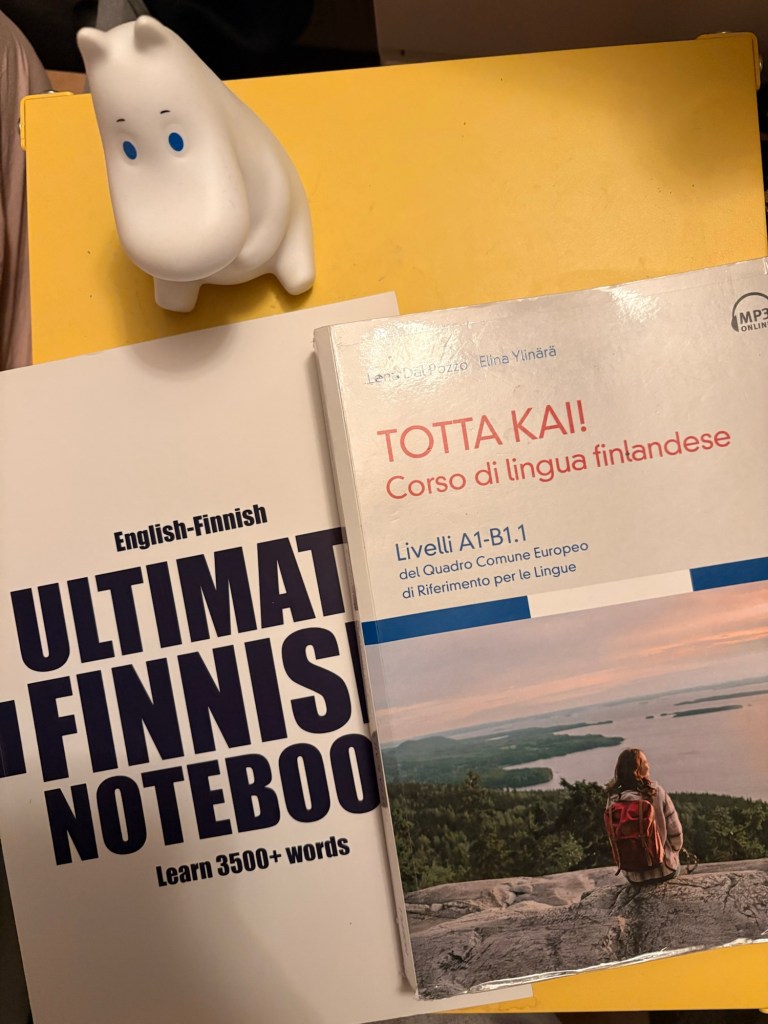
Later this year, I want to try focusing on Finnish for a while. I still have my coursebook I purchased a couple years ago, and can work on vocabulary thanks to the Ultimate Finnish Notebook (get a discount on such books for a lot of languages! – code ChiaraBeretta)

Due to my limited time, i had no time for Finnish last year, also because I tried to fully focus on studying Japanese (as for Japanese – I will use Irodori/いろどり free online textbooks/resources). I recently purchased an Assimil book for Finnish, which should make learning Finnish while commuting easier thanks to it’s compact format and bite-size lessons

Icelandic and Danish for fun

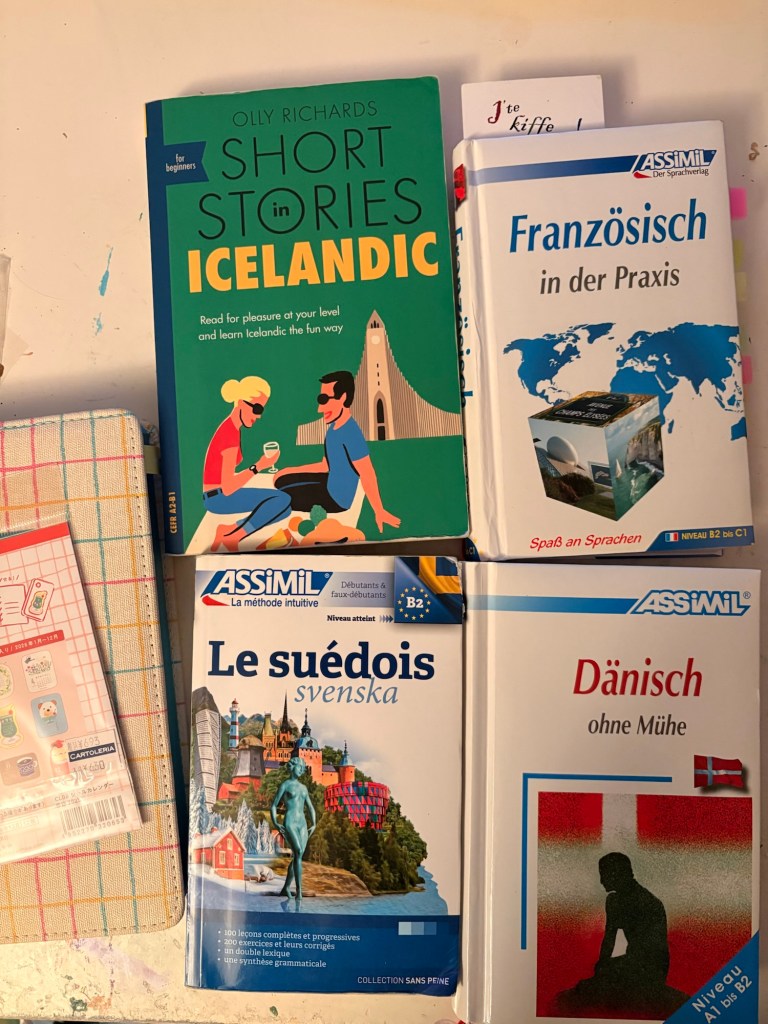
As I wrote last year, I might try to improve my Danish with the German Assimil edition. Other books, as Swedish assimil and Short Stories in Icelandic, were started in the past and I might continue (for Icelandic) or review (for Swedish) them later.

What books/resources will you use in 2026?

Scandinavian Embassy bakery and cafe in Amsterdam zuid

On a trip to Amsterdam, I decided to test Scandinavian Embassy and both of its two locations, starting with the bakery in europaplein. The two locations are in Amsterdam zuid: Saphatipark and Europaplein: in the former, a more central location, you can sit but it has fewer items than the bakery in Europaplein. The bakery,…

Who are Greenlanders? 3 symbols of Greenlandic culture

Discover Greenland, home to the Inuit Kalaallit, and its most iconic aspects as its flag, language and folk costumes. The biggest island of the world has a rich history of indigenous culture intertwined with Norse colonization and later Danish rule.

Many have heard of Greenland lately because of what is going on in the world. Here is an introduction to its culture and history, with iconic aspects from this Arctic nation.

Greenland – Kalaallit Nunaat – an Inuit nation between the Vikings and Colonisation

Most of Greenland’s population – the Kalaallit – are Inuits, the indigenous peoples of the Arctic, from North America to Siberia. Although the current Greenlanders’ ancestors, the Thule people, migrated from Alaska around 1000 years ago, Inuits were already present in Greenland in 2500 BC.

Greenland also had Norse inhabitants for a while – Its norse name Grønland, ‘green land’ was given by Erik den Røde, arriving around 1000 a.D after being exiled from Iceland. Norsemen left around 1400, probably due to the worsened climate conditions of the little ice age. A sign of the Norse settlement are the ruins of the Hvalsey church.

The Scandinavians returned with the Danish colonization from the 1700s, beginning with an expedition to find remaining Norse inhabitants. This time led to suppression and attempts to westernize its people, and despite this, Greenland now proudly preserves its Inuit culture, with its language, traditional clothing, and in its flag.

Flag and coat of arms of Greenland

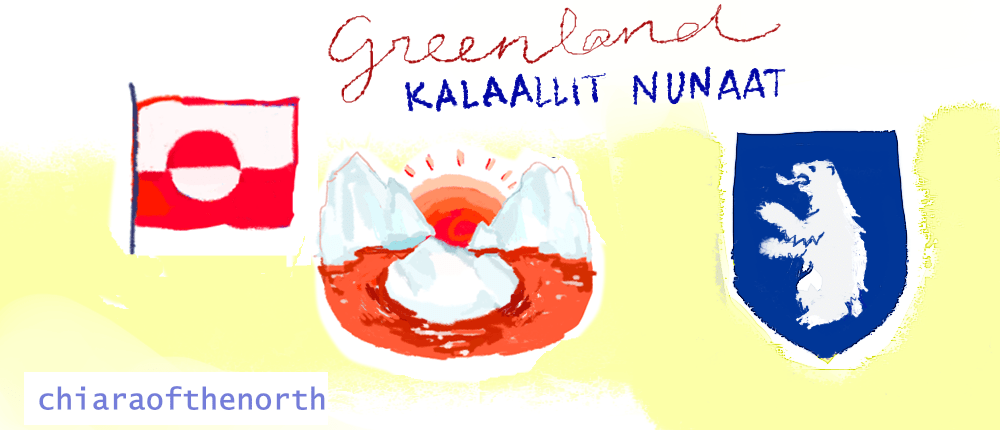
The Greenlandic flag is called Erfalasorput (‘our flag’) and was introduced in 1985, flying for the first time on Greenland’s national day, Summer Solstice.

It symbolizes the sun rising in the arctic Greenlandic landscape, on a light midsummer sky. The red-white colors reference the Danish flag.

It was designed by the Greenlandic artist Thue Christiansen (1940-2022), and was voted as the winner among many other concepts, in particular against a Nordic cross.

Greenlandic Language

the Greenlandic Inuit language, Kalaallisut, is spoken by around 50.000 people – the majority of Greenland’s population – While Danish is taught and spoken as a second language. Greenlandic belongs to the Eskimo-Aleut languages, spoken by indigenous peoples of the arctic area. Loanwords from Greenlandic present in all languages are kayak and anorak.

A distinctive feature is that a single word can express what in English and most European languages would be an entire sentence: Silagissiartuaarusaarnialerunarpoq means “The weather will slowly and gradually become good again”…

Greenlandic incorporated many loanwords from the Danish language (and western culture): biili (bil – car), iipili (æble – apple), juulli (jul – Christmas), as well as greeting as“kumoorn” (god morgen – good morning).

A more detailed post about the Greenlandic language will follow!

Greenlandic national costume

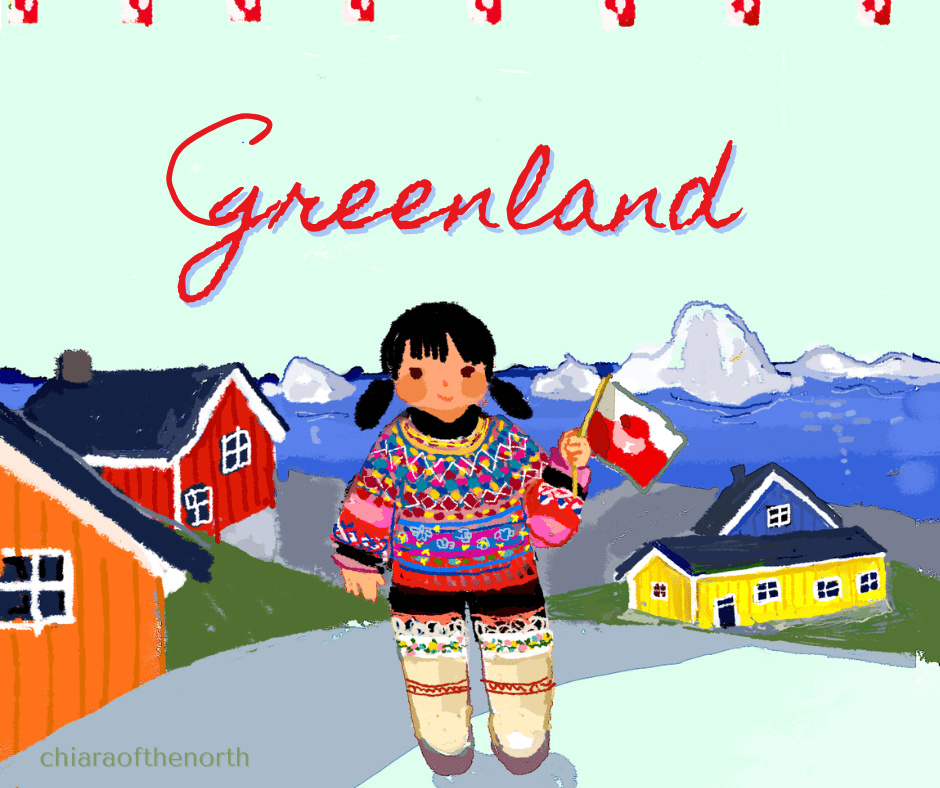
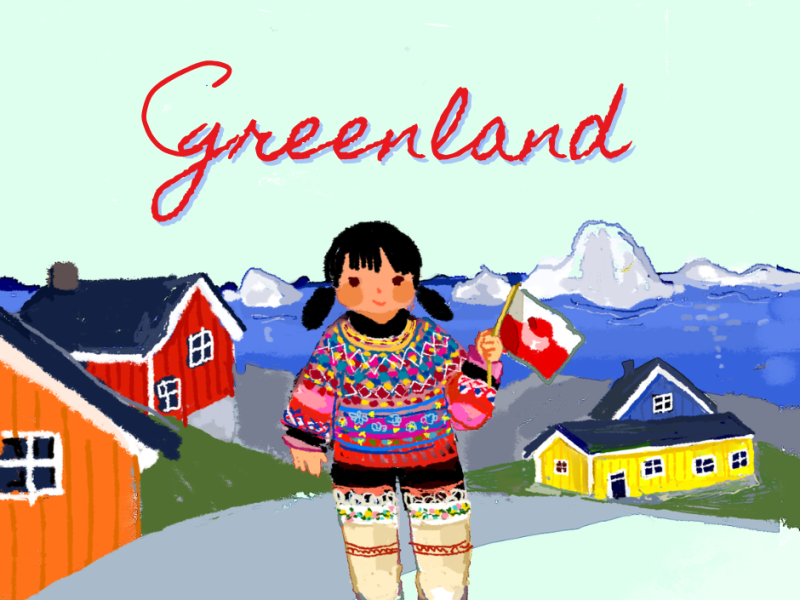
The Greenlandic national costume – probably the only women’s folk costume in the world with pants instead of a dress or skirt! – is worn on special occasions and is a symbol of Greenlandic identity.

Besides festive days as Christmas/Easter, Weddings, confirmations and Birthdays (on a child’s first birthday in particular), the national costume is worn on Greenland’s National Day (21st June, summer Solstice), and typically by children on their First day of school.

The national costume features a top, pants, and kamik boots. Anorak is the name of the top’s outer! Much is made with sealskin, which was the only material used for clothing until fabric were introduced by Europeans in the 17th Century.

Follow for more info about the culture and language of Greenland!

5 symbols of Sami culture

Sámi people, indigenous people of North Scandinavia, have a distinct culture, symbolised by its unique flag and traditional clothing, and part of it are Duodji handicrafts and unique musical expression through yoik.

Who are Greenlanders? 3 symbols of Greenlandic culture

Discover Greenland, home to the Inuit Kalaallit, and its most iconic aspects as its flag, language and folk costumes. The biggest island of the world has a rich history of indigenous culture intertwined with Norse colonization and later Danish rule.

sources:

  • guidetogreenland.com
  • lex.dk
  • Preciosa-Ornela.com
  • Nunatta Katersugaasivia Allagaateqarfialu – Greenland National Museum & Archives
  • omniglot
  • wiktionary

Lucia concert (and a Lussekatt) in Den Haag

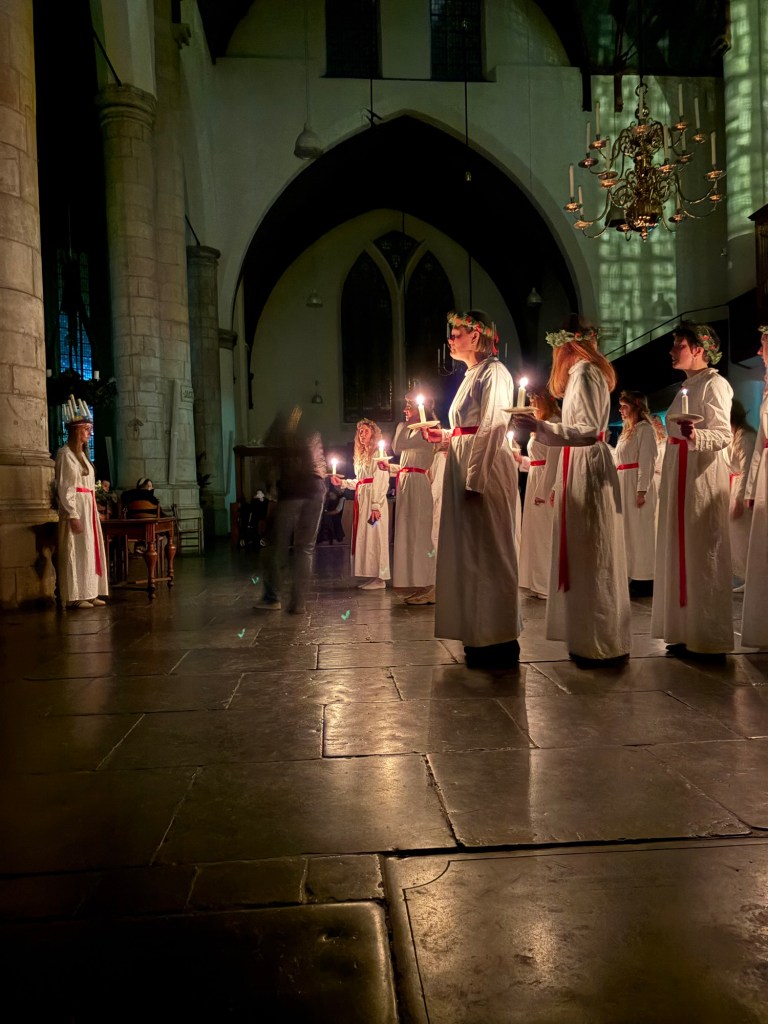
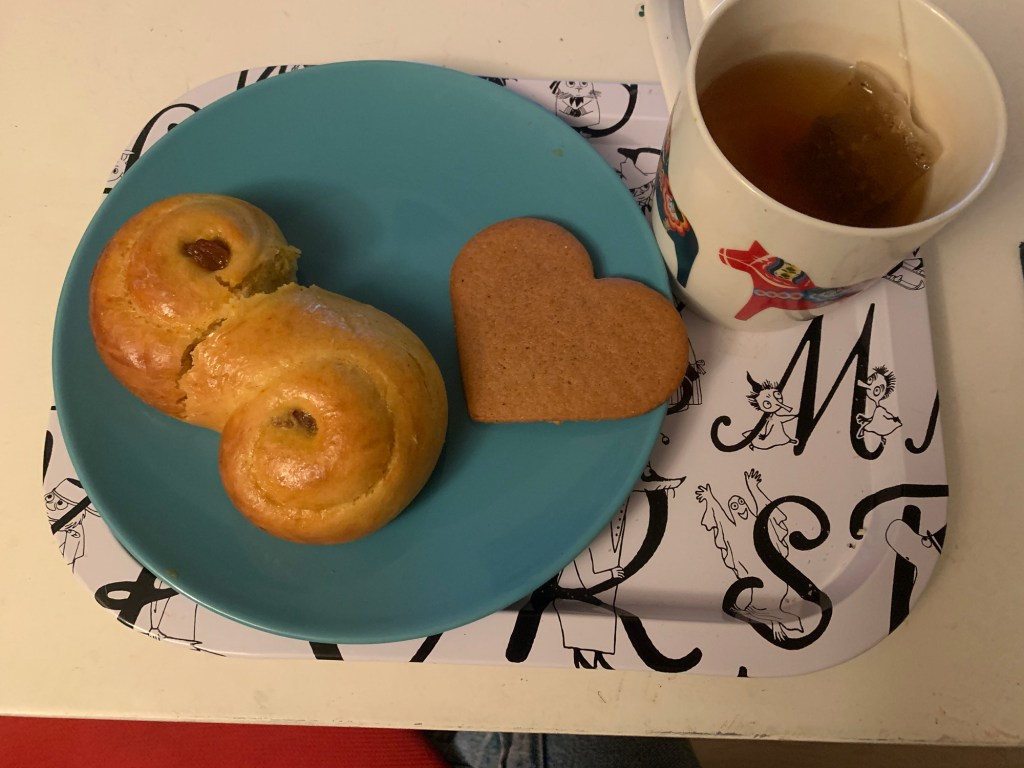
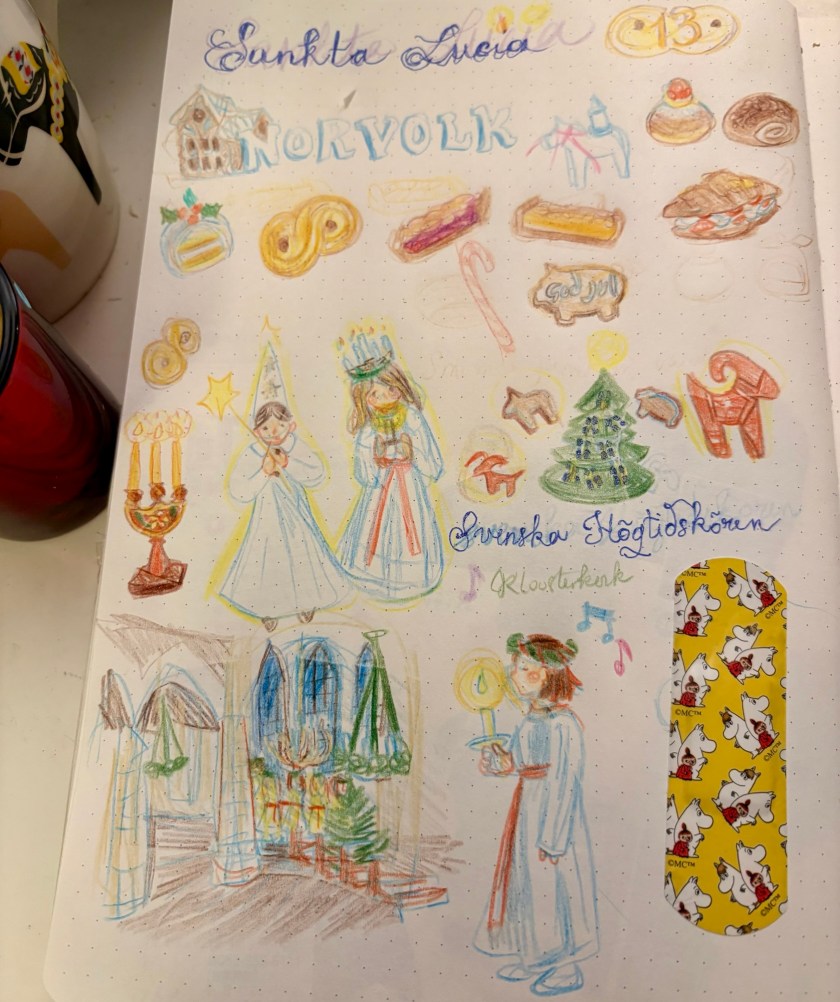
This year, I celebrated Lucia in the Hague by eating a Lussekatt at Scandinavian bakery Norvolk, and attending a Lucia church concert.

13th December is Luciadagen in Sweden and Scandinavia, this year on a Saturday, so I could attend a Lucia concert in the Hague!

I started my day in the Hague going to Norvolk, a Scandinavian bakery in Scheveningen, which I had been to for a lussekatt last year as well.

Last year it really had the classic S shape, this year it look slightly different, but still with raisins!

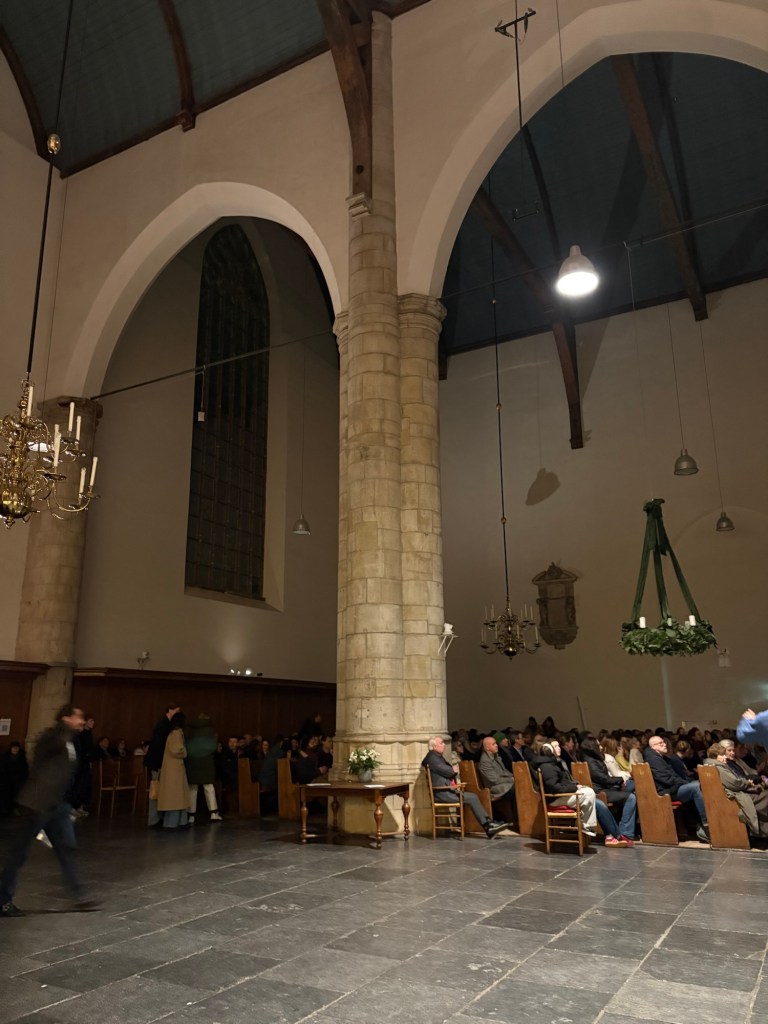
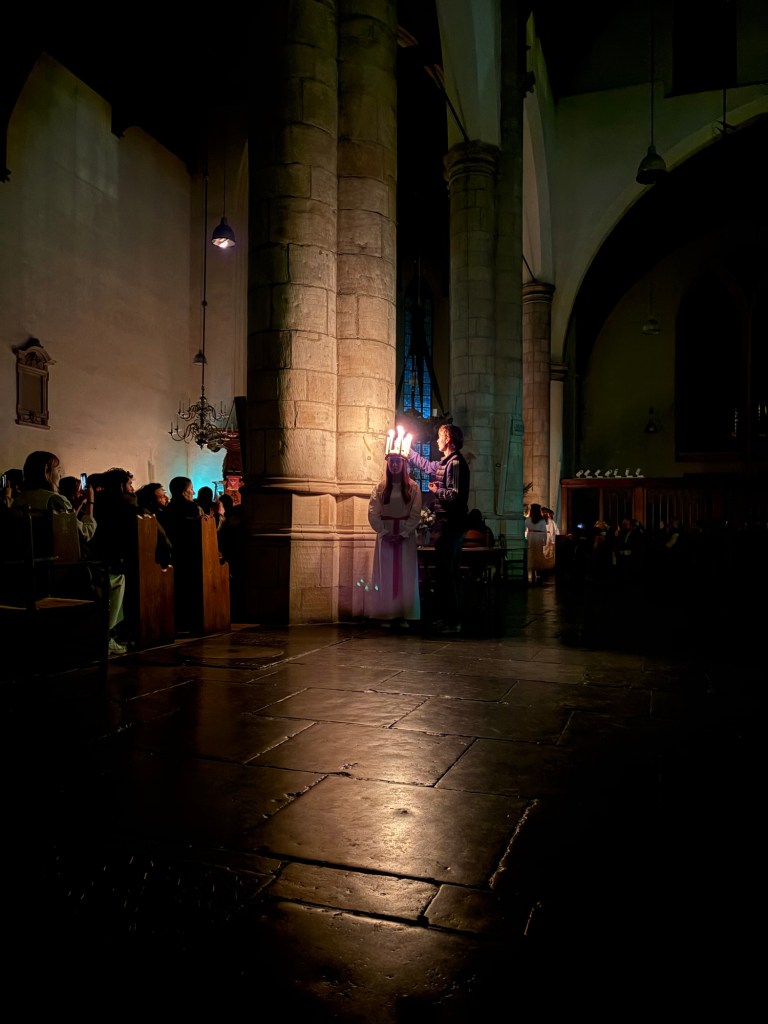
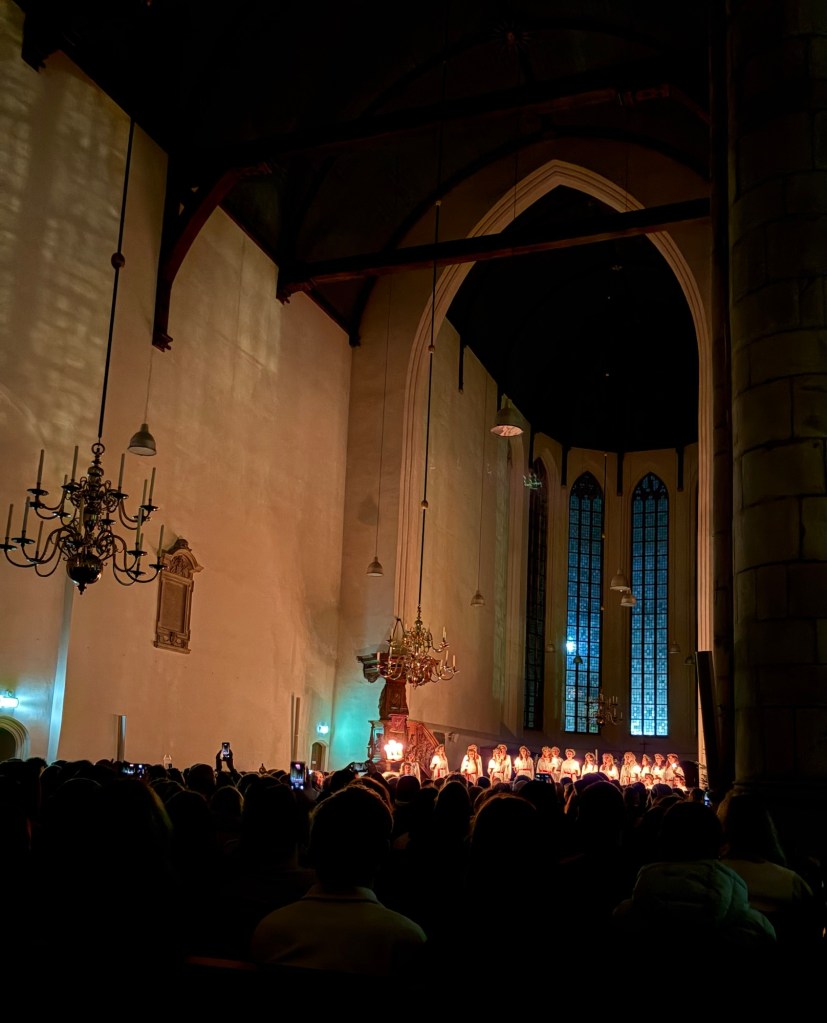
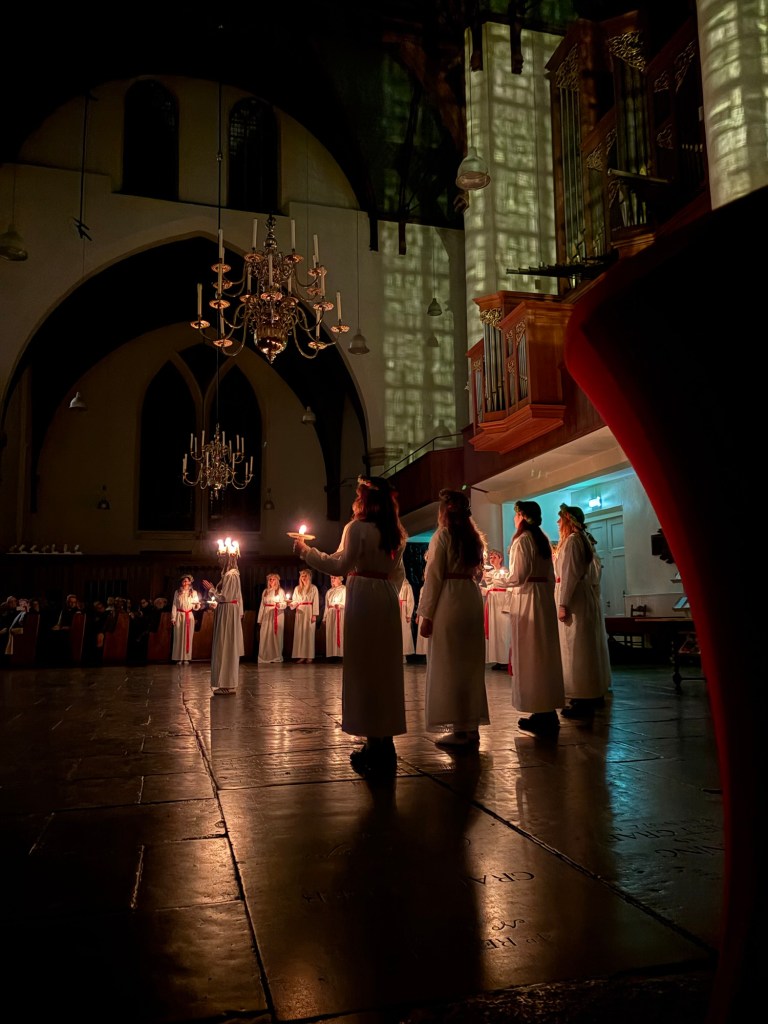
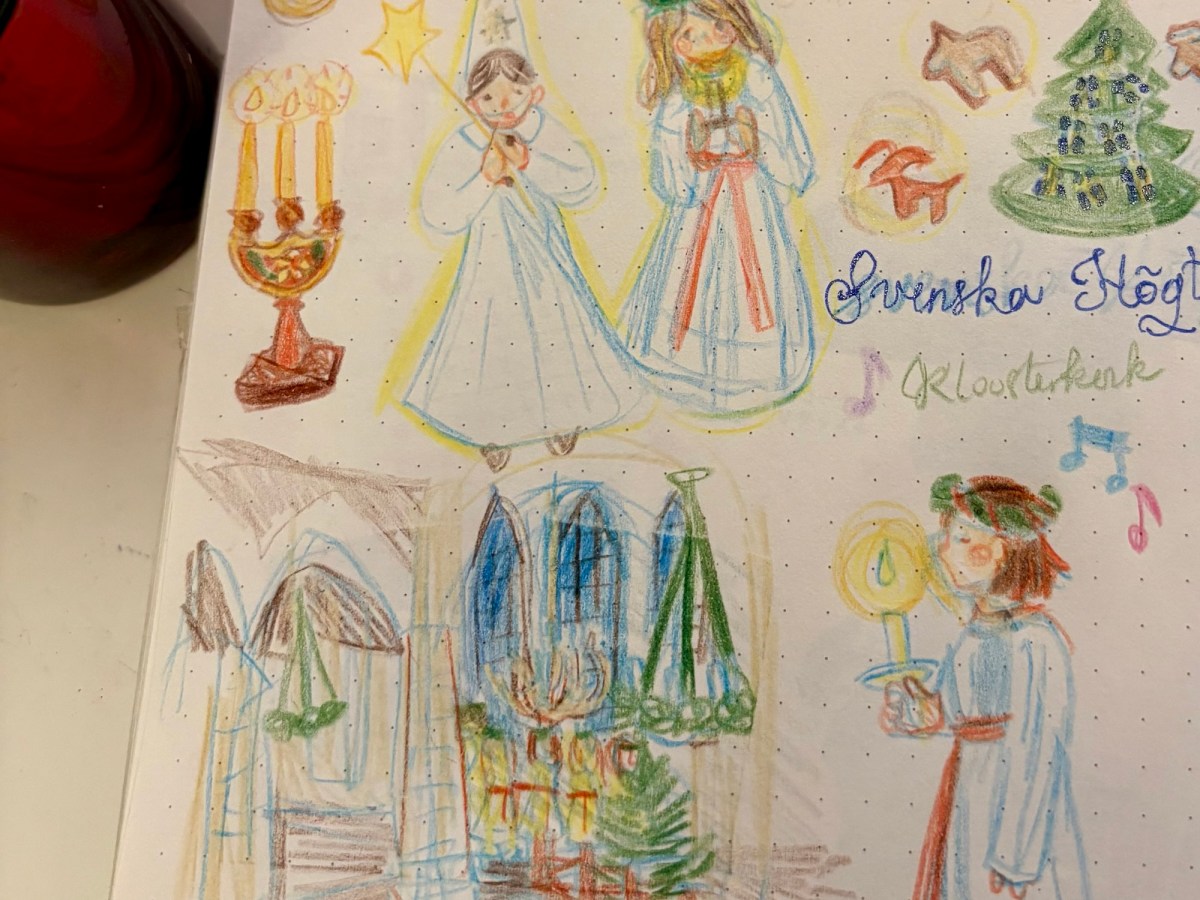
In the evening I went with a friend to the Kloosterkerk in The Hague, where a Swedish choir – Svenska Högtidskören held a Lucia concert, as you see them in Scandinavia. They hold concerts elsewhere in the Netherlands too!

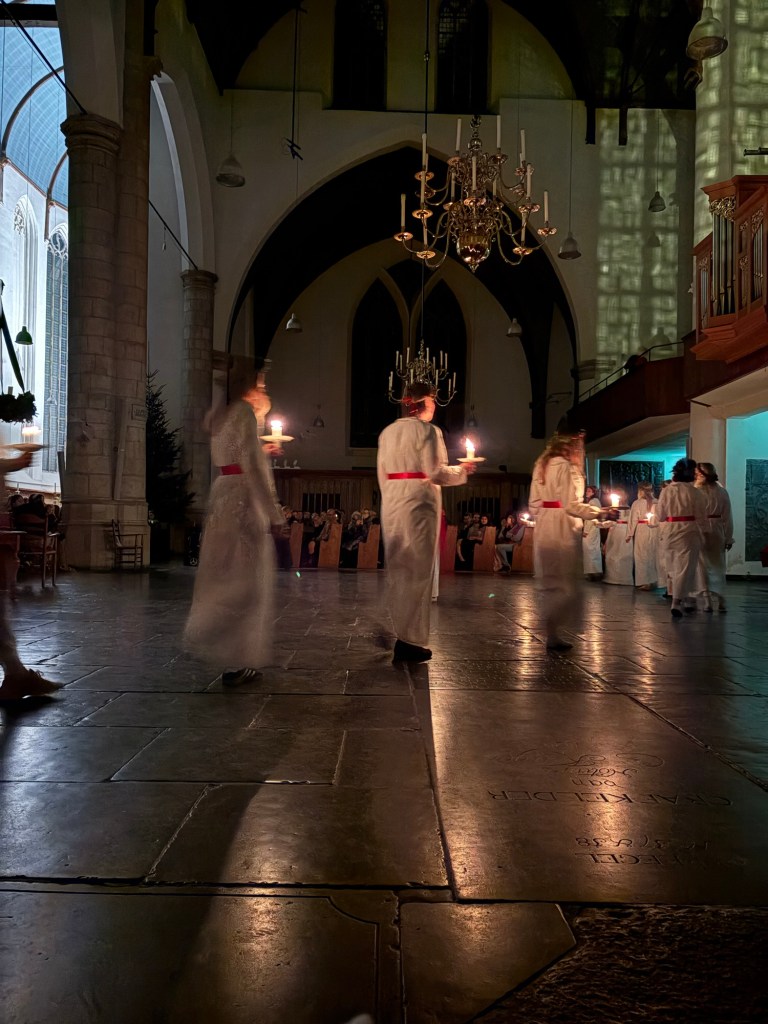
It began in the darkness, with all the girls in the processions holding a candle and walking in a line to where they would stand and sing.

The concert started at 19:30 and lasted one hour.

One of the highlights was Lucia’s having the candles on her crown lighted – behind the pillars, but I could see it well from where I was sitting! It felt so magical.

They sung traditional Swedish songs of course, but also Stille Nacht/ Silent night in German and English.

Then, they walked back, with Lucia in front, and stood all in a circle with her in the middle.

It was possible to give money for a charity – a food bank in Amsterdam in this case.

It was a whimsical experience and definitely among other things that makes me enjoy Christmas time!

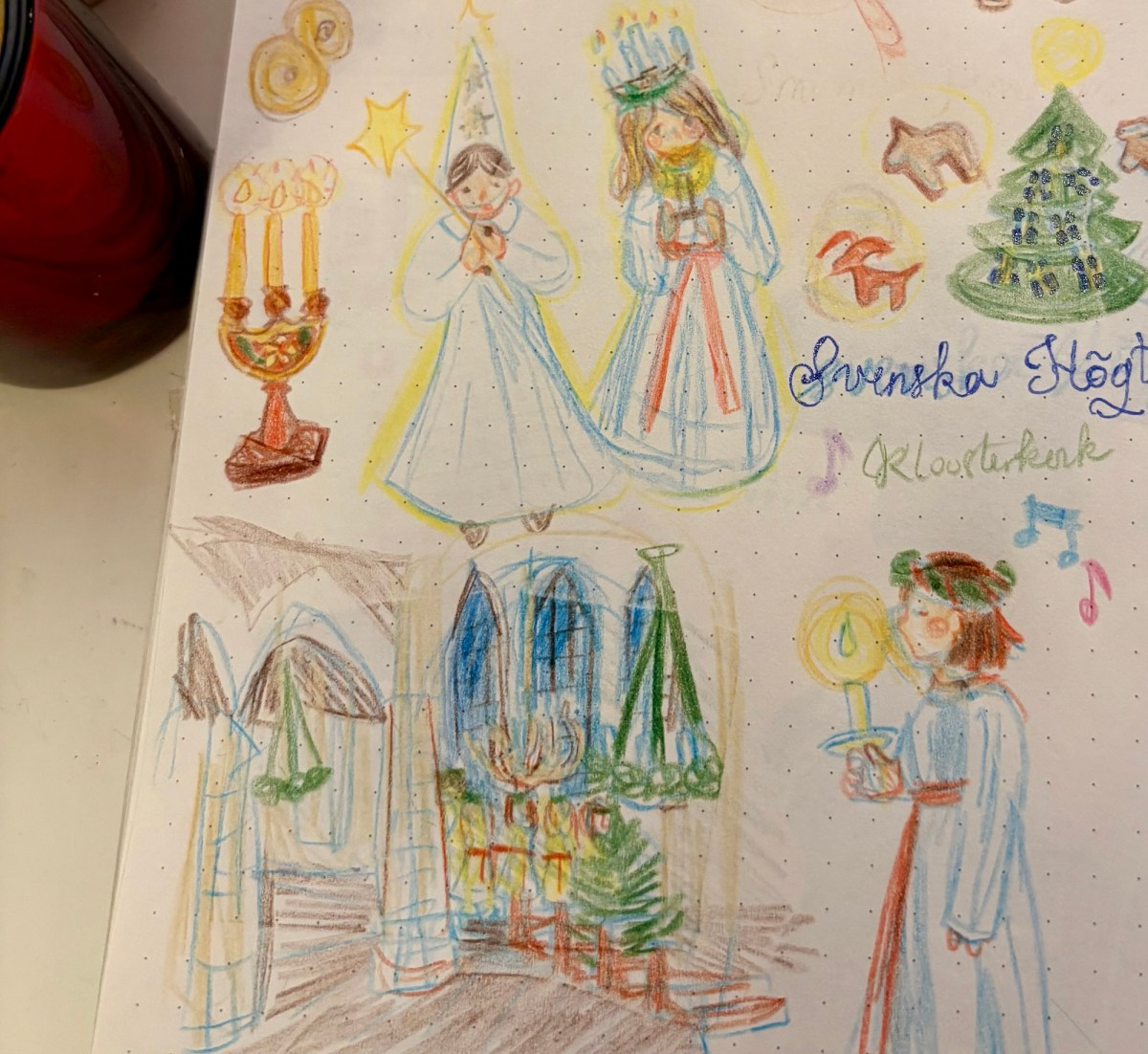
swedish lucia illustration journal

Follow for more Nordic experiences!

7 fun facts about Lucia, Sweden’s pagan saint

Lucia brings light in the darkest night of the year and is a mix of pagan and christian traditions. It is celebrated in Scandinavia with processions, saffron buns and church concerts.

7 fun facts about Lucia, Sweden’s pagan saint

Lucia brings light in the darkest night of the year and is a mix of pagan and christian traditions. It is celebrated in Scandinavia with processions, saffron buns and church concerts.

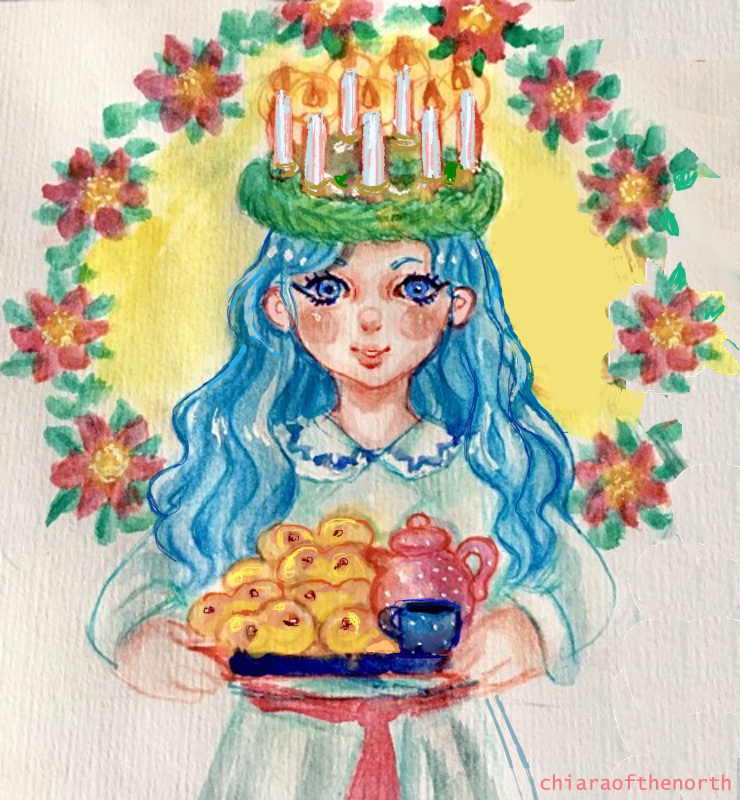
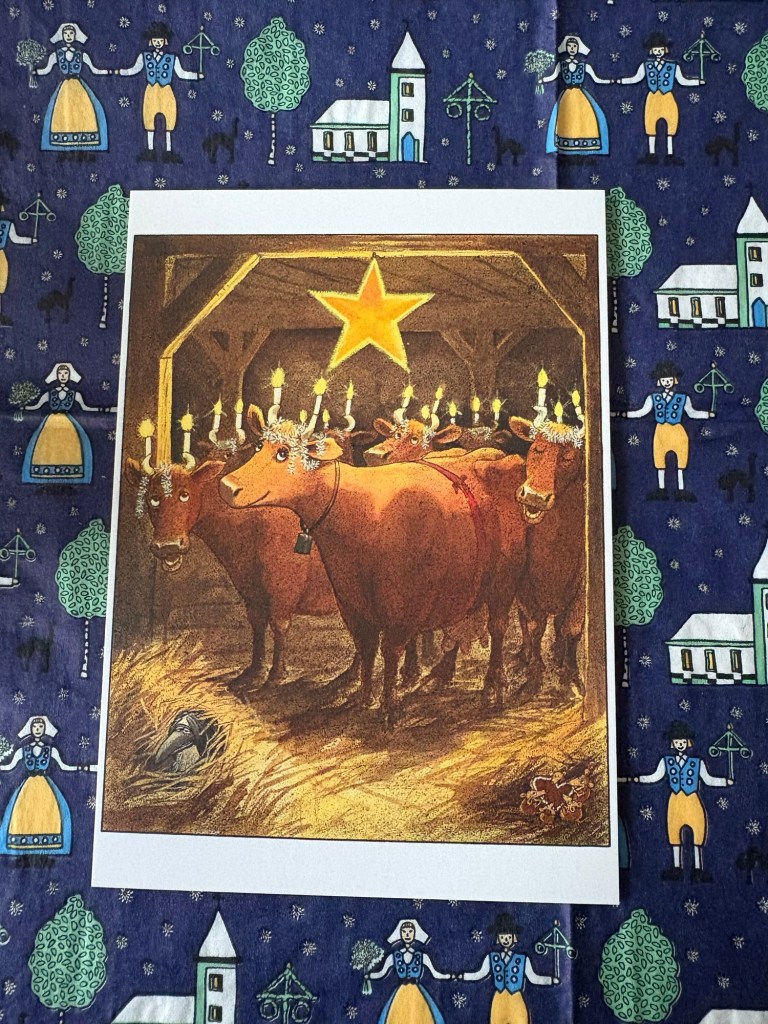
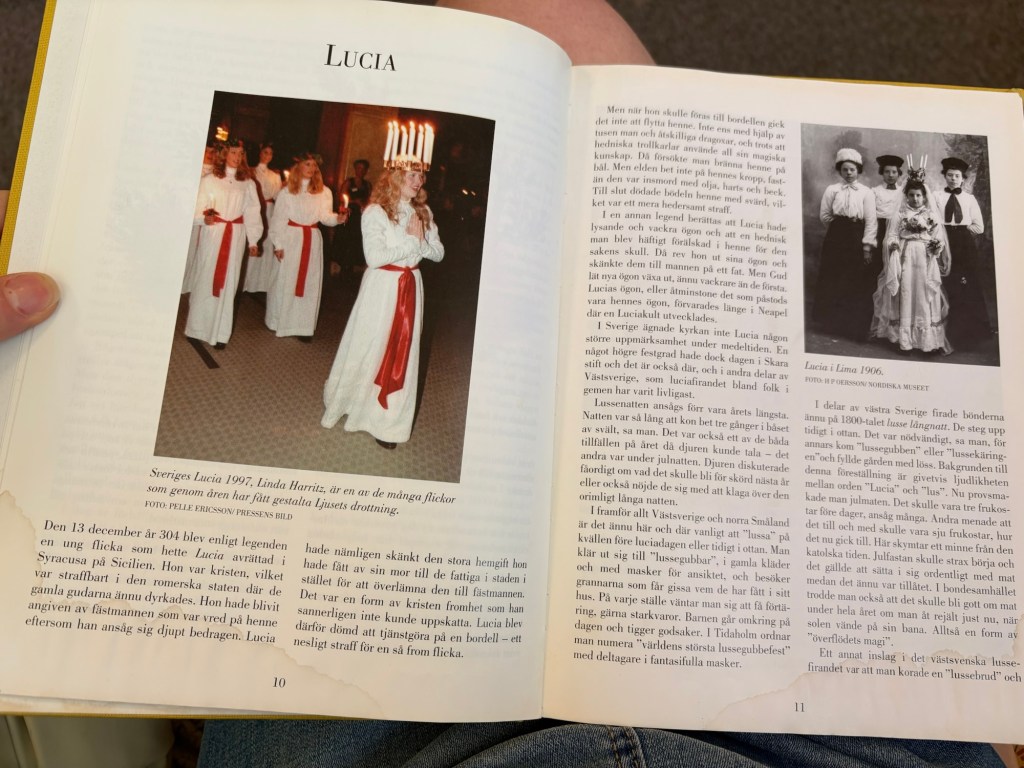
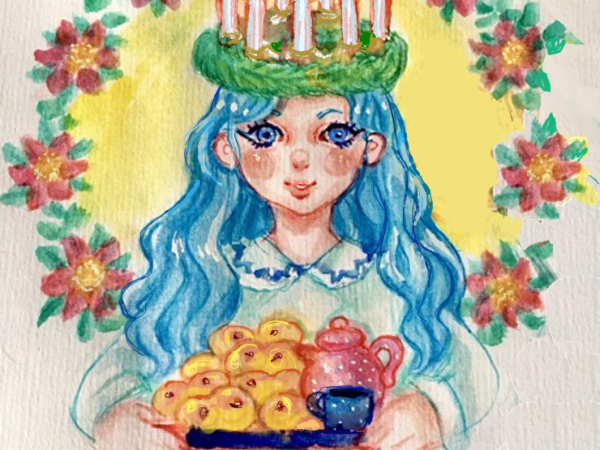
Luciadagen is celebrated in Scandinavia, especially in Sweden, on 13th December, marking the start of Nordic Christmas, Jul, season. Sankta Lucia is typically depitcted with a wreath of candles.

1. Lucia was a dangerous night…– the pagan origin

Lussinatta was observed between Norway and Sweden. On that magic night, Lussi, a dark, female creature, would come with witches and trolls, punishing those who misbehaved or did not observe Yule preparations -also by going down the chimney (reminds me of somebody…) and blowing up the house… To protect oneself, it was necessary to stay indoors and respect the tradition of Lussevaka, staying awake and watching out on the longest night of the year. Candles would also help protect.

2. The real Lucia was Sicilian – the christian origin

Saint Lucy was a Syracusan martyr of the 4th century AD. Some say she brought food to Christians hidden in the Roman catacombs, with candles on her head to have her hands free. A figure who brings light in the darkness, much needed in the Northern winter, replaced the dark creatures of Lussinatta!

3. Lucia’s modern look came from Germany

The current celebration of Lucia is derived from the German tradition of Kindchen Jesus or Christkind (child Jesus).

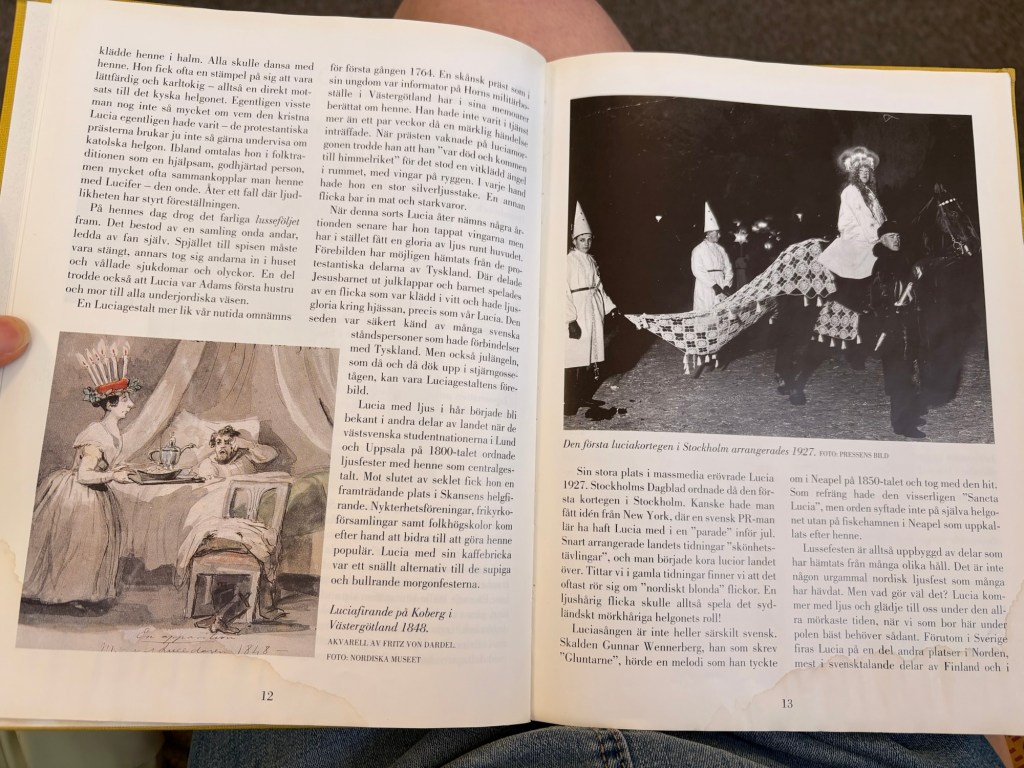
The Christkind was represented by a girl dressed in white, wearing a crown and lights, who handed out gifts to children. The tradition was brought to Sweden in the 1700s, where the name became Kinken Jes and spread from southwestern Sweden. It became common among wealthy families that a girl dressed as Lucia would serve breakfast in the 1800s.

4. A Lucia is elected each year

The girls representing local Lucias in processions are elected each year, as is one national Lucia for whole Sweden. The first public procession in Sweden took place in 1927, when a newspaper in Stockholm elected an official Lucia of that year for Stockholm. There used to be Lucia contests, but nowadays it is more about children processions, with schools which often let chance decide who’s to be Lucia, for example by organising a draw.

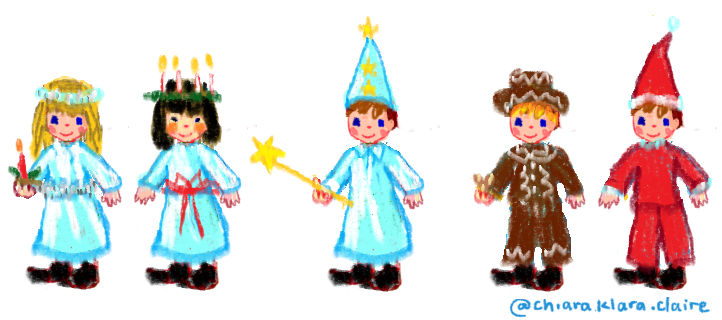
5. Lucia’s male counterparts are Star boys, gingerbread men and christmas elves

The processions include the Lucia at the head, giving out sweets, accompanied by other angel girls and boys dressed as stjärngossar “star boys”, in white, wearing a cone hat with golden stars and holding a star stick. They are linked to stjärngossespel, a tradition from middle ages consisting in ‘star’ children going door to door singing songs, representing the Three Kings.
Other children are pepparkaksgubbar (gingerbread men) and tomtenissar (Christmas elves). Lucia songs as are sung, as Natten går tunga fjät “the night comes heavily”. It is actually based off a song by a Neapolitan composer.

6. Lucia’s treats: Saffron buns

Around Advent time Sweden is full of Saffron buns, especially the classic Lussekatter, shaped like an S with raisins, which would be shaped as curled-up cats with some fantasy.

Other Advent-time treats as pepparkakor (spiced cookies) and glögg (mulled whine) are also commonly linked to Lucia traditions.

7. Lucia is celebrated in the rest of Scandinavia…and Italy

The Swedish-speaking population of Finland celebrates Luciasfester. Finland elects its Lucia since 1949, when she was elected and crowned in the cathedral of Helsinki, but the very first Finnish Lucia might have been elected in a school in Åbo/Turku in 1898.
In Denmark and Norway, Lucia started being celebrated during and after WW2, and it is mostly celebrated in schools and kindergartens. In 1944, the tradition was brought to Denmark with the first procession in Copenhagen, as a way to strengthen common Nordic traditions in the dark times of German occupation.

Some parts of Italy also celebrate Lucia! That is mostly around Bergamo, North Italy, where Lucia comes on a donkey and brings presents in the night, and children leave some treats as cookies for her. The 13th is also a special day in schools! It is also celebrated in Sicily, where it is more christianity-centered.

Sources:

5 peculiar symbols of Christmas in Iceland

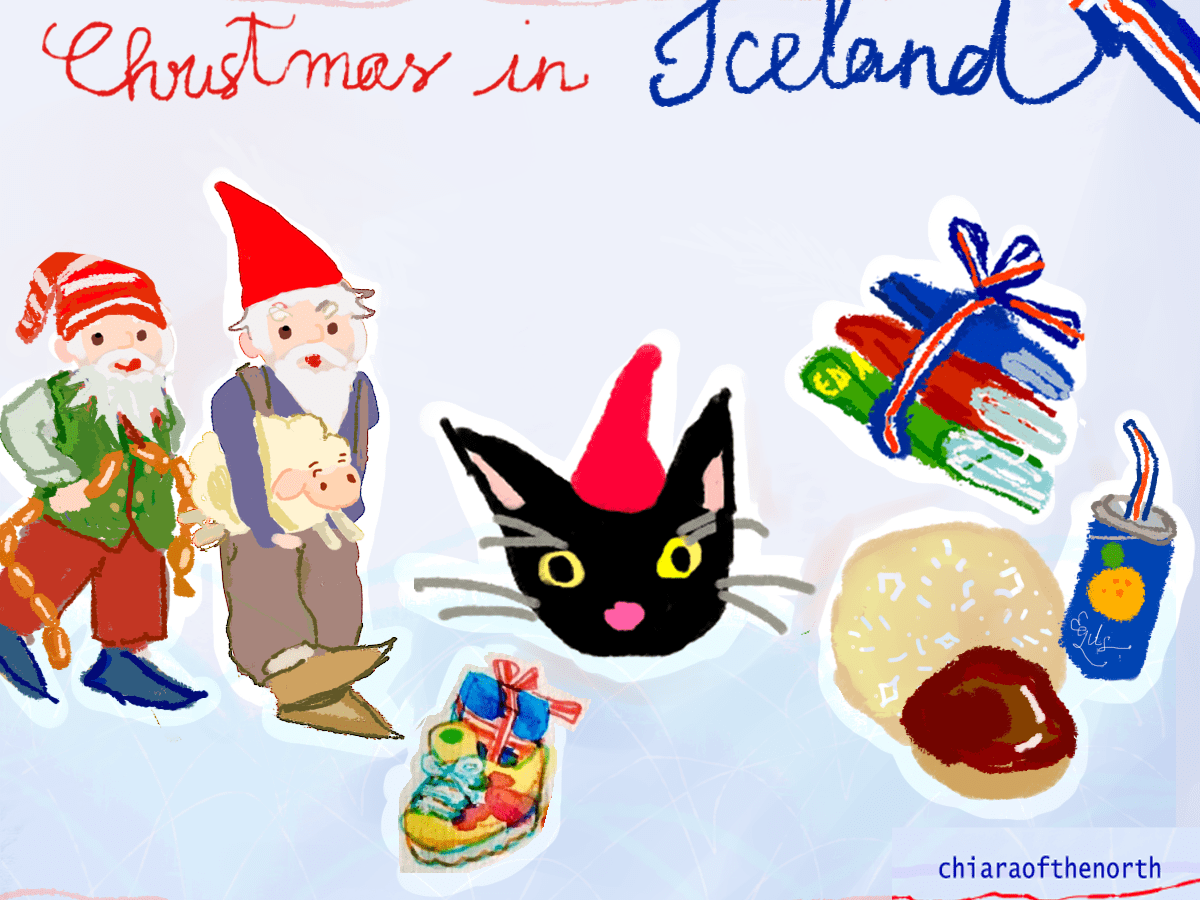
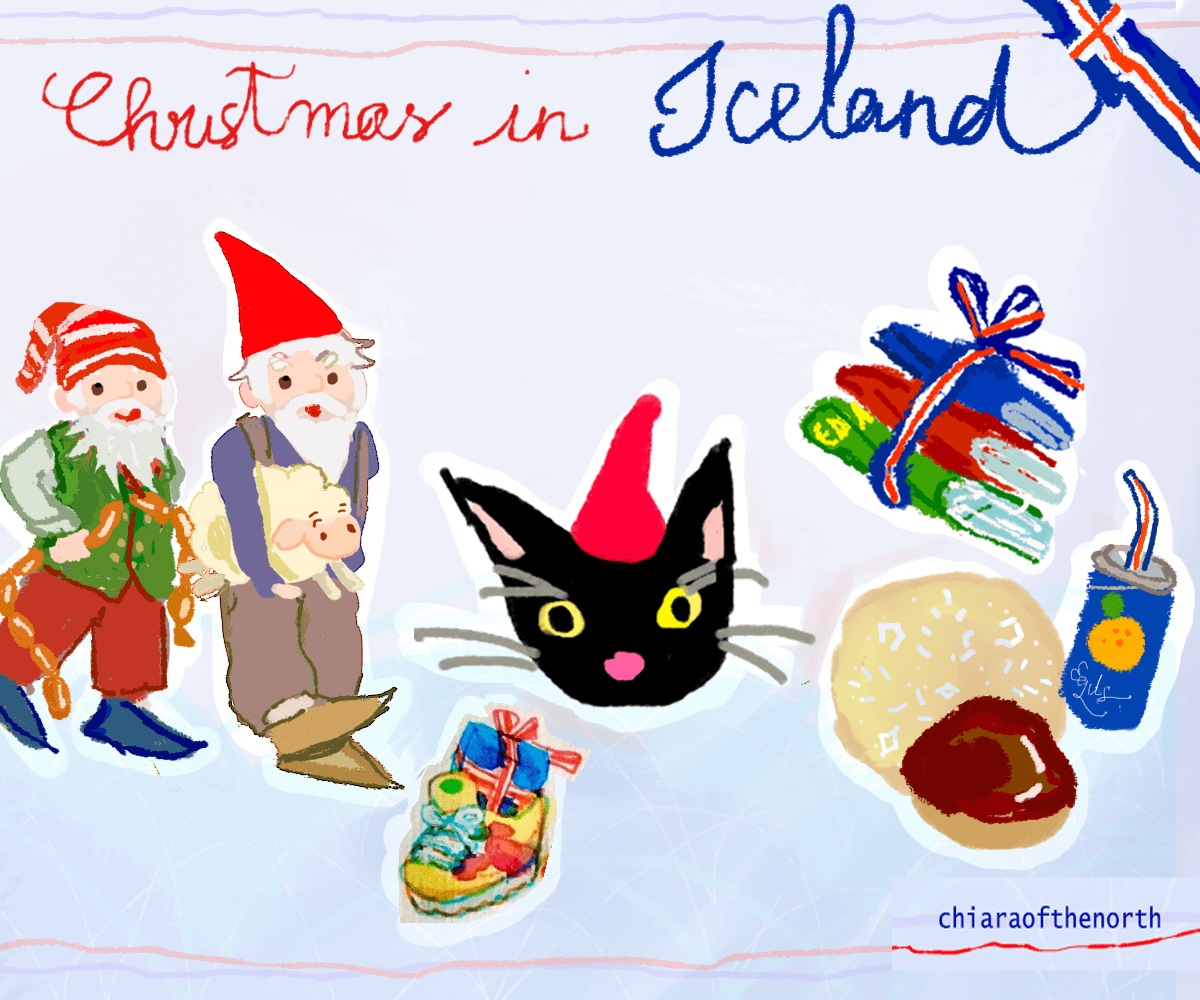
Iceland’s Christmas, Jól, involves 13 mischievous elves, a black cat, orange-beer, and a lot of books.

After Norwegian, Danish, and Finnish Christmas fun facts, this time is Iceland’s turn! As Iceland is fairly isolated from mainland Europe, Icelandic christmas, Jól, is characterized by a few more or less curious things, especially who brings gifts…

13 naughty elves

In Iceland the Christmas gift bringer is not one, but 13 elves, Jólasveinarnir -‘Yule lads’, who start coming 13 days before Christmas, one each day. Icelandic kids leave their shoes on the window sill every evening, so that the yule lads can leave a present inside them. According to the tradition they come from the mountains to annoy the population, each of them has a different name, related to what they do: Hurðaskellir “door slammer”, Skyrgámur “skyr gobbler”, Bjúgnakrækir “sausage stealer”, Stekkjarstaur “sheep harasser“ among others.

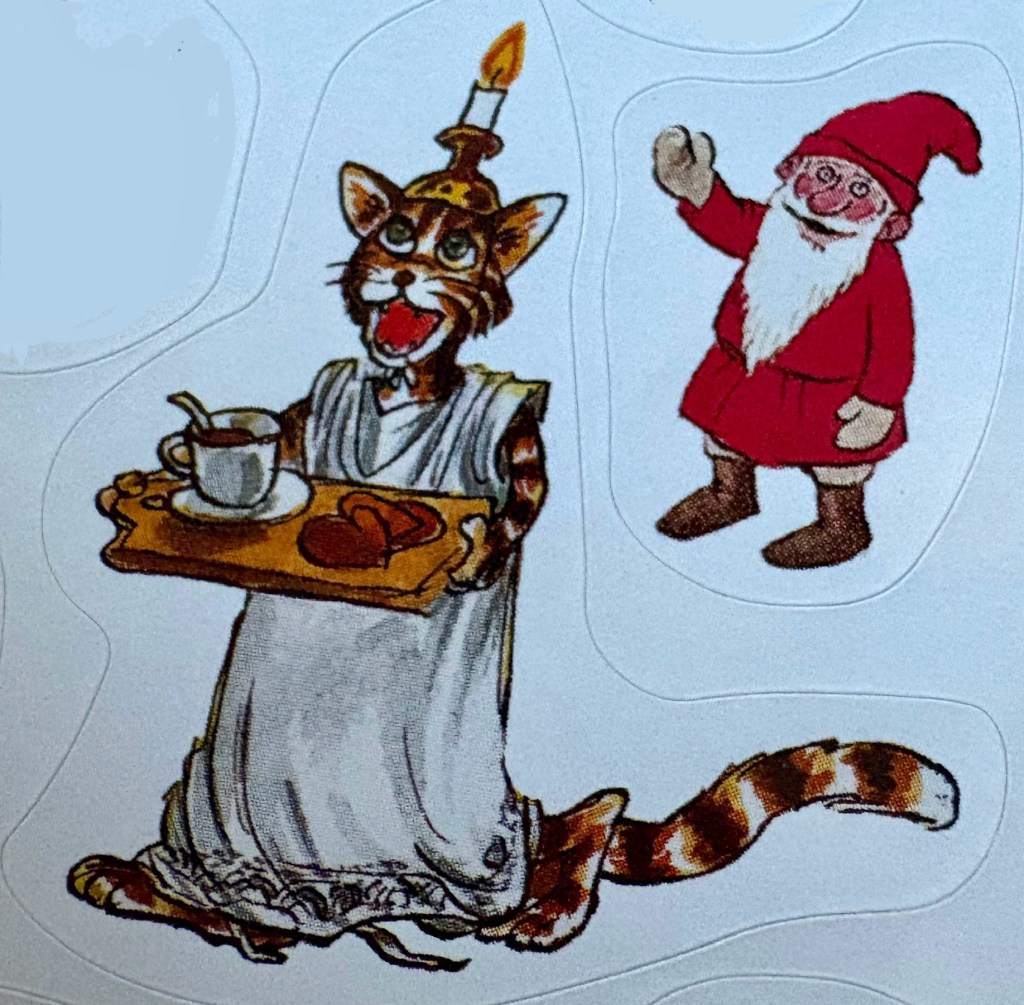
A black cat that will eat you *if you have old clothes

In Iceland you also have the Christmas Cat, Jólakötturinn, who eats people who have not received new clothes. During Christmas time you can admire a big sculpture of the cat in Reykjavik.

Books, books, books

Iceland has the highest number of books published (and probably read) per capita, and nearly everyone gives and receives books as Christmas presents. Around 80% of book sales happen during the so-called Jólabókaflóð “Christmas book flood”, in the two months before Christmas. Candles and playing cards are other traditional gifts.

Bread with patterns

An Icelandic Christmas tradition is making a thin and round fried bread laufabrauð “leaf bread”, with patterns cut into it. It kind of end up looking like bread snowflakes! Laufabrauð is often paired with hangikjöt, Icelandic smoked lamb.

Orange soda-beer mix

As it is during Jul period in other Nordic countries, Icelanders have their own Christmas beer. In Iceland, it is orange flavored! Jólaöl is a mix of malt extract and orange soda, from the orange soda brand Egils.

Cookies named after a French actress

Sarah Bernhardt cookies are a common Christmas treat in Iceland, typically home baked. Commonly called Sörur – Icelandic plural of Sara – they are chocolate dipped cookies, invented in Denmark in 1911 in honour of French actress Sarah Bernhardt.

sources -Guidetoiceland.is

Subscribe for more fun facts!

Nordic findings in japan

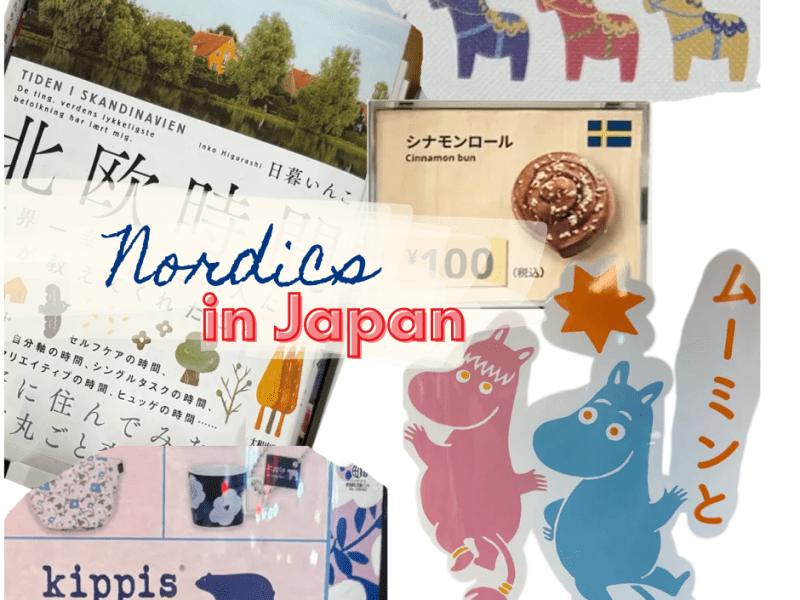
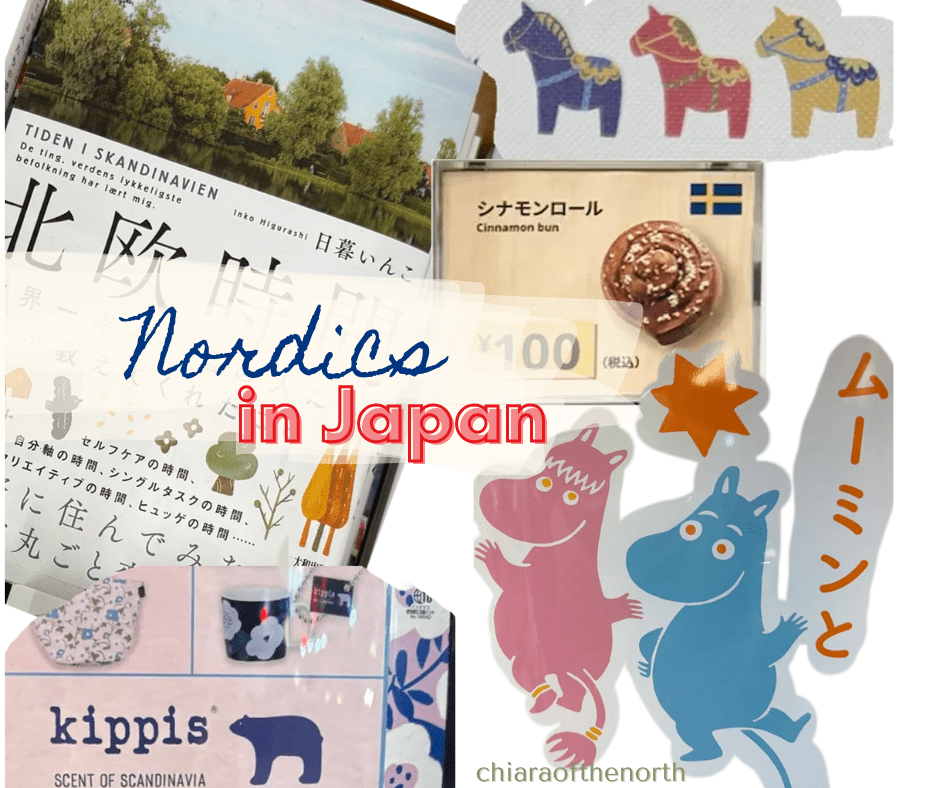
Nordic culture experienced in Japan: Moomins, Dala horse stationery, Nordic-inspired foods and books about Scandinavia seen by the Japanese.

How Nordic are Baltic countries

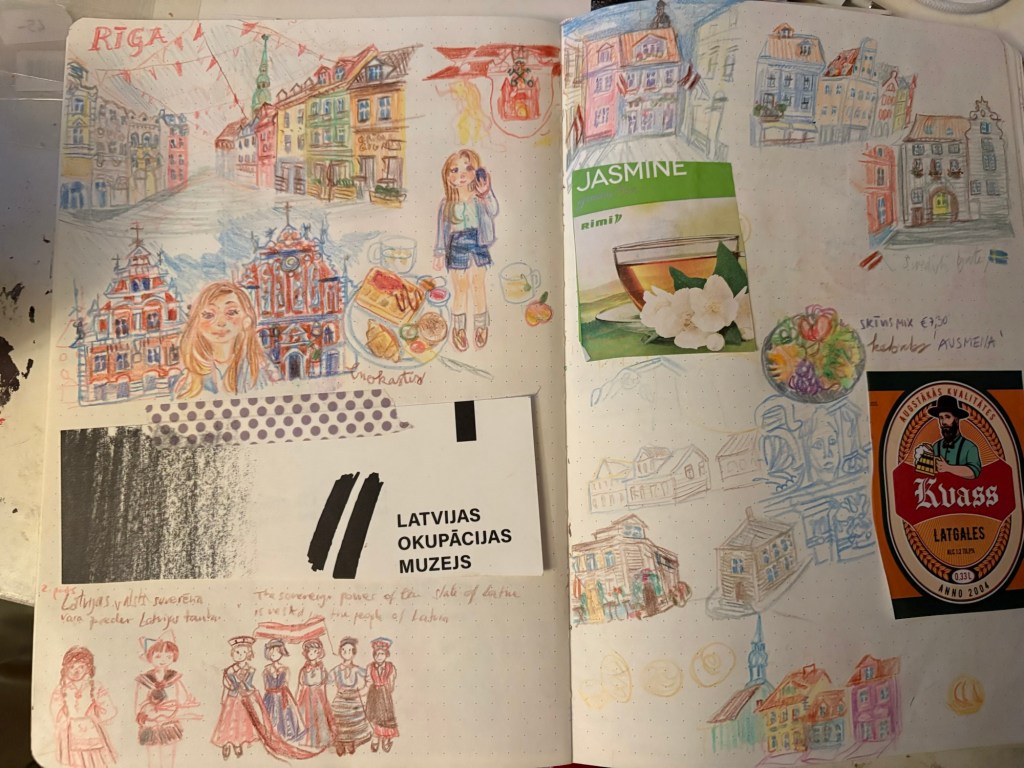
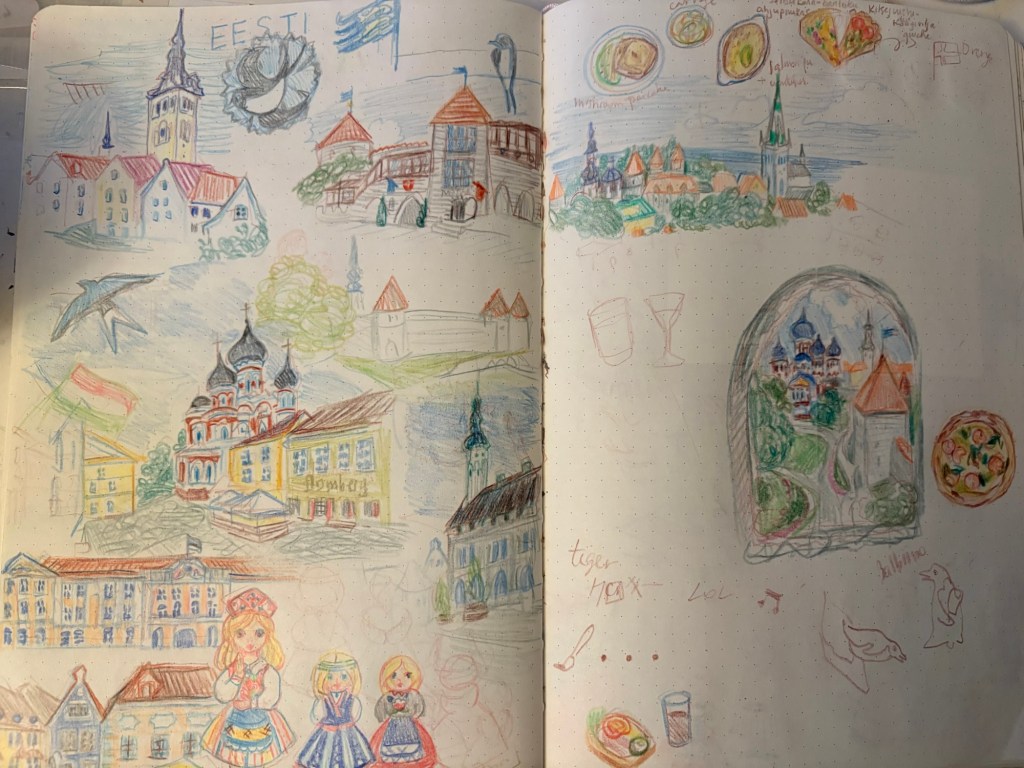
Are Baltic countries Nordic at all? I explored Latvia and Estonia, noting their ties to Nordic culture, from languages to Rye bread and Midsummer.

Nordic findings in japan

Nordic culture experienced in Japan: Moomins, Dala horse stationery, Nordic-inspired foods and books about Scandinavia seen by the Japanese.

You can find Nordic cafés & restaurants in Japan on this blog, but here is some other stuff I bumped into during my trip there !

Nordic-inspired Japanese items

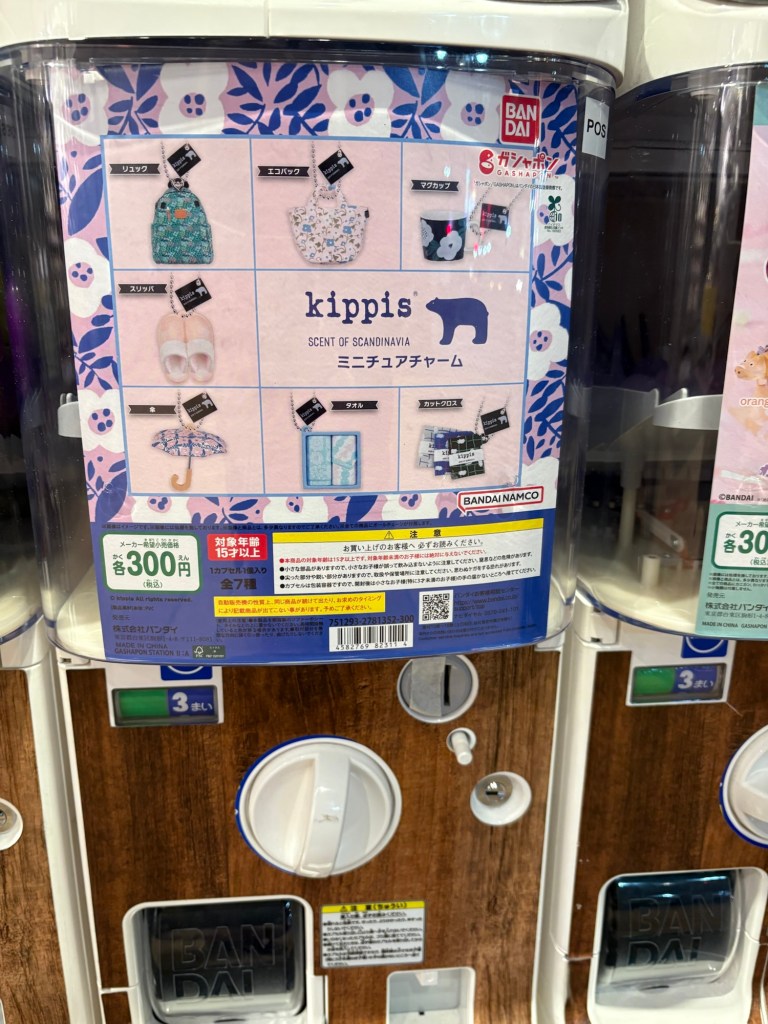
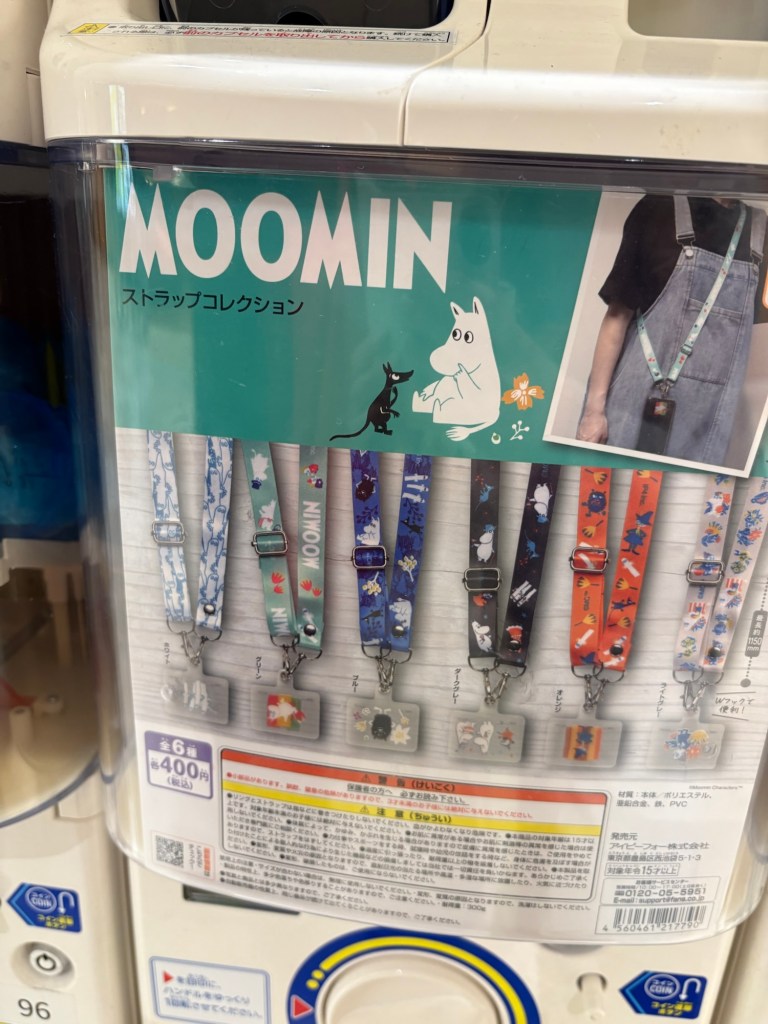
I saw some cute objects connected to Nordic cultures, as a gacha-gacha machine where you could get a Marimekko-looking item keychain! It was called Kippis, what the Finns say when toasting.

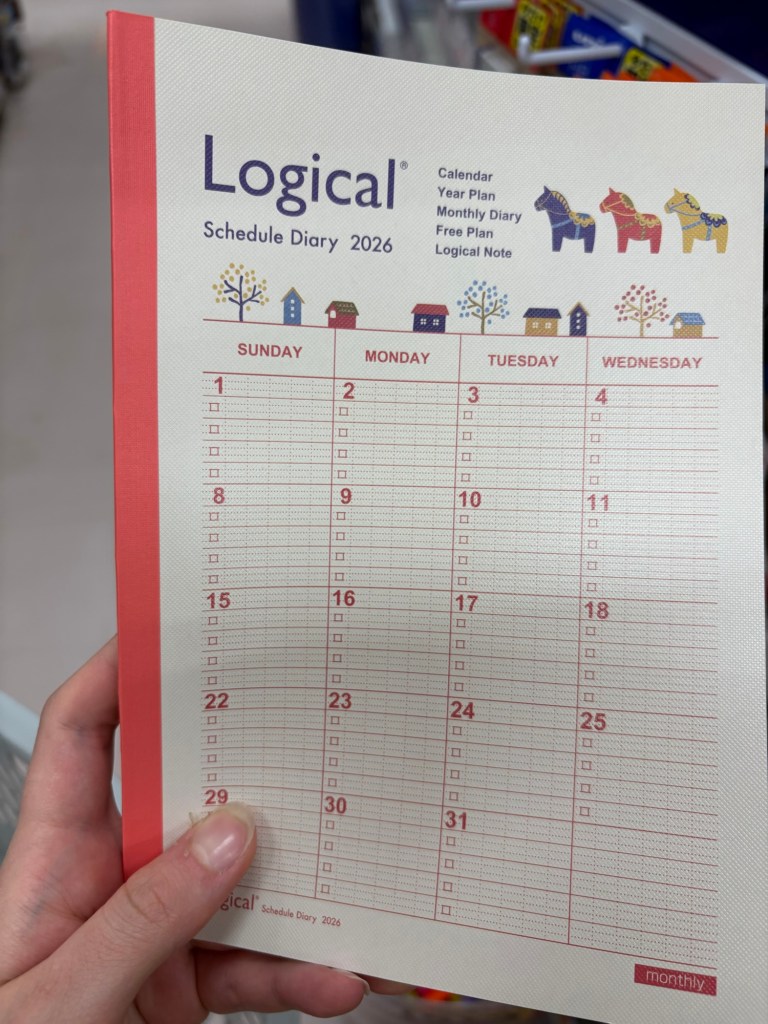
It is also not surprising that Japanese and Asian people find Dala horses cute, and that’s what I saw on the cover of a journal. Was kinda tempted to get it!

Moomin!

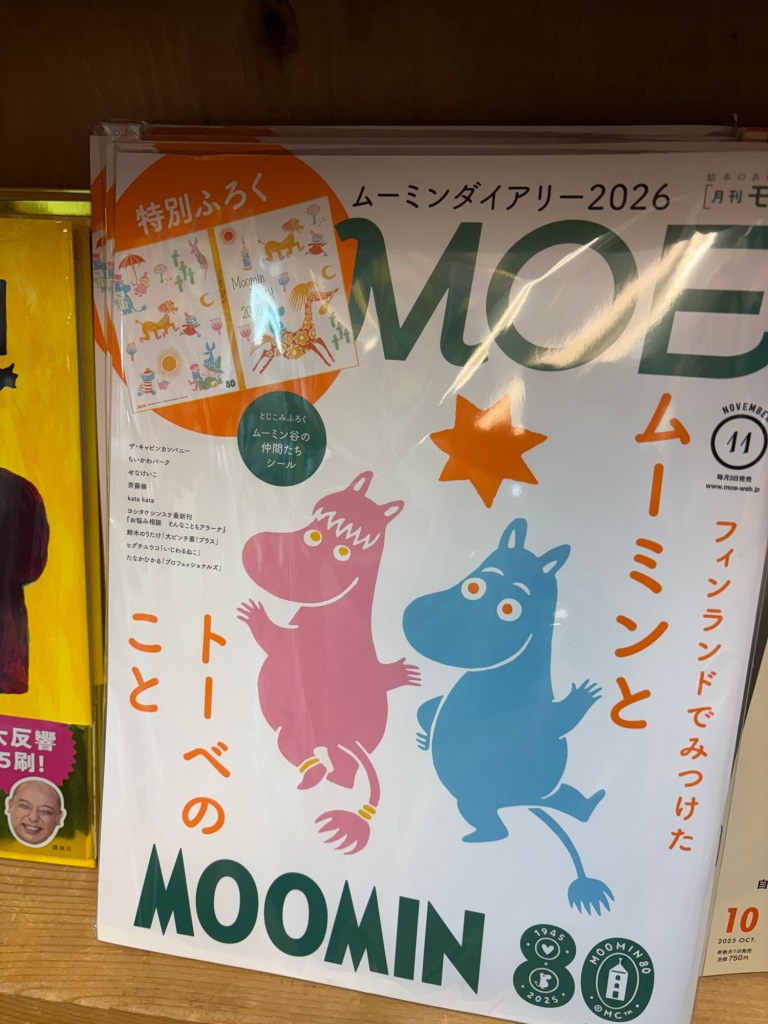
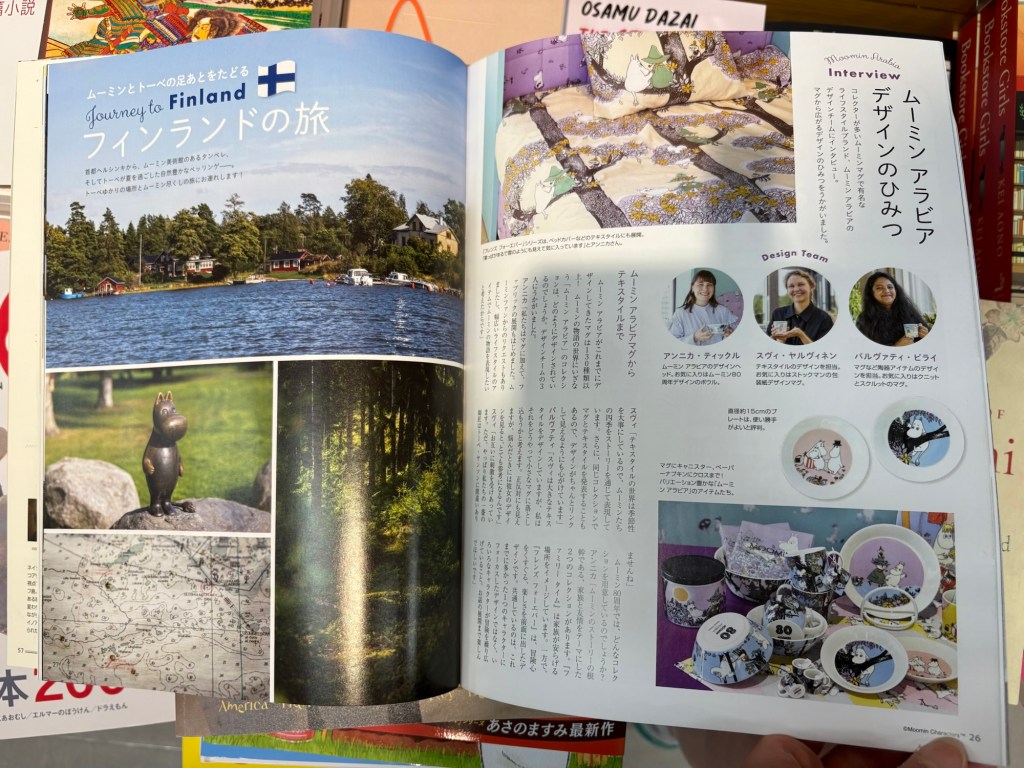
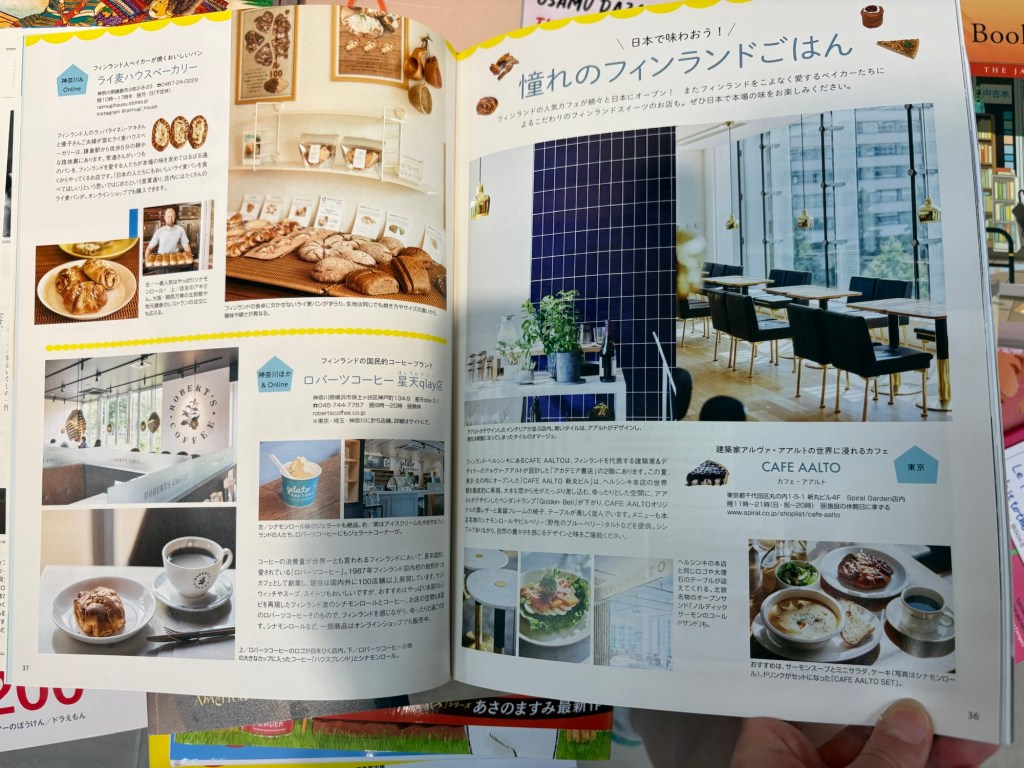
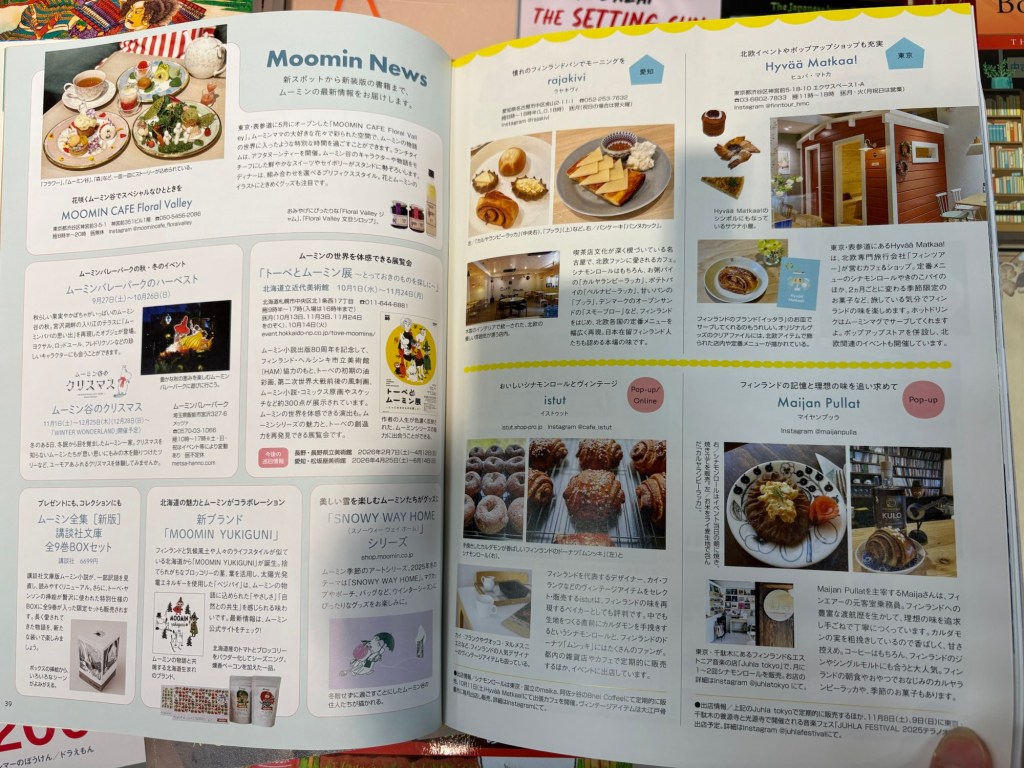
MOE magazine was featuring Moomins in the current issue. Moomins are pretty popular in Japan and represent an iconic symbol of Finnish culture. This issue had many pages about Finland and Finnish bakeries in Japan among others as well.


A Moomin pop-up cafe closed just before I left, and Mcdonalds has Moomin toys in their happy meal right now! Too bad I was either late or early.

I was also very tempted to visit the Metsä in Hanno (near Tokyo), メッツァ公式, a Nordic-themed park with Finland-like nature and a lake, Nordic/Finnish-brands, shops and restaurants, and the Moominvalley park in it!

Nordic food with a Japanese twist

Fun Fact: all-you-can-eat style fusion buffet restaurants are usually called Viking – バイキング – in Japan. The idea behing the name originates from Smörgåsbord (buffet) restaurants, that a restaurant manager from Tokyo’s Imperial Hotel saw in Sweden. As Smörgåsbord is not the easiest word for a Japanese, the word viking was adopted instead! (Source: tofugu.com)

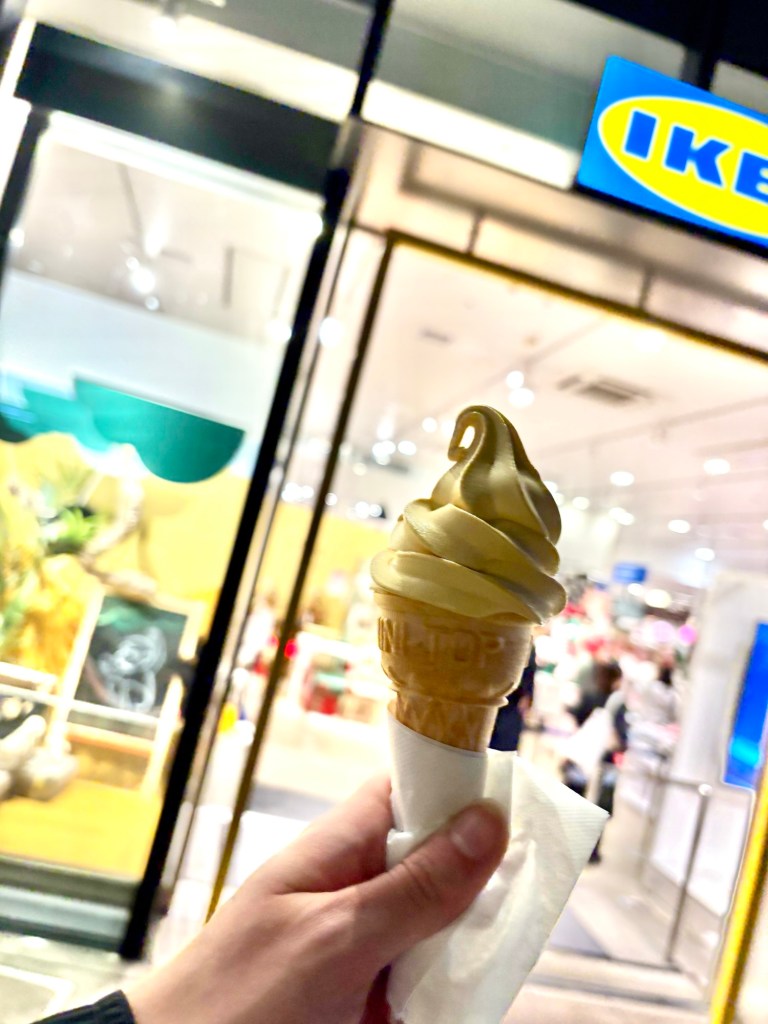
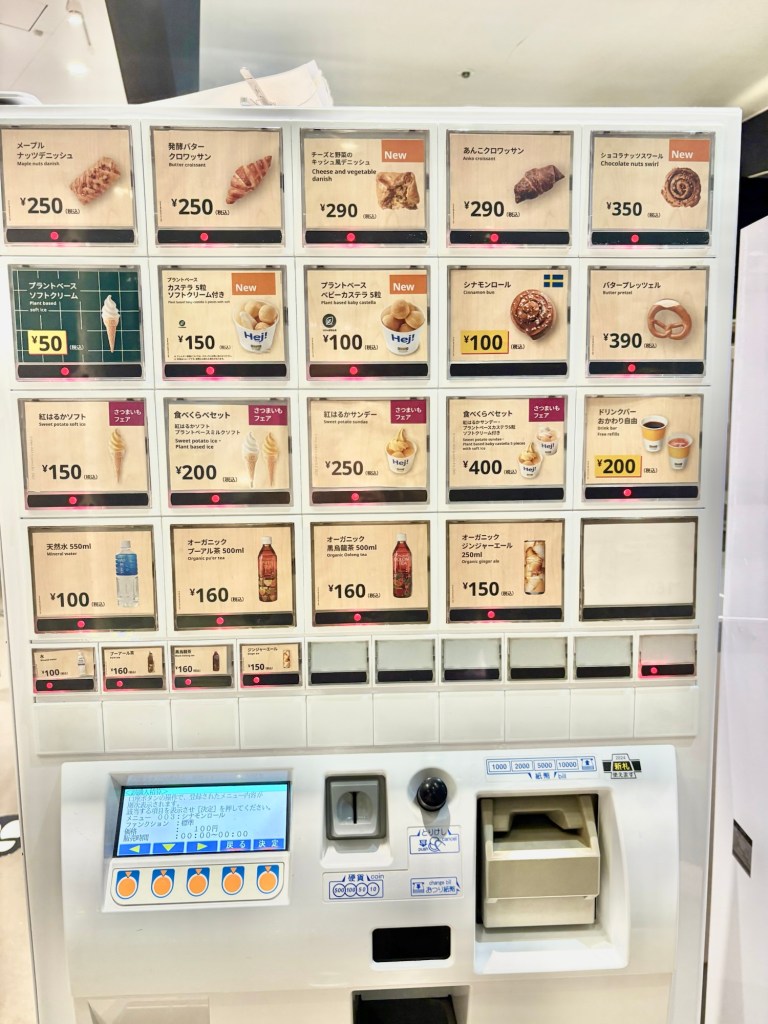
Speaking of Sweden, IKEA is, all over the world, the place to go for Swedish food, with its rather cheap restaurant and bistrot. Japan is no exception, but it has its local twist, and I got to try Sweet Potato soft ice cream!! Sweet Potato is a very common seasonal flavour during Autumn in Japan.

You also have a chain called Danish Bar, selling roll-shaped danish pastries. Nothing particularly Danish besides the wienerbrød-ish dough though.

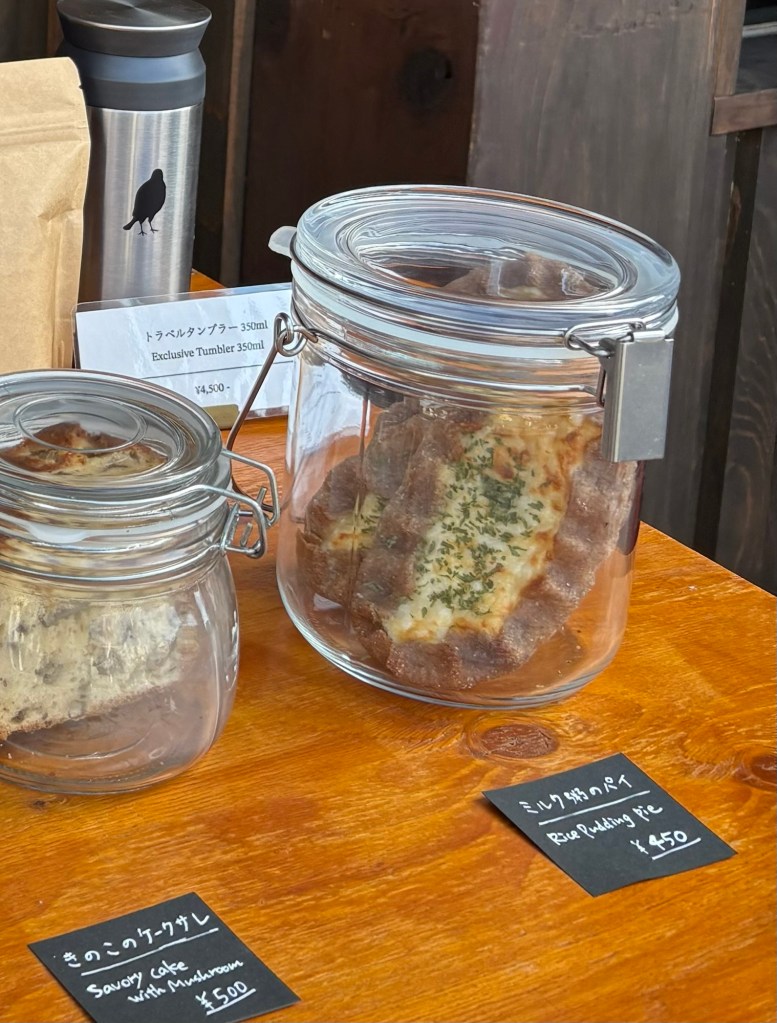
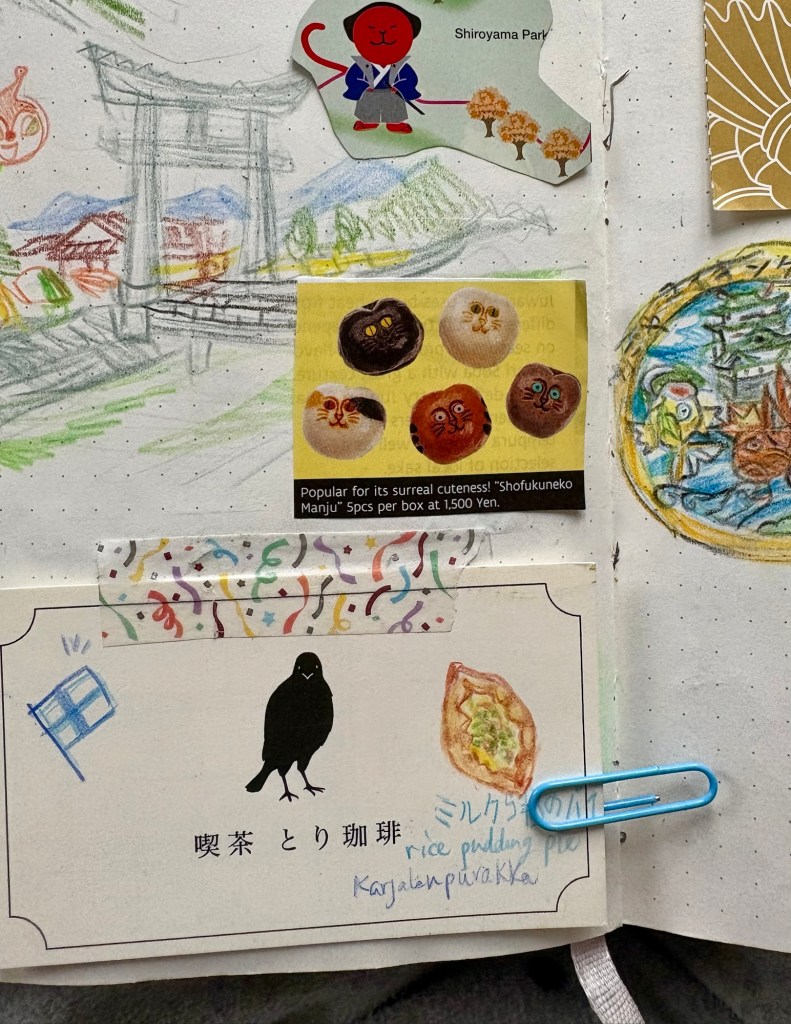
I was walking around in Takayama, Gifu prefecture, when I bumped into a Karjalanpiirakka/Carelian Pie being sold at a cafe called Tori coffee, the iconic Finnish Rice pudding Pie as it was named here!! I had to immediately interact with the person at the counter and ask about it, and I found out the baker had actually been in Finland! I was too full from Japanese food to eat one, but it looked delicious.

Days later, I found Finnish bakeries, cafes and restaurants in Japan being showed off in the MOE Moomin-themed magazine I mentioned above.

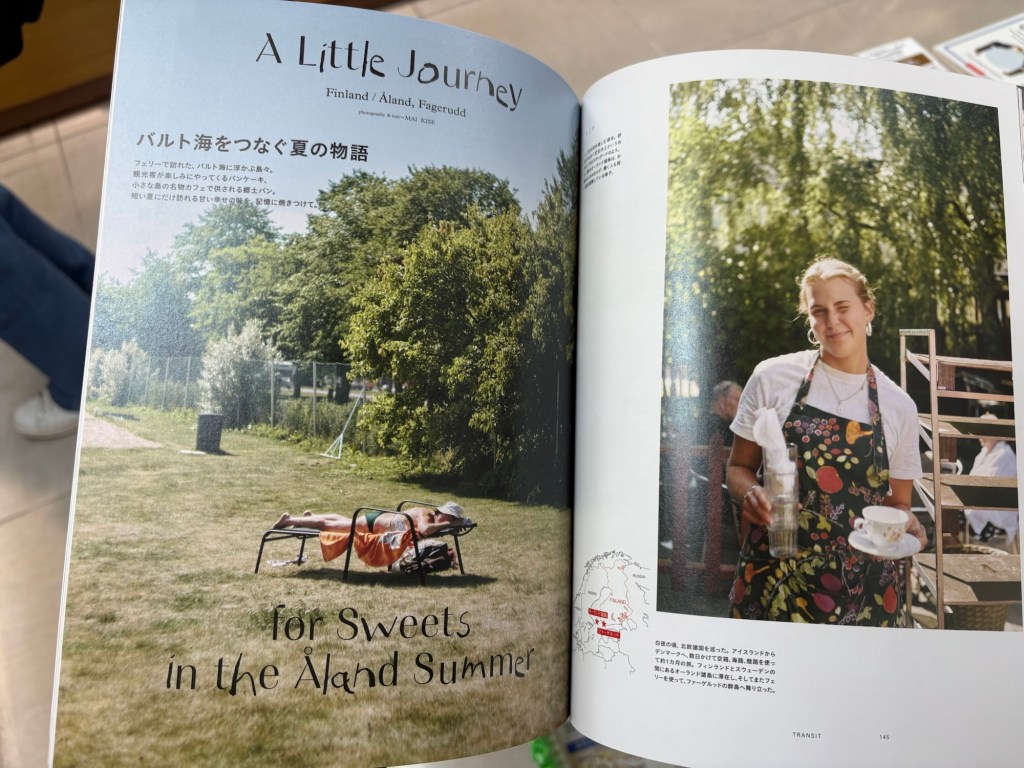
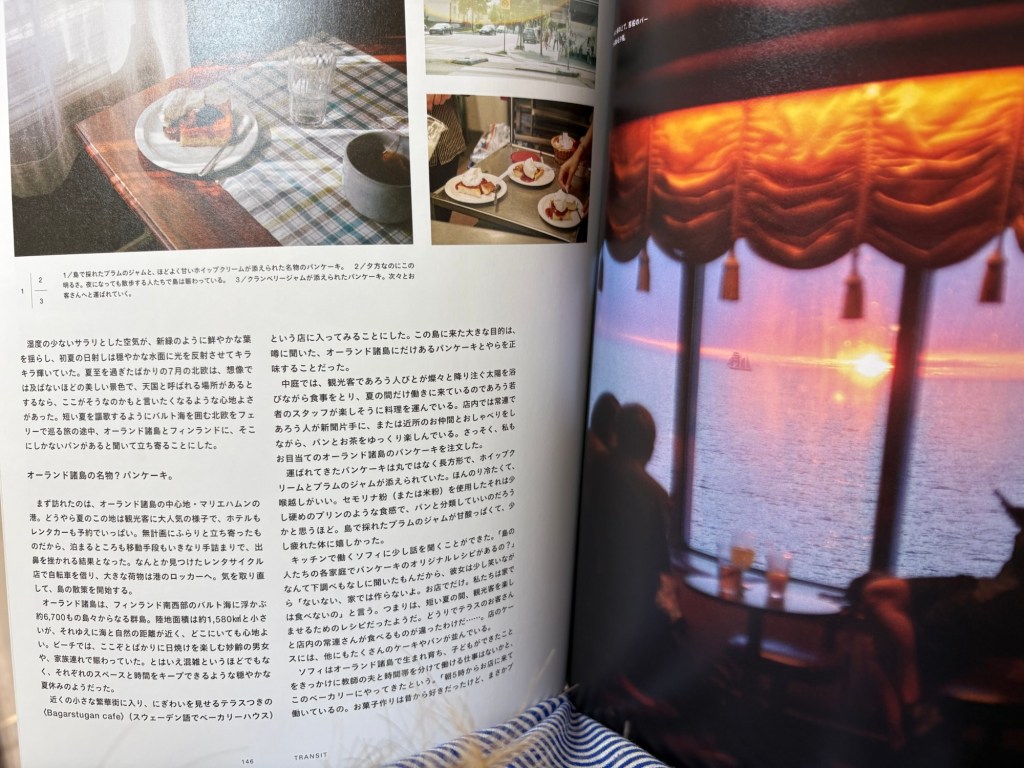
The TRANSIT magazine featured a section about the New Nordic Bread Movement, with among others an article about Åland.

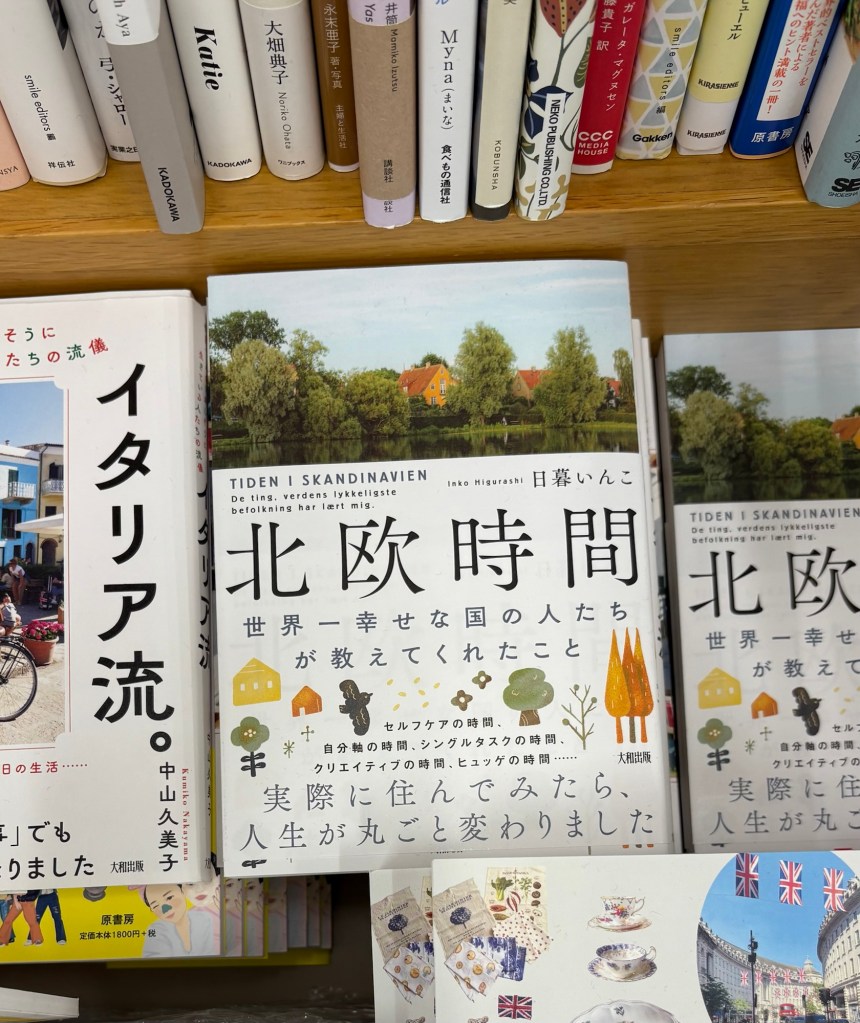
While browsing magazines and books in Kinokinuya 7-floor bookshop, I found Time in Scandinavia – what the world’s happiest people have taught me (北欧時間 世界一幸せな国の人たちが教えてくれたこと) by Inko Higurashi.

inko higurashi scandinavia

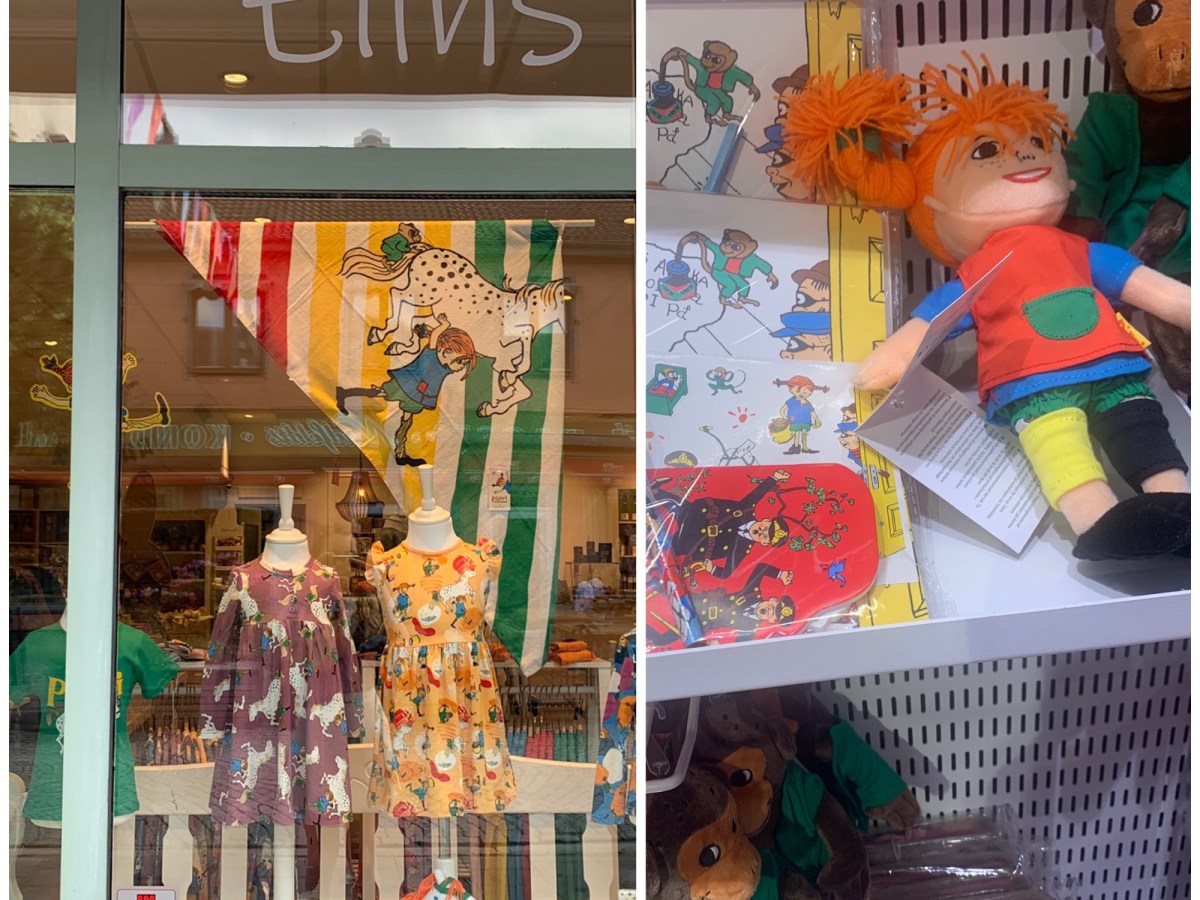
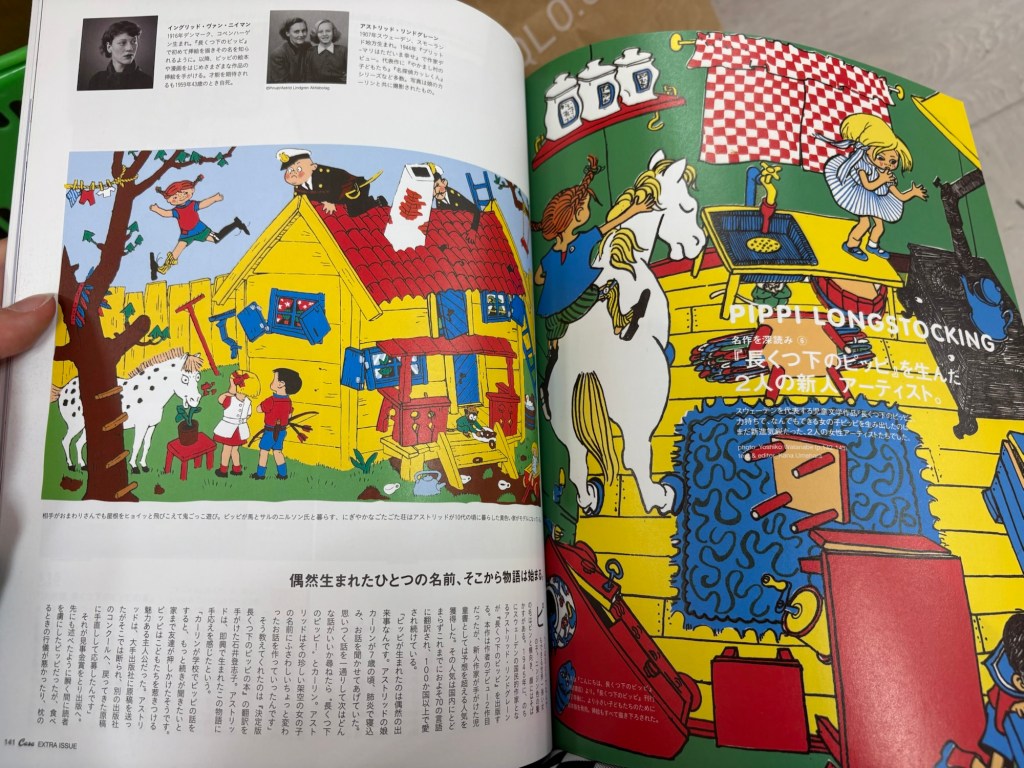
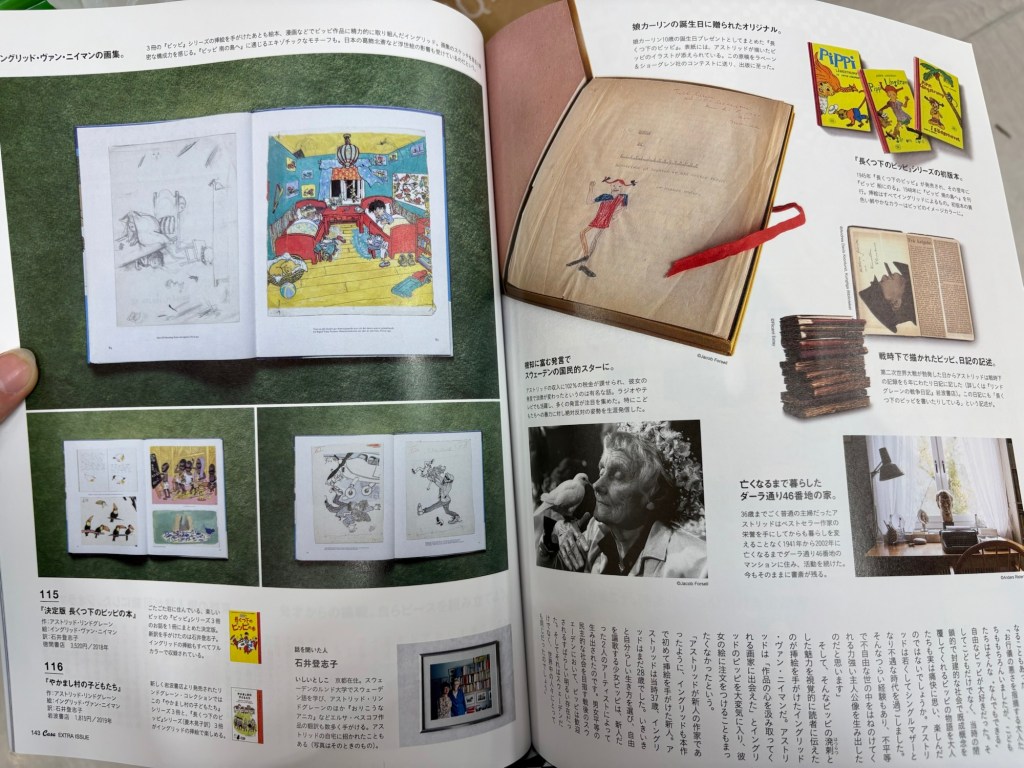
Pippi Longstocking was also featured on the magazine おとなも読みたいこどもの本200 / Best 200 books for children (and adults too) – a Brutus Casa magazine house mook extra issue.

I also bumped into what seemed an elederly/daycare house called with the Swedish name of Merhälsa and a shop called Kiitos, Looking up online you find either a cafe, a character merch shop, and a cookie/chocolate manifacturer, but none of these seem to be related to Finland?

Follow for more Nordic-related stuff, wherever it may be!

How Nordic are Baltic countries

Are Baltic countries Nordic at all? I explored Latvia and Estonia, noting their ties to Nordic culture, from languages to Rye bread and Midsummer.

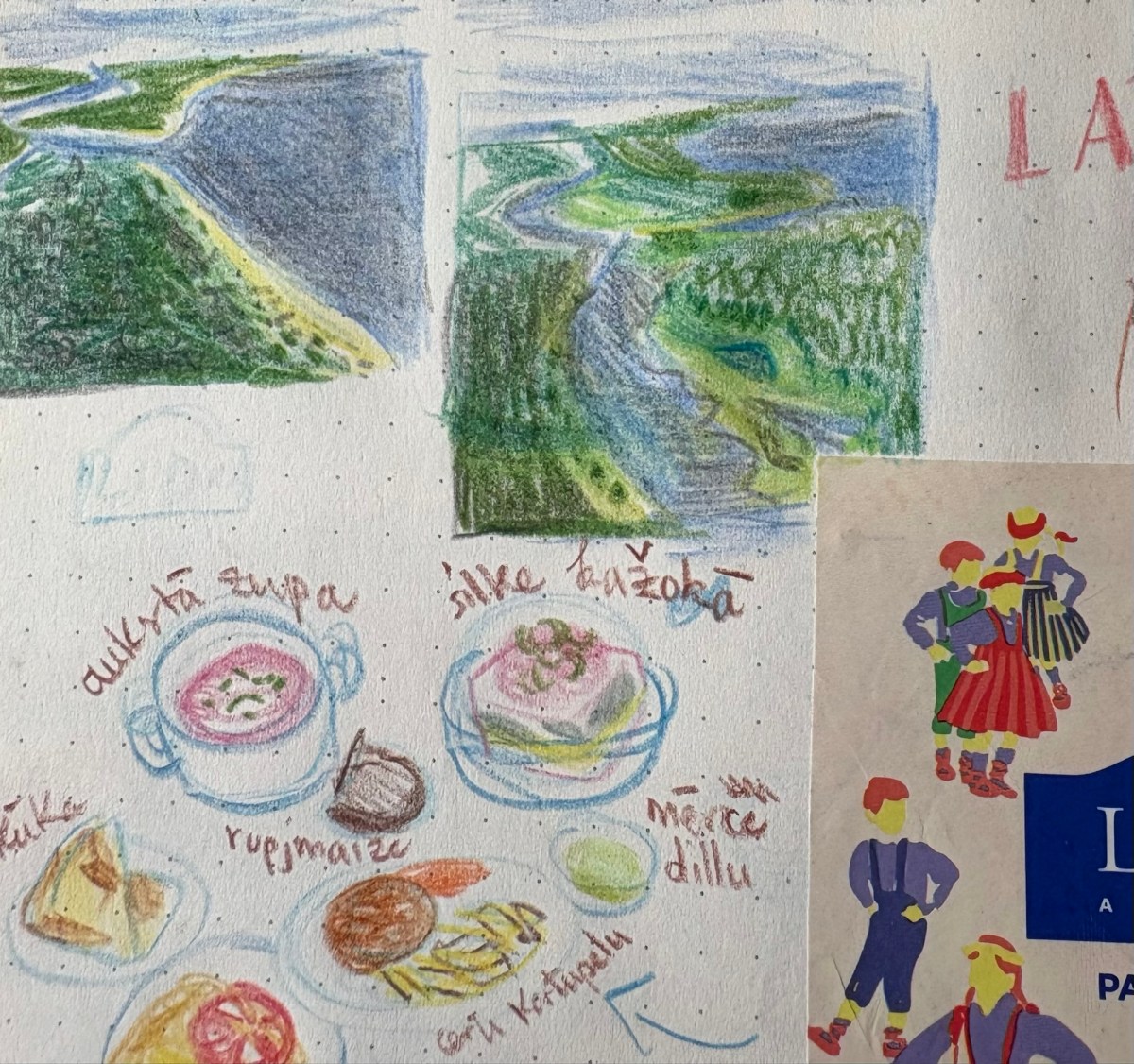
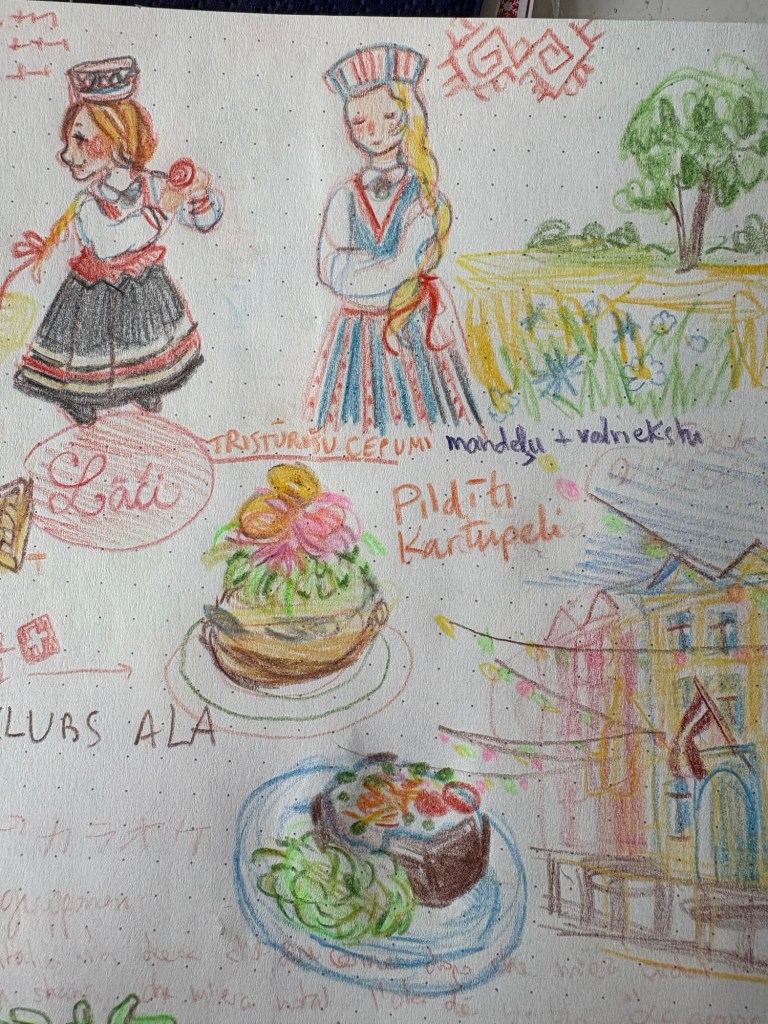
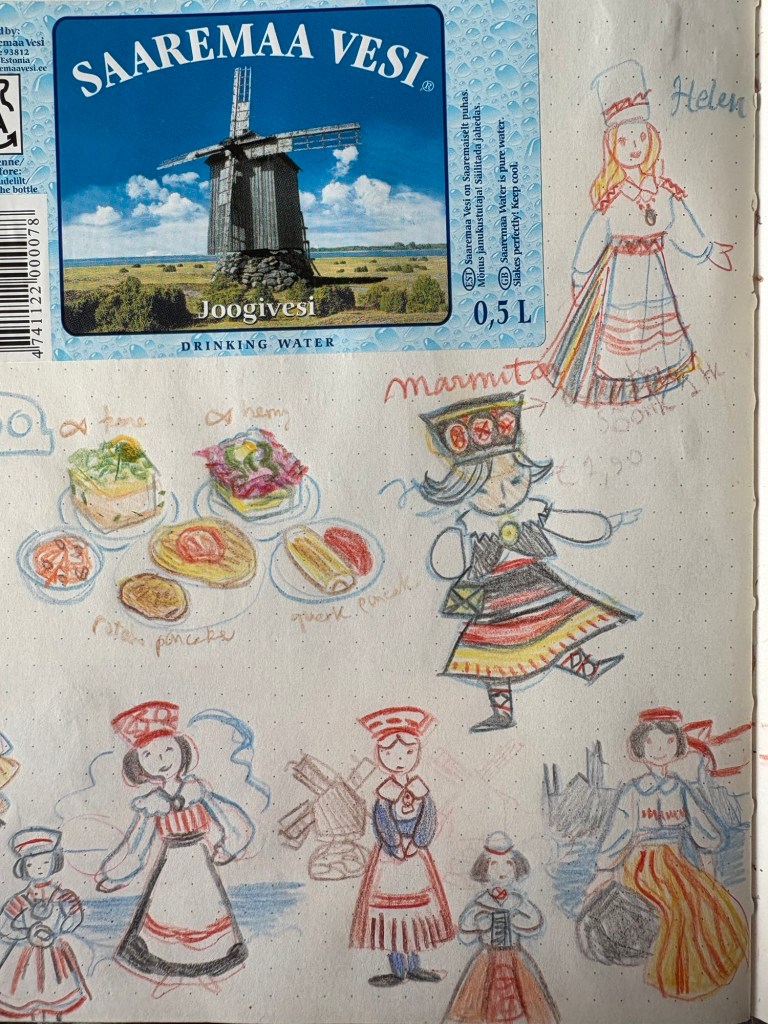
Last summer i visited Latvia and Estonia. They are not too far from Scandinavia, and I was curious to find what they have in common with Nordics.

1. language and identity in the Baltics

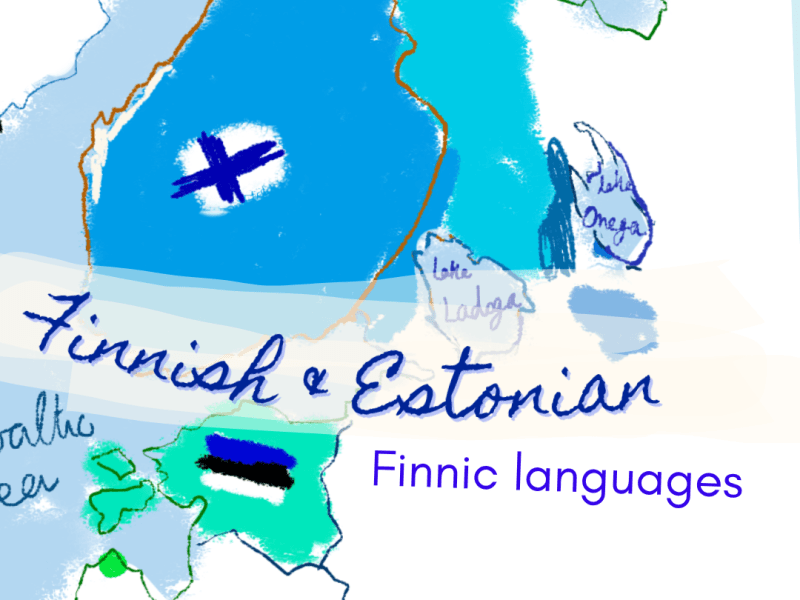
While Latvians and Lithuanians are Baltic people – speaking an Indo-European language, related to Slavic languages- Estonians are Finnic, and their language is very close to Finnish, making Estonia the most ‘Nordic’ of the Baltic countries. Livonians are a small Finnic minority in Latvia.
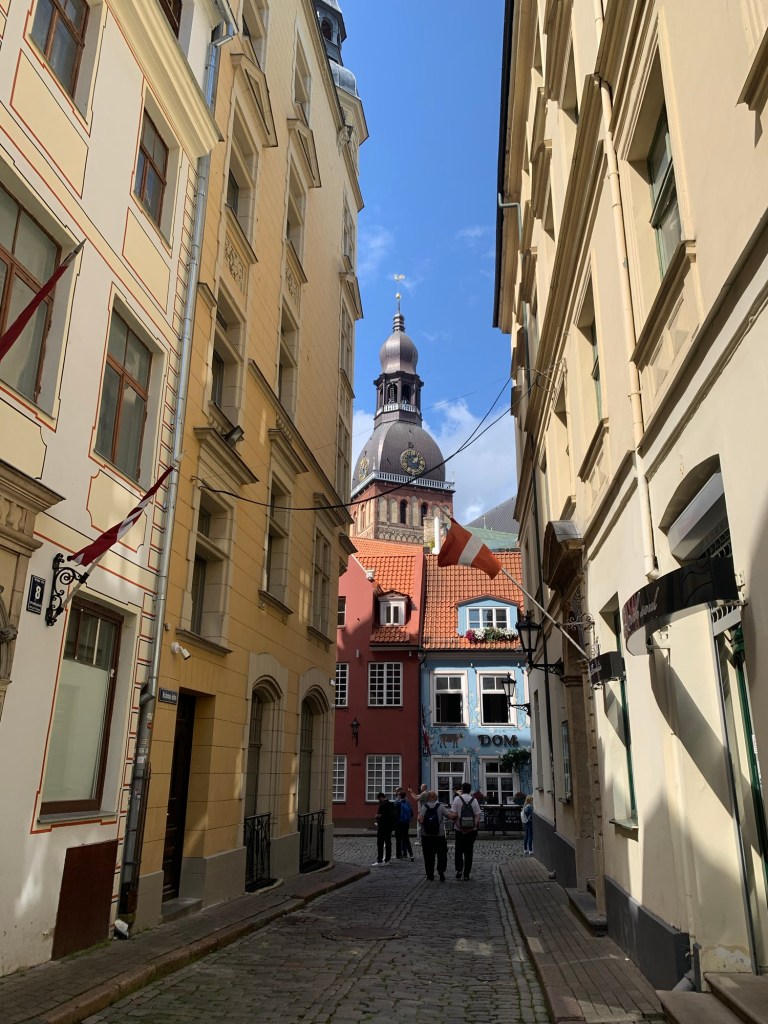
Estonia in particular has deep ties with Scandinavia – it used to be under Swedish and Danish rule. Though you can find a Swedish gate in Riga too!

There is actually a Swedish minority in Northern Estonia and coastal areas, that has existed since the 13th Century: eestirootslased or rannarootslased in Estonian, estlandssvenskar or aibofolket  in Swedish, similarly to Finlandssvenskar, Finland’s Swedes.
Its number shrinked however significantly due to the USSR occupation in the 20th century, that urged many to flee to Sweden, being very small today.

There is also significant proficiency in Finnish in Estonia, thanks to its linguistic proximity with Estonian and exposure to Finnish broadcasts during the Soviet era. Nowadays, young Estonians are not as exposed to Finnish media as older generations were during those times, and Finnish is not as intelligible for them as it used to be for their parents.

According to a poll done in 2013, about half of the young Estonians considered themselves Nordic, and about the same number viewed Baltic identity as important.

2. Baltic cuisine

  • Rye bread is king! As dark as night! Rye bread chocolate is a things both countries!! Says enough..
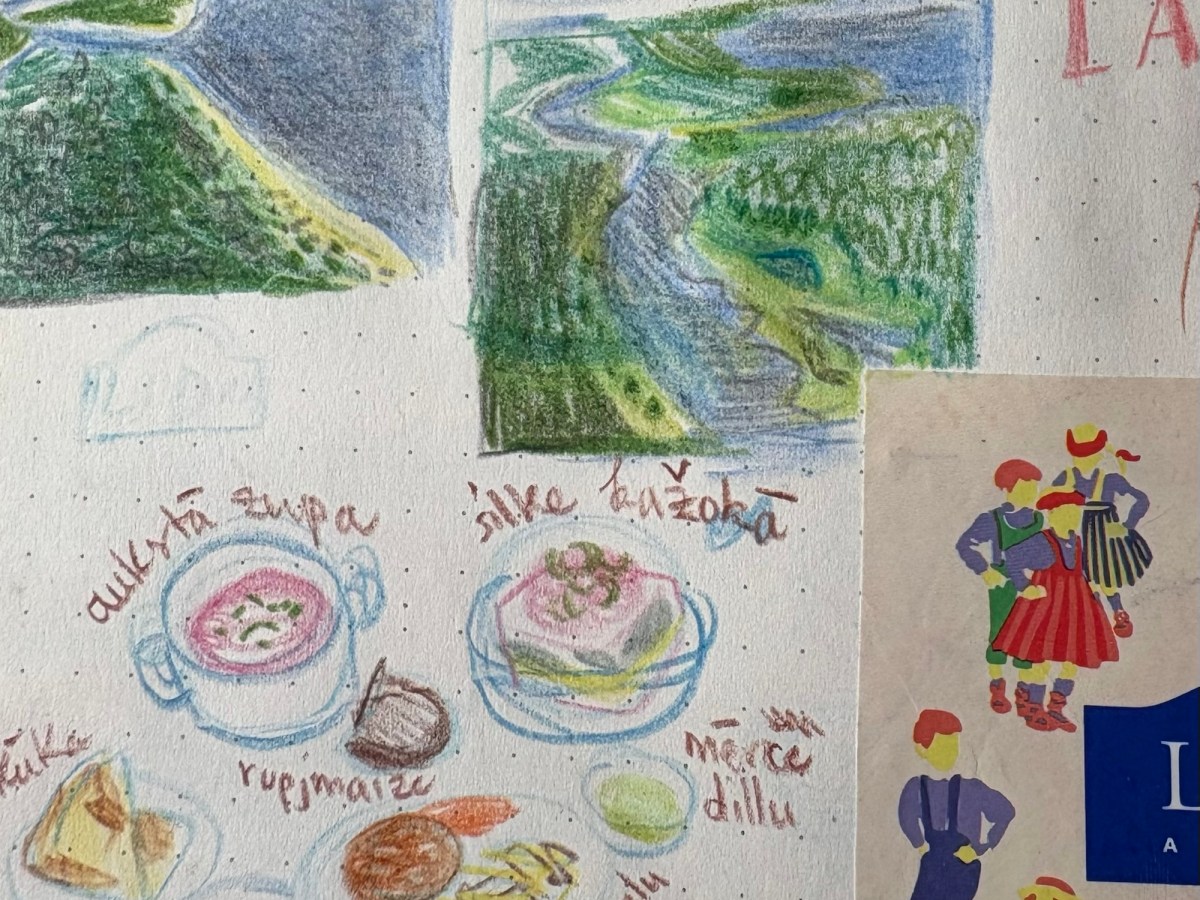
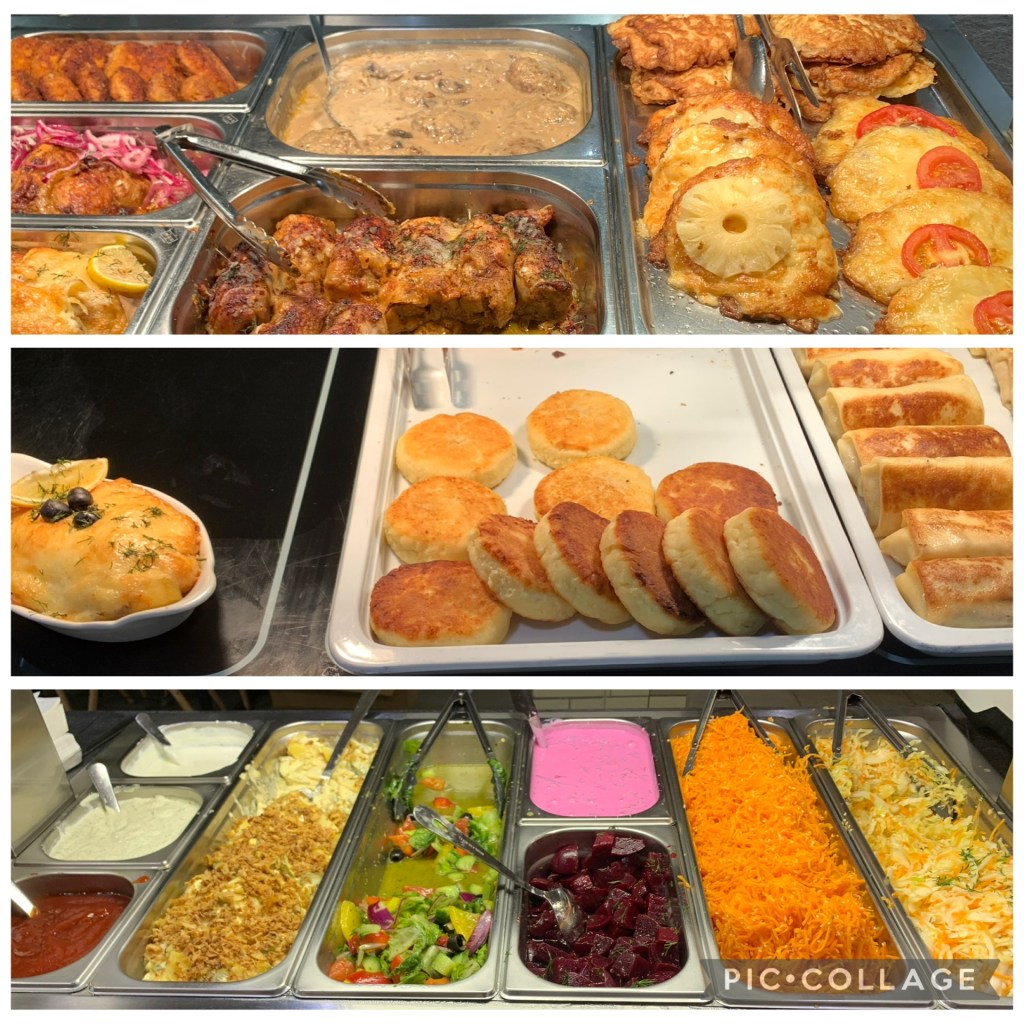
  • Herring, Redbeet, (potato) pancakes are staples – all stuff to be found at LIDO chain self-service restaurants, Latvian of origin.
  • Soups in Latvia are a very common part of meals as in Slavic countries, notably the redbeet cold soup. Something typical Latvian are the dumplings Pelmeni, similar to Polish Pierogi etc.
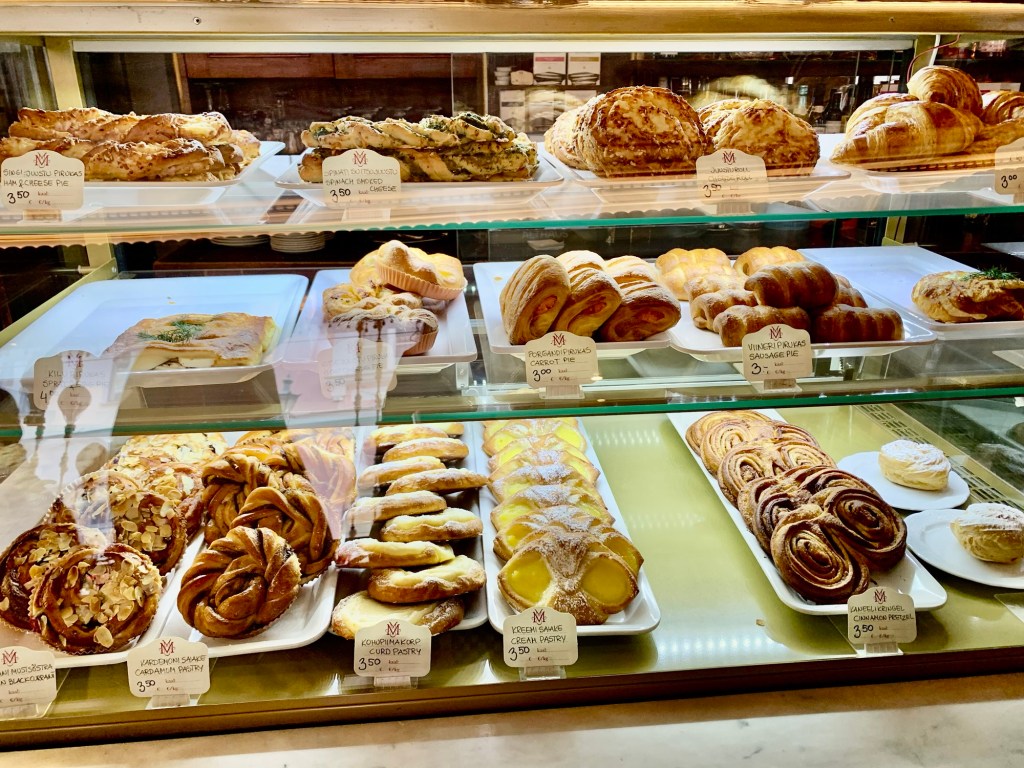
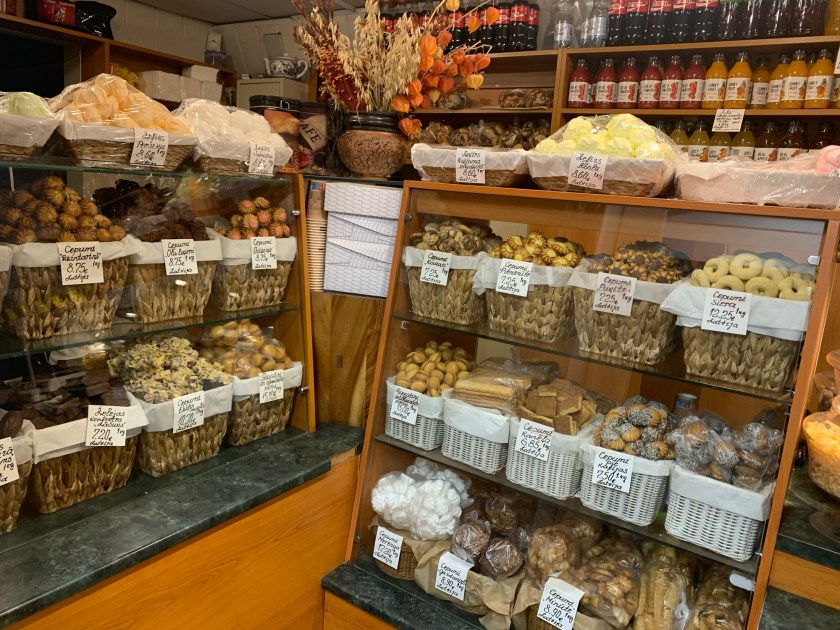
  • A galore of Baked goods were everywhere in Latvia, maybe not as much in Estonia. Nordic style buns were in both! Something that seemed very common were custard buns, and coconut coated buns. Latvians seem to love cookies.

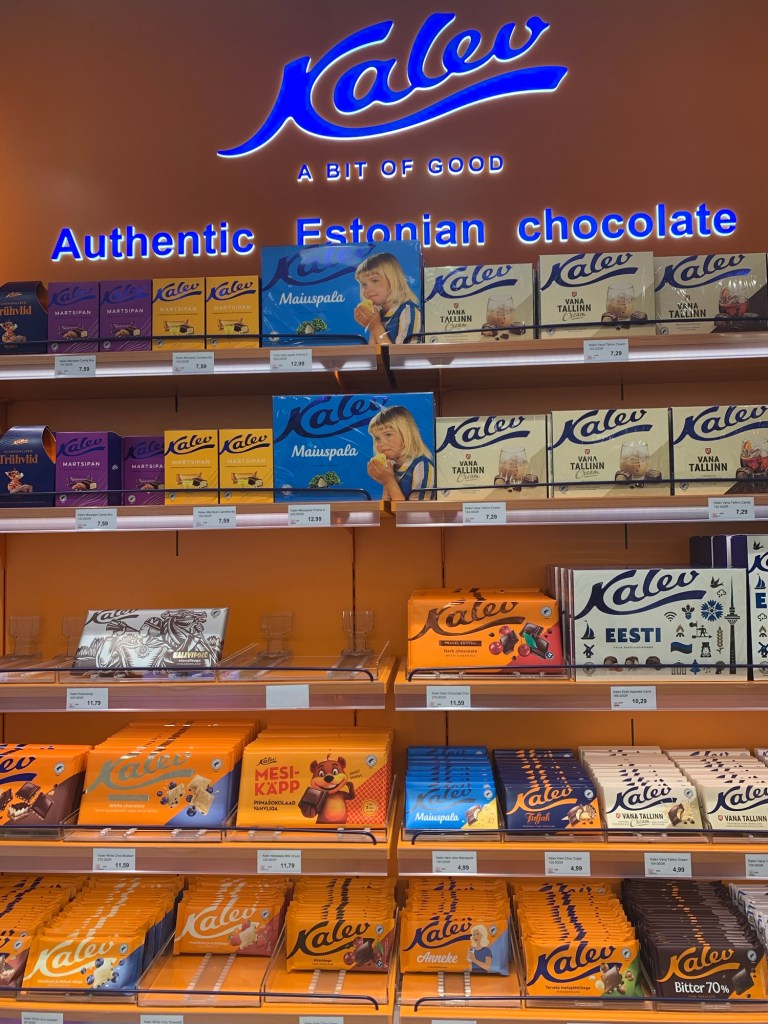
Kalev is Estonia’s chocolate brand, Latvia also has its national confectionery brand Laci.

3. Nordic stores and products in Baltic

  • Stockmann department stores are present in both countries – you can find a lot of Nordic stuff, including Norwegian Brunost and carelian pastries!! Though I saw carelian pastries in Estonian supermarkets, and ICA cloudberry and lingon jam at a Rimi supermarket.. Finnish fast food chain Hesburger is present in the Baltics – I have to say I did not see any special items from it though…
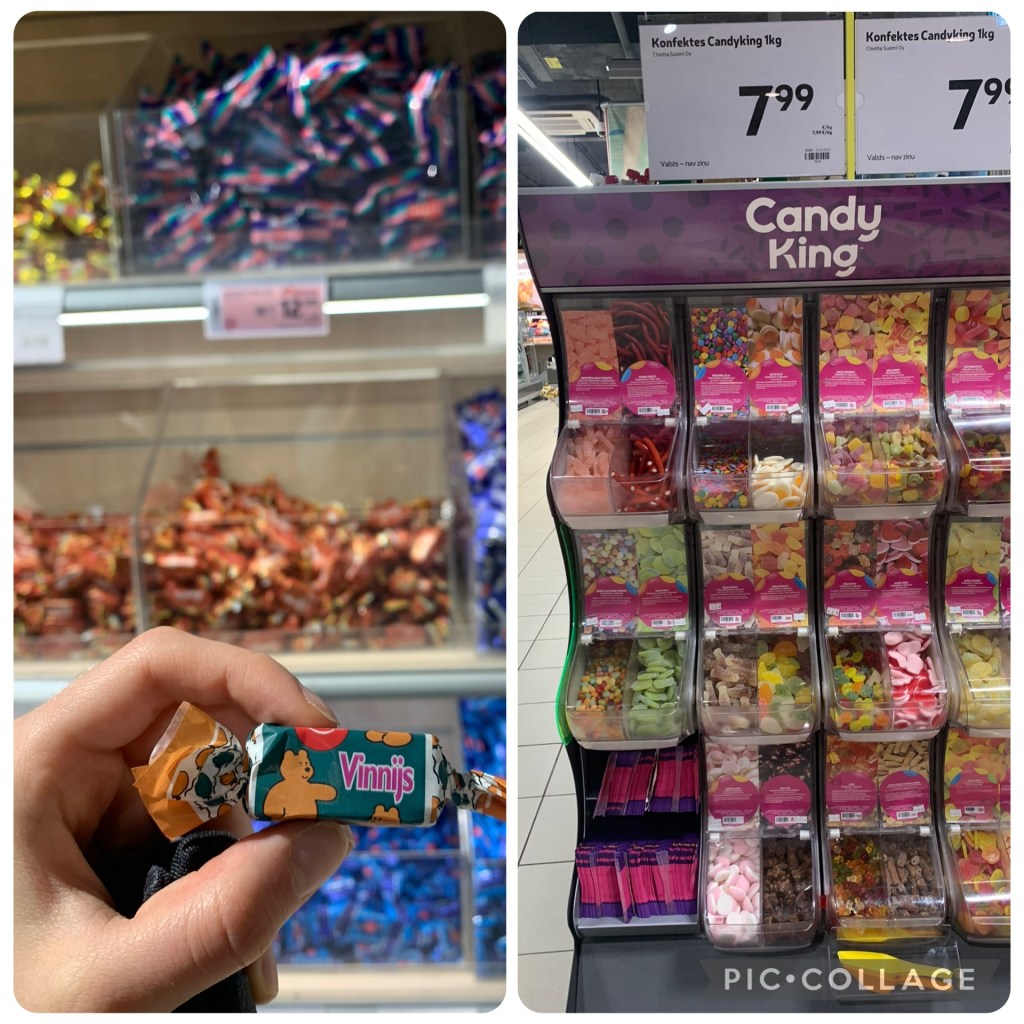
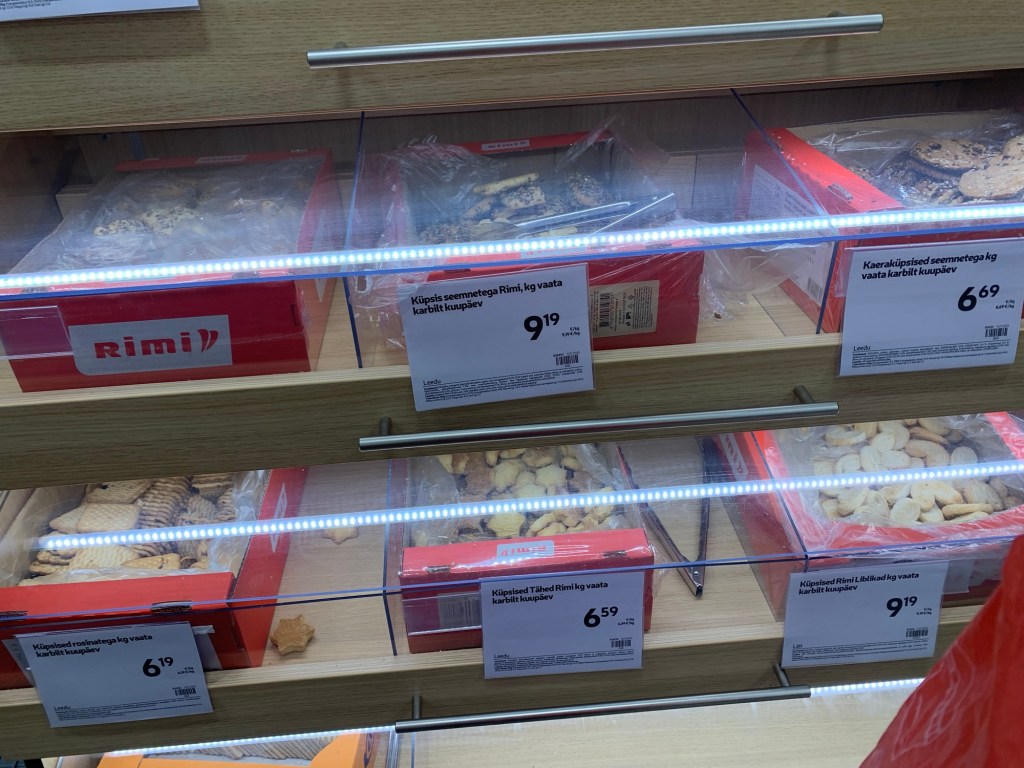
  • You can get bulk candy in supermarkets like in Nordics. But it seems in the Baltics they enjoy bulk cookies as well!

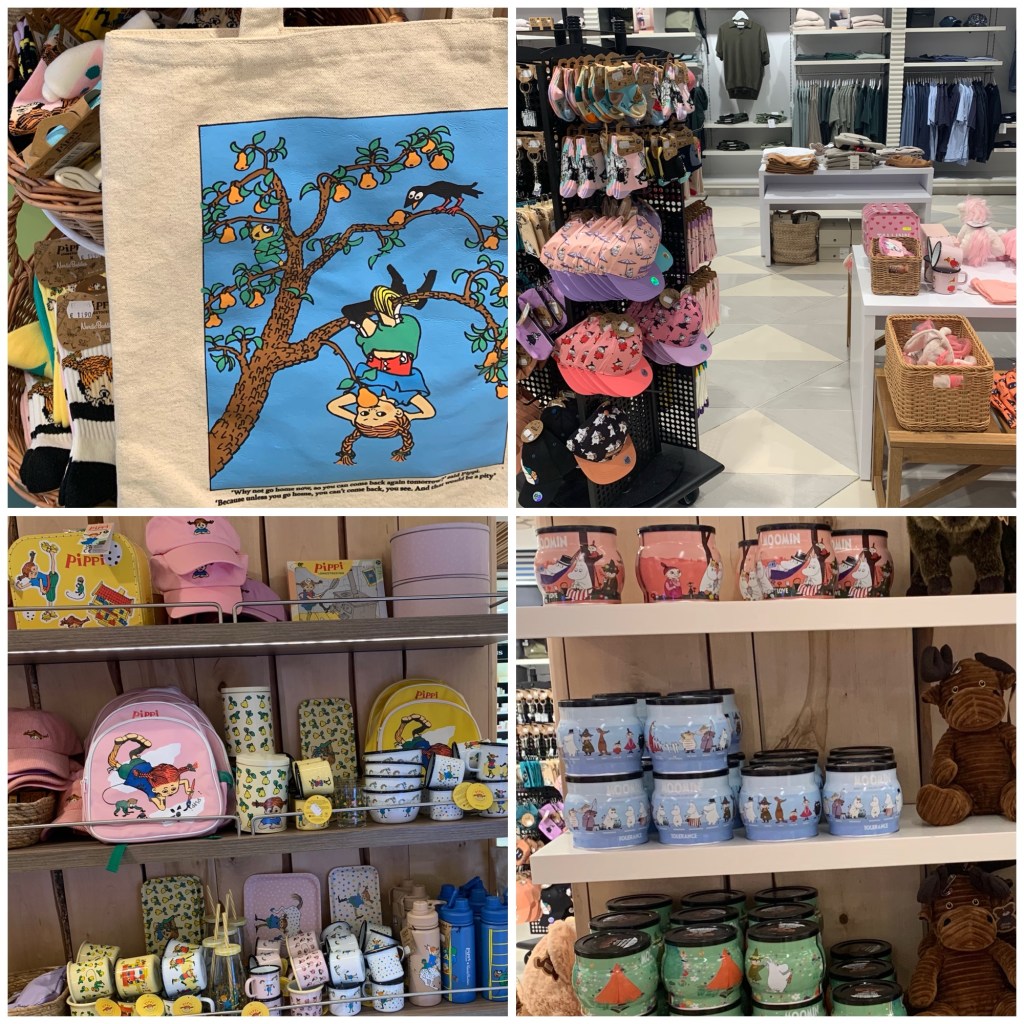
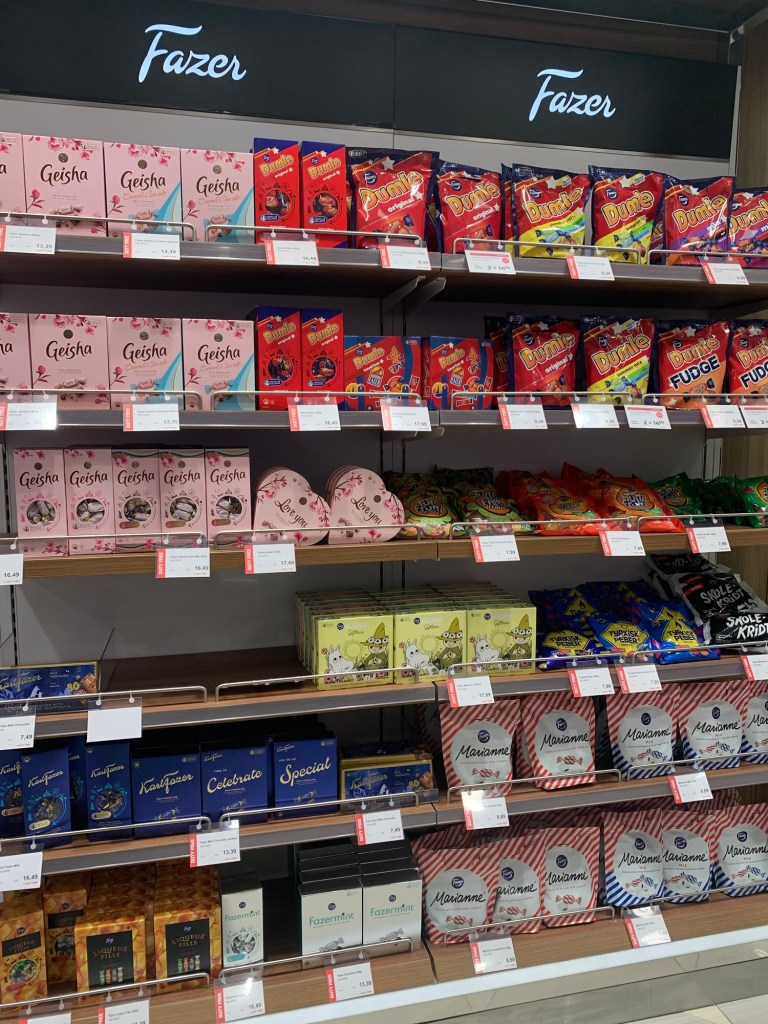
Finnish brands as Fazer chocolate and some moomin stuff is common in Estonia. At Tallinn airport they had a whole selection of more Finnish and Swedish candy brands, and even a Pippi + moomin merch corner!!

4. architecture

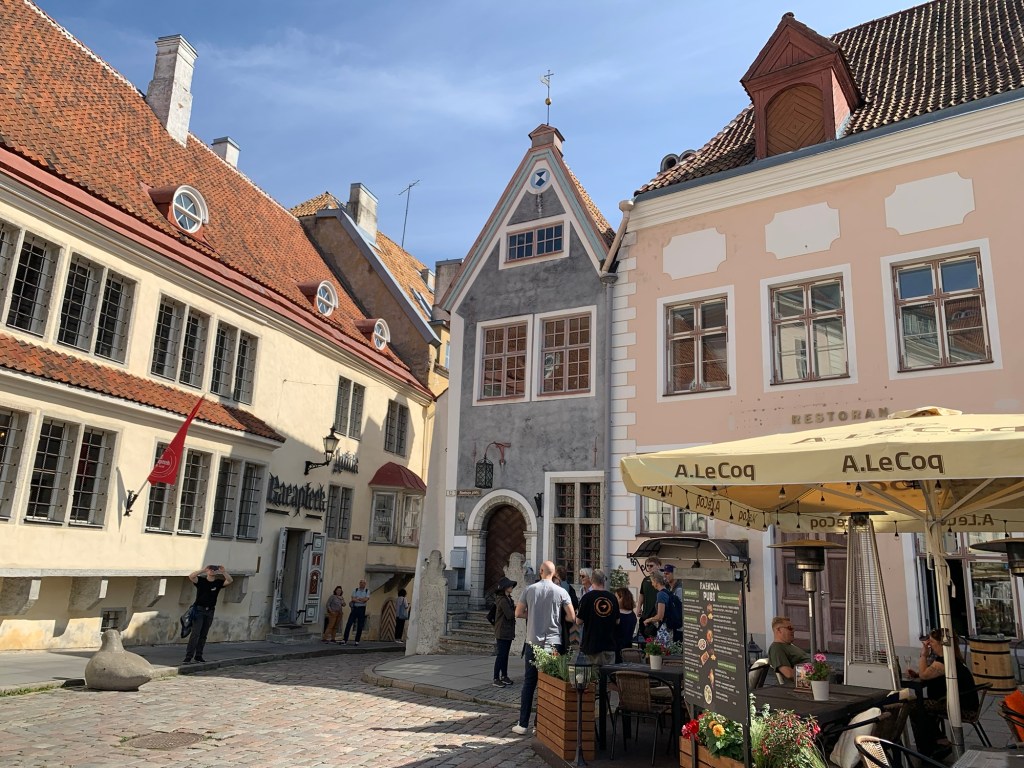
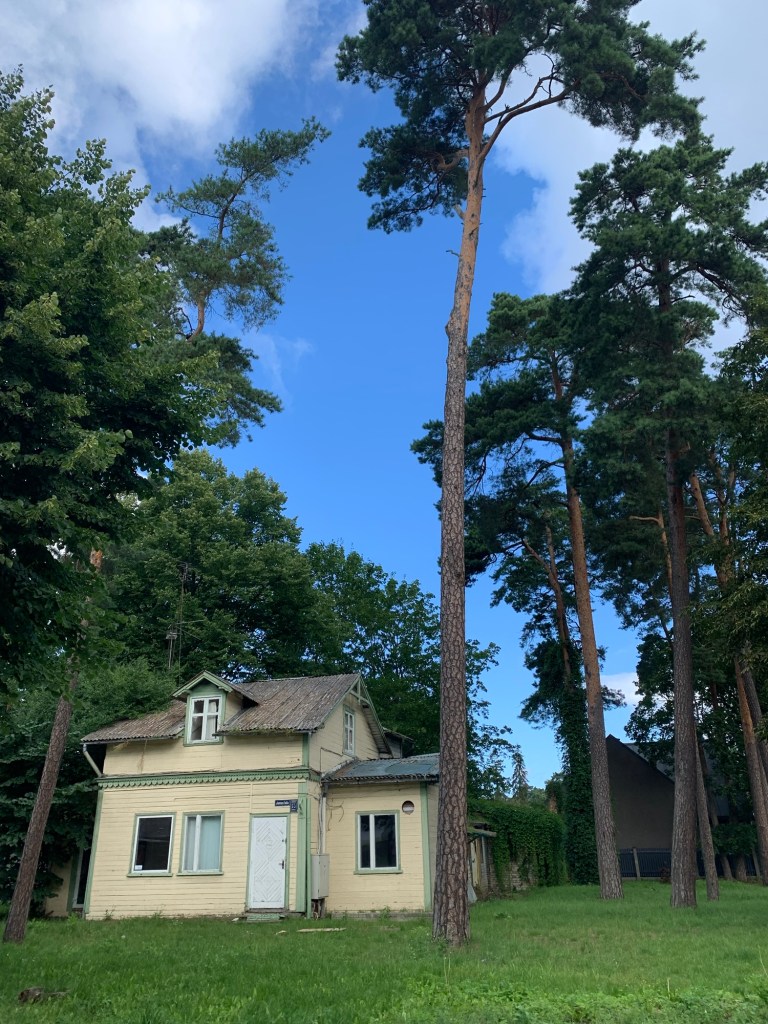
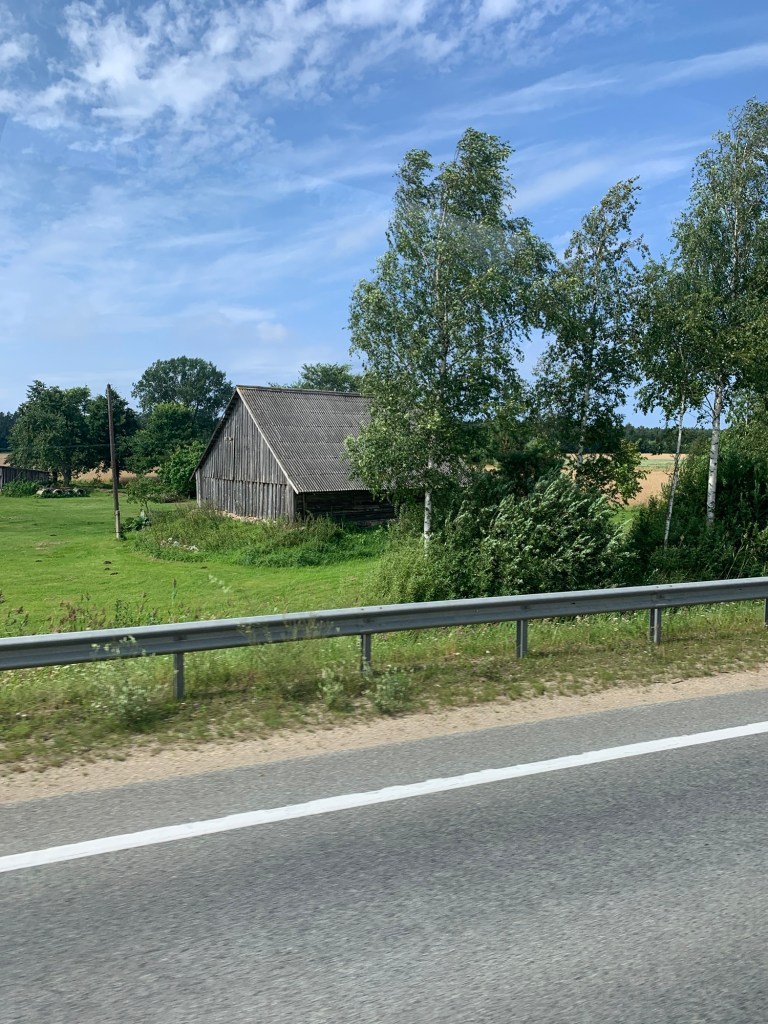
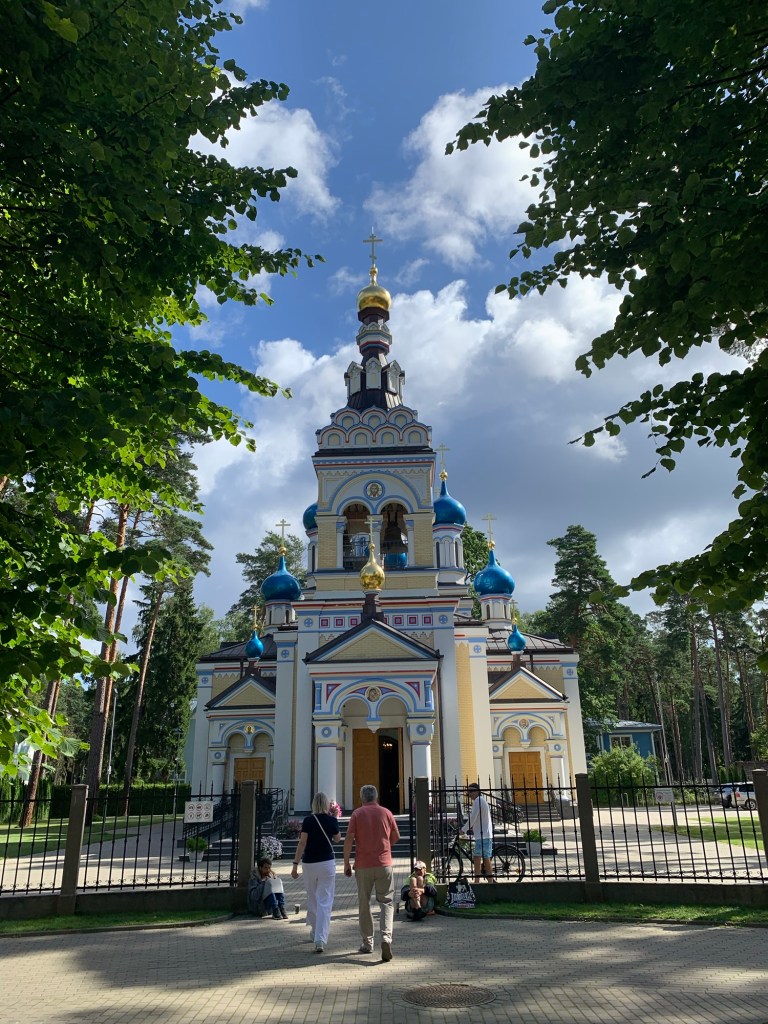
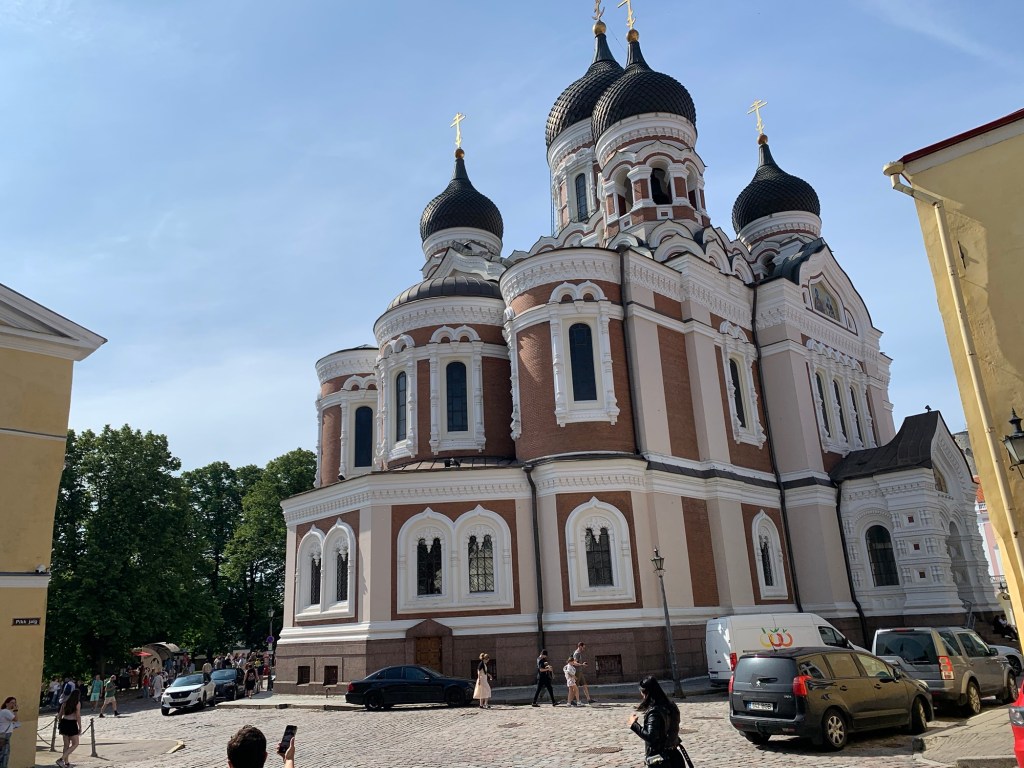
Looking at some buildings, you could be in Scandinavia, though others make you think of Eastern European cottages.

Folk Culture

As in Sweden and Finland among others, Baltic celebrate the Summer Solstice, a.k.a. Midsummer – or Saint John’s night – jääni in Estonian, Jāņi in Latvia. People go to the countryside to gather and eat, drink, sing and take part to old pagan traditions. Among others lighting a bonfire and gather herbs to make flower crowns and oak leaves wreaths!

Folk costumes are also quite distinct from Scandinavian ones, and are often characterized by a headgear in both Latvia and Estonia.

Subscribe for more about Nordic and Baltic countries!