Finnish homonyms in Italian and Japanese

Identical words with different meanings that Finnish, Japanese, Italian share.

Homonyms are words with the same sound (homophones) or spelling (homographs), but differ in meaning.

Finnish is totally unrelated to Japanese and Italian, but it has quite a few curious homonyms with them because of featured they share:

  • Consonant/vowel alternation
  • Words frequently ending in a vowel
  • A common trait is also double consonants (alternated by vowels)

This results in completely unrelated words being identical! What is a noun in one language, can be an adjective or a verb in another though. Other times it’s surprisigly words in the same domain (see me/te in Finnish and Italian!)

  • tori: market square (Finnish), bulls (italian), bird(s) (Japanese)
  • me: we (Finnish), me (Italian), eye(s) (Japanese)
  • te: plural you (Finnish), you (complement pronoun, Italian), hand (Japanese)

Finnish and Japanese both use (or Japanese is transcripted with) a K for the esact same sound Italian uses C for:

  • kani/cani: bunny (Finnish), dogs (Italian), crab(s) (Japanese) – here surprisingly all animal names!
  • kasa/casa: pile (Finnish), house (Italian), umbrella (Japanese)

Sometimes the same word is actually very similar in other languages, but the way Finnish, Japanese and Italian adapt it is very similar or ends up looking identical to other words:

  • poro: reindeer (Finnish), pore (Italian), the polo game (Japanese)
  • shokki: shock (Finnish), tableware (Japanese)
  • kokki: cook (Finnish), national flag (Japanese)

Finnish – Japanese

  • ase: weapon (Finnish) – sweat (Japanese:汗)
  • haka: hook (Finnish) – grave (Japanese)
  • hana: tap/faucet (Finnish) – flower, nose (Japanese:花/鼻)
  • haku: search (Finnish), vomit (Japanese:吐く)
  • himo: lust (Finnish) – ribbon (Japanese:綬)
  • kanki: wood/metal bar +slang for bon..r – ventilation (Japanese:換気)
  • koe: test/exam (Finnish) – voice, sound (Japanese:声)
  • koko: size, entire (Finnish) – here (Japanese:ここ)
  • kumi: rubber (Finnish) – group (Japanese組み)
  • kura: mud (Finnish) – saddle (Japanese:鞍)
  • kuri: discipline (Finnish) – chestnut (Japanese:栗)
  • kutsu: invitation (Finnish) – shoe (Japanese:靴下)
  • mono: ski boot (Finnish) – object, item (Japanese:靴)
  • naku: naked (Finnish) – cry (Japanese:泣く)
  • uni: dream (Finnish) – sea urchin (Japanese:うに)

(Many found through finland-japan-blog tumblr blog)

Finnish – Italian

  • lama: recession (Finnish) blade (Italian)
  • lampo: heat (Finnish), lightning (Italian)
  • lato: barn (Finnish), angle (Italian)
  • lima: mucus (Finnish), a [nail] file (Italian)
  • lumi: snow (Finnish), lumens/lamps (Italian)
  • matto: carpet (Finnish), crazy (Italian)
  • multa: mold (Finnish), fine [as financial penalty] (Italian)
  • vino: crooked (Finnish), wine (Italian) 
  • nero: genius (Finnish), black (Italian)
  • palo: a fire (Finnish), pole (Italian)  
  • pala: piece (Finnish), shovel (Italian)
  • panna: to put (Finnish), whipped cream (Italian)
  • peli: game (Finnish), body hair (Italian)
  • pelle: clown (Finnish), skin (Italian)
  • sana: word (Finnish), healthy [f] (Italian)
  • suola: salt (Finnish), loam (Italian)
  • suora: straight (Finnish), nun (Italian)
  • pieni: small (Finnish), full [pl] (Italian)
  • tutti: pacifier (Finnish), everybody (Italian) 
  • eri: different (Finnish), [you] were (Italian)
  • pino: stack (Finnish, pine tree +a name (Italian)
  • tuo: those (Finnish), your(s) (Italian)

You also have pöllö, meaning owl in Finnish while pollo is chicken in Italian, while töpö is bug in Finnish and topo mouse in Italian

Other words of Italian/latin origin that also exist in English have a different meaning in English: Villa is wool, lava is platform

Do you know more homonyms like these? comment with them!

Interrail trip – stop in Denmark

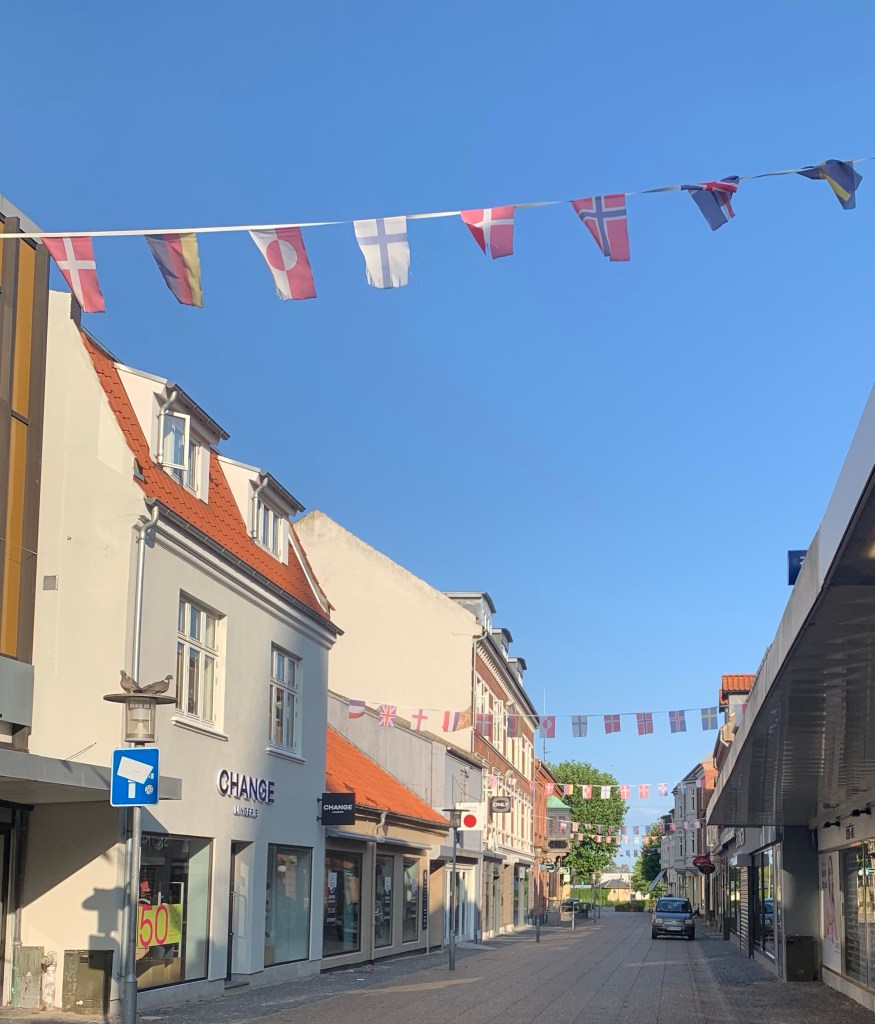
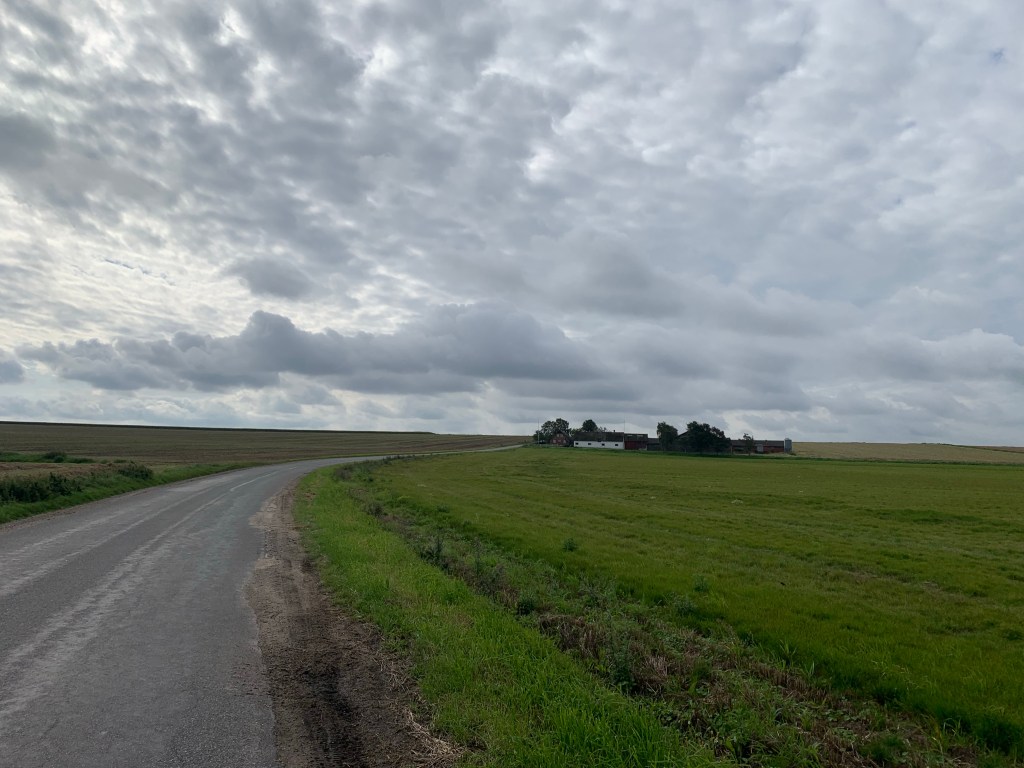
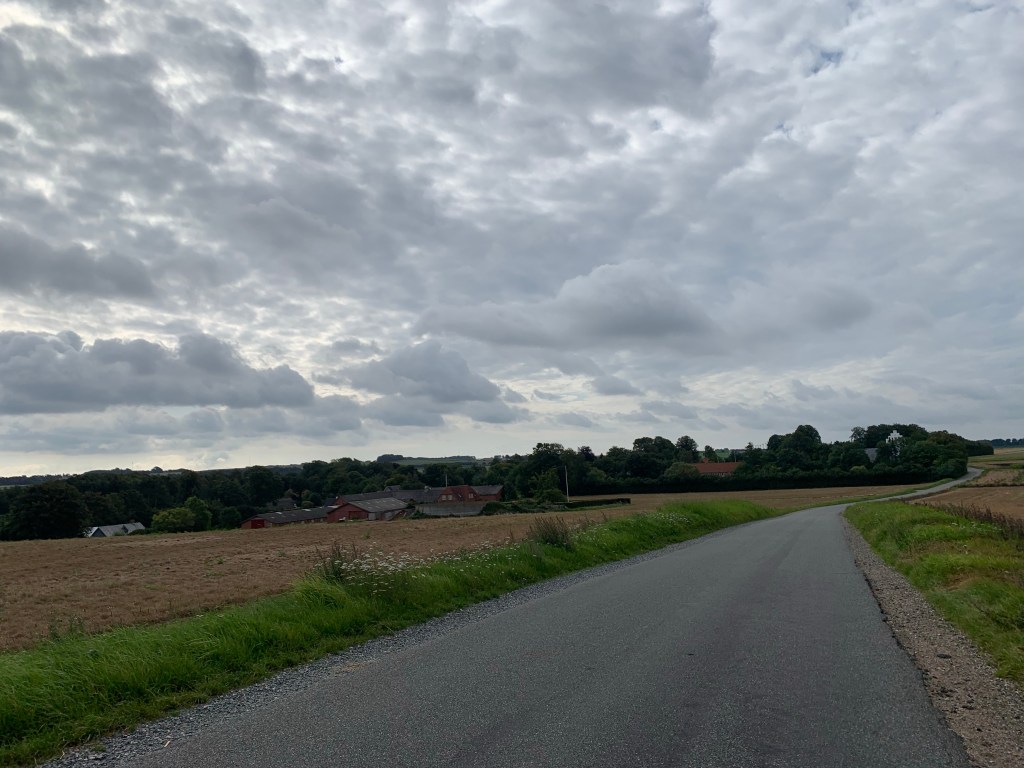
I went on an interrail trip and had a stop in Denmark, back to Grenaa and Aarhus

Last summer I wanted a little holiday for myself, and as I already had to go home to Italy, I realized I could just do that by train and visit people on the way. My first idea was going to Sweden, and stop by in Denmark, the Germany and eventually Italy. However, I ended up not going to Sweden, that will be for another time.

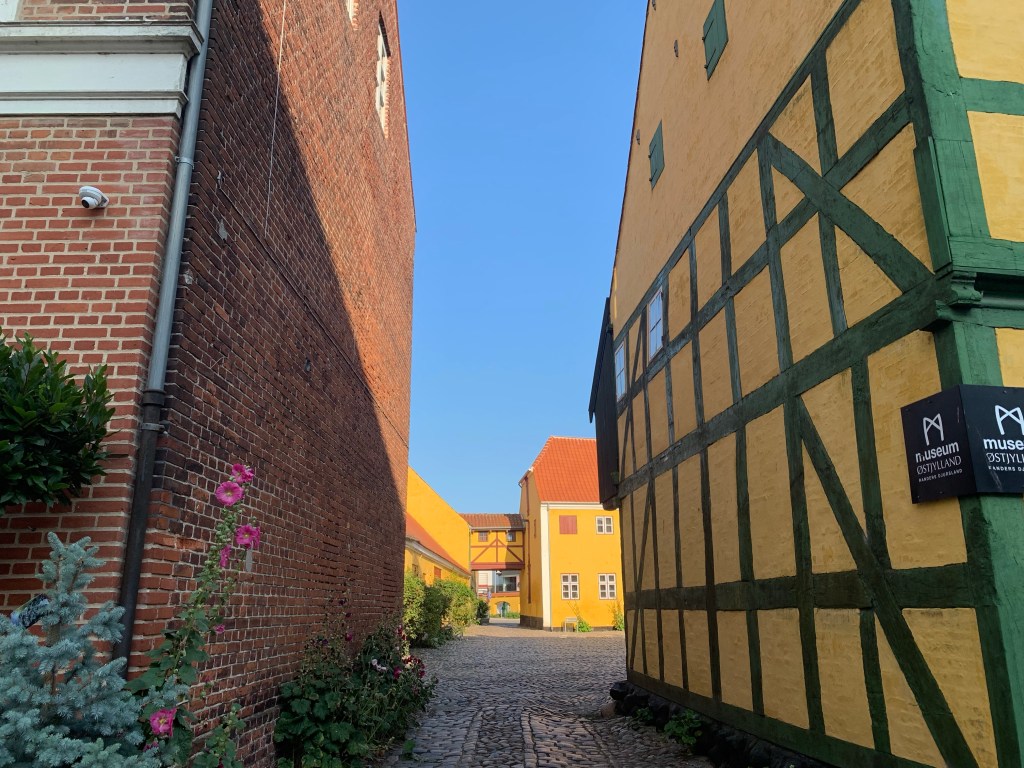
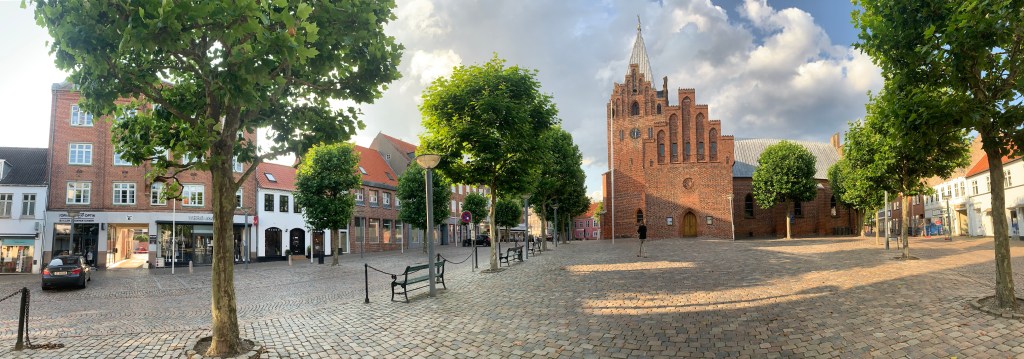
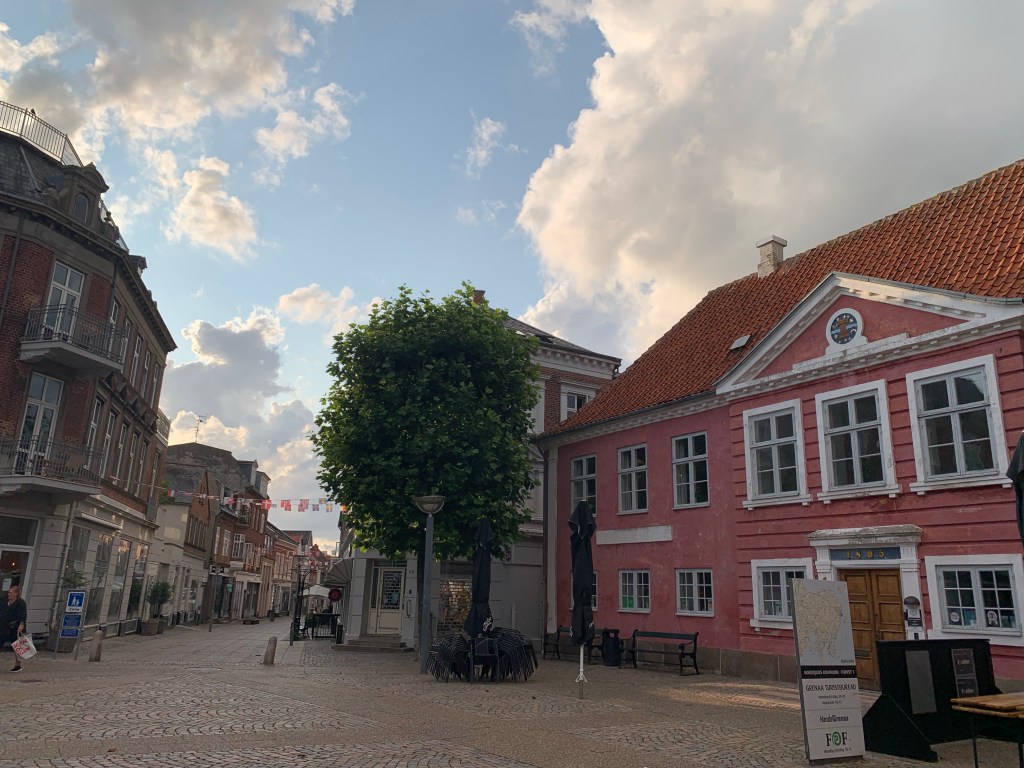
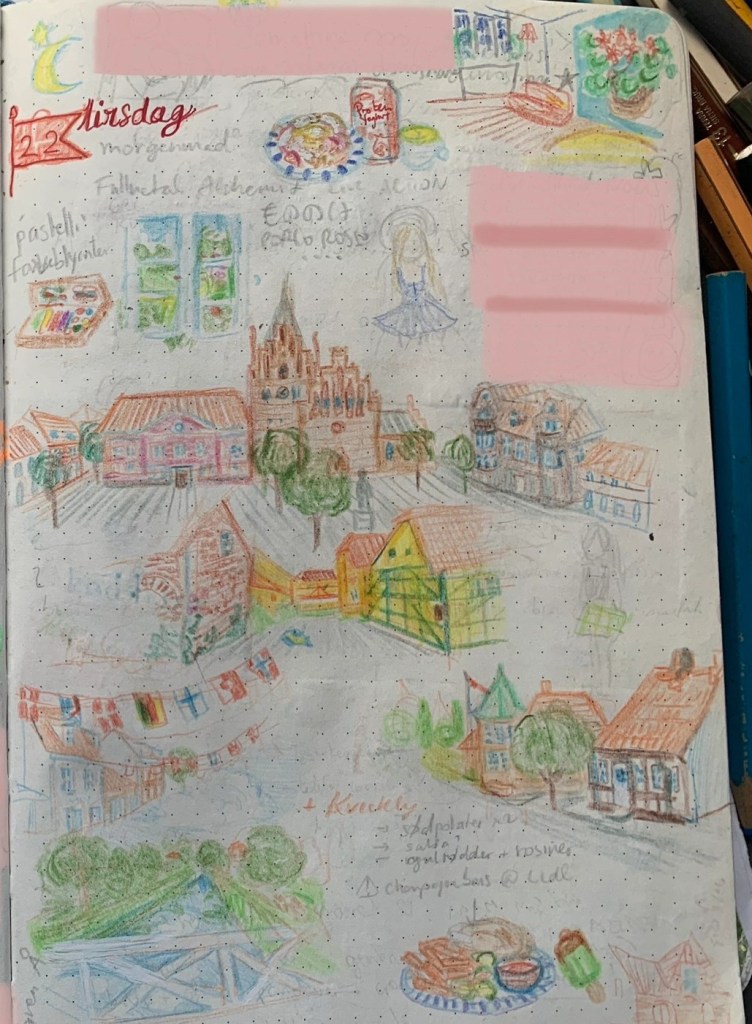
I returned to the places I went to 2 years ago, in Djursland! I unfortunately did not get to see everybody I had met there back then, but i have a very cozy 3 full days stay, and one one of these I went to Aarhus, exploring the city a bit further.

Starting from Eindhoven I went up through Germany: > Venlo (border NL-DE)> Wuppertal > Hamburg >(border DE-DK)> Fredericia > Aarhus > then the letbane (local train) till Grenaa: 5 trains!

I took the first train at 7:40 and arrived at 20:50: 13 hours! Long journey, but I enjoyed it! Besides the initial delays in Germany, the train to Hamburg was 35 minutes late when I was supposed to have 39 minutes waiting time for my train into Denmark …. Still lucky enough..

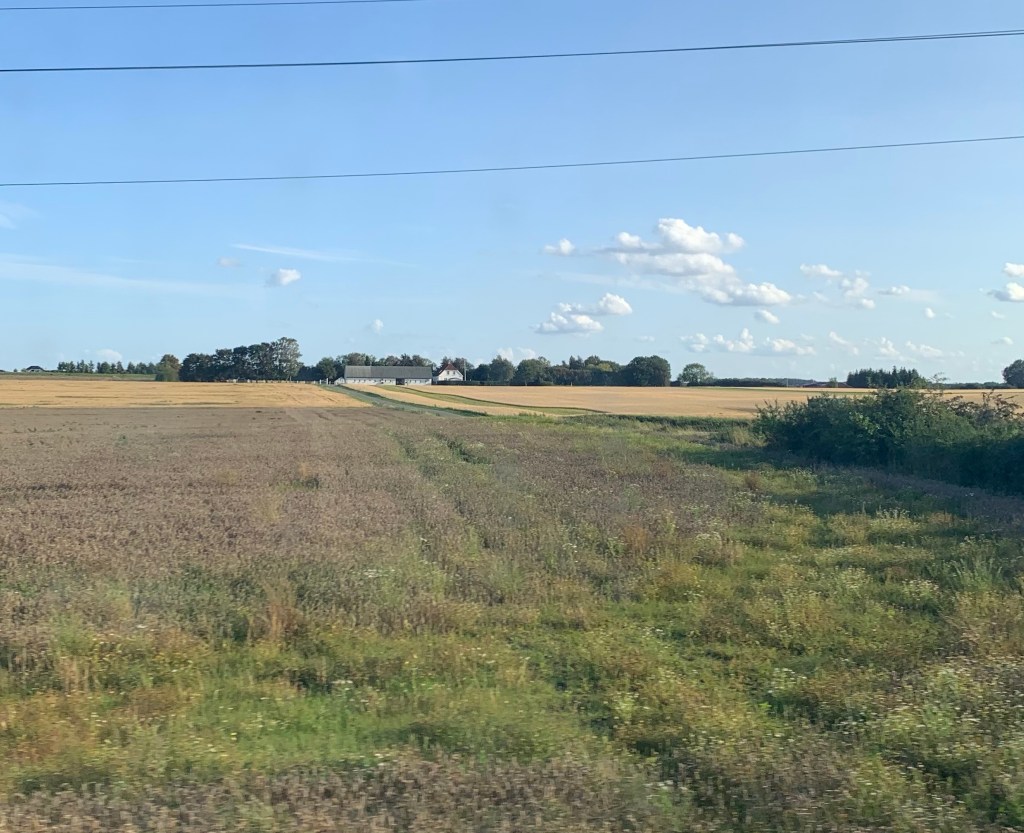
At the Aarhus station I saw the entrance into the letbane platform, which I couldn’t find when I was looking for it ending up going to dokk1 haha… It was cool to see places the letbane rides by again! I hopped of in Trustrup and my friend, picked me up, the air was cool but going through the Danish countryside was sooo nice. The place I stayed at was a village of some 20 people probably.

I ate fish and couscous for dinner and the Dutch stroopwafels I brough as gift myself! The house was super cozy -Typical Danish, with a nice garden! I kind of miss its smell 🙂

Grenaa town centre

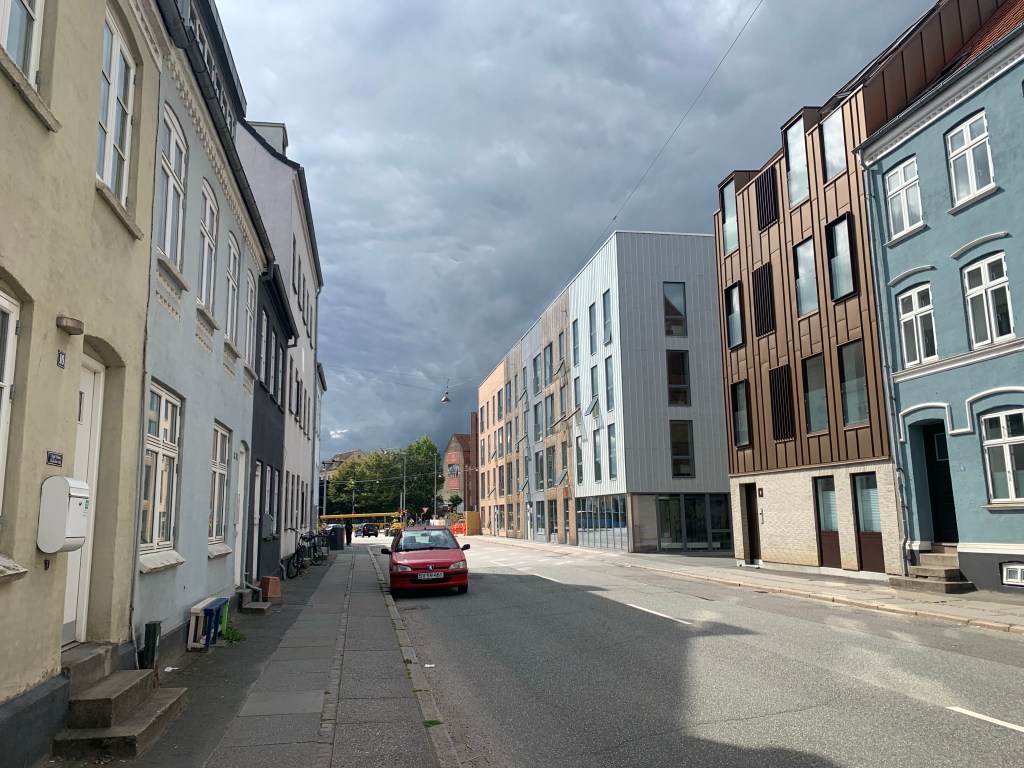
The following day I got my wish granted – seeing the centre of Grenaa I had totally missed back in 2021!!

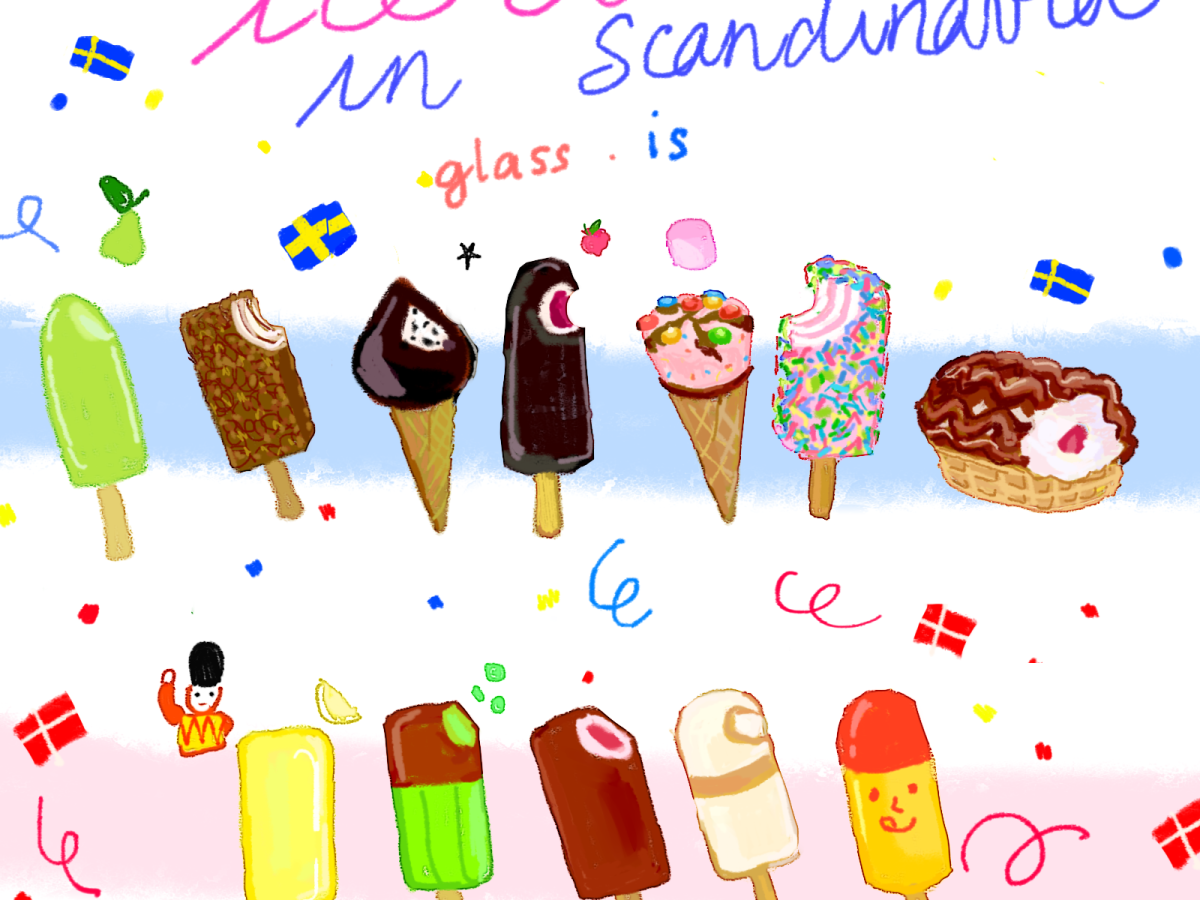
We got food for the dinner – chicken with sweet potato fries and carrots with rasins 🙂 Then a discount version of Champagne Brus, one of the classic Danish ice lollies – eating one again was my second wish!

Aarhus and Den Gamle By

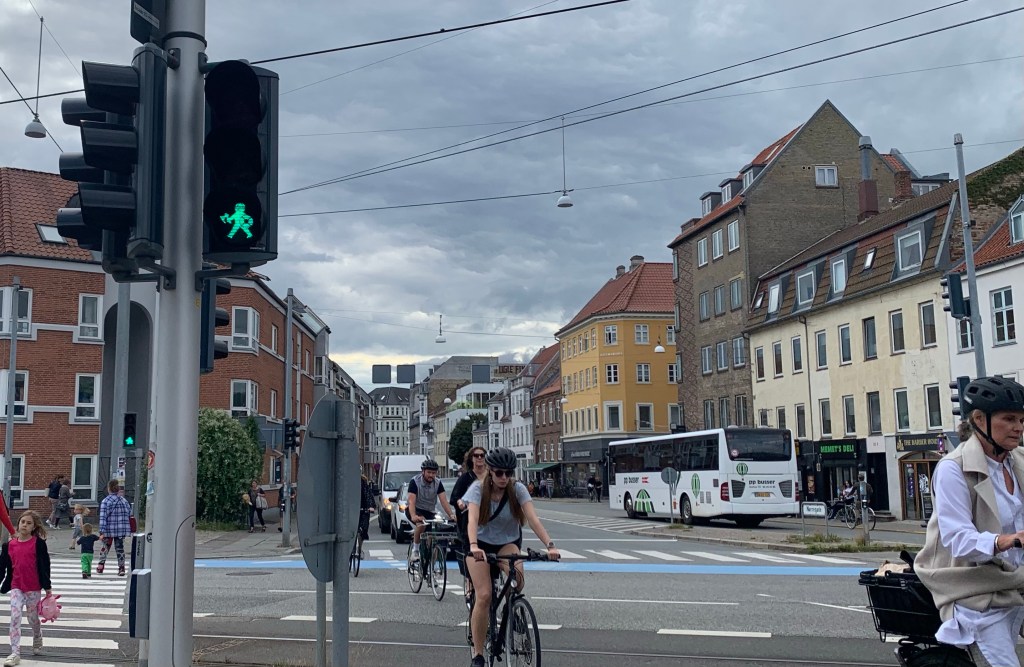
On 23rd August I went to Aarhus according to my plan! Main reason was meeting another friend 2 years later :). It started kind of bad, I could use my friend’s bike, but the saddle was way too high for me, so I first went on foot, which meant walking 1,5 hours. But I enjoyed the place and for once it was okay. Then I realized I should have taken the phone charger, and went all the way back. At that point walking again would take too long.. So I took the bike. Well, that wasn’t the most hyggelig thing. But despite falling once (I had to bike with the tip of my feet) I got to the letbane stop 30 secs before the train arrived!! Just in time to lock the bike..

Once in Aarhus I went to my friend’s place, her dad arrived in the meantime and we chatted a little. They convinced me to go to Den Gamle By, even though there wasn’t so much time left before the closing time.

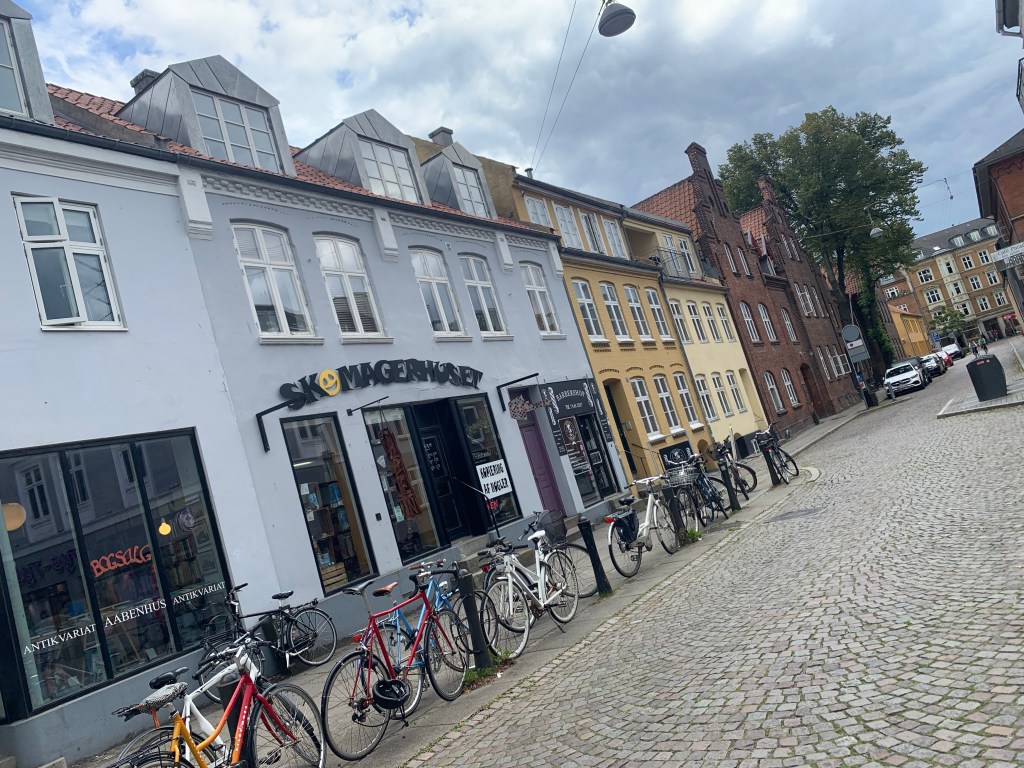
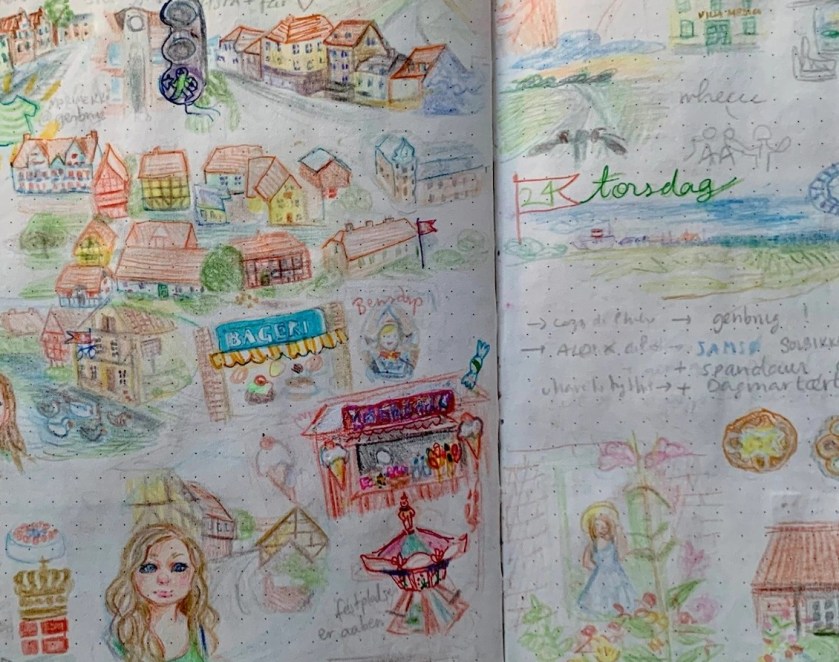
I walked headed there, and on the way I entered a second hand shop (genbrug) where I found a nice green-white striped tshirt, for just 20 DKK (3€), the brand was Finnish Marimekko, so a bonus point.

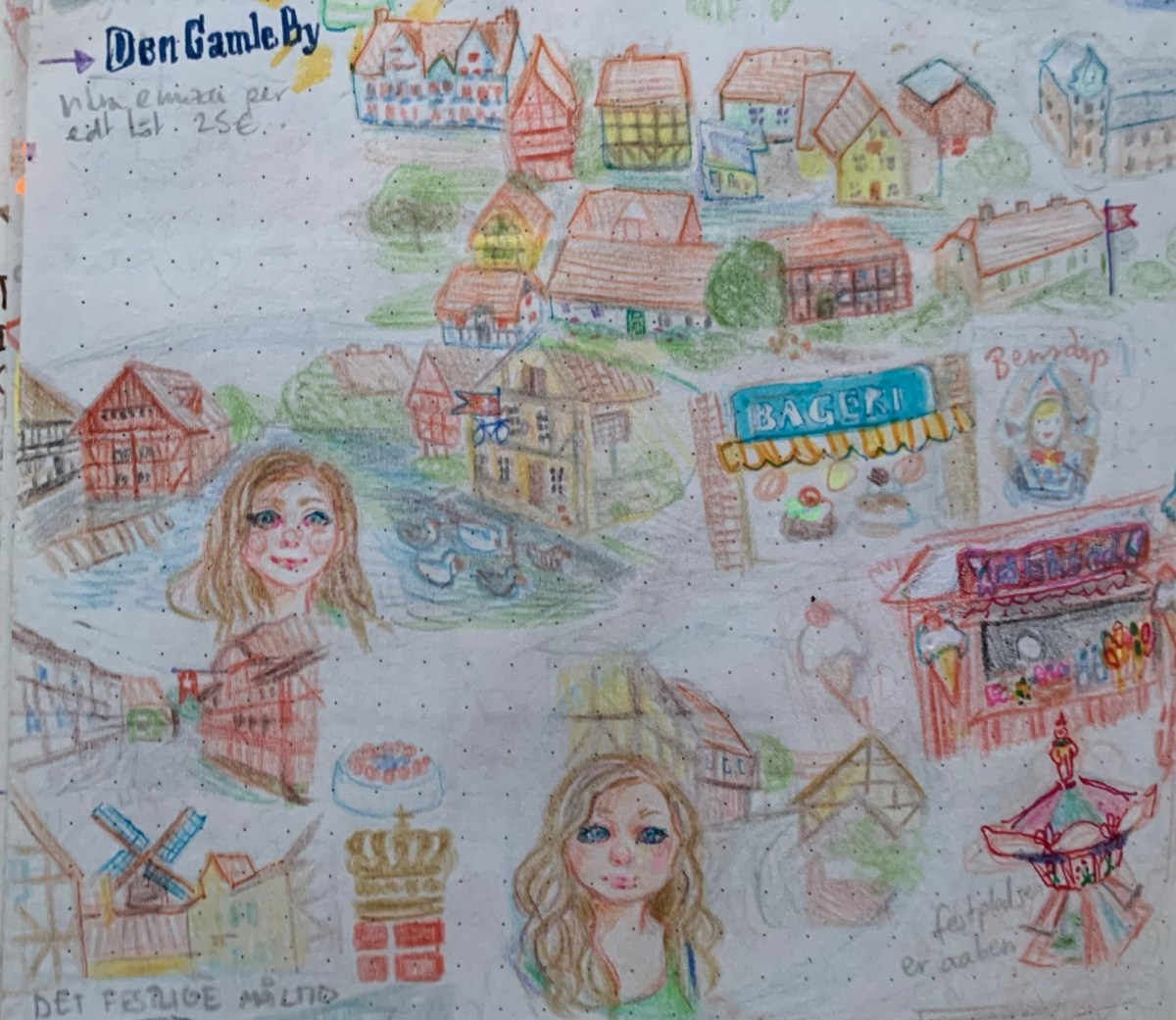
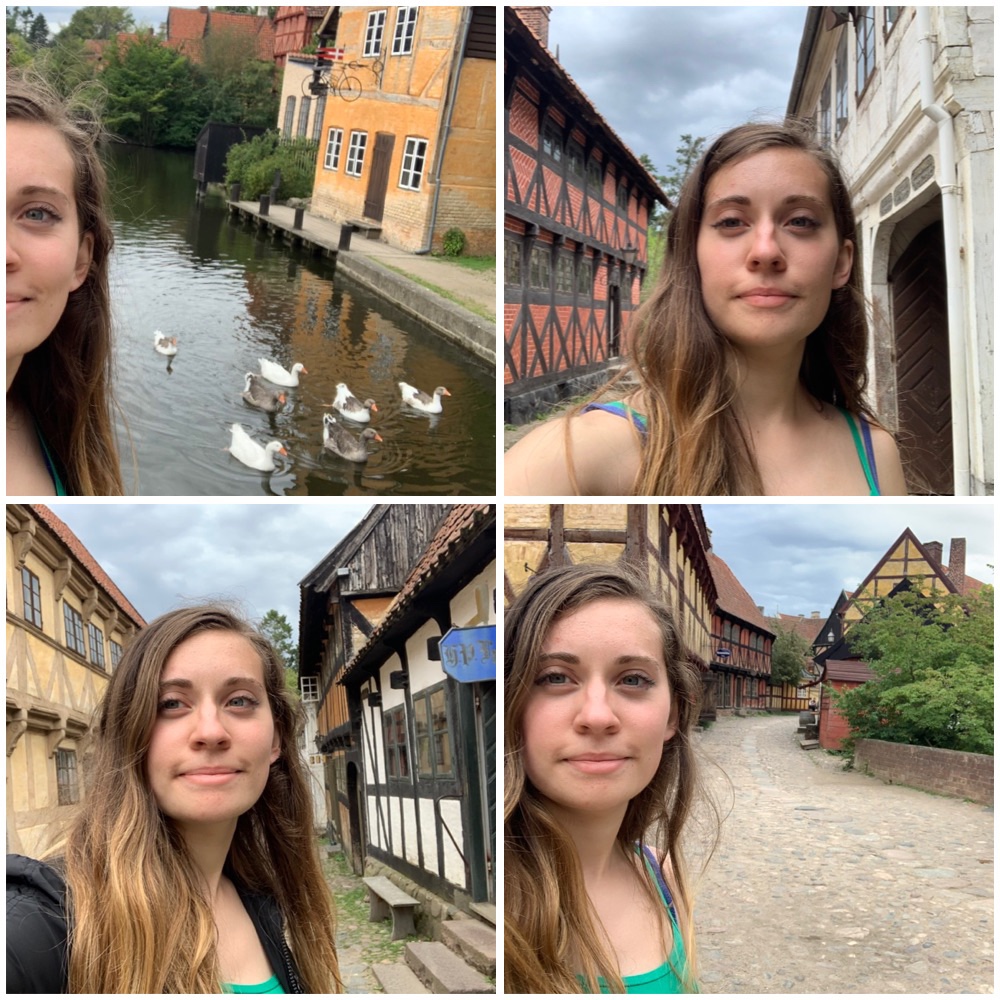
I reached Den Gamle By and went through it very fast, though I didn’t have the time to read most signs.. oh well. It did cost me 25€ but I wouldn’t be there soon again… – I ended up visiting again 3 years later though, and for free!

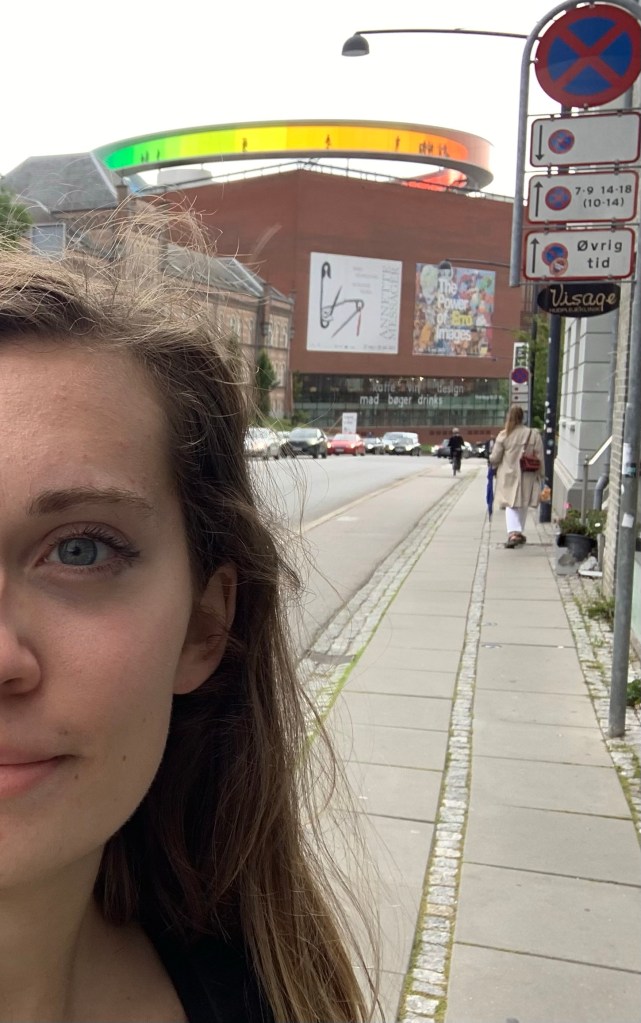
Once i got out I decided to head to AroS, the art museum, although I didn’t enter it nor walked in the rainbow circle. – I did visit Aarhus rainbow museum again one year later though!

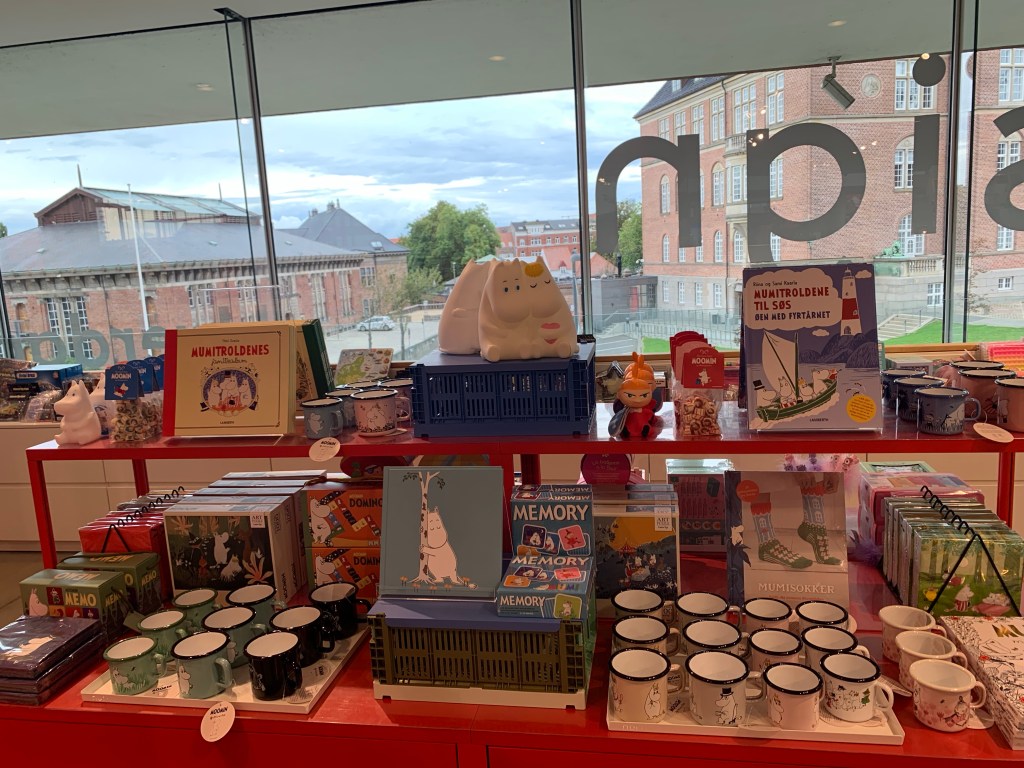
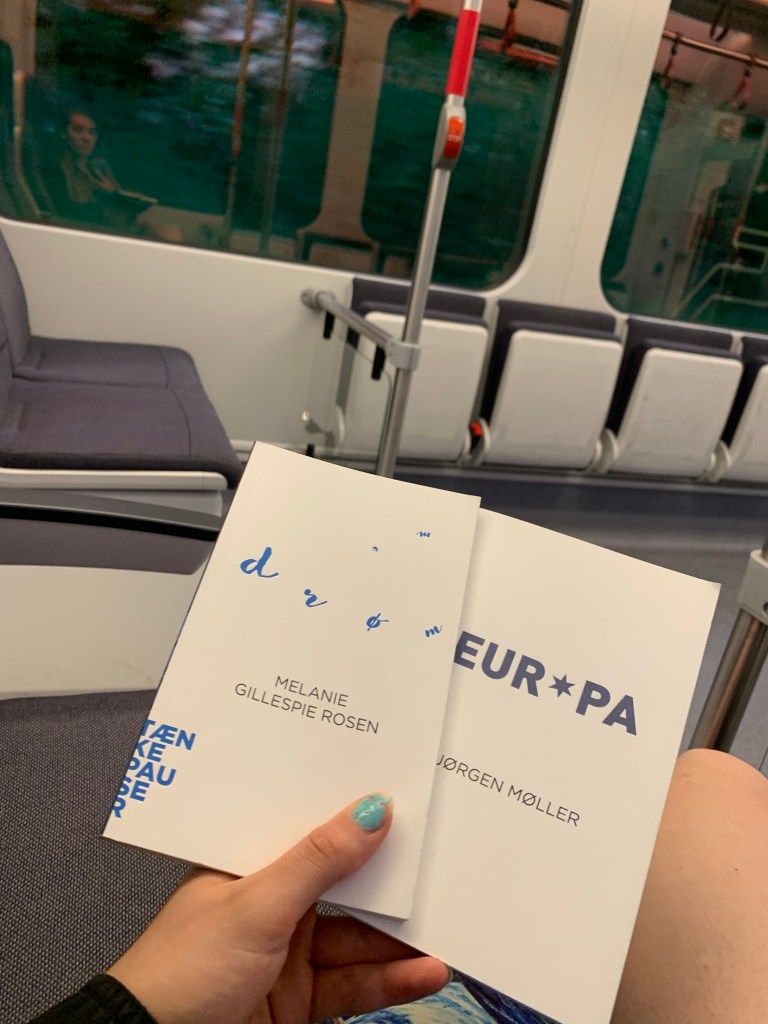
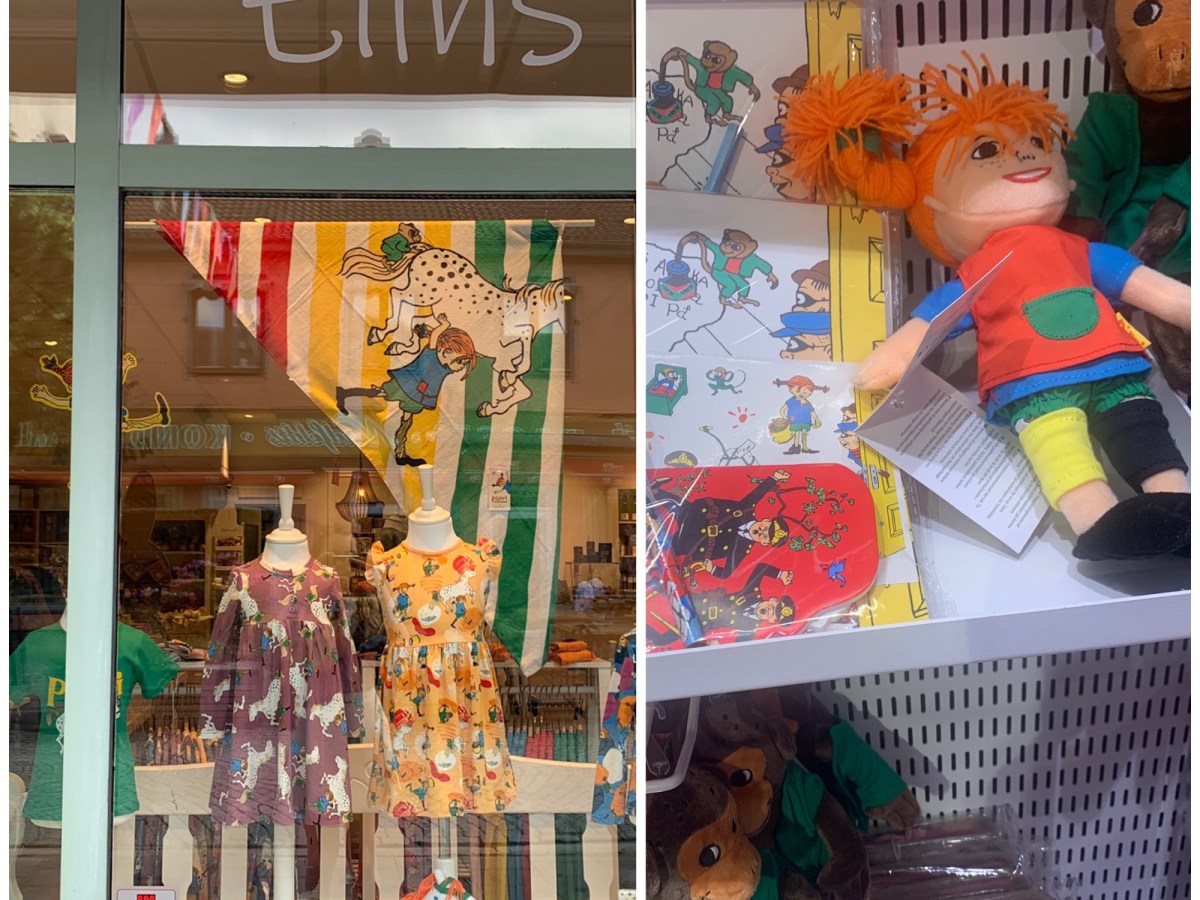
What I did was going up the stairs and then straight to the museum shop! I got my first books in Danish, written by Aarhus university professors, from a series of booklets called Tænke Pauser (‘Breaks to think’: one about Dreams (Om Drøm) and one about Europe (Europa). The museum sold also quite a lot of Moomin and Pippi Longstocking (in Danish Pippi Langstrømpe) things… But i resisted..

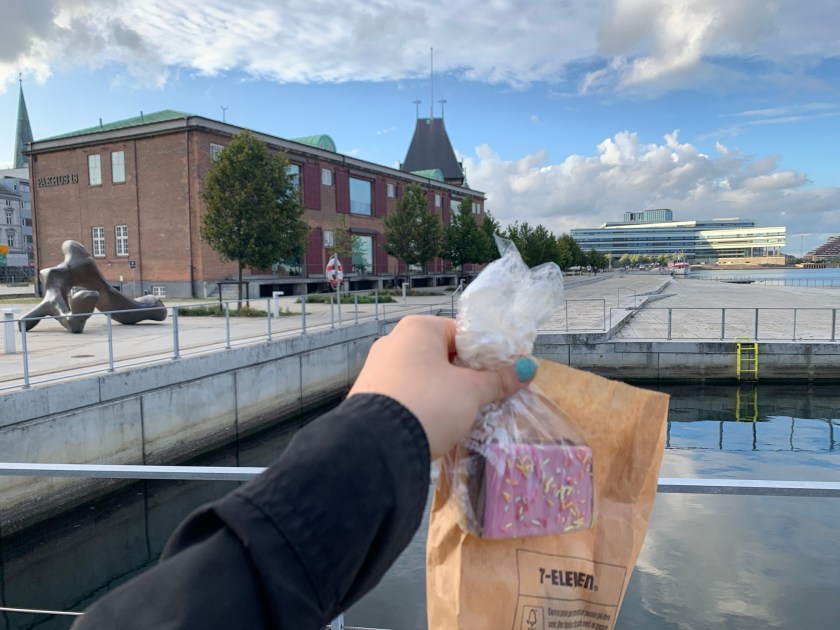
Then, super hungry and a bit tired after an intense day, I wanted to eat something. I got into a 7-Eleven and had to get Wienerbrød (Danishes, which Danes call ‘Viennese bread’), so I went for a Tebirkes and also bought a Danish chocolate/berry ice lolly I had wanted to try for a while: Solbær – which used to be called Kæmpe Eskimo. I quickly ate up the lolly and got into a Netto, getting a Studenterbrød pastry!! So I had the exact same things my friend brought me to welcome me on my very first trip to Denmark 2 years before, and I sat at the same place to eat them, Dokk1!

studenterbrød danish pastry aarhus

I lwould be there every summer evening if only I could! I then got the Letbane home and biked again home, really enojoyed that even though the bike comfiness was what it was!

Grenaa beach

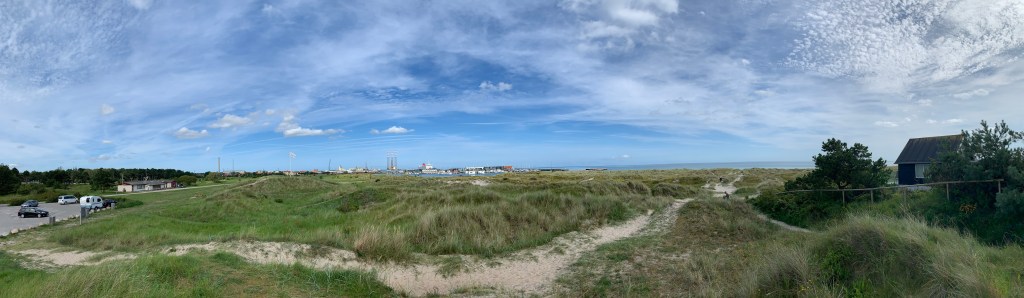
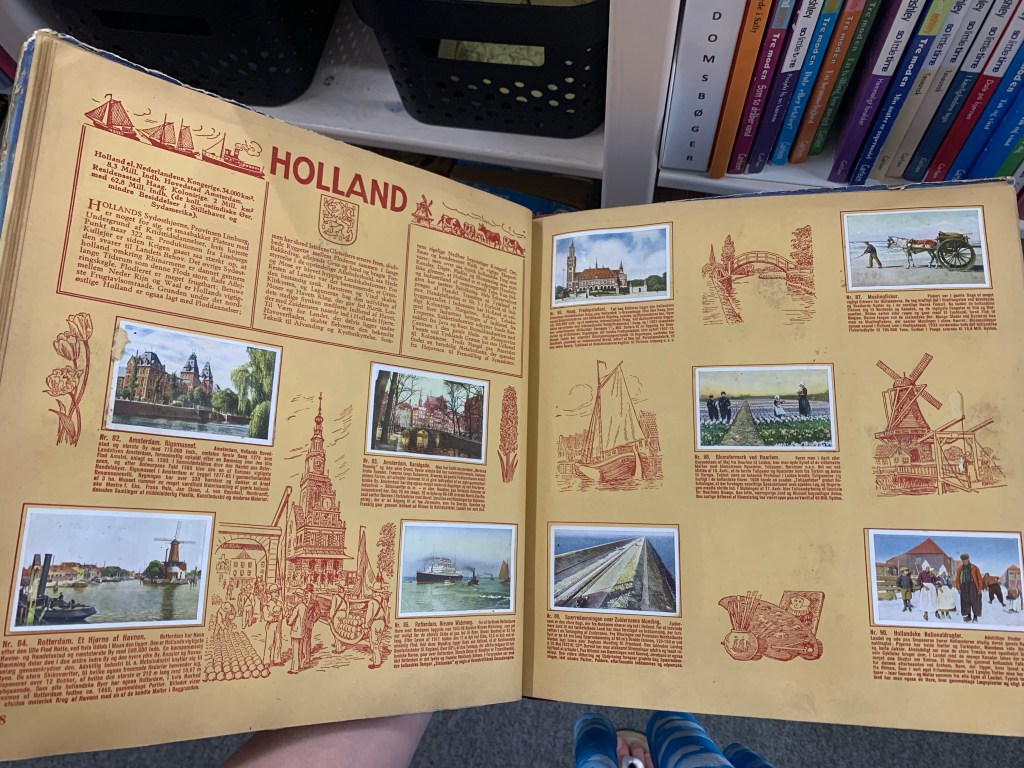
On my last full day in Denmark We went to Grenaa’s beach, Another thing I longed to do again. Later we went into the town and in another Second hand shop I found a 1936(!!) figurine album about all European countries, so cool! Besides Soviet Union, Yugoslavia and all that it even had Gdansk/Danzig …

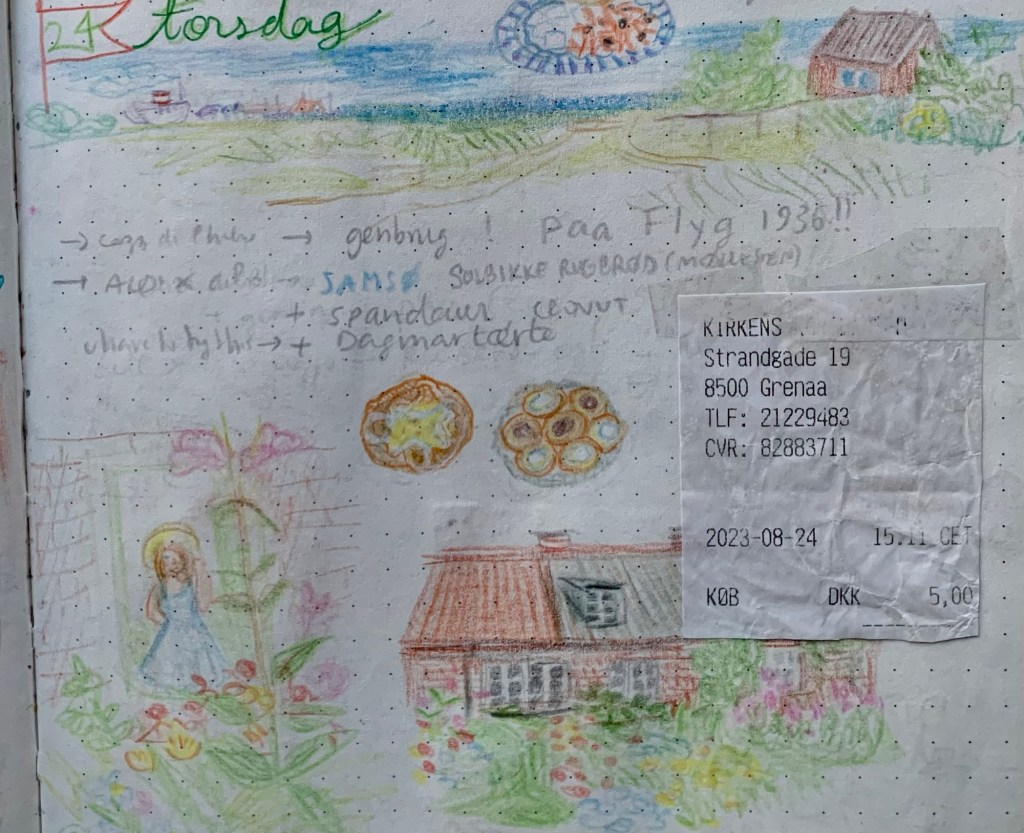
I had to get food for the journey of the following day. We went to a Lidl (I guess cheaper than Kvickly?) and of course I got Rugbrød , cheese and a Spandauer, – the most iconic Wienerbrød? My friend told me I had to try the Dagmartærte too. I also bought a cronut. Not really Danish but I had yet to try that..

We watched a Danish series called Equinotium, Not my thing, but watching stuff in other languages is always a good idea. Also some random tv-reality shows. I had a lot of trouble understanding my friend’s sarcastic comments in Danish though, gotta improve.

So I am glad I got to fulfill some wishes I have had for a while – Seeing the centre of Grenaa, Eating Danish Ice lollies, Wienerbrød and getting books in Danish!

My journey then continued south to Germany, but I went on other trips to Denmark and Scandinavia later

ScanShop: Nordic supermarket in Luxemburg

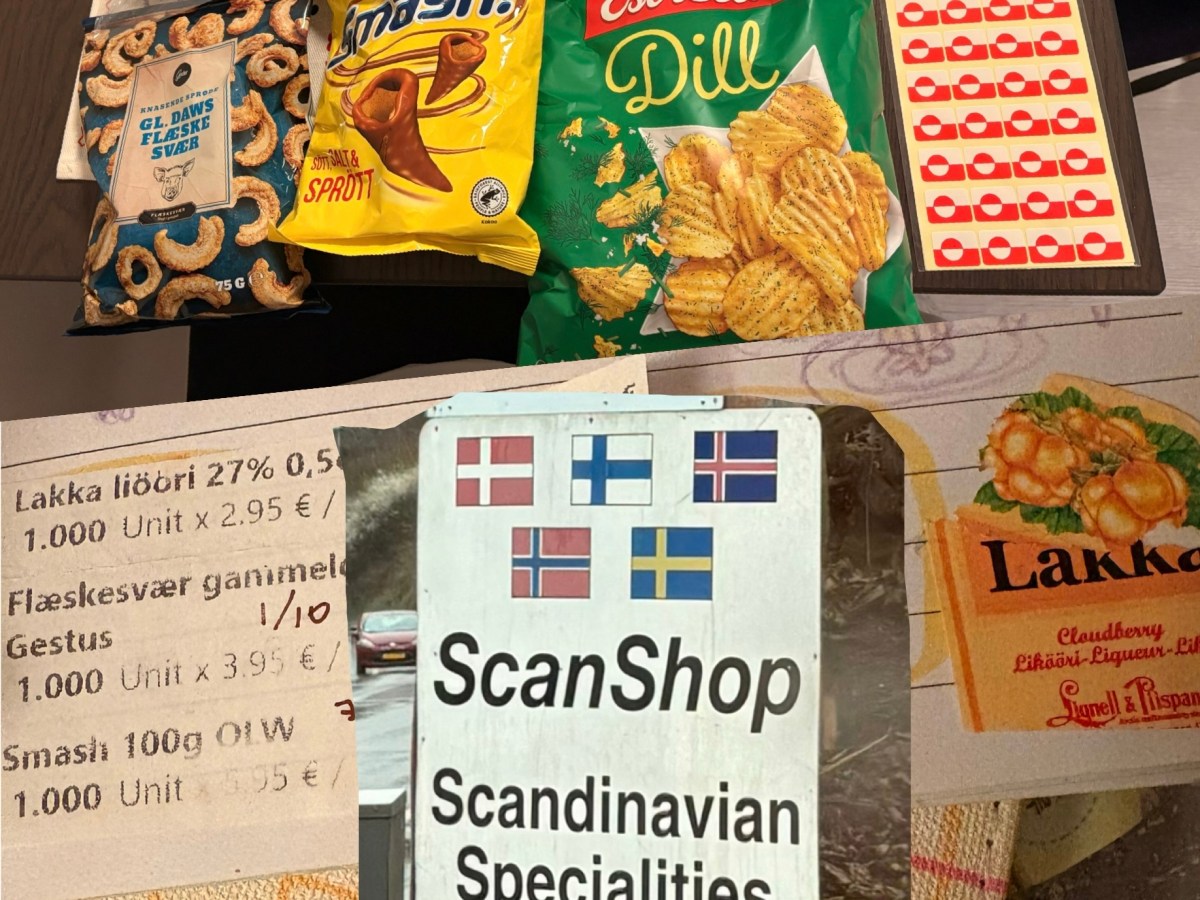
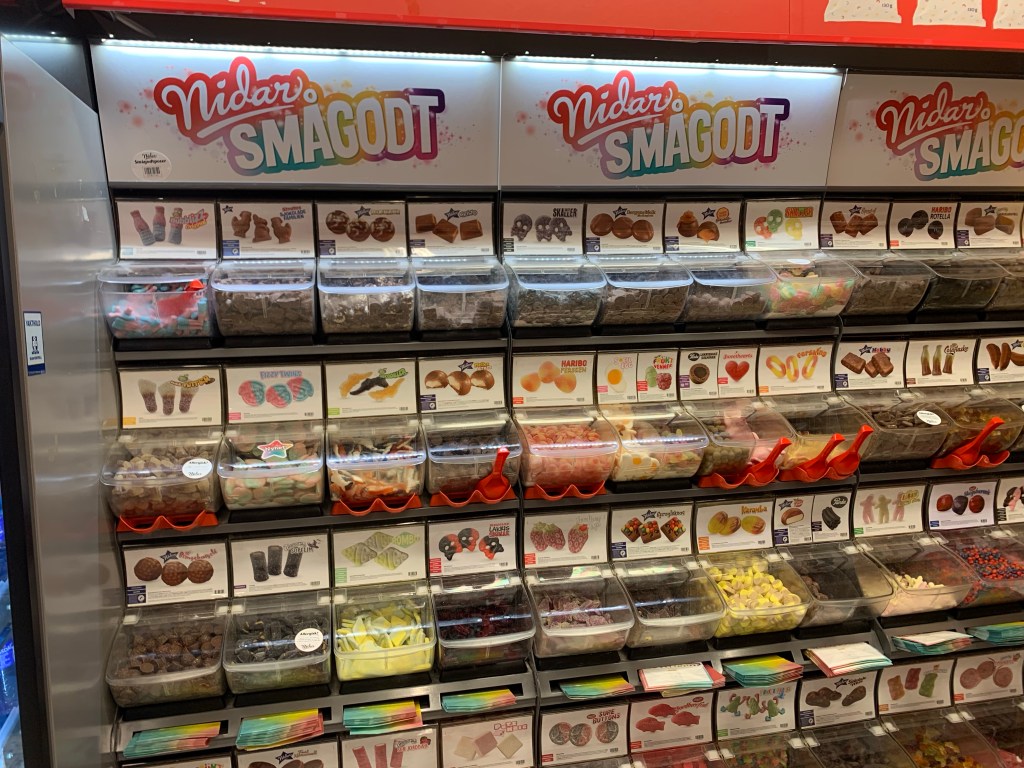
I visited Scanshop, a supermarket for Nordic expats in Luxembourg and Belgium. It offers a wide range of Scandinavian food products, including rye bread, fish, and sweets, alongside flags and tableware.

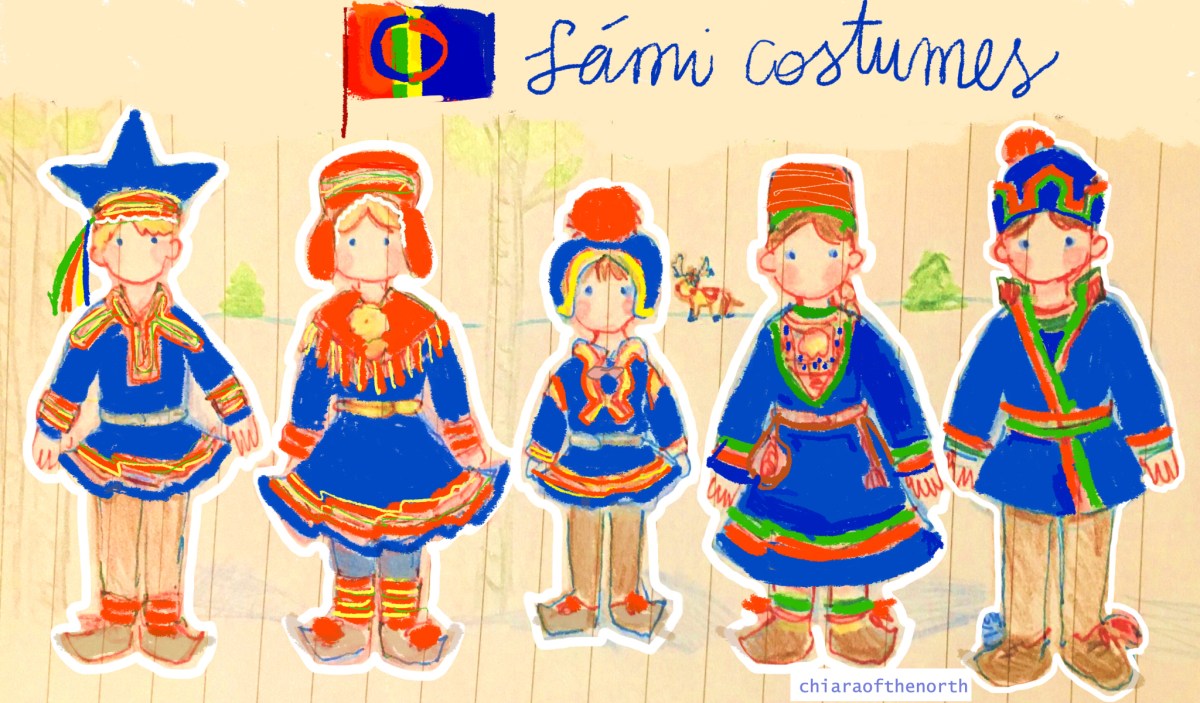
Sami traditional costumes

Sami traditional costumes: hats and dresses from Lapland

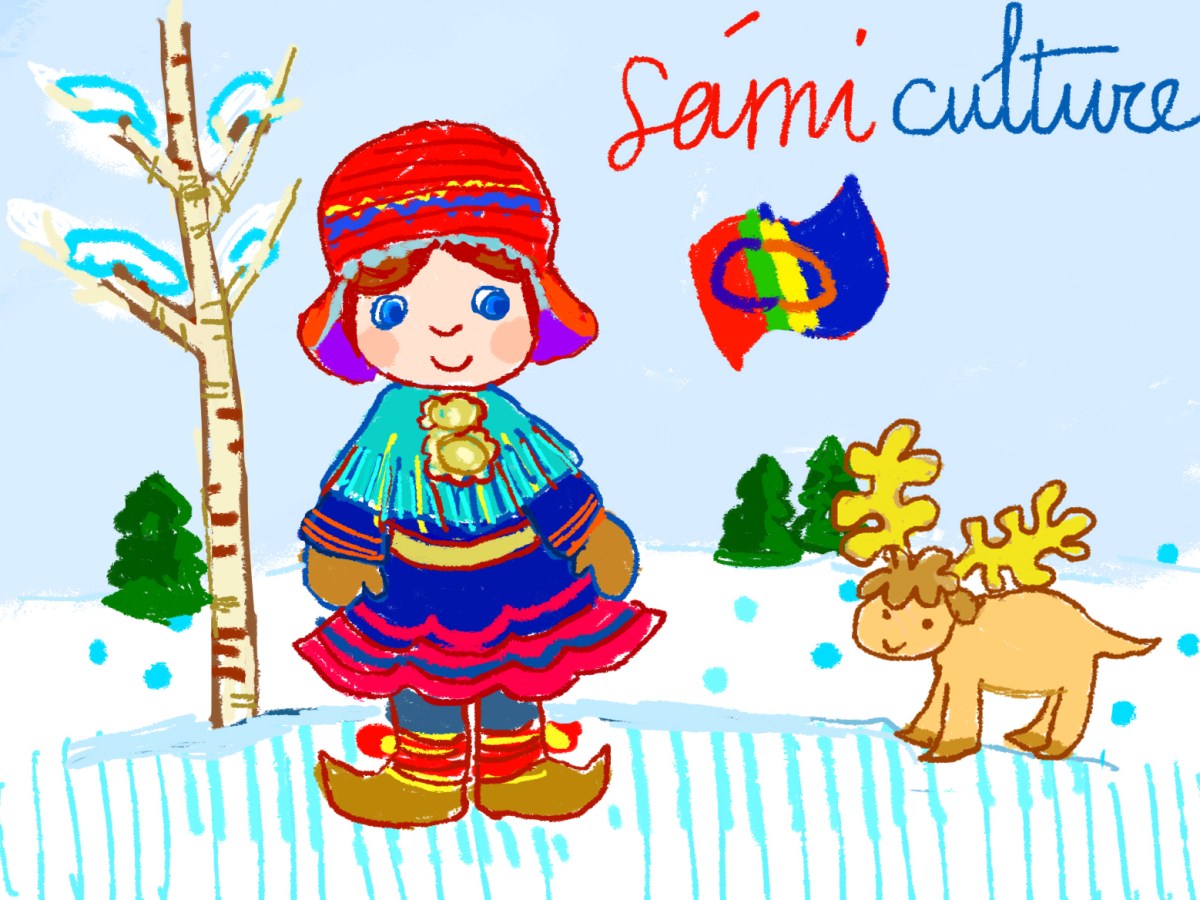
My birthday falls on Sami national day, and to honour the sami people (who used to be called Lapps), I decided to write an an article about their traditional clothing, after Swedish and Norwegian costumes.

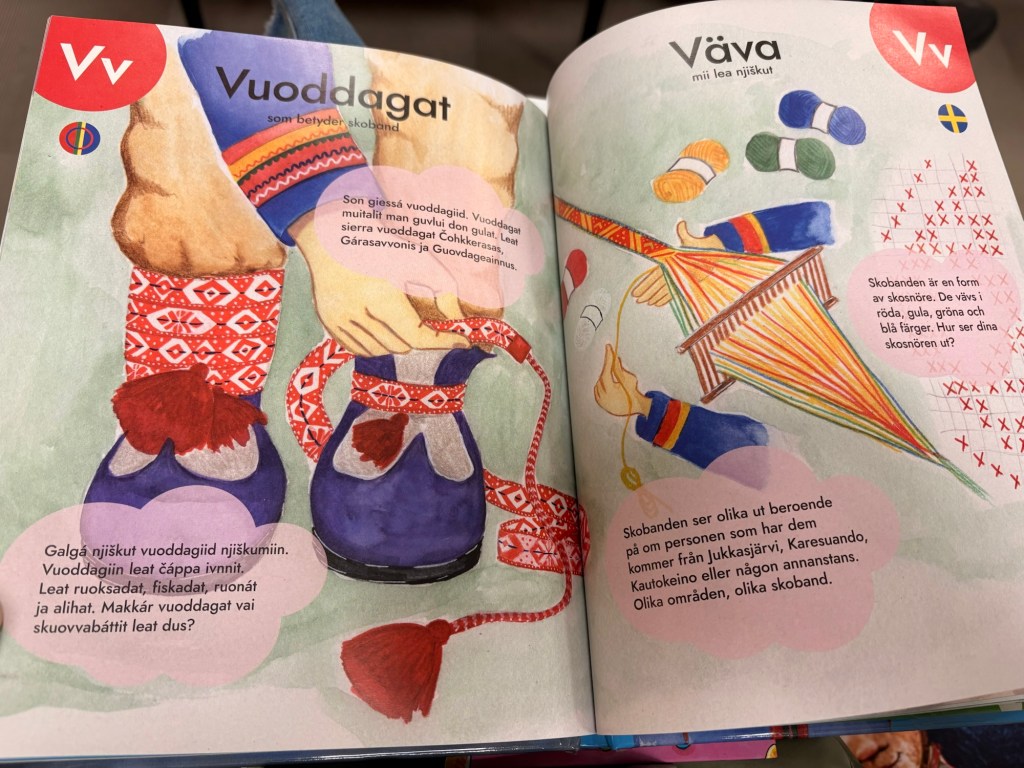
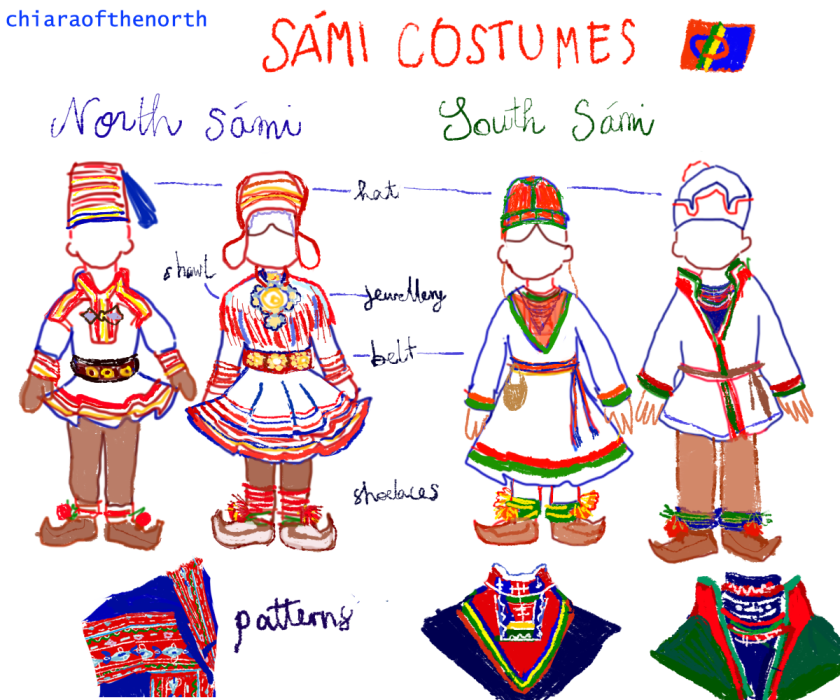
The main part of the Sami traditional costume is called gapta/gåptoe, in southern Sami, gábdde in Lule Sami, gákti in Northern Sami. In Swedish and Norwegian repectively kolt and kofte. Sami costumes include hats, belts, jewellery as brooches, mittens, shoelaces.
There are traditional superstitions tied to the costumes, for example, if the shoelace came loose, someone was thinking about that person or was about to joke about them.

From the North Sami-Swedish alphabet book by Elon Marakatt and Anna-Stina Svonni

Sami handicrafts, Duodji, also include making your own clothing, and that is still the case for some families. Natural resources determined the material to produce clothing, which consisted in just skin and fur until the middle ages and the introduction of fabric.

In 1940 the archeologist Gutorm Gjessing and his wife Gertrjud were the first to write about Sami clothing, in their book Lapdrakten.

Sami costume variations

Sami Costumes vary depending on the geographical area and gender, with bright colors that are also present in the Sami flag: red, white, yellow and Green. The base color of dresses is most often blue, especially since the post-war period, with edges and details in red, yellow and green. In the 1960s, Sami women started sewing summer costumes with floral-patterned cotton, as you can see in this music video of Sami singer Elin Oskal..

sami costumes north south difference

Generally, variations in Sami costumes follow Sami languages and ethnical groups within Samis. However, because of nomadic life depending on reindeers, designs from different groups ended up influencing each other.

Although Sami costumes vary district by district, there is a marked difference between North and South Sami variations. The most notable is the neck style and length: long dress and v-neck with intricated decorations on the the breastplate for women costumes to the south of Jokkmokk, with a shawl on top and a more “curled up” end in the North Sámi versions.

Other variations depend on gender or status: Skolte-sami women hats change for girls, married and single women; Lule and South Sami dresses have red breastplates for women and blue for men.

Sami iconic hats

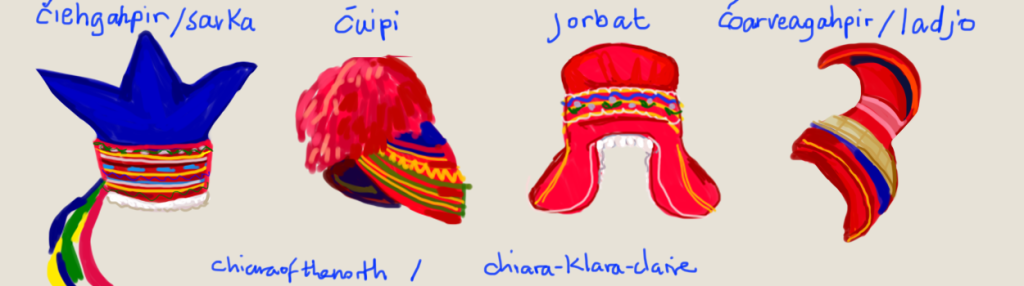
An important part of Sami costumes is the hat, which also strongly differ depending on gender, area and status. Various types of hats exist (see picture), different for men and women. Among others:

men hats: Four Winds Hat, čiehgahpir or Šávka, with summer and winter variations (also stjernelue in Norwegian “star hat”), used in East Finnmark, Karasjok, Kautokeino, North-East Norway; ćuipi, a kind of poofball hat with a big red pom pom, used in Karesuando, Swedish Lapland.

Women hats: Jorbat, the hat with the big ‘ears’; Ládju/ladjo, also called čoarvegahpir (čoarvi – horn, gahpir – hat), which stopped being used a hundred years ago, but still exists in eastern Sami areas now under Russia.

Costumes as a symbol of Sámi identity

Some Sami grow up wearing it, others only use it for their confirmation ceremony, others got it as adults, taking pride in their ethnic identity, which was repressed and discouraged due to discrimination and forced assimilation in the past. A revival lead to reconstruct costumes also in areas where they were disappeared, similarly to what happened with Norwegian bunads.

In the 1970s, Sami movements made it an important symbol for Sami identity, leading many young Sami to sew their own costumes. Wearing Sami costumes became a new tradition in some contexts, as during Sami national parliament assemblies in Sweden, Norway and Finland.

Sources (Norwegian):

Swedish Café in Utrecht: Broodnodig

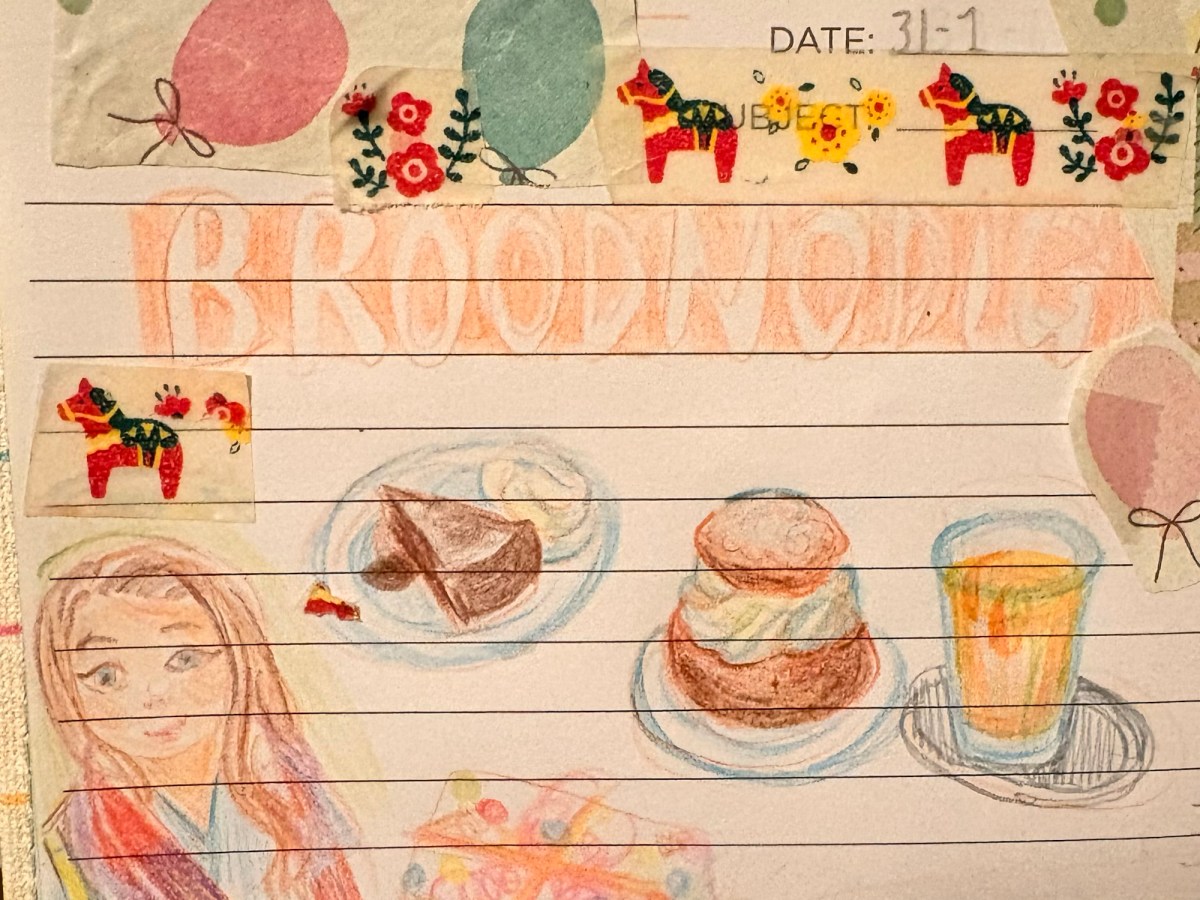
In Utrecht, the cafe Broodnodig serves Swedish pastries and cakes as cinnamon and cardamom buns, kladdkaka, smulpaj and Scandinavian seasonal treats as semlor and saffron buns.

Illustrated Guide to Swedish Fika

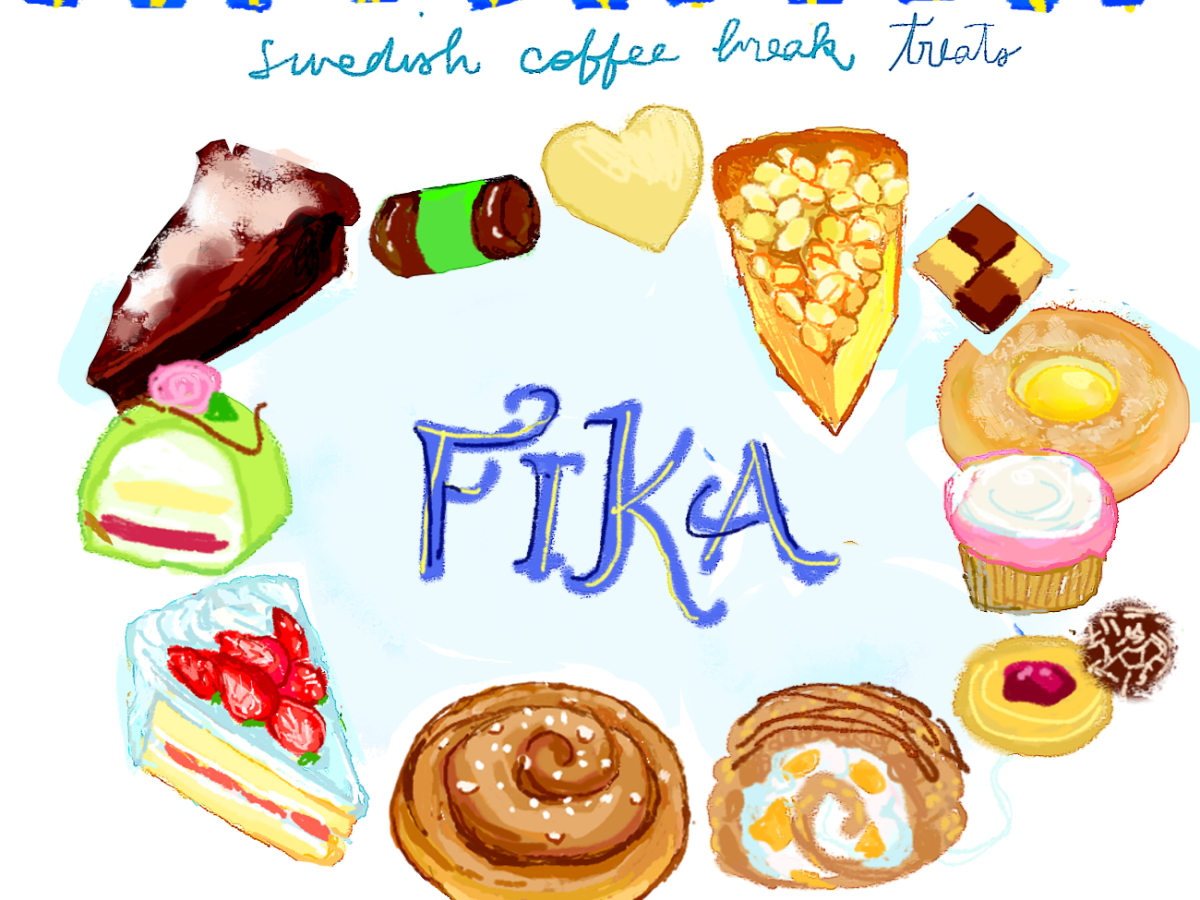
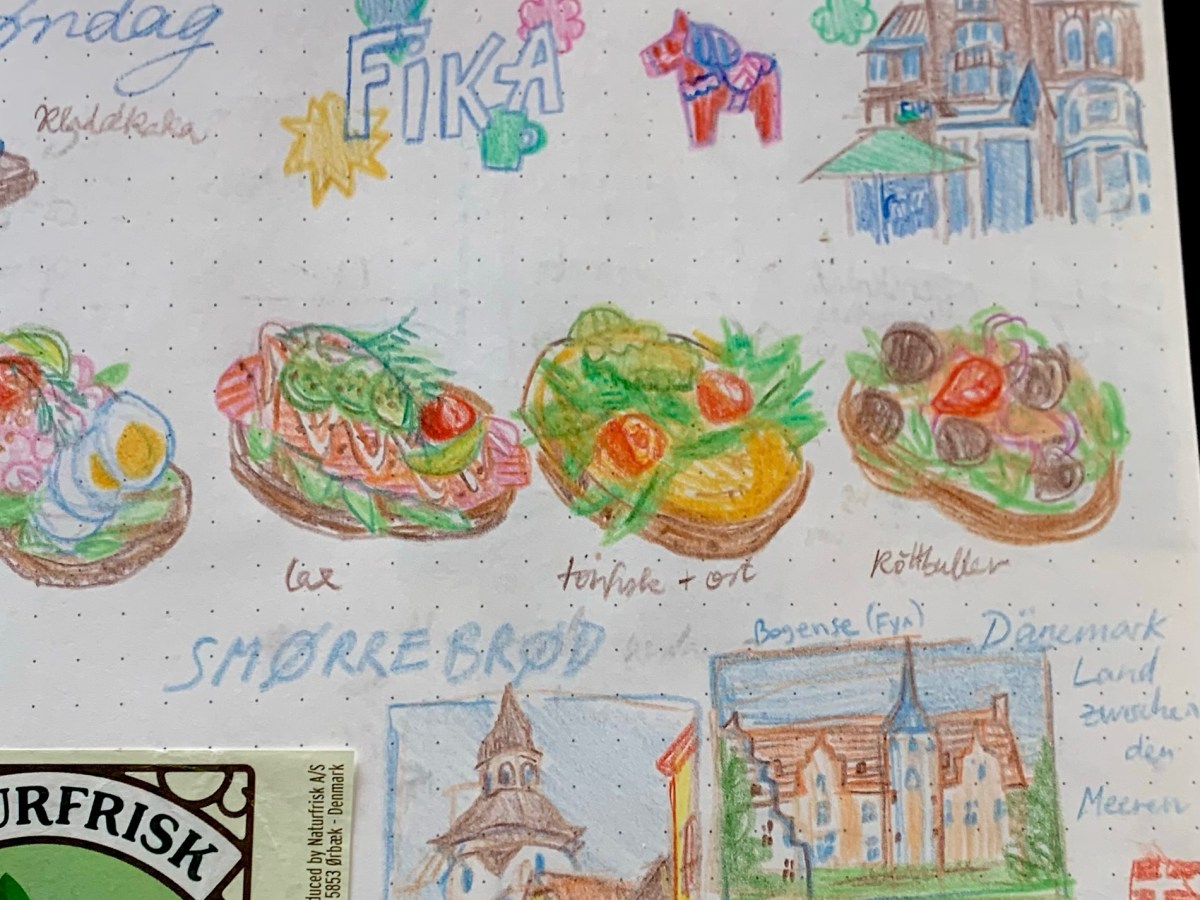
Fika is a cherished Swedish tradition involving a coffee and cake break. Discover various Fika treats, from classic kanelbullar (cinnamon buns), cakes and cookies to savory options.

knowing Swedish/Danish/Norwegian helps with Icelandic?

Is it easier to learn Icelandic if you speak a Scandinavian language? My experience of studying it while knowing Swedish, Danish, Nowegian and German

A while ago a follower of my langstagram asked: Hi Chiara, I was thinking about starting Icelandic, what are your thoughts on the difficulty of the language? I already know swedish on B1 level, is that helpful?

Generally speaking, good knowledge of Scandinavian languages will certainly help, but Icelandic is to be taken as a very distinct language, for which you’ll need to spend quite a lot of time for both grammar and vocabulary, even if many things will look familiar.

As follows my impressions and experience with my prior knowledge of Scandinavian languages:

Learning grammar

Needless to say now, the trickiest part is the grammar and the inflections, it’s something you have to practice with and get used to. For that aspect knowing some German might help you more than knowing Swedish honestly. Just like they told me Latin would help me understand how German works. And I think it did, even if it was just to understand what cases are at all. German and Icelandic belong however to the same language family, and as fellow Germanic languages there are still some endings they vaguely share. They also use the same 4 cases: Nominative, Accusative, Dative, Genitive. This is clear by looking at the personal pronouns: while you only have I-me in the rest of Germanic languages, from Swedish to Dutch, Icelandic and German have the dative version: ich-mich-mir and ég-mig-mér.

IcelandicScandinavianGermanEnglish
case inflections4 cases used in nouns, adjectives– only personal pronouns (I-me, he-him.. forms)4 cases used in
articles, adjectives, personal pronouns
-only personal pronouns (2 forms)
verb conjugations (examples with present tense) a couple conjugations with similar endings: -/a,-(u)r/-(s)t/ð, -(u)r/-; -um, -ið, -a/ualways same ending for all people (-a/er)always same endings (with some irregularities in root vowels): -e,-st,-t;-en,-t, -enno ending except for third person -s
word orderas in English +verb in 2nd position ruleas in English +verb in 2nd position ruleverb in 2nd position, conjugated verb at the end after given connectors

To put it simply, I could say Icelandic is like an overcomplicated version of something you might be familiar with. Of course there are unique features Icelandic shares with its cousin languages, like:

  • definite article at the end of the word: (a) boy, strákur, becomes strákurinn when you want to say the boy. the ending is -n for the feminine and ,-ið for the neuter, and gets a bit more complicated in the plural. But once you got how it works that’s it.
  • passive/reflexive verb form made with the Middle Voice, formed by the addition of the ending -st to the Active verb, in any tense: við sjáumst, vi ses = we see each other; Hann kallast – han kallas = he is called.

Learning vocabulary

Scandinavian languages might come in handy for vocabulary. There are a lot of cognates and things which will remind you of something you already know, although not used in the same way. However, generally speaking I would say knowing any other Germanic language is often as helpful, maybe just slightly less similar, but to a smaller extent for English, which has a significant higher share of romance vocabulary due to its history.

IcelandicScandinavianEnglishGermanDutch
blómblomma/blomstflowerBlumebloem
maður, konaman, kvinna/kvinde *kone in Danish=wifeman, womanMann, Frauman, vrouw
jarðarberjordgubbe, jordbær..strawberryErdbeeraardbei
höfuðborghuvud/hovedstadcapital cityHauptstadthoofdstad
eðaelleroroderof

But still, quite often you will encounter obscure words, for which most other languages use the same word, for instance háskoli for university (literally ‘high school’, just higher than high school in Icelandic 😉 , or tölva for computer. You can check out many others in an article with a comparison between Icelandic and Finnish.

Sometimes you won’t recognize some related words instantly but once you’ve realized the connections with Swedish/Danish/Norwegian they will be much easier to remember (I had this some time ago with keyra (to drive), köra/køre in Swedish/Danish).

IcelandicScandinavianEnglishGerman
hvað heitir þu?(h)va(d) heter/hedder du?What’s your namewie heißt du?
ég tala ekki enskujag/jeg pratar/snakker inte/ikke engelsk(a)I don’t speak Englishich spreche kein Englisch
hvað ert þú gamall?hur/hvor gammal/el är/er du?how old are you?wie alt bist du?
  • English: All human beings are born free and equal in dignity and rights.
  • Scandinavian: Alla/e människor/mennesker är födda/født fria/e och lika/lige i värde och rättigheter/værdighed og rettigheder. 
  • Icelandic: Hver maður er borinn frjáls og jafn öðrum að virðingu og réttindum.
  • German: Alle Menschen sind frei und gleich an Würde und Rechten geboren.

As follows the plot of the movie Nói Albinói. words in bold are similar in Scandinavian languages, underlined ones in other Germanic languages as well, meaning that knowing the given language(s) spared me from the pain of looking them up. Words in italic are unique to Icelandic, and I had to copy-paste them somewhere…:

Myndin gerist um vetur í smábæ úti á landi. Nói er ungur strákur í menntaskóla. Hann býr hjá ömmu sinni. Pabbi Nóa býr einn, hann er þunglyndur og drekkur mikið. Nói er sérstök persóna, hann er gáfaður en hann er ekki duglegur í skóla. Hann er oft einn og hann er ekki félagslyndur. En ung stúlka, Íris, flytur í bæinn. Hún er úr Reykjavík. Nói kynnist henni og þau verða vinir. (text from IcelandicOnline)

Is it useful to learn a Scandinavian language before starting Icelandic?

Of course speaking a Scandinavian language will make your journey with icelandic a bit easier, but definitely not as much as Norwegian/Swedish/Danish with each other. So learn a Scandinavian language before or after Icelandic to have fun, but do not think Icelandic will be easy after it. On the other hand, Learning them simultaneously might confuse you a little bit but in my opinion they are different enough to not mess up too much.

Learning Icelanding before a Scandinavian language will make the latter feel a lot easier. Similarly to what it is like to first learn German and then Dutch, when finding yourself with a simplified version of a known grammar, instead of the opposite.

Icelanders learn Danish in school but the chances that that will make it any more convenient to speak Danish in Iceland are probably very low.

Some dialects of Norwegian have more in common with Icelandic though, mostly in the pronounciation, with hva being pronounced as ka, similarly to Icelandic hv-words. But that’s more a language geek thing than something actually helping you learn Icelandic I guess?

My experience

Although learning it not too consistently and keeping it as an “extra”, I started picking it up a couple years ago. I already spoke Swedish and more casually learned Danish and Norwegian, and Icelandic was my missing puzzle, the living ancestor of these three, with its unique þ and ð and the obscure grammar. I was first mainly interested in just understanding its grammar, the same I had with Finnish, and my current goal is becoming conversional. In the meantime, I gained a good insight on how the language works and challenges it gives.

I am currently using Icelandic Online and reading Short Stories to keep up with Icelandic (not consistently enough, unfortunately), and I do often find cognates which help me recognizing words, but that’s mostly due to having studied all the main Germanic languages than just Scandinavian ones. Probably also because of this my experience learning Icelandic goes more smoothly than Finnish, which belongs to a separate language family.

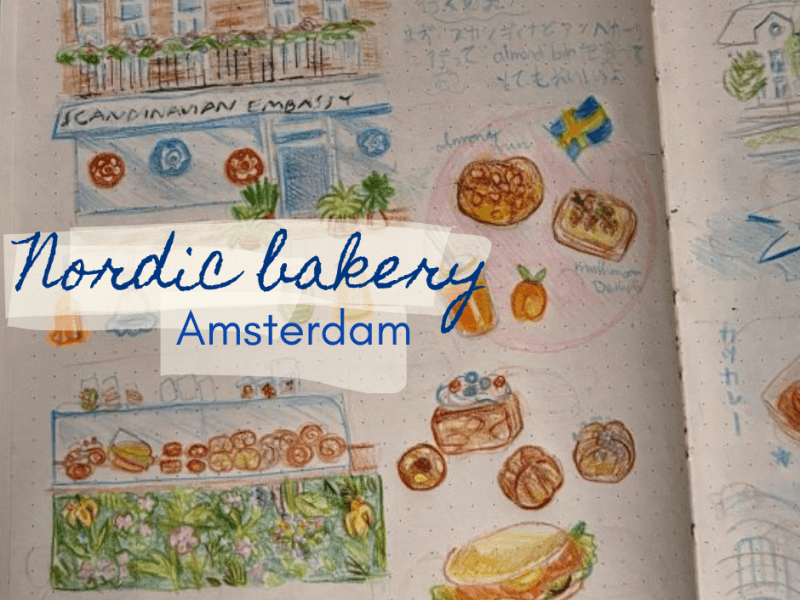
Scandinavian Embassy bakery and cafe in Amsterdam zuid

On a trip to Amsterdam, I decided to test Scandinavian Embassy and both of its two locations, starting with the bakery in europaplein. The two locations are in Amsterdam zuid: Saphatipark and Europaplein: in the former, a more central location, you can sit but it has fewer items than the bakery in Europaplein. The bakery,…

Minicruise to Norway – Kristiansand

My trip to Kristiansand on a 3-day minicruise

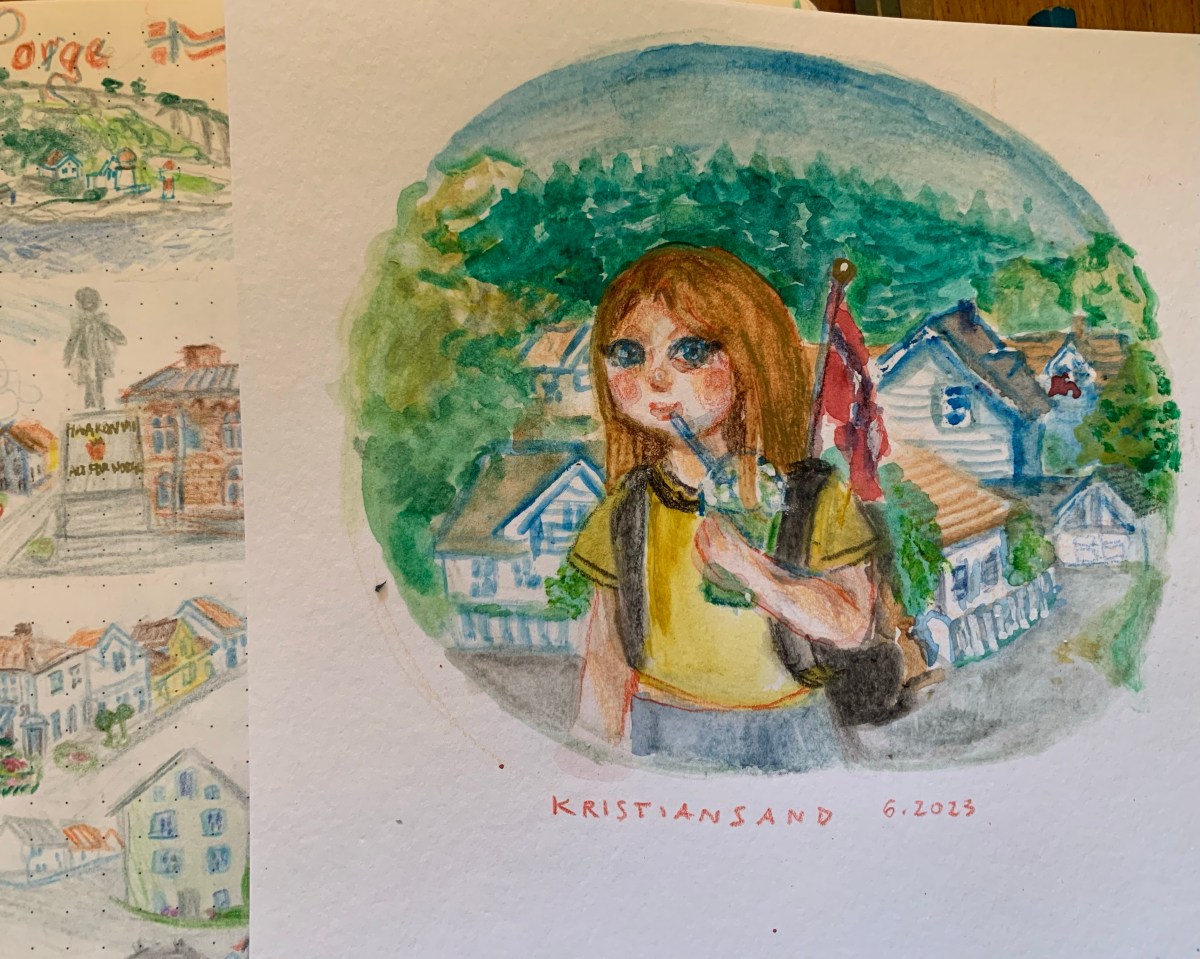
Last June I’ve been on a very short trip to Kristiansand, my first time visiting Norway! Lasted one day but felt satisfaying to have added one more country to my visited ones..!

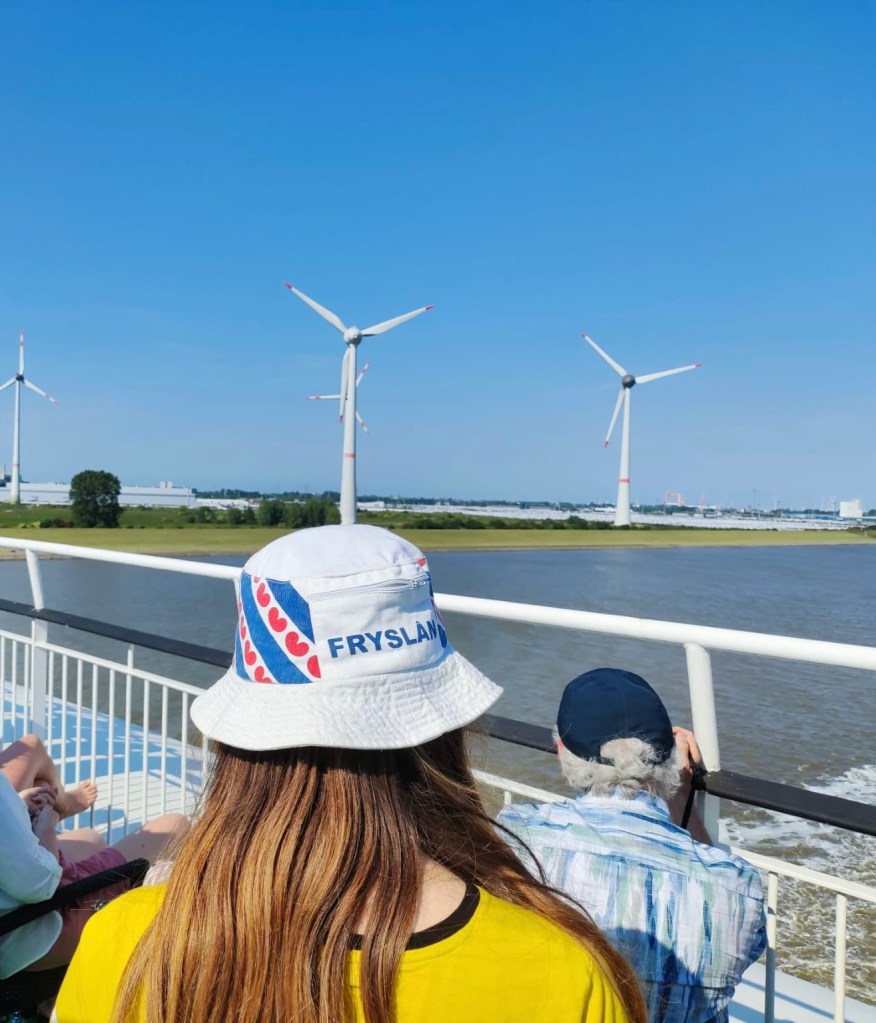
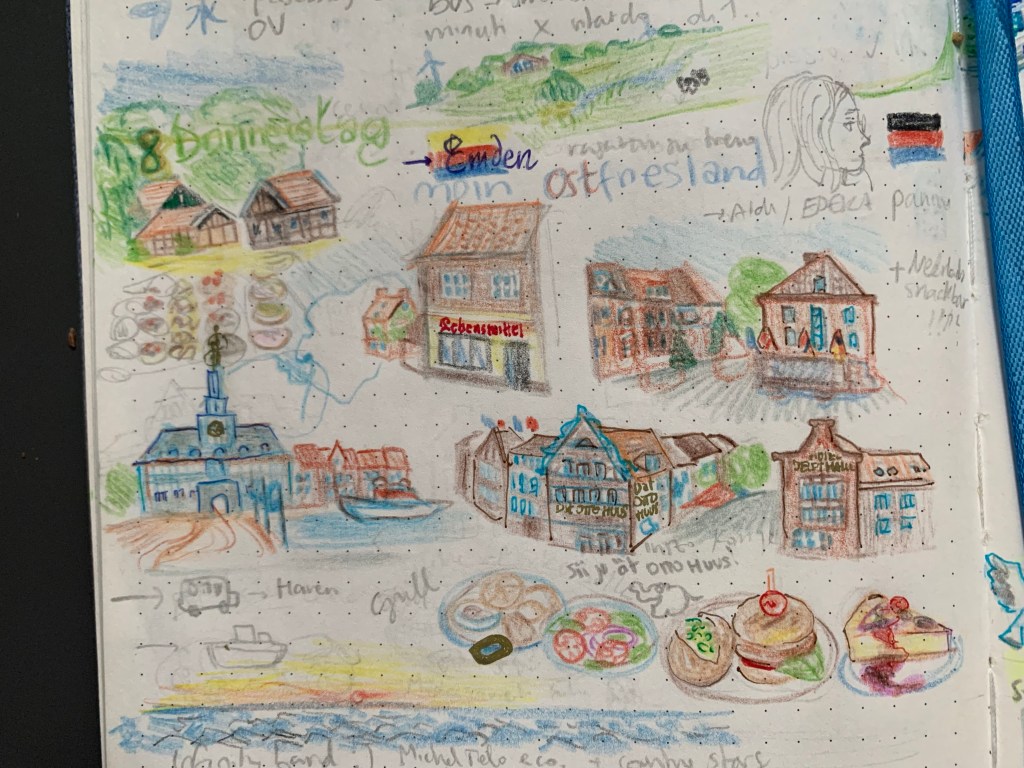
The Cruise was offered by Holland-Norway lines, and was first supposed to happen in February – but due to bad weather and various issues it got postponed, ending up in the best season for it!! The ship left from Emden, in Germany’s Ostfriesland region, so we also managed to see a piece of Germany. Pretty funny that I had a (Dutch) Friesland hat!

We then boarded, ate and assisted to a cover band, the ship also had a shop with Nordic chocolate/candy and souvenirs (read further to see what I got).

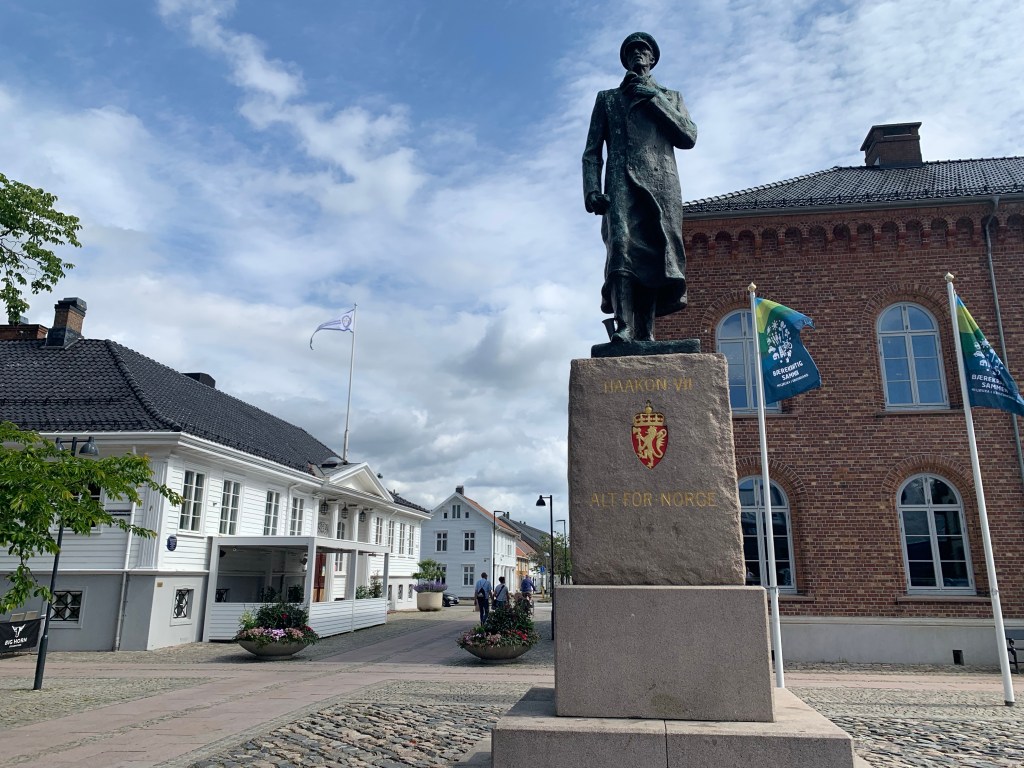
Kristiansand centre: Cathedral, Posebyen, Skolekorps event

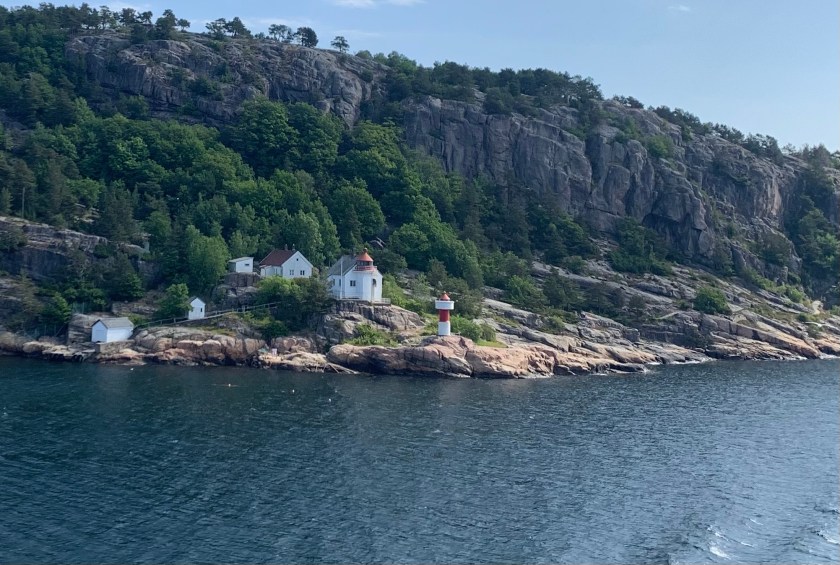
The following morning we were in Norway, welcomed by lots of rocky islets and perfect weather in the Kristiansand harbour.

Although the area has been inhabited since prehistoric times, Kristiansand was founded by the Dano-Norwegian King King Christian IV in 1641, with -sand referring to the sandy headland.

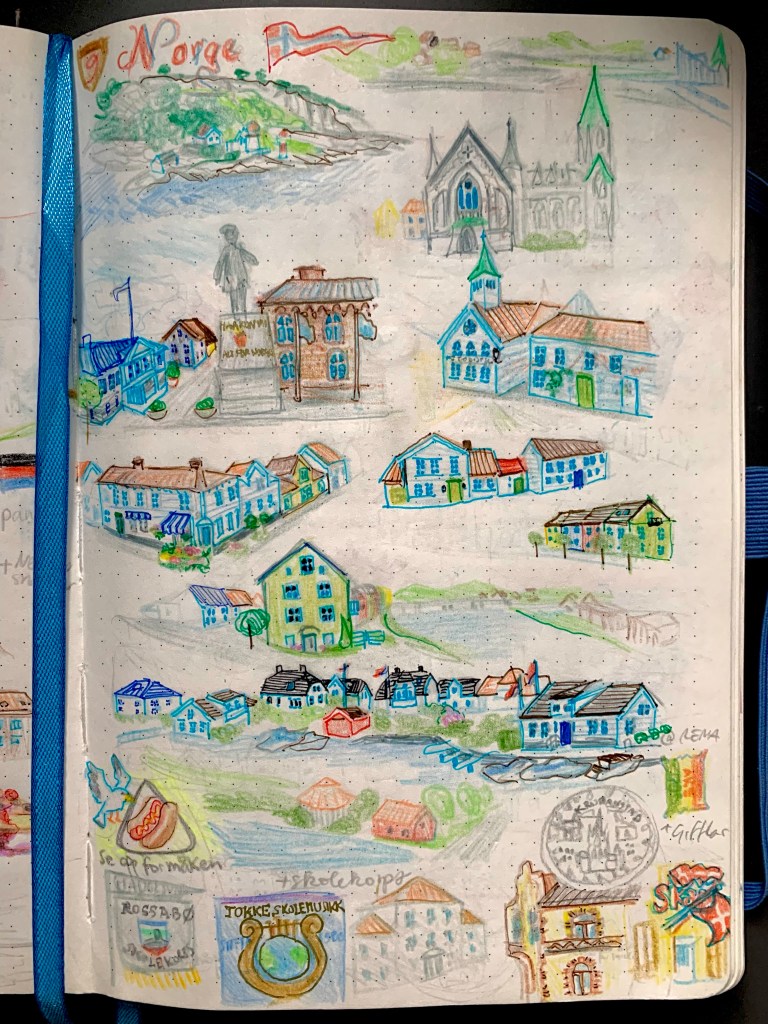
Quick rundown of everything seen in Kristiansand, and skolekorps flags! Also the Danish restaurant chain Skagen..

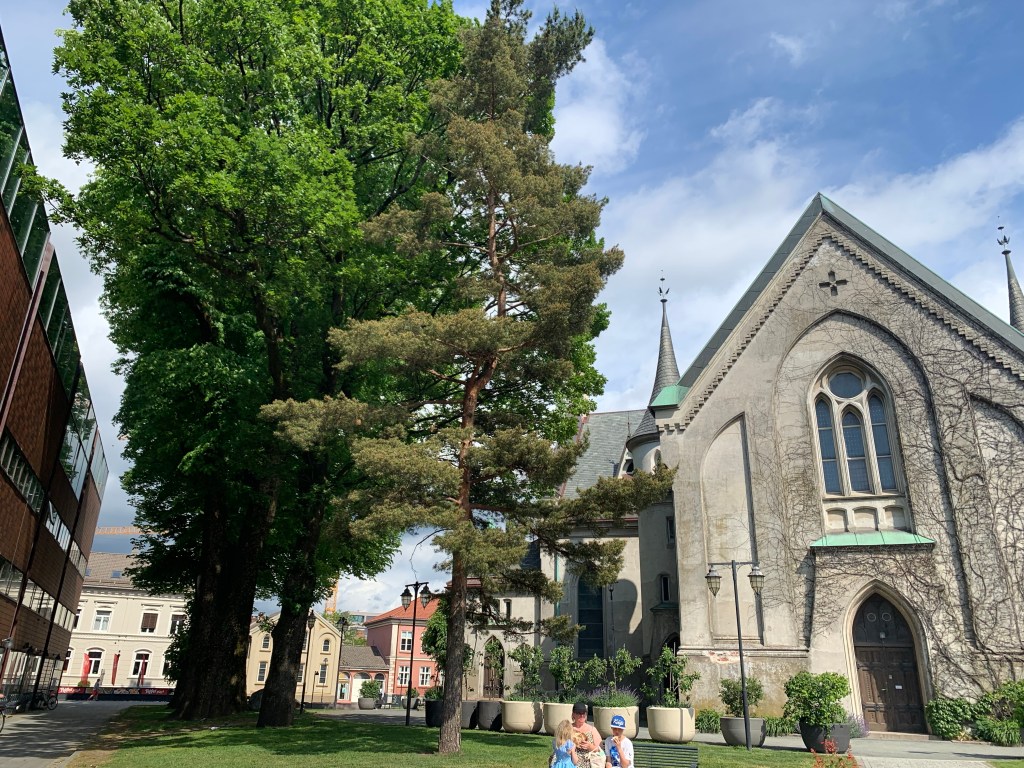
We first got to the square with Kristiansand’s cathedral, from 1885 and one of the largest cathedrals in Norway. there were a few people selling thrift stuff.

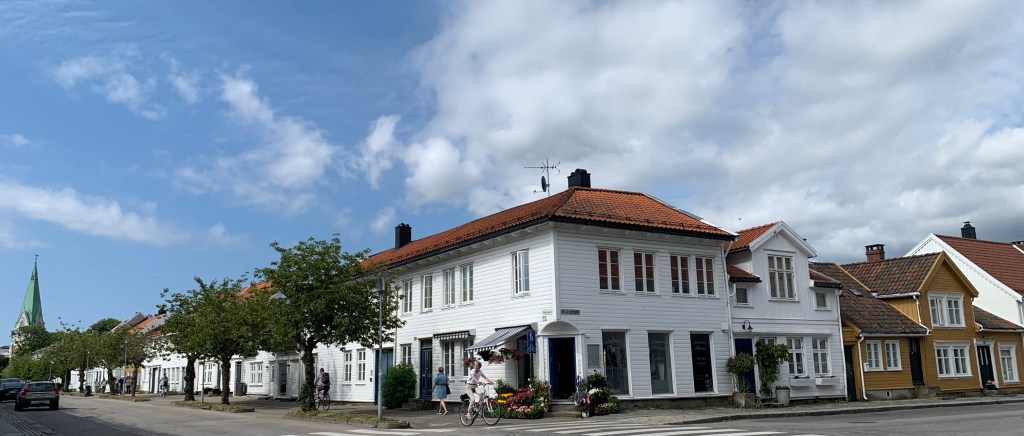
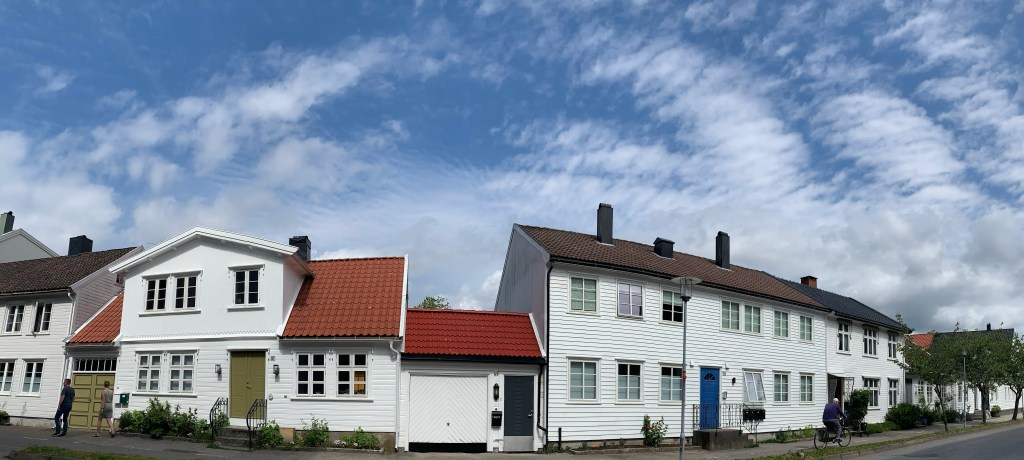
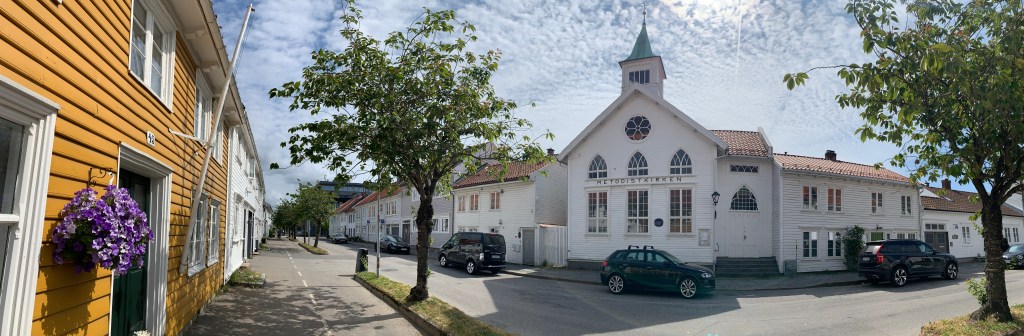
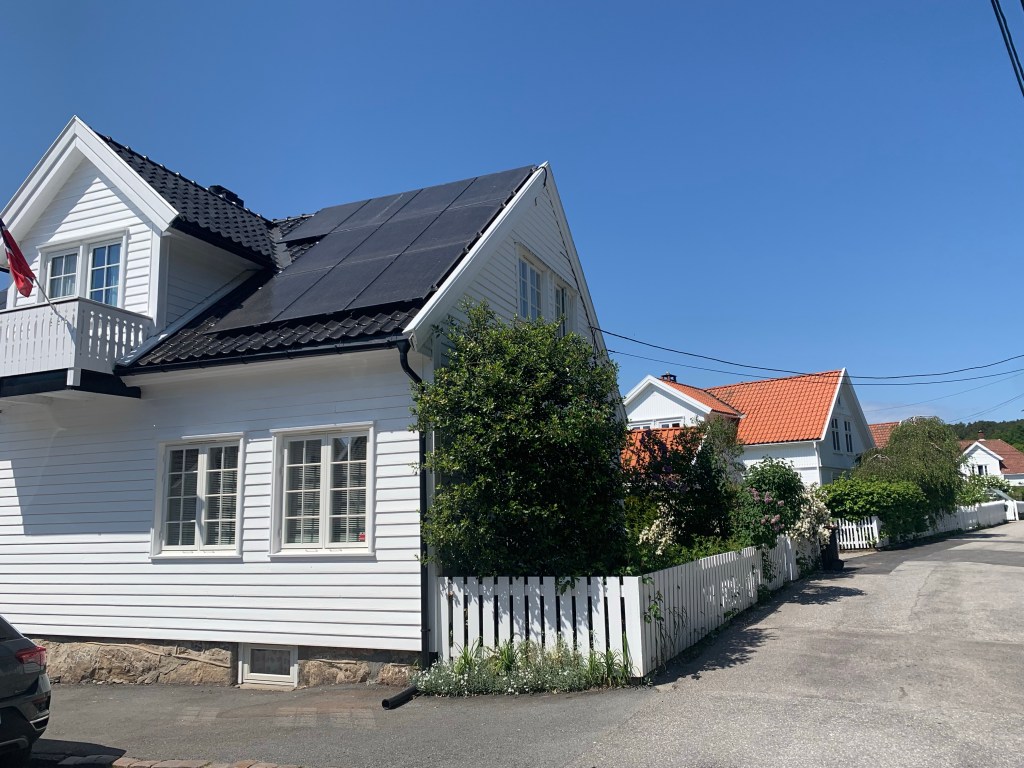
Then we proceeded turing around town, seeing all the lovely white wooden houses in Posebyen, the old town – the only part of Kristiansand surviving a great fire in 1892

We then crossed the bridge and got to another part of the town. At some point one man cycling by said ‘du mistet papiret!’ (you missed a paper piece). My first Norwegian interaction..

Then we happened to run into a skolekorps event! Kind like marching bands?

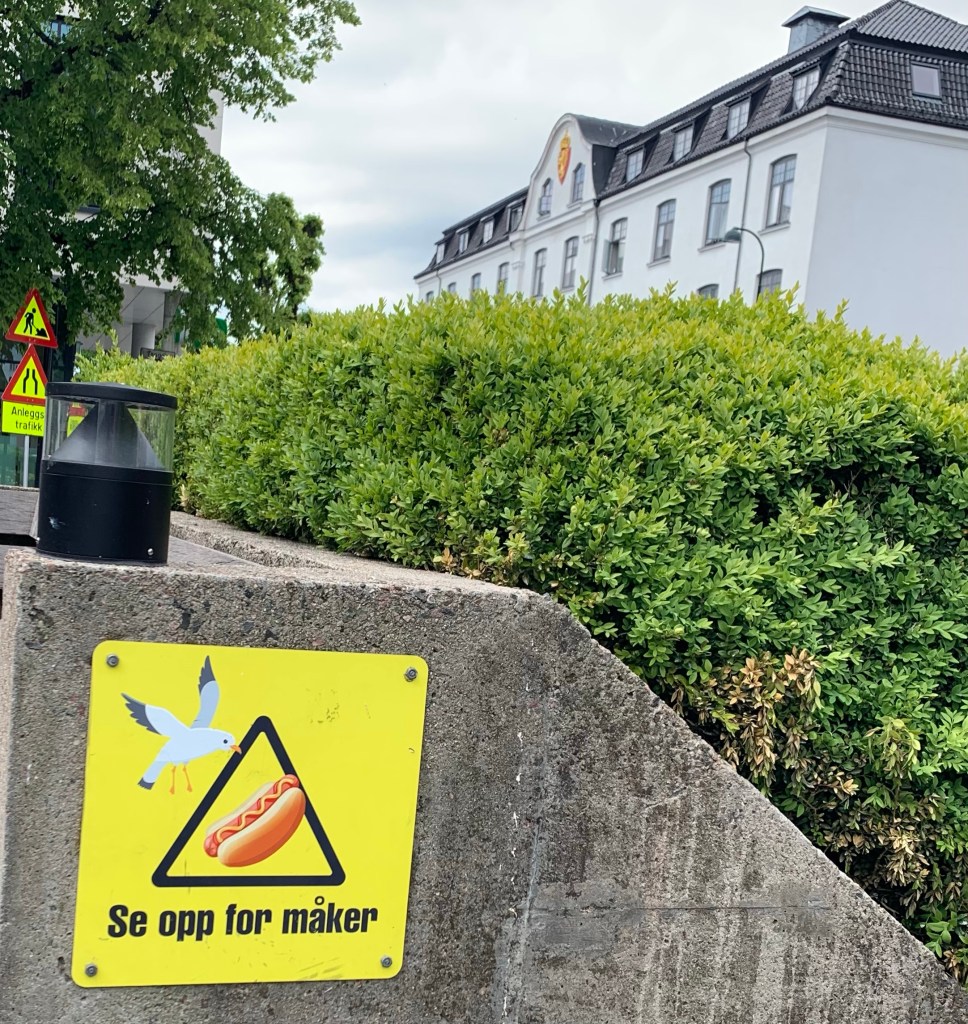
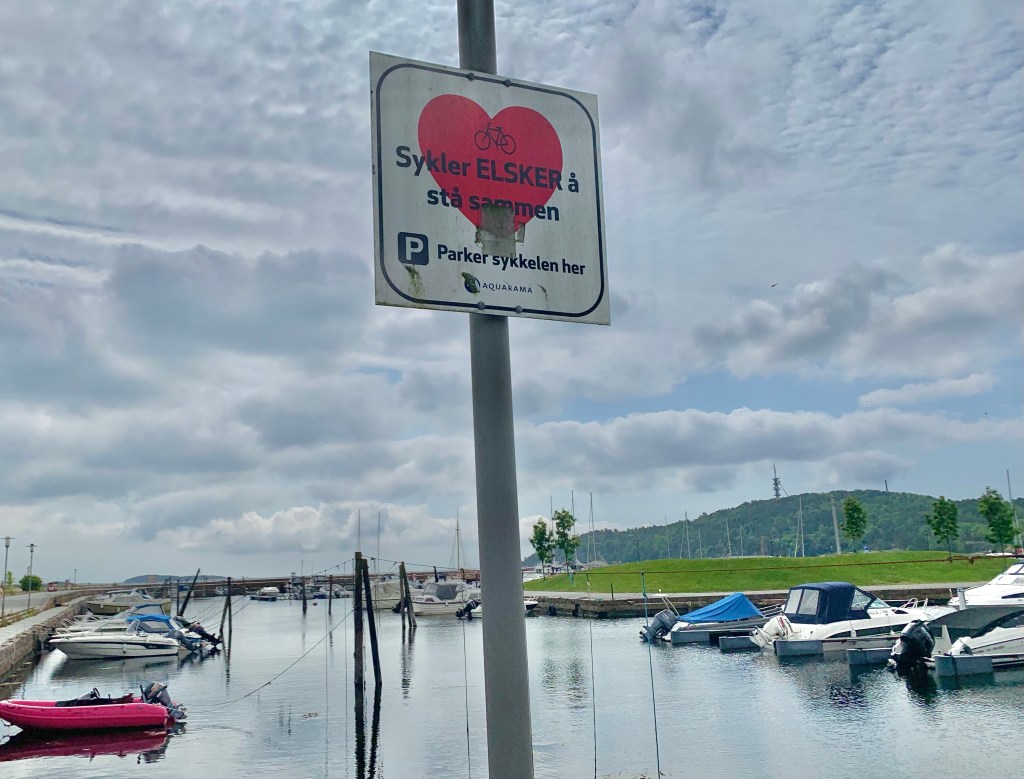
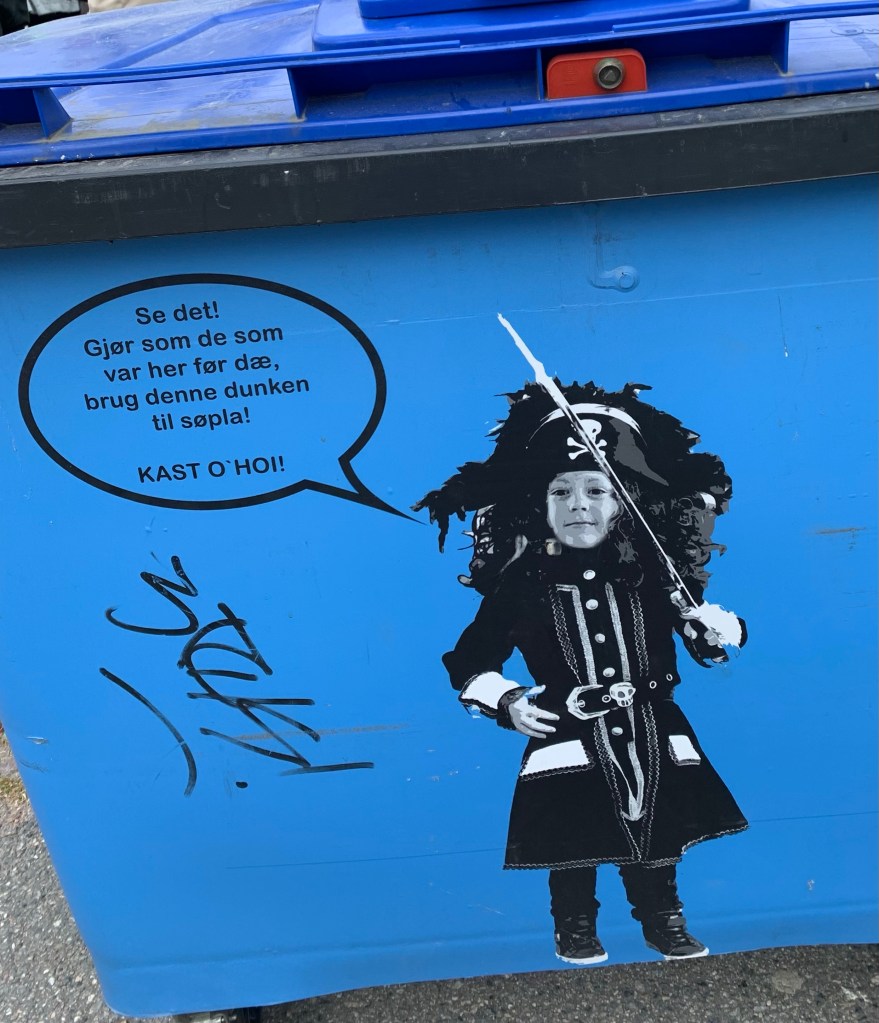
On the way, I saw some funny signs:

beware of (hungry) seagulls, bikes LOVE to stay together and just an invite to throw rubbish in the bin written in (I assume) Kristiansand dialect (dæ instead of deg)

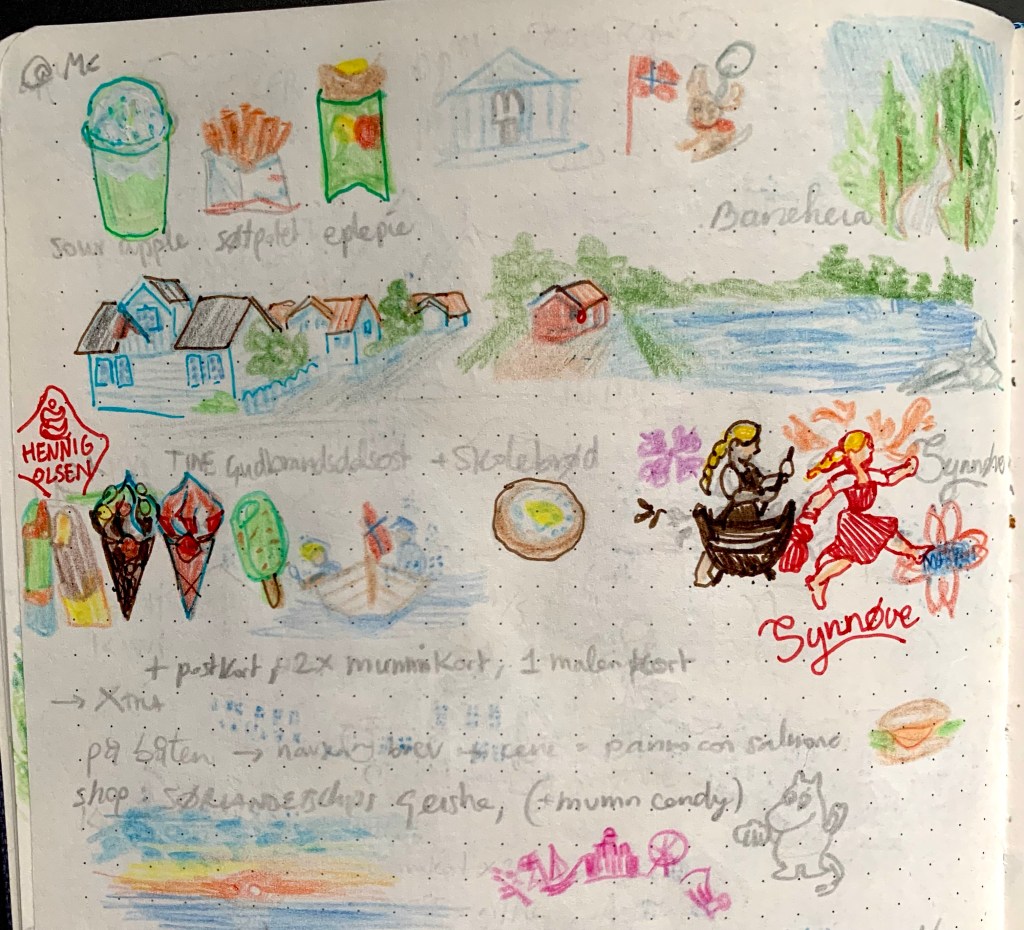
We got into various supermarkets: Rema, Kiwi, Xtra.

Norwegian Supermarket, souvenirs and a small hike

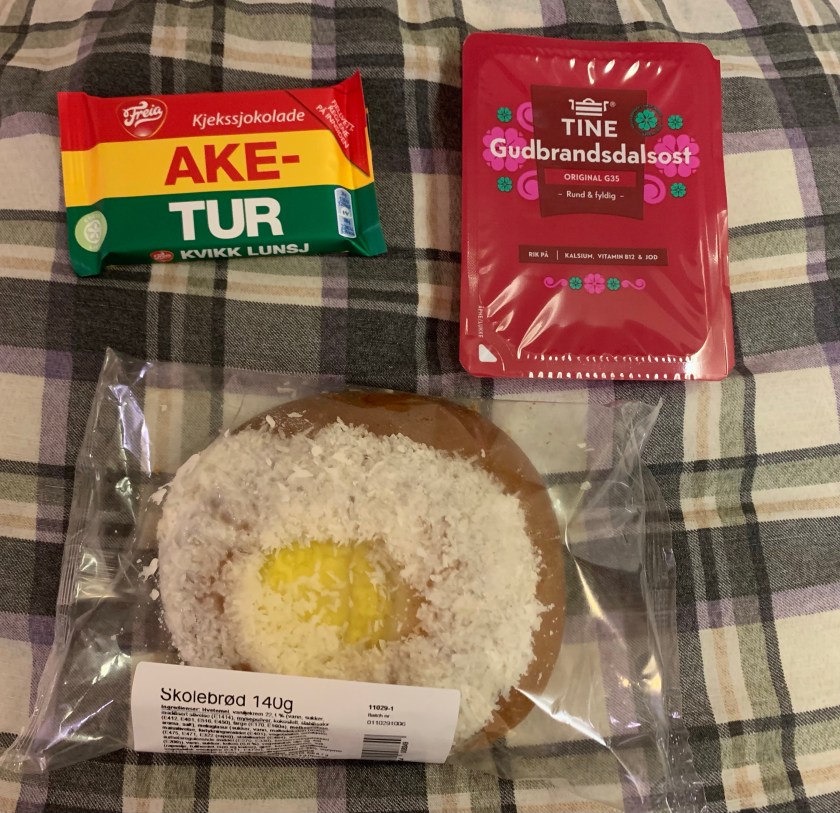
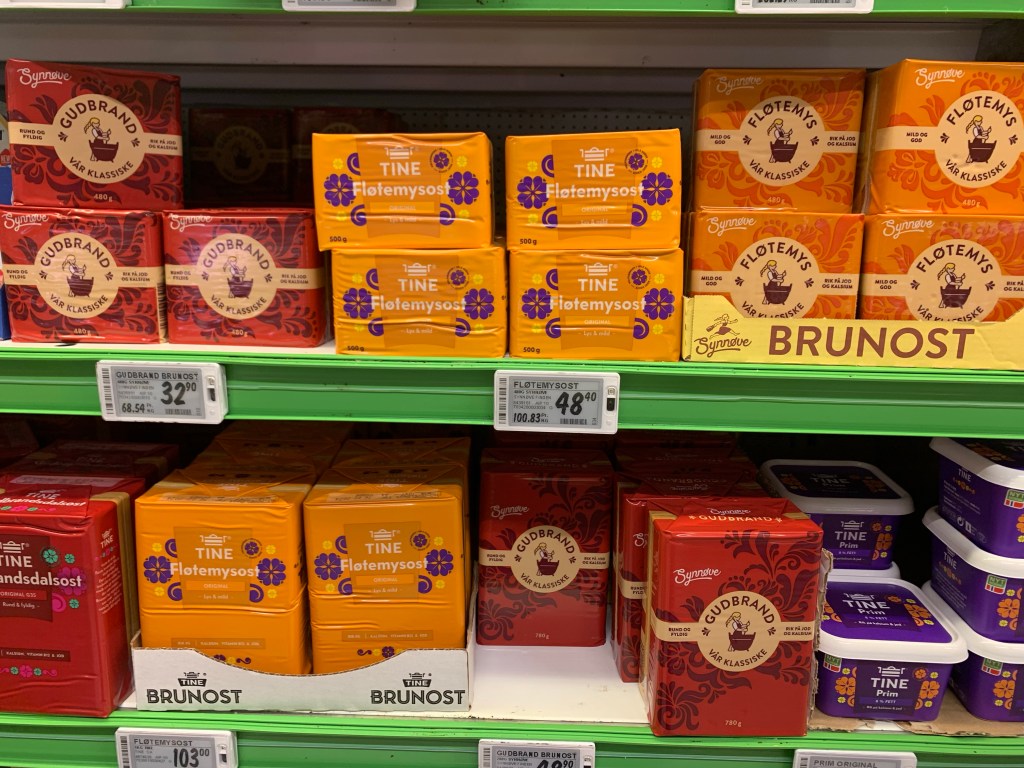
Of course, I had a few things to get from Norwegian supermarkets and bring home. Among these were Brunost, the beloved Norwegian brown goat cheese, and the iconic hiking chocolate Kvikk Lunsj, the latter mostly to be able to say I had tried it (Spoiler, it is basically the same as a kitkat with tips for a safe hike, sorry Norwegians).

I had already tried brunost during my Denmark workaway trip, knowing it was delicious, and was looking forward to eating more. I am sweet tooth and got a skolebrød as well.

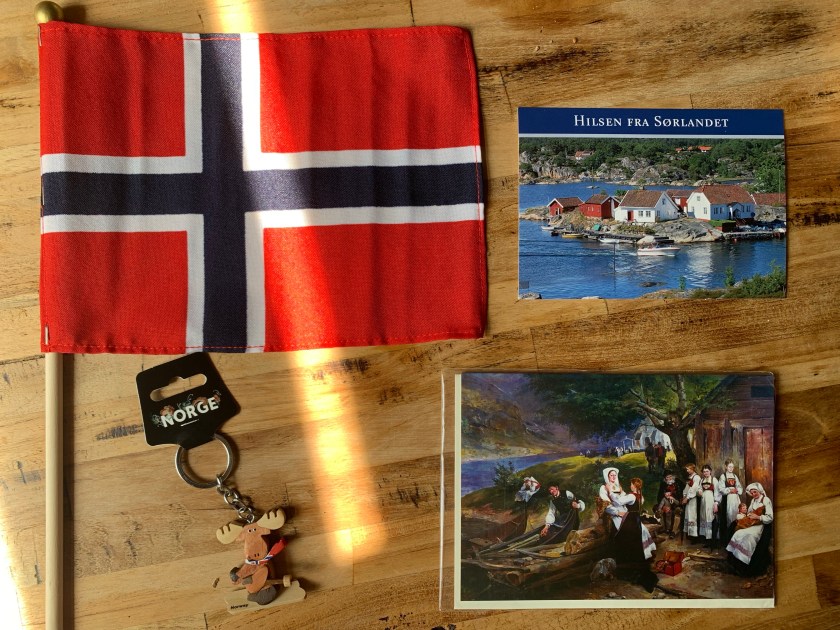
Besides supermarkets, I of course did some souvenir shopping: a skiing/moose keychain and a flag, with a long stick, like those people wave in their hands on 17 Mai!

norway souvenir

At a bookshop i got a postcard of Sørlandet and an art card depicting women in bunads.

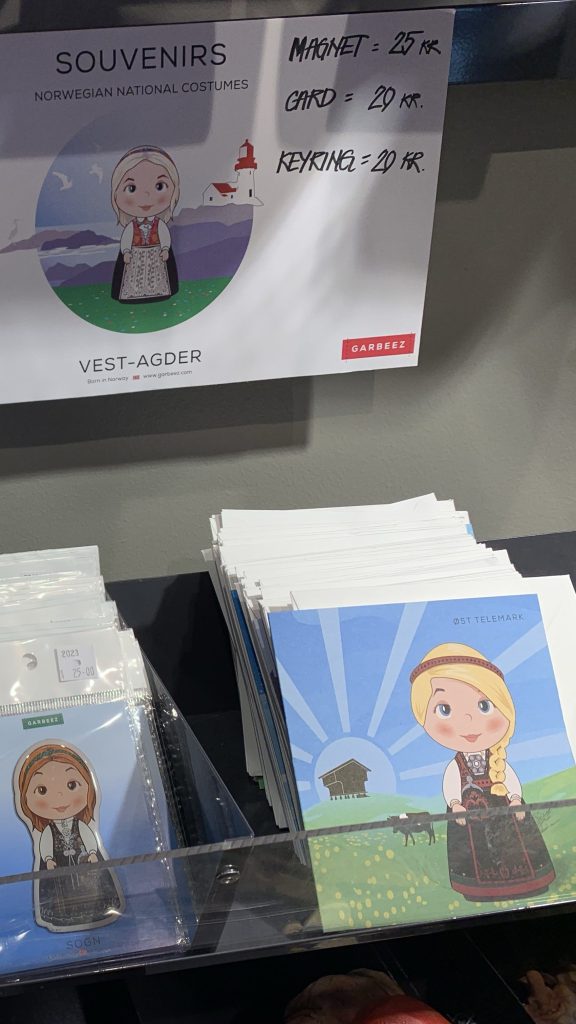
The shop was also selling of characters with bunads of given areas by Garbeez, didn’t get any but the idea is really cute!!

You can read about Norwegian bunads, Norway’s national dresses and how each district in the country has its own costume

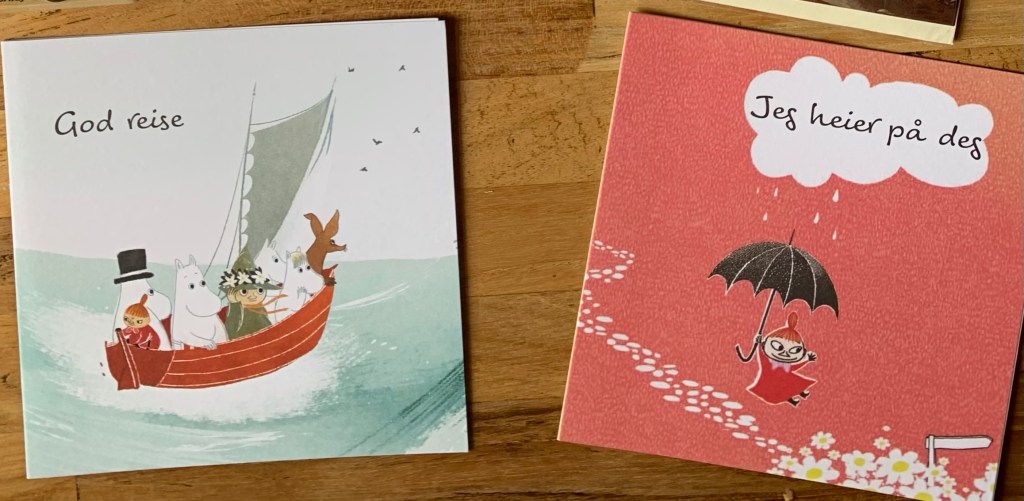
Doesn’t really count as souvenir but I had to get a couple of these lovely Moomin cards!

They say ‘have a nice journey’ and ‘I’m rooting for you!’

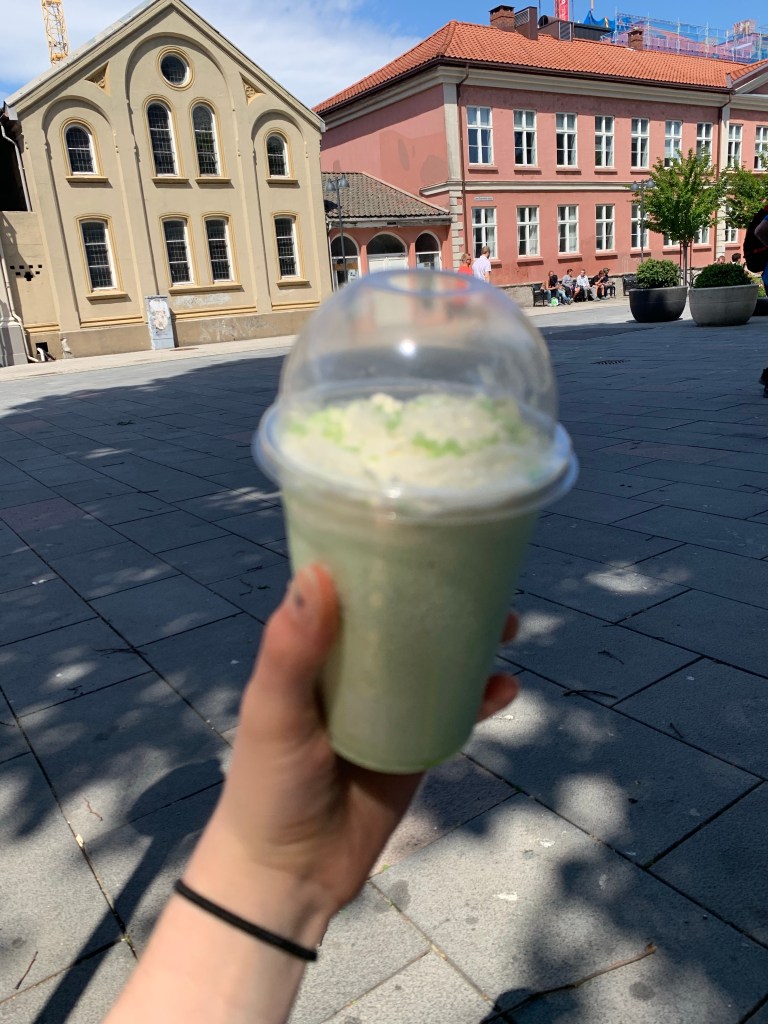
One thing I’ve been low-key obsessed about is checking out other countries ‘custom’ Mcdonald-s things – in Norway i found the sour apple milkshake, absolutely delicious! Also got sweet potato fries and their apple pie (which is more like a strudel). Nothing very Norwegian but I had not tried them before.

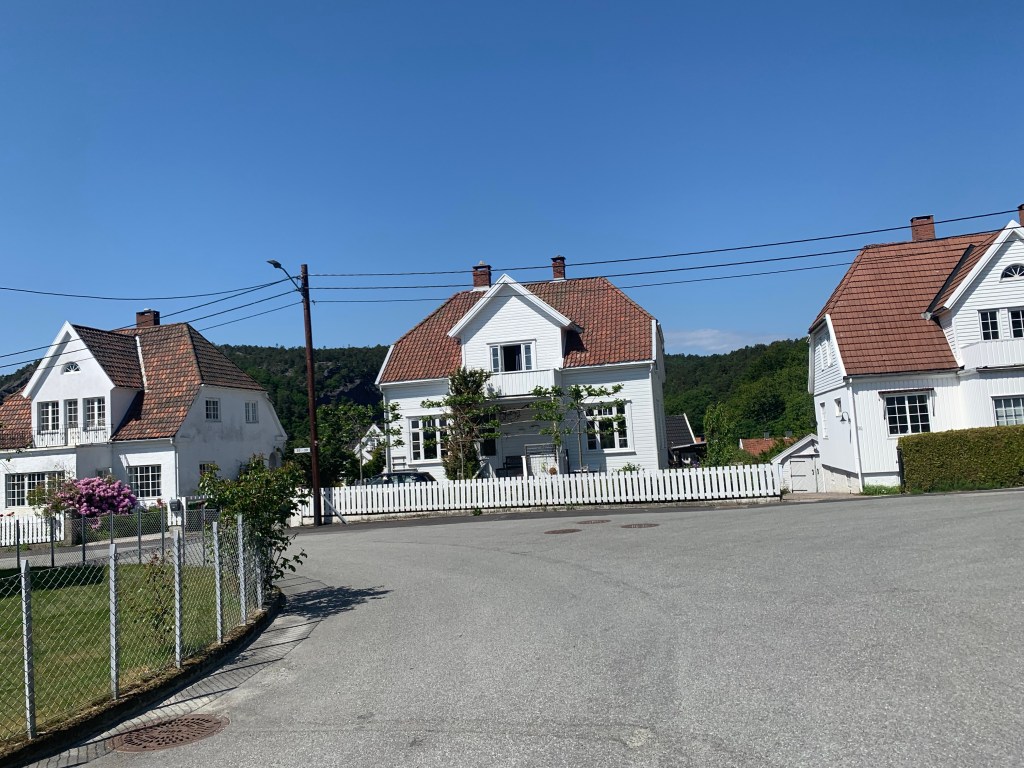
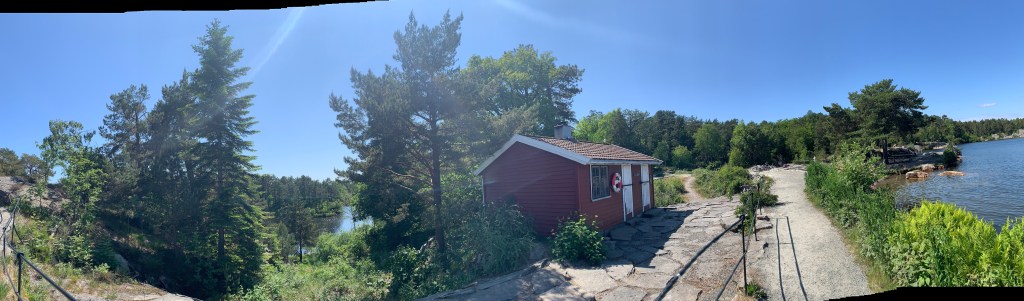
Then walked up finding another cute neighbourhood, from which you could enter the forest.

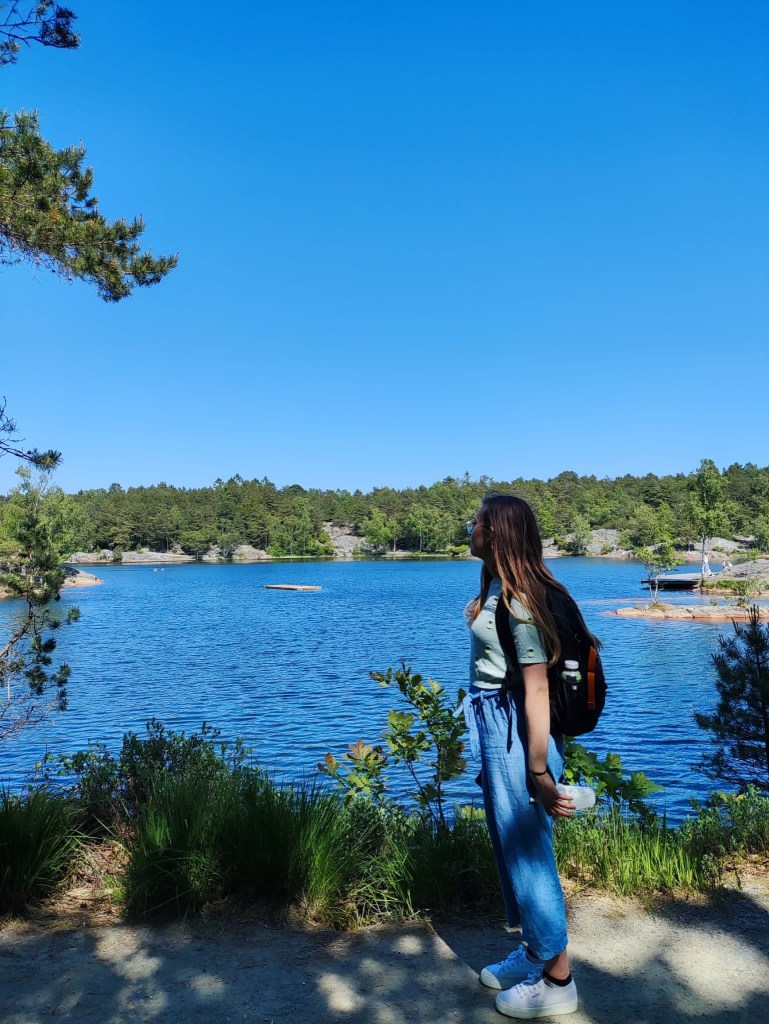
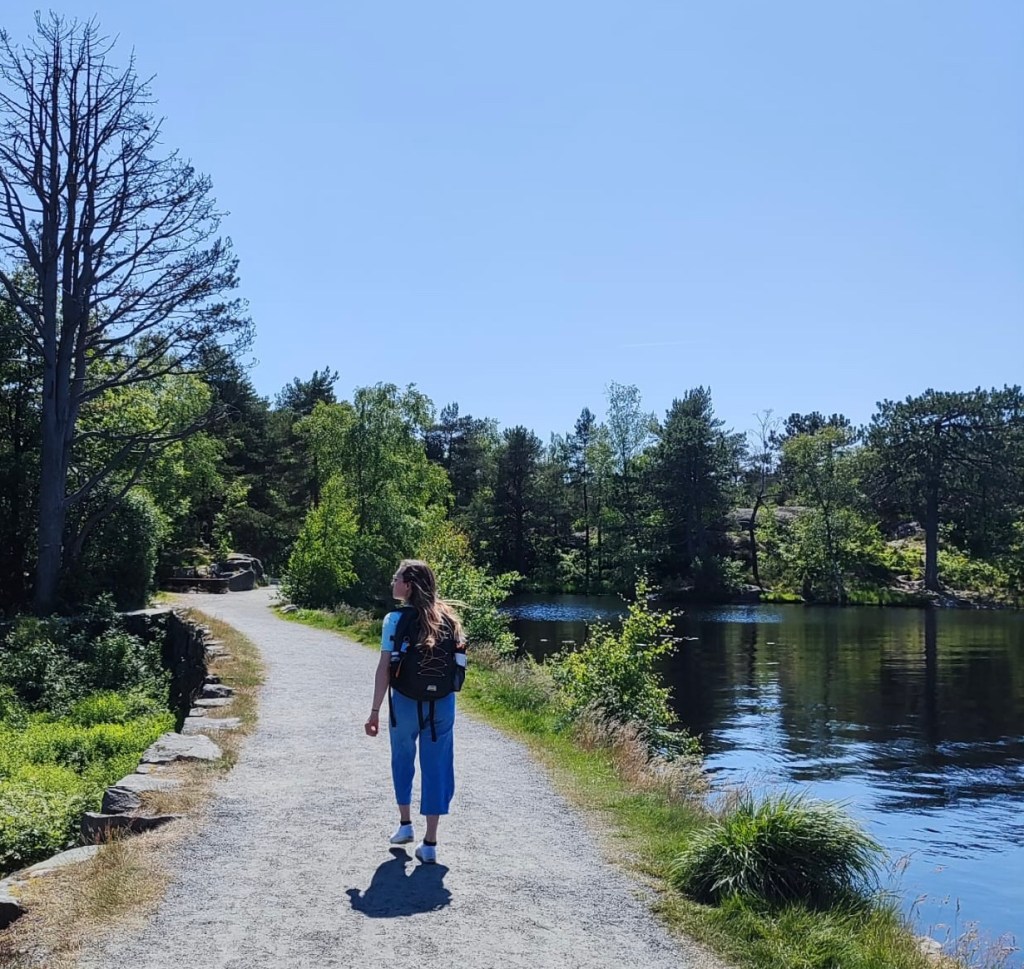
We took a path in the forest, and found a nice lake with people bathing as well, great place!

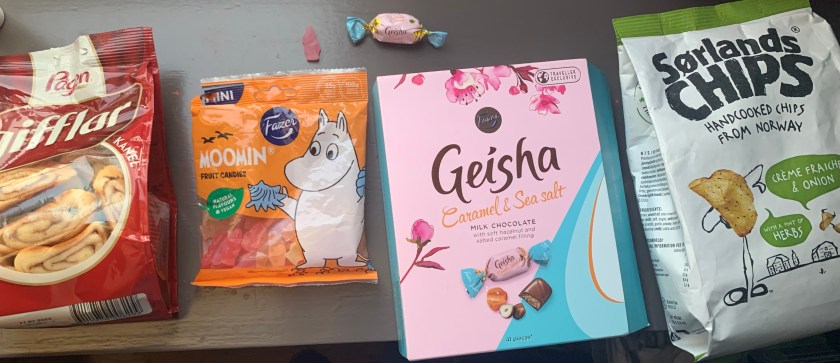
I also purchased a few things on the ship on the way back: Finnish chocolate Geisha, Norwegian Sørlands chips, Swedish gifflar (sort of mini cinnamon buns), and moomin candy.

nordic food souvenir

That was all for my first Norwegian adventure, Ha det!

See also my latest Travels in Scandinavia

Iceland national day and the Lady of the Mountain

The Fjallkona is the personification of Iceland and has a big role in the Icelandic national day, between poetry and parades

June, 17th, is Iceland’s national day, Þjóðhátíðardagurinn. The day was established after Iceland’s independence from Denmark in 1944, on the independentist Jón Sigurðsson’s birthday.

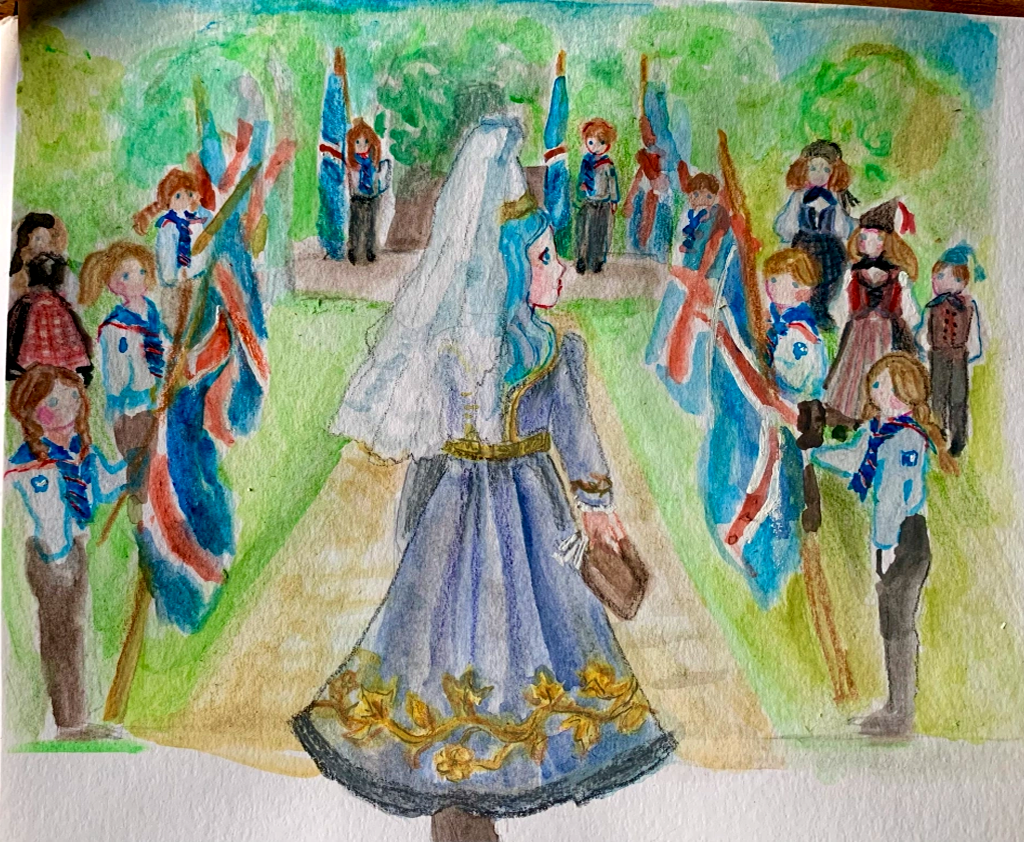
The day is marked by parades, with marching bands and flag-bearing troops from the national scout movement. After the parades, it’s time for the town’s elected ‘lady of the mountain’ to recite a poem. Her identity is however secret until the ceremony. Before that, authorities and freshman students in Reykjavík have laid wreaths to honour Jón Sigurðsson. You can see the program for 17 júní in Reykjavík.

The woman representing the fjallkona, literally ‘lady/maid of the Mountain’, wears the skautbúningur, dark dress with golden embroidery and a sort of horn-shaped headgear, inspired by the ancient krókfaldur with a veil. The first time a woman represented the fjallkona with a skautbúningur was actually in Winnipeg, Canada in 1924, where many Icelanders migrated in the 1870s.

skautbúningur and kyrtill dresses are worn by the fjallkona, both designed by Sigurður Guðmundsson in the 19th century

Icelanders are encouraged to wear a folk costume on the national day, Þjóðbúningur. There are officially several types among which the Upphlutur for women and Hátíðarbúningur for men, not too different from other Nordic folk costumes as Norwegian Bunads and Swedish Folkdräkter, often black but also in colours as red or blue. part of the outfit is a tail cap.

Icelandic national day feels to me kind of a mix between Norway’s 17 (!) mai, with national dresses, parades and marching bands, and Lucia, with its elected Lucia/Fjallkona!

Where does the Fjallkona come from?

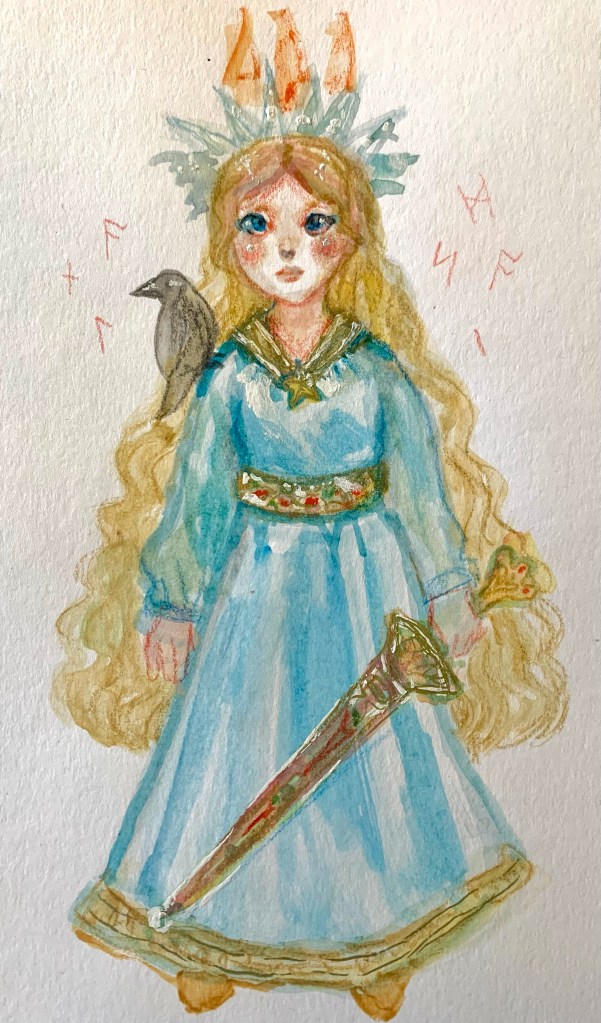
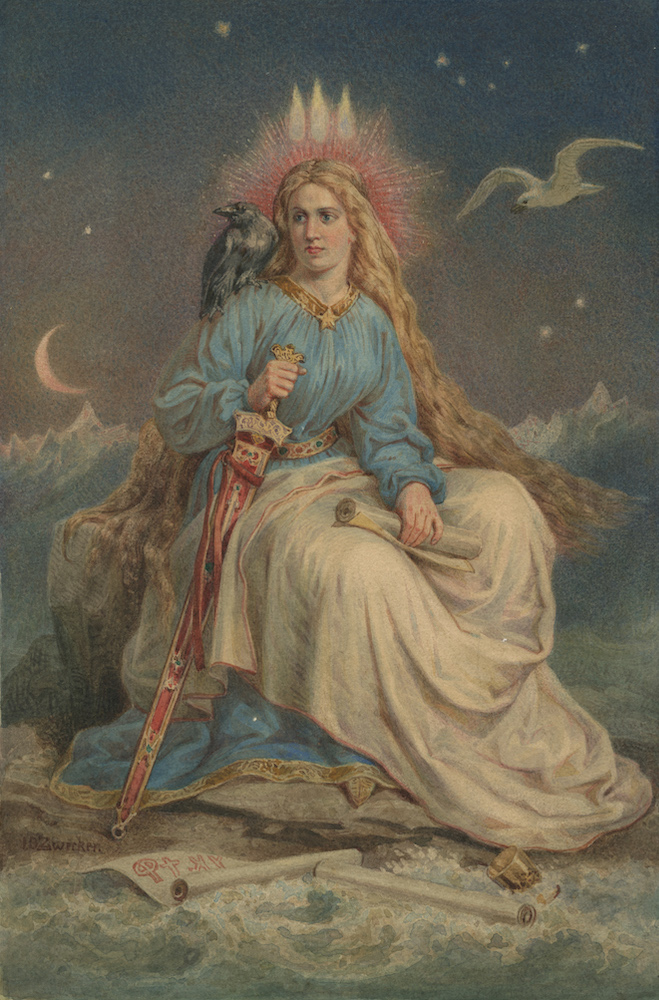
the Fjallkona is the female personification of Iceland. She represents Iceland’s spirit and its nature. Its name appears in the poem Eldgamla Ísafold a.k.a. Íslands minni by Bjarni Thorarensen in the early 19th century. Its most popular depiction is the painting by German painter Johann Baptist Zwecker in 1866.

Eldgamla Ísafold/ ástkæra fósturmold/ fjallkonan fríð!/ mögum þín muntu kær/ meðan lönd gyrðir sær og gumar girnast mær/ gljár sól á hlíð.

(Ancient land of ice / beloved nurturing soil / fair mountain woman. /May you love your sons, while countries barricade their waters / and men yearn for maidens / the sun glistens on a hillside.)

Bjarni Thorarensen , ‘Íslands minni’/ Eldgamla Ísafold

In Zwecker’s painting, made for the last volume of a collection of Icelandic folk tales, Icelandic Legends, the fjallkona has a crown of ice from which fires erupt, representing Icelandic nature with its glaciers and geysers. On her shoulder is a raven, symbol for the god Odin and norse mythology, and runes on a parchment, representing Icelandic culture.

It then gained popularity as symbol for the motherland, sometimes opposed to the Danish King as father under the Danish rule.

Icelandic patriotic poems

On the occasion of the institution of the Republic in 1944, a poem contest was held. Hver á sér fegra föðurland (who has a lovelier fatherland) and Land Míns Föður (My father’s land) were the winning poems. An extract from the two follows:

Hver á sér fegra föðurland / með fjöll og dal og bláan sand / með norðurljósa bjarmaband / Og björk og lind í hlíð? […]

Við heita brunna, hreinan blæ / og hátign jökla, bláan sæ / hún uni grandvör, farsæl, fróð / Og frjáls – við ysta haf.

Hulda (Unnur Bedediktsdóttir Bjarklind), ‘Hver á sér fegra föðurland’

Who has a lovelier fatherland / with fells and dales and bluest sand, with northern lights up aloft, and birch and lime on hilltops? […] With hot springs of a pure hue / majestic glaciers, a sea of blue / she remains thoughtful, peaceful, sage / and free, in the farthest sea.

Hvíslað var um hulduland / hinst í vestanblænum / hvítan jökul, svartan sand / söng í hlíðum grænum. / Ýttu þá á unnarslóð / Austmenn, vermdir frelsisglóð / fundu ey og urðu þjóð / úti´í gullnum sænum. […]

Hvort sem krýnist þessi þjóð / þyrnum eða rósum / hennar sögur, hennar ljóð / hennar líf vér kjósum. / Ein á hörpu íss og báls / aldaslag síns guðamáls / æ hún leiki,ung og frjáls / undir norðurljósum.

Jóhannes úr Kötlum, ‘Land Míns Föður’

There were whispers of a hidden land / hinst in the western blues / white glacier, black sand / singing on green slopes. / Push them on a path of success / Men of the East, warmed by the embers of freedom / found an island and became a nation / out in the golden seas. […] Whether this nation is crowned / with thorns or roses / its stories, its poetry / its life we choose. / Alone on the land of ice and fire / the eternal sound of her divine language / forever she moves, young and free / under the northern lights.

Gleðilegan Þjóðhátíðardag! (Happy national day!)

More articles:

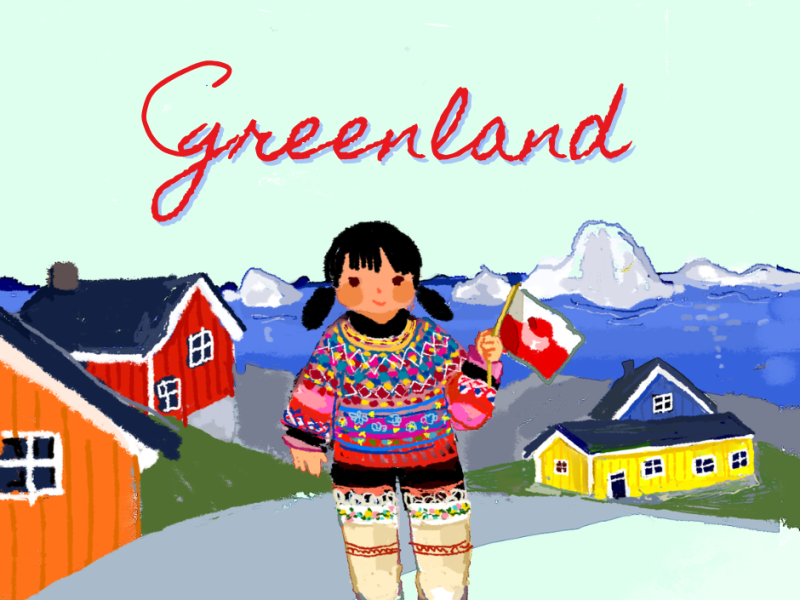
Who are Greenlanders? 3 symbols of Greenlandic culture

Discover Greenland, home to the Inuit Kalaallit, and its most iconic aspects as its flag, language and folk costumes. The biggest island of the world has a rich history of indigenous culture intertwined with Norse colonization and later Danish rule.

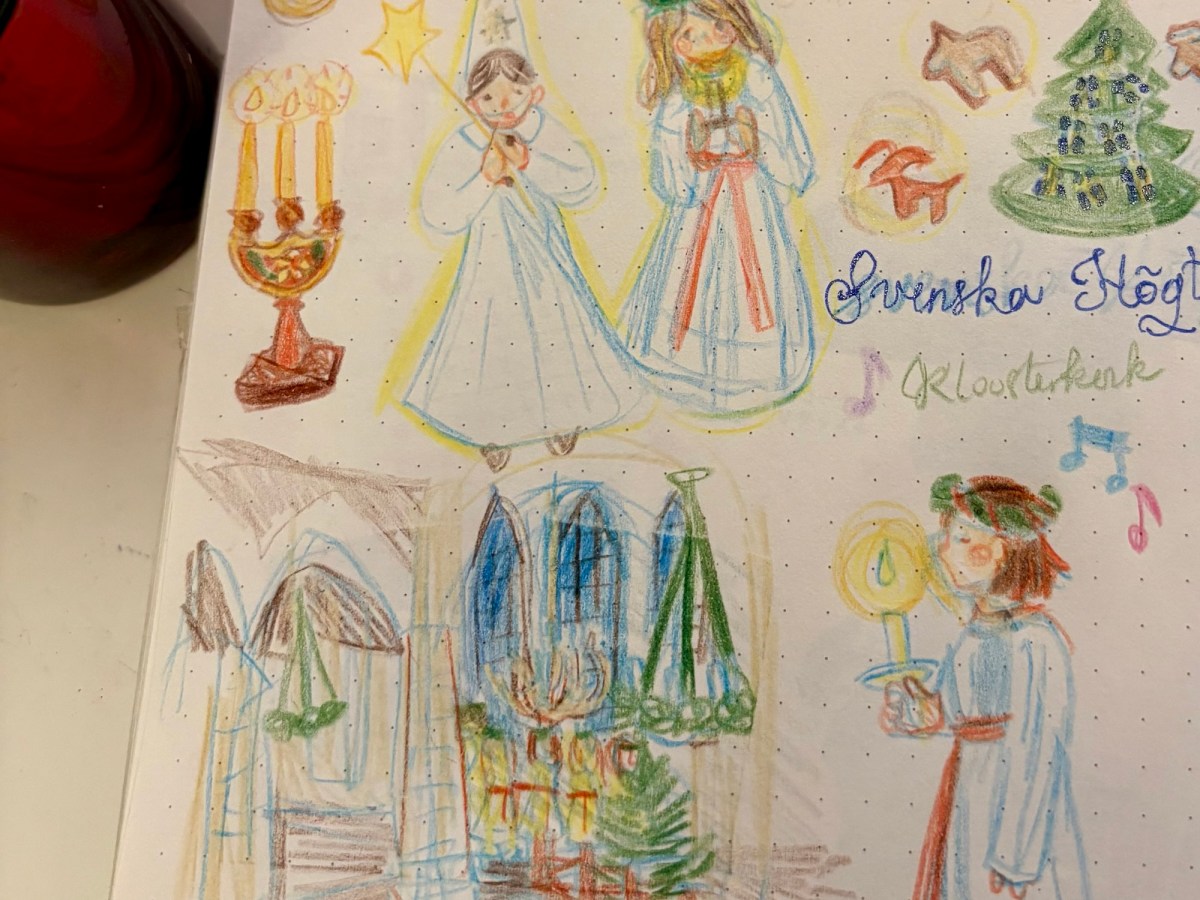
7 fun facts about Lucia, Sweden’s pagan saint

Lucia brings light in the darkest night of the year and is a mix of pagan and christian traditions. It is celebrated in Scandinavia with processions, saffron buns and church concerts.

Bunad: Norway’s iconic folk costumes

The Norwegian national costume, to be seen in all its glory on 17 may, and its old but not so old tradition

A bunad (plural bunader) is the Norwegian national costume. Bunads are among the most beloved folk costumes in the world, and the most worn in Europe. Other Nordic countries have their own folk costumes as well, but they are much less common and strictly connected to folk traditions as folk dances. Read about Swedish folkdräkter.

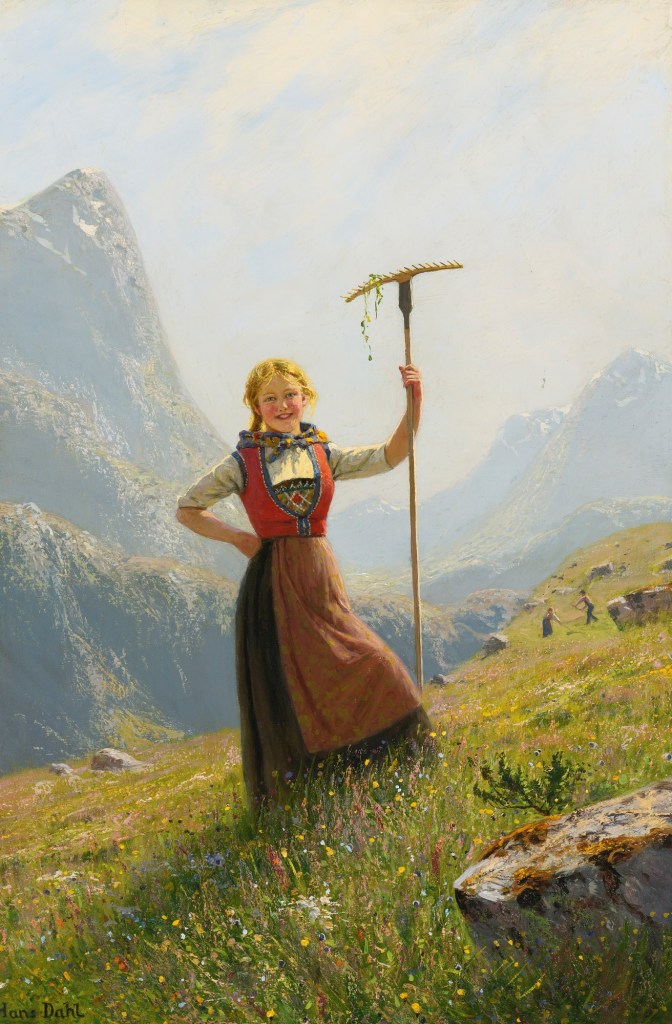
In Norwegian there’s a distinction between a Bunad and a folkedrakt (“folk costume”) , with the latter specifically used for costumes from the past. The word bunad, from Old Norse búnaðr began to be used in the 20th century, as the national costumes gained popularity with the rise of the National romantic movement in the 19th century, with artists as Adolph Tidemand and Hans Dahl depicting them.
Why bunads are so popular in Norway

After national romanticism, the use of bunads increased in the 1920s, but it was after the war that the national dress became even more popular, as a symbol of free and indepent Norway. First and foremost on the national day, and then for any festive occasions – as christenings and weddings. It is now officially seen as a gala attire, which can be for instance worn at the opening of the Stortinget, the Norwegian parliament. The best day to admire Bunads remains 17th May (Norway’s National day).

Young adults traditionally receive their bunad on their confirmation, as 15-year-olds, and it will last their entire lifetime. Crown princess Alexandra had hers sewn by her grandmother the Queen for this occasion. Purchasing a bunad costs thousands of euros/dollars, although lately low cost “China bunad” emerged.

Around 80% of Norwegian women owns a bunad. It is less common for men to wear it, with 20% having one, but the number is rising. In 1999, Pakistani-born Stortingen member Rubina Rana wore a bunad as the first person with migration background doing so in a 17 mai parade.

The diverse bunad designs

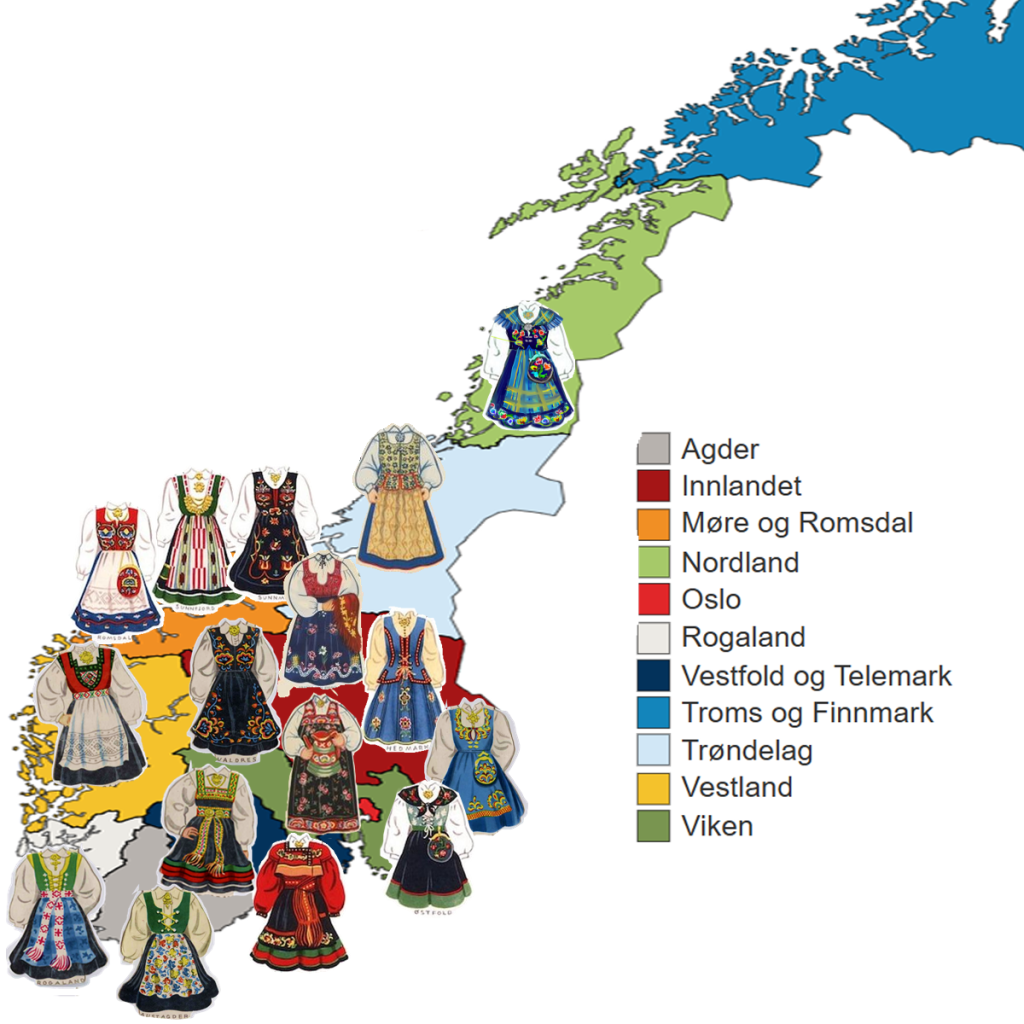
Norway’s fylker (counties) with some bunads from them

There are around 450 bunads in Norway, with each district having its own designs. They can be grouped into 5 categories of Bunads depending on how they were created, from traditionally in use to entirely recounstructed.

At the beginning of the 20th century Norway had just become fully independent and many were trying to promote Norwegian traditions and make the national identity stronger. In these years Bunads were being redesigned from old costumes with Hilda Garborg as leading figure for the movement. She published a very successful book called Norsk Klædebunad in 1917.

Bunads with the oldest tradition

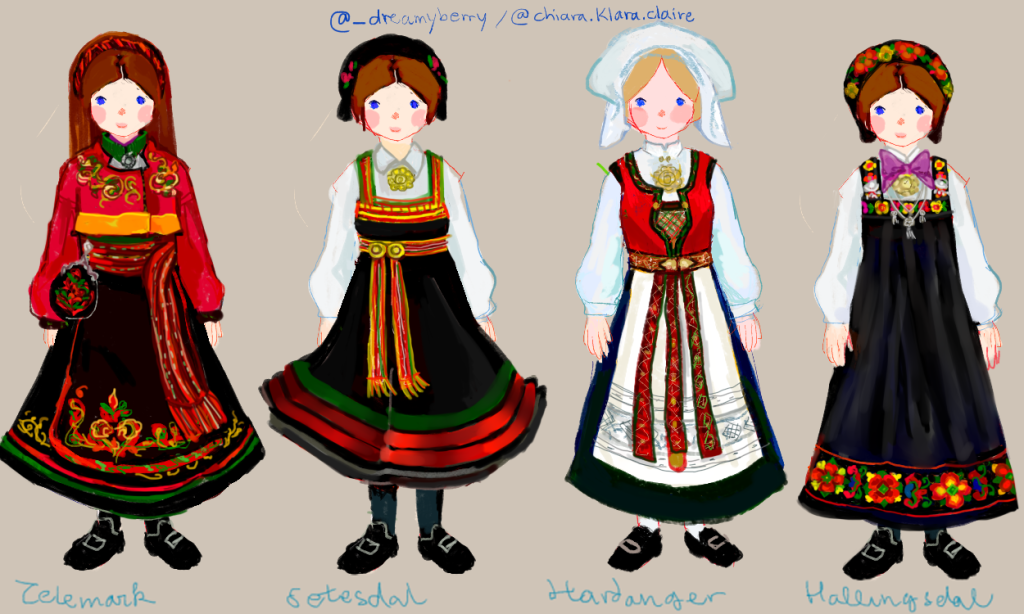
The Hardanger bunad, was established in its use and is retained as the most Norwegian, depicted in art and easily recognisable. Setesdal, Hallingdal and Telemark are the other districts with the oldest and most established bunad tradition.

More recent bunads

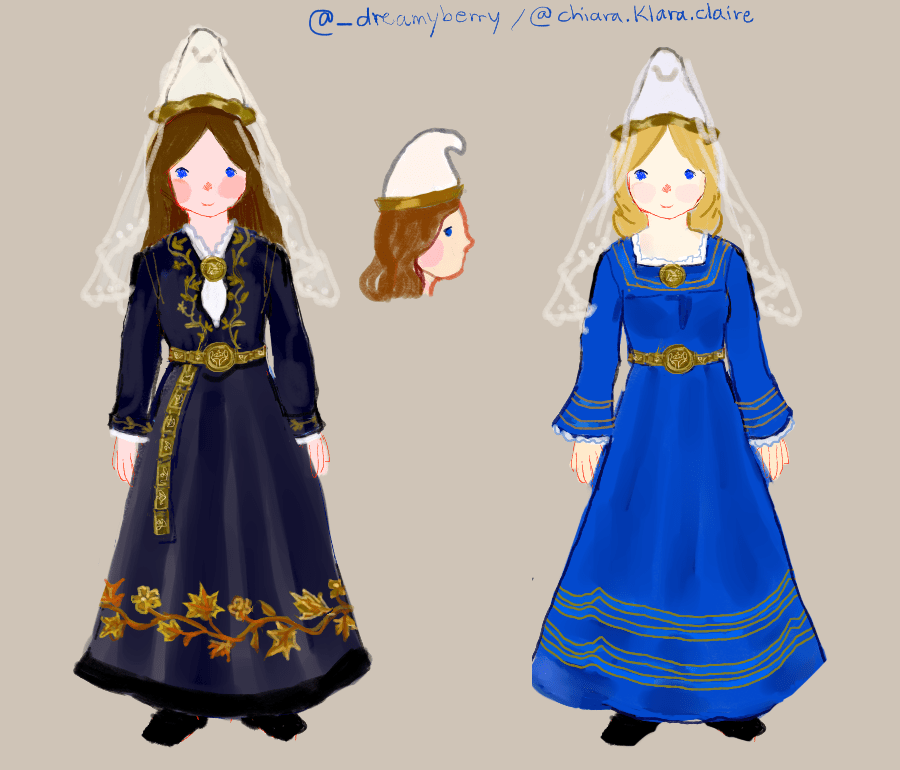
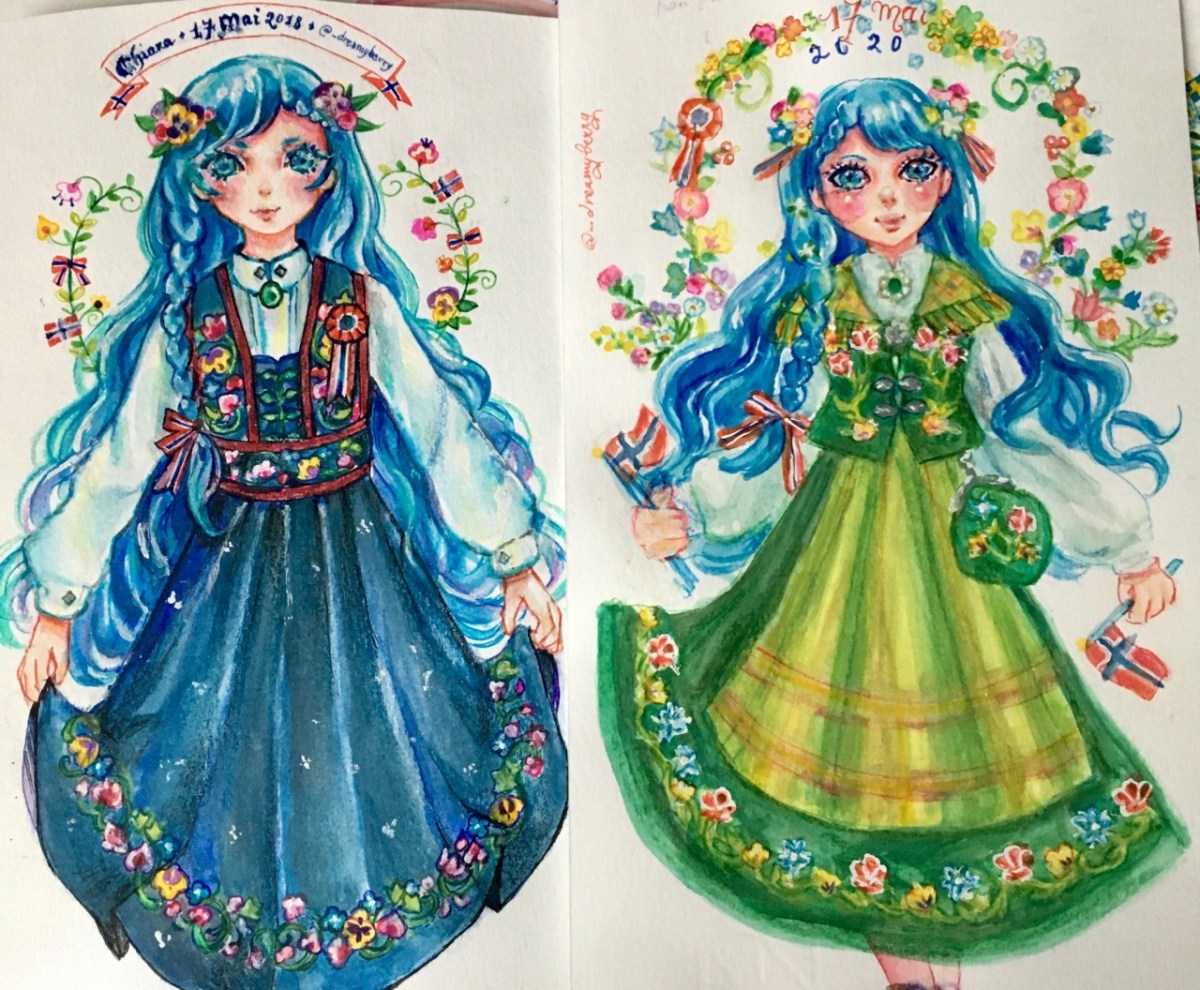
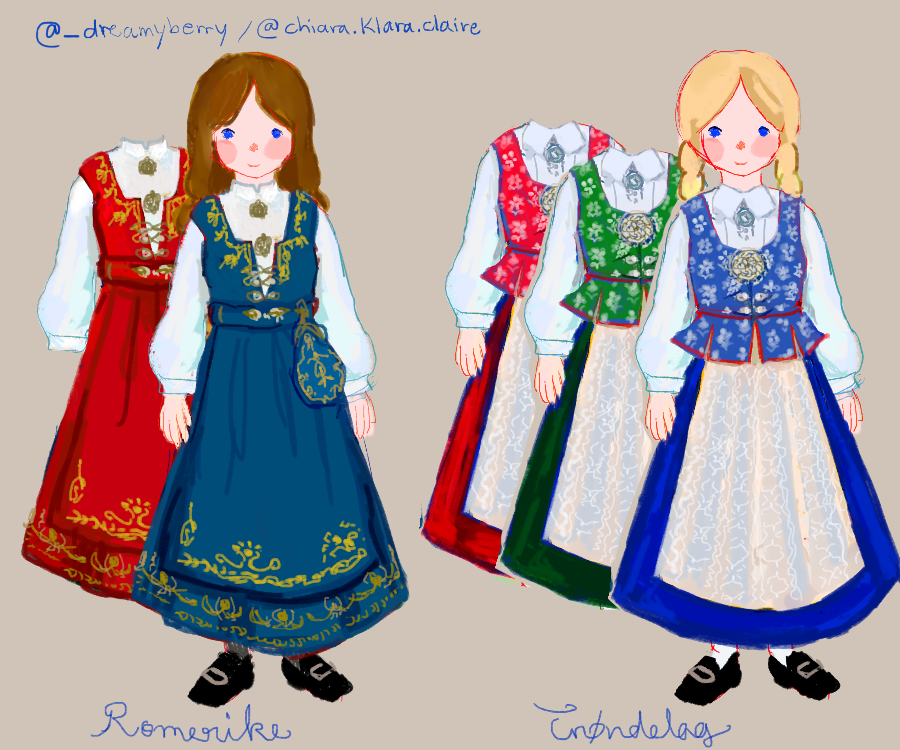
Flower embroideries are very common. Present among others in the Nordland bunad (considered by many Norwegians the prettiest bunad) and Gudbrandsdalen bunad. The same design can also come in different colours, with the Nordland bunad existing both in green and blue and the Trøndelag and Romerike bunads in blue, red and green.

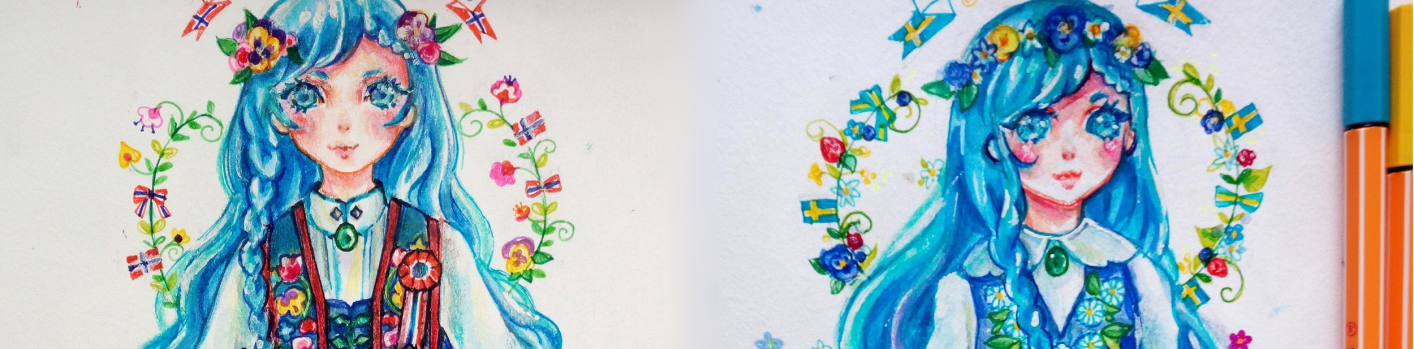
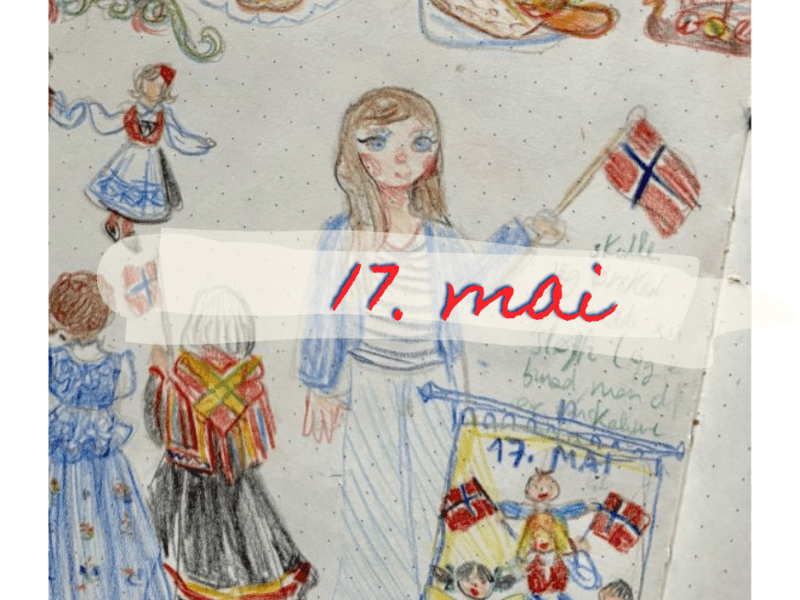
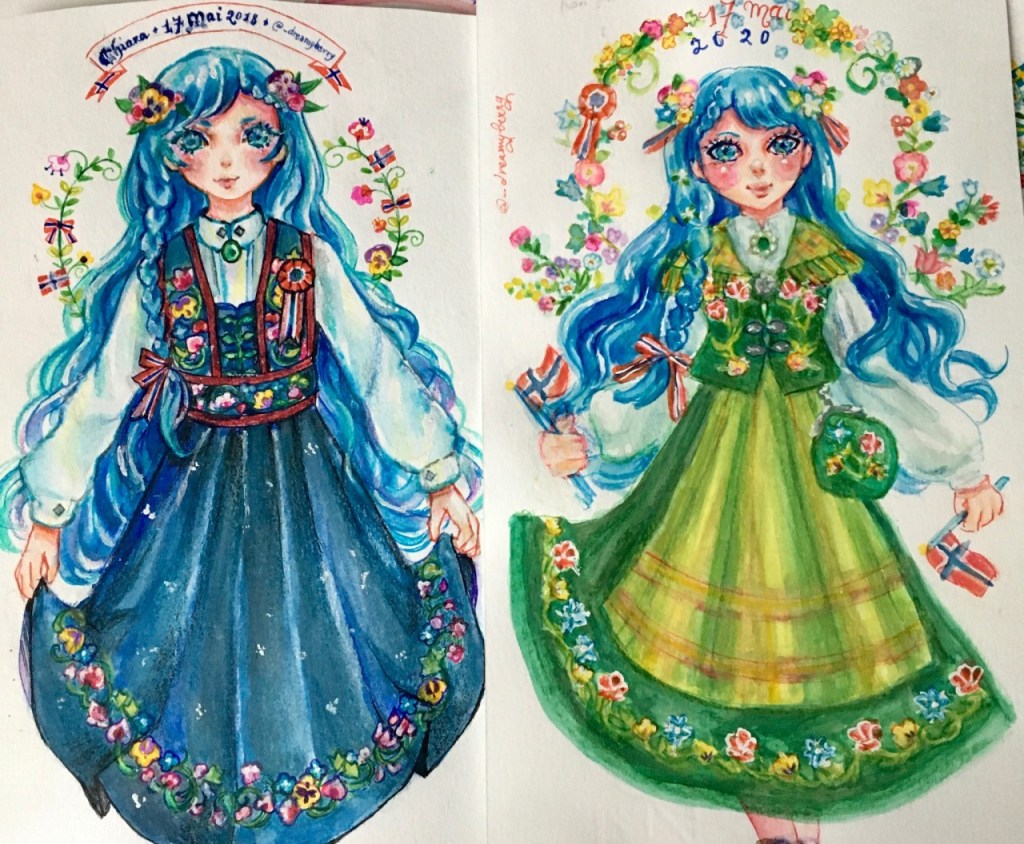
Left to right: my flower-themed original character with by Gudbrandsdal and Nordland bunads. Romerike (South-East Norway, near Oslo), Trøndelag (North Norway)

Accessories of the Bunad outfit

Part of the bunad outfit is Sølje, hand-made silver or gold jewellery, which is very important and gets bigger with older one gets. Silver was believed to have magical powers!

Headdresses, as bonnets, used to be important as they indicated an individual’s social or marital status, but big ones as the hardanger bonnet are now scarcely used.

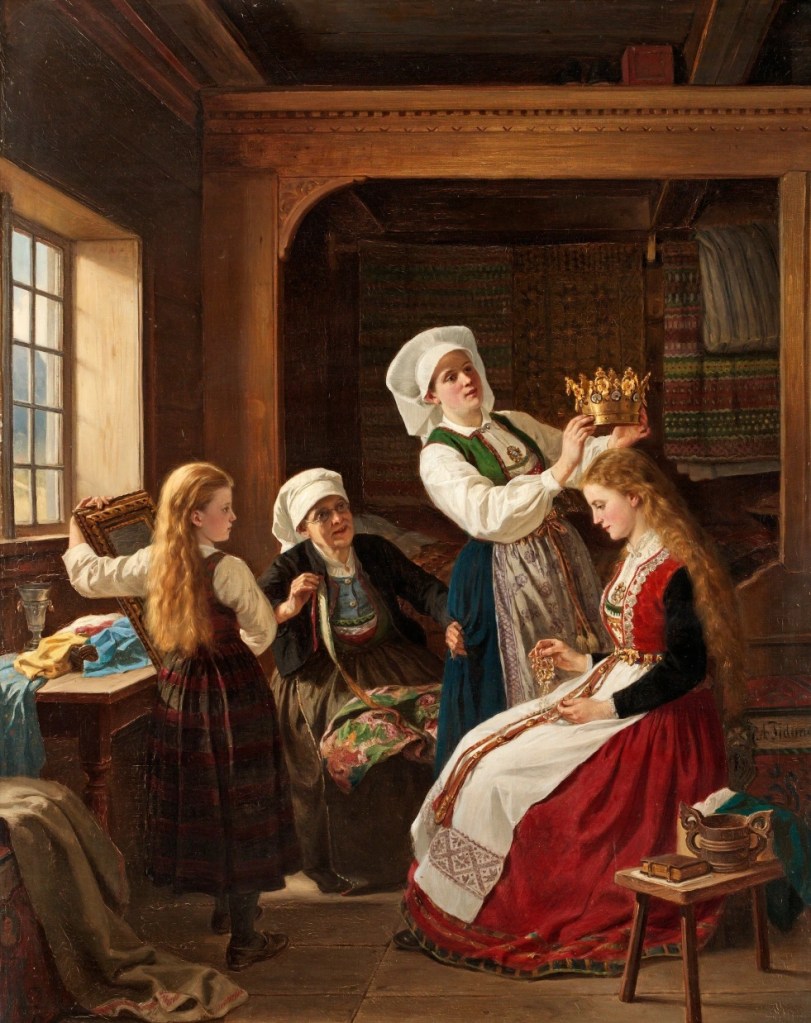
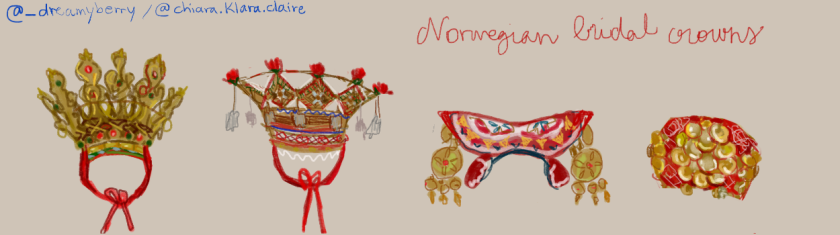
An elaborate with bridal crown can be used for a traditional Norwegian wedding, it was a sign of virginity in connection to the Holy Virgin. The bridal crown tradition goes as far back as the Middle Ages. Like bunads, there are many regional variations.

The silver crown, present in many regional variations, Hardanger perlekrune, Voss, Setesdal

Sources:

Store Norske Leksikon

Whigofwhimsy: crown variations

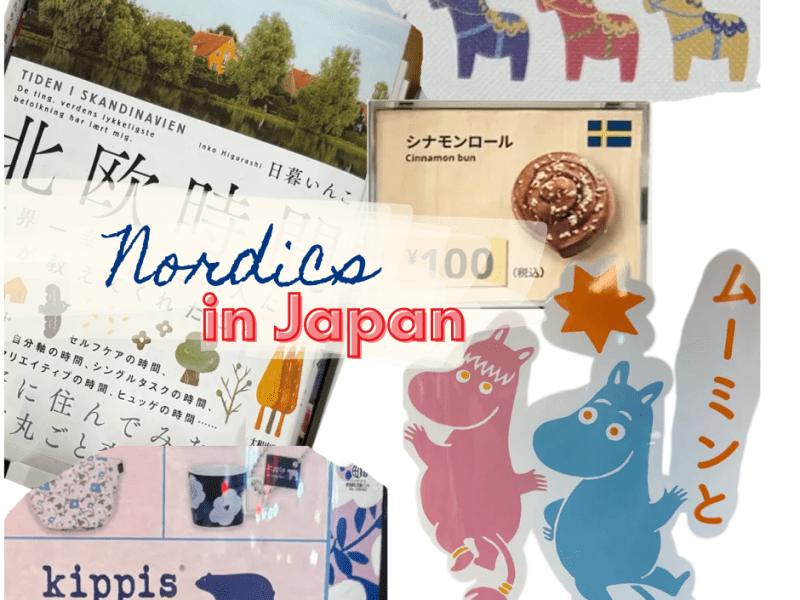
Nordic findings in japan

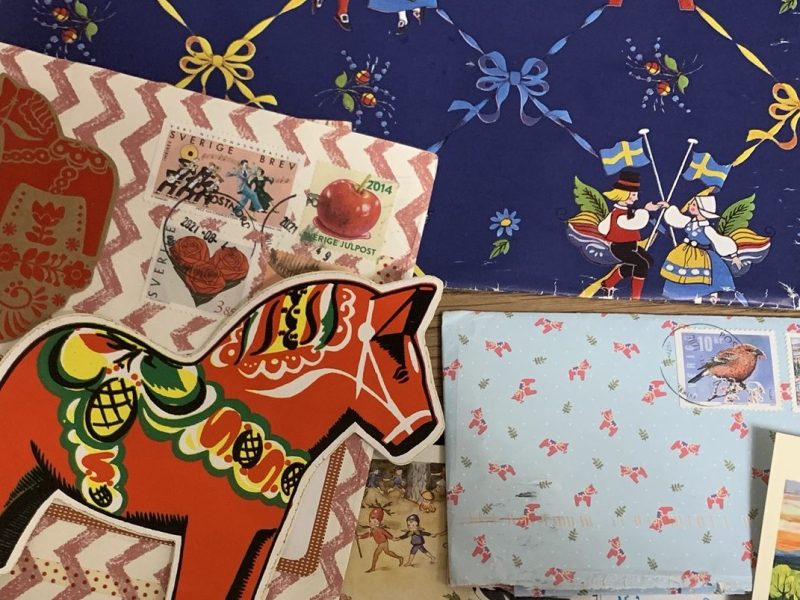
Nordic culture experienced in Japan: Moomins, Dala horse stationery, Nordic-inspired foods and books about Scandinavia seen by the Japanese.

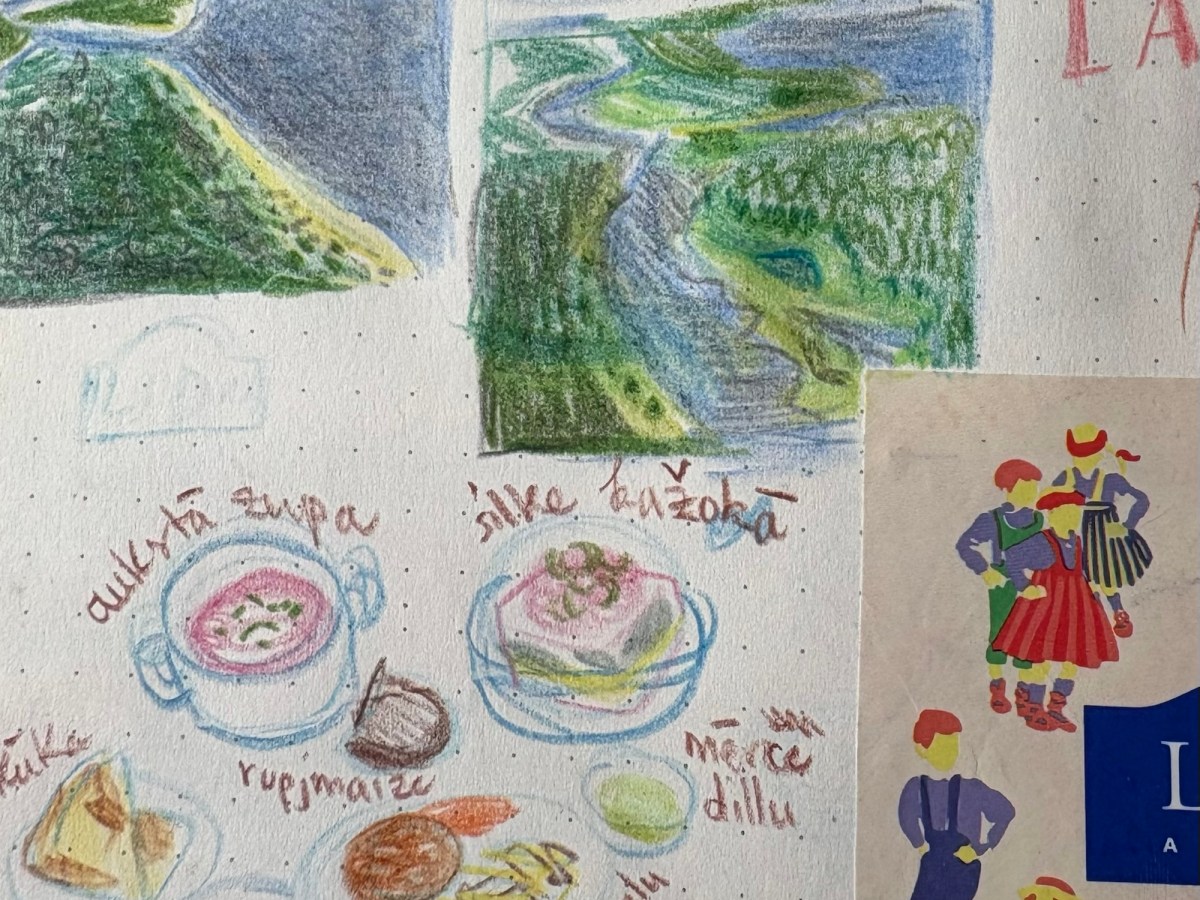
How Nordic are Baltic countries

Are Baltic countries Nordic at all? I explored Latvia and Estonia, noting their ties to Nordic culture, from languages to Rye bread and Midsummer.

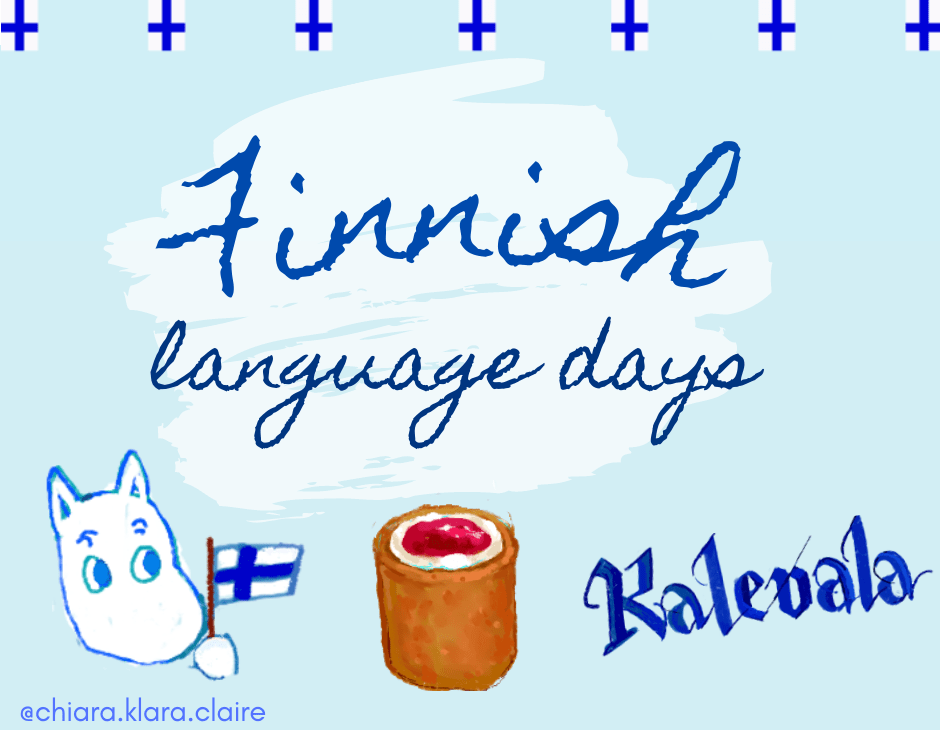
Days to celebrate Finnish culture

Days on which the Finnish language, suomenkieli, and culture is celebrated in Finland, on birthdays of Finnish poets and artists

Finland celebrates its language and culture during special days chosen for birthdays of Poets and artists. Most are flag days in the country, on which the Finnish flag Siniristilippu (“blue cross flag”) shall fly.

Runeberg day – 5 February

In Finnish Runebergin päivä, it is the birthday of the national poet Johan Ludvig Runeberg (1804–1877). The highlight of the celebration is eating Runeberg’s torte (Finnish: Runebergintorttu; Swedish: Runebergstårta).

Runeberg lived in Porvoo/Borgå and although he is considered the national poet of Finland, he only wrote in Swedish! His Vårt land (“Our Land”, Maamme in Finnish) became an unofficial Finnish national anthem.
Runeberg ate the torte now carrying his name everyday, baked by his wife Fredrika. it is an almond and rum flavoured pastry with raspberry jam, and a ring of icing on top. You can find it in shops from the beginning of January until 5 February. The exception to this is Runeberg’s hometown Porvoo, where you can enjoy the torte the whole year round!
Kalevala day – 28 February

In Finnish Kalevalan päivä, it also known as Finnish Culture Day because of the central role Kalevala has as the national epic of Finland and Karelia. Elias Lönnrot (1802 – 1884), a Finnish physician and philologist, compiled it in the 19th century by collecting traditional Finnic oral folklore in Finland, Karelia, the Kola Peninsula and the Baltic countries.

Kalevala means land of Kaleva, and its main character is Väinämöinen, a sort of godlike shaman with a magical voice, and it tells about the hero’s search for a wife.

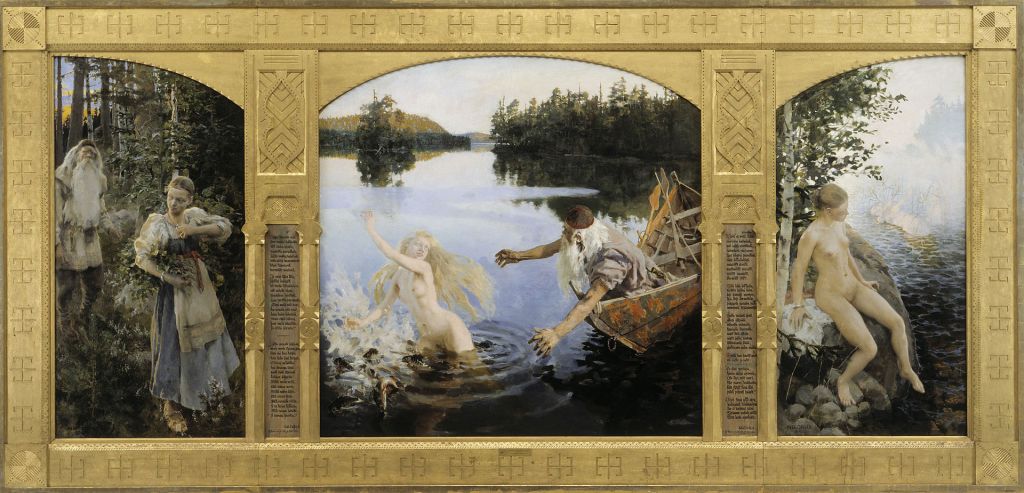
As a symbol of Finnish culture and history, Kalevala has inspired many Finnish artists, among others the classical composer Jean Sibelius and the painter Akseli Gallen-Kallela.

A. Gallen Kallela, Aino Myth, Triptych, 1891

Something as old and quintessentially Finnish can be described as kalevalainen “Kalevala-esque”!

Finnish Language day – 9 April

On 9 April Mikael Agricola, the “father of literary Finnish” died, and Elias Lönnrot was born. For this reason it is celebrated as Finnish language day, suomen kielen päivä.

While the previously mentioned Elias Lönnrot compiled the Kalevala, Mikael Agricola was a Bishop and scholar who created Finnish as a written language in the 1500s, with all its lovely double vowels.

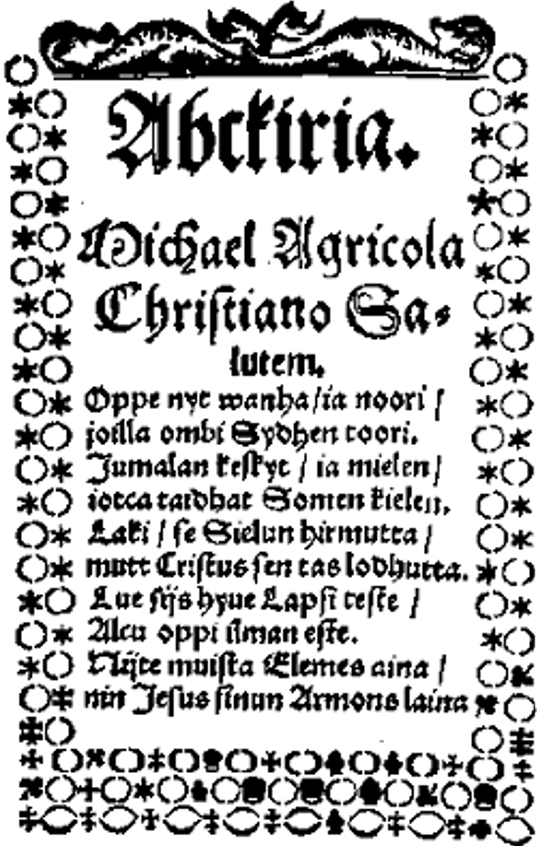
Agricola’s role for the Finnish language was similar to that of Luther for German. Both translated the bible into their people’s language. He did that with other Finns while living in Wittenberg, Luther’s town. Agricola also wrote the Abckiria (ABC Book), the first piece of literature in Finnish.

Other important days for Finnish culture

  • 3 February – Day of Finnish architecture and design, Arkkitehtuurin ja muotoilun päiviä. It is the birthday of Alvar Aalto
  • 12 may – Day of Finnish Identity, suomalaisuuden päivä, birthday of the statesman Johan Vilhelm Snellman
  • 9 August – Tove Jansson day, Since 2020 this day, Tove Jansson’s birthday, is a flag day in Finland, celebrating Finnish art. Tove Jansson was a painter and illustrator, most known as the creator of Moomintrolls. Her novels and other written work have been translated into more than 50 languages
  • 8 December – John Sibelius day, Birthday Jean Sibeliuksen päivä/ also day of Finnish music

Sweden’s sweet calendar: 6 food-themed days from cinnamon buns to waffles

cinnamon buns, waffles, semlor and more: there is a special day dedicated to each in Sweden

Swedes have a few days dedicated to eating a specific thing. Whether it started to honour a king or just as an excuse to bake, mark these days on your calendar!

Semlor: February/March – Fettisdagen

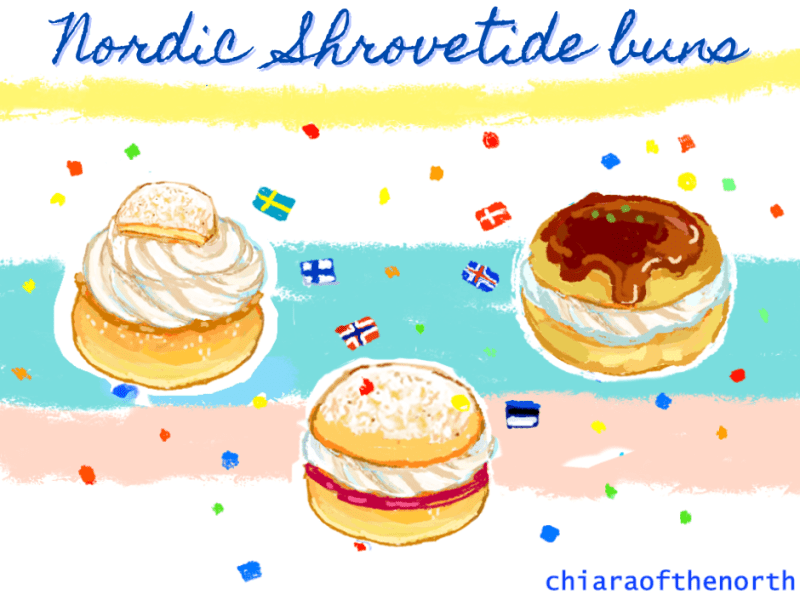
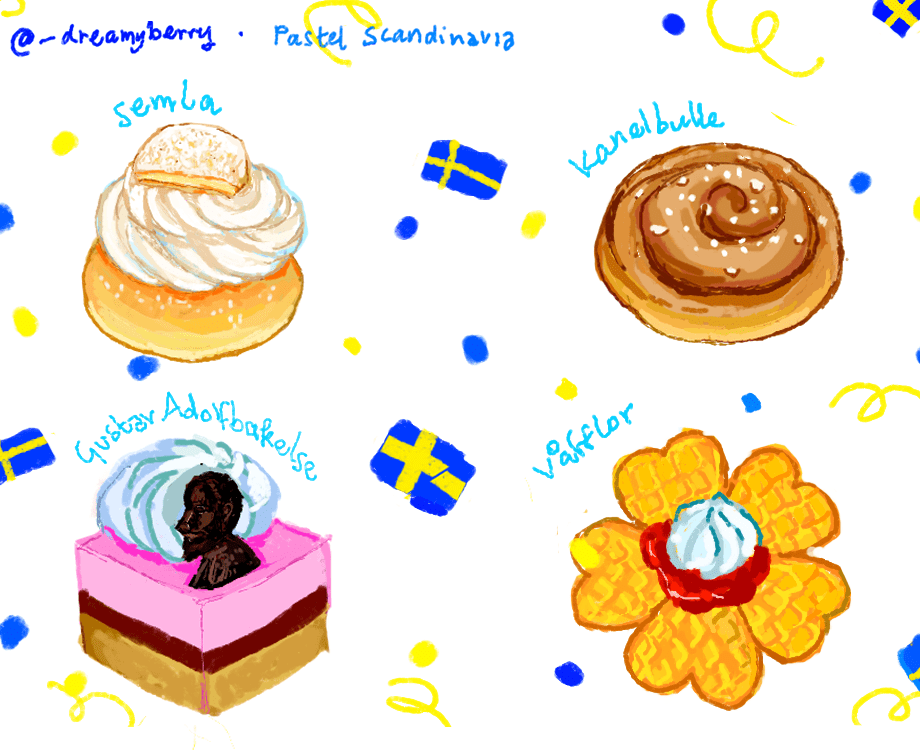
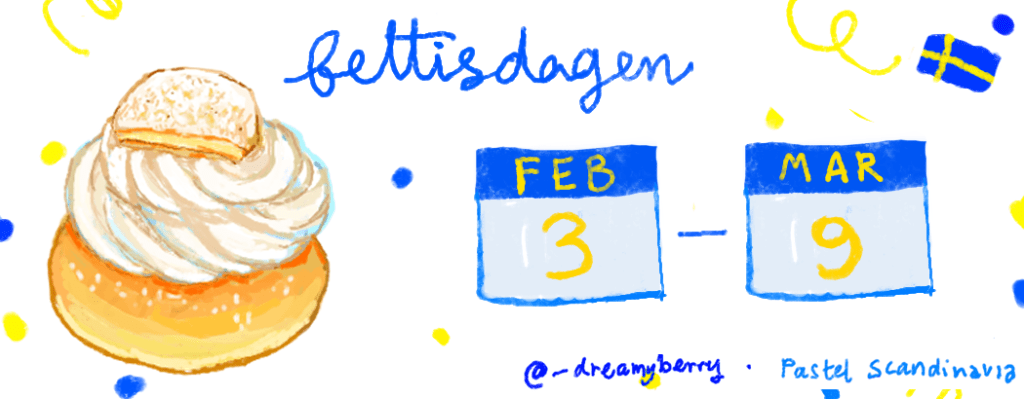
On Shrove/fat Tuesday (fettisdagen), between January and February, tons of of semlor are purchased in Sweden. A semla is a cardamom-spiced bun with almond paste and whipped cream – traditionally conceived as a rich treat to enjoy before Lent. Slightly different versions of semlor exist in the other Nordic countries too, and they are usually eaten on Shrove Monday or Sunday instead: Fastelavnboller in Denmark/Norway, Bollur in Iceland, laskiaispulla in Finland.

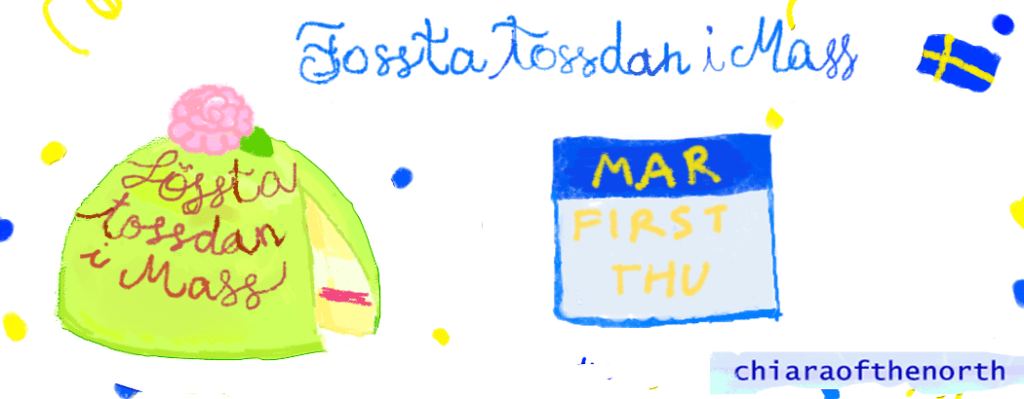
Prinsesstårta: first Thursday of March (Småland)- Fössta Tössdan i Mass

in Småland region accent, R’s are not really pronunced. first Thursday of March, Fössta Tössdan i Mass, is celebrated with the famous green massipantåta, marzipan cake, also known as Princess cake!

There was an attempt to make a Skåne version of this: people from Skåne have a tungrots-R, a Danish (or typical French, German) R, not rolling as most Swedes. So fjäRde fRedag i febRuaRi (4th Friday of February) was celebrated with a rollcake, RulltåRta, by Anna Gartz of Café Smulan in Brösarp.

Waffles: 25 March – Våffeldagen

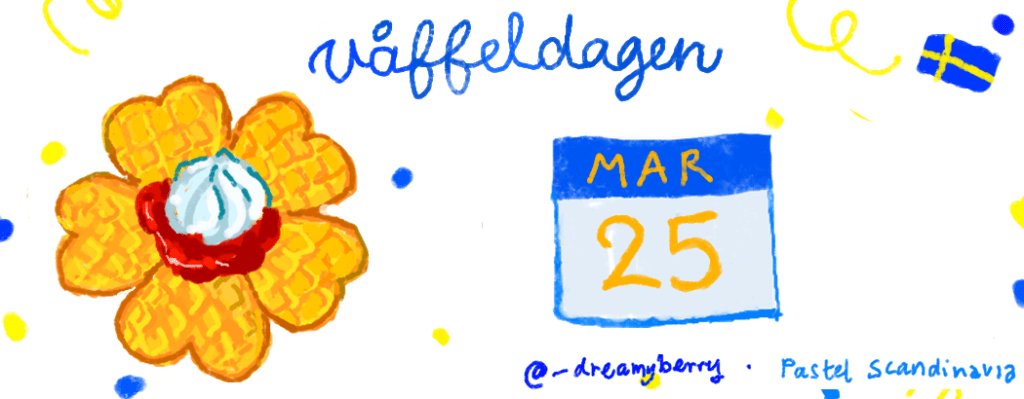
The christian feast of the Annunciation, in Swedish Vårfrudagen, lit. “Our Lady’s Day”, ended up becoming for most Swedes the similar-sounding våffeldagen (“waffle day”). This turned a religious day into a chance to eat heart-shaped waffles! It is also ”observed” In Norway and Denmark!

Apparently there is also a Polkagrisensdag (candy cane day) on 20th April, but it mostly promoted in Gränna, near the Vättern lake. There Amalia Eriksson invented the polkagrisstång in 1859, the red-white peppermint candy cane, and many local shops celebrate this day.

11 May is Chokladbollensdag (chocolate ball day – the famous Fika treat) according to VisitSweden.

Cinnamon buns: 4 October – Kanelbullensdagen

Cinnamon bun day has been celebrated since 1999, and it was actually invented for commercial reasons: the person who made it up, Kaeth Gardestedt, was at the time working for an association of baking products producers. After almost 25 years people still bake cinnamon buns on 4th October!

Gustav Adolf pastry: 6 November – Gustav Adolfsdagen

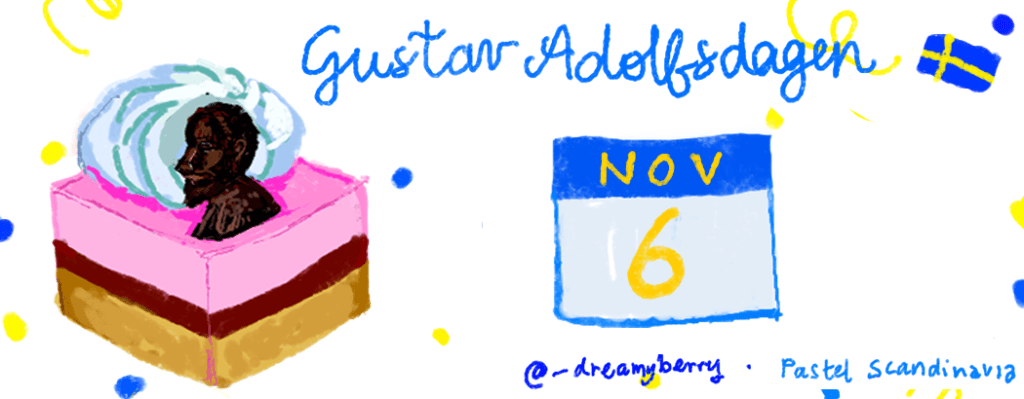
6th November is the date of the Swedish king Gustav II Adolf’s death in 1632. The king was very generous with universities as the one of Gothenburg, where a pastry was invented in his remembrance: Gustav Adolfsbakelse. It has been popular since the late 1800s. You can see it in a lot of variations, but what makes it a Gustav Adolf pastry is the chocolate bust of the king on top!

Gingerbread biscuits: 9 December – Pepparkakansdag

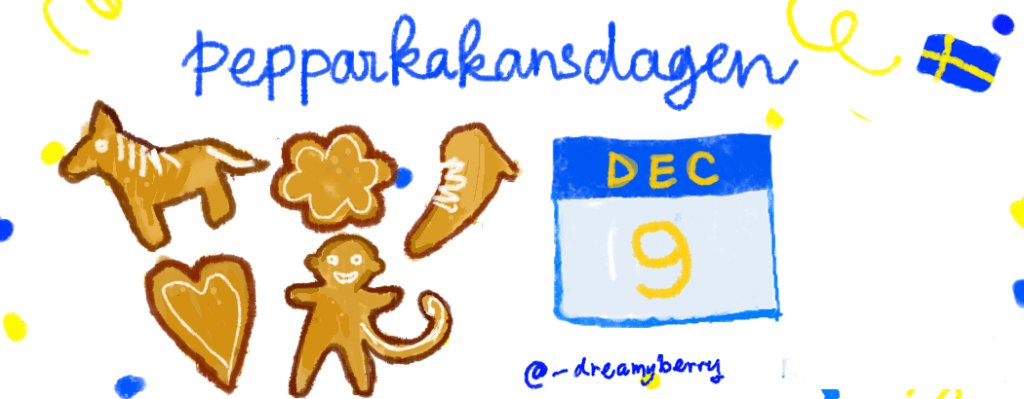
Gingerbread cookies, known as pepparkakor in Sweden, probably originated in Nuremberg, Germany, in the middle ages. Mentioned in Swedish in 1444 for the first time, the word pepper was used to mean spices in it, as pepper was the most common spice at the time. Baking them became a typical Christmas thing in Sweden and other countries, remember the episode of Pippi were she cuts them in the shape of her horse and monkey? Pepparkakansdag was, similarly to Kannelbullensdag, invented in 1996 by gingerbread maker Annas Pepparkakor.

Does your country have any days like these?

More articles:

How I learn all Germanic languages: tips and insights

What I’ve learned through my language learning journey trying to master many Germanic languages, from German to Faroese through Dutch and Swedish among others.

This article is derived from my Instagram post on my language learning instaram @chiaraspeaksnordic inspired by @haluska.langs with her slavic version. I had also made a post about learning multiple similar languages in the past!

I speak to different degrees most of the main Germanic languages, including being familiar with a few lesser known ones as West-Frisian and Faroese.

I gradually added more and more of them through the years, starting from English and German at school, then self studying more since I was about to finish high school.

As English was heavily influenced by French and uses many words with latin roots it sometimes feels weird to include it in the Germanic languages family, but it does have plenty of traits in common with for example Scandinavian grammar: just think of är in Swedish = are, and the fact that verbs have att gå in the infinitive form as English to go. On the other hand, German might be very useful for vocabulary.

Method

Don’t learn more than 2 similar languages at once, if very similar and from scratch keep that at one. You might be dying for the other for a while, but the path will be downhill and you’ll be less confused.

I learned Norwegian and Danish more or less simultaneously but it wad 95% just exposure, as I already spoke Swedish. That means I knew well what I was dealing with and most importantly I didn’t have to learn a grammar system from zero, but mostly only how to adapt it to Danish and Norwegian, same for how spelling behaves in both. The proficiency you acquire then depends on how much time you spend on each. My Danish is better and I don’t have to check words as much as in Norwegian because I happened to use Danish more because of friends and such, but I used to write letters in Danish/Norwegian and basically check every other word on google, while the grammar structure was as good as done with some exposure on top of speaking Swedish.

Getting a little exposure is always fine, you will just get to know the other languages a bit more, preparing yourself for a more serious approach when you are ready. With some effort you’ll then split from the “rely on X language” phase and speak it independently.

Dutch and German are maybe almost as similar as Scandinavian languages to each other, but not as much, and if you learned Dutch first you’ll have to deal with cases and an additional gender, not quite the same as just adapting it and only learning from immersion.

Nevertheless, give love to all your target languages through frequent immersion, scheduling study sessions for those which require help.

Advantages of learning multiple Germanic languages

Easy to learn vocabulary

Knowing languages related to each other can cause interferences but can also come very handy at times! Besides all words sharing a common root, You will understand and easily remember cognates and words which are everyday vocabulary in one language and seldom used ones in another one.

  • In Danish jeg spiser is “I eat”, you might easily remember this word as Speisekarte means “menu” in German. In the closely related Swedish you say “jag äter”, which however resembles eat, eten etc.
  • Despite my Swedish being more advanced, Danish and Norwegian helped me with understanding right away obsolete words in Swedish while reading an old book: Danish pige and Norwegian jente are the word for “girl”, while piga/jänta are “maid” in Swedish, not a word you’d learn in an everyday context.

Easy to learn Irregular verbs

All Germanic languages have irregular verbs, which mean learning lists of paradigms present-past perfect-past participle. Once you have learned them for one, it’s all downhill to learn the others, as not only you already know how the verb system works but many are very similar across different languages (and the set of verbs being irregular is more or less the same), or follow similar patterns:

  • ate=aß/at/åt; saw=sah/zag/så(g)/sá
  • drink-drank-drunk: drinken-dronk-gedronken/ trinken-trank-getrunken/ dricka-drack-druckit

Easier to guess the gender

Germanic languages, except for English, have different genders, whether masculine, feminine, neuter as German, Icelandic, and partially Norwegian, or general + neutral as Swedish, Danish and Dutch*. Being from the same family in many cases genders are usually the same for words with the same root:

  • House is neutral: das Haus/het huis/ett hus/husið;
  • Earth is feminine, sky is masculine: die Erde, der Himmel (German) /jörðin, himinn (Icelandic) /jorda, himmelen (Norwegian)

The closer the language the safest the bet: Dutch and German are more likely to have words with the same gender than them and North Germanic languages: book is neutral in West Germanic languages but feminine/general in North Germanic – het boek, das Buch (n) / boka, bókin (f).

A little fact: in Germanic languages “moon” is masculine and “sun” is feminine, while in romance languages it is the opposite! I can see why if you look at the weather and daytime in North vs South Europe 🙂

*Neutral exists in all but English, while In Dutch, Swedish and Danish masculine & feminine merged. However, they are sometimes still visible, for example in pronouns for objects: hij/zij as he/she in Dutch (knowing German can give you great advantage compared to natives!); to tell the time in Swedish you say “hon är..” (she is..) because klocka (clock) was feminine! Norwegian does have feminine, even though in some Norwegian dialects feminine (book: ei bok, boka) and masculine are not distinct and general en is used (having en bok, boken which would be masculine).

Disadvantages of learning multiple Germanic languages – Mixing them up

When learning multiple related languages, it is easy to end up mixing them up in one way or another. The more fluent you are in one, the less it is likely that you let yourself get influenced by another, this is way reaching a good level in onee language before learning another one in the same family is important. Moreover, you will be very familiar with much of its grammar and vocabulary, and you might rely way too much on your first language of that family. Using Spanish words when speaking Italian might not be the best, but you’ll be much better off than only knowing more distant related languages locals hardly speak.

There are a lot of false friends and words which would “fit” in the other language used without even realizing it. Some examples are short words existing in multiple languages but with different usage/meaning:

  • en means “and” in Dutch, “a(n)” in Scandinavian languages, and “but” in Icelandic!
  • om means “about” something in Scandinavian languages, while it’s usually “(in order) to” in Dutch
  • A false friend example is Icelandic að kenna meaning teach; while kennen/känna/kjenne/kende all mean “know (usually someone)”!
  • a funny fact about interferences is that I once used mensen talking in Swedish, “people” in Dutch, but “the menstruation” in Swedish!

Verb order is very vulnerable to interferences when learning multiple Germanic languages, at least at first: with subordinate clauses in German you have “..that I something done have“, in Dutch “..that I something have done“, in North Germanic languages ” ..that I have done something” as it is in English.

At first I would instantly use the German verb order with Swedish (for no apparent reason since the order in Swedish is supposed to be the most natural for me..), that doesn’t happen anymore, however, I still mess up it with Dutch and German since they only have the very last part switched! I hate it, but that’s what you pay for speaking both I guess…

To avoid interferences one of the most useful things is getting corrected or being aware of them, detecting the mistake is the first step to stop making it.

MY JOURNEY

To conclude, it took several years to (kind of) master all these languages, and this is how I have done it, in order:

  • I started English in primary school, and was always quite excited about learning it, wishing to have more hours for it every year.
  • My second Germanic language arrived much later, I choose German over Spanish in high school, but it had been fascinating me for many years, trying to learn random words of it here and there, I did learn the first word on cornflake boxes: Zutaten (“ingredients”).
  • During my last year of high school, after 5 years of English, French and German, I started self-learning Swedish and Dutch simultaneosly, using exclusively Duolingo for months. I theorically dowloaded duolingo for Swedish, but I loved Dutch too so i immediately started the course and used duolingo basically every day for a good year. I had a strong knowledge of German to begin with, it heavily helped me and made a lot of grammar and vocabulary instantly clear/recognizable, but also meant having interferences (see below), for example it ruled the verb order making me place verbs where it made no sense in Swedish nor English nor my mother tongue…
    • Two years later I wanted to learn some Danish and Norwegian: exposure, writing “adjusting” my Swedish with the help of online translators, but the effort to learn grammar and vocabulary was 70% done. learning Danish and Norwegian together without knowing Swedish would have been bad, you wouldn’t know when you are learning one or the other, but with a good Swedish knowledge and some exposure for both it’s manageable. Needless to say, focusing on one will make you better at it than splitting time/energies for both.
  • During the first corona lockdown in spring 2020, I started learning Icelandic with textbooks and online resources. I had actually read about pronunciation in a mountain hut in summer 2018, but didn’t understand much or took the time to process it at haha.
  • In the last few years I’ve been also getting some exposure to Faroese and West Frisian (which i can understand to a given extent thanks to other languages as Dutch and Icelandic) and casually learning them.